Tag: China

  • Retail sector jobless rate rises to 5.4pc

    Retail sector jobless rate rises to 5.4pc

    Retail sector jobless rate rises to 5.4pc

    The Secretary for Labour and Welfare, Matthew Cheung Kin-chung, said today that on a year-on-year comparison, Hong Kong’s unemployment rate was 0.3 percentage point higher, with employment dipping for the 16th consecutive period.

    He was responding to the June to August period when both the seasonally adjusted unemployment rate and the underemployment rate was unchanged at 3.4 percent and 1.4 percent.

    Cheung said the retail sector was particularly hard hit by the fall in tourist spending and lackluster local consumption, with its unemployment rate up by 0.9 percentage point over a year earlier to 5.4 percent.

  • ZTE launches Smart DVB-T2 Hybrid STB

    ZTE launches Smart DVB-T2 Hybrid STB

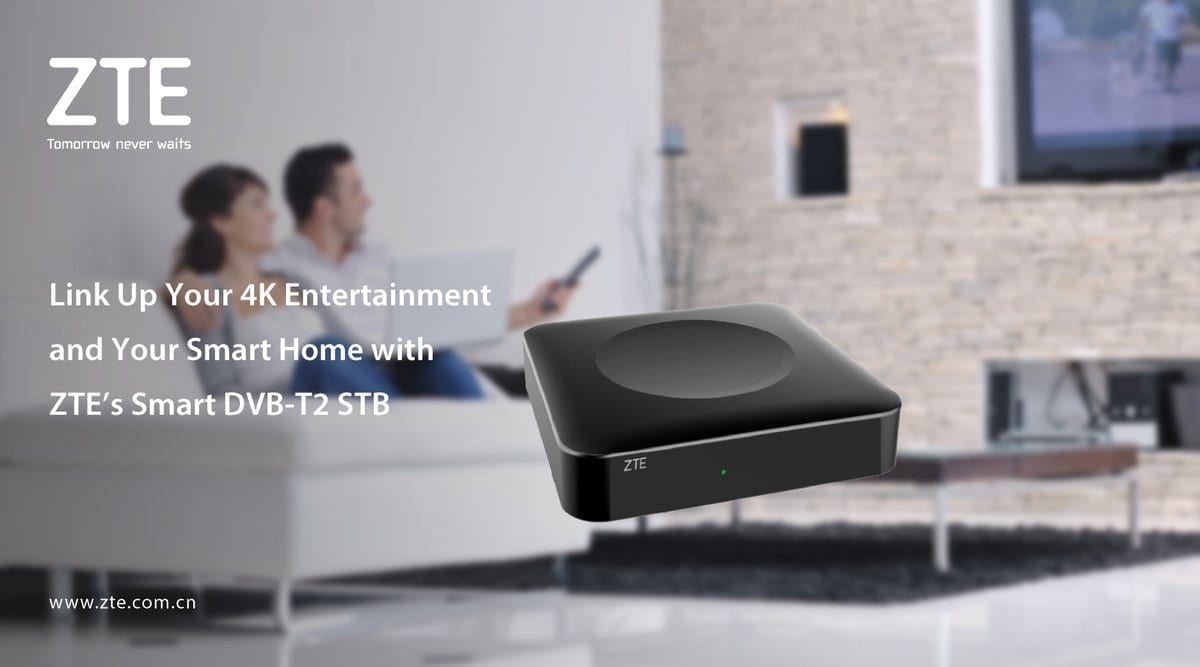
    ZTE has unveiled its ZXV10 B820T2-A14 set top box (STB) to deliver an enhanced viewing experience to homes around the world.

    Integrating 4K ultra high definition (UHD) and over the top (OTT) services, the set top box has received favorable praise and recognition from the industry to date.

    The B820T2-A14 is an advanced STB, which integrates an industry-leading super 4-core central processing unit (CPU) and 5-core graphics processing unit (GPU) to realize UHD 4K (3840×2160@30 frames per second 10-Bit color) and provide users with an excellent overall video experience.

    The STB uses Google’s Android TV system and JVM in order to achieve compatibility and interoperability with other Android applications, which also integrate with ZTE’s Smart Home, such as multi-screen, HD video calls, family album, home IoT network and voice assistant.

    ZTE’s B820T2-A14 STB adopts Amlogic system on a chip (SoC) with a 64 bit CPU architecture, 16GB EMMC Flash, 2GB DDR3, which guarantees that the system and applications run smoothly, provides 802.11AC 2*2 Wi-Fi wireless and RJ-45,10/100M wire access and supports Bluetooth 4.1, which enables Bluetooth remote and D-PAD connection.

    ZTE said that if traditional digital video broadcast (DVB) service providers (SPs) want keep pace with the growth of 4K and OTT services, 4K DVB-T2 hybrid STBs are a strong choice for them, as they can significantly reduce the cost of the operator’s deployment.

  • Keppel Land China, Alpha divest stakes in Sparkle Bright for $516.9m

    Keppel Land China, Alpha divest stakes in Sparkle Bright for $516.9m

    Keppel Land China and Alpha signed an agreement with Star Champ Development Ltd, a wholly-owned subsidiary of the Chongbang Group (Chongbang), for the transaction.

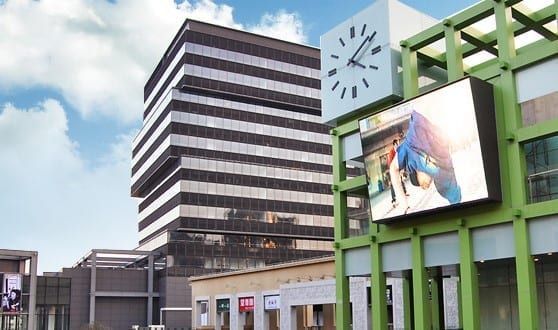
    Sparkle Bright owns retail mall Life Hub @Jinqiao (Life Hub), a mixed-use development in Shanghai, China. Chongbang owns the other 20 per cent stake in the development.

    Keppel Land China holds a 42.5 per cent interest, while Alpha Asia Macro Trends Fund II and a co-investor hold the remaining 57.5 per cent in the 80 per cent stake in Sparkle Bright.

    Keppel Land China and Alpha are wholly-owned subsidiaries of Keppel Land Limited and Keppel Capital Holdings, respectively.

    Life Hub features about 114,730 sm gross floor area of retail shops spread over 10 low-rise retail buildings as well as a 10-storey office tower with a retail podium. It has been one of the popular attractions in Shanghai’s Pudong District since 2009.

    The retail mall is currently 97 per cent leased while the office tower is fully occupied.

    The divestment is expected to be completed by the end of September 2016. The Group expects to recognise a gain of approximately S$73 million from the divestment.

    Keppel Land CEO Ang Wee Gee said the divestment is in line with Keppel Land’s strategy to continually recycle assets to seek higher returns.

    “Keppel Land China’s collaboration with Alpha reflects how different business units are working closely together to harness the collective strengths of the Keppel Group,” Gee said.

    Since the acquisition of the property in 2013, Keppel Land China and Alpha have been working with the mall operator to continuously enhance the tenant mix and shopping experience.

    Christina Tan, CEO of Keppel Capital and managing director of Alpha, disclosed they have been able to realise an internal rate of return of over 20 per cent on the sale of the development.

  • Yum China board lineup revealed

    Yum China board lineup revealed

    Yum China has revealed the likely composition of its board post-spin-off from its US parent, Yum! Brands.

    The new company to be formed after the sell-off to Primavera Capital Group and a subsidiary of Alibaba Group, will be called Yum China Holdings and is expected to be formally formed on October 31.

    The nine new directors announced, seven of whom are independent, will join the board chaired by Dr Fred Hu, chairman and founder of Primavera Capital Group.

    The other members are:

    • Micky Pant, CEO of Yum China.
    • Peter A Bassi, former chairman and president of Yum! Restaurants International and current lead director for BJ’s Restaurant and Potbelly Sandwich Works.
    • Christian L Campbell, owner of Christian L Campbell Consulting LLC and former senior VP, general counsel, secretary and chief franchise policy officer of Yum! Brands.
    • Ed Chan Yiu-Cheong, vice chairman of Charoen Pokphand Group.
    • Edouard Ettedgui, non-executive chairman of Alliance Francaise, Hong Kong and non-executive director of Mandarin Oriental International.
    • Louis T Hsieh, director and senior advisor to the CEO, and former CFO and president of New Oriental Education & Technology Group.
    • Jonathan S Linen, director for Yum! Brands and Modern Bank, former adviser to the chairman of American Express, and former vice chairman of American Express.
    • Zili Shao, co-chairman of King & Wood Mallesons, China.

    Yum China also expects to name one additional independent board member in connection with the spin-off.

    Yum! Brands CEO Greg Creed said the company was pleased to have announced the composition of the Yum China board, as it nears the completion of the separation.

    “We are confident that these business leaders will offer the market insights and strategic vision required to enable Yum China to reach its full potential.”

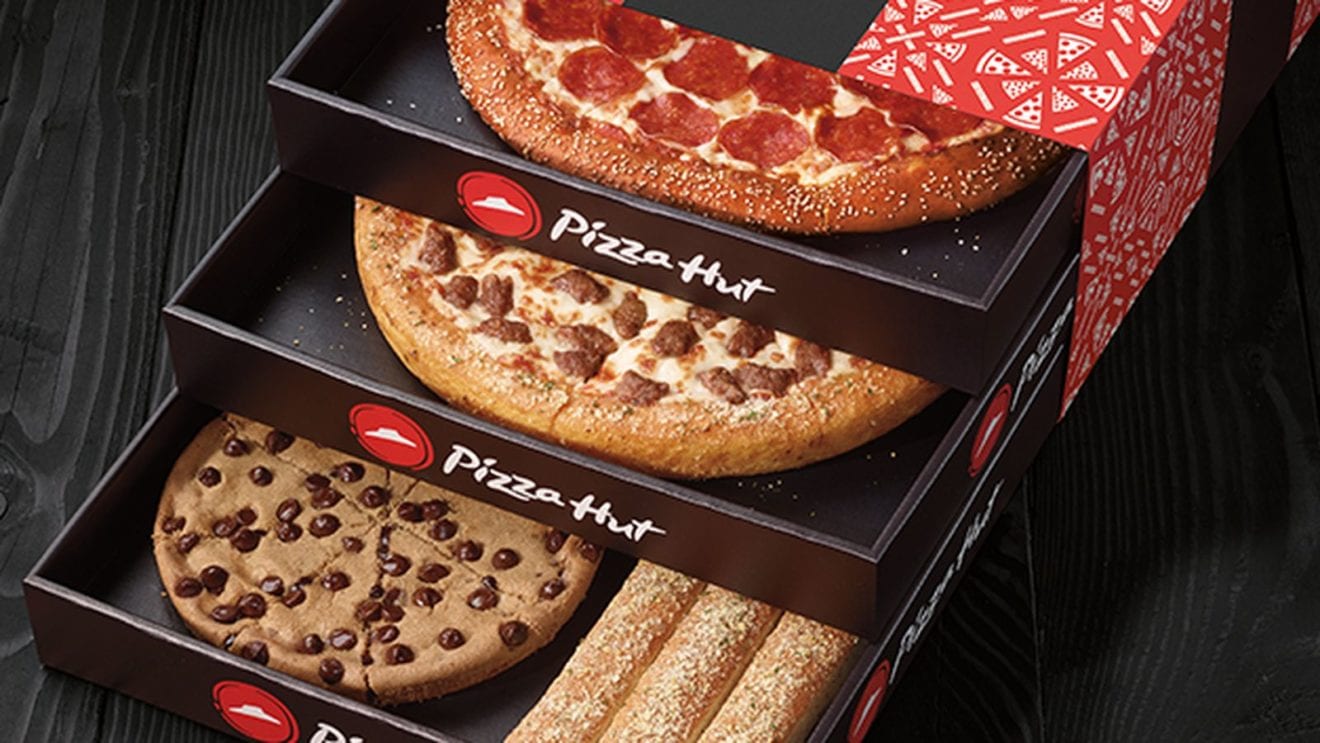
    Yum China will become the licensee of Yum! Brands in Mainland China. It will have exclusive rights to KFC, Pizza Hut and Taco Bell, the latter of which is expanding globally but is not yet in China. It will also own the Little Sheep and East Dawning concepts outright.

    Yum China has more than 7200 restaurants in over 1100 cities in China and generated over US$8 billion in system sales in 2015.

  • Baidu, NVIDIA enter self-driving car alliance

    Baidu, NVIDIA enter self-driving car alliance

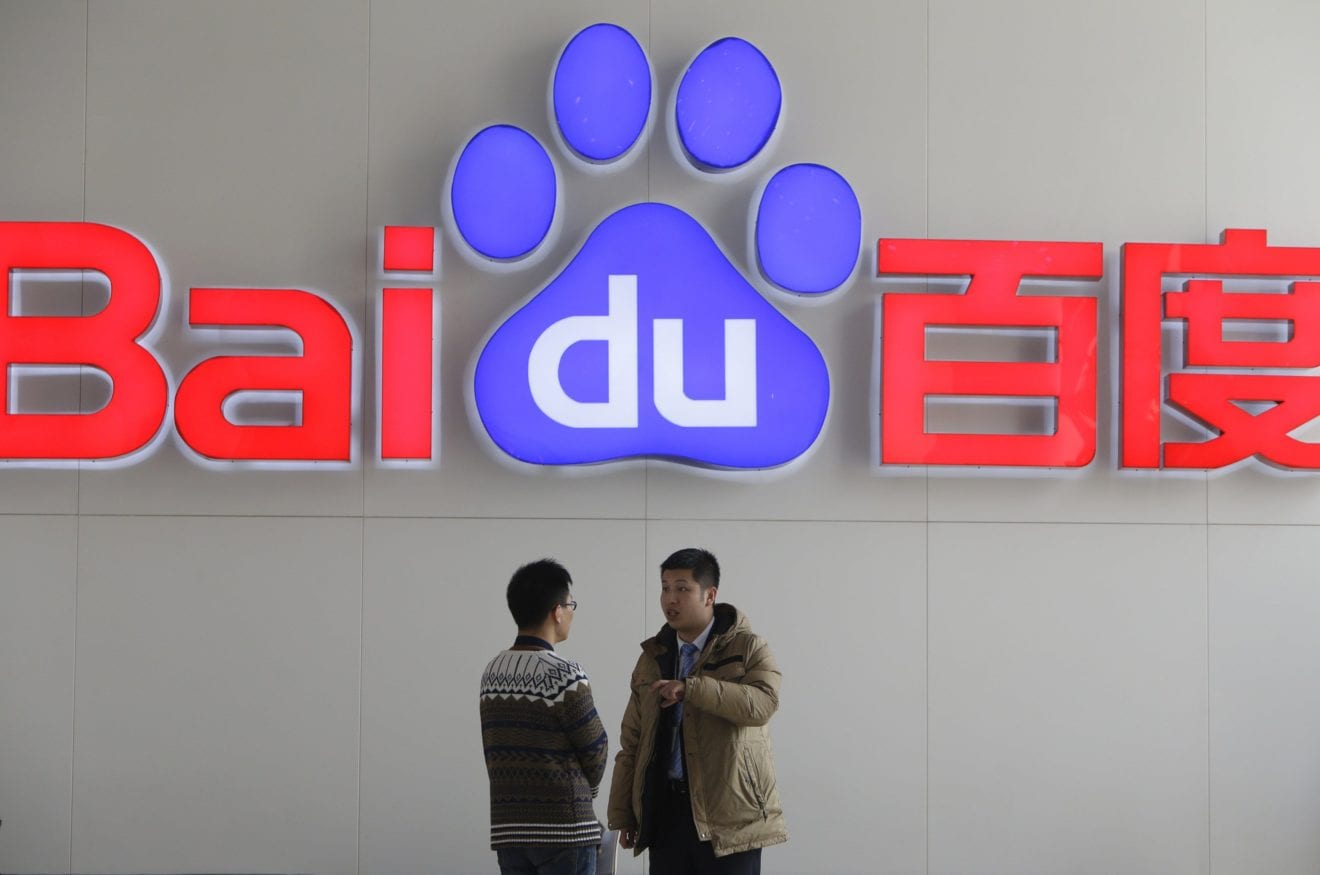
    Chinese internet giant Baidu and GPU maker NVIDIA have teamed up to use artificial intelligence in the creation of a cloud-to-car autonomous car platform for local Chinese and global car makers.

    The partnership combines Baidu’s cloud platform and mapping technology with NVIDIA’s self-driving computing platform to develop solutions for HD maps, Level 3 autonomous vehicle control and automated parking.

    “We’re going to bring together the technical capabilities and the expertise in AI and the scale of two world-class AI companies to build the self-driving car architecture from end-to-end, from top-to-bottom, from the cloud to the car,” NVIDIA CEO Jen-Hsun Huang said.

    NVIDIA and Baidu have a long history of working together on AI. Using GPUs, Baidu researchers such as Andrew Ng have achieved some of the key breakthroughs that have made the modern AI boom possible, spawning hundreds of startups over the past few years.

    Amidst the growing excitement over the future of AI, Baidu and NVIDIA continue to share a common goal of using AI for the good of society.

    “We can start applying these capabilities to solve the grand challenges of AI, one of which is intelligent machines. One of the intelligent machines we would like to build in the future is the self-driving car,” said Huang.

    He said that meant making driving safer, significantly reducing the number of traffic fatalities, while making transportation accessible to all — including the disabled, elderly and children.

    Developing a fully autonomous car is an end-to-end systems problem — from the in-car supercomputer, to AI algorithms, to an always-updated 3D map in the cloud, said Huang.

    The solution is expected to be available to local Chinese automakers as well as global brands.

  • Ikea Asia banks on China and India

    Ikea Asia banks on China and India

    Ikea Asia is banking on a rapid store rollout in India and ongoing China expansion to sustain its global growth.

    The Swedish homewares and furniture specialist will open its first store in India next year and plans to have 25 stores trading there by 2025.

    And in China, where it has 21 stores currently, it will speed up its rollout from the current three to four or five every year.

    In an interview with Bloomberg, Ikea CEO Peter Agnefjaell, the two markets are core pillars of  a plan to boost total group sales by up to 50 per cent by 2020, to 50 billion euros (US$56 billion). In the year to August the company’s sales were 34.2 billion euros.

    “India is one of the biggest growth markets we see going forward,” Agnefjaell told Bloomberg. “But it of course hinges on a continued good economic development.”

    The first Ikea India store is under construction in Hyderabad. The company has already invested in a site in Mumbai and plans stores for Bangalore and Delhi.

    Ikea’s global same-store sales rose 4.8 per cent in the last financial year. Total sales rose 7.9 per cent, excluding exchange rate impact.

  • Chinese cross-border eCommerce has peaked

    Chinese cross-border eCommerce has peaked

    Chinese cross-border eCommerce has reached a turning point, says new research from Oliver Wyman.

    Spending online offshore by Mainland Chinese reached RMB 120 billion (US$17.963 billion) in 2015 according to iResearch, and is expected to grow more than 60 per cent, reaching 7 per cent of total Chinese eCommerce value by 2018.

    However, Oliver Wyman warns increasing regulation may mean the industry has now reached an inflection point.

    “Chinese consumers are probably the most informed and digitalised in the world,” said Wai-Chan Chan, Oliver Wyman partner and author of the report. “As Chinese consumers travel abroad, they are increasingly aware of offline prices around the world.

    Exhibit 1

    Cross-border eCommerce provides Chinese consumers with access to the best products at the best prices without leaving home. At the same time, companies entering or currently in the market need to consider their positions.”

    The report, titled Shopping Without Boundaries found that one in five online Chinese shoppers made a purchase on cross-border eCommerce platforms in 2015, double the proportion in 2014. This represents more than 3 per cent of total eCommerce transactions in China including both B2C and C2C.

    Today’s cross-border eCommerce businesses expanded out of the Daigou model which involved small businesses abroad who brought or sent products back to China. In 2013, the Chinese government established experimental zones of cross-border eCommerce for better regulation. Shanghai was the first to be selected, followed by 11 further cities by June 2016.

    International brand owners and retailers are taking advantage of the new channels through different models. The most common are platform providers such as Tmall International and self-operated plays such as Jumei. JD Worldwide operates across both models. Vertical specialists have also emerged, including the rapidly-growing Xiao Hong Shu (Little Red Book) that has established itself as a challenger.

    Exhibit 2

    After a strong boom, the report finds that cross-border eCommerce has arrived at a tipping point.

    “The future now seems unclear to many players due to a series of government regulations,” concluded the report. “Covering a wide range of topics such as tax, product safety, manufacturing standards and logistics, these regulations have not been fully defined and leave room for speculation.”

    “While cross-border eCommerce still presents great opportunities, companies may want to have a Plan B in case the market dynamics change completely due to the new regulations,” added Chan.

    The full report details how both incumbents and new brands should review and adapt their strategic approach to China’s cross-border eCommerce market. For example, incumbents need to define what role cross border eCommerce should play in their overall Chinese business while ensuring global price harmonisation.  New entrants, need to select a product that appeals to online shoppers in China.

  • China’s retailer files bid for McDonald’s China operations

    China’s retailer files bid for McDonald’s China operations

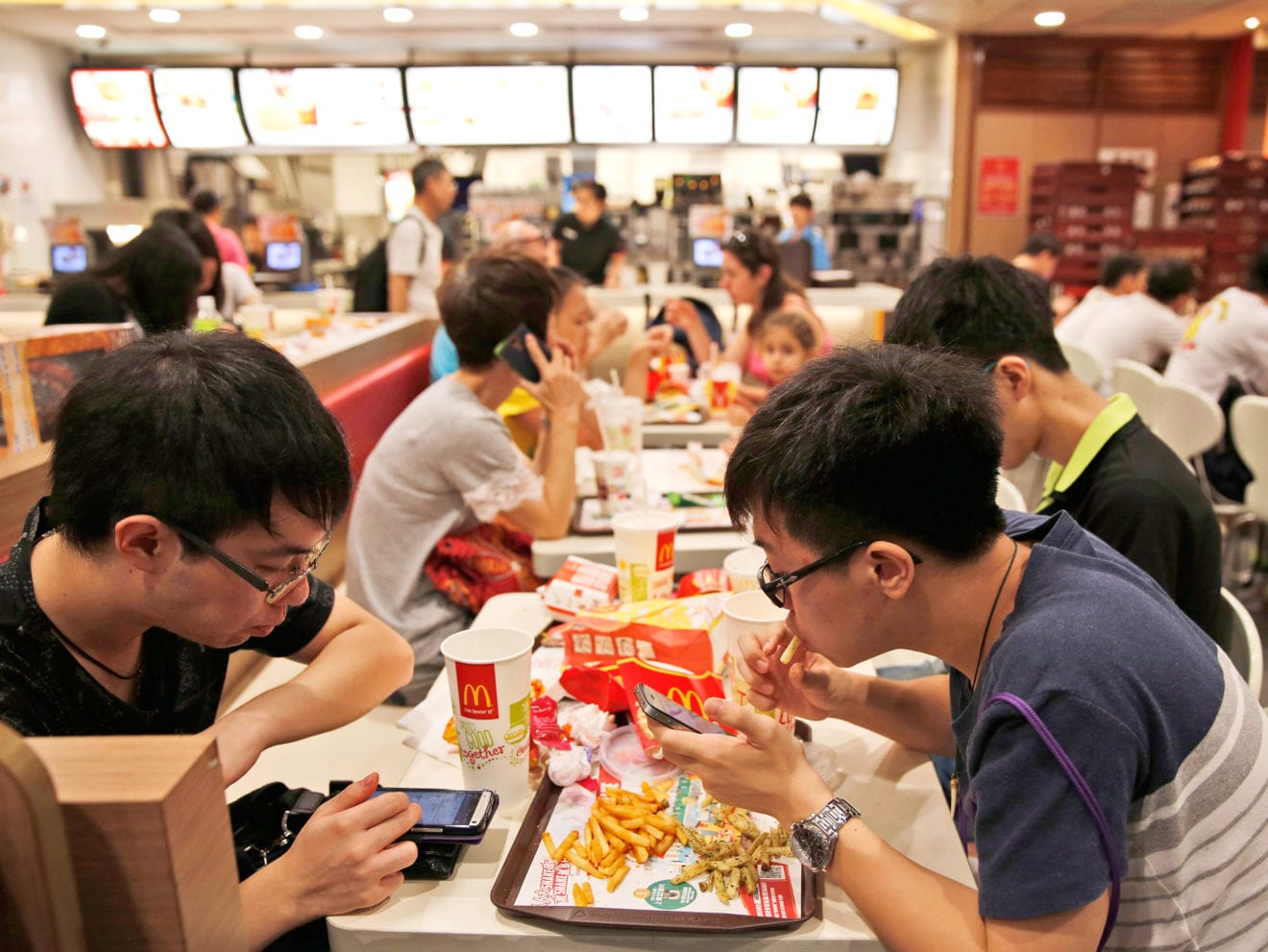
    Beijing-based retail giant WuMart has filed a bid to take over McDonald’s operations in both the mainland and Hong Kong, according to a report from Caixin.com.

    Someone familiar with the case revealed that Wumart’s bid is being backed by TPG capital, one of the largest private equity investment firms globally.

    WuMart is said to be one of a number of Chinese-based companies looking to take over the McDonald’s operations.

    A source says other participants who vie for the bid include a consortium joined by investment corporation CITIC Group and Carlyle Group and Beijing Capital Agribusiness Group.

    The case is among a series of similar bids coming after McDonald’s announced earlier this year the sale of their franchise rights for its operations on the Chinese mainland, Hong Kong and South Korea.

    Up till now the participants have declined to comment on the case, according to Caixin.

  • Lazada to join Tmall.com for 2017 Asean expansion

    Lazada to join Tmall.com for 2017 Asean expansion

    Lazada, a leading e-commerce platform in Southeast Asia owned by Alibaba Group, is gearing up to tap into the burgeoning cross-border e-commerce market next year, in a move set to create greater opportunities for small and medium-sized enterprises in Asean and China.

    The company will join forces with Alibaba’s Tmall.com platform and its logistics and payment systems to drive the market, said Alessandro Piscini, chief executive of Lazada Thailand.

    Global marketing research firm Nielsen forecasts that Thailand’s online retail e-commerce market, excluding online travel, will reach US$3 billion by 2020, up from $1 billion in 2015.

    Online retail e-commerce market in Southeast Asia is expected to value at $20 billion in 2020, up from $5 billion last year.

    The e-commerce market will be driven mainly by middle-income earners and the growing number of internet users, according to Nielsen.

    The number of internet users in Thailand is projected to exceed 50 million by 2020, up from 40 million in 2015.

    Mr Piscini said the synergy between Alibaba and Lazada can be used to support local retailers and manufacturers in expanding to cross-border markets successfully.

    Chinese retailers and manufacturers will also be able sell their products in Thailand through Lazada’s website.

    Lazada also plans to work with Ant Financial, the Alibaba affiliate that runs Alipay and other financial services in China, to facilitate online payment service to local retailers and merchants, Mr Piscini said.

    He explained Lazada plans to combine its six websites in Southeast Asia into a single website within two years, and continue sales through one retail e-commerce channel.

    Lazada Thailand’s marketplace platform accounts for 85% of sales revenue, with the remaining 15% from its own marketplace platform selling products from its own website.

    To help local merchants and retailers boost their sales, Lazada will conduct an online festival from Nov 11 to Dec 12.

    “We expect sales volume at this year’s event to be 3-5 times higher than last year’s event,” said Mr Piscini.

    Lazada has expanded the range of products sold at its marketplace to over 2 million items.

    Its best-selling products include cosmetics, fashionable clothes and IT gadgets. “We are focusing more on the high-growth product segments like auto accessories and pet care products,” said Mr Piscini.

  • Fruitday direct retailer for Zespri in China

    Fruitday direct retailer for Zespri in China

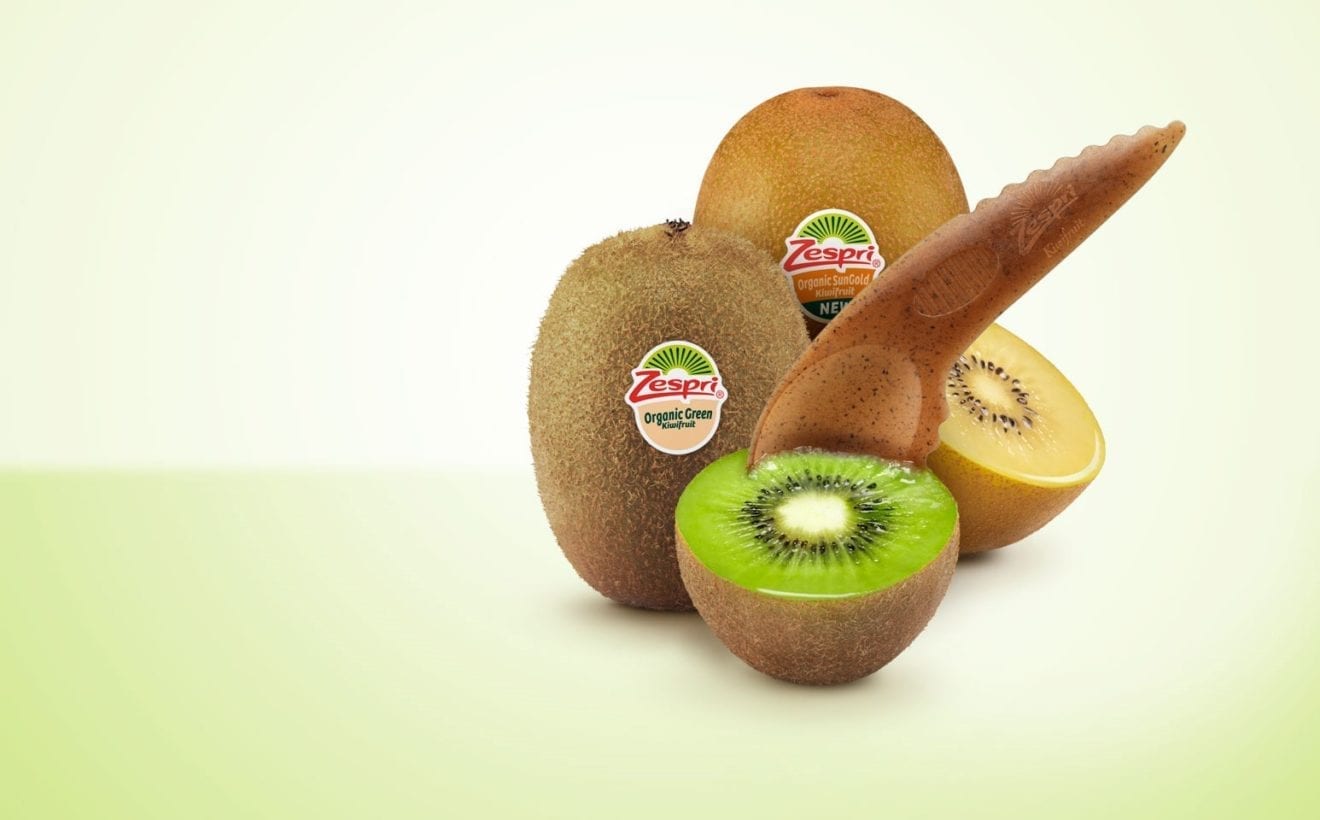
    Peter McBride, chairman of Zespri, visited the headquarters of Fruitday in Shanghai yesterday. Fruitday is a prominent Chinese retailer which is especially good with online sales of fresh fruit. The two companies have settled the collaboration, in which Fruitday will become a direct retail customer of Zespri in China.

    Zespri’s chairman Peter McBride and vice-president Bruce Cameron, together with two of the founders of Fruitday, Wei Wang and Zhang Zhao Guo. 

    Fruitday is now a direct tier-one customer, meaning they will now purchase directly from Zespri and no longer have to buy through the other distributors. Giving them the position of being the Zespri’s largest direct retail customer in China.

    Fruitdays founder Zhang Zhao Guo explains: “Our online sales of fresh products and strong online presence make it possible to communicate in a more direct way with our customers. This way we can offer Zespri an enriching platform in China. We are looking forward to working closely together in the future.”

    Zespri added: “Fruitday has devoted itself to the sales and promotion of our kiwifruit in China. Because of our collaboration, online and offline, we can reach the Chinese consumers and especially the youth, our target audience, in a successful way.”

    Fruitday is a rapidly expanding company in China. In August, the company announced its collaboration with the French company Lactel, one of the largest exporters of milk and dairy products in the world. In China, Fruitday had been going its own way with the launch of Mr Orange, a new brand for citrus from Yunnan. Fruitday supports the citrus producers with whom the company works closely, resulting in the installation of a modern fruit sorting machine among other exciting developments.


  • Richemont expects weaker half-year earnings after restructuring costs

    Richemont expects weaker half-year earnings after restructuring costs

    Luxury goods maker Richemont said on Wednesday that it expected operating profit in the six months to September to decline by 45% from a year ago.

    The Luxembourg-and JSE-listed group said in a statement that the decline reflected the effect of one-off restructuring charges of about €65m, and the additional effect of inventory buybacks.

    “We are of the view that the current negative environment as a whole is unlikely to reverse in the short term. However, we remain convinced of the long-term prospects for luxury goods globally and in particular for watches and jewellery,” it said.

    Sales in the five months to August dropped 13% at constant exchange rates and 14% at actual rates.

    Richemont said sales in the UK had shown growth since the weakening of pound against most currencies at the end of June following the EU referendum.

    Elsewhere in Europe, sales were down, particularly in France, due to a significantly lower level of tourist activity.

    There was positive momentum in both jewellery and accessories in the Americas, but an overall decline in sales due to a weaker performance in watches.

    In the Asia-Pacific region, growth in mainland China and Korea was more than offset by the continuing weakness of the Hong Kong and Macau markets.

    Retail declined overall, primarily due to Europe and Japan. All other regions’ sales declines were low single digits, supported by jewellery and accessories. The marked decrease in wholesale sales reflected the continuing negative trend and the watch inventory buybacks.

    Richemont’s other businesses reported sales growth, thanks to positive performances at Montblanc, Chloé, Azzedine Alaïa and Peter Millar.

  • North Sulawesi to export coffee to China and Italy

    North Sulawesi to export coffee to China and Italy

    North Sulawesi will export coffee from Kotamobagu City to China and Italy, as demand for it is high in those countries.

    “According to a plan this year, North Sulawesi will export coffee from Kotamobagu City to China and Italy,” the Head of the Foreign Trade Department of Industry and Commerce of North Sulawesi, T Hasudungan Siregar, said in Manado on Wednesday.

    Steps are now being taken to start the exports, he added.

    “Currently, we are preparing recommendations for export. Later we will register exporters for the coffee,” he said.

    If once a company has exported about 200 tons of coffee for a year, it would be registered as an exporter, according to him.

    He hoped that people in Kotamobagu City would take advantage of this opportunity, as presently, the market for coffee is wide open.

    The community must also increase production and quality of the coffee so that if demand increases in the future, they should be able to meet it.

    “Consistency is very important in exporting commodities,” he said.

    Currently, the Department of Industry and Commerce of North Sulawesi continues to push for the main commodity of North Sulawesi to be be marketed to different countries in the world.

    This is important for generating foreign exchange for the country.

  • Boeing 737 restaurant opens in China

    Boeing 737 restaurant opens in China

    A decommissioned Boeing 737 aircraft has found new life as an airline-themed restaurant in Wuhan, China.

    Parked in a German-style pedestrian mall and with a covered boarding ramp accessed by an escalator, the Boeing 737 restaurant has 20 tables, and guests can even try out a flight simulation system in the cabin.

    Boeing 737 restaurant Wuhan China 2

    Named Lily Airways, the restaurant is owned by tycoon Li Yang, who says he spent 35 million yuan (about US$5.2 million) to relocate and convert the retired plane.

    Boeing 737 restaurant Wuhan China 1

    While the wait staff wears flight attendant uniforms, diners need not worry about being served such plane fare as packaged nuts – the international chefs in the on-board kitchen offer Western-style fine dining.

    Li Yang says the airliner was bought from the bankrupt Batavia Airways of Indonesia, and took almost four months to transport after being split into several parts.


    Photo courtesy: CFP – Trending in China.

  • Chinese restaurant chains bloom in Singapore

    Chinese restaurant chains bloom in Singapore

    Four Mainland China restaurant chains have set up in Singapore since November, the latest opening in Riverside Point on Friday.

    It will be the first overseas outlet for Chengdu-style hotpot chain Spicy House, which has about 30 outlets on the mainland.

    Two restaurants opened in June, Shi Miao Dao Yunnan Rice Noodles in VivoCity and Riverside Grilled Fish in Raffles City, while Faigo HotPot opened in Clarke Quay in November.

    Other China food brands in Singapore go back about four years, including Hai Di Lao Hot Pot, which will open its fourth outlet in VivoCity this month, and 9Goubuli, a Chinese restaurant in Marina Bay Sands.

    Faigo HotPot is a 12-year-old chain with more than 100 outlets across China. This is its first overseas outlet, the 130-seat Singapore restaurant being run by Shanghai Dragon Restaurant Management. The stocks are served in individual pots heated by electric stoves complete with a heat-control panel and USB ports for charging mobile devices. Diners can choose from more than 70 ingredients, and the outlet is the first in the chain to have a sauce bar offering nearly 20 condiments.

    Faigo Hotpot

    Riverside Grilled Fish, which has opened 54 outlets in China in its 11 years, is using its first overseas outlet as a springboard to make inroads into the Southeast Asian market. It specialises in spicy Chongqing-style grilled fish, and the Singapore franchise is owned by Minor Food Group, which runs the Thai Express and Xin Wang Hong Kong Cafe chains.

    Riverside Grilled Fish

    Shi Miao Dao Yunnan Rice Noodles in VivoCity’s Food Republic foodcourt serves “crossing the bridge” rice noodles, an elaborate set with 11 sides including braised chicken, fried peanuts and raw quail egg and vegetables. There is a choice of five types of soup, and the dish dates back to the Song dynasty. The Singapore stall is part of a chain which has more than 800 outlets across China, as well as Canada, Japan and Thailand.

    Spicy House owner Zac Wang from Shanghai believes Chinese hotpot chains like his will do well in Singapore, where he has been based for six years. The 120-seat restaurant at Riverside Point offers three types of communal hotpots, including one with nine compartments for cooking ingredients separately. The menu lists about 100 ingredients.

  • Baroque Japan opens two shops in NYC

    Baroque Japan opens two shops in NYC

    Baroque Japan, which has a retail portfolio of young women’s fashion apparel and accessories, has arrived in New York City.

    It has opening an Enfold fashion brand shop in the West Village and a Moussy outlet in SoHo.

    Enfold New York

    Launched in 2012, Enfold has a strong presence in Europe. Its West Village store stands at 850 sqft (78.9 sqm) and its neighbours include the Marc Jacobs and Michael Kors brands.

    Moussy NY

    Covering 1776 sqft, the Moussy SoHo store focusses on its denim made in Japan. Shoppers buying the brand’s jeans will receive an original, limited-edition paulownia wooden storage box. A Baroque brand since 2000, Moussy has 43 stores in Japan and 81 in China and Hong Kong.

    Founded in 2000, the company has 356 stores in Japan, 165 stores in China and Hong Kong, and 15 brands. It launched Baroque USA Limited in April with an eye to establishing itself in the American market.