Tag: China

  • Fitness, driver of consumer market

    Fitness, driver of consumer market

    Saturday mornings appear to be ideal for fitness-crazy Shanghai groups to have fun in the form of dance-like workouts outdoors.

    Some 500 lined up last Saturday to join a one-hour event. The venue was disco-like. Les Mills, one of the world’s largest developers of group workouts, kicked off its global tour for 2016 beside the shimmering Huangpu.

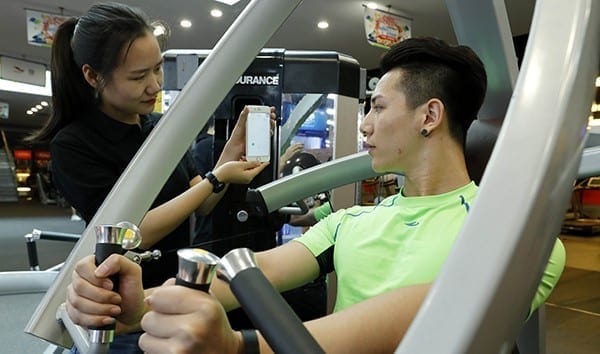
    On the dais, five coaches gave instructions to the fitness fanatics, who pushed up weight-laden barbells in sync with the beats of rock-and-roll music.

    “It feels more like a party than an early morning workout,” said Zhang Qiong, 26, who woke up at 6 am to attend the morning’s first class.

    Phillip Mills, CEO of Les Mills, said it is not surprising Chinese people are passionate about group workouts, given the proliferating gyms and fitness programs.

    Les Mills’ programs are provided to 8 million people by 90,000 teachers in more than 17,000 clubs around the world every week.

    The firm is eyeing fast growth in China. “Workouts have become a lifestyle. People believe they are good for work-life balance. As far as I know, China has more than 18,000 brands of gyms and workout programs. Les Mills has been popular around the world. Now, it’s getting increasingly welcomed across the nation,” said Phillip Mills.

    “China’s fitness market, including gyms and program developers, needs consolidation after the fast growth. In the long run, we’re confident the market size is really going to expand to a significant size.”

    According to a research note from Euromonitor International, demand for fitness in China has become one of the top ten drivers of the consumer market. Other drivers include clothing, leisure, entertainment, food and beverages.

    Joey Chio, senior associate director of Savills China Retail Tenant Representation, said that athletics-related leisure, also called “athleisure” by fitness fans, has been gaining market share in clothing in recent years. Brands such as Lululemon and Under Amour have become trendy in the retail landscape.

    Its spillover effect has been that opportunities arose for players in other sectors, like mobile application developers. Keep, a smartphone app which teaches workout tips and training programs through video clips, now boasts 50 million users. It received C round investments from, among others, technology giant Tencent Holding Ltd. This, just two years after launch.

    “Fitness has become popular due to many factors. There is government policy to develop the sports sector. Lifestyles are changing with more focus on health. There is a cultural trend toward sexy six-pack figures. There is middle-class anxiety about the costs of ill health and peer pressure to look better. You want to prove you can afford to hit a gym to stay active,” said Julian Chow, an analyst with Shanghai-based Tang Yue Culture and Communication.

    Fitness market insiders said China’s health clubs and gyms still face some challenges, and measures are needed to make the market more transparent and fair.

    “Piracy of choreography, unsafe exercise instructions given by untrained coaches, and poorly regulated membership pricing are hindering the development of the fitness market. As the market gets more mature and competition fiercer, consumers will have more options, which should improve standards,” said Michael Yip, a coach with Tera Wellness Club.
  • Bangkok tops Global Destinations Cities Index

    Bangkok tops Global Destinations Cities Index

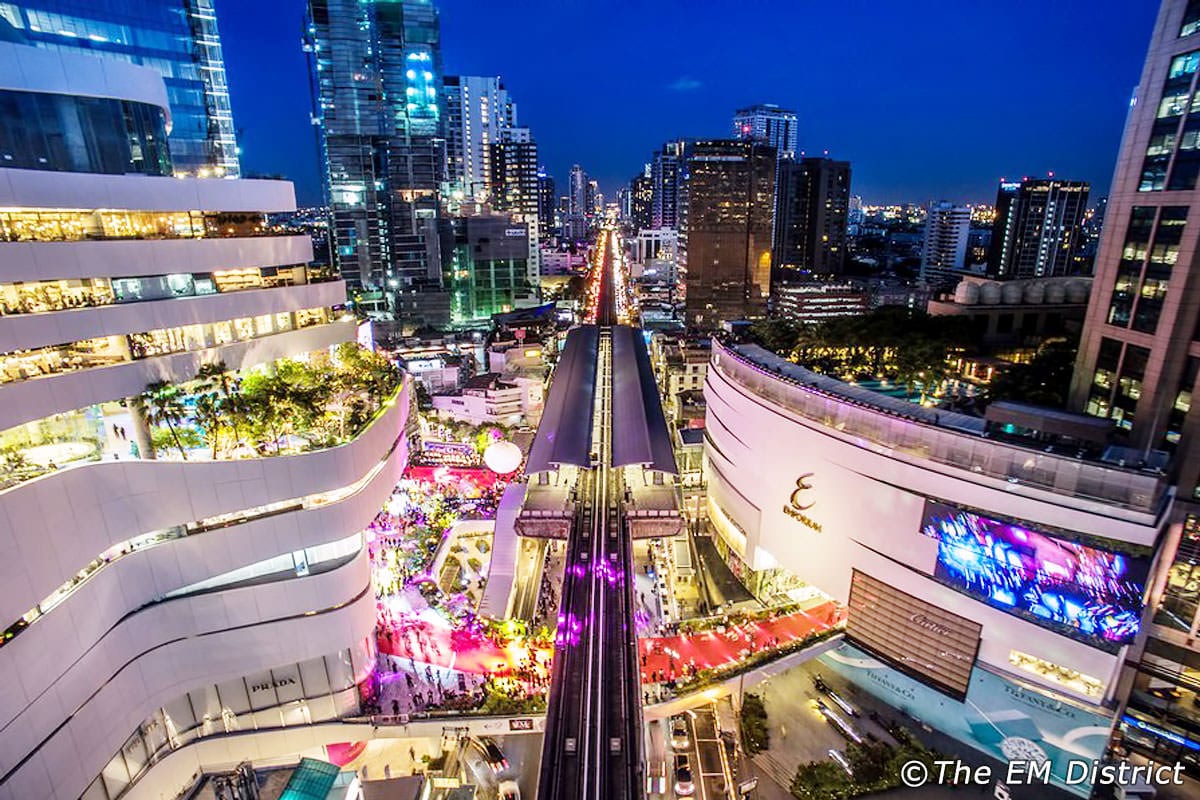
    Bangkok is the top-ranked destination city by international overnight visitor arrivals, according to the annual Mastercard Global Destinations Cities Index.

    Ranking 132 cities, the index projects visitor volume and spend estimates while delivering insights into how people travel and spend around the world.

    As cross-border travel and spending continue to grow at a faster pace than the world GDP, the world’s cities continue to be engines of broader economic growth, says Mastercard.

    According to the study, Bangkok is projected to receive 21.47 million international overnight visitors this year, just ahead of London (19.88 million visitors).

    Also in the top 10 cities are:

    • Kuala Lumpur, 12.02 million visitors

    • Paris, 18.03 million visitors

    • Istanbul, 11.95 million visitors

    • Dubai, 15.27 million visitors

    • Tokyo, 11.70 million visitors

    • New York, 12.75 million visitors

    • Seoul, 10.20 million visitors

    • Singapore, 12.11 million visitors

    Hong Kong was 11th.

    “The way people travel and spend across borders indicates just how interconnected and important the world’s cities are,” says Mastercard president of international markets Ann Cairns.

    As well as the top 10 cities, Mastercard names the top 10 fastest-growing destinations, which indicates the increasingly importance of Asia Pacific to the global economic landscape.

    Osaka new star

    Osaka has shown the strongest growth in international visitors (24.15 per cent) over the past seven years. Other cities that make the fastest-growing list:

    • Chengdu, 20.14 per cent

    • Taipei, 14.53 per cent

    • Abu Dhabi, 19.81 per cent

    • Xi’an, 14.2 per cent

    • Colombo, 19.57 per cent

    • Tehran, 12.98 per cent

    • Tokyo, 18.48 per cent

    • Xiamen, 12.93 per cent

    • Riyadh, 16.45 per cent

    For the first time, the index explores whether visitors travel for business or leisure, giving broader insights into spending on dining, lodging and shopping. The index shows that more people are travelling to the top 20 cities for leisure with Shanghai being the sole exception.

    Visitors to the top 20 cities overwhelmingly spent more on shopping, as opposed to dining, says the index.

    Asia Pacific dominates both the global top 10 (five cities) and top 10 fastest-growing destination cities (seven cities).

    Public data is used in deriving the international overnight visitor arrivals and their cross-border spending in each of the 132 destination cities for the index. Mastercard volumes or transactional data is not considered.

    The full report can be downloaded here.

  • Benoy Shanghai reveals design for Lujiazui

    Benoy Shanghai reveals design for Lujiazui

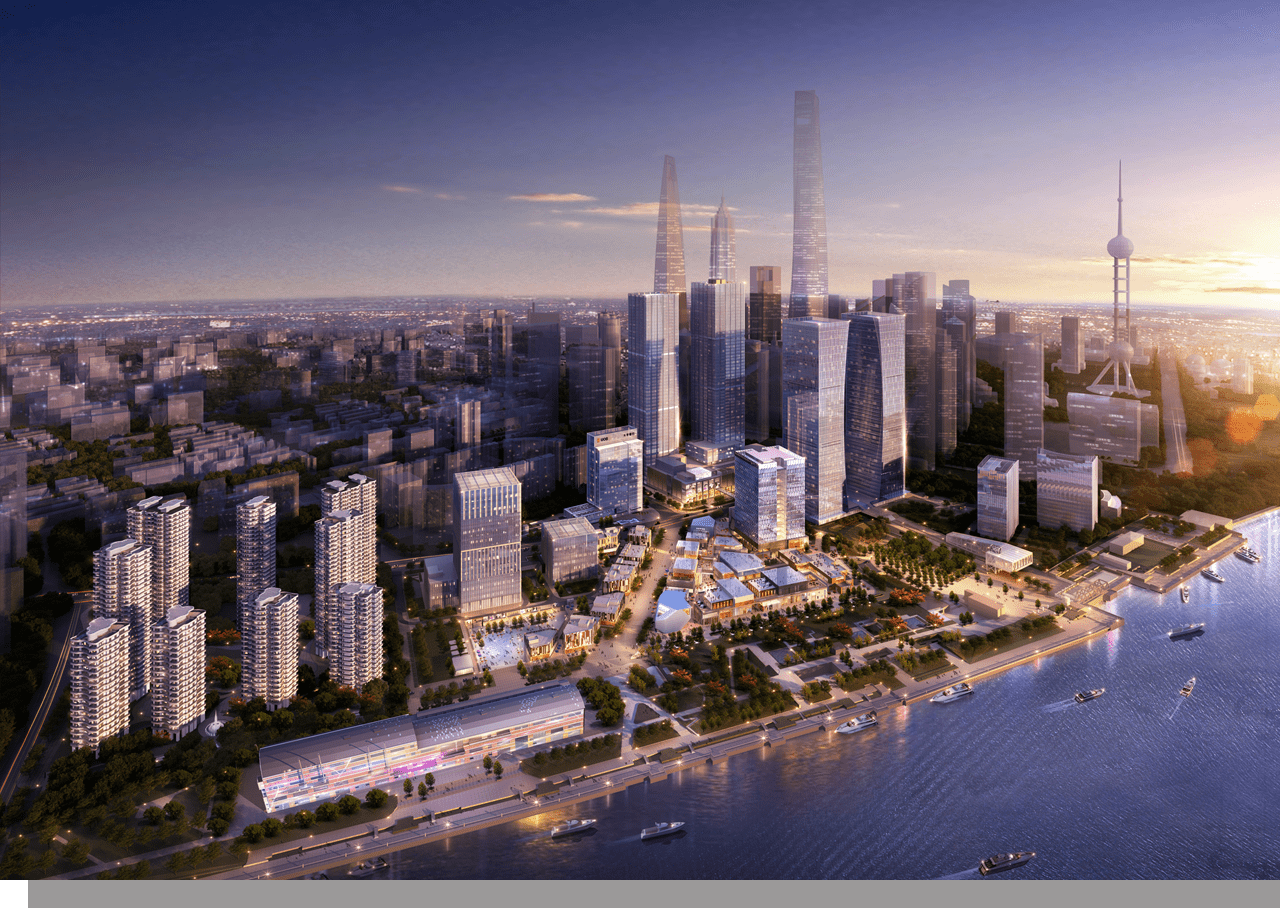
    Appointed as the masterplanner, architect and interior designer, Benoy Shanghai has revealed its design for the mixed-use Gala Avenue Westside development in Shanghai.

    The project is part of the major Lujiazui Harbour City development, scheduled to be complete in 2018. It covers 250,000 sqm of riverside land being redeveloped into an iconic future destination.

    Combining offices, high-end shopping and entertainment, as well as public space, Gala Avenue Westside is on a site previously run as a shipyard by the Shanghai Ship Company since the 1800s.

    “We have embraced the history of the site and built upon this,” says Benoy Shanghai studio director Qin Pang. “Our design celebrates the themes of ‘New and Old’, ‘East and West’ and ‘Traditional and Modern’.”

    Gala Avenue Westside comprises a 100m office tower and 12 interconnected retail hubs spanning two to three storeys. A chain of squares will form an internal streetscape linking the buildings, both above ground and below, along with a network of green spaces.

    The development has been positioned for maximum retail exposure, with views of the Huangpu River and the Pudong cityscape.

    Benoy’s Shanghai portfolio already includes Mango West Bund Plaza of the wider DreamCenter development along the Huangpu River, and Vanke Xuhui Center, a large-scale, mixed-use development connected to the city’s South Railway Station.

  • Ben Sherman China new stores in Shanghai

    Ben Sherman China new stores in Shanghai

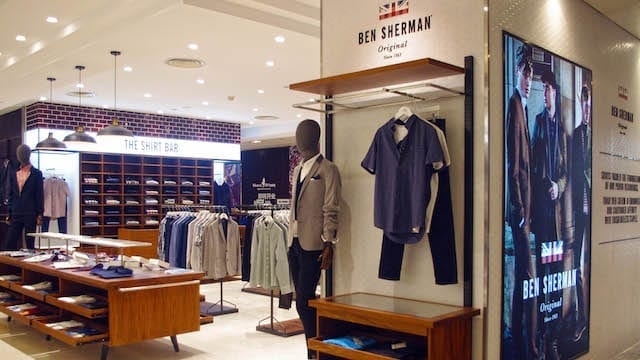
    British menswear brand Ben Sherman has opened for the first time in Shanghai – at two locations.

    The Ben Sherman China stores are in the Hopson Mall and Sogo department store.

    “These distinct retail destinations are prime for Ben Sherman, with an influential core of millennial consumers,” says group GM Stanley Chou of MRH Sparotica Groupe, which oversees Ben Sherman China.

    Billy Du, Stanley Chou (Groupe General Manager MRH Sparotica Groupe), Richard Kisembo (CEO MRH Sparotica Groupe), Allen Hua, at the ribbon cutting ceremony for Ben Sherman’s expansion in Shanghai.

    Billy Du, Stanley Chou (Groupe General Manager MRH Sparotica Groupe), Richard Kisembo (CEO MRH Sparotica Groupe), Allen Hua, at the ribbon cutting ceremony for Ben Sherman’s expansion in Shanghai.

    He says Sogo is among the top five department stores in China. It is in the Jing’An district in central Shanghai, on China’s most influential fashion street, Nanjing Road.

    In the Yang’Pu district in the city’s north, the Ben Sherman Hopson One store is close to the new Apple Hopson One store. The mall is tailored to upper-middle-class residents, drawing on a population of more than 1.3 million residents within a 5km radius.

    ben-sherman-shanghai

    Ben Sherman signed on for its China expansion in June.

  • Hyundai to debut Genesis premium brand in China in two-three years

    Hyundai to debut Genesis premium brand in China in two-three years

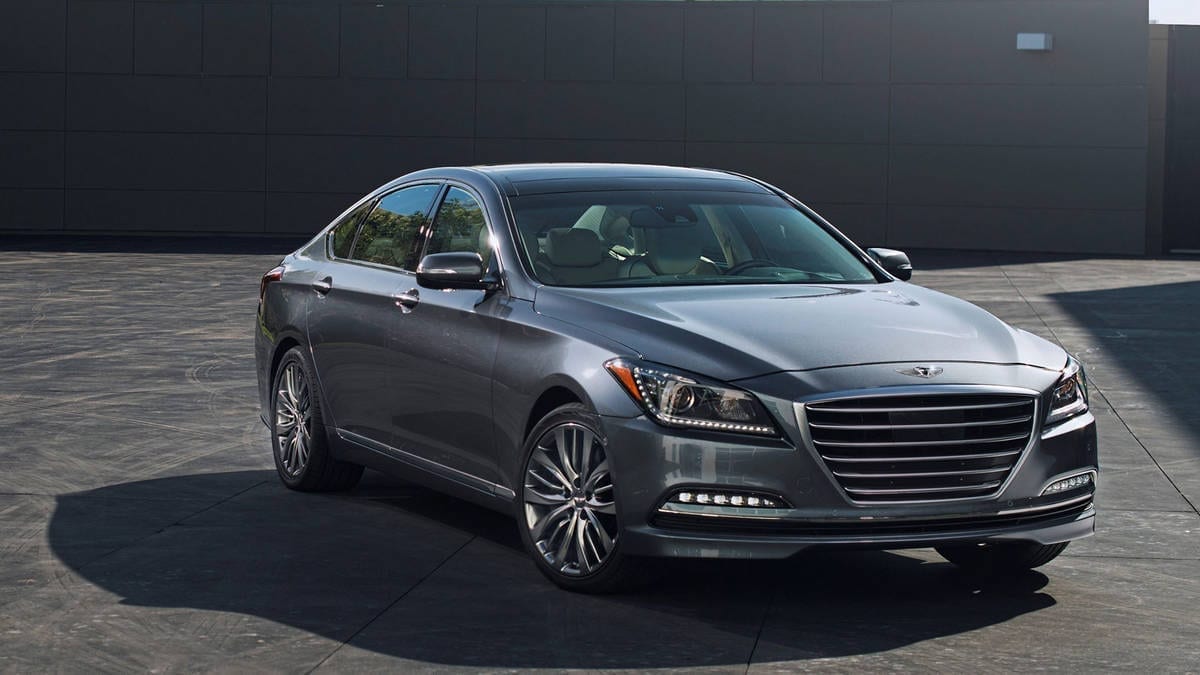
    South Korea’s Hyundai Motor will launch its standalone premium auto brand Genesis in China within two to three years, betting on a luxury lane to profit as competition bites at the lower end of the world’s biggest auto market.

    Genesis brand chief Manfred Fitzgerald told Reuters in a recent interview the company is considering building Genesis models in China “For sure. But there are also other examples of (automakers) who live pretty well off of importing cars,” he said, citing Toyota Motor Corp’s Lexus.

    The plans come as Hyundai tries to reverse out of 10 straight quarters of falling profit, hit in part by weakness in China.

    Rolling out Genesis in key markets like China marks a shift for a company better known for making value-for-money cars and lacking the brand cachet and tradition of Germany’s BMW BWMG.DE, Mercedes-Benz and Audi. That trio dominates the luxury market globally – and in China.

    “The luxury customer in China is very brand-conscious,” said U.S. national Fitzgerald, 53. The former executive with Audi’s Lamborghini brand was speaking at the first, and so far only, standalone Genesis store, in a glitzy mall in Hanam on the outskirts of Seoul featuring cars like G80 sedans that can fetch up to 74 million won ($67,100).

    “If you don’t get your brand right, you can have the best product in the world, it won’t work,” said Fitzgerald. “In two, three years’ time we will be entering China,” he said, declining to give sales targets for a global rollout that will follow launches in Korea late last year and in the United States last month.

    In China, imported cars carry a duty of more than 20 percent, putting pressure on automakers to produce locally.

    DISTRIBUTION DEBATE

    Genesis will open more standalone outlets, said Fitzgerald, and is exploring unspecified locations for its first U.S. store. The Genesis line-up currently features two models, a range that the company plans to expand to six by 2020, including two sport utility vehicles.

    Consultants like Eric Noble, president of California-based consultancy CarLab, say getting the sales channel right for premium cars is as important as the product itself.

    For now, over 300 of Hyundai’s more than 800 U.S. dealerships will also be selling the Genesis brand, posing an added challenge for differentiating it from Hyundai. By comparison, Toyota’s Lexus is sold through separate dealerships.

    “From a product standpoint, the prospects of the (Genesis) brand are encouraging,” said Noble. “But from a distribution standpoint, at least here in North America, it is much more problematic.”

    ‘TIPPING POINT’

    Hyundai Motor Group Chairman Chung Mong-koo, now 78, took the helm in 2000 and turned Hyundai and its Kia Motors (000270.KS) affiliate into the world’s fifth-largest automotive group by making inexpensive but reliable small cars.

    But the veteran’s 45-year-old son and vice-chairman Chung Eui-sun has sought to move Hyundai up the value chain. He spearheaded the move last November to hive off the Genesis sedan into a standalone brand, tapping a segment growing faster than the mass market to generate higher margins.

    Fitzgerald said meeting with the younger Chung was a “tipping point” in his decision to join a company long known for promoting from within.

    “He definitely gave me the feeling that no matter how long and how troublesome and how tedious this might be, they are in for it and they want to succeed.”

  • Lacoste China opens Shanghai duty-free outlet

    Lacoste China opens Shanghai duty-free outlet

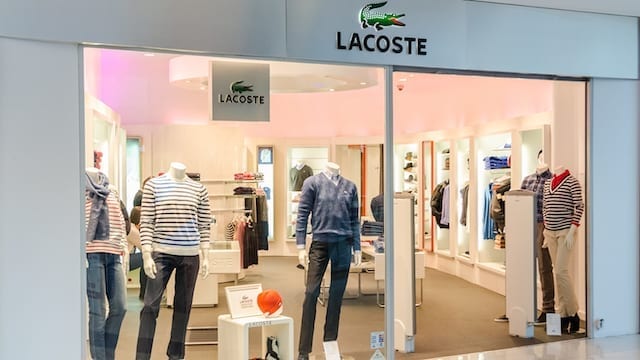
    French fashion brand Lacoste China has opened a duty-free corner in downtown Shanghai’s Yueda Plaza 889, run by CNSC.

    China National Service Corporation for Chinese Personnel Working Abroad is a state-owned enterprise of international trade and economic co-operation established in 1983.

    BUCHAREST, ROMANIA - OCTOBER 09: Lacoste store on October 09, 2013 in Bucharest, Romania. Is a French clothing company founded in 1933 that sells high-end clothing and most famously polo shirts.
    BUCHAREST, ROMANIA – OCTOBER 09: Lacoste store on October 09, 2013 in Bucharest, Romania. Is a French clothing company founded in 1933 that sells high-end clothing and most famously polo shirts.

    Lacoste says the point-of-sale is in line with the a Chinese duty-free policy that offers Chinese travellers a 190-day duty-free shopping period after returning from abroad.

    “We are aiming at building a long-term relationship with Lacoste,” says CNSC deputy-GM Jacky Yan.

  • Pre-owned category booms, notes Asia Luxury Index

    Pre-owned category booms, notes Asia Luxury Index

    Pre-owned luxury items are becoming more popular, according to the 2016 Asia Luxury Index, compiled by Singapore-based online luxury retailer Reebonz.

    Drawing on industry reports and its sales data, the index reveals 30 per cent sales growth in the pre-owned category over the last year, with bags and shoes the most popular items.

    While 62 per cent of online transactions on Reebonz involve bags, the index says timepieces and shoes are primed to be the next growth-drivers for luxury in Asia in both the new and pre-owned categories. Spending on timepieces increased by 39 per cent, whereas shoe shopping ballooned by 87 per cent.

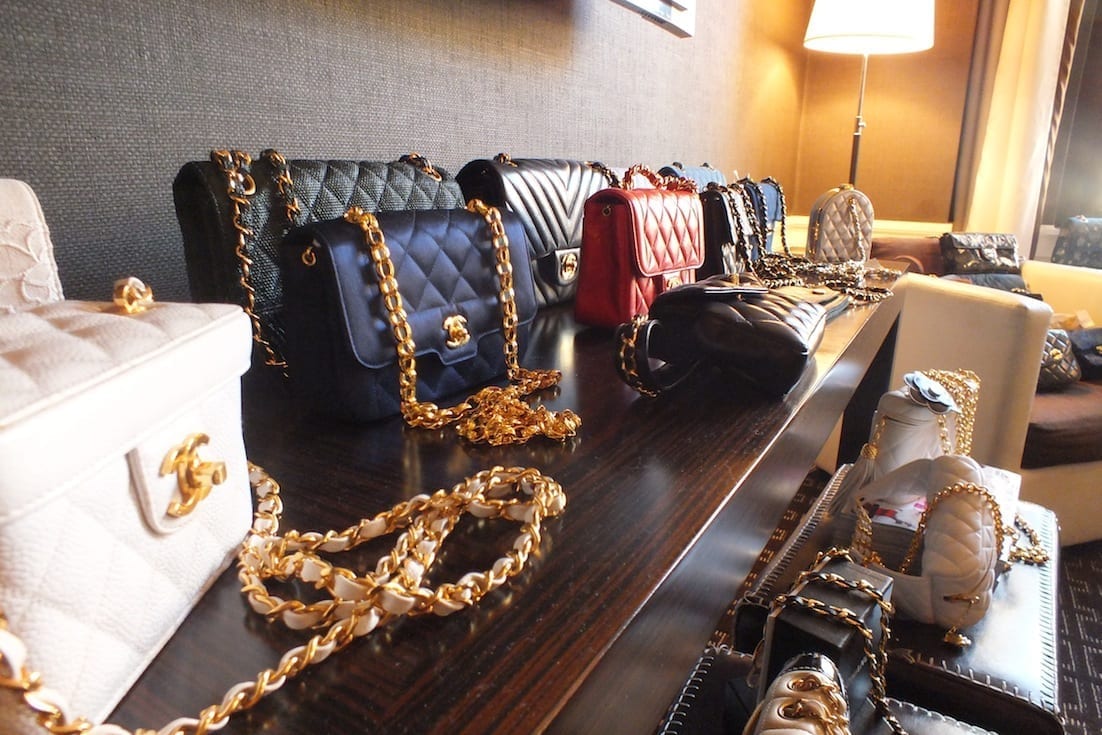
    Meanwhile, Chanel emerges as the top performer in Asia, with Burberry, Givenchy and Prada trailing close behind in the new luxury products category.

    “The group of luxury consumers is evolving and expanding – luxury is no longer just for the select few,” says Reebonz co-founder/CEO Samuel Lin. “With growing affluence and accessibility, more consumers can readily buy luxury goods.”

    A key finding from the index is that while there is still a growing demand for luxury goods, consumers are splurging more on higher-value new products. Expenditure growth has increased by 50 per cent while there have been only 37 per cent more transactions.

    “People are overlooking popularity for quality and exclusivity these days,” says Reebonz regional GM Benjamin Han.

    Blue-chip brands also command the pre-owned luxury category, with Chanel, Hermes and Prada posting strong performances across all product categories.

    Online luxury shopping continues to grow in Asia, with Hong Kong and Indonesia charting the biggest growth when it comes to high-end goods. Singapore is still firmly in first place for online shopping.

  • Alibaba Group now Asia’s richest company

    Alibaba Group now Asia’s richest company

    Alibaba Group Holding has surpassed Tencent Holdings and China Mobile in market capitalisation to become Asia’s richest company.

    Alibaba’s market value rose to US$261 billion in New York last week, overtaking Tencent’s US$255.98 billion capitalisation in Hong Kong on Thursday during a trading week shortened by a public holiday.

    China Mobile was the region’s third-largest company, valued at $249.38 billion.

    Alibaba’s shares have risen 28.8 per cent this year to $104.64, making the owner of Taobao.com and Tmall eCommerce platforms the world’s 10th-largest company by value, according to Bloomberg data. The world’s five most valuable companies now gain their revenue from technology or the internet – Apple, Alphabet, Microsoft Corp, Facebook and Amazon.com.

    In Asia, technology and internet-related businesses have displaced oil refineries, manufacturers and banks in the top three spots.

    Samsung Electronics of South Korea is the other technology company among Asia’s 10 most-valuable corporations, valued at $191.76 billion.

    As well as eCommerce, Alibaba has businesses in internet finance, cloud computing, film investment and logistics. The Hangzhou-based company’s second-quarter revenue rose 59 per cent, the strongest since its 2014 initial public offering in New York.

  • McDonald’s Follows Yum Brands, Prepares China Exit

    McDonald’s Follows Yum Brands, Prepares China Exit

    McDonald’s is finalizing a sale of the right to operate its China and Hong Kong restaurants. Prompted by stagnating market share and an increasingly challenging operating environment, the move allows McDonald’s to keep a presence in China without the burden of ownership.

    The world’s biggest fast-food chain is considering final offers from three leading groups, believed to be U.S. private equity firm Carlyle Group and Chinese investment firm CITIC Group, U.S. private equity firm TPG Capital and Chinese retailer Wumart Stores, and a group led by Beijing Tourism Group and Chinese retail giant Sanpower Group, according to Reuters.

    With the sale, McDonald’s Corp. joins fast-food rival Yum Brands Inc. in making the decision to sell its China business. Yum, which owns China’s biggest food chain KFC, and McDonald’s are currently the No. 1 and No. 2 fast-food chains in China. Both arrived on the scene in the 1980s—KFC opened its first outlet in Beijing’s Tiananmen Square in 1987, and McDonald’s opened its first store a few years later in the southern city of Shenzhen.

    Their decision to abandon one of the world’s biggest fast-food markets marks a dramatic about-face for the two fast-food giants, once hailed as prime examples of how American companies can succeed in the communist country.

    But the companies diverge in their methods of exiting China.

    Yum chose to spin off Yum China as a separately listed company on the New York Stock Exchange. Yum China recently secured prominent Chinese investors Primavera Capital and Ant Financial Services Group as anchor investors ahead of the listing in November. Primavera was founded by the former head of Goldman Sachs Group Inc.’s Greater China business, and Ant is a subsidiary of internet giant Alibaba Group. Well-known anchor investors are common in Chinese IPOs, and their presence can help drum up interest from retail investors ahead of the listing.

    McDonald’s, meanwhile, chose a different path. Instead of selling the business altogether, McDonald’s is converting its corporate-owned outlets to the franchise model by selling a 20-year franchise operating agreement to run all of the stores to potential bidders. This ensures that McDonald’s will hold branding and product development rights over existing and new restaurants, similar to its relationship with franchisees in the United States.

    The 20-year operating license for McDonald’s Chinese outlets could fetch as much as $3 billion, analysts predict.

    Declining Market Share

    Both McDonald’s and Yum have lost their early luster and are facing declining market share in China.

    MDC_market

    China market share of McDonald’s and KFC. Data source: Euromonitor. (Epoch Times)

    Since 2010, Yum’s share of China’s fast-food market has declined from 39 percent to 23.9 percent in 2015. During the same period, McDonald’s market share dropped form 15.1 percent to 13.8 percent, according to market research firm Euromonitor.

    Yum has about 8,000 outlets in China, mostly consisting of KFCs and Pizza Huts, contributing to half of its global revenues and profit. McDonald’s has 2,200 locations in China. While both companies opened new locations last year, their market shares have dropped.

    Unfriendly Operating Environment

    Employees work at a McDonald's in in Beijing in 2007.  (FREDERIC J. BROWN/AFP/Getty Images)

    Employees work at a McDonald’s in Beijing in 2007.

    McDonald’s and Yum are two of the world’s most successful fast-food chains and have around 30 years of experience in China. So what’s causing the market share decline in recent years?

    The main challenge is shifting consumer taste. During McDonald’s and Yum’s early years in China, Western cuisine was scarce, and unlike in the United States where fast food is cheap and low-quality, McDonald’s hamburgers and KFC fried chicken were considered gourmet fare. Chinese consumers visited these restaurants during special occasions, and their prices were comparatively high.

    In recent years as median Chinese income has risen, consumers have also developed more selective tastes and are increasingly moving upmarket in their restaurant preferences. American fast-food brands now operate in the price segment of the casual-dining restaurants. On the lower end of the market, however, the fast-food segment is increasingly being occupied by a new wave of local competitors selling Chinese food, Japanese food, and fried chicken at lower prices than American fast food.

    Another significant hurdle facing McDonald’s is the Chinese Communist Party’s economic and competition policy, which in recent years has favored domestic businesses while marginalizing foreign competitors.

    In 2014, an undercover reporter for state mouthpiece CCTV reported that meat supplier Shanghai Husi Foods allegedly sold expired meats to several American restaurant brands, including McDonald’s, KFC, Papa John’s, and Burger King.

    Restaurants owned directly by foreign companies also face challenges in finding suitable real estate for new stores. Negotiations are often done face-to-face with local powerbrokers, and U.S. listed companies operating under the Foreign Corrupt Practices Act often cannot compete with local competitors.

    For McDonald’s and other foreign companies, outsourcing the operational aspect of running the business resolves most of these issues inherent in China. The same factors are also major drivers behind Wal-Mart’s sale of its Chinese e-commerce business Yihaodian to JD.com, and Hewlett-Packard’s sale of a majority stake of its Chinese networking business to local state-owned H3C Technologies.

    Given this backdrop, McDonald’s is wise to cede ownership of its Chinese stores to local partners. The move could bring stable income from royalties, higher growth potential, and better treatment than it would otherwise be able to manage on its own, while the company still enjoys prominent brand presence.

  • “20 -30% growth year on year in China”

    “20 -30% growth year on year in China”

    As many companies are looking to Asia for the first time, some have been in these markets for a while and are strengthening ties within the region. Zespri is one of these companies and have made big in roads into Asia in recent years and are continuing to expand in current markets while exploring new ones.

    “We continue to see significant growth in China, with increases in volume of 20 to 30% year on year for several years now, there a good rise in the volumes of SunGold being sent there as well. But Japan, the cornerstone for New Zealand for many years, is showing growth as well which we expect to continue for the coming years,” explains Mr Simon Limmer, COO of Zespri.

    Besides Japan and China, which are similar in terms of volume, Limmer says that prospects are positive overall in SE Asia, “There are exciting opportunities in a handful of different markets such as South Korea, where we have recorded an amazing season this year. We are starting to see the benefit of the free trade agreement now that the playing field has been levelled with other countries such as Chile, who have had zero tariffs for a few years. Taiwan has also shown great growth.”

    Zespri are making further in roads into China with new relationships with Chinese importers, this week they announced a collaboration with Fruitday who will now become a direct retail customer, giving them the position of being the Zespri’s largest direct retail customer in China.

    Zespri is still a while away from actually growing any kiwifruit in China.

    “We are still involved in the preparation process,” acknowledges Limmer. “We are working with partners in China trying to raise the standard of domestic kiwifruit. This is also allowing us to build relationships from a scientific perspective in trying to understand the growing environment and finding the most suitable varieties. In short, not only do we need to be convinced that the quality is sufficient for the brand, but we also need to make sure that Chinese consumers who are already buying the imported product will be open to a ‘Made in China’ fruit.”

    Zespri has long been aware of the growing volumes and quality of domestic kiwifruit; “The branding is also becoming more sophisticated and for us this is both an opportunity and a threat,” explains Limmer. “We have the benefit of the counter seasonality of fruit out of New Zealand and we are no stranger to competition throughout the year where ever we are in the world.”

    Although red kiwis have been in trials for a few years, Zespri has not produced commercial volumes as yet. “We need to make sure we have all the attributes and characteristics right before we launch a new kiwi on the market – agronomically, yield, size, storage and cost of production for example. Reds are particularly susceptible to Psa and also have storage issues, but we clearly acknowledge and understand the opportunity for a red in the market.”

    Another challenge in the Chinese market has been protection of the intellectual property, as the image and reputation of the brand is strongly linked to the product’s quality. “There have been some developments in this regard in China and certainly willingness and motivation to shift, but it’s taking time,” admits Limmer. “Most importantly, the consumer needs to be educated on what’s genuine, giving them comfort with the knowledge that what they are buying has all the guarantees regarding quality or safety, something in which social media can play a decisive role.”

  • China’s H3C launches SDN suite

    China’s H3C launches SDN suite

    H3C has introduced a series of SDN software and hardware products to help enterprises in Hong Kong and China take full advantage of private or hybrid clouds.

    H3C Hong Kong product director Joseph Lee warned that many Hong Kong companies may not have fully advanced the potential of cloud services due to a lack of scalability, agility and flexibility in their networking resources.

    “SDN and NFV offer a solution to this cloud challenge. They contribute to a simplified network and make multi-platforms within an enterprise network easy to manage centrally,” Lee said.

    He said SDN and NFV are critical components for private clouds and implementing genuine cloud networking infrastructures.

    “H3C is helping businesses in Hong Kong – especially in the public sector, institutes of higher education, service providers and large enterprises – to establish efficient and effective private clouds with our comprehensive end-to-end SDN and NFV solutions.”

    H3C’s new SDN solutions include an SDN controller as well as physical and virtual switches. The technology supports on-demand provisioning of network services including bandwidth allocation, routing and security capabilities.

    The offerings support native integration with OpenStack cloud platforms and an API for programming integration with third party cloud and management platforms.

    Data from the Hong Kong Government Census and Statistics Department show that as of last year around 159,268 businesses were using cloud services – nearly half of Hong Kong’s total business sector.

  • Alibaba-KFC partnership more than a shareholding

    Alibaba-KFC partnership more than a shareholding

    Why did Alibaba decide to take a stake in Yum China, buying into the Chinese fast food market?

    The Alibaba-KFC partnership was growing strongly long before the tech paid $50 million for a stake in Yum China.

    Last week, the fast food company opened a KFC flagship store on Tmall, the eCommerce giant’s B2C marketplace, to cultivate deeper ties with more customers, chief among them China’s internet-savvy youth.

    The KFC Tmall store isn’t selling chicken outright, but it is selling the sizzle of the KFC brand by encouraging consumers to join its membership program through the sale of e-coupons and gift cards that can be redeemed at its restaurants by using the Tmall or Mobile Taobao apps. KFC has more than 5000 restaurants in over 1100 cities in China, and the company is hoping to “build a new O2O [online-to-offline] model” that uses digital marketing to boost traffic at its brick-and-mortar stores, said Guan Bin, digital manager at Yum Brands.

    Connecting with China’s mobile-happy youth market can be an important strategy for any fast-food chain, but it’s particularly key for Yum China, which has seen its once-dominant position in the mainland fast-food market eroded by growing competition and food-safety scares. KFC’s market share in China has dropped from close to 40 per cent in 2012 to 23.9 per cent last year, according to Euromonitor International. Same-store sales in China outlets declined 4 per cent in 2015, Yum Brands disclosed in its 2015 financial annual report.

    Against this backdrop, KFC is making what Guan says is the company’s first foray into eCommerce (Yum’s Pizza Hut restaurant chain already has a Tmall presence). The goal is to boost KFC brand awareness and customer base by leveraging Tmall’s “massive traffic” as well as Alibaba Group’s marketing ecosystem and wealth of online consumer data, he said.

    “By opening a shop on Tmall, we want to convert more customers to members, and understand their consumer behavior both online and offline so we can come up with tailored discounts and awards for them,” Guan said. KFCs in China last year adopted Ant Financial’s Alipay cashless payment solution, which includes app-based food ordering and home delivery.

    For its September 6 debut, KFC’s Tmall shop offered bulk purchases of top-selling meals at discounted prices, such as 30 breakfast meals for RMB 199 ($30) and five family meals at RMB 320 ($48). The debut included KFC’s participation in one of Tmall’s Super Brand Day marketing campaigns as well as an augmented reality game: Sept. 2-6, users armed with smartphones and the Tmall app were able to “capture” images of Tmall’s cat mascot in physical KFC shops, which entitled them to buy products from KFC’s Tmall shop for just one yuan.

    On September 6 alone, some 3 million users visited KFC’s Tmall page, according to Tmall. Coupons for the purchase of more than 80,000 30-piece chicken nugget packs–totaling some 2.4 million nuggets–were sold on the day. The results were “beyond our expectations,” Guan said.

  • Aeon Mall inviting foreign firms to be tenants

    Aeon Mall inviting foreign firms to be tenants

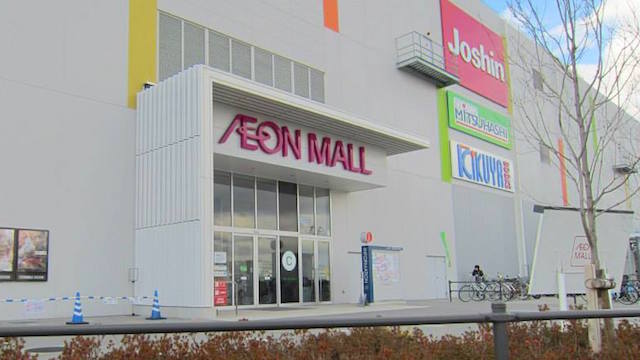
    Aiming to add variety in the face of intensifying competition, Japanese retail giant Aeon Mall is inviting foreign businesses to sign on as tenants in Japan.

    Aeon Mall, which has about 150 shopping centres across Japan, will aim to have its first new-look location open next spring. A new dedicated department includes two staff members assigned to Chinese businesses and three to businesses from members of the Association of Southeast Asian Nations (ASEAN). Tenants from other areas, such as Europe and the US, are also sought.

    A broad range of sectors is being considered, including restaurants, apparel, home products and services. As well as major chains, Aeon is interested in small businesses in the tourism sector.

    Aeon Mall is negotiating arrangements with more than 30 companies already. By inviting multiple tenants all at one time, the company seeks to recreate the feel of an Asian-style “restaurant alley”, for example.

    aeon-mall-japan

    Targeted candidates include foreign companies interested in doing business in Japan but hesitant because they lack knowledge of the market. To help deepen their understanding, Aeon will offer tours of its malls in Japan and abroad.

    Japan’s shopping centre market grew 4.5 per cent last year to 31 trillion yen (US$302 billion), according to the Japan Council of Shopping Centers, but was treading water on an existing-store basis.

    The market’s medium- to long-term outlook is also dim with the shrinking Japanese population and the rise of online shopping.

    “Mass-producing the same type of shopping mall will not lead to substantial growth going forward,” says Aeon Mall president Akio Yoshida. The company last year opened a more experience-focussed mall with an athletic track and racetrack.

  • Coach Tmall flagship abandoned

    Coach Tmall flagship abandoned

    The official Coach Tmall flagship shop has been abandoned.

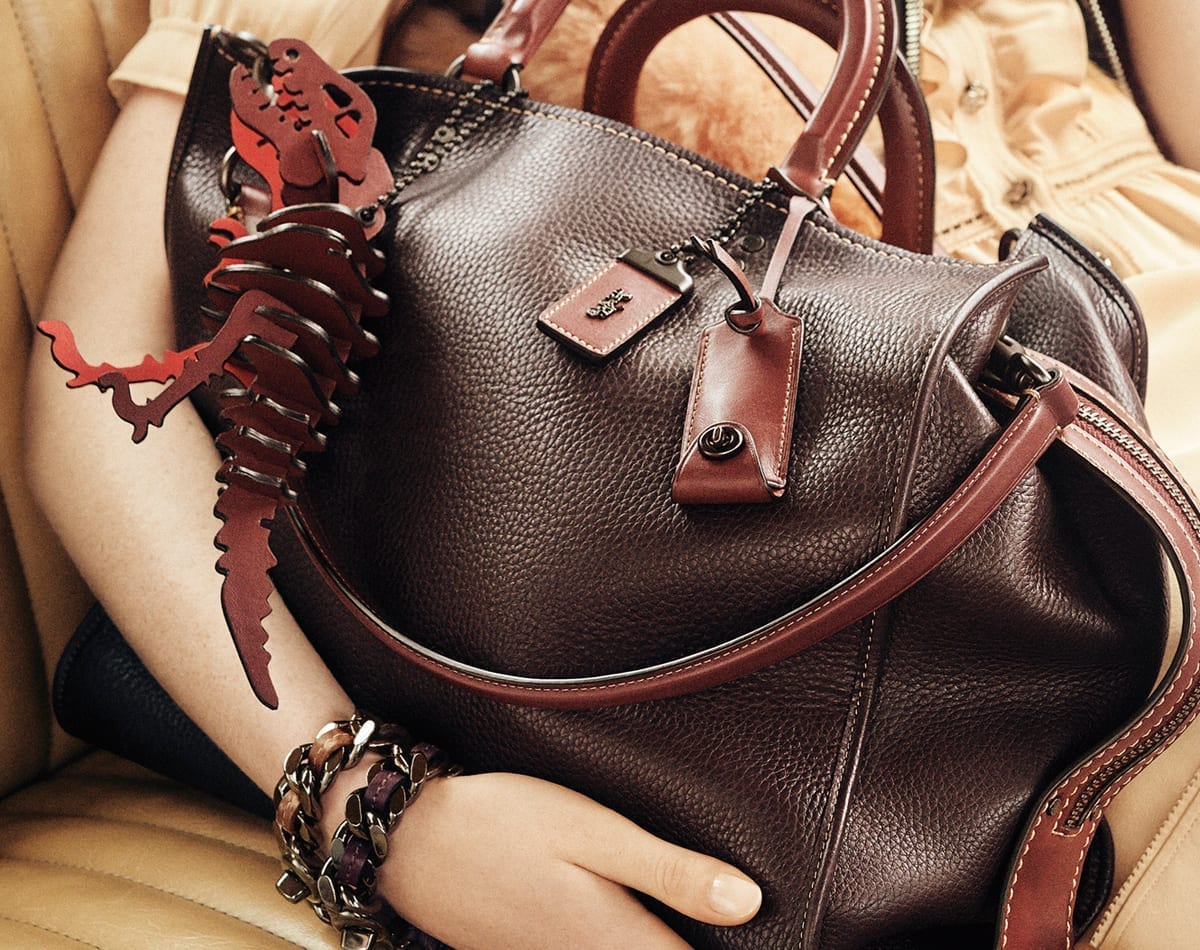
    Luxury bag brand Coach Inc says it will replace its shop on Alibaba Group Holding’s business-to-consumer sales site by selling directly through its own website and on its WeChat account, the social-media app run by Alibaba rival Tencent Holdings. Coach has offered coupons and launched a media campaign on WeChat.

    A Coach spokeswoman says the company wants to consolidate resources and will continue to look for innovative ways to leverage digital and social platforms.

    Alibaba says Coach products are still available on TMall from other merchants.

    Selling shoes, purses and accessories, Coach was one of the first US luxury brands to launch an official store on the TMall. It started with a temporary pop-up store from December 2011 to January 2012, opening a full store in 2015.

    Early this month, nearly a dozen trade groups wrote to Alibaba complaining that it was not doing enough to combat counterfeits. And the loss of Coach comes as Alibaba faces added scrutiny from a US trade agency as to whether it should be added to a list of marketplaces that are known for selling counterfeits.
    Alibaba’s Taobao consumer-to-consumer marketplace was on the list years ago, but was removed in 2012.

    Meanwhile, LVMH Moët Hennessy Louis Vuitton SE’s Guerlain has just opened a flagship store on TMall, and MakeUp Forever and Sephora, two other brands under the LVMH umbrella, also have TMall stores. Also, the cosmetics unit of Salvatore Ferragamo will launch its store later this month.

  • Huawei unveils newest security solution for SDN

    Huawei unveils newest security solution for SDN

    Huawei has unveiled its latest SDN security solution which promises to “guarantees the security of enterprise tenants’ applications hosted on the cloud”.

    Based on the core component Agile Controller, the solution virtualizes hardware security devices and offers a variety of services for online subscription.

    The automated security deployment capability also greatly improves cloud service protection efficiency.

    While more and more enterprises are using cloud services to reduce costs and improve flexibility, enterprises seldom consider security before this change. As storage, computing, and network resources all become virtualized, manual configuration and adjustment of security resources can no longer adapt to quick service development in a flexible and cost effective way.

    Moreover, cloud-based service deployment eliminates network security boundaries. Virtual networks, especially the virtual machine (VM) layer, urgently need effective security protection.

    As common threats have evolved to advanced persistent threats (APTs) that can hide for a longer period of time and are more difficult to detect, traditional APT defense methods also need to adapt to software-defined network (SDN)environments.

    “As more services are migrating to the cloud, the boundary of security threats becomes blurred,” said Liu Lizhu, GM of Huawei Enterprise Network Product Line’s Security Gateway Domain.

    “Data center services are facing more severe security risks after SDN technology is used, as such no companies, regions, or organizations are free from such risks. Huawei Software-defined Security Solution will guarantee innovative, scalable, and efficient cloud services for tenants and help enterprises accelerate business transformation and upgrade.”