Tag: China

  • Agatha Paris opens first stand-alone travel retail outlet

    Agatha Paris opens first stand-alone travel retail outlet

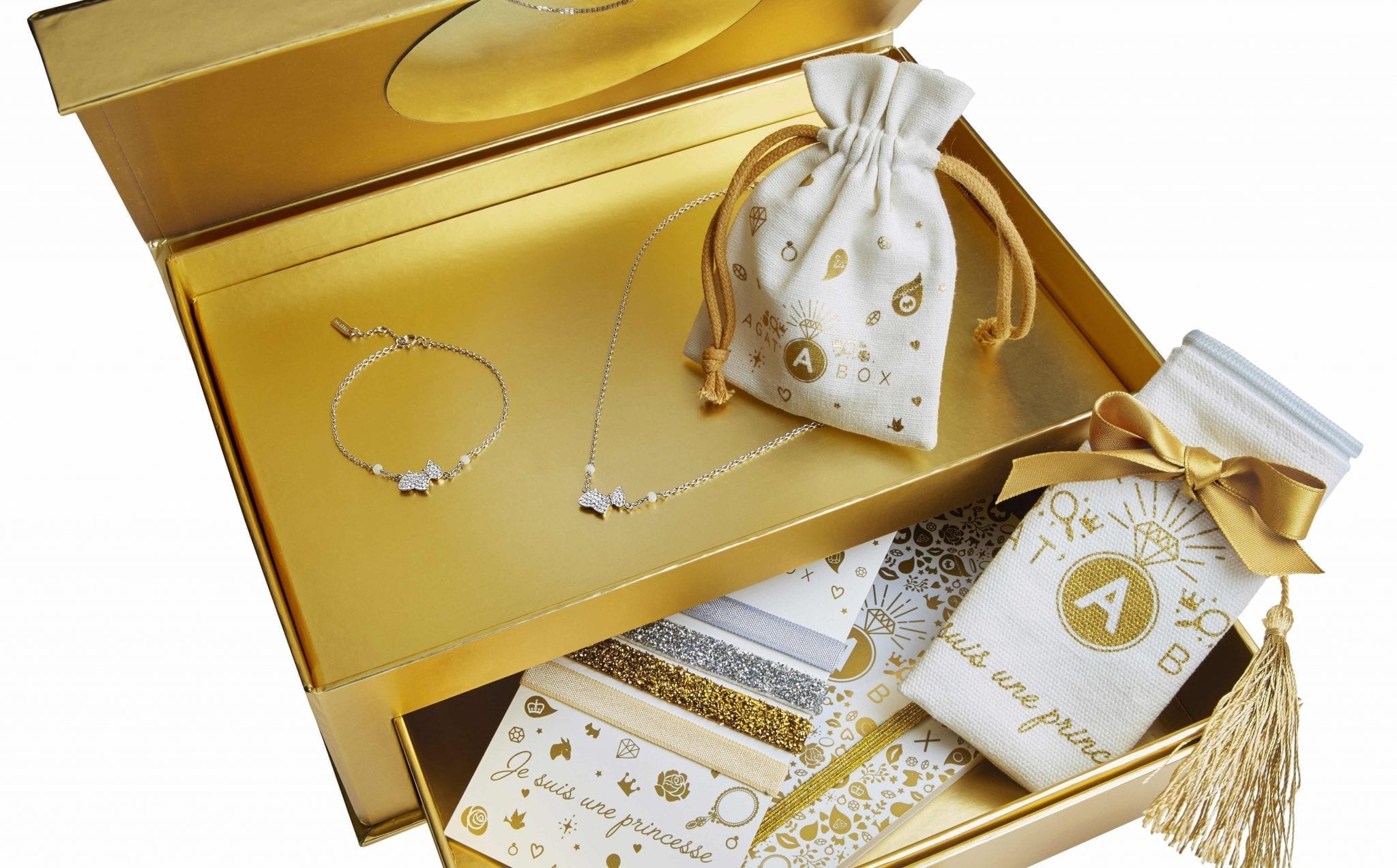
    French fashion jeweller Agatha Paris has opened its first stand-alone travel retail store, at Haikou Meilan International Airport on China’s Hainan Island.

    Opened in partnership with Hainan Duty Free, the 20 sqm store has a contract until September 2019.
    Agatha Paris will present its latest collections, including several travel-retail exclusive sets, at the upcoming TFWA World Exhibition in Cannes. The brand showcased a range of stainless-steel jewellery at this year’s TFWA Asia Pacific exhibition in Singapore.

    The brand’s collections are divided into five themes: Iconic, Timeless, Modern Chic, Classy and Sparkle. This year’s collections include African Art Deco, Grand Palais, Opera and Olympia.

    Global head of travel retail Karan Tuli says the brand launched into travel retail three years ago, initially with a sole focus on inflight sales to gain exposure. It has since expanded its network, with 330 points of sale in 25 countries, and listings with 30 airlines. Its 14 ground shop locations in Asia include China, Japan, the Philippines, South Korea and Thailand.

    “Business in Australia, Cambodia, Singapore and Vietnam is on the radar for the coming months,” says Tuli.

    “Southeast Asia and China are seeing fast expansion, and the potential for the brand to grow its travel-retail footprint is more positive than ever. Costume jewellery is a tough category, but recent spending trends have supported a positive outlook for us.”

    King Power Group founder Antares Cheng acquired the Agatha Paris brand in 2006.

  • Audi says August sales up 2.9 percent on Chinese demand for compact cars

    Audi says August sales up 2.9 percent on Chinese demand for compact cars

    Audi increased global sales 2.9 percent in August on strong demand in its key Chinese market for luxury compact cars including the A3 and Q3 models.

    The Volkswagen-owned division on Tuesday said deliveries rose to 132,350 autos last month from 128,647 a year earlier, with eight-month sales up 4.9 percent at 1.23 million.

    Sales in China were up 8.8 percent at 49,154 cars, expanding year-to-date registrations in Audi’s largest market 6.8 percent to 361,315.

    German luxury rival BMW earlier on Tuesday reported a 5 percent increase in brand sales to 142,554 cars, with eight-month sales up 5.5 percent at 1.28 million.

  • Wal-Mart China expanding in Yunnan province

    Wal-Mart China expanding in Yunnan province

    Supermarket retailer Wal-Mart China says it will build four more outlets in the southern Chinese province of Yunnan, including one in Kunming, before the end of the year.

    It also expects to launch more than 20 stores in Yunnan, including 12 in Kunming, before the end of 2020.
    Wal-Mart China COO Jim Thompson says the company has always been confident about the Chinese market, which it entered 20 years ago.

    In Yunnan, it will not only invest more than CNY60 million (US$8.9 million) to upgrade its stores in Kunming, but will also open four outlets in the province before the end of this year.

    Wal-Mart has been enhancing its stores while adding new ones across China. So far, it has invested more than CNY350 million in its upgrade program, improvements including high-performance air-conditioning pumps, LED lighting and leaf-vegetable spray racks.

  • Starbucks Asia rolls out Teavana

    Starbucks Asia rolls out Teavana

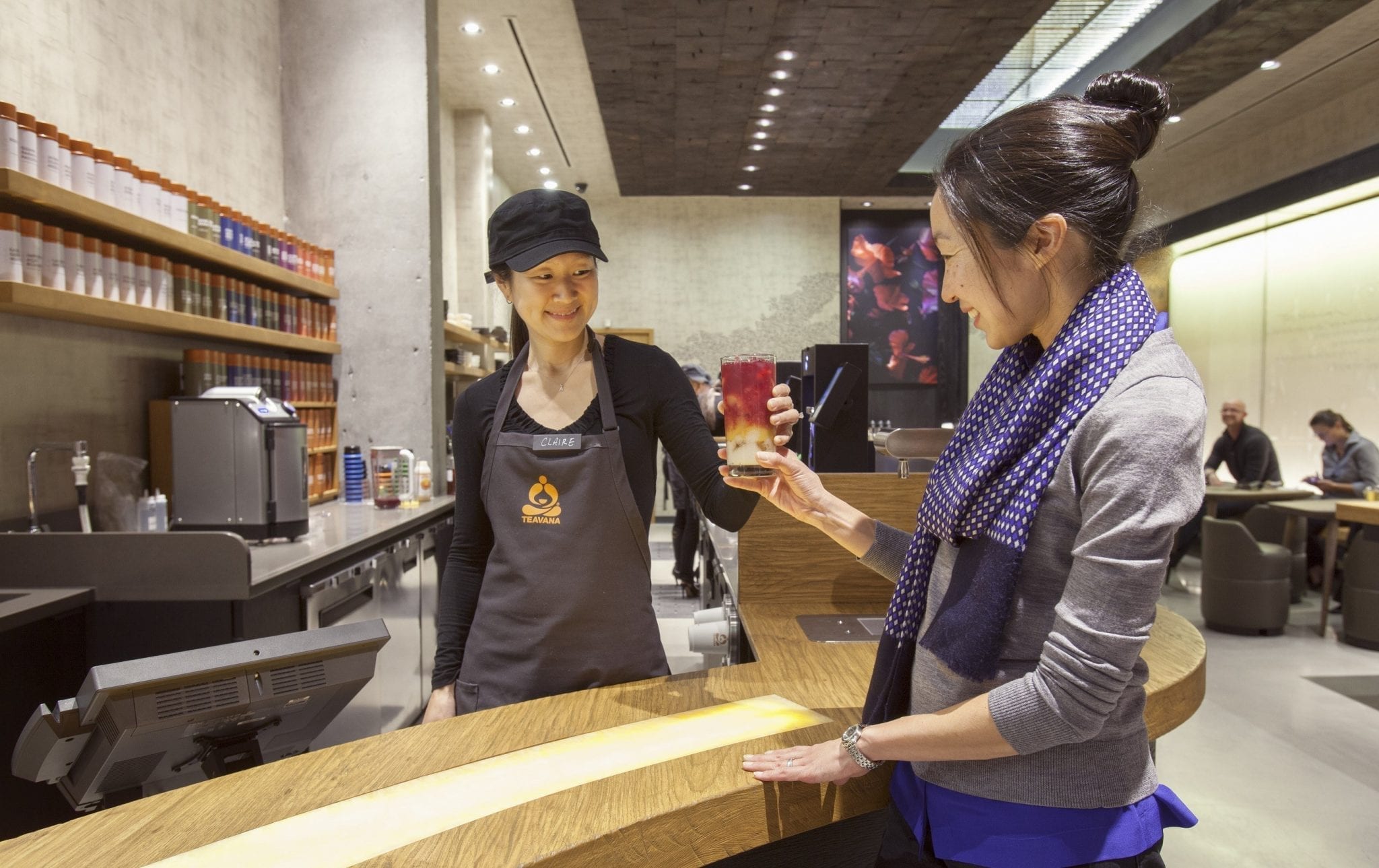
    Starbucks Asia is rolling out Teavana in 6200 stores across its 16 Apac markets.

    Four tea beverages prepared in-store will be offered to the 16 countries, with two or three expected to be sold in each market, the choice up to each one.

    Starbucks acquired US-based Teavana Holdings in December 2012, a “super premium tea” product it says brings “exotic blends, great flavors, wellness and innovation” to customers globally.

    The Asian launch began with China at the end of last month, with Korea and Indonesia following at the beginning of this month. The majority of Asian markets will see the new lines in mid-September, with a Japan launch scheduled for October and India later this year.

    Vera Wang, director, product line innovation at Starbucks China and Asia Pacific said the teas have been developed especially for Asian tastes.

    “We recognise Asian consumers are developing sophisticated taste preferences.”

    While a premium product, pricing will be left to the determination of each market, she said.

    “Pricing (of all Starbucks lines) is determined product by product and market by market.”

    She declined to discuss the company’s expectations for Teavana’s share of Starbucks sales in the region.

    “I’m not at liberty to talk about that. But tea definitely has huge potential for us and we have a lot of confidence going into Asia with Teavana.”

    Starbucks Korea staff promoting Teavana at the Starfield Hanam GL store.

    Besides fresh-brewed tea in cafes, Teavana full-leaf tea sachets will also be sold for take-home use.

    The four launch lines of Teavana in Asia are Matcha & Espresso Fusion (a matcha tea blended with a shot of espresso), Black Tea with Ruby Grapefruit and Honey, Iced Shaken Green Tea with Aloe and Prickly Pear; and Iced Shaken Hibiscus Tea with Pomegranate Pearls.

    Wang said, those core lines would be complemented by other blends selected on a market-by-market basis in the future, depending on customer feedback.

    John Culver, group president of Starbucks global retail said in a statement Teavana represents “a tremendous opportunity to leverage the company’s expertise in creating best-in-class retail experiences, handcrafting custom beverages, and sourcing the finest ingredients, to become a leader in a new category for us”.

    “Just as we’ve done for coffee, this is tea reimagined at Starbucks.”

    Last year, Starbucks’ tea business in the US grew by 12 per cent with all tea categories posting strong growth, led by iced tea at 29 per cent. Building on this and the success of Teavana to date in other parts of the world, Starbucks aims to increase its global tea business to US$3 billion over the next five years.

    Starbucks Teavana will be launched in all stores in Australia, Brunei, Cambodia, China, Hong Kong, India, Indonesia, Japan, Korea, Malaysia, New Zealand, The Philippines, Singapore, Taiwan, Thailand and Vietnam.

  • VW’s Audi steps up collaboration with Chinese tech groups

    VW’s Audi steps up collaboration with Chinese tech groups

    Volkswagen’s luxury car unit Audi has agreed to deepen collaboration with Chinese internet technology groups to offer more digital services in the world’s largest car market.

    Audi and FAW-Volkswagen, VW’s joint venture with FAW Car Co Ltd (000800.SZ), have signed letters of intent with Alibaba (BABA.N), Baidu (BIDU.O) and Tencent (0700.HK), Audi said on Sunday. Financial terms were not disclosed.

    Parent Volkswagen has been hobbled by a scandal over the rigging of emissions tests, distracting it in a race with global carmakers to develop computer-aided services for drivers.

    VW’s CEO told a newspaper on Sunday that it has to remain in control of its relationship with car users, which is why it stopped talks with U.S. ride-hailing service Uber and technology giants Google (GOOGL.O) and Apple (AAPL.O).

    Under the agreement with online search company Baidu, Audi aims to improve the use of smartphone apps in its cars.

    Its projects with social network and online gaming group Tencent include helping drivers to make better use of the WeChat communication app.

    The alliance with Alibaba aims to develop more real-time traffic news services and 3D maps.

    VW in May took a $300 million stake in smaller ride-sharing company Gett.

  • Metro China launches chain’s first green store

    Metro China launches chain’s first green store

    German retail and trading giant Metro China has launched its first global green store in the Pearl River delta city of Dongguan.

    It aims to upgrade its sustainable development in the Chinese market, where it had double-digit growth in its latest fiscal year.

    Metro China president Jeroen de Groot says the green renovation of its Dongguan Wanjiang store is estimated to help it cut its annual energy consumption by as much as 50 per cent. It makes full use of clean energy, namely solar and wind power.

    The renovation cost more than 5 million yuan (US$75,700), and Metro plans to convert all its mainland stores to become green.

    “Innovation and change have always been the driving forces for sustainable growth at Metro, and the green renovation of the Dongguan Wanjiang store is our new endeavour in the field of energy conservation and environment protection, aiming to promote long-term social sustainability,” says de Groot.

    Metro opened its first mainland store in Shanghai in 1996 and now has 84 stores employing more than 11,000 people in 58 Chinese cities. Its annual sales volume reached €2.66 billion (US$3 billion) during the fiscal year to September 30 last year, up 17.4 per cent.

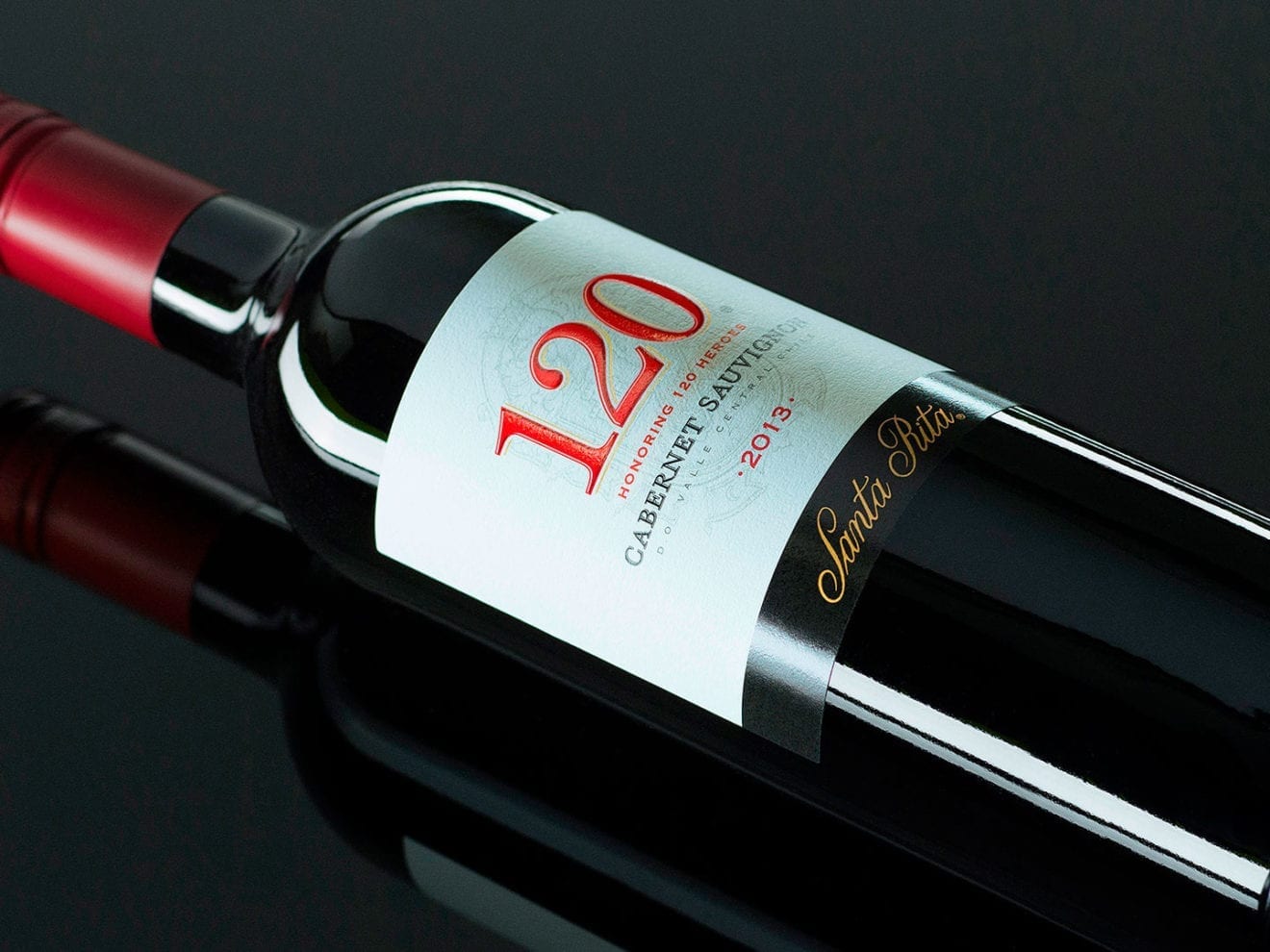
  • Santa Rita launches on Tmall

    Santa Rita launches on Tmall

    The Alibaba Group which operates Tmall is the biggest e-commerce platform in China with more than 400 million users and 120 million clicks per day. Tmall is Alibaba’s B2C online retail platform that has recently listed other big brand wine accounts, such as Wine Australia, Mondavi andASC Fine Wines.

    Earlier this year, Jack Ma, founder and executive chairman of Alibaba Group announced the launch of the first ever ‘Wine Day’. Hoping to emulate the success of ‘11.11 Singles Day’ which recorded a massive US$14.32 billion in sales in just 24 hours, this event, called the “9.9 Wine & Spirits Festival”, took place today at 9am CST.

    The Santa Rita online flagship store will offer key wines from their portfolio along with specific offers and promotions targeted China’s 688 million internet users – most of whom connect to Tmall via their smartphones.

    Terry Pennington, Santa Rita’s east region export director, said the listing was a “significant milestone” in the estate’s route-to-market in China.

    “This opportunity provides an excellent platform not only for retail but one from which we can communicate to and with the many millions of Chinese e-consumers our brand heritage, values and story,” he said.

    Established in 1880, Santa Rita is one of Chile’s oldest and most renowned wineries and owns over 2,500 hectares in the wine valleys of Limarí, Casablanca, Leyda, Maipo, Colchagua, Apalta, Maule, Rapel and Curico.

    Brands in the Santa Rita portfolio include 120, Secret Reserve, Reserva, Medalla Real, Floresta, Pehuen, Triple C and Bougainville with the top wine being Casa Real.

    Santa Rita is part of the Santa Rita Estates (SRE) stable comprising three key wine brands: Santa Rita and Carmen from Chile and Doña Paula from Argentina.

  • Chinese retail prices on the new iPhone 7 may drag down sales

    Chinese retail prices on the new iPhone 7 may drag down sales

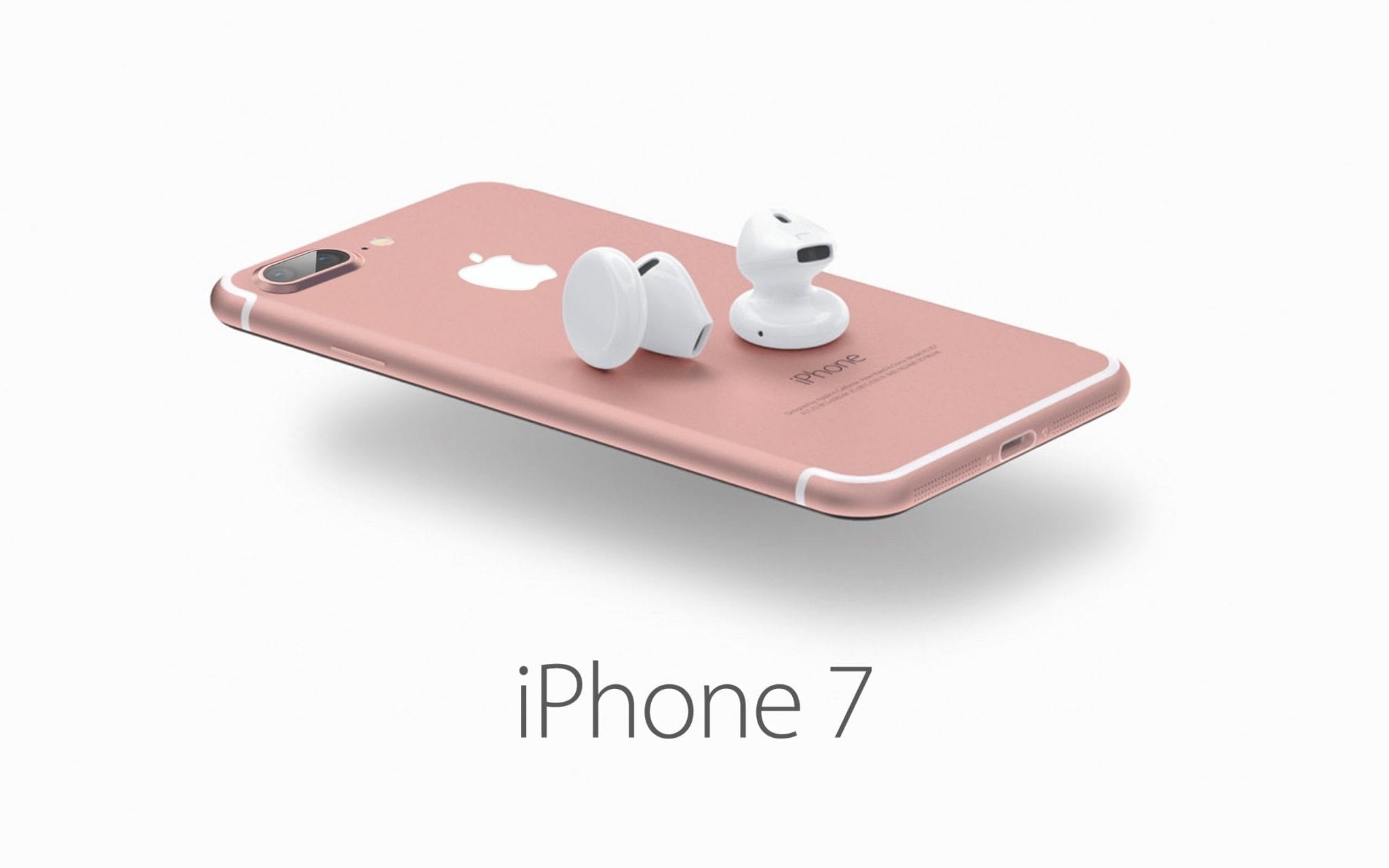
    This is clearly a big change in the industry, and as big changes oftentimes go, people aren’t immediately excited about it. People also seem frustrated with Apple’s new wireless headphone option, the “AirPods”, which will retail for around $160. That’s even more impressive when you consider Apple Watch was only on sale for 8 months of the year. It means for all those who sit at their desks,charge the phone and plug in their headphones to listen to music, Apple’s latest smartphone isn’t going to cut the mustard -you simply can’t do both. Apart from having aLightning input at the rear of the dock, there is a 3.5mm output jack as well.

    We expect more third-party solutions to arrive in the next few weeks to make this less of a pain in the rear. This is only slightly more useful than the one port on the phone. AirPods auto-pair with all your iCloud-connected devices except Apple TV.

    Schiller mentioned that the Lightning adapter Apple includes with every iPhone 7 is a way the company is helping ease the transition from the 3.5 mm jack. Apple killed the 3.5mm audio port with the iPhone 7 and iPhone 7 Plus.

    Apple initially quoted shipping dates of two to three weeks after September 16, but the company quickly pushed ship dates back to four to six weeks for some versions of the black iPhone 7s. And, these standalone left/right AirPods only play music when they detect that they’re in your ear.

    They’re just standard Bluetooth, with a little bit of “secret sauce” for easy pairing with Appledevices. When Apple unveiled the iPhone 7, people took issue with its lack of a headphone jack.

    “Apple has a very long history of removing features we all thought were necessary, and then convincing us that we didn’t need them”, said Ask, noting that Apple paved the way in phasing out the use of floppy discs and optical drives in computers.

    The Bluetooth or Lightning allow for the transfer of audio signals to the headphones digitally.

  • Kingsdown Adds Three Branded Mattress Stores in China

    Kingsdown Adds Three Branded Mattress Stores in China

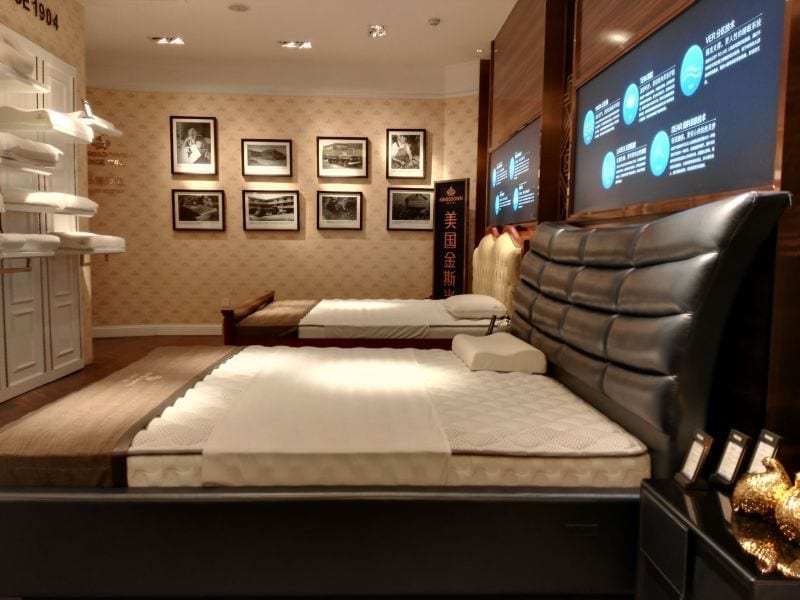
    Mattress supplier Kingsdown, Inc. has opened three additional stores in China, boosting its footprint in the country to 39 stores in 31 cities.

    The latest openings include two additional stores in Beijing, taking the city’s total to three, and its first location in Shanghai.

    The company said it expects to have 75 stores in 65 cities by the end of the year through its licensing agreement with Chinese bedding producer and retailer Roth Bedding Technology International Ltd.

    The two companies joined forces last year, and since then, the partnership has continued to flourish. The latest move solidifies the companies’ growth strategy to have 500 branded stores open throughout China by 2020, Kingsdown officials said.

    Building on its partnership with Roth, Kingsdown is growing its branded store network to strengthen its presence in China, taking advantage of the demand for an American brand with a history of luxurious style and hand craftsmanship. The Kingsdown branded stores sell the company’s popular collections along with products designed and developed specifically for the Chinese marketplace, a growing market for mattresses with an annual growth rate of more than 25% in the last five years.

    “The reception to the Kingsdown brand in Asia has been incredible with the region’s consumers,” said Frank Hood, President and CEO of Kingsdown. “Our partnership with Roth has been incredible in allowing us to capture China’s luxury mattress consumer. The strategic plan we have in place will solidify Kingsdown as the leading luxury brand in this growing consumer market.

    “The future is bright for Kingsdown in China,” added Jie Du, Roth bedding general manager. “Kingsdown’s focus on styling, quality and industry leading sleep research are key characteristics for the discriminating consumer here in China who shows a strong penchant for American-made, high-end products.”

    In addition to its growing presence in China, Kingsdown has branded retail showrooms in Vietnam.

    Roth Bedding Technology International Ltd. is based in Hong Kong. The company is a leader in distribution platforms and retail, providing both their partners and Chinese consumers a full-service company that offers quality products.

  • Chinese Think Tank Says 1/3rd of Mainland Malls to Close Within 5 Years

    Chinese Think Tank Says 1/3rd of Mainland Malls to Close Within 5 Years

    More bad news for China’s struggling brick and mortar retailers as a recent report from the Chinese Academy of Sciences and Social Sciences Academic Press predicted as many as one-third of all shopping centers in China will close their doors during the next five years.

    With ecommerce heavyweights Alibaba and JD.com dominating the retail sales, some of China’s largest mall operators are already feeling the pinch. Joy City Property and Maoye International posted profit warnings earlier in the year as buyers opt to shop online.

    Change Predicted for All Mainland Retail Centres

    The report by the respected central government think tank predicted change across the board for Chinese shopping centres, foreseeing that, in addition to the malls expected to close, another third will be transformed into experiential shopping centres, while the remaining third will adopt an online to offline (O2O) model that integrates the Internet with physical shopping.

    While two decades ago China had an undersupply of malls, the country has quickly overcome the deficit, with the mainland now home to 4,000 shopping centers — three times the US total. That population of malls is expected to grow to 10,000 by 2025, according to the CASS report. Research from JLL revealed 40 million square metres in new mall space is expected to enter the market between 2015 and 2017.

    Department stores in the country fared still worse than shopping centres, with sales growth contracting 0.7 percent during 2015, according to data from the Fung Business Intelligence Centre.Malaysia-based department store Parkson, which operates 59 outlets in China, announced it was selling assets to offset heavy losses in the country.

    Chinese Shoppers Swap Malls for the Internet

    Jack Ma big mouth

    Jack Ma’s ecommerce empire has been taking a bite out of China’s traditional retail sector

    According to Reuters, Suning, one of China’s largest retail chains, needed 12 months to bring in the same amount of sales that Alibaba’s Tmall website generated in two months. And while the electronics retailer is able to keep the lights on, others have not been so lucky.

    A total of 138 department stores, 262 supermarkets and 9,464 clothing stores closed in China between 2012 and 2015 according to data from the Business Economics Institute under Beijing Technology and Business University. That goes hand-in-hand with findings from the McKinsey Global Institute that showed ecommerce accounted for 20 percent of all clothing purchased and 15 percent of all household goods purchased in 266 cites in China.

    McKinsey predicts ecommerce marketplaces will bring in anywhere from $420 billion to $650 billion in sales by 2020. That is in stark contrast to the slowing sales physical retailers are coping with.

    Data from Fung Business Intelligence Centre showed there was 4.3 percent sales growth last year among China’s top 100 retail chain operators, the lowest total since 2007.

    Physical Stores Not Going Down Without a Fight

    While the mainland’s earth-bound retail sector has been taking a beating, not everyone is ready to give up. China Properties Group, a Shanghai-based developer which owns and operates the Concord City mixed-use project and the World Trade Plaza in Chongqing, took out a full page ad in the New York Times international edition late last year pleading with consumers to boycott online shopping.

    Other retailers are opting for a more modern way to fight back against China’s growing ecommerce sector.

    Of China’s top 100 retail chain operators, 83 currently have their own online stores in 2015. Of this number, 20 also have a mobile shopping app for consumers to use.

    “Physical stores should abandon the old model. They can use online shopping and WeChat to facilitate transactions and provide more convenient service,“ Hong Tao, director of the Business Economics Institute, proclaimed.

  • Hermès Apple Watch launched at up to $1499

    Hermès Apple Watch launched at up to $1499

    Hermès and Nike have revealed new collaborations with Apple, to produce exclusive co-branded Apple Watches.

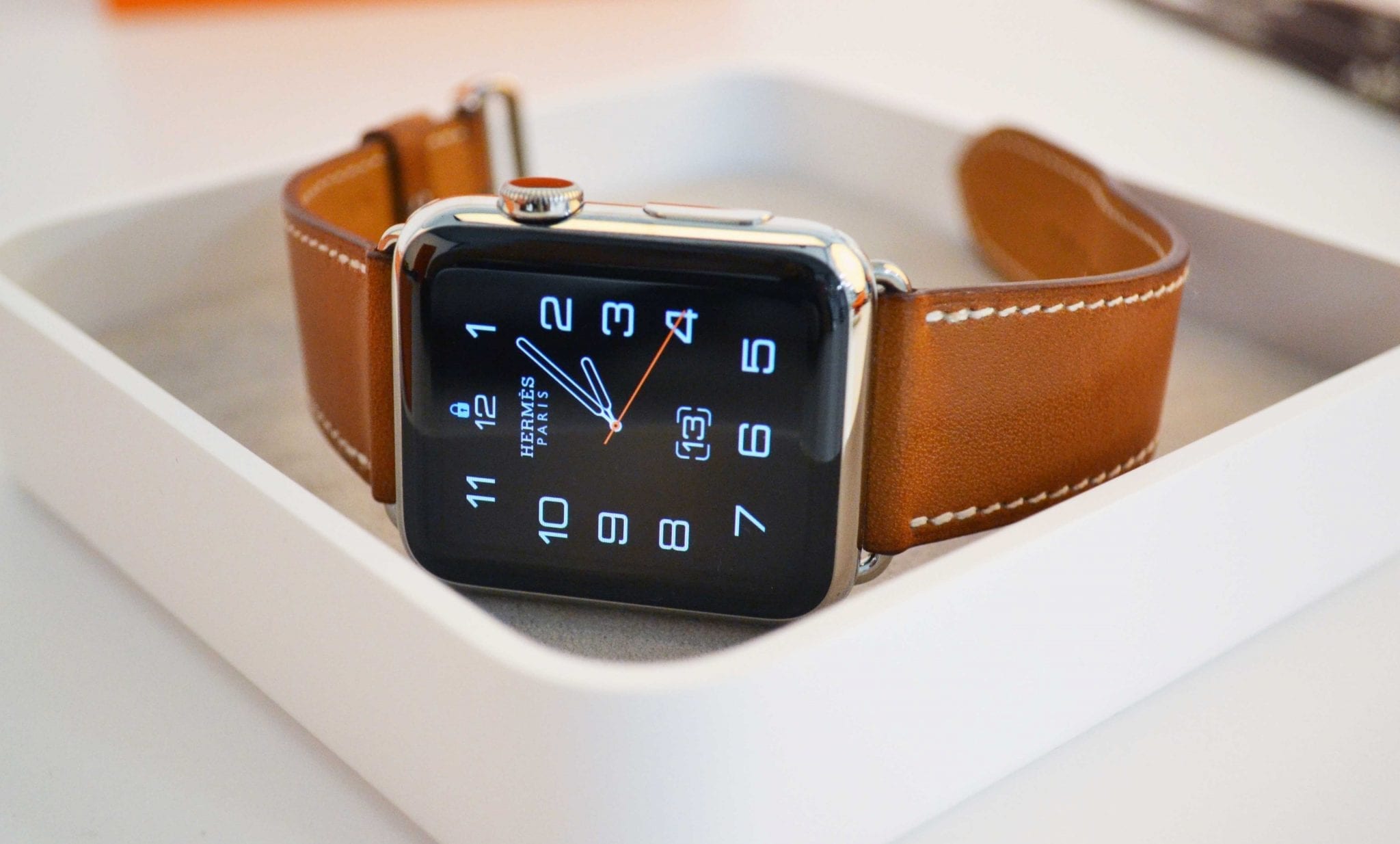
    Hermès introduced new Apple Watch styles and an expanded assortment of wristbands that incorporate its signature palette alongside a series of bold new colors.

    Meanwhile, Nike is focused on functionality for the sportsperson, with the Apple Watch Nike+ Series 2, featuring GPS, a two-times-brighter display, water resistance to 50m and a dual-core processor.

    Launch dates in Asia

    In Asia, the Apple Watch Hermès will be available from September 23 in Australia, China, Hong Kong, Japan, Macau, Singapore and Taiwan. The Nike watch goes on sale from yesterday, September 9.

    The Hermès models range in price from US$1149 to $1499, while the Nike sells for a more affordable $369 – $399. The Hermès wristbands will also be sold separately.

    Apple watch Hermes double buckle cuff

    Hermes says the design process was driven “entirely by a shared ambition for ultimate beauty and utility,” featuring exclusive watch face designs inspired by the iconic Clipper, Cape Cod and Espace Hermès models.

    “Ours is a partnership born of parallel thinking and mutual regard — we share similar preoccupations, ever evolving and refining our design,” said Jonathan Ive, Apple’s chief design officer.

    Siri speaks

    The Apple Watch Nike+ also includes exclusive Siri commands and Nike watch faces along with deep integration with the new Nike+ Run Club app to motivate wearers to go for a run, coaching plans that adapt to their unique schedule and progress, and guidance from the world’s best coaches and athletes.

    “Apple Watch is the ultimate device for a healthy life and we wanted to push it further to create the best smartwatch in the world for runners and athletes,” said Jeff Williams, Apple’s COO. “Apple Watch Nike+ takes performance tracking to a whole new level and we can’t wait to bring it to the world’s largest community of runners.”

  • Maker of Po Chai Pills kicks off HK$750 million IPO to fund expansion plans in Asia

    Maker of Po Chai Pills kicks off HK$750 million IPO to fund expansion plans in Asia

    Jacobson Pharma Corp, Hong Kong’s largest generic drug firm and maker of the Po Chai Pills used by generations of the city’s residents, is seeking to raise HK$750 million in an initial public offer.

    The company will sell 437.5 million shares at a price range of between HK$1.28 to HK$1.72 per share, 10 per cent of which are reserved for retail investors.

    The company opens its book for retail investors on Thursday, requiring a minimum subscription of HK$3,475 for 2,000 shares. A separate tranche reserved for institutional investors had already been fully subscribed, according to people familiar with the plans.

    The stock is scheduled to begin trading in Hong Kong on September 21.

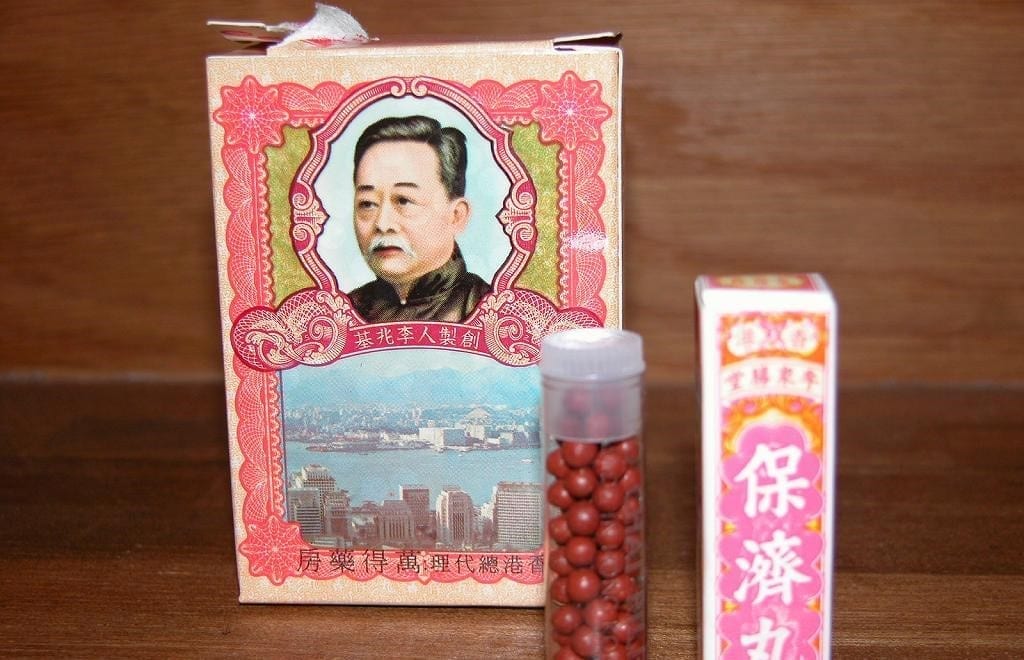
    Hong Kong residents are familiar with Jacobsen’s Po Chai Pills, tiny pellets made from a herbal remedy that’s used for relieving indigestion and hangovers.

    The company, which relies on Hong Kong for 90 per cent of its revenue, also makes the Flying Eagle Woodlok Oil and Tong Tai Chung Woodlok Oil.

    Jacobson plans to use 45 per cent of the proceeds from its IPO for acquisitions, including the setting up of ventures, according to its prospectus.

    The company plans to expand in Macau, Taiwan, Vietnam, and Southeast Asia, said Jacobson;s chairman and chief executive Derek Sum. The company also plans to expand to several provinces in southern China, where there is a familiarity with its brand.

    “We expect to become a leading brand in Asian Pacific region,” Sum said.

    Net profit rose 34 per cent to HK$152.7 million in the year ended March 31, while total sales increased 14 per cent to HK$1.08 billion, according to Jacobson’s prospectus.

    Generic drug sales made up 87.2 per cent of the company’s revenue for the year, while proprietary herbal medicines such as Po Chai Pills, made up only 12.8 per cent of total revenue.

    China’s drug regulator in May approved over the counter sales of Po Chai Pills, allowing them for marketing and sales on the mainland without a doctor’s prescription.

    Hong Kong Wing Wah Medicines Group, which has over 30 drug stores in the city, was a cornerstone investor that subscribed HK$80 million of its new shares. Sum expects to see more business synergy with Wing Wah.

  • Singapore flagship leads Uniqlo Asia plan

    Singapore flagship leads Uniqlo Asia plan

    Japanese casual-clothing chain Uniqlo’s new store in Singapore takes up three floors – and marks its biggest gamble in Southeast Asia yet.

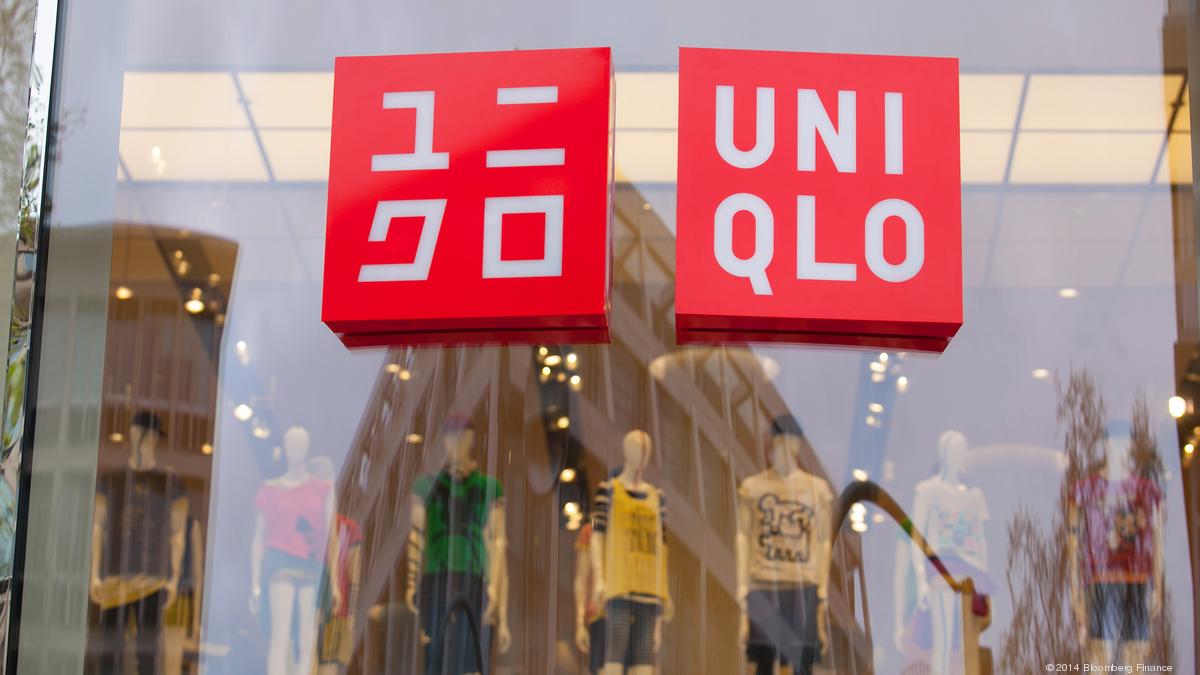
    In the Orchard Road shopping precinct, the 2700 sqm Uniqlo Singapore flagship is the brand’s largest store in the region. Its parent, Fast Retailing Co, is opening Uniqlo stores in the US, London and across Asia to help reduce its dependency on its home market where household spending is falling.

    Uniqlo Singapore - Orchard store 1

    Uniqlo has about 130 outlets across Southeast Asia, opening a six-storey China flagship store in Shanghai a year ago. Chairman Tadashi Yanai says he has plans to open 100 stores a year in China on it way to a potential 3000. There are about 30 stores each in Malaysia, Thailand and the Philippines.

    Uniqlo Singapore - Orchard store

    Meanwhile, in Japan Uniqlo closed a net six stores in August, as same-store sales decreased by 1 per cent year-on-year. Sales at company-owned stores slipped by 0.5 per cent, but the company’s increasing online business saw overall sales increase by 0.2 per cent.

    Uniqlo cited cooler temperatures in the first half of the month and heavy typhoons from mid-month onward for the store sales decline.

  • Alibaba to take stake in Yum China

    Alibaba to take stake in Yum China

    Yum! Brands has agreed with two partners to invest $460 million into Yum China, following its spinoff from the American fast-food giant.

    Also involved are China-based global private equity firm Primavera Capital Group and online and Alibaba subsidiary, mobile financial services provider Ant Financial Services Group, which runs the Alipay mobile payments platform.

    The spinoff and concurrent finalisation of the investment are expected to occur on October 31, with Yum China to start trading on the New York Stock Exchange the next day as an independent company.

    Under the terms of the agreements, Primavera and Ant Financial will invest $410 million and $50 million respectively in Yum China.

    Primavera founder Dr Fred Hu, former greater China chairman at Goldman Sachs, will be non-executive chairman of the board of Yum China.

    “Yum China is an established leader in the retail and restaurant industry, which we believe is poised for continued strong growth and unit expansion as cities across China invest in new transportation hubs, shopping malls and other physical and electronic infrastructure,” says Dr Hu, describing the Yum China moves as a “new and exciting chapter”.

    Membership services

    “Through this collaboration, we aim to help Yum China provide world-class mobile payment services for tens of millions of customers across its brands,” says Ant Financial Service Group president Eric Jing. “These services include hassle-free Alipay for customers to help shorten queues at the cashier, as well as membership services for Yum China designed to help manage its customer relations and promotions.”

    He says Yum brands KFC and Pizza Hut have seen promising marketing results through promotions on multiple Ant Financial platforms.

    “Primavera and Ant Financial both have deep insights into the rapid urbanisation and digital transformation that is driving the evolution of China’s economy,” says Yum China CEO Micky Pant.

    “The investments from Primavera and Ant Financial in Yum China mark another important milestone in our plans to separate the China business and create a solid foundation for Yum China as it prepares to become an independent restaurant powerhouse,” says Yum! Brands CEO Greg Creed.

    As a licensee of Yum! Brands in China, Yum China Holdings will have exclusive rights to KFC, Pizza Hut and Taco Bell, which has yet to expand to China. KFC and Pizza Hut have more than 7200 restaurants in more than 1000 cities in China.

  • E-Land Group sells clothing brand to China

    E-Land Group sells clothing brand to China

    To raise funds to cut debt, South Korean apparel retailer E-Land Group is selling a youth clothing brand to China’s V-Grass Fashion Co for nearly US$900 million.

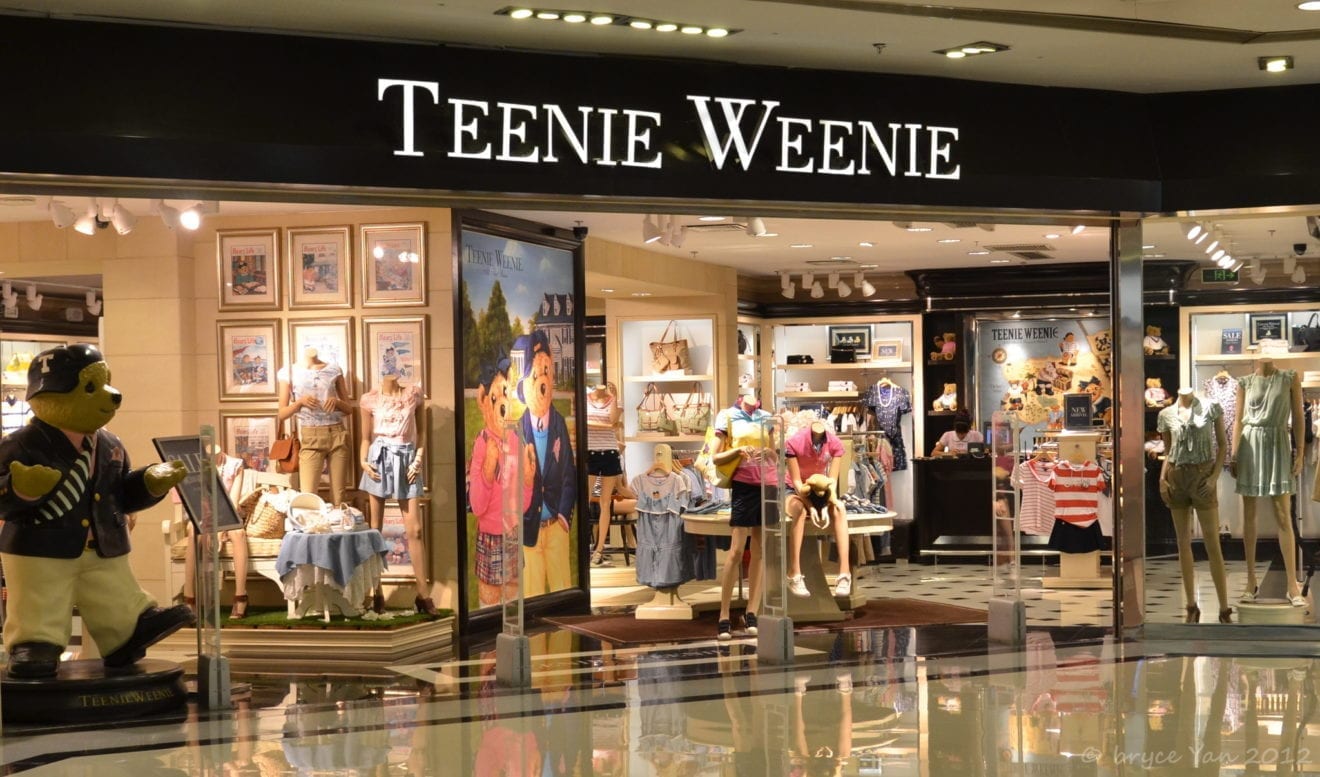
    South Korea’s largest apparel retailer, E-Land Group says it expects to close the sale of its Teenie Weenie business for around 1 trillion won by year-end. It says the sale will help cut its debt-to-capital ratio by about a third.

    Led by the success of cosmetics firms, demand in China is surging for Korean products, as well as Korean TV dramas and K-pop music.

    origin_0e7d699c9db0be3878895dcc837751c1

    Teenie Weenie has the strength of both being a Korean firm with a Chinese partner, says VP Lee Gyu-Jin. Launched in China in 2004, it already has a strong profile for its casual clothing. It has 1400 department store and other outlets in China with annual revenue of 420 billion won.

    V-Grass is a Shanghai-listed women’s apparel company with a market value of about $685
    million and is little known outside China. Earlier this year it said it planned to raise up to 1.35 billion yuan ($202 million) in a private share placement “to fund projects”.

    Earlier, E-Land Group dropped a plan to sell its Kim’s Club hypermarket chain to US private equity fund KKR, citing differences over price.