Tag: China

  • New contenders for McDonald’s China and Hong Kong

    New contenders for McDonald’s China and Hong Kong

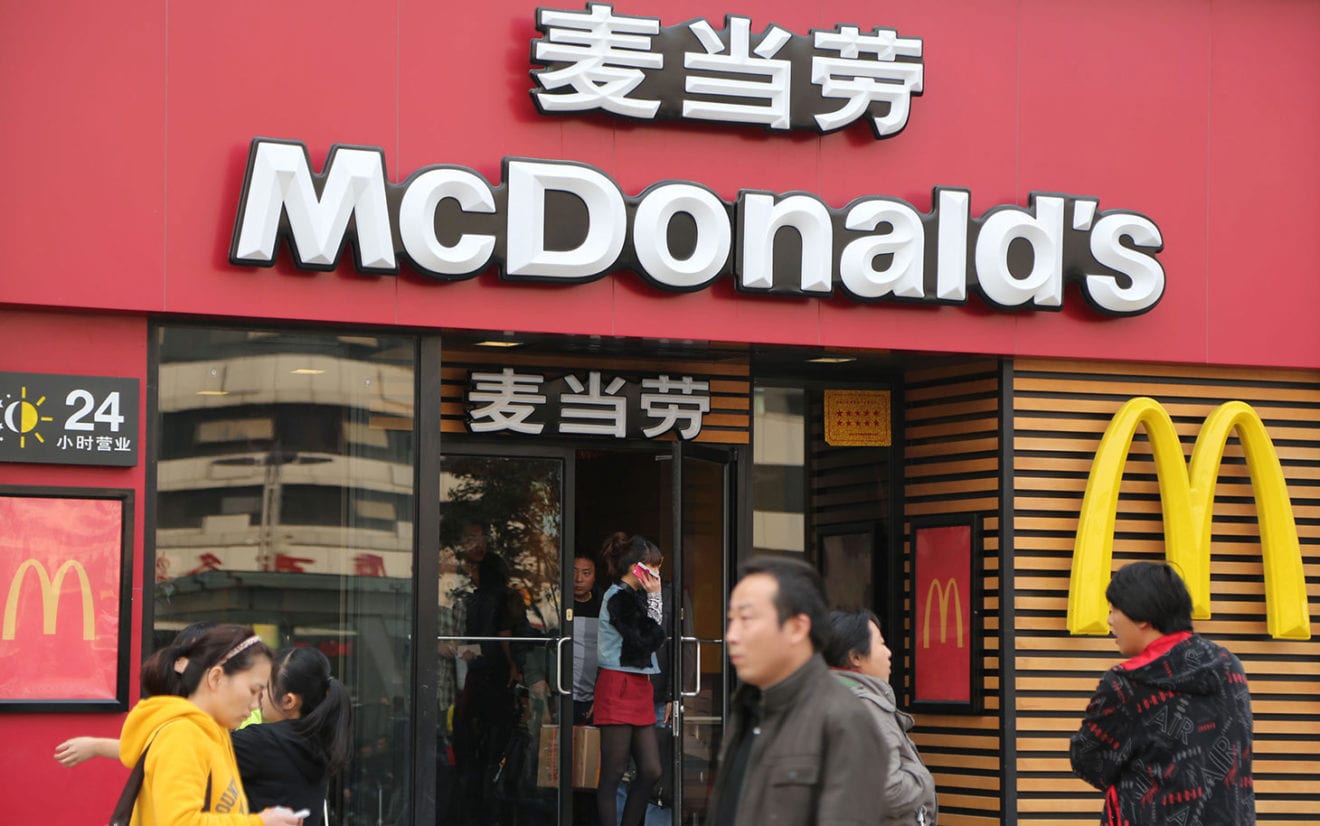
    Private equity firms Carlyle Group and TPG Capital have teamed up with two different Chinese state companies to bid for the McDonald’s China and Hong Kong franchise licences.

    The deal is said to be worth between US$2 billion and US$3 billion, reports the Straits Times.
    McDonald’s has previously said it is looking for long-term partners rather than private equity firms, which typically cash out after a few years.

    Carlyle is working with Chinese state conglomerate Citic Group and TPG has joined with Beijing Capital Agribusiness Group to place binding bids ahead of this month’s deadline. Beijing Capital Agribusiness is McDonald’s current China partner.

    Reuters says the US fast-food giant, hit by food-supply scandals in China, has hired Morgan Stanley to run the sale of about 2800 restaurants in China, Hong Kong and South Korea.

    The two private equity-backed groups are bidding only for China and Hong Kong outlets, going up against Beijing Tourism Group, China Cinda Asset Management and private Chinese technology and real-estate firm Sanpower Group.

    China and Hong Kong account for more than 85 per cent of the 2800 outlets on the block.
    Meanwhile, South Korea’s Maeil Dairy Industry Co says it is considering bidding for McDonald’s Korean outlets, which are expected to fetch about $268 million. Interest has already been shown by CJ Corp and NHN Entertainment Corp.

    Changing to a less capital-intensive franchise model, McDonald’s is offering a 20-year franchise to buyers, with a 10-year extension option.

  • Samsung issues recall of Galaxy Note 7 globally

    Samsung issues recall of Galaxy Note 7 globally

    Samsung Electronics is recalling about 1 million units of its Galaxy Note 7 smartphone sold globally after a series of reports on battery explosions since its launch on Aug. 19.

    The company said all the phones will be exchanged with new ones regardless of battery functions. Considering inventories, the recall will affect some 2.5 million Note phones produced, it added.

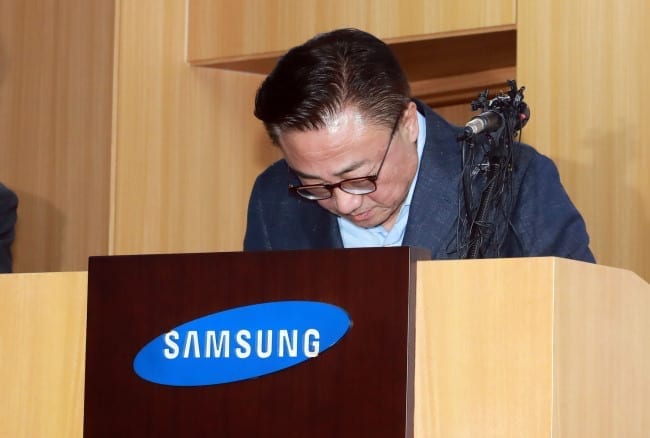
    Samsung Electronics mobile chief Koh Dong-jin apologizes at a press conference held in Seoul

    “We have concluded that defective battery cells have caused the recent explosions. Among 1 million units sold, 24 have been found to have faulty batteries,” said the company’s mobile chief Koh Dong-jin at a press conference held in Seoul on Sept. 2.

    “Even though our investigation is ongoing, we have decided to exchange all the phones considering growing safety concerns among customers,” he said.

    Samsung has suspended shipments of the big-screen Note phone since early this week after several reports in Korea and abroad claiming that the phone exploded while charging. No injuries have been reported.

    The recall is expected to start from Sept. 19 in 10 countries, including Korea and the US.

    In Korea alone, some 400,000 preorders have been made.

    Koh declined to reveal the cost of the planned recall, saying: “It is a huge amount. But we have decided to do so for the safety of our customers.”

    Considering the retail price of Korea at 988,900 won (US$881), the company is recalling an estimated 2.5 trillion won (US$2.2 billion) of Note phones.


  • Wine Australia store launched on Alibaba

    Wine Australia store launched on Alibaba

    Australian wines are set to get a big boost in China from e-commerce giant Alibaba Group’s latest venture.

    An online “flagship store” featuring Australian wine has been launched on Alibaba’s business-to-consumer platform Tmall.com.

    Alibaba’s online retail sites cater to 434 million Chinese consumers, and the group generates half of China’s online wine sales.

    The new store on Tmall, supported by Wine Australia and operated by Chinese online retailer Vinehoo.com, will initially stock 10 brands from eight Australian wine regions, followed by another 20 brands in coming months. The first brands to be featured include Brokenwood, Coriole, John Duval, Pikes and Voyager Estate. Wine Australia does not select the brands. Wine Australia chief executive Andreas Clark said Alibaba was a significant player in Chinese e-commerce — a massive company with great reach. “The muscle they can bring, potentially, to further increasing Australian wine sales is vitally important,” Mr Clark said.

    China’s food and wine culture is still evolving, he said, and more Chinese consumers are looking online for premium products.

    “Our support of Tmall’s flagship Australian wine store helps us capitalise on this growing interest in Australian wine and gives us the opportunity to further reinforce the message with consumers that wines of Australian provenance are of the highest quality,” Mr Clark said.

    Alibaba’s managing director for Australia and New Zealand, Maggie Zhou, said Australian wines are considered world-class, and come at varied price points, so the opportunity to sell to China’s growing middle class is significant. Mainland China is now Australia’s second most valuable export market after the US.

    Total Australian wine exports to mainland China in fiscal 2016 rose 50 per cent to $419 million. Exports of wine priced at $10 or more per litre grew 71 per cent to $169m.

  • SMCP vows to continue China roll-out

    SMCP vows to continue China roll-out

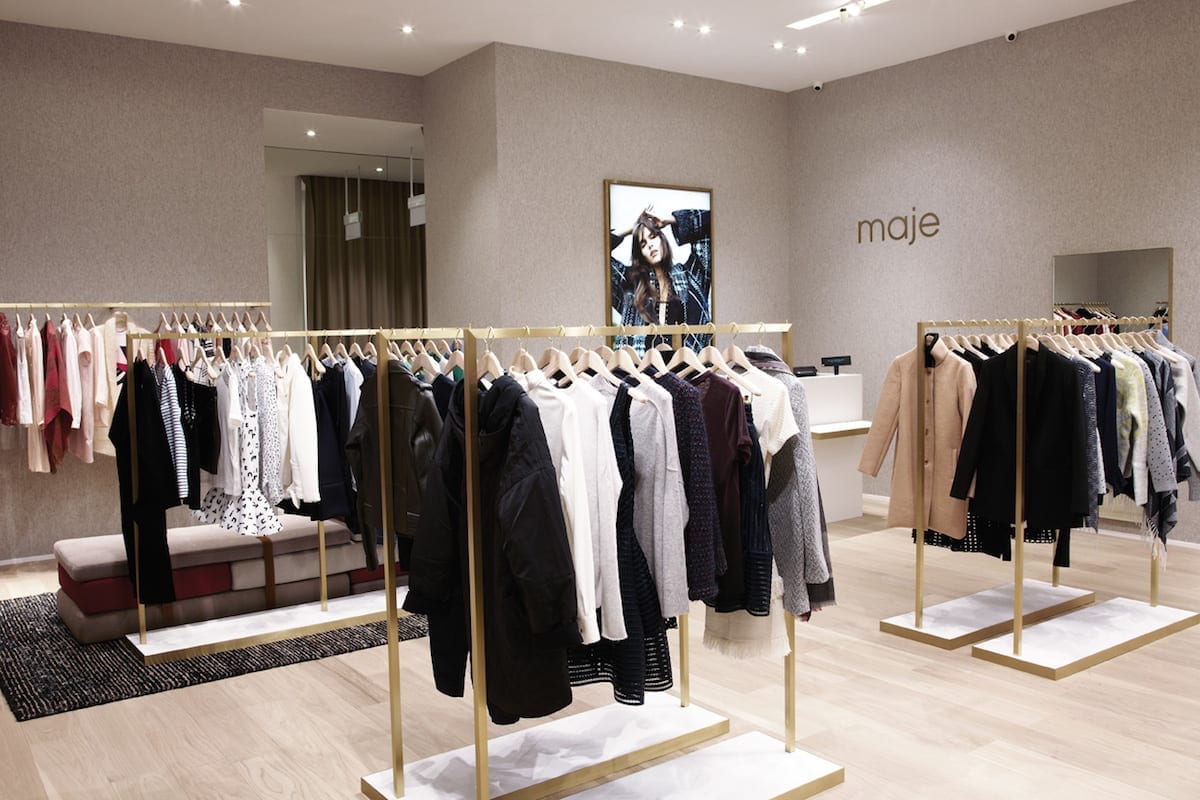
    SMCP, the group behind French fashion brands Claudie Pierlot, Maje and Sandro plans to pursue its international expansion, particularly in China, where it will continue to open about 30 shops a year.

    SMCP president/CEO Daniel Lalonde says the strategy has not changed after majority owner KKR agreed to sell control to China’s Shandong Ruyi in a €1.3 billion (US$1.4 billion) deal that made the company cancel its application for a Paris flotation.

    Shandong Ruyi will own 80 per cent of SMCP while KKR will retain a 10 per cent stake. The balance will be held by founders Evelyne, Ylan Chetrite and Judith Milgrom shared with management.

    Meanwhile, SMCP has bucked the global fashion industry’s sluggish sales growth trends with a 9.3 per cent increase in like-for-like revenue in the first half.

    Including the impact of foreign exchange and new stores, first-half sales were up 19.2 per cent at €377.2 million globally.

    Lalonde says SMCP’s digital strategy is paying off with online sales making up 10 per cent of total revenue, up from 6 per cent last year.

  • Alibaba Wine & Spirits Festival planned

    Alibaba Wine & Spirits Festival planned

    An inaugural 9.9 Alibaba Global Wine & Spirits Festival will be held next week through Tmall.com.

    Alibaba Group will bring 100,000 international wines, cognacs, whiskeys and other beverages from 50 countries to Chinese consumers through Tmall.com.

    Brands such as Gallo Family Vineyards and Robert Mondavi Winery of the US, France’s Lafite and Japan’s Suntory Yamazaki will join winemakers from Australia, Italy, New Zealand and Spain in the first of what is expected to be annual shopping event on Tmall.

    Alibaba says hundreds of brands will make their China debut during the festival.

    Once a trend among China’s wealthy elite, wine has since caught on with the country’s estimated 152 million middle-class consumers. Growth is being driven by consumers in first-tier cities such as Beijing and Shanghai, as well as Chinese in their 20s, according to market researcher Wine Intelligence. The UK firm estimates that 48 million people in China bought imported wine last year, up 26 per cent from 38 million in 2014.

    Greater choice

    Wine Intelligence says eCommerce is bringing greater choice for wine buyers in a country where wine shops and other outlets are not common. Online distribution channels, as well as tariff-reducing trade deals with countries like Australia and Chile, have helped boost imported wine sales to 43.7 million nine-litre cases last year, a jump of 37 per cent over the previous year.

    Consumers are also drinking wine more frequently, says Wine Intelligence, with 35 per cent partaking on a weekly basis last year versus 23 per cent in 2014.
    Alibaba says Tmall saw the number of active buyers in the wines and spirits category climb five times to 10 million consumers between 2013 and 2015.

    Italian winemaker Gruppo Mezzacorona launched a flagship store on Tmall in June, five years after establishing brick-and-mortar sales channels in China including restaurants, hotels and supermarkets. Its country manager Nick He says that selling online via Alibaba marketplaces allows the company to reach parts of China otherwise not possible.

    Live video

    “We believe Tmall will really help us to reach every corner of China,” he says, Also, consumers who would typically have a smaller selection of wines at physical stores have access to most of the company’s wine inventories when shopping online.

    Gruppo Mezzacorona is planning to live-stream video from its wineries in Italy in the run-up to the sale, showing Chinese consumers how grapes are picked and the wine is made. There will also be tips on wine drinking as an interactive component allowing consumers to ask questions.

    Tmall has already launched marketing campaigns to generate buzz around the festival, including live auctions of rare and limited labels and live-streamed broadcasts with experts such as Château Valandraud founder Jean-Luc Thunevin and American wine critic James Suckling.

    Offline, about 5000 bars and pubs in China will support the festival with free tastings and distribution services.

  • Miniso signs up to enter US

    Miniso signs up to enter US

    China’s fast-fashion designer brand Miniso has signed a comprehensive strategic co-operation agreement to enter the US.

    A signing ceremony in Guangzhou was attended by Miniso global co-founder Ye Guofu and Asia Pacific VP Li Minxin as well as a representative from Miniso’s US partner, Matthew Liang.

    Miniso has opened 1400 stores internationally in the past three years, with its global revenue hitting RMB5 billion (US$750 million) last year.

    After focusing on markets in China and Japan, Miniso has successively signed strategic co-operation agreements with 36 other countries and regions.

    Ye says Miniso and its US partner will further co-operate in areas such as product research and development, model updating and talent training.

  • Indonesia asks Alibaba’s Jack Ma to advise its e-commerce development

    Indonesia asks Alibaba’s Jack Ma to advise its e-commerce development

    Indonesia has asked the chairman of China’s Alibaba Group Holding Ltd, Jack Ma, to act as adviser in the development of the Southeast Asian country’s nascent e-commerce industry, according to a video released by the government.

    Indonesia has the world’s fourth-largest population, boasting a young, internet-savvy demographic, and a thriving e-commerce market that is increasingly attracting global investors.

    Earlier this year, Alibaba bought a controlling stake in Southeast Asian online retailer Lazada Group for around $1 billion, while a group of investors led by private equity firms KKR & Co LP and Warburg Pincus LLC poured more than $550 million into Indonesian ride-hailing start-up Go-Jek.

    To promote growth in the e-commerce industry, the government is setting up a “steering committee” consisting of 10 ministers for which it has asked Alibaba’s Ma to be an adviser, Communication and Information Minister Rudiantara said.

    “The thinking behind this is to make Indonesia’s positioning in the international marketplace more prominent,” Rudiantara said in a video released by the state secretariat. The minister, like many Indonesians, only uses one name.

    Rudiantara is part of President Joko Widodo’s delegation attending the G20 summit in the Chinese city of Hangzhou.

    An Alibaba spokeswoman confirmed that Ma was asked to be adviser to Indonesia’s e-commerce steering committee, but declined to say whether he had accepted the offer.

  • In China’s electric car boom, global automakers select different gear

    In China’s electric car boom, global automakers select different gear

    By 2020, Beijing says automakers must meet tough new green standards to cut epic pollution in China’s cities. As domestic firms bet heavily on electric cars to meet that goal, foreign peers are set to stay in a different, petrol-driven gear.

    In the latest sign of caution from global automakers in China, Germany’s Audi last week unveiled a new factory for high-efficiency transmissions in Tianjin, to be used in petrol-powered cars. While Chinese firms go electric in the world’s biggest auto market, Audi is intent on petrol engines that can run farther, cleaner, in tandem with hybrid technology.

    As China’s electrified vehicle production booms, some international industry officials warn in private that the ambitious electric goals of domestic firms could prove too costly, too risky, too far from what consumers actually want – and not a good fit with their operations elsewhere. Still, China doled out $4.5 billion last year alone in green car subsidies.

    “In 2020, most cars we will sell will be combustion engines, so to fulfill (fuel consumption targets) you have to improve the consumption of each and every car of the Audi model range,” Audi China chief Joachim Wedler said at the opening of the new plant. Wedler didn’t comment on Chinese peers’ electric car plans.

    Automakers globally have struggled to agree on what a greener future will hold for the industry. In China, Beijing and state-linked automakers have thrown their weight behind electric vehicles – despite the fact that the electricity they need may be generated from burning coal.

    Under Beijing’s 2020 requirements, on average cars must consume less than 5 liters of petrol per 100 kilometers – nearly 30 percent below current standard levels.

    Beijing has rolled out a raft of incentives to push domestic automakers – foreign brands generally aren’t eligible – to build more electric and plug-in hybrid vehicles, spurring a quadrupling in sales of these so-called “new energy vehicles” (NEVs) in 2015. Even with that surge, just 1.4 percent of cars sold in the first seven months of 2016 were NEVs, as concerns linger over driving range and home charging.

    HYBRID COMPROMISE

    A powertrain manager at a major foreign automaker’s China joint venture said domestic companies’ smaller scale made them nimbler. Many are also state-linked, therefore obliged to support government policy, the manager said, declining to be named as he was not authorized to speak to the media.

    For example, Geely – controlled by Li Shufu, a member of the government’s political consultative body – wants 90 percent of all sales to be NEVs by 2020. Meanwhile, state-backed GAC Motor plans to be able to produce up to 400,000 green energy cars annually by the end of this year.

    Foreign automakers, who must form joint ventures with local partners to produce cars in China, have to consider a different dynamic – how manufacturing strategies on the mainland correlate with their traditional businesses and customers elsewhere.

    The powertrain manager said his company, like Audi, is focusing on a more gradual strategy, developing more efficient engines as well as plug-in petrol-electric hybrids: an interim solution that will please a government intent on cutting harmful emissions.

    Of course, foreign automakers aren’t avoiding NEVs entirely.

    General Motors’ China venture last year pledged to spend $4 billion on electrification, developing 10 new energy models by 2020.

    In Tianjin, Audi China chief Wedler said the German firm and partner China FAW Group plan to launch their first locally produced plug-in hybrid vehicle this year, with a new imported car based on the same principle on the way next year.

    But Wedler acknowledged that as China’s massive auto market evolves, automakers alone won’t determine future directions.

    “The whole picture is driven by legislation,” Wedler said.

  • Kiosk uniting with Taiwan Posiflex

    Kiosk uniting with Taiwan Posiflex

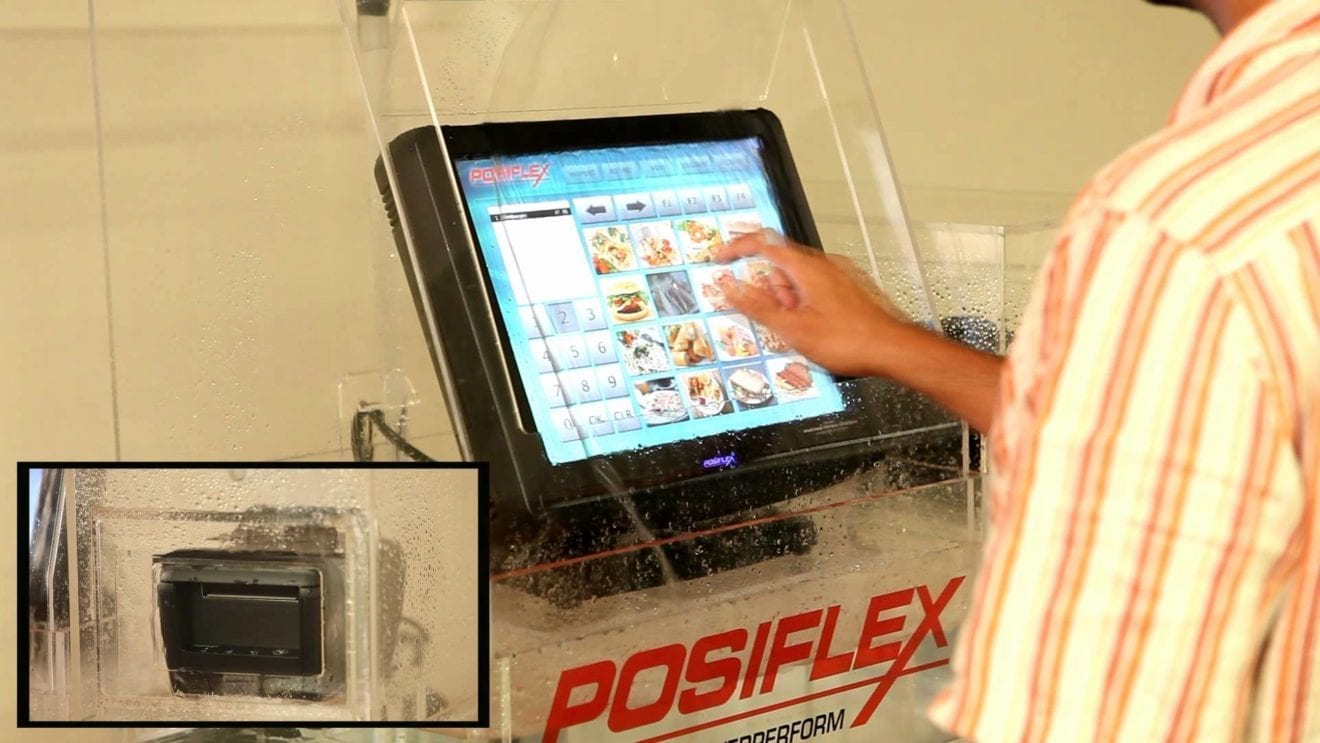
    Taiwanese Point-of-Sales terminal brand Posiflex announced that they have entered into a purchase agreement with Kiosk Information Systems (Kiosk), a provider in self-service solutions.

    Posiflex will offer Kiosk a cash purchase for all outstanding ordinary shares, for a total consideration of approximately US$105 million. Both companies are industry forerunners known for best-in-class POS and self-service platforms. Combining these complementary strengths positions Posiflex for continued growth tied to emerging “Internet of Things” (IoT) applications within the service automation industry.

    Retailers, financial service providers, hospitality and logistics service providers are key among an even wider industry audience driving steady and steep demand in transaction automation.

    Deployers are increasingly incorporating self-service as a “must-have” element of today’s Omnichannel consumer experience; increasing touch points, reducing costs – all while simultaneously collecting valuable transaction data.

    Kiosk is unique among its’ competitors in its ability to provide a complete end-to-end solution encompassing custom design engineering, manufacturing, software development, field services, and highly secure managed services. This “total solution” approach to services has fueled Kiosk’s continued growth and reinforced analyst’s rankings of Kiosk as the dominant North American provider and #3 globally.

    As the IoT is driving improved asset utilization, better logistics management, and better customer experiences, self-service automation platforms become an increasingly integral element of Omnichannel sales strategies.

    Utilizing IoT data from transactions provides valuable insight for customer-specific data collection and enables customized point of sales marketing. Posiflex CEO Owen Chen adds that, “By combining Posiflex and Kiosk’s dual-value proposition in this domain, we are confident in emerging as a distant leader in this growing market.”

  • Silver consumers driving convenience push

    Silver consumers driving convenience push

    Look for more, but smaller, neighborhood stores, an increase in local delivery trucks and changing store layouts as retailers accommodate aging populations, says The Silver Series IV: Retail Reconfiguration for Seniors.

    The report is the latest in a series of analyses from Fung Global Retail & Technology on the impact of the growing 65-and-over population  – silver consumers – on global economies, industries and retail.

    With smaller households and appetites, seniors shop more frequently, but make smaller purchases, favoring the convenience store sector, the report says. The trend is already being seen in Europe, where large-format retailers such as Tesco and Carrefour are opening smaller stores. While this has yet to take place in the US, ignoring this population segment is unwise, as silvers are growing in number and driving a disproportionate amount of consumer spending.

    “The era of the silver generation has arrived,” writes Deborah Weinswig, MD of Fung Global Retail & Technology.

    The global population silver consumers – aged 65 and older – will account for over one-third of population growth through 2035, according to the United Nations, and will comprise more than 20 per cent of the population overall in Japan, South Korea, Western Europe, North America and China. These households tend to be wealthier, and in the US, senior households spend well above the national average on household supplies and books, though less on apparel and footwear, which could be due to limited choice.

    Long thought to be the province of the young and tech savvy, eCommerce also is a growth market for seniors, who will enjoy or require the convenience of home delivery.

    Not all stores and product manufacturers are accommodating silvers’ changing needs. Seniors can find large-format stores and regional malls overwhelming, and product packaging may need to be redesigned in order to make it easier for seniors to read and open, Weinswig notes.

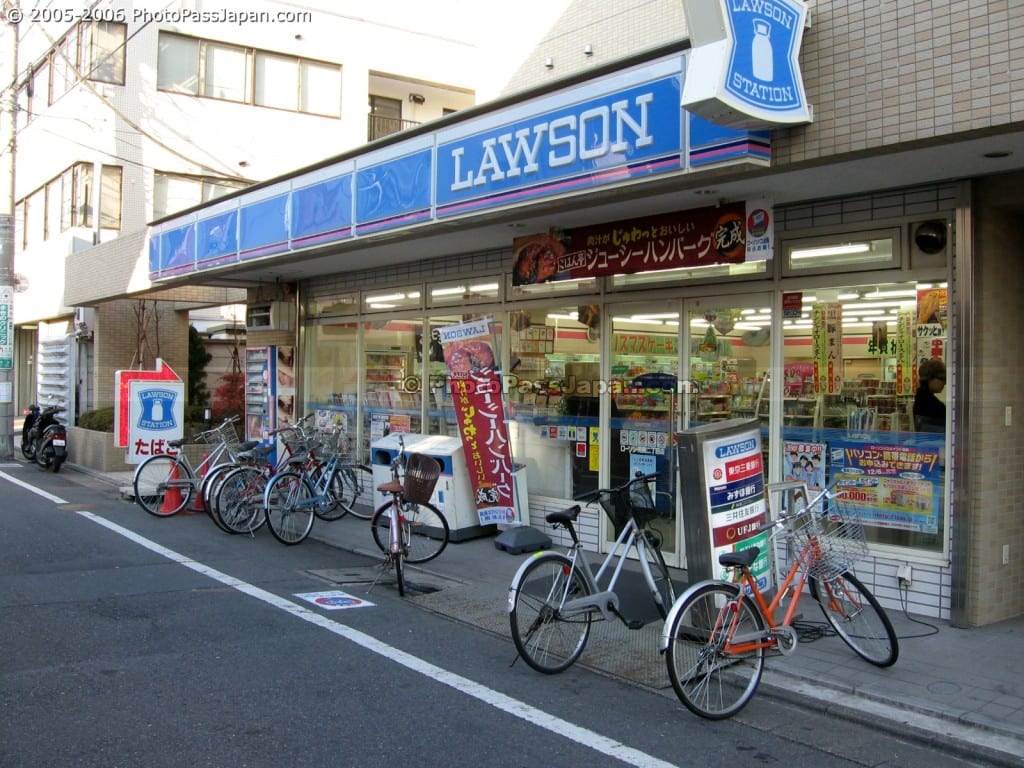
    But some retailers around the globe are adapting. Japan’s Lawson convenience store chain has renovated units in areas with a high concentration of silvers, widening aisles, lowering shelves and stocking more products that appeal to older shoppers. The 7-Eleven chain in Japan offers a meal delivery service to seniors, while the Aeon Mall offers medical facilities, leisure activities, a concierge and other services for its senior shoppers. Supermarket chains in Germany and Austria have widened aisles, provided customised shopping carts and added nonskid flooring, while in the US, drugstores CVS and Walgreens are adapting store layouts to minimise high- and low-shelving, and have carpeted floors in some stores and even added magnifying lenses to shelves so shoppers can read labels with small print more easily.

    “It is no coincidence that Japan, which is well ahead of most countries in terms of the aging of its population, has a major convenience store sector,” Weinswig writes. “We are now seeing other markets follow Japan in a convenience boom: in France and the UK, for instance, major retailers are pushing into the format as the segment outpaces the wider grocery market.”

    The full report can be found here.

  • Asian online shoppers habits uncovered

    Asian online shoppers habits uncovered

    Asian online shoppers research, locate, engage with and purchase products and services in entirely different ways in different markets, according to a new report.

    For example, almost all consumers in Indonesia knowingly provide brands with wrong details, including name (93 per cent), phone number (94 per cent), and email address (95 per cent) when researching or shopping online

    And the biggest driver of online-to-offline (O2O) conversions is with email in Singapore; SMS in Indonesia; chat apps in China; social media in Malaysia and Thailand and video ads in Hong Kong.

    And 27 per cent of consumers in China and 10 per cent of consumers in Singapore unknowingly input wrong payment details, breaking the region’s eCommerce’s momentum.

    Those are among many takes from The Digital Consumer View 2016 (Asia) report, released by global information services specialist Experian today, containing research from International Data Corporation (IDC), aimed at helping businesses better understand digital consumers in Asia.

    The report reveals how consumer behaviour varies across the key Asian markets of Singapore, Malaysia, Indonesia, Thailand, Hong Kong, and China, based on surveys with over 1200 digital consumers.

    Differences exist across channels (SMS, app notifications, email, social media, chat apps), devices (smartphone, feature phone, Wi-Fi/cellular tablet, wearable) and content (ads in email, ads in mobile apps, ads in social media, video ads on websites, and search ads). The findings highlight the complexity of reaching digital consumers in Asia across many channels, but also highlight how crucial that is, says Jeff Price, MD of Southeast Asia at Experian.

    “While the region is fast-growing, consumer behaviour in each market has unique disparities. Businesses today cannot succeed without intelligent insights based on consumer data,” he advises.

    “Asia is in the midst of a great digital revolution, with an explosion of smart devices, social media interactions and eCommerce transactions. While this evolution has greatly enabled and empowered both sides, it has also challenged businesses to be more effective and targeted in the way they communicate and market to this modern, digital-savvy consumer.

    “For companies to keep up with digital consumer behaviours – how they act on information – it’s absolutely vital to adopt and leverage what their consumers are providing them with every day – invaluable data. Businesses slow to act on this data will see their competitive advantage erode.”

    Key findings

    Experian - DCV - Region - Key findings

    • Search and discovery: Social media is the top channel in Singapore (31 per cent), Malaysia (49 per cent), Indonesia (67 per cent) and Thailand (58 per cent). It’s equally important as chat apps in China (47 per cent); in Hong Kong, video ads (63 per cent) trumps all.
    • Triggering product interest: Social media, once again, is the key driver in Singapore (28 per cent), Malaysia (44 per cent), Thailand (49 per cent) and Hong Kong (25 per cent). However, in Indonesia it’s SMS (62 per cent), and in China it is chat apps (48 per cent).
    • Triggering purchase intent: Email is the biggest driver of online to offline conversion in Singapore (27 per cent); SMS tops in Indonesia (57 per cent); chat apps in China (45 per cent); social media in Malaysia (44 per cent) and Thailand (51 per cent); and video ads tie with social media in Hong Kong (23 per cent).
    • Finding good deals: For unplanned purchases stemming from promotions, email leads in Singapore (34 per cent); social media in Malaysia (50 per cent), Indonesia (68 per cent) and Thailand (58 per cent); SMS in Hong Kong (36 per cent), and social media in China (51 per cent).
    • Brand engagement: Email is key for marketers to build engagement in Singapore (58 per cent) and Thailand (60 per cent); chat apps in Malaysia (62 per cent) and China (70 per cent); banner ads in Indonesia (56 per cent), and SMS in Hong Kong (61 per cent). While email is important, marketers need to be wary: more than 70 per cent of consumers reported receiving too many emails, up from 52 per cent in 2015.

    Experian - DCV - Region - The rise of omni-channel engagement 1

    Shiv Putcha, associate director, consumer mobility and telco strategy with IDC Asia Pacific, says businesses and brands cannot afford to ignore Asia’s multi-trillion-dollar digital commerce market. China alone is now the world’s largest retail market.

    “The challenge lies in the fact that the region has extraordinary differences – language, economy, purchasing power – and consumer behaviours, especially with the digital generation. That uniqueness will not diminish over the next few years and may even increase, making it challenging for marketers not using data-driven insights to research, plan and execute effectively. The Digital Consumer View 2016 (Asia) will hopefully serve as a valuable guide to deciphering some of these key trends, mapping the path forward for brands and their connected consumers.”

    Experian - DCV - Region - Top 3 types of ads that influence consumer's buying behavior

    Key Learnings for marketers in Asia

    • Over-reliance on a single marketing channel will not work. Depending on the country and its current state of digital sophistication, marketers need to think carefully about the right mix of channels to employ.
    • Quality over quantity. Consumer preferences for receiving promotional material varies from market to market, and by specific use cases. On a broader level, more is not necessarily better. A relevant and targeted message will ensure better conversion. Too much, and consumers are inclined to unsubscribe, delete, or mark content as spam.
    • The quality and integrity of data is crucial for marketers to find success. A significant number of consumers across the region either knowingly or unknowingly provide inaccurate information, which in turn causes errors and inaccuracies in marketer’s data sets. Around 27 per cent of consumers in China but only 10 per cent in Singapore unknowingly input wrong payment details; 40 per cent of consumers in China, and over 20 per cent of consumers in the rest of the region provide a wrong address at online checkout.

    Asia comprises 49.6 percent of the world’s Internet users, according to Internet World Stats (2016), digital commerce in the Asia-Pacific (excluding Japan) region will rise to US$17 trillion by 2019, up from US$7 trillion in 2015 according to International Data Corporation (IDC). The combination of rising incomes, increased consumption, acceleration of internet use, and the proliferation of mobile broadband access continues to unlock tremendous opportunities for marketers across the continent.

  • Tourists taint Abercrombie & Fitch sales

    Tourists taint Abercrombie & Fitch sales

    After a short lived rally at the back end of its previous fiscal year, US apparel group Abercrombie & Fitch is now firmly back in negative territory with a weak set of sales figures at both the total and comparable level.

    It is particularly disappointing that sales growth has deteriorated since the prior quarter with much worse comparable numbers coming through for the US market.

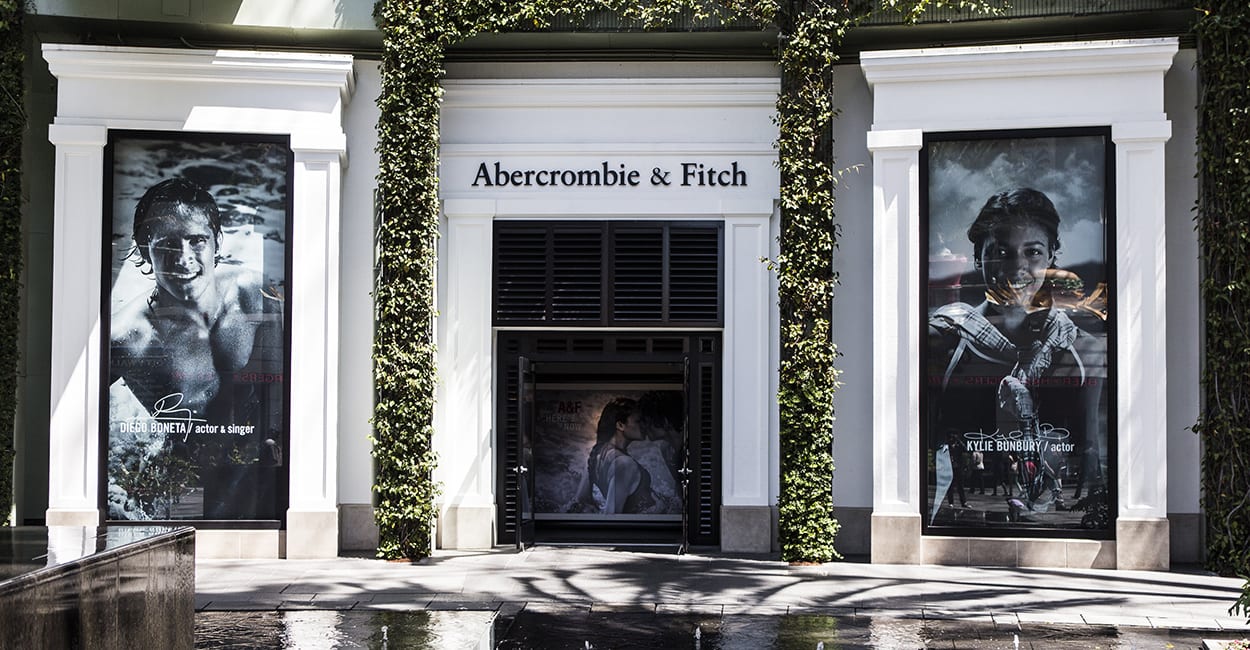
    Once again, Abercrombie led the way with a decline of 7 per cent in same store terms; Hollister fared a little better but also slipped into negative territory with a comparable sales slide of 2  per cent. In the US both brands suffered from weaker traffic to malls and from lower tourist spend at flagship stores in key locations. This was offset, in part, by a more robust performance from the online channel which continues to show signs of life.

    Thanks to tighter inventory control, discounting was not particularly pronounced across the period which allowed A&F to produce a stronger margin outcome than might otherwise have been the case. Even so, higher product costs, relatively higher store and distribution expenses – which include the impact of lower margin eCommerce orders – and an asset impairment charge all helped push the company to an operating loss of US$10.8 million over the period. This is a marked deterioration on last year’s profit of $1.9 million.

    As disappointing as these numbers are, they are not entirely unexpected. The second quarter was expected to be fairly weak before a slight recovery of fortunes during the fall and winter seasons when stronger ranges should help drive more consumer interest. Since the previous update, however, the dollar has strengthened and this will take some of the edge of both sales growth and the profit line across the remainder of this year.

    As much as A&F is still in a period of correction, the company continues to move in the right direction. The decision to shutter 60 stores in the US over the course of this fiscal year reflects the changing dynamics of shopper behavior and will reduce A&F’s exposure to weaker malls and retail centres. The company’s emphasis on eCommerce will ensure that some of these sales are recouped.

    The company’s efforts around eCommerce are not just confined to the US. In Europe A&F’s new partnership with Zalando is encouraging, allowing it to bolster volumes and sales across Europe in a cost effective way. This gives the company and its brand extensive reach without the associated costs of opening and operating a vast number of stores.

    All that said, A&F still has much work before its brands are restored to full health. Its new ranges are better and much more appealing to core customers as well as a slightly older demographic. However, the brands still need a stronger sense of identity and focus in what remains a very crowded and competitive marketplace.

  • A bonfire of the Swiss watches

    A bonfire of the Swiss watches

    Ever since the Chinese government cracked down on “gift giving” as part of its anti-corruption campaign, Swiss watch exports have taking a beating.

    Here’s the trend, courtesy of a UBS European luxury note out Wednesday:

    As the analysts note, that slump follows a more than 100 per cent rise in the value of Swiss watch exports over 2010 and 2011.

    Ground zero for the demand destruction, meanwhile, is Hong Kong. And it’s there that UBS got some insight on the scale of the downturn from three major retailers:

    We recently met three Hong Kong/ China watch retailers: Hengdeli, Oriental and Emperor Watch & Jewellery. All three companies commented that current trading remains tough, and there is not expected to be any significant recovery this year. Destocking continues as retailers reduce replenishment rates on weaker brands and adjust inventory price mix. More store closures are also ahead with the only silver lining that there appears to be a little more room for rent reductions in Hong Kong of ~10%-40%.

    Recent company commentary has continued to be weak: Swatch reported H1 results on 21st July. Organic sales declined -12.5%, with multi-brand retailers cautious to re-order or cancelling orders. CEO Hayek commented that own retail was better than wholesale and retail in Hong Kong has potentially bottomed out with sales between +10% and -10% depending on the stores. Local Hong Kong retailers, however, do not see the same trends. These results again confirm the difficult market conditions, and follow Richemont reporting April sales -15%.

    Unsurprisingly, for a market where the perception of scarcity underpins all value, the likes of Richemont have even taken to buying back inventory. According to UBS, the new Cartier CEO has specifically looked to clean out high end inventory from the Hong Kong market. This, we’d argue, is quite something. (Or at the very least a new asset purchase idea for QE?) From UBS:

    We estimate that Cartier watches declined -25% in H2 to March 2016 (~€240m) decelerating from closer to a -10% decline in H1. How much of this was “negative sales” due to the buy in is unclear. A rebasing of stock levels in the channel remains key for a medium term reacceleration. Stock levels have been high in the channel in the industry notably in Greater China.

    Hong Kong retail sales figures for watches, jewellery and clocks, meanwhile, registered a 26 per cent year-on-year decline in July following a 20 per cent decline in June:

    A comparable trend can also be seen in the diminishing number of visitor arrivals to Hong Kong from the Chinese mainland:

    The situation seems to be desperate enough for some Chinese luxury retailers to be breaking lease agreements and closing up shops, says UBS. On the up side, however, mainland sales seem more robust of late than Hong Kong, with Cartier watches seeing growth in the last quarter. Nevertheless, since luxury spending in mainland China is a small portion of the total of Chinese sales (about 25-30 per cent), the improved sales picture there is not necessarily offsetting the slowdown in other areas.

  • Xiaomi Mi Robot Vacuum for home cleaning launched in China

    Xiaomi Mi Robot Vacuum for home cleaning launched in China

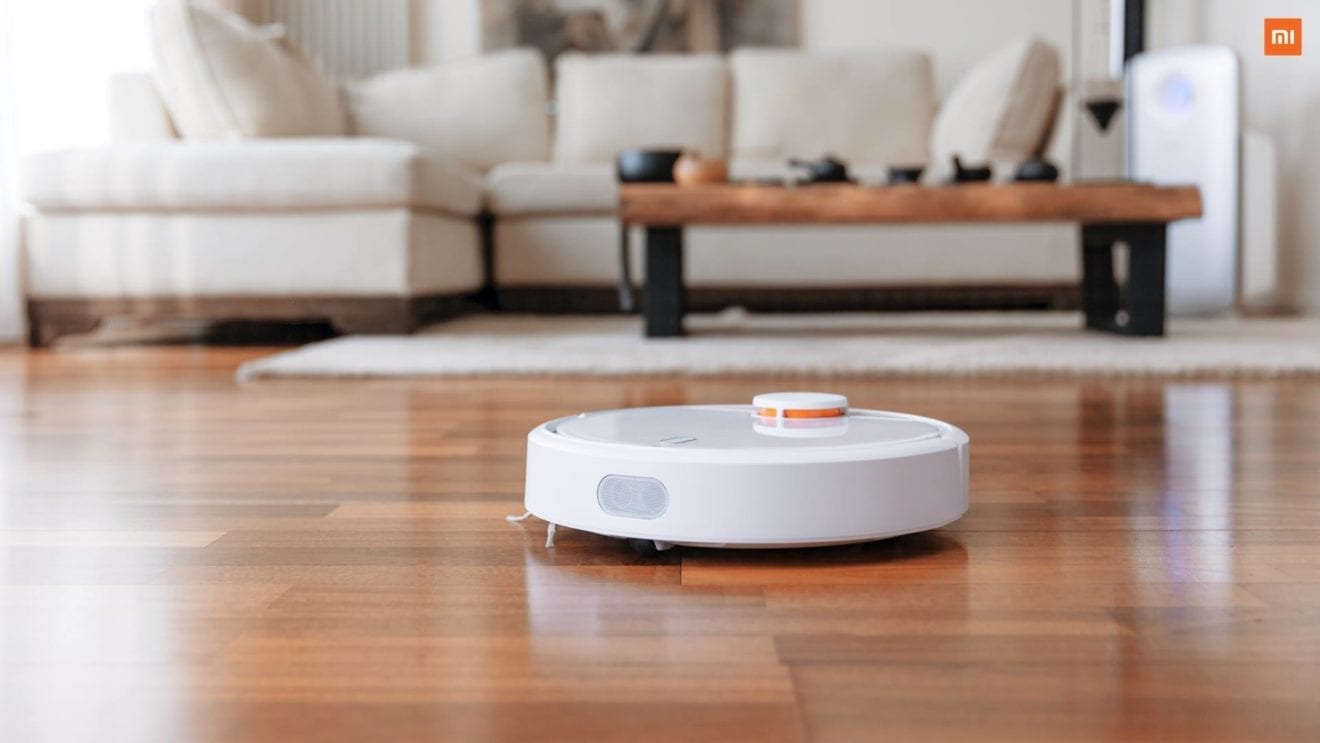
    Xiaomi has announced Mi Robot Vacuum, its latest Mi Ecosystem product. The device has been developed by Mi Ecosystem company Rockrobo. Mi Robot Vacuum is an intelligent robot with Laser Distance Sensor (LDS). The LDS feature allows Mi Robot Vacuum to scan its surroundings 360 degrees, 1,800 times per second. There’s also Simultaneous Localization and Mapping (SLAM) algorithm, which enables the device to map out how the house is laid out and calculate the best cleaning path. Xiaomi’s Mi Robot Vacuum is equipped with 12 sensors.

    Xiaomi Mi Robot Vacuum integrates with the Mi Home app and allows users to control Mi Robot Vacuum remotely. The main brush in Mi Robot Vacuum automatically adjusts height to create tight seal with floor for dirt pick-up on uneven surfaces. It maintains 1cm distance from walls for the side brush to effectively clean near walls. There’s a 5,200 mAh battery, which the company claims will provide 2.5 hours of cleaning. Mi Robot Vacuum will be available in China starting September 6. It will retail for 1699 yuan ( Rs 17,000 approx) on Mi.com and at Mi Home stores in China.

    Xiaomi introduced its Mi Ecosystem sub-brand in March with the launch of Mi induction heating pressure rice cooker. The Mi Ecosystem covers a range of products manufactured by Xiaomi’s ecosystem partners. These include smartphones, smart TVs and smart routers. Xiaomi has invested in 55 companies for designing and manufacturing products for this ecosystem. Mi induction heating pressure rice cooker is WiFi-enabled and can be controlled via the Mi Home app. It sells for 999 Yuan (approx Rs 10,000).

  • CapitaLand Mall Asia inks its first third-party management contract in China

    CapitaLand Mall Asia inks its first third-party management contract in China

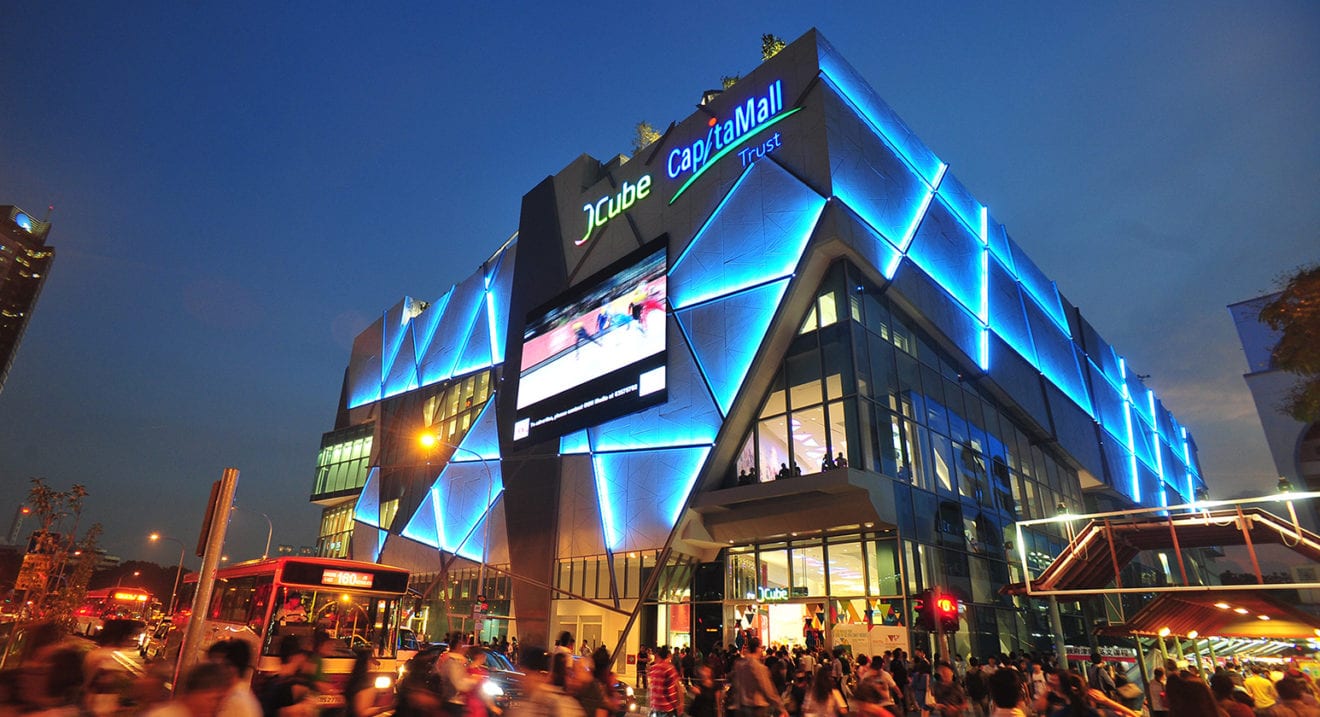
    The contract with Changsha Pilot Investment Holdings Group Co is for Fortune Finance Center, an integrated development in Changsha, the provincial capital of Hunan in central China, CapitaLand announced on Wednesday (Aug 31).

    It said the deal marks the beginning of an enhanced asset-light strategy to enlarge its mall network through third-party management contracts to complement its core strategy of developing, owning and managing malls.

    The scope of the contract covers asset planning, pre-opening and retail management for a total gross floor area, excluding car park, of 95,000 square metres (about 1 millio square feet) that spans seven levels – five levels above ground and two basement levels.

    Currently under construction, the mall is targeted to commence operations in end 2018. It is owned by Changsha Pilot Investment Holdings, a Chinese state-owned developer which currently has seven projects in Changsha.

    Said Mr Jason Leow, CEO of CapitaLand Mall Asia: “We continue to be on the lookout for suitable acquisition opportunities to grow our mall portfolio even as we seek to enlarge our network through third-party management contracts. By managing quality third-party malls for which we have a right of first refusal to acquire, we are also paving the way for future acquisitions.

    “Through this multi-pronged approach, we will be able to maximise opportunities to expand our mall and retailer network, increase recurring income and further strengthen our leadership in the shopping mall sector in the region.”

    With this contract, CapitaLand doubles its presence in Changsha, where it currently owns and manages CapitaMall Yuhuating, a 62,000 sqm mall, approximately 10 km) from Fortune Finance Center.

    It is also expanding its presence in China, where it has a network of 65 malls. Across Asia, CapitaLand now manages a total of 104 malls in Singapore, China, Malaysia, Japan and India.