Tag: China

  • DJI Hong Kong opening flagship in Causeway Bay

    DJI Hong Kong opening flagship in Causeway Bay

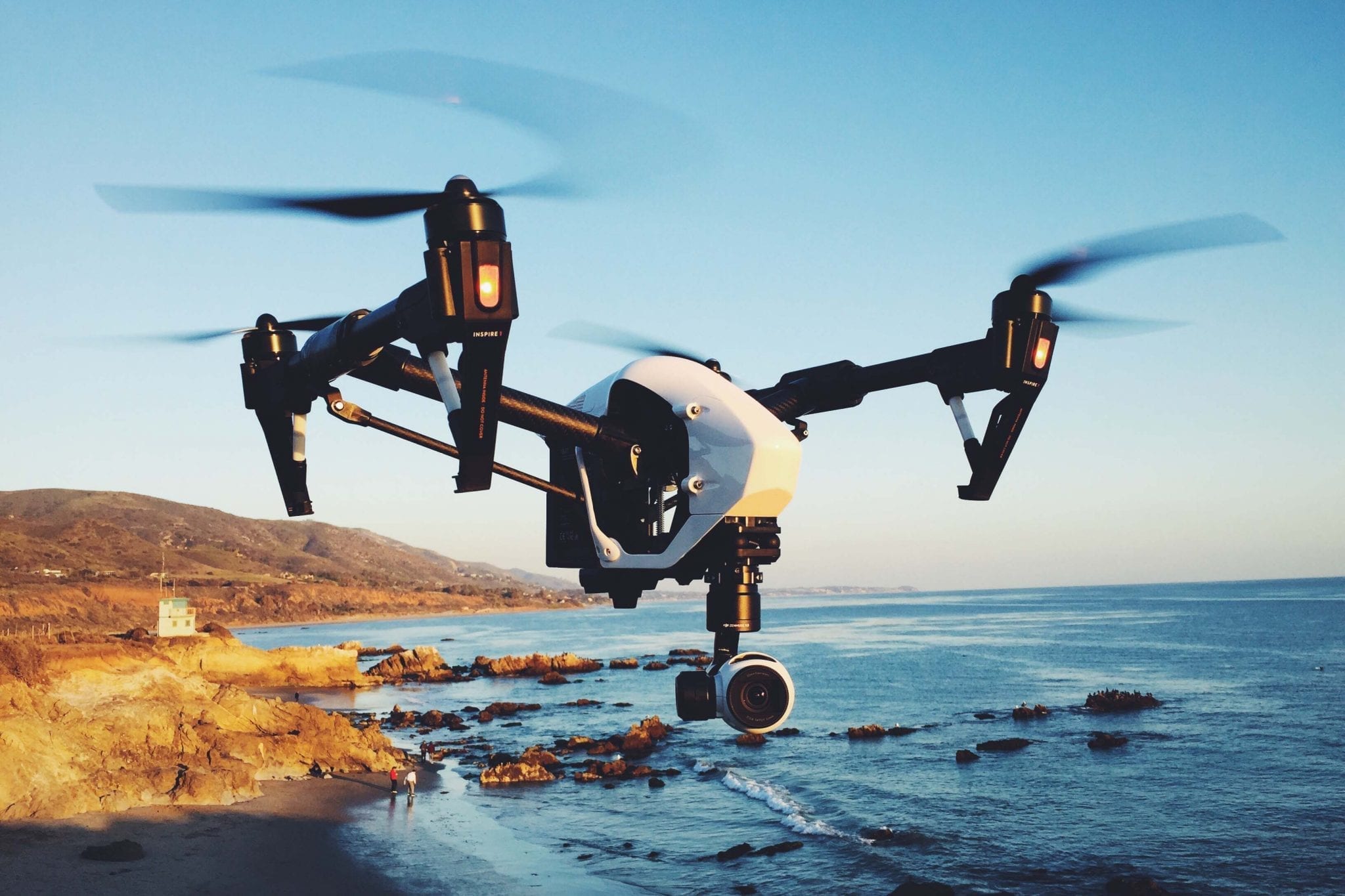
    Unmanned aerial vehicle (UAV) technology company DJI Hong Kong is about to open a flagship store featuring flight cages, experience zones, an aerial photo gallery, technical support centre and its full range of consumer and professional products.

    In Causeway Bay, the three-storey store, covering more than 10,000 sqft (930 sqm) will open at the end of next month. It will display animated DJI and drone silhouettes to add to the Victoria Harbour evening backdrop.

    Its ground floor will feature the company’s full range of aerial and handheld products, while the SkyPixel Gallery on the first floor will showcase UAV photography from around the world. The technical support centre is on the second floor along with a space for workshops, seminars and special events.

    DJI HKFS 1st Floor

    “Discovery is an important part of the learning process, and when people understand how easy it is to use the technology they will find ways to incorporate it into their lives or for their businesses,” says DJI founder/CEO Frank Wang.

    DJI HKFS

    This will be the company’s third foray into retail following the December opening of its first flagship store in in Shenzhen, followed by a Seoul flagship in March.

    DJI’s global network spans the Americas, Europe and Asia, with customers in more than 100 countries using its products for such purposes as filmmaking, construction, emergency response, agriculture and conservation.

    DJI HKFS 1st Floor

  • C. Banner details plans to open first flagship Hamleys store in Nanjing, China

    C. Banner details plans to open first flagship Hamleys store in Nanjing, China

    C. Banner International has detailed its plans to open its first Hamleys flagship store in Nanjing, China this October.

    The announcement follows the retail group’s latest 2016 interim results in which it saw revenue and gross profit increase 6.1 per cent and 2.2 per cent respectively.

    C. Banner acquired the iconic toy brand Hamleys last year in a bid to maintain its lead of competitors to become the leading international integrated retailer and the second largest retailer in the world.

    The firm believes that the expansion plans for Hamleys will help the retailer enhance its overall brand value, image and exposure.

    Chen Yixi, chairman of C. Banner, said: “Although the global economy and retail industry remained weak in the first half of 2016, china still recorded a GDP growth of 6.7 per cent.

    “To gain a head start over competitors, we had acquired the Hamleys brand last year, which is one of the most famous toy brands in the world.

    “We are planning to open its first Hamleys flagship store in Nanjing this October and expect the addition of Hamleys brand will provide a great boost to enhance the company’s overall brand value, image and exposure.”

  • How brands are using VR to improve customer experience in China

    How brands are using VR to improve customer experience in China

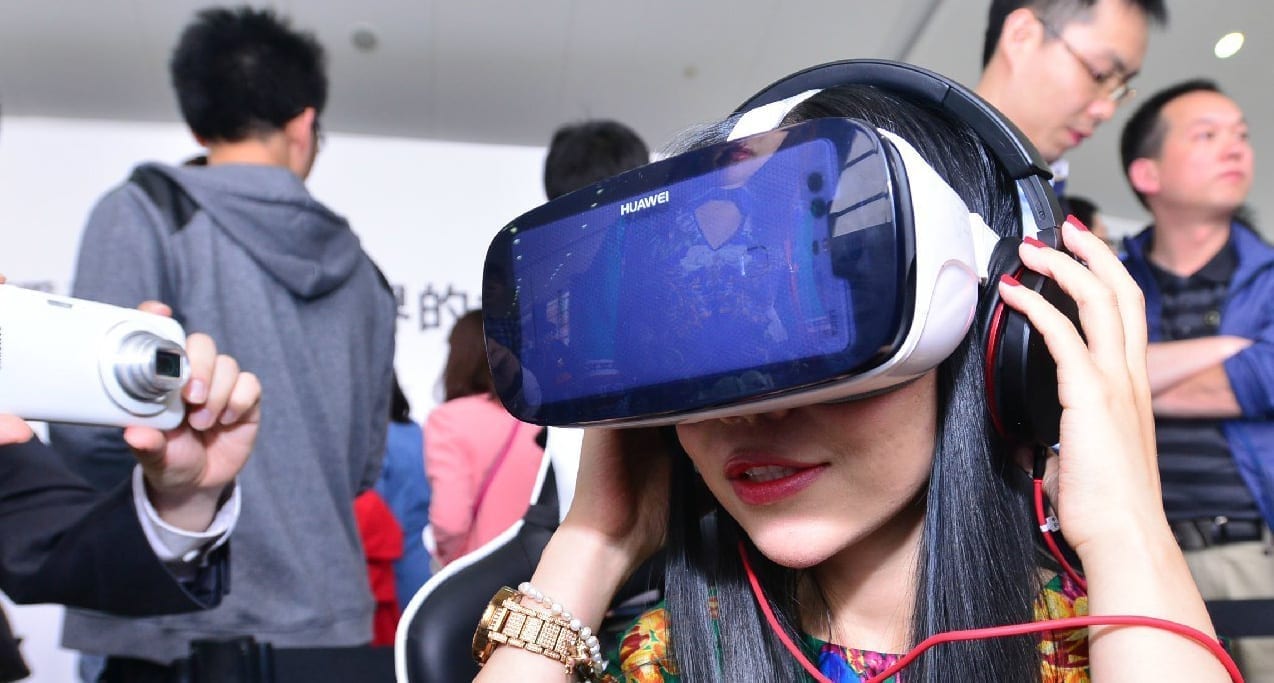
    Tech-enhanced customer experiences have always had a very receptive audience in China, and as a result, VR technologies are being widely embraced by both brands and platforms.

    China has the world’s biggest ecommerce market and by 2020, it will dominate the retail sector also, according to PwC. The sheer size of the country’s retail consumer market is one reason why the rest of the world sits up and takes notice when China adopts new technologies in this sector.

    And while the rest of us have been dipping our toes in the VR pool, trying out Oculus Rift headsets at trade shows and testing the low-tech, low-cost Google Cardboard on the relatively limited VR apps available via smartphone, China has been forging ahead with this new technology, putting it to practical use and building a market for virtual retail experiences.

    It’s no coincidence that China’s big three Internet platforms (Alibaba, Tencent and Baidu) have all invested significantly in VR, in what is expected to become a market worth $8.5 billion by 2020. these figures suggest that VR is no mere novelty to the businesses that shape the country’s economy.

    Alibaba

    Alibaba’s Buy+, launched last month, is a virtual reality shopping programme, which allows users to choose clothes and accessories via the headset, assisted by a virtual shopping assistant. It will give Alibaba’s 400 million users access to a VR shopping experience with 3D renderings for hundreds of products, and will eventually allow retailers to create their own VR stores.

    China_VR_Alibaba_Buy+_Alizila_600

    *Source: Alizila

    While it’s still in concept mode, Alibaba anticipates that the technology will become as central to the shopping experience as smartphones are today, picking up on and exploiting consumers’ appetite for ever-evolving and exciting experiences.

    Tencent

    Tencent has taken a different approach in its quest to dominate the VR market by launching its own operating system (Tencent OS) and VR console project – the miniStation. Tencent is focused on China’s gaming community to kick start user interest, and plans to integrate all of its services and apps into the platform, including WeChat and QQ. This will undoubtedly open up all kinds of opportunities for retailers to engage with customers in entirely new ways.

    China_VR_Tencent_miniStation_600

    *Source: Tencent’s miniStation for QQ and WeChat.

    As these ecommerce giants lay the foundations for a vibrant and viable VR market, physical retailers also have their sights set on the growing interest in this technology and how it can work for them.

    Suning + Gome

    For example, Chinese electronic retailers Suning Commerce Group and Gome Electrical Appliances Holding Ltd have done a deal with HTC to set up around 10,000 VR experience sites across China by the end of this year, including virtual rollercoasters and other adventurous in-store experiences.

    OnePlus

    Another example is smartphone manufacturer OnePlus. It developed a VR space station to launch its latest handset. As part of the campaign, 60,000 people were ‘beamed up’ to the space station where they learnt about the phone and its features. Within six hours, the conversion rate was an impressive 30%, giving a very promising return on investment.

    Takeaways

    What these pioneering retailers and retail platforms have learned is that VR has a number of advantages as an experience mechanism:

    • It allows them to showcase multiple products in a very cost-effective way – around 80% of the cost of building a traditional, brick-and-mortar showroom

    • There’s no physical limit to what VR can do – it’s possible to develop truly innovative and extraordinary experiences which would usually be out of reach. Going into space, on a rollercoaster, under the sea or any one of an almost endless list of scenarios can be developed and delivered to customers

    • There’s a huge appetite for VR experiences in China – according to industry analysts Canalys, the country will account for 40% of all VR headset shipments this year, and people are queuing up to try out local offerings from DeePoon, Pico, Pimax, Idealens and, most recently, Xiaomi.

    China_VR_DeePoon_600

    *Source: DeePoon homepage.

    As the market continues to develop, industry insiders say VR in China is reaching a game-changing tipping point. Yang Tao, general manager of Beijing-based VR startup SweetTech, told the China Daily in March: “The market feels like it did on the eve of the first iPhone when it was unveiled in 2007”. Given what happened to the smartphone market in the years since then, this is something retailers can’t afford to ignore.

  • DHL Introduces Multimodel Mongolian Connection

    DHL Introduces Multimodel Mongolian Connection

    DHL Global Forwarding has launched road and multimodal freight services linking Mongolia to Europe and the US.

    The new road connection to continental Europe has a transit time of less than 20 days and passes through Russia and Belarus. It supports different business sizes by offering both full truck load and less-than-truck load options.

    “Mongolia’s economy is rebounding from the mining downturn, further building on its status as the world’s second-largest cashmere producer and a food and agricultural export hub,” said Kelvin Leung, CEO of DHL Global Forwarding Asia Pacific. “With Mongolian businesses gaining a growing slice of global market share, supported by an increasingly solid network of regional free trade agreements, Mongolia’s dominant trading partners also stand to gain from increases in domestic consumption of foreign goods.”

    The new service is aimed at the movement of goods such as furniture, medicines wine into Mongolia, and exports such as mining spare parts, cashmere products and all-terrain bikes.

    The new multimodal connection with the US offers full container load and less-than-container load options. With a transit time of as few as 18 days, it passes from the US by air to South Korea, by ocean to China and then by rail and road to Mongolia.

    “The new road freight and multimodal services provide both small businesses and large enterprises with an especially cost-effective and timely way of testing demand and establishing consistent trade between both markets,” said Charles Kaufmann, CEO of North Asia and head of value-added services at DHL Global Forwarding Asia Pacific. “As the only international logistics provider with a local presence in Mongolia, DHL enables overseas exporters to gain a head-start in accessing the ‘Wolf Economy’ as it continues its path to the front of the pack.”

    Goods expected to be transported into Mongolia include watches, coffee machines and motorcycles, while exports include aviation spare parts, camel wool and rally cars, according to DHL.

  • Xiamen Airlines takes on board EzyCustoms

    Xiamen Airlines takes on board EzyCustoms

    Global Logistics System (HK) Co., Ltd (“GLS”) welcomes Xiamen Airlines to the EzyCustoms service after the successful implementation of this single platform with multi-Customs integration.

    Xiamen Airlines is extending its network to Canada from July 2016.  The airline is looking for a reliable partner that provides a solution to enable its full compliance with the Canada Border Service Agency (CBSA) Advance Commercial Information (ACI) requirements.

    The ACI programme requires air carriers to electronically transmit air conveyance and cargo information (including supplementary cargo reports where applicable) to the CBSA prior to the arrival in Canada. This requirement allows the CBSA to effectively identify threats to Canada’s health, safety, and security prior to the arrival of cargo and conveyance in Canada.

    EzyCustoms is a one stop web-based multi-Customs clearance platform that fully compliant with the diverse ACI requirements.  It complies with different Customs authorities including: the European Union (EU) Customs, the US AAMS and the ACE (scheduled to start by the end of 2016), the Canada CBSA, as well as the other customs authorities in India, Bangladesh and the Philippines.  At present, a number of China carriers are clients to EzyCustoms service.

    Tony Sham, CEO of Global Logistics System (HK) Co., Ltd said: “GLS is pleased to welcome Xiamen Airlines joining the EzyCustoms community. As an experienced and expert service provider in the industry, we are grateful to be appointed by Xiamen Airlines to fulfil the application, registration and the certification with CBSA.  We look forward to seeing EzyCustoms performs proficiently in the airline’s operations, and to extending our other EzySuite service to Xiamen Airlines in the near future.”

    Yang Gaorong, General Manager of Cargo at Xiamen Airlines said: “Thanks to the GLS support to the implementation of EzyCustoms in Xiamen Airlines.  As EzyCustoms not only fully complies with the ACI requirements in Canada, but also with customs authorities in the other regions around the world, we are better placed with quality assurance while the airline continues to grow.  In addition, we choose to co-operate with GLS as we share the same language and time zone, we can obtain support swiftly.”

  • Asia leads Tiffany sales decline

    Asia leads Tiffany sales decline

    Asia has led a decline in global sales for US jeweller Tiffany & Co in both the first half year and the second quarter periods to July 31.

    Same-store Tiffany sales plunged 13 per cent in the six months in Asia-Pacific – excluding Japan where they rose 10 per cent, but fell on a constant currency basis.

    Sales growth in China and Korea was offset by a continuation of significant declines in Hong Kong and more moderate declines in most other markets, the company reported.

    Same-store North America sales declined 9 per cent in the six months, largely due to declining spending by Chinese tourists in the US.

    “The global environment continues to reflect well known challenges that we believe have had broad effects on spending by local customers, as well as foreign tourists, especially from China,” said CEO Frederic Cumenal.

    “We are managing expenses efficiently, but also maintaining our marketing spending as a percentage of sales and continuing to invest in key strategic initiatives and opportunities to further strengthen Tiffany’s competitive position among global luxury brands.”

    In the Asia-Pacific region, total sales of US$230 million in the second quarter and US$469 million in the first half were down 6 per cent and 7 per cent, respectively, and comparable store sales declined 12 per cent and 13 per cent. On a constant-exchange-rate basis, total sales and comparable store sales declined 3 per cent and 9 per cent in the second quarter and 4 per cent and 11 per cent in the first half.

    During the second quarter, worldwide net sales declined 6 per cent to $932 million and comparable store sales declined 8 per cent. Net earnings rose 1 per cent to $106 million, in the prior year. Net earnings declined 5 per cent from the prior-year period’s $111 million, which excludes a specific charge in that period.

    In the first half, worldwide net sales of $1.8 billion were down 7 per cent and comparable store sales declined 9 per cent. On a constant-exchange-rate basis, worldwide net sales and comparable store sales declined 6 per cent and 9 per cent, respectively.

    Net earnings for the half year were $193 million.

    Gross margin increased to 61.9 per cent in the second quarter and 61.6 per cent in the first half, due to lower product input costs, changes in product sales mix and price increases taken in the past year.

  • Korean wave exports boom

    Korean wave exports boom

    Outbound shipments of Korean food, beauty, fashion and personal care products soared in the first half of the year on the back of the growing popularity of the Korean Wave, or hallyu.

    Official data released today by the Korea International Trade Association (KITA), shows exports of such goods amounted to US$6.79 billion in the January-June period, up 15.2 per cent from a year earlier.

    Industry watchers said the growth is attributable to the cultural wave of “hallyu” in China and other Asian countries, which refers to the boom of South Korea-made entertainment goods, including pop music, movies and TV dramas. The popularity of hallyu helped turn its fans into consumers of South Korean products.

    The growth was driven by cosmetics-related goods with their exports rising 38.5 per cent to reach $1.81 billion during the first half of the year.

    Exports of foods also rose 3.5 per cent year-on-year to reach $2.43 billion, the data showed.

    The association said South Korea’s diversified product portfolio helped meet demand from customers in overseas markets.

    Last year, exports of such products amounted to $12.21 billion won, the data showed.

    Earlier data also showed that exports of South Korea-made cosmetics more than tripled over the past five years.

    Outbound shipments of makeup products reached $2.45 billion in 2015, surging 53.1 per cent from $1.56 billion a year earlier, according to the data by Korea Customs Service (KCS).

    The 2015 figure soared more than threefold from $698 million in 2011, with an annual average growth of 36.9 per cent over the 2011-2015 period.

    The total volume of cosmetics exports stood at 90,491 tons in 2015, compared to 31,606 tons tallied in 2011.

    China is the biggest buyer of South Korean beauty products, importing $999.5 million last year, or 40.6 per cent of the country’s entire cosmetics exports.

  • Prada Asia heads online as sales slip

    Prada Asia heads online as sales slip

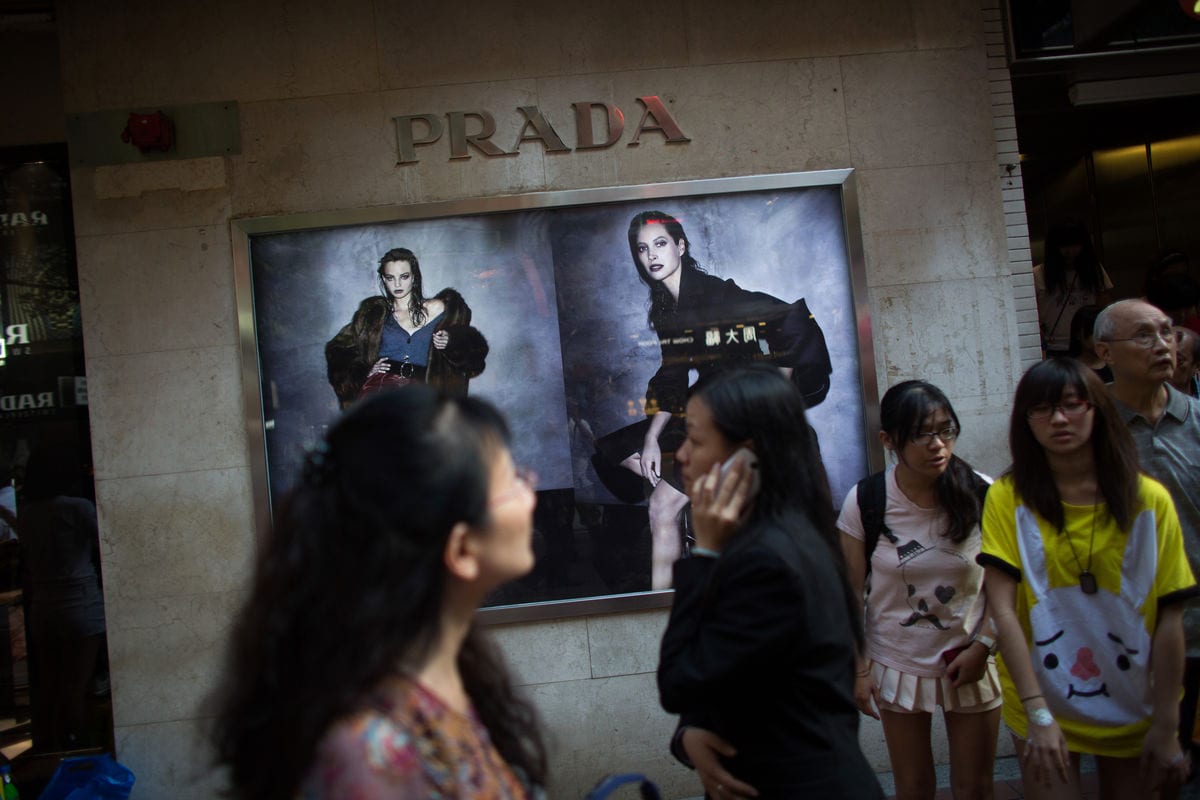
    The Italian-headquartered, Hong Kong-listed luxury brand says its Asia Pacific sales slumped  18 per cent on a constant currency basis in the first half of this year.

    “The negative economic backdrop continued to impact performance in both Hong Kong and Macau, but signs of improvement have been visible since July across Greater China,” the company noted in its results.

    And after a period of consistent growth since 2010, sales in Japan fell 9 per cent, mainly due to lower tourist flows from China caused by a less favourable exchange rate.

    CEO Patrizio Bertelli says the company will now make China, Hong Kong and Singapore its priorities in roll out its new eCommerce platform, which is expected to be global within to years.

    “At the same time there will be a constant enhancement of the online shopping experience,” he said. “Our eCommerce offer will also leverage new partnerships with international leaders in the sector.”

    Globally, Prada achieved net revenues of €1.6 billion, down 13 per cent on a constant currency basis. The decline was largely in the retail channel while Prada’s wholesale business remained stable thanks to an initial positive contribution from recent partnerships with international e-tailers and its licensing division, where good progress from royalties driven by the success of the new fragrances and eyewear.

    Net profit margin was down from 24 per cent of revenues in the first half of last year to 21 per cent. Net income amounted to €142 million, representing 9 per cent of consolidated revenues (10 per cent in 2015).

    Bertelli is upbeat about the remainder of 2016.

    “With the implementation of the first phase of rationalisation of various management and operating processes and with the launch of a series of new initiatives that will allow the group to respond quickly to the requirements of a rapidly evolving market, I see 2016 as a turning point.”

    He said the company’s retail network is subject to rigorous review including closure of non- strategic locations and selective openings in high potential markets.

    “Part of this process will also include the launch of new concepts such as the recent restyling of the Prada stores at Plaza 66 in Shanghai and GUM in Moscow, redesigned to offer a new and exclusive shopping experience for increasingly demanding clients.”

  • eOne’s ‘Peppa Pig’ Gains Momentum in China

    eOne’s ‘Peppa Pig’ Gains Momentum in China

    Entertainment One (eOne) has announced details of Peppa Pig’s rapidly growing popularity in China. Since launching on-air in Mainland China in 2015, eOne’s Peppa Pig has surpassed 5.4 billion views on its three on demand platforms, IQIY, Youku and Tudou. It is one of the most popular programs for pre-schoolers on state television broadcaster CCTV, where its repeat was the No. 1 animated show in its 7am timeslot.

    Peppa Pig also launched on VOD portals Tencent and LeEco in May 2016. To date Peppa episodes have already clocked up 1.7 billion views on Tencent and 850 million views on LeEco, making it the No. 1 animation on both platforms since its launch. In addition, Mango TV has recently acquired the rights to Peppa Pig and the VOD platform debuted the series earlier this month in Mandarin.

    Alongside its growing on-air presence, eOne is also nurturing the property’s digital profile through a range of social, online and interactive content. The brand’s official Peppa WeChat account, available on mobile devices, provides followers with regular news updates, tips, and activities for all the family. Peppa’s WeChat account launched in April 2016 and has already generated thousands of sign-ups.

    The Peppa Pig apps eOne has released to date have had tremendous download rates, making China the biggest territory for Peppa app downloads worldwide. Following their entrance on the App Store in late 2015, Peppa’s Paintbox and Peppa’s Actvitiy Maker have been hugely popular in China, with over 400,000 and 195,000 downloads respectively.

    Peppa’s online presence also extends onto e-commerce platforms as major Chinese online retailers Jing Dong and Tmall have launched a wide range of Peppa merchandise on their popular online shopping sites. Products now available to buy include Peppa’s house playset, vehicles, role-play sets, and plush.

    Toys are spearheading the brand’s licensing program in China and a newly launched Peppa Pig Ferris Wheel playset was sold exclusively at Toys “R” Us stores nationwide during the country’s Children’s Day celebrations in June 2016. The publishing category also continues to accelerate. A new series of Peppa Pig storybooks launched at retail in April 2016 and over 75k copies have been distributed nationally both online and in-store. Peppa Pig products will also have a presence in China’s first Hamleys toy store that is set to open its doors on October 10th. eOne’s Hong Kong team is developing bespoke Peppa artwork for a branded bay in the store.

    “We are thrilled to welcome our new broadcast partners for Peppa in China and we’re confident that these additional consumer touchpoints will significantly increase exposure for the brand as it continues to grow in popularity,” commented Olivier Dumont, Managing Director of eOne Family. “Building Peppa Pig’s digital footprint in the territory, through app downloads and social media channels, enables us to engage with audiences beyond the TV show and create the loyal fan base that is key to its longevity.”


  • Japan Home Centre revenue increases

    Japan Home Centre revenue increases

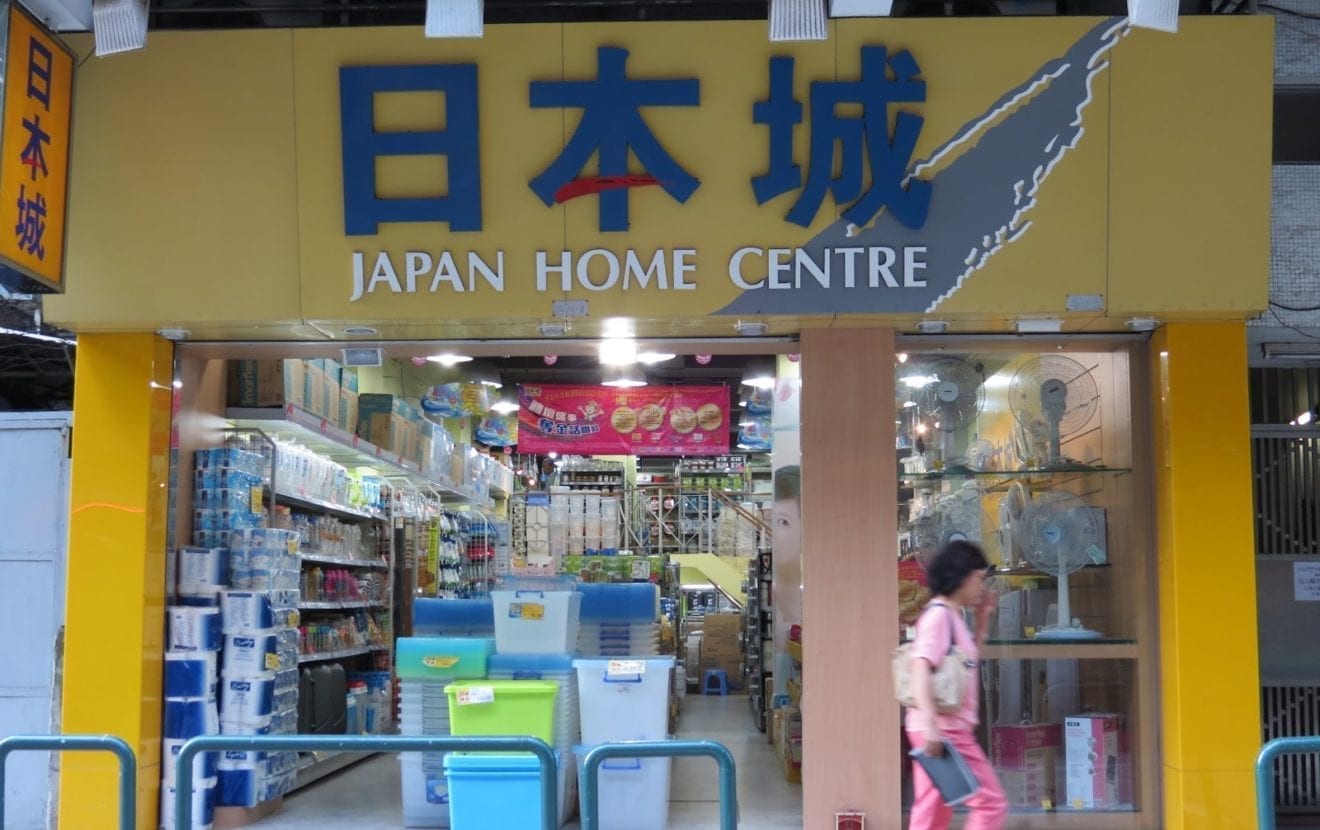
    Japan Home Centre (Macau) posted an increase of 7.6 per cent revenue year-on-year to HK$39.3 million (MOP40.5 million/US$5.7 million) for its fiscal year ended June 30, according to the annual report released yesterday on the Hong Kong Stock Exchange by the International Houseware Retail Company Limited (IH Retail).

    The comparable store sales growth rate of the stores in Macau is 1.3 per cent, down compared to the 5.9 per cent of the previous fiscal year.

    The total revenue of IH Retail went up to HK$2.04 billion (MOP2.10 billion/US$263 million), indicating a growth of 4.5 per cent year-on-year despite the short-term fluctuation and challenges of the retail market.
    ‘The increase in revenue for the year was mainly due to the opening of new stores and growth in comparable store sales,’ the report noted.

    Eight self-managed stores in Macau are under IH Retail, with 277 stores in Hong Kong.

    IH Retail and its subsidiaries is the largest house ware retail chain in Hong Kong, Singapore and Macau. Stores can also be found in Cambodia, Indonesia, East Malaysia, Saudi Arabia and New Zealand.

  • Huawei, Indonesian partners build cloud platform

    Huawei, Indonesian partners build cloud platform

    PT Huawei Tech Investment (Huawei Indonesia) has worked with Accenture, Cloudera, Anabatic, IDPRO, Infosys and Telkomsigma to build a new cloud ecosystem.

    The new solution, FusionSphere 6.0, was launched during the recent Huawei Cloud Conference Indonesia.

    FusionSphere 6.0 is an enterprise-class cloud operating system that helps customers deploy virtual servers, private clouds, public clouds, hybrid clouds, cloud desktops and NFVI.

    The ecosystem brings the concept of open source which used in components, architecture, and ecosystem enabling customers to have more choices in software. Huawei FusionSphere 6.0 keeps pace with the open-source OpenStack community, complies with the native OpenStack standards, and supports OpenStack APIs.

    Third-party applications developed based on native OpenStack can run on Huawei FusionSphere 6.0 without having to make changes.

    The platform is designed to help enterprises overcome the challenges faced during different stages of IT transformation, making enterprise business and workflow more effective and efficient in the deal with changes in the market, lowering investments on IT assets and human resources.

    “Huawei enthusiastically built a win-win cloud ecosystem with partners,” Huawei Indonesia CEO Liu Haosheng said.

    “We would like to share our successful practices in the global ICT sector, and to use the most innovative and competitive ICT technologies, products, and solutions to support our strategic business partners in Indonesia , creating values and benefits for their users in the cloud era.”

    At the conference, Huawei Indonesia also shared its successful practices in cloud transformation in cooperation with Accenture, as partners, for Telkomsigma.

    This successful practice in cloud transformation embodies Huawei Indonesia’s commitment to do innovation together with partners in an effort to build an open cloud ecosystem to help customers accelerate the transformation toward cloud solutions.

  • Xiaomi eyes offline expansion

    Xiaomi eyes offline expansion

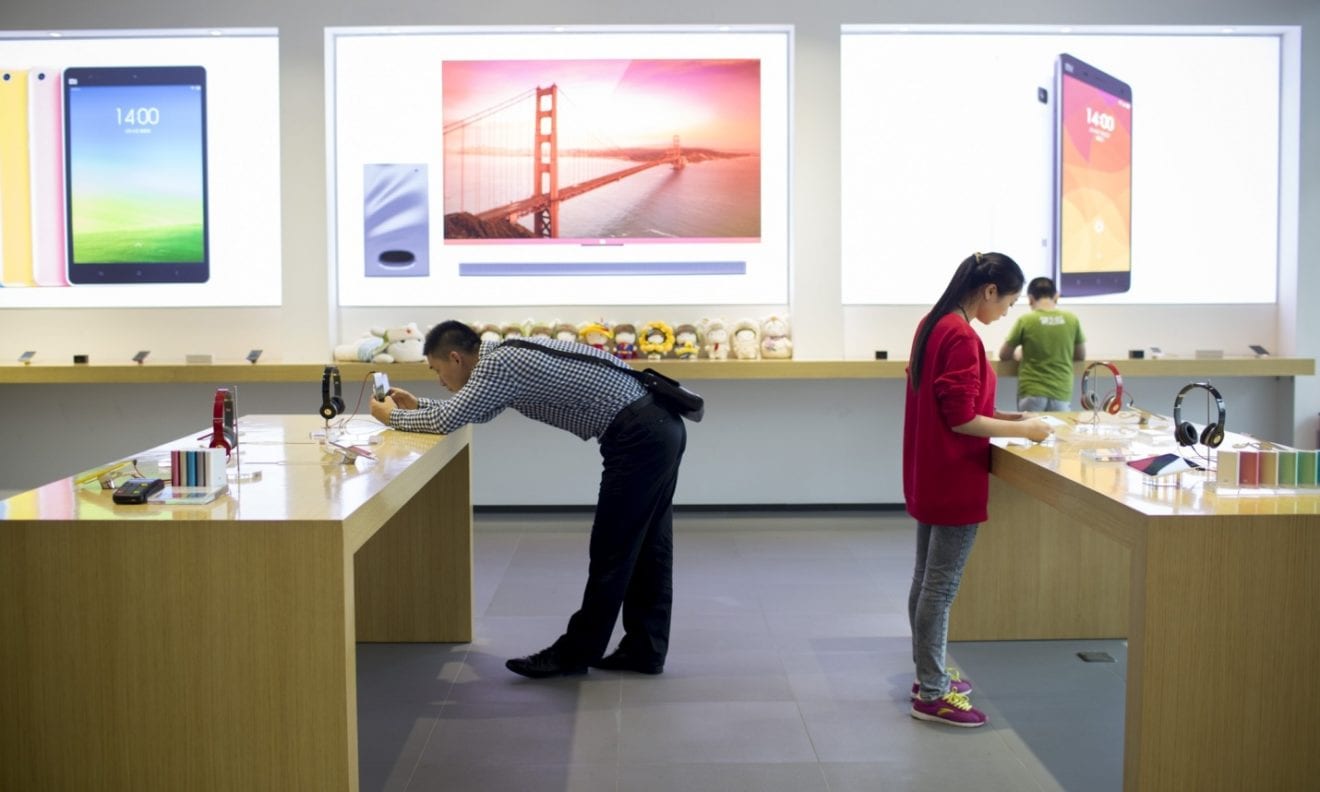
    Chinese smartphone vendor Xiaomi Corp unveiled a new smartphone with China Mobile Communications Corp on Thursday, as the company steps up efforts to expand offline retailing channels.

    China Mobile, the country’s largest telecom mobile carrier by subscribers, said it hopes to sell 30 million Xiaomi handsets this year, signaling a boost for Xiaomi, which is wrestling with declining shipments and mounting competition from rivals such as Huawei Technologies Co Ltd.

    Priced from 899 yuan ($136), the new phone, the Redmi Note 4, will be on sale at China Mobile’s 20,000 offline stores and more than 100,000 bricks-and-mortar retailing partners’ stores.

    Lei Jun, CEO of Xiaomi, said the company has sold more than 110 million smartphones under Redmi, a brand known for its cost-effectiveness. “The new phone is our latest effort to offer a quality smartphone that everyone can buy.”

    The move came as China’s online smartphone sales hit a ceiling, and market players are banking on bricks-and-mortar retail partners for growth.

    James Yan, research director at Counterpoint Technology Market Research, said it is highly possible to achieve the sales target, given China Mobile’s sprawling offline presence.

    “Telecom operators’ retail channels account for 30 percent of China’s total smartphone sales, and more than half of that are handled by China Mobile,” Yan said.

    The new phone’s good design and sophisticated body, better than most of Xiaomi’s previous phones, will also help boost sales. And the Beijing-based firm’s supply chain partner Wingtech Group is able to ensure an abundant supply of the new phone, he added.

    In 2015, China Mobile and Xiaomi jointly unveiled a smartphone called Redmi Note, whose total sales volume hit 27.5 million units, but that happened when Xiaomi was growing rapidly.

    The partnership between Xiaomi and China Mobile will also be expanded to Southeast Asia, as China’s smartphone market is reaching saturation point and local players are eyeing overseas markets for opportunities.

    Li Huidi, vice-president of China Mobile, said the company is making investments in India and Southeast Asian counties where Xiaomi has established a presence.

    “We will partner with hardware vendors such as Xiaomi to bring more domestic devices to overseas markets,” Li added.

    He did not disclose details, but analysts said it is likely for China Mobile to leverage its overseas investments or foreign partners to build retail channels for Chinese handsets.

  • Flying start for Innisfree China at Disneyland

    Flying start for Innisfree China at Disneyland

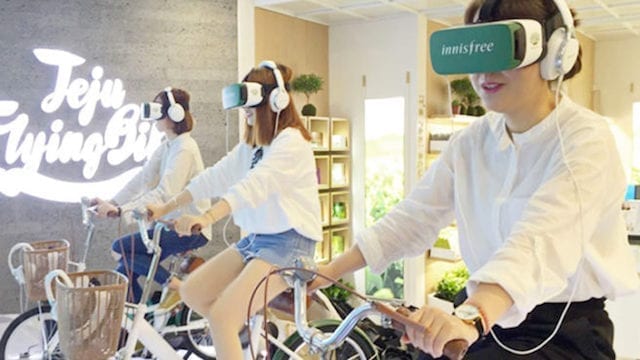
    Korean beauty brand Innisfree China, known for its natural ingredients, has come up with a fresh idea to promote its new store in Shanghai Disneyland.

    Using the “Jeju flying bike”, it is offering customers a virtual visit to the company’s home base of Jeju Island. They mount the bike and put on VR goggles for the journey, created by PostVisual.

    They “fly” from the 16.5 sqm store to the 1650 sqkm island, which is a Unesco World Heritage Site for its volcanic landscape. Through eye-tracking technology, the virtual tourists can fly around the island and “collect” natural ingredients such as canola blooms, green tea leaves and nutmeg.

    To create the 360deg aerial and underwater surroundings, PostVisual spent about three months producing the content, even building its own VR drone camera in-house.

    innisfree VR

    Thousands of visitors have already taken the virtual ride, and the concept will be rolled out this year to flagship stores in Hong Kong, Indonesia, Singapore and Vietnam as well as elsewhere in the US.

  • Why retailers should embrace showrooming

    Why retailers should embrace showrooming

    Trends eventually stop being trendy and either disappear into obscurity or become part of everyday life.

    The trends which end up only being fads often come in with a bang and leave with a thud, leaving embarrassing photos and fashions in their wake. Remember those 80s hairstyles?

    The other trends — the ones that create a whirl of buzz and actually manage to stick around — can often change social, cultural and political landscapes. When it comes to the world of retail, trends are often born and die in a single day. This isn’t without good reason.

    Consumers now control the retail landscape. Your competitors are now only a click or tap away. Lower prices, more sizes and dynamic shopping experiences are waiting in the shopper’s purse or pocket as they navigate your retail spaces.

    This specific shift in consumer behavior has led to one trend that has now become part of nearly every shopping experience.

    Love it or loathe it, showrooming is a behaviour that retailers need to embrace.

    Many retailers have taken a defensive stance against consumers visiting their physical stores to research items they find and often plan to purchase only online.

    Headlines encouraging retailers to “battle” or “combat” showrooming conjures images of war.

    Going against the tide of consumer behavior will rarely lead to success. Especially when you consider MasterCard’s recent Mobile Shopper study, which found that nearly one-third of shoppers in Singapore (31.9 per cent) will use their phones to research product costs and details while in a brick and mortar store.

    Understanding the reasons consumers want to showroom can help you to find ways to embrace this consumer behaviour and connect with your shoppers in a way that encourages them to buy when they are ready.

    Retailers must consider the catalysts for showrooming, the information consumers seek and how to position their brand as a source for everything they need to be an informed consumer.

    Let’s look at a few of these behaviours more closely.

    Research purchases

    A primary reason shoppers showroom is to research items they have discovered online. The knowledge that better deals and desirable products are so easily accessible has motivated consumers to become informed shoppers.

    Retailers can meet this showroomer need by ensuring product pages are optimised for mobile devices and that the information on these pages is comprehensive. Communicate product specifications as well as other value propositions that help your brand stand out. Are your materials locally sourced or all natural? Let your shoppers know! Have your handbags been carried on the red carpet? Share the photos!

    Help the in-store consumer to reconnect with the items they shopped online by making the shopping cart accessible on a mobile device and include details such as SKU, product number, brand, style, size and color as potential search criteria.

    Finding a lower price

    After viewing an item in your store, the shopper may try to find a lower price at one of your competitors. If price is not a differentiator, other shopper services could cause the showroomer to stray.

    Promote information about low price guarantees as well as return and exchange policies. Show perks such as repeat buyer discounts or loyalty program rewards.

    Tout services such as ship from store or in-store pick up at nearby locations. These also include low-price guarantees, in-store pick up, loyalty rewards and international shipping.

    phone, shopping mall, hand

    Look-alike items

    Many showroomers may use your app to locate an item in your stores. Give the shopper more reasons to buy from your brand by including product recommendations based on their shopping, buying and profile information.

    This level of customer intelligence is now more accessible to marketers and packs a lot of power to keep the showroomer engaged with your brand while helping to raise your average order value.

    Virtual store representatives

    Lastly, think of all the ways your store shoppers interact with your store staff.

    What questions do the shoppers ask? What concerns or problems do they encounter in your stores? Your site needs to serve as a virtual store representative by being making all of this information easily accessible.

    Consider how many times you’ve asked a store representative if they have an item in a different size only to find out they don’t have your size in stock. Now consider that 32 per cent of global respondents to PWC’s Total Retail 2016 study said they would be happier shoppers if they could check stock levels at other stores while in a store. That’s nearly one in three shoppers in your stores that want this kind of information.

    Make sure they can find answers! Additional areas to cover are product reviews, manuals, detailed specifications, installation information, warranties, demos, product videos… anything that answers the most commonly asked questions in your stores.

    Rather than seeing showrooming as a threat to your sales, accept the fact that this is how today’s consumer will shop — so find ways to use this behaviour to your advantage, keeping shoppers engaged.

    Shifting your perspective to empower today’s multi-device, multi-channel shopper will only help to boost sales and show your shoppers that you care.

    *Benjamin Glynn is managing director for Southeast Asia with Emarsys.

  • Foreign convenience stores in China to face lower-tier challenge

    Foreign convenience stores in China to face lower-tier challenge

    • Convenience store growth is surging, bucking the trend of weakening physical retail store sales. 7-Eleven is the market leader, though FT Confidential Research’s latest consumer brands survey found that other foreign chains were increasingly popular.
    • This is, however, a highly fragmented market and foreign chains will struggle to expand into lower-tier cities, where domestic operators offer greater competition, sometimes supported by local governments.
    • International operators are also coming under pressure from other big foreign retailers in China, while domestic newcomers are expanding aggressively in the belief that online-to-offline (O2O) services will help them seize market share and overcome short-term profitability issues.

    Convenience stores continue to eat into the retail market share of larger formats. In a second-quarter FT Confidential Research survey, 83.4 per cent of urban consumers described themselves as regular convenience store patrons, 0.9 percentage points up on our previous survey in the fourth quarter of last year, while the proportion regularly frequenting supermarkets or hypermarkets fell 1.2 percentage points (see chart).

    The convenience store format has been a standout in an otherwise gloomy market for bricks-and-mortar retailers. Though nationwide sales of fast-moving consumer goods rose 13.2 per cent last year, according to Kantar Retail, a consultancy, hypermarket sales slipped 0.2 per cent and sales at traditional, independent grocery stores fell 10.4 per cent.

    Convenience store chains are stealing market share, with store count growing an average 10 per cent each year from 2010 to 2015. Our survey found that 88.6 per cent of younger shoppers, aged 24-29, frequently go to convenience stores, up 3.4 percentage points from our survey six months ago. In contrast, the proportion of this cohort regularly going to supermarkets or hypermarkets fell 0.8 percentage points in that time.

    Despite growing demand, the convenience store market remains fragmented, with no national leader. The most popular chain was different in 10 of the 11 major markets in China, according to our survey (see chart).

    Beyond Shanghai

    Growth is concentrated in first-tier cities such Beijing and Shenzhen and certain second-tier cities. Shanghai, the biggest market by far, is now saturated, with store count increasing just 2.9 per cent in 2015, having shrunk in 2013, according to the China Chain Store & Franchise Association. Shanghai had one convenience store for every 3,466 residents, a far greater concentration than in Beijing (7,185 people per store) and Chongqing (28,846 people per store). Second-tier Harbin, Wuhan and Changsha were the three cities with the fastest-growing store count in 2015, while Beijing came in seventh (see chart).

    Foreign chains out in front

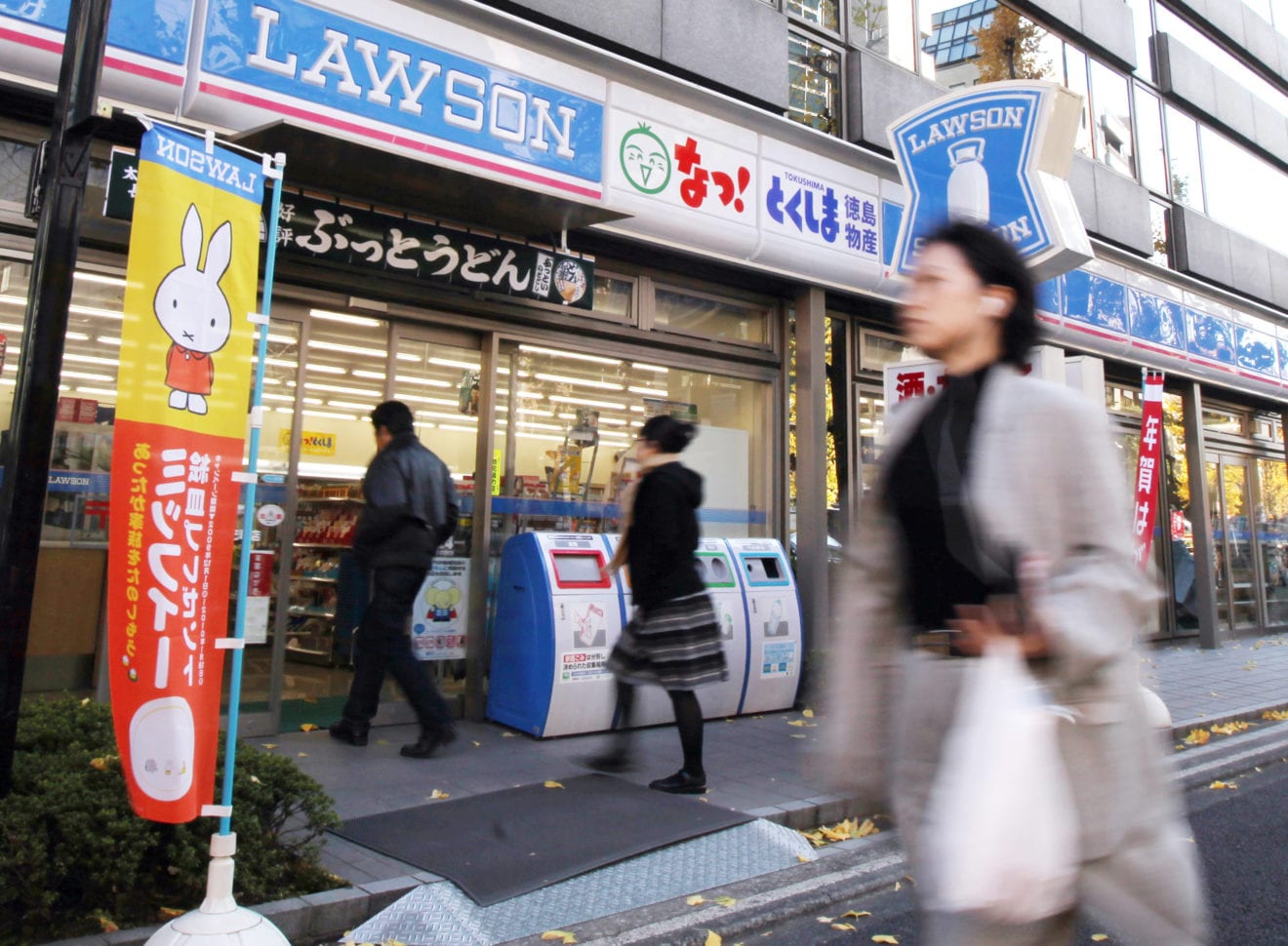
    Our survey found that foreign brands remain more popular than their domestic peers. Japanese brand 7-Eleven was the most popular, with 20.4 per cent of respondents saying they frequently shopped at its stores, up 1.1 percentage points from the fourth quarter of last year (see chart). The popularity of two other Japanese chains, FamilyMart and Lawson, also rose, up 0.8 and 1.2 percentage points, respectively.

    After years of losses, foreign brands may finally have found ways to consistently turn profits in China. Shanghai FamilyMart, a joint venture between FamilyMart Japan and Ting Hsin Group formed in 2004, turned a profit for the first time in 2013. This ¥745m ($7.4m) profit expanded to ¥1.5bn last year.

    FamilyMart’s clean, reliably stocked outlets appeal to white-collar workers, but it is the prepared fresh food options that have really proved popular. The company now has four factories preparing ready-made food in or around Shanghai and reportedly sells about 300,000 bento boxes each day in the city. Prepared fresh food makes up roughly half of the total sales of each FamilyMart store, according to Ting Hsin vice-president Wei Yingxing.

    Bottlenecks to expansion

    The nature of convenience stores makes brand loyalty tough to engender: is a Shanghai urbanite going to walk further to their favourite chain for something as basic as a bottle of water?

    This is helps explain why the expansion of foreign brands into lower-tier cities has been harder than they anticipated. In 2010, FamilyMart set a goal of opening 4,500 stores in China, but had only reached one-third of that by February 2016. Three years ago, Lawson targeted 1,500 stores in Shanghai and 500 in Chongqing by 2015. As of May 2016 it had opened just 506 and 111, respectively. Among the top 10 chains nationally, the market share of domestic chains has actually rebounded slightly since 2012, while the rapid growth of foreign chains has slowed, according to Kantar (see chart).

    Domestic competition tough to overcome

    Shanghai has provided domestic companies with a case study in how to compete against foreign entrants. Almost all big domestic convenience store chains have beefed up their offerings of ready-to-eat food products, mimicking FamilyMart’s success in Shanghai. Many are now accelerating store openings in areas dominated by foreign chains, while some have managed to poach middle managers from international companies.

    This competition from domestic chains is dragging on store count growth for the multinationals: the number of 7-Eleven stores in Chengdu dropped to just 56 by May this year from 87 in February 2013 (see chart). FamilyMart has also expanded only slowly in Chengdu. In contrast, local leader Hongqi has 1,543 outlets in the city, and reported a 15.2 per cent increase in operating revenue and a 5.3 per cent rise in net profits to Rmb170m ($26m) in 2015.

    The target demographic of foreign convenience stores is much smaller in second-tier cities than in the major coastal hubs, given lower incomes and different consumption patterns. In Beijing in 2015, the daily revenue of each 7-Eleven outlet was, on average, more than Rmb16,000. The equivalent figure in Tianjin and Chengdu rarely breaks Rmb10,000. This has forced foreign companies to be more strategic about where they open outlets in these cities.

    Government policy may also limit expansion. Since 2009, the Chinese government has banned retailers with foreign backgrounds from selling cigarettes nationwide, a business we estimate could account for a third of convenience store sales. In Shanghai, the municipal government also offers subsidies to state-owned firms, and in second-tier cities the relationship between local companies and local government is usually even closer.

    In response, Lawson has signed a franchise contract with Wuhan Zhongbai, authorising Hubei’s leading retailer to open Lawson convenience stores in the province — even though Zhongbai has its own convenience store chain, named Haobang. These sorts of tie-ups may be a solution for foreign chains to expand in the provinces, but maintaining service quality will prove a challenge.

    Here come the newcomers

    Furthermore, the market’s rapid growth is luring in new players. Large, established foreign retailers are looking to leverage their brand popularity and existing infrastructure. Carrefour, for example, has already opened 13 Carrefour Easy convenience stores in Shanghai. Germany’s Metro also recently opened its first two My Mart convenience stores in the city.

    Domestic entrants are even more aggressive. Quanshi has opened 270 stores in Beijing since it was established in 2011. In comparison, 7-Eleven had 192 stores in Beijing as of May 2016, having entered the market in 2004.

    Quanshi’s ampm brand (not to be confused with BP’s chain of service stations) is one of a swath of Chinese operations, across numerous industries, banking on O2O services to drive growth. The chain claims that short-term profitability issues from its model can be overcome once economies of scale are achieved. Companies like Quanshi see O2O services, including package storage but also delivery, as the future of the convenience store business.

    The commercial viability of this strategy is so far unproven. A deal between JD.com and Taiyuan Tangjiu, a Shanxi chain, in which the online mall hosts the convenience store’s online presence while its couriers provide one-hour delivery, has not been a success.

    Given such intense competition, we believe the convenience store market will remain fragmented and locally focused. For now, it is unclear that a national leader will emerge, as 7-Eleven has in Japan. In second- and third-tier cities, lower incomes and local protectionism mean that foreign chains may take over bustling, high-rent street corners, but will struggle to establish a dominant position.