Tag: China

  • China Telecom to turn Shenzhen into a Gigaband City

    China Telecom to turn Shenzhen into a Gigaband City

    China Telecom Shenzhen and Huawei have signed an agreement to deliver gigabit broadband connectivity to 900,000 homes in Shenzhen.

    The companies have entered a five-year deal that aims to transform Shenzhen into a “Gigaband City”, using next-generation optical line terminals and PONs to deliver 100% Gigabit coverage for communities in the city.

    Services will be available for residential users, governments and enterprises, and will be capable of enabling advanced services including 4K video and VR film streaming, Gigaband hotels and passive optical LANs.

    Based on the experience with the rollout, China Telecom and Huawei plan to jointly define the standards for a gigaband city, paving the way for future deployments.

    “China Telecom (Shenzhen) is dedicated to accelerating Shenzhen’s broadband network capabilities and together with Huawei we aim to rapidly transform into an ultrafast landscape,” the China Telecom subsidiary’s general manager commented.

    “This will enable Shenzhen to keep pace with consumer demand for new internet applications such as ultra-broadband (UBB) video, VR and AR, Gigaband campus, and smart homes. We believe a Gigaband city will also foster digital economy innovation in Shenzhen and establish Shenzhen as an oasis for inventors.”

    Announcing the agreement, the companies said this will mark the first time 1,000Mbps all-optical networks will be deployed on such a large scale.

  • New way to sell bags for Christian Dior

    New way to sell bags for Christian Dior

    Christian Dior China has become the first luxury brand to sell top-end bags on messaging and social network WeChat.

    With an eye on Chinese Valentine’s Day (Qixi) on August 9, it offered its limited-edition Lady Dior bag on the platform this week. It was to be available until today, but sold out on Tuesday.

    As a special extra, consumers were able to drag online pictures of decorations on to the bag, so it could be tailored for their preferences.

    Buyers could pay through WeChat for the bag, priced at 28,000 yuan (US$4210).

    Other luxury brands, including Cartier, Longchamp and Montblanc have already launched online sales platforms on WeChat, providing special services and discounts.

    For the first half of this year, Dior’s net profits fell 30.2 per cent to €74 million ($82.8 million).

  • New Look to expand in China & France with new standalone menswear stores

    New Look to expand in China & France with new standalone menswear stores

    Fast fashion retailer New Look is taking advantage of its popularity in menswear by opening 25 new stores in the next five years – including a batch of standalone menswear stores in China and France over the next 12 months.

    While the store split between the UK and overseas is not yet known, the retailer currently going through exceptional growth in China where it has had like-for-like growth since entering the market at the start of 2015.

    New Look first launched standalone menswear stores almost a year ago and has quickly garnered a reputation as being a leader in the trend of standalone high street menswear stores.

    Online retailer Boohoo launched a standalone menswear site in April while Net-a-Porter recently revealed its own-brand menswear label.

    Department store chain Harvey Nichols also recently relaunched its menswear department, while fashion chain Jigsaw has announced plans to expand its menswear range over the next five years.


  • Is Nike golf equipment journey ending?

    Is Nike golf equipment journey ending?

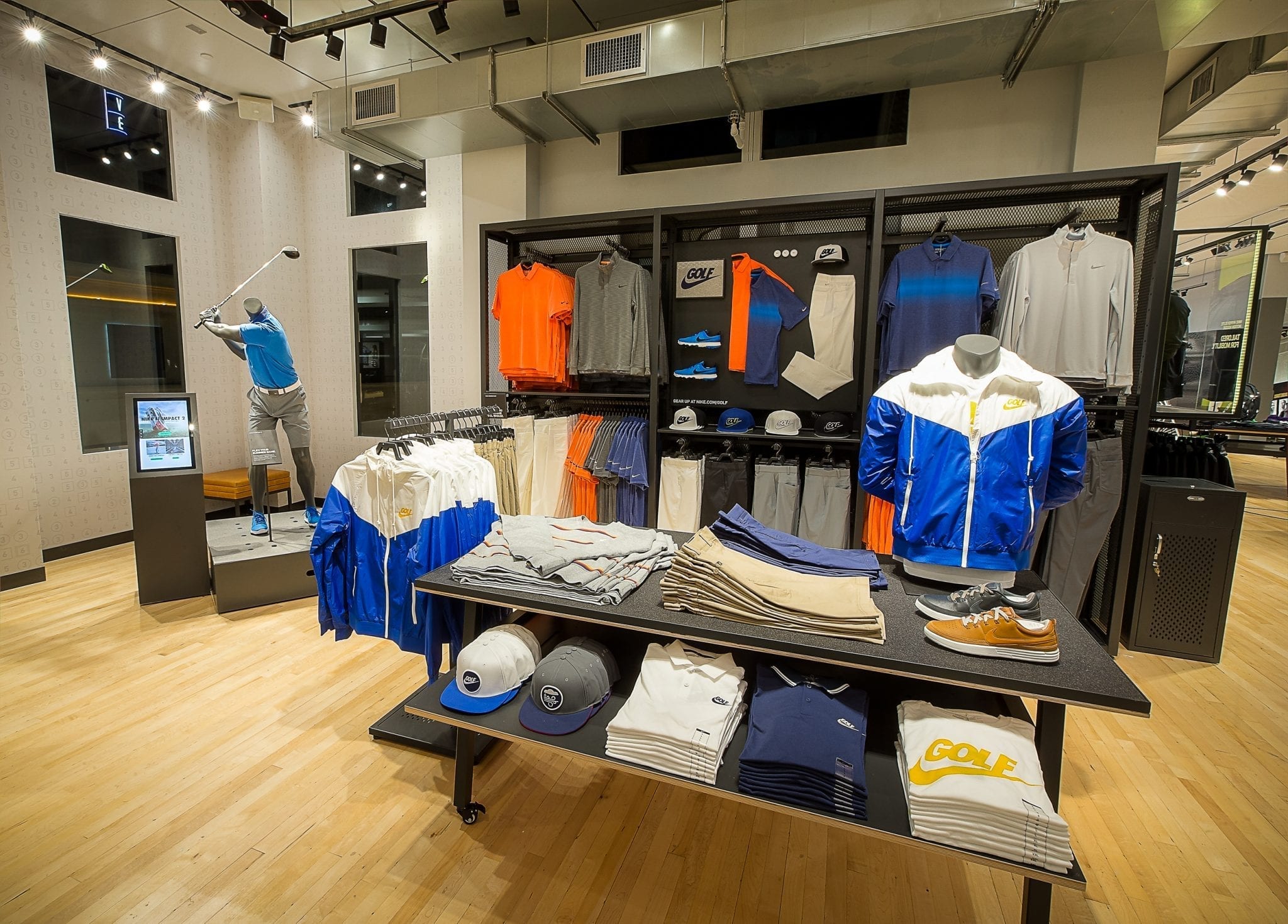
    Nike is phasing out its golf equipment business to focus on shoes and apparel.

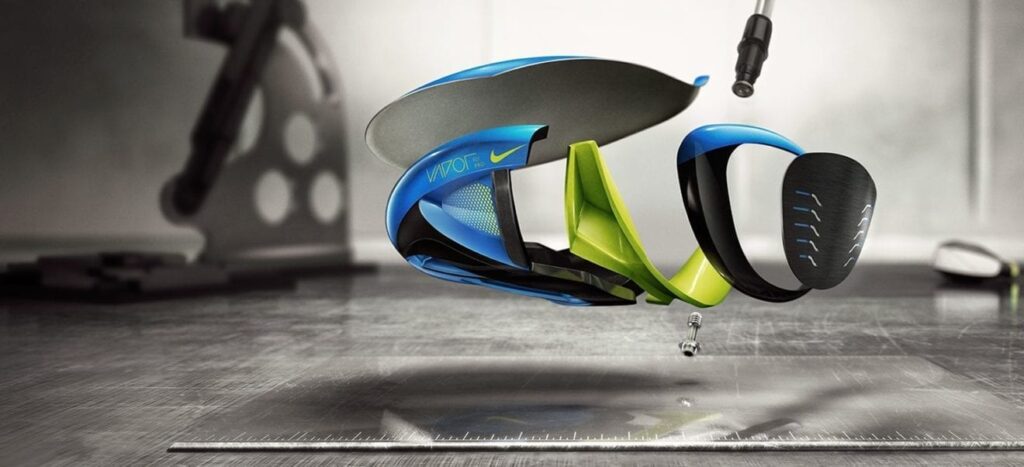
    The company has announced it is accelerating its footwear and apparel business and will transition out of Nike golf equipment range – including clubs, balls and bags.

    “We’re committed to being the undisputed leader in golf footwear and apparel,” says Trevor Edwards, president, Nike Brand. “We will achieve this by investing in performance innovation for athletes and delivering sustainable profitable growth for Nike Golf.”

    The global giant said it will continue to partner with more of the world’s best golfers as part of its changed golfing segment strategy.

    “Athletes like Tiger, Rory and Michelle drive tremendous energy for the game and inspire consumers worldwide,” says Daric Ashford, president of Nike Golf.nike golf

    “Over the past year the MM Fly Blade Polo, the Flyknit Chukka and Air Zoom 90 have all connected strongly with golfers. We’ll continue to ignite excitement with our athletes and deliver the best of Nike for the game.”

  • Shopping by mobile devices rises

    Shopping by mobile devices rises

    More shoppers are using smartphones and tablets to do business with Korean online retailers – both Koreans and foreigners.

    Chinese shoppers – particularly those who have visited Korea and fallen in love with its products – have been a particular boon to the online shopping business.

    According to Statistics Korea, online shopping transactions rose 18.8 percent in June compared to a year ago, hitting 5.18 trillion won ($4.64 billion). Mobile shopping via mobile devices surged 34.4 percent during the same period, and accounted for 51.2 percent of total online shopping, or 2.65 trillion won.

    “Mobile payment services have improved recently so more customers are using mobile devices compared to the past,” said an official from Statistics Korea.

    Mobile device transactions accounted for only 29 percent of all online transactions in April 2014. The figure topped 40 percent early last year and surpassed 50 percent in December. It continues to grow.

    Even though transactions rose from a year ago, they dropped from the previous month. Online shopping transactions dropped 0.3 percent in June compared to May and mobile shopping fell 2.2 percent during the same period.

    By sector, people purchased more cosmetics and travel services online, while the figure for food, including agricultural produce, livestock and fishery products fell.

    People spent 52.1 percent more on cosmetics in June compared to the previous year, and the figure for travel services increased by 42.3 percent.

    “The number of Chinese tourists visiting Korea rose in general, and they were interested in buying cosmetics at both brick-and-mortar stores and online retail shops,” an official at Statistics Korea said.

    According to Statistics Korea, Chinese tourists visiting Korea rose 201 percent from 223,000 in June 2015 to 671,000 in June 2016. The outbreak of Middle East respiratory syndrome (MERS) lowered the number of tourists last year. The first MERS fatality in Korea occurred on June 2, 2015.

    “More Chinese entered Korea and this also helped travel services transactions grow,” said an official at the agency.

    Statistics Korea surveyed a total of 983 online retailers for its data.

    Meanwhile, foreigners buying Korean goods rose 83 percent year-on-year in the second quarter of this year compared to the previous year, hitting 497.4 billion won.

    Koreans buying goods through foreign online retailers increased by 5 percent during the same period, recording 411.8 billion won.

    Chinese purchasing goods through Korean online retailers jumped 103.1 percent year on year in the second quarter of this year to record 373.2 billion won. The figure for Japan rose 72.1 percent and the European Union (EU) countries increased by 95.7 percent.

    “Cosmetics were the most popular products for foreigners and they accounted for 67 percent of total transactions by foreigners,” said Sohn Eun-rak, a director at the statistics agency.

    Americans purchasing goods through Korean retailers were the highest at 266.9 billion won in the second quarter, followed by the EU (79.2 billion won) and China (33.2 billion won)

    The most popular items that Koreans bought from foreign online retailers were clothes and fashion-related goods. Koreans bought 149.4 billion won worth of fashion related goods from foreign online retailers in the second quarter of this year, down 1.6 percent compared to the previous year.

    BY KIM YOUNG-NAM

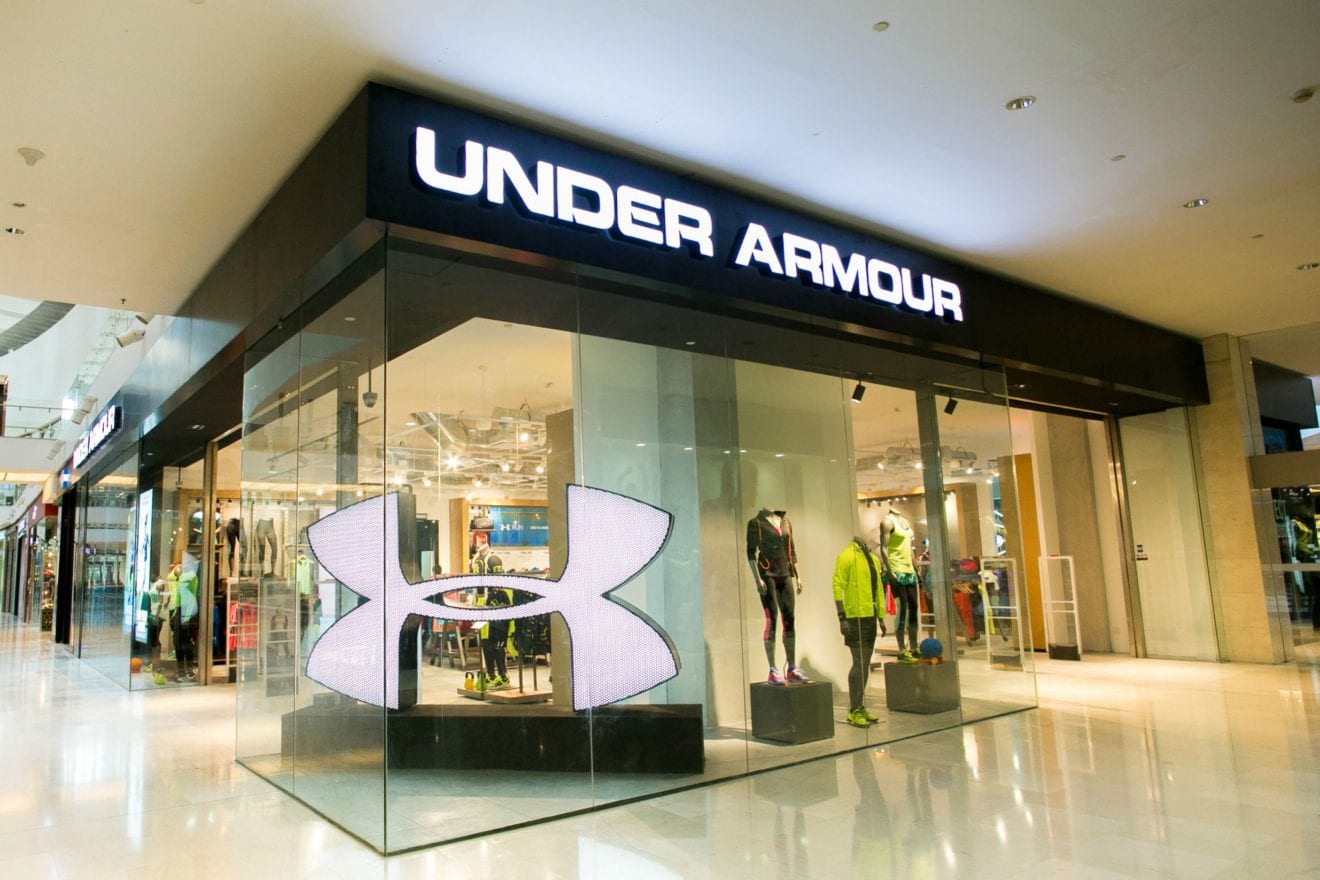
  • Under Armour China recruits star power

    Under Armour China recruits star power

    Star power is being used to connect fast-growing athleisure brand Under Armour with Chinese consumers.

    NBA All-Star Stephen Curry heads back to China next month for another promotional tour for sportswear brand Under Armour China (UA).

    As UA seeks to take market share away from rival Nike, the basketballer will be touring the greater China region, including Taiwan, from September 2 to 6.

    Under Armour CEO Kevin Plank plans to more than double the company’s annual revenue to $10 billion by 2020, identifying three key growth areas: channels, categories and geographies.

    “Our eCommerce in China has basically exploded for us,” he says, “so this is not just a bricks-and-mortar story.” He believes China may actually end up providing the script for the balance between digital and store sales.

    So far this year, UA has reported a 157 per cent increase over the same period last year from its eCommerce initiatives in China. In just 10 years, the company has grown its overseas business exponentially, to $454 million last year from $6 million in 2006.

    Probably trying to catch this wave, low-end Chinese sneaker manufacturer Tingfei Long Sporting Goods introduced its Uncle Martian apparel line in April with a logo similar to UA’s trademark intersecting arches. UA responded by saying it will pursue “all business and legal courses of action.”

    To thrive in China, brand recognition over knockoffs is key for UA, which is why it is sending spokesman Curry into play. Following his first tour two years ago, quarterly revenue in China grew three-fold (Nike had a 23 per cent gain).

    UA plans to open 120 stores in China, more than doubling its presence, by the end of this year. Adidas and Nike have between 8000 and 9000 stores in China already. Nike’s market share grew to 14.3 per cent last year from 11.2 per cent in 2011, while Adidas grew its market share to 13.8 per cent from 8.5 per cent over the same period, according to research company Euromonitor.

  • Chinese tourists cancel trips to South Korea after THAAD

    Chinese tourists cancel trips to South Korea after THAAD

    Analysts warn of possible blow to tourism, retail industry

    A number of Chinese tourists are cancelling trips to South Korea in the wake of the country’s decision to deploy a missile defense system, a trend which experts say might lead to a blow to South Korea’s tourism industry if it continues, as the sector depends heavily on visitors from China.

    A Beijing while-collar worker surnamed Wang who planned to travel to South Korea in August told the Global Times that although she has already placed a non-refundable payment on a hotel, she was cancelling because of THAAD.

    “After all, there are still a number of travel destinations where I can go,” Wang said.

    Travel agencies in China and South Korea have also noticed the trend.

    Xu Xiaolei, manager of marketing at China’s CYTS Tours Holding Co, said that there have been a handful of clients who cancelled their bookings on a South Korea tour recently.

    “Also, compared with last year, the recruitment process for tours to South Korea during the Golden Week three-day holiday has been slow.” Xu told the Global Times on Monday.

    South Korean tourism industry officials, along with officials from travel agencies that specialize in hosting Chinese tourists in the country, have said that there are “a rising number of Chinese tourists cancelling reservations for August,” according to report on koreabizwire.com.

    The most recent cancellation was for the Chimaek festival, an annual celebration of fried chicken and beer that began on July 27 in Daegu, a city in southeastern South Korea.

    To attract Chinese tourists, the committee came up with a scheduled program in May and organized a train for incoming tourists from Seoul to Daegu, Korea JoongAng Daily reported on July 25.

    The number of Chinese tourists who signed up for the organized tour was 500 by early July, the report noted.

    But in the two weeks since South Korea announced the deployment of the Terminal High Altitude Area Defense (THAAD) anti-missile system, which has received intense backlash among the Chinese public, over 60 percent of the bookings have been cancelled, said the report. As a result, the committee has decided to offer a sightseeing bus instead of the originally planned train.

    Several days ago, Daegu’s 23-year-old sister city in China, Qingdao, East China’s Shandong Province, said it would not be participating in the festival due to “inappropriate timing,” the report noted, citing a Daegu city official.

    The Qingdao government also called off plans for a Daegu government exchange visit to the Qingdao Beer Festival, which started on July 29, amid public outcry to boycott South Korean products, the official said.

    Heavy reliance on Chinese tourists

    Recent years have witnessed a soaring number of Chinese tourists visiting South Korea.

    The number of Chinese arrivals grew 29.4 percent year-on-year to 3.82 million in the first six months of 2016, accounting for 48.8 percent of the country’s foreign visitors, the Korea Tourism Organization data showed.

    Wei Changren, CEO of Beijing-based Jinlu Consulting, told the Global Times on Monday that South Korea’s tourism and travel retail sector rely heavily on visitors from China.

    In the first half of 2016, an estimated 65 percent of the sales volume of Samsung Group’s Shilla Hotel and Resort, the country’s second largest duty free shop, was generated by Chinese visitors, up 45 percentage points over the same period last year.

    “About 70 percent of Chinese tourists travel to South Korea to shop. But average spending by Chinese tourists has decreased recently,” Zhu Zhengyu, an industry analyst with Enfodesk told the Global Times on Monday. “If the number of Chinese visitors continues to drop, the retail industry in South Korea will suffer.”

    Zhu’s opinion is echoed in a report published by Samsung Securities, which reveals that if the number of Chinese visitors shrinks by 1 percent, the operating profit of Shilla Hotel and Resort could fall by 2.6 percent.

    “Besides, considering the size of China’s economy and population, no other country can fill the vacancy if Chinese visitors go away,” Zhu said.

  • Burberry China buys out minor shareholder

    Burberry China buys out minor shareholder

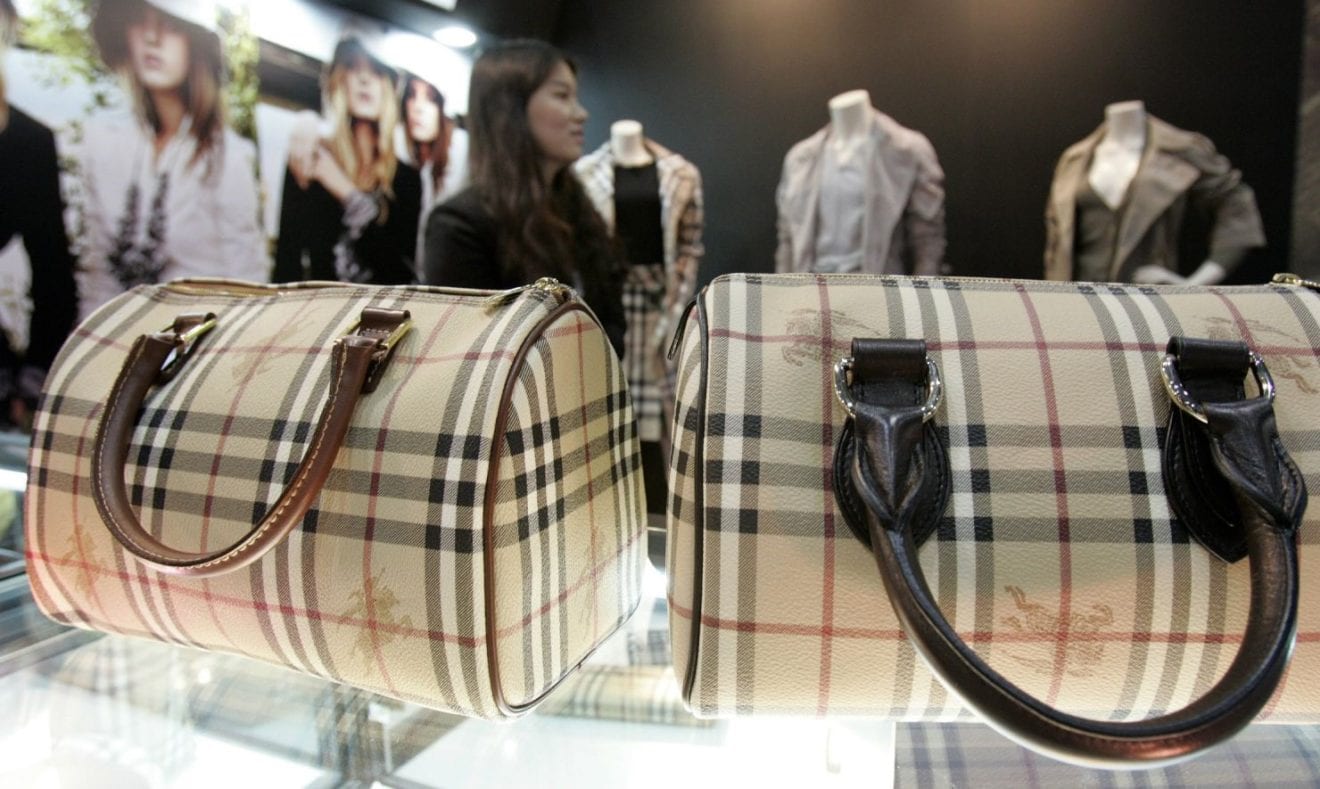
    Fashion brand Burberry China has spent £54 million (US$71.2 million) to take full control of its retail business, buying the 15 per cent interest held by Sparkle Roll Holdings.

    Headquartered in London, the 160-year-old label launched its foray in China in 2010. The mainland now accounts for about half the retail spend of Burberry’s Chinese customers. Last year it was relatively stable, but significantly lower footfall again was a challenge in Hong Kong, which accounts for 9 per cent of global retail/wholesale revenue.

    Burberry says it has been looking to cut costs to ensure its Hong Kong stores stay profitable, with its first-quarter trading showing improvement over the fourth quarter but comparable sales continuing their double-digit percentage decline, reports DigitalLook.

    Like-for-like sales on the mainland were broadly unchanged in the first quarter.

  • Sainsbury’s China doubling product range

    Sainsbury’s China doubling product range

    With the success of its trial with Tmall Global, Sainsbury’s China is doubling its product range.

    Citing “increasing demand”, the British supermarket retailer is about to release 100 more items, such as tea bags, coffee and pasta.

    “Chinese online shoppers are increasingly demanding high-quality international products,” says Sainsbury’s CFO John Rogers.

    “Many customers also want to replicate tastes and occasions they have enjoyed or heard about through international travel. Products to make a British breakfast and English afternoon tea have therefore proved hits.”

    Sainsbury’s started with Tmall last September, joining such British retailers as Asos, Burberry and fellow grocer Waitrose, which sell products on Alibaba’s Royal Mail online outlet.

    Rogers says the trial with Tmall has taught the company much about China’s digital market, including the importance of sales.

  • Unicom warns to expect an 80% profit slump for H1

    Unicom warns to expect an 80% profit slump for H1

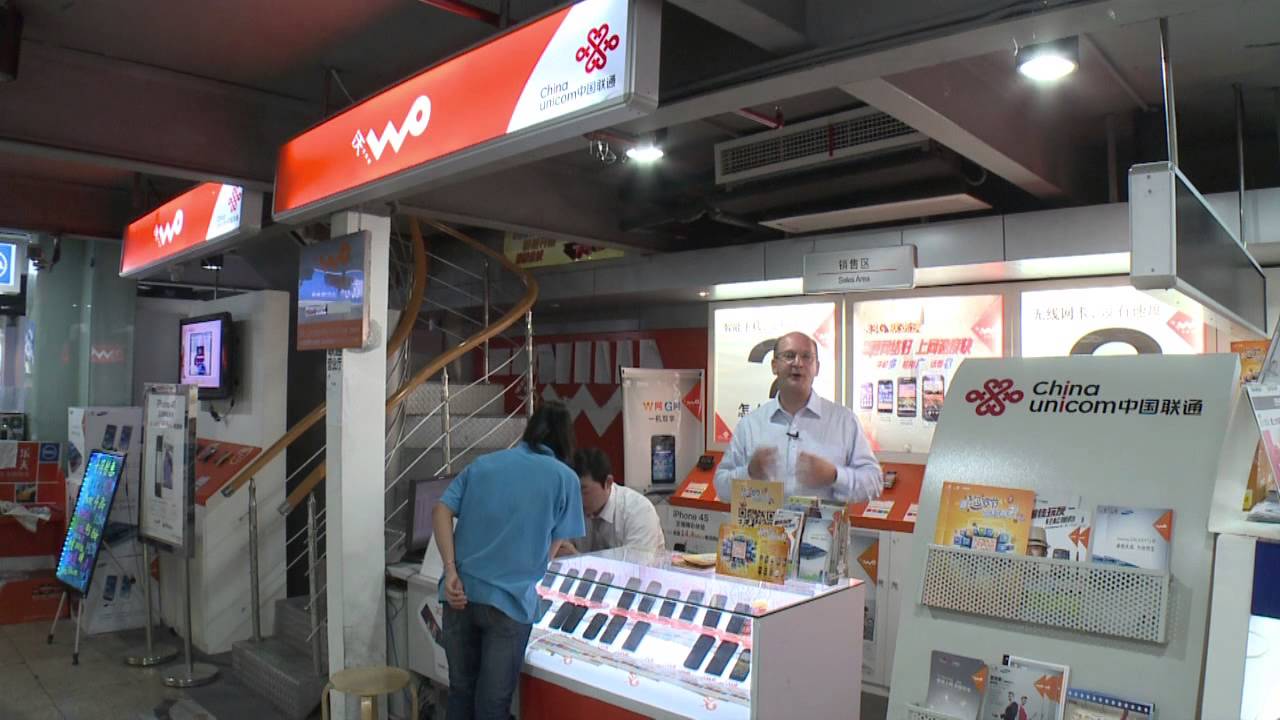
    China Unicom has warned it expects to report an 80% year-on-year slump in net profit for the first half of the year as a result of a surge in expenses.

    In a stock exchange filing, the operator said that selling and marketing expenses grew significantly during the six month period.

    New tower usage fees resulting in the outsourcing of tower assets to new joint venture China Tower, higher energy charges and property rentals also contributed to the growth of expenses.

    China Unicom reported a profit for 1H15 of 6.99 billion yuan, so the company is estimating a profit fo the period of around 1.4 billion yuan.

    The operator noted that this is nonetheless a significant improvement of the 3.36 billion loss – excluding the gain from the tower asset disposals – recorded during the second half of last year.

    The filing also states that Unicom’s mobile business has “achieved initial success in overcoming operational challenges.”

    As a result the company achieved a net addition of mobile subscribers of 8.39 million during the period. This compares favorably to the operator’s performance last year, when the company recorded net losses of customers for consecutive months.

  • Nippon Express, Alibaba to team up in China-bound shipping

    Nippon Express, Alibaba to team up in China-bound shipping

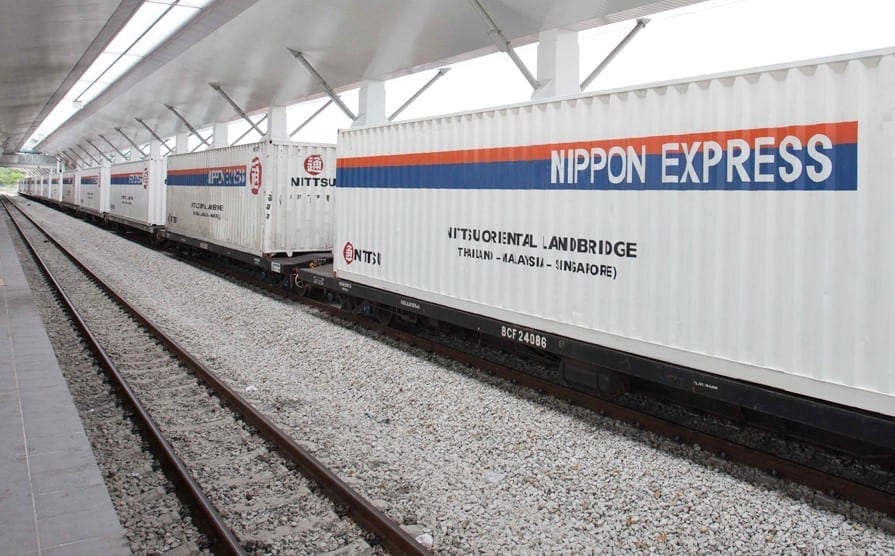
    Nippon Express will work with e-commerce giant Alibaba Group Holding to ship Japanese goods to China for around 30% less than current prevailing rates.

    The Japanese shipper will transport goods from companies doing business on Alibaba’s TMall.com platform to China, while an Alibaba affiliate will handle home delivery. Goods can either be flown across the sea when ordered or shipped by surface in advance and stored in warehouses.

    Nippon Express is Japan’s largest business-to-business and international shipper, enabling it to hold down costs by purchasing space on ships and aircraft in bulk. In teaming up with TMall, which controls 60% of China’s online retail market, the shipper aims to handle half of all online purchases headed there from Japan.

    Currently, Japan Post ships 90% of online purchases traveling to China via airmail with its express-mail service. But a fee hike of around 30% in June to 1,400 yen ($13.68) for packages up to 500 grams has raised headwinds to the service’s use. Nippon Express will keep fees for similar items around 1,000 yen, aiming to pick up customers put off by the increase. Both services take four to six days for delivery in China.

    Nippon Express and Alibaba will also take on the complex business of dealing with customs for companies on TMall. China updated rules on cross-border e-commerce in April and now requires such information as what is being shipped, prices and logistics to be submitted electronically. Nippon Express will be the first Japanese logistics company to create a digital link with Alibaba allowing this data to be combined and submitted in one neat package.

    China’s cross-border e-commerce retail market is expected to grow roughly twelvefold from 2014 levels to $245 billion in 2020, according to U.S. professional services company Accenture.

    A number of Japanese companies are competing to offer better and cheaper shipping options to China, creating new chances for even smaller businesses here to access that enormous market. Yamato Holdings inked a partnership in April with companies including JD.com, TMall’s smaller rival, to offer international shipping and home delivery. ANA Holdings plans to offer a service handling everything from customs procedures to delivery starting in September.

    Such Japanese products as cosmetics and household goods have gained a sterling reputation for safety and quality in China. Consumers there are on track to buy 2.33 trillion yen ($22.8 billion) in goods from Japan online in 2019, according to the Japanese trade ministry. This is roughly triple the 2015 level.

    E-commerce is growing more important to Japanese companies as a source of continuous demand from China. This stands in contrast to consumption by Chinese tourists in Japan, who have been spending less per capita of late.


  • Millennials driving force behind Taobao Marketplace

    Millennials driving force behind Taobao Marketplace

    Millennials are the driving force behind Taobao Marketplace, with more than 70 percent of buyers in their 20s and 30s, according to Chris Tung, chief marketing officer at Alibaba Group.

    “As users continue to engage with the platform in more meaningful ways, we are fostering next-generation consumption features, such as virtual reality, to transcend the overall user experience,” he said in a media statement during the Taobao Maker Festival held recently at the Shanghai World Expo Exhibition Center.

    The festival celebrates Taobao merchants by showcasing creative ideas and designs to the world, including gadgets, fashion and high-tech products. The festivities also include various performances by artists, music groups and celebrities from across Asia.

    Created in 2003 as an online shopping destination for Chinese consumers, Taobao Marketplace has evolved into an interactive lifestyle platform driven by a young consumer population who wants to do more than just shop.

    “It is a destination for innovators, entrepreneurs and creatives to showcase and experiment amongst a community of 423 million Chinese consumers on our China retail marketplaces that come to Mobile Taobao to explore, discover and be entertained,” explained Daniel Zhang, chief executive officer of Alibaba Group.

    In 2010, Alibaba Group launched the Mobile Taobao app to transition its flagship C2C shopping platform to more a interactive platform to explore opportunities in mobile commerce.

    Today, the Taobao platform supports millions of entrepreneurs across China with user engagement across e-commerce, digital media, travel, social and local services. On average , it has around 150 million daily active users on Mobile Taobao. Users launch the Taobao app an average of seven times per day and spend more than 20 minutes each day on the app. They browse an average of 19 products during a 24-hour period,

    Moreover, mobile Taobao users post more than 20 million reviews and comments every day.

    “We hope the Taobao Maker Festival will inspire young makers to continue innovating and reaching the world through the Taobao ecosystem,” Tung said.

  • ‘Modest’ growth for Dairy Farm International

    ‘Modest’ growth for Dairy Farm International

    Pan-Asia retailer Dairy Farm International Holdings reports “modest” sales growth for the six months ended June 30.

    Underlying profit was slightly ahead as higher contributions from food, home furnishings, restaurants and China hypermarket Yonghui offset a lower contribution from the group’s health and beauty division. The group is seeing the benefits from investments made last year.

    Sales for the period, excluding associates and joint ventures, were down 1 per cent but up 2 per cent at constant exchange rates. Sales were impacted by the closure of underperforming stores in Indonesia and Singapore.

    The operating profit was stable at US$197 million, compared with $201 million in the first half of last year.

    Under pressure

    In the food division, sales within supermarkets and hypermarkets were up 2 per cent despite deflationary pressures.

    In Hong Kong, sales increased modestly but profits were impacted by higher rental and labour costs. In Indonesia and Singapore, profitability improved despite reduced sales following store closures. Sales were flat but profits lower in Malaysia, while the Philippines had good sales growth and improved profitability.

    Convenience stores in Hong Kong and Macau performed satisfactorily in a difficult trading environment, while overall sales in Singapore were flat because of the cutback in stores yet sales were positive and profits higher.

    Store expansion continued in mainland China, and there was good sales and profits growth.

    In the health and beauty division, sales improved in Hong Kong but Macau and Malaysia were behind with lower profitability.

    Like-for-like sales were positive in China, and in Indonesia “encouraging” improvements were made in sales and profits following a store rationalisation program.

    In the Philippines, good progress continues to be made on the integration of Rose Pharmacy.

    In home furnishings, Ikea performed well, producing growth in both sales and profits in its three markets. Store expansion opportunities are being pursued.

    Still expanding

    In the restaurant division, Maxim’s maintained its impressive track record with higher sales and profits in China and Hong Kong. The group is growing its presence on the mainland and continues to expand its Starbucks network in Cambodia and Vietnam.

    Yonghui reported 18 per cent revenue growth in the first half.

    In February, PT Hero agreed to sell its remaining Starmart stores in Indonesia. The transfer of the stores is expected to be completed in the fourth quarter.

    In March, the group refinanced short-term borrowings of $900 million, to be used in part to invest a further $191 million in Yonghui. This will maintain the group’s 19.99 per cent interest following the placement by Yonghui of a 10 per cent shareholding to JD.com.

    In April, Maxim’s acquired the Cova patisserie and restaurant franchise in Hong Kong, which has 10 outlets. Maxim’s also opened its first The Cheesecake Factory in Shanghai Disney Town.

    At the end of June, Dairy Farm, including Yonghui, had about 6500 outlets across all formats and employed 180,000-plus people.

    “While sales and profit performance in the first half have been encouraging in a challenging
    trading environment, the outlook remains uncertain with consumer confidence fragile in most
    Markets,” says chairman Ben Keswick.

    Incorporated in Bermuda, Dairy Farm International Holdings has its primary listing on the London Stock Exchange with secondary listings in Bermuda and Singapore. The group’s businesses are managed from Hong Kong by Dairy Farm Management Services through its regional offices. Dairy Farm is a member of the Jardine Matheson Group.

  • Lane Crawford harnesses power of sound for in-store oasis

    Lane Crawford harnesses power of sound for in-store oasis

    Chinese department store chain Lane Crawford is giving consumers a relaxing retreat from the bustle of Hong Kong.

    Within the retailer’s ifc mall flagship, a Sound Room has been set up for visitors to experience the sound’s power as a form of therapy. Increasingly, sales floor space is being used for more than just product displays, as retailers seek to create places for consumers to extend their time in-store.

    “I love Lane Crawford because they are always trying new things to differentiate themselves and create a luxurious and unique experience for their customers,” said Gustavo Gomez, senior advisor at Envirosell, New York.

    “They are in the business of delighting their patrons, and this new sound space does that,” he said. “This space not only provides something new that other retailers don’t have, but it is an experience in sensorial luxury.  In our modern cities, noise is a 24/7 phenomenon. Whether one perceives the daily noise or not, it has an influence on our mental function – it increases stress levels.

    “I don’t know if this was Lane Crawford’s intention, but some sound therapy before shopping can reduce the stress level of the shopper and possibly contribute to an increased likelihood to purchase. It has been shown that increase stress makes shoppers more price sensitive and more likely to comparison shop.

    “Lane Crawford’s sound room may help reduce stress and thus reduce price sensitivity. It would be interesting to see if those that use the sound room have different purchase patterns than those that don’t.It is also a great way to sell the high-end speakers.”

    Mr. Gomez is not affiliated with Lane Crawford, but agreed to comment as an industry expert.

    Lane Crawford did not respond before press deadline.

    Tone quality
    On Lane Crawford’s Web site, an article delves into sound’s effect on the mind and body, from health to well-being.

    The constant noise of traffic, including car horns and the rumble of cars, ignites primal responses to danger based on its similarities to screams and the sound of earthquakes. This causes a fight or flight effect, sending adrenaline coursing through the body many times a day and making consumers tired.

    Counteracting this, music that is slower than the heartbeat, at less than 60 beats per minute, can help create a sense of calm.

    lane crawford 2
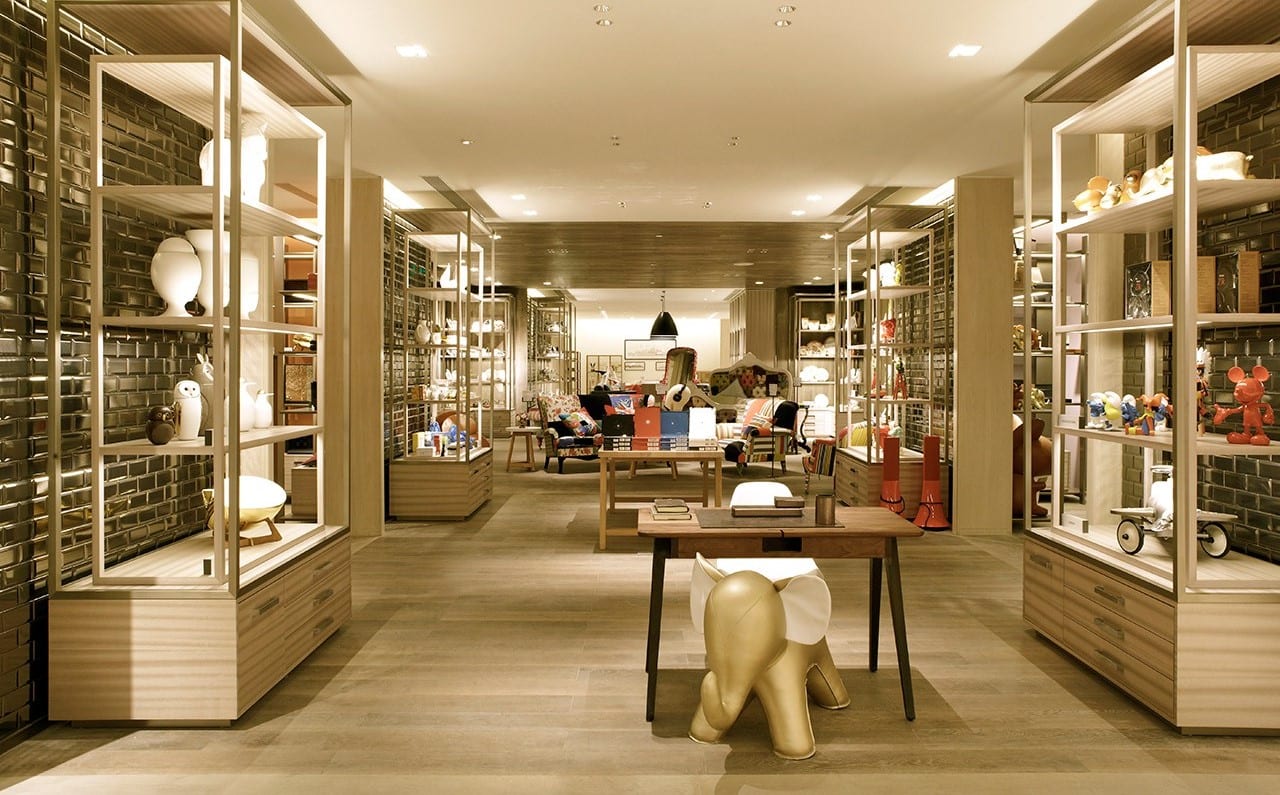
    Inside Lane Crawford’s ifc mall store

    Accompanying the article is a soundtrack of twinkling tones embellished with chirping birds, allowing the reader to heal themselves.

    Responding to the rise in sound therapy, Lane Crawford has launched a Sound Room.

    Demonstrating the escape from sound, Lane Crawford filmed a short video.

    The text “Lane Crawford presents a journey of discovery through sound” appears over a series of scene-setting shots in which people crowd into subway cars and buses roam the streets of Hong Kong. Suddenly, the film zooms in on a man, who walks up to a pair of B&O Play headphones.

    As he puts them over his ears, he is suddenly transported to a plant-filled room painted green. The tranquil space boasts beanbag chairs, reading material and mood lighting.

    While sound waves surround his head, he can place himself on the beach or on a mountaintop.

    The Sound Room will be open until Aug. 29.

    “This addition once again makes Lane Crawford stand apart from the competition as an innovative retailer that cares about the whole customer and not only about the individual sale,” Mr. Gomez said. “Lane Crawford continues to be a place where one goes to indulge all the senses.

    “They are going beyond the touch and feel aspect of shopping and beyond background music while you shop,” he said. “One can now pamper oneself through hearing.”

    Experiential environments
    Other retailers have turned what would traditionally be selling space into places to engage consumers.

    British department store chain Selfridges is embracing literal retail theater with a celebration of the work of renowned playwright William Shakespeare.

    In honor of the 400th anniversary of the Bard’s death, the retailer is launching a multichannel campaign, “Shakespeare Refashioned,” updating some of his most popular plays through a fashion-forward filter. Through this celebration, beginning July 4, Selfridges is able to showcase its affection for the arts while highlighting its British heritage.

    Part of Selfridges’ effort includes the opening of an in-store theater, which will host a production and drama workshop classes.

    The luxury retail environment is undergoing critical changes, making it is essential for retailers to focus their attention on enhancing the in-store experience, according to a report by Unity Marketing.

    Affluent consumers increasingly prefer to shop online, and for traditional retailers to compete they will need to offer more specialized and personalized retail experiences. Furthermore, as affluents have been shown to have less interest in the accumulation of possessions, it is important for retailers to make stores more experiential and craft a rewarding experience for consumers.

    “Retail has been on the experiential route for a couple of years now,” Mr. Gomez said. “From in-store cafes to treasure hunts, from lighting and sound to concerts.

    “The key is to match the experience with the brand,” he said. “Many retailers are still missing that connection.

    “Lane Crawford seems to match their experience with their brand. Only time will tell if shoppers see the sound experience and something they want in-store. If it succeeds, it may become a permanent area of the store.”

  • Is Apple Inc Losing Ground in China?

    Is Apple Inc Losing Ground in China?

    Apple Inc reported its third quarter of fiscal year 2016 (2QFY16) results after the closing bell on Wednesday. The company managed to beat both earning per share (EPS) and revenue consensus estimates. However, things aren’t as bright as it may seem since the tech giant witnessed declining iPhone sales for the second consecutive quarter.

    The company reported revenue of $42.4 billion, down 14.5% on a year-over-year (YoY) basis. Moreover, EPS came in at $1.42, surpassing the consensus estimate of $1.38.

    However, Tim Cook, Apple’s CEO seemed quite pleased with the results and said: “We are pleased to report third quarter results that reflect stronger customer demand and business performance than we anticipated at the start of the quarter.” Mr. Cook also added that the company was able to reduce its channel inventory by almost $3.6 billion, well above its own guidance of $2 billion inventory reduction.

    Net income for the quarter came in at $7.8 billion, down 27% compared to the same quarter last year. In 2015, Apple’s net income stood at $10.7 billion.

    Mr. Cook highlighted that sales of iPhone accounted for a major portion of channel inventory reduction. Similarly, he also stated that iPhone SE, Apple’s newly launched smartphone, also performed better-than-expected.TheSE contributed for almost 23% of the total iPhone sales made in the quarter.

    During the earnings conference call, the CEO commented: “At its launch, we said that the addition of the iPhone SE to the iPhone lineup placed us in a better position to meet the needs of customers who love a four-inch phone and to attract even more customers into our ecosystem.”

    Overall, the company’s top management seemed satisfied with the earnings results. It generated about 63% of its total sales from international markets. However, the result from its Asia Pacific region, especially from greater China, paints a completely different picture.

    Apple Greater China Performance

    Greater China sales for the quarter stood at $8.8 billion, down 33% YoY. In the same period last year, the company generated about $13.23 billion in sales from the greater China market. Similarly, on a sequential basis, sales in the region dropped by about 29%. Greater China, which was considered the company’s second largest market after the US, has been becoming a major concern amid stiff competition from domestic smartphones makers and a consistent economic slowdown. Moreover, Apple’s sales dropped more than 20% to $2.37 billion from $2.95 billion reported in 3QFY15 in other Asian countries.

    The company has faced quite a lot of problems in one of its strongest market in the past few years, ranging from regulatory issues and domestic competition to an economic slump. Apple, which used to generate more than 50% of its revenue from the mainland territory, has now lost a significant portion of its market share to home grown smartphone makers including Huawei Technologies and Xiaomi Technologies.

    Earlier this week, Huawei released its financial results for the first six months of 2016. The Chinese smartphone giant reported $36.67 billion (245.5 billion yuan) in revenue, well above the consensus estimate. In 2015, it reported about 175.9 billion yuan in revenue for the first six months. In addition, the company also said that it aiming to achieve the target of 140 million smartphones shipments by the year-end and looks set to achieve that milestone based on the first half results. In the first half, Huawei sold about 60 million smartphones, representing a 25% increase compared to first-half results of 2015.

    However, Mr. Cook seemed quite pleased with company’s progress in the emerging markets, especially in China. During the earnings conference he said: “We remain very optimistic about the long-term opportunities in Greater China and we continue to invest there. We opened our 41st Greater China retail store during the quarter, and we also made a $1 billion investment in Didi Chuxing.” Didi Chuxing is China’s largest ride hailing start-up backed by the Chinese e-commerce giant Alibaba Group Holding Ltd and Tencent Holding Ltd.

    He also highlighted that company’s installed base of iPhones in the Greater China region has surged 34% YoY. In addition, according to the data released by China Mobile, iPhone users on its network ranked the highest both in terms of data usage and loyalty.

    In addition, Luca Maestri, Apple CFO and Senior Vice President also highlighted that the company’s performance in the quarter was affected by some serious challenges in the Greater China region, including an economic slowdown and regulatory concerns.

    Apple China Challenges

    China has always been a key strategic hub for the iPhone maker, however, recent performances clearly indicates that the tech giant is losing ground in its second largest market in terms of revenue. Even in the second quarter, the company’s revenue from greater China fell 26% year-over-year (YoY).

    Beside a decline in iPhone sales, the regulatory issues are also haunting the Silicon Valley based smartphone maker. Earlier this year, Apple’s iTunes Movies and iBooks Store services were banned by the Chinese regulatory authorities, after only being available in the country for six months.

    Recently, Shenzhen Baili, a little known Chinese startup, won a surprise lawsuit against Apple. Shenzhen Baili accused the tech giant of violating a design patent. The Chinese court granted Baili a sales sanction against the tech giant. Apple was prohibited from selling its flagship iPhone 6 and 6 Plus in some Chinese cities where Baili operated. However, the sales sanction was lifted.

    In addition, Apple ranked third in terms of market share in China last year with about 13.4% of the market, according to the data released by International Data Corporation (IDC). Xiaomi ruled the Chinese market with about 15% share, closely followed by Huawei Technologies with 14.5% market share.Huawei is expected to surpass both Apple and Xiaomi this year to lead the smartphone market both locally and internationally.

    Tim Cook’s Optimism about China:

    Though the company’s overall financial results didn’t live up to its reputation, however, the company’s CEO is still optimistic about its long term growth prospects both locally and in the Greater China territory.

    With respect to the ban on Apple’s i iTunes Movies and iBooks Store, Mr. Cook indicated that those stores weren’t even making $1 million so the band is not a major problem. However, he also added: “we’re working very closely with the appropriate government agencies, and we hope to make books and movies available again to our customers there. And so we’ll see how that goes, but we’re optimistic there.” The company’s CEO says that China is a long-term investment and Apple is doing its best to give the Chinese customers the best product.

    Apple’s Alliance with Native To Fight Back in China:

    Back in May, Apple announced a strategic partnership with China’s biggest ride-hailing app, Didi Chuxing, as it invested $1 billion in the company. Analysts believe that the venture could boost Apple Pay in China by offering payment services to Didi’s 14 million drivers. In addition, the iPhone maker could also use Didi’s vast road data for its upcoming autonomous car project. Mr. Cook said about the partnership: “We are extremely impressed by the business they’ve built and their excellent leadership team, and we look forward to supporting them as they grow.”

    The partnership could assist Apple in growing its other services in the mainland territory; however, declining iPhone sales in the country is still a cause of concern.

    Future Outlook:

    Apple expects its fourth quarter revenue to come in between $45.5 billion and $47.5 billion. The increase in revenue guidance reflects the company’s aim to grow and give its investors solid returns. In 3QFY16, Mr. Maestri said: “We returned over $13 billion to investors through share repurchases and dividends.”

    We believe Mr. Cook’s optimism coupled with the company’s long term plans to expand in the Greater China region is yet to face a complete discontentment. However, if things move forward in the same trend, Apple’s long term hold over the Chinese market will come to a complete end. It is vital for the company to implement new strategies, build healthy relations with the regulatory authorities and give the Chinese customers something new and innovative.