Tag: China

  • Bidding disappoints McDonald’s Corporation

    Bidding disappoints McDonald’s Corporation

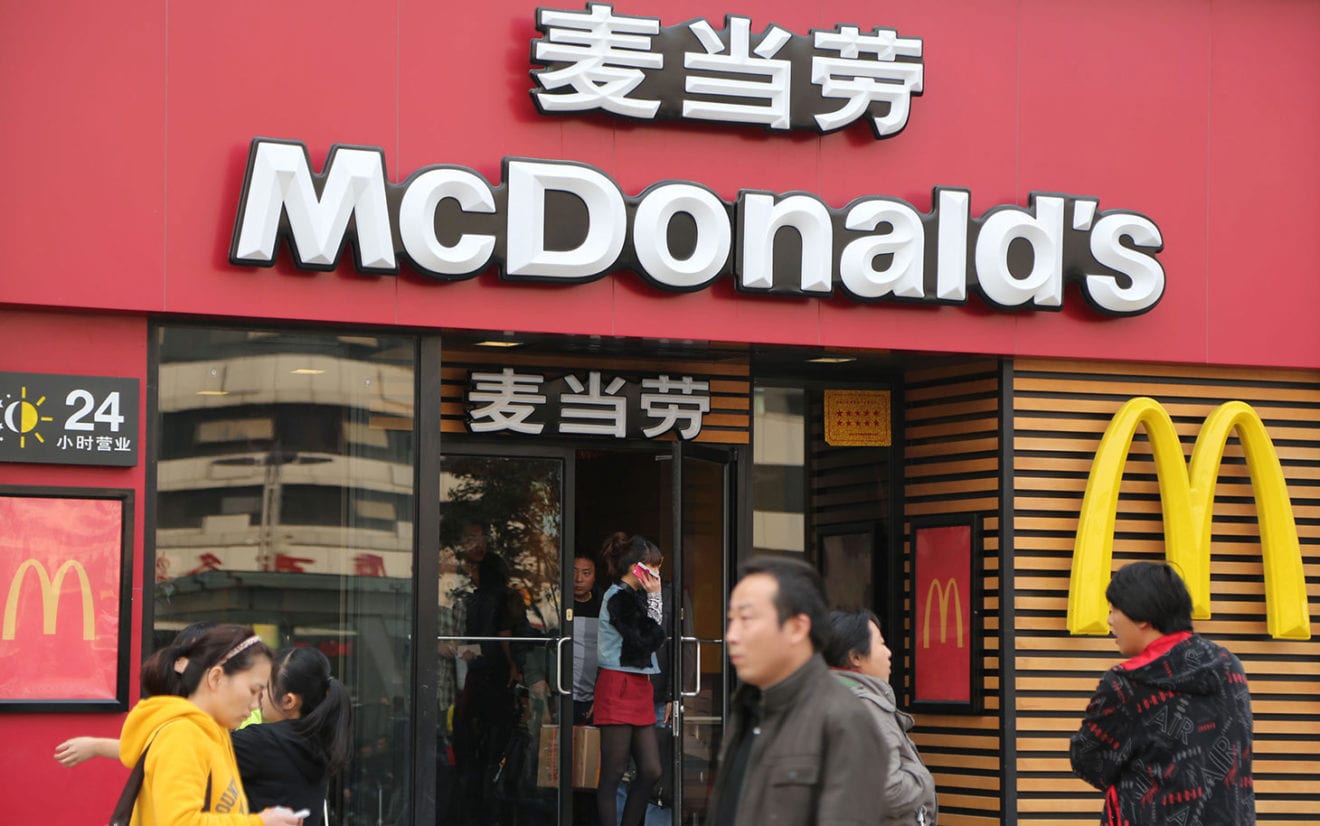
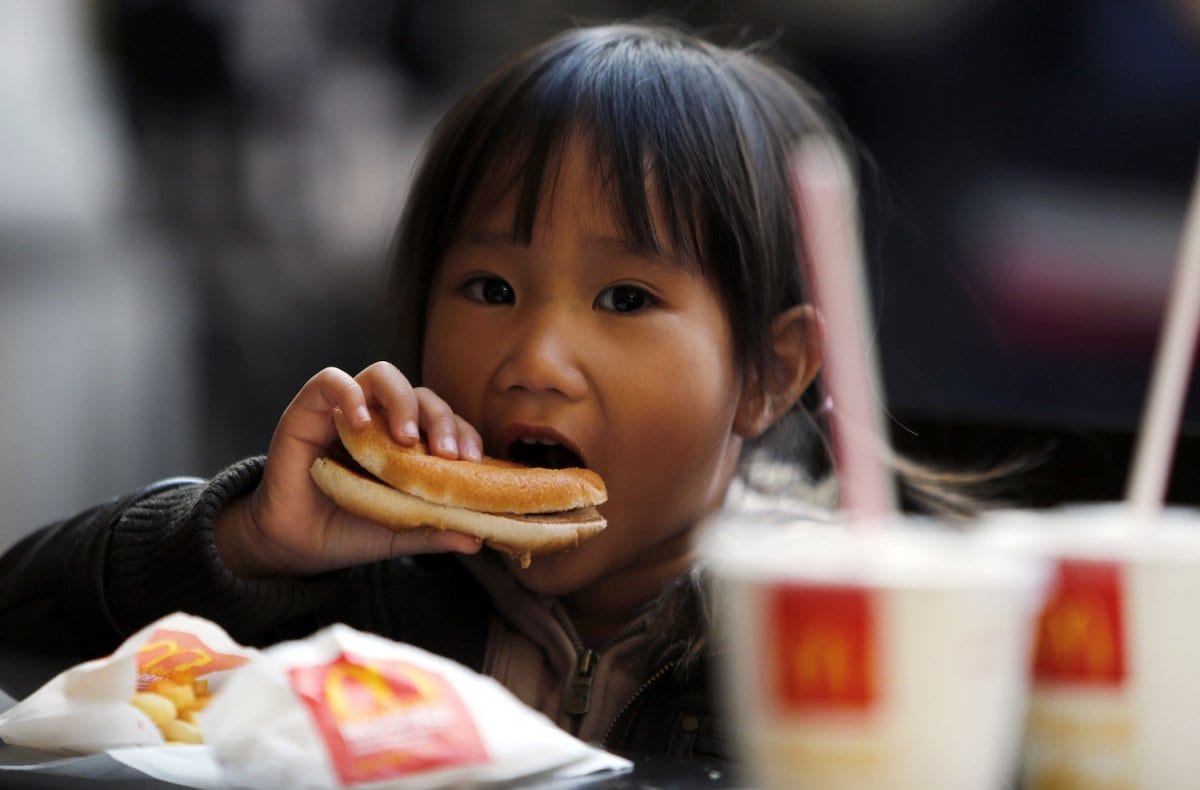
    McDonald’s Corporation says it is struggling to attract the calibre of bidders it envisioned when it put its China and Hong Kong franchise up for tender.

    The restaurant group is offering a 20-year master franchisees for its markets in China, Hong Kong and South Korea. Bidding has gone into its second round and predictions are the deal could be worth US$2 billion to $3 billion.

    Conditions include McDonald’s keeping management intact for two years, with a limitation on taking the franchise public. Other restrictions have reportedly discouraged many private-equity firms from participating in the bidding.

    Global buyout firms such as Bain Capital, Carlyle Group and TPG Capital have put up their hands with the aim of teaming up with some of the Chinese strategic bidders.

    Bidders asked to submit for the second round of the tender include dairy company Beijing Sanyuan Foods, Beijing Tourism Group, ChemChina, state-owned China Cinda Asset Management and Sanpower.

    McDonald’s share price has surged more than 23 per cent since CEO Steve Easterbrook launched a turnaround effort. The plan for Asia comprises one or more local partners taking over the China and Hong Kong franchise of 2800 stores for 20 years while paying royalties to the corporation.

    However, many investors are anxious following the food scandal that hit McDonald’s sales in 2014, reports BFN.

    Meanwhile, McDonald’s last year announced plans to sell its business in Taiwan plus a substantial ownership stake in Japan, but as yet investors have yet to be secured. “We are making solid progress as we look for long-term strategic partners with local relevance who have complementary skills and expertise,” says a company spokesperson.

  • Alibaba Group opening VR shop

    Alibaba Group opening VR shop

    Chinese eCommerce giant Alibaba Group Holding plans to open a virtual-reality technology (VR) demonstration shop this month, with the technology to roll out by the end of the year.

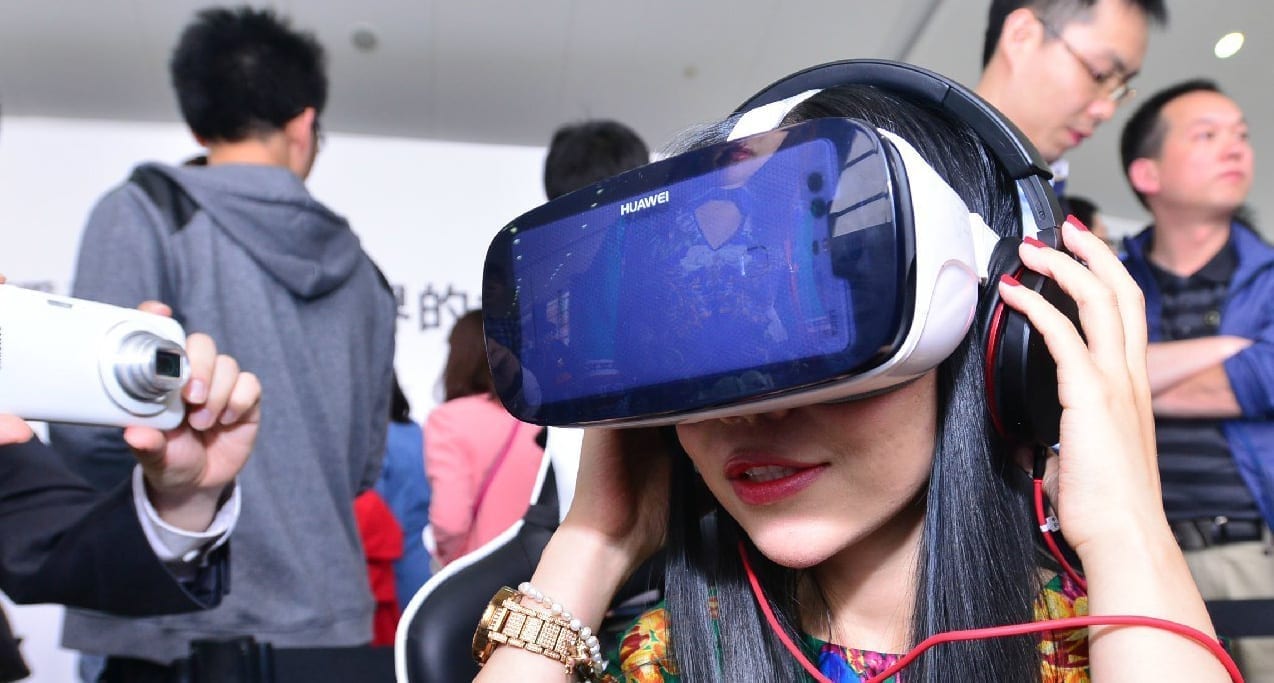
    Its VR product is designed for online shopping. Alibaba’s 400 million customers will have their buying experience enhanced by wearing a VR helmet or glasses designed to simulate being in a physical store.

    At a media briefing in Shanghai, an Alibaba representative wearing a Vive VR helmet from HTC Corp of Taiwan showed how a shopper could tour a three-dimensional digital store.

    The demonstration showed a robotic store associate talking to the visitor and recommending new products.

    Shoppers can rotate products they see in the virtual store by moving a controller connected to the helmet, and even ask for a model to show how the product works or is worn. Users can also use the controller to click the buy button.

    “VR is a great way to demonstrate products or services, especially for such categories as furniture and travel products,” says Alibaba senior director of mobile Zhuang Zhuoran.

    Alibaba set up its Gnome Magic Lab in March to develop software to enable merchants to build virtual stores. While costs are high to convert a real product to its digital, three-dimensional equivalent (about $50), the company hopes to be able to reduce this to about $1.

    VR gear ranges in price from $20 to $1000, and consumers buy 300,000 VR units on Alibaba’s Chinese online marketplaces each month, says the group.

  • Sriwijaya Air to open Manado-China flight route

    Sriwijaya Air to open Manado-China flight route

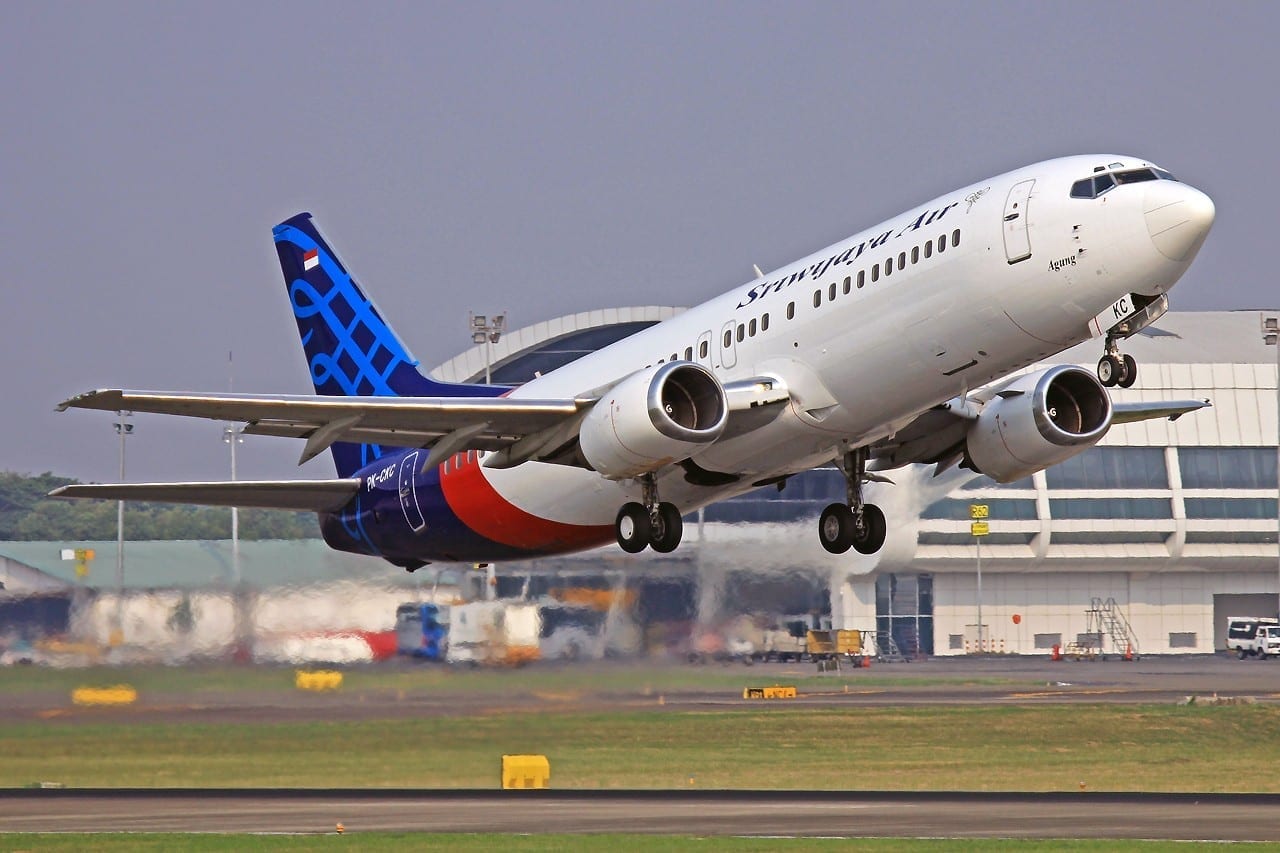
    Sriwijaya Air is planning to open the Manado-China direct flight route at the end of this year to cater to the increasing number of Chinese tourists traveling to North Sulawesi.

    Sriwijaya Air’s move is aimed at benefiting from the opportunity as it will have a positive impact on the regional economy, its district manager for Manado, Achmad Trenggono, said here on Friday.

    The plan to open more flight routes from and to the North Sulawesi provincial capital of Manado will have a multiplier effect, he added.

    “We are ready to support the North Sulawesi provincial governments efforts by encouraging the tourism sector,” he stressed.

    He believed that if the tourism sector is developed properly, it will have a massive impact on other sectors in the province.

    The general manager of the state airport operator of Sam Ratulangi (Samrat) international airport, Halendra Waworuntu, pointed out that his side is prepared to help the airline company open new flight routes from Manado to destinations across the world.

    “Only chartered planes have served international flights from Manado so far,” he informed.

    He underlined that the plan to open the Manado-China flight route will have a bright prospect because the province has a large potential to develop its economy.

  • Adidas football flagship opens in Guangzhou

    Adidas football flagship opens in Guangzhou

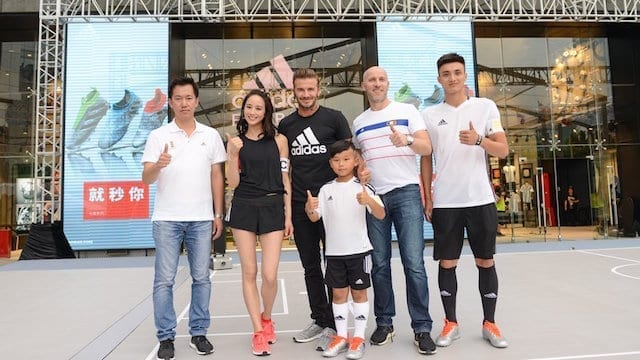
    In a world first, an Adidas football flagship has opened in southern China’s Guangzhou Teemall.

    Adidas Group Greater China MD Colin Currie describes it as an important milestone for both Adidas and Chinese football.

    “At the same time, it emphasises the group’s determination and commitment to promote the development of Chinese football.”

    On the first floor of the northern square of Teemall, the store provides the equipment of such Adidas-sponsored clubs as Associazione Calcio Milan, Bayern Munich, Chelsea, Juventus, Manchester United and Real Madrid, as well as exclusive products of superstar players like Bale, Messi and Pogba.

    Customised name-printing on jerseys is also offered.

  • Welcoming Australian FreakShakes in Asia

    Welcoming Australian FreakShakes in Asia

    Milkshake treats known as FreakShakes, devised by suburban cafe in the Australian capital of Canberra, have started making inroads to Asia.

    Patissez became a social-media sensation last year when it introduced its signature milkshakes piled with cookies, pretzels and even slabs of cake. Also known for its cakes and desserts, the family-owned patisserie was besieged by queues, so a second store was opened in the centre of the city.

    Now its first store outside Australia has been attracting crowds since opening in Kuala Lumpur last month.
    “We’re thrilled. The team in Kuala Lumpur is excellent,” says owner Anna Petridis. “The store is on Jalan Talawi, Bangsar Village, and it’s beautiful – everything a Patissez store should be. I plan to use that store as the model for all future outlets.”

    Patissez has also just opened in Singapore, in the new Raffles Holland Village. “It’s totally different to Kuala Lumpur but has its own flavour, which definitely suits the area and local market,” says Petridis.

    Now the company is planning more store locations in Kuala Lumpur and Singapore, plus expansion into Bangkok, Beijing and Shanghai. As part of this growth, it is setting up the “Patissez Exchange” which will enable staff members at any level to have the chance to work in the international stores.

  • Apple Ups China Game with $1 Million Donation for Flood Relief

    Apple Ups China Game with $1 Million Donation for Flood Relief

    Apple donated ¥7 million ($1 million) this week to the China Foundation for Poverty Alleviation(CFPA), a non-governmental relief agency. The money is intended to help relief efforts in south China, which has been racked with flooding on the Yangtze.

    Apple didn’t announce the donation, but the CFPA did, as reported. Apple CEO Tim Cook posted a statement of support on Weibo, saying, “Our thoughts are with all those devastated by the flooding along the Yangtze River.”

    The newspaper also noted that Apple donated some $8 million dollars for victims of the 2008 Wenchuan Earthquake in China’s Sichuan region.

    Apple has stepped up its philanthropic efforts under CEO Tim Cook, but most of what we hear about are efforts here in the U.S. Apple’s active involvement in China is part of a broader effort for the company to integrate itself with the insular country. It’s also the first donation from a U.S. company reported by the CFPA.

    Other recent activity by Apple in China includes a $1 billion investment in Didi, a Chinese ride-sharing firm. Apple has also opened numerous Apple Store retail locations in China. In May, Apple launched Chinese loops and instruments for Logic Pro X and GarageBand.

    Chinese Headwinds

    These moves come while China conducts an on-again, off-again campaign against Apple in state-owned media. The Chinese government also shut down iBooks and movie sales in iTunes in China, while new regulations could require Apple (and every other company) to become part of the Chinese surveillance machine. In Chinese courts, Apple has endured trademark and patent losses covering its iconic iPhone.

    But Apple clearly isn’t giving up on this market. Tim Cook has said on multiple occasions that China is important to Apple. Earning its place in the Chinese economy will require continued investment, significant lobbying, and substantial marketing efforts.

    This donation to the CFPA is not only the right thing for Apple to do, it’s smart business. And I don’t mean that cynically at all. I suspect Tim Cook would have authorized the donation whether or not it was smart business. To that end, I was unaware of the 2008 donation to earthquake victims, and it’s not like Apple advertised its gift to the CFPA.

    But it does remain smart business. The key to knocking down Apple’s barriers in China is to become more and more of a Chinese company. This donation is another small step in doing so.

  • YNAP pins hopes on expansion

    YNAP pins hopes on expansion

    Italian online fashion retailer Yoox Net-A-Porter (YNAP) aims to double sales and boost profits by 2020 as it expands in new markets, including Asia, but says it is still committed to Britain despite the vote to leave the European Union.

    The group says it is expanding its London headquarters and hiring several hundred new staff members despite Brexit. About a sixth of its total revenue comes from Britain.

    “We believe in this market. We believe in London and we continue to grow here,” says chief executive Federico Marchetti. “We have a very resilient business model thanks to our geographies being global.”

    YNAP says it plans to more than double revenues to around 4 billion euros (US$4.4 billion) by 2020. Its growth plans include further expansion in China and the rest of Asia.

    It also plans to offer jewellery and watches – Swiss watchmaker Richemont is a major shareholder – targeting sales of 100 million euros by 2020. This is part of a strategy to focus more on premium customers and fast-growing brands, as well as investing heavily in mobile. It says three-quarters of sales are set to come from mobile devices by 2020, from 41 per cent now.

    YNAP, a merger of Italy’s Yoox with upmarket rival Net-A-Porter, has its own multi-brand shopping websites but also runs online stores for luxury brands including Armani and Valentino. It added Prada this week.

    Finance chief Enrico Cavatorta says he expects synergies from the merger to take full effect from 2018, improving margins, and says the group should be cash positive from 2018.

  • Binding offers sought for McDonald’s China

    Binding offers sought for McDonald’s China

    Selected bidders for McDonald’s China and Hong Kong, including China Cinda Asset Management and dairy producer Beijing Sanyuan Foods, have been asked to make binding offers.

    Also invited earlier to submit a second-round bid are Sanpower Group, which owns UK department store House of Fraser, and GreenTree Hospitality.

    McDonald’s is selling 20-year mass franchise rights in China and Hong Kong, which could fetch $2 billion.

    Illinois-based McDonald’s has hired Morgan Stanley to run the sale of about 2800 restaurants in China, Hong Kong and South Korea along with 20-year franchise rights. The South Korean McDonald’s business is also being sold, with local cinema and cafe operator CJ Group reportedly the front-runner at this stage.

    McDonald’s announced in March that it was reorganising in Asia by bringing in partners to own restaurants within the franchise business. Competitor Yum Brands, which has the KFC and Pizza Hut chains, is also restructuring in China.

  • Banila Co moves into Malaysia

    Banila Co moves into Malaysia

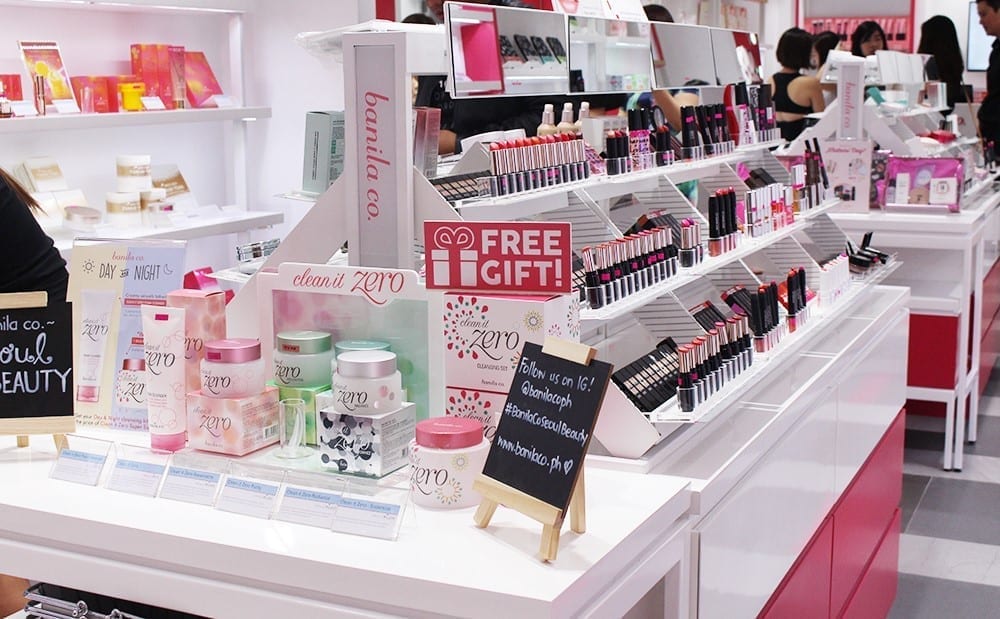
    South Korean cosmetic manufacturer Banila Co has launched outlets in Malaysia, its fourth overseas market following China, Taiwan and the Philippines.

    Banila says its first cosmetics store in Malaysia opened in Mid Valley Mega Mall, the largest shopping complex in Kuala Lumpur, with its second store opening in Sunway Pyramid, also in the capital.

    Its first foray overseas was into China in 2009, where it now has about 160 shops. It also has a flagship store in Taiwan’s capital, Taipei.

    Celebrating its 10th anniversary last year, the brand aims to establish consumer awareness through outlets at shopping malls.

  • China’s large retailers report slower growth in 2015

    China’s large retailers report slower growth in 2015

    China’s large retailers registered slower growth last year, with brick-and-mortar stores under continuous pressure due to booming e-commerce, a report showed Thursday.

    The sales volume of the country’s top 100 retailers topped 4.13 trillion yuan ($613.6 billion) in 2015, up 22.4 percent year on year, down by 3.8 percentage points compared with 2014, according to a report released by China General Chamber of Commerce, a retail industrial guild and retail market data provider.

    Among them, brick-and-mortar stores posted a continuous slowdown in growth, with sales only rising 3.2 percent year on year.

    Chinese Internet giant Alibaba’s T-mall e-commerce platform was the top seller last year, followed by JD.com and Suning.com.

    The report pointed out that foreign retailers saw their market share in China decrease further last year, with fewer foreign players making it into the top 100, and slower sales growth.

  • Troubles may mount for Indian smartphone vendors and you can blame China

    Troubles may mount for Indian smartphone vendors and you can blame China

    It’s going to be a lot tougher to buy smartphones in India around the festive season beginning October, a time when Indians buy the maximum, fancy gadgets included.

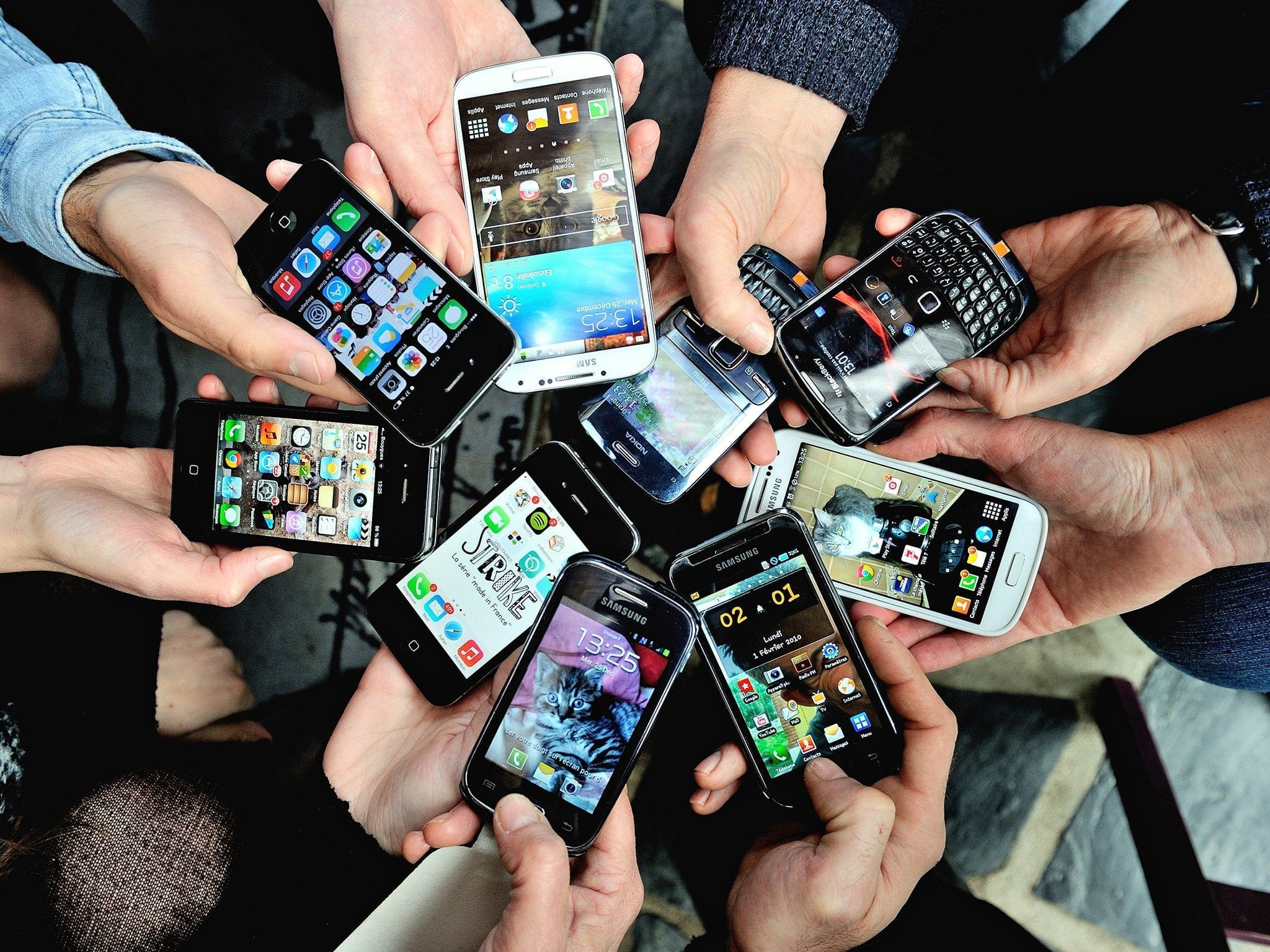
    The reason is really very simple, plain economics-a demand-supply mismatch. There is, as of now a glaring shortage of mobile components in China, the country which sells the maximum number of smartphones in India, through companies like Xiaomi, LeEco, Huawei, Oppo, etc.

    Many Chinese manufacturing units in China have shut shops due to new technology, which requires more investment and hiring labour at higher rates.

    The display panel shortage comes as some of the panel makers, especially for the LCD displays which are largely used in the low-end smartphones and make up for majority of the smartphones sold in India, have shut shop recently, while others have not had significant increase in capacity.

    This is further aggravated by the fact that consumers are moving towards larger screens, 5″+ and especially at 5.5″, so there are fewer glass panels are coming out from the same capacity.

    Even though top Chinese handset and component makers mulled over investing around $3 billion in India, the country is still dependent on the Dragon nation.

    Some of the key components such as screen displays, 3G SOCs and flash memory will be short in supply, hitting the production plans of many vendors in the Indian market.

    “This is likely to impact local Indian vendors, the small ones as well as the heavy weights, more than it will impact the global vendors such as Samsung or Apple, who have a more secure supply chain, and Chinese vendors such as OPPO, vivo, Lenovo, Xiaomi and Huawei, who are able to secure better deals due to the large volumes they can commit,” said Kiranjeet Kaur, Research Manager Mobile Phones IDC Asia/Pacific.

    “The local country vendors have a disadvantage in this case. This shortage could also possibly lead to longer time to market and increased costs, and some of the costs may eventually get passed on to the consumers,” she added.

    It is noteworthy that Chinese companies such as Techno, Gionee, Coolpad, Holitech, Wingtech, Camera King, Galaxy Core, Poxiao, Vivo and Sprocomm, which took part in ‘China-India Mobile Phone & Component Manufacturing Summit’, explored avenues to tap the existing and emerging opportunities.

    “Going by the encouraging response of Chinese companies and definitive joint collaboration talks between the Indian and Chinese mobile and handset manufacturers, Chinese investment of $2-$3 billion (roughly Rs. 13,360 crores – Rs. 20,040 crores) over the next two years looks like a real possibility along with employment for one-two lakh people” Pankaj Mohindroo, national president, Indian Cellular Association (ICA), had said.

    However, IDC expects the Indian smartphone market to still pick up in Q2 of this year, with further gains coming in Q3.

    Jaipal Singh, Market Analyst Mobile Phones IDC India, said, “China-based vendors have extended their retail presence in the larger part of India and getting the shelf space along with the Indian vendors. Even as some of the eTailers are focusing more on profitability, which could mean lesser discounts this season, we believe the China-based vendors with presence in retail and push from the eTailers will drive the market this year.”

    The China-based vendors had 24% share in the Indian smartphone market in 2016 Q1, up from 12% a year ago. Almost two-thirds of their sales takes place through the online channels.
  • Korean cosmetics makers fear losses from THAAD deployment

    Korean cosmetics makers fear losses from THAAD deployment

    South Korean retailers and cosmetics companies are closely watching China’s moves after Korea and the US decided to deploy an advance missile defense system in the country on July 8.

    Neighboring China lodged a swift protest against the decision announced in the morning which is expected to further heighten geopolitical risks.

    Local cosmetics makers and duty-free shops are on alert as they worry about losing Chinese market and consumers who account for a growing portion of their revenues.

    Customers shop for cosmetics at a local duty-free shop.

    On the day, cosmetics stocks like LG Household & Health Care and AmorePacific plunged more than 4 percent.

    “The THAAD issue was a huge blow to Cosmetic stocks earlier this year and it happened again,” an official at a cosmetics company said.

    South Korea’s cosmetics exports to China doubled on-year to US$1.08 billion in 2015, which accounts for nearly 40 percent of global sales, according to the Korea International Trade Association. South Korea is the second-largest cosmetics exporter to China following France.

    “There hasn’t been an immediate impact so far as China hasn’t took any trade-related actions but we still have to keep an eye on the issue,” she said.

    If ties between the two countries weakens, China could tighten regulations on safety and tariff issues, experts said.

    Retail companies, which started to see a rebound in the number of Chinese tourists to Korea after a sharp drop due to the Middle East respiratory syndrome outbreak hit the country last year, are in panic mode.

    “We are worried over the possible drop in the number of tourists coming here if political conflicts drag on for long,” said an official at a duty-free store in Seoul.


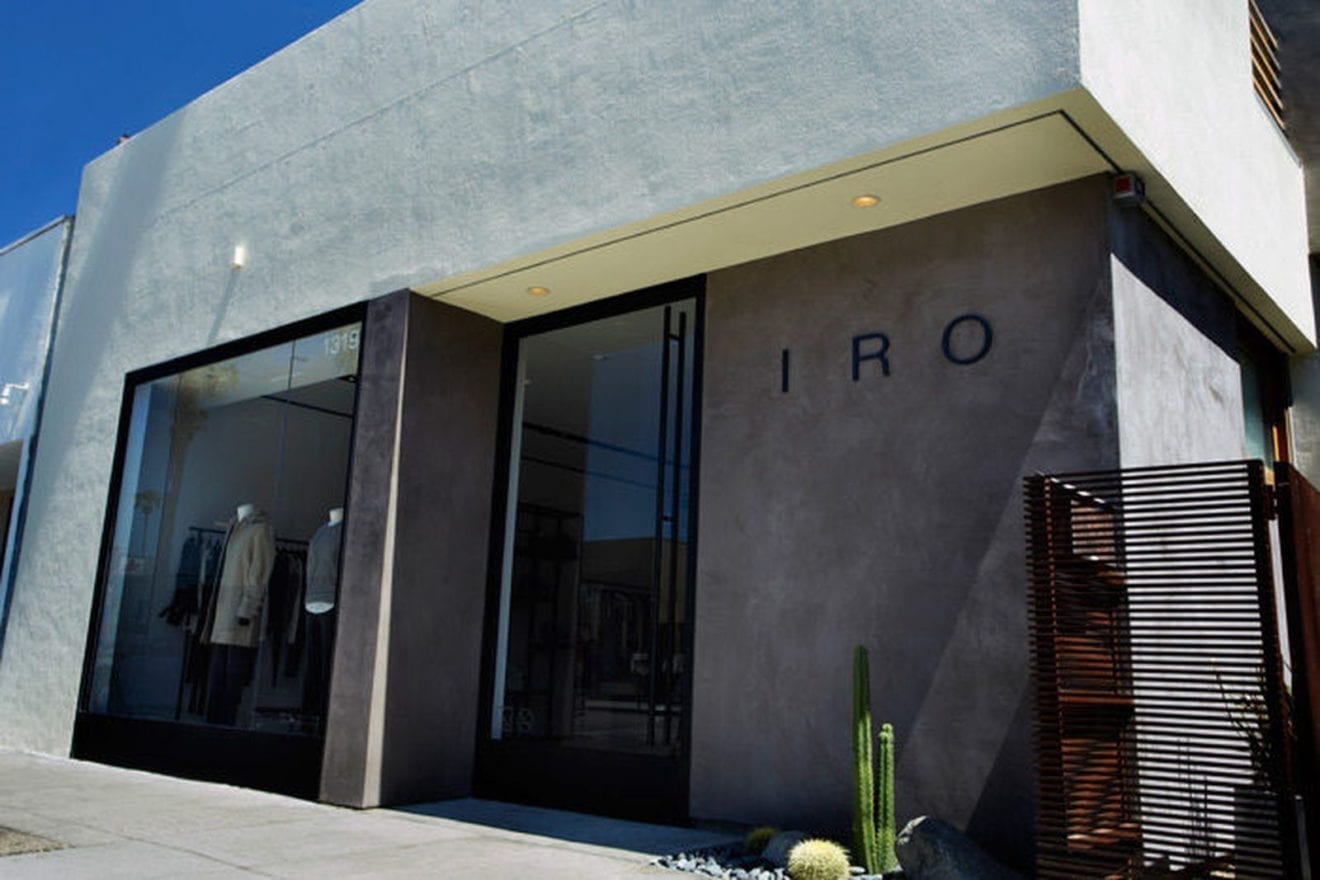
  • Fosun International acquiring French brand IRO

    Fosun International acquiring French brand IRO

    Chinese fashion retailer Fosun International will reportedly acquire French apparel brand IRO.

    IRO’s founders, brothers Laurent and Arik Bitton, will retain a 40 per cent stake, while Fosun will acquire the 25 per cent shareholding of the Marciano family, founder of the Guess Group, along with the remaining shares, making it the major shareholder.

    The deal, worth about €130 million (US$143.533 million), has been confirmed by a Fosun spokesperson quoted in the Chinese media.

    IRO was founded in Paris in 2004, with a men’s clothing series being added in 2011. Its followers include supermodels and fashion bloggers like Kate Moss, Rosie Huntington, Gigi Hadid and Aimee Song.

    With annual sales of about €60 million, IRO has stores in Paris, New York, London and Rome – all up, seven outlets in France and 25 internationally, including four in the US. It also has more than 40 counters in high-end department stores.

    Fosun has diverse interests covering fashion and retailing, and also owns the French resort group Club Med. The company has invested in many overseas consumer brands, including Greek fashion brand group Folli Follie, American high-end women’s clothing brand St John, Italian high-end custom men’s clothing Caruso, and fashion lifestyle brand Tom Tailor.

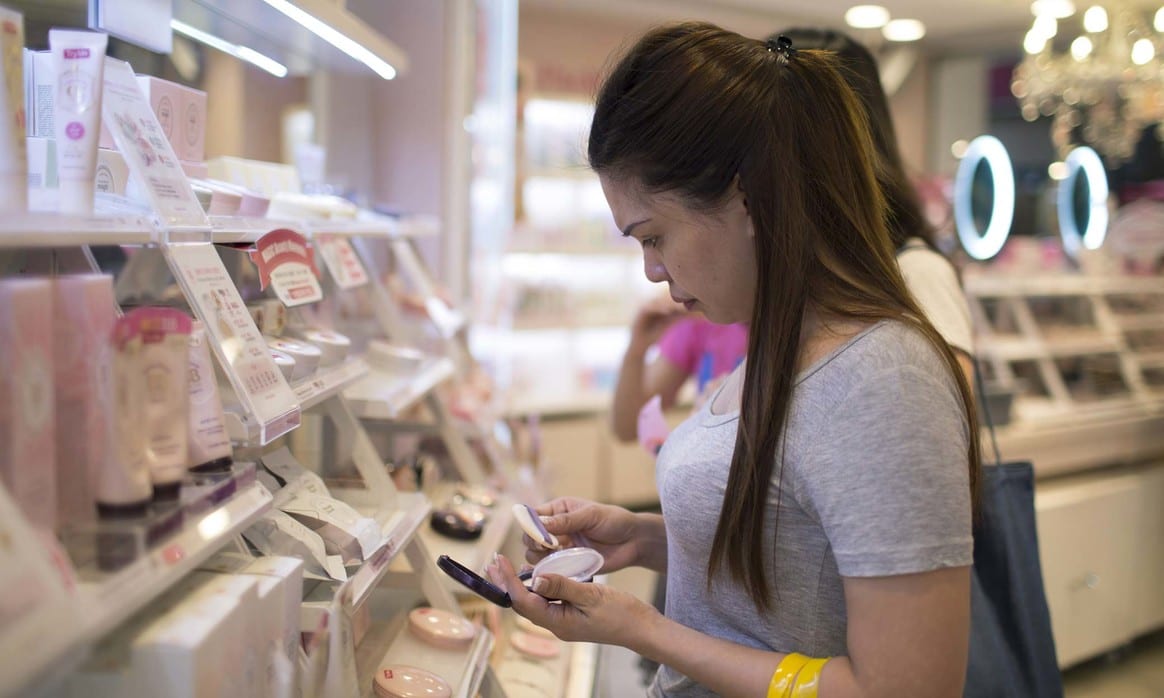
  • LF Beauty to exploit Asian beauty boom

    LF Beauty to exploit Asian beauty boom

    Li & Fung Group subsidiary LF Beauty is seeking to cash in on soaring demand for beauty products in Mainland China and wider Asia.

    China’s skincare and cosmetics market is projected by the Hong Kong Trade Development Council to grow by an average annual rate of  of 12.8 per cent from this year through 2019 – considerably faster than the expected global rate of 6 per cent.

    “Asian beauty is now setting the pace for the world. China, South Korea, Japan as well as the entire Southeast Asian market, are very important for us. [That] represents about 4.5 billion in population,” said Gerard Raymond, president of LF Beauty, in an article published by China Daily.

    A large population base dominated by younger demographic distinguishes the Asian market from more mature western markets, he said.

    “The younger generation consumer knowledge and wealth is growing very fast. And they are very willing to try new and innovative things.”

    LF Beauty is partners with suppliers and retailers of product solutions including fragrances, skincare, color cosmetics, and in a one-stop-shop offer provides retailers with logistics support, merchandising systems and point-of-sale solutions.

    Raymond said in the China Daily report that “there never have been more opportunities for brands to stand out and keep pace with their consumers” than in the Asia region

    “It’s never been more challenging. In this competitive environment, we work to help many of the world’s best-loved brands to innovate, thrive and become market leaders,” he said.

    “We have seen that Chinese women now are very interested in beauty products from South Korea,” he said. “In this respect, we have already established a joint venture in South Korea, which allows us to transfer their knowledge to Chinese market directly and serve the demands of local consumers.”

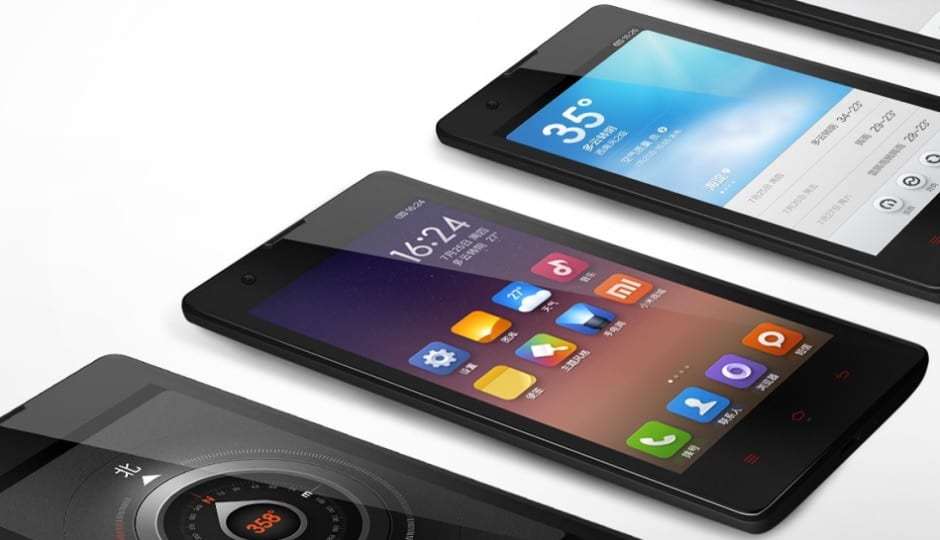
  • Xiaomi continues quest for quality

    Xiaomi continues quest for quality

    Smartphone giant Xiaomi continues to distance itself from the lower end of the market, as Chinese buyers shift their attention mainly to device upgrades.

    Xiaomi international VP Hugo Barra says the company continues to direct its efforts at becoming a premium brand, reports the South China Morning Post.

    “Our customers are demanding premium products from us, so we are delivering higher quality with more premium components.”

    Research company IDC has forecast just 2 per cent growth this year for smartphone sales as more users chose to upgrade their handsets.

    Meanwhile, Xiaomi may expand its Mi Home experience centre across Hong Kong. Opened a year ago so customers can try out different products, it has been a successful retail experiment, says Barra.

    “Part of the strategy here is to think about how we can reinvent the retail experience to make it much more experience-focused … which helps the online business as well.”

    Xiaomi has just launched its latest 6.44in. Mi Max phablet and the Mi Air Purifier 2. The phablet, which will cost from HK$1799 (US$230), is considered one of the largest smartphones on the market.

    IDC estimates 20 per cent of smartphone sales last year were phablets, and by 2020 they are expected to account for 32 per cent of the market.