Tag: China

  • Chinese tourist shopping myths proven wrong

    Chinese tourist shopping myths proven wrong

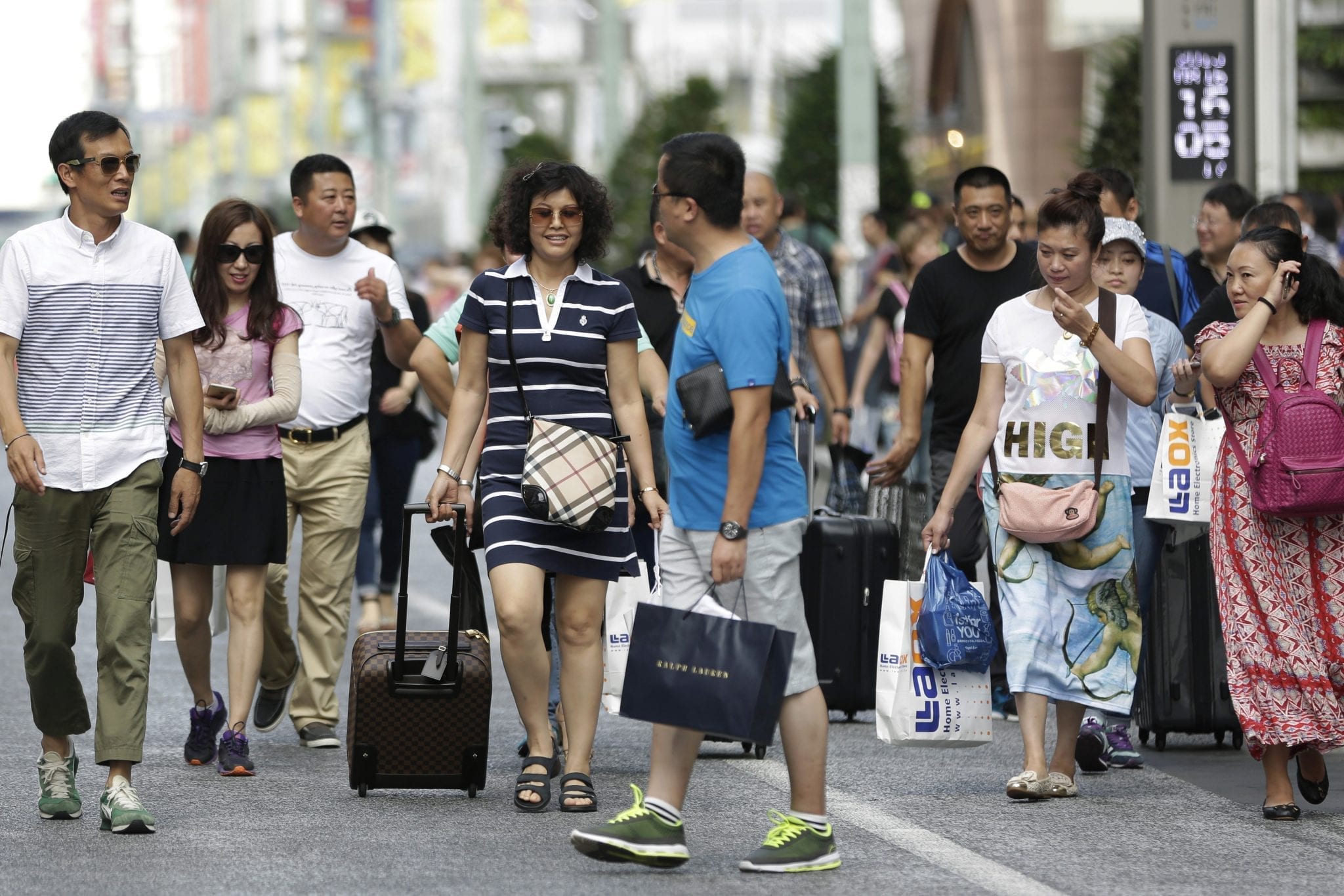
    Myths about the behaviour and spending patterns of Chinese tourists abroad have been debunked by a new report.

    A study by Oliver Wyman seeks to dispel common misconceptions about outbound Chinese travelers, illustrating how global destinations can sharpen their appeal to meet their changing needs and expectations.

    “The Changing Face of the Chinese Traveller” may help global travel destinations, such as Hong Kong, sharpen their appeal to meet travellers’ changing expectations, explains Hunter Williams, Oliver Wyman partner and author of the report.

    Myths discussed include “They go abroad only to shop,” “They spend indiscriminately,” “They are always in groups”, “Independent travelers are quickly replacing groups,” and “Chinese travelers are more trouble than they are worth.”

    Myth 1: “They go abroad only to shop”.

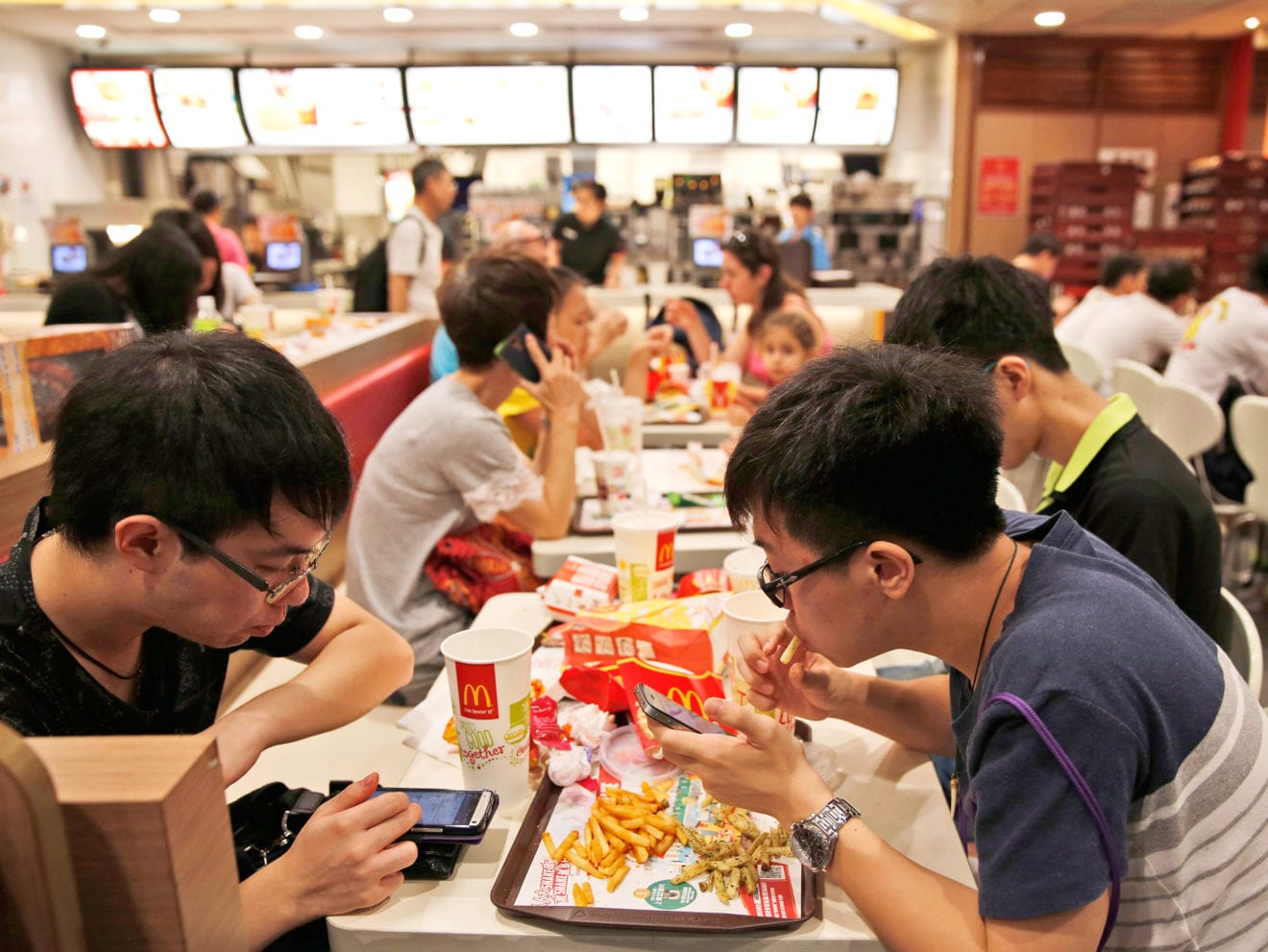
    Not true. While nearly 100 per cent of travellers shopped during their trip, fewer than 15 per cent of Chinese travellers surveyed cited shopping as the main reason for their trip, in contrast to 63 per cent who specified sightseeing as their top motivation. This impacts the ways in which destinations around the world appeal to this audience.

    “In Hong Kong, where slowing growth in Chinese travellers and their spending has seen retail sales fall 12.5 per cent in the first quarter of 2016, the city will need to become less dependent on shopping by Mainland Chinese visitors and encourage spending on other activities,” said Williams. “Indeed the study reveals that Korea, now the most popular destination for Chinese travellers, is now the destination where shopping is the primary motivation for travel.

    Myth 2: “They spend indiscriminately”.

    Not entirely true. Relatively speaking, Chinese travellers do spend large sums while abroad. On average, they spend around US$3000 per person, roughly the equivalent of a month’s household income. It is also true that they spend a lot on shopping – approximately US$1200 – which may have helped to fuel the misconception that they spend indiscriminately. However, only around half of the spending is on themselves. More than 32 per cent is to purchase gifts for others, and 19 per cent is for resale back home.

    “Chinese travellers have sophisticated needs, so retailers need a segmented approach that emphasises unique value – it’s no longer enough to offer a blanket approach.”

    Myths 3 & 4: “They are always in groups” or “Independent travelers are quickly replacing groups”.

    Not true. Both the number of tour-group travellers and the number of independent travellers are on the rise, showing both individuals and groups will continue to be important traveller segments for some time to come. Independent travellers are not replacing group travellers, but are complementing them.

    “For example, Hong Kong and Macau rank close to the top for the percentage of independent trips, while Taiwan ranks close to the bottom,” says Williams. “At the same time, over the past few years group travellers have actually accounted for a larger share of all travellers dispelling the misconception that groups are gradually being replaced by individual travel.

    “However, The Chinese travellers surveyed considered tour operators to be the single least useful source of information, showing tour operator relationships are no longer enough.”

    Myth 5: “Chinese travelers are more trouble than they are worth”.

    Not true. As a result of cultural misunderstandings, Chinese tourists can often be misjudged. For example, there is no tipping culture in China and it is often socially acceptable to eat food on public transport. Explaining service charges upfront and the proper usage of facilities can reduce miscommunication. Similarly, rules, and penalties for breaking them (such as cleaning fees for smoking in non-smoking rooms), should be clearly communicated. Open two-way communication is the surest way to avoid misunderstanding, says Williams.

    “Today there is no such thing as the archetypal Chinese traveller as this group is complex and multi-faceted. If consumer facing businesses make broad generalisations and buy into the misconceptions, they will miss key opportunities. Businesses need a cohesive Chinese traveller strategy, where the realities of each region and destination must be considered separately.”

    Further findings

    The report, conducted among 1750 Chinese people who had travelled abroad in the past year, also revealed key travel habits. In retail, duty free captures more than one third of total shopping spend. Cosmetics are the most commonly purchased category, followed by alcohol. However, department stores and shopping malls are the most frequently visited channel. They still receive nearly one third of spend, with clothes, food and souvenirs being the most purchased categories.

    Hong Kong has tended to be the default first destination for Chinese travellers with watches and jewellery their most popular shopping category by some distance, with Sogo, Aeon and The Landmark being amongst the most popular retail players.

    • With offices in 50+ cities across 26 countries, Oliver Wyman is a global leader in management consulting that combines deep industry knowledge with specialised expertise in strategy, operations, risk management, and organisation transformation. Oliver Wyman is a wholly owned subsidiary of Marsh & McLennan.

  • China Jo-Jo Drugstore expansion drives revenue

    China Jo-Jo Drugstore expansion drives revenue

    China Jo-Jo Drugstore expansion drove revenue up 15.8 per cent in the year to March 31.

    Online sales soared 77.8 per cent year-on-year to US$26.5 million and now accounts for 29.7 per cent of the group’s sales.

    New stores helped offline retail sales rise 4.9 per cent with total group revenue reaching $89 million. Same-store sales rose 6.4 per cent.

    But net profit was down from $856,000 to $447,000, largely due to continuing expansion costs.

    US-listed China Jo-Jo Drugstores now has 58 retail pharmacies in China’s Zhejiang Province and the business also distributes drug and other healthcare products to other drugstores and vendors.

    Chairman and CEO Liu Lei described the results as “solid”.

    “We consolidated the operations of our retail drugstores and implemented key initiatives such as increasing product adaptability, providing access to mobile payments, and launching in-pharmacy virtual doctor clinics to drive sales and provide value-added services to our customers. We maintained profitability while migrating our product mix to higher margin pharmaceutical and health and wellness products.

    “At the same time, our expansion in the fast-growing online pharmacy markets in China continues to outpace the industry. Our online pharmacy sales continued to grow rapidly through both third-party eCommerce platforms and our own online pharmacy website.”

    He said moving forward, the company will focus on opening or acquiring more stores, creating deeper relationships with its customers, holding regional dominant market share in retail pharmacy, while taking a data-driven approach in identifying popular products and enhancing its abilities to promote online sales.

    “We believe we have the right strategy for succeeding as a leading online and physical retail chain pharmacy stores in China.”

  • China’s Cross-Border E-Commerce Booming to $85.76B in 2016

    China’s Cross-Border E-Commerce Booming to $85.76B in 2016

    Cross-border e-commerce in China will hit $85.76 billion this year, up from $57.13 billion in 2015, as 40 percent of China’s online consumers buy foreign goods, according to a new analysis by digital marketing researcher eMarketer.

    EMarketer estimates that each of China’s digital shoppers this year will spend an average of $473.26 on foreign goods, up from $446.33 last year. By 2020, half of China’s digital shoppers–or more than a quarter of the country’s population of about 1.4 billion–will be buying foreign products online, eMarketer estimates, with total sales of $157.7 billion.

    This growth is part of an overall increase in online shopping in China, which soared more than 70 percent in 2015 to $672.01 billion driven in part by a higher standard of living and the advent of global digital sales platforms such as Alibaba’s Tmall Global, launched in 2014.

    ecom graphic copy

    Cross-Border Retail E-Commerce Buyers in China

    Tmall Global and other business-to-consumer, or B2C, platforms allow international brands to sell their products directly to China’s digital shoppers and break into the market. Online retail remains the easiest channel for all types of consumers to obtain products that are otherwise difficult or expensive to access within China. China’s consumers tend to prefer foreign goods in specific categories such as milk powder, diapers and pet food, perceiving them to be of higher quality and more trustworthy.

    Cross-border e-commerce remains on the rise despite April’s implementation of a new tax on overseas purchases, noted eMarketer analyst Shelleen Shum. While it increases prices slightly for some product categories such as jewelry and infant formula, “the demand for foreign goods via the cross-border e-commerce channel is still expected to remain strong due to better prices compared to offline retailers, perceived quality and better variety,” she said.

    Shum added that B2C channels are also integral to the growth of foreign goods sales in China, because they help customers feel they are getting more bang for their buck. B2C platform sales are expected to take up a growing share of the cross-border e-commerce market in 2016 as consumers shift to channels they regard as more professional and organized. “Since the merchants selling on these B2C platforms have to be authorized, they are considered more trustworthy,” noted Shum.

    Globally, cross-border e-commerce habits vary. But when it comes to China, the demand for foreign products is surging, thanks to the combination of overseas travel, increased internet usage, exposure to foreign brands and convenience of online retail. China is projected to become the largest cross-border B2C market by 2020.

  • Alco Electronics’ David Leung on Making Gadgets in China

    Alco Electronics’ David Leung on Making Gadgets in China

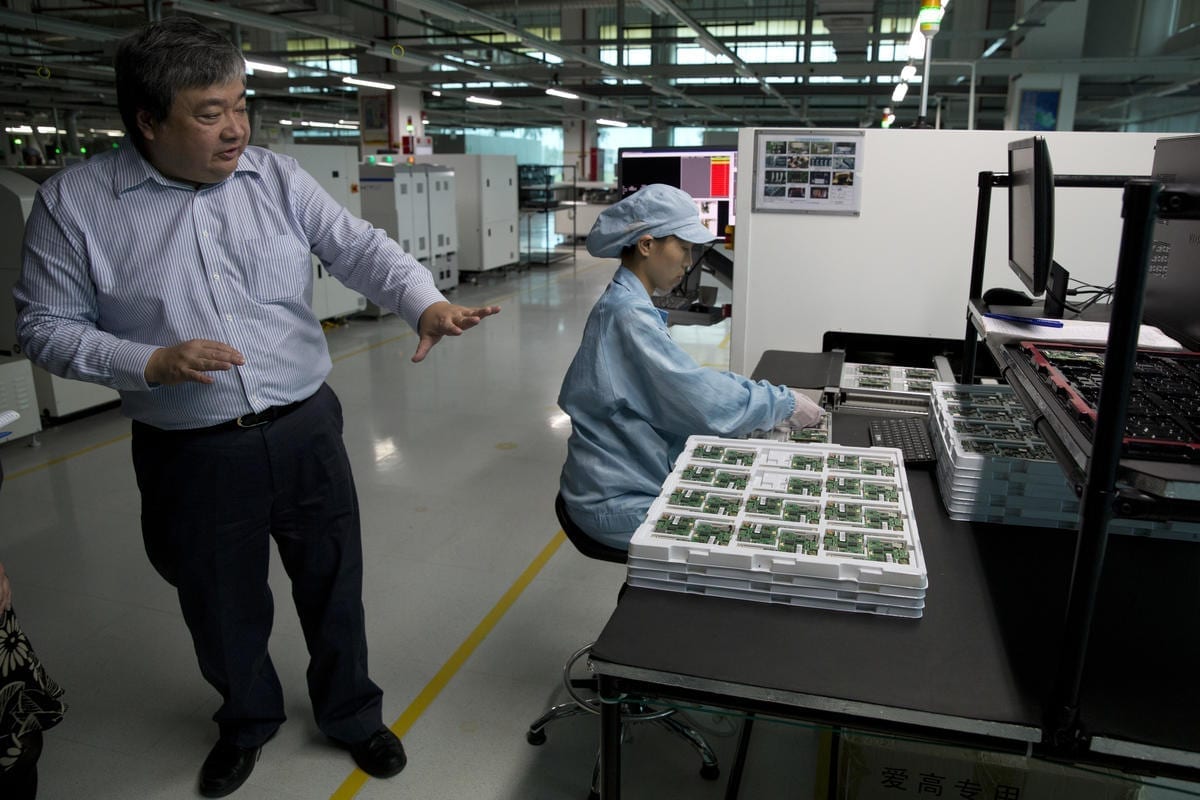
    A look inside Alco Electronics Ltd.’s factory in China shows what it takes to succeed as a maker of gadgets for the rest of the world — human precision in tiny tasks and increasingly automated manufacturing, but also flexible thinking and perks to keep the best employees.

    Chinese workers in blue coats and caps worked on a production line making tablets during The Associated Press’ recent visit to the 2.5 million-square-foot plant. Their tasks can be tedious, such as soldering a connecter onto a circuit board. Machines do things like inspect incoming circuit boards and tighten screws on tablets — automation that lowers costs and improves quality. A droning noise signals where tablets are undergoing testing for all functions for eight hours before they’re packaged. That’s critical to help reduce returns.

    Sunroofs keep the production floor lit and reduce energy use

    The company, which counts Wal-Mart Stores Inc. as one of its top five retail customers, gets about 60 percent of its sales from tablets and other computer products. Nearly 70 percent of its annual sales of about $330 million came from North America. It ships its products under the RCA and Venturer brands.

    Alco, founded in 1968 to make AM/FM radios to export primarily to North America, has shifted with market demands. In 1980, it moved production from Hong Kong to China in search of cheaper labor. Due in part to automation and the changing labor market, it has about one-tenth of the employees it had at its peak of nearly 20,000 workers.

    The company is now juggling customer demand for affordable but high-quality electronics as it wrestles with escalating labor pressures and other costs in China. David Leung, head of sales for North America, recently spoke with about what’s selling, the differences in the Chinese and U.S. markets, and what Alco needs to do to attract workers.

    Q. So the tablet is hot.

    A. In the U.S., Wi-Fi is everywhere. So any device with the Wi-Fi capability is very popular. Content owners are putting the apps onto the tablet so they can sell directly to the consumer. We work directly with Wal-Mart on Vudu (which distributes movies over the internet to TVs.) The tablet is like a vending machine for your home. In peak times, we can do 40,000 (tablets) a day that is if all 200 components arrive on the same day.

    Q. What kind of worker are you hiring?

    A. It is not a shoe factory or a garment factory. In general, we don’t need a skilled worker. We need a disciplined worker, a worker willing to learn.

    Q. How are you trying to attract workers given the labor shortage?

    A. Wages alone is not the biggest incentive. It’s wages plus perks. We provide classes for them to learn in their free time. Many workers like to learn Cantonese and English as well. We also have karate classes, cooking classes. We have hired table tennis, basketball and yoga teachers to better their skills. We also host tournaments for volleyball, basketball, table tennis and badminton in our Sport Centre. Since we are now making electric bicycles for Europe, we also have a cycling team.

    Whatever the worker likes to do, we will try to find a teacher.

    Q. Where do you sell your products other than the U.S. market?

    A. Canada, Mexico. We ship to South America, Central America. And lately we’re making shipments to India.

    Q. What about China?

    A. At the moment, we do not do a lot of business in China. Our product is more geared for the overseas market. We are starting to do some China business. We (started) selling Window tablets in the China market using portals like JD.com. In China, the physical store is not a big thing. They all rely on the internet. So we need to do our product with different packaging that is more suitable for the internet. Many of the streaming portals are not available in China. Even YouTube is not available. Also, Google is not available in China so we have to redo all our software.

    China is a very big country. We need to learn about the distribution channel in China. We’ve been doing export market selling to the United States for the past 30 years. So although our factory is in China, selling in China is a brand-new market for us.

    Q. How is marketing products in China different from North America?

    A. Online is No. 1 in China. China skipped all the shopping mall phenomenon and they jumped right into internet selling. So in order to sell to China, you have to find the right website. You have to really get into the social network to promote your product. It’s not the advertisements on TV that is the most important. It’s the advertisement through social networking that is key in the selling of your products.


  • Sa Sa stores shrink

    Sa Sa stores shrink

    New Sa Sa stores are set to open in train stations and near the Mainland China border as the beauty retailer adapts to the changing demographic of Hong Kong shoppers.

    During a press conference discussing the group’s results last week,  Sa Sa chairman Simon Kwok Siu-ming said in light of the evolving trading environment, the company recognised the need to adjust its store strategy.

    Larger stores in traditional tourism destinations would be closed over time, replaced in the network with new stores in the New Territories giving Mainland Chinese daytrippers easier access to its range of products.

    At the same time, the company will develop new stores with smaller, compact footprints located in residential shopping centres and train stations, to serve younger, local customers and commuters. These stores will have a footprint of less than 1000 sqft (93 sqm) and stock  the top 20 per cent selling lines of large format stores, with a skew towards increasingly-popular Korean and Taiwanese brands.

    Kwok said rents in high-profile tourist locations are so high, closing one store there would save enough to open “five to six stores in the New Territories”.

    Sa Sa plans to seek rent reductions of between 40 and 50 per cent when renegotiating terms of leases for 22 stores which are due for renewal this year.

    The retailer currently operates 291 stores in Hong Kong, Mainland China, Singapore, Taiwan and Malaysia.

    Last week, Sa Sa reported a 12.8 per cent drop in turnover for its latest fiscal year to March, sliding to HK$7.85 billion (US$1011.4 million).

  • The Simpsons store on roll in China

    The Simpsons store on roll in China

    Following the success of the first-ever The Simpsons store in Taikooli Sanlitun, Beijing, more outlets are to be rolled out in China.

    Three will open this year – at Shanghai’s Grand Gateway 66, at Xi An Wu Huan Department Store in Xian, and at Joy City in Beijing, 20th Century Fox Consumer Products and HerChain Clothing Company have announced.

    The stores will feature more than 125 specially curated items related to The Simpsons animated television series.

    “The new locations – in high-traffic city centres and department stores – position The Simpsons store to attract a wide and diverse composition of consumers,” says 20th Century Fox Consumer Products VP for worldwide brand marketing, strategy and partnerships, Peter Leeb.

    The Simpsons is the longest-running scripted show in US television history, launching in 1990 and now in its 28th season.

  • Sa Sa’s Stock May Fall 50%

    Sa Sa’s Stock May Fall 50%

    Shares of Sa Sa International are up 27% in the past month as Chinese tourist arrivals to Hong Kong showed signs of a recovery – but it may not yet be time to put the marked down cosmetics retailer in the shopping basket.

    Once a market darling, Sa Sa has sagged 70% from its peak in September 2013 as rising online competition and a fall in the number of mainland Chinese shoppers visiting its ubiquitous neon pink stores squeezed sales. Slumping sentiment and spending among Hong Kong consumers hasn’t helped. The cosmetics retailer released its full year results on Thursday and it wasn’t pretty: earnings plummeted 54% year-on-year as revenues slipped and margins were squeezed. However, there is stirring interest in Sa Sa as a recovery play as the slump in Chinese visitors appears to be waning, while investors also get paid to wait for a turnaround given the juicy 8% yield. But the stock may have rallied too hard, too fast as a recovery in mainland visitors – if it happens – doesn’t necessarily mean fuller tills at stores, while pressures on margins abound.

    Sa Sa’s yearly revenues suffered their first decline since its public listing in 1997. The retailer reported a 12.8% fall to HKD9 billion as same store sales in Hong Kong and Macau, which account for around 80% of revenues, fell 11.8%. While the volume of transactions decreased around 4%, a 10% fall in the average value of each transaction hurt the top line. Mainland tourists made around 8% fewer transactions and on average spent 11% less on each transaction. The weaker spending by mainland shoppers reflects the growing number of tourists from smaller cities who have lower disposable incomes. Additionally, restrictions limiting Shenzhen residents to only one visit to Hong Kong a week have shrunk the number of day trippers who account for the bulk of Sa Sa’s mainland clientele.

    But it’s not just mainland tourists who are weighing on Sa Sa’s top line: local shoppers, who account for around 48% of transactions, are also spending less amid Hong Kong’s weak economy. Consumer confidence is at its lowest level since 2013, while retail sales tumbled nearly 8% year-on-year in April after reporting the steepest plunge since 1999 in February. A weak finance sector and falling property prices threaten to further depress consumer sentiment spending. Transaction volumes for local shoppers slipped roughly 1% for Sa Sa last year, while average spending decreased just over 3%.

    Morgan Stanley analyst Edward Lui expects near term trends “to stay challenging” for Hong Kong retailers and expects Sa Sa to record a double digit decline in same store sales this year. The analyst said Sa Sa, as well as jeweler Chow Tai Fook, have the “greatest de-rating and earnings risks.” Lui has an underweight rating on Sa Sa with a HKD1.40 a share target price, which is 51% below the stock’s current level of HKD2.85 a share. Sa Sa shares also aren’t cheap: they trade at 19 times forward earnings, which is above a five-year average of 17 times and compares to 14 times for fast food chain Fairwood Holdings, which is geared to benefit from a weak economy.

    Competition between Sa Sa and rivals like Bonjour Holdings has also intensified. More aggressive promotions and discounts lowered Sa Sa’s net profit margin to roughly 7% last year from around 12% the prior year. Staffing costs as a share of sales also increased as the company forked out more remuneration to retain staff. Macquarie analyst Linda Huang is concerned about the outlook for profits as “margins will likely be under pressure” due to high rent, labor costs and promotional spending. Huang has an underperform rating on Sa Sa with an HKD1.80 a share target price. A weak Hong Kong property market could lower rent for the retailer, argues Core Pacific-Yamaichi analyst Kevin Tam. Tam – who is the lone analyst with a buy rating on Sa Sa – expects an 11% decline in rent this year to be a major earnings driver. However, Sa Sa management has indicated savings on leases would show up in total rent costs only over “an extended time of several financial years.”

    While Sa Sa has diversified away from Hong Kong and Macau with stores in Southeast Asia and mainland China, its Malaysia business was the only bright spot last year. Sa Sa has also hedged itself against the squeeze of ecommerce on brick and mortar retailers with its sasa.com portal but growth has been disappointing compared to dedicated online retailers such as Vipshop.

  • Alibaba Group Holding Ltd Should Stop Fooling Stakeholders on Counterfeits

    Alibaba Group Holding Ltd Should Stop Fooling Stakeholders on Counterfeits

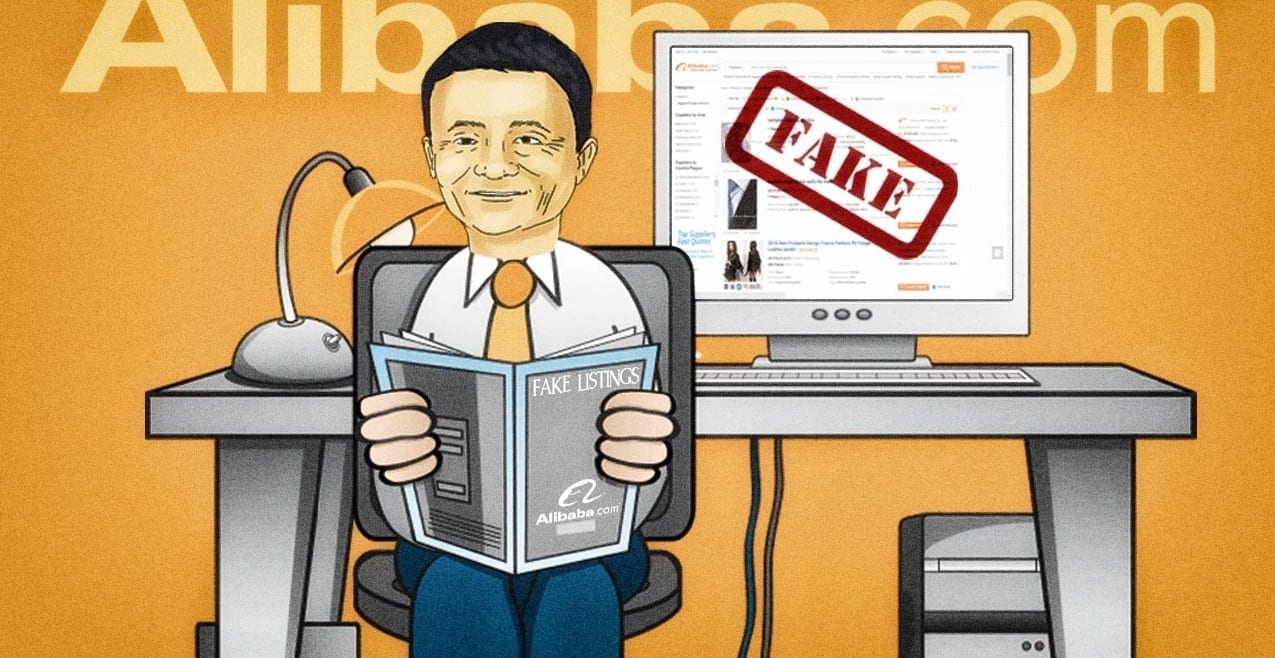
    On Tuesday, founder and chairman of Alibaba Group Holding Ltd, Jack Ma wrote to its investors, customers, and traders highlighting that his recent words about counterfeited goods was taken out of context and his company has no tolerance for fake goods trading on its e-commerce portal.

    Mr. Ma said in his article: “When Alibaba went public in 2014, I told our customers, employees and investors that what we had earned was trust—in myself, my team, and our company’s mission, vision and values.” Mr. Ma further highlighted that with trust come great responsibility and Alibaba’s responsibility is to protect all of its stakeholders.”

    Last week, Mr. Ma released a statement saying that “counterfeited goods are better than original products,” after which Alibaba came under fire and many foreign brands owners challenged the company’s credibility and its efforts to fight against fakes traded on its e-commerce platform.

    He stated: “The problem is the fake products today are of better quality and better price than the real names. They are exactly the [same] factories; exactly the same raw materials but they do not use the names.”

    Yesterday, Mr. Ma indicated that whatever he said was an observation and has nothing to with the reality. He further added that “Failing to protect original designs, trademarks, and technology is akin to thievery, and it is detrimental not only to innovation but also to the integrity of the marketplace,” and Alibaba will never forgive any act of stealing.

    Last year, several leading foreign brands filed lawsuits against the Chinese e-commerce giant, accusing it of deliberately promoting the counterfeited goods traded on its websites.

    Kering SA, a French luxury goods holding company filed a lawsuit against the Chinese e-commerce giant last year, claiming that Alibaba is directly involved in the promotion of counterfeited goods. However, the company denied all such accusations and later, the case was resolved on mutual consent. Like Kering, many other foreign brands have alleged Alibaba of doing little to stop the trading of fake goods on its leading platforms including Taobao and Tmall.com. Likewise, many of them have even shifted to other e-commerce stores including those of JD.com Inc.

    Last year, Alibaba also narrowly escaped the US black list for notorious goods; however, it received official warning from the US trade officials to quickly resolve the issue and prevent sale of counterfeited goods on its leading online platforms such as Taobao. Mr. Ma saw this escape a huge victory and assured the trade officials that his e-commerce firm is 100% committed to lead the fight against global counterfeiting, both online and offline.

    The Chinese e-commerce giant has invested heavily and devoted significant efforts to develop an unparalleled level of technology to put a stop to this counterfeiting work. The Chinese e-commerce giant takes out full-bodied data processing and analytics to enable real time scanning of nearly 10 million new products a day by looking at key features such as pricing, trademarks, and buyer and seller identity. Despite such aggressive measures the world’s second largest retail network is yet to satisfy customer, trade officials, and most importantly brand owners.

    In his write up, Mr. Ma emphasized on the fact that a cooperation spread globally is needed to fight the counterfeited goods issue. It’s a “long term crusade,” he said, a battle against human greed for which there are no short term fixes and easy way out.

    Mr. Ma’s statement was not welcomed with gratitude by investors, brand owners, and trade officials. According to some analysts by terming the case a long term crusade, Mr. Ma has indicated that the counterfeited goods is likely to continue to trade on Alibaba’s online platform. He said he expected Alibaba to become the “fifth largest global economy” after Japan by 2020. This is likely to happen because China’s middle class consumption has increased massively, and the country’s middle class holds about $4.6 trillion in savings.

    Recently, Security and Exchange Commission (SEC) have inquired Alibaba to present complete details of the company’s accounting policies and for one of its delivery affiliate, after the company was accused of using inappropriate financial measures and not disclosing complete transactions of its delivery affiliate.

    In May, the Chinese e-commerce giant was handed a suspension from International Anti-counterfeiting Coalition (IACC), a supervisory body for retail industry after several leading members threatened to step down against Alibaba’s inclusion. Those members included Tiffany, Gucci America, and Michael Kors.

    Role of Chinese Government

    Though the Chinese e-commerce giant faces tremendous international criticism and pressure from trade officials, the government has done little to tackle the counterfeited goods issue i.e. no more than a few warnings. Even Mr. Ma himself proclaimed that the Chinese government can’t even ban his company for two hours due to its significant economic importance. We believe that there are solid reasons as to why the Chinese government can do very little to take action against Alibaba.

    The following revenue table clearly depicts that Alibaba’s retail business generates significant profits, which is a vital catalyst for growth in China’s deteriorating economy. The country’s GDP growth is at its slowest in the past 25 years, and with crude oil continuously remaining on a lower side, the Chinese government is shifting to services and retail sector to inject growth in the Chinese economy, and Alibaba is the big connection to it.

    It is indicated that Alibaba’s China retail business amounted to nearly 78% of total revenue generated in the quarter, while international retail also surged 15% year-over-year (YoY).

    Its international retail segment growth also highlights the company’s eagerness to expand its footing in the international market. We depicts Alibaba’s international retail revenue for the past six years.

    Though the growth is imminent but many analysts opine that is far below the expectations. As a result of counterfeited goods scandal, the company’s international retail revenue growth has plummeted 41% on average in the past five years.

    At the recent investor’s day conference, the Chinese e-commerce giant also released its annual revenue forecast estimating a 48% YoY surge, mainly driven by the acquisitions of Youku Tudou and Lazada the Asian e-commerce giant. It said: “The Company expects to record 6 trillion yuan ($912 billion) in gross merchandise volume (GMV) in fiscal 2020, nearly double 3.09 trillion yuan in fiscal 2016.”

    Despite achieving significant success, the Chinese e-commerce giant is surrounded by controversies since the past few years. Earlier on Wednesday, it also won the dismissal of a US lawsuit accusing the company of defrauding its stakeholders by “concealing a regulator’s warning about its ability to suppress counterfeiting on its websites.”

    Overall, analysts have been keeping a mix view on whether Alibaba is right or wrong; however, Mr. Ma indicates that his company works hard each day to ensure that its stake holders are protected and its consumers are not fooled by shoddy fake products. However, he asserted that to completely eliminate the issue from the root cause, a time period is required and global assistance is necessary.

    We believe that it is high time now that Alibaba should stop fooling customers and brand owners and should work with sincerity, rather than consoling and giving false hopes. Authenticity of the product is of key importance and Alibaba should return its stakeholders a favorable response or get ready to lose customers. We also believe that the Chinese government should embrace the rule of law. The government should stop promoting double standards and treat both foreign and domestic firms at permissible level. Has it been Amazon Inc or any other foreign e-commerce retail network, the consequences and treatment would have been different.

  • RIP Ensogo Asia shuts down sites

    RIP Ensogo Asia shuts down sites

    Ensogo Asia has closed down all of its online stores as the online retailer appears on the brink of collapse.

    Following the resignation of its co-founder Kris Marszalek, the Singapore-based tech company said it will cut its financial support to its sales and marketplace business units in Indonesia, Thailand, Hong Kong and the Philippines.

    “These business units will be shut down. All staff have been informed and communications will be made to customers in the coming days,” the company said in a statement.

    Australian internet entrepreneur Patrick Grove founded Ensogo, formerly iBuy. Grove also established the online businesses iProperty and iCar under Catcha Group.

    Recently the company reported growth averaging more than 100 per cent in the first quarter, after the launch of a cross-border marketplace business in January. It said the number of suppliers had skyrocketed from 3141 in the fourth quarter of 2015 to 13,599 in the first quarter of 2016. The first three months saw US$8.2 million in gross merchandise value.

    As of the end of March 2016, however, Ensogo reported A$22.6 million (about US$17 million) in receipts from customers, while total cash was only A$17.6 million, a 64 per cent decline from A$29 million by the end of last year. Earlier this year the company, which is headquartered in Singapore and listed in Australia, laid off employees.

  • Eslite Spectrum to continue China expansion

    Eslite Spectrum to continue China expansion

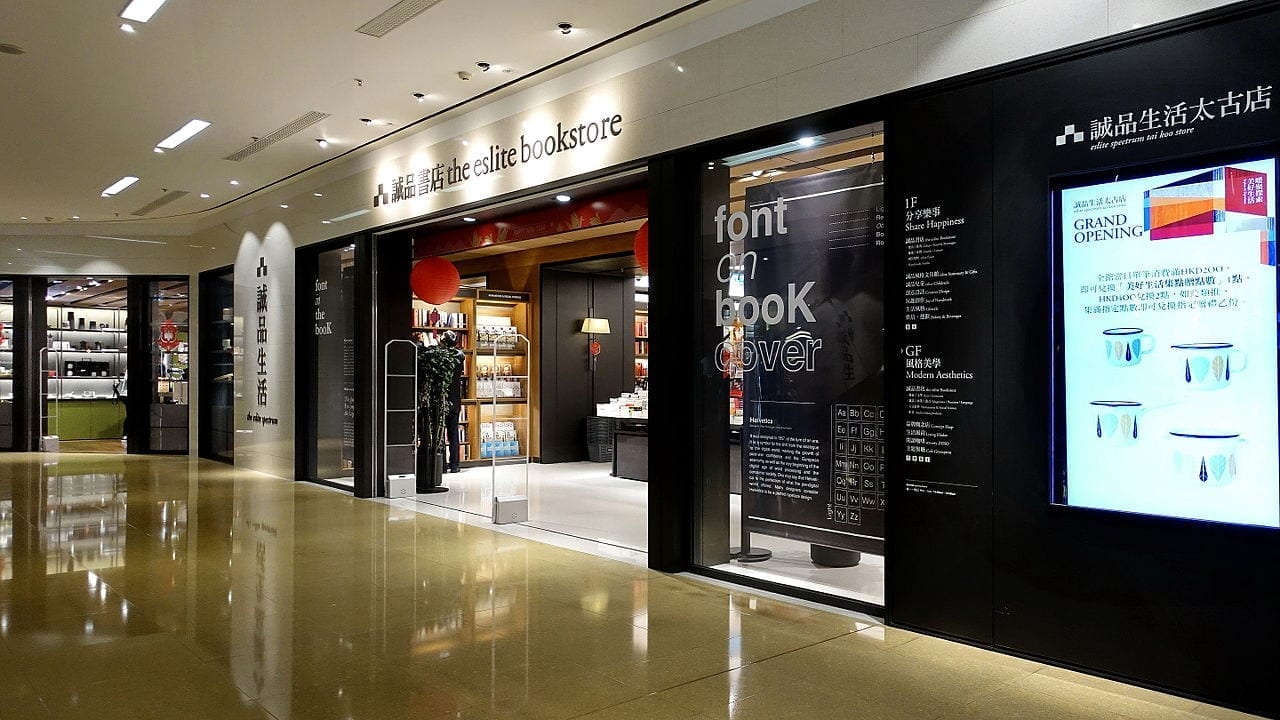
    Taiwan’s Eslite Spectrum, which runs bookstores, shopping malls and restaurants, plans to continue adding stores in the greater China market.

    President Wu Wen Chieh told the group’s annual meeting that after extending its reach into Hong Kong in 2012, the company had transformed into a cultural creative brand.

    Wu said the company has 46 outlets in Taiwan, Hong Kong and China through teaming up with cultural creative brands, and plans to enter Shanghai by opening a store this year. Its first China outlet launched in Suzhou in November. Another store is planned for Shenzhen in 2018.

    Eslite has three stores in Hong Kong, and Wu said that the company is studying the feasibility of opening more stores there.

    However, Eslite has closed two stores in Taipei and will shut down two others. Wu said the company is determined to open new stores in Taiwan this year.

    Chairman Wu Ching-yu told shareholders that the company has set its sights beyond the greater China market, with the aim of opening stores in Japan and the US.

    He said two property developers in Japan have made contact with Eslite, but Eslite will expand at a stable pace globally.

    Eslite last year posted NT$3.82 billion (US$118 million) in sales, up 9 per cent from a year earlier, and raked in NT$412 million in net profit, up 11.6 per cent.

  • Xiaomi taps China Unicom to boost offline sales

    Xiaomi taps China Unicom to boost offline sales

    Chinese smartphone maker Xiaomi has teamed up with the country’s second largest mobile carrier, China Unicom, to expand its sales through offline retailing channels.

    The partnership with Unicom signals a move to a more conventional sales operation for Xiaomi, whose sales have been heavily relied on internet channels.

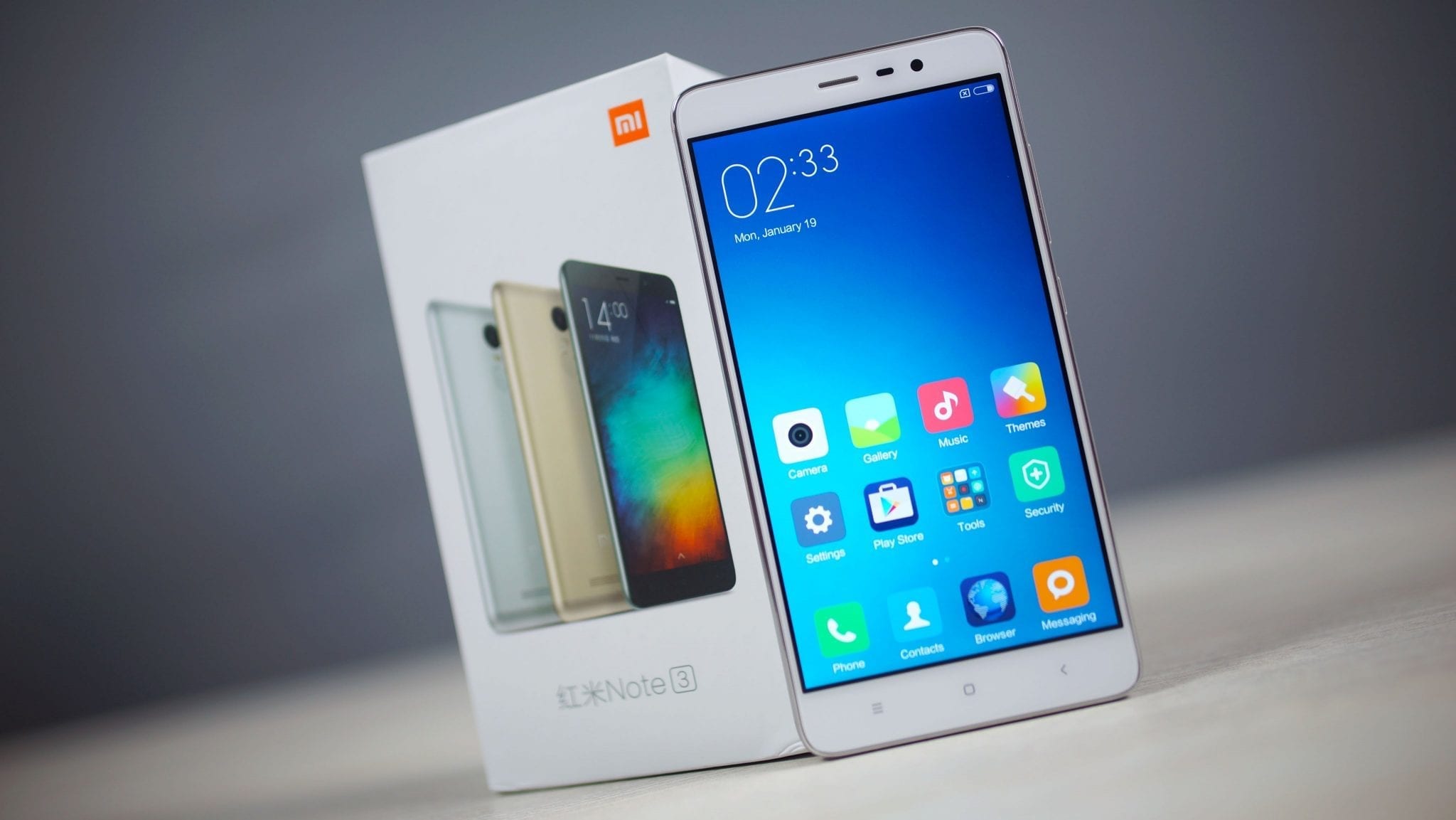
    Xiaomi launched a new customized 4G smartphone Redmi 3X for Unicom, as part of a strategic alliance the pair announced last Wednesday.

    The Redmi 3X smartphone, powered by 1.1GHz octa-core Qualcomm Snapdragon 430 processor and a 4100mAh non removable battery, will go on sale for 899 yuan ($136) through Unicom’s 30,000 own retail stores and more than 230,000 retailing partners.

    Xiaomi CEO and founder Lei Jun said so far more than two-thirds of the company’s smartphones have been sold through e-commerce platforms and the company’s official website.

    “The proportion of online sales is too big,” Lei said. “To maintain the rapid growth we have seen in the past four years, expanding offline retailing channels becomes the key.”

    Xiaomi said earlier this year it will open 200 to 300 of its own retail stores to bolster sales.

    Xiaomi and Unicom will also expand their cooperation beyond handsets to a wide range of products, such as Xiaomi TV, routers, wearable devices and air purifiers.

    China Unicom deputy general manager Xiong Yu said all of these Xiaomi products will be available at the operator’s offline retail stores across the country.

    The move fits into the operator’s broad efforts to transform its abundant bricks-and-mortar assets into a big retailing platform of various electronic products, Xiong added.

  • Bidding starts for McDonald’s China business

    Bidding starts for McDonald’s China business

    Beijing Tourism Group, ChemChina and Sanpower are among bidders for McDonald’s China restaurants and the 20-year master franchise covering China and Hong Kong.

    The deal is said to be worth about US$3 billion, and bids close on Monday.

    Restrictions on the franchise agreement have discouraged such buyers as private equity firms, but others have entered the auction, reports CNBC.

    McDonald’s China partner Beijing Capital Agribusiness Group has been reported to be among companies preparing first-round bids ahead of the deadline, but an official has said the company is not participating in the bidding.

    Illinois-based McDonald’s has hired Morgan Stanley to run the sale of about 2800 restaurants in China, Hong Kong and South Korea. The South Korea sale is being run separately.

    McDonald’s announced in March that it was reorganising in Asia by bringing in partners to own restaurants within the franchise business. Competitor Yum Brands, which has the KFC and Pizza Hut chains, is also restructuring in China.

    Domestic rivals are becoming more competitive, and the two international fast-food giants have had food-safety scares.

    “Given the difficulties Western chains have had recently with public perception, local players have become a serious competitive threat,” says Euromonitor International foodservice analyst Elizabeth Friend.

    Meanwhile, McDonald’s will draw up a shortlist of bidders for the next round in the coming weeks.

    McDonald’s China and Hong Kong business posted about $200 million in earnings in its latest financial year.

  • Wal-Mart’s deal with China’s JD.com may be copied by others

    Wal-Mart’s deal with China’s JD.com may be copied by others

    When the world’s largest retailer makes a move, other retailers pay attention. Wal-Mart Stores Inc.’s decision to enter into a strategic alliance with the second largest Chinese e-commerce retailer, JD.com Inc., may inspire others to seek out local partnerships to make inroads in this major market.

    “For some in the industry, this will be a ‘Good Housekeeping’ seal of approval,” said Christian Magoon, chief executive officer of Amplify Investments, which recently launched the Amplify Online Retail ETF IBUY, -0.52% .

    “If Wal-Mart is comfortable and, with their scale, couldn’t crack the Chinese market on their own, it will be a case study for others. It could be a bellwether moment to see if this strategic partnership is the best model.”

    Wal-Mart announced Monday that it will sell its Yihaodian website to JD.com and receive about 5% of the company’s total shares outstanding. Wal-Mart WMT, +0.51% will open a flagship Sam’s Club China store on JD.com JD, +0.33%  and leverage the online retailer’s supply chain assets.

    Wal-Mart has had problems growing in the Chinese market, amid food regulatory and food safety controversies.

    “Wal-Mart was trying to go on its own and I think this is kind of a throwing in the towel,” Magoon said. At the same time, it is an acknowledgment that Wal-Mart needs to grow in China to be in a good position for the future. “If Wal-Mart is going to compete, they’re going to have to go big,” Magoon said.

    To compete in China, retailers have to go online, said Charlie O’Shea, Moody’s lead retail analyst.

    “JD.com has a solid platform online in China, and we know China’s online business is expanding rapidly because they’re not at the level of brick-and-mortar like the U.S.,” said O’Shea.

    JD.com also has a proprietary system that allows them to control the “last mile” with customers, or the final leg of the delivery process that gets merchandise into the buyer’s hands. O’Shea describes the last mile as “critical.”

    Analysts at UBS view the deal as a “good move on many levels,” though Wal-Mart’s share price may not reflect that.

    “While this deal isn’t a needle mover for Wal-Mart shares, it shows the retailer can be shrewd when the opportunity presents itself,” the bank wrote in a Monday note.

    UBS believes there are more opportunities like this one in the retailer’s portfolio, which currently spans 28 countries.

    “Wal-Mart has identified China as its highest potential international growth market,” they wrote. “We believe it remains fully committed to this geography, despite the sale.”

    UBS rates Wal-Mart stock at neutral with a price target of $67.

    Wal-Mart shares were up 0.4% in Tuesday trading, and up 16.5% for the year so far. JD.com shares are down 0.4% in Tuesday trading, and down 35% for the year so far. The S&P 500 is up 2.1% for the year to date.


  • Wal-Mart China partners with JD.com

    Wal-Mart China partners with JD.com

    Chinese eCommerce giant JD.com has formed a strategic partnership with Wal-Mart China.

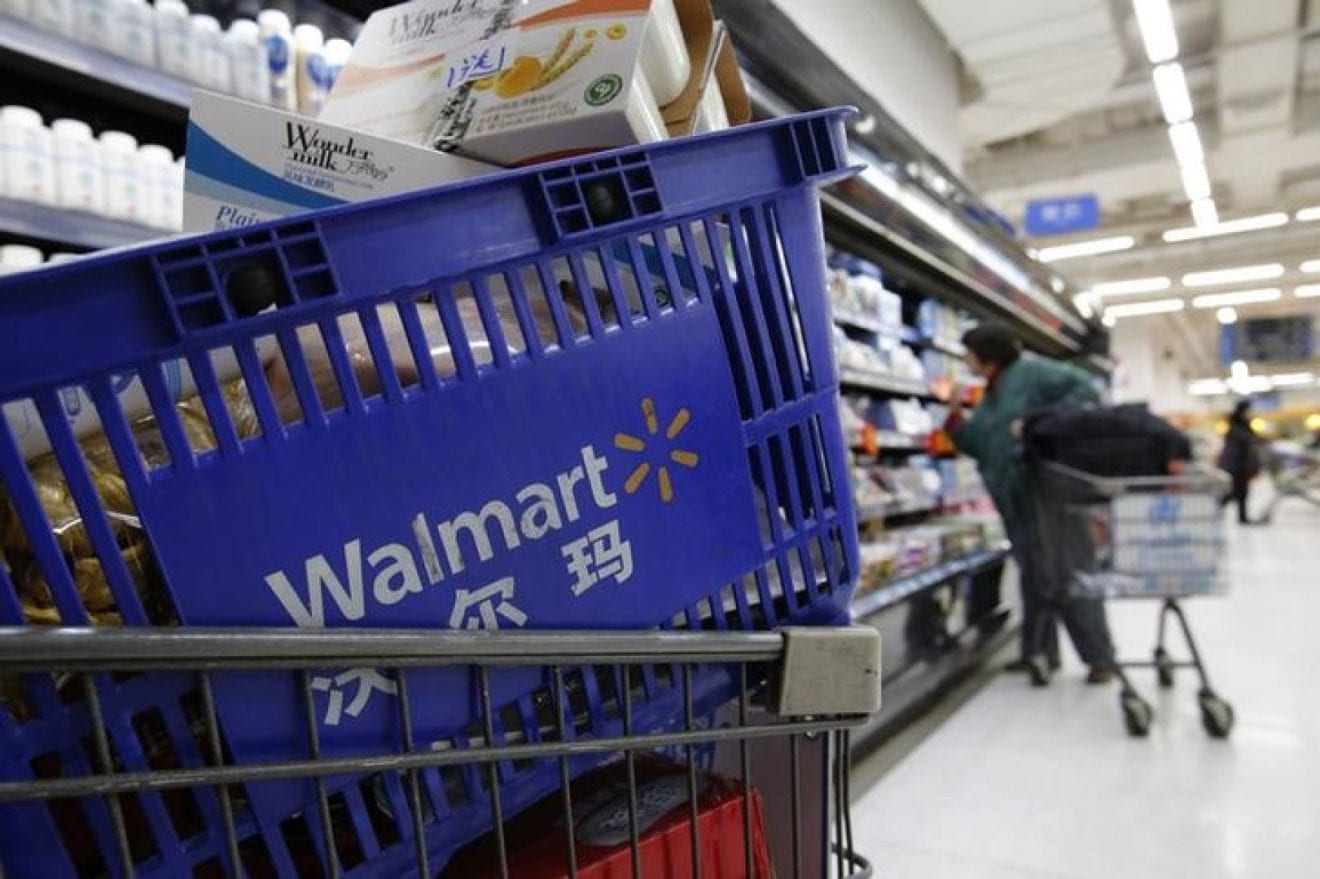
    The agreement covers a range of business initiatives, both online and offline. For Wal-Mart, the alliance expands its eCommerce activities and gives its stores and Sam’s Clubs potential traffic from JD.com’s online customer base and same-day delivery network.

    JD.com will leverage Yihaodian‘s strong brand and business in eastern and southern China and in key product categories such as high-quality grocery and household goods. JD.com customers will also gain access to new and imported items from Wal-Mart and Sam’s Club.

    JD.com will now control the brand, website and app for eCommerce platform Yihaodian, while Wal-Mart will retain the subsidiary’s direct sales business. JD.com CEO Richard Liu says he looks forward to “further developing” the brand.

    Sam’s Club China will also have a flagship store on JD.com. It will offer same- and next-day delivery through JD.com’s nationwide warehousing and delivery network, which covers a population of 600 million consumers.

    “Sam’s Club’s unique, high-end product selection meets the demand from China’s increasingly affluent consumers for high-quality, imported products,” says Liu.

    Wal-Mart president/CEO Doug McMillon says the two companies share similar values. “We also look forward to offering customers a tremendous number of quality imported products not previously widely available in China.”

    Wal-Mart’s China stores will be listed as a preferred retailer on JD.com’s O2O JV Dada, China’s largest crowd-sourced delivery platform, allowing customers to order fresh food and other items from Walmart stores for two-hour home delivery.

    Walmart will continue to run its own physical stores.
    Walmart Stores has 11,527 stores under 63 banners in 28 countries, and eCommerce business in 11 countries.

  • Beijing tells Apple China to withdraw phone

    Beijing tells Apple China to withdraw phone

    A Chinese tribunal has ordered Apple China to stop selling its iPhone 6 in Beijing, claiming the design is too similar to a Chinese-made smartphone.

    Apple has appealed, and is continuing to sell its iPhone 6 while awaiting the decision.

    The Beijing regulator found that the iPhone 6 and iPhone 6 Plus look too much like the 100C smartphone made by Shenzhen Beili, a small Chinese brand.

    If its appeal fails, Apple will lose ground to such Chinese competitors as Huawei and Xiaomi. China accounted for more than a quarter of Apple’s revenue last year, making it the second-biggest source of income for the company.

    This dispute follows a series of problems for Apple in China. A Chinese court last month decided a company can use the iPhone trademark on its bags, wallets and other leather products, and in April, Apple had to suspend iBooks and iTunes Movies after the Chinese government said the services were breaking the rules for foreign publishers.

    Apple has also been pushing against fake Apple stores in China.