Tag: China

  • Alibaba expansion plan targets 2 billion

    Alibaba expansion plan targets 2 billion

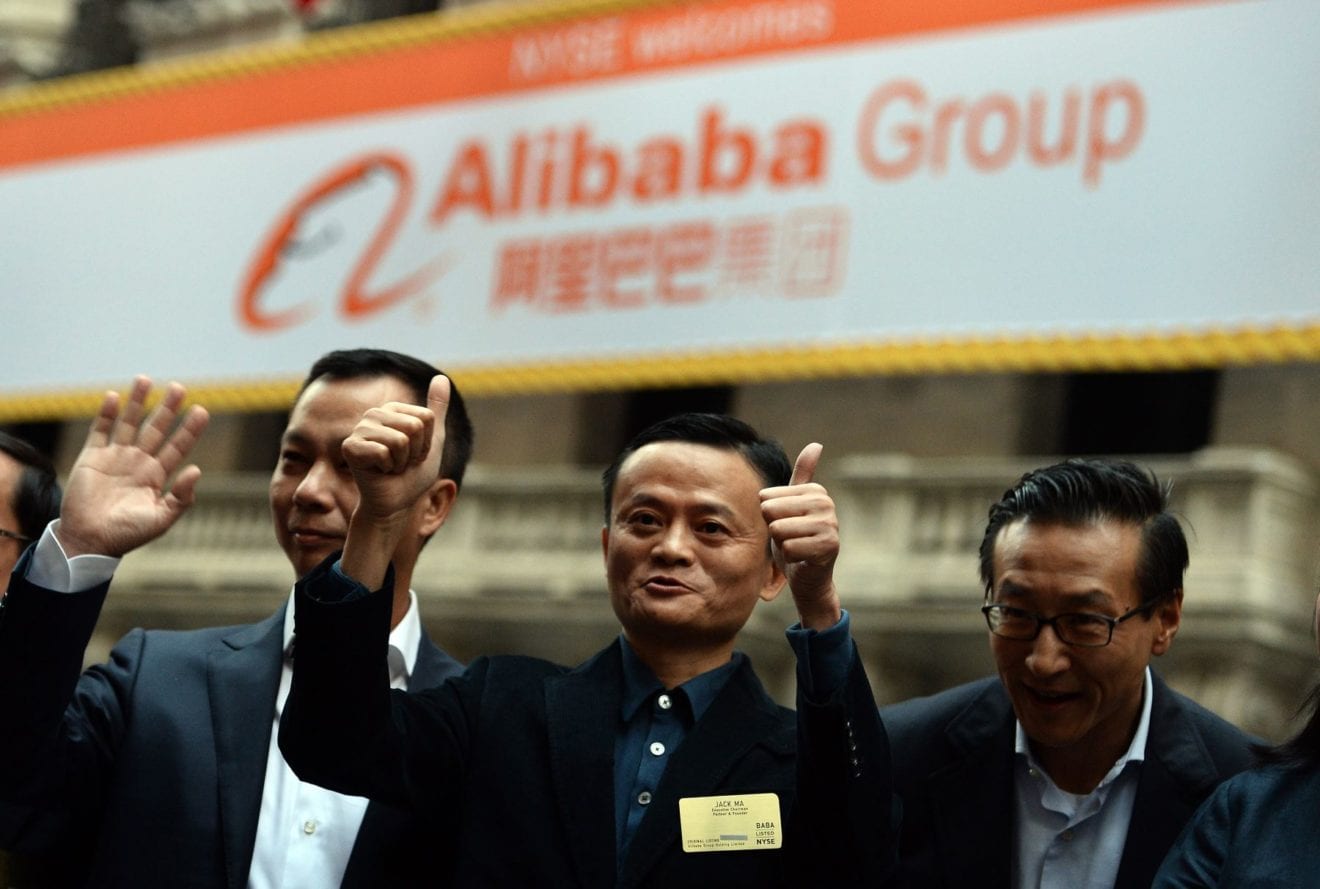
    Chinese eCommerce pioneer Jack Ma has unveiled an Alibaba expansion plan aiming to quadruple its customer numbers to 2 billion by 2036.

    Alibaba is also aiming for a record 6 trillion yuan (US$912 billion) in gross merchandise volume (GMV) in 2020 from 3.09 trillion yuan this year.

    Ma has also pledged to intensify the fight against counterfeit products and intellectual property rights violation, saying the company is more confident than ever it can solve the problem.

    Alibaba became the world’s largest retailer (by its own definition of retailer) in April, surpassing Walmart. The company says its online trading accounts for 10 per cent of all retailing in China and has generated 15 million jobs.

    Alibaba, whose gross sales totalled $9.3 billion in 2014, hit a record $14.3 billion in sales on Singles’ Day alone last year, a Chinese holiday in November. This is more than double the eCommerce sales in the US from Thanksgiving, Black Friday and Cyber Monday combined.

    The company also holds the title of the biggest IPO in history, raising $25 billion in four days in September 2014, $7 billion more than Visa and $9 billion more than Facebook and General Motors.

  • Marquee Brands takes Ben Sherman to China

    Marquee Brands takes Ben Sherman to China

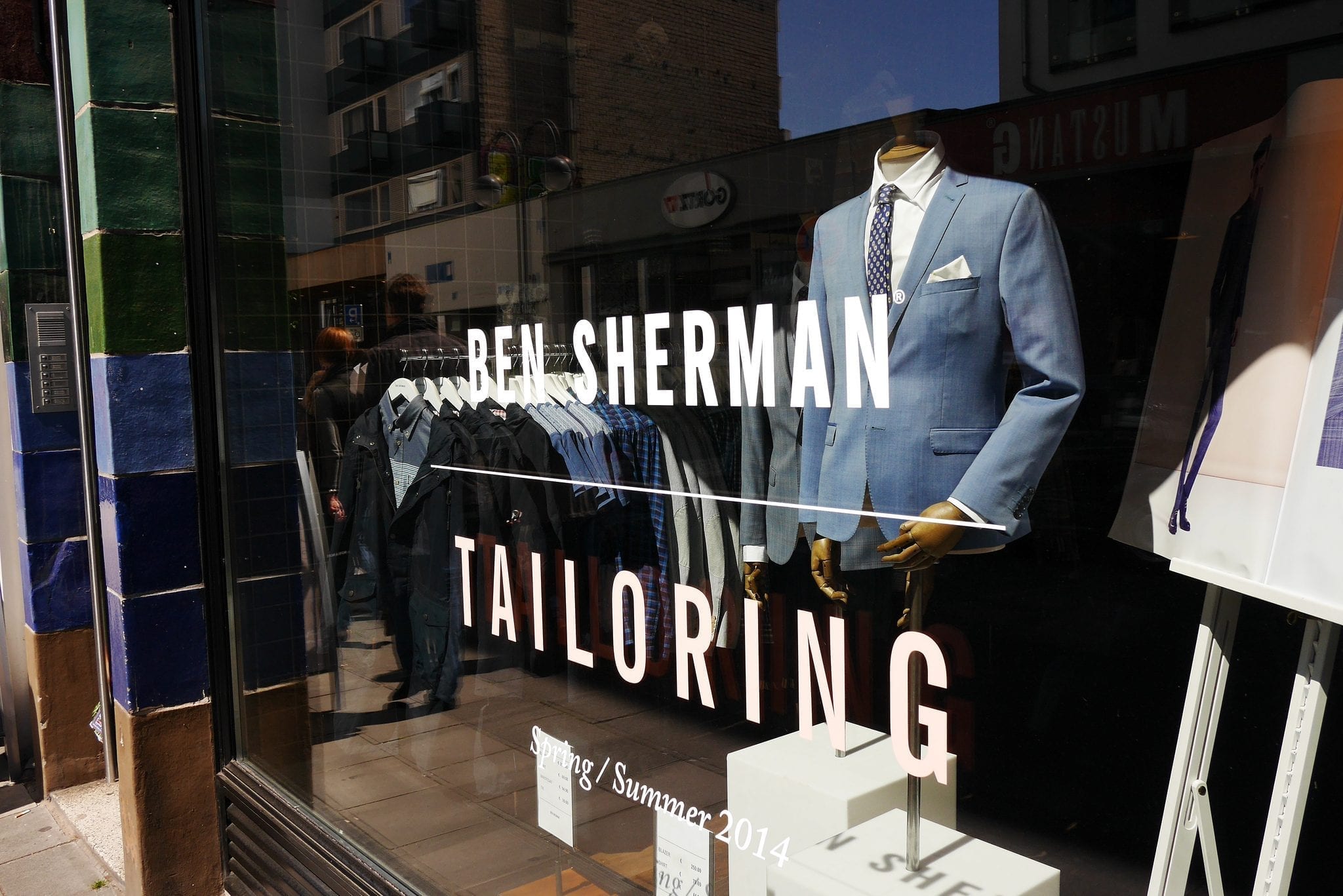
    A year after acquiring Ben Sherman, Marquee Brands has signed an agreement to have the British menswear brand distributed in China, Hong Kong, Macau and Taiwan.

    Its partnership with MRH SpaRotica Groupe encompasses both offline and online distribution, manufacturing and also the launch of a series of mono-branded Ben Sherman retail locations. Five shops will launch this year with at least 30 more planned. The first will be in Shanghai, opening by August, followed by Jiangsu, Hubei, Hunan and Sichuan.

    “Ben Sherman’s 50-plus years of British style and culture demonstrate the brand’s ability to stand the test of time,” says MRH president and CEO Richard Kisembo. “Our partnership with Marquee Brands is inspired by Ben Sherman’s iconoclast status among heritage brands. Heritage and culture continue to be a motivating factor in brands that have the ability to move generations at retail, a key factor to success in China.”

    Marquee Brands president Michael DeVirgilio says the demand for Ben Sherman is high in China where young consumers have become more global and sophisticated.

  • Apple Closer to India Stores After Government Eases Retail Curbs

    Apple Closer to India Stores After Government Eases Retail Curbs

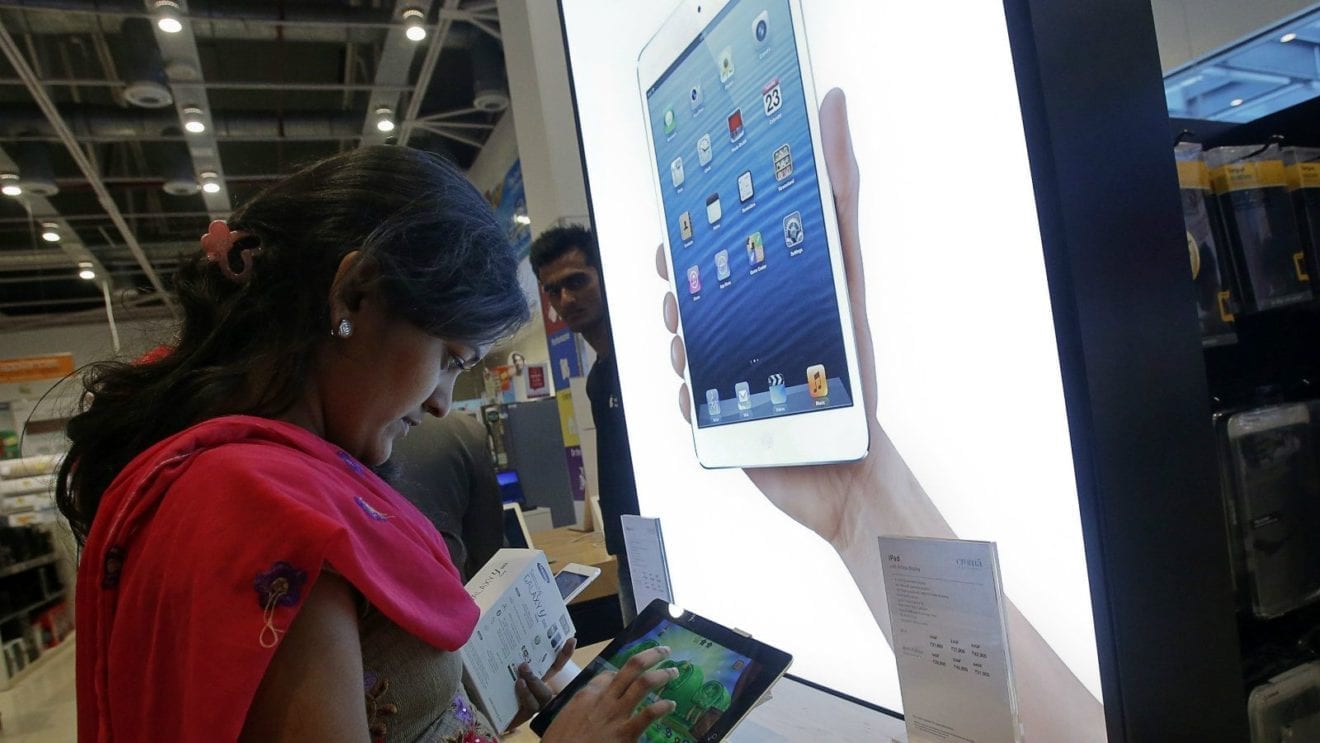
    Apple Inc. may be closer to opening stores in India after the government eased onerous local sourcing requirements on retailers.

    The world’s second-most populous country on Monday announced the easing as part of a raft of measures intended to boost foreign direct investment and expand the leeway afforded multinational corporations. It loosened policies that require retailers to source at least 30 percent of their components locally before they can set up shop.

     Apple is pushing to increase its share of the world’s fastest-growing major smartphone market as device sales slow elsewhere. Chief Executive Officer Tim Cook visited the country for the first time in May and met with Prime Minister Narendra Modi to outline his ambitions for the burgeoning arena.

    Under the new regime unveiled Monday, single-brand retailers have a three-year grace period in which they can operate stores, before they have to comply with the local sourcing requirement. Companies that can show they are selling state of the art or cutting edge technology can benefit from a relaxed local sourcing regime for “another five years.”

    The government hasn’t ruled on whether Apple meets the cutting edge criteria. Apple didn’t respond to an e-mail seeking comment on the government’s decision.

    Apple will now have to apply anew for permission to open its first stores in India, Commerce Minister Nirmala Sitharaman told reporters Monday. The Cupertino, California-based company has used flagship stores in New York, Tokyo and Shanghai to promote its products and boost sales, but in India it sells through partners such as Redington India Ltd. as well as the retail units of Indian conglomerates Tata Group and Reliance Industries Ltd.

     “The relaxed rules give Apple a window to build up a credible brand and gives the company a chance to build up internal capability and familiarity with the supply base,” said Devangshu Dutta, chief executive officer of Third Eyesight. “For branding, a certain consistency is critical and this can be done by having retail control.”

    India is a challenging market because of the iPhone’s premium pricing. It now has less than 2 percent of an Indian market in which four-fifths of phones cost less than $150. The iPhone maker had sought permission to become the first company allowed to import and sell cheaper refurbished phones into the country, but was said to have been rejected.

    Still, Apple’s sales there jumped 56 percent in the March quarter, indicating that demand for the brand is growing. Cook called out the country’s “incredibly exciting” prospects during his last earnings conference and said his company will devote more energy to that market. Apple’s stores have always played a key-role in attempts a convey a unique image and feel for its products.

    “It gives Apple more branding and positioning strength. Having a direct presence will help it gain more mindshare,” said Vishal Tripathi, an analyst at research firm Gartner. “It can help create a well-fashioned brand in the Indian market.”

  • Foreign Investment into Tobacco Industry Banned in China

    Foreign Investment into Tobacco Industry Banned in China

    The Ministry of Industry and Information Technology (MIIT) has recently issued regulations regarding retail of tobacco products in China. The new regulations stipulate that foreign invested commercial enterprises or individual business households are not permitted to engage in tobacco wholesale or retail business, nor engage in trading of tobacco monopoly products in alternative forms such as franchise, absorption of franchise stores or other re-investment, etc. The Measures for Administration of the Tobacco Monopoly License and Measures for Administration of Shipment Permit of Tobacco Monopoly Products will both become effective as of July 20, 2016.

    Shanghai Issues Notice on the List of Automatic Preferential Tax Policies

    Shanghai Municipal State Tax Bureau and Shanghai Municipal Local Tax Bureau has released a notice outlining and clarifying eight preferential tax policy matters which do not require additional materials to apply for. They are as follows:

    • Deduction/reduction of VAT for purchase of special equipment for the VAT control system.
    • Exemption of small sized and micro profit enterprises from VAT.
    • Exemption of ticket income of science halls, natural museums, science & technology education bases and science & technology education activities from VAT.
    • Exemption/reduction of enterprise income tax on qualified small sized and micro profit enterprises.
    • Accelerated depreciation or remuneration for fixed assets or software purchased.
    • Accelerated depreciation or one-off deduction of fixed assets.
    • Preferential stamp tax during the restructuring process of an enterprise.
    • Preferential stamp tax on loan contracts concluded between small sized and micro enterprises.
    State Council Issues the Guiding Opinions on Cutting Overcapacity in the Non-Ferrous Metal Industry

    The General Office of the State Council issued “Guiding Opinions on Creating a Favorable Market Environment to Promote Structural Adjustment, Transformation and Increases in Benefits in the Non-Ferrous Metal Industry (Opinions),” which addresses dealing with overcapacity problems in the non-ferrous metal industry. The Opinions consists of 15 articles, making detailed directives for key tasks and policy assurance, stressing that work should be done to cut overcapacity and disposal of surplus material in accordance with the laws and regulations, and guide the transfer of non-competitive capacity.

    The Opinions states the key tasks as including: strict control of newly-added capacity and investigation and management of newly-built electrolytic aluminum projects in violation of the regulations; quickening of disposal of excess material, dealing with overcapacity in accordance with the laws and regulations and guiding the transfer of non-competitive capacity; stepping up technological innovation, pushing forward intelligent manufacturing and development of refined processing; expanding market applications, enhancing upstream and downstream cooperation and improving relevant product standards; improving reserves systems; actively promoting international cooperation, etc.

  • Alipay to offer cross-border Grab payment

    Alipay to offer cross-border Grab payment

    Ant Financial’s Alipay and ride-hailing company Grab have partnered to allow Chinese travelers to take advantage of cross-border payment when using Grab’s services in Singapore and Thailand.

    Starting today, Alipay users in Singapore and Thailand can pay for their taxi and private-hire car rides booked through the Grab mobile app with their Alipay accounts.

    Previously, Chinese travellers had to pay for their rides either by cash or their dual currency credit card. The Alipay option allows Chinese travelers to pay for their fares in Renminbi, without having to worry about exchange rate fluctuations.

    The deployment will soon be extended to other Southeast Asian markets that Grab currently operates in, such as Malaysia and Indonesia.

    “By collaborating with partners like Grab, we provide Chinese travelers the kind of convenience they are used to in China – no matter where they are in the world,” Ant Financial VP of international business Sabrina Peng said.

    Alipay last month partnered with Uber, Grab’s rival in Southeast Asia, in a similar deal which allows the latter’s passengers worldwide to pay for rides in Renminbi.

    Alipay has been working with local merchants in 69 overseas markets. As of May 2016, Alipay is accepted in more than 70,000 retail stores outside of China, and tax reimbursement via Alipay is supported in 24 countries and regions, including South Korea, Germany and France.

  • China Jo-jo Drugstores Inc Institutional Investor Sentiment Worsened in Q1 2016

    China Jo-jo Drugstores Inc Institutional Investor Sentiment Worsened in Q1 2016

    China Jo-jo Drugstores Inc institutional sentiment decreased to 0.75 in 2016 Q1. Its down -0.25, from 1 in 2015Q4. The ratio turned negative, as 3 hedge funds increased or opened new stock positions, while 4 reduced and sold holdings in China Jo-jo Drugstores Inc. The hedge funds in our partner’s database now possess: 148,237 shares, up from 123,312 shares in 2015Q4. Also, the number of hedge funds holding China Jo-jo Drugstores Inc in their top 10 stock positions was flat from 0 to 0 for the same number . Sold All: 2 Reduced: 2 Increased: 1 New Position: 2.

    China Jo-Jo Drugstores, Inc. is a retailer and distributor of pharmaceutical and other healthcare products found in a retail pharmacy in the People’s Republic of China. The company has a market cap of $28.55 million. The Company’s operating divisions include retail drugstores, online pharmacy, wholesale business selling products similar to those the Company carries in its pharmacies, and farming and selling herbs used for traditional Chinese medicine . It has a 32.5 P/E ratio. The Firm has 59 store locations under the store brand Jiuzhou Grand Pharmacy in Hangzhou.

    About 6,781 shares traded hands. China Jo-Jo Drugstores Inc has declined 14.29% since November 10, 2015 and is downtrending. It has underperformed by 14.11% the S&P500.

    According to Zacks Investment Research, “China Jo-Jo Drugstores, Inc., through its contractually controlled affiliates, operates a retail pharmacy chain in China offering both western and traditional Chinese medicine. Its contractually controlled affiliates include Hangzhou Jiuzhou Grand Pharmacy Chain Co., Ltd., Hangzhou Jiuzhou Clinic of Integrated Traditional and Western Medicine General Partnership, and Hangzhou Jiuzhou Medical & Public Health Service Co., Ltd. The chain has stores throughout Hangzhou, the provincial capital of Zhejiang Province.”

    California Public Employees Retirement System holds 0% of its portfolio in China Jo-Jo Drugstores Inc for 29,300 shares. Citadel Advisors Llc owns 25,965 shares or 0% of their US portfolio. Moreover, Citigroup Inc has 0% invested in the company for 434 shares. The New York-based Morgan Stanley has invested 0% in the stock. Renaissance Technologies Llc, a New York-based fund reported 79,800 shares.

  • Chinese Investors Eye Indonesia`s Pharmaceutical Sector

    Chinese Investors Eye Indonesia`s Pharmaceutical Sector

    Four Chinese pharmaceutical firms have expressed their intent to invest in Indonesia as conveyed to the Chairman of Indonesia Investment Coordinating Board (BKPM) during his visit to three Chinese cities: Qingdao, Hangzhou and Shanghai.

    Franky said that Chinese investment will enhance domestic pharmaceutical industry because 96 percent of raw materials in the pharmaceutical industry are still imported. “The time is right, because the government has just revised the negative investment list,” Franky said in a written statement yesterday, June 19, 2016.

    The revision has made pharmaceutical sector 100 percent open to foreign investment, he said. “Because President Joko Widodo hopes that, by 2019, the need for pharmaceutical raw materials can be met domestically by 50 percent.”

    China is one of Indonesia’s main sources of investment. Chinese investment realization has reached US$2.6 billion since 2010. BKPM has recorded investment commitment worth US$5.3 billion from China since 2010.

    In the first quarter this year, Chinese investment realization reached US$464 million with 339 projects. Their investment has absorbed 10,167 workers. It has put China in the fourth place of the list of countries with the most investment in Indonesia behind Singapore, Japan, and Hong Kong.

    Pharmaceutical industry players have welcomed the plan to invest from China. However, they have called on the government to direct the investment to primary industries, such as chemical producers. “We need domestic raw materials, so we will not import it. We have been acting like a tailor, all raw materials are from abroad,” said Yasser Arafat, Corporate Secretary of PT Indofarma (Persero) Tbk

  • Citilink to serve international flights China-Morotai

    Citilink to serve international flights China-Morotai

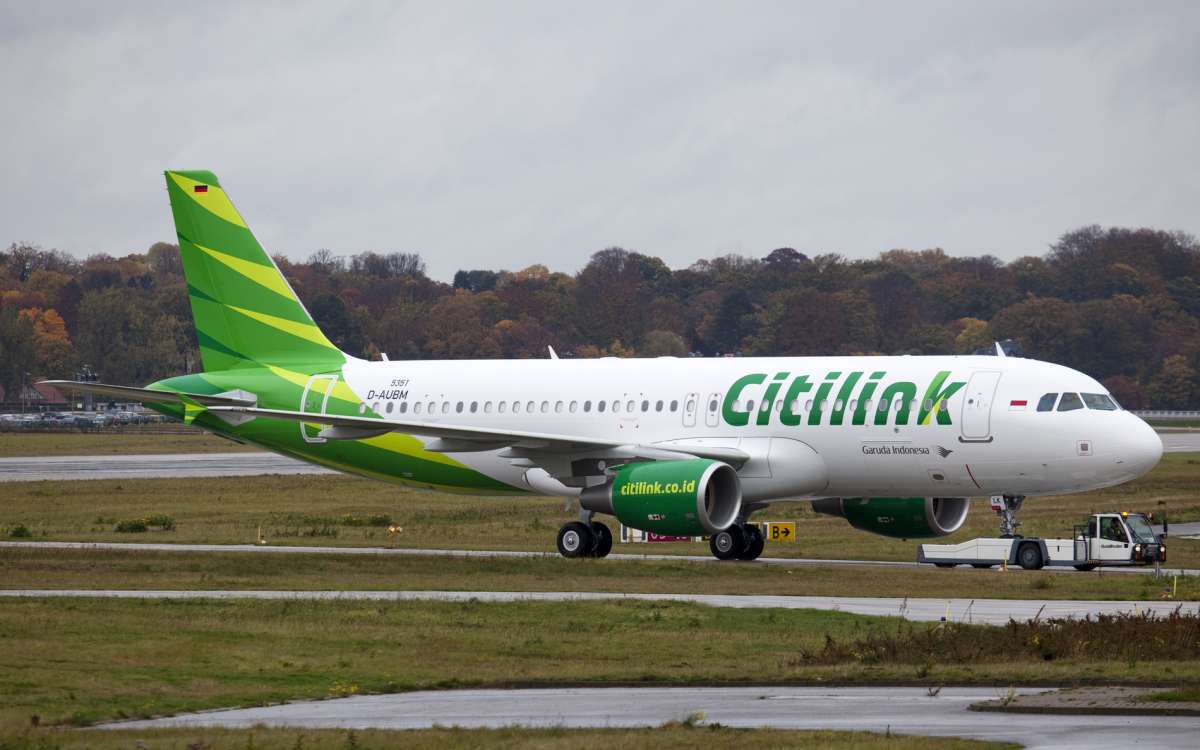
    Citilink plans to open a new international flight route between China and the Morotai island in North Maluku to support development of the island into one of ten main tourist destinations in the country.

    Head of the North Maluku Telecommunications and Informatics Service Burhan Mansyur said the management of the airline has signed a memorandum of understanding with the district administration of Morotai on the plan to open the international flight route.

    The Morotai island was one of military bases of the Alliance Forces during the World War II facing Japan in the Pacific war.

    The plan is Citilink, a subsidiary of the nations flag carrier Garuda Indonesia, would open the route between China and Morotai via Manado in North Sulawesi.

    Realization of the plan, however, would depends on the completion of project to modernize the Leo Wattimena airport of Morotai, Burhan said here on Tuesday.

    He said the runway of the airport already meets the conditions to serve international flights but it needs renovation in its passenger terminal.

    He said as one of ten main tourist destinations, modernization of the the airport would be given a priority with fund from the state budget.

    Head of the North Maluku Tourism and Cultural Service Anwar Husen said the opening the international flight route would bring more foreign tourists to the Pacific rim island.

    Not many foreign tourists are interested to visit Morotia on problem in air transport, Anawar said.

    Even domestic tourists from the western part of the country could visit Morotai only via Manado and Ternate.

    Apart from its historical background as former main military base of the Allied Force, Ternate has wide sparkling sand beach and under sea panoramic scene attracting many surfers to that location.

  • Xiaomi teams up with China Unicom to boost offline sales

    Xiaomi teams up with China Unicom to boost offline sales

    Chinese smartphone vendor Xiaomi Corp has teamed up with the country’s second-largesttelecom carrier, China United Network Communications Group Co, to expand its offlineretailing channels.

    The move came as the country’s online smartphone sales has hit a ceiling and as Xiaomigrapples with declining shipments and mounting competition from rivals such as OppoElectronics Corp.

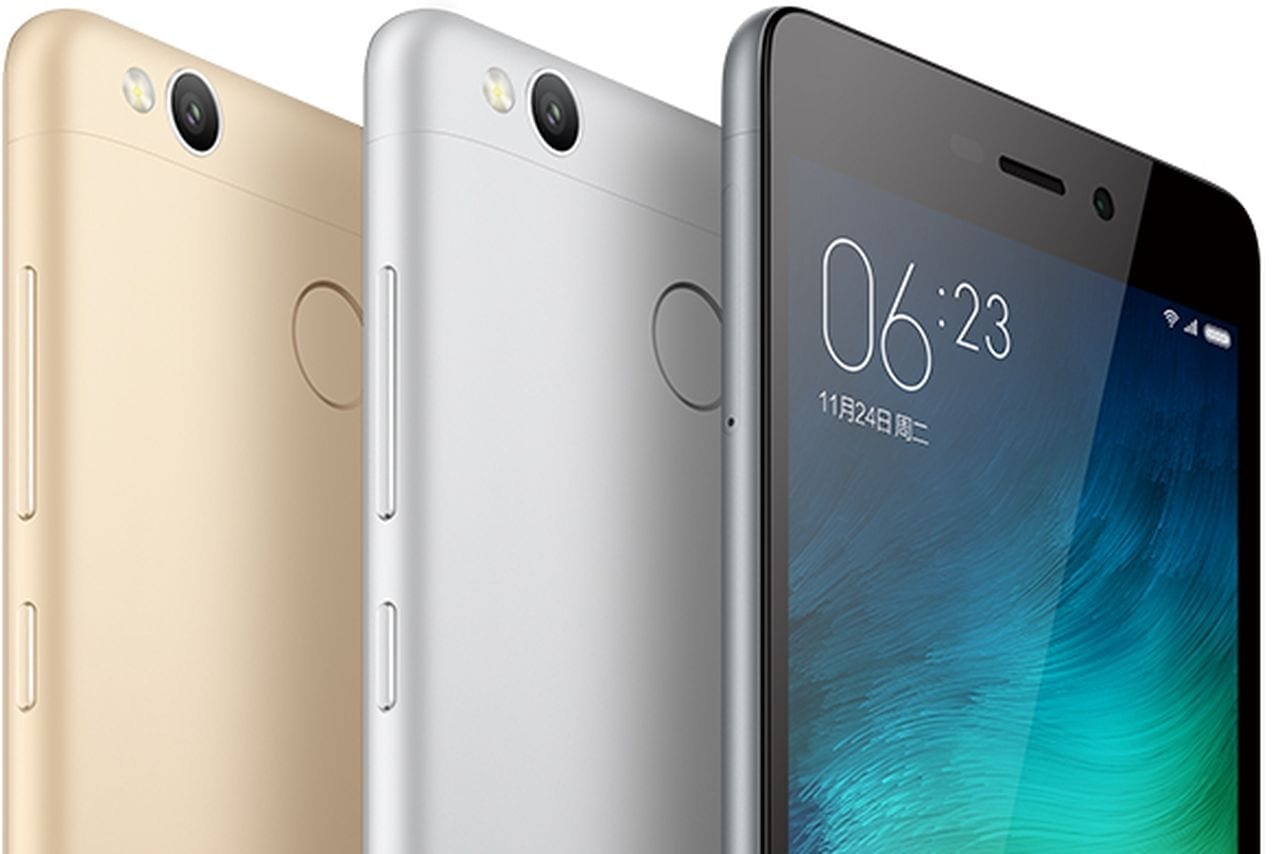
    Xiaomi launched a custom-made smartphone Redmi 3X on Wednesday. Equipped with alarge battery and a 13-megapixel rear-camera, the new phone will go on sale for 899 yuan($136) through China Unicom’s 30,000 offline stores and more than 230,000 bricks-and-mortar retailing partners.

    Lei Jun, CEO and founder of Xiaomi, said so far more than two-thirds of the company’ssmartphones have been sold through e-commerce platforms and the company’s officialwebsite.

    “The proportion of online sales is too big,” Lei said. “To maintain the rapid growth we haveseen in the past four years, expanding offline retailing channels becomes the key.”

    eca86bd9ddb418cc27c10c

    Xiaomi and China Unicom will also expand their cooperation beyond handsets to a widerange of products, such as Xiaomi TV, routers and air purifiers.

    “All of these Xiaomi electronic products will be available at our nationwide offline retail stores,”said Xiong Yu, deputy general manager at China Unicom.

    The move fits into China Unicom’s broad efforts to transform its abundant bricks-and-mortarassets into a big retailing platform of various electronic products, Xiong added.

    As China’s smartphone market is reaching saturation point, a number of vendors are bankingon bricks-and-mortar retailers to spur their growth.

    Xiaomi said earlier this year it will open 200 to 300 retail stores to bolster sales. Its major rivalLenovo Group Ltd also pledged more efforts to expand its offline retailing presence, which itssenior Vice-President Chen Xudong called the key to surviving intense competition.

    CK Lu, principal analyst at consulting firm Gartner Inc, said China Unicom’s sprawling offlineresources gave Xiaomi a ticket to enter into low-tier cities, which are dominated by its rivalsOppo Electronics Corp and vivo Mobile Communication Technology Co Ltd.

    In the first quarter of this year, Oppo and vivo made their way into the world’s top-five rankingof smartphone vendors for the first time, pushing out Xiaomi and Lenovo.

    “Xiaomi is an expert in online marketing, but lacks experience and talent to run offline stores.So it makes tons of sense to partner with China Unicom,” Lu said.

    According to Counterpoint Technology Market Research, telecom operators’ retail channelsaccount for 30 percent of China’s total smartphone sales, while e-commerce sites contributeanother 30 percent, with the rest managed by professional electronic retail stores.

    James Yan, a Beijing-based analyst at Counterpoint, said partnering with China Unicom willhelp Xiaomi quickly boost smartphone sales, but won’t necessarily deliver good profits.
  • H&M collaborates with Caitlyn Jenner for its newest athleisure range

    H&M collaborates with Caitlyn Jenner for its newest athleisure range

    A new H&M athleisure wear range is to be launched in July, developed with input from the Swedish Olympic team and fronted by personalities including Caitlyn Jenner.

    The launch of For Every Victory makes H&M one of the first major multinational fashion brands to make a serious foray into the booming athleisure wear market, to date dominated by fast-growing specialist brands including Lululemon, UnderArmour and 2XU.

    H&M -For Every Victory

    H&M For Every Victory – described by the H&M as “high fashion performance sportswear made to inspire” has been developed with input from the Swedish Olympic team, and the campaign is fronted by inspirational personalities who have all achieved their own victories, whether in sport or life.

    H&M -For Every Victory 1

    The athletes advised on design, performance and wearability. H&M also designed outfits for the Swedish Olympic and Paralympic team for Rio 2016, including the opening ceremony uniform, selected competition pieces and the prize ceremony outfits.

    “This is a collection about performance with great style and the input of the Swedish Olympic team has been invaluable in the creation process,” said Pernilla Wohlfahrt, design and creative director at H&M. “The result is high fashion technical sports pieces for everyone to wear.”

    The For Every Victory collection has a similar visual expression and technical knowledge to the Swedish Olympic team collection, with its own colour palette in black, grey, dusty pink and gold. It is centered on performance T-shirts, running shorts and leggings, as well as sports bras for women.

    H&M -For Every Victory 3

    The quick-drying, breathable materials help to optimise performance and recycled polyesters prove that high-function sportswear can also be conscious and more sustainable − all showing that there’s no compromise on either fashion or performance.

    H&M -Olympic collection

    Among the personalities fronting the new range are Caitlyn Jenner with her Olympic gold medal in the decathlon; Chelsea Werner, a gymnast who has never let Down Syndrome halt her progress; surfer Mike Coots who still takes to his board even though he lost his leg in a shark attack and boxer Namibia Flores who has fought against prejudice to pursue her dreams.

    The new range and brand will be launched globally on July 21.

  • Lenovo eyes India as sales plunge in China

    Lenovo eyes India as sales plunge in China

     As part of its plans, Lenovo aims to increase its market share from less than 10% during the January-March quarter by expanding its reach of smartphones in retail outlets. (Reuters)

    As sales slide in its home country China, Lenovo Group is planning to ramp up its presence in India, the world’s second largest smartphone market including expanding its retail presence for its smartphones, extending apps for the local market, and increasing local manufacturing.

    “India for most of our product categories is a key strategic market” said Aymar de Lencquesaing, senior vice president, Lenovo Group, who also leads the Chinese company’s mobile business including R&D, product and supply chain management.

    “We believe this market will continue to grow not only in volume but also in the line-up of premium products,” he said.

    As part of its plans, Lenovo aims to increase its market share from less than 10% during the January-March quarter by expanding its reach of smartphones in retail outlets.

    The company had been predominantly focussing on selling through online channels to increase sales, since it gives better margins by saving on inventory and supply chain costs.

    Lenovo also plans to increase manufacturing of its handsets within India as and when the demand increases, he said.

  • Cheesecake Factory China opens at Disney Resort

    Cheesecake Factory China opens at Disney Resort

    US food brand has opened the first The Cheesecake Factory China under a licensing agreement with its affiliate CCD China Operating Corporation.cheesecake_factory_counter

    Being run by Hong Kong-based Maxim’s Caterers, the restaurant is in Disneytown, the shopping, dining and entertainment precinct in Shanghai Disney Resort. The outlet has a menu of more than 200 items – all handmade in-house with fresh ingredients – featuring its signature cheesecakes and desserts.

    “China is an exciting new area of development for us and we are so pleased to be able to bring The Cheesecake Factory’s guest experience to Disneytown,” says The Cheesecake Factory founder/chairman/CEO David Overton, from California.

  • Chinese retail sales surging ahead

    Chinese retail sales surging ahead

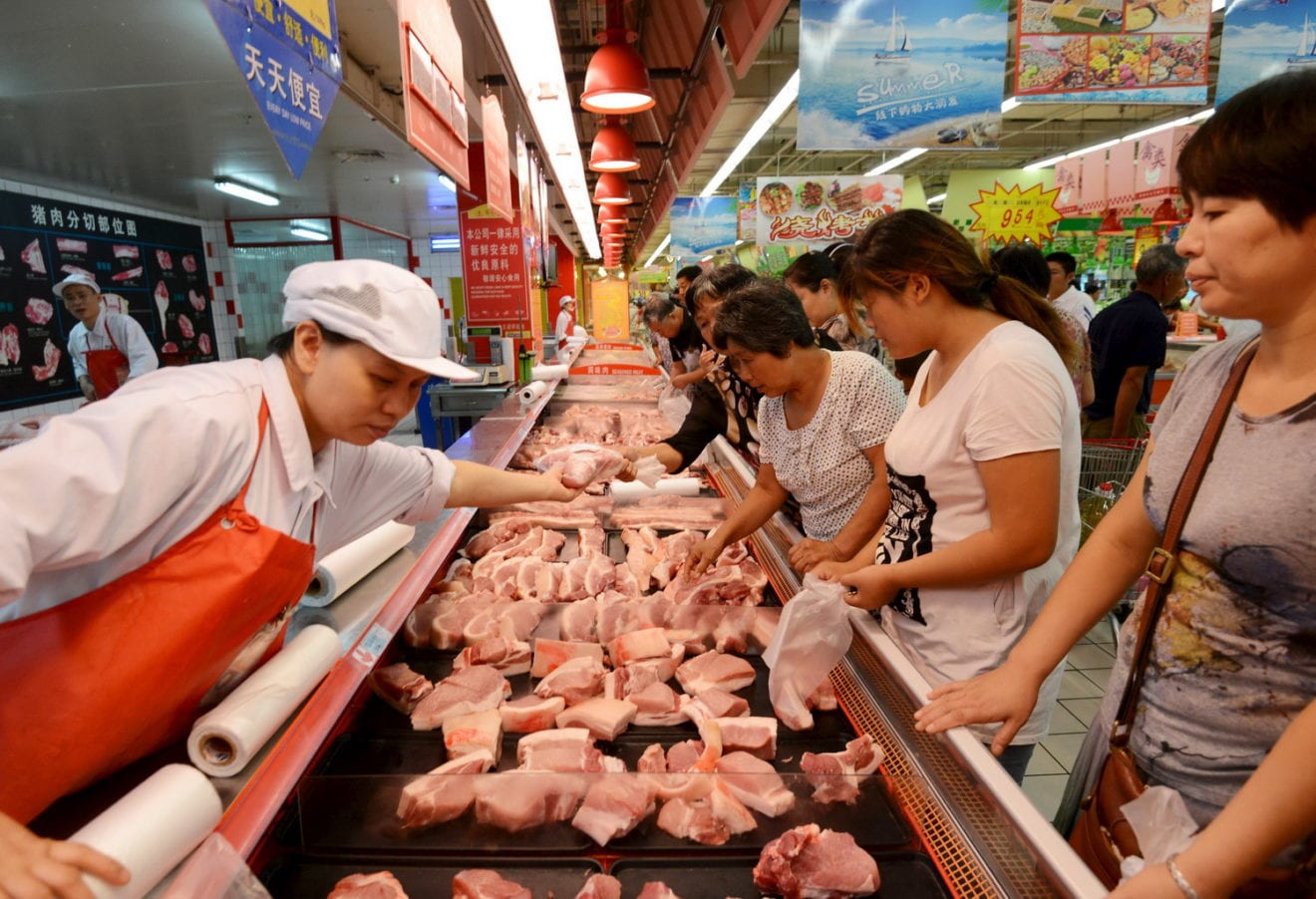
    Chinese retail sales of consumer goods are rising, reaching a total worth of 2661.1 billion yuan (US$403.9 billion) last month, up by 10 per cent year-on-year nominal growth rate (9.7 per cent real growth rate).

    In the first five months of this year, retail sales reached 12,928.1 billion yuan, an increase of 10.2 per cent.

    In urban areas, sales in urban areas were up 9.9 per cent to 2,297.3 billion yuan, while in rural areas sales were up 10.7 per cent to 363.8 billion yuan. In the first five months, urban sales were up 10.1 per cent to 11,116.7 billion yuan, and in rural areas were up 10.9 per cent to 1811.4 billion yuan.

    Catering services last month were worth 287.8 billion yuan, up by 10.9 per cent, while retail goods realised 4,725.9 billion yuan, up by 10.1 per cent.

    For the five months, the national online retail sales of goods and services was 1,808.9 billion yuan, growth of 27.7 per cent. Of this, physical goods earned 1,463.3 billion yuan, up 25.9 per cent and accounting for 11.3 per cent of the total retail sales.

  • China Daily Asia Pacific Retail Leadership Awards Winners Revealed  Retail Gurus

    China Daily Asia Pacific Retail Leadership Awards Winners Revealed Retail Gurus

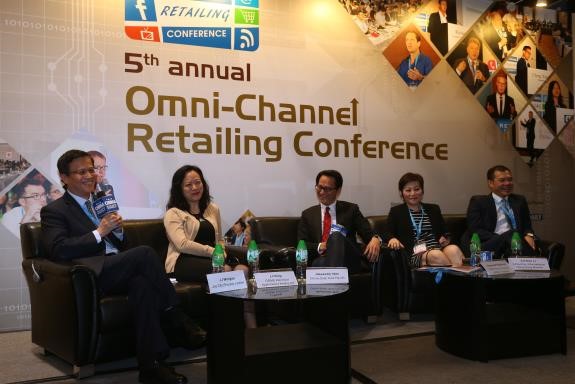
    Co-organized by the China Daily Asia Leadership Roundtable and the Omni-Channel Retailing Conference, the co-branded session, themed “Defining Next Generation Retail in Asia”, was held today at the Hong Kong Convention and Exhibition Centre. It was the fourth consecutive year China Daily has acted as the only Official Media Partner for this significant industry event. The forum drew more than 150 prominent retail industry players from across Asia.

    Defining Asia’s Next Generation Retail Industry: As Asia continues to drive and lead global economic growth, its retail industry is experiencing a phenomenal era of opportunities and challenges.

    Across Asia, online players are making waves on a huge scale, impacting the market at different levels. On the other hand, brick-and-mortar establishments are revising value propositions to stay competitive. Store design, merchandising, technology, logistics, exchanges, points of sale, and customer service offer up a cocktail that will see retailers taste success or failure in keeping with their mixing skills.

    Most importantly, retail consumers are changing not only in their demographics but also their behavior.

    Mr. ZHOU Li, Editorial Board Member of China Daily Group and Publisher & Editor-in-Chief of China Daily Asia Pacific, welcomed the distinguished session panelists from across Asia — Ms. Gunyarak PIYAKHUN, First Executive Vice-President, Department of Marketing Strategy & Business Intelligence, Siam Piwat Company Limited, Thailand; Mr. Carlson LI, General Manager, UnionPay International Hong Kong Branch; Mr. LI Wenyao, Deputy General Manager, Joy City Property Limited; and Ms. LI Hong, Head of Investor Relations, GOME Electrical Appliances Holding Limited.

    Ms. Gunyarak PIYAKHUN said the most important strategy for future retailers is to engage customers by providing customer experience, and using Omni-channel retailing as a tool to help retailers understand customers in a better way.

    Mr. LI Wenyao noted that as the Chinese mainland’s economy gains momentum, the country’s retail sector will continue to see a bright future. What matters is confidence.

    Ms. LI Hong believes that online shopping does not compete with offline shopping, rather, they complement each other.

    Mr. Carlson LI shared his insights from the online payment perspective. He said UnionPay, apart from offering a payment method to retailers, acts as a marketing platform providing retailers big data analysis to help them lower their marketing and promotion costs.

    This year’s “China Daily Asia Pacific Retail Leadership Awards” were presented at the “Hong Kong Retail Industry Trade Awards Presentation Ceremony” on June 14 in recognition of regional retailers with outstanding achievements which exceeded customers’ expectations through their strategic initiatives in creativity, technology, talent building and customer services.

    The winners of the China Daily Asia Pacific Retail Leadership Awards were:

    GOME Electrical Appliances Holding Limited
    Joy City Property Limited
    Siam Piwat Company Limited, Thailand
    UnionPay International Hong Kong Branch
  • Clevo to sell properties in China

    Clevo to sell properties in China

    Clevo will sell office space and residential units of its IT and consumer electronics retail chain Buynow in China and is poised to float REIT (real estate investment trust) certificates in Taiwan for commercial real estate in China including Buynow stores, department stores and hotels, according to the company.

    Clevo has also approved its 2015 financial report and will issue dividends of NT$1.10 (US$0.03) in cash.

    With growing demand for gaming notebook products, Clevo’s notebook shipments grew strongly in China, boosting its May revenues by 23.1% on year to reach NT$1.63 billion.