Tag: China

  • Descente China marching across mainland

    Descente China marching across mainland

    Sportswear maker Descente China plans to open 100 retail stores under its own name before March 2019.

    Unlike the 500-odd boutique stores with swimwear and golf goods being run already in China by a foreign subsidiary of the Japanese company, the new outlets will be large shops under the Descente banner offering a wider range of products.

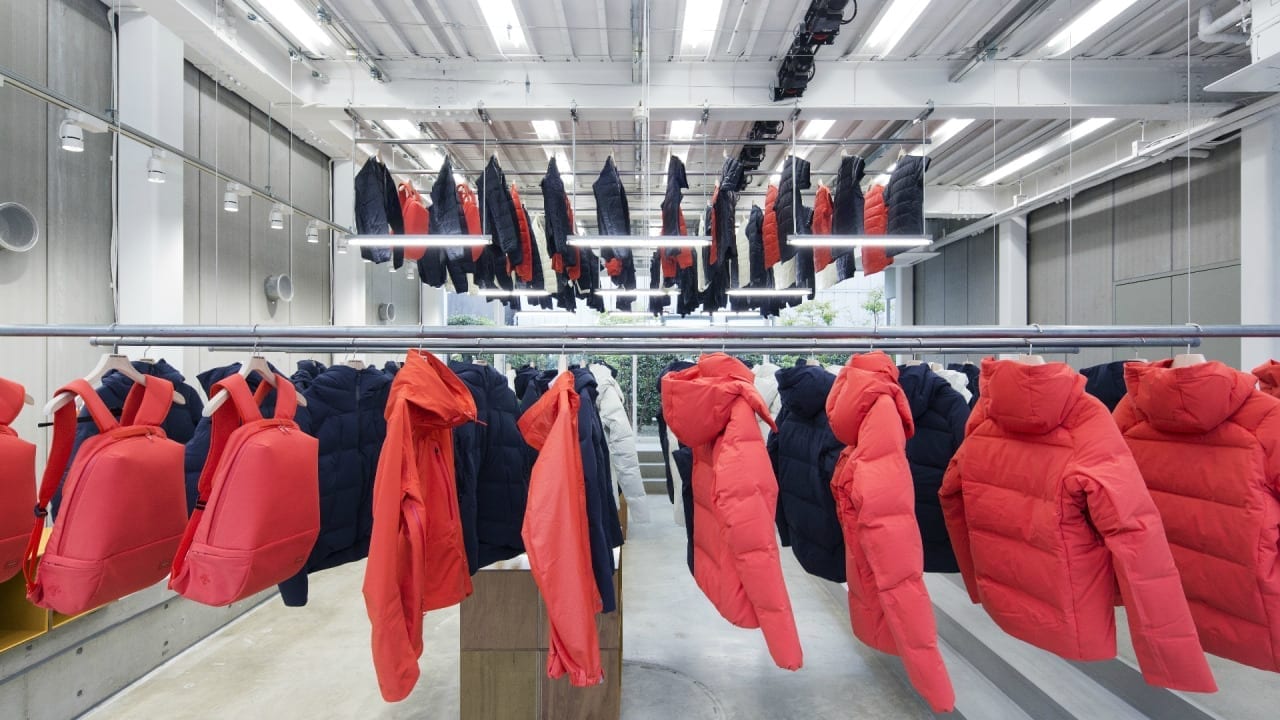
    Descente’s plan is to open both roadside stores and outlets in shopping malls stocked with both functional gear for sports such as golf, skiing, running and triathlons, as well as fashionable sportswear for everyday use.

    Descente has set up a joint venture with Chinese sportswear giant Anta Sports Products. Tentatively named Descente China, the JV has been capitalised at 250 million yuan ($38 million), with 60 per cent held by a subsidiary of Anta, 30 per cent by Descente and 10 per cent by the Chinese subsidiary of Japanese trading house Itochu.

    Descente and Anta will share marketing channels and collaborate in the search for store locations.

    In late August, Descente will open four or five retails stores in northeastern China, including Heilongjiang province, famous for an annual ice and snow sculpture festival. Later, Descente will open stores in major urban areas like Beijing, Shanghai, Dalian and Chongqing.

    By teaming with a local sportswear maker, Descente believes it will have an easier time fending off fakes, says company president Masatoshi Ishimoto.

    He says the company aims to double Chinese sales from last year’s figure to about 22 billion yen ($207 million).

    As well as its China expansion, the company is opening golf apparel stores in South Korea.

  • Habitat Thailand thriving on return

    Habitat Thailand thriving on return

    A decade after its first aborted foray into Thailand, UK-founded furnishing and homewares retailer Habitat is thriving in Bangkok.

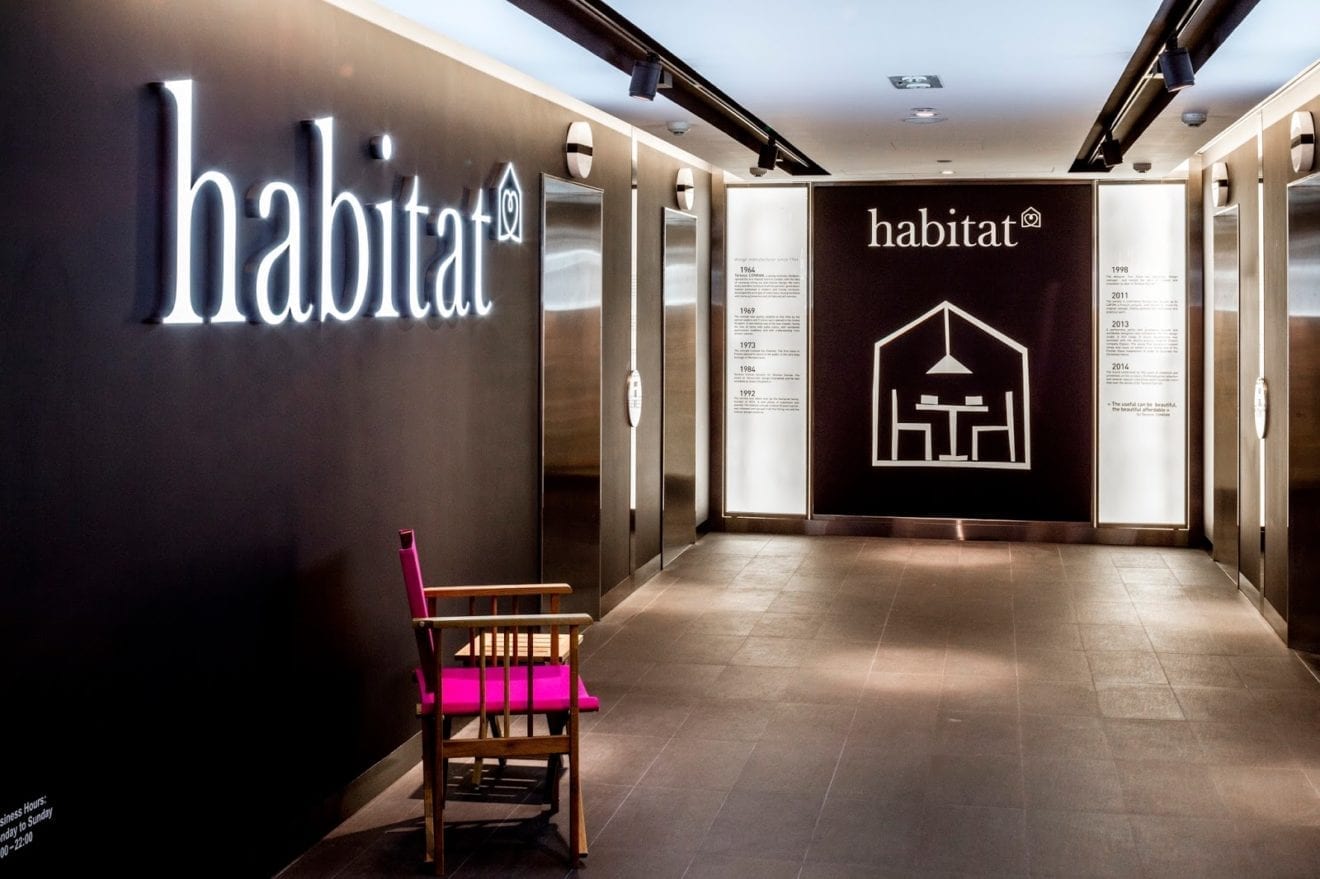
    Habitat Thailand has just opened what – for the time being – it is describing as its flagship store under the management of local brand partner SB Furniture. The new store, taking up 1400 sqm on the third floor of the revamped Siam Discovery shopping mall is the fourth in Bangkok, and the first stand-alone store. The others are stores-in-stores within larger SB stores: a 1400 sqm space at Crystal Design Center, a 1300 sqm site in Bangna and a smaller 840 sqm space at The Crystal SB Ratchapruek.

    Habitat @ Siam Discovery (6)

    “We wanted to stock exactly what a Thai person would see if they walked into a Habitat store in Paris,” said Suthida Vijitkulwongsa, executive director of Habitat Thailand.

    She says a fifth store is planned by the end of this year and the company is evaluating opportunities in larger cities outside Bangkok.

    Habitat Thailand is licensed by the French based company Cafom which bought Habitat Europe after the UK company was placed in administration in June 2011.

    Habitat @ Siam Discovery (5)

    Despite a 10 year absence from the Thai market, a number of loyal local customers have emerged since it made its return in June 2015. When the brand was reintroduced, some 80 per cent of shoppers were “Habitat lovers” familiar from the brand’s previous foray here, says Vijitkulwongsa.

    “They had known about Habitat in past years and were wondering what had happened to the brand and why it had disappeared. They think we have done well in terms of pricing.

    “Ten years ago our prices were equal to what they are now.

    Habitat @ Siam Discovery (16)

    Given the current stagnancy of Thailand’s retail sector – which has seen a number of shopping centre developments put on ice this year – is this really the time to reintroduce an overseas brand considered to be in the premium space?

    “When you have a very strong brand [the market] doesn’t really have much impact. People who are in the market now, who have influence and social status, they’re not really impacted. Instead of buying 10 pieces they end up with eight. But they still make the purchase, probably based on price and design.”

    Perhaps surprisingly, Habitat Thailand sources its stock from the French warehouse, rather than direct shipped from factories in Asia. About half the range is manufactured in Europe, mostly in the eastern nations. With a two month lead time for stock orders, Vijitkulwongsa maintains a large inventory in Bangkok to ensure the brand can meet customer demand without long waiting times.

    Habitat @ Siam Discovery (11)

    Cafom is bullish about its prospects in Asia, especially in China where a rapidly-rising middle class is aspiring to own European-designed products, even if almost 50 per cent of them are made in China. Besides Thailand and China it is now also present in Hong Kong and Singapore. In the Philippines, Habitat has partnered with the same company operating SB furniture stores under license.

    “The new French owners are very experienced in hypermarket operations and in French Polynesia. They have very strong sourcing skills and they have rejuvenated the design. The designers have done well. They have created products which are useful, beautiful and affordable.

    Habitat @ Siam Discovery (17)

    “France has been doing a great job taking over the brand, building it back up and adding value to its offer,” says Vijitkulwongsa.

    She believes her customers appreciate the simple yet functional design of the Habitat products.  “If the product is good enough in terms of function, if the price is right, then fashion is probably a plus.”

    For now, Habitat Thailand is not selling stock online, but it does maintain a website with its range and pricing information. If an eCommerce site is to come, it will most likely be developed by Cafom to serve all international markets.

    Meanwhile, SB Furniture has a dozen stores across Thailand and in partnership with local entities has stores in Vietnam, the Philippines and Indonesia. It also has a presence in Cambodia, Laos under different brand names and is carefully looking at the opportunities in Myanmar.

  • China online payments tightened

    Service providers and their millions of users are affected by a significant regulatory change to China online payments announced by the Chinese Central Bank.

    From July 1, third-party online payment service providers must ensure that all user accounts bear the real name of the account holder. In addition, accounts will be categorised into three types based on security requirements, capped with maximum annual payments.

    The policy was created with an aim of preventing large deposits of money into third-party payment accounts unprotected from bank deposit insurance.

    China’s third-party mobile payments market reached RMB9.31 trillion (US$1.4 trillion) last year, up 57.3 per cent from 2014. Analysts expect the industry will continue to grow at a fast rate in the coming years, reaching RMB52.11 trillion by 2018.
    Mobile payments have become a useful tool for companies in their China market strategy. The two largest third-party online payment platforms in China are Alipay and WeChat.

    Dominant player

    Dominating with roughly half of the market, Alipay is a subsidiary of Alibaba Holding Group, serving Alibaba’s B2B eCommerce network similar to how PayPal works with Amazon and eBay. Alipay co-operates with Visa and around 65 banks, including the Bank of China, China Construction Bank, the Agricultural Bank of China, and the Industrial and Commercial Bank of China.

    As well as being the primary payment method for Alibaba.com and Taobao, it serves more than 500,000 external merchants, covering online retail, gaming, communications, air tickets, commercial services and utility bill payments.

    Its international version, Alipay Global processes payments in RMB and automatically converts them to the merchant’s currency of choice. It supports 12 currencies, with exchange rates decided by either the Bank of China or China Construction Bank. Alipay Global’s transaction fee is 2 to 3 per cent.

    Account procedure

    To set up a service account with Alipay China, a company must first register an account, providing company information for verification. Once approved, an application can be made and a QR code issued.

    Applicants must provide a business licence, ID card information and public bank account details. If the applicant is not the company’s legal representative, a power of attorney must be provided.

    WeChat Payment was launched by Tencent Holdings in 2013. It is different to Alipay in that it serves as both a payment platform and an instant messaging service. It also differs from Tencent’s TenPay, which is similar to Alipay. WeChat Pay can be used to pay in stores, on websites, WeChat shops and third-party apps, with its payment procedure easier and for both customer and company alike.

    Paying through WeChat has revolutionised how retailers and customers interact, with a huge number of customers depending on its social media and instant messenger service.

    To set up a service account, a company first needs to apply for an official WeChat account, specifying reasons for the application and supplying the category or type of company.

    Applicants need to supply the full name of the contact person, phone number and email address; the website address of the company (not necessary for non-IT companies); full company name; description of the product; customer service number; and company bank account information.

    For non-financial entities such as Alibaba and Tencent to provide third-party online and mobile payment services in China, a payment business licence must first be obtained. Regulations stipulate that the business scope, qualifications and contribution ratio of foreign-invested institutions applying for the licence will be decided by the People’s Bank of China and State Council separately.

    Pile of documents

    Meanwhile, Apple Pay has entered the China market, partnering with China UnionPay and nearly 20 Chinese banks. In its first two days, more than three million bank cards were linked to its service, which uses Near-Field Communication (NFC) contactless payments as opposed to QR codes, which are used by Alipay and WeChat Pay.

    Apple Pay, along with Edenred and Sodexo, is among the few foreign-invested companies with a Chinese payment business licence.

    Applicants for the licence must be companies established in the China and must submit a pile of documents to a local branch of the People’s Bank of China – a written application specifying the name, domicile, registered capital and organisational structure of the applicant business, payment business being sought, a copy of the company’s business licence, articles of association, verification certification, financial and accounting reports audited by an accounting firm, feasibility study report, acceptance materials on anti-laundering measures, certification on technical safety testing and authentication, resumes of senior management personnel, certification that the applicant and senior management personnel are free of criminal records, relevant materials of major capital contributors, and an authenticity statement regarding the application materials.

    Entry into China’s lucrative third-party online payments can unlock huge market potential, but the requirements are strict and the application process and approval is by no means easy.

    In comparison, the process for obtaining an online payment QR code is relatively straightforward, but the recent restrictions imposed on payment account types and security checks might change both the way third-party online payment platforms work as well as consumer behaviour.

    • From China Briefing, published by Dezan Shira & Associates. Dezan Shira is a specialist foreign direct investment practice providing corporate establishment, business advisory, tax advisory and compliance, accounting, payroll, due diligence and financial review services to multinationals investing in China, Hong Kong, India, Vietnam, Singapore and other ASEAN countries.
  • Critics slam Miniso for Japanese image

    Critics slam Miniso for Japanese image

    Controversies continue to hound Miniso, a retail chain in mainland China that projects the image of a Japanese fashion brand.

    Critics have accused it of piggybacking on Japanese retail giants Daiso, Muji and Uniqlo, reports the Hong Kong Economic Journal Monthly.

    Also, the Guangzhou-based vendor of household and consumer items, which has already penetrated the Hong Kong market, has been accused by a Hong Kong designer of stealing his original design of stickers, which he says he found on smartphone cases sold in Miniso stores. But Miniso regional manager Mike Wong says there must be a misunderstanding as his company has no intention of infringing on others’ intellectual property as it can well afford the licensing fee.

    Miniso opened its first Hong Kong store in downtown Yuen Long in November 2014, expanding since into Tsuen Wan, Kwun Tong and Yau Ma Tei, boosting its network to 35 stores in less than two years. Its employee headcount is 450 and growing, with Wong aiming to double the number by the year’s end.

    By comparison, Muji and Uniqlo together have no more than 36 outlets in Hong Kong.

    A typical Miniso store is around 200 sqm and sells such goods as cosmetics, stationery, toys and kitchenware at prices as low as HK$15 (US$1.93). Most items are sourced from China.

    Sales are brisk enough that the brand needs less than eight months to recoup the initial investment, around HK$3 million, for each new store.

    Since 2013, Miniso has opened 1600 stores, with more than 1000 in mainland China and others in Hong Kong, Singapore, Taiwan, Thailand, the Philippines and the UAE. Aggregate sales will double from last year’s HK$5 billion.

    Wong, who once worked as a procurer for Swarovski, says the first time he visited a Miniso store he thought it was another brand under Muji. Now, with Miniso hiring Japanese designers and advocating a simple, low-carbon lifestyle, he says he sees no problem if customers “sometimes can’t tell us from other Japanese brands”.

    He also says that all items in its Hong Kong stores conform to intellectual property regulations. “You can’t say we are copycats.”

    However, he cannot deny the fact that customers in Hong Kong and the mainland trust a Japanese brand more than their homegrown offerings, and many find Miniso’s corporate identity misleading. Nevertheless, the group has four stores in Tokyo’s Harajuku, Ikebukuro and Shibuya districts.

  • Jaunt launches major VR effort in China

    Jaunt launches major VR effort in China

    Just days after its CEO stepped down, Silicon Valley virtual reality company Jaunt said it has started producing VR content in China for worldwide distribution. Jaunt has received $100 million in funding, including millions from Disney.

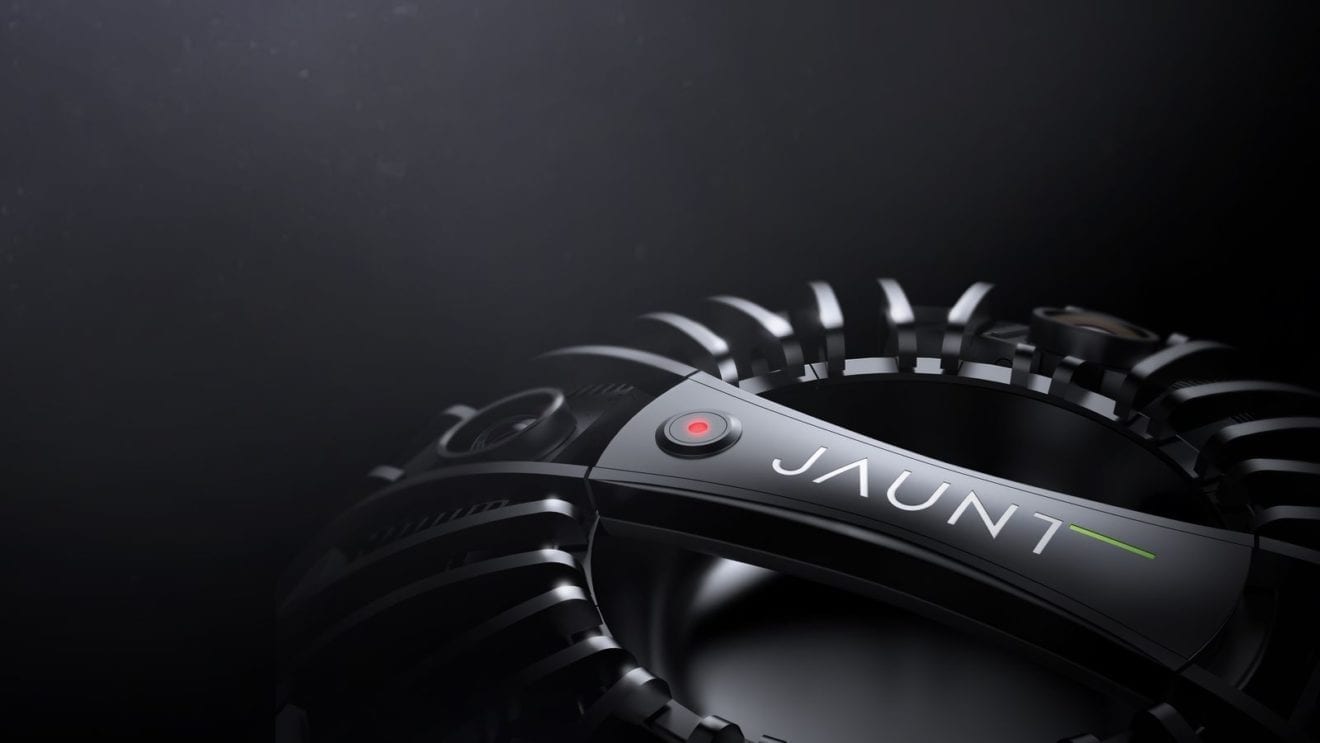
    The new operation was formed in partnership with Chinese media giants Shanghai Media Group and China Media Capital. The former will also invest in Jaunt’s U.S.-based efforts. Jaunt China will function, much like its American counterpart, as an end-to-end VR production and distribution platform, and will utilize the company’s high-end VR camera.

  • Nestle offers overseas products to Chinese consumers through new partnership with Alibaba

    Nestle offers overseas products to Chinese consumers through new partnership with Alibaba

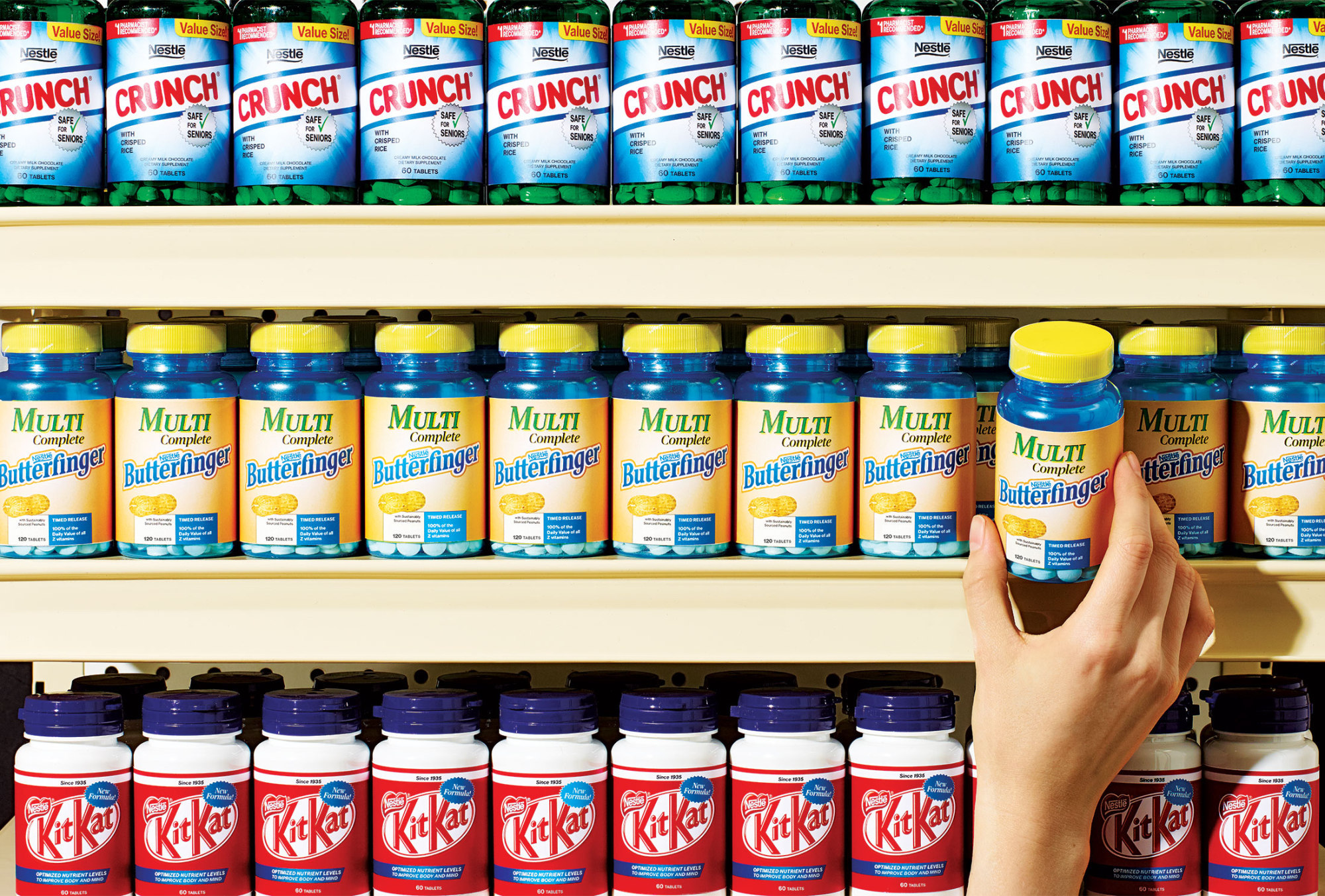
    Nestlé has strengthened its global capabilities in e-commerce by signing a partnership with Alibaba in China, to grow online sales, build key brands and offer new products to millions of consumers.

    Nestlé has introduced products including Nido milk powder, Damak chocolate and Nescafé Dolce Gusto BMW MINI coffee machines on Tmall.com, China’s largest shopping website for brands and retailers. Using Taobao.com, the country’s largest shopping site overall, Nestlé is expanding its distribution in rural areas.

    Nestlé e-commerce successes to date include the Nespresso online boutique, and the recent global launch of super-premium chocolate brand Cailler using Amazon as the primary retailer.

    Sebastien Szczepaniak, Vice President of Group Sales and eBusiness, said that Nestlé’s online sales are growing more than 25% per year.

    “Moreover, offline purchases are increasingly influenced by what we see online, so brand building has gone beyond having good television advertising and nice packaging. Our ability to build brands on any touchpoint, be it digital or analogue, is vital,” he said.

  • Orchard Rd turns to WeChat to drive sales

    Orchard Rd turns to WeChat to drive sales

    A post on Chinese social media platform WeChat touts Orchard Road as a prime spot for a selfie, with its backdrop of high street brands and clean surroundings.

    Another post raves about the value of the dishes at seafood restaurant chain Fish & Co, where appetisers cost between $3.90 and $11.90.

    The Orchard Road Business Association (Orba) set up the WeChat account two months ago to promote the shopping street directly to consumers in China.

    “In China, without a WeChat account, it’s impossible to communicate with the consumers,” said Mr Steven Goh, Orba’s executive director.

    Like many businesses in Singapore, Orba is looking to the Chinese to provide a boost to the flagging retail and tourism sectors.

    The Orchard Road Business Association recently hired a marketing agency in China to come up with twice-weekly posts on its WeChat platform that use the lingo of the mainland Chinese to introduce the brands in Orchard Road. PHOTO: ORCHARD ROAD BUSINESS ASSOCIATION

    Competition from online shops and weak consumer sentiments have translated into lower retail sales. Tourism growth is expected to slow to a crawl this year, as tourists tighten their belts ahead of a weakening global economy.

    The Chinese, however, offer hope.

    Last year, Chinese visitor arrivals grew 22 per cent year-on- year to 2.1 million. Although their expenditure of $2.54 billion was a 4 per cent dip from the 2014 figure, they were still the top spenders among visitors here.

    In recent years, Orba has sent teams to different cities in China regularly to promote the street.

    Recently, it hired a marketing agency in China to come up with twice-weekly posts on its WeChat platform that introduce – in the lingo of the mainland Chinese – the brands in Orchard Road.

    Its efforts complement those of the Singapore Retailers Association (SRA), which roped in Chinese payments firm UnionPay International as a partner of its Great Singapore Sale this year.

    SRA extended the sale to 10 weeks and started it a week later than usual to coincide with most of China’s summer holidays.

    Other retailers are also taking the initiative to cater to the Chinese.

    Retail shop Taula Jewellery in Clarke Quay widened its range in March to include fashion jewellery and items with prices starting from $29, instead of $49 previously. Its Chinese customers prefer fashion jewellery to precious metal jewellery such as silver and gold, and like good deals, owner Kanika Mittal, 35, noted.

    Department store Takashimaya is “displaying more prominently” products that are more highly discounted and appealing to Chinese tourists, who make up 30 per cent of its foreign customers, said a spokesman.

    SRA executive director Anthony Gan said the Chinese tend to look for goods and services tax refund service, shops that accept UnionPay, Mandarin-speaking staff and special offers.

    The spending patterns of Chinese tourists have evolved, said UnionPay International South-east Asia general manager Yang Wenhui. He said it was “seeing spending on hotels, supermarkets, dining, airlines and retail grow at a much faster rate than luxury goods in general”.

    Tourism consultant Edward Chew said Chinese tourists no longer “purchase everything they come across”, with many international brands now available in China.

    The former Singapore Tourism Board regional director for Greater China said: “We need to distil what Singapore is good for and strong in and what’s unique about our retail scene, and actively promote them to the Chinese traveller in Singapore.”

  • Niologie China receives RMB20m. boost

    Niologie China receives RMB20m. boost

    Hong Kong women’s apparel company Niologie Limited has received a capital injection of RMB20 million (US$3.034 million) for its wholly owned subsidiary Niologie China from one of China’s largest fashion brands.

    Shanghai La Chapelle Fashion gains a direct holding of 16 per cent of the shares of Niologie China through the investment co-operative agreement with its wholly owned subsidiary Shanghai La Chapelle Enterprise Management.

    Originating in Hong Kong, Niologie China’s Tanni brand is a mid- to high-end lifestyle store brand with romantic European styling encompassing women’s apparel, handbags, footwear and accessories as well as houseware products. A significant characteristic of the brand, which entered mainland China in 2010, is its floral prints, designed exclusively by a UK team.

    Shanghai La Chapelle believes the investment complies with its “product-oriented, fashionable and high-quality” brand philosophy, and will help it consolidate its leading position in China’s apparel market. Through the investment in Tanni, the group aims to enrich its mid-range to high-end product mix and accelerate the development of its multi-brand strategy, while the brand itself can leverage the group’s channels and supply-chain management capability for expansion and improved margins.

    “With the constantly changing fashion trends in apparel and the need to satisfy consumers’ requirements for a more sophisticated shopping experience, apparel retailers have to adjust their sales model in order to capture first-mover advantages and expand market share amid intense market competition,” says La Chapelle executive VP Wang Yong.

    “The Tanni brand has an independent design team, offers individualised products, stable domestic and overseas product channels, an excellent marketing system and speedy and stable logistics systems enabling a fast market response.”

    Founded in 1998, La Chapelle designs, markets and sells apparel products with a focus on mass-market women’s casualwear. Its retail network comprises 7893 outlets in about 2500 locations across China.

    Founded in 2010, Niologie China is the first women’s apparel brand chain in China to introduce European lifestyle-brand shops. The company has directly run shops in major business districts in Beijing, Nanjing, Hangzhou, Shenyang, Dalian and Harbin.

  • Starbucks Disneytown cafe opens

    Starbucks Disneytown cafe opens

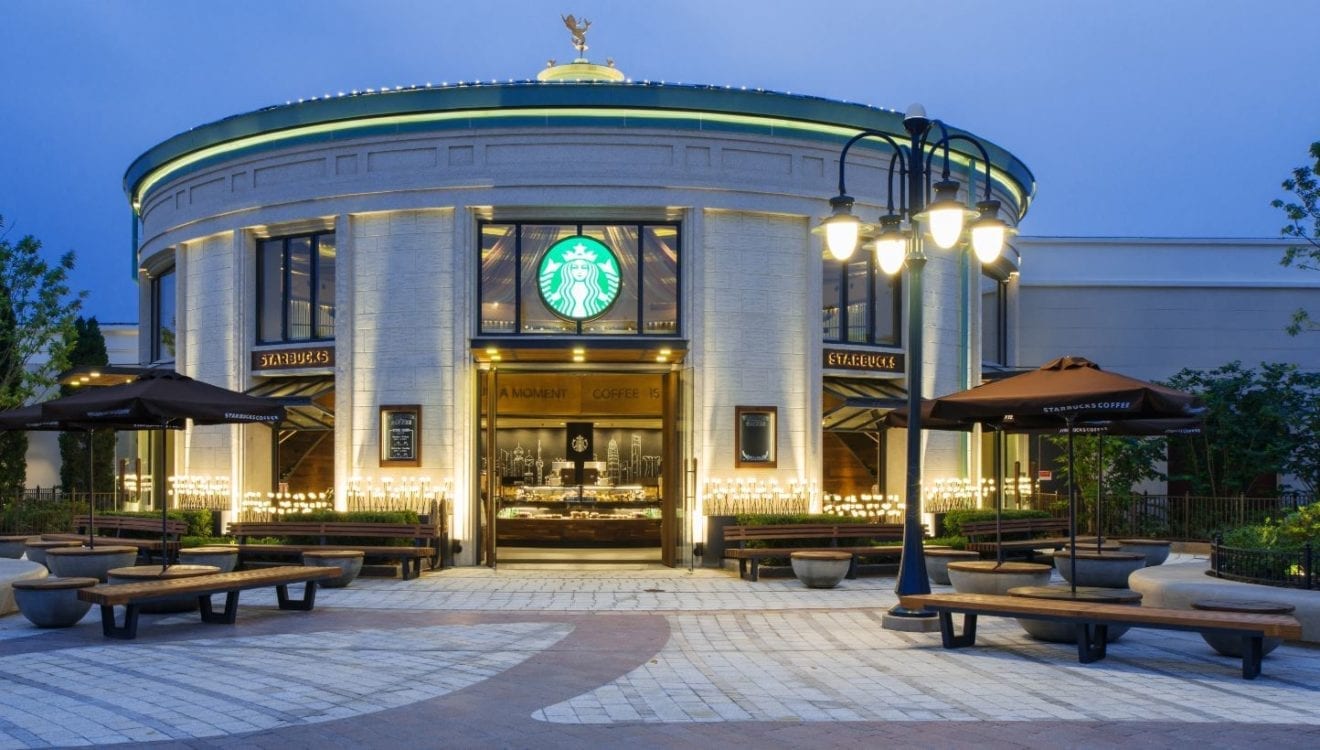
    Starbucks has opened its first flagship store within a Disney resort in Asia.

    The new Starbucks Disneytown Shanghai cafe opened on Wednesday. It will employ 110 staff creating a destination for resort-goers to relax and recharge.

    “We will bring to life the craft of coffee in an immersive environment which will include new menu ordering options through a variety of mobile devices,” said Starbucks in a statement.

    Starbucks_Disneytown_China_(2)

    With the addition of this latest flagship store in Shanghai, China will be the only market in Starbucks China and Asia Pacific region to pioneer and operate four distinct flagship stores.

    “China today represents the most significant and exciting opportunity ahead for Starbucks and our aspiration is to delight our customers and partners throughout China with an extraordinary store experience,” said John Culver, group president of Starbucks China and Asia Pacific.

    “We expect the Starbucks Disneytown flagship store to be one of our busiest stores globally, serving and bringing the unique Starbucks experience to thousands of customers daily,” said Culver.

    “This store builds on our ongoing commitment to the China market, following the announcement of our plans to open a Starbucks Roastery and Reserve Tasting Room in Shanghai late next year.”

    “First of its kind experience”

    Reflective of Starbucks unique, sophisticated and locally relevant design, customers will immediately recognise the two-story Starbucks Disneytown store located at the crossroads of the shopping, dining and entertainment district just outside the main entrance to the theme park, adjacent to the Wishing Star Park. Atop the store, a specially crafted wind vane will evoke the playfulness of Disney with the Starbucks siren.

    Starbucks_Disneytown_China_(3)

    Upon entering through grand, castle-like doors customers will be greeted by a Starbucks barista and a sweeping view of a warm, inviting environment created out of natural woods and materials reflecting the raw, agricultural roots of coffee. Seating will surround the cafe bar allowing families and friends to gather, creating connection and community as they immerse in the story of coffee.

    The first and second floors of the store will be joined by gently terraced stairs, and the copper wall panels celebrate the different degrees of coffee roasting highlighting the proud coffees in Starbucks portfolio.

    Starbucks_Disneytown_China_(5)

    Hanging from the ceiling is a delicately constructed piece of artwork designed from gold and white metal wiring inspired by latte art crafted by baristas, while a mural of the Starbucks siren is made out of Starbucks cups. A centerpiece, this mural includes intricately designed silhouette scenes inside a handful of cups designed by local artists representing China’s cultural heritage.

    Technology

    Starbucks_Disneytown_China_(1)

    For the first time in China, the traditional menu board is replaced by a digital menu. Customers can order their favorite beverages and food using a mobile handheld device available at the store or from their personal mobile device. This integration of technology offers a convenient experience that was inspired by Starbucks stores in the US, including its express format on Wall St in New York and the Starbucks Roastery located in its hometown of Seattle, Washington.

    “This new Starbucks Disneytown Flagship store will bring its own distinctive, unforgettable moments of connection while inspiring playful imagination for customers of all ages,” added Henry Xie, GM of President Starbucks Coffee Shanghai Co.

    This new Shanghai location is the 12th Starbucks store globally to open as part of a Disney resort.

  • Hong Kong’s Link REIT posts double-digit growth

    Hong Kong’s Link REIT posts double-digit growth

    Link Asset Management, which manages Link Real Estate Investment Trust, Link REIT, increased both its revenue and net property income by double figures during the year ended March 31.

    Revenue rose 13.2 per cent to HK$8740 million (US$1125.68 million), while property income rose 14.9 per cent to HK$6513 million.

    During the year, the value of its investment properties portfolio – including property under development and properties in mainland China acquired during the year – continued to improve, reaching $160,672 million, an increase of 16.1 per cent.

    “The past 10 years have seen the transformation of Link from being a passive manager of a portfolio of legacy assets to becoming an innovative and world-class real-estate investor and manager,” says the group.

    An active and productive financial year saw the group capitalise on high-potential investment opportunities, and it also launched its new brand, in development for two years.

    It was also an important year for improving its portfolio, refining tenant mix and enhancing properties in Hong Kong, disposing of non-core properties and adding two properties in mainland China.

    “The management of our retail and car park facilities has evolved to be our strength and expertise,” says the group. “Through scalable innovation, we continue to leverage on this competitive advantage. This strategy is supported by close monitoring and analysis of changes in district demographics and shopper preferences.”

    Retail growth

    Despite a challenging economic environment in Hong Kong, the group’s retail portfolio showed resilience. There was growth in nearly all areas of retail through the group’s leasing strategy to attract more productive tenants, especially in the food and beverage sector, and to cut down large shops into smaller ones.

    Occupancy rate for the portfolio reached 96 per cent, with a record 6.7 per cent year-on-year retail rental growth.

    Link segmented its Hong Kong portfolio into three groups – Destination, Community and Neighbourhood – for management and marketing tailored to different types of tenants and shoppers. Destination shopping centres contributed to 17.1 per cent of the portfolio’s retail rentals.

    During the year, the group acquired EC Mall in Beijing and Corporate Avenue 1 & 2 in Shanghai. In Zhongguancun, the “Silicon Valley of China”, EC Mall offers mass-market retail products, and reached 100 per cent occupancy by the end of the financial year.

    In February, the group acquired 700 Nathan Road in Mong Kok through a government tender. With its location and catchment, the property will be converted into a retail podium and tower.

    Five asset-enhancement projects were also completed during the year: Tsing Yi Commercial Complex, Temple Mall North, Long Ping Commercial Centre, Wo Che Plaza and Tin Shing Shopping Centre.

    Temple Mall North (previously Lung Cheung Plaza) in Wong Tai Sin was rebranded and upgraded to offer more space and shops. The atrium was revamped to cater for marketing activities.

    Also rebranded was Wong Tai Sin Plaza, connected to Temple Mall North by a footbridge, as Temple Mall South. The two shopping centres are now run as one mall.

    Given changes in demographics from new residential projects nearby, Tsing Yi Commercial Complex and Long Ping Commercial Centre were also improved, and Tin Shing Shopping Centre has been reconfigured with its fresh market repositioned as a regional fresh market.

    Already the group has 11 enhancement projects in progress with another eight to start, and more than 16 other projects undergoing review.

  • Chinese etailer Globalegrow boosts authenticity promise

    Chinese etailer Globalegrow boosts authenticity promise

    Chinese etailer Globalegrow says it has taken steps to ensure what foreign customers order is what they get at a time foreign shoppers are increasingly wary of the authenticity of Chinese-sourced products.

    Globalegrow, whose full name is Shenzhen Global E-Grow Electronic Commerce Co, operates several eCommerce websites in the US, including SammyDress.com, RoseGal.com and Zaful.com, providing consumers direct access to “affordable, trendy fashion”.

    A company spokesperson said while its primary focus is on maintaining low prices, it considers it of equal importance that customers are assured its products and services meet their needs and expectations.

    “To that end, the company has developed a two-year plan to enhance its quality assurance and customer service procedures.’

    That plan includes:

    • In-house inspection of all Globalegrow products before shipping, to ensure all consumers receive the high-quality items that they expect.
    • In-house advertising, in which the company will photograph 100 per cent of the items sold on its websites to ensure accurate representation of its products.
    • Streamlined and clarified return policies.

    The company has already increased its customer services agent staffing levels by 150 per cent during the last six months and now has agents available 24/7 to respond to customers via email or on live chat.

    Globalegrow says it has also enhanced its vendor selection process and has ended relationships with vendors that “were not meeting its standards of honesty, quality, and trust”.

    “The company follows a four-step process that includes reviewing product quality, inspecting factories and production processes, verifying certifications and qualifications and instituting an ongoing process for continuing assessments and feedback.

    “Globalegrow is dedicated to honesty, quality, and trust, and welcomes feedback and suggestions as it continues to develop its international business offering direct-to-consumer affordable fashion,” the spokesman said.

    Founded in 2007, Globalegrow describes itself as a cross-border eCommerce enterprise that imports products to China and exports Chinese products all over the world.

  • One of the final hurdles for biggest beer deal almost cleared

    One of the final hurdles for biggest beer deal almost cleared

    Anheuser-Busch InBev’s $107bn acquisition of SABMiller is nearing Chinese approval after the companies agreed to divest the maker of Snow beer, the world’s top-selling brand, according to people familiar with the matter.

    Approvals for both transactions could come as soon as this month based on typical review timelines, clearing one of the final hurdles for the biggest beer deal in history.

    DEBT BREWING: AB InBev agreed to buy SABMiller in October for about $110bn. Picture: REUTERS

    Though China’s Ministry of Commerce may attach some conditions to the deal, including the Snow divestiture, regulators see no major hurdles, said one of the people, asking not to be identified because the deliberations are private. Some local beermakers told the ministry that they don’t object to the takeover as it won’t have a big impact on the Chinese market, another person said.

    SABMiller shares closed up 3 pence to £43.06 in London, erasing an earlier decline. AB InBev shares fell less than 1% to €114.95 in Belgium.

    The merged company would redraw control of the global beer market. Following divestitures, the deal will keep Budweiser, Beck’s and Stella Artois under AB InBev’s roof, while ceding control of brands including Miller in the US and Peroni and Pilsner Urquell in Europe.

    In China, the companies agreed to sell SABMiller’s 49% stake in its joint venture with China Resources Beer, which controls Snow beer, back to its partner.

    Deals unravelled

    In clearing these global hurdles, the beer megadeal contrasts with other big proposed tie-ups that unravelled amid antitrust scrutiny, including Halliburton’s failed bid for Baker Hughes, Staples’s foiled merger with Office Depot and General Electric’s decision to abandon the sale of its appliance business to Electrolux. In the beer deal, the sides were aggressive in offering divestitures from the start — including the plan for SABMiller to sell Snow — which may have ultimately helped reduce regulatory resistance, antitrust lawyers have said.

    The US Justice Department may clear the tie-up as soon as this month, people familiar with the process have told Bloomberg News. SA has yet to bless the deal, which has hit some obstacles amid protests from local unions.

    AB InBev and SABMiller declined to comment. China Resources and the commerce ministry didn’t immediately respond to queries.

    The merger plan, which the two companies reached in November as a way to gain access to emerging markets, has already won antitrust approval in more than a dozen jurisdictions, including the European Union.

    In March, China Resources announced it would buy out SABMiller’s stake in their Chinese venture for $1.6-billion. That deal is also nearing approval from China’s commerce ministry, the people said.

    In the US, AB InBev has agreed to sell SABMiller’s stake in the MillerCoors joint venture. It may also have to agree to further conditions related to beer distribution, according to people familiar with the matter. Smaller brewers and wholesalers want officials to restrict AB InBev’s control and influence over how beer gets on to store shelves, according to the people.


  • Bebe Stores forms global JV with Bluestar Alliance

    Bebe Stores forms global JV with Bluestar Alliance

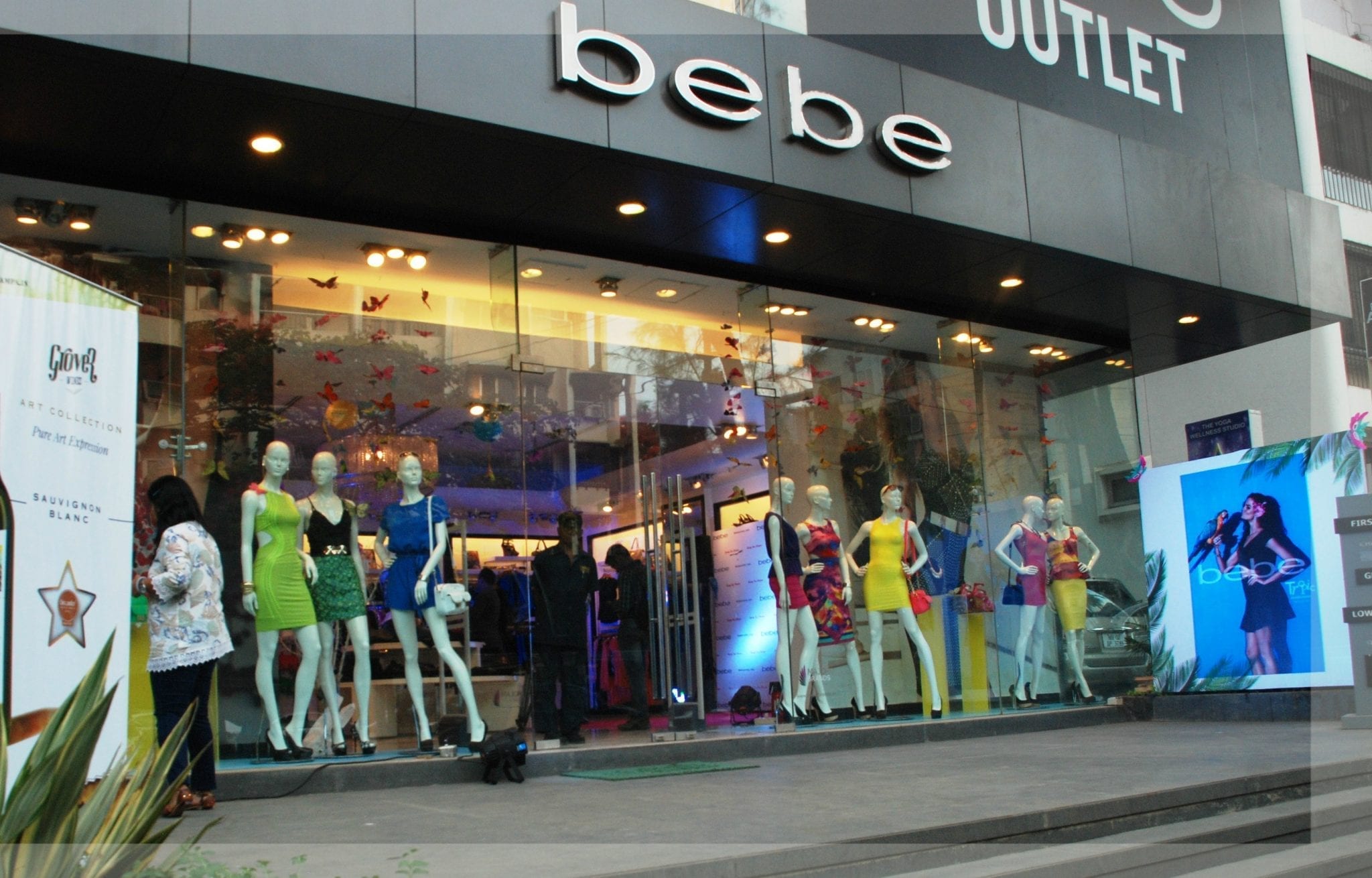
    Bebe Stores has entered into a joint venture with Bluestar Alliance to take over its global marketing and store operations, including in Asia.

    Bluestar, a privately owned brand management company founded in 2006, has paid US$35 million to Bebe Stores for its minority stake in the new company. Until now, Bluestar has managed a plethora of little known brands spanning mass market to luxury, but with cumulative international sales of $1.5 billion through some 200 licensees. Those brands include Kensie, Nanette Lepore, Catherine Malandrino, Michael Bastian, English Laundry and Limited Too.

    Bebe founder, chairman and CEO Manny Mashouf says while Bebe is “one of the great global brands in the women’s fashion world”, the value of the brand, its reach and potential is clearly not reflected in investors’ current perception of the company and its valuation.

    “The strategic decision to aggressively pursue a licensing strategy allows us to capitalise on the value of our brand in all categories and channels on a global scale. We have seen significant demand from prospective licensees and expect to generate long-term, committed royalties.”

    The new JV will manage the brand in both domestic and international markets, including in China where Bebe has achieved rapid growth since forging a five-year partnership with Shanghai-based brand agency Longgoal LLC last August to open between 60 and 150 Bebe stores, shop-in-shops and third-party retailers in Greater China, Hong Kong, Macau and Taiwan. The first store is expected to open in summer 2016.

    Joseph Gabbay, Bluestar CEO said Bebe is an iconic contemporary women’s brand with a loyal customer base and growing international presence.

    “We believe the company has significant long-term growth potential given its distinct market position, multiple channels of distribution and growing international brand awareness. We see a tremendous opportunity to leverage our brand expertise and capitalise Bebe’s differentiated market position to build a global contemporary lifestyle brand.”

    So far, Bebe has licensees in just 20 international markets. It operates 147 retail stores under its own brand and the sister label Bebe Sort, bebe.com and 39 outlet stores in the US, Canada and Peurto Rico.

    The company embarked on a restructuring plan in February after announcing a second quarter loss, laying off 45 employees and replacing then-CEO Jim Wiggett with Mashouf.

  • Chow Tai Fook’s Profit Dives 46% in Fiscal 2016

    Chow Tai Fook’s Profit Dives 46% in Fiscal 2016

    Chow Tai Fook reported profit tumbled 46 percent in the past fiscal year as fewer tourists visited Hong Kong and a downturn in Greater China reduced consumer spending.

    Profit slumped to $383.6 million (HKD 2.98 billion) in the 12 months that ended March 31, the Hong Kong-based jewelry retailer said. Revenue slid 12 percent to $7.3 billion (HKD 56.59 billion). Jewelry sales in mainland China dropped 11 percent and in Hong Kong and Macau declined 15 percent.

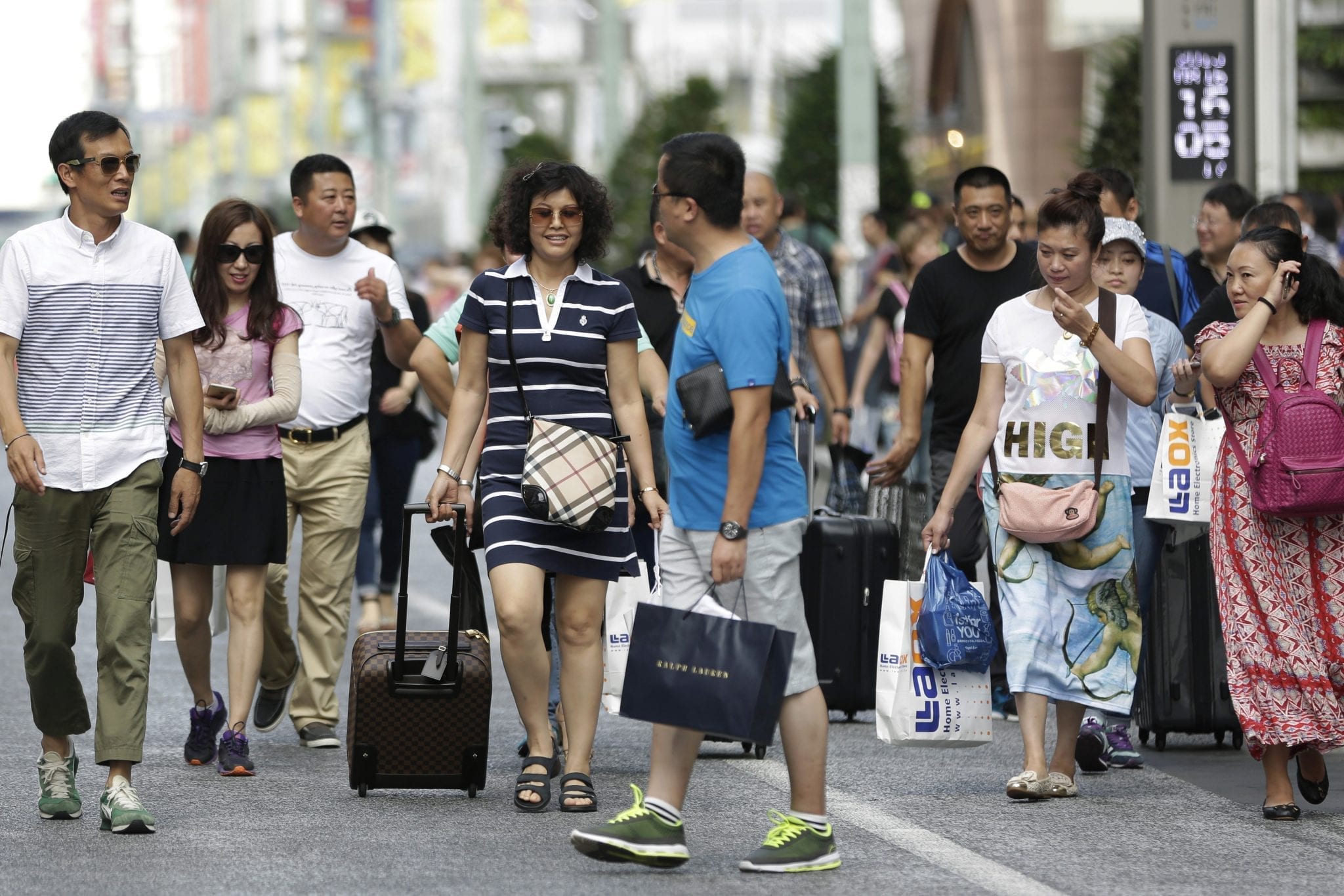
    Tourist arrivals from the mainland retreated 8.6 percent in Hong Kong and 3.7 percent in Macau during the fiscal year, the jeweler pointed out. Mainland China contributed more than 50 percent of group revenue during the year, a figure that has increased over the past three years. The jeweler said it is still “confident” about the long-term growth potential in the region.

    The “persistently weak retail sentiment” and a “decline” in the number of tourists, particularly from the mainland due to a “strengthening” of the U.S. dollar, continued to affect operations, Chow Tai Fook said.

    “The increasingly affluent and sophisticated Chinese consumers continue to look for more personalized products and shopping experience,” the company added.

    The company, however, pointed out its core operating profit – a non-IFRS measure that Chow Tai Fook believes is a useful measure of its operational performance – fell 24.5 percent, a better outcome compared with net income.

  • Korea clamps down on Chinese tour operators

    Korea clamps down on Chinese tour operators

    An influx of dodgy Chinese tour operators has prompted the South Korean government to mount a clampdown.

    Authorities say they will tighten regulations on tour operators that lure Chinese travellers with cheap, low-quality packages to screen out substandard agencies and improve the tourism industry’s competitiveness.

    A key problem is the practice of forcing travellers to shop at particular retailers in return for brokerage fees.

    The Ministry of Culture, Sports and Tourism said Tuesday it will form a task force with related organisations to crack down on tour operators that offer low-quality programs.

    “As the inbound travel market is the key industry directly linked to the national image and interests, the government and industry should make concerted efforts to correct the market order and improve the quality of the overall market,” vice culture Minister Kim Chong said in a briefing.

    In March, the ministry revoked the licenses of 68 tour operators, about 40 per cent of the agencies specialising in Chinese travellers, for offering unreasonably cheap prices and employing unqualified tour guides.

    Tour agencies targeting the Chinese have sprung up in recent years as the popularity of K-pop and Korean dramas have attracted more visitors from the Asian neighbour. But cutthroat competition has prompted some agencies to offer cheap package programs that include filthy rooms and expensive options, and often force tourists to drop by several souvenir shops to reap commissions.

    A recent tourism survey revealed that overall satisfaction among Chinese travelers fell 0.7 percentage point to 94.1 per cent in 2015. In particular, group travellers were less content with dining experiences than individual tourists.

    The ministry will also step up monitoring on unqualified tour guides near shopping centres and offer customised tour guide training programs in the medical, heritage and sports sectors.

    To address growing complaints, top tourism officials of South Korea, China and Japan will have a trilateral meeting in August to discuss ways to enhance the quality of the tourism industry in the respective countries and screen out substandard operators.

    The number of Chinese tourists visiting South Korea had sharply risen since 2010, but it fell 2.3 per cent on-year to 5.98 million in 2015, hurt by the Middle East Respiratory Syndrome outbreak.

    South Korea aims to attract 8 million Chinese tourists this year by offering various specialised tour packages in fashion, beauty, culture and leisure; adopting eased visa regulations; and expanding air routes between the two nations.