Tag: China

  • Chow Tai Fook takes it slow in China after profit slump

    Chow Tai Fook takes it slow in China after profit slump

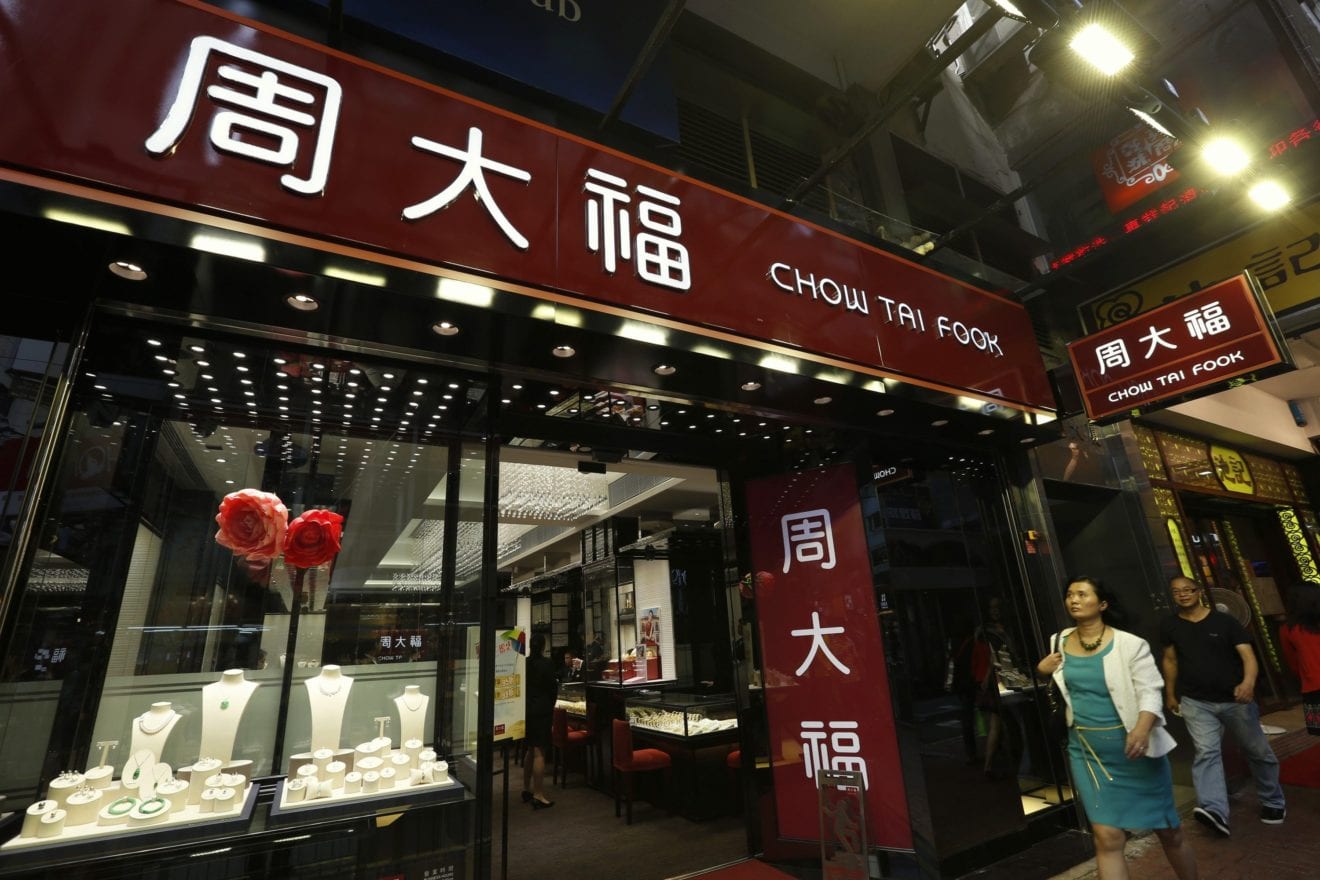
    Chow Tai Fook Jewellery Group, the world’s largest listed jewelry chain, will be more “selective” in expanding in mainland China, after it posted on Tuesday the steepest decline in full-year profit since it listed locally due to the economic slowdown.

    Listed in 2011, the jeweler saw its net profit plunge 46% to 2.94 billion Hong Kong dollars ($379 million) for the 12 months ended in March, in line with its profit warning issued on May 12. Full-year revenue fell 12% to HK$56.59 billion from a year ago. Its mainland business contributed more than half of its revenue.

    “The market is still subject to short-term volatility,” said Chairman Henry Cheng Kar-shun, son of Hong Kong billionaire Cheng Yu-tung whose business empire includes developer New World Development and transport companies. “But we are cautiously optimistic about the long-term growth prospects in the greater China market.”

    Chow Tai Fook’s retail network expanded to 2,300 points of sales in mainland China, Hong Kong, Macau, Taiwan and South Korea as of end-March, with a net addition of 62 from a year ago. Managing Director Kent Wong Siu-kee told reporters that net store openings will be similar to last year, but a majority of them will be in third- and fourth-tier Chinese cities, citing lower business costs there.

    The group will shut down seven to eight stores in Hong Kong and Macau to cut cost, although it does not have large-scale layoff plans this year. Last year, it lost about 9% of its staff in Hong Kong and 6% in mainland China. “The pie [of luxury retail] is so much smaller than before,” said Cheng, but added that the retail downturn was cyclical rather than structural.

    Hong Kong retailers still face challenges as sales fell for the 14th consecutive month in April, with a dwindling number of tourists from mainland China. Sales of jewelry and watches fell 16.6%, according to official statistics, although the decline has narrowed.

    Michael Cheng, Asia-Pacific retail and consumer leader at PricewaterhouseCoopers, expects the luxury sector to recover in 2017 due to a low base effect. “Luxury is a sector so much subject to volatility in the macro market,” he said on Tuesday, adding that more luxury retailers would offer deeper discounts and turn to the “affordable luxury” segment for opportunities.

    Other retailers have a more aggressive China strategy. Rival Tse Sui Luen Jewellery reported a 40% fall in net profit last year, dragged down by a slackening retail market in Hong Kong. The Hong Kong-listed jeweler is counting on the domestic mainland market to drive revenue growth.

    “At least half of our income will come from mainland China,” TSL’s Financial Officer Estella Ng told reporters in late May, adding that the group would open at least 100 sales points there in the next two years.

    Chow Tai Fook’s shares closed 4.8% higher at HK$5.87 on Tuesday before the earnings announcement. Their shares have plummeted 34% from a year ago, widely underperforming the benchmark Hang Seng Index. Analysts at JP Morgan gave it an “underweight” rating with a price target of HK$3.50 as of mid-May, citing “no positive catalysts” for the stock in the short term.

    Despite its weak earnings performance, the jeweler declared a special dividend of HK$0.22, bringing total dividends for the year — including its interim and final payout — to HK$0.8, up from HK$0.28 last year. Analysts said the special dividend was a sweetener to boost its share price, but the management justified it as a move to reward shareholders.

    Nikkei staff writer Joyce Ho in Hong Kong contributed to this story.
  • L’Occitane to expand to China’s lower-tier cities

    L’Occitane to expand to China’s lower-tier cities

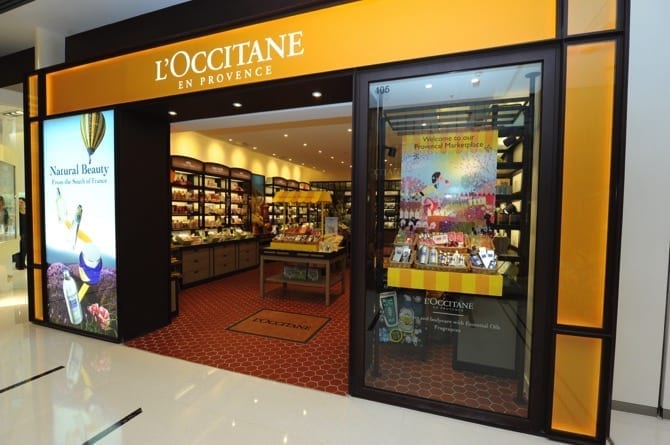
    French skincare brand L’Occitane has revealed its plans to expand into China’s lower-tier cities through e-commerce, in particular Tmall, an online platform for branded goods operated by Alibaba Group Holding.

    The company revealed that it has a marketing partnership with the online platform to meet China’s emerging middle class, who are creating growing demand for imported premium products.

    According to Andre Hoffmann, L’Occitane’s vice chairman and managing director of Asia-Pacific, opening new physical stores in China’s second and third-tier cities would help create brand awareness.

    The group reported that mainland China was its largest source of growth last year, with sales in the country growing 16.8 percent, contributing nearly 30 percent to the company’s overall growth. The company saw an 8.9 percent rise in sales to USD1.45 billon over the 12 months ending in March.

    Meanwhile, L’Occitane held off on plans to expand in Hong Kong and Macau due to the declining numbers of Chinese tourists visiting the two regions. The company revealed that it will be shutting down a store in Hong Kong in September, following a recent closure of one of its shops in Macau.

    “Now [that] mainland tourist numbers are shrinking, maybe we don’t need so many stores to do the same level of business,” said Hoffman in a Nikkei report.

    L’Occitane is planning to continue adding to its 187 stores in 65 cities across mainland China. Some 50 stores, which are set to open globally later this year, will be in mainland China, Japan and South Korea.

    While Hoffman noted that all stores in Hong Kong have been “profitable,” he admitted that the retail market has been “very challenging in the past 18 months.”

    The vice-chairman revealed that its current strategy is to focus more on local costumers, adding, “The mainland tourists are just like the cherry on top of the ice-cream sundae.”

  • Carrefour China beefs up distribution

    Carrefour China beefs up distribution

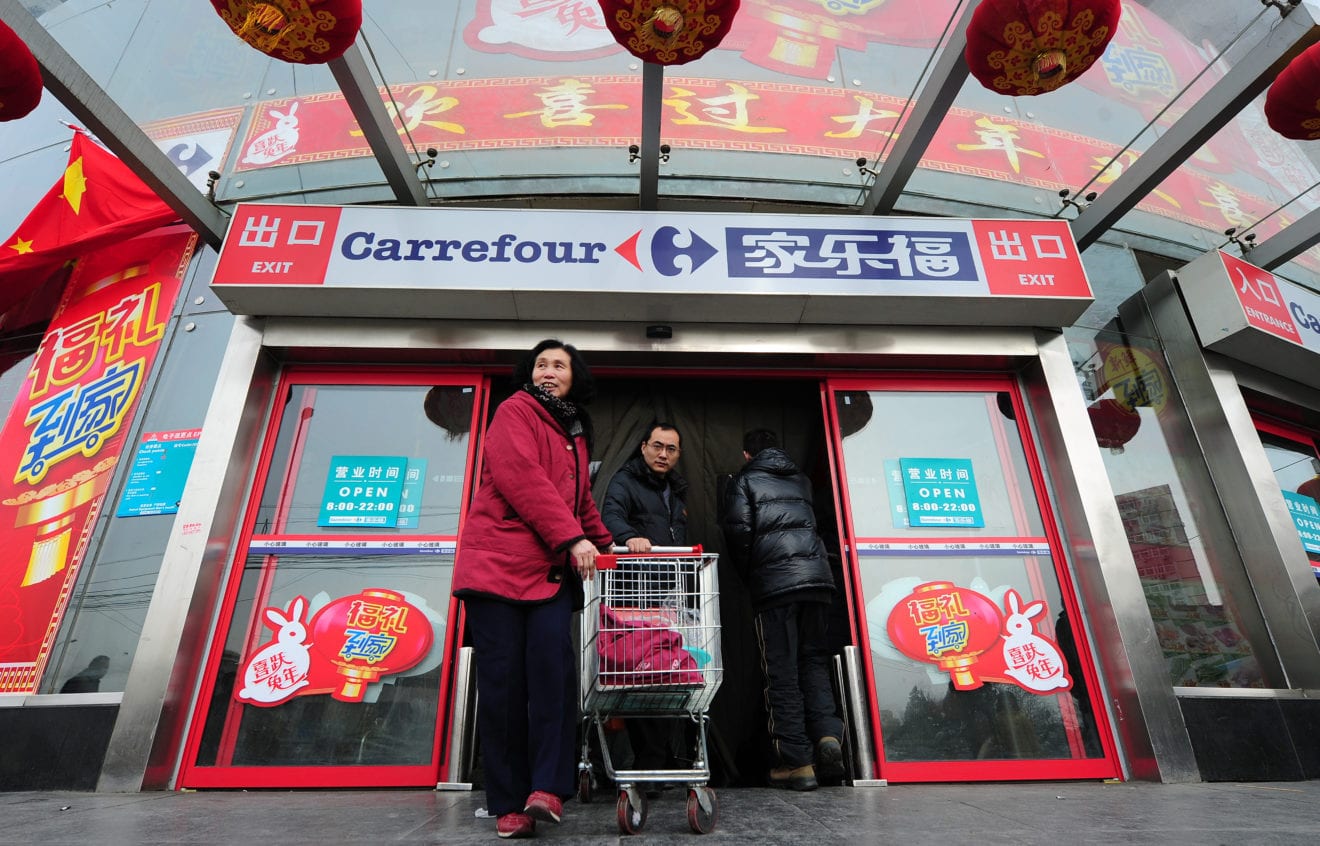
    Carrefour China has opened a new distribution center is in Hongmei Town, Dongguan, Guangdong province.

    It says the centre will play an important role in the supply chain of Carrefour China in South China area, by forming a logistics network covering the Pearl River Delta as well as Fujian and Hainan province, which can increase the logistics efficiency and support stores.

    Carrefour is focused on long-term development in China. Since a new development strategy was implemented in March 2015, Carrefour has  gradually introduced new formats and initiatives, such as an O2O business, convenience stores and opening hypermarkets in new cities. It says strengthening the supply chain network is the key to implementing the new strategy.

    The Carrefour China Logistics Center will provide full support to the 30 stores in Guangdong, Hainan and Fujian province.

    During the last two years, Carrefour China has established four distribution centers in eastern, western, northern and central China.

  • Giorgio Armani Asia suffers in China

    Giorgio Armani Asia suffers in China

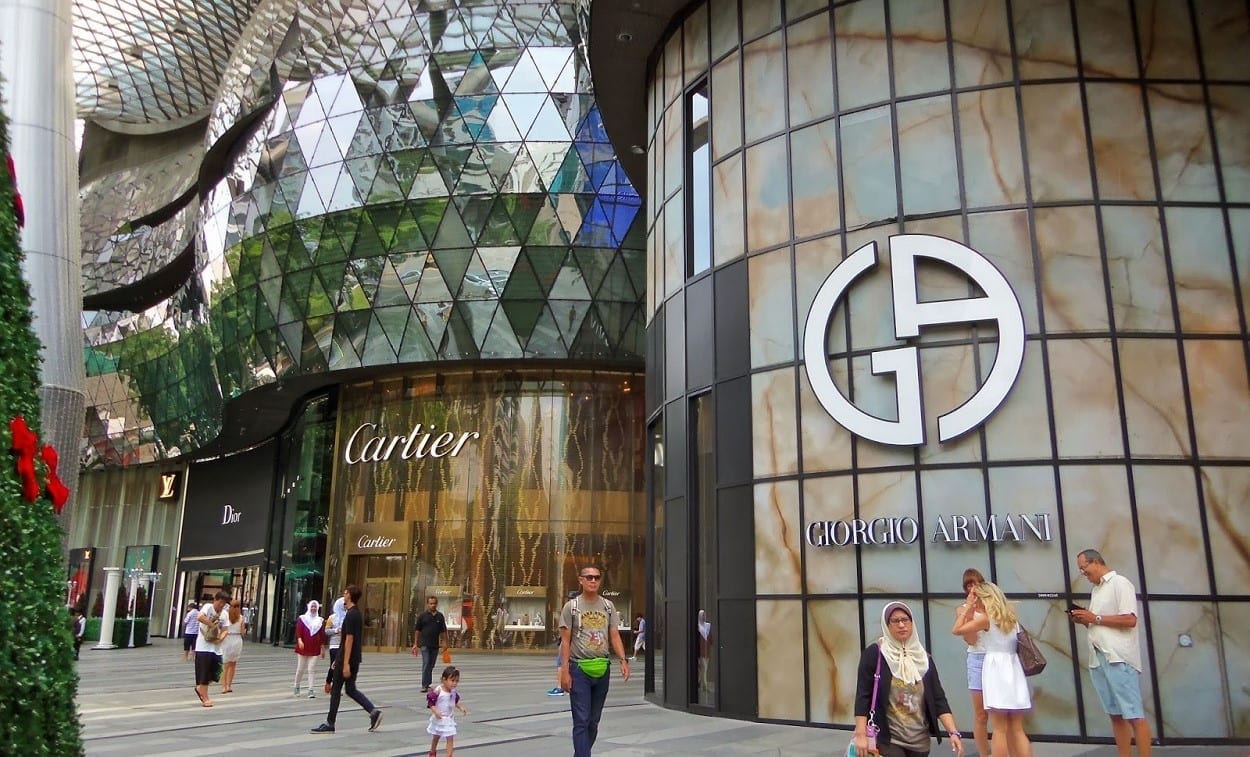
    Italian fashion house Giorgio Armani Asia is the latest luxury retailer to cite greater China as the cause of a downturn in sales.

    Burberry and Hugo Boss have also been hit by China’s economic slowdown, leading to Hugo Boss cutting its prices in Asia.

    Armani says revenues grew 4.5 per cent last year, a 16 per cent drop from the year before. Revenues totalled €2.65 billion (US$ 2.95 billion). Prada had sales of €3.55 billion.

    The Milan-based group, whose products include accessories, cosmetics and furniture, and the more affordable Armani Exchange range, says earnings before interest, tax, depreciation and amortisation edged up 1 per cent to €513 million last year, from €507 million in 2014.

    Despite the slowdown, the firm says its cash reserves of €640 million allowed it to step up investments in its brands to “further strengthen its competitive market position”.

    “These results are the outcome of an attentive diversification policy for the group’s lines, paired with the co-ordination of distribution channels and enhancement of the role that our trade partners play,” says president Giorgio Armani, who founded the company in 1975. The 81-year-old designer is still actively involved in the business.

  • Massive O2O plan by Alibaba and Suning

    Massive O2O plan by Alibaba and Suning

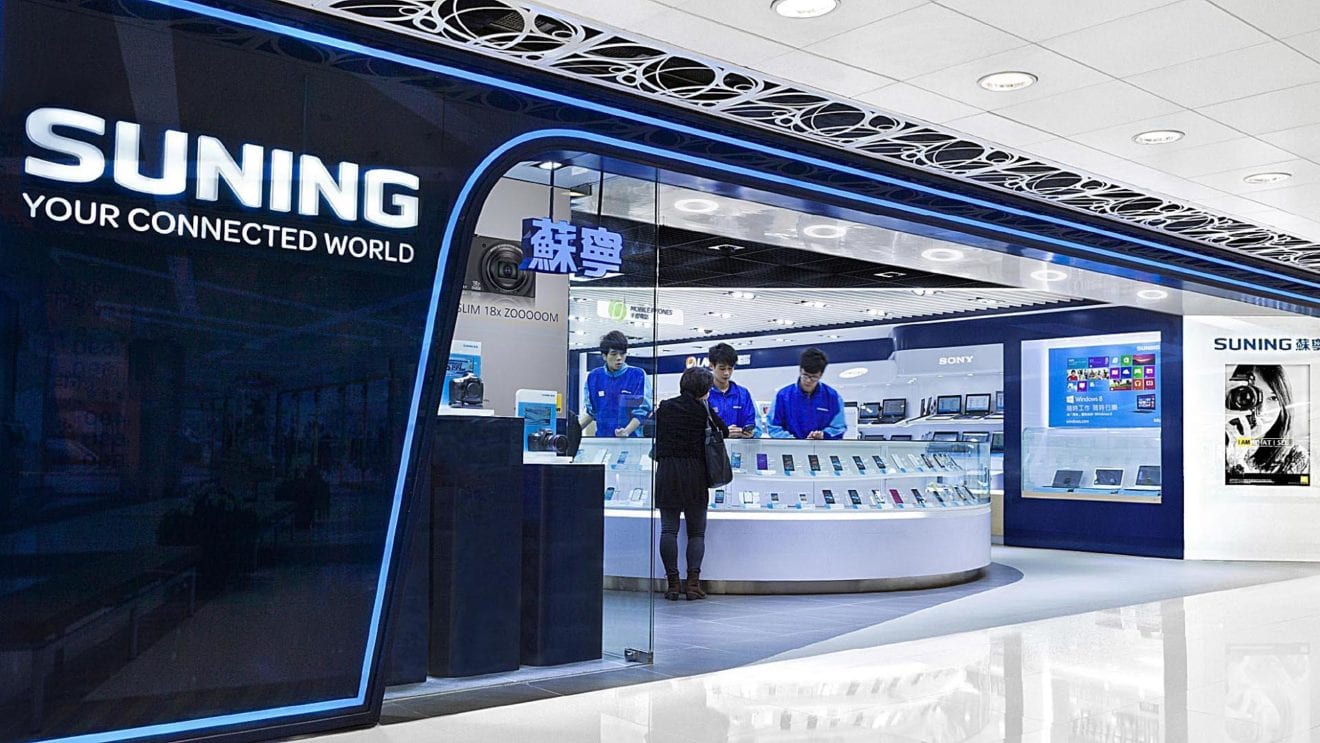
    Alibaba and Suning, one of China’s largest electronics retailers, plan to fuel Chinese and international consumer electronics brands sales over the next three years by investing in an online-to-offline (O2O) retail initiative.

    The pair will work together to build out an O2O, or “omni-channel,” network combining the former’s online retailing assets with the latter’s physical stores and distribution facilities to make purchasing of consumer electronics and home appliances easier for consumers, officials for the companies said at a press conference in Beijing.

    The two companies expect to quadruple sales of major electronics brands – including Haier, Samsung, Xiaomi and Lenovo – over the next three years, using big data from both businesses, said Alibaba Group CEO Daniel Zhang.

    “This can be achieved by integrating the online and offline sales channels under a digitalisation process,” Zhang said.

    Alibaba and Suning began working together on omni-channel retailing last year after Alibaba agreed to invest RMB 28.3 billion (US$4.63 billion) for a near 20 per cent stake in the bricks-and-mortar retailer. Suning’s network of 1600 stores and 5500 after-sales service centers are linked with Alibaba’s online platforms, and Suning’s distribution network, which includes 4.55 million sqm of warehouse space, is used to deliver products purchased online by consumers via Alibaba’s Taobao Marketplace and Tmall.com shopping sites.

    Working with Alibaba’s logistics affiliate Cainiao, Suning and Alibaba currently offer 12-hour delivery of appliances and consumer electronics in Beijing, Shanghai, Guangzhou, Hangzhou, Shenzhen and Nanjing.

    Alibaba and Suning said they will also support electronics brands by allowing them to leverage consumer data on Alibaba’s 423 million annual active buyers and Suning’s 250 million members. Big data technology can enable more targeted sales and marketing campaigns and even provide insights that allow electronics manufacturers to make products that better meet consumer needs, the companies said. Using consumer data, German electronics company Siemens launched a refrigerator customised for Tmall users in March and Chinese appliance maker Midea in May began selling a rice cooker that was designed partly based on Tmall data.

    “We build a bridge between brands and consumers by leveraging data,” Zhang said.

    International and domestic brands joining the Alibaba-Suning support program, called the Super Brand Alliance, include Midea, Haier, Samsung, Hisense, Huawei, Xiaomi, Lenovo, Siemens, Sony, Skyworth and Canon.

  • Caffe Bene Korea losses soar

    Caffe Bene Korea losses soar

    Beancounting has taken a turn for the worse for Caffe Bene Korea, which has just reported a net loss of US$30 million.

    The coffee shop chain’s turnover was $97 million, according to a corrected annual report filed with South Korea’s Financial Supervisory Service. This was down from $122.5 million the previous financial year, when the net loss was $7.1 million.

    It has been three years since the company turned a profit.

    The chain – which specialises in iced desserts as well as hot and cold coffees – has culled its Mainland China network from 600 stores back to 400 during the last two years. It has apparently failed to find a partner with which to enter the Hong Kong market.

    For the quarter ending March 31, Caffe Bene had $15.6 million in sales, down from $23.7 million for the same period last year.

    According to the company’s latest count in April, its Korean outlets have fallen to 850, from a 912 peak two years ago. It is competing against about 30 coffee chains in Korea.

    “Too many menu items brought considerable operational burden to each outlet store,” says deputy-GM for Korea Jong Wook Kim. “To resolve this issue, Caffe Bene is reducing the number of items and focusing on what customers prefer most.”

    Founder Kim Sun-Kwon’s stake in Caffe Bene has dwindled from nearly 50 per cent to 4 per cent, and last year he stepped down as CEO in favour of Choi Seung-Woo, a former chief of Woongjin Food. In March, Kim was out as president.

    Meanwhile, Korean investment firm K3 Equity Partners converted enough preferred shares to take a 52 per cent stake in Caffe Bene, and in March, Hallyu Ventures – a joint venture between Singapore’s Food Empire and Indonesian conglomerate Salim Group – paid $13 million for an initial 38 per cent interest.

    Units worldwide, including a claimed presence in seven Southeast Asian markets, including the Philippines where it operates five stores after landing in 2008, and in Vietnam, stand at 1364, down from 1560 two years ago.

    Caffe Bene has also had a roasting in the US, where it has been the subject of several lawsuits by franchisees.

  • Suning-Inter Milan is just a beginning of a Giant Dream

    Suning-Inter Milan is just a beginning of a Giant Dream

    The new Suning-Inter Milan deal marks just the first step in a far greater ambition for Chinese retail giant Suning, which plans to run a global sports empire including online broadcasting.

    Suning and Inter Milan are scheduled to make an announcement in Nanjing today, confirming the retailer will buy a majority stake in the soccer club. However, Reuters reports that Suning is seeking deals to help create a global sporting “ecosystem”, including not only club ownership, but sports media rights, player agencies, training institutions, broadcast platforms, content production and sports-related eCommerce.

    Having a majority stake in Inter Milan would make Suning the first mainland Chinese business to control a major European soccer entity. With annual revenues exceeding US$20 billion, Suning already owns local soccer club Jiangsu Suning and has spent millions of dollars bringing in players including Brazil’s Alex Teixeira and former Chelsea midfielder Ramires.

    It also has ties with Spanish champion FC Barcelona and England’s Liverpool FC, and has a stake in Chinese online content platform PPTV.

    Suning’s moves are echoed by other Chinese investors who have taken minority stakes in England’s Manchester City, Spain’s Atletico Madrid and New York City FC. Spanish club Espanyol and England’s Aston Villa are Chinese-owned, while Inter Milan rival AC Milan is discussing the sale of a majority stake to a group of Chinese investors.

    Inter Milan is currently owned by Indonesian tycoon Erick Thohir, while former owner Massimo Moratti retains a nearly 30 per cent stake.

  • Alibaba makes unconventional strides in Korea

    Alibaba makes unconventional strides in Korea

    Alibaba Group is raising its profile here in a slow, yet unconventional way, as its business strategy is far from that of other companies whose primary goal is to maximize profit.

    China’s largest e-commerce company was not well known to Korean customers before it surprised the world in 2014 with its record-breaking initial public offering at the New York Stock Exchange.

    In the same year, the company made its first noteworthy appearance here, with Chairman Jack Ma visiting Seoul to meet President Park Geun-hye to discuss business collaboration with Korean companies.

    Alibaba and its key affiliates have since formed partnerships with local companies in what critics say is a move to diversify its revenue streams, as other overseas information and communication technology (ICT) giants have done.

    But revenue generation has not been the core of its business and partnerships, given its two-year operations here. The company, instead, has focused on building an environment in which small Korean companies can sell things abroad.

    This is in line with its corporate vision: Making transactions easier anywhere. The Alibaba founder identified the need to build such an environment in China when he established the firm in 1999. He said he wants to apply the same philosophy to other countries, including Korea.

    “Alibaba does not have any plans to directly open an online shopping platform in Korea, as our ultimate goal is to become a company helping other firms to benefit from e-commerce,” he said last year when celebrating the launch of the Korea Pavilion on its business-to-customer (B2C) retail site, Tmall.

    The Korea Pavilion was Alibaba’s first official country pavilion on its website, selling genuine Korean products to Chinese customers.

    He then dispelled concerns that the company may become a potential threat to local e-commerce operators. The Alibaba chief made it clear that Alibaba hopes to become a “facilitator” to help Korea’s e-commerce grow, allowing small companies to sell their products to Chinese customers.

    All of its partnerships in Korea have so far come under this corporate motto.

    Major collaborations include the Korea Exemplary Food Exhibition project, for which the nation’s Ministry of Agriculture, Food and Rural Affairs and 1688.com, Alibaba’s business-to-business (B2B) online trading site in China, joined hands. This was in October 2014, in the e-commerce giant’s bid to introduce Korean food to the Chinese B2B market.

    In May, its cloud-computing affiliate, Alibaba Cloud, partnered with two Korean firms ― SK C&C and Bankware Global. During the announcement, Alibaba allowed its two local partners to announce their visions through the collaboration.

    This symbiotic corporate management policy is part of Alibaba’s efforts to make the company last for more than 100 years, which will cross three centuries, according to the Alibaba chief.

  • Michael Kors acquires Greater China licensee

    Michael Kors acquires Greater China licensee

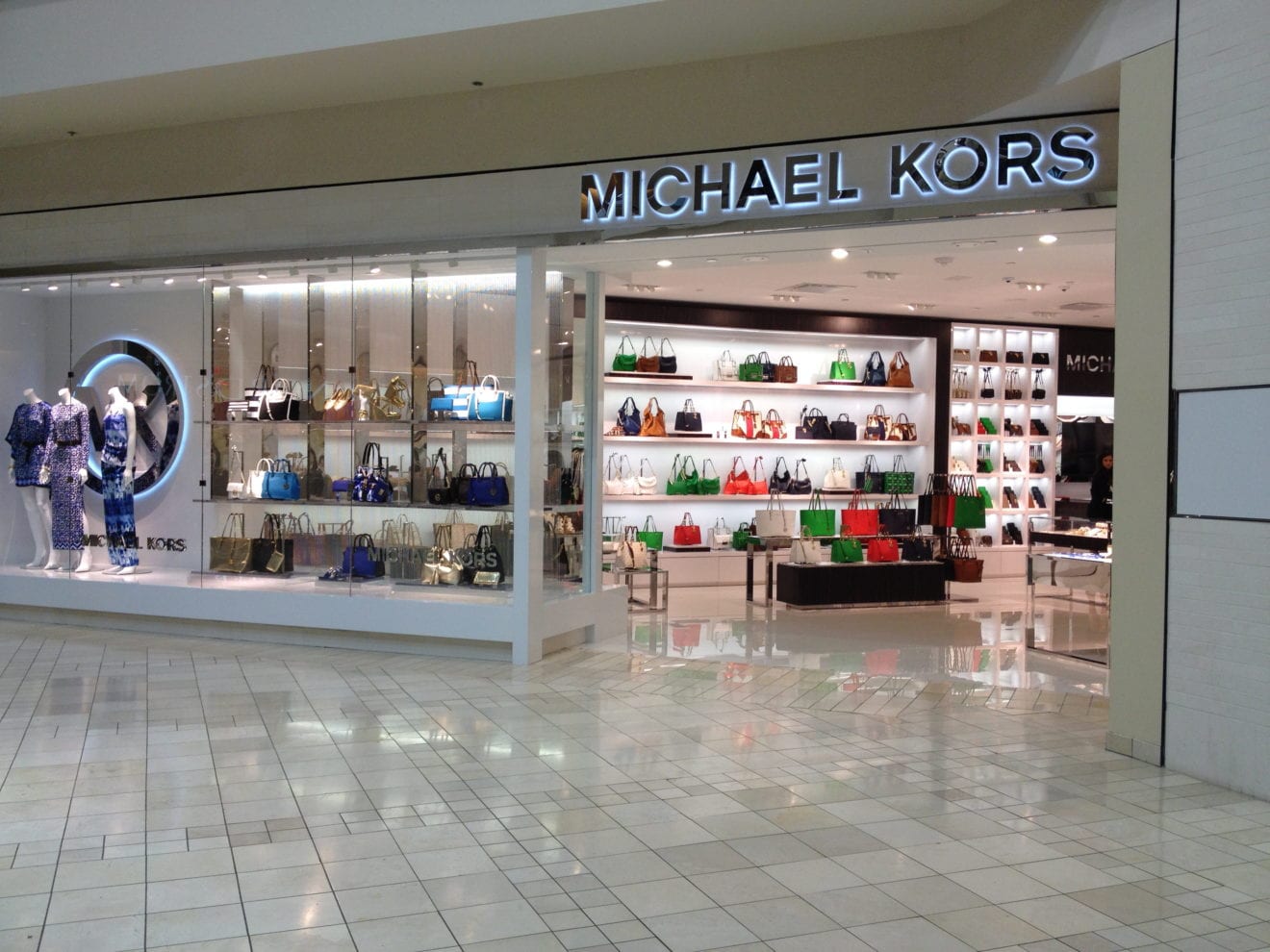
    Michael Kors is pleased to announce that the Company has completed the acquisition of Michael Kors (HK) Limited, the exclusive licensee of the Company in China and certain other jurisdictions in Asia, on May 31, 2016, for $500 million in cash, subject to certain adjustments.

    The acquisition was approved by the independent members of the Company’s board of directors, upon recommendation of a Special Committee, comprised of solely independent directors, which was responsible for evaluating the terms of the acquisition. The Special Committee retained independent legal and financial advisors to assist in evaluating and negotiating the terms of the acquisition and the Purchase Agreement. The Greater China business generated total revenue of $197 million for the year ended March 31, 2016, and had a network of 91 company operated retail stores and six travel retail locations, across China, Hong Kong, Macau and Taiwan. For fiscal year 2017, the Greater China business is expected to contribute approximately $200 million to retail net sales, reflecting sales for the ten month period following the closing of the acquisition. The acquisition is expected to be neutral to earnings per share on a GAAP basis, and accretive to earnings per share on a non-GAAP basis, excluding $15 million of one-time acquisition costs. The acquisition is expected to be accretive to earnings per share in fiscal 2018 and thereafter.

    “We are very excited about the acquisition of our Greater China licensee,” says John D. Idol, Chairman and Chief Executive Officer. “As you know, we have worked diligently over the past several years, with our licensed partner in this region, to build the infrastructure, establish the brand, and grow acceptance of Michael Kors in the Chinese market. We believe that our brand is gaining strong momentum in Greater China, making it the ideal time for us to integrate this territory into our business and capitalize on the enormous growth potential in this region.”

    USE OF NON-GAAP FINANCIAL MEASURES

    This release includes certain non-GAAP financial measures relating to certain one-time costs associated with the acquisition of the Greater China licensee. The Company uses non-GAAP financial measures, among other things, to evaluate its operating performance and in order to represent the manner in which the Company conducts and views its business. The Company believes that excluding non-recurring items helps its management and investors compare operating performance based on its ongoing operations. While the Company considers the non-GAAP measures to be useful supplemental measures in analyzing its results, they are not intended to replace, nor act as a substitute for, any amounts presented in its consolidated financial statements prepared in conformity with U.S. GAAP and may be different from non-GAAP measures reported by other companies.

  • Look to past for the reasons fewer tourists visit Hong Kong

    Look to past for the reasons fewer tourists visit Hong Kong

    In recent months, certain areas of Hong Kong have become noticeably less crowded with gaggles of visitors from China towing sizeable suitcases. Anecdotal observations indicate the local tourism industry is experiencing one of its periodic slowdowns. Official visitor arrival statistics – even with allowances for creative, vested-interest interpretations – suggest the same. Inevitably, prolonged wailing has gone up from Hong Kong’s tourist-dependent retail sector about the catastrophic effects of a reduction in Chinese visitor numbers.

    Blame for falling tourist numbers has been hurled variously at the 2014 Occupy protests, “anti-locust” demonstrations and the burgeoning nativist movement. All sorts of explanations are offered, but not a dispassionate analysis of the real, underlying causes.

    With Hong Kong’s unique local flavour increasingly replaced by manufactured attractions, is it any surprise visitors are choosing different destinations?

    Let’s face it, Hong Kong is a very expensive place to visit for what the experience affords. For the most part, the city offers poor value for accommodation and food if we make regional like-with-like comparisons. And if you’re very obviously from China – a fellow citizen of our “one country”, let’s not forget – Hong Kong’s natives can come across as distinctly cool, to say the least. So why bother coming, when there are plenty of better value, more welcoming destinations to choose from?

    These days, visitors – especially from China – “experience” a series of manufactured “attractions”, each more contrived than the last. In this respect, Hong Kong has followed the pedestrian tastes of global mass tourism, with little genuinely unique local flavour to offer.

    Once upon a time, however, Hong Kong itself was the primary attraction. Visitors from all over the globe came to see, experience and enjoy this most remarkable, unlikely place perched on China’s south coast. But no longer.

    Like much of the modern world, Hong Kong has become blandly homogenised and now China itself is open to visitors. The tangible frisson once obtained from peering across the border at forbidden, forbidding China – so close yet tantalisingly unattainable – is no more.

    One attraction has remained constant: shopping. Since the Roaring 20s – the first time Hong Kong figured significantly on round-the-world stopovers – the city’s duty- and sales-tax-free shopping regime has been a major, and heavily promoted, part of its attraction. Without sales taxes, items such as luxury goods retail in Hong Kong for less than the wholesale price in their country of manufacture.

    By the mid-1950s, affluence was growing globally, air travel was becoming more popular and China was largely closed off to the outside world. Combined, these factors provided an enormous boon to the fledgling tourist industry.

    In 1957, former British Army officer Major Harry Stanley was appointed to run the newly established Hong Kong Tourist Association, overseeing publicity campaigns that put the city on the world tourist map.

    In recent decades, sadly, chairmanship of the HKTA (rebranded the Hong Kong Tourism Board in 2001) has become a Liberal Party fiefdom. Successive heads have mostly combined that particular political faction’s curious, patronising, born-to-rule arrogance with the intellectual mediocrity and comprehensive lack of vision habitual to second-generation economic rentiers in their approach to Hong Kong’s contemporary challenges.

  • Shopping by phone keeps rising

    Shopping by phone keeps rising

    More Koreans are shopping online via smartphones and tablets than on their laptop or desktop computers.

    According to Statistics Korea Thursday, online shopping transactions rose 11.3 percent in April compared to a year ago, hitting 4.76 trillion won ($4.0 billion). Mobile shopping via mobile devices surged 31 percent during the same period, and accounted for 50.7 percent of total online shopping, or 2.41 trillion won.

    “Mobile payment services have been introduced to allow customers to purchase goods via mobile devices more easily than before, and retailers are improving their mobile apps to attract more customers,” said Sohn Eun-rak, a director at Statistics Korea. “Moreover, customers like to purchase goods via smartphone because retailers offer more promotions and discounts in their mobile apps.”

    Mobile shoppers accounted for only 29 percent of all online shoppers in April 2014. The figure exceeded the 40 percent-level early last year and finally surpassed 50 percent in December.

    Even though transactions rose from a year ago, they dropped from the previous month. Online shopping transactions dropped 8 percent in April compared to March and mobile shopping fell 9.2 percent. In March, overall online shopping transaction recorded 51.7 trillion won, but then fell back to the 40 trillion won-level.

    By sector, people purchased more cosmetics online, while the figure for travel and reservation services fell.

    People spent 32.5 percent more buying cosmetics in April compared to the previous year, while they spent 2.1 percent less for travel and reservation services.

    “The number of Chinese tourists visiting Korea rose 12.1 percent year-on-year in April, and they were interested in buying cosmetics at both brick-and-mortar stores and online retail shops,” said Sohn. He added that reservation service dropped because fewer people went to the movies.

    “In April 2015, there were more people visiting theatres due to hit movies such as ‘Avengers: Age of Ultron’ and ‘Furious 7,’” Sohn said. “Moviegoers in general fell by 2.72 million in April from a year ago, and I think this might have affected the reservation services sector.”

    About 60 percent of online shoppers bought goods such as clothes, shoes, cosmetics and baby supplies via their mobile devices, according to the data.

    Shoppers buying goods at online-only retailers rose 4.2 percent year-on-year in April, while it rose 23.3 percent for retailers that have both online and brick-and-mortar stores.

    Statistics Korea surveyed a total of 991 online retailers.


  • Ugg Asia to take on new store concept

    Ugg Asia to take on new store concept

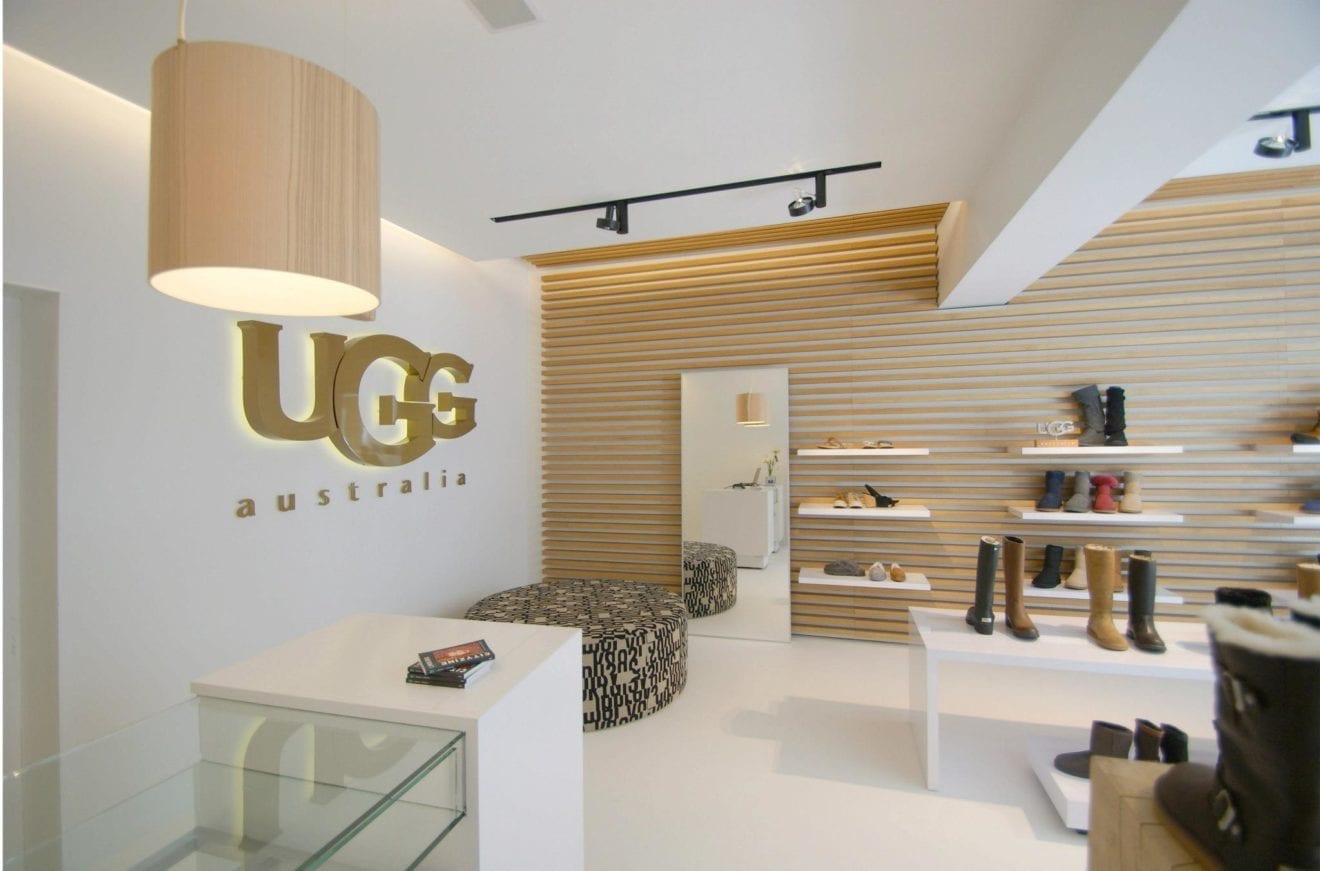
    American footwear retailer Ugg’s new global retail store concept – part of the brand’s largest re-launch in 37 years – will be introduced in Ugg Asia outlets this year.

    Coinciding with the 10th anniversary of Ugg’s New York flagship store in SoHo, the new 263 sqm retail concept store opened at Disney Springs, Walt Disney World Resort, Florida.

    The store was designed by Checkland Kindleysides to be scalable so it can fit different formats from wholesale to showroom spaces.

    The concept honours the footwear’s history, says Stefano Caroti of clothing/footwear giant Deckers Brands, which owns Ugg.

    UGG Disney Springs 1

    “The inspiration came from the Californian roots of the brand, its connections to nature and its modernist vibe – a sense of stylish living that’s both ‘off duty’ and ‘on air’,” says Checkland Kindleysides creative director Joe Evans.

    “The store offers a relaxing social environment that radiates the Ugg brand’s luxurious warmth, engages through sensorial brand storytelling and invites you to enjoy the good things in life with good people.”

    Meanwhile, the new look will roll out in Shanghai and Tokyo toward the end of this year.

  • Korean showcase for Luk Fook Holdings

    Korean showcase for Luk Fook Holdings

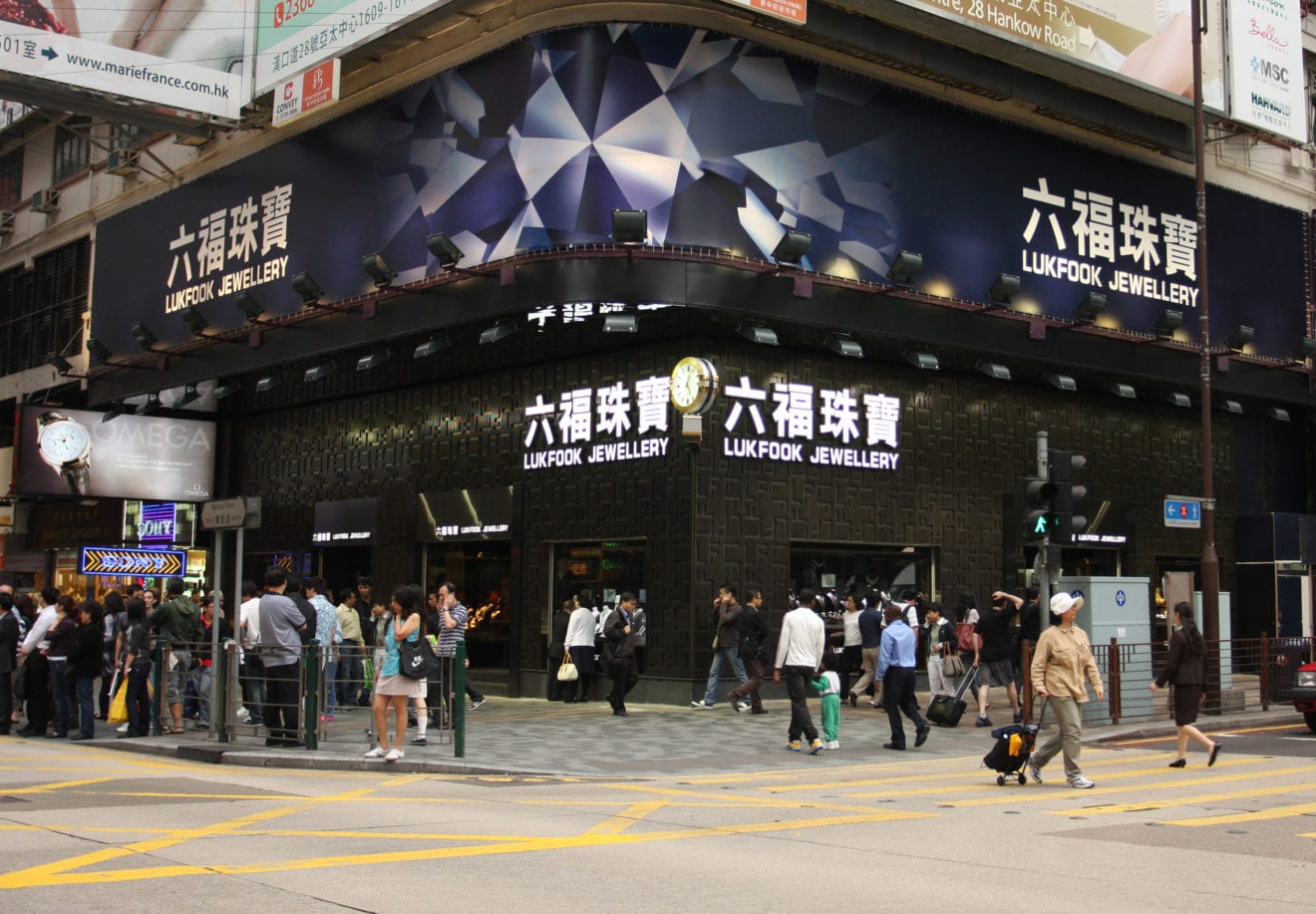
    Hong Kong jewellery group Luk Fook Holdings International has opened a retail outlet at the Shinsegae Main Store in Seoul.

    Korea’s first department store, Shinsegae opened in 1930 and has become a tourist attraction.

    Luk Fook chairman/chief executive Wong Wai Sheung says it is hoped the group’s outlet in the store will help develop overseas markets and further improve its brand recognition globally.

    Luk Fook has more than 1420 shops, in Australia, Canada, China, Hong Kong, Korea, Macau, Singapore and the US.

  • Chinese shoppers deterred by rising Japanese yen

    Chinese shoppers deterred by rising Japanese yen

    Japan is starting to lose its edge as a shopping holiday destination for Mainland Chinese.

    Mainland Chinese shoppers are likely to become increasingly discouraged by the rising value of the Japanese yen against the yuan, according to analysis by Nikkei and Nomura International.

    While the Chinese accounted for just 1 per cent of Japan’s total retail spending in 2015, the share was rising and the total Japanese retail market is huge, given the wealth of its population. By comparison, Mainland Chinese account for close to 50 per cent of retail sales in Hong Kong and 30 per cent in Macau, according to Nomura. (Those figures exclude categories like cars and fuel).

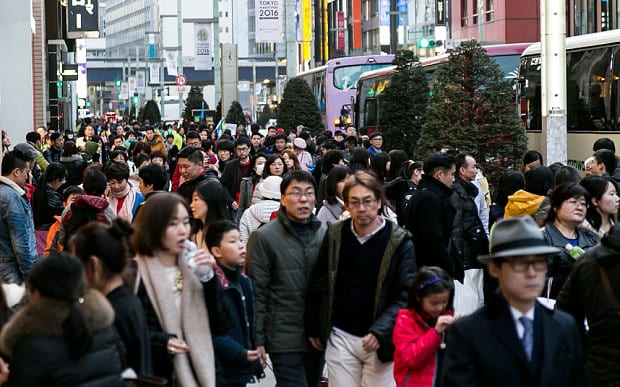
    Hong Kong luxury retail sales are down by as much as 25 per cent due to the absence of wealthy mainlanders who have chosen to visit Japan, Korea, Europe and even the US thanks to more favourable exchange rates last year. Last year 4.99 million mainlanders visited Japan, attracted by the value of the yen and relaxing of visa restrictions. The average spend per visitor rose 20 per cent.

    However the advantage Japan held is slipping as the yuan weakens against the yen. In January, 1 yuan bought 18 yen, at its peak last May it bought 20. Today it buys just 16.

    Chinese tourist spending in Japan fell 10 per cent in the first quarter, accounting now for just 0.8 per cent of the total market, according to data from Japan’s Ministry of Economy, Trade and Industry. Their spend has fallen two months in a row.

  • Michael Kors result ‘disappointing’

    Michael Kors result ‘disappointing’

    At headline level Michael Kors has ended its fiscal year on a strong note with total revenue up by 10.9 per cent, underpinned by a robust increase of 22 per cent in retail sales.

    However, most of the uplift is thanks to the fact the company opened some 142 new stores over the past year and has also expanded its online operations. When these are factored out, underlying growth is anemic – rising just 0.3 per cent over the prior year.

    Such a soft comparable number is disappointing, especially as it comes off the back of a very weak comparative in the prior year when same-store sales dropped by 5.8 per cent. Licensing revenue also shrank, down by 13.6 per cent on a year-on-year basis. That growth only came from expansionary activities rather than from underlying productivity gains shows on the bottom line where net income fell by 3.5 per cent.

    Michael Kors’ numbers are also something of a mixed bag on a regional basis. In North America, which remains the company’s biggest market, revenue rose by a respectable, but fairly modest, 4.6 per cent. Europe came in slightly stronger with a 15.6 per cent increase, but Asia was the star of the show with a 216.4 per cent increase over the prior year. This variance is no coincidence and reflects the differences in maturity of the Michael Kors brand in terms of both physical coverage and saturation levels with consumers. That said, even with the variances, Michael Kors is showing a much better growth story than many rival brands, including Coach.

    While North America remains in growth Michael Kors will struggle to boost its sales in the US over the next few years, mainly because consumer interest in the brand seems to have peaked. It is notable that Nordstrom has started to cut back on Michael Kors inventory, while a number of other department stores are offering heavy discounts on its product. This underlines the continued issues of saturation and ubiquity in the home market.

    This dynamic means it is fortunate that Michael Kors has other regions to turn to for growth, with Asia having the most potential. Here we are encouraged that Michael Kors has acquired Michael Kors (Hong Kong), which was previously a separate operation licensed to sell into China and a number of other Asian countries. This will, allow the business to ramp up the pace of expansion in the region and, over the medium term, boost earnings potential. That said, in the short term investments in new openings and marketing are likely to act as a brake on bottom line growth, as indeed will the continued impact of the strong dollar.

    Given that it will take time to ramp up growth in Asia, and that pressures at home continue, the start of the new fiscal year is likely to see a slight dip in comparable sales accompanied by a deterioration in profit.

    Longer term, the outlook is more positive as Michael Kors reaps the benefits of its growth program.