Tag: China

  • Uniqlo price-rise tactic fails

    Uniqlo price-rise tactic fails

    A tactic to move to high prices over the past year has failed for Japanese casualwear chain Uniqlo, admits the chairman of its parent company, Fast Retailing.

    Japan’s richest person, billionaire Tadashi Yanai says the company is considering how to sell value-added products for the lowest possible price.

    “The world is flooded with clothes without added value,” he said at a fashion event in Tokyo’s Shibuya shopping district featuring Uniqlo’s latest seasonal styles.

    Japanese consumers are being cautious as the country’s financial situation tightens, and Fast Retailing has seen its overseas earnings hit by a stronger yen, compounded by China’s slowdown and losses in the US. Uniqlo lost some of its budget-minded customers in Japan after raising prices last year.

    Fast Retailing has cut back its operating profit forecast last month to 120 billion yen ($1.1 billion) for the year ending August, down 33 per cent from its estimate in January.

    In April, Uniqlo reported that its first-half year profits had plunged.

  • China the promised land for South African winemakers

    China the promised land for South African winemakers

    South African tycoon Koos Bekker sells wine from his vineyard all over the world, but a small detail offers a clue as to where his priorities may lie – all the bottles are labeled in Mandarin.

    Other producers along the Stellenbosch wine routes where his

    Babylonstoren farm is located are doing the same, looking to tap into soaring demand in China led by a growing professional class as Asia’s economic powerhouse in turn ramps up its investments in South Africa.

    “Babylonstoren’s export strategy to China is to be visible in Beijing, not only the city, but also the province,” said Naspers chairman Bekker’s cellar master Charl Coetzee.

    “We only want to conquer Beijing and if we conquer Beijing we will be happy,” he said as a young Asian couple sampled his produce in a tasting room overlooking rows of young vines.

    South African wine exports to China rose almost 30 percent in 2015 alone, according to statistics from South African Wine Industry Information and Systems (SAWIS).

    Alan Winde, minister for economic opportunities in the Western Cape region, says the aim is to double them by 2025.

    During his time as chief executive, Bekker helped turn Naspers into one of the world’s top e-commerce and media companies and established links with China via a stake in Internet service portal Tencent.

    Now he is joining a race to supply the world’s most populous nation that also features producers from France – which controls around 50 percent of the wine export market to China – and ‘new world’ rivals Australia, Chile and New Zealand.

    China’s retail wine market was worth around $15 billion in 2015 compared to $10.3 billion in 2010, with imports accounting for just over half, according to wine data analytics firm IWSR.

    It forecast consumption of about 13.5 million hectolitres in 2020, up from 11.3 million in 2010.

    REDS, OR STRONG WHITES

    Tapping into a national wine tradition dating back hundreds of years, Babylonstoren grows 13 different grape varieties and its bottles retail between 80 rand ($5) for a chenin blanc and 500 rand ($32) for a champagne-style sparkling white.

    In Coetzee’s experience, Chinese drinkers tend to prefer red, though they also go for stronger whites including a chardonnay the farm matures in French oak for 12 months.

    In March, Babylonstoren sold its largest consignment of wines to China, a 20-foot container with around 13,000 bottles.

    “We want … one day to be exporting a container a month,” Coetzee told Reuters.

    La Motte wine farm, one of dozens in the verdant hills outside Cape Town, sold around 3 million bottles to China last year, double the amount shipped three years ago.

    “The past 12 months there was big growth of South African wine to China,” its chief executive Hein Koegelenberg told Reuters from a wine cellar in the Franschhoek Valley, where Huguenots from France first planted vines in 1695.

    “South Africa has not unlocked the potential of that market yet.”

    La Motte, which has partnered with China’s second largest online direct sales network, Perfect China, to buy wines under the brand name L’Huguenot, says its pinotage red ranks among its best sellers in China.

    South Africa’s wine industry is worth around 26.5 billion rand ($1.8 billion) a year and employs 300,000 people. China has grown to become its sixth largest export market.

    “The nice thing is that China takes wine in (own-label) bottles and not in bulk, so we get jobs down the value chain,” minister Winde said.

    Demand is being driven by a booming number of young Chinese professionals who prefer buying over the Internet, rather than in stores. The rand’s 30 percent fall against the dollar in the last year has also helped.

    But the industry faces stiff competition if it is to take full advantage of new consumers in places like China.

    “We realize that the challenge is to keep getting trade and consumers to trial South African wines and more importantly to retain customers to ensure repeat sales,” said Michaela Stander, Asia marketing manager for Wines of South Africa.

    “If Chinese consumers are not well informed and not ready to accept our wines, the imports may soon die down again.”


  • Mercedes puts up fight in China

    Mercedes puts up fight in China


    BMW and Mercedes — China’s No. 2 and No. 3 luxury brands — were virtually dead-even in that market last month, selling roughly 35,000 vehicles apiece.

    But Mercedes sales jumped 32 percent year on year, while BMW deliveries fell more than 7 percent. Audi, China’s top-selling luxury brand, boosted sales 9 percent to 49,576 vehicles.

    Mercedes has been on a tear in China since 2013, when it shook up management and consolidated its two warring distribution channels.

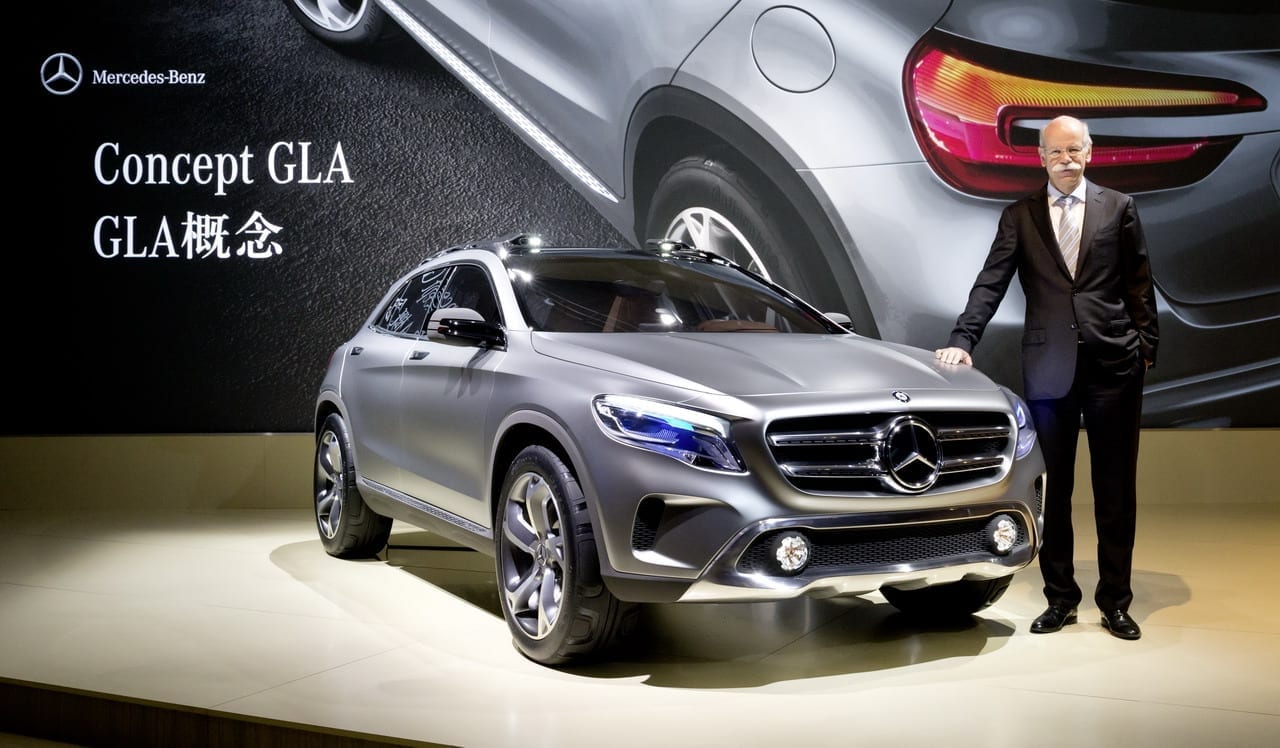
    BMW is feeling the heat. In April, the company replaced its China sales chief, and now it’s hustling to introduce new models. BMW is introducing a long-wheelbase X1 in China to compete with the Audi Q3 and Mercedes GLA.

    Those three models are battling for share in China’s red-hot market for compact crossovers.

    For the first four months, Audi remained on top, with sales of 189,611 vehicles, while BMW delivered 162,221 units. Mercedes is still No. 3, with sales of 142,266, but it is steadily closing the gap.

    We suspect BMW realizes that objects in its rearview mirror are closer than they appear.

  • Chinese vegan market booming

    Chinese vegan market booming

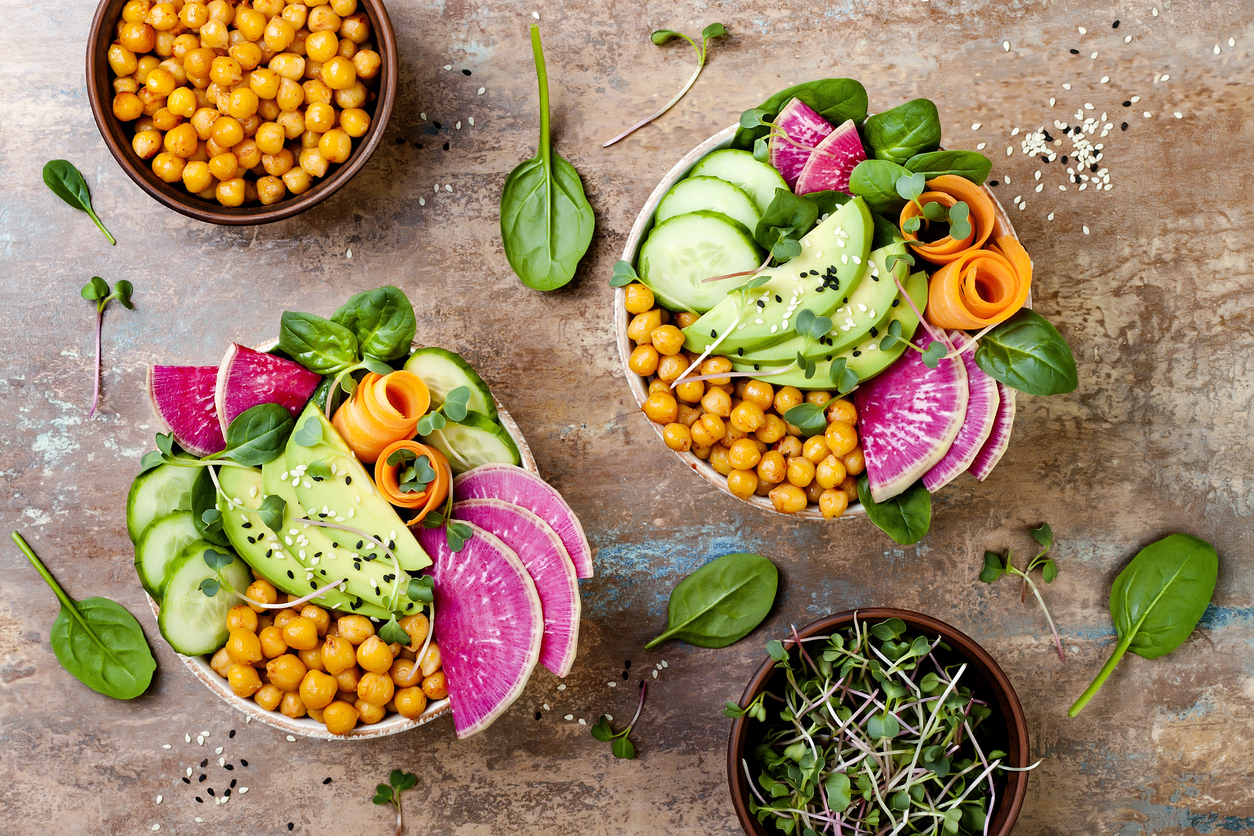
    The Chinese vegan market is expected to grow 17.2 per cent between 2015 and 2020 – the fastest growth rate in the world.

    Global market research company Euromonitor International’s new Ethical Labels database reports a growing movement toward sustainability, social responsibility and transparency on labels worldwide.

    According to the new research, halal and vegan labels are set to grow by a compound annual growth rate of more than 5 per cent annually during the period, translating into 708 million extra sales worth US$13 billion.

    Despite leading growth for the vegan sector, China lags behind the US and Japan when it comes to ethical labels.

    “Vegan product labelling is one of the key categories to watch in the future, as an increasing number of companies are expanding their consumer appeal by staying away from animal ingredients whenever possible,” says Euromonitor International head of health and wellness Ewa Hudson.

    “The rising demand and trend for vegetarian and vegan proteins indicates where the market is moving.”

    Meanwhile, the global market for ethically labelled packaged foods, soft drinks and hot drinks (excluding private label) accounted for $793.8 billion last year and is set to reach $872.7 billion by 2020.

    Worth $45.3 billion currently and set to reach $58.3 billion in 2020 are halal products, driven by ethnic and religious diversity.

    Other findings of the research: the US is the largest kosher market, 18 times the size of Israel; and the UK is the runaway leader in animal welfare labels with $ 30.1 billion last year.

  • Burberry prices ‘too expensive’ in China

    Burberry prices ‘too expensive’ in China

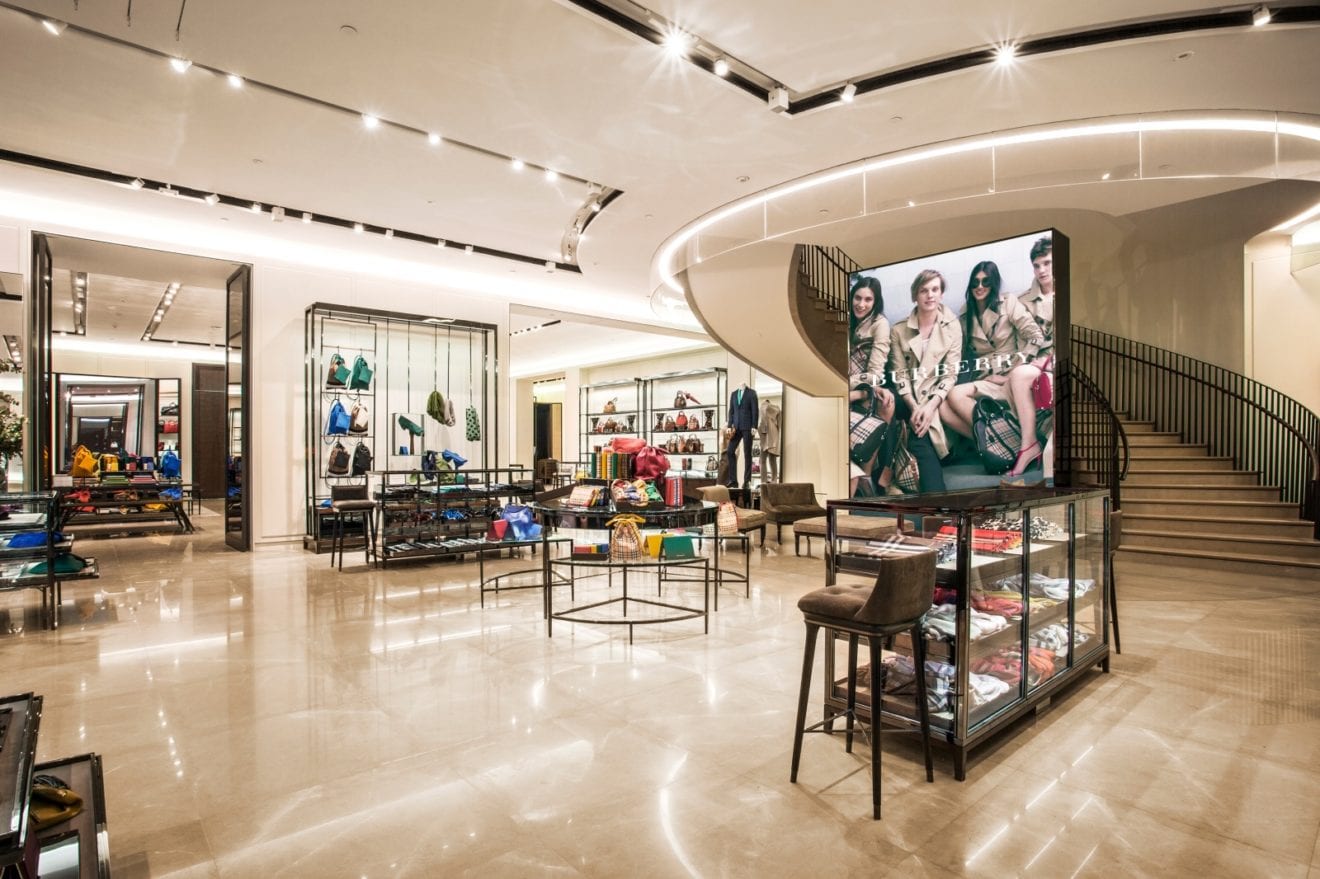
    Burberry prices are too high in China and Hong Kong and the brand must make cuts if it wants to arrest falling sales in the region says a retail analyst.

    Last week the UK-headquartered luxury fashion label reported its second consecutive drop in earnings, this time by some 10 per cent. Sales in Hong Kong have fallen more than 20 per cent for three consecutive quarters.

    Jack Chuang, a partner with Hong Kong-headquartered OC&C Strategy Consultants, says while the company is planning to cut overheads by £100 million over the next two years, the solution is a lot simpler.

    “Saving cost might help with Burberry’s short-term financial performance, but we don’t think it will help solve the fundamental problems it has in Asian market.

    “Among all the luxury brands, Burberry is almost the one with most significant price gap between Asian and European markets. Prices in Mainland China are almost 40 per cent higher than in UK, while in Hong Kong, it is 20 per cent higher.”

    Chuang says while a lot of luxury brands have started to think about price equalisation – citing Chanel, Cartier and Dior as examples from last year and, more recently, Valentino – Burberry raised its prices in China again in May by 5 to 10 per cent.

    “If it continues this type of strategy, more and more domestic demand will shift to the overseas market through travelling or cross-border eCommerce and no matter how they save cost (whether limited to Hong Kong or globally), they are going to have problems in Asia.”

  • New Toys’R’Us Asia-Pacific president named

    New Toys’R’Us Asia-Pacific president named

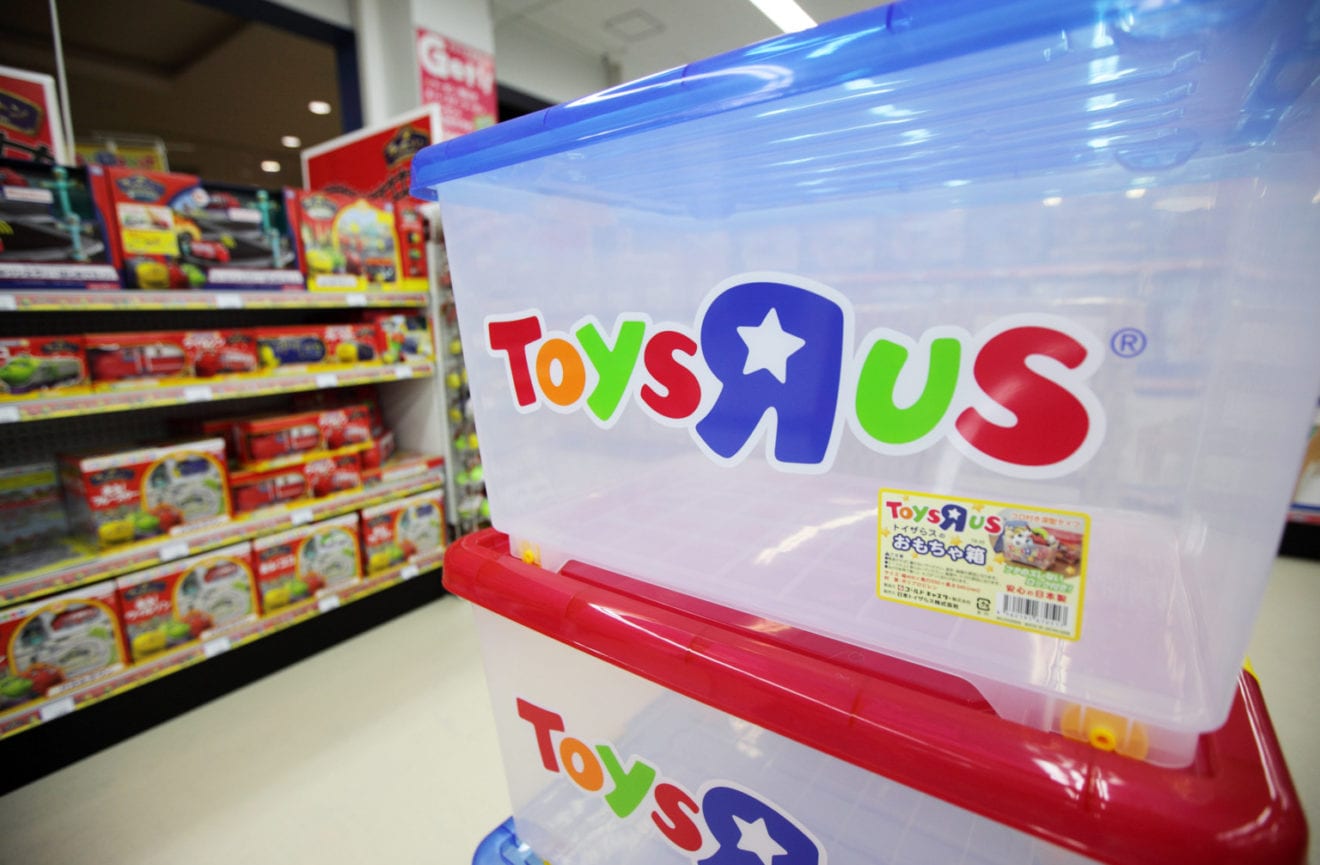
    The new Toys’R’Us Asia-Pacific president is Andre Javes.

    Taking up the role on May 27, Javes will oversee all operations and business activities for the company’s growing number of stores in Japan, Southeast Asia, Greater China and Australia, and he will be responsible for the profitability and success of the company in these markets. He will report directly to chairman and CEO Dave Brandon.

    A seasoned retail executive with more than 30 years of merchandising and management experience, Javes most recently served as MD of Toys’R’Us, Southeast Asia and Greater China, where he oversaw all operations and business activities for the company’s more than 170 wholly-owned stores and some 2500 employees in Brunei, China, Hong Kong, Malaysia, Singapore, Taiwan and Thailand.

    “Since joining Toys’R’Us, Andre has made significant contributions to the continued growth and success of our business throughout Asia and Australia,” said Brandon. “With his extensive retail background, drive for results, commitment to building and leading high-performing teams and proven track record, we expect to further grow and strengthen our brands’ position in the global marketplace.”

    Javes first joined the company in Australia in 2008 as GM merchandising with responsibility for toy and baby products. After a brief hiatus, he returned to the company in April 2013 as MD, overseeing all operations and business activities for the company’s more than 30 stores, eCommerce site, corporate office and more than 1700 employees.

    Prior to joining Toys’R’Us, Javes served as CEO at Anaconda Group from 2009 to 2012, a retail chain of camping, outdoor and adventure gear stores across Australia. Earlier in his career, he spent three years at Kmart as divisional merchandising manager first for seasonal and consumable items and later for the company’s toy and outdoor product categories throughout Australia and New Zealand. He also served as group merchandise manager, grocery at Coles Supermarkets Australia.

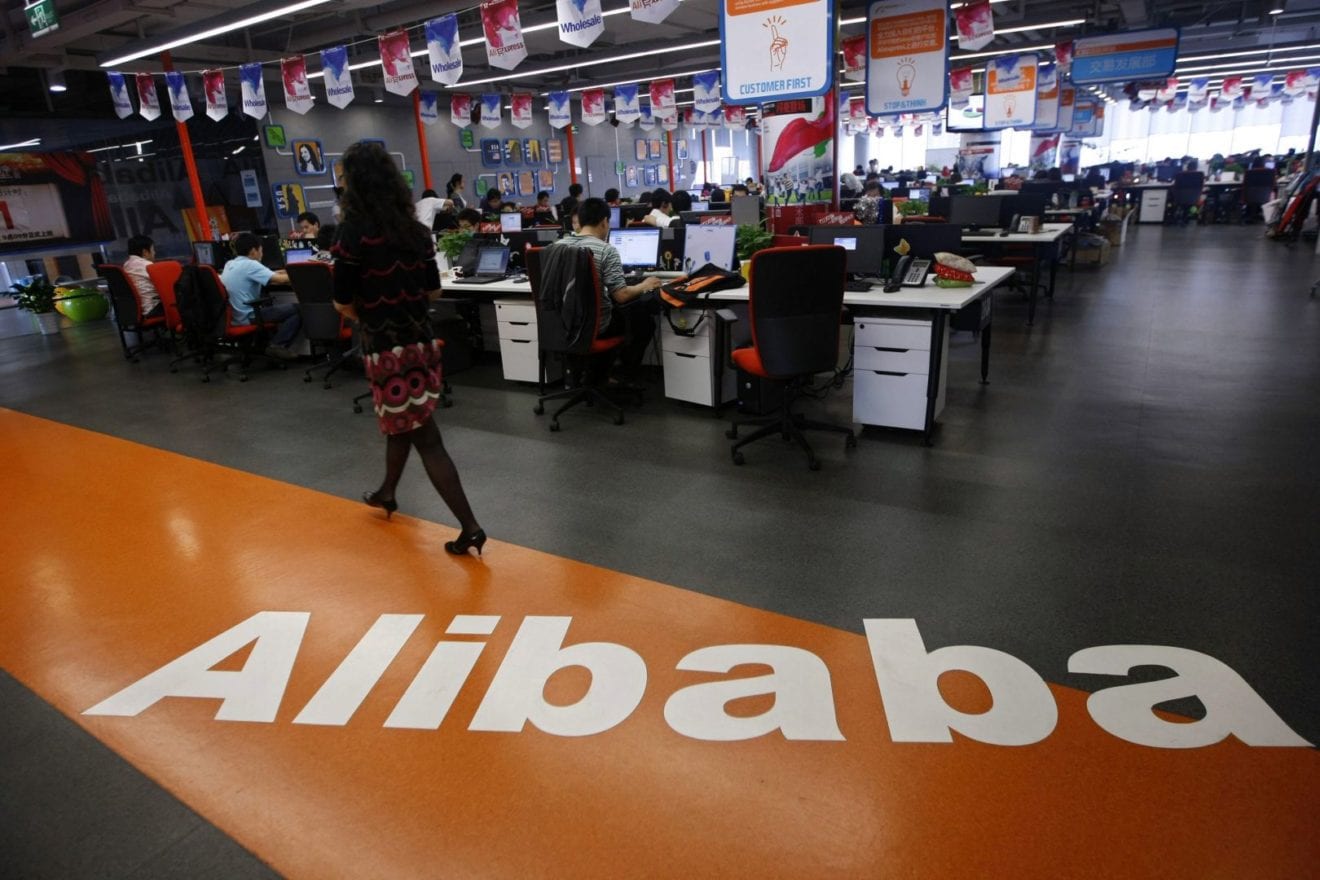
  • Alibaba suspended from counterfeit-fighting group

    Alibaba suspended from counterfeit-fighting group

    After Alibaba had its IACC membership suspended, founder Jack Ma has cancelled his keynote address to the counterfeit-fighting group’s conference.

    Ma was to have been a drawcard speaker at this week’s two-day annual spring conference of the International AntiCounterfeiting Coalition (IACC) in Orlando, Florida, an event that attracts more than 500 leaders from business, law, security and government.

    His move also follows Alibaba Group and the coalition creating the IACC MarketSafe Expansion Program last week. The original program was created by Alibaba and the IACC in 2013 in recognition of the counterfeiting problem being too pervasive and complex for any single company or industry to fight alone.

    Alibaba last month became the world’s first eCommerce company to join the IACC, the largest non-profit organisation dedicated to combating product counterfeiting and piracy. At least three members of the Washington-based coalition, including board member Tiffany & Co, quit the group in protest and others threatened to leave after Alibaba was admitted as a member. The IACC suspended the new category in which Alibaba had been admitted, effectively terminating its membership.

    Alibaba Group president Michael Evans has stepped in to speak at the conference instead.  Alibaba international corporate communications head Jennifer Kuperman repeated that the company is “firmly committed to the protection of ­intel­lectual property rights and combating counterfeits”.

    On the same day Ma cancelled his conference appearance, he had lunch with US President Barack Obama at the White House, telling reporters afterward that the meeting had been “very good”.

    Among the brands that quit the IACC in protest was Michael Kors, which blasted the organisation for providing “cover to our most dangerous and damaging adversary”.

    Michael Kors was followed out by Gucci.

    Alibaba has meanwhile hired an army of employees to weed out fake brands from its website. It has also called for comprehensive changes at the IACC so it can counter trends and new technology in counterfeiting “instead of being held captive by some members’ interests”.

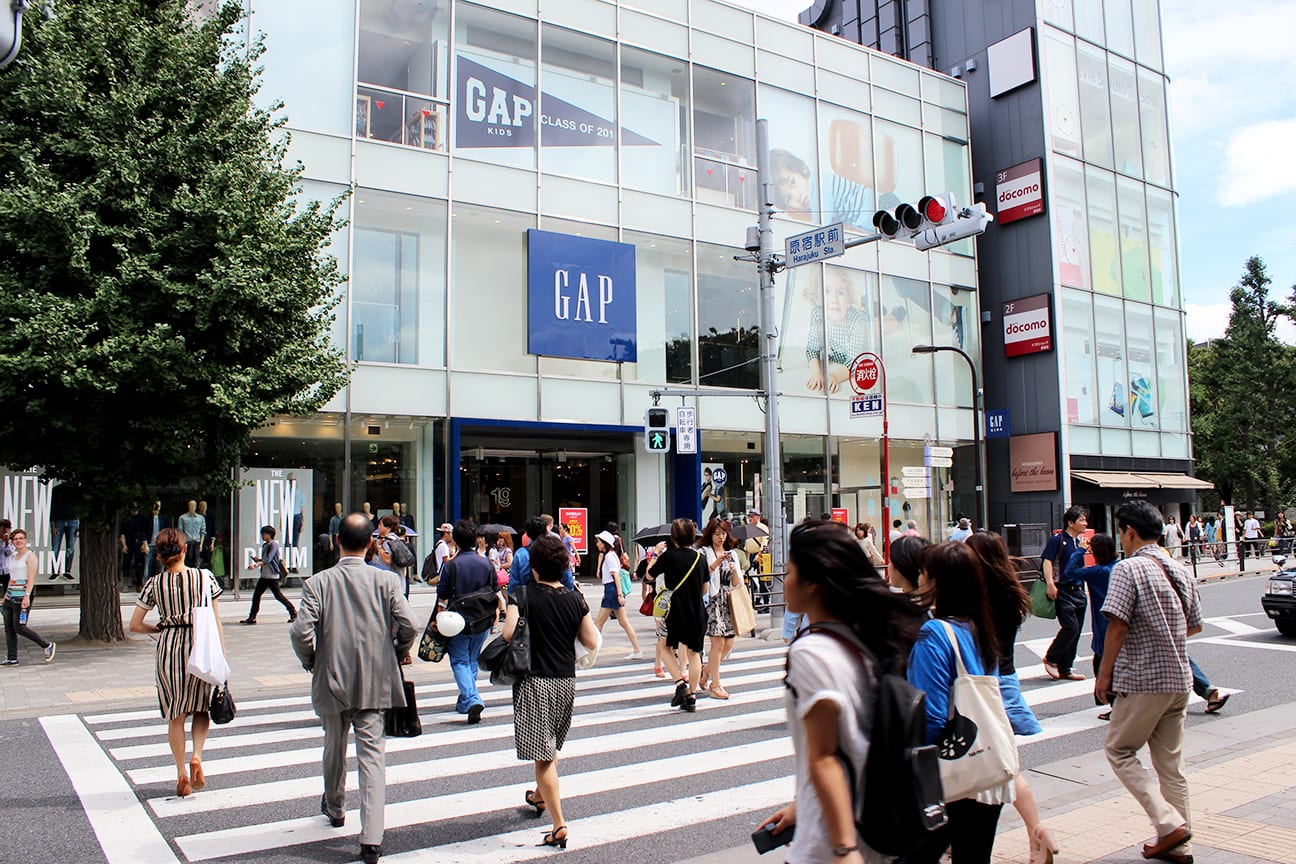
  • Gap Japan to axe Old Navy

    Gap Japan to axe Old Navy

    Gap Japan will close its 53 Old Navy stores as its parent narrows its focus in Asia.

    But CEO Art Peck says the company “remains committed” to growing its brands in regions where it has a structural advantage.

    The relatively down-market Old Navy brand will focus on the Mainland China market and the Gap brand will remain in Japan, he announced, at the time of revealing a first quarter sales decline of US$$3.44 billion, down 5 per cent.

    “Japan remains an important market for Gap Inc’s portfolio, with a continued strong presence of more than 200 Gap and Banana Republic stores,” said Peck.

    A further 22 international stores will close, but the company has not revealed where or which brands.

    “As the pace of change across the apparel industry increases, now is the time to accelerate our

    transformation by scaling our product and operating capabilities across our global portfolio,” said Peck.

    Asia accounted for 11 per cent of Gap’s global sales, 1 per cent more than during the same quarter of last year. Across the region it no has 312 Gap-branded stores (up seven), 69 Old Navy stores (up four) and 51 Banana Republic stores (no change).

    Globally, Gap stores sales decline 3 per cent – which was better than last year’s 10 per cent; Banana Republic sales fell 11 per cent compared with 8 per cent and Old Navy fell 6 per cent, compared with 3 per cent.

    Neil Saunders, CEO of Conlumino, described the quarter as “disastrous” for Gap, “ one during which all of its main engines stalled and went into reverse”.

    “Gap Inc is now retailer without any star brands and with seemingly little vision to move itself forward. Unless it takes radical action to overhaul its businesses the outlook will only darken still further,” said Saunders.

    “Most worryingly, while the latest April numbers are likely impacted by the earlier Easter, they nevertheless show that all brands failed to gain any momentum as the quarter progressed. Indeed, in the case of Old Navy the sales slip accelerated.”

    Saunders says the central issue for Gap is that it is “creatively dull” and does very little to change collections from season to season or year to year.

    “As a result it has become increasingly reliant on customers buying on a replacement cycle rather than being inspired to buy new products. This, in turn, leads to it stimulating sales by the use of extensive discounting which then discourages consumers from buying at full-price. Gap shows no signs of getting out of this viscous cycle.”

    He said its Banana Republic brand has gone into reverse since the departure of Marissa Webb.

    “While Webb’s attempts to revitalise the chain did not bear immediate fruit, that she was not given sufficient time in the job and, much like the departure of Rebekka Bay, her leaving signifies Gap has both a problem with change and with giving competent people the scope to get on with the job in hand.”

    Old Navy’s decline is more recent, he argues.

    “While the brand has been the star of the show for many quarters, the past few collections have been dull and uninspiring. Stores are also looking more fragmented with no clear merchandise or brand story to entice shoppers. Coupled with excess inventory this has made for a less than pleasant shopping experience – something that has diluted the impact of the various flash sales and offers Old Navy has traditionally relied on for growth.

    “As problematic as sales are, there is no doubt that margins are equally troubled. All Gap brands have resorted to heavy discounting in order sales and, even so, the company still has an excess of inventory. The final profit position for the quarter is very poor with net income down by a sharp 47 per cent over the prior year.

    “All of this bodes badly,” Saunders concluded.

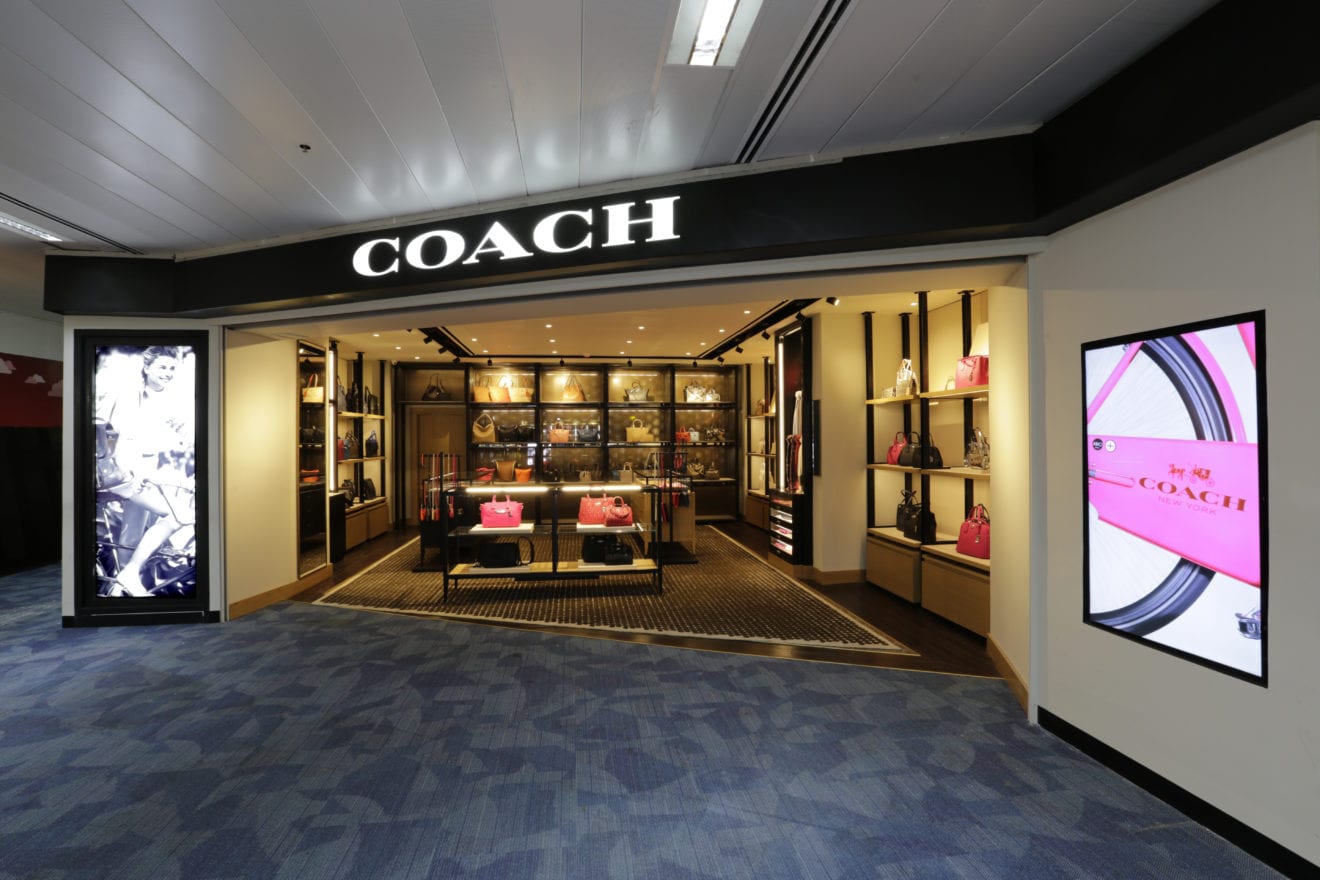
  • Coach Asia revamps duty free network

    Coach Asia revamps duty free network

    US accessories and lifestyle label Coach Asia is remodelling its duty-free and travel retail stores to tie in with its new “modern luxury” concept, and is planning further expansion in the region.

    The company says the aim is to provide a “warm and inviting” environment in which to showcase the latest products from Coach creative director Stuart Vevers.

    “The performance of the renovated stores has been very strong, and the concept has been extremely well received by the Asian consumer,” Coach International division vice-president of sales Paulo Colino said.

    “We are pleased with the progress we have made updating the stores and expect to have nearly half of our shops in the region remodelled by the summer of next year.”

    Coach has nearly 80 shops spread over 15 countries, including airport and cruise-ship locations.
    Key stores for the renovation include DFS and China Duty Free in Siem Reap, Ginza with Lotte in Tokyo, Kansai Airport with JatCo, Hongqiao Wing 5 with Dufry and Kunming Airport with Lagardere TR, Phuket downtown with King Power, Sentosa Plaza with Valiram in Singapore, and Sunplaza and Chinachem with DFS in Hong Kong.

    “Given the success we have seen in this region, we plan to expand into additional countries in Asia, including India and Myanmar,” says Colino.

    Coach is now a quarter way through the refit program.

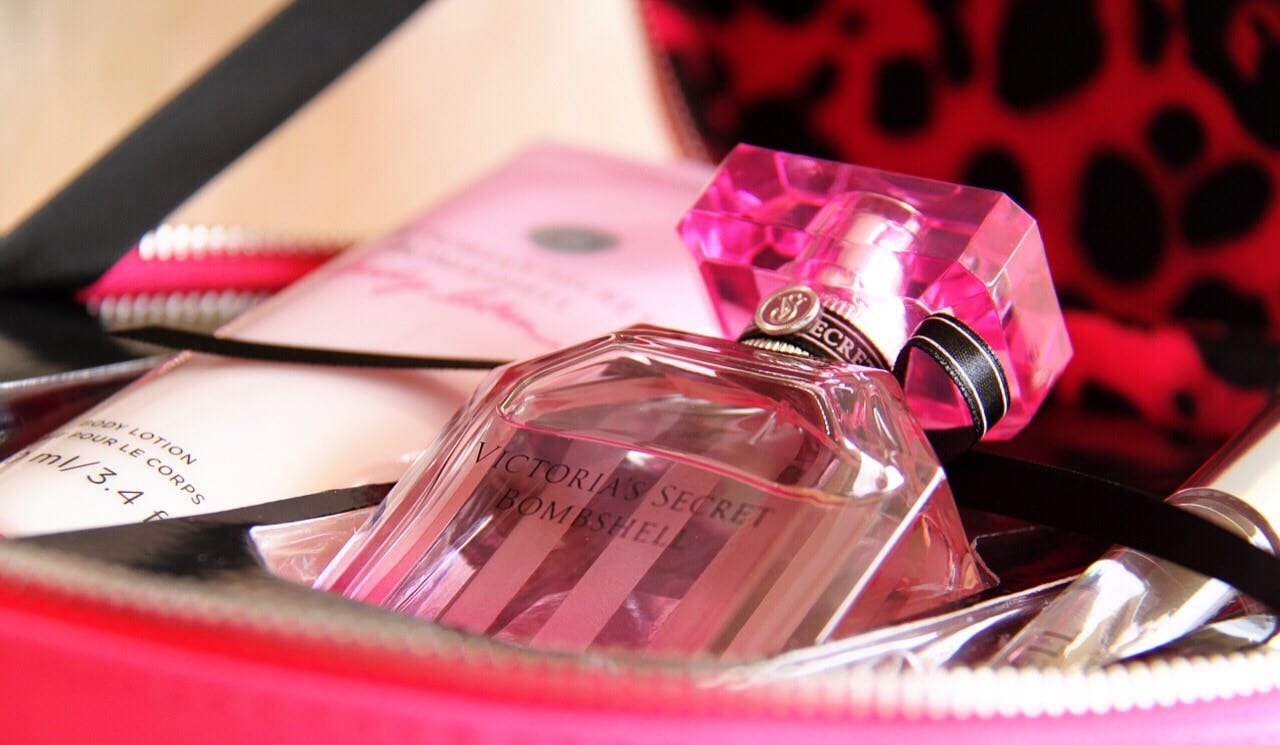
  • Victoria’s Secret China beauty shops bought back from franchise

    Victoria’s Secret China beauty shops bought back from franchise

    The Victoria’s Secret Beauty & Accessory (VSBA) retail outlets in question are all situated within malls or airports across China, and sell a selection of the brand’s beauty products and accessories.

    Until now, they have been owned and operated by a domestic franchise partner within the country, but the move by L Brands to take on the stores suggests the US-based parent company is keen to assert itself in China.

    Speaking as part of the company’s annual meeting, CEO Les Wexner described China as the brand’s “second home market”, with the company asserting it is now ready to take full control of its brand presence in the country.

    Taking on the ‘heavy lifting’

    According to the company, L Brands considers China to be a market which demands focus and attention from brands operating within it, due to the complexity of the market.

    As we look forward and we think about the scaling opportunity of the market and we combine that with the complexity [..] around regulatory affairs, how we build our stores, how we operate those stores, it seems to me that we’re going to be doing most of the heavy lifting anyway,” the company’s international president, Martin Waters, explained.

    It makes sense that we should be in it completely,” he confirmed.

    Along with taking on responsibility for the current VSBA portfolio in the country, L Brands announced that it will also now launch flagship stores in Shanghai and Beijing, develop its presence within the country’s malls, and foster a strong online sales model too.

     China beauty regulation

    Responding to the complexity of China’s beauty regulation is a savvy move on the part of L Brands, as for now, the country remains notoriously tricky to navigate for the industry.

    However, industry insiders observe that the government is making moves to simplify regulation for beauty, and move towards a model of ‘industry-led’ regulation instead.

    Speaking at the recent in-cosmetics Paris event, Dr Gerald Renner, director of technical regulatory affairs for Cosmetics Europe, explained that the ongoing shift will result in greater in-market control.

  • Luxury brands Gucci & Zegna shutting shop as Chinese buyers turn thrifty

    Luxury brands Gucci & Zegna shutting shop as Chinese buyers turn thrifty

    It’s already happened to middle-of-the-road stores across high streets and main streets. Now the world’s biggest luxury stores are starting to shutter outlets. The culprit is the Chinese consumer, who is starting to rein in spending at home and abroad. The effect will be no less severe: expect more closures to come.

    Over the past decade, Chinese consumer demand and new store openings together turbo-charged luxury sales. New store space accounted for 55% of global luxury revenue growth over the past eight years, according to analysts at Mainfirst.

    As for Chinese nationals, they powered about two-thirds of luxury market’s growth over the past decade, according to Exane BNP Paribas.

    Now both of these forces are running out of steam. Given the slump in Hong Kong and the slowdown in China, stores there are the main focus of attention.

    MIXED BAG

    Gucci and Zegna were among luxury brands to cut their store footprint in the first quarter.

    Hugo Boss has already announced plans to close 20 of the 131 stores it directly owns on the mainland. It’s reviewing as many as another 20 of its least-profitable 430 stores globally.

    The company is in talks with its landlords, so not all of these outlets will close but it expects to announce a sizeable number of exits later this year.

    Prada won’t say where its selective store cuts might fall, but as it expanded aggressively in Asia, it’s a good bet that some will be there.

    And last week, Richemont, maker of Cartier jewelry and Jaeger-LeCoultre watches, said it was also reviewing its retail network in Hong Kong and Macau.This could include closures, moving to cheaper premises or lease renegotiations. Indeed, seeking rent reductions is an alternative to outright closure. Bloomberg Intelligence’s Patrick Wong ays rent reductions of as much as 50% says rent reductions of as much as 50% are possible in some locations in Hong Kong. But demand remains strong for space in premium malls, limiting the scope for discounts.

    In mainland China, tenants have the most bargaining power in new malls, particularly in second-tier cities , hit by a slump in demand and plentiful new supply, Wong notes.

    While the most attention might be on China, globally, brands are focusing on making their existing stores work harder. Rather than planning large scale openings, existing outlets are being refurbished.

    The luxury groups are right to halt their dizzying expansion, and start to cut back. As they do, there could be opportunities for more niche upmarket brands to expand. Kering’s Saint Laurent, LVMH’s Givenchy Fendi and Celine, and Swatch’s Harry Winston could all open stores at more attractive rents.

    Pandora, the affordable luxury chain, is one retailer that is still growing its store base, including in China. And here’s another trend that mirrors what is happening on high streets and main streets. As mid-market brands retrench, discount players move in. Pandora is hardly the same as Primark (its jewelry can cost 60 ($87) rather than 6 at its less upscale cousin). But the Danish jeweller offers cheaper, more accessible luxury.

    That’s still a winning formula in China, whether it is LVMH’s cosmetics and fragrance brands -or Pandora’s charms.

  • Macau Casinos Stung as Fewer Chinese Come and Spend Less: Chart

    Macau Casinos Stung as Fewer Chinese Come and Spend Less: Chart

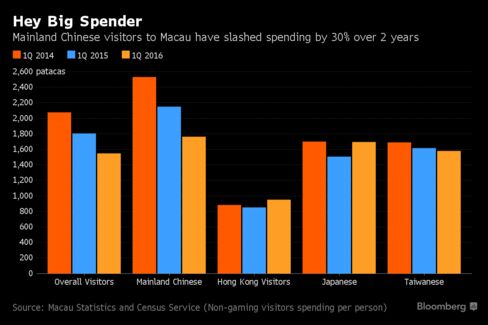
    Mainland Chinese have toned down their spending, shelling out 1,762 patacas ($220) per person in the first quarter on non-gambling purchases, down almost a third from 2014. That’s bad news for casino operators such as Wynn Macau Ltd. and Galaxy Entertainment Group Ltd. as they shift focus to casual gamblers and tourists to lift revenue from hotels, retail and conventions amid a two-year gambling slump. Chinese still make up about two-thirds of Macau’s visitors, even as their numbers last year fell for the first time since 2009 and eased a further 1 percent in the first four months of this year, according to data released Monday.

  • Philippine GDP growth surpasses China

    Philippine GDP growth surpasses China

    The Philippines has surpassed China in terms of GDP growth, for the first time in three decades, making the country the best performer in Asia* in Q1 2016.

    From 5 per cent in Q1 2015, Philippine GDP surged by 6.9 per cent in Q1 2016, the highest since the second quarter of 2013, said the National Economic and Development Authority.

    Philippine GDP growth outpaced China’s 6.7 per cent, Vietnam’s 5.5 per cent, Indonesia’s 4.9 per cent, Malaysia’s 4.2 per cent, Thailand’s 3.2 per cent, and Singapore’s 1.8 per cent economic growth in the quarter.

    Luisito Abueg, economics professor from De La Salle University Manila, said many factors contributed to the Philippines’ growth.

    “GDP may have been record high, but we have to account for the increased consumption component due to elections spending. It has been documented that during election periods, consumption increases, and with more created temporary jobs, more income circulates in the market,” said Abueg.

    Abueg said credits should not only go to the Aquino administration. “Some underlying components of growth may have been realized today, but the work of previous administrations are just now bearing fruit – the so called ‘lagged effects’ in economics and statistics.

    “That is why it is important that we should always have continuity: to continue the good, and to correct the bad. Not just to change everything just for the sake of credit-grabbing, which is a usual problem in Philippine politics, affecting economic directions.”

    Recently, Robinsons Retail, Jollibee, 7-Eleven and other retail companies reported profit growth for Q1 2016 citing election-related spending among other factors.

    With the country’s population projected to have reached 102.6 million in the first quarter of 2016, per capita GDP grew by 5.2 per cent from 3.2 per cent in the same quarter of 2015. Per capita household spending grew by 5.3 per cent from last year’s growth of 4.3 per cent, reported the Philippine Statistics Authority.

    The PSA said main growth driver was the services sector, which accelerated to 7.9 per cent from 5.5 per cent, while industry grew 8.7 percent from 5.3 per cent last year.

    On the other hand, the agriculture sector declined by 4.4 per cent, the fourth consecutive quarterly decline, from a growth of 1 per cent in the first quarter of 2015.

  • StarHub, MCC launch Mandarin edutainment channel

    StarHub, MCC launch Mandarin edutainment channel

    StarHub TV and MyChinaChannel (MCC) have launched a dedicated Mandarin edutainment channel for kids aged three to 12, with a mix of cartoons and live action shows.

    In addition to offering carefully curated content from China, MaxToon—which is owned and distributed by MCC—will also develop locally produced content to cater to the needs of Singaporean audiences.

    The content will emphasize the importance of character development and values such as kindness and care for others. Young viewers can look forward to catching MaxToon from 6am to 12 midnight, with four hours of fresh content everyday. There will be Chinese subtitles made available for selected programmes.

    In June, a brand new variety talk show called Kids’ Talk, will be the first locally produced program to debut on MaxToon. In Kids’ Talk, the host will engage its young guests on various topics of the day.

    Through the eyes of these innocent, young minds, viewers will be able to enter the children’s world—as these young guests assume different roles such as a parent, a Member of Parliament, or as themselves—and give their interpretations and perspectives on the topics.

    To ensure a good lineup of educational yet entertaining content, MCC will also be partnering Marshall Cavendish Education to co-create a kids’ reality programme in the last quarter of this year.

    Called Young Runners, the series will see kids race against one another in a game where the pedagogy and content advice will be mapped to the MOE curriculum, testing kids on their Mandarin proficiency.

  • Chinese sports brands back in the race

    Chinese sports brands back in the race

    A government-backed campaign to encourage healthy living is helping give Chinese sports brands traction again in the domestic consumer market.

    After three tough years with the slowing economy and over-expansion following the Beijing Olympics in 2008, the brands are ready to compete again, thanks to cutbacks in store networks and more choice in online sales channels.

    When Beijing was preparing to host the Olympics, sportswear companies began to expand aggressively, with leading brands adding nearly 1000 points-of-sale each every year between 2007 and 2011, according to Hong Kong brokerage and investment group CLSA analyst Dawei Feng.

    However, sales were undermined by cheap knock-offs and competition from expanding overseas fashion chains such as H&M, Uniqlo and Zara.

    Between 2012 and 2013, China’s biggest sports brand Anta closed 900 shops across the country. Also cutting stores from 8255 to 6133, Li Ning became profitable last year after three years of losses.

    Anta has been working with its stores on marketing, says Bloomberg Intelligence analyst Catherine Lim. It also started a children’s brand after China scrapped its one-child policy.

    Anta, which holds distribution rights to the Fila brand in China, is the official sportswear sponsor of the Chinese Olympic Committee.

    China’s five publicly traded sportswear companies have a combined market value of about $9.4 billion, or less than a 10th of Nike, the world’s largest sporting-goods maker.