Tag: China

  • Nepal Telecom lays fiber to Nepal-China border

    Nepal Telecom lays fiber to Nepal-China border

    Nepal Telecom has revealed it has completed a project to lay fiber at the Nepal-China border, paving the way for an interconnection with China Telecom.

    The company has deployed fiber from Kathmandu to the Rasuwagadhi border point via two other Nepalese districts. The deployment uses all-dielectric self-supporting (ADSS) technology, which allows fiber to be deployed without the use of a support or messenger wire to save on deployment costs.

    A spokesperson for Nepal Telecom told that the operator has already commenced installation of equipment for an interconnection with China Telecom’s extensive fiber footprint.

    This will allow the operator to directly link to the Hong Kong Data Centre – one of the two largest data centers in the Asia region – and to establish global connectivity through Hong Kong via China. The company will also connect with a hub in Singapore via India.

    Through these arrangements Nepal Telecom plans to improve the speed and increase the price of its services.

  • China Unicom to invest $2.1b in Shanghai

    China Unicom to invest $2.1b in Shanghai

    China Unicom has announced a significant investment project involving expanding and upgrading its telecoms infrastructure, building new a IoT platform and data centers in Shanghai.

    The move comes shortly after the operator signed an “Internet+” cooperation agreement with the Shanghai municipal government.

    As part of the agreement, Unicom has committed to invest 14 billion yuan ($2.15 billion) to expand and upgrade its fixed optical network and wireless infrastructure in Shanghai over the next five years.

    The operator said it plans to deploy tri-band carrier aggregation on its 4G networkto boost network speeds from 150Mbps to 500Mbps by 2018 and to 1Gbps by 2020, according to C114.net.

    The company, China’s second largest mobile carrier by subscribers, aims to offer high-speed fiber and mobile broadband services at speeds of up to 1Gpbs in some key areas in the city.

    In addition, Unicom will deploy 10Gbps passive optical technology, which is expected to cover 6 million residences with FTTx by 2018 and 7 million by 2020. The operator aims to have citywide VoLTE coverage – including HD audio and video calls and VoWi-Fi services – this year.

    To help turn Shanghai into a smart city, Unicom said it will also deploy a city-wideNB-IoT (Narrow-band Internet of Things) platform for applications such as intelligent parking and environmental monitoring.  Construction of the NB-IoT network is expected to be completed in 2017 with the deployment of 3,000 network base stations.

    The operator also plans to build new data centers and big data infrastructure to provide could computing applications and services for urban management and social services.

    Unicom will also support SMEs’ “Internet+” transformation with innovative information services and its big data platform and cloud services.

    Another area of focus is to help address the basic needs of general public by promoting the use of innovation applications in various fields, such as transport, healthcare, education, travel and smart home.

  • China still driving Alibaba sales

    China still driving Alibaba sales

    In posting its strongest revenue growth for the past four quarters, Alibaba has rounded off its fiscal year on a positive note.

    Although growth at the international division picked up strongly, it is China that has underpinned the group’s success.

    Alibaba sales jumped 39 per cent to 24.2 billion yuan (US$3.7 billion) in the three months ended March. Net income rose 85 per cent to 5.3 billion yuan.

    Despite the more challenging economic headwinds in China, Alibaba’s revenue from its various retail platforms in the country surged by 41 per cent over the quarter. Part of this is down to the growing audience, with active buyers across the various marketplaces growing by 16 per cent to an astonishing 423 million customers. Mobile platforms also saw growth with the number of monthly active users rising by 17 per cent to just over 410 million.

    This uplift was boosted by the rise in average revenue per buyer which increased by almost 11 per cent over the same period in the prior year. For mobile users the increase was even sharper, up by just under 109 per cent on the prior year.

    Much of this success can be attributed to three main factors:

    The first is reach. Here, Alibaba’s investment is allowing it to reach large swathes of the Chinese population – including in rural areas through its Rural Taobao platform – in a way that other eCommerce firms struggle to do. That it now has a presence in over 14,000 rural villages is a major advantage when it comes to growing its user base.

    The second factor is customer engagement and understanding. While many of its platforms are based around eCommerce, they are much more than just distribution systems. Taobao, for example, has a strong community element where consumers can look for news, understand trends, and interact with brands. This helps to drive up activity and user engagement which, in turn, aids sales conversion.

    The third factor is the group’s continued success with Western brands expanding into China. Arguably Alibaba is now the Chinese partner of choice for foreign firms, both because of its distribution network and its capability in providing intelligence and insight into consumer trends and habits. This ability to attract Western brands has made Tmall the destination for many Chinese shoppers. It is notable that in March alone, more than 100 new international brands joined the Tmall Global platform.

    As successful as Alibaba is in China, it has found international more challenging. However, the group is now taking a more selective approach to expansion, focusing on embryonic or underdeveloped eCommerce markets where its expertise can drive growth. The stake acquired in Lazada, an eCommerce platform in Southeast Asia, is typical of this strategy. Expect more such investments over the coming year.

    Despite its dominance in China, Alibaba’s growth prospects remain good – especially as it builds its content and entertainment business, and expands into services like cloud computing.

  • Apple China loses trademark fight

    Apple China loses trademark fight

    A small firm that sells handbags and other leather goods has won a trademark fight with US tech giant Apple China.

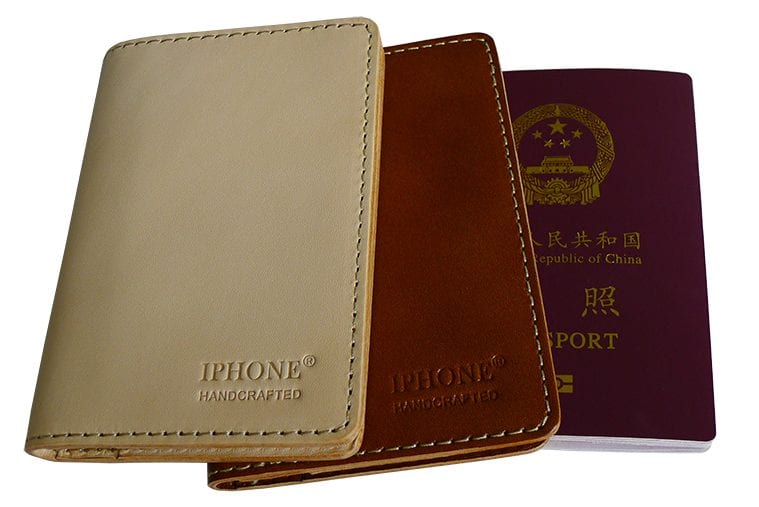
    A Beijing court has ruled that Xintong Tiandi Technology can keep using the name Iphone for its leather products, the official Legal Daily newspaper reports. The company registered the trademark in 2010.

    Apple filed a trademark bid for the name for electronic goods in 2002, but this was not approved until 2013.

    “Apple is disappointed the Beijing Higher People’s Court chose to allow Xintong to use the iPhone mark for leather goods when we have prevailed in several other cases against Xintong,” says an Apple spokesman. “We intend to request a retrial… and will continue to vigorously protect our trademark rights.”

    The Chinese firm’s products include leather phone cases, and its leather goods are branded “IPHONE” with a registered trademark symbol.

    iPhone leather China 1

    Apple first brought the case against the company to the Chinese trademark authority in 2012. When that failed, Apple filed a lawsuit in a lower Beijing court. That also ruled against Apple, which then appealed to the higher court.

    In its ruling, the higher court said Apple could not prove it was a well-known brand in China before Xintong Tiandi filed its trademark application in 2007 (Apple iPhones first went on sale in China in 2009).

    Meanwhile, Apple’s latest results show a 13 per cent drop in revenue on slower iPhone sales. Sales in China, its second-biggest market, plunged by 26 per cent.

    Apple also faces other difficulties in China. In March, Beijing passed a law requiring all content shown in China to be stored on servers based on the Chinese Mainland. As a result, Apple’s iBooks and iTunes services were shut down in China. Apple is hoping access to the services will be restored soon.

    Billionaire investor Carl Icahn has just sold all his shares in Apple over concerns about the technology firm’s prospects in China.

  • Chow Tai Fook casino interests expand

    Chow Tai Fook casino interests expand

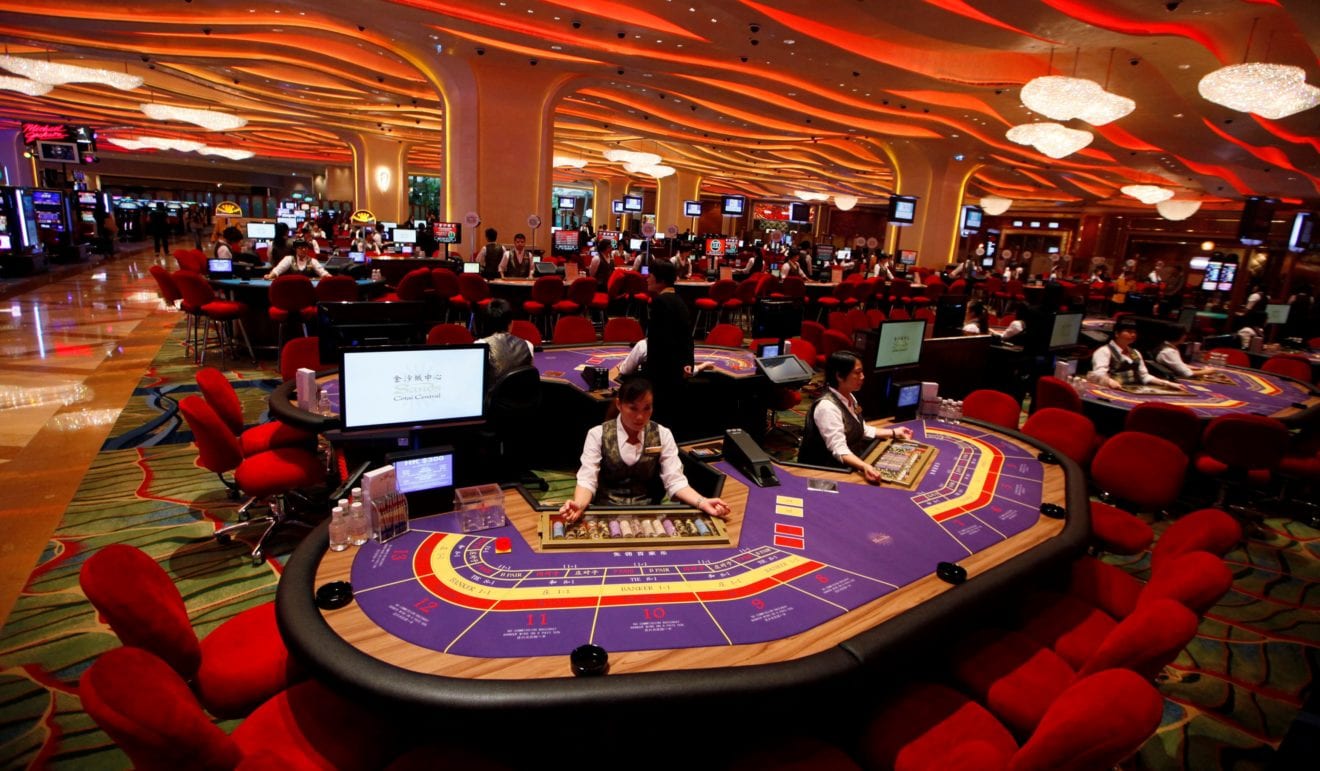
    Hong Kong jewellery retailer Chow Tai Fook Enterprises is diversifying into gaming, and is lead partner in a three-way joint venture developing Vietnam’s second integrated resort casino.

    After a prolonged delay, work has started on the $4 billion project’s first phase, in the UNESCO heritage city of Hoi An in Quan Nam province.

    Also involved in the Nam Hoi An Casino Resort are Vietnamese investment banking firm VinaCapital and Macau junket company SunCity Group. Chow Tai Fook acquired VinaCapital’s majority holding last September, although VinaCapital has announced it will boost its stake from 22.5 to 32 per cent, and also has a major stake in SunCity.

    Chow Tai Fook casino interests in Vietnam, through its New World Development unit, already include two large hotels in Ho Chi Minh City, the New World and the Renaissance Riverside. Three hotels will be included in the Hoi An development.

    Including resorts, an amusement park, golf course, premium villas and apartments, the first phase of the Hoi An project will cost about $500 million and should be completed early 2019. It covers 160ha. The only other integrated resort in Vietnam offering high-end gaming for international tourists is the larger Ho Tram Strip resort near Vung Tau, a beach settlement near Ho Chi Minh City.

    While the Nam Hoi An resort was licensed in 2010, VinaCapital’s original JV partner Genting Malaysia dropped out of the project two years later after deciding that the government’s demand for a minimum US$4 billion investment threshold was too steep considering the property’s gaming options would not be available to local residents.

    Chow Tai Fook, meanwhile, has been aggressively seeking out diversification via casino projects. The company has a stake in The Star Entertainment Group’s $3 billion resort casino project in Brisbane, and in November the Korea Herald reported that Chow Tai Fook had signed a letter of intent to invest $1.6 billion in creating a casino resort at Incheon, near Seoul.

    Chow Tai Fook is a privately held conglomerate controlled by the family of Hong Kong businessman Cheng Yu Tung, Hong Kong’s fourth-richest person who is a longstanding business partner of Stanley Ho Hung Sun, a founder of Macau casino investor SJM Holdings. For the Vietnam project, Chow Tai Fook is working through its entity Gold Yield Enterprises.

    Reuters has quoted industry analysts as saying that Vietnam is within easy reach of wealthy Chinese who provide the lion’s share of gaming revenue in Asia.

  • Gucci America follows Michael Kors out of IACC

    Gucci America follows Michael Kors out of IACC

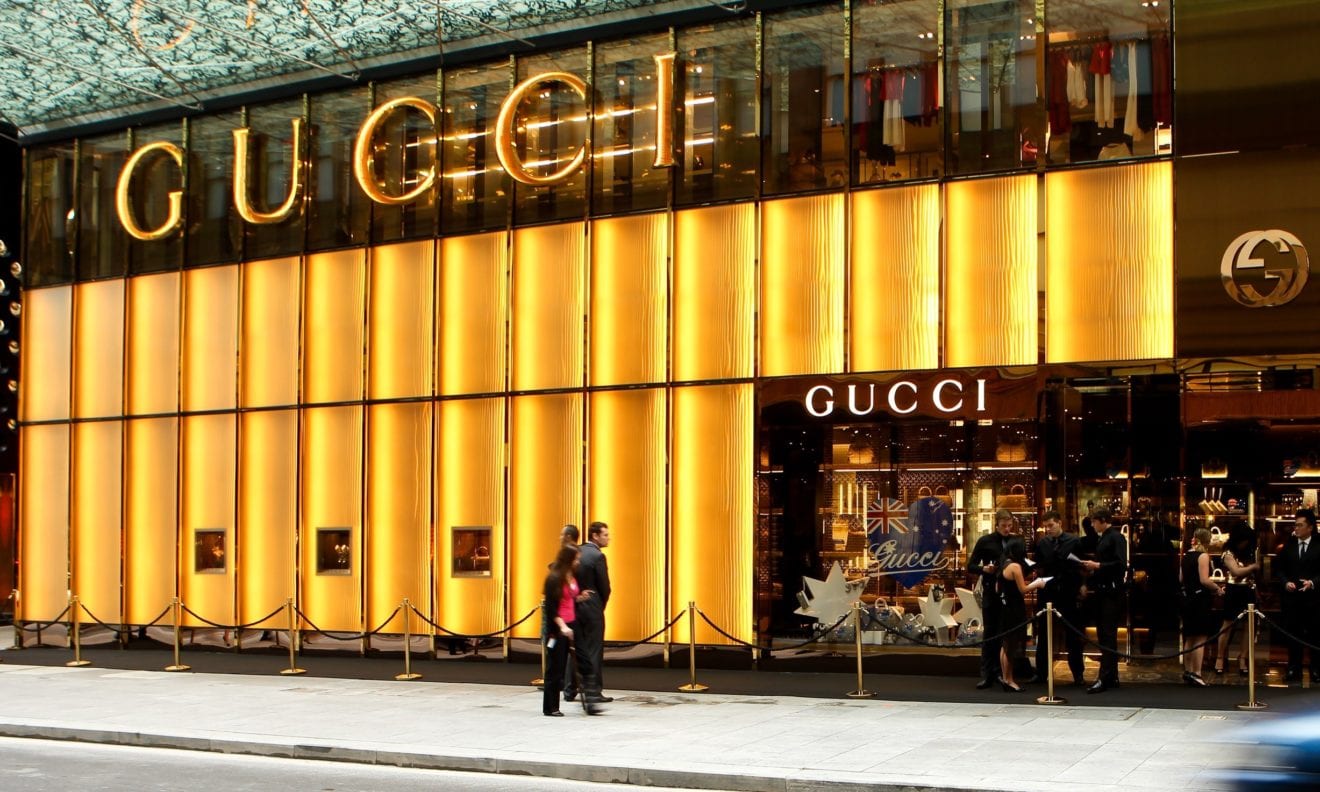
    Gucci America has become the second brand to quit the International Anti-Counterfeiting Coalition(IACC) since the US-based group allowed Chinese eCommerce giant Alibaba to become a member last month.

    Describing Alibaba as “our most dangerous and damaging adversary”, Michael Kors left the IACC just after the Washington, DC group let Alibaba on board.

    Gucci, along with other Kering Group brands like Balenciaga, is suing Alibaba in New York, accusing it of knowingly encouraging and profiting from the sale of counterfeit goods on its eCommerce platforms. Alibaba has dismissed the suit as “wasteful litigation”.

    “The IACC stands by its decision and is committed to lean into the future and lead a coalition of the willing,” IACC president Robert Barchiesi says. “Whether it’s payment processors or online marketplaces, the choice is clear, they must be an integral part of the solution.”

    Alibaba’s membership is in a special category without voting rights, originally created when eBay asked to join the coalition, which it has not done as yet.

    Alibaba says its membership will allow it to work more closely and effectively with brands to enforce intellectual property rights.
    There are more than 250 members of the IACC including Apple, Chanel and Cisco Systems.

    Meanwhile, Alibaba Group boss Jack Ma has been confirmed as the IACC’s spring conference speaker.

  • Hong Kong mars Estee Lauder Asia result

    Hong Kong mars Estee Lauder Asia result

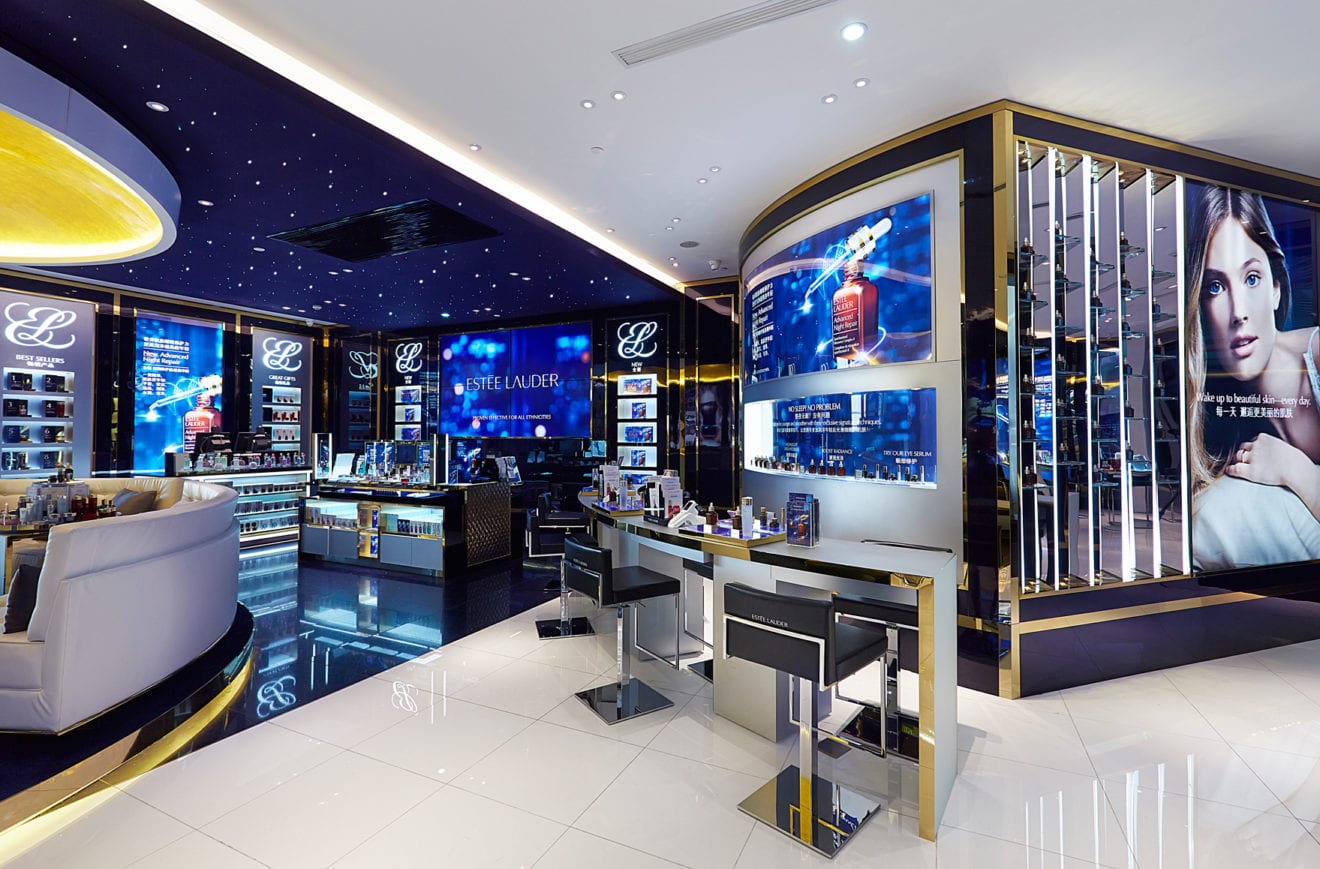
    Beauty giant Estee Lauder says its Asian sales rose in every country except Hong Kong in the last quarter.

    Estee Lauder Asia achieved double-digit growth in Korea, Japan, Australia and Taiwan and achieved “solid” constant currency sales gains in China and Thailand.

    “The higher sales in China reflected sales gains in most brands due to continued distribution expansion and increased online activity,” the company said in an earnings statement.

    “In Hong Kong, the reduction in tourism from China continues to negatively impact business, particularly for the Estee Lauder, Clinique and La Mer brands. The company remains cautious of the near-term slower growth there.”

    Foreign currency translation unfavorably impacted reported sales by 5 per cent with the largest impact affecting China, Korea and Australia.

    In Asia-Pacific, operating income decreased, with lower results reported primarily in Hong Kong and China.

    “The lower results in Hong Kong were primarily due to the lower sales, and in China were attributable to increased marketing, selling and store operations costs. These lower results were partially offset by higher operating income in Japan and Singapore,” the company said.

    In its outlook for the full 2016 year, now nine months complete, Estee Lauder said it expects the global prestige beauty market  to continue to generate solid growth.

    “However, volatility and economic challenges are expected to continue to negatively impact Hong Kong and some emerging markets challenged by weak currencies. The company’s growth has outpaced global prestige beauty and is expected to continue growing faster than the industry, demonstrating the company’s ability to successfully navigate volatility. The company expects to increase targeted investment spending in the fiscal 2016 fourth quarter compared with the prior year, behind areas with good momentum or with opportunities for share gains, as well as in capabilities to sustain future growth.”

    Globally, net sales for the company’s third quarter to March 31 totalled US$2.66 billion, a 3 per cent increase compared over the $2.58 billion in the prior-year quarter. Net earnings were $265.6 million, down on the $272.1 million of last year.

    Meanwhile, Estee Lauder has revealed plans to save between $200 million and $300 million a year through a series of job cuts, retraining and restructuring initiatives.

  • Isobar showcases latest VR and brainwave technologies at CES Asia

    Isobar showcases latest VR and brainwave technologies at CES Asia

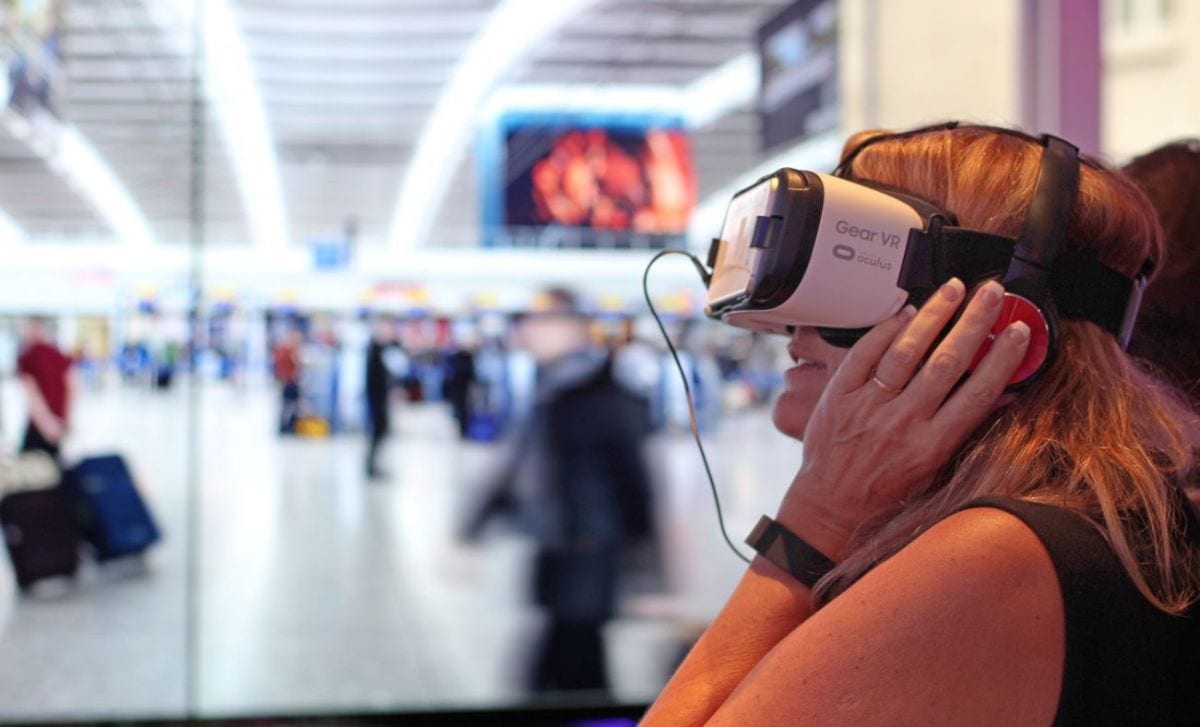
    At CES Asia 2016, which opens today, Isobar will be showcasing BVRAIN and UMood, two marketing innovations from Isobar, which demonstrate the agency’s capabilities in leveraging new technologies to provide brands with innovative marketing solutions.

    BVRAIN are VR goggles that visualize the activity and emotions of the human brain. After a short scanning process, users are able to see a real-time abstraction of their brain in compelling and interactive 3D visuals. The system outputs emotional values based on the user’s brain activity. These values are also mapped onto the corresponding areas of the brain. 

    In addition to visualizing people’s minds, BVRAIN also allows for brain adaptive games and content. In a coin collecting VR game, users are able to see obstacles based on their brain activity. The entire journey will also be generated by their actual brainwaves, opening up a whole new area of adaptive gaming.

    BVRAIN is the brainchild of Isobar Shanghai’s NowLab. The first application of BVRAIN was launched for Coca Cola’s Innovation Center at Wanda Theaters in major cities across China in April 2016.

    NowLab is a new initiative by Isobar’s global network to accelerate innovation through technology. NowLab’s objective is to enable quicker application of world-class innovative technologies in clients’ brand marketing and create an innovative brand experience for consumers. Isobar’s NowLab project teams in 14 offices worldwide are currently collaborating on international product and technology development, striving to create innovative programs for clients and employees.

    Francis Lam, Head of NowLab and Chief Innovation & Technology Officer of Isobar China, commented: “Technology is a crucial component of today’s market innovation. Using an unprecedented approach to discover the potentials of technologies, NowLab is committed to providing innovative human-machine interfaces, multi-screen interactions and various indoor/outdoor environments when our clients and consumers need us the most, in order to deliver a variety of unique and realistic innovative solutions. By combining VR with brainwave technologies, BVRAIN can create innovative, experiential programs for brand communication.”

    UMood, a smart product selection system developed for UNIQLO by the Isobar Australia and Dentsu Science Jam, a Dentsu Aegis Network company, also debuted at the exhibition to provide visitor with a cutting-edge user experience which recently grabbed headlines in Australia and the region.

    UMood is the first of its kind product selection tool, which uses neuroscience to help match customers’ moods with the perfect T-shirt. Consumers wear a neuro headset to watch a series of images and videos on the screen. The headset uses neuro analysis, measuring their brainwave reactions to the stimulus, to determine the user’s mood and subsequently make product recommendations based on that mood.

    Sven Huberts, Managing Director for Isobar Asia Pacific, said: “We don’t believe in using technology for technology’s sake. When we are addressing a client’s business challenge, we are constantly looking for new ways to elevate the brand experience to deliver value to that particular challenge. UMood is a good example of what a Brand Commerce solution can look like, whereby you’re bringing points of inspiration and points of transaction ever closer together.”

    Following last year’s successful debut at CES Asia™, Dentsu Aegis Network has expanded its presence at CES Asia this year, attending the world’s top consumer electronics show. The three-day event will see the network present 12 consumer marketing innovative products, doubling its presence last year. These products are owned or co-created by Dentsu Aegis Network offices in Australia, China, India and Japan. These technologies are centered on the theme of “Empower the Extended Self”, by using latest digital technologies including VR, robotics, facial recognition and real-time emotion analyzers.

  • How big brands can make online marketplaces work

    How big brands can make online marketplaces work

    Online marketplaces, those giant shopping sites like eBay and Amazon Marketplace, can be a mixed blessing for brands and merchants.

    Marketplaces offer retailers broad exposure to millions of consumers, as well as delivery, payment and other solutions. Still, most marketplaces leave merchants wanting in one very important aspect: brand control. While the platforms provide virtual shelf space for listing products, merchants are generally limited to one-size-fits-all templates for their online storefronts—thus restricting their ability to set themselves apart from rivals with brand-building presentations and content.

    Not all marketplaces are created equal, however. In China, where marketplaces are overwhelmingly favored by online shoppers, e-commerce leader Alibaba Group has been returning branding power to merchants through the company’s Tmall.com B2C marketplace.

    Tmall, which positions itself as China’s top online destination for domestic and foreign branded merchandise, has developed a suite of tools that allows merchants to customize their Tmall.com storefronts with the logos, fonts and colors for which they’re known the world over, as well as with videos, interactive features and other content. Moreover, merchants can combine these tools with Alibaba’s trove of data on shopping behavior to tailor their storefronts to individual consumers visiting their e-shops at any given moment.

    This approach gives merchants far more than a place on the internet to list and sell products. It offers them the ability to present their brands as effectively as they do on their company-run websites, boosting their opportunity to reach consumers among Alibaba’s 400-million-plus active buyers and build lasting customer relationships. Merchants “have total control,” said Paul Fu, the San Mateo, California-based head of Alibaba’s User Experience Design team.

    This is a significant departure from the “one webpage to serve them all” marketplace model. Tmall offers as many as 55,000 different storefront templates across about 30 different business sectors for merchants to choose from. Another 3,000 templates exist for product pages, and there are a thousand designs for marketing material such as e-mails and SMS alerts, according to Fu. If these packaged solutions don’t satisfy certain merchants, they can design their own right down to the page breaks and <p> tags, and then upload the code to Tmall.

    Major international brands have used this enhanced flexibility to build unique and engaging Tmall storefronts. For example, GoPro, the U.S.-based maker of wearable video cameras, produced a series of videos that appear on its storefront showing GoPro cameras being used in extreme situations, such as geologists staring into the mouth of a volcano or snowboarders doing double backflips as they race down a mountain.

    The Tmall storefronts of other household names such as Starbucks, L’Oreal, Maserati and Zara also offer fully branded experiences that experiences that mirror the look and feel of their corporate e-commerce sites, including multipage navigation according to product category and even full brand histories. Still others take the experience a step further in an attempt to boost the time consumers spend on their pages. Case in point: L’Oreal in the past has given consumers easy-to-follow guides and tips for using its beauty products.

    L’Oreal engaged consumers with hair-coloring tips posted on the company’s Tmall storefront.

    Fu says that Tmall storefronts are based on so-called “responsive” design, which means they look as good on mobile devices as they do on the web. But customization options for Tmall storefronts go even deeper.

    Using consumer data collected by Tmall, merchants can present not just personalized product recommendations based on shopping history to storefront visitors, they can also offer different homepages tailored to particular types of shoppers. For example, German personal-care brand Nivea displays three different storefronts on Tmall depending on whether a shopper is a first-time visitor, new buyer or loyal fan. First-time visitors are shown low-cost products that may tempt them to experiment with the brand. Fans, meanwhile, see sets of higher-value products bundled together as a way to boost their total purchase.

    Three different customers, three different mobile presentations. First-time visitors, new buyers and loyal fans all see products tailored specifically to them when they visit Nivea’s Tmall site.

    By making it possible for merchants to tag and manage their customers by attributes and personalize storefronts for each visitor, individual customers are exposed to highly relevant content, which drives higher conversion rates. Fu said after Nivea implemented personalized storefronts, “the data showed that the browsing conversion rate was improved by 70 percent and transactions increased by 150 percent—more than double the previous number of purchases,” he said. Browsing conversion is the rate at which shoppers click through to find out more about a product.

    Fu says Alibaba analyzes buyers based on five different behaviors: attention, interest, decision, action and sharing, all of which are part of the Tmall shopping cycle. A certain product may draw the attention of a shopper, which prompts him or her to click through to the seller’s store where they can learn more about the item. Then they decide whether or not to bookmark it or add it to their shopping cart; a purchase constitutes action. Sharing comes after, once a consumer tells a friend about their purchase or leaves a review on a merchant’s Tmall store.

    “We provide this capability for the seller to do these kinds of very sophisticated analyses,” Fu said. “Later, because we opened up this technology and data [to merchants], the seller can come up with their own model to do the analysis.”

    Still more tools are to come. Merchants currently log into a content-management system of sorts that lets them set up and manage their storefronts, including text, photos and slide show placement. They can also choose the products they want displayed as recommendations when a shopper is viewing, say, hand cream or razors or a sweater. Up next is a tool that will allow merchants to create banner advertisements on the fly, rather than turning to a designer to handle what is often a time-consuming task. That’s expected this quarter.

    Tmall also helps merchants synch their online stores with their bricks-and-mortar outlets. Fu said the goal is to make sure all points of sale are linked up, including mobile, desktop and offline. One key advantage for merchants to this so-called “omnichannel” approach is the ability to manage inventory across physical and virtual sales channels. Another is the ability to know a buyer’s location so that the nearest warehouse is used for shipping, which speeds up delivery.

    “All areas of the ecosystem are working together for merchants,” Fu said. “Before they had to figure this out on their own. But now we’ve come up with a system, and built the right tools to help them.”

    * Originally published by Alizila.com – the independent, but Alibaba Group-funded website of news about the Chinese eCommerce giant.

  • Gucci sorry for warning to Hong Kong funeral offering shops

    Gucci sorry for warning to Hong Kong funeral offering shops

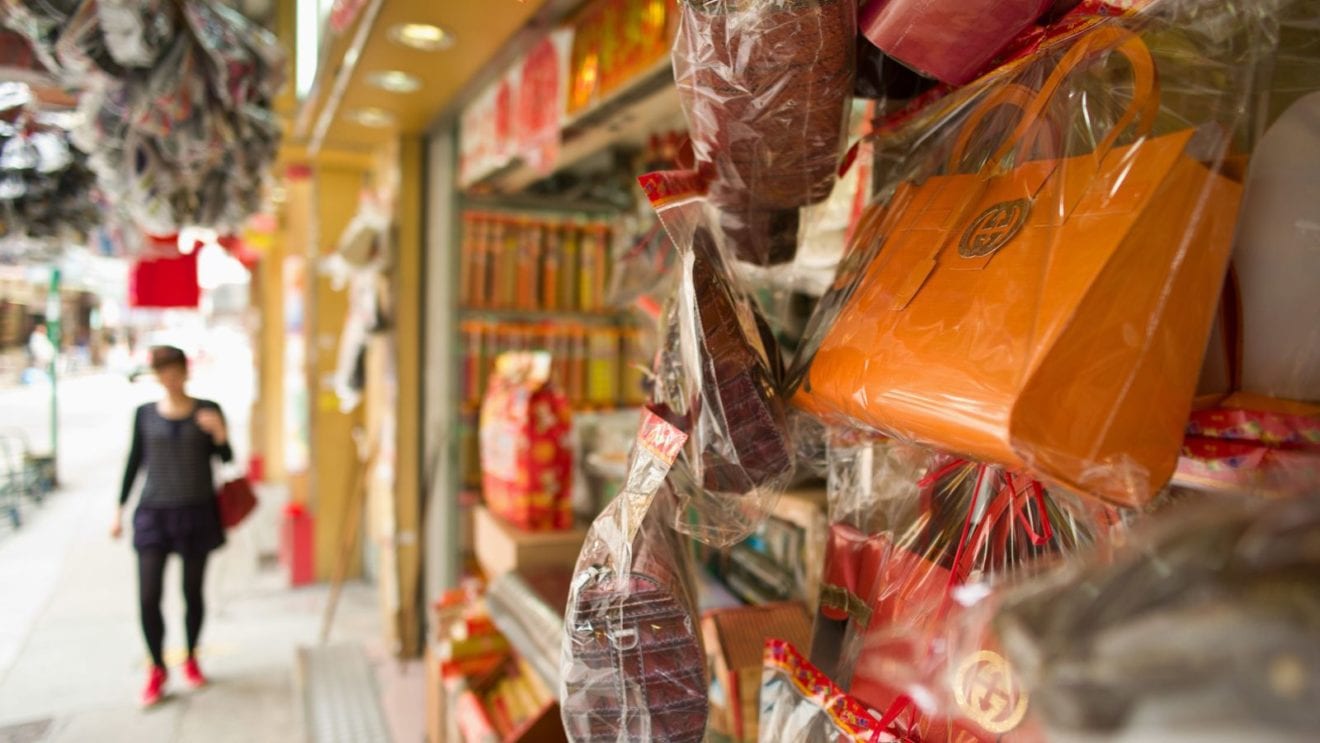
    Gucci and its parent company apologized Friday after drawing heavy criticism for warning some Hong Kong shops not to sell paper offerings for the deceased that resembled the fashion brand’s luxury products.

    The brand and its Paris-based owner, Kering, also said in a statement that they regretted any misunderstanding caused by the letters, which were sent to six shops last month.

    After meeting with the shop owners, “Kering and Gucci would like to reiterate their utmost respect with regards to the funeral context,” the statement said.

    In Hong Kong and some other parts of Asia, people burn paper offerings at funerals and during grave-sweeping festivals for deceased relatives to “use” in the afterlife.

    Specialty shops near funeral parlors sell a diverse array of paper offerings, including bundles of “hell money,” mansions, iPhones, cars, cigarettes and designer handbags, cans of beer and soda, mahjong tables and dogs and cats.

    The letters, which were sent as part of the companies’ global intellectual property protection efforts, did not suggest legal action or compensation because they did not believe the shop owners intended to infringe on the Gucci trademark, the statement said.

    Gucci operates 11 boutiques in Hong Kong and is one of the brands most coveted by shoppers, including many visiting from mainland China, where luxury goods are more expensive because of higher taxes.

  • Under Armour in trademark fight with Uncle Martian

    Under Armour in trademark fight with Uncle Martian

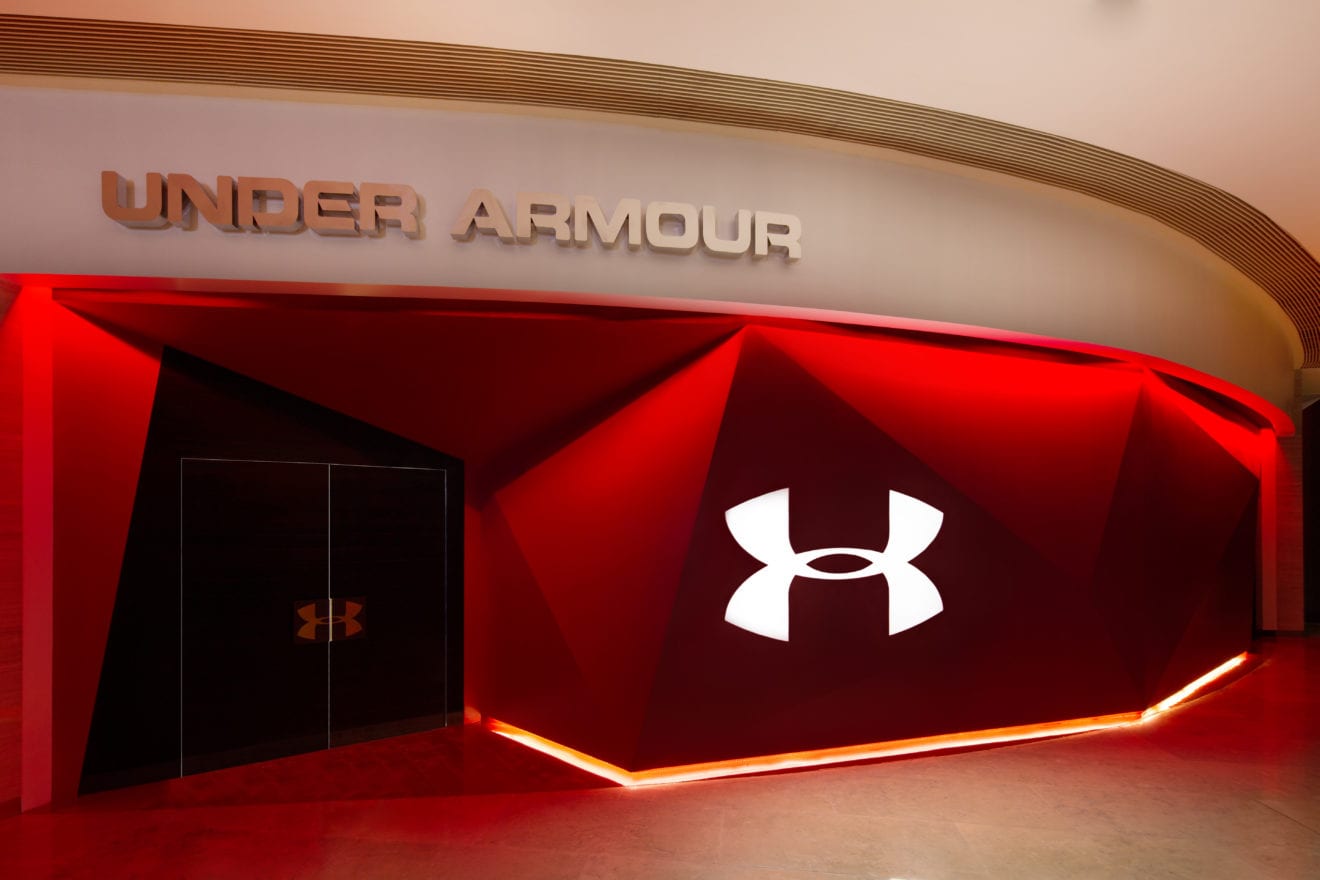
    Uncle Martian, a new competitor for sportswear brand Under Armour in one of its main markets, China, is in hot water for co-opting the US company’s logo.

    Under Armour uses a U over an inverted U that intersect to form a stylised A. Uncle Martian has the same two-U configuration, but the letters do not touch.

    Apparel manufacturer Tingfei Long Sporting Goods in Fujian province, in southeastern China, is the company behind the new brand, which is offering shoes in its first foray into athletic wear.

    Executive Huang Canlong says the brand aims to be associated with “comfort, excellence and innovation”. He told Shoes.net.cn he wants to create a high-profile brand with “high standards”.
    Out of Baltimore in the US, Under Armour has seen its sales in China almost triple in the first quarter of this year compared with the same period last year.

    Meanwhile, Chinese consumers have been criticising Uncle Martian for its blatant hijack of the Under Armour logo.

    “How come you can’t even design a logo? All you do is plagiarise – don’t you feel it’s disgusting?” one critic wrote on Weibo.
    Another Weibo user, Zhang Gemeng, has pointed out that such blatant copying goes against the national policy of encouraging homegrown creativity.
    “Don’t blame people when they say they look down upon domestic brands,” wrote another user, indicating the move as a “loss of face” for China.

    Under Armour, of course, is also unamused and is pursuing “all business and legal courses of action” according to spokesperson Diane Pelkey.

    “Uncle Martian’s uses of Under Armour’s famous logo, name and other intellectual property are a serious concern and blatant infringement.”

  • China awards fourth telecoms license

    China awards fourth telecoms license

    Chinas’ big three operators will have new competition, with the Ministry of Industry and Information Technology (MIIT) issuing the nation’s fourth telecoms license to China Broadcasting Network.

    The license will allow China Broadcasting Network to provide domestic internet data transmission and telecoms infrastructure services.

    With the license the company willl be able to provide key telecoms services including broadband, calling and text messages, Shanghai Daily reported. The company will offer services via its subsidiary China Cable Television Network, which operates cable TV services nationwide.
    Chinas’ big three operators will have new competition, with the Ministry of Industry and Information Technology (MIIT) issuing the nation’s fourth telecoms license to China Broadcasting Network.

    The license will allow China Broadcasting Network to provide domestic internet data transmission and telecoms infrastructure services.

    With the license the company willl be able to provide key telecoms services including broadband, calling and text messages, Shanghai Daily reported. The company will offer services via its subsidiary China Cable Television Network, which operates cable TV services nationwide.

    A spokesperson for the MIIT said the introduction of a new operator is expected to improve market competition, as well as technology innovation and integration.

    The allocation is also in line with the ministry’s three-network convergence project, which aims to combine telecoms, television and internet services into a single network.

    China Broadcasting Network was founded in 2014 and has registered capital of 4.5 billion yuan ($691.9 million).

    Shares in incumbent operators China Mobile, China Telecom and China Unicom all declined slightly in the wake of the news. But Reuters reports that the introduction of China Broadcasting Network to have little impact on the operators’ businesses in the short term, due in part to the broadcaster’s capital constraints.
    A spokesperson for the MIIT said the introduction of a new operator is expected to improve market competition, as well as technology innovation and integration.

    The allocation is also in line with the ministry’s three-network convergence project, which aims to combine telecoms, television and internet services into a single network.

    China Broadcasting Network was founded in 2014 and has registered capital of 4.5 billion yuan ($691.9 million).

    Shares in incumbent operators China Mobile, China Telecom and China Unicom all declined slightly in the wake of the news. But Reuters reports that the introduction of China Broadcasting Network to have little impact on the operators’ businesses in the short term, due in part to the broadcaster’s capital constraints.

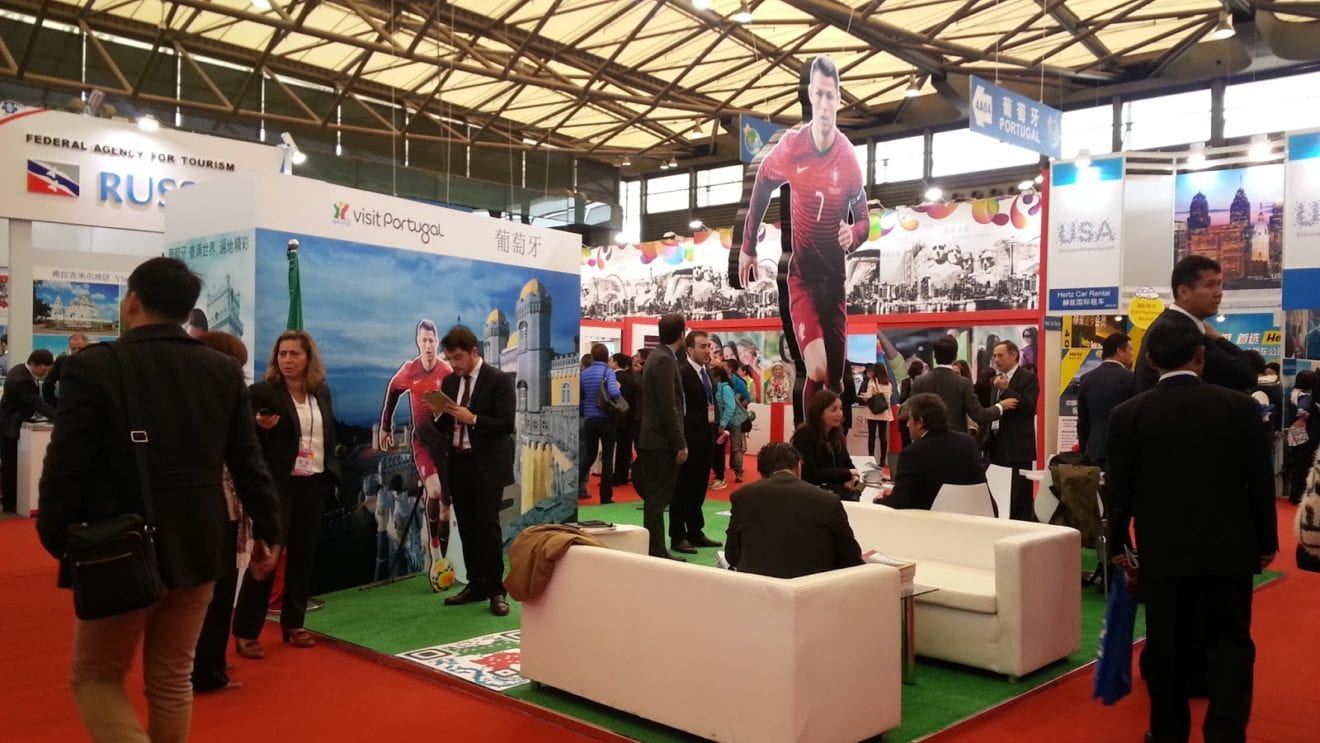
  • Indonesia to take part in Beijing Tourism Expo

    Indonesia to take part in Beijing Tourism Expo

    The Indonesian government will participate in the Beijing International Tourism Expo (BITE) to be held on May 20-22 to realize its target of attracting two million Chinese tourists this year.

    The Indonesian Tourism Ministry would be one of the main sponsors of the expo, Deputy Tourism Minister in charge of International Tourism Marketing Development I Gede Pitana stated here, Friday.

    The ministry was optimistic that Indonesia would be able to attract Chinese tourists during the long holiday from October 1 to 7 this year, he noted.

    China has become Indonesias main tourist contributor, according to Tourism Minister Arief Yahya.

    Last year, some 987 participants from 81 countries took part in BITE, which was visited by some 120 thousand people.

    BITE has been organized annually for the past 13 years, and Indonesia has taken part in the expo twice.

    Other countries expected to participate in BITE this year are the United States, the Maldives, Seychelles, Thailand, Sri Lanka, Japan, Taiwan, South Korea, Malaysia, India, and some European countries, among others.

    Indonesia has set a target of attracting 20 million foreign tourists by 2019, from 9.7 million last year.

    This year, Indonesia hopes to lure some 12 million foreign tourists.

  • Starbucks: New Stores Are Nice, But Here’s The Real China Domination Plan

    Starbucks: New Stores Are Nice, But Here’s The Real China Domination Plan

    Last week, I reasoned why Starbucks’ growth plans in China would lay the foundation for the company’s ultimate success in the long-term. Put simply, China will make you rich as a Starbucks shareholder.

    The “long game,” as CEO Howard Schultz describes it, includes opening 500 locations per year for the rest of the decade, to build on the 2,000 stores the company has in 100 cities.

    But growing its store base isn’t the only plan. While expansion is a driving factor for long-term growth, the company’s plans in the short-term should make shareholders very happy as well: digital growth.

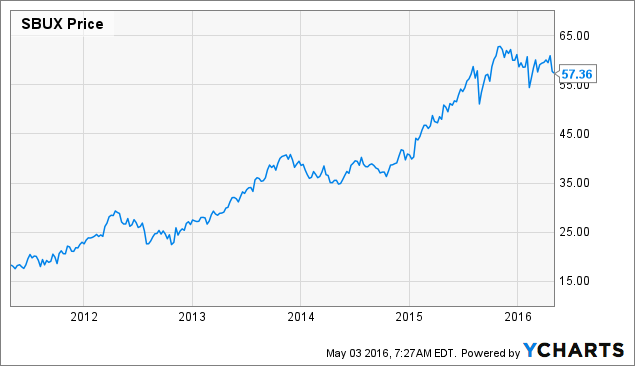
    In 2014, Starbucks really started to press forward with its mobile app ambitions. Schultz predicted the drop in mall traffic and strain felt by traditional retailers as a result. While he talked about the revolutionary features the app would bring, the stock price languished, trading sideways for much of the year.

    But in 2015, we saw a rejuvenated stock, one that climbed almost 50% as its app-based payment method accelerated sales growth in the U.S. This year, look for Mobile Order and Pay to be the driver in the U.S., and for delivery to boost results next year. It’s why the Americas segment boasts such strong same-store sales growth, up another 7% last quarter despite growing comps 7% in fiscal 2015.

    To say the company’s digital efforts have made an impact would be an understatement. It increases the brand strength, encourages higher spending, more loyalty and gift card loading. It was a total game-changer, and it remains that way today.

    That’s why taking it over to China will make an enormous impact.

    Several times, and most recently in the latest quarterly conference call, Schultz has referenced that the company is bringing its digital presence across the Pacific.

    I am more convinced ever that… as we fully roll out our new partnerships with the leading digital companies and brands in China and leverage our unique digital, mobile, card, gifting, and loyalty programs across our business in China later this year and ultimately across CAP overall, we will perform at even higher levels of success and profitability in the future than we do today.

    Although revenues respectfully climbed 18% and 14% in China/Asia-Pacific last quarter, I would look for a deeper mobile push in China to be like gasoline on the fire.

    Taking a peek at the most recent conference call from Alibaba (NYSE:BABA) sheds some light on the mobile/online retail world of China (bold emphasis added):

    So retail sales is going against the grain of what many consider to be a decelerating economy. And that’s because the shift of the Chinese economy is going from investment-driven to consumption-driven… e-commerce penetration continues to grow and that is largely because Alibaba is behind driving that penetration of online commerce. And we’ve seen a very massive shift of users going online, that’s because of the advent of the mobile device.

    Starbucks is also a beneficiary of this move, even though sales aren’t done online necessarily, but through a mobile device. I know this doesn’t seem like a big deal to some, but when shares were trading sideways throughout 2014, that’s when the company was gearing up to unleash its mobile potential.

    SBUX Chart

    Despite the doubters, Schultz continued to stress the “flywheel effect” that Starbucks’ digital efforts would create, and boy was he right. It has propelled the Americas segment to new heights and it will continue to do so going forward.

    There’s no reason China will be any different. Although recent comps in CAP have been disappointing by many analysts’ expectations, I think this will help to drive them higher later this year and throughout fiscal 2017. Given that CAP comps have been underwhelming this year, it should also be a low bar to hurdle next year.

    So while increasing the store footprint in China is the right thing to do for the long-term, the digital expansion was absolutely necessary for the short and intermediate term. Especially for such a big and technologically-driven Chinese market.

  • BreadTalk to open in Myanmar next year

    BreadTalk to open in Myanmar next year

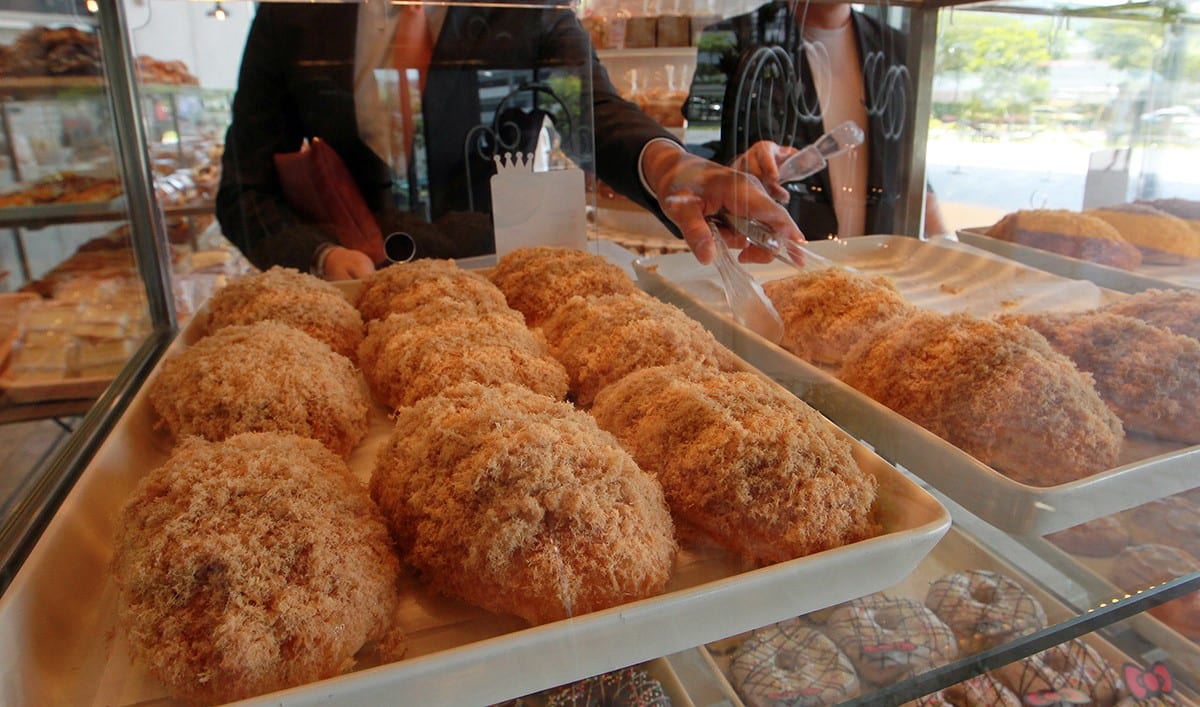
    Myanmar’s growing group of middle-class consumers can now look forward to Singapore bakery giant BreadTalk’s pastries and baked goods as the home-grown bakery brand will soon be available in Myanmar.

    It signed a franchise agreement with Myanmar Bakery on Tuesday (May 3), which will allow Myanmar Bakery to hold the master franchise to operate BreadTalk outlets in Myanmar.

    The first outlet is expected to open in Yangon by early 2017 in one of the shopping centres owned by the Shwe Taung Group. Myanmar Bakery is part of Myanmar conglomerate Shwe Taung Group, which owns an extensive network of real estate businesses in Myanmar.

    The deal marks the first food and beverage venture in Myanmar for the Shwe Taung Group and is also BreadTalk’s maiden foray into Myanmar.

    “With a growing middle class and rising retail consumption, there are immense growth opportunities for BreadTalk in Myanmar,” said Mr Tan Aik Peng, chief executive officer of BreadTalk’s Bakery division.

    “The Singapore team is working closely with the Shwe Taung Group to understand the Myanmar market and we promise an exciting line up with BreadTalk’s first boutique bakery in Yangon.”

    He added that BreadTalk was confident that they will “introduce a new lifestyle of bread appreciation” to Myanmar’s burgeoning middle class.

    BreadTalk operates close to 800 outlets across Singapore, China, Hong Kong, Indonesia and Thailand.

    The Shwe Taung group of companies is a conglomerate involved in real estate, construction and engineering, infrastructure, hotels, entertainment, trading and investment. It also operates the Junction Centre group of shopping centres, which include malls in Yangon and in Naypyitaw, the country’s administrative capital.

    The group is also behind the upcoming Junction City, which is an integrated development in downtown Yangon which will comprise a lifestyle shopping mall, an office tower and a five-star luxury hotel scheduled to open in the first quarter of 2017.