Tag: China

  • Asia drops Burberry profit

    Asia drops Burberry profit

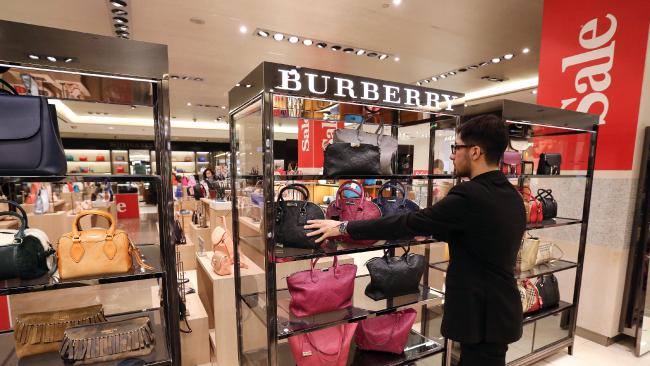
    Hong Kong has been blamed for a further decline in Burberry profit and a consequential cutback of staff and products.

    The British luxury goods brand has reported an 8 per cent fall in adjusted pre-tax profit to £421 million in the year to March 31 on flat revenue of £2.5 billion.

    In an earnings call, CFO Carol Drinkwater said trading in Hong Kong and Macau, which account for about 8 per cent of sales, remained tough, but the group’s stores there are still profitable, and all luxury brands were affected.

    “Conditions remain extremely challenging,” she said.

    As Andy Hall, explains, retail like-for-like sales were down by 1 per cent globally.

    But that was entirely due to falling demand in Hong Kong and Macau, where Burberry and its peers have had to contend with a collapse in demand for luxury goods. Excluding the two territories’ figures, same store sales rose a more respectable 3 per cent.

    “While the Burberry brand retains appeal globally, wider economic conditions and trading in traditionally lucrative Asian markets has dampened footfall, and hurt luxury players like Burberry the most,” said Hall.

    CEO Christopher Bailey is now looking to create a more efficient retail operation – with a £100 million cost reduction plan to be implemented over the next two years to restore profit growth and appease increasingly nervous shareholders while it weathers the Hong Kong storm.

    The company plans to cut between 15 and 20 per cent of its products across all its range, focus more on handbags and eliminate about 100 jobs.

    “I am mindful we are embarking on this plan at a time when our industry is facing significant challenges,” said Bailey, who has seen the company’s market value fall by about 37 per cent over the last 12 months.

    Handbags have higher margins and the company is not selling as well as rivals Louis Vuitton and Prada in that category.

    Furthermore, Burberry is aware it needs to increase its sales per square foot, currently estimated at around 1600 euros a year, a third that of Louis Vuitton and also well behind Moncler and Prada.

    Bailey has conceded Burberry is not as good as its rivals in “retailing basics”. It now plans to make its stores more productive by further tailoring ranges for local customers, improving customer service, increasing staff training and reviewing merchandise to highlight a reduced, simpler range of product.

    Hall says a renewed focus on in-store service and productivity would bring Burberry in line with the focus of luxury peers and would create a leaner, fitter operation with which to take the blows being dealt by a declining global demand.

    “Burberry’s decision to streamline its product ranges, at the same time as introducing some new products such as its Scarf Bar and new male fragrances, demonstrates its commitment to innovation, and attempts not to be left behind by other luxury fashion players.”

    Hall says Burberry has a lot of attributes in its favour and the collapse in demand in Hong Kong is unlikely to be its undoing.

    “However, with the retailer now re-focusing its efforts on retail (which accounts for 73 per cent of group revenue), it is crucial it continues to make pro-active improvements to the business. Examples of this – such as its reshaping of the fashion-show calendar, and imminent relaunch of its Burberry.com website, will help the brand to retain strong recognition, and ensure it holds its appeal even as the wider trading backdrop remains challenging,” said Hall.


  • Tencent Holdings revenues grow 43 per cent

    Tencent Holdings revenues grow 43 per cent

    First-quarter Tencent Holdings revenues grew 43 per cent to RMB31,995 million (US$4893 million).

    The Chinese company’s subsidiaries provide media, entertainment, internet and mobile phone value-added services and online advertising services in Asia.

    Revenues from its value-added service increased by 34 per cent to RMB24,964 million, while its online games business achieved 28 per cent growth, primarily driven by new smartphone games and key PC titles.

    Tencent’s social networks attracted a 48 per cent rise in revenue to RMB7879 million, mainly through the growth of virtual item sales and also from digital content subscription services and QQ membership subscription services.

    Revenues from online advertising business ballooned 73 per cent to RMB4701 million, while performance-based advertising, mainly driven by its mobile social and media platforms, had 90 per cent growth to RMB2532 million.

    Brand display advertising revenues grew by 56 per cent to RMB2169 million, reflecting higher revenue contributions from Tencent’s mobile media platforms such as Tencent News and Tencent Video.

    Mobile QQ usage benefited from enhanced features in areas such as video messaging and virtual gift exchanging. User activity in Interest Tribes, the interest-based communities embedded in QQ, benefited from enriched content discovery features, such as targeted feed-displays.

    Tencent says the volume of commercial payments via Weixin Pay, such as eCommerce payments and O2O service transactions, grew significantly, while C2C transactions also increased in volume.

  • Online shopping in China accounts for 13% of retail sales

    Online shopping in China accounts for 13% of retail sales

    China’s online shopping market expanded 36 per cent last year to CNY3.8 trillion ($586 billion) to account for 12.6 per cent of total retail sales of consumer goods.

    Mobile revenue of the country’s top two online retailers accounted for 72 per cent of total online turnover.online shopping

    Business-to-consumer (B2C) spending represented 52 per cent of the total online gross merchandising volume (GMV) in 2015 (up from 45.2 per cent in 2014), which is the first time it had a larger share of online shopping than C2C, according to Beijing-based iResearch. The B2C market grew 56.6 per cent last year, while the C2C market increased by 19.5 per cent.

    As the market matures, iResearch expects growth to fall to 25 per cent next year and 20 per cent in 2018 when GMV approaches CNY7.5 trillion. Next year the B2C segment is forecast to account for 64 per cent of total online retail shopping.


    Alibaba’s Tmall maintained its leading role in the B2C market (see chart, click to enlarge) with a 58 per cent share, followed by JD.com (23 per cent) and Suning (nearly 4 per cent).

    Alibaba’s retail marketplace revenue increased 42 per cent in Q1 to CNY18.3 billion, while mobile revenue surged 149 per cent to CNY13.1 billion, which represented nearly 72 per cent of total retail turnover, according to China Internet Watch.
    China Q1 e-commerce
    JD.com’s GMV for Q1 jumped 55 per cent to CNY129 billion, with mobile accounting for 72 per cent of the total.

  • Online Travel Booking Grows in China, But Traditional Agents Still Dominate

    Online Travel Booking Grows in China, But Traditional Agents Still Dominate

    Chinese travelers still trust and use traditional travel agencies more than online booking sites in 2016. But the percentage of online travel agency penetration in China reached a record high level last year.

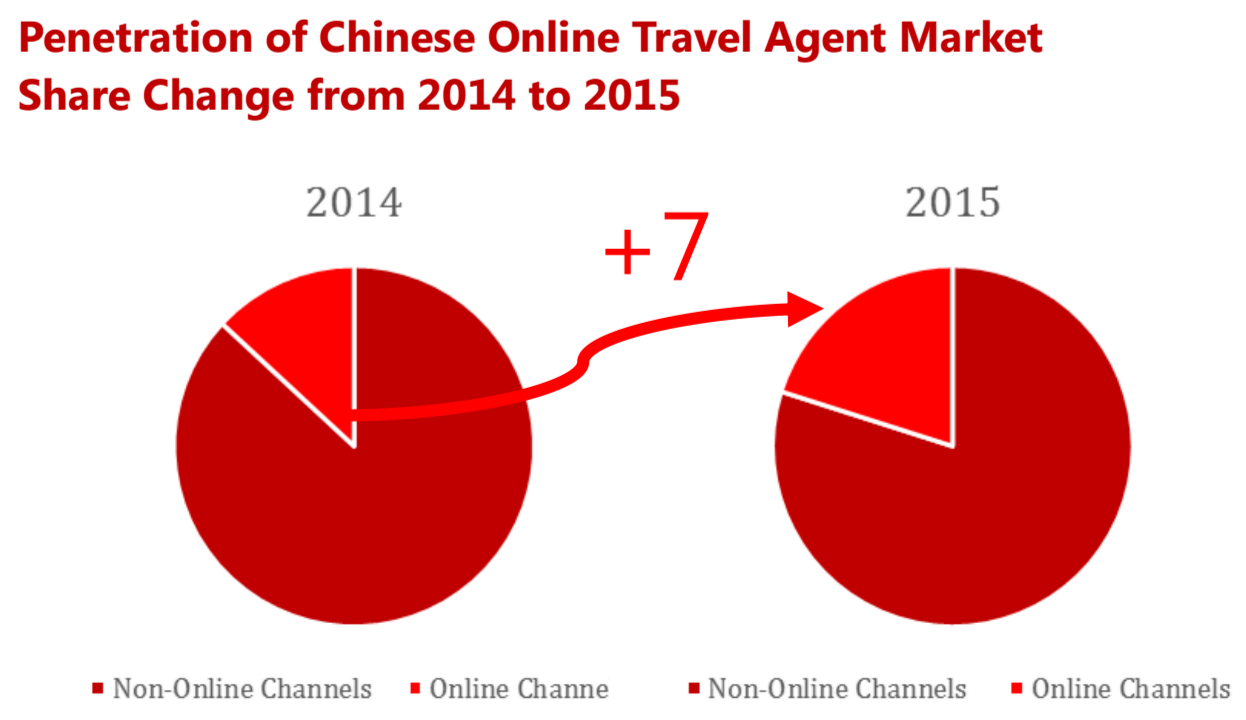
    According to a Chinese outbound market report from the Chinese Outbound Tourism Research Institute (COTRI), 20 percent of the 120 million Chinese outbound travelers booked travel using an online travel agency in 2015. That’s a seven percent increase over 2014 and the strongest indicator that booking sites continue to be more accepted throughout China.

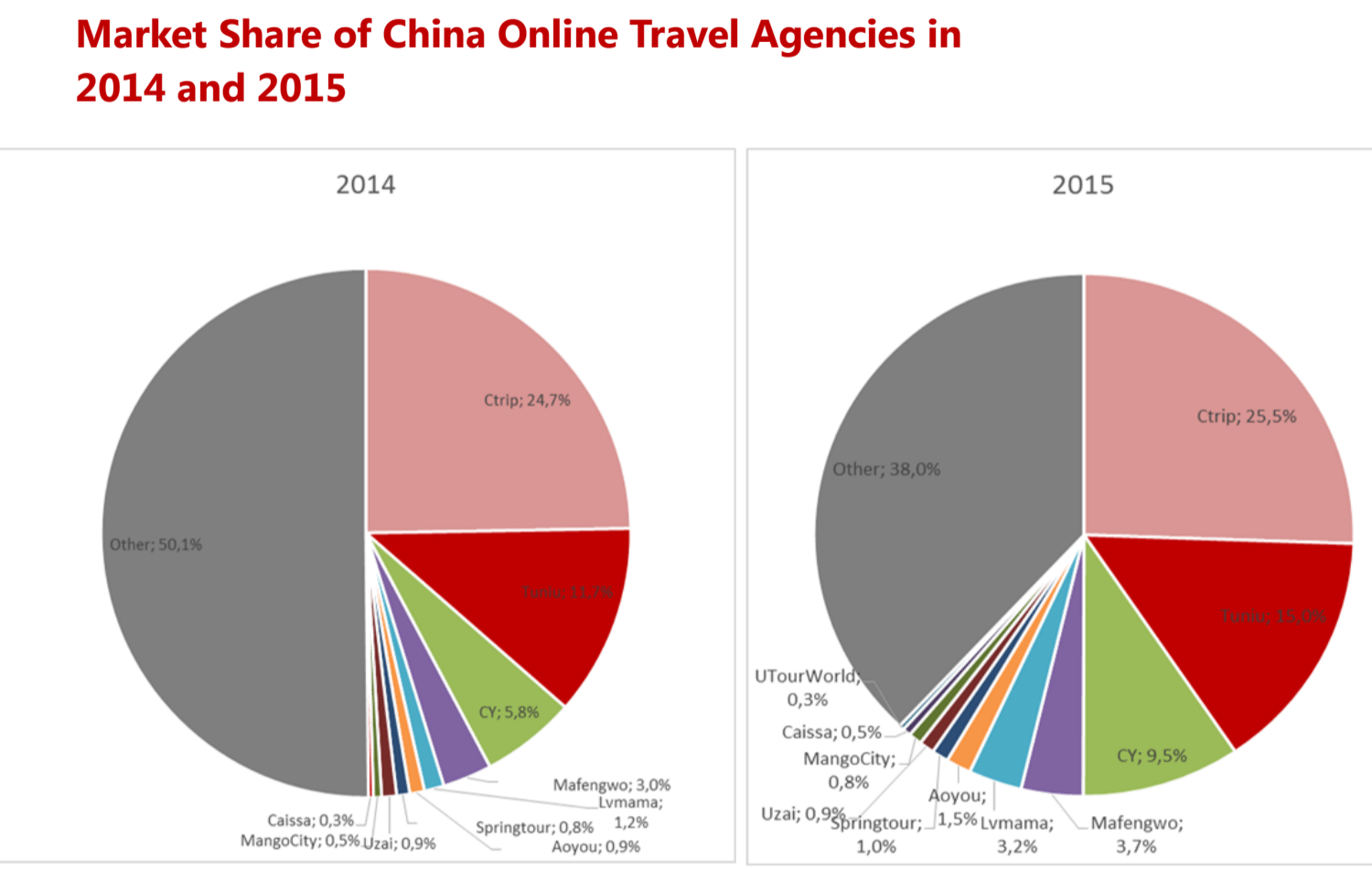
    Chinese consumers felt less pressure from pricing wars late last year when Ctrip took a stake in Qunar and began working together, a powerful alliance among two of China’s largest booking sites. That’s likely one factor swaying more consumers towards booking sites, COTRI said.

    Still, 80 percent of Chinese travelers booked offline and used one of the more than 27,000 brick and mortar travel agents in China last year. The number of travel agencies in China has increased by 50 percent since 2006 and shows little signs of slowing, and COTRI projects Chinese outbound travelers will spend nearly $80 billion at travel agents this year.

    Chinese consumers spent about $56 billion at travel agencies in 2015. They also booked $11 billion worth of travel through online travel agencies last year, a 70 percent increase over 2014.

    While offline travel agents in China have closer relationships to consumers than their foreign counterparts have with markets elsewhere, they also have competition besides the growing popularity of Chinese booking sites like Ctrip and Qunar.

    “In China, the line between retail travel agents and tour operators (also known as tourism wholesalers in other countries) is somewhat blurred. It is not uncommon for tourism wholesalers to not only create tour packages, but to also sell directly to customers through newspaper advertisements, websites and even their own retail shops,” the report states.

    Chinese travel agencies can contact and work with inbound tour operators directly without wholesalers, “which can be attributed to the mind-set of disliking intermediaries. In cases when a travel agency does not have enough customers for a specific trip, for example, it will pass on its customers to a larger wholesaler and gain from the associated commission,” according to the report.

    Many Chinese travel agencies operate illegally, which Wolfgang Arlt, director of COTRI, says is one of the greyest areas in the Chinese tourism industry. Around 10 percent of these travel agents have obtained outbound tour operation licenses in their own names, which allow them to sell various kinds of travel, and the rest use a license or sub-license from another company.

    Online travel agencies in China face barriers that offline travel agents don’t worry about. More than half of Chinese citizens (668 million people) don’t use the Internet. China’s Communist Party also exerts a lot of control over the web which leads most consumers to feel they can trust a brick and mortar travel agent more than an online one.

    And when traveling internationally for the first time–which describes a large swath of world’s largest outbound market–Chinese consumers often prefer to speak with a travel agent in person, the report points out.

    “In Chinese travel media, the exposure and discussion of online travel agencies can be compared to that of Hollywood stars. Almost every day, the industry’s e-newsletters and reports provide news on Chinese online travel agencies’ volatile relationships (price wars and partnerships), weight gains and losses (share sales and acquirements) and red carpet highlights (obtaining capital investment),” the report states.

    Screen Shot 2016-05-17 at 3.21.08 PM

    chinese travelers

    Source: Chinese Outbound Tourism Research Institute

  • Takeover bid of $196m. for Eu Yan Sang

    Takeover bid of $196m. for Eu Yan Sang

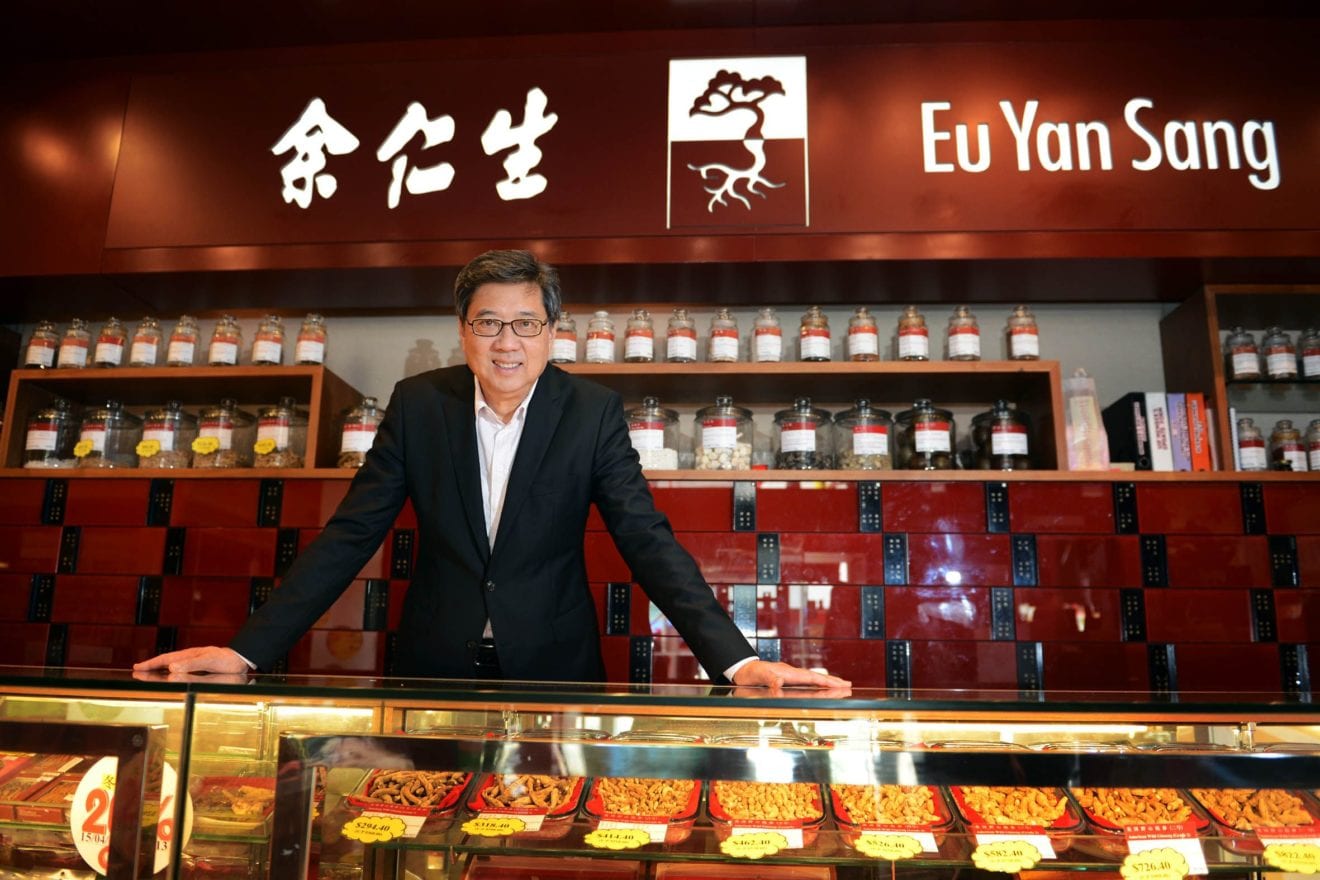
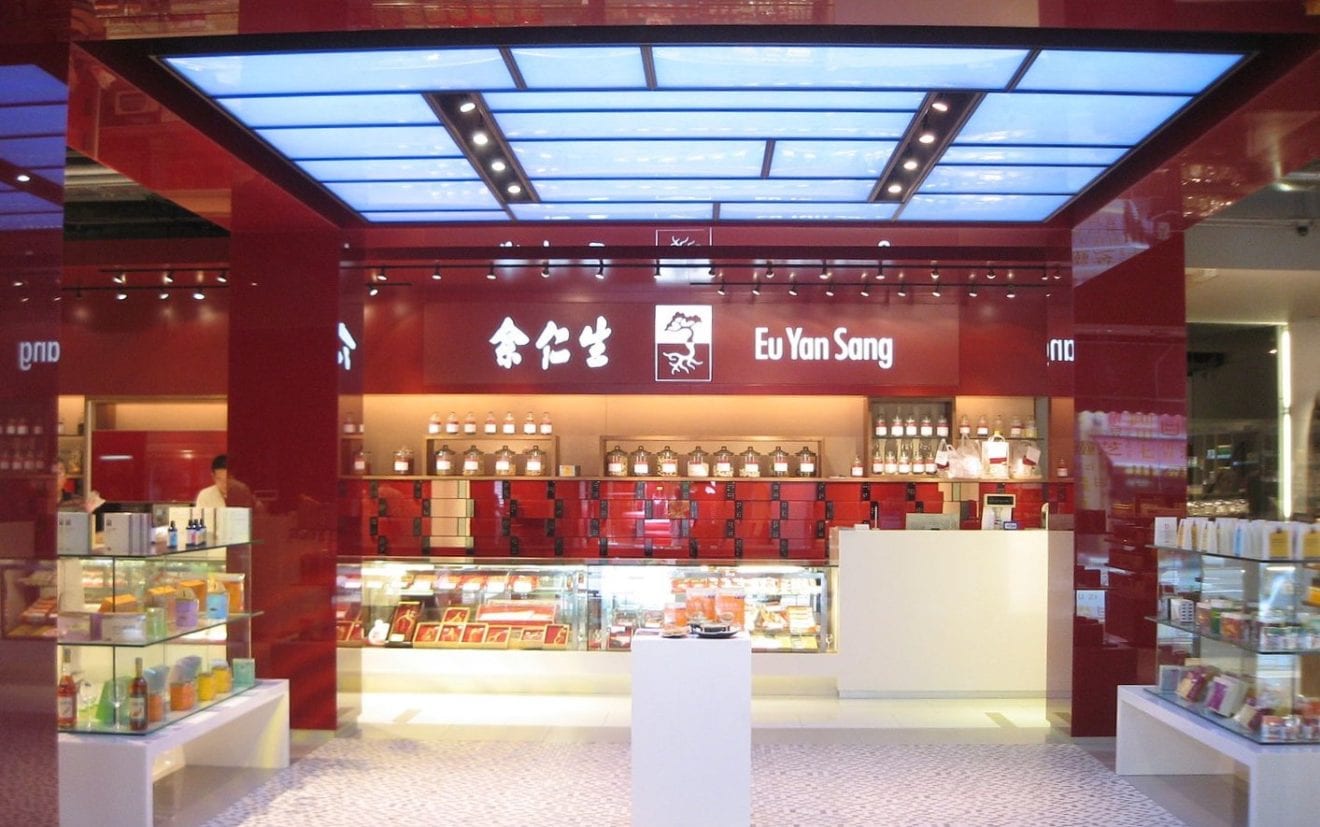
    A takeover bid for Singapore-based Eu Yan Sang has valued the traditional Chinese medicine retailer at about S$269 million (US$196 million).

    A consortium comprising Singapore state investment company Temasek Holdings’ unit Blanca, Tower Capital TCM Holdings and some members of the founding Eu family have made the final offer of 60c Singapore a share.

    About 63.2 per cent of shareholders have committed to accept the offer, including members of the Eu family, Aberdeen Asset Management Asia and First State Investment Management (UK), says Eu Yan Sang.

    Tower Capital founder Danny Koh says the consortium’s offer is attractive “considering the company’s recent financial performance and the current challenging environment”.

    Eu Yan Sang launched in Malaysia in 1879, expanding to more than 250 outlets in China, Hong Kong, Macau and Australia.

    Its third-quarter net income slumped to S$286,000 from S$5.45 million a year earlier, and its slide became evident in August when it lost US$3.6 million.

  • Baidu Wallet launches Southeast Asia foray

    Baidu Wallet launches Southeast Asia foray

    China’s Baidu Wallet has launched its mobile payment service in Thailand, on the eve of the traditional Thai new-year celebration Songkran.

    Part of the Baidu search-engine group, the digital payment service is now connected to more than 400 merchants in four Thai cities – Bangkok, Chiang Mai, Pattaya and Phuket. It covers restaurants, shopping malls and spas.

    Baidu Wallet is also set to launch in South Korea and Japan, with plans to also expand into Hong Kong, Macau and Taiwan.

    Baidu Wallet’s smartphone app means Chinese travellers can avoid the bother of exchanging currency. They need only scan the QR codes of partnered merchants and enter the amount of Thai baht they need. The app converts the figure to yuan based on real-time exchange rates.

    China has the highest adoption rate in the world for technology-enabled payment systems, according to a new survey by market data company Nielsen. With information from 13,000 respondents across 26 countries, the survey shows that 86 per cent of Chinese respondents paid for online purchases over a six-month period, while the global average rate was half that at 43 per cent.

    A report by consultancy iResearch shows that China’s mobile payment transactions reached $373.2 billion in the third quarter of last year, a 64 per cent increase year-on-year.

    China has been the biggest source of international tourists since 2012, says the Tourism Authority of Thailand. There were 7.9 million Chinese tourists last year – 27 per cent of total international arrivals.

    Chinese travellers spent 6400 baht (US$180) a day each on average, with most tourists spending 5690 baht.

    A report from Forrester Research says the rapid growth of smartphones is driving an eCommerce boom across Southeast Asia, the world’s third-largest digital marketplace after China and India. This boom is being paralleled by strong payment growth via mobile. Companies are boosting their investments in online and mobile platforms such as Carousell in Singapore and Tarad in Thailand, where 35 per cent of purchases are made via a mobile device.

    Alipay, from Alibaba, has introduced an online shopping service Thailand duty-free shop King Power, and the WeChat app payment option launched in Thailand at the beginning of this year.

  • Profit slump for supplement retailer Eu Yan Sang

    Profit slump for supplement retailer Eu Yan Sang

    Singapore supplement retailer Eu Yan Sang International has had its third-quarter net profit slump to S$286,000 (US$208,515) from $5.45 million as a result of declining revenue, foreign exchange losses and expenses related to closing F&B outlets in China.

    Revenue for the four months ending March 31 slipped 6 per cent to $103.87 million, mainly because of lower revenue from the Malaysian market as well as its weakening currency.

    Foreign exchange losses of $1.9 million resulted from the weakening Hong Kong dollar during the third quarter as well as the outlet closures.

    “Despite the sluggish regional economy, we are heartened by the green shoots of recovery budding in some of our markets,” says group CEO Richard Eu. ”We remain committed to improving our performance through cost-reduction initiatives and rationalisation, while seeking greater levels of efficiency through technology.

    “On the other hand, weak macroeconomic conditions continue to weigh down our market performance in Hong Kong and Malaysia.”

  • Smartphone startup Letv plans 1500 stores

    Smartphone startup Letv plans 1500 stores

    Chinese mobile phone retailer D.Phone is expanding its offerings with a new CNY2 billion (US$305.5 million) deal with online video provider and newly minted smartphone company Letv.

    D.Phone will add up to 1500 Letv ecosystem experience stores into its retail outlets.

    The deal covers Letv’s second-generation super phones, mobile TV services, membership promotions, ecosystem experience stores and customer service.

    Under the deal, D.Phone will this year sell one million Letv super phones, 200,000 Letv super TVs and 200,000 Letv memberships.  From now until the end of next month, the two parties will jointly host the offline debut of Letv’s second-generation super phones.

    Letv, which runs a streaming video website, has officially rolled out its second-generation super phones, ranging in price from CNY1099 to CNY2499.

    Letv mobile president Feng Xing says the strategic co-operation represents an important expansion of Letv’s offline retail channel. Letv has previously signed deals with China Unicom and JD.com.

  • Apple CEO Tim Cook in China hails Chinese app developers

    Apple CEO Tim Cook in China hails Chinese app developers

    Apple CEO Tim Cook has hailed Chinese app developers and their contribution to world’s second biggest economy, as he began his visit here days after the tech-giant invested $1 billion in local ride hailing app Didi Chuxing.

    “The momentum is absolutely incredible,” Cook said in a meeting with developers, government officials and journalists.

    He said developers in China have earned over $7 billion, more than half of it in last one year.

    Their apps are popular around the world, with many of them having been downloaded in hundreds of countries, Cook said.

    “We are in the early phases of a tremendous growth,” the 55-year-old CEO said.

    “Government policies like Internet Plus act as the foundation of why I think the growth can be so incredible from here. They foster innovation and entrepreneurship throughout the Chinese economy,” state-run Xinhua news agency quoted him as saying.

    Cook is on his eighth China visit since becoming Apple CEO in 2011.

    He took a Didi taxi with Jean Liu Qing, president of Didi, to meet the developers.
    The Apple chief regularly meets entrepreneurs when in China, and he said he continues to be impressed by them.

    “[China] is one of the most vibrant places in the world. There are so many entrepreneurs now that they’ll drive the next generation of innovation in China,” he said.

    Apple Inc chief executive Tim Cook visited Beijing last Monday, days after announcing a $1 billion deal with ride-hailing app Didi Chuxing, and as the US firm tries to reinvigorate sales in China, its second-largest market after the United States.
    Cook explained that Apple had chosen to invest in Didi as it has been “an incredibly great success story on the App Store,” aside from being a leading ride sharing service both in and outside China.

    He said the investment reflected Apple’s excitement about Didi’s fast-growing business and Apple’s “continued confidence” in China’s economy in the long term.
    Cook did not give a direct answer when asked about rumours that the Didi investment has some connection with Apple’s own plans for an electric car.

    Currently, he said, Apple’s focus when it comes to the car market is on CarPlay, it’s device for connecting Apple smartphones to in-car entertainment systems.

    “We’ll see where that takes us,” he said.
    But Cook became far more direct when asked whether the investment was a sign of Apple losing its innovative edge.

    “No, no, there is no truth behind that at all,” he said, arguing that it was a sign of Apple placing greater focus on China.

    Apple has already put a lot of money into opening retail stores in China, which is Apple’s second biggest market after the US.

    It is expecting the 37th Apple Store to open this Saturday, approaching Cook’s goal of having 40 before the end of 2016.

  • Private Fixed Asset Investment In China Is Crashing

    Private Fixed Asset Investment In China Is Crashing

    We often think of liquidation events exclusively in terms of price, but in the real economy there is volume to consider. When financing dries up as financial agents run for cover lest they receive only further margin or collateral calls, it enacts a short run disruption in economic flow. At the margins, some firms are forced to delay activity while others can only give up altogether. It is difficult to figure how much in any liquidation is temporary and how much ends up as a permanent reduction.

    The dramatic events of January and February all across the globe undoubtedly created just this kind of mix. As it ended around February 11, there was going to be some bounce back in economic terms as funding began to flow again, allowing delayed projects and activity to restart. Because of that, it wasn’t surprising to see certain economic accounts and factors seemingly improve especially in March. That did not mean anything other than the end of the liquidation crunch, as the baseline decay remains in place and, as we are finding out again, was only amplified by further reduced capacity during the liquidations – those projects and activity that will never be restarted.

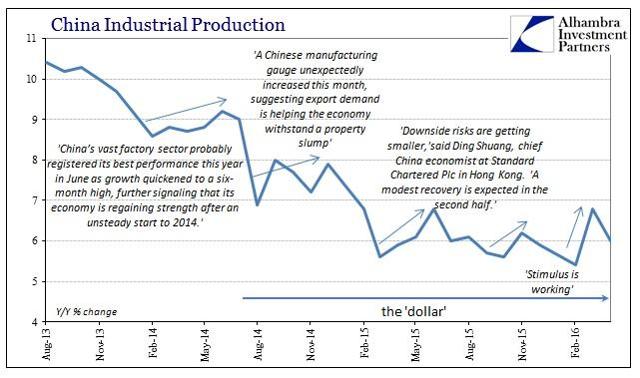
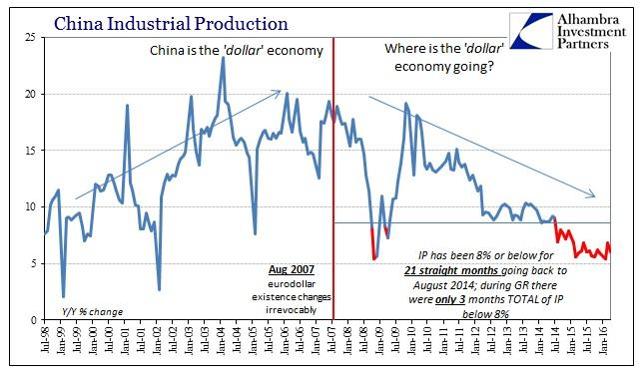
    As usual, this global process is most evident in China. Despite a burst of optimism especially in March statistics, the temporary part of the liquidation rebound is increasingly within view. Industrial production had jumped to 6.8% from a multi-year low of 5.4% in the January-February holiday combination and brought with it the usual “it’s all over” commentary. Instead, IP dropped back to just 6.0% in April which, like exports, suggests only what I propose above; a (very) brief respite only because the “dollar” hasn’t been as obviously stifling as it was to start 2016.

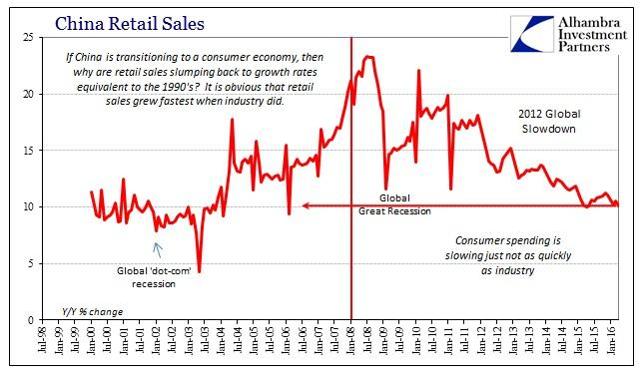
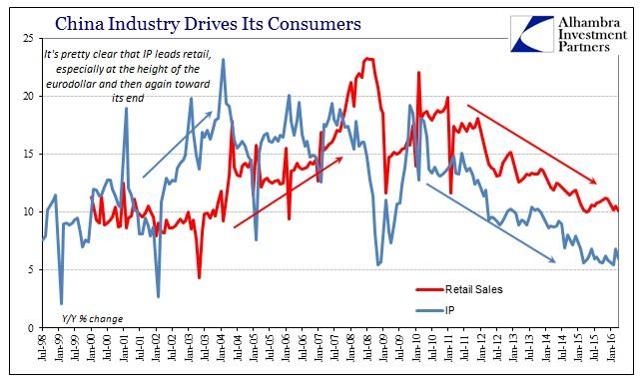
    The same trend was recorded in Chinese retail sales as well, which is perhaps a bigger blow to March’s hopeful sentiment. Even economists have started to admit China’s industrial “miracle” may never be resumed so they have turned in near desperation to the idea of a “consumer driven” economy, as if there is some plan being carried out to replace the manufacturing/export orientation of the rising eurodollar period. This wishful thinking gained traction only because retail sales have decelerated at a lag to industrial production.

    It is clear, however, through a wider perspective that China’s consumers are slowing just as China’s industry where “stimulus” can at best explain the delayed reaction. Even in 2016, the same pattern emerges as in manufacturing and export; retail sales were atrocious to start the year (Jan/Feb) at just 10.2%, nearly as bad as the worst of 2015, rebounding to 10.5% in March. The latest update for April is even worse than the Jan/Feb period, as Chinese retail sales slowed again to just 10.1%.

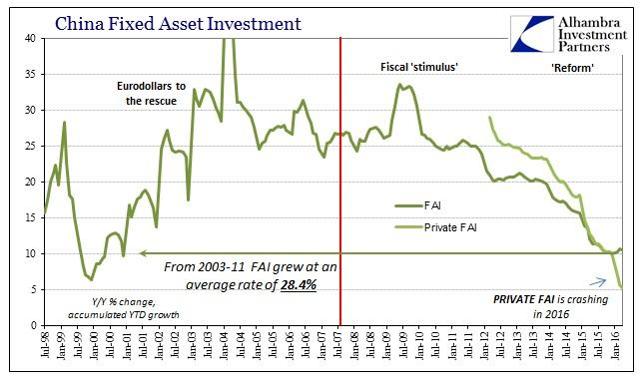
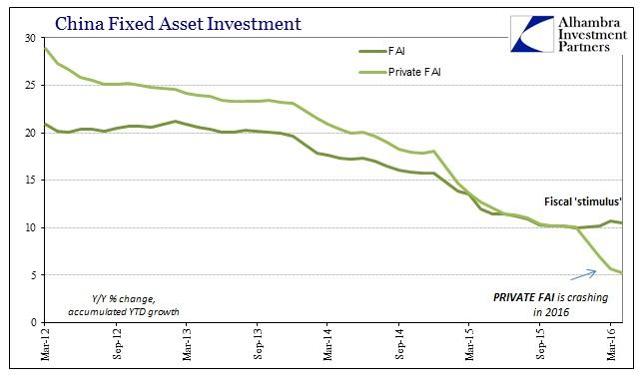
    As bad as those end results are for the direction of the Chinese economy, the real bad news is buried in productive capacity. Where industrial production and retail sales may have picked up the temporary portion of the economy disrupted by liquidation, fixed asset investment (FAI) suggests the reduction in baseline economic reality might be even worse than feared. Private FAI is crashing in China.


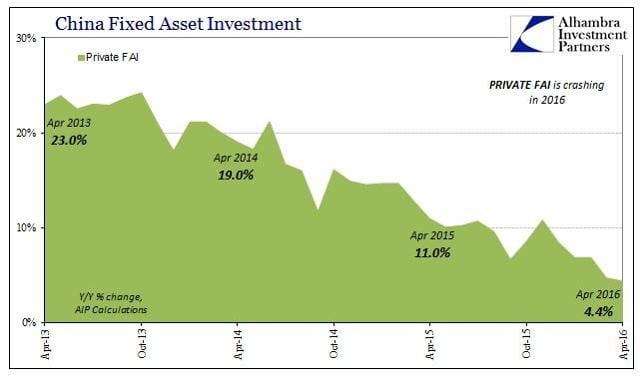
    Overall, total fixed asset grew 10.5% in April, down from 10.7% in March. Private FAI was just 5.2%, however, as it is clear the Chinese government is back to fiscal “stimulus” once again. The National Bureau of Statistics reports FAI in “accumulated” annual growth, which means the stated estimates for April include all months of the year through April. Since Private FAI was 6.9% to start the year but only 5.2% in April, actual growth in capex was less than that still. In other words, rather than rebound Private FAI has only slowed further into this year.


    By simple calculation we find that Private FAI for April alone was just 4.4% more than April 2015. That compares to 11.0% growth in April 2015 over April 2014. Before the “rising dollar”, private-driven capex in China was expanding at and above 20%, and had been nearly 30% when the NBS first broke out the private component in 2012. That would be a level more consistent with what China was expecting of the “recovery”, which can only suggest 4.4% (and the obvious trajectory to get to that level) really is crashing industrial investment.

    Unlike the remaining components in FAI, private sources of capital investment are the primary expressions of job growth and Chinese economic advance. Any “stimulus” that flows through the State-Owned Enterprises is largely inefficient and ineffective, the usual waste of spending for the sake of spending. Because China is still oriented toward manufacturing, private spending to increase that capacity accounts for about a third of all Chinese labor! Further, state-owned media has reported that Private FAI is responsible for 90% of new urban employment. China is in big trouble at 4.4% (with the arrow still pointing further down).


    This helps explain the lagged deceleration in retail sales and the Chinese economy overall, more so the persistent and stubborn slowing than the lag. Unlike temporary bursts of production levels, capex investment growth is determined by longer run projections and harder reality than the overflowing optimism that arrives with every minor, short-term uptick in monthly variation. In many ways, this descent in the Chinese baseline is incredibly simple and intuitive unlike the orthodox commentary that tries to deny it month after month:


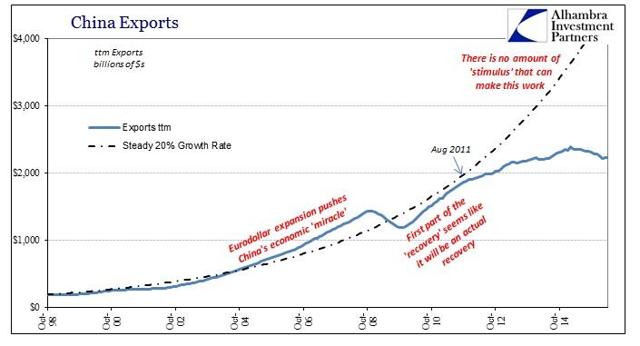
    The fact that Private FAI is now crashing in 2016 is related to the effects of the liquidation(s). The lack of financial flow in “dollars” convinces more and more firms that despite all the promises the global economy will never rebound while at the same time mothballing projects that will never be restarted and canceling many before they ever get that far. It is the brutal reality of this ongoing paradigm shift – the slowdown that will not stop slowing down. From this perspective, as noted on the chart above, it is easy to understand that there is no amount of “stimulus” (read: waste) that can make it work; without a eurodollar resurrection there is no path back to 2005. The manner of this decline is often uneven and lumpy, but it is uniform across China and the global economy. It will be undisturbed by anything except further liquidations to carry out the business end of the capacity reduction.

    That is the most important piece of the economic update for China in April. Industrial production and retail sales demonstrate that despite some optimism that March wasn’t January/February, the direction of the Chinese economy has not actually changed. The dramatic slowing in Private FAI suggests an even sharper incline in the already downward tilted baseline. (Jeffry P.)

  • KFC tests its robot orders

    KFC tests its robot orders

    Customers at a new digital KFC concept store in Shanghai give their orders to a voice-activated robot.

    Dumi the robot is sophisticated enough to handle changes and substitutions in orders.

    Dumi is the result of 10 years of research and development into artificial intelligence by Chinese web services company Baidu, which says the robot will appear soon in other real-world environments.

    Inside Shanghai’s National Exhibition and Convention Center, the KFC store has been designed to be completely digitalised. Called “Original+”, as a reference to the brand’s traditional recipe, it features wireless charging stations where customers can simultaneously stream music. They can also pay for their meals via mobile payment services including Alipay and Baidu Wallet.

    Introduced at last year’s Baidu World Congress 2015, Dumi integrates the company’s AI technologies such as voice recognition and intelligent search. The robot will use KFC’s customer behaviour data to gain a better understanding of users’ needs and improve business efficiency.

    As well as ordering and paying through Dumi, the customers can see how KFC dishes are made through the robot’s holographic imaging technology.

    Baidu VP Wang Haifeng says the robot may become a big part of the company’s application of more AI technology into fields that range from internet financing to driverless cars.

    There is only one problem with Dumi, admits Baidu: it has trouble distinguishing between certain dialects and accents. But then again, so might a human employee.

    Jason Yu, GM of the consumer research firm Kantar Worldpanel China, describes the Shanghai concept store as “a very interesting experiment”.

    “It is expected to generate increased customer experience, and raise efficiency for restaurants. And in turn it is expected to attract more young and middle class customers.”

  • Elections help boost Jollibee sales

    Elections help boost Jollibee sales

    Jollibee sales grew 14.8 per cent year-on-year to P34.4 billion (US$737.7 million) in the first quarter of 2016, with help from election-related spending and low inflation.

    The systemwide sales come from company-owned and franchised stores of Jollibee Foods Corp – the largest foodservice network in the Philippines.

    Jollibee Vietnam sales almost doubled, leading Southeast Asia and the Middle East 32.2 per cent growth in the same period.

    Jollibee China grew at a slower rate of 1.9 per cent as Yonghe King, JFC’s biggest brand in China faced pressure from recovering competing brands.

    JFC attributes the strong same store sales growth to election-related consumer spending and low inflation rate in the country that averaged 1 per cent in the first quarter, which made consumer products more affordable with rising household income.

    JFC says its sales were also boosted by continuous product improvement, new products, marketing campaigns and improved restaurant design.

    Meanwhile, the foreign business reported a 10.5 per cent growth in systemwide sales for the quarter versus the same period a year ago. The US business grew by 17.4 per cent year-on-year.

    As of March 31 2016, JFC was operating 2493 outlets in the country and 650 store abroad.

  • Alibaba fake fight targets Taobao vendors

    Alibaba fake fight targets Taobao vendors

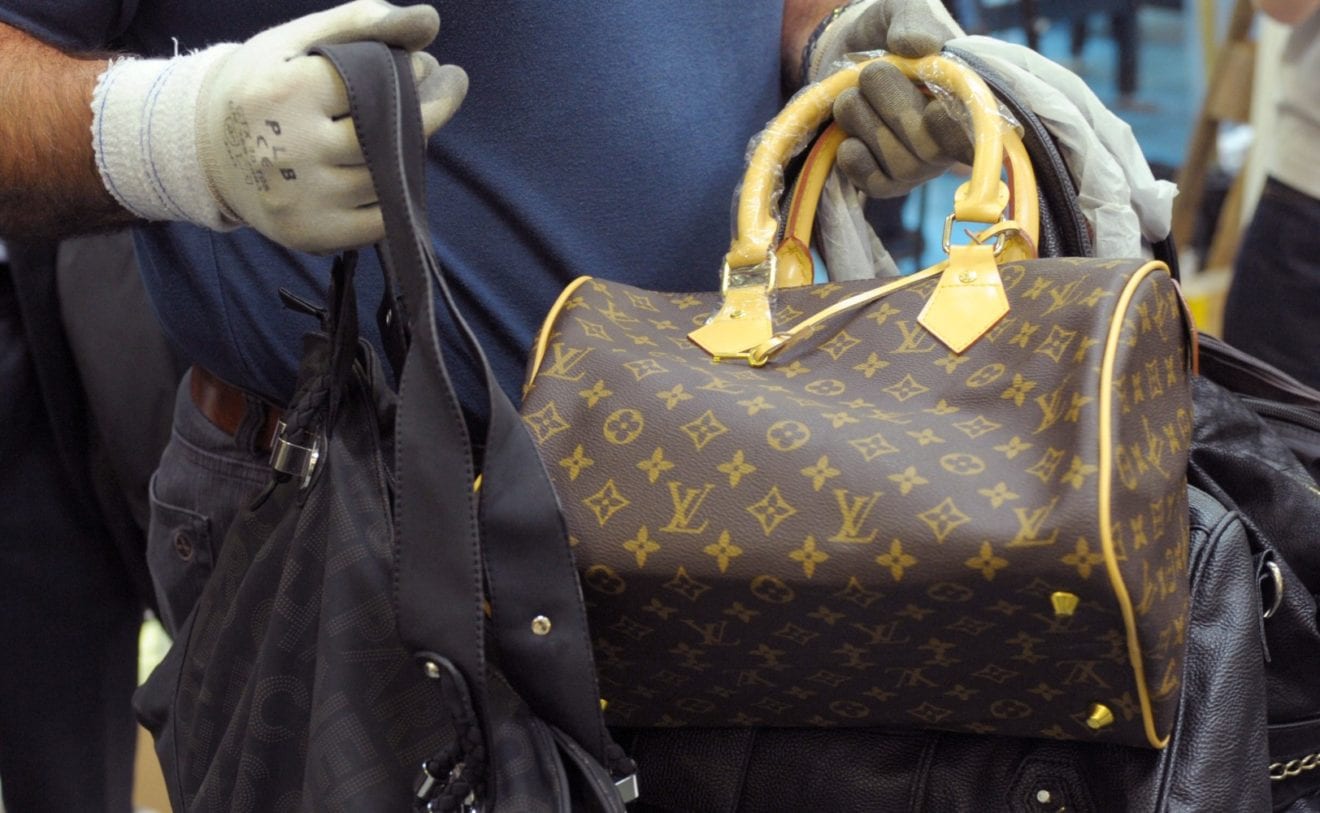
    Alibaba is tightening the rules for traders selling luxury goods on its popular online platform Taobao.

    It’s one of several measures in the ramping up of the Alibaba fake fight, which is being conducted in conjunction with Washington, DC-based International AntiCounterfeiting Coalition (IACC).

    From May 20, vendors selling luxury products on taobao will have to upload an invoice or authorisation letter from the luxury brands, for examination by Taobao, as proof it has the rights to sell the products. Otherwise the goods will be removed from the website and Alibaba says payments received for such goods can be frozen.

    “To create a healthy shopping environment with a high level of integrity and to protect the legal interests of consumers and brand owners, Taobao is gearing up to regulate sales of luxury brands’ products,” the company said in a letter to traders on May 4.

    The letter coincides with reports that Chinese government agencies plan to clean up the eCommerce market, targeting counterfeit goods and trademark violations. A campaign will run from May through November with stiff penalties for offenders caught.

    Meanwhile, the IACC MarketSafe Program, an initiative started in 2013, is being opened up so that more brands and companies can participate. The MarketSafe program provides companies with an expedited process for working with Alibaba to target and take down online listings for counterfeit goods, reports Alibaba news site Alizila.

    Set to debut later this year, the expanded MarketSafe program will be free of charge to IACC members and non-members, according to Alibaba and the IACC. In addition, brands will no longer be required to provide evidence to support intellectual-property infringement complaints. The changes “will enable a greater number and diversity of rights holders to benefit from a fair, simple, and effective IP enforcement platform,” Alibaba said in a statement.

    Accused by some Western companies of not doing enough to keep listings for counterfeit products off its shopping websites, Alibaba has been trying to enlist greater industry support, arguing the problem is too pervasive and complex for any single company to fight on its own. The Chinese eCommerce giant has for several years been working with the IACC, which has members from a wide range of industries and includes brands such as Burberry, 21st Century Fox and Apple.

    Alibaba last month became the first e-commerce company to join the IACC as an official member. Its admission to membership prompted the walkout of Michael Kors and Kering-owned Gucci.

    IACC President Bob Barchiesi said the expansion of the MarketSafe program is the result of “significant contribution and commitment from both parties.”

    “Collaboration across industries is key to addressing the issue of counterfeiting at a broader level, and this is one of the first steps towards the IACC’s goal of creating a holistic model for tackling online counterfeiting around the world,” Barchiesi said.

    Since the MarketSafe program’s launch, nearly 5000 sellers’ storefronts have been closed and banned from Alibaba’s marketplaces, and more than 180,000 infringing product listings have been removed, even through a “limited number” of brands have been participating, according to Alibaba.

    “This program exemplifies the tangible and mutual success that can be achieved when brands, trade associations, governments and intermediaries work together to combat counterfeiting,” said Matthew Bassiur, VP and head of global IP enforcement at Alibaba Group, in a statement.

    “Alibaba and the IACC, together with the rest of industry, have a shared interest in building a safe and trusted internet environment and marketplace for consumers, rights holders, and sellers,” he added.

  • World’s largest Lego store opens in Shanghai

    World’s largest Lego store opens in Shanghai

    On Wednesday, LEGO has opened its largest retail store in the world inside Shanghai Disneyland as the trial period of the amusement park is ongoing before its official opening on June 16.

    The store features a myriad of LEGO bricks from its walls and even in the floors with two giant LEGO dragons welcoming guests of all ages and sizes.

    According to LEGO China’s general manager Jacob Kragh, getting in the Chinese market is crucial for the company and stressed: “Because in China, we have many children that are still out there without having a good quality play experience, and this is the reason why we feel that in order to be successful in the long run, we have to make sure we reach more Chinese children.”

    LEGO has already been setting up its first Chinese factory in Jiaxing and it is expected to start operations in 2017. It had also started trials for the LEGO Discovery Center in April.

    Currently, LEGO has 250 designers on its slate and launched 350 different products throughout 2015.

  • Furla Stays Focused on China Expansion While Luxury Scales Back

    Furla Stays Focused on China Expansion While Luxury Scales Back

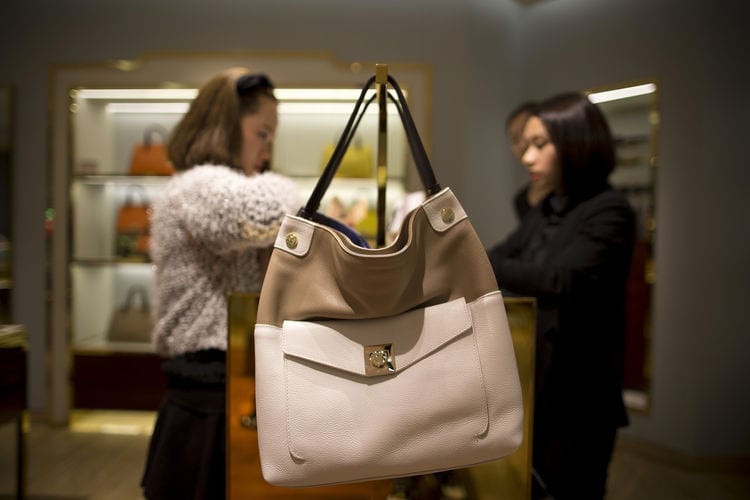
    If there’s one clear example of “accessible luxury” making strides in China’s retail industry, it’s Furla. The Italian fashion house has been in the midst of a rapid evolution, going from being known globally as a playful, youthful handbag brand to capturing China’s growing middle class with a new lifestyle-centric range of products. They’re doing something right—Furla, which recently announced it will go public in 2017, posted a 126 percent global sales increase in the past five years up to 2015, the highest since its founding in 1927. Sales were up 30 percent at 339 million euros and net profit was up 41 percent last year from 2014. China sales grew 75 percent in the same five-year period, and outgoing CEO Eraldo Poletto, who will be leaving in June for Ferragamo, says he expects China to soon become Furla’s main market.

    To capitalize on this opportunity, Furla has major plans for China in 2016. Currently, there are 44 Furla boutiques in 18 cities in China, including two new flagship openings in Hong Kong and Macau last year, but the focus for the next couple of years is expansion in “fast-developing” first- and second-tier cities in the mainland, such as Chengdu, Hangzhou, Chongqing, Shenyang, and Tianjin. Of particular note, the company is preparing to reveal its flagship store in Shanghai CITIC Square this month. Creating an e-commerce platform in China is another huge priority for the company before the year ends.

    Still, Poletto says Furla is keeping in mind the need to remain exclusive in order to remain appealing to their customer in China. Tighter household budgets may be making affordable luxury more appealing to middle-class consumers, but according Poletto, the key to Furla’s success is more complicated than the brand’s price point.

    “The definition of luxury is not to be expensive, but to be unique,” he says. “Over-expansion violates this rule, this is why many brands currently are facing difficulties and have to downsize their boutique quantity.”

    Furla’s impressive performance for 2015 was also driven by the company’s new product categories, and it’s their delivery of these as part of an Italian lifestyle brand that helps them “be successful and outstanding in the worldwide downturn,” Poletto says. This year, Furla introduced a menswear collection and women’s shoes, and continued its eyewear collaboration with De Rigo. Furla is also now partnering with Ratti for textiles, and Morellato for watches, as part of a well-rounded lifestyle selection with the modern Chinese consumer in mind that “brings Furla to a new era.”

    “The Chinese customer will always be our first priority in all global projects,” Poletto says. “We consider China to be the biggest market in the next five years, so what we’re doing now is finding an easier and more comfortable way for the Chinese customer to experience the typical Italian lifestyle, which is one of the most high-quality ways of life.”

    A screenshot of Furla's global online game for customizing a Metropolis bag.

    A screenshot of Furla’s global online game for customizing a Metropolis bag.

    Furla is also catering to the Chinese consumers’ interest in acquiring bespoke goods. It will soon be offering a made-to-order service at Shanghai CITIC Square, where customers can design their “exclusive Furla dream bag.” Already, Furla fans around the world can choose from a colorfully designed selection of leather covers to dress up their bag in tune with their personality, but now, in China, customers can also customize the stitching, edges, hardware, and custom tags on the Metropolis or the IT BAG Artesia—still at accessible price points, although this varies depending on the materials. In keeping with their Italy-focused philosophy, Chinese consumers get their bags in 12 weeks—they’re made in Italy, after all.