Tag: China

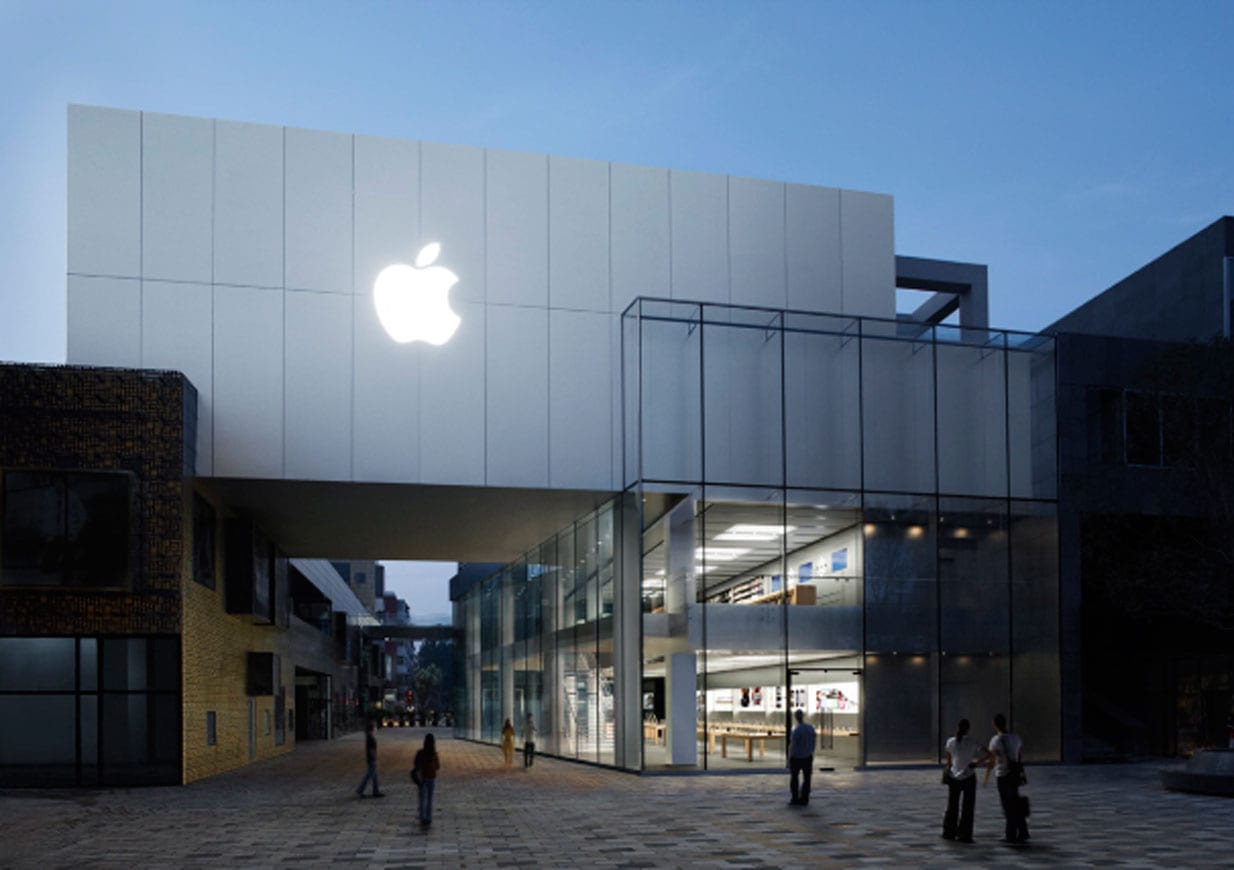
  • Apple India stores a step closer

    Apple India stores a step closer

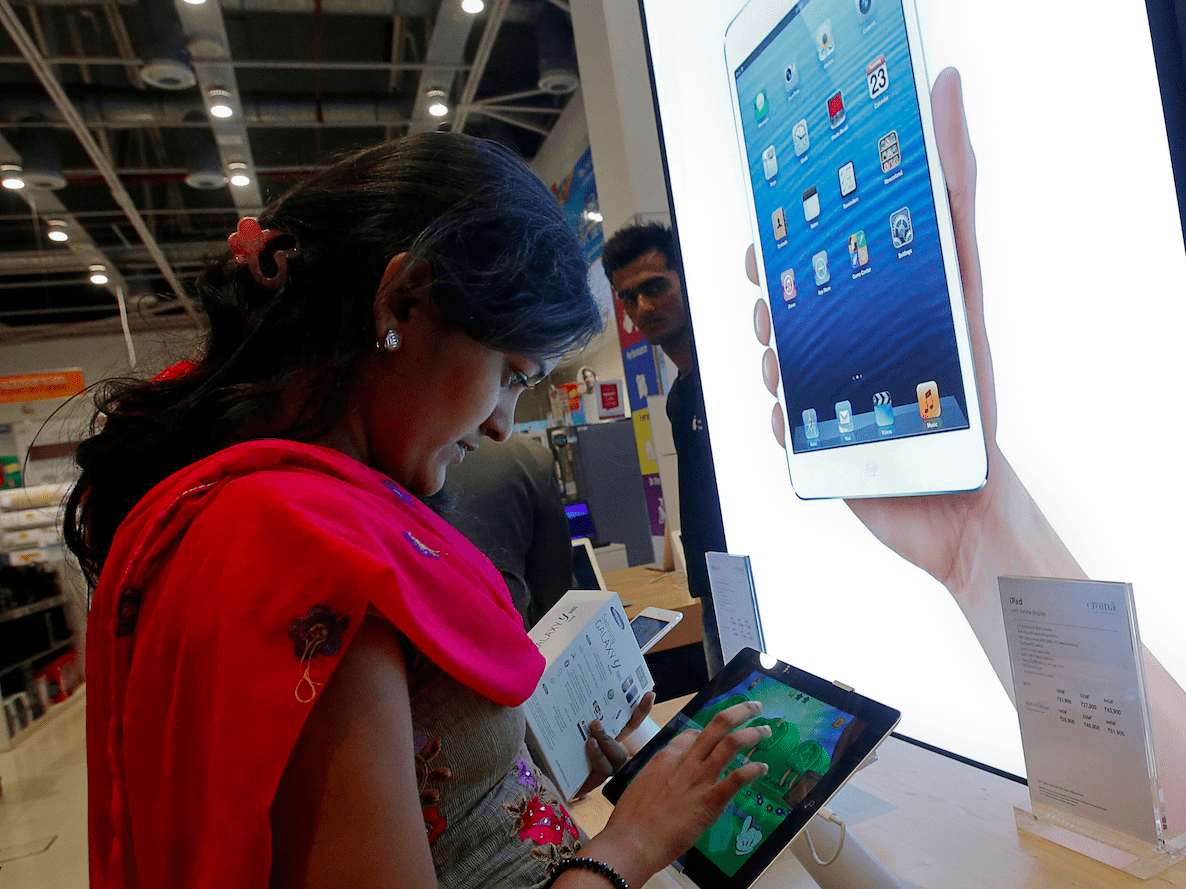
    A government panel has recommended the removal of a trading obstacle that would free Apple India to open single-brand retail stores across the country, one of its few growth markets.

    A three-member panel has recommended the waiving of the mandatory 30 per cent local sourcing condition for Apple, which earlier this year asked the government to consider the exemption. The reason for the waiver is said to be the cutting-edge technology the company would bring to India, reports The Tech Portal.

    With the committee’s finding, Apple is just a step away from a final decision. The Department of Industrial Policy and Promotion (DIPP) will send the proposal for final approval to the Finance Ministry.

    Apple has retail stores across the world, including China and Japan. In India, it sells its products through exclusive reselling arrangements with chains such as Imagine and iStore.

    In November last year, India scrapped the condition of 30 per cent local sourcing for overseas companies seeking to invest more than 51 per cent equity in the single-brand retail segment, if certain other conditions are met.

    Chinese tech retailer Xiaomi has also applied to open single-brand stores in India while seeking the sourcing exemption for a range of products including Wi-Fi amplifiers, Bluetooth speakers and power banks.

  • New lifeline for sagging Rocket Internet fashion sites

    New lifeline for sagging Rocket Internet fashion sites

    Investors have injected US$339 million lifeline into GFG, which owns the struggling Rocket Internet fashion websites.

    Rocket Internet and others have sunk the euro 300 million into its Global Fashion Group, raising GFG’s valuation to €1 billion – which is about a third of what it was worth hardly a year ago, when it raised €150 million.

    Launched in Luxembourg in 2014, GFG is a holding company formed from a merger of five eCommerce fashion companies – India’s Jabong, Latin America’s Dafiti, Russia’s Lamoda, Middle East firm Namshi, and Zalora (Southeast Asia and Australia).

    GFG acting CEO Romain Voog says the financing will provide the group with the capital it needs to continue with its strategy of “building out its leading position” in the online fashion sector in emerging markets.

    Rocket claims GFG’s performance has improved in the past year, easing its losses and raising its adjusted EBITDA margin. But it has been struggling to gain market share, and pulled out of Thailand and Vietnam, one of the fastest-growing eCommerce and internet markets in Asia.

    And GFG’s Jabong business in India, considered the next big market after China, has reportedly been up for sale for months with its valuation eroded by a tenth in just a year. Meanwhile, rival eCommerce companies like Flipkart and Snapdeal have soared in value.

    Voog is optimistic the reduced losses combined with this funding round will help accelerate the GFG’s path to profitability while it expands. A third of the €300 million raised came from Rocket. Swedish investor Kinnevik was also involved, along with existing shareholders.

  • China blamed for Apple sales slump

    China blamed for Apple sales slump

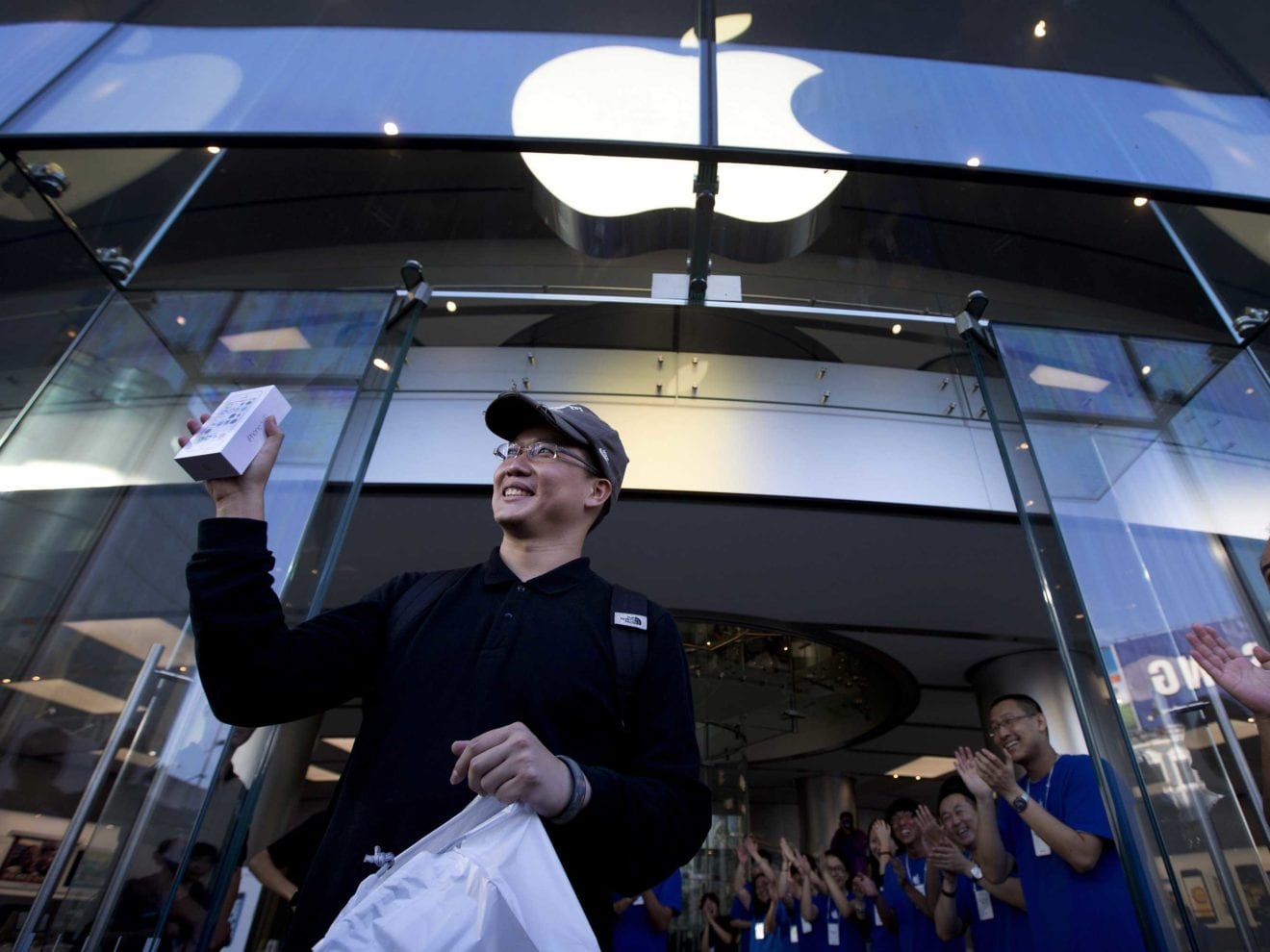
    Apple sales slumped 26 per cent in Greater China in the latest quarter, driving the tech giant to its worst result in 13 years.

    CEO Tim Cook said the Hong Kong market was largely to blame, due to its currency value being pegged to the US dollar. Sales in the mainland fell by a more modest (but still alarming) 11 per cent. Greater China sales totalled US$12.49 billion, equivalent to about 24.5 per cent of its global revenues.

    Cook added that a year ago Apple sales in China soared a remarkable 81 per cent year-on-year, suggesting that made for a tough benchmark for this quarter’s results.

    But Apple cannot blame all the company’s current woes on China: sales in its US home market fell 10 per cent as well.

    Globally, Apple sales totalled US$50.6 billion, down from the $58 billion of the previous corresponding period. Its quarterly net income fell from $13.6 billion to $10.5 billion and gross margin fell from 40.8 per cent to 39.4 per cent. International sales accounted for 67 per cent of the quarterly revenue.

    Despite the sales decline, Apple is showing no sign of slowing its aggressive expansion program in Greater China which it predicts will soon become its largest single market, overtaking the US.

    During the quarter the company opened seven more stores, with five more planned in the current quarter, taking the network of large format stores to about 40.

    The company will also take a hit from the Chinese Government’s decision last week to ban Apple’s iTunes music store and its Apple Bookstore – both selling digital content to Chinese customers who have invested in iPhones, iPads or Apple computers.

    The biggest drain on sales is the iPhone, which is now struggling to keep pace with a myriad of less expensive models offering similar technology at often vastly lesser prices. Apple sold more than 51.2 million iPhones in the first three months of 2016 – nearly 10 million fewer than during the same quarter of 2015.

  • North Korean beer sale in China

    North Korean beer sale in China


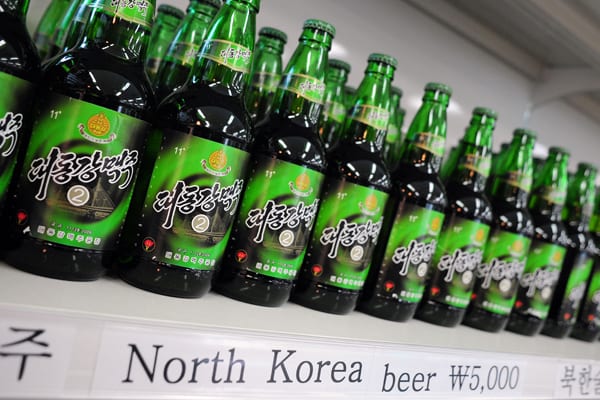
    A North Korean beer brand rarely available in China up to now has been spotted on grocery store shelves in cities close to the North Korean border, although the brew is too highly priced for Chinese consumers, sources said.

    “There is a billboard advertising Taedonggang beer on the roadside in front of the Dandong train station,” said a Chinese resident of the border city in northeastern China’s Liaoning province, who declined to be named.

    “Even the daily newspaper has revealed the state-owned, North Korean beer company’s address and phone number of the brewery’s offices in China,” he told RFA’s Korean Service. “It seems that China has officially imported Taedonggang beer.”

    Taedonggang beer, named after the river that runs through North Korea’s capital Pyongyang, sells for 20 yuan (U.S. $3.09) per 640-milliliter (22-fluid ounce) bottle in stores in Dandong and Shenyang in northeastern China’s Liaoning province, four times more than the price of domestic Chinese beer brands which typically cost 5 yuan (U.S. $0.77) per bottle, sources said.

    North Korea, which was hit with tough new international sanctions in March for conducting another nuclear test and long-range rocket launch, has had to step up efforts to participate in markets abroad to generate foreign currency to finance the regime of national leader Kim Jong Un.

    So far, the beer’s distribution has been limited in China—North Korea’s largest trading partner—and is only available in stores that offer Korean and other foreign products and ones in areas with growing Korean communities, sources in Shenyang and Dandong said.

    “Some grocery stories have been selling Taedonggang beer most recently, but there is only a small quantity, which is why other people still don’t know about it,” a Chinese resident of Shenyang said.

    Good quality, high price

    Even though the taste and quality of the full-bodied lager, which has a five-percent alcohol content, are appealing, Chinese consumers will not buy the beer at such a high price, sources said.

    “Although the alcohol content of the beer is slightly higher than that of Chinese beer, the North Korean beer has a dark color and a smooth taste,” said a Chinese source who has tried the beer at a restaurant in Dandong.

    “The quality of the North Korean beer is fairly good, but I think it will be difficult for Chinese consumers to drink it often because it is too expensive,” he said.

    China imposes a 17 percent value-added tax and 250 yuan (U.S. $39) per ton on foreign beers, said a North Korean who lives in China.

    “Taedonggang beer’s price of 20 yuan is very high considering the market margin and importers’ profit,” he said.

    In North Korea, foreigners can buy the beer at hotels, but they pay an inflated price for it as a means of bringing in foreign currency.

    North Koreans can buy bottles of Taedonggang for the equivalent of about 1 yuan (U.S. $0.15) each on the black market, sources said.

    “It seems that the fixed beer price is due to the import price, meaning the retail price in North Korea itself is high,” the North Korean source said.

    Showpiece brewery

    Taedonggaang got its start in the early 2000s when former North Korean leader Kim Jong Il acquired a defunct British brewery. A team of North Koreans traveled to the plant site in Trowbridge, a county town of Wiltshire, England, where they dismantled the brewery and reassembled it in Pyongyang. The plant began operating as the Taedonggang Beer Factory in 2002.

    The regime ensured that the showpiece brewery had abundant supplies of fresh water and quality ingredients to manufacture the brew, while millions of its largely impoverished people were undernourished from a lack of food.

    North Korea began exporting Taedonggang to South Korea a few years later, but the South Koreans stopped importing it in mid-2007 after the regime suddenly hiked its price, according to a Reuters report in March 2008.

    In 2012, Britain’s The Economist magazine ruffled feathers in South Korea with an article that contrasted Taedonggang with what it called the South’s “boring beer” and said “brewing remains just about the only useful activity at which North Korea beats the South.”
  • Is Growth For Luxury Brands in China Over?

    Is Growth For Luxury Brands in China Over?

    China and the Chinese played a primary role in the growth of the luxury sector in the past decade. But what was once a boon for luxury goods brands is now turning around.

    Chinese consumers account for the largest portion (31 percent) of global luxury spending, up from only 1 percent in 2000, according to a study by consulting firm Bain & Company. And in the past decade, thanks to China and Chinese shoppers abroad, the luxury goods market worldwide grew by 72 percent in size.

    luxury goods

    (Statista)

    “The relentless expansion of the domestic economy that fueled China’s voracious appetite for the finer things in life has slowed,” Exane BNP Paribas analyst Luca Solca.

    “This only compounds the chilling effect that the government’s anti-corruption campaign has had on demand for luxury fashion and fine jewelry.”

    Many luxury goods brands opened up store after store to tap the Chinese market. The experts are now debating whether they are too exposed to China.

    In his analysis, Solca looked at whether each brand is over- or underexposed to the Chinese market based on the number of stores they have. Accordingly, Versace is the most over-exposed brand with 22 percent of its stores based in China. Moncler, Tod’s, and Dolce&Gabbana are among the overexposed brands as well.

    The only large brands underexposed to China are Hermes, Tiffany, and Michael Kors. And these brands still have some retail expansion opportunity in China, according to Solca.

    (Source: Exane BNP Paribas analysis, RE-Analystics, Business of Fashion)

    (Exane BNP Paribas analysis, RE-Analytics, Business of Fashion)

    Sales of luxury products in the mainland have started to slow down after Chinese regime leader Xi Jinping launched his political anti-corruption campaign in 2013. Many of the Chinese officials and their numerous cronies and associates notorious for using luxury items for bribes stopped shopping for those items.

    A slowdown in the Chinese economy since mid-2015 was the second blow for luxury brands. Some brands have already started closing stores in China.

    “A corollary to the drop in domestic sales is a reduction of the store footprint by most brands, with a greater focus on fewer, larger, and better-located stores” Bain & Company stated in its report on China’s luxury market in 2015.

    Louis Vuitton, which is the most valuable luxury brand in the world, closed six stores and opened two new stores in China in 2015. And the company recently announced the closure of two additional stores located in Shanghai and Shanxi.

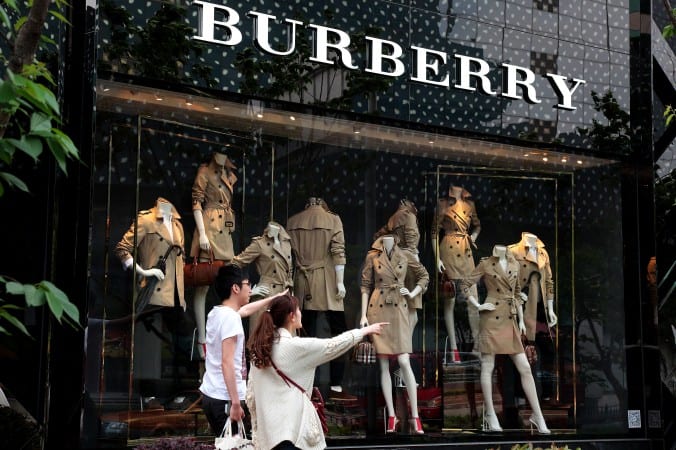
    Meanwhile, Gucci closed five stores in China, Burberry closed two stores, and Prada closed four stores in 2015, according to the Bain report. Due to collapsing demand in China, brands are expected to shut more stores across the country in coming months.

    Adding to the industry’s woes, publicly traded luxury goods companies announced weaker than expected results in April 2016, caused by slowing Chinese tourism in Europe. Burberry Group Plc, Prada SpA,Kering SA, and LVMH Moet Hennessy Louis Vuitton SE all reported disappointing results following terror attacks in Europe.

    According to Bruno Lannes, a Bain partner based in Shanghai, luxury brands should place greater emphasis on exclusive and fashionable collections, digital platform engagement and digital content, as well as pricing, in order to remain competitive in rough times.

  • Tesla Opens 17th Experience Store In China

    Tesla Opens 17th Experience Store In China

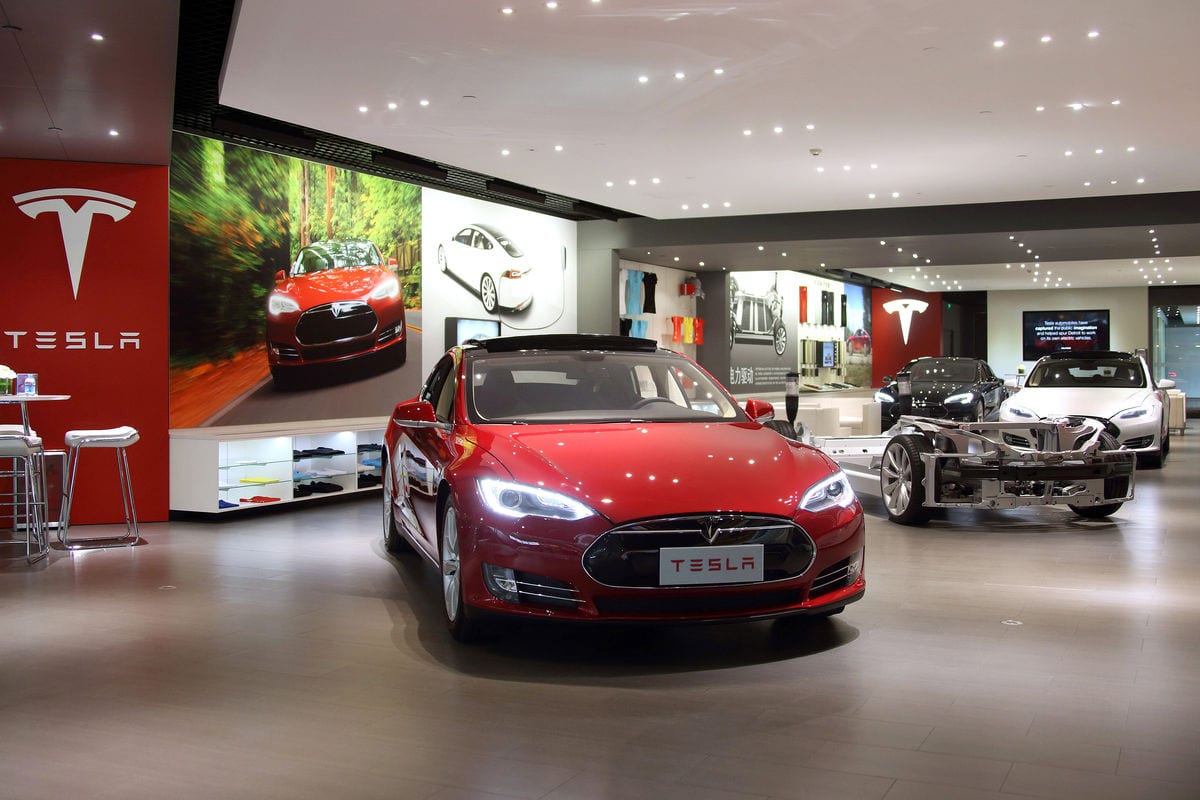
    U.S.-based electric car maker Tesla has opened a new experience center, which is the company’s largest experience center in North China and its fifth owned sales site in Beijing.

    Tesla will reportedly build ten new stores in China in 2016. At the same time, the company will stick to a direct sales model, which is the core model of Tesla. At present, Tesla’s new cars need to be booked via its official website and the cars will be delivered to physical stores.

    So far, Tesla has opened 17 experience centers in China, covering North China, East China, and South China. Those experience centers are mainly located in first-tier cities, including Beijing, Shanghai, Guangzhou, and Shenzhen, and some are in Hangzhou, Chengdu, and Xi’an.

    Zhu Xiaotong, head of Tesla China, said that the company will continue to develop within the market of first-tier cities in the future. On one hand, the potential of those super cities has not been fully explored and they can still digest Tesla’s capacity; on the other hand, it is complicated to expand into a new city. Therefore, Tesla will seek stable development based on existing sites.

    During the opening ceremony of this new store, Tesla’s new Model S also made its debut in China.

  • Awakening giant: E-commerce in China

    Awakening giant: E-commerce in China

    With the largest population and the most Internet users of any country in the world and the rise of its middle class, it is not surprising that China is also the world’s largest and fastest-growing e-commerce market. However, capitalizing on this huge market is becoming increasingly difficult for a variety of reasons.

    Recently, McKinsey, the consulting giant, released a new report on this burgeoning market that holds “enormous potential”.

    A growing market

    Two years ago, China’s online retail market overtook the United States’ online retail market. In 2015, China’s online retail market was approximately USD $630 billion of sales, the world’s largest and nearly 80 percent bigger than the US’.

    E-commerce in China accounts for 13.5 percent of all of its retail spending.  Although in the near term Chinese e-commerce is forecast to increase significantly, McKinsey’s survey shows that companies need to prepare for major changes in the Chinese market.

    Major changes coming

    From new customer segments to new product categories and sales channels, China’s online market is set for huge future growth. Representing 30 percent of total retail sales, the categories of consumer electronics and small appliances are well-established online categories, as is apparel.

    On the other hand, Food (including packaged and fresh food), is a category that faces more challenges and opportunities. Though 50 percent of respondents have purchased some food online, online spending represents only five percent of the total food spending.

    The category of food holds promise for companies that can attract consumers to do their regular grocery shopping online stand to capture a lot of business.

    Online-to-Offline (O2O)

    Consumers in China are accustomed to buying through O2O services companies—they are attracted to the website or app, then buy offline. The top sectors for O2O seem to be travel, dining, and mobility, where respondents who use O2O vendors report spending much more than they did before.

    Huge Opportunities

    McKinsey’s survey of China’s digital consumers tells us that growth in e-commerce and O2O is shifting to new areas. “Succeeding in this market is a matter of keeping pace with changes that are playing out across geographies, product categories, and channels.”

    The opportunities are huge for companies willing to look closely into these aspects of the market to find them, then move quickly to take advantage of them before their competitors can.

  • Apple sales fall 26% in Greater China, optimistic on China and India

    Apple sales fall 26% in Greater China, optimistic on China and India

    Apple’s double-digit growth in Greater China, which has helped fuel the huge success of the iPhone over the past few years, came to a grinding halt last quarter, with revenue falling 26 per cent as iPhone demand softened.

    Sales in the Greater China region, which includes the mainland, Hong Kong and Taiwan, dropped to $12.5 billion in its fiscal Q2 ending 31 March. The region accounted for a quarter of Apple’s total revenue, down from 29 per cent a year ago.

    Revenue in mainland China, Apple’s second largest market after the US, fell 11 per cent (7 per cent in constant currency terms) – a year ago sales surged by 81 per cent.

    Apple yesterday reported its first-ever quarterly drop in iPhone sales,which dropped 16 per cent to 51.2 million units.

    Apple CEO Tim Cook said in the earnings call he doesn’t think China is as weak as everyone says. “In China we may not have the wind at our backs that we once did, but it’s a lot more stable than what I think is the common view. So we remain really optimistic on China.”

    He noted that it opened seven stores in China last quarter, taking its total to 35, and will open five more this quarter.

    Cook talked up its services businesses, which expanded 20 per cent last quarter and represented the company’s second largest revenue-generating category in Q2. But with Apple suspending its iBooks and iTunes Movies services in China last week after the country’s video and publishing regulator imposed stricter guidelines on online content, its growth prospect in services could be severely dampened.

    Beyond China
    The company faced declining sales across the Asia-Pacific region, with revenue falling 25 per cent in Asia Pacific (ex China and Japan) to $3.16 billion.

    Japan was the bright spot in the region, reporting a 25 per cent jump in sales to $4.13 billion.

    Responding to a question about India, the third largest smartphone market in the world, Cook said infrastructure and sales channels will be key.

    The LTE networks being rolled out in the country will “unleash the power and capability of the iPhone in a way that an older network, a 2.5G or even some 3G networks, would not”, he said.

    He noted that unlike in the US, where operators sell the vast majority of phones, in India the operators in general sell virtually no phones. “So it’s through retail, and retail is many, many different small shops”.

    The company has been working on its sales channels for the last 18 months, and Cook said he is encouraged by the results that it’s beginning to see.

    “But because the smartphones that are working there are low end, primarily because of the network and the economics, the market potential has not been as great there. But I view India as where China was maybe seven to ten years ago, and I think there’s a really great opportunity there,” he said.

  • Does Your Brand Need a Store in China to Succeed?

    Does Your Brand Need a Store in China to Succeed?

    As brands speculate about continued economic buoyancy in China, the necessity of having physical stores has come under increasing scrutiny. The unrelenting enthusiasm for e-commerce shown by Chinese consumers has also given cause for questioning the relevance of physical retail.

    Luxury and fashion brands have scaled back on their original optimistic plans to store expansion in China. Most notably, Louis Vuitton announced the closure of several Chinese stores last November. Also Walmart, has this week, launched a major brand repositioning to offer e-commerce solutions to Chinese consumers.

    Pessimism about store space is becoming endemic. Dangdang.com, a local online bookseller similar to Amazon, has launched an audacious plan to create actual bookstores based on the idea they will receive free-rent in increasingly vacant shopping malls in big cities.

    When a store, is not just a store

    Looking at the importance of a store presence in China requires a specific cultural lens. A key starting point for most, if not all, foreign brands is that they are not inter-generational. That is, the reputation and trust of the brand has not been passed down through family legend. Instead, brands are initiating relationships from scratch with a fresh generation of consumers.

    Taking the case of luxury, consumers have experienced the brand as a personal form of development. A key moment of truth in their relationship with brands is formed through store experiences –the physical inspection and feeling of products.

    When interviewing Chinese consumers, the key difference that strikes me is how emotional the store experience and service are in the stories they tell about their favourite brands. Often, they become aware of a brand through peer recommendation, but their loyalty and ultimate advocacy is created through their retail experience.

    Forgoing or not maintaining a retail presence is like introducing a ‘circuit breaker’ at the most crucial stage of brand adoption. Stores, irrespective of economic forecasts, must be seen as a symbolic, practical and emotional stepping stone for new consumers in China.

    In one particular interview with in Chengdu, the thriving city in the Western part of the country, a Chinese entrepreneur was describing to me that one of his favourite brands was Tod’s (which he could not pronounce, and jokingly called it “potato slices” because it was the closest Chinese word he could find).

    Despite having extreme difficulty in engaging with the brand at the official level, he has become a Tod’s aficionado based on his experience at the store – that he described as “like the home I imagine I would live in Italy”.

    For him, the brand was the retail experience, it was enough to cement this loyalty and enthusiastic promotion to a large group of businessmen, who like himself, were ‘finding their feet’ with luxury brands.

    Beyond a transaction point: Chinese stores as brand equity

    From a broader strategic point of view, brands need to see stores in a wider cultural perspective. Beyond a point of transaction and sales number, stores are the clearest and most uncompromised expression of your brand to new consumers in China.

    In the context of ‘face’, retail presence in new malls and as part of the new middle class’ weekend walkabouts is essential to suggest status and respect to Chinese consumers.

    Once again, using Chengdu and luxury as an example: The way foreign brands were perceived in terms of their premium offering was directly related to their presence in two of the city’s new mall developments –meaning Burberry and Michael Kors enjoyed almost equal rating as early-arriving European brands.

    Adding to perceptions is the way that Chinese consumers share their recommendations with others in-person and online is almost always footnoted with a proof point on quality. Invariably, this is described as the look, feel, or physical appearance of the product materials – the fabric of the dress or the sheen of the casing. In this initial peer-to-peer introduction to brands, physical inspection at a store is an essential part of the purchase journey.

    Forgoing or not maintaining a retail presence is like introducing a ‘circuit breaker’ at the most crucial stage of brand adoption. Stores, irrespective of economic forecasts, must be seen as a symbolic, practical and emotional stepping stone for new consumers in China. Something that e-commerce, or lack of stores, can not address.

  • Starbucks China sales soar 18 per cent

    Starbucks China sales soar 18 per cent

    Starbucks China has recorded a massive 18 per cent increase in sales in the second quarter, fuelled by a 5 per cent increase in transactions.

    The Chinese boost was one of a string of highlights in the quarter in which Starbucks set a new sales record of US$5 billion globally, up by 6 per cent on a same-stores basis.

    The Seattle-based coffee giant served nearly 16 million more customer occasions worldwide in the three months to March 27, 12 million of those in the US where it is experiencing a resurgence.

    Earnings per share rose 18 per cent to a record 39 cents, with US and Americas comp-store sales up 7 per cent. Operating profit rose 11 per cent to a second quarter record $878 million, its operating margin up to 17.3 per cent.

    Starbucks boosted its worldwide store network by 350 to 23,921.

    CEO and chairman Howard Schultz described the Starbucks China performance as “stunning” and said the overall financials underscored the strength of the brand and the resilience of the global retail and consumer packaged goods business.

    “Loyalty, technology and innovation are continuing to fuel our digital flywheel and propel our business forward all around the world.”

  • On Pedder takes first step into eCommerce

    On Pedder takes first step into eCommerce

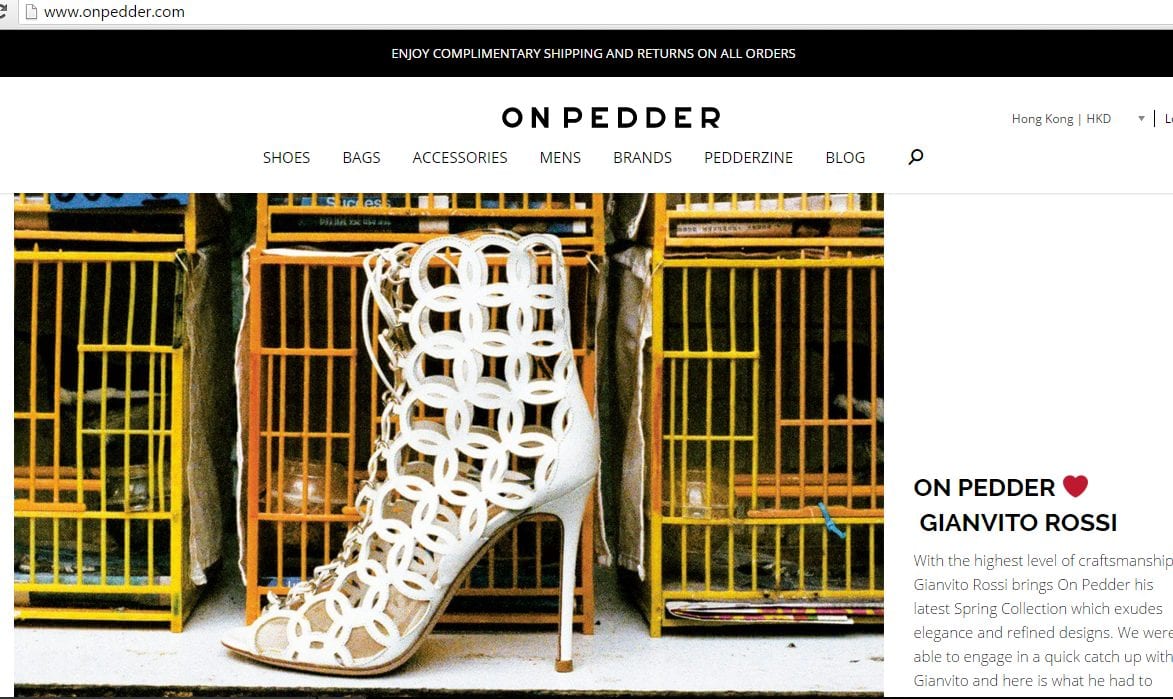
    Hong Kong shoe retailer On Pedder has launched an eCommerce site featuring a curated mix of luxury footwear.

    It is centered around the retailer’s Pedderzine, a seasonal art-fashion hybrid magazine distributed to customers.

    Complimentary shipping is being offered by the site, with returns possible, for customers in Hong Kong, Japan, Macau, Philippines, Singapore, South Korea, Taiwan and Vietnam, as well as Australia and New Zealand.

    Brands include 3.1 Phillip Lim, Aquazzura, Chloe, Common Projects, Gianvito Rossi, Giuseppe Zanotti Design, N⁰21 , Neil Barrett, Nicholas Kirkwood, Paul Andrew, Rene Caovilla, Sophia Webster and Valentino.

    More brands are showcased under the “On Pedder Love” section of the site, along with exclusive product.

    On Pedder collaborated with Hong Kong photography and video artist Luke Casey for Pedderzine this season, which focuses on Hong Kong and Kowloon’s roots and was shot on the streets of Jordan and Sham Shui Po and Jordan, including karaoke bars, back alleys, markets and brothels.

    “We wanted to create an online destination for our customers to enjoy the energy and aesthetics of our in-store curation,” says Pedder Group president Peter Harris.

  • Apple’s book and film services go dark in China

    Apple’s book and film services go dark in China

    Apple Inc’s online book and film services have gone dark in China, after Beijing introduced regulations in March imposing strict curbs on online publishing, particularly for foreign firms.

    Attempts by Reuters on Friday to access Apple’s iBooks Store and iTunes Movies services were met with a message in Chinese saying they were “unusable.”

    China’s media regulator, the State Administration of Press, Publication, Radio, Film and Television, demanded Apple halt the service, the New York Times reported, citing two unnamed people. The regulator did not respond to a faxed request from Reuters for comment.

    “We hope to make books and movies available again to our customers in China as soon as possible,” said a Beijing-based Apple spokeswoman, who declined to provide further comment.

    This is not the first time an Apple service has been made unavailable in China.

    The company’s News app, launched last year, can be used in many countries by people who downloaded the app from the U.S., United Kingdom or Australia App Stores. But those people trying to access the service on the mainland are shown the message “News isn’t supported in your current region.”

    The Apple spokeswoman in Beijing said News had only launched in the U.S., United Kingdom and Australia, but declined to comment on how the app could still be used in places like South Korea and Hong Kong but was blocked in mainland China.

    Apple’s second-largest market by revenue is Greater China, which includes Taiwan and Hong Kong, driven by the iPhone’s popularity in the world’s biggest smartphone market.

    But the company has at times met with official resistance from Beijing, with state media once branding the U.S. tech behemoth’s iPhone a danger to national security.

    In March, regulations came into effect that prohibit foreign ownership and joint ventures in online publishing and stipulate that all content be stored on servers in China. The move sparked fear of greater curbs on foreign businesses.

    In an effort to shape public opinion, President Xi Jinping’s government has implemented an unprecedented tightening of internet and media controls and sought to codify the policy within the law, a campaign that critics say ignores human rights and is a burden for business.

    Earlier this month, the U.S. labeled China’s internet censorship a trade barrier in a report for the first time since 2013, saying worsening online restrictions are damaging the business of U.S. companies.

    Officials say internet restrictions are needed to ensure security in the face of rising threats such as terrorism and foreign ideology that could destabilize China.

  • Shanghai mall installs slide for shoppers

    Shanghai mall installs slide for shoppers

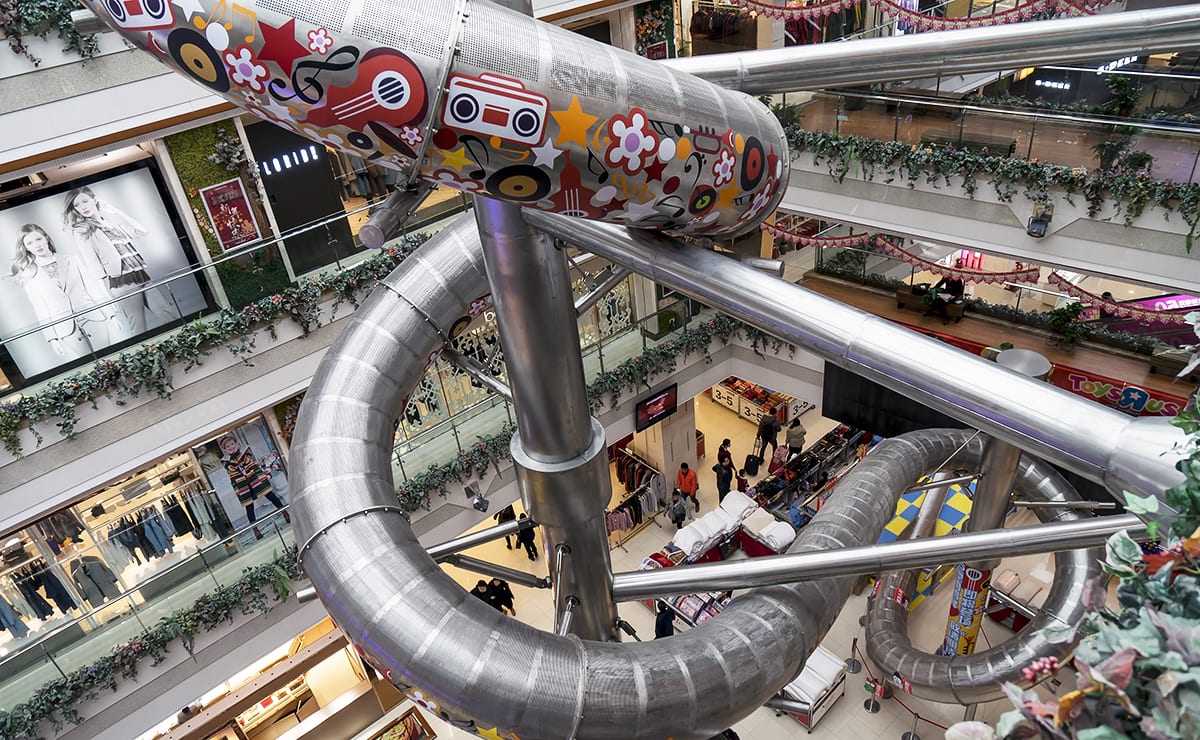
    Forget stairs and elevators – a Shanghai mall has installed a five-storey enclosed slide for shoppers.

    Spiralling down some 54 metres, the 76cm wide chute at the Printemps mall in the Pudong New Area is covered in bright patterns and is named The Happy Slide. It take just 16 seconds from the top floor of the mall to the ground floor.

    Printemps, despite a 150-year retail history in Paris, has been experiencing declining sales at the mall, prompting the management to think outside the box to attract more customers.

    While the slide is free to use, it is only for people aged between seven and 60 years old, provided they are not pregnant and do not have cardiovascular or back problems. At the moment, the attraction is open only to VIP mall members, and they need to wear a safety bag and cross their arms while sliding.

    Super-Slide-shanghai-mall.2

    Shaped like a traditional twisting Chinese dragon, the stainless steel tube is covered in cartoon-style flowers, stars and musical instruments.

    Images show a man in a suit taking the slide, as well as another emerging with his smartphone shooting video.

    However, one Facebook user questions its safety: “China can’t build escalators properly without people falling through them, so you’d be nuts to go down this.”

    Singapore’s Changi Airport put up the state’s tallest slide, measuring four storeys, or 12m, high in 2010, and it is still a major tourist attraction.

  • IKEA Will Open First PUP Store In China

    IKEA Will Open First PUP Store In China

    Ikea’s first pick-up and order point in China is currently being built in Wenzhou and is expected to officially open at the beginning of this summer.

    Ikea PUP store is a new model established by the company in 2015. With an area of about 1,800 square meters, the Ikea Wenzhou PUP store will display about 2,500 kinds of products. Meanwhile, local consumers can order most of Ikea’s products at the order point. It is reportedly a small-sized Ikea and the extension of the Ikea Ningbo store.

    Consumers can first experience Ikea products in the display zones and choose to buy the products directly from Wenzhou PUP store or place an order to the Ikea Ningbo store in eastern China. The ordered products will then be delivered to the Wenzhou order point or to consumers’ homes. In addition, the Wenzhou PUP store will have professional staff to provide home solution planning and purchase services. However, no food and beverage area is available at the PUP store.

    A representative from Ikea China said that the establishment of the Wenzhou order point will make consumers’ shopping experience more convenient. Meanwhile, it will lay a foundation for the future expansion of Ikea’s online businesses. Ikea started the operation of this new PUP model from 2015. So far, it has launched such stores in London, Toronto, and Phuket.

    Ikea’s financial report for 2015 revealed that the company’s total sales for 2015 were EUR31.9 billion, a year-on-year increase of 11.2%. Its sales increase was mainly contributed by store sales, especially new stores integrating e-commerce functions.

  • Singapore Pavilion on Alibaba’s Tmall helps access China market

    Singapore Pavilion on Alibaba’s Tmall helps access China market

    Local food manufacturers looking to expand into China will now have an easier time with the help of a new initiative by IE Singapore and the Singapore Food Manufacturers’ Association (SFMA).

    Dubbed “Singapore Pavilion”, it is an online store on Alibaba’s Tmall, a major Chinese website for business-to-consumer online retail.

    The initiative will “provide companies with a plug-and-play model, so they can export their products to China more quickly and easily”, said Ms Liane Ong, IE Singapore’s China group director.

    The trade agency said it sees e-commerce as an “important retail channel for Singapore companies to access the huge China market”.

    Ms Ong added that the Singapore brand commands a premium in China, amid rising affluence of Chinese consumers and food safety concerns.

    Despite this, companies wanting to export to China have always faced obstacles, with issues such as product registration and marketing to consumers being key problems, according to Mr Chong Ka Wee, chief executive of Kino Biotech, which owns proprietary brand Kinohimitsu.

    Kino Biotech is one of 45 firms to have signed up under Singapore Pavilion to sell its products and that has helped it save time and cut costs.

    “Normally, for product registration, you would have to go through processes like changing your labelling to adhere to the local regulations,” Mr Chong said. “All these processes can take up to 15 months.

    “Selling through a cross-border e-commerce platform, the product registration process can be simplified and shortened to just one month. The best part is that you can use the existing product labelling and original packaging.”

    Mr Thomas Pek, president of SFMA, said that under the initiative, companies would have to pay an initial deposit of $10,000, and then just $300 a month.

    A single company trying to get online space in Tmall would usually have to pay around $300,000 per year.

    For Mr Chong, an added benefit of joining Singapore Pavilion is getting to raise awareness of the firm’s products as part of a stronger Singapore brand along with those in the industry, and the feedback from Chinese consumers will be valuable in deciding how to expand in China.

    “We may be competitors in Singapore but we can form an alliance overseas as part of the Singapore brand and capture market share together.”