Tag: China

  • Hong Kong’ s New World carves a retailer niche in Tsuen Wan with D.Park for children

    Hong Kong’ s New World carves a retailer niche in Tsuen Wan with D.Park for children

    Dwindling footfalls and intense competition in the Hong Kong retail market is prompting developers of shopping malls to tap unexplored areas for growth.

    New World Development has gone a step further and is using its revamped D.Park shopping mall in Tsuen Wan to tap the niche children’s market. The group has launched Multiple Intelligence Kids Malls targeting children under the age of 12, eight years after it introduced the K11 art mall concept in Tsim Sha Tsui.

    Adrian Cheng Chi-kong, executive vice chairman of New World, said the D.Park in Tsuen Wan will be the first mall in Hong Kong that will operate under the concept of “playing, learning and retailing” under one roof.

    “In Hong Kong, there is not enough spaces for (kids) to play and to learn. We see it as a demand, and therefore, we decided to create the world’s first children’s mall with a theme park and a multiple intelligence mall,” said Cheng.

    Although the government has projected that the number of children under the age of 15 will decrease from 11 per cent in 2014 to 9 per cent in 2064, industry experts believe that parents will not cut their spending on kids.

    Hong Kong’s population is estimated to reach 7.81 million in 2064, from 7.24 million in mid-2014, according to the Census and Statistics Department.

    The 630,000 square feet D.Park has set aside 40,000 square feet for the Multiple Intelligence Zones which will offer a series of ‘experience’ courses for children under the age of 12. In addition, it has also teamed up with 100 educational institutions and international educational groups to offer 1,000 courses for children of various age groups.

    “As we are the pioneers, we don’t see any competition,” Cheng said. New World has invested HK$700 million to revamp the mall since 2012. Rental income has increased by more than 30 per cent since the newly renovated mall was opened in January, with visitor footfalls reaching around 3 million per month.

    Jeannette Chan, regional director of the retail department at JLL said the decline in the number of children will have a limited impact on the market.

    “Parents prefer saving money on themselves, but never for children. They want to give them the best always,” she said.

    Such thematic malls will be hard for other landlords to copy as it needs a huge area and other related facilities, she said.

    Developers have already started becoming aggressive in areas like Tsuen Wan, which has a sizable number of malls. The area already has Sino Land’s City Walk and Sun Hung Kai Properties Tsuen Wan Plaza.

    Helen Mak, head of retail service at property consultant firm Knight Frank said Tsuen Wan has been gaining ground with retailers as an increasing number of extended families have moved back to the area after the opening of West Tsuen Wan Station.

    “The better infrastructure has transformed the area from an old district into an area with more new residential projects and created demand for children facilities,’ she said.

    Cheng said the concept would be expanded to mainland China with Wuhan likely to be the first city to have a children’s mall.

    “In China, about 13 million couples get married every year and this creates ample potential for future development,” he said.
  • PRG China expanding in confidence

    PRG China expanding in confidence

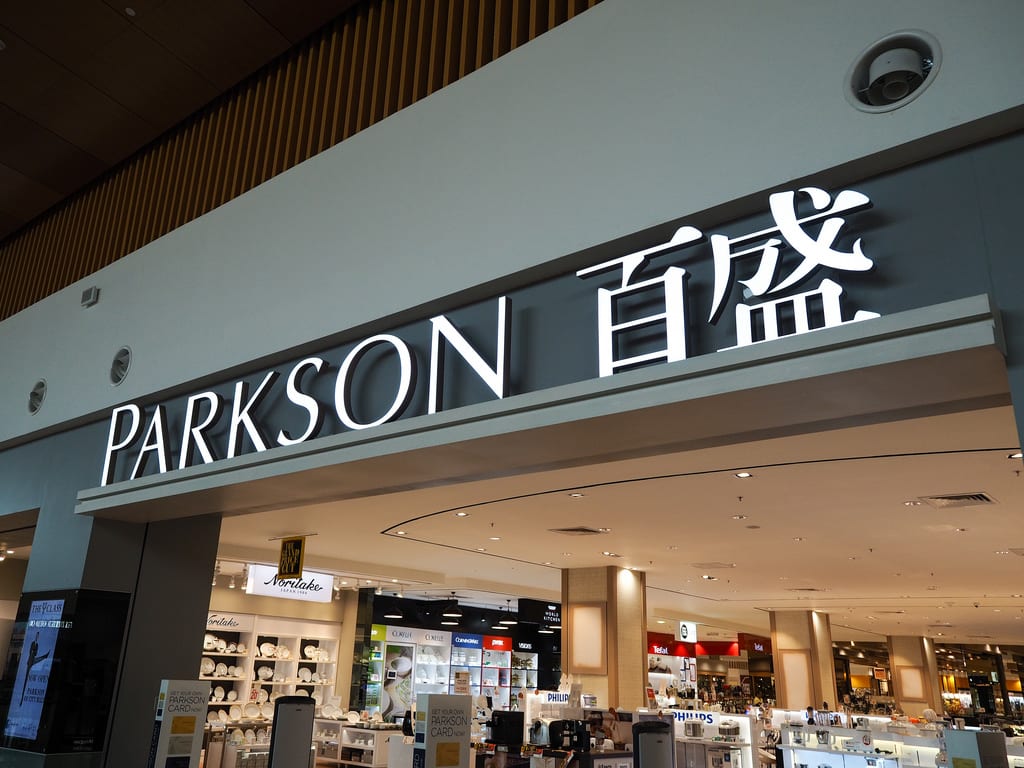
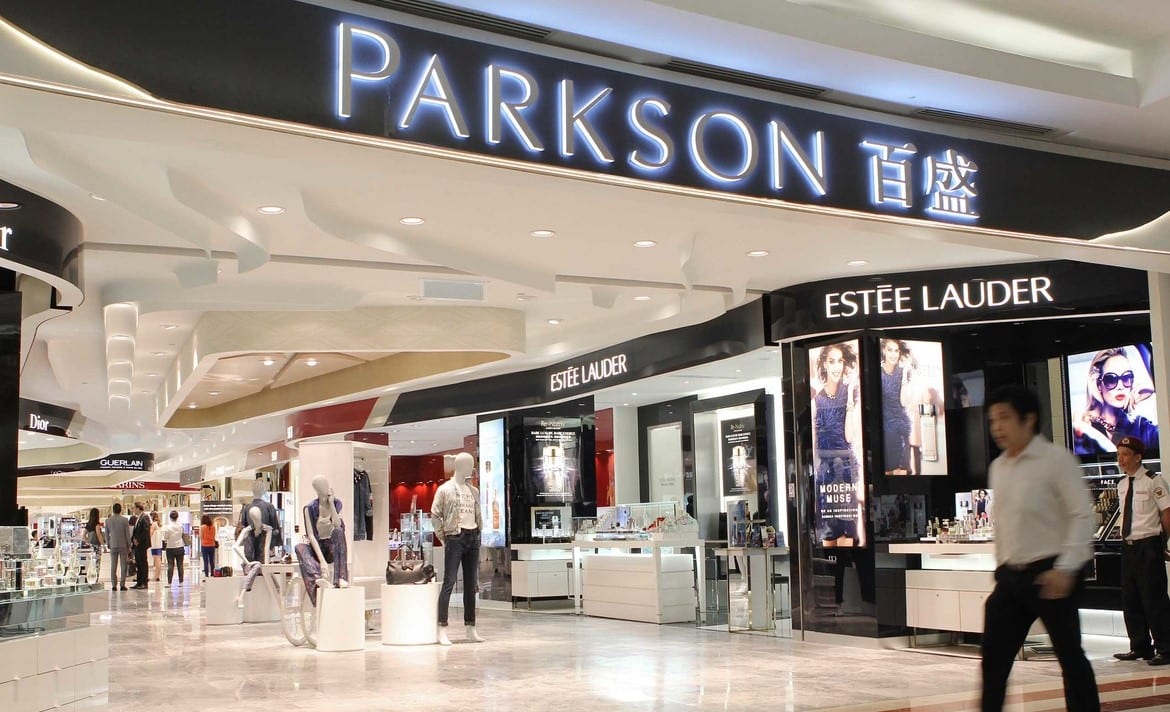
    Despite economic growth cooling, Parkson Retail Group (PRG China) is confident about its shopping mall opening this month in Qingdao.

    This confidence is underlined by an Asian Development Bank prediction that the Chinese economy will grow 6.5 per cent this year, with retail sales expanding 10.6 per cent in the first two months of this year.

    A unit of Parkson Holdings in Malaysia, PRG has 57 department stores in China, with one already in Qingdao. Its latest store is in the new Lion Mall, which the group has acquired for nearly RM1 billion (US$258 million) from Shanghai Industrial Qingdao Development via its indirect unit Qingdao Lion Plaza Retail Management.

    For the financial year ended June 30 last, the group’s China stores contributed about 70 per cent of Parkson Holdings’ revenue and profits.

    Parkson’s first store in Qingdao opened in 1998, its brand equity providing the platform for the group to expand its market share and strengthen its foothold in the fast-growing market. Lion Mall will offer a fully integrated shopping experience, with Parkson and Foodpark as anchor tenants. There will be cinemas, fast-fashion brands, international cosmetics and accessories, F&B, entertainment and other amenities.

    In the Laoshan district of Qingdao, a new financial and commercial hub, the mall is part of a fully integrated development known as the Beer City Project. It has a total gross floor area of about 230,000 sqm, of which about 130,000 sqm are for retail. There will be parking for 2000 cars.

    An exit gate is planned as a direct link to the M2 subway line, which is under construction and will come into service next year.

    On the group’s future plans, a spokesperson says a Lion Mall Phnom Penh in Cambodia is being developed, with the foundation works almost complete.

    “Another development is Parkson City Centre in Phnom Penh, where Parkson has taken a lease of 36,500 sqm and will open the first Parkson department store in Cambodia with sub-tenants in the fourth quarter of this year.”

    Parkson City Centre will include Golden Screen Cinema, making its debut in Cambodia, and Giant Supermarket’s second store.

  • McDonald’s Asia to sell 2800 restaurants

    McDonald’s Asia to sell 2800 restaurants

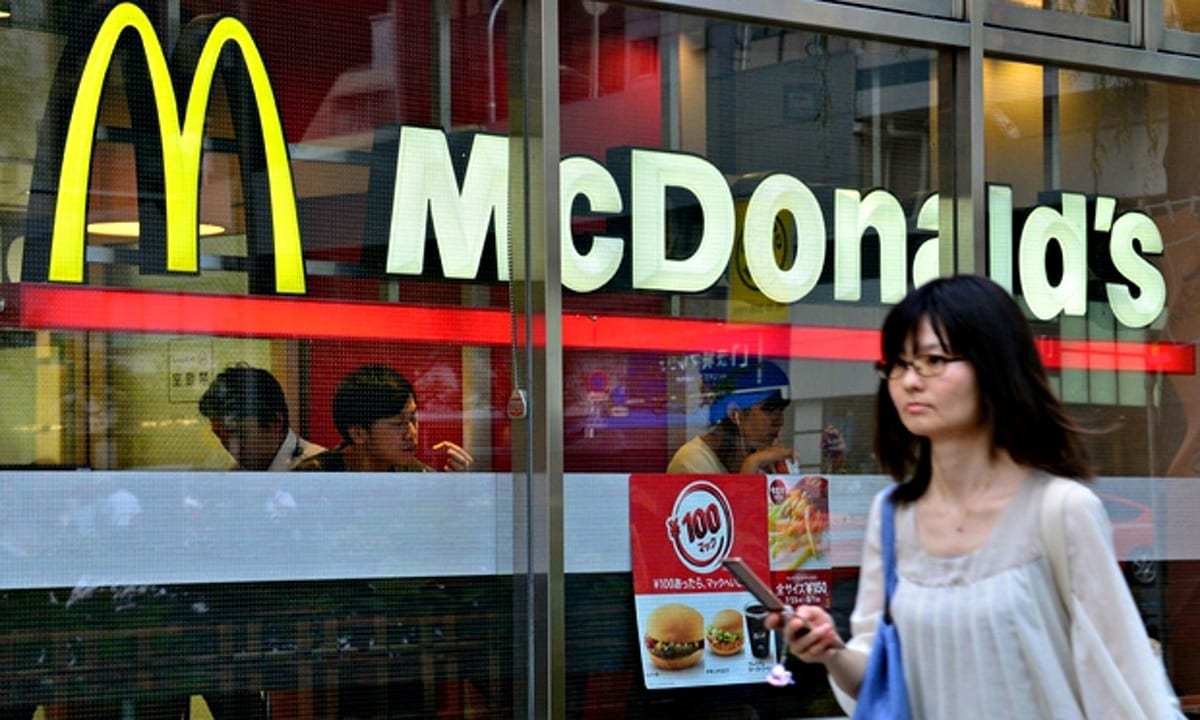
    McDonald’s Asia is preparing to sell some 2800 restaurants across Asia as it introduces a new business model in its fastest growing major market.

    And Reuters has named frontrunning investors in what looks to be a spin-off business in much the same nature as Yum! Brands is selling off its Chinese KFC, PIzza Hut and Taco Bell operation.

    Early contenders as partners with McDonald’s US include state-backed China Resources and private equity investors Bain Capital, TPG Capital, Baring Private Equity Asia and MBK Partners. China Resources already has street cred in the food sector, operating Pacific Coffee chains in Hong Kong, Macau, Singapore and China.

    McDonald’s is planning to create a new Asian business which would own restaurants as master franchisee, using local market knowledge and capital to expand networks in respective markets.

    Operations in China, Hong Kong, Macau and South Korea would be rolled into the new entity, although it is highly likely separate businesses could be created for each market – one for China, one for Hong Kong-Macau and another for Korea.

    McDonald’s has a stand-alone, listed business in Tokyo which encountered huge market problems several years ago and last year lost US$310 million after a major cull of its network. The company is trying to sell down its stake in that business from 49.99 per cent to 20 per cent.

    Inside Retail Hong Kong expects that McDonald’s Asia would likely be funded by a cashed-up investment partner for about five years before potentially being floated, most likely in Hong Kong.

    A fortnight ago, McDonald’s Chicago-based CEO Steve Easterbrook revealed plans to open 1500 new stores across China, Hong Kong and Korea within five years – 1300 of those in Mainland China. Globally, the company plans for 95 per cent of its restaurants to ultimately be franchised.

    In China’s mainland, McDonald’s already operates some 2200 restaurants – its new target is 3500.

    Easterbrook says strategic partners could “add value and unlock growth potential in key markets” in Asia.

    “This will allow McDonald’s to accelerate our growth and scale faster across diverse markets placing us closer to our customers and the communities we serve,” he said on March 31.

    Reuters quotes sources revealing McDonald’s has engaged Morgan Stanley to run the sale of the restaurants in China, Hong Kong and South Korea, with a formal, public sale process to be launched in mid-May.

    The final business model is subject to negotiations with potential buyers, but McDonald’s expects a one-time franchise payment and ongoing royalties based on sales – the typical industry rate running between 3 per cent and 5 per cent. Capital investment required to roll out new stores would be the responsibility of the franchisee.

    Reuters said McDonald’s declined further comment beyond its March 31 statement from Easterbrook and the private equity companies named, China Resources and Morgan Stanley all also refused to comment.

  • McKinsey report shines light on online-to-offline services

    McKinsey report shines light on online-to-offline services

    As world’s largest and fast-growing e-commerce market, China is expecting the potentialgrowth of the online-to-offline services, which are cutting into incumbents’ margins, accordingto the latest McKinsey’s survey of China’s Internet users.

    “Online-to-offline services can win consumers and even convince them to spend more thanthey might want to,” said Gong Fang, a partner at McKinsey’s Shanghai office.

    China’s online retail market is the world’s largest after 2015 sales grew to approximately $630billion, nearly 80 percent bigger than that of the US. E-commerce in China accounts for 13.5percent of all retail spending.

    “In an e-commerce market as large and fast as China’s, retailers and consumers will have noshortage of opportunities, especially in low-tier cities where online and e-commercepenetration remains relatively low,” said Alau Lau, senior partner and head of McKinseyDigital in Asia.

  • Major gains made in commercial meat export agreements with China

    Major gains made in commercial meat export agreements with China

    A multimillion dollar deal with a farming corporation in China will see New Zealand’s  Alliance Group become one of the largest exporters of meat in that market.

    The “grand alliance” between Alliance Group and Beijing Businesman Chen Xibin, who owns Grand Farms, will help to boost large volumes of valued-added sheep meat and venison products into the Chinese market

    The deal was signed at an event in Beijing, where Prime Minister John Key is leading a 40-strong trade delegation.

    Alliance chief executive David Surveyor said it shifted the relationship from a transactional one, to a value-added one, which included services and expertise training.

    But the deal is around the export of frozen meat only. Restrictions on chilled meats meant New Zealand could not export chilled meat to China, although Australia delivered its first shipment of chilled meat this year, under their FTA.

    Surveyor said he believed chilled meat exports were inevitable, but could be some time away.

    “These are matters for Government obviously to work through, but there’s a great usefulness to New Zealand and to Chinese consumers to see chilled happen.”

    Alliance Group is a co-operative owned by 5,000 farmer shareholders, headquartered in Invercargill, with eight plants across the country.

    It’s New Zealand’s largest sheepmeat processor, and it’s second largest meat exporter.

    Its in-market partner in China is Grand Farms, China’s single largest importer of sheepmeat. The company processes 70 per cent of the lamb supplied by Alliance Group into lamb rolls, kebabs and finished retail ready products.

    Volumes of exports to China have already increased by 35 per cent over the past five years.

    Alliance general manager marketing Murray Brown said the agreement was built on a 17-year relationship already established with Grand Farms.

    “We’re looking at more value in terms of retail packs of lamb and retail packs eventually of venison and beef under the Pure South brand to go to retail.

    “But basically [Chen] wants to be the largest importer of sheep meat, to support his investment in processing facilities in the market.

    “Largely through us, and it will reach a level at some stage where we won’t be able to service it so then the next stage after that, which is a discussion we’re yet to have, is do we source it on their behalf,” said Brown.

    Surveyor said Alliance used to be a much larger company than Grand Farm, but the rapid growth of Grand Farm was a testament to the scale of the Chinese market.

    “There is some prospect that at some moment in time, we won’t be able to meet all of their needs, and so I think that creates that opportunity for us to perhaps be able to work with some of the other players in the New Zealand industry.”

    Grand Farm owns 96 meat shops, operates 260 branded meat counters in selected hypermarkets and supplies to over 1000 hypermarkets in China.

    Surveyor would not comment on the value of the deal, but said Alliance put about 20 per cent of its total volume into China.

    “We’re about $1.5 billion in turnover, and by far the majority of that is through Grand Farm.”

  • China first quarter GDP growth slowest since 2009

    China first quarter GDP growth slowest since 2009

    The pace of China’s economic growth decreased to its lowest since the global financial crisis in the January to March period, official figures show. Gross domestic product expanded 6.7% from the same period a year ago, in line with market expectations but the slowest pace of growth recorded since the first quarter of 2009.

    The world’s second largest economy grew 6.9% last year – its weakest expansion in a quarter century – falling short of Beijing’s target of 7%. But the first quarter number falls within the range of Beijing’s growth target of 6.5% to 7% for 2016.

    Other data for March released by the National Bureau of Statistics suggested that the Chinese economy was stabilising, with industrial output, retail sales and urban fixed-asset investment all beating analyst forecasts.

    Industrial production rose 6.8% from a year earlier following a 5.4% increase in January-February, while retail sales jumped 10.5%. Fixed-asset investment expanded 10.7% in the three months to March period compared to the same period a year ago, beating expectations for a 10.5% rise.

    ‘Robust growth’

    The GDP data comes two days after China’s customs agency said exports increased 11.5% from a year earlier in March, the first positive growth in overseas shipments in nine months. Imports were down a less-than-expected 7.6% following a 13.8% drop in the previous month, while the trade surplus came in at $29.9bn (£21bn; €26.3bn).

    Yuan Banknotes
    China’s central bank says it will target stability in the yuan exchange rateReuters

    Meanwhile, a Chinese deputy central bank governor said the economy had performed robustly in the first quarter but admitted that it faced several headwinds.

    “I’m pretty confident that we are going to have between 6.5% to 7% growth this year,” Yi Gang said. He reiterated that the central bank would target stability in the yuan and not allow the currency to “overshoot” its exchange rate by too much.

  • Yooya exceeds 4b views

    Yooya exceeds 4b views

    Yooya said it has achieved over four billion lifetime views, with more than 2.75 billion added in the last seven months, driven by a combination of an increasing number of distribution partners and a growing stream of compelling new content.

    This development coincides with Yooya securing $3 million at a post-money valuation of $13 million in its Series Seed financing round.

    FastForward Innovations led the latest investment round, with previous investor Dream Incubator of Tokyo also joining the round.

    Yooya has been instrumental in helping content producers monetize China’s fragmented online video market by providing a single platform for content distribution, rights management, and advertising solutions.

    Yooya brings together many key components essential to the equation, including licensing at scale, automated ad sales, consolidated data and analytics, and simplified content distribution.

    For advertisers looking to tap into the large-scale engagement online video in China offers, Yooya provides a single point of contact to access distribution across all major video platforms and access to hundreds of channels, covering key advertising demographics and interest categories.

    “This growth means that finally there is a viable managed platform on which to build better monetization and more effective video-based advertising,” said Yooya CEO Rick Myers.

    Currently with over 200 million network views on average per month, Yooya predicts it will hit more than 800 million video views per month before the end of 2016, representing month-on-month growth of 40%.

  • Uniqlo profit drops

    Uniqlo profit drops

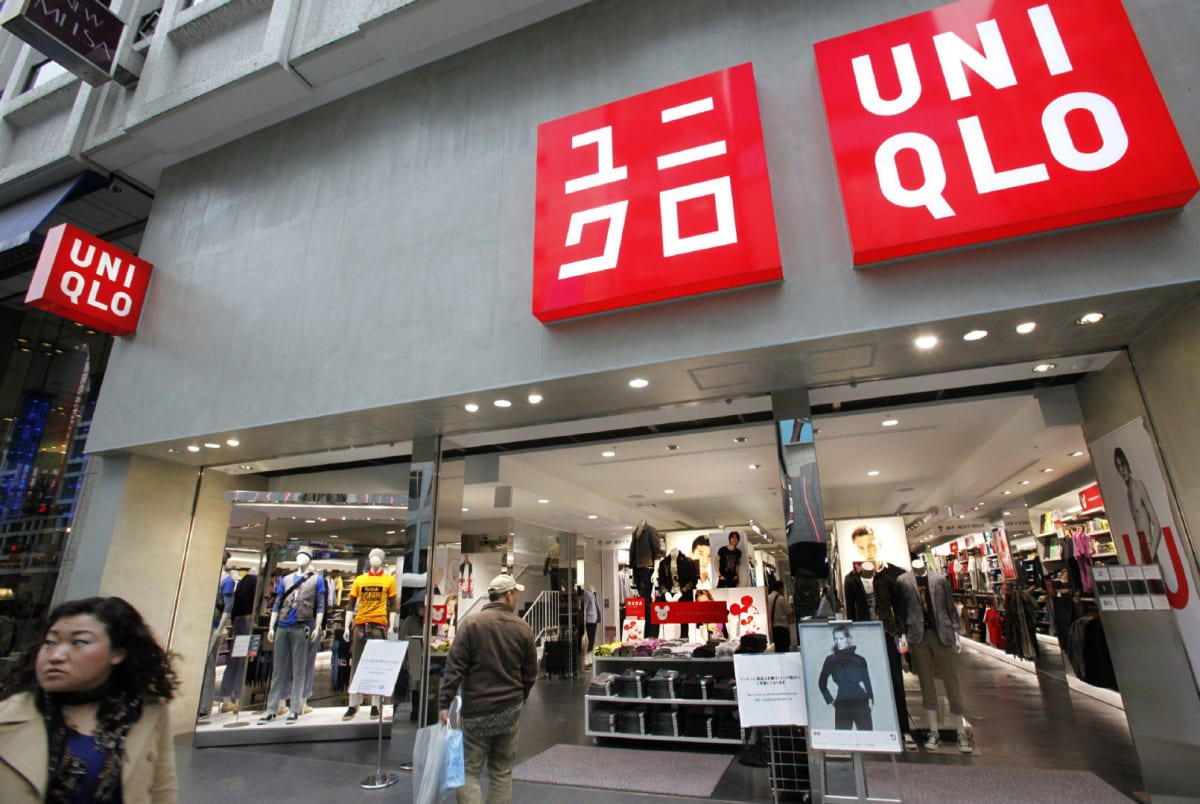
    Uniqlo profit has plummeted in the Japanese fast fashion chain’s first half year.

    Parent Fast Retailing has revealed a 33.8 per cent decline in year-on-year surplus, despite a 6.5 per cent increase in sales from September 2015 to February 2016.

    Consolidated revenue reached JP¥1.0116 trillion (US$9.385 billion) and profit ¥99.3 billion (US$1.535 billion).

    While Global Brands reported a rise in both revenue and profit, Uniqlo Japan reported declines in both revenue and profit, and Uniqlo International reported a rise in revenue but a decline in profit.

    The company blamed the Japanese decline on poor sales of winter ranges and lower gross margin, with same-store sales down 1.9 per cent.

    “Subsequent stronger discounting in January and February contributed to a 3.5 per cent fall in the first-half gross margin.

    Uniqlo profit was down on weaker sales in Greater China, South Korea and the US in the company’s international division. However sales and profit rose in Southeast Asia, Oceania and Europe.

    In the Global Brands division, revenue and profit both rose on strong sales of GU ranges. “GU’s widely advertised campaign items such as knitwear and trendy bottoms such as wide pants and jogger pants all generated strong sales, fueling double-digit growth in same-store sales,” Fast Retailing reported.

    The company is predicting a better second half but has revised its earnings forecast to a 7 per cent rise in revenue and a 27 per cent decline in operating profit.

  • China’s Century 2017 to be hosted in Guangzhou

    China’s Century 2017 to be hosted in Guangzhou

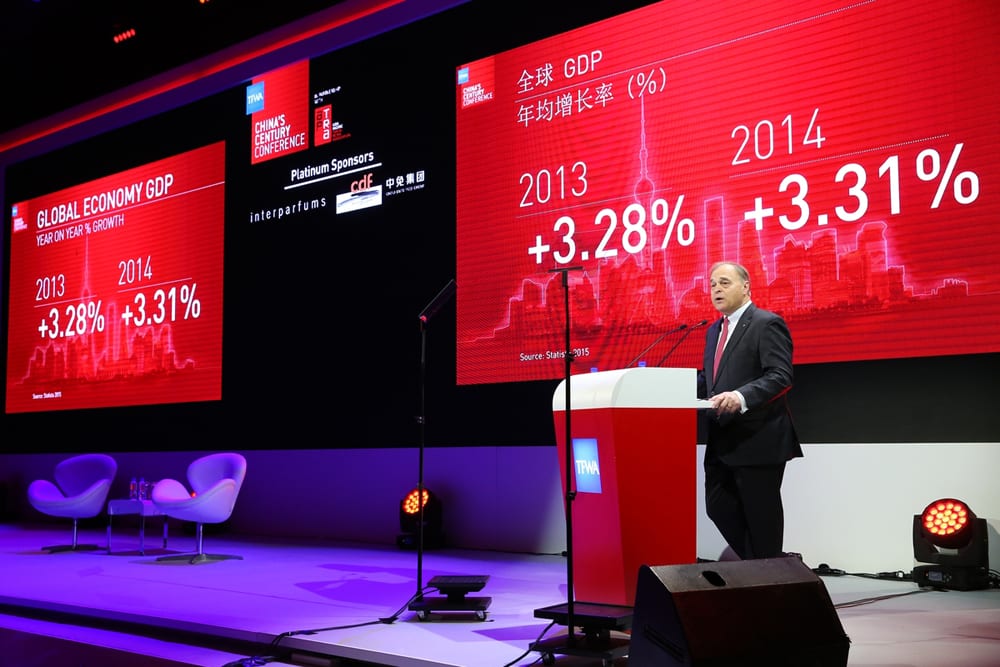
    Erik-Juul-Mortensen-China's-Century-lead The TFWA China’s Century Conference will take place from 7-9th March 2017 in Guangzhou, at the port city’s Four Seasons Hotel. The official host of the event will be Guangzhou Baiyun International Airport Co.

    Erik Juul-Mortensen, president TFWA said: “TFWA China’s Century Conference is an essential diary date for anyone interested in the considerable commercial opportunities the Chinese market presents, as well as all those who want to gain a deeper understanding of the Chinese traveller both at home and outside China.”

    The city of Guangzhou – northwest of Hong Kong on the Pearl River – is the third largest city in China and is said to have played ‘a pivotal role in the country’s economic development.’

    CENTRAL BUSINESS DISTRICT

    Its Central Business District, where the event will be located, underwent a major renovation in preparation for the Asian Games of 2010. The city now boasts a rapidly developing international airport, which is home to China Southern Airlines, and connects Guangzhou to the rest of China, Europe, Asia Pacific and beyond.

    A spokesperson from Guangzhou Baiyun International Airport Co said: “Guangzhou Baiyun International Airport Co is delighted to be the Official Host for next year’s TFWA China’s Century Conference.

    “As the premier event for the duty free and travel retail industry in China, the conference brings together all the major companies involved in the market, and we believe Guangzhou is the perfect venue for such a gathering.

    “Our city is one of the historic centres of trade in China and is attracting increasing numbers of business and leisure travellers, partly thanks to the efforts we are making to develop Guangzhou Baiyun as an international hub airport. We are confident this conference will be a big success and we look forward to welcoming delegates to our airport and to this vibrant city.”

    SHANGHAI CONFERENCE DRAWS ALMOST 400 DELEGATES

    The Four Seasons is located in the centre of Guangzhou’s Central Business District, close to the famous landmark Canton Tower. Occupying the top third of the 103-storey Guangzhou International Finance Center, which is one of the world’s tallest skyscrapers, it can truly claim to offer visitors ‘a room with a view’.

    The first TFWA China’s Century Conference took place in 2013 in Beijing. The second conference, which was held in Shanghai in 2015, welcomed 388 delegates including senior executives from numerous airlines, airports and duty free and travel retail operators.

    Over the two days, 120 meetings took place between the industry’s airports, concessionaires and brands. TFWA China’s Century Conferences have featured speakers from leading airports, airlines and retailers, as well as high profile researchers, academics, authors, editors and specialist consultancies.

    TFWA’s unique ONE2ONE meeting service has played a key role in the event’s continuing success, while an exciting social programme with a range of glittering events held in the most impressive venues ensures that there is plenty of opportunity for more informal networking.


  • Belgian jewellery firm looks to Thai hub for Asian expansion

    Belgian jewellery firm looks to Thai hub for Asian expansion

    Thailand would be a hub to support and facilitate the growth of Roos’s business in Asia.

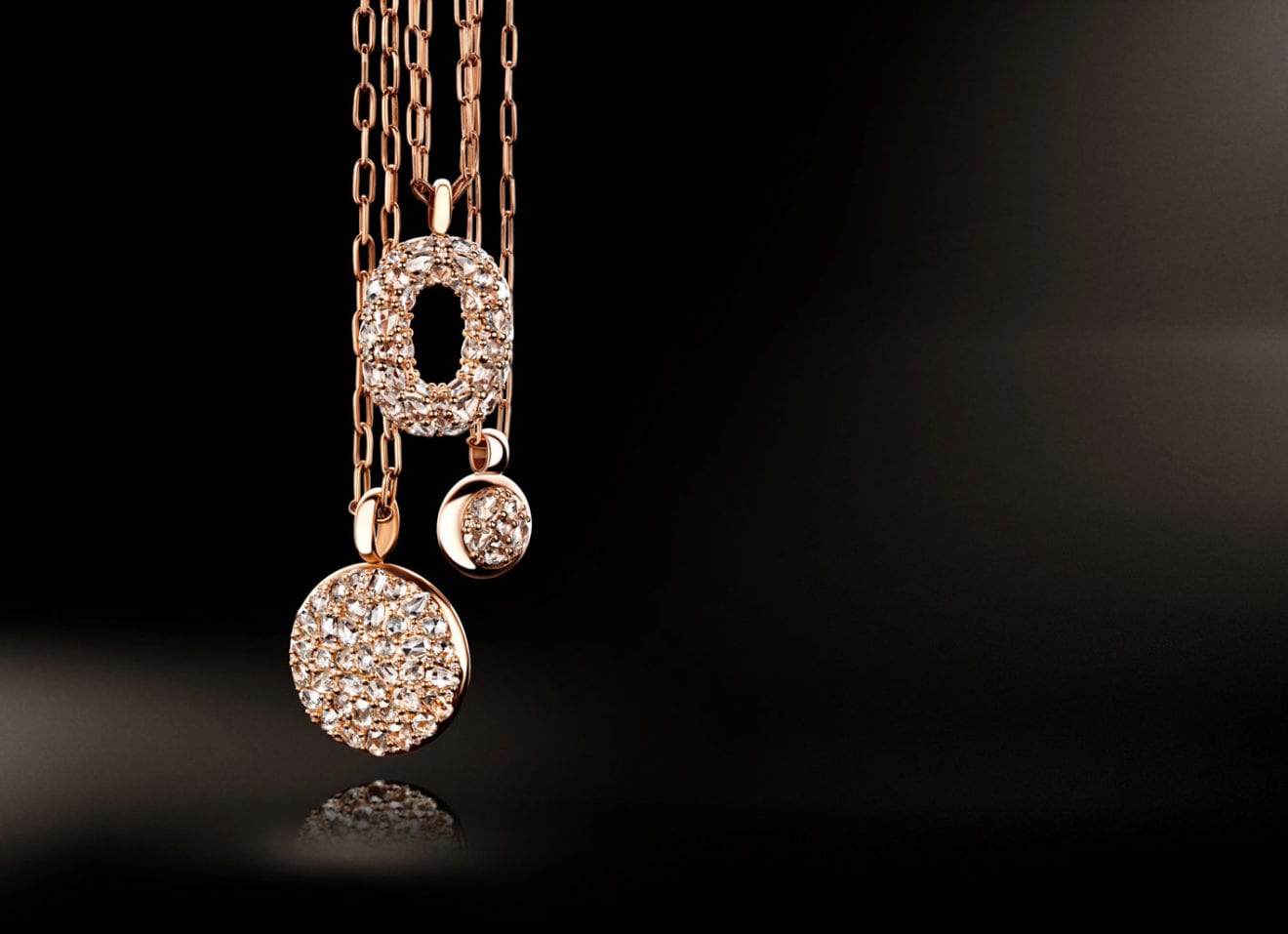
    “We’re originally from Holland. My great-great-grandfather founded the company in 1835, or about 181 years ago. I’m the sixth generation of the family. We [currently operate] more than 200 jewellery shops in Belgium and Holland,” said Rien Rozendaal, founder of and designer for Roos & Nijs.

    “We started selling our Roos jewellery ornaments last week in China through Derier’s retail network with 80 stores in major cities, including Shenzhen, Guangzhou, Chengdu and Ningbo. [By] coincidence, we also started last week in Thailand as well with the appointment of Market Access Co Ltd as our master distributor covering Thailand and all [of the] Asia region,” he said. “We’re from the original Dutch company and we didn’t find any necessity to expand further in my home market as well as in Europe as we’re at the high level already. I believe in Asia as a promising region to grow our jewellery business.”

    Rozendaal said starting to do business in China and Thailand arose from coincidences. In China for example, he was introduced by a Chinese friend in New York to the owner of Derier.

    “It is not that I’m looking for distributors. Finding the right people who will be my partners is not easy. We have to share the same way of thinking, the same vision and passion, and common interests,” he said.

    “They [distributors] should understand the European way of distributing the brand. In my way, doing business is not the first thing. My first thing is to get the same vision of how to market the brand.”

    Rozendaal said his business approach was quite different from setting up business targets and growth.

    “I like to design nice and beautiful jewellery. I have my target group in designing, that is my wife, not for the market. I design jewellery for the one I love, and appreciate that many women love this design too,” he said.

    Chanokphol Chaisuparakul, co-founder and director of Market Access, said Roos was not something people saw every day, because of its unique designs and long heritage of 181 years. The brand is also high-end jewellery that people can wear every day.

    “In five years, we think Roos could be a brand for sophisticated people who seek perfection in luxury jewellery. We aim to expand in Southeast Asia starting from Thailand, especially in Bangkok and big cities such as Chiang Mai, Pattaya and Phuket,” he said.

    He added that in the first year, the company would open one flagship store for Roos jewellery as well as one dealership in Bangkok.

    “We will start expanding Roos jewellery to some parts of CLMV next year,” said Chanokphol, referring to Cambodia, Laos, Myanmar and Vietnam.

    He added that the CLMV markets had a lot of potential, with people who are highly into networking, are well educated and have high spending power, and are fashion-oriented.

    Somkiat Chaisuparakul, chief executive officer of Market Access, said Thailand’s gem and jewellery market had high growth potential. The market value in 2015, especially diamonds, was about Bt78 billion, with imports accounting for Bt19 billion and domestic production the remaining Bt59 billion. With the economic situation getting better, entrepreneurs are more confident that the market will rebound.

    “This is a great opportunity for us to join forces with Roos in expanding their market from Europe to Asia,” he said.

    “Using Thailand as a hub to support the liberalisation of the AEC [Asean Economic Community] market, we will market Roos diamond jewellery to customers in Thailand and [elsewhere in] Asia. We aim to become the top jewellery brand in Thailand by 2017 with annual sales of Bt200 million.

    “We will expand Roos diamond jewellery to cover all potential markets in Asia, starting from CLMV, in the future,” he said.

  • Septwolves flagship merges art and fashion

    Septwolves flagship merges art and fashion

    The new Chinese menswear brand Septwolves flagship in Xiamen was designed by Prospace Asia to offer a “stereoscopic fashion experience”.

    The idea was to merge the sales area with a fashion lounge/art gallery space for the Xiamen store, the same city where the design company is based.

    SEPTWOLVES-flagship-store-by-Prospace-Asia-Xiamen-China-02

    Septwolves was founded in 1990, positioning itself as a premium menswear designer and retailer with more than 3000 stores throughout China. It wanted its new flagship store to be transformed into an integrated space.

    SEPTWOLVES-flagship-store-by-Prospace-Asia-Xiamen-China-07

    As customers walk through the store they come across themed displays as multi-sensory experiences involving both arts and fashion as events. The store also includes a tailor zone, books, cafe and designer boutique. At its centre is a circular stage, with the other elements of the store becoming part of an open fluid whole, rather than having separated spaces for each category.

    The central round void creates a main hall that connects both floors, and it can be transformed for temporary events. There is a mirrored ceiling over the central glass walkway, lit from beneath, with low glass sidewalls and a living green feature wall on one side.

    SEPTWOLVES-flagship-store-by-Prospace-Asia-Xiamen-China-09

    Most of the store features dark brown hues to create a warm, intimate atmosphere. There are such features as suspended shelving and island display units for small pieces, like shoes and bags.

    One area, with low-level lighting, has sumptuous leather furniture that lends the air of a gentlemen’s club. In contrast, there is a brightly lit area with more casual seating and a glass-top coffee table, with garden walls in the background.

    The shop is over two levels, with a timber spiral staircase as a feature. The arched windows on the second floor are an extension of the ground-level windows.

    SEPTWOLVES-flagship-store-by-Prospace-Asia-Xiamen-China-05

    RFID technology is integrated with the physical environment, supporting a fluid O2O platform to evokes a multi-sensory journey. O2O, or online-to-offline, platforms involve technology that allows brands to take advantage of the convergence of internet/mobile technologies and product-inventory data for increasing in-store sales.

    SEPTWOLVES-flagship-store-by-Prospace-Asia-Xiamen-China-06

    Prospace was established in New Zealand in 1989 as a specialist retail design and interior fitout company that has worked on projects in Australia, the South Pacific, Singapore, Hong Kong, Dubai, Indonesia and Europe. Its sister agencies are Prospace China and, in Sydney, Prospace Design.

    SEPTWOLVES-flagship-store-by-Prospace-Asia-Xiamen-China-10

  • Hard times for Emperor Watch

    Hard times for Emperor Watch

    Luxury timepiece retailer Emperor Watch & Jewellery is implementing an action plan to stay buoyant in the face of reversed fortunes due to the difficult trading environment.

    A member of the Emperor Group founded in 1942, the company posted a net loss of HK$120 million (US$15.48 million) for the 2015 financial year, following its $138 million net profit the previous year. Its revenues plunged 25.2 per cent to $4.43 billion from $5.92 billion in 2014.

    The company says this was caused primarily by weak consumption sentiment in Hong Kong resulting from a strong local currency and an unfavourable tourism environment.

    Store rental cuts, however, and an optimisation of its Hong Kong retail network during the year are expected to ease the rental pressure this year. The company says 78 per cent of its total revenue was supported by the Hong Kong market (83.1 per cent in 2014).

    Hong Kong retail space continues to rank as the world’s most expensive, although rents have started to moderate, says the company’s report.

    As well as streamlining its retail network in Hong Kong, during the year the group also reshuffled its jewellery business in Mainland China and extended its retail network in Singapore.

    It also launched new collections, including an exclusive “Baby” line to take advantage of China introducing a nationwide two-child policy in January.

    Synergies with other companies within the Emperor Group were also leveraged, such as leasing prime retail locations from Emperor International Holdings on an “arm’s length” basis. Another synergy is with Emperor Entertainment Group (EEG), which invites VIP guests to its movie premieres and sponsors jewellery for the artistes.

    Several strategies to mitigate risk are being implemented in the group’s action plan. Following the optimisation of its retail network in prime districts, the group plans to extend the coverage from traditional tourist shopping areas in Hong Kong to emerging shopping areas with resilient foot traffic.

    Other retail network reshuffles planned include expanding retail stores in second- and third-tier mainland cities, adding two stores in Singapore, and studying the feasibility of establishing footprints in Southeast Asian countries.

    Emperor also seeks to venture into eCommerce through such shopping platforms as WeChat Mall.

    As at December 31, the group had 100 stores (88 in 2014) – in Hong Kong (21), Macau (6), mainland China (67) and Singapore (6).


  • Online shopping in rural China nearly doubles in 2015

    Online shopping in rural China nearly doubles in 2015

    Online shopping is thriving in rural China, with last year’s transactions nearly double the 2014 amount, a Ministry of Commerce official said.

    Online purchases in rural areas were up 96 percent year on year to 353 billion yuan (US$55 billion) in 2015, said assistant minister of commerce Wang Bingnan, at a briefing.

    China now has more than 3,000 commercial websites specifically targeting rural areas, Wang told reporters, but acknowledged that a lack of properly trained people, poor competitiveness, an incomplete marketplace and weak infrastructure were hindering expansion. The ministry hopes to improve the logistics network and train more people.

    Despite an economic slowdown, online retail sales in China remained strong, jumping 33.3 percent year on year to 3.88 trillion yuan in 2015.

  • Parkson confident new China mall will do well

    Parkson confident new China mall will do well

    Parkson Retail Group Ltd (PRG), a unit of Parkson Holdings Bhd, is confident its new shopping mall in Qingdao, China, which opens later this month, will attract strong retail interest, even as rapid economic growth in China cools down.

    The Asian Development Bank has predicted the Chinese economy to grow 6.5% this year. Retail sales in the world’s second largest economy expanded 10.6% in the first two months of this year.

    PRG currently operates and manages 57 department stores in China, of which two are located in Qingdao, including the new Lion Mall, expected to open its doors later this month,

    The group has already forked out close to RM1bil for the acquisition of the mall from Shanghai Industrial Qingdao Development Co Ltd, via its indirect unit Qingdao Lion Plaza Retail Management Co Ltd.

    For the financial year ended June 30, 2015, the group’s China operations contributed about 70% to both the revenue and profits of Parkson Holdings.

    Parkson said its first store in Qingdao has been in operation since 1998 and has since established strong brand equity, providing the platform for the group to further increase its market share and strengthen its foothold in the fast-growing market with the new mall.

    “In order to maintain the group’s competitive edge and continue to further capitalise on the growth of the retail industry in Qingdao, there is a need to further expand its operations in the east side of Qingdao city where Lion Mall Qingdao is located,” a spokesperson from Parkson told StarBiz.

    “With the ideal size and modern infrastructure, Lion Mall will provide a fully integrated shopping experience to customers, with comprehensive offerings such as Parkson department store and Foodpark serving as one of the anchor tenants, coupled with cinema, fast fashion brands, international cosmetics and accessories brands, F&B, entertainment and other amenities,” the spokesperson said.

    The mall will be located at the Laoshan district of Qingdao, which is the new financial and commercial hub of the city, and will be part of a fully integrated development project, known as Beer City Project.

    It has a total gross floor area of about 230,000 square metres, of which about 130,000 square metres are for retail use and the balance for ancillary and 2,000 car park lots.

    The spokesperson said the mall had a planned exit gate to be directly linked to the subway line M2, which is currently under construction and will commence operations next year.

    The company has spent some 1.5 billion yuan (RM905.78mil) on the acquisition, including the costs related to payment of underground land premium, following a new law imposed by the Government there.

    In January 2015, the Qingdao Government implemented the management rules which set out, among other things, the procedures and requirements for registration of titles to properties situated underground.

    It also outlined the mandatory payment of land premium to the Government for those underground properties which are to be used for commercial purposes.

    Following this new ruling, Parkson had entered into a supplemental agreement on Feb 25, 2016 to provide for the additional land premium payment.

    On the group’s future plans, the spokesperson said an upcoming Lion Mall Phnom Penh in Cambodia was currently under construction with foundation works almost completed.

    “Another development is Parkson City Centre in Phnom Penh where Parkson has taken a lease of 36,500 square metres in the building and will open the first Parkson department store in Cambodia together with other sub-tenants in the fourth quarter of 2016. Notable names within Parkson City Centre are Golden Screen Cinema making its debut in Cambodia, and Giant Supermarket opening its second store in the country,” he said.

  • China’s e-pharmacy eyes prescription drug for full-bloom growth

    China’s e-pharmacy eyes prescription drug for full-bloom growth

    China’s e-commerce giants are getting a hand in pharmaceuticals as the government directs prescription drug sales away from hospitals and into retail.

    China’s online pharmacy business has grown from virtually nothing five years ago to more than 7 billion yuan (1.1 billion U.S. dollars) in 2014, accounting for 3 percent of all retail sales of medicine in the country, Boston Consulting Group (BCG) said in a report Thursday.

    But analysts say the boom in online medicine sales is only a preview of explosive growth to come, provided that authorities allow online pharmacies to sell prescription drugs. So far online pharmacy sales consist mostly of over-the-counter medicine, which contributes very little to margins.

    One of the key themes in China’s ongoing medical reform is to reduce hospital reliance on drug sales for revenue. Over the long term this will enable patients to choose between hospitals and retail pharmacies for prescription drug purchases.

    Authorities also consider allowing prescription drugs to be sold online, giving e-commerce firms such as Alibaba and JD.com the opportunities to get involved in the lucrative prescription drug business.

    “E-Pharmacy business is changing very quickly in China with new regulations and different competitors entering the space. Each one is trying to grab a piece of the business,” said John Wong, a partner for BCG’s pharmaceutical practice.

    While regulations are ushering more prescription drug sales toward retail channels, including online pharmacies, the pace of that transition remains uncertain.

    Such uncertainties have forced Alibaba to scrap last week a plan to inject its online pharmacy business into its health subsidiary. Its plan to operate in the country’s medical tracking system also drew backlash from brick-and-mortar pharmacies.

    Online pharmacies are working with hospitals and local governments on separate trial programs to allow patients to buy drugs online with a doctor’s prescriptions.

    Access to prescriptions is the key for online pharmacies to get into prescription drug sales. Some local trials have managed to extend medical insurance coverage to online medicine purchases, an important incentive for patients to buy online.

    But analysts are cautiously optimistic about potential nationwide trials, given that China’s social security system is still managed by fragmented jurisdictions, creating discrepancies in coverage policies across the country.

    Another challenge, says another BCG partner Magen Xia, is for authorities to figure out a way to cap expenditure online. Under the current scheme, the cap for insurance coverage has been maintained by hospitals that prescribe these drugs.

    Regulatory challenge aside, Xia said online pharmacy cannot thrive in the prescription drug sale business alone. Given the importance of access to doctor’s prescription, retailers need to penetrate upstream.

    “Pharmacies can’t just limit themselves to selling drug online. They have to either extend to consultations and diagnosis or find upstream partners that can refer prescriptions to them,” Xia said.

    Unlike the United States where brick-and-mortar pharmacies like CVS and Walgreens holds dominance in retail prescription drug sales, the lack of nationwide pharmacy chains in China puts them in a much weaker position. This creates opportunity for e-commerce to consolidate the fragmented national market through online platforms. And once they gain access to prescription, they can ask local pharmacies to become a distribution channel for prescription drugs.

    “China’s online pharmacy will grow, but whether it grows faster or slower depends on regulation on the separation between drug prescribing and dispensing,” Wong said.

    “Right now hospital still wants money from drugs but as soon as the government says ‘stop’ you will see the industry rapidly, rapidly transform,” Wong said.