Tag: China

  • New Ippin mall offers Japanese goods

    New Ippin mall offers Japanese goods

    An eCommerce company that sells printer inks and sanitary napkins, C-Connect, has launched Ippin, an online shopping mall that specialises in direct sales and distribution from Japan to other countries.

    Ippin not only sells products made in Japan, but also “Produced by Japan” and “Popular in Japan” items. Customers can buy directly from 18 regions and countries, though the initial target is mainly China and Southeast Asian countries.

    Categories include food, fashion, cosmetics, children’s and baby items, and electric appliances.
    Independent websites are provided for each country, such as China, Singapore and Malaysia, with recommended item rankings and payment methods (16 currencies) to suit the market, such as credit cards, Alipay and Paypal.

    Users can choose from three languages (English, Chinese and Japanese) with more to be introduced.

    C-Connect was founded in 2009.

  • Alibaba launches internet-enabled smart car

    Alibaba launches internet-enabled smart car

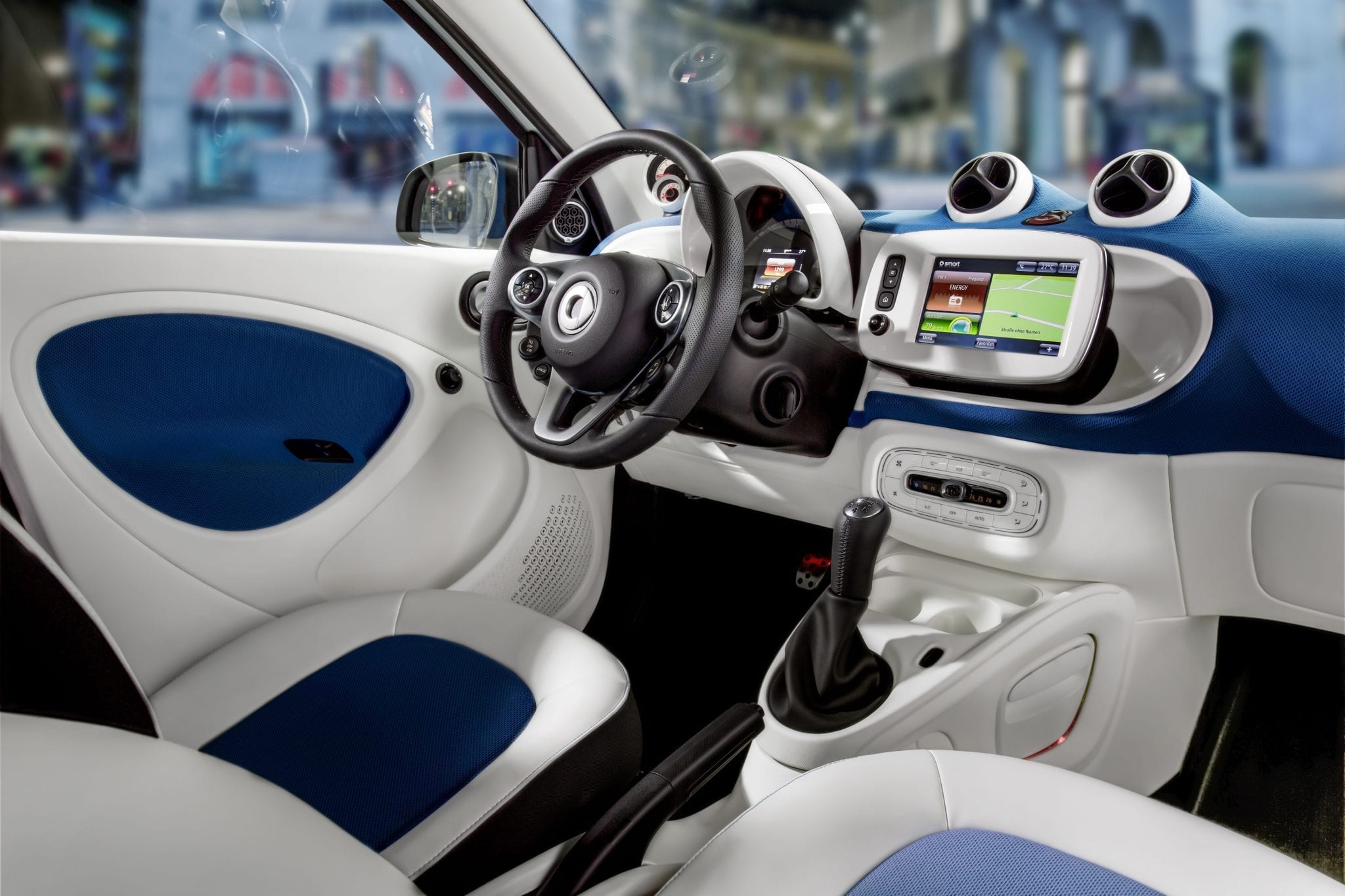
    Alibaba Group has announced the launch of OS’Car, the first mass-produced internet car powered by the company’s YunOS smart car operating system.

    The company has developed OS’Car RX5 in collaboration with SAIC Motor Corp. The new car will be supported by a cloud-based platform that enables data streaming, modeling and reporting to augment the driving experience.

    YunOS provides drivers will features such as an intelligent map with accurate location tracking without Wi-Fi or GPS, as well as integrated screens including an intelligent rear-view mirror for safer driving.

    The vehicle supports voice commands – in fact audio is the primary mode for controlling the system. It can automatically recognize the driver through connected smartphones or smart watches and provide personalized services such as greetings or preferred music.

    “What we are creating is not ‘internet in the car’, but a ‘car on the internet’. This is a significant milestone in the automobile industry. Smart operating systems become the second engine of cars, while data is the new fuel,” Alibaba Group chairman Dr Wang Jian said.

    “Going forward, cars will become an important platform for internet services and smart hardware innovation. We will be embracing a world where everything is closely connected.”

    YunOS has been designed as an open platform to support third party hardware and services.

  • Bioalpha banks on Indonesian,Chinese markets to boost growth

    Bioalpha banks on Indonesian,Chinese markets to boost growth

    Bioalpha Holdings Bhd is banking on its export markets in Indonesia and China to boost the group’s top line growth in the next two years.

    The firm, which produces halal-certified herbal and non-herbal based health supplement products, said that to date, Indonesia was its core market and expected sales from the region to grow by 50% in the next two years.

    At present, Indonesia sales made up more than 48%, or RM14mil, to the group’s turnover in financial year 2015 (FY15).

    “Indonesia’s market is still growing and in the last five years it has a compounded annual growth rate of about 37%,” managing director William Hon Tian Kok told recently.

    Hon said Bioalpha had gone into Indonesia after it recognised the huge potential in the market to offer its halal-certified products.

    “The risk in Indonesia is also lower because we have existed in the market since 2007 via our first sales office there,” noted Hon.

    But Hon has bigger plans for Indonesia, saying that the company aimed to turn its repackaging facility in the Riau province to a fully-fledged manufacturing plant in the long term.

    In May, Bioalpha’s unit Bioalpha International Sdn Bhd had entered into 60:40 joint venture with Mutia Restiana, a well-connected Indonesian to set up PT Herbal Malindo Makmur, for US$250,000.

    This was funded via internally generated funds.

    Hon said the PT Herbal’s acquisition not only solved product registration issues in Indonesia, but also enabled the group to repackage their semi-finished products in a 4,000 sq ft repackaging facility in Indonesia to be ready this August.

    Inevitably, the acquisition will also widen Bioalpa’s market share via small and medium enterprises and multinational corporations in Indonesia, and enable its existing clients in Malaysia to offer their products there, according to Hon.

    The group intends to double the number of product launches to 20 products in Indonesia by the end of 2017.

    Bioalpha’s second largest export market is China and it made up about 28% of the group’s revenue or RM8.3mil in FY15.

    While Bioalpha was backed by its strong research and development centre, Hon said the demand from China was a result of aggressive advertising and promotional activities that started in 2014.

    “We have about five original design manufacturers in Beijing.

    “And our focus will be the Muslim populated areas like Lanzhou, Xi’an, Xinjiang and Qinghai and we have identified four distributors in these provinces,” he said, adding that Bioalpla already has presence in the southern and central part of China.

    On the local front, Hon revealed that it was on the lookout to expand its retail chain of pharmacies via merger and acquisitions, with the idea of franchising them in the near term.

    Bioalpha now owns 13 retail pharmacies under the brandname Constant, mainly in the Klang Valley.

    Hon said Bioalpha bought Mediconstant Holding Sdn Bhd for RM5mil last year from Ng See Hein and Loh Peng Yeow in December last year with the aim to expand its housebrand supplements.

    “This not only reduce marketing costs but enable us to reach out to customers via new formulations,” he said. adding that domestic sales is expected to grow by 40% in the next two years.

    The company also has a 70:30 joint venture with MyAngkasa Holdings Sdn Bhd, the country’s largest cooperative organisation.

    MyAngkasa is a subsidiary of Angkatan Koperasi Kebanngsaan Malaysia Bhd that has 10,000 cooperatives under its umbrella and eight million members.

    “The earnings potential from this JV is also huge considering that the members can purchase our products on a special discount from our retail pharmacies,” he added.

    Bioalpha has its own organic herbal farms in Desaru in Johor and Pasir Raja in Trengganu.

    More than 20 types of herbs are being harvested at its 300-acre land in Desaru, Kota Tinggi.

    The other is a 1,000-acre farm in Pasir Raja, of which 123 acres are harvested, while the remaining 877 acres are currently being cleared.

    Hon said the company expected to produce about 400 metric tonnes of herbal medicines by 2020.

    The group is also known for its inhouse liquid fermentation process that is able to produce medicinal mushrooms strains.

    One of its bestsellers include tiger milk mushrooms, traditionally used to cure respiratory problems.

    Noteworthy is Bioalpha’s market capitalisation, which has more than doubled to about RM200mil now, compared to when it was first listed in the Ace Market in April, last year.

    The company has dividend policy of 30% of profit after tax and has recently proposed for a bonus issue of 166,666,666 new ordinary shares of RM0.05 each in the company on the basis of one bonus share for every three existing Bioalpha shares held at an entitlement date to be determined later.

    Hon is currently the major shareholder with a 17% stake, followed by Malaysian Technology Development Corp 16.1% interest and Perbadanan Nasional Bhd 10.3%.

    Shares of Bioalpha closed unchanged at 38 sen on Friday, arriving at a market capitalisation of RM190mil.

  • Direct flight links MSAR to Manado, Indonesia

    Direct flight links MSAR to Manado, Indonesia

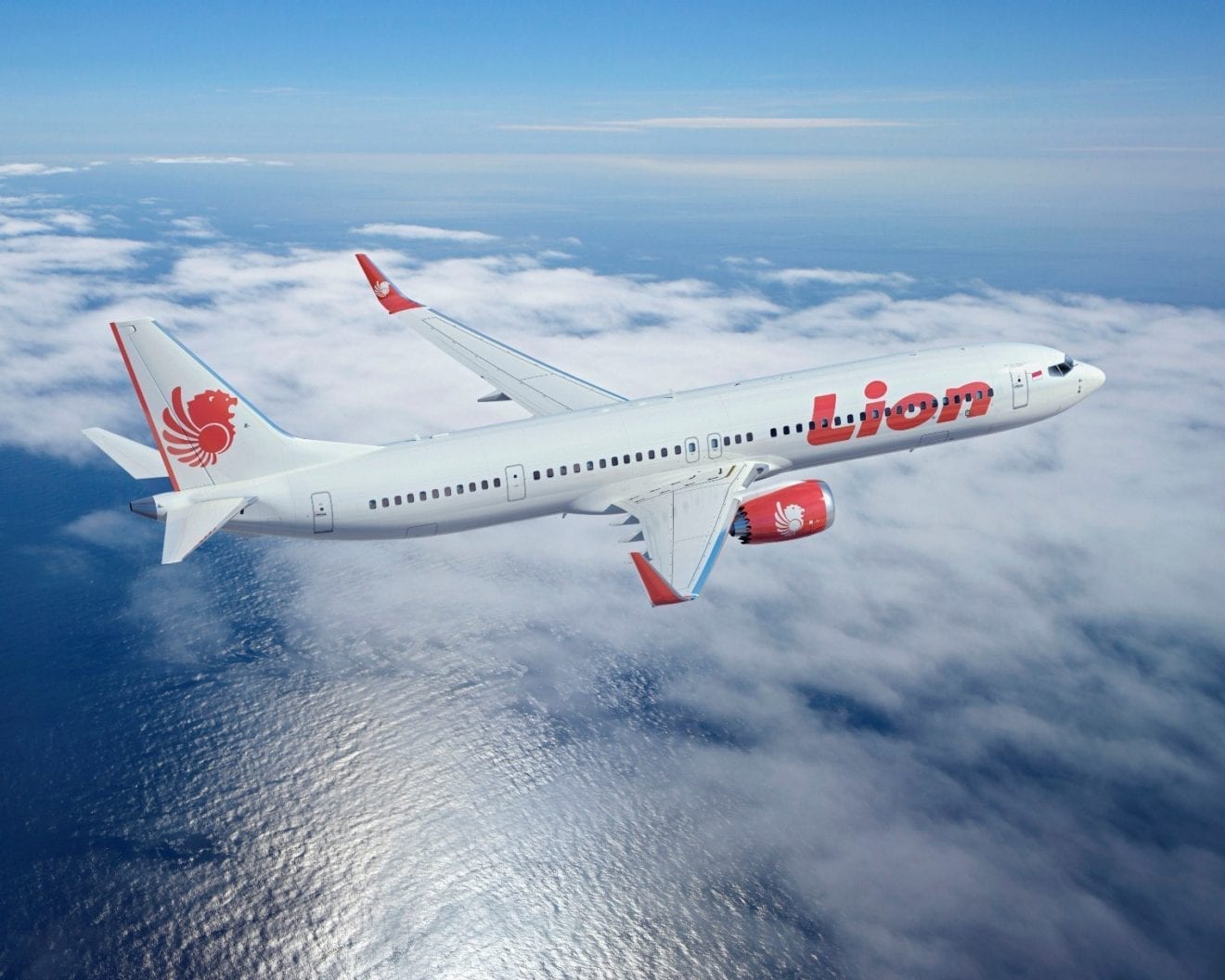
    Some 205 Chinese travellers took off from Macau International Airport and arrived in Ratulangi International Airport, North Sulawesi, Indonesia by Lion Air’s Boeing 373 on Monday, reported Chinese News Agency. This represents the opening of the direct link between the SAR and Manado, a city on an Indonesian island.

    North Sulawesi Governor Olly Dondokambey expects that direct visits from a number of cities in China can be done regularly so that the Indonesian government’s target to increase tourist arrivals can be achieved.

    Lion Air is seeking to attract 30,000 Chinese tourists to Manado by year-end. “From now, we will have daily flights from six Chinese cities to Manado,” said Rusdi Kirana, Lion Group boss, and a member of the Presidential Advisory Board.
    The six cities are Macau, Shenzhen, Chongqing, Wuhan, Shanghai and Changsha. Rusdi said the six cities have huge market potential, large populations and high purchasing power.

    The Indonesian Government has expressed its target of attracting 1.2 million Chinese tourists to the country and North Sulawesi can be one of the main attractions, says its governor. “We believe North Sulawesi is a proper travel destination [for tourists] from Asia Pacific, particularly China with its huge market,” said the governor.

  • Alibaba hosts intellectual property event

    Alibaba hosts intellectual property event

    Chinese online commerce giant Alibaba Group has hosted an inaugural Rights Holders Collaboration Summit involving international brands and the intellectual property (IP) enforcement community to enhance collaboration in the fight against infringements.

    More than 100 Chinese and international brands as well as trade associations attended the event, including Adidas, Apple, Burberry, Hewlett Packard, Louis Vuitton and Mars, the Chinese British Business Council (CBBC) and the Quality Brand Protection Committee (QBPC).

    Alibaba also announced the launch of the IP Joint-Force System, an online platform designed to streamline IP-related communications between the group and brands. The system aims to build a more collaborative working relationships with international brands as Alibaba continues its fight against counterfeits and IP infringement.

    New challenges

    With eCommerce becoming a way of life and the internet sector continues to evolve, brands and online marketplaces alike face new IP enforcement challenges, says Alibaba Group chief platform governance officer Jessie Zheng.

    “As the leading online marketplace, we have a responsibility to all our constituents to govern our platform and find innovative solutions. The Rights Holders Collaboration Summit and IP Joint-Force System are a couple of the many ways Alibaba is working closely with rights holders in our efforts to eradicate counterfeits both online and offline.”

    All brands in the “Good Faith Takedown” program are eligible for the IP Joint-Force System, which came into effect this month. This Alibaba program was launched last year to expedite the notice-takedown process for brands that submit valid counterfeit complaints. Many of the more than 700 brands involved in the program are participating in the first phase of the IP Joint-Force System, including Adidas, Apple, Mars, Philips and Procter & Gamble.

    With more than a billion products listed across its marketplaces at any given time, Alibaba Group’s data analytics and processing technologies enabled it to remove more than 120 million infringing product listings last year, which is eight times the number of counterfeit products removed based on takedown requests from brands.

    Dedicated support

    For the IP Joint-Force System, each participating brand is assigned a dedicated online portal and Alibaba account manager to enhance collaboration, heighten transparency around IP enforcement efforts, and reinforce mutual understanding and trust. The system enables Alibaba to directly and efficiently seek information from rights holders regarding suspected counterfeit product listings.

    It also lets brands identify the authenticity of a product and easily notify Alibaba of any infringements. Alibaba will then initiate the Good Faith Takedown process and immediately remove the listing without subsequent correspondence with the brand.

    “The IP Joint-Force System is a revolutionary industry solution that will redefine how IP enforcement is conducted in the digital age – where brands and eCommerce marketplaces work collectively and strategically to combat counterfeiters,” says Alibaba Group head of global IP enforcement Matthew Bassiur.

    “This is one of several game-changing approaches Alibaba will be advancing to both simplify and greatly enhance our overall enforcement process.”

  • L’Oreal Launches New Shampoo Brand In China

    L’Oreal Launches New Shampoo Brand In China

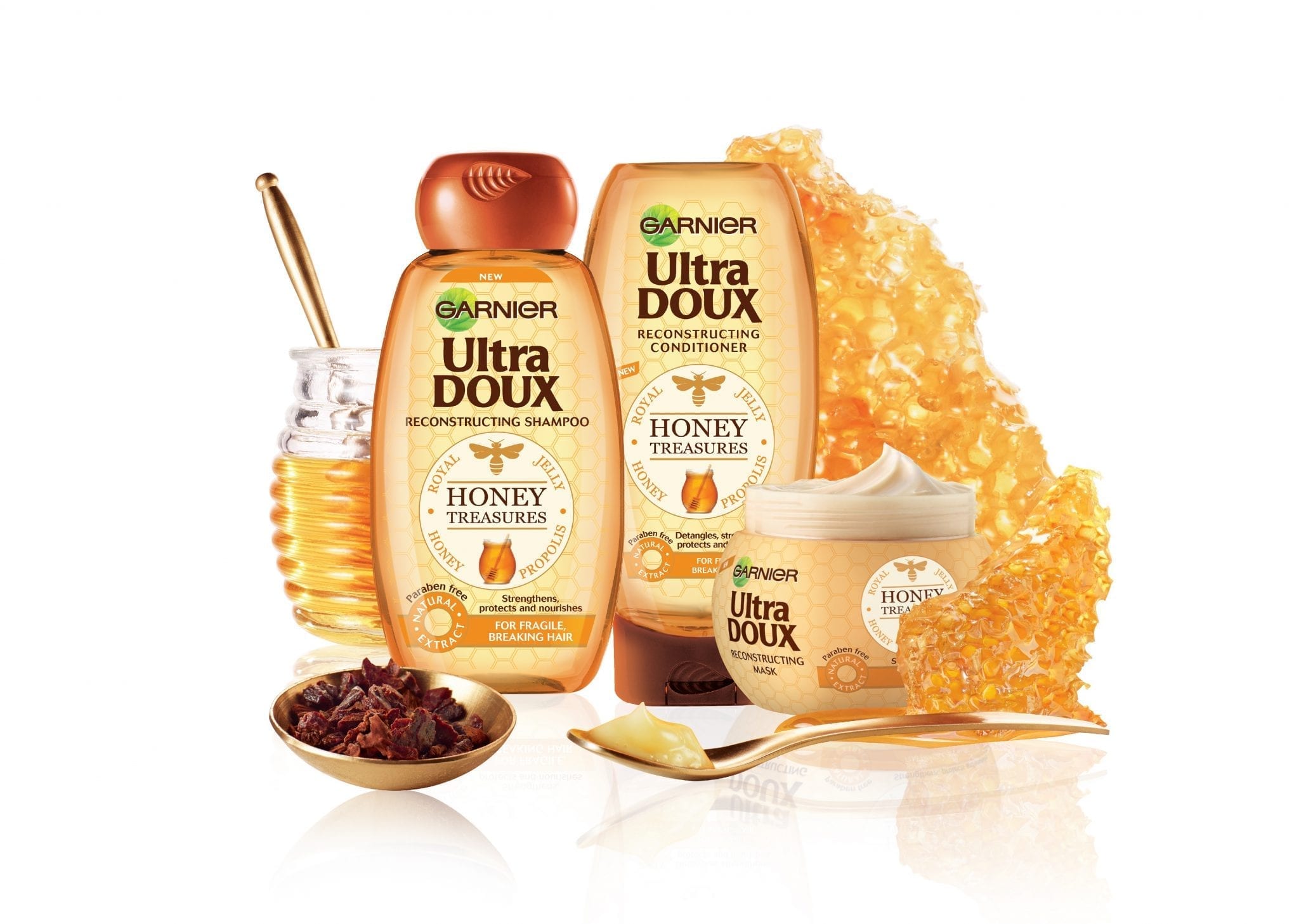
    The world’s leading cosmetics group L’Oreal launched a new shampoo brand in the Chinese market called Ultra Doux, which is now available in Wal-Mart stores across the country.

    Targeting the Chinese market, Ultra Doux offers a total of 43 products within five series, with a price range from CNY20 to CNY80. Its positioning eyes the medium-end market. In regards to marketing appeal, Ultra Doux features natural and organic characteristics.

    Ultra Doux is a brand under Garnier and its products are sold in markets like France, U.K., Russia, and Germany. Garnier was acquired by L’Oreal in 1985.

    L’Oreal’s market share expectation for Ultra Doux is 2.8% after 12-month operation in China. This is a little higher than the market share of L’Oreal Paris in 2014, which was 2.5%.

    According to information from L’Oreal, the Ultra Doux products will be sold in supermarkets, cosmetics specialty stores, and e-commerce platforms in China.

  • New Fashion Gallery set to open in Changi T2

    New Fashion Gallery set to open in Changi T2

    Lagardère Travel Retail Asia Pacific COO Emmanuel de Place has confirmed that the travel retailer is to introduce ‘an exciting new version’ of its successful Fashion Gallery retail concept in Singapore Changi Airport Terminal 2 this month, as it also eyes the upcoming MTR duty free contract in Hong Kong.

    He says the Changi Airport Fashion Gallery initiative – still to be unveiled – is just one of many ongoing retail developments across several Asia locations this year, as LTR continues to update its growing fashion offer in the region, alongside its duty free, travel essentials and foodservice businesses.

    In an interview, Emmanuel de Place said he is convinced that Asia will continue to progress over the next five years: “The market will definitely continue to grow thanks to the passenger growth and all of these emerging countries in Asia gaining maturity and building more and more passengers,” he said.

    “So we definitely want to take a share of that at Lagardère Travel Retail, as we have over the past few years.”

    GROWTH POTENTIAL IS THERE

    Whether Asia will grow in proportion with the rest of the company’s business remains to be seen, but de Place certainly believes it is possible: “It may well, because certainly Asian countries are growing faster than any other region and especially when we look at China.

    “The potential of travel retail growth there is definitely enormous, even though there have been some questions in the last few years about that high-end luxury segment of this travel retail market.

    “But we still believe there will be some growth and definitely with our development plans across the three business lines as you know, with duty free and luxury at one end and travel essentials and foodservice.”

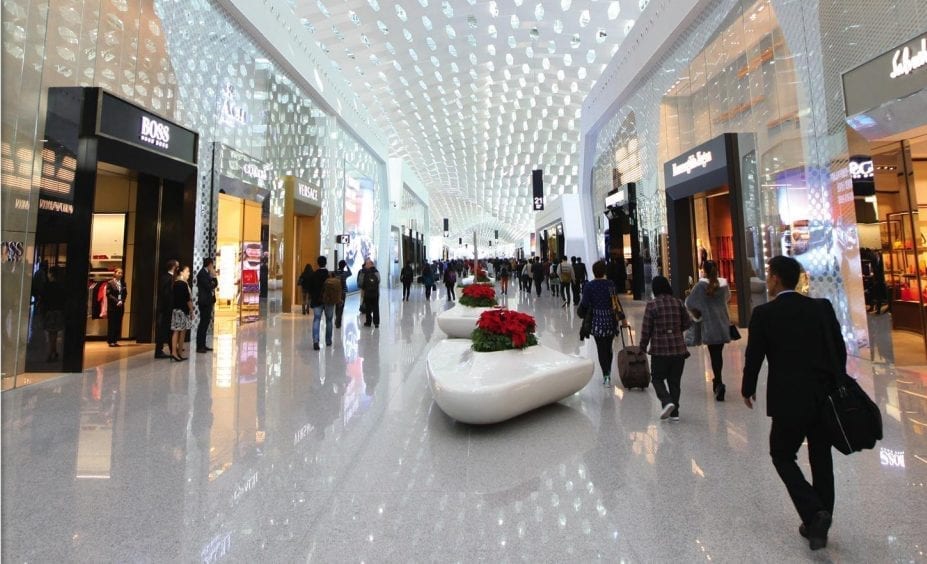
    web Lagardère Travel Retail's fashion stores at Shenzhen Bao'an International Airport.

    Lagardère Travel Retail’s fashion stores at Shenzhen Bao’an International Airport in China.

    MTR IS ALSO OF INTEREST

    Meanwhile, turning to Hong Kong, de Place also confirmed that LTR remains very interested in the Mass Transit Railway (MTR) Express train concession at the West Kowloon Terminus, which will ultimately connect Hong Kong with the Mainland when it is finally completed.

    He said: “When we look at the big project at the station that they are bidding in Hong Kong then definitely that would be a very nice combination of foodservice, gifts, souvenirs and a lot of specialty shops and a duty free offer. So definitely we believe that we can propose something interesting.”

    A comprehensive interview with Emmanuel de Place appears in the July print edition of The Travel Retail Business, where he talks in depth about the company’s duty free and travel retail business across the Asia Pacific region.

  • Hong Kong’s choice between mainland and despair

    Hong Kong’s choice between mainland and despair

    Hong Kong faces great economic uncertainty and unprecedented market volatility, and given the Brexit chills, analysts expect a contraction. In fact, John Tsang Chun-wah, the Hong Kong Special Administration Region’s financial secretary, has warned that the city’s economy faces its “worst time in 20 years”. Growth has more than halved to about 2.5 percent over the past five years.

    The writing has been on the wall for Hong Kong since the outbreak of the global financial crisis, yet critical decisions have been delayed. The SAR’s old growth drivers are still necessary but not enough to propel growth, because the West can no longer absorb Asian imports, and the Chinese mainland’s economic growth has slowed down.

    Last spring, concerns about Hong Kong’s economy led some rating agencies to downgrade their outlook to negative, after doing the same for the mainland. But while the mainland can still rely on catch-up growth, Hong Kong’s aging economy has to adjust to stagnating growth and income polarization.

    In the past, Hong Kong’s property developers reduced risks by relying on prudent financial policies, funding flexibility and recurring income streams. Today, those positives have been offset by rising supply, slower growth, and the United States Federal Reserve’s future rate hikes.

    True, retail sales can still contribute to Hong Kong’s growth, but they cannot do so without mainland residents’ critical role as consumption engines. Also, the SAR’s thriving tourism sector is not viable without mainland residents, who comprise by far the largest group of tourists to Hong Kong. Actually, without the mainland, Hong Kong would be left with only half its trade and a quarter of its foreign investment.

    Hong Kong is highly vulnerable to Brexit spillovers, too. Outside the European Union, it has perhaps the largest trade, investment and financial linkages with the United Kingdom. And because the value of Hong Kong dollar is rising on the back of the US dollar as investors seek safe havens, Hong Kong faces even greater headwinds than Singapore.

    Last year, Hong Kong’s exports to the UK and the rest of the EU comprised 14 percent of the total, relatively the highest in Asia and thus exposed to Brexit and EU risks. In contrast, the mainland’s Belt and Road Initiative will allow Hong Kong to continue to benefit from trade and investment.

    In the past, Hong Kong was the mainland’s financial gateway to the world. But that role has been gradually taken over by Shanghai and other mainland cities, which makes Hong Kong’s attractiveness as a financial hub non-viable without regional economic integration.

    In the coming years, the current trends will become more prominent. During Hong Kong’s reunification with the motherland in 1997, the US economy was almost 10 times bigger than China’s. Europe was still integrating into a regional block. And Hong Kong’s living standards were 11 times higher than those on the mainland.

    Today-almost two decades later-the US economy is only about 40 percent larger than that of China. Europe faces fragmentation threats. Hong Kong’s living standards are on average about 3.7 times higher than those on the mainland, but almost at par in certain districts of Shenzhen in Guangdong province.

    Moreover, income polarization in Hong Kong has soared to alarming levels, according to the Gini coefficient, which some say is worse than those in Brazil or Zimbabwe in international comparisons.

    Worried over the gloomy prospects, Hong Kong tycoon Li Ka-shing recently suggested raising profit tax to boost public spending and narrow the wealth gap. In the absence of hope, the political despair even among a few may undermine the living standards of many in the future.

    But Hong Kong has a choice. By participating in the mainland’s economic growth it can alleviate transitional pains and move to greater equity. To thrive, small and open economies need growth, integration-and hope.


  • Brexit to bring cheaper British goods into China, JD director

    Brexit to bring cheaper British goods into China, JD director

    Chinese e-commerce giant JD.com said on Friday British goods will come into Chinese market at cheaper prices after the country voted to leave the European Union (EU).

    “British products will be more competitive,” Tony Qiu, director of JD Worldwide, made the remarks in Paris at a news conference after discussing with French companies about coming out on top in the Chinese market.

    Since British people voted to leave the EU last Friday, the pound has dropped almost 8 percent against the dollar, accompanied with plunges in global stock markets.

    He said it’s not clear yet whether the Brexit will impact the company’s business.

    JD does have the ambition to sell goods to the European people in the long run, he added.

    JD.com, China’s second largest e-commerce platform, has already partnered with French brands, such as L’Oreal and Evian, to direct sell French cosmetics and drinks through its on-line channel.

    JD.com together with Alibaba Group, the biggest player in the field of e-commerce, account for about 80 percent of online retail sales in China.

    In late June, Wal-Mart sold its online retail site Yihaodian to JD.com. The deal will see Wal-Mart become a retailer inside Yihaodian rather than have a separate online store entirely. The partnership with JD.com is seen as a way for the US giant to gain a stronger foothold in the highly competitive Chinese e-commerce market.

  • Mars China teams with Alibaba

    Mars China teams with Alibaba

    Mars, best known for M&M’s and Snickers candy brands, has become the latest global consumer foods brand to partner with eCommerce giant Alibaba to grow its online presence in China.

    In a joint announcement, Mars China said all of its brands, which also include Dove chocolate and Pedigree and Royal Canin pet foods, will now be available to consumers through Alibaba’s online marketplaces Tmall.com and Rural Taobao. The Virginia-based company added it would leverage Alibaba’s marketing and data capabilities to drive engagement with those consumers, while using Alibaba’s logistics network to extend its reach in the Chinese market.

    Food and beverage giants Mondelēz International and Nestle struck similar agreements with Alibaba in recent months in a bid to expand their business in China. Both companies pointed to eCommerce as an important sales channel in the market given that Chinese consumers are the world’s most prolific online shoppers. And according to market intelligence firm Kantar Health, eCommerce sales of fast-moving consumer goods are growing in China, climbing 37 per cent last year versus 34 per cent in 2013-2014.

    Wrigley China VP and MD Cecilia Li noted the importance of eCommerce in the Mars China strategy as well, but also emphasised the role that shoppers under 35 are playing in the country’s consumer economy.

    “China’s younger generation is the new driving force of consumption,” she said, and “they rely on eCommerce.” Li called the agreement with Alibaba a “significant strategic partnership for Mars.”

    Many of Mars’ products are already selling on Tmall. Wrigley opened its flagship store in 2009, and others have since followed. But the company said that in addition to now having access to all of Mars China’s products, the new tie-up will give consumers a “convenient and international ‘one-stop’ shopping experience” via Alibaba’s platforms. That includes consumers in the rural countryside, whose rising spending power has drawn the attention of companies doing business in China.

    Alibaba will also partner with Mars’ Beijing-based Global Food Safety Center “to enhance food safety management, promote consumer education and share the latest scientific research findings with industry stakeholders.” Launched last year, the center conducts food safety research and training.

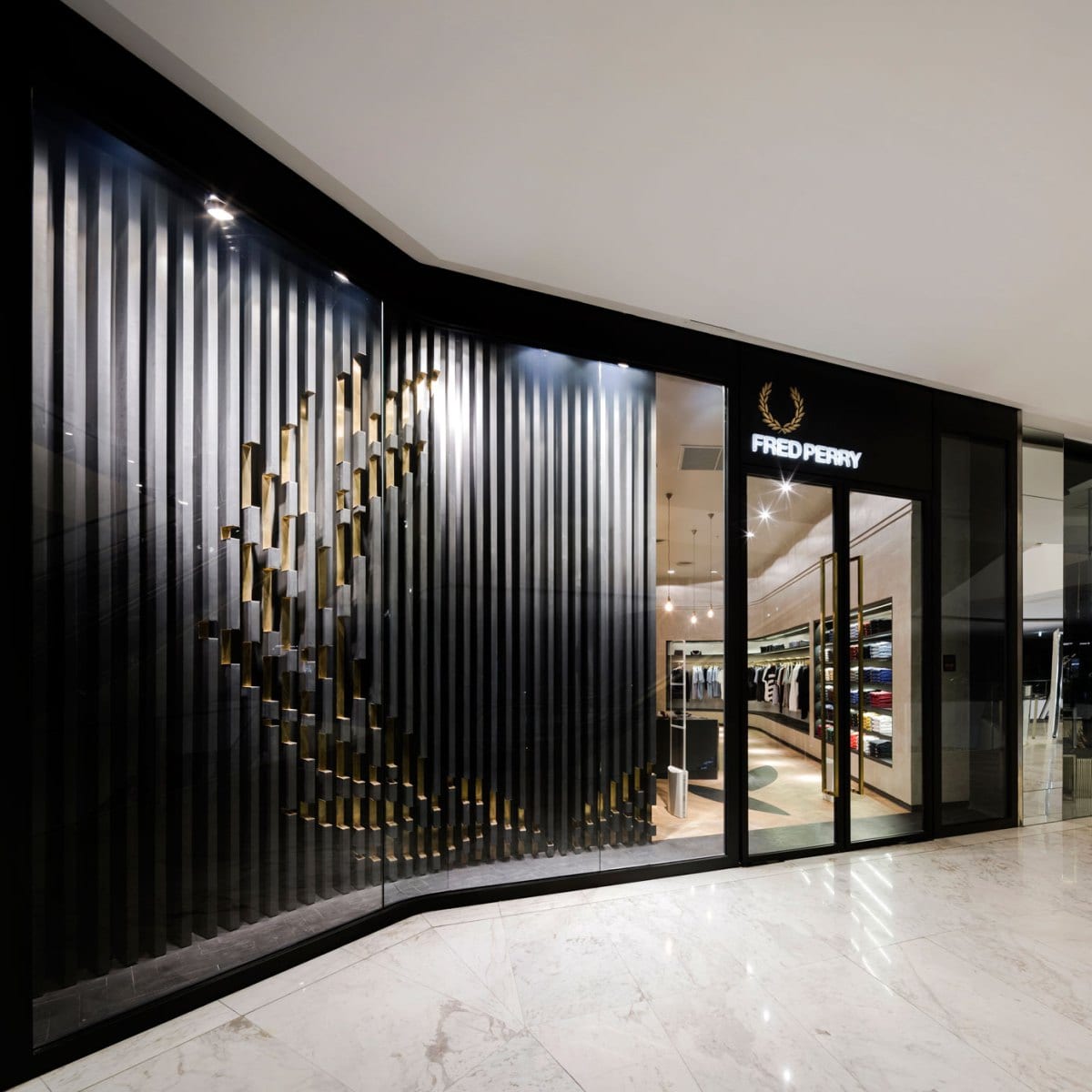
  • Perry Ellis International Enters Into a Licensing Agreement for Original Penguin

    Perry Ellis International Enters Into a Licensing Agreement for Original Penguin

    Perry Ellis International, Inc. announced today that it has entered into a license agreement with Chun Yuan International Company granting rights to design and distribute Original Penguin by Munsingwear® fashion bedding and home products in the Philippines.  Distribution will include department stores, home specialty shops and E-Commerce sites.  A special capsule collection will launch in Spring 2017 with a full collection introduction in the fall.

    Original Penguin is an iconic American brand that mixes sportswear and contemporary fashion appealing to a style-savvy consumer who’s into details, but doesn’t take himself too seriously. Original Penguin pays homage to its brand heritage, while staying culturally relevant in their global markets. The brand reworks their archive of mid-century classics to reflect today’s lifestyle without compromising that heritage or the craftsmanship that established the Original Penguin name.

    “We are thrilled with this partnership with Chun Yuan International and look forward to working with their team to offer Original Penguin’s lifestyle products in the Philippines.  This addition will complement our solid market position and benefit our 25+ free standing stores and continue the expansion of our global reach,” commented George Feldenkreis, Executive Chairman of Perry Ellis International.

    Kevin Lee, President of Chun Yuan International stated, “We are excited to partner with Original Penguin, a leading global brand with the well-known Penguin icon that is highly appreciated by the young generation in the Philippines.

  • Sriwijaya Air to serve regular flights to four cities in China

    Sriwijaya Air to serve regular flights to four cities in China

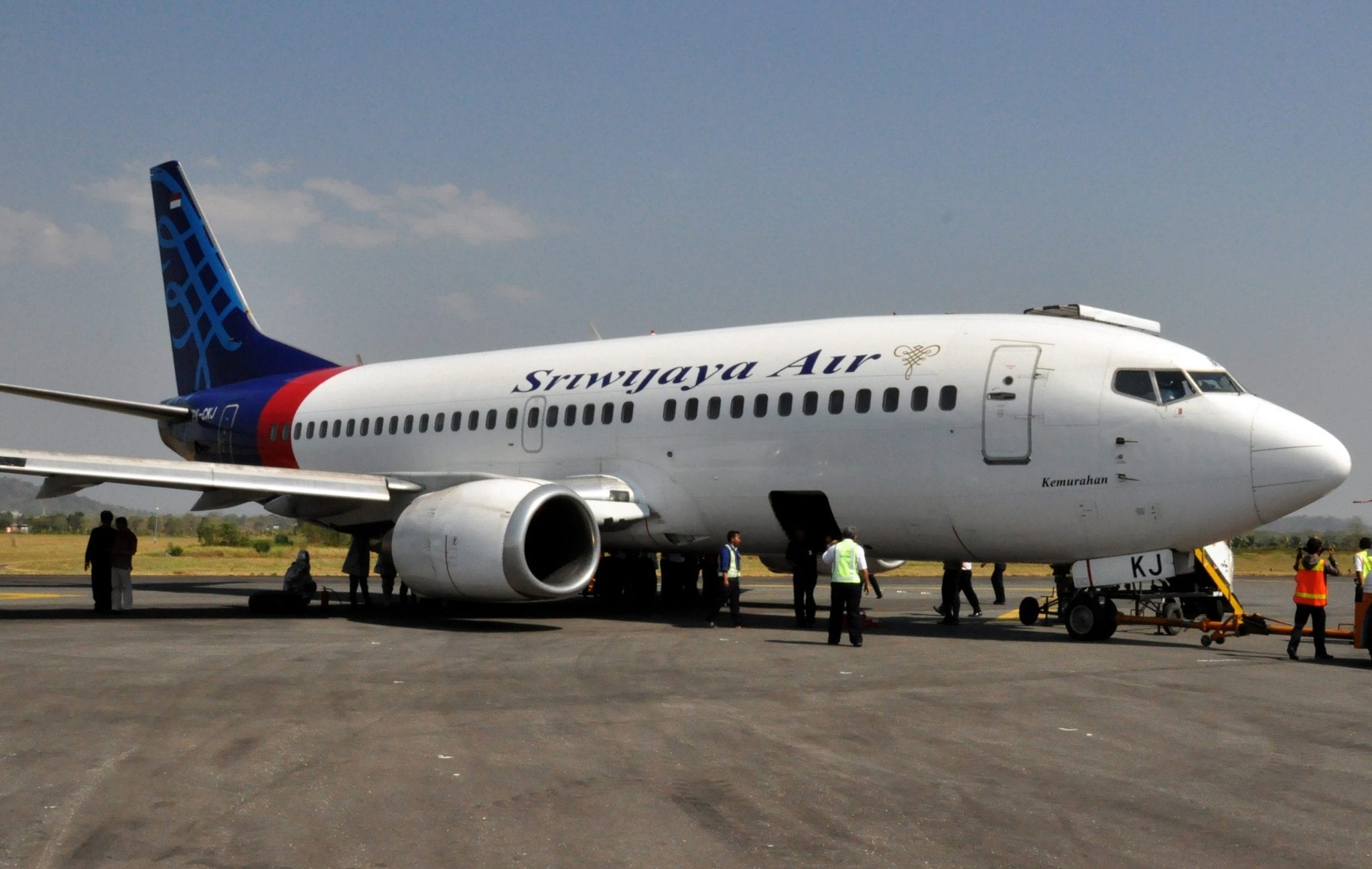
    Sriwijaya Air will be serving regular flights to four cities in China by the end of 2016, Senior Manager, Corporate Communications of the Sriwijaya Air Group, Agus, said here on Tuesday.

    Flights will operate along Denpasar-Hangzhou, Denpasar-Nanjing, Denpasar-Wuhan and Denpasar-Changsa routes, he added.

    The flights will be using Boeing 737-800NG and each aircraft will have a capacity of 185 seats. These flights will be once a day.

    “The new flights are part of the efforts to attract more foreign tourists to Indonesia,” Agus noted.

    As per him, every year, about 500 thousand tourists come from China to Indonesia using this airline.

    “Sriwijaya has the highest number of flights to China, compared to other air carriers,” Agus informed.

    He underlined that in July 2016, Sriwijaya will operate two units of Boeing 737-800NG to serve flights to China and several domestic destinations such as Sampit and Muara Bungo.

    In addition to open flights to China, Sriwijaya Air will also serve an international flight to the Middle East. It will fly to Jeddah.

    “This is a new market for Sriwijaya Air. We are sure that the demand is high, especially for umrah (Minor Hajj) trip,” Agus noted.

    He pointed out that the flight to Jeddah will start by the end of 2017.

  • Telstra sells most of its stake in China’s Autohome

    Telstra sells most of its stake in China’s Autohome

    Australian operator Telstra has sold the most of its majority stake in Chinese online car sales business Autohome to Ping An Insurance Group for $1.6 billion.

    Andrew Penn, Telstra CEO, said proceeds from the sale of a 47.4% stake in Autohome will be used to fund a capital management program that will start in the first half of the 2017 financial year.

    After the sale is completed, Telstra will retain a 6.5% interest in the company and will have one nominee director on the board.

    “Ping An will be an important strategic partner for Autohome. Its nationwide footprint in China and experience and expertise in auto financing, insurance and e-commerce mean Ping An is well placed to help Autohome develop outside of its traditional focus on online advertising,” Penn said in a statement.

    Autohome is an online destination for automobile consumers in China. It has a comprehensive automobile library and automobile listing information, as well as an advertising platform for automakers and dealers.

    In the first quarter 2016, the company reported a significant expansion of its transaction platform with a total of 4,957 new vehicles sold through its B2C transaction platform.

    Average daily unique visitors who accessed its mobile websites and mobile applications has also grown to 8.8 million and 7.2 million, respectively.

    Leng Peidong, President of Ping An Trust, said that with Ping An’s nearly 300 million online users, 150 million financial customers, longstanding relationships with car manufacturers and distributors, and a nationwide offline service network, it will be in a better position to transform Autohome into a full auto transaction service platform.

  • Xiaomi to open 1000 experience stores and emerge as ‘Muji in tech sector’

    Xiaomi to open 1000 experience stores and emerge as ‘Muji in tech sector’

    Smartphone vendor Xiaomi Corp said on Monday it plans to open 1,000 offline experience stores over the next three to four years and continue to expand its product portfolio.

    The move toward experience stores comes in the wake of online smartphone sales hitting the ceiling.

    Xiaomi has been grappling with declining phone shipments and mounting competition from rivals such as Huawei Technologies Co Ltd.

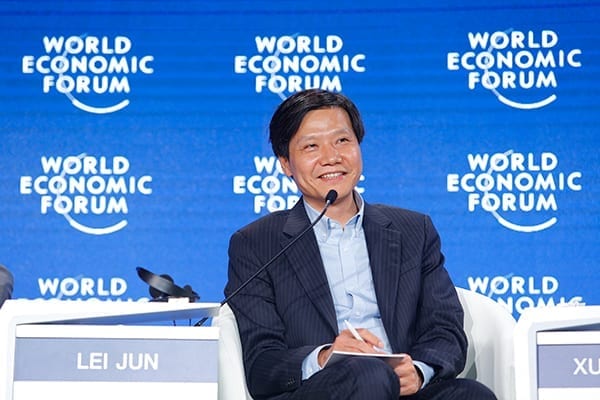
    Lei Jun, founder and CEO of Xiaomi, said the Beijing-based company wants to be the Muji in China’s tech sector. Muji is a Japanese retail company that sells a wide variety of household and consumer goods.

    “Xiaomi was never meant to be just a smartphone vendor. Instead, we are aiming to offer consumers a wide range of products at affordable prices,” Lei said at the Summer Davos in Tianjin.

    “We need about 40 kinds of electronic products to attract consumers to our online shopping platform and offline retail stores,” he said, adding the company has invested in 55 smart hardware manufacturers in recent years.

    Xiaomi has expanded its offerings from smartphones to drones, air purifiers, patch panels to rice cookers.

    “When I founded Xiaomi in 2010, I knew clearly that it would take 15 years for Xiaomi to go public, because the company’s business model is too complicated and consumers need time to cultivate belief in our products,” Lei said.

    Di Jin, research manager at IDC China, said Muji’s business model works quite well for fast-moving consumer products such as shampoo. But for electronic products, the key to success still lies in hefty investments in research and development.


  • Yum! Brands China sale falters

    Yum! Brands China sale falters

    Following a missed deadline by potential investors, the sale of a minor stake in Yum! Brands China business has been delayed.

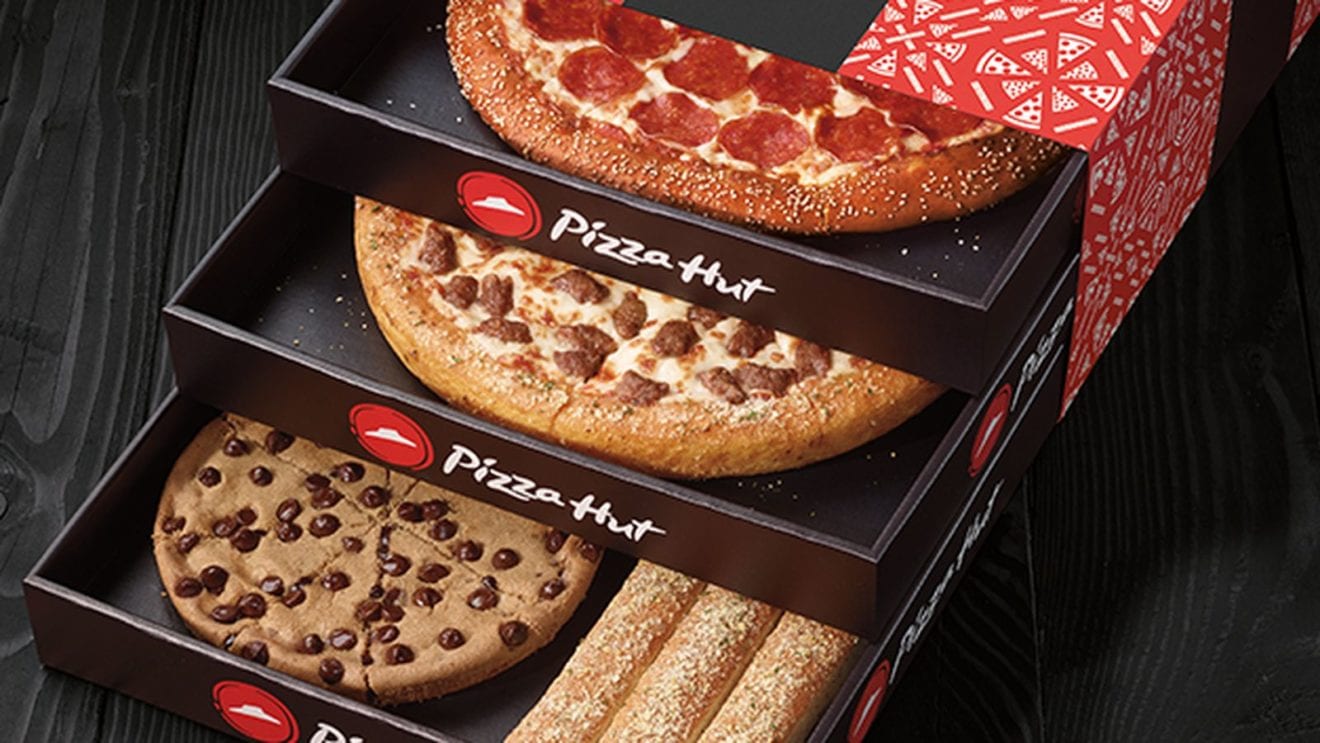
    Yum runs KFC and Pizza Hut outlets in China, while the potential bidders include Singapore state investment company Temasek Holdings and Chinese private equity firm Primavera Capital.

    One report says the suitors held off submitting bids after Yum tried to impose new terms on the investments. The investors have also indicated they disagree with Yum’s proposed valuation of $10 billion for the China unit.

    After a prolonged sales slump caused by food-safety scandals, Yum last year decided to spin off its China business into a separate publicly traded company. Since this was announced in October, Yum has had stronger same-store sales results from KFC in China.

    With the terms change, Yum would not be obliged to pay royalties to the China business for any products it developed, plus it would not share the burden for some of the Chinese unit’s advertising spend.

    Yum told potential investors of the new conditions just days before the bid deadline, and the company has yet to set a revised deadline.

    Meanwhile, Yum spokeswoman Virginia Ferguson says the company is making “great progress” toward the separation of the China business.

    At an investor conference this month, CEO Greg Creed said he expects the China separation to occur around the end of October.

    A group backed by sovereign wealth fund China Investment Corp withdrew a bid for control of the China business after failing to agree on a price. It claimed that initial due diligence showed Yum’s profit margins were under pressure in an increasingly competitive market.

    Yum’s market share in China fell to 24 per cent last year from 39 per cent in 2010, data from Euromonitor International shows.

    According to its website, the company plans to add 600 outlets this year to its more than 7200 restaurants across China.