Tag: China

  • Cosmetics retailers will like the look of China’s online import tax rules

    Cosmetics retailers will like the look of China’s online import tax rules

    China is changing tax rules for imported goods that are sold online in a move that will make beauty products such as eye creams and moisturizing gels from L’Oreal SA’s Lancome and Korea’s Amorepacific Corp. become cheaper for Chinese consumers.

    The government will remove a special tax, or so-called parcel tax, previously levied on imports sold online. Instead, it will charge value-added and consumption duties that are currently imposed on most products sold in China but with a 30% discount, according to a Thursday statement posted on the website of the Ministry of Finance.

    The move came after China in January broadened a pilot program in which a port district in the eastern city of Hangzhou was allowed to trade imported goods at lower taxes. As the world’s second-largest economy pushes its online retail industry and promotes cross-border e-commerce, the country has expanded the program to 13 cities. China’s State Council approved the latest changes which will come into effect on April 8, according to the Thursday statement.

    “Cosmetics will be the biggest beneficiary after the tax adjustment,” said Catherine Tsang, a Hong Kong-based tax partner at PricewaterhouseCoopers LLP. As beauty and personal care is one of the most popular category among imports bought by China’s Internet shoppers, any price cuts will further boost the market, Tsang said in an interview.

    Riding on a wave of popularity from South Korea’s TV dramas and music, Amorepacific’s Etude House and other brands from the country are in demand among Chinese customers. For Korean products, cross border e-commerce has become a more direct and cheaper way to expand in China compared with setting up store networks, Tsang said.

    Online sales of imported goods have grown at a compounded rate of 63% in the five years to 2015, reaching 638 billion yuan ($98 billion) and accounting for 17% of China’s total online retail sales, according to data from Mintel Group Ltd.

    The most popular categories of products being purchased online in China are consumer electronics, clothing and shoes, appliances, food and beverage, and beauty products, according to research firm Euromonitor International.

    Previous changes to promote cross-border e-commerce include:

    • China started pilot program with a zone in Hangzhou in March 2015
    • Trial expanded Jan. 2016 to Tianjin, Shanghai, Chongqing, Hefei, Zhengzhou, Guangzhou, Chengdu, Dalian, Ningbo, Qingdao, Shenzhen, Suzhou
    • Parcel tax in zones set at 10% (food, infant items), 20% (electronics, apparel), 30% (high-end watches), 50% (cosmetics, alcohol)
    • Tariffs waived for items that incur taxes below 50 yuan

    While food and baby items such as diapers may cost more after the April adjustments because of their current lower tax rates, those imports may remain attractive as China’s growing middle-class are becoming more concerned about health and are willing to pay more for quality, daily necessities, PwC’s Tsang said.

    “That’s why the demand for imported goods is increasing so fast,” she said. ”China’s consumer now are less price-sensitive especially to products they eat or use on their skins.”
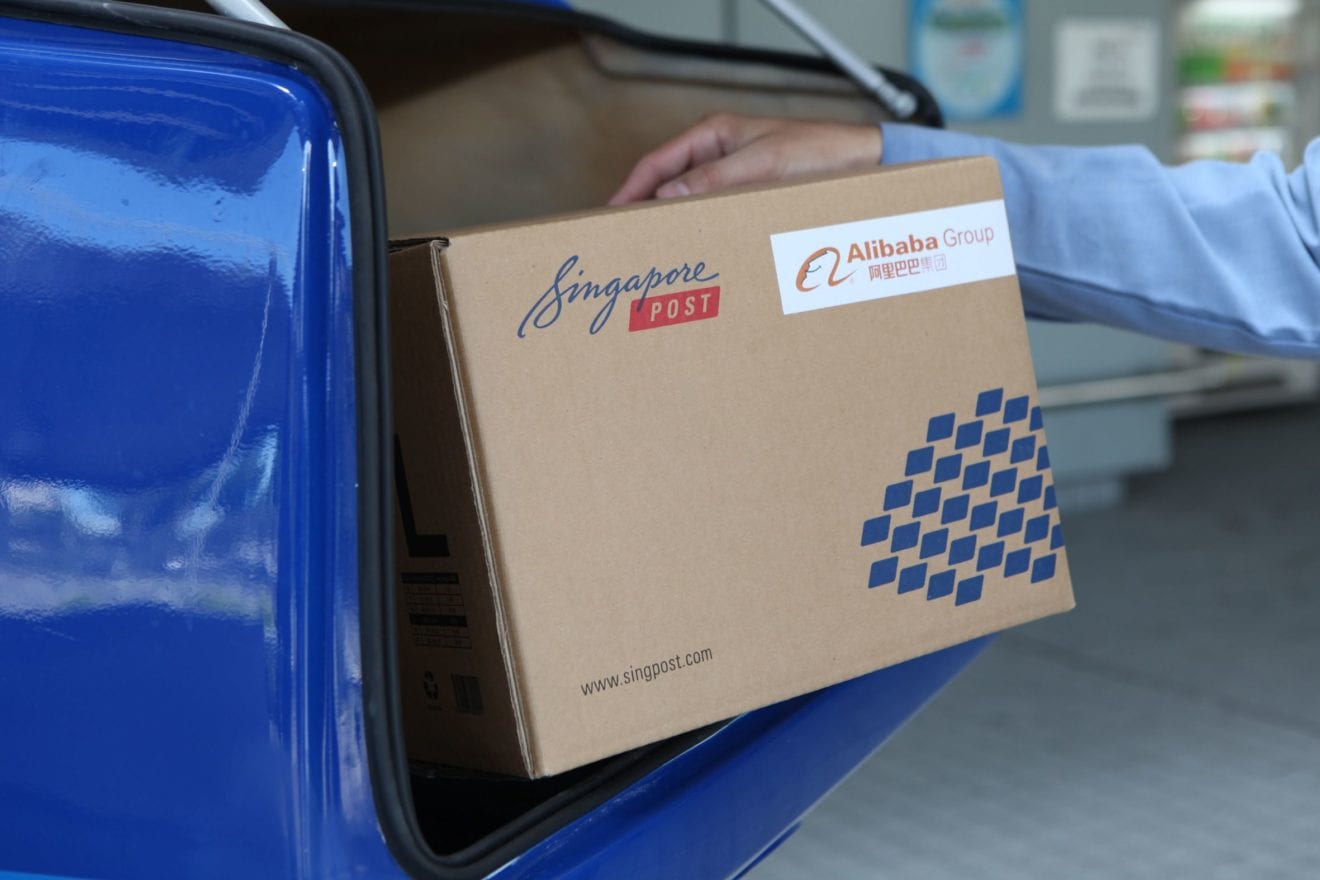

  • Singapore Post Ramps Up China E-commerce Push

    Singapore Post Ramps Up China E-commerce Push

    Despite signs of a slowdown of imports into China, Singapore Post (SingPost) remains bullish on the prospects for e-commerce flows into Asia’s largest economy. The postal agency has upped its stake in Shenzhen-based e-commerce provider 4PX Information Technology.

    SingPost forked out US$25.6 million to acquire an additional 17.91% position in 4PX, one of China’s top e-commerce cross-border players, whose scope of services ranges from forwarding, express delivery and warehousing to software and consulting services for e-commerce vendors. The postal operator now holds a 36% stake in the Chinese firm.

    4PX runs warehouses in China, Australia, UK, Germany and the US, employing north of 2,600 staff. The company has over 20,000 customers in more than 50 locations in China and globally.

    “The additional investment in 4PX, with its extensive logistics capabilities in warehousing, express delivery and freight forwarding, is a key part of SingPost’s strategy to strengthen our integrated end-to-end e-commerce logistics solutions and to leverage on the rapid growth in China’s e-commerce activities,” said Goh Hui Ling, deputy CEO (international mail) of SingPost.

    With general cargo growth in the doldrums, logistics providers are keen on developing a footprint in e-commerce, which promises rich pickings and robust growth momentum. According to one estimate, global B2C volume is expected to reach US$2.26 trillion a year by 2020, with an annual growth rate of 15 to 20%.

    International carriers are particularly gung-ho on China, citing Chinese consumers’ rising cravings for international brands. Anselm Eggert, head of e-commerce at Lufthansa Cargo, stated that they are showing strong interest in European brands, especially health and beauty products.

    Freighter leasing firm Airborne Global Solutions invested US$16 million last September for a 25% stake in the nascent United Star Express, a new Chinese freighter operator that is expected to take to the skies halfway through this year. Its partners in the venture are Chinese Boeing 737 operator Okay Airways, a developer and an investment company, and Vipshop, the third-largest e-tailer in China, according to AGS president Rich Corrado.

    Postal agencies are pushing aggressively into this arena, their eagerness intensified by a need to make up for the ongoing shrinkage of their traditional letter mail business. With their delivery networks they have a strong advantage over competitors in the critical final-mile segment in their home markets, but they are also increasingly targeting international flows to other markets.

    Japan Post established its own website in China last autumn to offer Japanese merchandise to Chinese consumers. Orders are consolidated and moved by ocean vessel to Shanghai for overland distribution.

    China Post has been in hot pursuit of e-commerce business, which is reflected in the rapid growth of China Postal Airlines. According to one source, China Southern Airlines’ decision last year to bring two parked 747-400 freighters back into service was prompted by the Chinese postal agency.

    To develop its traffic from the postal agencies of Hong Kong and China, Cathay Pacific has implemented barcode scanning of mail at its stations in China and in Hong Kong. This enables the electronic transmission of departure, transit and arrival information. In a second phase, the airline is looking to integrate various IT interfaces – from booking to space management and mail warehouse transit management – to establish real-time data flow, said Mark Sutch, the airline’s general manager of cargo sales and marketing.

    For now many airlines view postal business as the biggest inroad into B2C e-commerce, but this will likely change. Eggert envisages greater involvement from carriers down the road. At this point Lufthansa is studying the market in order to be able to develop more targeted options later on.

    “I think in the future we will go beyond mail. I think the industry needs to think how to work together with partners,” Eggert said. This will require closer alignment, including some degree of IT integration. In light of the fact that the air cargo industry does not have a stellar track record in developing joint solutions, this will be a challenging avenue for operators to pursue, he added.

  • Clarks retailer S Culture ends year in the red

    Clarks retailer S Culture ends year in the red

    Clarks shoe brand retailer, S Culture has announced a loss for the year and will not pay a dividend.

    Chairman Chong Hot Hoi described 2015 as the worst year for Hong Kong retail sales since  2002, driven by the fall in big spending tourists from the mainland and weak domestic consumer spending.

    S Culture recorded a same-stores sales decline of 6.6 per cent and a net loss of HK$16.4 million for the year. Chong said the opening of new retail outlets during 2014 and early 2015 contributed to the loss, as they were yet to break even under the unfavourable atmosphere of the retail market during the year.

    S Culture sells shoes under the Clarks, Josef Seibel, Petite Jolie and The Flexx retail brands in Hong Kong, Mainland China and Taiwan. It flagged a looming loss in a profit warning issued in early July.

    But despite 2015 being a year to forget, the company is optimistic about 2016.

    “Hong Kong is bracing for greater economic challenges as the prospective interest rate increase shall induce capital outflows that could pressure Hong Kong as the Asian financial hub at a time when China’s economy is growing at its slowest pace in the past 25 years,” said Chong in the company’s trading announcement.

    “Looking ahead, the near-term outlook for retail sales will still be constrained by the weak performance of inbound tourism as cited by the government. We would also watch closely the impact from dimmer global economic prospects amid US interest rate normalisation. To this end, we had been imposing measures and applying more flexible operating tactics in order to minimise such effects to our operations as a whole. In the meantime, while there had been signs

    that the general operating costs, such as market rental level, were declining, we were still cautious about the other operating costs such as staffing and utilities as their nature was downward sticky,” he said.

    “Despite the above, we still remain positive and maintain our belief in our business. While we are still experiencing unfavorable market drivers in the local retail market, we are still confident that the group would be poised to be highly attentive to the changes in the retail market and apply the appropriate strategies to tackle the existing challenges and keep our pace for steady development, especially in the mainland. We still hold the same view about mainland consumer market and continue with our strategy to increase our presence in the mainland.”

    S Culture has now expanded into the cities of Shanghai, Qinhuangdao, Haikou, Qingdao, Songyuan, Zhengzhou, Harbin, Luoyang, Dandong and Beijing through collaborating with the local retailers and operates four company-owned stores with its brands well-received in the mainland, Josef Seibel and The Flexx.

    “We expect to increase our market share in the Mainland by utilising both on- and off-line channels whichever is more effective in the case.”

  • Taco Bell China on the way

    Taco Bell China on the way

    Mexican-inspired fast food is about to tickle Asian palettes, with the first Taco Bell China restaurant scheduled to open this year.

    Yum Brands! CEO Greg Creed, speaking at a consumer and retail conference in New York, says the first taco Bell China outlet will open in Shanghai.

    US-headquartered Yum! Is in the process of separating its China business into an independent, publicly traded company this year. It has about 7000 KFC and Pizza Hut restaurants in China and believes the spin-off will boost returns and increased asset value for shareholders of both companies post-split.

    Yum! plans to franchise 96 per cent of its outlets by the end of next year, and believes that model will enable it to nearly treble the store network from the present 6900 stores to 20,000.
    A subsidiary of Yum, Taco Bell is an American chain of fast-food restaurants based in Irvine, California. Founded in 1962 by Glen Bell, it has more than 6600 stores across mainland US with 175,000-plus employees.

  • Li Ning skips out of the red

    Li Ning skips out of the red

    Thanks to a health boom on the mainland, Chinese sportswear brand Li Ning has skipped out of the red to turn a modest profit after three years of losses.

    For its latest financial year, it had a net profit of Rmb14 million (US$2.2 million), reversing from a Rmb781 million loss in 2014. Revenue grew 17 per cent to nearly Rmb7.1 billion.

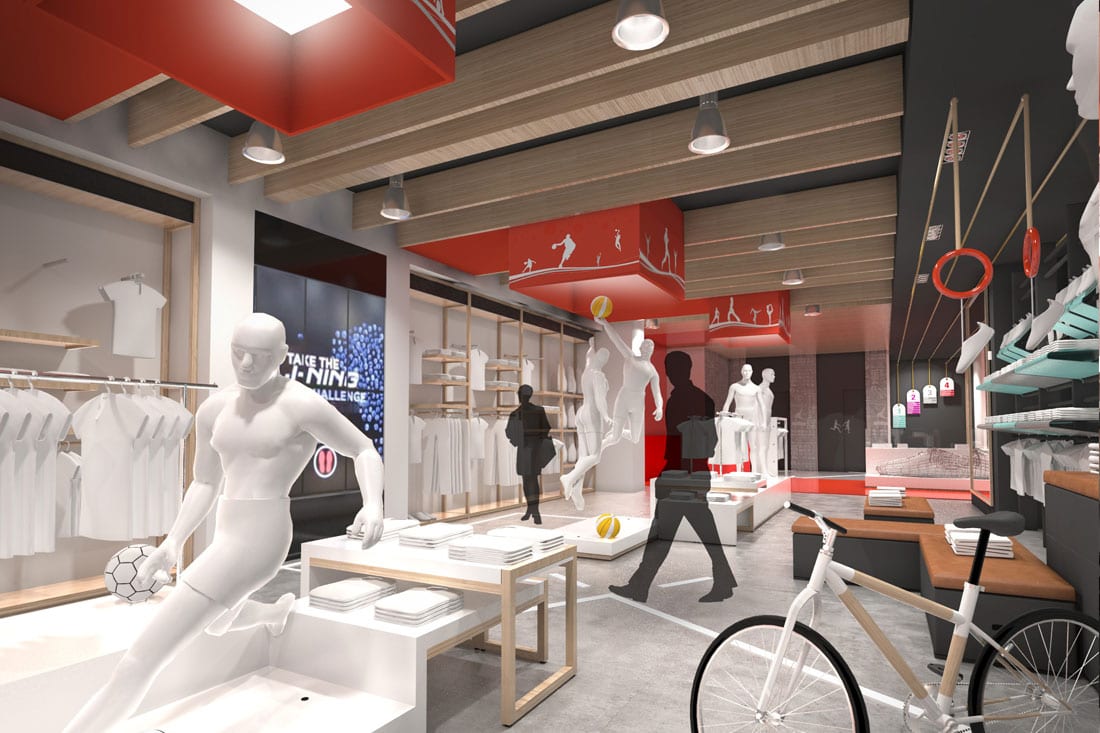
    Over the past three years, the brand has restructured, shedding 20 per cent of its inventory, closing thousands of underperforming stores and adding more than 300 directly run outlets. It also increased its eCommerce inventory.

    In a filing with the Hong Kong stock exchange, Li Ning says retail, wholesale and eCommerce outlets all achieved double-digit revenue growth last year.

    “Supportive national policies stood the sportswear industry in good stead,” says the company. “The initiative to lead an eco-friendly life has deeply implanted the idea of pursuing a healthy lifestyle in the hearts of people.”

    Li Ning is backed by private equity group TPG Capital and Singapore sovereign wealth fund GIC. The company was founded by Chinese gymnast Li Ning, who won three gold, two silver and one bronze medal at the Olympic Games in Los Angeles in 1984. Following his retirement, he set up the company in 1990, selling footwear, apparel, accessories and equipment for sport and leisure.

  • Alibaba taps VR to enhance shopping experience

    Alibaba taps VR to enhance shopping experience

    The global virtual reality market to grow at a rate of 96% by 2019, according to a new report made available by Research and Markets.

    VR is being adopted in a wide variety of applications ranging from healthcare, gaming devices, public entertainment, prototype creation to military exercises.

    Chinese e-commerce giant Alibaba has now set up a research lab as it looks to use VR to enhance the shopping experience for its 400 million users.

    The company is also exploring how VR technology can be applied to its other services, including online games and video streaming, according to reports.

    Head-mounted displays have created opportunities for VR in a number of applications. A head-mounted display consists of an image source, collimating optics, and a mechanism to mount the device on the head.

    The device is wearable, and projects images and information relative to the user’s line of sight in front of the user. A report on the HMD market predicts growth of 49% over the next five years.

    Virtual reality devices, which are compatible with smartphones, can help users by providing specific information about their requirement on-the-go, without pulling out their portable devices. This technology is expected to commercialize in 2016 and could be worth $2.30 million in 2016.

    Alibaba has already created three-dimensional visuals for hundreds of products and will issue standards for merchants to create VR-enabled shopping options. It is also said to be working on creating music and videos.

  • Li & Fung proves nimble

    Li & Fung proves nimble

    Hong Kong-listed global supply chain management company Li & Fung has proved nimble weathering one of the most challenging retail environments for many years.

    Yet despite an overall increase in trading volume, its revenue for the year ended December 31 fell 2.4 per cent to US$18.8 billion for the year.

    Mainly servicing US and EU brands, department stores, hypermarkets, specialty stores, catalogue-led companies and eCommerce sites, the family-led company reorganised during the year with the aim of delivering innovation and product differentiation while focusing on client solutions.

    Growth was strong in its e-logistics division, thanks to the eCommerce boom, and with an unprecedented drop in ocean freight rates, its logistics network grew in both turnover and unit volume.

    Adding to the difficulties of the year were political uncertainties in Europe and Asia. Meanwhile, increased competition from fast-fashion, off-price and eCommerce players continue to challenge retail customers, resulting in margin pressure across the board.

    Turnover eased by 2 per cent year-on-year to $18.8 billion, largely because of soft macroeconomic conditions and the challenging retail environment.

    Turnover in Asia decreased by 2.5 per cent to $2 billion, with distribution being hit by the slowdown in China, geopolitical issues in Southeast Asia and Asian currencies depreciating against the US dollar.

    However, Li & Fung’s logistics network continued to grow in Asia, largely thanks to support by new contracts and expansion, particularly into Southeast Asia.

    Across its trading network, the company served a diversified group of customers including brands, department stores, specialty stores, clubs, hypermarkets and pure-play eCommerce ventures. The network covers more than 40 economies, and the top three sourcing countries continue to be China (more than half of products), Vietnam and Bangladesh.

    The company’s entrance into Indonesia, Japan and Korea also began to generate positive contribution, and it launched a regional distribution centre in Singapore.

    “Globally, our industry is going through an unprecedented structural change, led by the changing conditions at retail,” says group CEO Spencer Fung, the great-grandson of the company’s founder.

    “Retail is becoming more competitive as more eCommerce players enter the marketplace, and global competition overall is being augmented by cloud computing, mobile connectivity and cross-border logistics.”

    He says consumer preferences and buying patterns are also changing, led by millennials and the newer Generation Z.

    “The way these consumers discover, socialise and finally make a purchase decision has had immense consequences to brand loyalty, to sustainability and to the sharing economy… the speed of change is only increasing as we look ahead.”

    Li & Fung is partnering with companies that offer technology and innovation to create products “with more excitement”, and has simplified its structure and business to improve speed and flexibility.

    “With fewer acquisitions in 2015 compared to previous years, we have been very focussed on growing organically and increasing our market share with our existing customer base,” says Fung.

    “All indications point toward a challenging 2016, but I am confident we will weather these changes as we build for the future.”

  • China’s web shoppers want more

    China’s web shoppers want more

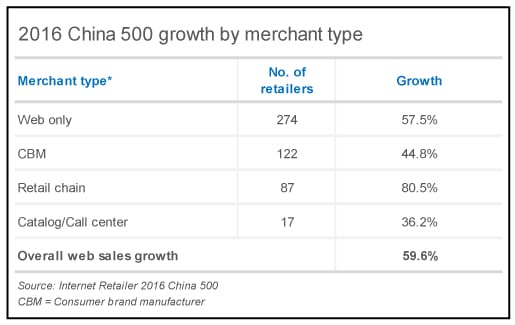
    China’s growing middle class craves imported goods and that’s driving big opportunities for overseas brands and retailers. China’s 500 largest web retailers grew combined sales by 60% in 2015, according to the all-new Internet Retailer 2016 China 500, which ranks the 500 leaders of the world’s largest and fastest-growing e-commerce market

    China’s slowdown to only 6.9% growth in gross domestic product in 2015, one of the lowest increases in decades, has been blamed for hurting the economies of trading partners in other countries. But China’s growing middle class keeps buying more online, and its thirst for foreign goods creates a big opportunity for overseas retailers and brands.

    Chinese consumers purchased $589.61 billion worth of goods online in 2015, an increase of 33.3% from a year earlier, according to the National Bureau of Statistics in China. By comparison, U.S. online retail sales grew roughly 15% per year from 2011 to 2014 to $304.9 billion, according to the U.S. Commerce Department.

    China’s 500 largest e-retailers grew their combined online sales by a stunning 60% in 2015 to $198 billion, according to the all-new Internet Retailer 2016 China 500, which ranks and provides a wealth of financial and operating data on the 500 leaders of the world’s largest and fastest-growing e-commerce market. And the data contained in Internet Retailer’s newest research report on e-commerce in China shows that the world’s biggest online market is rapidly consolidating, with the 500 largest competitors now controlling 33.6% of China’s e-retail market, up from 28% just one year ago.

    Retailers and brands based outside of China shared in that growth. The 52 U.S.-based retailers ranked in the China 500, for example, grew online sales 24.3% to $17.77 billion last year—the bulk of that coming from Chinese customers. The 79 retailers based outside China, including those in the U.S., grew sales by 24.0%, to $21.31 billion in 2015.

    The growing online retail sales for brands and retailers based outside of China is not surprising given the strong demand among middle-class Chinese for foreign goods, from Apple Inc. iPhones to food and household goods from Wal-Mart Stores Inc. Alibaba Group reported that 33% of Chinese consumers bought items from international brands during the 24-hour Singles’ Day event Nov. 11, with U.S. goods in the top spot. Singles’ Day is a marketing initiative that Alibaba created to spur single consumers to buy goods online for themselves, as opposed to other marketing days where consumers buy gifts for loved ones.

    Among the factors driving online sales growth are increasing sales from consumers in China’s villages, and the steady growth in the number of Chinese shoppers who can access the web through mobile phones.

    “In China, the major market drivers in the past year have been cross-border e-commerce, mobile shopping, omnichannel and e-commerce in villages,” China E-commerce Research Center senior analyst Zhang Zhouping says.

    There were 668 million Internet users in China by June 2015, and about 89%, roughly 594 million consumers, could access the web through mobile devices, according to China Internet Network Information Center. During Alibaba’s Singles’ Day sale, Chinese consumers purchased $14 billion worth of products, and 70% of sales were generated on mobile devices, according to Alibaba.

    Rural areas, where there are few bricks-and-mortar stores, also present huge potential for online merchants. There were 186 million Internet users living outside of cities as of June 2015, and 60% of them had never bought products online, according to China’s Ministry of Commerce. To encourage rural shoppers to order online, e-commerce firms are rapidly improving their facilities in those areas. Alibaba, whose big marketplaces Taobao and Tmall account for about 75% of China’s online retail sales, has helped about 14,000 merchants with small stores in rural China sell their wares on Taobao, the company says. Alibaba is aiming to establish up to 100,000 such service centers among about 570,000 villages in rural areas of China.


  • JD.com Dominating The Rapidly Growing Chinese Online Retail Market

    JD.com Dominating The Rapidly Growing Chinese Online Retail Market

    Rapidly Growing Online Retail Market

    There are multiple dimensions through which the Chinese online retail market is growing such as growing Internet users and expanding middle class. Unlike developed countries with largest online retail markets such as the UK, the US, and Germany, the penetration of online retail is fairly low at a meager 12.9% (2015) of the country’s overall retail sector. Despite that, China is the largest e-commerce market in the world, which is also growing rapidly. Chinese consumers spent 33.3% more on online shopping last year. And the expanding middle class is making the market lucrative for e-commerce players in the B2C segment, which was an unprofitable prospect a few years ago due to unscalability. This is where the two fiercest competitors JD and Alibaba’s Tmall are fighting to capture a larger chunk of the growing pie.

    JD.com or Jingdong is the second-largest e-commerce player in China, only behind Alibaba. BABA provides marketplaces for businesses (Alibaba.com), consumers (Taobao), and brands (Tmall), along with technological support and services; it generates revenues primarily through advertising and commissions. On the other hand, JD is more of an online retail pure-play with a lion’s share of revenues generated from direct sales; however, it also hosts third-party sellers. JD operates in the B2C segment and directly competes with BABA’s Tmall.

    Why Invest In JD.com?

    Largest logistics infrastructure

    This is the key differentiator between the two. JD operates its own logistics network while BABA provides these services to its merchants through a group of logistics service providers called Cainiao. JD has been aggressively investing to expand the largest fulfilment network operated by an e-commerce company in China. Its last mile delivery distinguishes it even from Amazon, resulting in the fastest and reliable delivery as evident from the nearly 80% orders fulfilled on the same day. While BABA has stepped up its efforts in building several large-scale logistics centre, it would still rely on third-party delivery personnel. Even though the strategy is better in terms of its less labour-intensive nature, it lacks control on the quality of service.

    Rising revenues in non-core areas

    One of the reasons JD started building its logistics network in 2007 was to attract third-party sellers. Its strategy has been successful as evident from the y-o-y jump of 101% in revenues from marketplace fees, ads, and logistics services. Third-party sellers find JD more attractive as the company doesn’t ask for exclusivity, unlike Tmall. Additionally, the company has seen strong growth in the apparels and shoes segment. JD was a consumer electronics and home appliances focused retailer, but the segment’s 66% growth was outpaced by the 92% y-o-y growth in general merchandise/other segment during Q4 2015.

    Increasing market share

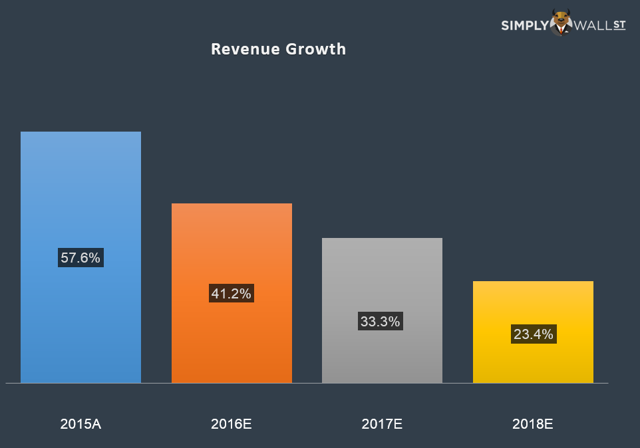
    JD’s revenue growth of 57.6% (in US dollars) during 2015 was well above the industry’s growth rate (33.3%). It indicates that the company increased its market share which accounted for the incremental growth. During early 2015, analysts at William Blair highlighted that during Q4 2014, JD gained 5% market share in GMV compared to a 2% decline experienced by Tmall. During the first three quarters of 2015, JD’s market share increased to 23.2% from 18.6% at the start of the year compared to Tmall’s contraction to 54% from 61.4%.

    Improving gross margin

    Source: Simply Wall St

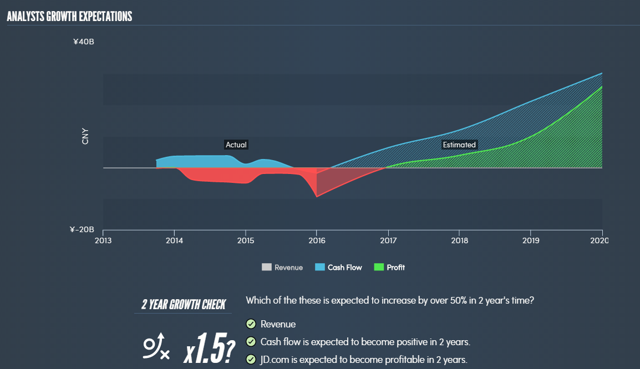
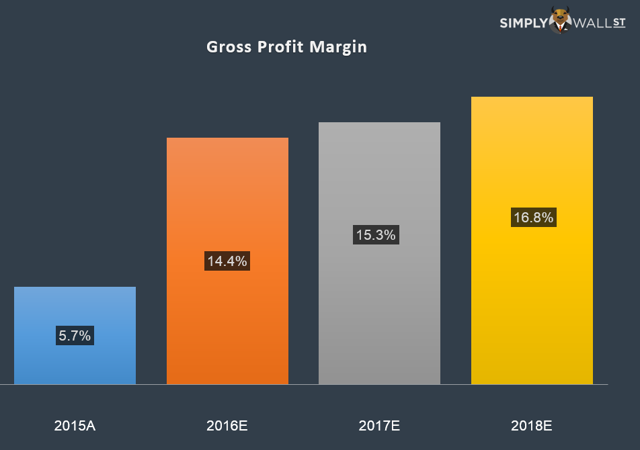
    JD was unprofitable last year. More than 85% of the loss was related to impairment charges (Paipai platform) and acquisitions; however, the company is expected to deliver positive earnings in 2016 and sizable earnings growth thereafter. JD’s improved utilization of infrastructure – growth in marketplace, ads, logistic services revenues – and increase in higher-margin product mix – general merchandise/other segment – will start reflecting in improved gross margin. Its loss doesn’t come as a surprise, as the management clearly stated in early 2015 that it is in investment mode, and this year’s target was to grow its market share and expand infrastructure.

    Source: Simply Wall St

    Smart money and the strategic partnership

    As per Bloomberg, the hedge fund holdings in the company increased from less than 4% at the start of 2015 to over 18% at the end of Q2. Q3 saw a decline, but the smart money increased its stake by nearly 7% during Q4. One of the key reasons behind hedge funds’ interest was JD’s strategic partnership with Tencent, the operator of China’s largest messaging service: WeChat. This has allowed JD to tap into the fastest-growing customer network as evident from the 61.4% sales coming from mobile devices during 2015 compared to nearly 36% in Q4 2014.

    Source: Simply Wall St

    Source: SEC 13-F filings, National Bureau of Statistics China, company fillings, S&P Capital IQ, WSJ.com, Simply Wall St

  • Chinese customs breaks $4.4m smuggling ring

    Chinese customs breaks $4.4m smuggling ring

    Mainland Chinese Customs recently smashed a $4.4m South Korean cosmetics smuggling racket operating between the Chinese port of Ningbo and Incheon Port, South Korea.

    This follows a crackdown on organised crime smuggling branded goods into China, according to the General Administration of Customs in the People’s Republic of China.

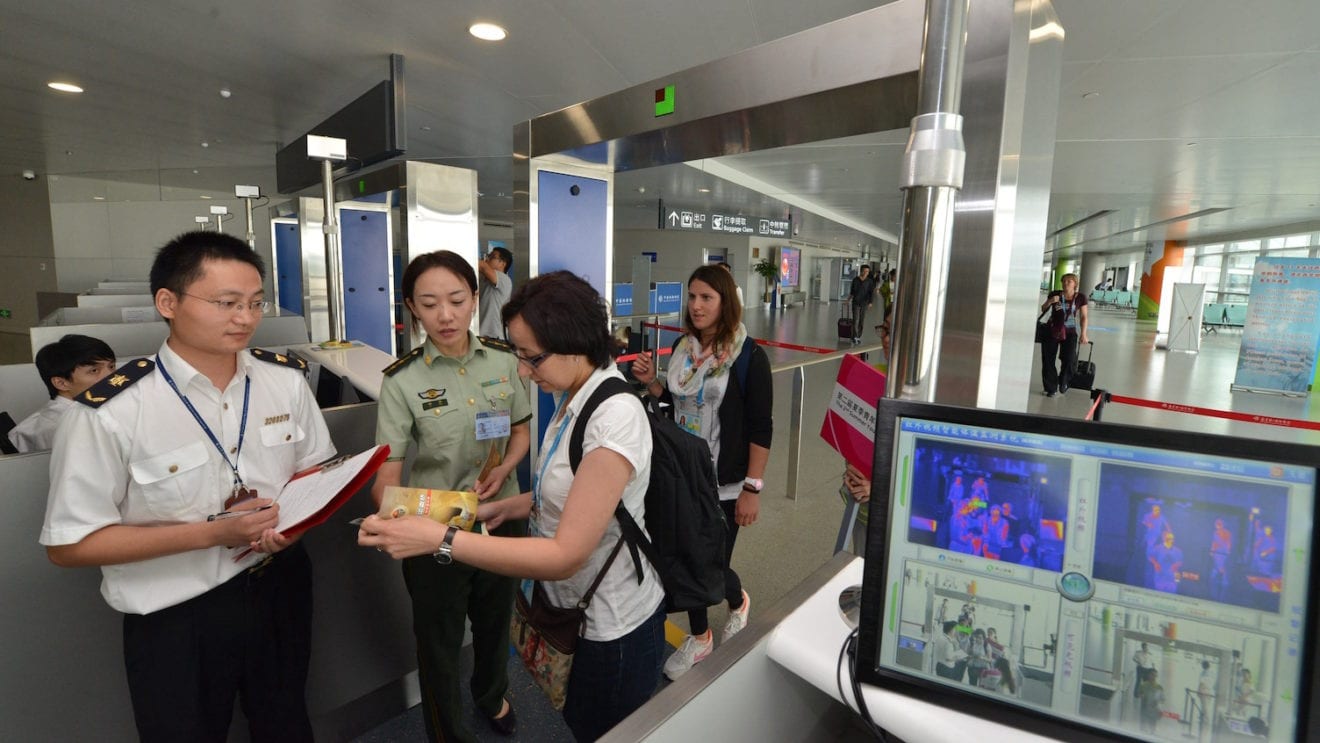
    According to China Customs, this latest raid which it has made public involved the seizure of more than 110,000 pieces of cosmetics in the Ningbo port and industrial hub in east China’s Zhejiang province [south of Shanghai on Hangzhou Bay-Ed].

    The smuggled South Korean brands included Sulwhasoo, Whoo, Mamonde and Laneige. Customs said in a statement that the head of the operation – referred to only as ‘Li’ – admitted that the operation has smuggled nine containers into China worth more than $4.4m from South Korea since November 2013, using false declarations.

    Customs officers examine the smuggled cosmetics from South Korea

    Customs officers examine the smuggled cosmetics brands originally labelled as ‘plastic particles’ from South Korea.

    The operation also smuggled charcoal back into China using the empty containers which were labelled as ‘plastic particles’ on the official documentation.

    Customs officers smashed the ring after raiding cargo storage facilities on the wharf at Ningbo where the cosmetics were temporarily stored before being distributed into the Chinese black market.

    TRACING THE SOURCE…

    Exactly where these cosmetics brands were originally sourced within South Korea will obviously be a matter of some interest to the original manufacturers, distributors and retailers.

    Meanwhile, the General Administration of Customs in the People’s Republic of China says it is now employing considerable resources to try to stem the tide of all branded smuggling – both in and outside of China.

  • Esprit sales flat, as expected

    Esprit sales flat, as expected

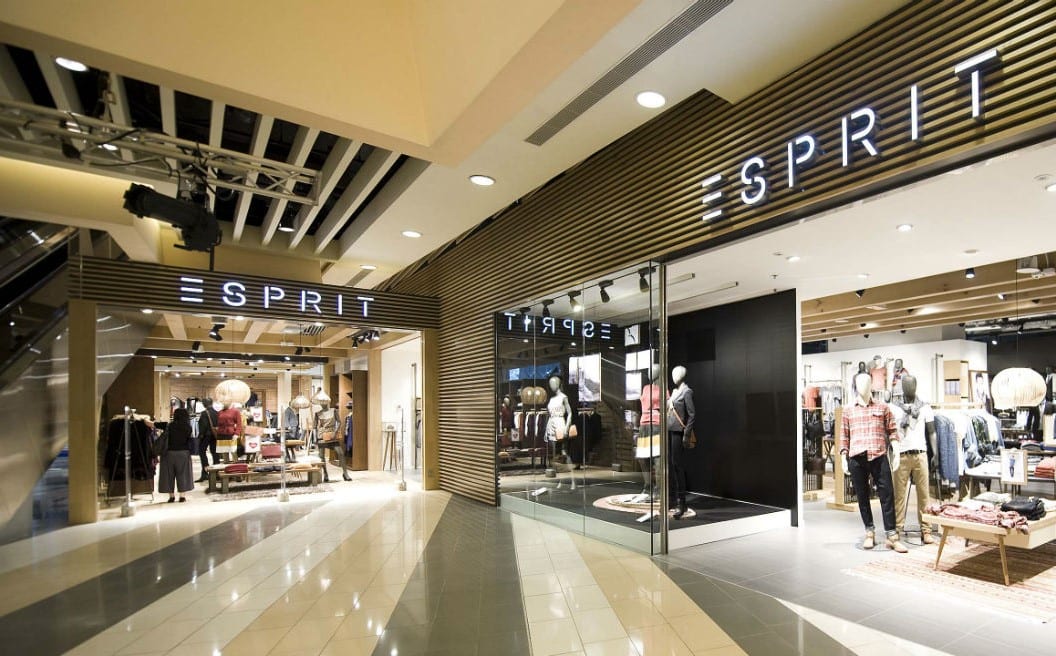
    Largely in line with expectations, Esprit sales were flat, the fashion brand says in its interim report for the six months to December 31.

    While its overall turnover was down 0.4 per cent overall, retail turnover grew 6 per cent while wholesale turnover fell 11.4 per cent.

    The gross profit margin for Esprit Holdings was stable at 50.5 per cent, while the net loss of HK$238 million was in line with expectations. The group had a healthy net cash position of HK$4.2 billion with zero debt.

    Unfortunately, positive retail sales growth in Europe was offset by continued weakness in the wholesale channel, and negative development in the Asia Pacific region. Asia Pacific turnover declined 6 per cent year-on-year, mainly dragged down by China with its 11.6 per cent drop. China represents 46 per cent of the region’s turnover.

    In its breakdown of turnover in Asia Pacific, China led with HK$655 million, 7 per cent of group turnover. Then came Hong Kong (HK$185 million, 2 per cent, down 0.4 per cent), Australia and New Zealand (HK$162 million, 1.7 per cent, up 0.3 per cent), Singapore (HK$129 million, 1.4 per cent, down 4.7 per cent), Taiwan (HK$98 million, 1.1 per cent, up 6.5 per cent), Malaysia (HK$97 million, 1 per cent, down 2.7 per cent), Macau (HK$56 million, 0.6 per cent, down 12.7 per cent) and others (HK$43 million, 0.5 per cent, up 6.2 per cent).

    In the previous financial year, the group moved towards vertical integration which resulted in more cost-efficient product development and supply chain processes, allowing product improvements in terms of design, quality and value-for-money.

    To maximise the selling potential of its improved products, this past year the group started pursuing an Omnichannel business model. In its early stages, this has led to improvements in growing its loyal customer base “Esprit Friends” and fully integrating the commercial activities of all sales channels.

    In September, the group launched an intensive brand-marketing campaign to strengthen and rejuvenate its image.

    Performance during the first six months of this financial year (between July and December) indicated that the vertical and omnichannel model was an effective basis to turn around its business, the company said.

    In its report, the company paid tribute to its co-founder, Doug Tompkins, who died in December, describing him as a “conservationist, outdoorsman, philanthropist, agriculturist and businessman”. He and his then wife, Susie Buell, formed the company in 1968. Esprit’s collections are available in 40 countries, in about 870 directly managed retail stores and through more than 7500 wholesale sales points including franchise stores and department-store outlets. The Group markets its products under two brands, Esprit and EDC.

    Listed on the Hong Kong Stock Exchange since 1993, Esprit has headquarters in Germany and Hong Kong.

  • Xiaomi India lodges FDI application

    Xiaomi India lodges FDI application

    Xiaomi India, the Chinese smartphone maker’s local subsidiary, has lodged an application with the government to operate single-brand retail stores.

    The move coincides with US tech giant Apple resubmitting a similar application as it attempts to gain formal Indian Government approval to operate its own Apple Stores in the heavily-regulated economy.

    Xiaomi currently sells handsets online and through a network of offline distributors.

    But to gain approval to open single-brand stores, companies must commit to sourcing at least 30 per cent of its stock or componentry locally. Apple is applying for a waiver of this clause on the grounds it makes “state-of-the-art” and”’cutting edge” technology products which cannot be sourced locally.

    “Chinese smartphone maker Xiaomi has submitted an application to the Department of Industrial Policy and Promotion (DIPP),” an official confirmed to Indian news media this week.

  • Ecommerce Turns into Mcommerce in China

    Ecommerce Turns into Mcommerce in China

    The shift of ecommerce sales from the desktop to mobile devices has been under way in China for a couple of years. And according to data from the end of 2015, the tilt toward mobile is clear.

    Analysys International Enfodesk reported that nearly two-thirds of retail and consumer-to-consumer (C2C) ecommerce sales in China in Q4 2015 occurred via mobile. That was up from 55.5% the previous quarter—the first time mobile accounted for a majority of ecommerce sales in the country.

    2015 may have been a turning point, but the rise of mobile has been ongoing since early 2013, when 9.0% of retail and C2C ecommerce sales occurred via mobile devices.

    eMarketer estimates that mcommerce sales were just shy of the 50% mark as a share of ecommerce sales for the full year last year.

    This year, eMarketer forecasts retail mcommerce sales in China will grow by 51.4%, to reach 55.5% of retail ecommerce sales in the country this year. That will still amount to just 10.9% of total retail sales, however.

    By 2019, the end of our forecast period, mobile users in China will spend nearly $1.5 trillion on mobile commerce, which will amount to nearly a quarter of the country’s retail market.

  • REITs set to outperform equities as investors go in search of yields

    REITs set to outperform equities as investors go in search of yields

    The Stock Exchange of Thailand continues to stay in positive territory, gaining around 7 per cent year to date, despite the sluggishness over the last two weeks. Nevertheless, the SET Index still failed to breach the psychological 1,400 level.

    Month-to-date, the market leaders were PTT, PTT Global Chemical, Siam Cement, Charoen Pokphand Foods and CP All. The laggards were Bumrungrad Hospital, Advanced Info Service, U City, Banpu and Minor International.

    Foreign investors bought Bt11.7 billion worth of Thai shares from March 1-17, leaving the year-to-date net-buying position at Bt3.6 billion.

    Since the beginning of the year, the performance of real estate investment trusts (REITs) has been well ahead of equities. We believe the trend will continue as global investors seek yields amid negative interest rates in both Europe and Japan, coupled with low rates elsewhere (including Thailand).

    On average, equity returns in developed markets remain in the red to the tune of minus 3 per cent year to date. In contrast, emerging-market stocks outperformed their developed-market peers with a year-to-date gain of around 3 per cent.

    Interestingly, global REIT prices have surged on the back of investors seeking yields and the US Federal Reserve’s decision to delay its rate increases in 2016. The S&P Global REIT, which is a benchmark of publicly traded equity REITs listed in both developed and emerging markets, has risen by almost 6 per cent since the beginning of the year.

    Going forward, REITs remain appealing on a selective basis given their high yields and resilient revenue streams.

    The top 5 REITs recommended by the DBS REIT team in Singapore are (1) Mapletree Greater China Commercial Trust; (2) Frasers Centerpoint Trust; (3) Ascendas REIT; (4) CapitaLand Retail China Trust; and (5) Mapletree Logistics Trust.

    These REITs are expected to pay regular dividends, with potential for further growth arising from the expansion of their asset portfolios. Their yields range from 6 to 8.4 per cent.

    Investing in REITs comes with risks, and we advise investors to study our research reports on REITs before making any investment decision.

    Tisco Securities

    The Stock Exchange of Thailand may soon re-test the 1,400 points resistance level after the US Federal Open Market Committee left interest rates unchanged, as expected, but cut the number of planned increases this year to two from four previously.

    The Fed’s dovish stance weakened the dollar |but helped boost appetite for risk assets including Asian currencies and equities. Also positive for the |Thai market is the recent strong rally in global oil prices.

    Nonetheless, we remain cautious on the SET’s |outlook this year and anticipate heavy profit-taking above 1,400 points. Foreign-investor positioning remains very underweight (at 29 per cent, an 11-year low).

    The key concerns of clients, expressed during |our trip to Europe last week, were the same: slow |economic recovery, high household debt and low industrial capacity utilisation. These factors, coupled with persistently weak exports and worse-than-expected drought, are likely to lead to a downgrade of the 2016 GDP growth forecast when the Bank of Thailand’s Monetary Policy Committee meets on Wednesday.

    We continue to favour tourism plays such as AOT (Airports of Thailand), AAV (Asia Aviation) and BA (Bangkok Airways) after February data showing a 16 per cent year-on-year rise in foreign tourists to a new monthly record of 3.1 million. Chinese tourists led the way, with 23 per cent year-on-year growth, but the most interesting part of the data was the 14.3 per cent year-on-year jump in arrivals from Russia – the first positive figure in nearly two years.

    In the banking sector, TCAP (Thanachart Capital) remains a mid-term “buy” on recovery of legacy non-performing loans and auto-loan quality, NIM (net interest margin) expansion, tax shields to improve RoE (return on equity) and capital/LLR (loan loss reserve) buffers from the second half of 2015 to the first half of 2018 and superior dividend yield.

    We also have a “buy” rating on TMB due to its solid growth prospects and lower cost of funds backed by its increasing penetration of the SME (small and medium-sized enterprises) segment.

    Elsewhere, we have revised up our target price for ROBINS (Robinson Department Store) by 8 per cent to Bt52 after its chief executive officer’s surprise announcement that the retailer is on track to achieve 4 per cent SSSg (same-store sales growth) in the first quarter of 2016.

    This is mainly due to its flexible product-mix strategy and strong performance of its Lifestyle Centres. With the expansion of Lifestyle Centres (two more were opened in the fourth quarter of 2015), ROBINS now derives 45 per cent of its net profit from rental space.

  • StanChart targets China

    StanChart targets China

    The regional head of retail banking for Greater China and North Asia at Standard Chartered (2888), Mary Huen Wai-yi, said Hong Kong will be used as a hub to attract high net worth customers from the mainland to bring growth in retail banking income in the next three to five years.

    Huen told Sing Tao Daily, sister paper to The Standard, the size of the local retail banking income pool stood at about US$10 billion (HK$78 billion), while that of the mainland is 10 times that in Hong Kong. In the face of the large market, she said, high net worth individuals in the mainland are the bank’s target in its wealth management services.

    Since Standard Chartered’s announcement of restructuring last year, retail banking has become the group’s leading business.

    After opening the a wealth management center at the Forum in Central, Huen said another one will be set up at Sheng Shui this year.

    Expanding toward the north is a common strategy shared by many of the bank’s counterparts. “Retail banking is a huge income pool in the mainland,” said Huen, “and it is still at an early development stage, which gives us plenty of opportunities.”

    Digitalization, Huen said, is another means by the bank to draw customers.

    While digital tellers is a big trend in Hong Kong, Standard Chartered said it will take a step further to introduce Retail Workbench, where the bank’s staff will use iPads as a sales-and-service tool to issue credit cards and approve loans. But Huen said that digitization will not replace any of its 80 bank branches in Hong Kong.

    The bank partnered with Asia Miles to put out a credit card last week, and Huen said the bank will have similar plans with Samsung in Korea.

    Retail banking in the Greater China region accounts for one third of the group’s global business in the sector last year, seeing also a single-digit growth in income against the backdrop of an overall loss posted by the group.

    STAFF REPORTER