Tag: China

  • China’s 361 Degrees Net Profit Up 30.2% In 2015

    China’s 361 Degrees Net Profit Up 30.2% In 2015

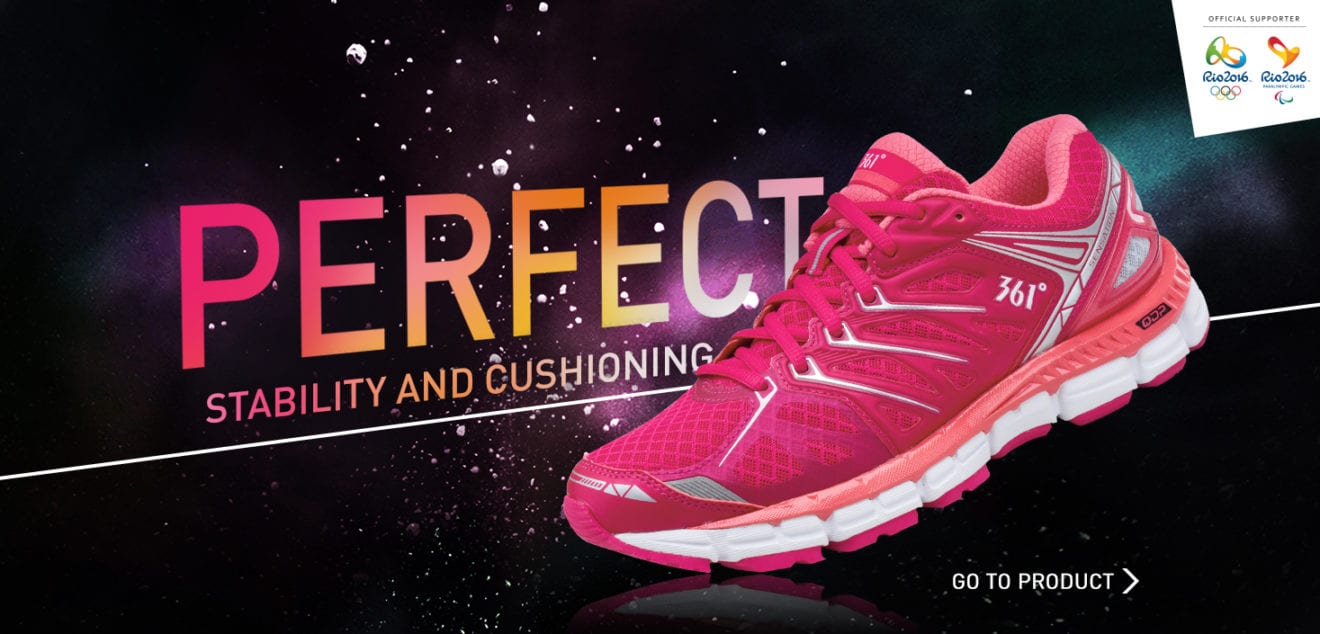
    Chinese sportswear maker 361 Degrees Group published its financial report for 2015 in Hong Kong, stating that its turnover reached CNY4.459 billion in 2015, a year-on-year increase of 14.1%; its gross profit was CNY1.823 billion; its gross margin was 40.9%; and its net profit attributable to shareholders was CNY518 million, a year-on-year increase of 30.2%.

    Meanwhile, by December 31, 2015, the company had distribution in 7,208 stores.

    The company said their children’s wear business showed strong performance. Since its launch in 2009, 361 Degrees’ children’s wear business achieved profit in six consecutive years. In 2015, its performance saw a year-on-year increase of 16% to nearly CNY600 million, accounting for 13.2% of the total operating revenue of the group. The number of children’s wear stores increased to 2,350.

    361 Degrees will continue to cooperate with the Finnish top outdoor brand One Way and promote three product series, which are for cycling, skiing, and outdoor adventure. At present, One Way has 47 owned stores in 23 Chinese cities, including Beijing, Shanghai, and Shenzhen.

    In the e-commerce sector, 361 Degrees is gradually improving the diversity and uniqueness of its e-commerce products. The e-commerce platform has also become an important channel for the company to launch smart products like smart shoes. So far, 361 Degrees’ online products and traditional store products each account for half of the business.

    In addition, 361 Degrees is actively developing new businesses and expanding overseas markets. By December 11, 2015, the company had 116 sales sites in America, 415 sales sites in Brazil, and 30 sales sites in Europe. Ding Wuhao, president of 61 Degrees, revealed that as an official partner of the Rio 2016 Summer Olympic Games, the company will fully expand the overseas markets with this opportunity.

  • Here is What Institutional Investors Think About China Jo-jo Drugstores Inc

    Here is What Institutional Investors Think About China Jo-jo Drugstores Inc

    China Jo-jo Drugstores Inc institutional sentiment decreased to 1 in 2015 Q3. Its down -1.50, from 2.5 in 2015Q2. The ratio is negative, as 5 investment professionals opened new or increased holdings, while 2 trimmed and sold equity positions in China Jo-jo Drugstores Inc. The investment professionals in our partner’s database now have: 783,924 shares, up from 321,572 shares in 2015Q2. Also, the number of investment professionals holding China Jo-jo Drugstores Inc in their top 10 holdings was flat from 0 to 0 for the same number.

    China Jo-Jo Drugstores, Inc. is a retailer and distributor of pharmaceutical and other healthcare products found in a retail pharmacy in the People’s Republic of China. The company has a market cap of $29.26 million. The Company’s operating divisions include retail drugstores, online pharmacy, wholesale business selling products similar to those the Company carries in its pharmacies, and farming and selling herbs used for traditional Chinese medicine . It has 33.31 P/E ratio. The Firm has 59 store locations under the store brand Jiuzhou Grand Pharmacy in Hangzhou.

    It is up 28.82% since August 11, 2015 and is downtrending. It has underperformed by 26.09% the S&P500.

    Analysts await China Jo-Jo Drugstores Inc to reports earnings on July, 4.

    According to Zacks Investment Research, “China Jo-Jo Drugstores, Inc., through its contractually controlled affiliates, operates a retail pharmacy chain in China offering both western and traditional Chinese medicine. Its contractually controlled affiliates include Hangzhou Jiuzhou Grand Pharmacy Chain Co., Ltd., Hangzhou Jiuzhou Clinic of Integrated Traditional and Western Medicine General Partnership, and Hangzhou Jiuzhou Medical & Public Health Service Co., Ltd. The chain has stores throughout Hangzhou, the provincial capital of Zhejiang Province.”

    Sabby Management Llc holds 0.05% of its portfolio in China Jo-Jo Drugstores Inc for 614,149 shares. California Public Employees Retirement System owns 29,300 shares or 0% of their US portfolio. Moreover, Morgan Stanley has 0% invested in the company for 34,787 shares. The New York-based Renaissance Technologies Llc has invested 0% in the stock. Sabal Trust Co, a Florida-based fund reported 12,400 shares.

  • HK’s Li & Fung 2015 profit down, but beats forecast

    HK’s Li & Fung 2015 profit down, but beats forecast

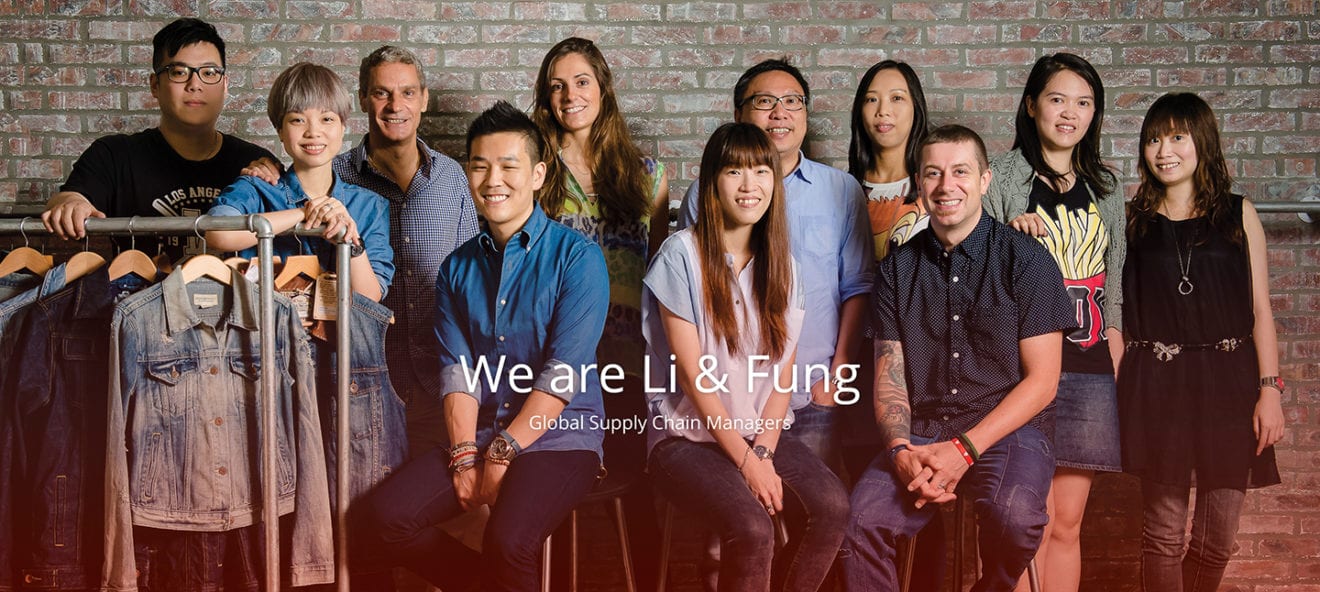
    Global exporter Li & Fung Ltd’s full-year profit fell 4.6 percent but beat analysts’ estimates, as growth in its logistics and vendor support services business helped overcome headwinds from global retail disruption and macro environment.

    The Hong Kong-based company, which grew to prominence by making clothing and toys in Asia for Western retailers, said on Thursday its net profit for the year ended Dec. 31 fell to $421 million from $441 million a year earlier.

    That compared with an average forecast of $413.2 million by 10 analysts polled by Reuters. Li & Fung, which supplies to companies like Kohl’s Corp and Wal-Mart Stores Inc, said core operating
    profit fell 15.2 percent to $512 million.

    Revenue fell to $18.8 billion from $19.3 billion a year ago, which was the biggest company by revenue for 2014 in Asia pacific in “Textiles & Apparel” industry.

    Textile companies in China are expected to post a 12-month forward revenue growth of 23 percent, the highest expected increase in the Asia-Pacific region in the “Textile & Apparel”
    sector, according to Thomson Reuters StarMine SmartEstimates, which emphasizes on recent forecasts by top-rated analysts.

    Li & Fung has refocused on its core asset-light supply-chain business following the sale of its loss-making brand-licensing and distribution business in 2014, helping it boost free cash flow and better control operating costs.

    The company, with a market value of about $5.3 billion, posted a 34 percent rise in January-June profit last year at $149 million.

    Analysts were concerned about inventory build-up at retailer level as inventories grew faster than sales growth in recent quarters. They worried that Li & Fung’s turnover would be affected as U.S. retailers focus on resolving high inventory levels.

  • China Takes Over Australia’s Domination of Bali’s Tourist Arrivals

    China Takes Over Australia’s Domination of Bali’s Tourist Arrivals

    Chinas tourists have taken over the domination of Australian tourists who so far top the list of foreign tourist arrivals in the Indonesian tourist resort Island of Bali.

    “I have predicted that the number of Chinese tourists visiting Bali will increase after the government provides them with a visa-free facility and the opening of smooth direct flights to China,” Tourism observer Dewa Nyoman said here on Sunday.

    This condition has been observed since in the past several months. Moreover, the economic conditions in Australia are not conducive of late, he said.

    In the meantime, he said, the Chinese economy is relatively encouraging now.

    Indonesian flag carrier Garuda has also expended its flight routes linking Denpasar with Shanghai after it has previously opened a flight route that connected Denpasar with Beijing and Guangzhu in 2015.

    It seems that Garuda Indonesia is focusing on its flight expansion in China as the countrys foreign tourists which conduct overseas trips are large reaching some 100 million.

    He said that based on the records of Balis Tourism Service, the number of Chinese tourists arriving in Bali increased by 30 percent in the first months of 2016, topping the foreign tourist arrivals list.

    In the January-February period, a total of 189,594 Chinese tourists arrived in Bali, up from 145,747 in the same period in 2015.

    In January – February 2015, the number of Chinese visitors in Indonesia was still recorded in the second position.

    The Australian tourists holidaying on the island of Bali in the January – February period this year declined by 0.96 percent to 154,892 people. In the same period in 2015, the number of Australian visitors were recorded at 156,395.

    Japanese tourists occupied the third place with 39,371 visitors recorded last January and February, down 2.89 percent from 40,544 in the same period last year.

    Duwa Putra expressed convince that this year the number of Chinese tourists will continue to increase, replacing the domination the Australian tourists. After all, the volume of flights from Australia is increasingly limited.

    Besides, Garuda also services passengers with its routes covering Beijing, Guangzhou and Shanghai via Denpasar and Jakarta.

    The numerous flights facilitate the desires of young Chinese who want to spend their honeymoon in Bali, he said.

  • Billionaire Li Ka-shing sounds alarm over Hong Kong’s economy

    Billionaire Li Ka-shing sounds alarm over Hong Kong’s economy

    Hong Kong’s economy is at its worst in 20 years, billionaire Li Ka-shing said on Thursday, warning that the city’s stock market could fall by more than half if the financial hub does not get backing from mainland China.

    Li, who held court and joked with reporters for more than an hour during an earnings news conference, is the latest person to sound the alarm after Moody’s downgraded Hong Kong’s sovereign credit rating at the weekend, citing its links to China’s economic slowdown.

    “Today’s Hong Kong is getting worse, the worst I’ve seen in 20 years,” said Li, 88, referring to the Asia financial crisis in the late 1990s. Our home sales and retail now is worse than the SARS period. During SARS (the effect) was short-lived but now it is long,” he said, in a reference to the Severe Acute Respiratory Syndrome that crippled the city in 2003.

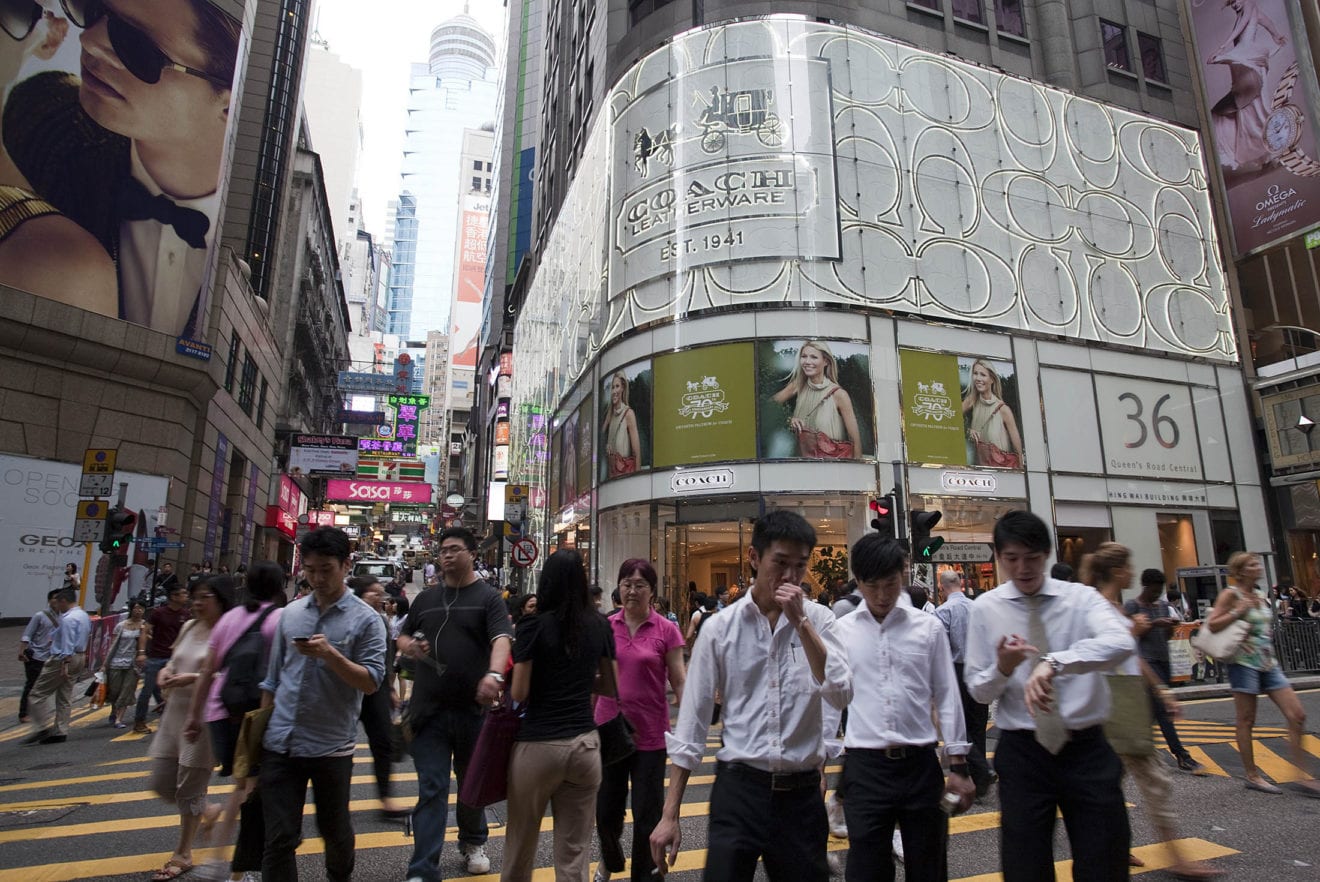
    Hong Kong retail sales, which suffered their worst decline in 13 years in 2015, have been hit by a slump in tourist from the mainland which has been blamed in part on increasing cross-border tensions and political unease on both sides.

    “If we respect tourists, no matter where they’re from, today our retail, hotels would not be this bad. So everyone has to reflect on themselves, there are a lot of issues the politicians need to reflect on how they can do better,” Li said.

    In February, Hong Kong’s Financial Secretary John Tsang said “political volatility” was threatening to undermine the economy and warned disputes would intensify ahead of this year’s elections which pit the city’s democratic opposition against pro-Beijing parties.

    A former British territory, Hong Kong is ruled under a “one country, two systems” formula that allows wide-ranging autonomy and freedoms not enjoyed in mainland China, but many in the city have voiced concern over what they see as increasing interference by Beijing in its affairs.

    Li, known as Superman for his deal-making savvy, said he does not think Hong Kong people want independence and urged residents to allow the city to be stable and prosperous.

    Earlier on Thursday, Li’s ports-to-telecoms conglomerate CK Hutchison reported a net profit of HK$31.17 billion ($4 billion) for 2015, in its first full-year earnings report after a reorganisation last year.

    Li continued to take questions from the packed conference even as company officials tried to usher him out, saying finally with a smile: “You guys are just expecting me to slip out something wrong.”


  • Fitch Asia appointed new chief

    Fitch Asia appointed new chief

    Fitch Asia, the retail and brand consultancy, has appointed a new regional CEO to cover north and southeast Asia.

    UK-born and Australian-raised Andrew Crombie will lead the company’s growth across the region from its Singapore hub, reporting to worldwide CEO Simon Bolton. Crombie will work closely with China GM Nikki Lin to expand opportunities in that market. He takes over from Ian Bellhouse, who is moving on to a new venture.

    Crombie has spent 25 years working in Singapore, Taiwan, Hong Kong and Malaysia in regional and global roles for agencies including Batey Ads, FCB, Havas and Ogilvy. He began his career in Australia working for such brands as American Express, Banyan Tree Resorts, BMW, Carlsberg, Dell, Dunhill, Guinness, Hennessy, IBM, Mercedes Benz, Porsche, Qantas, TagHeuer and Visa Gold.

    Most recently, he has been MD and partner at healthcare agency H&T Asia.

    “Andrew’s brief is to make Fitch famous in this region, and he’s the person to do that,” says Bolton. “No-one thinks about the customer journey more, and he will bring this expertise to Fitch along with his extensive understanding of the diversity and rich potential for retail and experience design within the region.”

    “It’s great to be joining Fitch at this time of profound change in how consumers are engaging with brands,” says Crombie, who takes up his new position on May 3.

    “Asia is poised to be at the forefront of innovation in retail and brand experience.”

  • Kose cosmetics reveals global ambition

    Kose cosmetics reveals global ambition

    Japan’s Kose cosmetics has unveiled a global marketing plan that aims to give it a strong international presence – including department store outlets in China, Malaysia and Singapore.

    The plan was revealed as it celebrated its 70th birthday, with a media event at Roppongi Hills in Tokyo, attended by actress Yui Aragaki.

    In response to the success of its flagship Sekkisei skincare line, Kose is giving it more prominence on retail floors, and has introduced a “Stand by You” concept.

    Sekkisei products feature Chinese and Japanese herbal ingredients. The brand has been growing for 30 years and is continually updated, says Kose Corporation president/CEO Kazutoshi Kobayashi. Its latest addition is Sekkisei Herbal Gel.

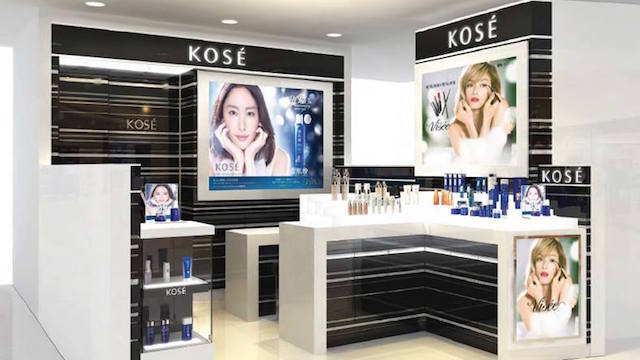
    A dedicated counter section has been designed by architect Kengo Kuma, in keeping with the store’s Japanese-motif interior design.

    “The counter uses a special material, high-density polyethylene non-woven fabric, and is lit from inside to represent the divine whiteness of Sekkisei,” says Kengo Kuma.

    The dedicated sections will launch inside department stores in Fukuoka, Osaka and Tokyo next month, and be added to a duty-free store location in Hawaii by the end of the year.

    Other locations are being established in department stores in China, Malaysia and Singapore, which will help Kose expand the Sekkisei network to seven countries within three years.

    According to the Nikkei Asian Review, Kose earns about 30 billion yen (US$266 million) in annual Sekkisei sales, and is looking to build this figure to as much as 60 billion yen by 2020.

  • Risk takers and growth makers look to China

    Risk takers and growth makers look to China

    With a theme of risk takers and growth makers it was inevitable that anecdotes about Australian business and China would feature heavily at The Australian Financial Review Business Summit, presented by BHP Billiton.

    China presents risks that are beyond the pale for boards of directors of most S&P ASX 200 companies and for many influential equity fund managers.

    Insurance Australia Group’s decision to pull the plug on a $1 billion investment in China said a lot about risk aversion on major company boards. The Telstra decision to not invest $1 billion in the Philippines suggests that capital will not be deployed in China even though the country wants to open up its telco market to competition.

    Risks in China that are rarely found in Australia include sudden regulatory changes, the blatant stealing of intellectual property and government decisions tied to China’s increasingly aggressive foreign policy.

    But the growth opportunities on offer in the world’s fastest-growing economy are so extraordinary that many smaller companies believe the rewards far outweigh the risks.

    That was the clear message from a range of speakers and panellists on the first day of the Financial Review Business Summit in Melbourne on Tuesday.

    Power of social media

    The most stunning anecdote came from Richard Henfrey, chief operating officer of Blackmores, the vitamins company which has stormed the Chinese market thanks to its “clean and green” image.

    Henfrey says sales of a Blackmores Vitamin E cream were running at about 3000 tubes a month when Chinese film star, Fan Bingbing, was photographed with a tube in her handbag.

    The photo was shared on social media and within weeks sales of the cream soared to 100,000 tubes a month. Today sales are running at about 500,000 tubes a month and still growing.

    Henfrey says the incident highlighted the power of social media in China. Blackmores has not had to pay the film star any money for her public endorsement of the product.

    But when asked by Chanticleer about the expansion of other Australian companies in China, Henfrey expressed surprised that others had not followed in the footsteps of Blackmores.

    He says other Australian vitamins companies had not invested in people and infrastructure inside the country.

    Blackmores has 25 people in its office in Shanghai and Henfrey is confident that staff numbers will grow to more than 100 within a year. He says Australians need to get over their fear of investing on the ground in China.

    In carving out a profitable niche in the Chinese vitamins market, Blackmores has had to navigate through tricky government regulations.

    Its success is partly due to bypassing tough government regulations in relation to medicines. Many of its vitamins are classified as food rather than medicines and this has helped to clear the way to its sales success.

    Its products are sold in about 10 per cent of the 50,000 pharmacies in China.

    Free trade zone a catalyst

    Henfrey says the establishment of the Shanghai Free Trade Zone had delivered a significant increase in sales because Blackmores could now used bonded stores to directly import products not covered by local regulations.

    This carries a strong message for other companies in Australia pondering expansion into China. The Shanghai Free Trade Zone, which was established on a pilot basis in 2013, presents growth opportunities for financial services companies.

    These opportunities were outlined in a recent paper by Jeff Schubert on behalf of the Australian Chamber of Commerce in Shanghai.

    However, the focus of discussion at the summit on Tuesday was in relation to food, tourism, education and property transactions.

    The enormous opportunities for Australian food companies in China were laid out in compelling presentation by Shaun Rein, managing director of China Market Research Group.

    Rein meticulously dissected the major drivers of consumer demand in China ranging from the impact of pollution on shopping habits to the shift in luxury purchasing habits from Louis Vuitton bags to international travel.

    He provided several embarrassing examples of international firms that had attempted to crack the Chinese market with ill-thought through advertising campaigns that showed a total misunderstanding for local consumer culture.

    Rein says CMR research showed that Polo Ralph Lauren totally missed the mark with its ads featuring blonde American models. These turned off Chinese buyers who thought the clothes would not fit.

    GAP made the same mistake by using a male model with tattoos, which are normally associated with Triad gangsters.

    He says one high-profile global manufacturer of fast moving consumer goods had made a grievous error by lowering its production standards in its Chinese factories with the inclusion of carcinogens banned in the United States.

    Pollution huge issue

    Pollution, according to Rein, is the single biggest issue transforming shopping habits in China. The air in Beijing and to a lesser extent Shanghai is often so toxic that it has forced an increasing number of people to shop online.

    Rein says that switch in consumer behaviour has not necessarily been reflected in the retail sales numbers published in China. He says traditional retail sales measures underestimate the strength of demand.

    Rein said research by CMR of people in China with a minimum of $10 million in assets showed that at least 60 per cent were making preparations to leave China, partly because of the fear that the pollution problem would get much worse.

    Pollution, says Rein, is one reason why Chinese do not trust products made in their own country. It is this distrust which is driving the demand for Australian beef, dairy and honey products.

    Raymond Yeung, a senior economist, Greater China Economics with ANZ Banking Group, told the summit that consumers now accounted for more than half of economic growth in China. He agreed with Rein that tourism presented a good opportunity for Australia.

    Australia must welcome Chinese tourists

    About 5 million Chinese visited Japan last year, about 6 million visited Korea but  only 1 million visited Australia.

    Simon Henry, the co-chief executive and founder of the top international real estate website in China, Juwai.com, says he is horrified at the low number of Chinese tourists visiting Australia.

    Juwai.com facilitated an estimated US$4.2 billion ($5.5 billion) in Chinese international real estate purchases in the 2013 calendar year, according to Henry.

    Henry’s contribution to the discussion related mainly to China’s insatiable appetite for foreign real estate. He has not found any lessening in demand despite the gradual decline in China’s economic growth.

    Demand for foreign property, according to Henry, has risen from $US5 billion in 2010 to $US52 billion in 2015. He says demand will reach $US220 billion by 2020.

    He says there are only two assets that are trusted by China’s “mum and dad” investors – gold and property. That is why the recent stock market gyrations had no impact upon demand for property.

    Yeung from ANZ provided a sobering assessment of the likely Chinese response to the possible election of Donald Trump as president of the United States.

    He says it is no surprise that China’s international priority over the past two years has been the One Belt, One Road infrastructure strategy. This policy focuses on Chinese investment in infrastructure in about 65 countries, most of which are to the west of the country.

    In fact that One Belt One Road strategy presents partnership opportunities for Australia’s major construction and engineering companies based on the experience of General Electric.

    John Rice, vice chairman of GE, told Chanticleer that GE did a deal at the end of last year in Pakistan which involved a Chinese electric power company, Chinese financing and a gas turbine from France.

    “The EPC was a Chinese company we have done business with for 20 years – Harbin – so we can bring partnerships we have established over decades in some cases to bear to win deals along the One Belt, One Road,” he said.

    “It was good for GE, good for the customer in Pakistan and good for China.”
     

  • Chinese Estates shares falls as much as 11 per cent despite rise in core profit

    Chinese Estates shares falls as much as 11 per cent despite rise in core profit

    Shares of Chinese Estates dropped as much as 11 per cent on Tuesday despite its core profit jumping 3.4 times last year to HK$16.78 billion, mainly driven by asset disposals.

    The company’s shares end the day 8.65 per cent or HK$1.80 lower at HK$19 after hitting an intraday low of HK$18.50.

    The hefty increase in core earnings, excluding revaluation gains on investment properties, folllowed the sale of investment properties including a Tsim Sha Tsui commercial building, The One, and buildings in Chengdu, Chongqing and Shanghai.

    In a filing to the Hong Kong stock exchange, Chinese Estates said a final dividend of 1 HK cent would be paid, down 98 per cent from 50 HK cents a year ago.

    Shareholders received a conditional interim dividend of HK$2 in January. The group will continue to closely monitor the changes in local consumption patterns – Lau Ming-wai, Chinese Estates

    Net profit, including revaluation gains on investment properties, fell 11.67 per cent to HK$7.72 billion last year due to lower rental income after its disposal of Silvercord and The One in Tsim Sha Tsui.

    Turnover tumbled 41.22 per cent to HK$1.54 billion.

    “The group remains cautiously optimistic in the rental income growth from its retail investment properties,” said chairman Lau Ming-wai, who is the son of Joseph Lau Luen-hung, the firm’s controlling shareholder.

    The group’s overall gross rental income from Hong Kong tumbled 35.23 per cent to HK$1.09 billion last year. Rental income from retail properties fell 50.8 per cent, while rental income from non-retail properties rose 7.09 per cent.

    Lau said some retail business sectors had shown indications of reaching their peaks, especially tourist-related business.

    “Although the group’s well-located retail investment properties in Hong Kong leased well during the year, the group will continue to closely monitor the changes in local consumption patterns, refine its tenant mix, boost customer flow and spending for its retail investment properties by organising various marketing and promotional activities,” he said.

    Lau said the disposal of MassMutual Tower in Wan Chai in January would mean the rental income contribution from office buildings would be significantly lower this year.

    Chinese Estates sold the MassMutual Tower to Evergrande Real Estate for HK$12.5 billion.

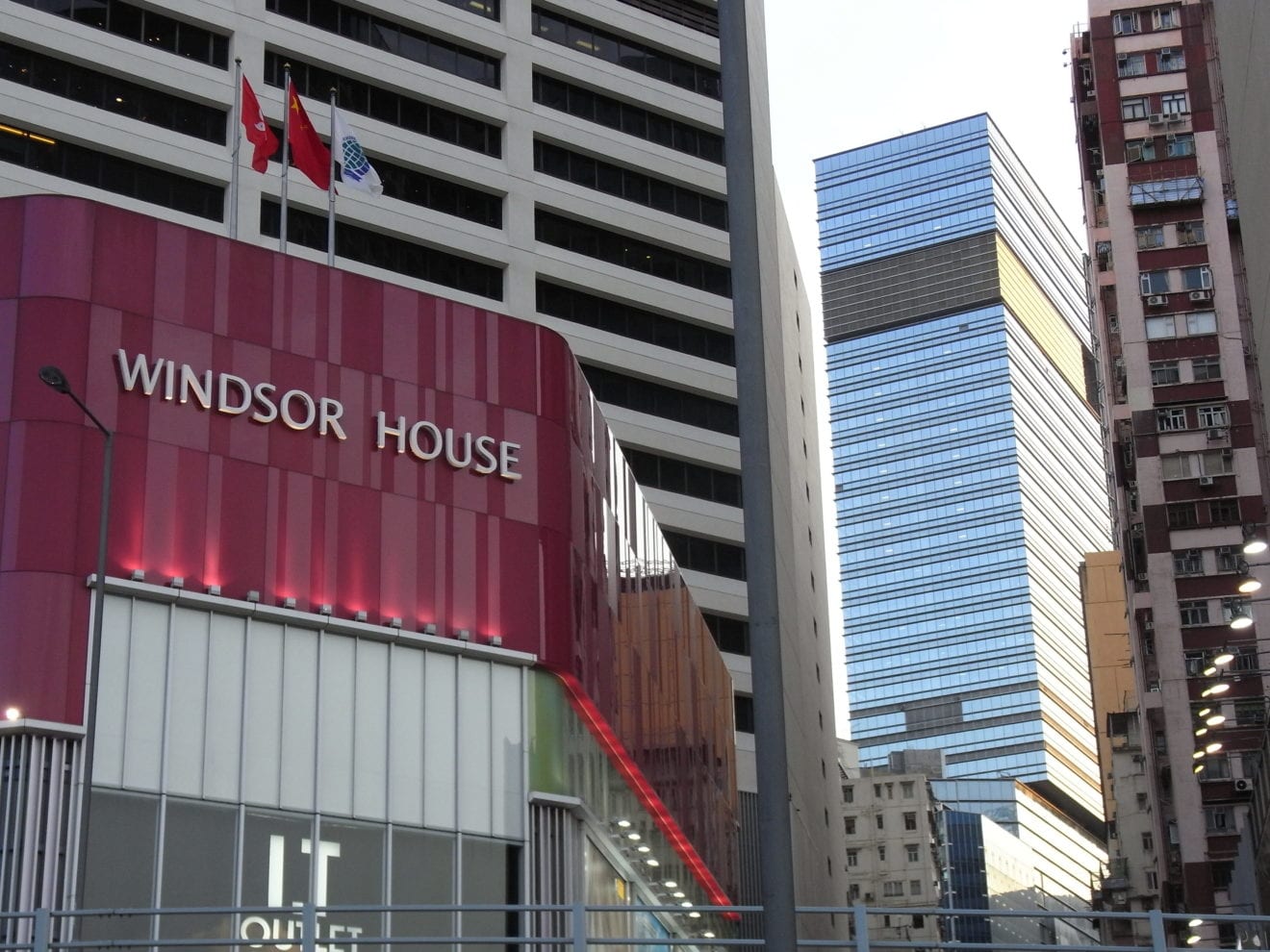
    In December , the firm sold the Windsor House in Causeway Bay for HK$12 billion to a company wholly owned by Joseph Lau. The deal will be completed this year.

    It said the majority of the sale proceeds from the sale of Windsor House would be declared as a dividend.

    This month, it said it had entered into a sale and purchase agreement with an independent party to acquire a London freehold property at St George Street, Mayfair, for £121.7 million (HK$2.33 billion).

  • Wearable technology goes beyond watches

    Wearable technology goes beyond watches

    There is more to wearable technology than wrist devices, with more than 25 exhibitors out to prove this at a consumer technology expo coming up in Shanghai.

    They will be showcasing the latest in wearable innovation at CES Asia, which returns to Shanghai from May 11 to 13.

    Owned and produced by the Consumer Technology Association (CTA) and co-produced by Intex Shanghai, the event is being hosted at the Shanghai New International Expo Centre (SNIEC).

    CTA research expects wearable sales in the emerging Asia-Pacific region to increase by 56 per cent this year.

    “Wearables are one of the fastest-growing areas of technology. They not only count our steps, they also track our mood, sleeping habits and even our pets,” says CES senior vice-president Karen Chupka.

    “The possibilities in this product category are endless.”

    Key companies exhibiting wearables at CES Asia include Garmin, Monster and Ximmerse, plus there is a wearables pavilion organised by the China Electronic Chamber of Commerce.

    New this year will be a CTA-hosted session entitled Innovative Wearables, at the Kerry Hotel on May 12. The panel will discuss innovations coming to market, as well as user interface and design.

    So far, 250 companies representing 20 countries across 15 product categories have signed up to exhibit at CES Asia, including 360, BMW, Hisense and Huawei.

    Formerly the Consumer Electronics Association, CTA is the trade association representing the $287 billion US consumer technology industry. It covers more than 2200 companies, 80 per cent of which are small businesses and startups.

  • Indonesia Offers Investment in Film Industry to China

    Indonesia Offers Investment in Film Industry to China

    Indonesia has offered an investment opportunity in the film industry to China with regard to developing national film industry.

    “We are offering 100 percent foreign ownership to support creative industry in Indonesia,” the head of Investment Coordinating Body (BKPM), Franky Sibarani, said at an Indonesia Business Forum on Thursday.

    He said Indonesia has the fourth biggest population in the world or 250 million population but the number of cinemas in the country totals only 1,100.

    The Indonesian government has revised the list of sectors not allowed for foreign investment and has opened investment opportunity of up to 100 percent foreign ownership in the film industry.

    The decision covers film making, distribution and exhibition or cinemas.

    When asked about interesting parties Franky said so far only South Korea that has expressed its interest while the US still has yet to study the policy.

    Regarding 100 percent foreign ownership he said that although foreign investment opportunity has been opened 100 percent “there is a provision requiring foreign parties to prioritize up to 60 percent national films. It would be better if our films could be exported.”

    Franky said Indonesian film industry must develop more professionally including in their making and distribution so that they can compete with foreign films.

    “We need investors to advance national film industry until it can export,” he said.

    Chinese film industry is growing quite well with the box office last year increasing 36 percent to US$4.77 billion supported by ticket sales for both domestic and Hollywood films.

    According to figures released on January 1 by the State Administration for Press, Publication, Radio, Film and Television Affairs (SAPPRFT) local film production raked US$2.6 billion in 2014.

    Although it has contributed successes in terms of production Chinese film production drops.

    In 2014 China produced 618 films down from 638 in 2013. From overseas sales their contribution has also declined collecting only US$304 billion last year.

    Critics have blamed tight censorship on films considered sensitive politically for reducing the worlds interest in local films.

  • Huawei Japan experience store planned

    Huawei Japan experience store planned

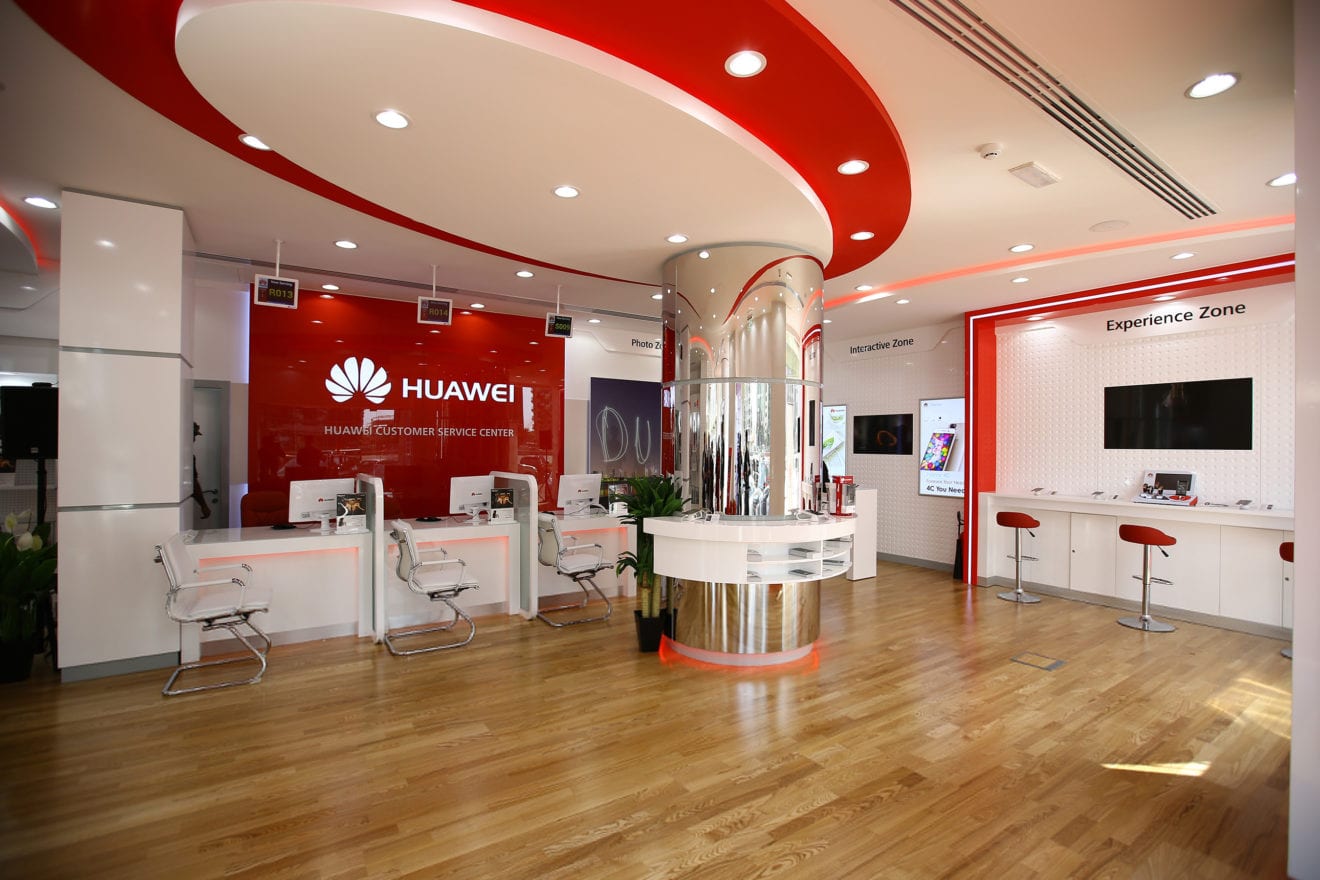
    Huawei Japan is to open its first smartphone experience store in Tokyo – but customers will not be able to buy a handset there.

    The Chinese phone manufacturer says it intends to use the outlet to provide services to users, improve brand influence and break the misunderstanding that low-price smartphones are not easy to use.

    While the store is scheduled to open in Tokyo before June, the company has yet to confirm the location.

    Meanwhile, Huawei plans to increase the number of its global smartphone stores from 23,000 to 40,000 – a 70 per cent jump. It is hoping to improve its sales performance in the smartphone sector, where growth has already started to slow.

    Huawei was ranked third by global smartphone shipments last year, trailing Samsung and Apple, and is aiming for second place.

  • Tom Tailor China opens online

    Tom Tailor China opens online

    German fashion retailer Tom Tailor has opened an online store in China, using JD.com’s JD Worldwideplatform.

    Tom Tailor describes its first online shop in China as “another important milestone in Tom Tailor China’s expansion, following the opening of the first Tom Tailor retail store in Shanghai last November.

    The Tom Tailor online shop features products from across the Tom Tailor, Tom Tailor Denim andTom Tailor Contemporary ranges.

    “In order to expand our online presence with the umbrella brand Tom Tailor in China, JD.com, as China’s largest e-tailer, is an excellent partner,” said Erika Kirsten, Tom Tailor’s manager of corporate communications.

    “JD.com has a high-value user base. With 155 million active consumers across the country who appreciate its versatile product range and superior customer service, JD.com provides the optimal platform for launching Tom Tailor in the Chinese online market.”

    Josh Gartner, JD.com’s senior director of international communications, said apparel is one of the fastest growing categories on the JD.com platform, “because customers know that only JD.com can provide reliable and convenient access to the latest fashions from local and international brands with a 100 per cent guarantee of product quality and authenticity”.

    Tom Tailor China currently has one standalone physical retail store in China and 14 shops-in-shops.

    Tom Tailor targets people aged up to 40, with a focus on high-quality fabrics. Bonita, one of Germany’s leading fashion brand producers and retailers, has been a part of the Tom Tailor Group since August 2012. Bonita sells menswear and womenswear collections for the over 40 age group.

  • Apple Continues Expansion in China with New Store Opening on March 19

    Apple Continues Expansion in China with New Store Opening on March 19

    Tech giant Apple has confirmed that a new Apple Store will open in Dalian, China, on March 19, 2016. The new store is part of the company’s ongoing mission to launch at least 40 new Apple Stores in China by October 2016.

    The new Apple Store will be located on 66 Olympia Plaza, marking it as Apple’s second retail outlet in the port city after it opened its first store In Dalian earlier in October 2015. Dalian’s central location and inflow of tourists from Japan and Korea will help the company further secure its tech presence in China, which Apple predicts will be its most dedicated market in the future.

    Apple’s agenda of launching 40 new outlets seems to be working out well after it opened stores in Nanjing, Hong Kong, Chengdu, Qingdao, Guangzhou, Xiamen, Beijing, and the “Green City” — Nanning, as part of its expansion plan. The brand new store will further strengthen Apple’s roots in China and prove great advertising for the iPhone maker in the hub of one of China’s most popular cities.

    The Dalian Apple Store will open at 10:00 am local time. Speculation suggests that this could be the same store which the company claimed to be its “largest flagship” outlet almost three years ago. However, there is no confirmation if the upcoming store will still be Apple’s largest company store to date. Considering that the iPhone maker has been working aggressively to establish its presence around the world, with new stores in Turkey and Singapore, there is a slight possibility that these former plans have changed slightly.

    Plans for Apple’s new store are already arousing curiosity regarding its architectural layout. The tech giant’s consistency in the architectural design of its stores helps give it a distinctive edge against other tech rivals, both local and international. Led by Angela Ahrendts and Jony Ive, the company’s focus on the design elements of its outlets is a clever marketing strategy for luring in more customers. The upcoming store is expected to feature some of Apple’s traditional store elements like a Genius Bar, JointVentures, workshops, and other Apple-based services.

    With the new store in Dalian, Apple could provide customers with an experience better than any other. Even though an Apple Store exists in Dalian, a brand new outlet might help drive more sales for the company.

    Therefore, judging by its fluent progress in opening new retail outlets in various regions of China, Apple seems well on track to fulfill its prophecy, and may even end up opening more than 40 stores by October.

  • China completes drafting e-commerce law

    China completes drafting e-commerce law

    China has completed a draft version of the country’s first e-commerce law, a lawmaker said on Thursday.

    The draft will be submitted as early as possible to the Financial and Economic Affairs Committee of the National People’s Congress (NPC) for review, said Uzhitu, vice chairman of the committee.

    After that, the draft e-commerce law will be presented to the NPC Standing Committee for further reading, Xinhua news agency quoted Uzhitu as saying.

    The legislation is necessary to deal with new problems in data protection and infringements upon customers’ interests, he added.