Tag: China

  • Tmall driving more than sales for top beauty brands

    Tmall driving more than sales for top beauty brands

    Scores of high-end cosmetics companies are setting up shop on Alibaba Group’s Tmall.com online marketplace as eCommerce continues to gain ground as a critical marketing and sales channel for reaching China’s increasingly sophisticated consumers.

    At the recent Tmall Beauty Awards ceremony in Shanghai, which celebrated the top cosmetics brands operating on the eCommerce platform, Alibaba announced that 29 well-known Western brands and 37 from Japan and Korea had storefronts on Tmall at the end of 2015, including more than 10 joining the platform last year alone such as Lancôme, Bobbi Brown, La Mer, Anessa and Avene. Another 20 cosmetics companies are planning to launch their own presence on Tmall this year.

    Alibaba also announced a cooperation agreement with Korean cosmetics maker AmorePacific Group to expand the latter’s Tmall presence. AmorePacific will add two more storefronts exclusively on Tmall for the Sulwhasoo and IOPE beauty brands in the following months. AmorePacific already operates the Laneige, Innisfree, Mamonde and Etude House e-shops on Tmall, and about 800,000 Chinese consumers have purchased goods from Laneige’s shop over the past three years, according to Alibaba. The brand also sold about 45,000 BB creams, or blemish balms, during Alibaba’s 11.11 Shopping Festival, bringing in US$1.4 million from that product alone.

    Alibaba has similar cooperation agreements with Procter & Gamble, Estée Lauder, L’Oréal and domestic retailer Shanghai Jahwa Corp.

    The eCommerce push by cosmetics companies comes amid strong growth in high-end cosmetics purchases by Chinese consumers. A report from Chinese research firm CBNData, released in conjunction with the awards, noted that total sales of cosmetics products in China climbed nearly 20 per cent to $74.1 billion last year from 2014. Citing independent researchers, CBNData’s report also said that online channels accounted for 36 per cent of that, or $27 billion, with Tmall controlling about a 70 per cent share of the B2C market. Alibaba Group is an investor in CBNData parent China Business Network.

    Tmall Cosmetics GM Mike Hu said total sales generated on all business-to-consumer retail websites in China currently account for 12 to 15 per cent of the entire cosmetics market, and he predicts those channels will grow by another 30 per cent to 50 per cent over the next two to three years.

    Hu stressed that Tmall offers more than just another sales channel to brands. It’s also a platform to promote new products, build a connection with customers and increase business both online and off. According to Hu, over 20 brands have introduced about 160 versions of products that were exclusive to Tmall shoppers, and the brands have launched more than 100 new products via the website in 2015.

    “Two or three years ago, eCommerce played as a sales channel since its significance grew and it helped enhance business,” said Gary Chu, online general manager at Estée Lauder China, said at the awards ceremony. “Now what we are thinking about is how to integrate brand property, content and products into our presence in Alibaba’s ecosystem to meet the needs and demands of the brand.”

    To that end, Estée Lauder has been engaging customers via its so-called Fans communities within the Tmall mobile app. One brand, Bobbi Brown, opened its Fans page last November and now has more than 640,000 followers. It offers make-up tips and sample trials, among other initiatives, to tackle customers’ most common inquiries in order to educate and interact with shoppers, while serving as a bridge to the Bobbi Brown storefront. In addition to the Fans page, the company also used Instagram-like photo sharing on Tmall to generate buzz about Bobbi Brown lipstick ahead of Chinese New Year earlier this month, and Estée Lauder regularly uses the Tmall mobile app to help launch new products.

    Alibaba Group CEO Daniel Zhang said Estée Lauder’s efforts are prime examples of ways brands can engage shoppers with content and convert interactions into business opportunities.

    “All the brands and merchants are the best content producers, and merchants should incorporate products into content that consumers are willing to read and eager to buy,” he said.

    Brands are also using their Tmall storefronts to boost their online-to-offline (O2O) business. So far 54 of them, including Estée Lauder, La Mer and Laneige, have integrated their online and offline membership programs and now allow users to make appointments for skin care treatments in brick-and-mortar stores online.

    Tmall will continue to promote O2O retail to “achieve the goal of same product, same service and same membership” online and offline, Hu said.

    Here are the winners from some of the biggest award categories from last Friday’s ceremony. The winners were chosen based on search popularity, interaction with shoppers, customer reviews, trial reports, sales and services among millions of customers and thousands of brands on Tmall in 2015.

    Most popular brands online: Laneige, Lancôme, Innisfree, Maybelline

    Hot search brands: Bobbi Brown, Avene, Sulwhasoo (which launched on March 1)

    Favorite brands among customers born in the 1990s:Sekkisei, The Face Shop, Hanhoo (Chinese domestic brand)

    Favorite brands among customers holding Alibaba Passport (shoppers spending more than RMB 100,000 ($15,270) annually on Alibaba’s platforms): Shiseido, Whoo, L’Oréal, Clarins, Innisfree

    Favorite brands among male shoppers: JVR (Chinese domestic brand), L’Oréal, NIVEA

    Best-selling brand: Pechoin (Chinese domestic brand)

    Outstanding and popular group: Estée Lauder Group

  • How UK Retailers Can Embrace The Chinese Ecommerce Opportunity

    How UK Retailers Can Embrace The Chinese Ecommerce Opportunity

    Within the next two years, China’s e-commerce market will top $1 trillion, making it bigger than the e-commerce markets of the US, UK, Japan, Germany, and France combined. Fuelled by greater internet and smartphone penetration, an expanding middle class with higher disposable income, and greater consumer confidence, over half of Chinese internet users having now made a purchase on the web.

    Surely then, UK retailers should be fighting tooth and nail for the loyalty and spend of these Chinese shoppers?

    Surprisingly, this is not the case. While over half of UK retailers (55%) ship to China, our research – into the international shopping experience offered by the UK’s top 150 online retailers – shows a massive variation in the quality of shopping experiences offered to Chinese shoppers.

    UK e-tailers are failing to accommodate a great number of Chinese shopping preferences and reducing the likelihood of conversions. For example, just over a quarter (26%) of retailers that ship to China offer shoppers the ability to pay in Yuan and present prices in local currency.

    The remainder are leaving shoppers in China to estimate for themselves how much products will cost to buy, which means shoppers could be hit by sudden currency exchange fluctuations or fees from their bank.

    Similarly, only 22% of retailers that ship to China offer shoppers the ability to pay using local payment methods, such as e-wallets and bank transfers like Alipay or Tenpay, which account for more than 80% of ecommerce payments, or Chinese payments cards such as UnionPay.

    Of retailers that do accept Chinese payment methods, 42% offer a single option, barring some prospective customers from making a purchase.

    Added to this, just one in ten (10%) retailers that ship to China offer shoppers a Mandarin-language shopping experience. Since the majority of people living in China don’t speak English fluently, shoppers are likely to feel unconfident about making a purchase if they are expected to use an English-language checkout.

    It’s clear from these customer experience shortcomings that the majority of UK retailers are failing to exploit the burgeoning Chinese ecommerce market fully. This puts them on the back foot when it comes to winning long term loyalty and purchasing preference.

    Retailers simply can’t afford to offer shoppers a second rate experience, especially when failing to localise the online store can make shoppers nervous and can quickly sour a great online experience.

    So, how can retailers rectify this and improve the customer experience to grow sales in China?

    Here are our top tips-

    •       Improve the experience for Chinese shoppers. The first rule of international trade is that, in order to be successful, customers must enjoy the same experience regardless of where they are in the world. Retailers should offer shoppers in China the same, high quality experience that shoppers in the UK and elsewhere expect to receive.

    •       Offer multiple shipping options at reasonable rates. To give Chinese shoppers the confidence to buy, retailers must offer greater choice as well as competitive prices. This is especially critical in China where clearance processes can be very lengthy for non-experienced carriers. Moreover, it’s important to have a simple and transparent returns process in place, so if something goes wrong, shoppers will be confident that it will be resolved quickly and easily.

    •       Display prices in Chinese Yuan. There are few things more off-putting than exchange rate uncertainty when buying from a retailer in another country, and this is particularly disconcerting at times of high currency fluctuation. Retailers should present shoppers in China with prices in the local currency, so that shoppers can feel confident about how much they are paying.

    •       Try to put the customer’s mind at ease. Most shoppers in China expect and prefer to pre-pay customs charges or handling fees when shopping online, so retailers should avoid any potential for nasty surprises, by being upfront about these charges and offering pre-payment.

    With e-commerce sales in China set to exceed $1 trillion next year, retailers must pay more attention to China in the years ahead. However, delivering a localised shopping experience doesn’t have to require a dedicated Chinese website or months spent negotiating with the local supply chain.


  • China $1.1T eCommerce Market On Horizon

    China $1.1T eCommerce Market On Horizon

    According to a recent report from Forrester, total eCommerce revenue for China, Japan, South Korea, India and Australia is projected to nearly double in the next five years, from $733 billion in 2014 to $1.4 trillion by 2020. That same report goes on to detail how these five Asian online economies have already outpaced the combined online retail markets in the U.S. and all of Western Europe, with China and India ranking as the two largest and fastest-growing markets worldwide.

    It goes on to point out that the Chinese market already surpassed that of the U.S. in 2015, and China remains the world’s largest eCommerce market, despite seeing its overall economic growth dip below 7 percent for the first time since 2009.

    “While the days of staggering year-over-year eCommerce growth in China are gone,” wrote Lily Varon, lead author of the Forrester report and analyst for eBusiness and channel strategy, “current growth rates are solid and more consistent with other mature markets in the region, like Japan and South Korea.”

    Varon also went on to project that China would continue to lead the region’s market growth, expanding to be nine times larger than Japan’s $122 billion market in 2020 and 17 times larger than South Korea’s $65 billion.

    India is also projected to see online sales expand by five times, fueled by a rapidly increasing number of online shoppers entering the market and per capita online spend continuing to increase. However, in the case of India, Varon noted that the country’s underdeveloped logistics, “challenging” connectivity, as well as a traditionally cash-based culture, would pose significant challenges to online retailers looking to grow the online India market.

    The Forrester report goes on to note an important and defining trend across the region: the dominance of Web-only retailers, such as Rakuten and Amazon in Japan; Taobao, Tmall and Jingdon in China; and Flipkart and Snapdeal in India.

    “Consumers have flocked to online pure-plays rather than their traditional retail counterparts,” Varon wrote. “In very few markets in the region do traditional retailers hold any dominant position or even come close to competing with the Web-only giants.”

    Having noted the significance of Web-only players, Varon shared that omnichannel functionality had not been as robust in Asian markets as it had in the U.S. or U.K. This, though, was starting to shift, as more traditional retailers start to make the move towards eCommerce in Asia. Australian retailers have been forced to play catch-up, with omnichannel offerings, such as click-and-collect, being adopted by global players, like TopShop and Zara, and helping to bring omnichannel services to the local market.

  • China aims for +6.5% growth for 2016 to 2020

    China aims for +6.5% growth for 2016 to 2020

    There will be no ‘hard landing’ for the Chinese economy, despite growth forecast cuts, according to Xu Shaoshi, the Head of China’s state planning agency, commenting on the draft outline of the 13th Five-Year Plan on national economy and social development at the 12th National People’s Congress (NPC).

    This message was delivered loud and clear in the Great Hall of the People in Beijing last Saturday, despite Asia’s leading economic powerhouse missing its growth target of around 7% last year. The economy is said to have grown by 6.9% in 2015 – the lowest level in 25 years – according to the Chinese Government’s official news arm, the Xinhua News Agency.

    At the same time, Chinese Premier Li Keqiang pointed to lower growth expectations in his opening speech and more challenging times. He also announced a lowering of the economic growth target for this year to between 6.5% to 7% – a level most nations and economies around the world would obviously welcome, although this range over five years is much slower than the rates seen over the last 25-30 years.

    However, Xinhua reports that the bottom end of this new target figure is understood to represent the ‘minimum growth required’ for China to attain its stated target of doubling its 2010 GDP and per capita income level within four years by 2020.

    RISING TO NEW ECONOMIC CHALLENGE
    Li Keqiang also announced that China’s GDP is now forecast to be in excess of CY92.7 trillion ($14.2 trillion) in 2020, compared with CY67.7 trillion in 2015, according to the draft, submitted to the National People’s Congress (NPC) annual session, which opened Saturday, for review.

    The new five-year plan contains a number of important new policy measures, including the amazing prediction that China will create more than 50m new urban jobs in the next five years.

    Xinhua also points to the Chinese Premier’s promise to try and help improve the quality of life for poverty-stricken rural residents, as well as reduce the number of heavily polluted days in large cities by 25%. However, this last aim will require a cap on industrial factory output that the country has so far been slow to implement.

    Meanwhile, on the transport front, China is expected to complete its target of 30,000km of high-speed railways to link 80% of big cities nationwide. This is expected to take more pressure off the country’s airports where domestic flights are routinely delayed and many airports suffer from severe congestion.

    China-US-Tourism-Year-2016-Opening

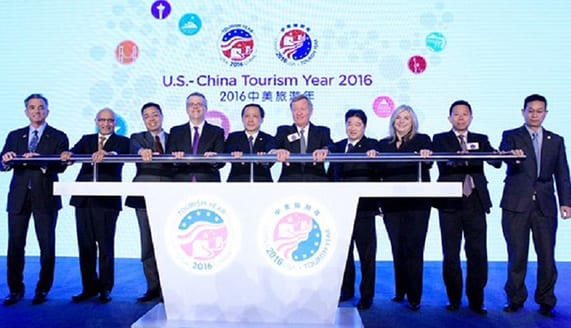
    CHINA-US TOURISM YEAR: This year (2016) is China-US Tourism Year, with Chinese President Xi Jinping sending a message of welcome to a high-powered tourism delegation from the US last week. He said: “I hope we’ll take this opportunity to expand personnel exchange, reinforce cultural exchange and foster a more solid social basis for bilateral relations development. American tourists are welcome to China. I wish 2016 China-U.S. Tourism Year a complete success.” US President Barack Obama reciprocated with his message: “Please get ready for more and more Americans are travelling to China. I also look forward to and welcome more Chinese to the United States. I believe that the more we understand each other, the more we can work with each other.”(Photo Credit: China National Tourist Office).

    The recent announcement related to the creation of more duty free arrivals shops in China is also entirely in line with these ‘readjustments’ to the Chinese duty free regulations, as predicted last year and reported last month.

    This follows the Chinese Government’s move to reign in a bigger share of high duty free spending levels by its Chinese nationals abroad, by authorising multiple duty free arrivals shop openings at leading airports and border points.


  • 2016 China Fixed-Asset Investment Growth Target at Around 10.5%

    China’s economic planning agency said Saturday that it aims to realize around 10.5% growth in fixed-asset investment this year.

    Beijing had set a 15% growth target for fixed-asset investment in 2015, but actual growth came in slower at 10% as the world’s second-largest economy lost momentum.

    The National Development and Reform Commission also said it expected retail sales to increase by 11% in 2016, compared with a target of 13% in 2015. Last year, China’s retail sales rose 10.7% from a year earlier.

    China attracted $126.27 billion in foreign direct investment in 2015, up 6.4% from a year earlier, and it reported $ 118.02 billion overseas direct investment last year, up 14.7% year-over-year.

  • Toys’R’Us Asia Pacific chief retires

    Toys’R’Us Asia Pacific chief retires

    Toys’R’Us has announced that Monika Merz, president, Asia Pacific, will retire effective May 31. Her successor will be named later.

    Monika-Merz

    As president of Toys’R’Us Asia Pacific, Merz oversees all operations and business activities for the company’s more than 300 stores in Japan, Southeast Asia, Greater China and Australia, responsible for the continued growth, profitability and success of the company in those markets.

    Since she started working at Toys“R”Us, Merz has been instrumental in the development of new store formats and merchandising concepts that have been successfully translated to other markets, ultimately strengthening the company’s position in the global marketplace.

    Dave Brandon, chairman and CEO, described Merz as a highly regarded leader “who has inspired new ideas, demonstrated innovative thinking and unwavering passion for the business and grown our Toys’R’Us brand internationally, even through challenging times and market transitions”.

    Merz’s retirement will bring to a close a remarkable career of nearly 20 years of continuous service to the company. She joined in 1996 as VP and GM, Toys’R’Us, Canada and was promoted to president, Toys’R’Us, Canada four years later. In 2007, she assumed leadership of Toys’R’Us, Japan. Her role was expanded to include responsibility for the company’s stores in Australia in 2011, and, later that year, she gained oversight of the company’s locations and corporate offices in Southeast Asia and Greater China when the company entered a joint venture agreement with Li & Fung to operate these formerly licensed stores.

    “During my time at Toys’R’Us I’ve had many experiences and challenges, but I’ve always been supported by exceptional teams and leaders,” she reflected. “I’m proud of all that we have accomplished and confident that the work we have done to provide a fun and memorable shopping experience for customers will continue after my retirement. After more than eight years in Asia Pacific, I’m now looking forward to returning to Canada and a new stage in my life.”

  • Taubman Asia opening centre in Xi’an

    Taubman Asia opening centre in Xi’an

    A modern shopping experience is promised in north-west China’s Xi’an city with the opening next month of a seven-level shopping centre, anchored by a Wangfujing Department Store.

    The joint development has been developed by Hong Kong-headquartered Taubman Asia, a subsidiary of Taubman Centers, and the Wangfujing Group.

    “We have taken a disciplined approach to growth in Asia and are thrilled to see our first China project come to life,” says Taubman Asia president Rene Tremblay.

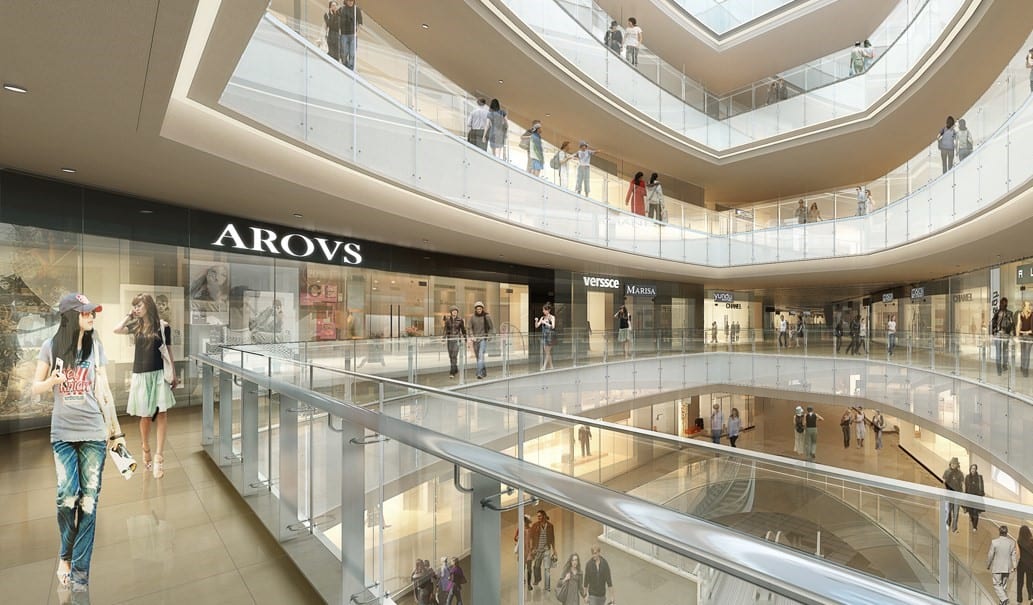
    Opening on April 28, the 90,000 sqm CityOn Xi’an shopping centre is in the heart of Xi’an’s new CBD and administrative center. It will have a mix of domestic and international designer and lifestyle brands from fast fashion to accessible luxury.

    CityOn Xi’an shopping centre

    It will also feature local, regional and international cuisine across all price-points and in both seated restaurants and quick-service formats, as well as child-friendly experiential, educational and entertainment offerings.

    “There has been excellent tenant demand and we expect to well exceed 90 per cent
    leasing at opening,” says Taubman Asia group VP for leasing Paul Wright. “The stellar line-up of brands shows great confidence in CityOn Xi’an.”

    Tenants include:

    Retail: Bershka, BJIL Moda, Candies, Coach, Forever 21, Gap, H&M, I Do, INXX, La Babite, La Chapelle Group, Ludao Ordinary Life, Massimo Dutti, Me&City, Monki, Muji, Nordic by Nature, Vero Moda, P+, Semir, Stradivarius, UR, Westlink, Yishion Classic, Zara and Zara Home.

    F&B/entertainment/kids/lifestyle: Balabala, Cartoony World, Cousin Restaurant, Gymboree, Holiland, Impression of MaWei, Kids World, Kidsmoment, Ma La Kuai Le Ying, MusangKing, Nobleman Training Club, Open Life, Open Oven, Oscar International Cinemas, Pacific Coffee, PGL, Quan Zi/Jessie Wa/Brunch&Coffee, Romp n’Roll, Rong Li Ji, Skyland Food Court, Starbucks, Tanyu, Xi He Ya Yuan Peking Duck, Xu Ji Seafood.

    Taubman Asia is a subsidiary of Taubman Centers, and the platform for the US mall company’s expansion into China and South Korea. Founded in 1950 with headquarters in Michigan, the parent company owns, manages and/or leases 23 regional shopping centres in the US and Asia.

    Founded in Beijing in 1955, the Wangfujing Group is committed to transforming its traditional department store business into a modern retail group. Its sales network spans seven major economic zones in China with 46 large-scale retail stores in 28 cities, including department stores and shopping malls.

  • China leads digital payment adoption globally: Report

    China leads digital payment adoption globally: Report

    China has the highest adoption rate in the world for technology-enabled payment systems, the media reported on Thursday.

    In a survey of 13,000 respondents in 26 countries, 86% of Chinese respondents said they paid for online purchases during the past six months via digital payment systems compared with a global average of just 43%, the China Daily reported.

    The survey report by the market research firm Nielsen was issued on Wednesday

    About 98% of the respondents in China, the world’s largest e-commerce market, said they had made purchases online.

    At 71%, food-related businesses topped the list of purchases made via smartphones while event ticket purchases stood at 51%.

    The rising use of digital payments has attracted numerous players to the Chinese market.

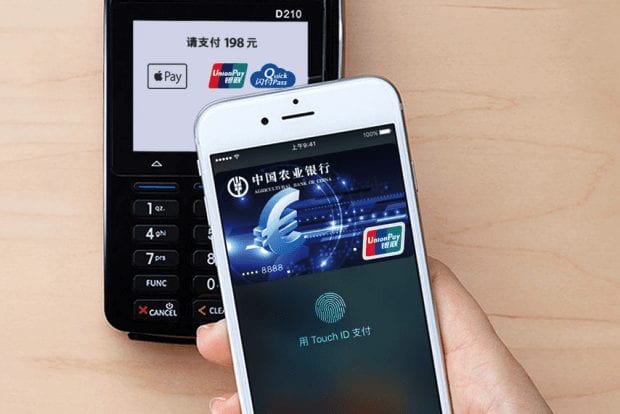
    Apple launched its contactless payment system Apple Pay in the Chinese mainland last month. It allows users of the iPhone 6 or more advanced versions, certain iPads and Apple Watches to pay by their devices in bricks-and-mortar stores.

    The new service immediately became a hit.

    Samsung Electronics Co Ltd is expected to bring its own mobile payment service to China in mid-March.

    China’s internet giants Alibaba Group Holding Ltd and Tencent Holdings Ltd have already taken about 90% of the mobile payment market, but industry observers said the competition is just about to start.

  • Alibaba plans stake in China business magazine

    Alibaba plans stake in China business magazine

    The publisher of one of China’s most respected business magazines, Caixin, said today it was seeking new investors following reports e-commerce giant Alibaba plans to take a stake in the company as it looks to expand its media empire.

    Alibaba founder Jack Ma is seeking to diversify beyond the core business of providing online retail platforms and in December bought Hong Kong’s premier English-language newspaper, a move that raised concerns about media independence.

    Caixin Media provides financial and business news through its flagship magazine and several other platforms under the editorial leadership of Hu Shuli, who has received international attention for her brand of investigative journalism within the boundaries of the Communist-ruled state.

    Bloomberg News said today that Alibaba’s financial services unit Ant was in talks to invest in Caixin Media, but gave no size or price for the stake.

    China’s TMTpost, a business technology information provider, reported that the deal had already been signed.

    Caixin Media said in a statement it was about to bring in “several high-quality institutional investors”, without identifying them.

    “The new investors, like the original shareholders, respect Caixin Media’s principal of editorial independence which is not influenced by the business interests of shareholders,” it said.

    A spokesman for Alibaba declined to comment.

    The December purchase of Hong Kong’s South China Morning Post for $266 million has sparked fears the newspaper will lose its independent voice, in what analysts see as part of a gradual erosion of press freedoms after the semi-autonomous city was returned to Chinese rule in 1997.

    Others have compared Alibaba’s media push under Ma to that of Amazon founder Jeff Bezos, who bought the respected Washington Post newspaper two years ago. Ma’s net worth is now around $27.3 billion, according to Bloomberg Billionaires.

    Caixin’s biggest shareholder is China Media Capital, a Shanghai-based media and entertainment investment firm, which in December bought a $400 million stake in Premier League football giants Manchester City.

  • Hong Kong January retail sales fall for 11th straight month

    Hong Kong January retail sales fall for 11th straight month

    Hong Kong retail sales, which suffered their worst decline in 13 years last year, saw weak sentiment extending into January on slumping tourist arrivals, weak local consumption and a strong local currency.

    Retail sales in January slid 6.5 per cent from a year earlier to HK$43.6 billion (US$5.61 billion) in value terms, compared with an 8.5 per cent decline in December. In volume terms, January sales decreased 5.2 per cent.

    “The near-term outlook for retail sales will remain constrained by the sluggishness in inbound tourism,” the government said in a statement. “External uncertainties, including a dimmer global economic outlook and US interest rate normalisation, may add further headwinds.”

    The value of retail sales fell for a second year in 2015 – down 3.7 per cent – the biggest decline since 2002 when they dropped 4.1 per cent.

    Hong Kong is confronting mounting economic challenges as the prospect of US interest rate rises drives fears of capital outflows that could put pressure on the financial hub at a time when China’s economy is growing at its slowest pace in 25 years.

    Tensions that have rocked the city, including protests over the Lunar New Year that was sparked off by street vendors, have added to the strains on the retail and tourism industries already suffering from a drop in mainland tourists.

    EXPENSIVE DESTINATION

    The strong Hong Kong dollar, which is pegged to the US dollar, has made the city an expensive destination and China’s cash-rich tourists are heading for more exotic destinations.

    Hong Kong tourist arrivals, which fell 2.5 per cent in 2015 in the first decline since 2003, dropped 6.8 per cent from a year ago to 5.23 million in January. Mainland visitors, which accounted for 77 per cent of the total, slumped 10 per cent to 4.04 million.

    Hong Kong’s comparatively high rents also hurt retailers as fewer mainland tourists come to shop, forcing operators to close and scale back expansion.

    January sales of jewellery, watches, clocks and valuable gifts in value terms fell 16.3 per cent, a 17th consecutive month of decline.

    Department store sales slid 3.6 per cent on year, against a 12.3 per cent drop the previous month. Wearing apparel fell 4.9 per cent while medicines and cosmetics decreased 3.6 per cent.

    Hong Kong’s top jeweler Chow Tai Fook Jewellery Group and cosmetics chain operator Sa Sa International Holdings saw sales declines at least 20 per cent during the key Lunar New Year shopping season in February.

    Department store operator Lifestyle International also saw a double-digit decline in sales during the holiday.

    Last week, Hong Kong rolled out a multi-billion dollar package of sweeteners to bolster its economy as a slowdown in China and rising political tensions deepen its economic woes.


  • AB InBev sells SABMiller’s stake in Chinese brewer

    AB InBev sells SABMiller’s stake in Chinese brewer

    The world’s top brewer, Anheuser-Busch InBev, has agreed to sell SABMiller’s stake in China’s leading beer maker to the local partner for $1.6bn, as part of a mega-merger between the giants.

    China Resources Beer (Holdings) Co will buy the 49% stake in Snow Breweries, its joint venture with SABMiller, it said in a statement to the Hong Kong stock exchange, where it is listed.

    It said the deal would go through “as soon as practicable” after AB InBev, a Belgian-Brazilian company, takes over SABMiller.

    AB InBev announced in November last year that it would buy SABMiller for $121bn — the third-largest acquisition in history — creating a juggernaut that brews three times as much beer as its nearest rival.

    Analysts said the sale appeared aimed at persuading Chinese regulators to sign off on the deal.

    AB InBev aims to complete the SABMiller takeover by the end of this year, and said last month the plans were on track.

    “After the acquisition deal between AB InBev and SABMiller, their market share in China would have exceeded 40%. This may not pass the antitrust survey by the ministry of commerce, so AB InBev had to sell the stake,” Guotai Junan Securities analyst Song Tao said.

    The Snow Breweries venture, set up in 1994, has a market share of about 24% in China and operates 98 plants across the country, according to SABMiller, which describes the venture’s Snow product as the world’s biggest beer brand.

    AB InBev already has a presence in China with a 15.9% domestic market share and 39 beverage plants as of 2014, according to the company.

    But analysts said that shedding the Snow Breweries holding was a setback for the newly formed entity in the world’s biggest beer market, while China Resources Beer — part of the massive conglomerate China Resources — loses a strong foreign partner, leaving it weak in the premium segment.

    “Losing the Snow Breweries stake has a huge impact on the foreign brand because it will lose the price negotiation advantage it used to have with raw material suppliers and the scale-of-production advantage from the factories,” said Stacey Yu, an analyst at consultancy Business Connect China.

    Analysts said competition was expected to intensify in the Chinese beer market, where growth was slowing in the face of economic headwinds.

    “Without one company dominating the market and enjoying increased pricing power, the beer market will remain fiercely competitive,” Mr Song said.

    AB InBev has acquired or formed partnerships with a number of leading Chinese brewers and doubled its China business in 2006 by acquiring Fujian Sedrin Brewery.

    At 10.10am,

    SABMiller shares were up 0.49% at R925.74 at 10.10am on the JSE, valuing the company at about R1.8-trillion, while AB InBev had added 1.26% to R1,792.31, valuing the company at about R2.8-trillion.

    In Hong Kong, shares in China Resources Beer jumped 25% to their highest level in five years, regaining ground lost so far this year after the stock was dropped from the main constituents in the Hang Seng index.


  • China’s Retail Sector Emerged as a Bright Spot in Slowing Economy

    China’s Retail Sector Emerged as a Bright Spot in Slowing Economy

    China’s retail sector shines

    China is facing an economic downturn, but Chinese consumers are hopeful about its economy. According to Boston Consulting Group, China’s total retail sales are forecasted to grow by 50% to $6.5 trillion by 2020 with online transactions growing by nearly 25%.

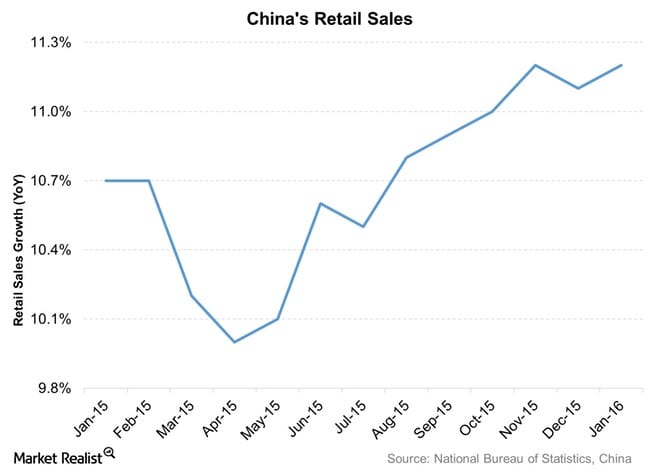
    Retail sales were up by 11.2% in January 2016 due to Lunar New Year holiday shopping. In 2015, retail sales grew by 10.7% YoY to 30.09 trillion yuan, slower than the 12.0% increase recorded in 2014. Urban retail sales of consumer goods were up by 10.5% YoY to 25.9 trillion yuan.

    Rural areas have become a major source of retail sales growth. Retailers are focusing on rural China to increase the penetration of e-commerce. In 2015, rural retail sales were up by 11.8% to 4.19 trillion yuan.

    Chinas Retail Sales 2016-02-28Enlarge Graph

    E-commerce played a major role in driving up retail sales. In 2015, the national online retail sales of goods and services grew 33.3% YoY to 3.88 trillion yuan, according to the National Bureau of Statistics of China. Some of the leading players in China’s e-commerce segment are Alibaba Group Holdings (BABA), Baidu (BIDU), JD.com (JD), NetEase (NTES), and 58.Com Inc. (WUBA).

    According to Fortune Character, a luxury product consulting firm, Chinese consumers accounted for 46% of global sales of luxury products in 2015.

    Transition from export-oriented economy to consumer-driven economy

    After a slowdown in demand and rising debt levels in the manufacturing sector and reduced dependence in the export business, China is shifting its focus to a consumption-driven economy. Although this transition would be painful in the near-term, it has the potential to deliver robust growth to China in the long term.

    Mutual funds such as the Templeton China World Fund (TCWAX) and the Fidelity Advisor China Region Fund – Class A (FHKAX) have exposures of 31.3% and 21.5%, respectively, to the consumer discretionary and consumer staples sector combined. These funds stand to gain immensely due to positive performance in the retail sector.

    After having a brief overview of China’s macroeconomic indicators, let’s begin our assessment of China-focused mutual funds.

  • DFS launches new Spring Galleria campaign

    DFS launches new Spring Galleria campaign

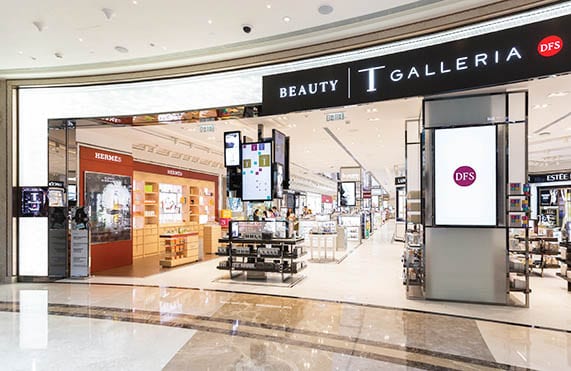
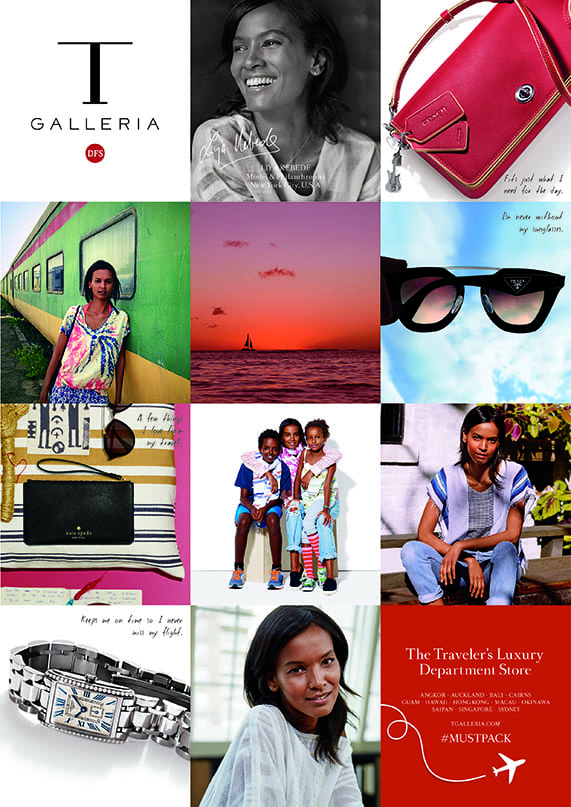
    DFS Group has announced its new Spring 2016 campaign tie up with three international influencers and global travellers to support and celebrate the launch of its new travel #mustpack concept – aimed at equipping travellers with the essentials ‘for wherever your journey takes you’.

    The new campaign features Ethiopian philanthropist and model Liya Kebede, Chinese model Zhao Lei and Chinese actress Chen Ran and is designed to provide DFS’ customers with a photographic inside track on these celebrities’ #mustpack journey choices, using photos and stories from their personal travels.

    DFS says that the campaign will run between March, April and May, allowing its customer to interact with the campaign in-store, online and through its social media channels.

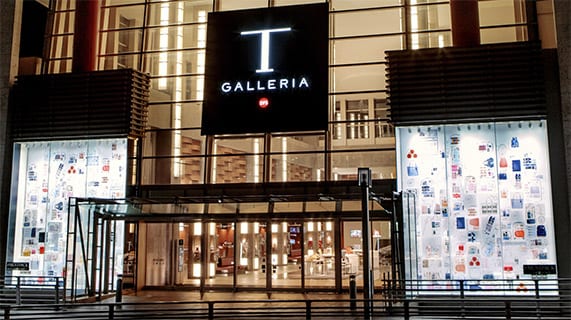
    T Galleria

    How the new T Galleria front window displays look in Hong Kong.

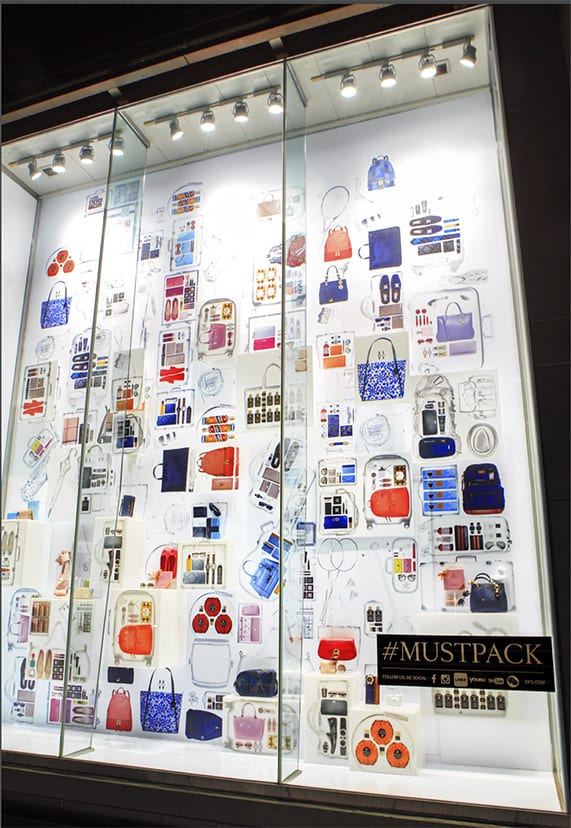
    Mustpack window close up

    A close up of the #mustpack store window display.

    Customers will also be able to connect with each influencer, as well as their travel destinations, plus the selected #mustpack products that will be available for sale at T Galleria by DFS stores

    Commenting on the campaign, John Gerhardt, Senior Vice President, Creative Branding Direction, DFS Group said: “This season we were particularly inspired by those #mustpack items you have to have with you throughout your journey.

    “We wanted to bring that story to life by showcasing Liya, Zhao and Chen’s love of travel through their own personal travel photos, as well their true travel #mustpacks.”

    ‘IMMERSIVE’ DIGITAL EXPERIENCE…

    The retailer says that the new campaign is being shown utilising three videos featuring Liya, Zhao and Chen, plus ‘an immersive digital experience’ at TGalleria.com where customers can discover the videos and travel guides as well as the season’s #mustpack products.

    DFS’ customers in Hong Kong will also be able to meet the influencers, with Zhao Lei set to host a shopping night at T Galleria by DFS, Hong Kong, Canton Road on March 17 and Chen Ren attending the T Galleria Beauty by DFS, Hong Kong at Causeway Bay on April 14.

    The campaign brands feature #mustpack products from 15 of DFS’ most popular brands, including Estée Lauder, Givenchy, Prada, Bulgari, Rémy Martin and others and DFS says this is ‘just a sample’ of the from the 700 brands across its ‘five pillars of luxury’.

    Adding her comments, Sibylle Scherer, DFS Group President Merchandising and Consumer Marketing said: “Our Spring 2016 campaign’s celebration of travel as well those essential items you have to bring with you along the way, truly brings to life everything our customers love about DFS.

    Big 2 T Galleria by DFS Spring 2016 Campaign Featuring Liya Kebede_verticalSTORES ‘PACKED’ WITH #MUSTPACK PRODUCTS
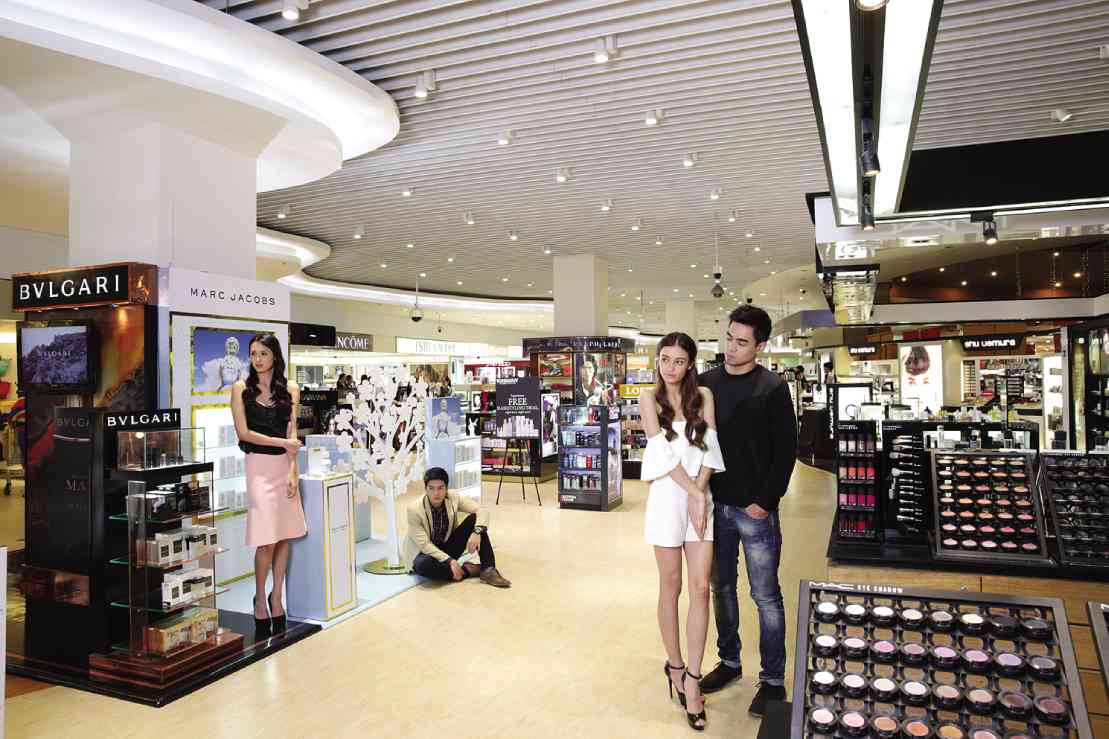
    “From fashion and beauty to watches and wines, our stores are packed with the #mustpack products that complete your journey and we’re thrilled that Liya, Zhao and Chen have joined with us to share that story this season.”

    DFS adds that its store windows now show “x-ray” views into the various suitcases displaying this season’s collection, while in-store customers encounter highlighted #mustpack products at multi-category display tables.

    These are designed to simulate the experience of unveiling products through an airport security x-ray machine.

    DFS concludes that this campaign will also run on social media, with T Galleria by DFS teaming up with various influencers in key DFS locations, such as Gaile Lok in Hong Kong, Halley Elefante in Hawaii and Andrea Chong in Singapore. They will also be giving away the season’s best #mustpack products for dedicated followers of @DFSOfficial.


  • China court jails 24 people over $1.5-bln financial fraud

    China court jails 24 people over $1.5-bln financial fraud


    A court in southern China has jailed 24 people for fraudulently raising nearly 10 billion yuan ($1.5 billion) in one of the country’s biggest financial scams, the official Xinhua news agency said.

    The group was convicted of illegally raising funds during the decade to 2012 from more than 230,000 investors, mainly senior citizens who put in their life savings, it said, citing the court.

    Guangdong Bangjia Leasing Co set up four firms in the southern province and many branches and subsidiaries across China, luring retail investors to buy memberships and fund nonexistent loans by promising returns of as much as 47 percent.

    The case spotlights growing risks in a loosely regulated wealth management products industry, which lures millions of unsophisticated retail investors to high-yield products offered by opaque online finance firms and privately run exchanges.

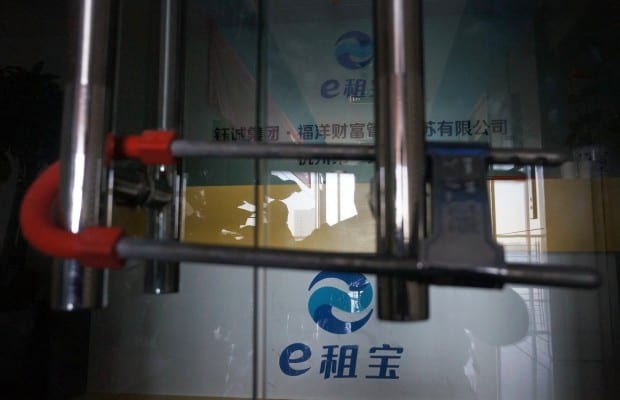
    In February, authorities arrested 21 officials of Ezubao, once China’s biggest peer-to-peer lending platform, which collected $7.6 billion in less than two years from more than 900,000 investors.

    Ezubao used savvy marketing, authorities said, to fund “a complete Ponzi scheme”, that used investor funds to support a lavish lifestyle for company executives.

    Last year, hundreds of angry investors also hit the streets in Beijing and Shanghai after losing $6 billion from the Fanya Metals Exchange, which offered investment products promising an annual return of up to 14 percent.

    The Guangzhou Intermediate People’s Court on Monday sentenced the main suspect in the Guangdong fraud, Jiang Hongwei, to life in prison, while the others received terms ranging from 3 years to 14 years, Xinhua said.

    The court has frozen and seized their assets, including 127 vehicles and 43 villas, but prosecutors said few victims might get their money back, since Jiang had squandered millions on luxuries, the agency added.

    Some older investors who lost money in the Guangdong fraud said they were attracted by its fancy branding.

    “Their grand exhibition occupied six halls,” Xinhua quoted one elderly woman from Jiangsu province as saying.

    “After attending it, I felt assured and decided to invest 700,000 yuan,” she added. “It was all the savings my husband and I had.”

    ($1=6.5397 Chinese yuan)


  • Global duty free retailing to hit US$98 billion

    Global duty free retailing to hit US$98 billion

    Global duty-free retailing is expected to reach nearly US$98 billion in revenue by 2019, according to a new study by global technology research and advisory company Technavio.

    With the expansion of low-cost airlines, many middle-class travellers are taking inexpensive holidays, a trend that has helped the Asia Pacific and Middle East emerge as the fastest-growing regions for duty-free retail marketing, says Technavio analyst Vijay Sarathi.

    He says China, India, Indonesia, South Korea and Sri Lanka were among some of the most-desired inexpensive destinations in 2014.

    “During the same period, it is estimated that international tourist inflow in APAC increased to almost 263 million travellers, and it has largely helped the market grow until 2019.”

    Just released in London, Technavio’s report, Global Duty-Free Retailing Market 2015-2019, provides an in-depth analysis of market growth in terms of revenue and emerging market trends.

    By products, the global duty-free retailing market for 2014 comprised fashion accessories and hard luxury (32.1 per cent), perfume and cosmetics (29.21 per cent), wines and spirits (16.02 per cent), tobacco (12.43 cent), and confectionery and fine food (10.25 per cent), says the report.
    It says the fashion, accessories and hard luxury segment was valued at close to $20.81 billion, with the most in-demand products including precious jewellery, briefcases, handbags and shoes. The more popular brands include Armani, Burberry, Fossil, Gucci and Michael Kors.
    Technavio researchers say Chinese travellers emerged as the largest consumers of luxury brands last year, contributing nearly 25 per cent of global revenue.
    The perfumes and cosmetics segment is one of the fastest-growing categories in the global duty-free retailing market. APAC and the Middle East are the key regions for this category, with some of the top-selling brands including Chanel, Christian Dior, Estee Lauder and Guerlain.

    With close to 21.5 per cent of revenue share in the category, L’Oreal created a division especially for duty-free stores in 2013, describing the division as “the sixth continent”. In 2014, L’Oréal launched theVichy and Kerastase brands in the duty-free retail segment in Asia, and also launched the Three-Minute Beauty program to engage with potential luxury product buyers at airports.
    The liquor category is expected to grow to $13.47 billion in 2019. In 2014, Diageo opened two Johnnie Walker Houses in duty-free shops in India and Taiwan.