Tag: China

  • China’s Alibaba signs 5-year loan deal

    China’s Alibaba signs 5-year loan deal

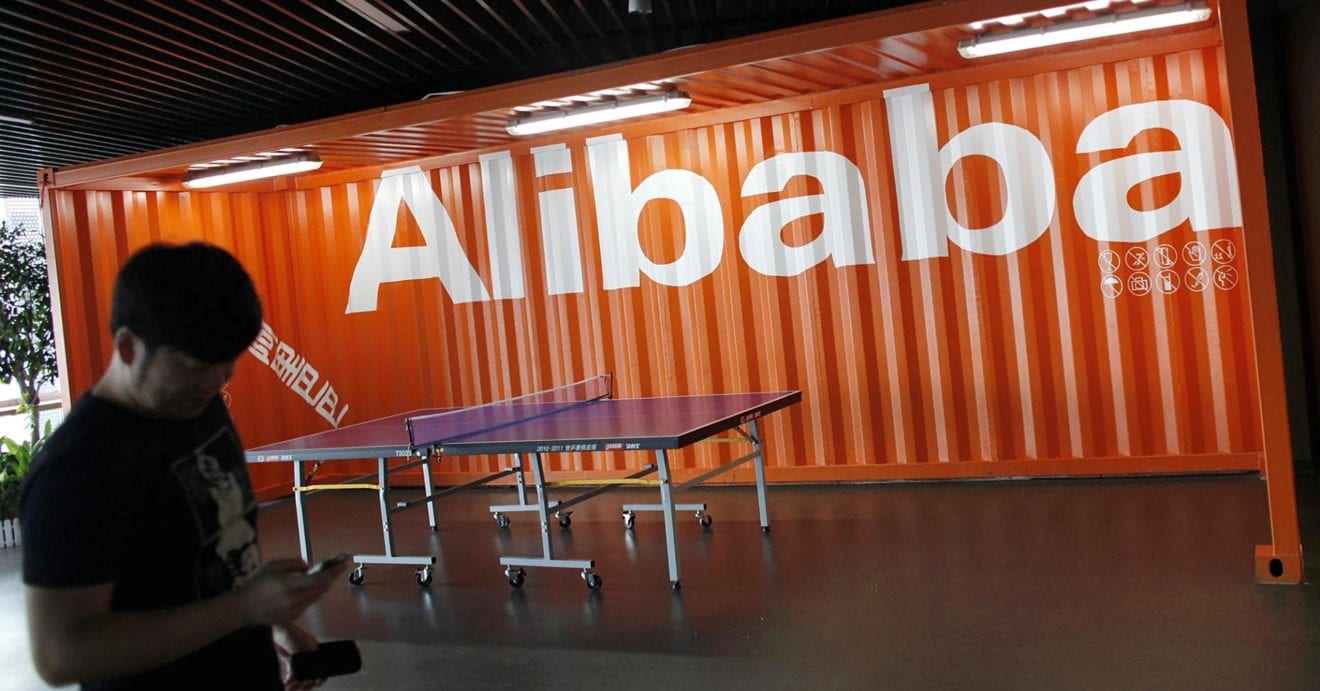
    China’s Alibaba Group Holding Ltd  said it has signed a deal for a $3 billion five-year loan, which will help the e-commerce giant as it snaps up stakes in companies within China and overseas.

    Alibaba, led by founder Jack Ma, has been expanding in areas beyond its core e-commerce base, such as online video, as volume growth in its online shopping business slows.

    The firm said in a filing to the US Securities and Exchange Commission (SEC) that it had signed the syndicated loan deal with a group of eight lead arrangers. It added that the amount could increase if there was steep demand.

    “The loan, which is subject to upsize through over subscriptions in syndication, has a five-year bullet maturity and is priced at 110 basis points over LIBOR,” the company said in the filing, referring to the benchmark interest rate used by many global banks when making loans.

    Alibaba added that the loan would be used for “general corporate purposes”, without expanding on what this meant.

    The Wall Street Journal cited sources last month saying Alibaba was in talks with several banks to borrow up to $4 billion to fund expansion plans, including acquisitions.

  • Hugo Boss to review store growth close some China

    Hugo Boss to review store growth close some China

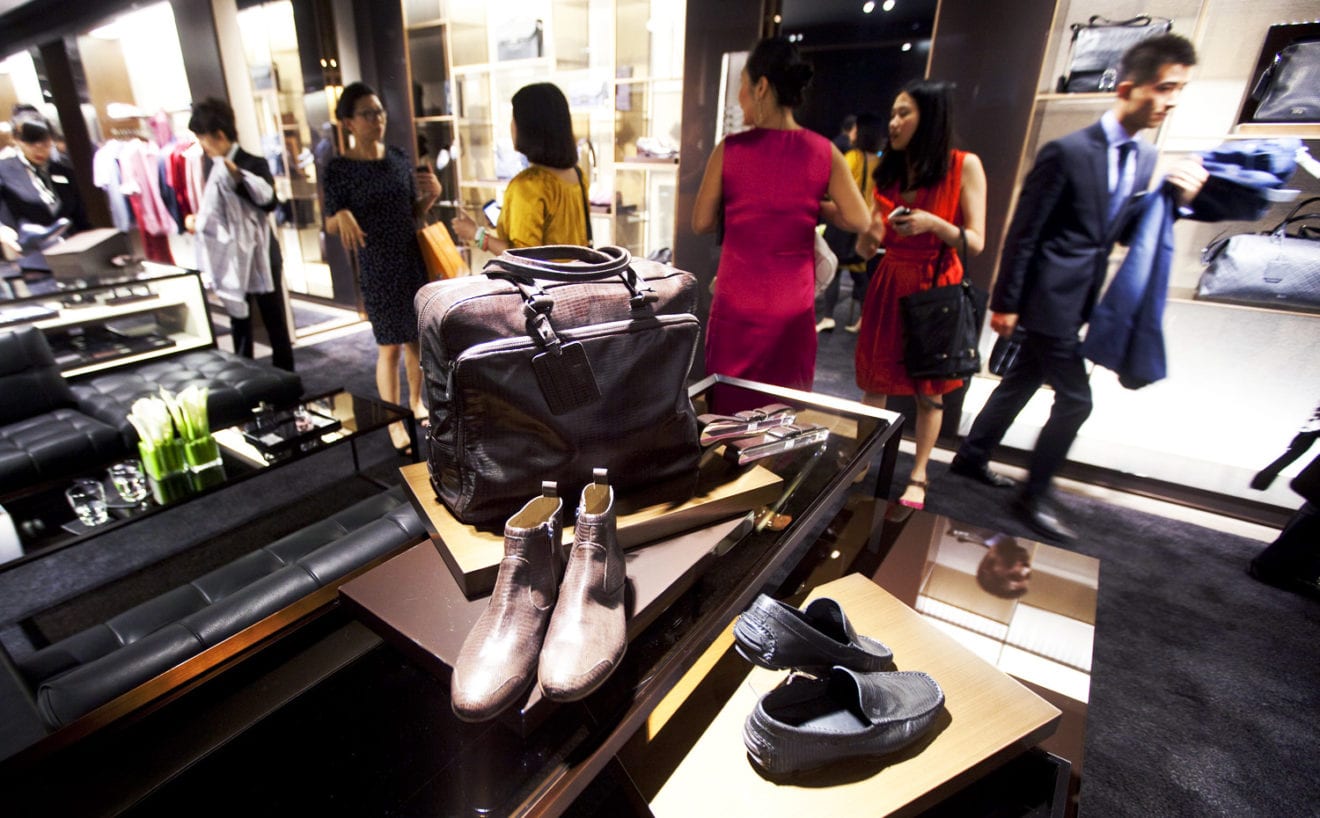
    German fashion house Hugo Boss is closing outlets in China and will review its global store network as it tries to revive its fortunes following the departure of its chief executive last month after a profit warning.

    Like other upmarket fashion retailers, Hugo Boss has been hit by a slowdown in luxury spending, particularly in China.

    In a strategy shift last November the German label known for its smart men’s suits said it would restrict new store openings to top global locations as it worked to expand online sales.

    On Thursday, it said it was going further. It will close around 20 of its 145 stores in greater China and make extensive renovations to others there. After a review of its entire store estate, it could close more outlets elsewhere and will open fewer than 20 stores worldwide, down from a net 72 last year.

    That marks a turnaround from a few years ago when the fashion house went on a global expansion drive after being bought in 2007 by private equity firm Permira. Under now departed Chief Executive Claus-Dietrich Lahrs, it was opening more than 100 stores a year, driving rapid growth in both sales and its share price.

    The slowdown in China’s economy and a clampdown on conspicuous consumption there has since hit luxury brands hard. However, Hugo Boss said that price cuts it made recently in China to bring them closer to European levels had boosted demand in recent weeks.

    It slashed prices for its spring collection by 20 percent in China, with another 10 percent due in the second half, Finance Chief Mark Langer told a news conference. A suit that costs 500 euros in Germany still costs 900 euros in China though, he said.

    The company also said it plans to expand its digital activities and bring the running of its online business in Europe in-house in May to better coordinate with its stores.

    Hugo Boss used to sell most of its range wholesale to outlets like department stores, but now makes more than 60 percent of sales from its own retail business.

    Brands that sell from their own retail space can boost margins and maintain more control over how their garments are presented, but the strategy can leave them exposed in a downturn due to fixed rental and staff costs.

    Total investment in 2016 would be below 200 million euros ($220 million), down from 220 million in 2015, but the company announced an unchanged dividend of 3.62 euros per share, helping send its shares up 3 percent by 1009 GMT.

    “Hugo Boss is still a healthy and growing company,” Langer said.

    Last month’s profit warning sent Hugo Boss’s share price tumbling, and the stock was still down 27 percent this year after Thursday’s gain, trading at a big discount to rivals like LVMH and Burberry.

    “We expect the dividend and free cash flow comments to be reassuring,” said UBS analysts, after the company pledged to impose “rigorous” control of stock to ensure a rise in free cash flow.

    Italy’s Marzotto family is now the biggest shareholder in Hugo Boss after Permira gradually sold down its holding.

    The company gave no update on the hunt for a successor to Lahrs, but said it had a long list of candidates.

    Lahrs took the company more upmarket and also expanded into women’s wear, a strategy Langer defended from criticism by some analysts, highlighting double-digit growth for its BOSS label for women in 2015. ($1 = 0.9107 euros)

  • Apple Pay launched in China

    Apple Pay launched in China

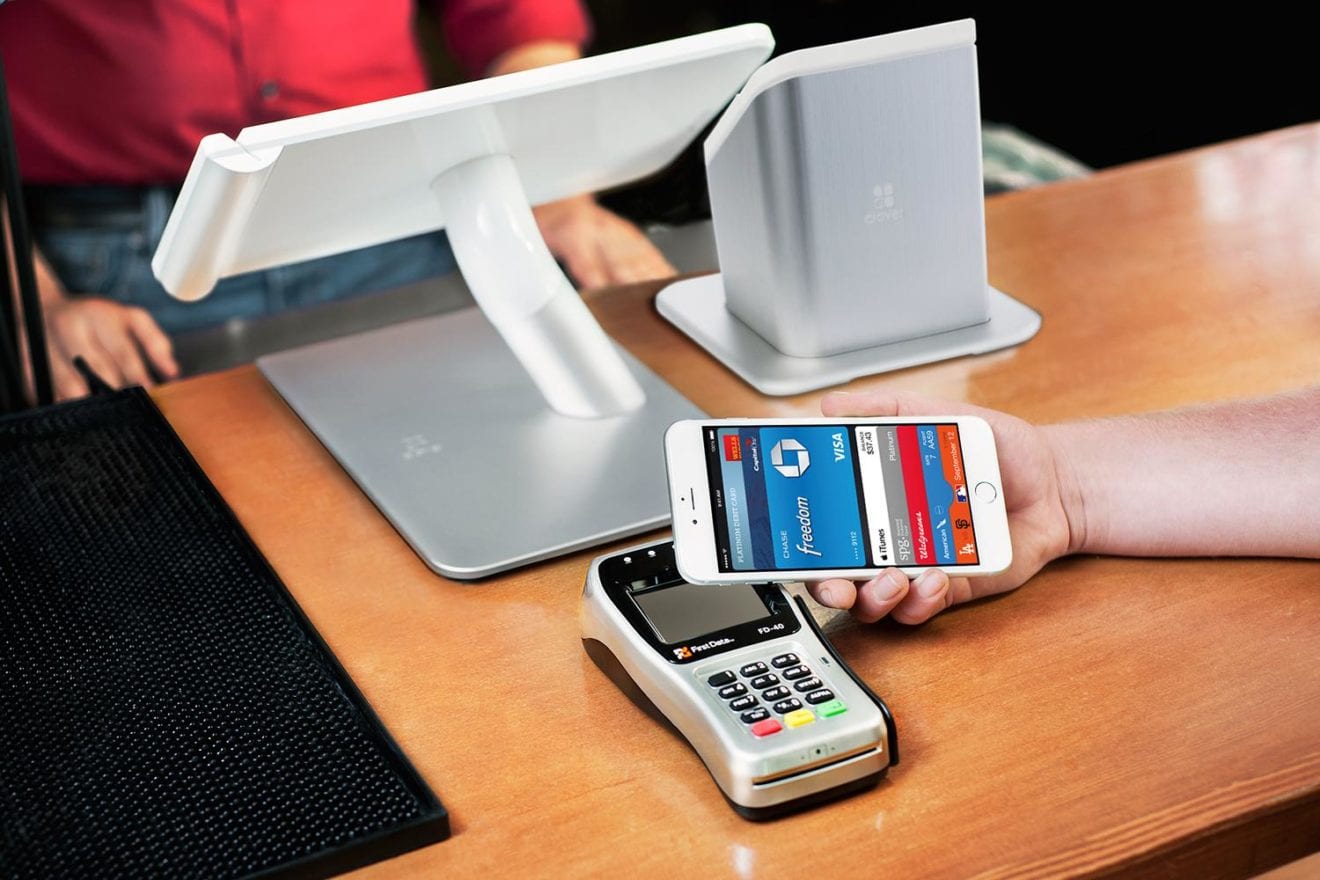
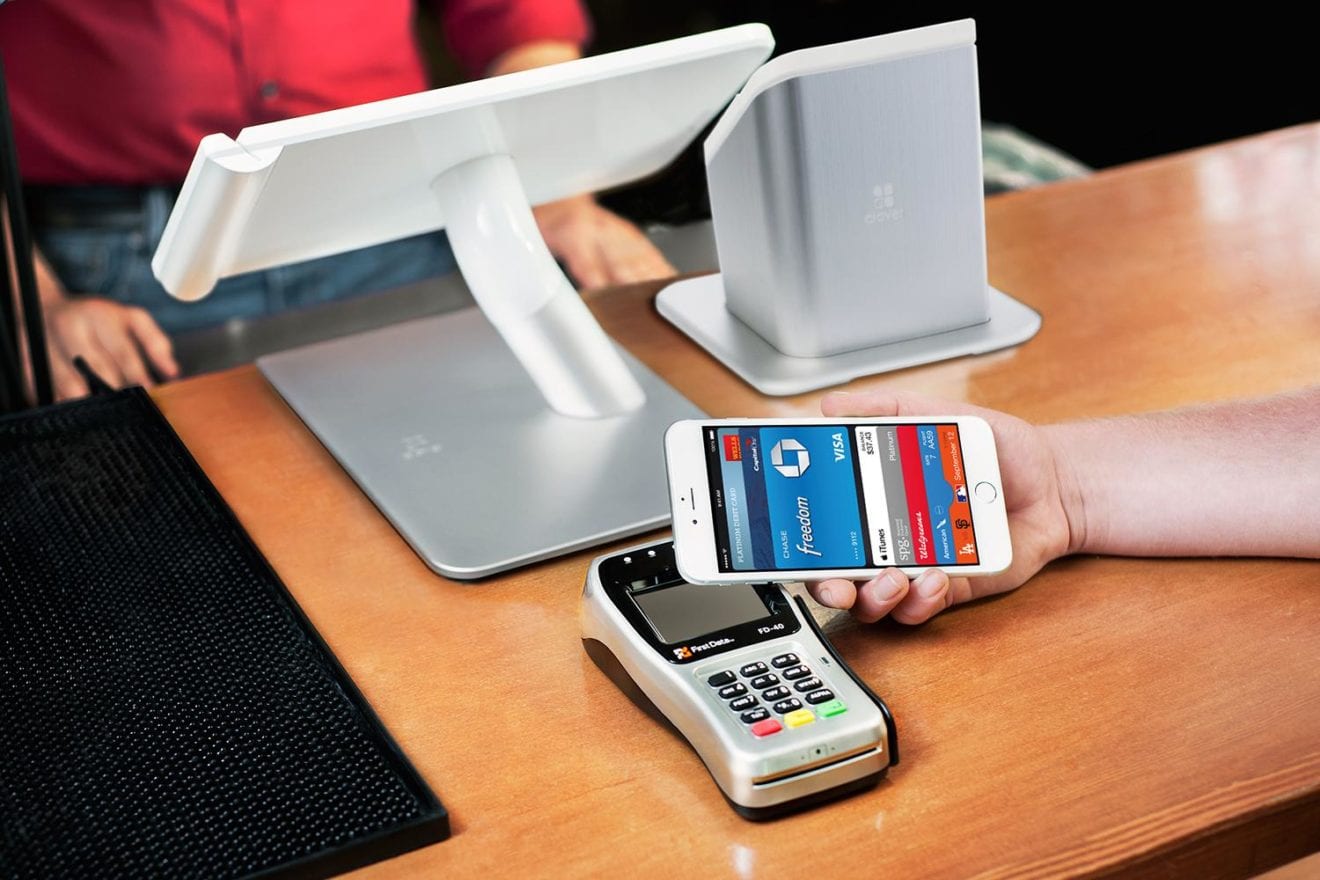
    Apple has confirmed that its alliance with China’s state-owned bankcard association, China UnionPay, will allow the lender’s cardholders to use Apple Pay from 3rd week of February.

    The union between Apple and UnionPay was announced late last year, but was subject to various approvals.

    Shoppers around the world are being encouraged to use smartphones instead of cards to pay for in-store purchases.

    Alibaba’s Alipay currently dominates China’s electronic payments market.

    Apple confirmed its expansion into China on its website.

    “You can now support Apple Pay for your customers in China, providing an easy, secure, and private way for them to pay using their China UnionPay credit and debit cards,” the firm said.

    Apple’s head Tim Cook later announced the launch of Apple Pay in China early on Thursday via his Weibo account.

    Several reports have indicated that as many as 20 China-based lenders will be supporting Apple Pay, including the Industrial and Commercial Bank of China (ICBC).

    ICBC had not responded to written inquiries on Thursday, however.

    Growing market

    There has been a rapid take-up of smartphones in China, with an estimated 68% of the population now owning one – and digital wallets are becoming a more popular way to pay for goods and services.

    UnionPay’s alliance with Apple is an extension of its plans to make the most of that growing market.

    However, analyst Bryan Ma of research firm IDC told the BBC that Apple was likely to garner a smaller user base in China compared to competitors like AliPay and Tencent’s WeChat Payment.

    “This is in part because Alibaba and Tencent payment systems are used for more things, like money transfers, whereas Apple Pay might be limited to just retail point-of-sale and possibly App Store transactions for now,” he explained.

    “There will be a natural, gravitational pull though for some people to Apple Pay – particularly people in big cities – because of Apple’s brand. So they will be able to attract a selected customer base that way.”

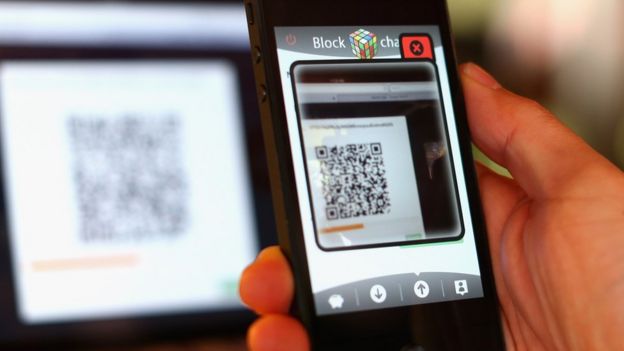
    Mr Ma said another issue was that Apple Pay would use the Near Field Communication (NFC) method of contactless communication, rather than the barcode-like method of electronic payments using QR codes.

    QR codesImage copyrightCameron Spencer
    Image captionQR codes are used by a wider market because more phones can read them compared to phones that can read NFC tags, IDC’s Bryan Ma said

    QR codes were widely used by Apple Pay’s China-based competitors like Alipay, Mr Ma said, and could reach a wider market because more phones could read them compared to phones that could read NFC tags.

    By 2017 it is estimated the global mobile payments market will be worth some $1tn (£650bn).

    In addition to Apple Pay, Google’s Android Pay is available at more than one million locations in the US, while Samsung Pay was launched in South Korea in August, followed by a launch in the US the following month.

  • Outlet near Disneyland sets to open in May

    Outlet near Disneyland sets to open in May

    A designer outlet village adjacent to Shanghai Disney Resort will open on May 19 in Pudong New Area, aiming to tap the demand of luxury shopping amid potential tourists toward city’s upcoming iconic attraction.

    Named as Shanghai Village, the project is a joint venture between London-based mall developer Value Retail and state-backed operator of Shanghai International Tourism and Reports Zone, Shanghai Shendi Group.

    The project represented the largest investment of the company worldwide, said Mark Israel, chief executive officer of Value Retail China, with about 150 boutiques set to open either upon launch or thereafter in a 55,000-square-meter space.

    The UK developer had opened its first China outlet center of such kind in Suzhou back in May 2014. The phase two construction of the Suzhou Village will begin sometime in fall, according to Value Retail, and then move on to other projects in China including Hong Kong.

  • Online wine sales in China rising fast

    Online wine sales in China rising fast

    JD.com‘s head of wine business, Zhao Dabin, told in an exclusive interview that the retailer sold 400m yuan (US$61.5m) of wine direct to consumers in 2015. That figure is expected to triple in 2016, he said.

    JD also hosts pages for individual merchants, acting as a gateway to a new generation of mainstream wine consumers in China – beyond the gift-giving between government officials that has been significantly curtailed by the present regime.

    Wine sales through these JD.com-hosted, online ‘shopping malls’ for merchants are expected to hit 1.5bn yuan this year.

    His comments tally with those from several wine importers and merchants in China, which are freeing up investment for e-commerce.

    Total online retail sales of physical, consumer goods in China rose by 32% in 2015, to reach 3.2tn yuan, or US$492bn, according to Chinese government figures. Online sales of tobacco and liquor products increased by nearly 13% versus 2014, to 196bn yuan.

    JD is seeking to compete with larger players in the market, such as Alibaba‘s Tmall and Taobao platforms.

    In wine, JD’s Zhao sees a lot of potential. ‘Most of our wine consumers are still at entry level,’ he said. ‘Only 3% to 4% of our registered users buy wines at the moment. There’s still plenty of room to grow.’

  • Hyundai outlet takes a new tack

    Hyundai outlet takes a new tack

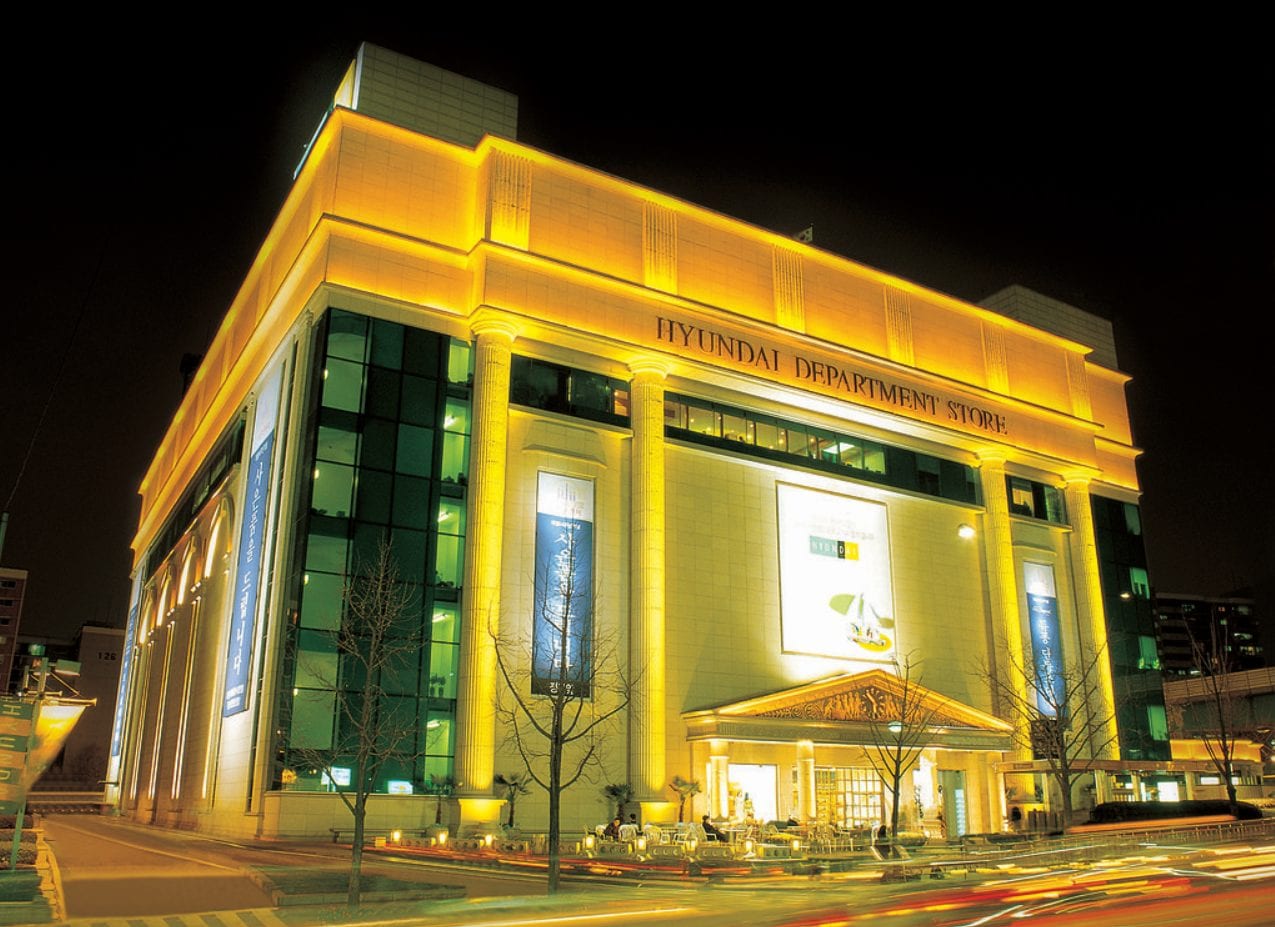
    Hyundai Department Store on Friday launched a premium outlet in Dongdaemun in central Seoul, home to many outlets such as Migliore, Lotte Fitin and Doota.

    With the new outlet, Hyundai is offering unique stores and services in hopes of the youke, or Chinese tourists, who flock to the area, as well as Koreans who are increasingly shopping online.
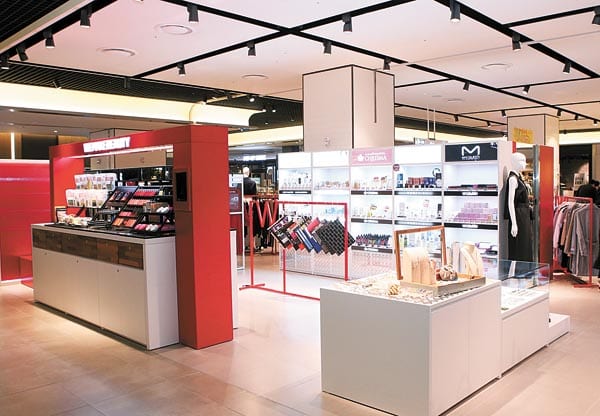
    The new outlet includes shops selling popular foods and beverages and a one-stop beauty section that allow customers to actually try out various products and to have fun while shopping.Hyundai Department Store Group said the new Hyundai City Outlet Dongdaemun occupies a nine-story, 37,663-square-meter (405,401-square-foot) building located in the popular shopping district. Hyundai spent 20 billion won ($16.7 million) decorating the interior of the new outlet like a premium department store.

    Additionally, the company pulled out all the stops to attract as many youke as possible by including a shop specializing in banana-flavored milk shop and a store selling products from YG Entertainment, one of Korea’s big three entertainment companies and home to musicians like Big Bang and 2NE1.
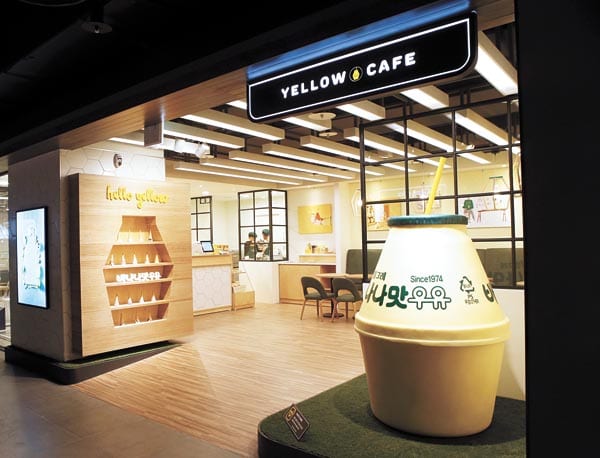
    The JoongAng Ilbo took a tour of the outlet the day before the official opening and found the banana-flavored milk flagship store located in the basement especially unique. The shop offers soft-serve ice cream, lattes and baked goods, all made using the iconic banana-flavored milk from Binggrae, which is very popular among Chinese tourists.

    “We have exported 15 billion won worth of our banana-flavored milk to China last year,” said a representative of Binggrae. “The store will be a tourist attraction for youke.” In fact, there were already many Chinese tourists lined up in front of the store on Thursday to take pictures with the oversized model of a banana milk bottle.

    Furthermore, Hatai Confectionary and Foods opened up shop right next to the banana milk store with a store called Haitairo. The store fries up potatoes in the shop to serve its famous Honey Butter Chips.

    Meanwhile, YG Zone will open on Tuesday for the K-pop fans. The 132-square-meter store will choose a different artist every month and sell special merchandise related to the artist. The store chose boy group Winner as this month’s artist, and will sell notebooks, t-shirts and limited-edition albums. The boy group was named Rookie of the Year at last year’s Golden Disc Awards.

    International sensation Big Bang will be the featured artist next month. “We plan to launch figures and special products for artists such as Psy, 2NE1 and more,” said at representative for Hyundai Department Store.

    Hyundai chose to hone in on youke in order to differentiate itself from other outlets. The new outlet has special help desks that offer tax refunds at shipping stores that allow customers to send purchased goods to China using UPS.

    Hyundai said it hopes to attract more than 4 million foreign tourists to the store every year.

    Moreover, Hyundai is targeting local customers interested in showrooming, or the practice of visiting a store to check out products before making purchases online.

    In particular, a store in the basement sells the same products that are available through the Hyundai Home Shopping TV channel as well as from social commerce company Wemakeprice.

    Through this store, Hyundai is trying to change the concept of outlets and give customers the chance to have hands-on experiences with products, in order to compete with the rapidly expanding online retail market in Korea.

    “The young generation does prefer shopping online,” said Kim Young-tae, CEO of Hyundai Department Store. “However, online shops cannot offer what outlets can, which is allowing family members to gather together and to enjoy shopping and eating.”

    The local outlet market size is expected to grow to 15 trillion won this year, but the competition is getting fiercer. There are more than 20 outlet stores, including those operated by Lotte, Hyundai and E-Land, in downtown Seoul alone.

    Hyundai City Outlet said its sales goal for this year is 200 billion won, or 13.3 million customers.
  • Contactless mobile payments growing

    Contactless mobile payments growing

    The number of contactless payments made via mobile handsets will reach 148 million globally this year, according to a study conducted by Juniper Research.

    Samsung and Apple will account for approximately 70 per cent of new customers.

    The study showed consumers have been receptive to this payment method, predominantly because of their strategic placement. When Apple Pay was introduced in China, nearly 40 million payment cards were registered to the service in 24 hours in mid-February.

    Nearly one in five point-of-sale terminals in the US are now contactless-capable, with the report finding this will see smartphones be the number one driver of contactless payments in the US. The report also revealed banks and leading “over the top” players will deploy Host Card Emulation-based (HCE) models.

    “The combination of HCE and tokenisation is extremely attractive to banks. HCE means that they are not dependent on a mobile operator to enable the service; tokenisation reduces the burden on the issuer and allows them to use their existing infrastructure,” research co-author, Dr. Windsor Holden said.

    The study also found that NFC sticker-based solutions can be ‘risky,’ stating that in closed-loop solutions, ‘there’s a chance thieves could simply use all the money in the wallet at participating retail outlets.’

  • China’s February New Credit Plunged From Prior Month Record

    China’s February New Credit Plunged From Prior Month Record

    China’s broadest measure of new credit dropped sharply after a record surge a month earlier.

    Aggregate financing was at 780.2 billion yuan ($120 billion) in February, according to a report from the People’s Bank of China on Friday, compared with the median forecast of 1.84 trillion yuan in a Bloomberg survey. New yuan loans were 726.6 billion yuan, compared to the estimate of 1.2 trillion yuan.

    China’s money supply increased 13.3 percent from a year earlier, the PBOC said, less than the 14 percent gain in the prior month and below the 13.7 percent economists projected. The numbers may reflect some distortions arising from the week-long lunar new year holiday in early February.

    “February is a short month due to Chinese New Year, so that there were fewer working days for banks and other financial institutions,” Iris Pang, senior economist for greater China at Natixis SA in Hong Kong, wrote in a report. “Banks usually book most of the loans for the year in January, and fewer loans are booked in February and March.”

    The central bank cut the proportion of deposits the nation’s biggest lenders need to lock away effective March 1 in an effort to keep credit flowing to the real economy. China increased its full-year M2 money-supply target, signaling that supporting economic growth has taken over as the top priority over reducing financial risks.

    In January, aggregate financing soared to a record 3.42 trillion yuan, while new yuan loans also hit an unprecedented level of 2.51 trillion yuan. The strong figures were helped by banks front loading their 2016 lending targets, strong corporate bond issuance, and companies switching foreign currency loans into yuan ones.

    “China’s credit data show some extreme swings in the past two months which are the result of seasonal factors,” said Mark Williams, chief Asia economist for Capital Economics Ltd. in London, who previously worked on China issues at the U.K. Treasury. “Despite the relative weakness in February, the underlying picture is of lending picking up.”

    The lending drop was “a dramatic slump but it is very likely due to seasonal factors, with banks and many businesses closed for an extended period” for the holiday, he said.

    Friday’s data along with the industrial production data due for release Saturday will be key to determining the immediate policy outlook, according to Tom Orlik and Fielding Chen, economists at Bloomberg Intelligence. The government releases the latest industrial output, retail sales and fixed-asset investment data Saturday at 1:30 p.m. Beijing time.

    “The Lunar New Year holiday and payback for January’s record credit surge meant a downside surprise was always a possibility,” Orlik and Chen wrote in a note Friday. “Looking at the data for the first two months of the year together, loan growth remains on a rapid upward trend, and the government is targeting a faster credit expansion for 2016 as a whole.”

    Industrial production and fixed-asset investment are forecast to show a continued slowdown, while retail sales probably showed improvement with a 10.9 percent gain from a year earlier, according to a Bloomberg survey of economists.

    Also on Saturday People’s Bank of China Governor Zhou Xiaochuan and his top deputies hold a press conference, the chairman of state-owned asset regulator and owner SASAC will speak, and the leaders of the three main financial regulators will give a briefing.

  • Soap maker Pental hopes to clean up in China

    Soap maker Pental hopes to clean up in China

    Household products manufacturer Pental is hoping to clean up in China by following in the footsteps of Bellamy’s and Blackmores and selling bar soaps designed for the Asian market.

    Pental, which makes laundry staples White King bleach and Softly wool wash, has developed a new range of Country Life bar soaps aimed directly at Chinese consumers, including goat’s milk soap with Australian tea tree oil, lavender and green tea.

    Pental has also reached into the back of its cupboard and reformulated and repackaged soaps that have been in its portfolio for 20 years and are mainly sold in airport stores and souvenir shops. The rejigged Country Life range includes lanolin, tea tree oil and eucalyptus oil and features images of sheep, koalas and kangaroos.

    Pental has secured distribution in leading Chinese supermarkets, pharmacies, airport stores and online outlets, including FTZmall.com, and plans to start manufacturing the new range at its plant in Shepparton next week.

    “This is one of the most exciting projects for a long time,” said chief executive Charlie McLeish, who believes new product development and new markets are the key to drive top-line sales and margins in an increasingly competitive domestic market.

    Aim to change track record

    Mr McLeish is reluctant to issue forecasts, but expects to sell about 6 million bars of soap, worth $4 million, to Asian consumers in the first year, compared with current bar soap sales in Australia and New Zealand of about $10 million a year.

    “We have a track record of over-promising and under-delivering – my goal is to ensure that we over-deliver on our targets,” Mr McLeish told Fairfax Media during an investor roadshow in Sydney this week.

    “We’re riding on the confidence the Chinese retailers and Chinese consumers have in Australian-owned and Australian-made products.

    “We have to make sure we live up to the reputation the dairy industry has created for other manufacturers in the Chinese market,” he said.

    Pental also sees scope to sell other products such as White King bleach and White King stain remover into Asia and has had tentative discussions with distributors.

    However, Mr McLeish has no plans to establish manufacturing operations in China to reduce costs and better compete with multinationals such as Colgate, Unilever and Cussons.

    Point of difference

    “Our point of difference is being Australian-owned and Australian-made and is around quality and culture – if we changed that state we would be no different to the other guys who manufacture in China,” he said.

    Pental has invested about $400,000 on new soap packaging equipment to support its push into Asia. If sales take off, Pental is considering a larger capital expenditure program, which would enable it to make bar soap in new shapes, sizes and formats for the Asian and domestic markets.

    Pental, which also makes Sunlight, Pears and Velvet soaps, and supplies private-label soap to Aldi and Woolworths, accounts for about 20 per cent of the Australian soap market.

    After a near-death experience in 2012, when Pental (formerly known as Symex) was forced to sell assets to repay bank debt, the shares are now trading at their highest levels since 2007.

    While sales slipped 0.7 per cent to $54 million in the six months ending December, underlying earnings before interest and tax rose 5.7 per cent to $3.1 million and net profit rose 12 per cent to $1.98 million, underpinned by cost savings.

  • Ever Rich sales resilient despite China slowdown

    Ever Rich sales resilient despite China slowdown

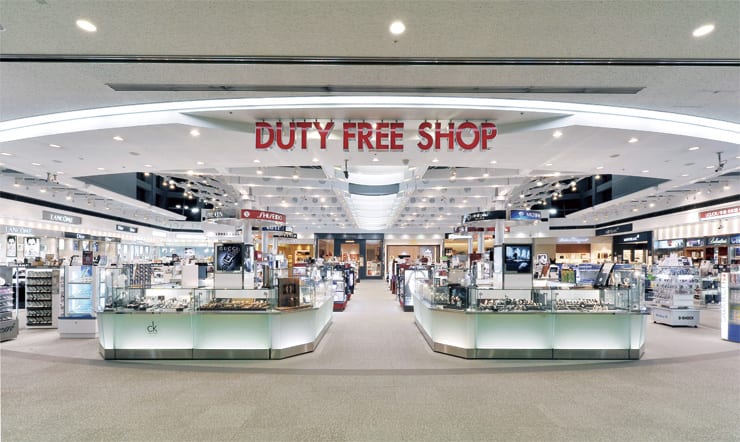
    Ever Rich D.F.S. Corporation tells David Hayes that the company achieved single digit revenue growth in 2015 at its major downtown and airport duty free locations with the rise in sales reflecting a similar increase in international passenger traffic through the republic’s main airports, during the past 12 months.

    Ever Rich says that the company’s overall rise in duty free sales is less than previously expected and is due a slowdown in per capita spending by mainland Chinese visitors, who still make up the majority of sales at many of Ever Rich’s duty free outlets.

    “We have seen growth in 2015, but not as large as in 2014. Mainland tourist numbers are still growing gradually but the duty free sales growth is slowing,” commented an Ever Rich source.

    “China’s economy is still quite strong, but their currency is weaker; China’s economy is not growing as fast as before.”

    Ever-Rich-Taoyuan-Airport-T1-departure-shop

    Ever Rich P&C at Taoyuan Airport T1 Departures.

    While duty free sales are rising as more mainland tourists visit Taiwan, Ever Rich – Taiwan’s leading duty free operator – had been looking for overall double-digit sales growth last year after opening its new Kinmen Islands’ hotel and downtown duty free shopping complex in 2014.

    Kinmen Ever Rich Golden Lake Plaza duty free shopping mall and hotel complex is located in Kinhu town on Big Kinmen. In addition to duty free shopping and other retail facilities, the Ever Rich hotel shopping and entertainment resort is planned to include a multiplex cinema and has space for a casino in future, though no casino licenses for Kinmen have been approved so far.

    Ever-Rich's-Taoyuan-Airport-T1-arrival-shop

    Ever Rich’s Taoyuan Airport T1 arrival shop.

    Duty free shopping facilities occupy about 27,000sq m of retail space over five floors, divided into separate areas serving visitors departing overseas to China and elsewhere from Kinmen. It also includes a domestic duty free allowance area for Taiwanese and other travellers returning to mainland Taiwan.

    “Our sales are still growing, but it’s slow growth,” says the source. “After the effort we put into our shops we expected to grow more. Although mainland tourist numbers are growing it’s not as much as many people here expected – all department stores in Taiwan are feeling that mainland customers’ purchasing growth is slowing down.

    Ever-Ric-Cosmetics,-handbags,-liquor-and-tobacco

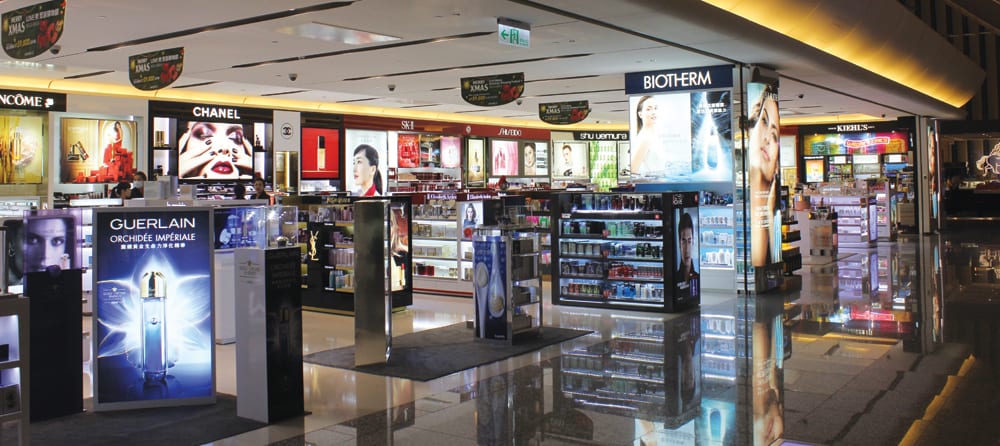
    Cosmetics, handbags, liquor and tobacco are the best-selling items in Ever Rich’s duty free outlets at present.

    “In Kinmen our international duty free sales are better than domestic duty free. Our main target is Chinese visitors, they buy cosmetics and fashion.”

    In addition to its Kinmen Islands’ shops, Ever Rich operates departure and arrival duty free shops in Taiwan’s main airports – Taoyuan International Airport, Taipei Songshan International Airport, Kaohsiung International Airport and Taichung International Airport – plus two downtown pre-order duty free shops in Taipei.


  • China’s cross-border online retail shows strong progress

    China’s cross-border online retail shows strong progress

    China’s cross-border e-commerce market has shown a strong growth during the six-month period ending November 2015, according to research firm Mintel.

    Boosted by favourable government policies and an increasing Chinese propensity for foreign goods, many Chinese consumers are now interested in buying foreign products online. Mintel’s new report ‘Haitao Retailing’ reveals that almost 58 per cent consumers bought foreign products online from domestic shopping websites, with quality of products (63 per cent) and pricing (38 per cent) as the prime concerns when shopping for imported products online.

    The cross-border online shopping market value grew at a compound annual growth rate (CAGR) of 63.3 per cent in 2015, while the total online retail market during the same period saw 48.8 per cent CAGR growth.

    “The continued growth of online retail, backed by increased consumer interest in spending time online, especially in rural areas, combined with the government’s support of online sales and an uptake of m-commerce and online payment systems, indicate that online retail will continue strong growth in the near future. Indeed, the future outlook for ‘haitao’ shopping looks good. However, it is an increasingly competitive market. Brands need to stand out by offering something different. Chinese consumers want top quality, and they need to have that quality proven through good information and good service,” said Matthew Crabbe, APAC research director at Mintel.

    Comparing Chinese domestic and overseas online shopping websites, foreign sites are perceived by shoppers to do better in terms of product quality, while domestic websites do better in most other areas, such as good value for money spent and fast delivery.

    “Not all Chinese consumers feel the need to have foreign products or services. However, fashion, furniture, food and drinks are much more significant online shopping categories, representing opportunity for online retail market growth. And we are seeing there is another great opportunity for niche brands, with specialist products having the potential to make an initial market entry into China via overseas online retail channels,” added Crabbe.

    “Consumer attitudes to cross-border online shopping can be summarised with reputation, reviews and recommendations. Helpful advice and information about products, a good return policy and a variety of delivery options are important in building reputation. Good service and good products are the key areas where online retailers must learn to compete in the future,” Crabbe concluded. (NA)

  • Adidas to open 3000 stores in China by 2020

    Adidas to open 3000 stores in China by 2020

    German sporting goods giant Adidas Group has revealed plans to open 3,000 new stores in China by 2020 as it looks to become the ‘best sports brand’ in the region.

    The company, which has around 9,000 stores in its second largest market, the vast majority of them being franchise stores, announced the plans on Friday (4 March) in Shanghai.

    In a statement sent to just-style, the group said: “China is Adidas Group’s second largest market globally and we still see a lot of potential in this market.”

    The news comes less than two months after Adidas said its Greater China subsidiary achieved sales of EUR2.5bn (US$2.74bn) in 2015 – the company’s highest ever annual sales in the region.

    Adidas has strengthened its position across all key sports categories in the region over the last few years, and launched new segmented retail stores such as women’s, sportswear collective and basketball.

    The group’s new strategy themed ‘Creating the New’ aims to propel Adidas to become the ‘best sports brand’ in Greater China by 2020. The company’s new five-year game plan will serve as a blueprint to seize further growth opportunities.

    Adidas has said the plan will chart the path of the company’s continued growth as it seeks to meet the demands of China’s burgeoning middle class who are placing a higher emphasis on quality of life experiences, and the needs of a nation with an ignited interest in sports.

    The company added: “With ‘Creating the New’, our new strategic business plan, we’ll continue to focus on strengthening our position in key categories and expanding our retail footprint in both lower tier and upper tier markets.”

    Last month, Adidas raised its earnings and sales forecasts for this year, after it exceeded its targets in 2015, thanks to increased marketing investments.

  • For domestic consumption, China’s women are in the driving seat

    For domestic consumption, China’s women are in the driving seat

    It was a quick decision for Wu Qiaoyun, 35, from Yunnan province, when she splashed out nearly 90,000 yuan (HK$107,000) on a new Peugeot 301 just before the Lunar New Year.

    As a new mother of a four-month-old baby girl she believed a car would be more convenient for her family.

    Wu, an accountant at a state-owned company, mentioned the idea to her husband, who did not oppose the purchase, so she went ahead and paid for it, largely with the earnings from her 3,500-yuan-a-month salary, as her husband’s finances were tied up in the stock market.

    Wu’s is not an exceptional case in China, where women are playing a far bigger role in purchases for the family instead of being subservient to their husbands.

    According to a report by Economist Intelligence Unit, which surveyed 5,500 women across major cities in Greater China, India, Japan, Singapore and South Korea, 62 per cent of mainland women described themselves as joint breadwinners, compared with the average rate of 41 per cent.

    When it comes to e-commerce, women’s roles appear to be bigger on the mainland, with nearly 70 per cent of mainland interviewees saying they preferred the experience of shopping online to doing so in stores and are much more active than peers in South Korea (50 per cent), Hong Kong (30 per cent) and Japan (18 per cent).

    It is estimated that China has 480 million female consumers, and among them, 290 million are aged between 25 and 45.

    Women, who are making nearly 75 per cent of household buying decisions, are likely to be an important driver of domestic consumption in a market valued at more than 4.5 trillion yuan by 2019, especially in industries related to beauty, garment and leisure tourism, according to a memo by Guotai Junan Securities.

    The growing number of well-educated and financially independent women, especially those living in the cities, has also prompted traditional manufacturers and service providers in China to engage more in marketing to attract female clients, a trend that research firm Mintel named as one of the most influential in the retail market this year.

    China’s recent move to allow all families to have a second child, meant women would take on more financial responsibilities in the household, said Philix Liu, a trend analyst at Mintel.

    But women’s role in the economy remained weak compared with their male counterparts, said women’s rights activist Feng Yuan.

    Feng referred to a widening income gap between men and women in China. urban women in China earned only 65 per cent of what their male counterparts did in 2009, putting them five percentage points behind where they were in 1999.

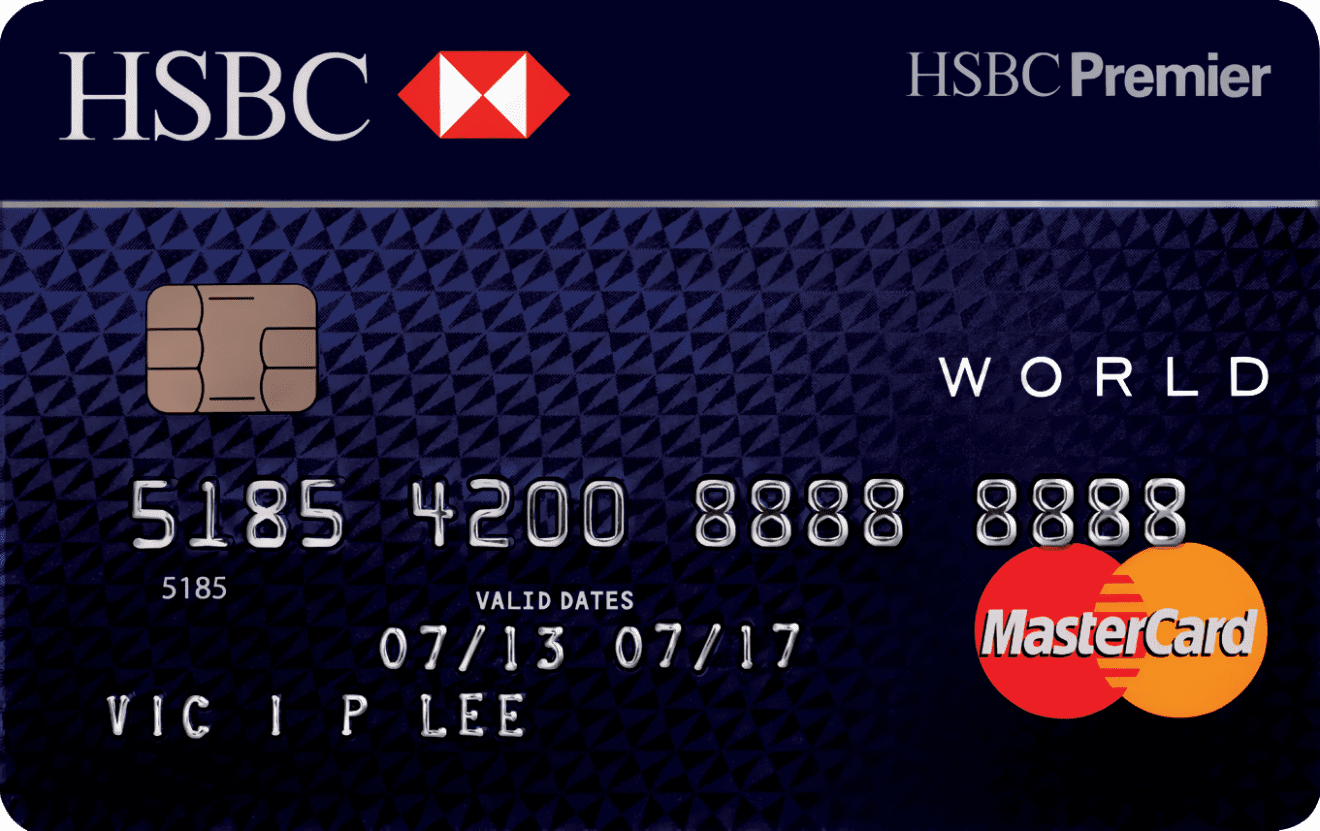
  • HSBC Gets Approval for Credit Card Operations in China

    HSBC Gets Approval for Credit Card Operations in China

    HSBC Holdings efforts to scale up its retail and wealth management business in China got a major boost with the U.K.-based company receiving permission to start a credit card business in China’s $1 trillion market.

    The approval from the Chinese authorities came after Peter Wong, Asia-Pacific Chief Executive Officer at HSBC, announced in a weekend interview that HSBC ended its joint venture with Bank of Communications Co. However, Wong believes that there are several other avenues of collaboration with Bank of Communications and that the two companies share healthy business terms.

    HSBC intends to maintain its stake of around 19% in the Chinese lender, Wong said on Saturday in an interview on the sidelines of China’s annual congress of lawmakers in Beijing.

    However, Wong did not specify when HSBC won regulators’ approval or provide details on how the business will be moved forward.

    The move makes HSBC the third foreign credit-card issuing company after Citigroup Inc. (C – Analyst Report) and The Bank of East Asia, Limited (BKEAY – Snapshot Report) to get approval to operate solo on the mainland. The permission to start credit card operations in the country would facilitate HSBC’s plan to expand China footprint.

    At its June 2015 Investor Day conference, HSBC unveiled plans to make increased investments in the under-penetrated Asian markets, with particular focus on China. Notably, the company continues to perceive China as an “engine of growth” and hence, intends to capitalize on Hong Kong’s high-quality customer base, where the market has grown over 13% in the past two years. Also, an ageing Chinese population is undeniably driving the demand for retirement and protection products in the country.

    More importantly, HSBC believes that building operations in its most-profitable Asian business will help it offset the negative impact from soaring expenses. Moreover, aided by such investments, the company estimates growth in pre-tax profits to outpace that in risk-weighted assets or RWAs, thereby enhancing its return on RWAs.

    Though Chief Executive Officer Stuart Gulliver’s plan seemed to suffer due to falling commodity prices, a slowing Chinese economy and a pretax loss in the fourth quarter, an independent credit card division in China would help HSBC expand the client base for its retail bank and enhance HSBC’s access to a rapidly growing market.

    According to a Bloomberg report, getting approved for its own operation in China “is a meaningful step for HSBC as it gives the bank the autonomy to run the business,” said Chen Xingyu, a Shanghai-based analyst at Phillip Securities Research. “Since the Pearl River Delta is HSBC’s focus, having its own credit-card business can help the bank expand in the region.”

    “There’s still strong demand for credit cards in China’s first-tier cities, but the business is getting saturated in some areas,” said Chen at Phillip Securities. “That’s why the potential in smaller cities is even bigger.”

    Though the Chinese economy is currently showing signs of weakness, we believe the country will resume its strength, given a sturdy performance history as well as efforts by its government to boost growth. This, in turn, will support HSBC’s prospects in the country.

  • Kung Fu in Hublot store in Beijing

    Kung Fu in Hublot store in Beijing

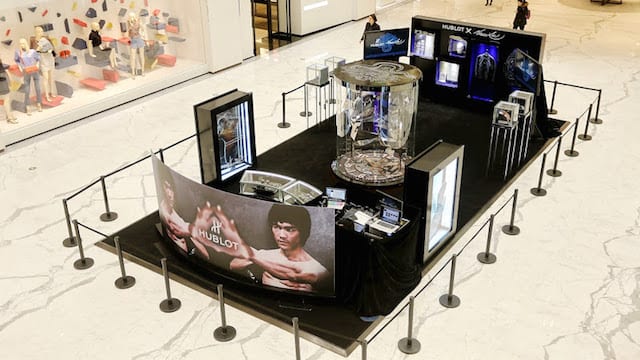
    In a collaboration with the Bruce Lee Foundation, a special tribute exhibition for the Kung Fu superstar marks the launch of the Swiss watch brand Hublot’s store at the high-end Shin Kong Place (SKP) shopping centre in Beijing.

    Hublot new store Beijing at Shin Kong Place SKP 3

    On display until March 6, the Be Water, My Friend – Legend of Bruce Lee Memorial Exhibition features precious items the actor owned himself, as well as limited-edition Hublot timepieces.

    Lee’s daughter, foundation founder Shannon Lee, cut the ribbon of the new store along with Hublot Greater China GM Loic Biver.

    Hublot new store Beijing at Shin Kong Place SKP 4

    Hublot participated in the design of the Bruce Lee exhibition. “As an icon of the 20th century and the most iconic Kung Fu star in history, Bruce Lee embodies the real ‘art of fusion’ of East-West culture,” says Biver.

    Hublot also worked with the foundation on the Bruce Lee 75th Anniversary Memorial Exhibition in Hong Kong, and this time released a second limited-edition timepiece as a tribute to Lee.

    Hublot new store Beijing at Shin Kong Place SKP


    The actor’s personal items on display include a Tang-style Kung Fu jacket, a genuine copy of the Way of the Dragon script, a replica of the life mask of Kato in The Green Hornet, and the business card for the Bruce Lee Martial Arts Studio he founded.

    Exhibition guests can also experience the Bruce Lee Mirror, a cylindrical glass photo frame featuring Lee’s classic Kung Fu postures. Made of glass fragments, it uses 3D special effects integrating the Hublot Unico In-House chronograph movement.

    Hublot new store Beijing at Shin Kong Place SKP 2


    Inspired by the dragon pattern on Bruce Lee’s desk, Hublot has designed a limited-edition (100 pieces) watch, Spirit of Big Bang Bruce Lee Be Water. It features a tonneau case in all-black microblasted ceramic and is fitted with the HUB4700 skeletonised automatic winding movement. Echoing Lee’s philosophy of water, the strap is made of blue alligator leather sewn on natural rubber.

    Hublot new store Beijing at Shin Kong Place SKP 1

    The Hublot SKP Beijing boutique follows the brand-specific black, featuring dark grey carpet and black leather furniture combined with glass and metal counters. Subtle scientific and technological elements in the window display tell the story of the brand, connecting its past with the future with projections on a book. Big Bang, Classic Fusion, King Power are among the pieces and novelties on display.