Tag: China

  • China changes the tax rules on purchases from overseas e-retailers

    China changes the tax rules on purchases from overseas e-retailers

    In some cases consumers will owe more tax, and in other cases less.

    Foreign online retailers and brands have benefited in recent years from China’s relaxed rules on purchases by Chinese consumers on overseas websites. China’s new rules on import duties and taxes will hurt some of those overseas online sellers, while helping others.

    The new rules, to take effect in April, provide an exemption from import duties for purchases from foreign websites of up to 2,000 yuan ($306) but add a sales tax of 11.9% that consumers don’t pay today. That sales tax is still less than the 17% value-added tax consumers pay when shopping in stores in China.

    The existing rules, which mirror the regulations for consumers bringing in purchases from abroad or receiving them by mail from friends overseas, allows a consumer to import up to 1,000 yuan ($153) worth of products at a time for personal use, up to 20,000 yuan in a year. Those purchases are subject to import duty—which generally vary from 10% to 50% of the purchase price, depending on the type of product—but the tax is waived if it’s under 50 yuan ($7.65.) That 50-yuan exemption will be eliminated in the new rules.

    The new policy will benefit sellers of products for which the duty is high, such as cosmetics, which are hit with a 50% duty tax, says Li Pengbo, CEO of China Cross-border E-commerce Research Center, a consulting company. But other items for which the duty is low, such as children’s products, the new rules will make it more expensive for Chinese consumers to buy from overseas websites, Li says.

    Here are some major product categories, with the duty tax percentage:

    • Food, 10%
    • Alcohol, 50%
    • Apparel, 20%
    • Cosmetics, 50%
    • Electronics, 20%

    Thus, under existing rules a Chinese consumer who buys a shirt for $50 on a foreign e-commerce site pays a fee of $10 (20% duty on a $50 purchase), whereas under the new rules he would pay only $5.95 (no duty, but a sales tax of 11.9%.) However, a consumer buying $30 of powdered milk today would pay no duty or sales tax (the duty would be $3, 10% of $30, but that is waived because no fee is charged if the duty is below 50 yuan ($7.65)), whereas under the new rules she would pay $3.57 (no duty, but a sales tax of 11.9%.)

    Both the new rules and the old ones also apply to foreign companies that sell on Chinese marketplaces under the relaxed cross-border e-commerce rules that China has adopted in recent years. Such major Chinese e-commerce operators as Alibaba Group Holding Ltd., JD.com Inc. and the Amazon China subsidiary of Amazon.com Inc. have created special sections of their online shopping sites featuring imported goods sold under the special cross-border rules. Those rules allow foreign companies to store items in 10 free-trade zones without clearing customs, and then send them through an expedited customs process when a Chinese shopper places an order.

    They also allow the sale, up to the limit for personal use—1,000 yuan today and 2,000 yuan when the new rules take effect in April—of goods that have not been authorized for sale in China, as long as they have been found safe in their home country. That’s a big deal for sellers of products like cosmetics and food that can take years to gain approval from the Chinese government for domestic sale.

    Chinese consumers have taken advantage of the cross-border e-commerce rules to buy significant quantities from foreign web merchants. China’s customs authority reported this month that the first seven of the free-trade zones established in China since late 2013 handled 100 million inbound parcels purchased from foreign e-retailers with a total value of $2 billion.

    The relaxed rules on purchases from foreign websites have drawn protests from domestic retailers who say they have to pay import duties on all goods they bring into the country and charge consumers the national 17% value-added tax.

    Gong Dingyu, founder and chief operating officer of Chinese children’s product retail chain Leyou, tells Internet Retailer, that the new rules represent of a different way to tax goods purchased from overseas e-retailers.

    “The old policy is unfair because traditional trading companies and physical stores don’t have the same favorable policy as cross-border e-commerce,” Gong says. “Also, without products being monitored and inspected by the Chinese government, online consumers could buy imported products with quality issues.”

    JD.com is No. 1 in the Internet Retailer 2015 China 500 and Amazon China No. 5. While Alibaba’s big online marketplaces Taobao and Tmall account for about three-quarters of online purchases in China, Alibaba is not ranked because it is a marketplace operator and not the merchant of record for any sales on its sites.

  • China’s Dalian Wanda Group to Invest in France’s Europa City

    China’s Dalian Wanda Group to Invest in France’s Europa City

    China’s Dalian Wanda Group Co. is planning to make big investments in France, sources said on Thursday. The Chinese entertainment and real-estate conglomerate is aggressively targeting foreign acquisitions in an attempt to continue business growth amid a slowdown in China.

    The Chinese company is broadening its global ambitions and in advance talks to make a large investment in a retail and development hub called Europa City, located on the outskirts of Paris, sources said. Europa City, the multibillion-dollar development, is expected to open in 2024, according to the company’s official website. The development will include a theme park, cultural exhibitions, retail shops, restaurants, and sports venues. In addition, the project will spread across 200 acres of land, according to reports.

    The deal, if successfully close down, would check Wanda’s first real move into France. Yet, it has greater arrangements for the nation. Wanda, owned by Chinese billionaire Wang Jianlin, is keen on possibly purchasing Amaury Sport Organization, an organization that runs cycling’s Tour de France race, individuals acquainted with Wanda’s deal said. However, the deal is still in its early stages.

    Wanda owns most of the shopping malls and different theme parks in China. The Europa City deal will likely strengthen the company’s position both in home and overseas market. Likewise, it will also mark a victory for the Chinese based investor as it was keen to expand its business outside China and diversify its investments. Earlier in January, Wanda Group also announced that the company is looking to construct an industrial park in Haryana, a province in northern India, with an investment of around $10 billion.

    The Group’s goal of expanding globally is clear and it underwent a buying spree in the past three years. In January 2016, it acquired Legendary Entertainment for an amount close to $3.5 billion. The investment was the result of the Chinese commercial property developer’s ambitions to become a global film giant. Legendary was responsible for providing the finances for popular box office hits such “Godzilla,” “Inception,” and “Jurassic World.” In China, the Hollywood company co-financed “Pacific Rim,” which later turned out to be a box office hit. Recently, Wanda Group also financed “Southpaw,” a hit Hollywood boxing movie.

    Moreover, the company also invested $2.6 billion in US movie-theater chain, AMC Entertainment. Likewise, it has also made an entrance into the sports industry. Last year, the Chinese group bought Infront Sports & Media AG for approximately $1.2 billion. It has also purchased a reasonable 20% stake in Atletico Madrid, a Spanish soccer club for around $49.6 million. If it’s successfully able to acquire the organization that runs Tour de France, the company will make a very prominent investor in the sports industry.

    A larger proportion of Wanda’s business is in China, but the country’s cooling real-estate sector has encouraged the company to focus on overseas acquisitions. It has already closed down some of its retail stores in the country amid poor sales. As for now, in China, the company is focusing towards investing in the e-commerce and financial sector.

  • Chinese spend $13.8bn abroad during Spring Festival

    Chinese spend $13.8bn abroad during Spring Festival

    During the Chinese Spring Festival, 6 million Chinese travelled overseas and spent a total of 90 billion ($13.8 billion) yuan on shopping.

    The products they purchased abroad included expensive luxury items, smart bidets, and electric rice cookers, but surprisingly, most Chinese tourists bought items used in everyday life such as cough syrup, sanitary napkins, condoms, stockings, electric toothbrushes, and nail clippers.

    Chinese media also reported on the phenomenon of their people buying commonplace items during their travels abroad. Various media outlets reported that Chinese tourists bought condoms, sanitary napkins, nail clippers, tumblers, and cough syrup from Japan, and hair dye, shampoo, sanitary napkins with oriental medicinal herbs, ramen, and honey butter almonds from Korea.

    Cosmetics, health supplements and clothing were popular items from the US, as well as fountain pens, knives, key chains and electric toothbrushes from Europe.

    A clerk at a duty-free store in Osaka commented that sales were 2.6 times higher than in 2015, thanks to the spirited purchasing of low-priced, everyday items by Chinese tourists.

    A tour guide in Seoul commented that along with cosmetics, skincare products, and shampoo, snacks and stationary were popular Korean items among Chinese tourists.

    Some Chinese media outlets suggested that because overseas products are of better quality, can be purchased at more reasonable prices, and are safer than Chinese products, Chinese tourists stock up on foreign products when they have a chance.

    A Chinese consumer commented that she comes to Korea every year to buy facial packs and BB creams.

    “Of course, there are quality packs in China too, but so many are fake, and sometimes side effects occur even if the products are purchased at official stores.”

    Officials at Chinese consumer associations point out that China still lags behind neighboring countries in the manufacturing, design, and development of products, and should overcome the fact that the quality of their products is low in comparison to prices.

  • eCommerce growth a bright spot amid retail gloom

    eCommerce growth a bright spot amid retail gloom

    A combination of lower gas prices at the pump and the knock-on effects of slowing economic growth in China contributed to a global retail sales slowdown in 2015.

    But there is a bright spot in the gloom: eCommerce.

    Online sales are expanding faster than previously anticipated and are projected to increase by double-digit rates every year through 2019, according to a new forecast from independent research firmeMarketer. Led by China, the Asia Pacific region is expected to be the main engine of this growth.

    In 2015, worldwide retail sales rose by 5.6 per cent to $22.5 trillion, down from a 6.1 per cent growth rate in 2014. eCommerce sales, by contrast, jumped by 25.1 per cent, reaching nearly $1.7 trillion.

    While online spending last year made up just 7.4 per cent of global retail sales, eMarketer projects that eCommerce sales growth will outpace brick-and-mortar sales growth by a more than 3-to-1 margin from 2014 through 2019.  At this pace, eCommerce sales by 2019 are expected to more than double to nearly $3.6 trillion, accounting for 12.8 per cent of all retail spending.

    With its rising consumer class and huge population of online shoppers, China is expected to play an outsized role in that growth. The report states that eCommerce sales in China will more than quadruple between 2014 and 2019. The country already leads the world in eCommerce, but by 2019, China’s eCommerce market will reach $1.97 trillion, making it 3.5 times larger than that of the US, according to the eMarketer forecast.

  • Alipay, WeChat drive China Jo-Jo sales

    Alipay, WeChat drive China Jo-Jo sales

    China Jo-Jo Drugstores, the US listed, China-based multichannel pharmaceutical and healthcare retailer, says customers are embracing Tencent’s WeChat and Alibaba’s Alipay to buy its goods from mobile phones.

    In the third quarter, Alipay mobile transactions with China Jo-Jo grew 84 per cent quarter on quarter, while sequential traditional payment transactions such as City Health Insurance payment transactions grew 27 per cent.

    According to research firm Analysys, Alipay and WeChat currently dominate mobile payment in China with 45 per cent and 19 per cent of the market respectively.

    “Integrating these mobile payment platforms is an important growth initiative for China Jo-Jo as consumers in China, especially the young and growing middle-class, have been keen to actively adopt mobile payment as the method of choice for their integrated mobile and physical retail store shopping experience,” the pharmacist said in a statement.

    “Providing customers this convenient and familiar mobile payment platform is helping to drive overall transaction growth in both our retail and online pharmacies.”

    Since launching Alipay’s mobile payment service in November 2014, China Jo-Jo has been initiating novel marketing campaigns including in-store sales and bonus promotions in order to attract and customers while promoting premium branded products. Payment transactions and marketing initiatives under WeChat Payment which launched in July 2015 have also been successful in growing China Jo-Jo’s customer base and overall transactions.

    Chairman and CEO Lei Liu says mobile payment platforms have had immense success in China providing consumers with a fast, secure and novel means of paying for both online and offline pharmacy goods and services that is becoming the standard method for paying for goods and services in China.

    “Mobile payment platforms now account for more and more of China Jo-Jo’s online payment transactions and is playing an integral role in the push to drive adoption of China Jo-Jo’s business model.”

    As of December 31, China Jo-Jo had 59 retail pharmacies in Zhejiang Province, China.

  • Korean’s Eland To Build Tourism JV With China’s Wanda

    Korean’s Eland To Build Tourism JV With China’s Wanda

    South Korea’s apparel brand Eland recently signed an agreement with China’s Wanda Group to establish a tourism joint venture in South Korea.

    This is reportedly the first cooperating result of the two parties since they signed their leisure industry investment agreement in June 2014.

    According to the agreement, Eland and Wanda will each hold a 50% stake in the tourism JV and they will each account for half of the board of directors. However, Eland will be responsible for the operation of the JV. The two parties are expected to agree on actual processes, including deciding on a corporate name, in March 2016 at the latest.

    A representative from Eland said that by combining Eland’s diversity with Wanda’s online advantage in China, the two parties will achieve better results. Wanda Group operates in various industries such as department stores, hotels, real estate, and tourism in China. By cooperating with Wanda, Eland plans to transfer its major business from fashion to logistics.

  • How China’s Alibaba spends $18 billion investing in companies

    How China’s Alibaba spends $18 billion investing in companies

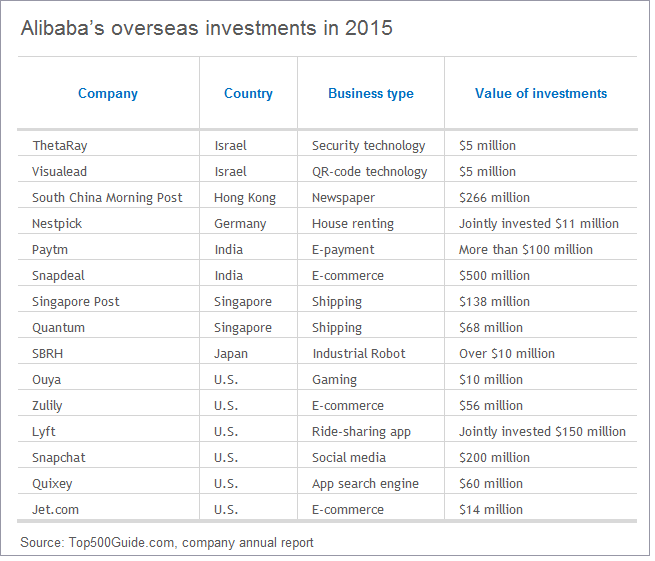
    The Chinese e-commerce giant acquired eight companies and invested in 15 overseas businesses in 2015.

    Alibaba Group Holding Ltd. is not just an e-commerce company that can create $14 billion in online sales in 24 hours. With near-constant investments, the Hangzhou-based company has evolved into a business empire, aiming to serve more consumers beyond its current 400 million active users.

    Alibaba spent about $18.3 billion to invest in 65 companies, including acquiring eight companies and investing in 15 overseas businesses, according to China-based market data company IT Orange.

    Alibaba’s major investment sectors are e-commerce, entertainment, finance, enterprise solution & technology, and online to offline, according to IT Orange. In China, O2O or online to offline, refers to a way for Internet companies to develop mobile apps that connect local services, such as a dry-cleaner, with online users.

    Alibaba continued to invest in the technology vendor sector, but total spending in this sector was still small, IT Orange says. Alibaba also reduced investments in healthcare and travel companies in 2015, compared with 2014.

    Alibaba in 2014 invested in 40 companies by spending more than $17 billion, including stakes in two healthcare companies and two travel companies, according to IT Orange.

    Those 65 companies—including Chinese ride-hailing app Kuaidi, travel site Wanzi.com, Hong Kong-based newspaper South China Morning Post, China-based shipping company YTO Express and Chinese film studio Bona Film Group—operate in various industries but could help Alibaba build a more diversified business to offer more services more efficiently.

    “Alibaba has been a giant online corporation with diversified businesses ranging from marketplaces, retail and payment to travel, entertainment, transportation and other businesses. Alibaba doesn’t need to focus (on one) as it knows all those industries from its home market,” Ralf Gladis, founder and CEO of payment firm Computop Inc., tells Internet Retailer.

    Take YTO as an example. YTO says its shipping network covers 2,300 Chinese cities and about 43% rural villages. The company says the partnership with Alibaba helps it improve efficiency and expand into rural areas and global market. The company says it delivered 3.3 billion parcels in 2015, compared to 2.1 billion in 2014. 70% parcels delivered by YTO were generated by e-commerce orders and about 70% of those e-commerce parcels came via Alibaba Group businesses.

    In 2015, YTO reduced delivery time by investing more in air transportation. The company purchased three Boeing B737-300 airplanes to further reduce some cross-province delivery times from three days to one day. YTO also worked with many regional shipping companies to build an international network that covers eight countries, including Japan, Korea and Germany.

    YTO says Alibaba’s support also includes data and information. Alibaba sends feedback from online shoppers to YTO so the shipper can find and fix the problem faster than before.

    In 2015, Alibaba increased its strategic investments in 20 large companies. Some investments have topped several hundred million dollars, including investing in The Postal Savings Bank of China; Suning Commerce Group, No.3 in the Internet Retailer 2015 China 500; and Chinese smartphone maker Meizu, No. 168.

    Alibaba also acquired eight companies, including the Chinese version of YouTube, Youku.com. Youku.com says videos played on its site have topped 600 million times per day in 2015. Alibaba bought Youku.com for $4.67 billion.

    Alibaba’s 15 overseas investments in 2015 mainly focus on e-commerce, entertainment and technology. IT Orange estimates Alibaba spent about $2.5 billion for stakes in those companies, including e-commerce companies Jet.com and Zulily.com.

    Alibaba declined to confirm the information from IT Orange but says the company may have invested in more than 65 companies in 2015 because it also invested in many small startups.

    Alibaba’s investment goal is to learn the best practices from others and then use them to improve its operations in China and global markets, according to Alibaba’s IPO filing document.

    “Alibaba is just trying to get insight into the next big thing with the goal of eventually importing the tech back home where they have the world’s largest Internet audience. They’re investing in U.S. companies because this is where tech innovation is happening,” Laura Swanson, senior consultant at omnichannel consulting firm FitForCommerce, tells Internet Retailer, “Essentially they’re giving themselves a front-row seat to watch these companies so that by the time certain products or services reach China, Alibaba will have the control.”

    Alibaba already leads in some areas. “Alibaba is not only bigger than Silicon Valley companies, it is also more innovative in many areas. Working with both PayPal and Alipay, we know by experience that Alipay is far ahead of PayPal when it comes to payment innovations. For instance, Alipay customers can use their (mobile) wallet in many bricks-and-mortar retail stores, and they get excellent services including hassle-free tax-return services when they shop abroad,” Gladis says.

    By investing in U.S. e-commerce companies like online marketplace Jet.com, Alibaba could understand consumer behavior on both ends of the world to help U.S. merchants selling to Chinese consumers as well as help Chinese merchants selling to U.S. consumers, Gladis says.

    For more Chinese e-commerce data, please click here for Internet Retailer 2015 China 500.

  • Esprit remains confident despite first-half loss

    Esprit remains confident despite first-half loss

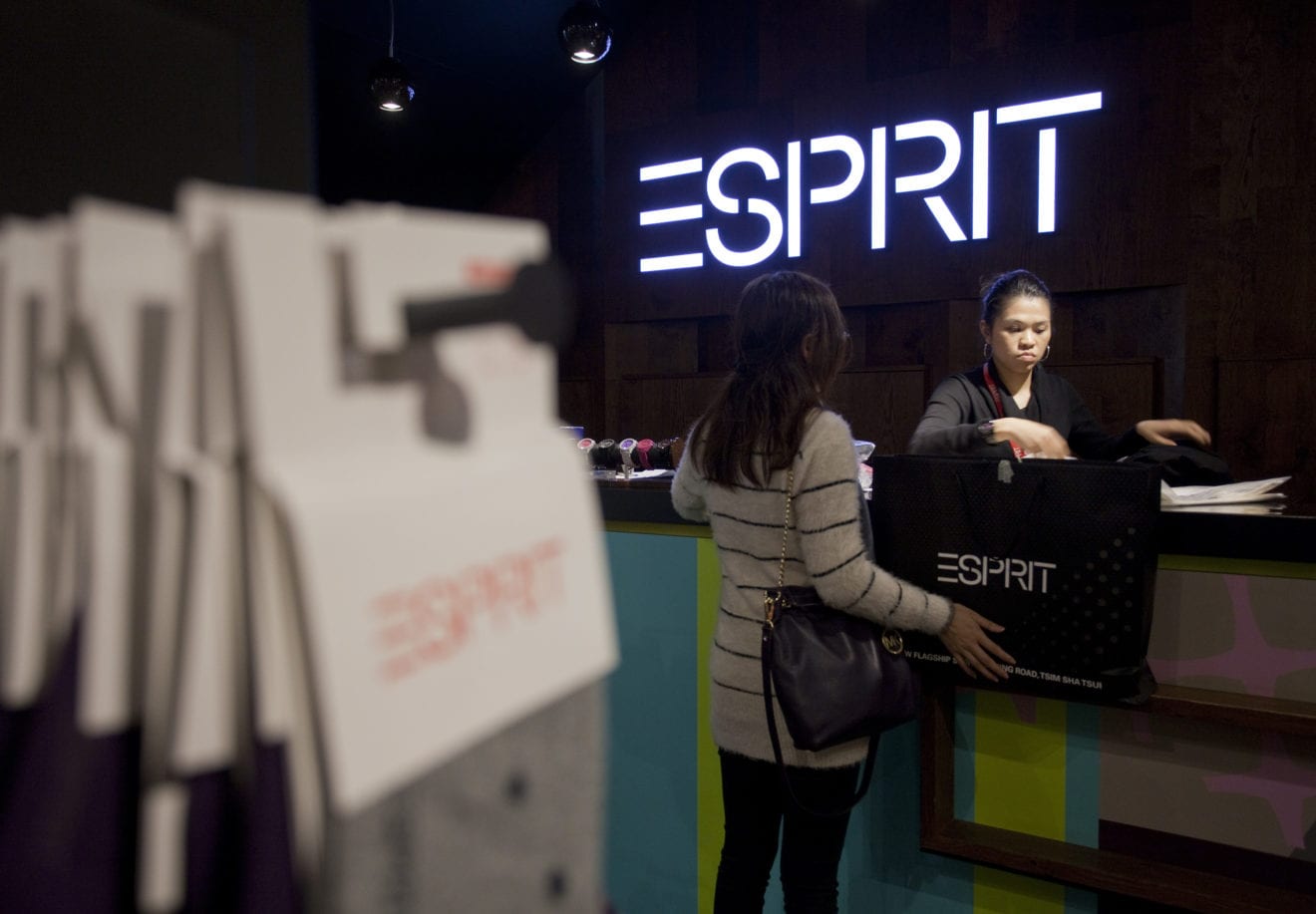
    A strategic plan is starting to yield results for Esprit, which is buoyant in its outlook despite a first-half loss weighted on by weakened demand in China.

    Net loss for the Hong Kong-listed fashion retailer amounted to HKD238m (£22m) for the six months to 31 December, compared to a profit of HKD47m (£4.3m) in the same period the year before.

    Esprit introduced a vertically integrated business model in its previous financial year, the same supply chain process used by high street giant Zara. Esprit said this, coupled with cost efficient product development, is enabling it to develop improved products in terms of design, quality and value-for money.

    “The performance during the first six months of this financial year gives us confidence that the implementation of our vertical and omnichannel model is an effective basis to turnaround our business,” said CEO Jose Manuel Martinez.

    “We remain confident that we are heading in the right direction and are laying the necessary foundation to restore competitiveness and long term growth for Esprit.”

  • Bleak New Year for Chow Tai Fook

    Bleak New Year for Chow Tai Fook

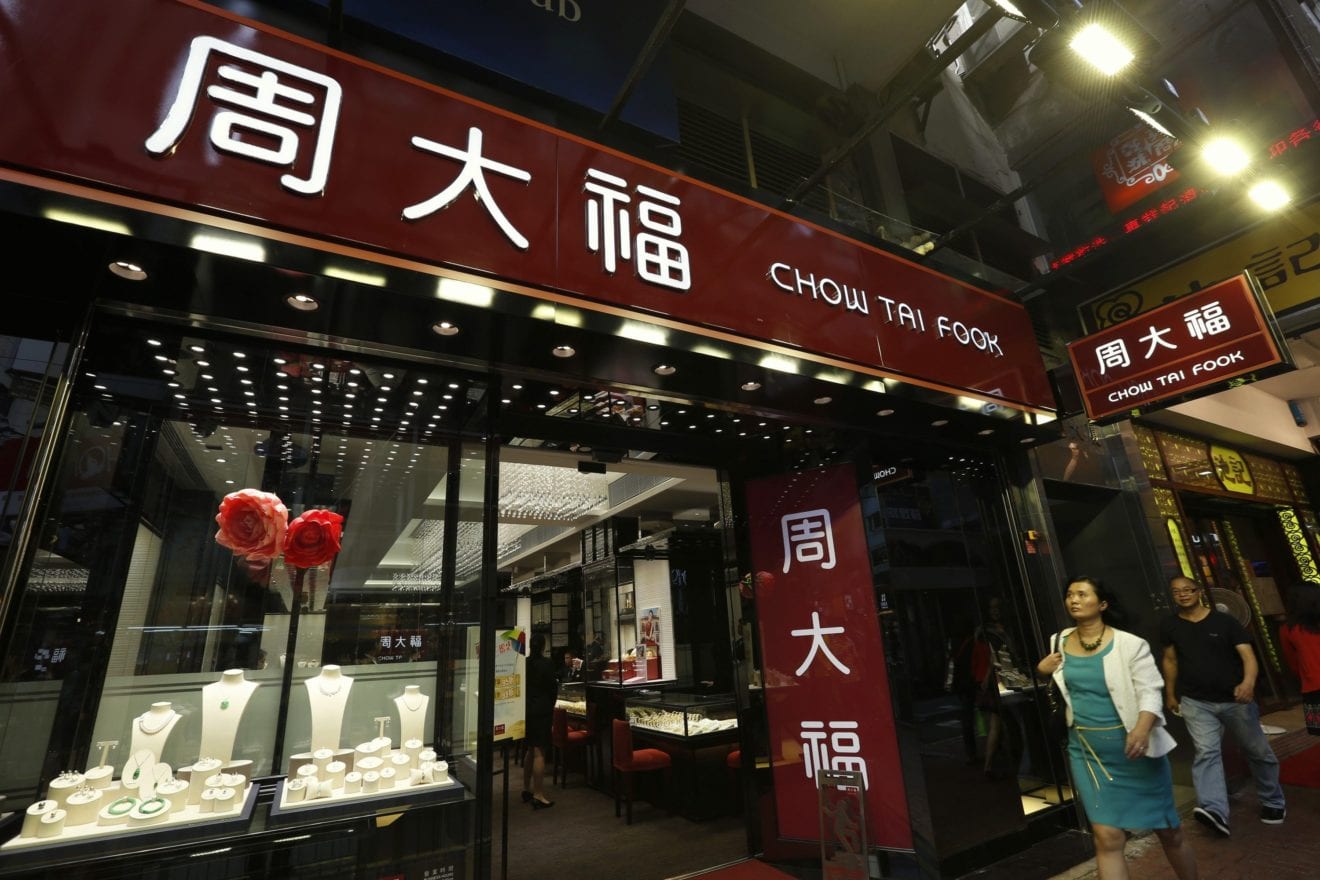
    Chinese New Year sales for the Chow Tai Fook Jewellery Group took a dive in Mainland China, Hong Kong and Macau.

    Unaudited figures for the period, from January 25 to February 14, show the value of retail sales dropped 30 per cent in China and 23 per cent in Hong Kong and Macau – a 29 per cent dip for the group – compared with the previous Chinese New Year.

    Same-store sales dropped 31 per cent in China, 22 per cent in Hong Kong/Macau, and 28 per cent for the group. Same-store sales figures were also broken down into product – gem-set jewellery dropped 30 per cent in China, 3 per cent in Hong Kong/Macau, and 20 per cent for the group, while gold products fell 33 per cent in China, 25 per cent in Hong Kong/Macau, and 31 per cent for the group.

    Chow Tai Fook says the plunge in China was mainly because of more outbound travel from the mainland during the celebration, and a weakening of consumer sentiment for luxury goods because of the economic slowdown and volatility in the stock market.

    It attributes the decrease in Hong Kong and Macau to the drop in mainland tourists to Hong Kong as well as continuing weak retail sentiment in both regions.

    “Management anticipates the retail business environment will continue to be challenging for the fourth quarter and the sales performance will be worse than that of the third quarter,” the company said a statement.

  • China quick to adopt digital wallets

    China quick to adopt digital wallets

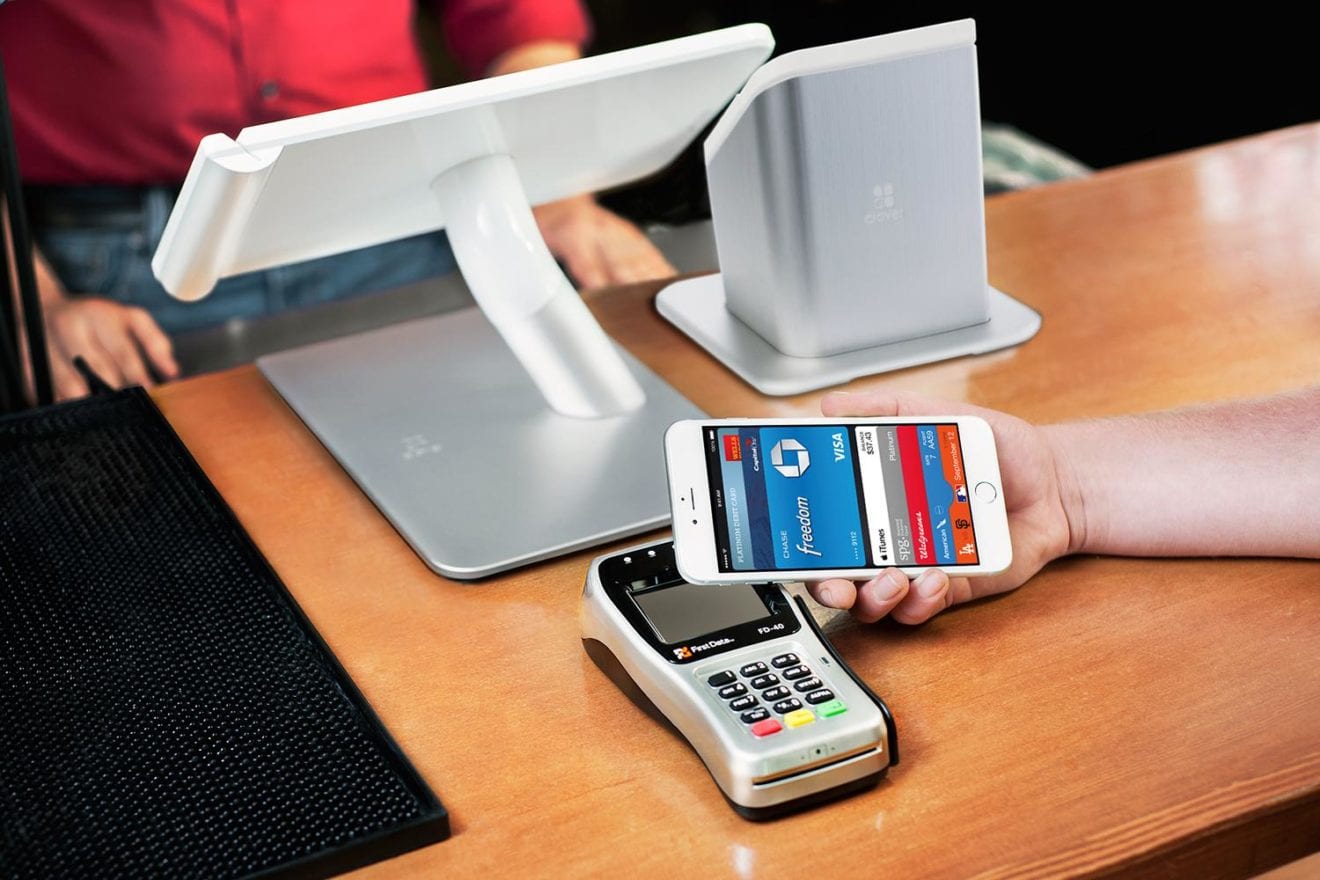
    Nearly half of consumers in China who took part in a new survey shop with digital wallets.

    Overall, the study shows that digital wallets are the fastest-growing payment technology in the region, with one in five of those surveyed using the technology.

    MasterCard’s latest mobile shopping survey shows that digital wallets are used by 19.5 per cent of respondents in Asia Pacific, a two-fold increase from two years ago (9.7 per cent).

    Emerging markets are leading the way with 45 per cent of smartphone users surveyed in China using digital wallets, 36.7 per cent in India and 23.3 per cent in Singapore. The results are based on interviews with 8500 people aged between 18 and 64 years across 14 markets in October and December.
    While mobile banking apps (31.8 per cent) are still the most widely used, among new mobile technologies such as in-app shopping and mobile NFC payments, digital wallets have had the fastest uptake over the past two years.
    Also, 48.5 per cent of respondents overall have used their smartphone for shopping in the three months before the survey. India tops the region at 76.4 per cent – up 29.3 per cent from two years ago – followed by China (76.1 per cent), South Korea (62 per cent) and Thailand (61.1 per cent). After India, growth has been most marked in Vietnam (up 17.7 per cent from two years ago) and Singapore (up 17.1 per cent).
    “New forms of mobile payment technology, such as MasterCard’s digital wallet MasterPass, are making transactions easier and safer, online, in-app and in-store,” says MasterCard’s Asia Pacific group head for digital payments, Raj Dhamodharan. “As more and more merchant apps provide shopping and services, consumers need a digital wallet that provides the best balance between security and convenience.”

    For example, consumers in Singapore are using their MasterPass wallet to pay bills and book taxis.
    Across Asia Pacific, 53.9 per cent of respondents cite convenience as the key driver for shopping on their smartphone. Other motivating factors include the ability to shop on the go (42.9 per cent) and the growing availability of apps that make it easy to shop online (41.4 per cent).
    Clothing and accessories (35 per cent), personal care and beauty products (20.9 per cent) and movie tickets (20.4 per cent) are the top mobile purchases. In China, 64.6 per cent of respondents use their smartphones to buy clothing and accessories, followed by 42.5 per cent in India and 42.1 per cent in Korea.

    Nearly half of consumers in China who took part in a new survey shop with digital wallets.

    Overall, the study shows that digital wallets are the fastest-growing payment technology in the region, with one in five of those surveyed using the technology.

    MasterCard’s latest mobile shopping survey shows that digital wallets are used by 19.5 per cent of respondents in Asia Pacific, a two-fold increase from two years ago (9.7 per cent).

    Emerging markets are leading the way with 45 per cent of smartphone users surveyed in China using digital wallets, 36.7 per cent in India and 23.3 per cent in Singapore. The results are based on interviews with 8500 people aged between 18 and 64 years across 14 markets in October and December.
    While mobile banking apps (31.8 per cent) are still the most widely used, among new mobile technologies such as in-app shopping and mobile NFC payments, digital wallets have had the fastest uptake over the past two years.
    Also, 48.5 per cent of respondents overall have used their smartphone for shopping in the three months before the survey. India tops the region at 76.4 per cent – up 29.3 per cent from two years ago – followed by China (76.1 per cent), South Korea (62 per cent) and Thailand (61.1 per cent). After India, growth has been most marked in Vietnam (up 17.7 per cent from two years ago) and Singapore (up 17.1 per cent).
    “New forms of mobile payment technology, such as MasterCard’s digital wallet MasterPass, are making transactions easier and safer, online, in-app and in-store,” says MasterCard’s Asia Pacific group head for digital payments, Raj Dhamodharan. “As more and more merchant apps provide shopping and services, consumers need a digital wallet that provides the best balance between security and convenience.”

    For example, consumers in Singapore are using their MasterPass wallet to pay bills and book taxis.
    Across Asia Pacific, 53.9 per cent of respondents cite convenience as the key driver for shopping on their smartphone. Other motivating factors include the ability to shop on the go (42.9 per cent) and the growing availability of apps that make it easy to shop online (41.4 per cent).
    Clothing and accessories (35 per cent), personal care and beauty products (20.9 per cent) and movie tickets (20.4 per cent) are the top mobile purchases. In China, 64.6 per cent of respondents use their smartphones to buy clothing and accessories, followed by 42.5 per cent in India and 42.1 per cent in Korea.

  • HSBC, Standard Chartered Caught Between ‘Brexit’ and China

    HSBC, Standard Chartered Caught Between ‘Brexit’ and China

    Two big U.K. banks’ shares tanked over the past couple of days, and unlike the British pound, they’re not weakening because of the so-called “Brexit” referendum — although that certainly doesn’t help.

    Instead, their fall may have a lot to do with the market and economic turmoil that has been taking place in China.

    The London-listed shares of emerging markets-focused bank Standard Chartered (SCBFF) fell by 10% at one point on Tuesday morning after it reported its first annual loss in more than 25 years.

    The bank reported a loss before tax of $1.5 billion last year, in sharp contrast to 2014’s profit of $4.2 billion.

    On Monday, HSBC’s (HSBC) shares fell in an otherwise rising market after the bank, which is the biggest in Europe and one of the biggest in the world by assets, reported a loss of $858 million before tax in the fourth quarter of last year, vs. a profit of $1.7 billion in the fourth quarter of 2014.

    HSBC, which is doing a lot of business in Asia and was even thinking of moving its headquarters there before deciding earlier this year to remain in London, eked out a 1% increase in pretax profit for full 2015 to $18.87 billion, but its adjusted loan impairment charges were up 17% at $3.7 billion over the period.

    The weak results of the two banks chime with rising investor worries about the exposure of U.K. banks to Asia, and particularly China, at a time when European banks have been making investors nervous again.

    Richard Barnes, senior director at Standard and Poor’s credit rating agency, received many questions about the risk of European banks’ exposure to Asia last week during an analyst call, and said the region was important particularly for HSBC and Standard Chartered.

    However, “we’ve seen European banks generally retrenching from a number of regions in the world including Asia … banks are trying to reduce exposure,” Barnes said, adding that, in China, “banks look again at their exposure to state-owned enterprises and are focusing on the ones that are likely to be supported by the government in a downturn.”

    HSBC has been deeply involved in the liberalization and deepening of China’s capital markets, having successfully negotiated a majority stake in a new, nationally licensed securities joint-venture in the mainland. HSBC Group Chairman Douglas Flint acknowledged in a statement on Monday that “China’s slower economic growth will undoubtedly contribute to a bumpier financial environment,” but he added that the country “is still expected to be the largest contributor to global growth as its economy transitions to higher added value manufacturing and services and becomes more consumer-driven.”

    He said this transition is driving the bank’s focus on the Pearl River Delta as a priority growth opportunity, as the area is a concentration of high-tech, research-focused and digital businesses.

    HSBC’s exposure to mainland China is around $143 billion, according to its annual report; of these, $135 billion are loans to other banks or non-bank financial institutions, sovereign and corporate loans, while $8 billion are loans to retail clients.

    China is perhaps even more important for Standard Chartered and has helped reduce the bank’s loss over the past year. Its Greater China business showed a pre-tax profit of $1.37 billion last year, compared to a loss of $1.33 billion in its European operations. In terms of exposure to China, Standard Chartered listed $77.67 billion in loans to customers in the country.

    The two banks would normally be sheltered from fears over their exposure to China by their presence in one of the strongest financial centers in the world, London. But with uncertainty in the U.K. rising because of the referendum on EU membership, expect a few particularly volatile months ahead for HSBC and Standard Chartered.

  • China Consumption Growth To Stay Strong In 2016

    China Consumption Growth To Stay Strong In 2016

    China’s consumption will grow at a quick pace in 2016, the country’s Minister of Commerce Gao Hucheng assured investors Tuesday, while tackling issues such as impact of yuan devaluation, building more free trade zones and the U.S.-led Trans-Pacific Partnership (TPP) at a news conference.

    A slowdown in China’s traditional economic drivers — heavy industries and manufacturing — last year sent jitters in global financial markets and commodity markets, as China’s policymakers look to shift the balance of the economy toward a consumption-led growth.

    “China realized a major transformation of economic growth, from growth mainly driven by investments and foreign trade to one mainly driven by domestic demand, especially by consumption,” the minister said. In terms of consumption, China’s total retail sales of consumer goods rose 10.7 percent to hit 30.1 trillion yuan ($4.59 trillion) in 2015, he added.

    Consumption accounted for 66.4 percent of China’s GDP growth in 2015, the Chinese statistics bureau said in January.

    A weaker yuan has not had a direct impact on China’s foreign-trade growth, Gao said, adding: “I don’t believe yuan exchange-rate volatility since the August reform can have big impact on our trade.” The renminbi, has declined by a further 3 percent against the U.S. dollar after China devalued its currency by nearly 2 percent on Aug. 11 last year.

    Earlier in February, China had announced monthly trade figures that missed expectations with exports slipping 6.6 percent in January compared to a year earlier, while imports fell 14.4 percent year-on-year.

    China’s trade decline in 2015 was much lower than those of its main trading partners and the world in general, Gao said Tuesday.

    Gao also said that the ambitious TPP agreement, signed earlier in February among twelve Pacific Rim countries — of which China is not a member — and the China-led Regional Comprehensive Economic Partnership, are moving in the same direction.

    “Bejing does not think that the (TPP) targets China,” Gao said.

  • Prada Asia fortunes wane

    Prada Asia fortunes wane

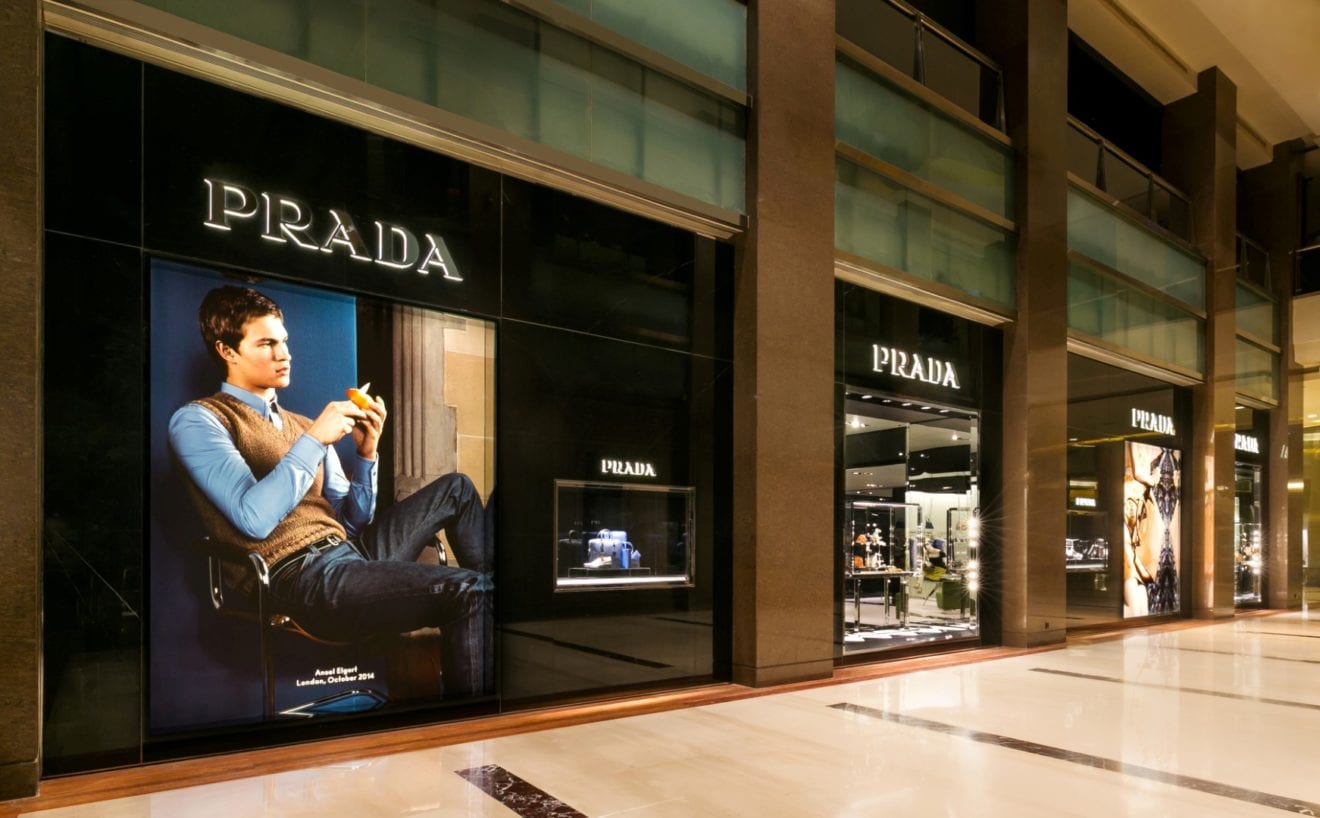
    Prada Asia is the Italian luxury label’s achilles heel with the company reporting  a 16 per cent decrease in sales in the region in the year to January 31.

    “The economic situation of the Chinese market remains negative although there was some improvement in the final quarter,” Prada said in its earnings statement.

    “Consequently, in the 2015 financial year, the entire Asia Pacific area (excluding Japan) recorded a 4 per cent revenue decrease at current exchange rates and a 16 per cent decrease at constant exchange rates.”

    Japan proved a better market, for the label: for the fifth consecutive year, sales rose, this time by  11 per cent at current exchange rates, or 4 per cent at constant rates.

    Global sales changed little – for the second year in a row – largely due to the strengthening US dollar.  Total revenue was 3.552 billion euros (US$3.96 billion) in 2015. Sales in the US fell 9 per cent excluding currency fluctuations.

    “Throughout 2015, we had to deal with an economic environment characterised by extreme volatility in currency markets, as well as by the deteriorating geopolitical situation in many world regions,” commented said CEO Patrizio Bertelli, in a clear reference to the falling demand for luxury goods in China and the Paris terrorist attacks.

    “These two factors have made prices fluctuate wildly and diverted tourist traffic in sudden and unpredictable ways. Our retail network – now truly global thanks to investment in recent years – enables us to keep developing a direct relationship with our ever more demanding customer all over the world. In the coming months, the group will be focusing its energies on the development of new commercial and marketing initiatives to sustain organic growth, also by means of an extensive digital project to strengthen dialogue with our customers. These actions, taken against the background of rigorous and disciplined cost control, will enable us to consolidate our market position with satisfactory margins and returns on investment.”

    Prada is listed in Hong Kong.

  • World catches the Chinese holiday shopping bug

    World catches the Chinese holiday shopping bug

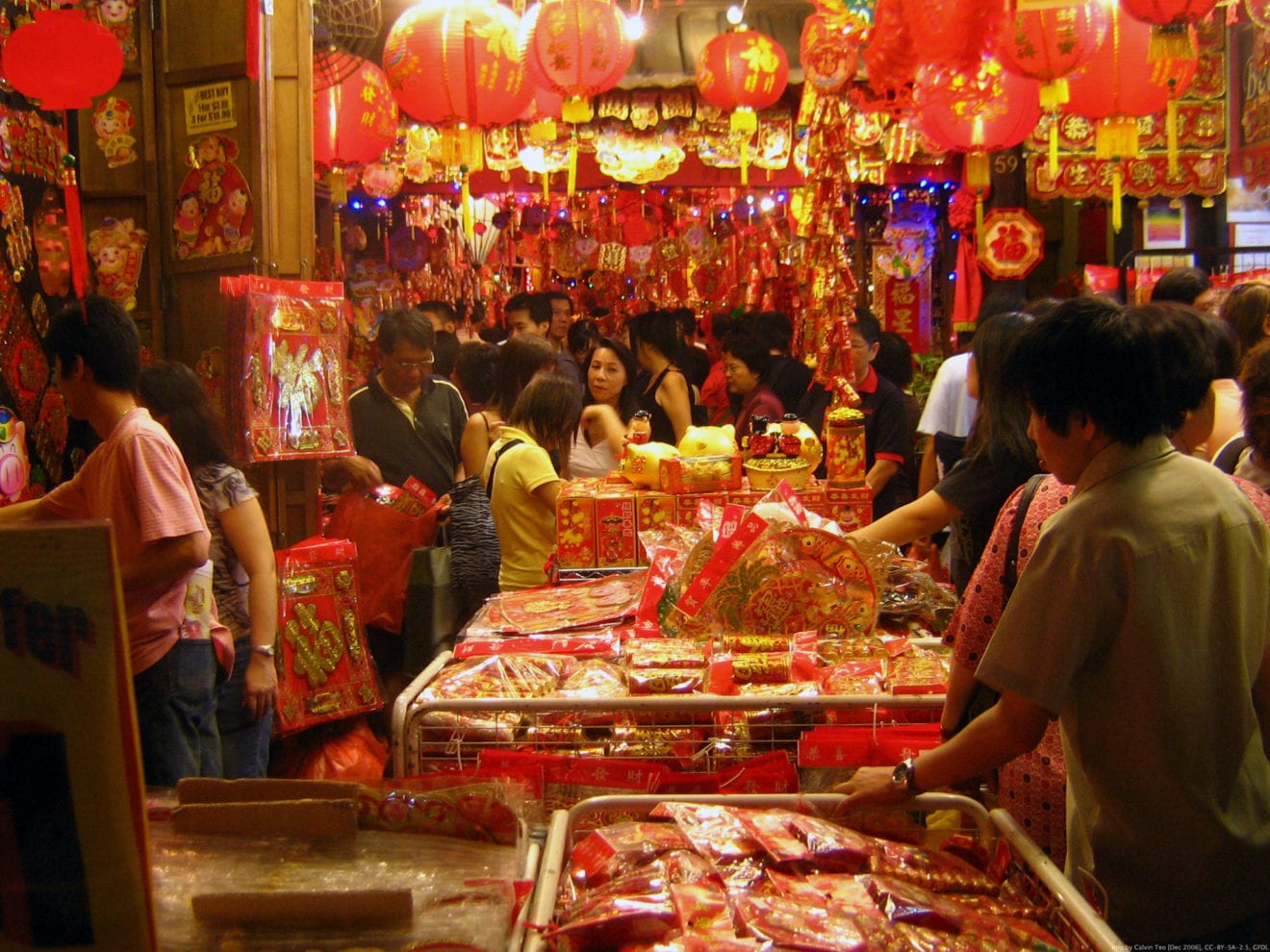
    Elena Zhang, sales manager of Xi’an Silk Road Crafts Co, said the company started receiving overseas orders for Spring Festival in July last year.

    One order last month came from Spain, for more than 1,000 red hanging lanterns made of Chinese fabric.

    Orders for various products related to Chinese New Year had come in from Canada, France, Germany and Russia, she said. AliExpress, a website that sells made-in-China products to overseas customers, is by far the most used online shop.

    Our China Dream series of lanterns are the bestsellers among overseas Chinese this year. It belongs to Alibaba, China’s largest e-commerce player. “Fabric lanterns priced between $1.50 and $4.30 (£1-3) each were the most popular items this year,” Ms Zhang said.

    “Overseas buyers usually place their Spring Festival orders in summer. But we have had orders at the end of the year, too. Enthusiasm overseas in Chinese New Year shopping seems to be increasing, and e-commerce is helping increase sales.”

    Sales by AliExpress to overseas consumers from the city of Yiwu, Zhejiang province, well-known as a centre for small commodities, have risen sharply since the company began to ship worldwide on Dec 31.

    To the end of January it had shipped more than one million parcels overseas. One of the companies making full use of this new service is Yiwu Wonderful Lantern Co.

    Xia Rongwang, the company’s manager, said many overseas orders had been placed since the middle of January, especially from overseas Chinese in countries such as Malaysia.

    Some buyers said the lanterns make them feel as though they are back home celebrating new year

    “Our China Dream series of lanterns are the bestsellers among overseas Chinese this year. Some buyers have said the lanterns make them feel as though they are back home celebrating the new year.”

    Apart from Spring Festival-related items such as lanterns, overseas consumers are buying other products made in China selling at bargain prices in the holiday period and just before it. DHgate, a Chinese online wholesale marketplace, said sofa and bed cushions are particularly popular among Canadian shoppers.

    Russians are said to be the most numerous overseas buyers. AliExpress says they love buying clothes made in China, their keenness to shop online spurred by a depreciating rouble. Consumers in countries where winters tend to be very cold buy made-in-China down jackets and other winter-wear.

    Felix Zhang, sales manager for Shaoxing Goldson Dress Co in Zhejiang province, said Chinese down jackets in the $40 to $47 price range are popular among buyers in Kazakhstan, Estonia and Latvia. “We offer discounts of up to $500 for buyers who order more than 10,000 down jackets. The reason is obvious: Online selling means we cut the costs resulting from going through intermediaries.”

  • Mobile shopping is doubling in China each year

    Mobile shopping is doubling in China each year

    On the back of strong growth in household income and wealth, retail spending has been one of the few shining lights for the Chinese economy of late. The pace of growth, no matter what method used to measure it, has been phenomenal since the turn of the century.

    According to analysis produced by UBS equity analysts Xinyu Liao and Yunyun Hu, retail sales of consumer goods grew at a compound average growth rate (CAGR) of 13.8% since 2000, leaving the total amount spent by Chinese households last year at a mammoth 30 trillion RMB (US$4.6 trillion).

    From the levels of 2000, that represents a more than six-fold increase.

    As as the chart below from UBS shows, despite a recent deceleration in the pace of growth, retail sales of consumer goods, let alone services, is still growing at a rate of around 10% per annum.

    Breaking down the retail sales figure further, there’s one component that stands head and shoulder above the rest when it comes to annual growth: online retail sales.

    It grew by an astonishing 33.% in 2015, accounting for more than 10% of total retail sales, a figure that dwarfs comparable online spending figures from the US and Japan.

    With mobile usage in China exploding, so too is retail spending on mobile devices. It grew by over 100% in 2015, continuing the trend seen since late 2013.

    According to Xinhua, citing a research report from the China Internet Network Information Center (CINIC), Chinese internet traffic through mobile devices surged by 36.79 million people in the first six months of 2015, taking the total number accessing the web through smartphones to 594 million.

    Massive growth, and combined with Chinese demographics, one that looks set to see spending on mobile devices skyrocket even further in the years ahead.

    Of China’s more than 1.3 billion people, 43% are aged between 10-39 years. While less than half of the population, what they lack in numbers, comparatively speaking, they make up for in terms of internet usage.

    Nearly 80% of China’s internet users come from this age group, presenting an enormous opportunity for retailers as their numbers, and wealth, increase.

    “With younger people set to become China’s most influential group of consumers in the next few years, we expect growth in online and mobile consumption to continue, say Liao and Hu. “Equally importantly, their consumption habits are likely to influence the next generation, as more of these younger consumers go on to become parents. Thus, we believe the shift from offline to online channels could have far-reaching implications for the spending habits of Chinese consumers.”

    Based on the changes witnessed in Chinese household spending patterns over the past 25 years, those firms offering discretionary items look set to do well.

    Like most economies making the transition from developing to developed status, the proportion of household spending directed to necessities has been steadily falling, replaced by discretionary spending such as education and housing.

    Clearly the opportunities to tap into marketplace are immense, as discovered by many firms in and outside of China over recent years. However, the formula to do that successfully, particularly for foreign firms, might not be so easy to crack.