Tag: China

  • China Jo-Jo finds gold online

    China Jo-Jo finds gold online

    While its physical stores and wholesale revenues slipped, pharmacy retailer China Jo-Jo Drugstores recorded an increase of about 96.7 per cent in its online revenues during the third quarter ended December 31.

    Through its own retail stores (59 in Zhejiang Province), wholesale distribution and online pharmacy, the New York-listed company is a leading provider of pharmaceutical and healthcare products in China.

    Overall, its revenues of about $24.7 million for the period were up 15.9 per cent. Its retail drugstores brought in $12.9 million, down 2.7 per cent, while its wholesale businesses netted about $3.1 million, a decrease of of 13.8 per cent. However, its online pharmacy revenue rose 96.7 per cent to total about $8.6 million.

    This gave the company a gross profit of about $4.8 million for the quarter, up 52.3 per cent on the previous year. The online profit soared 194.1 per cent to about $1.8 million, while its stores had a 20.3 per cent increase to about $2.8 million.

    Over the nine months of the financial year, revenue totalled $68.6 million, up 22 per cent, with gross profit up 56.1 per cent to about $13.2 million.

    Sales and marketing expenses grew by $1.1 million, or 50.5 per cent, mainly because of higher labour costs and service fees for its eCommerce platforms.

    “We are seeing improvements in gross margin from increased volume in our online business as our revenue mix continues to shift to our fast-growing online business,” says chairman/CEO Lei Liu, who predicts a strong quarter to end the fiscal year.

    “Investments and efforts in building critical mass to service China’s consumer needs in the pharmacy space is taking shape, creating new opportunities to diversify our revenue base.”

    Closer collaborations with large local pharmaceutical vendors are also providing cost advantages. Co-operation with business-to-consumer online vendors have expanded, with the company’s products listed on such platforms as Taobao, JD and www.yhd.com and customers being directed back to China Jo-Jo’s website.

    Meanwhile, the company continues to benefit from working with large insurance companies such as The People’s Insurance Company of China. Commercial health insurance in China continues to expand to supplement the nation’s social health insurance.

    Lei Liu says there is a “relentless call” for healthcare reform in China, including an end to hospitals dominating prescription sales. Meanwhile, China Jo-Jo has also seen its loyalty program expand to embrace more than 2 million customers.
  • Why there is no need to wait for a stable market before launching Shenzhen-Hong Kong stock

    Why there is no need to wait for a stable market before launching Shenzhen-Hong Kong stock

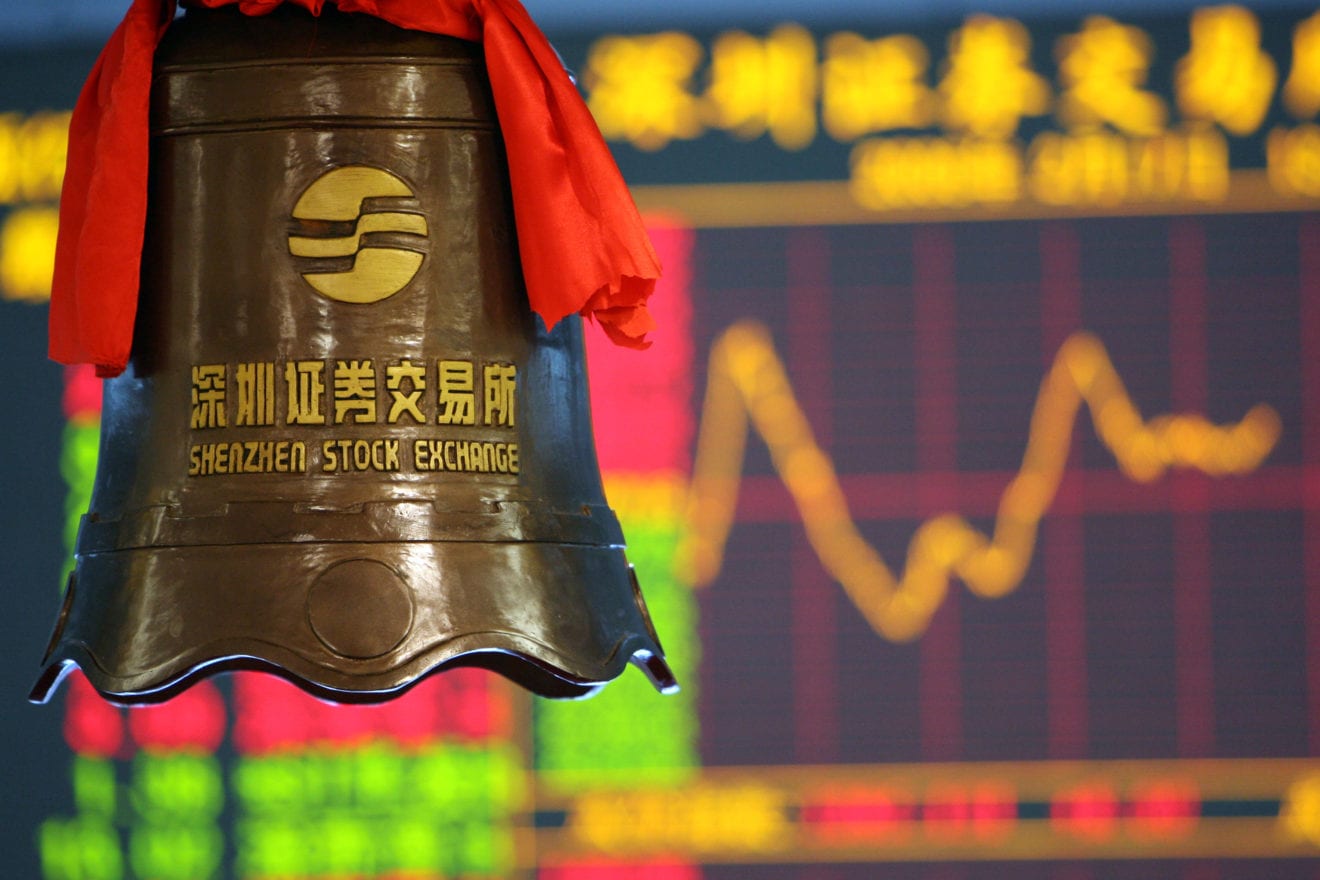
    Beijing should not wait for the market to stabilise to launch the Shenzhen-Hong Kong stock connect scheme and should introduce it as soon as possible to help attract more capital inflow to the mainland China.

    Hong Kong Exchanges and Clearing chairman Chow Chung-kong said last Thursday, on the first trading day of the Year of the Monkey, that the long-awaited stock connect scheme between the Hong Kong and Shenzhen stock markets would definitely be launched but it would need to wait for the stock market to stabilise.

    After the Hang Seng Index lost more than 700 points on Thursday in the biggest fall on the first trading day of a Lunar New Year since 1994, brokers interpreted his remarks as meaning the scheme would be launched in the second half of this year at the earliest.

    But that would not be appropriate because any broker will tell you investors like to trade when the markets have big movements instead of in quiet markets. Even in a falling market, people like to buy when the share prices drop to more reasonable levels.

    It should be left to investors and not the regulators to decide when it is appropriate to enter the market

    As such, the mainland regulator should launch the new scheme whenever the platform and regulatory measures are ready and not when the market is stable. It should be left to investors and not the regulators to decide when it is appropriate to enter the market.

    Then there’s the capital flow issue. The depreciation of the yuan, which dropped more than 5 per cent against the US dollar last year and is expected to fall further this year, has led to many mainlanders rushing to buy US dollar or Hong Kong dollar investment products and life insurance policies to hedge their risks.

    The launch of the Shenzhen-Hong Kong stock connect would not worsen the situation because most mainland investors have accounts in both the Shanghai and Shenzhen stock markets. Investors who want to trade Hong Kong stocks could already have done so by trading via the Shanghai-Hong Kong stock connect.

    The launch of the Shenzhen-Hong Kong stock connect would, however, open a new leg and new market for northbound trading – with international investors able to trade Shenzhen-listed companies in addition to Shanghai A shares.

    A recent survey by the Hong Kong Investment Funds Association found international investors were interested in the Shenzhen stock markets because it is home to many potential high growth companies. Retail brokers in Hong Kong would also like to see Hong Kong investors allowed to trade Shenzhen stocks because it would boost their commission income.

    That means the launch of the Shenzhen-Hong Kong stock connect is likely to result in new capital inflow to mainland China from both international fund houses and Hong Kong retail investors.

    More importantly, many fund managers believe that a precondition for A shares to be added to MSCI’s benchmark emerging markets index is giving them the ability to trade in the Shenzhen stock market.

    MSCI said in June last year that its decision to defer the inclusion of A shares in its global emerging market benchmarks for a second year reflected lingering investor concerns over market accessibility.

    If Beijing allows the Shenzhen-Hong Kong stock connect to be launched soon, it would boost the chances of A shares being included in MSCI indices. And that would lead to more exchange traded funds buying A shares, further boosting capital inflow.

    There is really no need to wait for the market to stabilize before launching the Shenzhen-Hong Kong stock connect.

  • Chinese New Year Holiday Retail Sales Spike 11.2%

    Chinese New Year Holiday Retail Sales Spike 11.2%

    China’s retail sales over the Spring Festival holiday rose 11.2 percent from the same vacation period a year earlier, with cinemas posting sharp increases in box-office sales, the country’s Ministry of Commerce said in a statement Saturday.

    Retail sales and restaurant receipts in the world’s second-largest economy totaled about 754 billion yuan ($115 billion) in the week-long holiday period that started Feb. 7, the eve of the Lunar New Year, according to the statement. This year’s growth was similar to the 11 percent increase posted in last year’s holiday period.

    Services for the first time generated more than half of China’s gross domestic product last year, at 50.5 percent. Higher household incomes allow families to embrace a middle-class life as the country’s leaders continue to engineer a shift toward services and consumption, and away from manufacturing and investment. Services generate more jobs per yuan of output than China’s factories, which is crucial as the country adjusts to a slower economic growth rate.

    Box-office sales at China’s cinemas over the first three days of the Lunar New Year surged about 80 percent from a year earlier, to nearly 1.7 billion yuan, the statement said. Total ticket sales over the first three days of this year’s Lunar New Year almost equaled the total for the whole week-long holiday last year, according to the statement.

  • China’s ‘explosive shopping’ sprees bring chaos to Tokyo roads

    China’s ‘explosive shopping’ sprees bring chaos to Tokyo roads

    Tensions between Japan and China are not confined to remote islands and historical disputes it seems – now an unlikely activity is causing tension between the two Asian powerhouses. Shopping.

    Japanese police are reportedly receiving increasing numbers of complaints about the surge in buses carrying Chinese shoppers who are causing parking chaos in Tokyo’s retail districts.

    The issue taps into the booming number of Chinese tourists indulging in intense shopping sprees in Tokyo, whose surge in prevalence has prompted the creation of the new Japanese buzzword “bakugai” (“explosive shopping”).

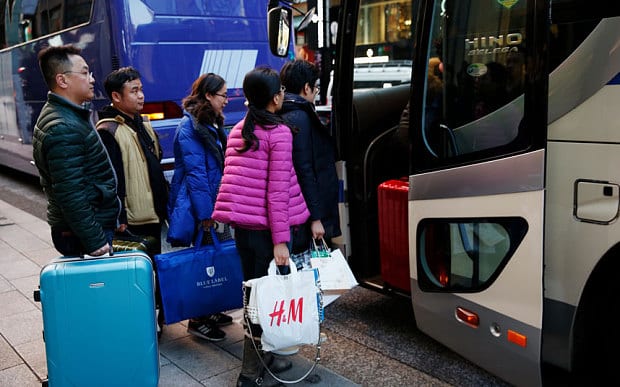
    Chinese tourists pack their shopping into a suitcase at a department store in Tokyo  Photo: Reuters

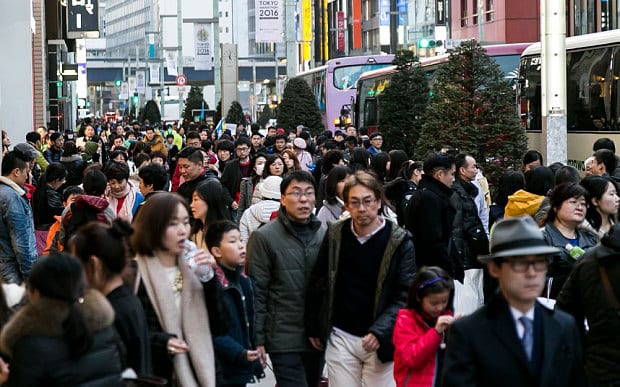
    From Ginza’s upmarket boulevards lined with department stores to the historic lanes of the old Asakusa area, large buses ferrying retail therapy-loving Chinese shoppers have apparently been causing parking chaos across the capital.

    On one recent occasion in the run up to Chinese New Year, a total of eight tour buses reportedly caused mayhem after blocking the left traffic lane on one of the main streets in Ginza, according to Kyodo News.

    Store security on the Ginza street also reportedly became involved in the retail chaos, asking Chinese shoppers laden down with bags outside the buses to step aside to allow other pedestrians to pass.

    One of the bus drivers said: “I usually stop here because there aren’t any other places. If we are lucky, we can leave here around 15 minutes behind schedule but a 30-minute delay is not unusual.”

    Japan’s economy received a welcome bolster from a surge in overseas visitors in 2015, with a record 19.73 million overseas tourists arriving in the country, many of whom were intent on shopping.

    Fuelled by a then-weakened yen, foreign tourists visiting Japan last year spent around 3.08 trillion yen – an increase of one trillion from the previous year, according to finance ministry figures.

    Chinese tourists shopping during the Lunar New Year Holiday at Tokyo's Ginza shopping district in Japan

    However, the rise of shoppers – in particular groups of voraciously-consuming Chinese shoppers – has gone hand in hand with increasingly complex parking problems across the capital, according to Kyodo News.

    Japanese items coveted by Chinese shoppers range eclectically from swishy Japanese techno lavatories and rice cookers to designer handbags and green tea-flavoured KitKats.

    As the city braces itself for further increases in visitors in the run-up to the Olympics, retail associations are urging local authorities to help find long-term solutions to the problem.

    “The central and the Tokyo metropolitan governments need to take the initiative to provide more parking spaces if they are going to promote tourism,” one leader of a local business association for the Ginza shopping area told Kyodo.

    An official for the metropolitan police department added: “Instead of tightening regulations, we would like to unite with municipalities and stores to decide on appropriate rules to welcome tourists together.”


  • China’s trade slumps in January

    China’s trade slumps in January

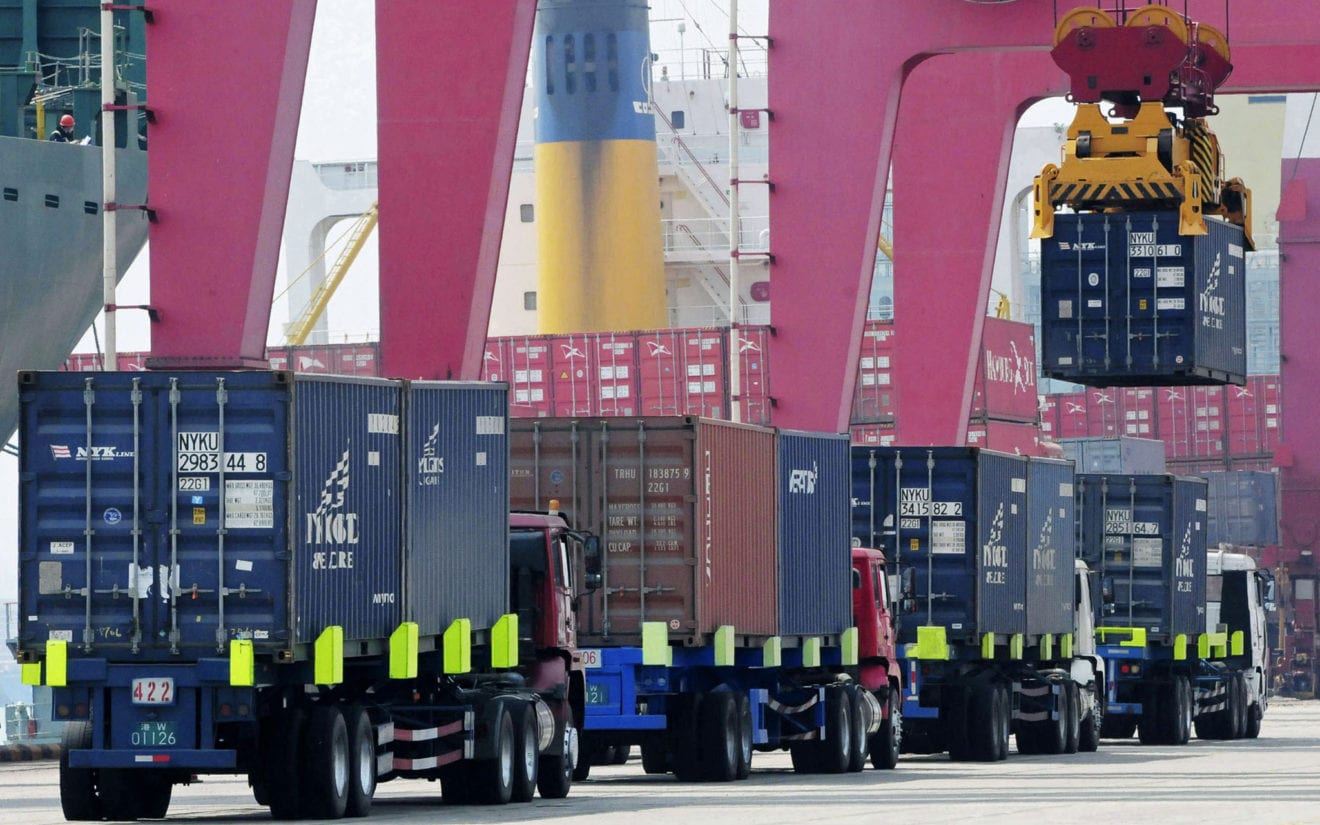
    China’s trade slumped in January due to weak global demand and holiday effects, casting new shadow over the outlook of the world’s second-largest economy, data from the General Administration of Customs showed yesterday.

    Exports shrank 6.6 percent from a year earlier to 1.14 trillion yuan (US$174.6 billion) in January, ending a one-month-long growth stream of 2.3 percent in December. Imports contracted 14.4 percent to 737.5 billion yuan, much widening from the loss of 4 percent a month earlier.

    As a result, January’s trade surplus shot to 406.2 billion yuan, a record high that was up 12.2 percent year on year and more than December’s surplus of 382.1 billion yuan.

    “China’s exports fell sharply, suggesting weak global demand,” said Liu Ligang, chief economist at Australia & New Zealand Banking Group. “The decrease of imports was in part due to still low commodity prices.”

    Liu noted the earlier timing of the Chinese New Year in 2016 compared with 2015 has also distorted the annual growth rates as traders tended to frontload their shipments in December when exports staged a remarkable rebound.

    Wendy Chen, a research analyst at Nomura, said the trade data, together with other indicators, suggested growth momentum in China weakened further in January.

    “As China’s retail sales remained stable, the trade slump mainly reflected weakening investment demand, possibly from weaker property investment and measures to reduce overcapacity,” Chen said.

    China’s economy had a “bumpy start” this year as data for January stayed weak due to the holiday effects and the extremely cold weather. Factories continued to report contracted activities while service providers also saw their business less robust.

    China’s growth momentum has kept slowing as the country entered the state of “new normal,” illustrated by moderating growth rate but better growth quality.

    China’s gross domestic product grew 6.8 percent in the fourth quarter of last year, and ended 2015 with a rate of 6.9 percent, the slowest annual expansion in a quarter of a century.

    In January, China’s trade decreased 9.8 percent to 1.88 trillion yuan, the Customs data showed. It deteriorated further from last year’s contraction of 7 percent, when China missed its government target of a 6-percent increase.

    The European Union remained China’s largest trading partner last month, although its trade with China declined 9.9 percent to 290.3 billion yuan. It was followed by the United States and the ASEAN countries, which shipped goods worth 269.8 billion yuan and 234.2 billion yuan respectively, down 9.9 percent and 10.8 percent.

    Foreign trade involving China’s private firms delivered the best performance by increasing 1.1 percent during the period, while foreign traders said their business lost 14.3percent and state-owned traders reported a contraction of 21.9 percent.

    Shanghai’s trade retreated 6.1 percent to 219.4 billion yuan last month.

  • China’s Central Bank says no reason for yuan to slide further

    China’s Central Bank says no reason for yuan to slide further

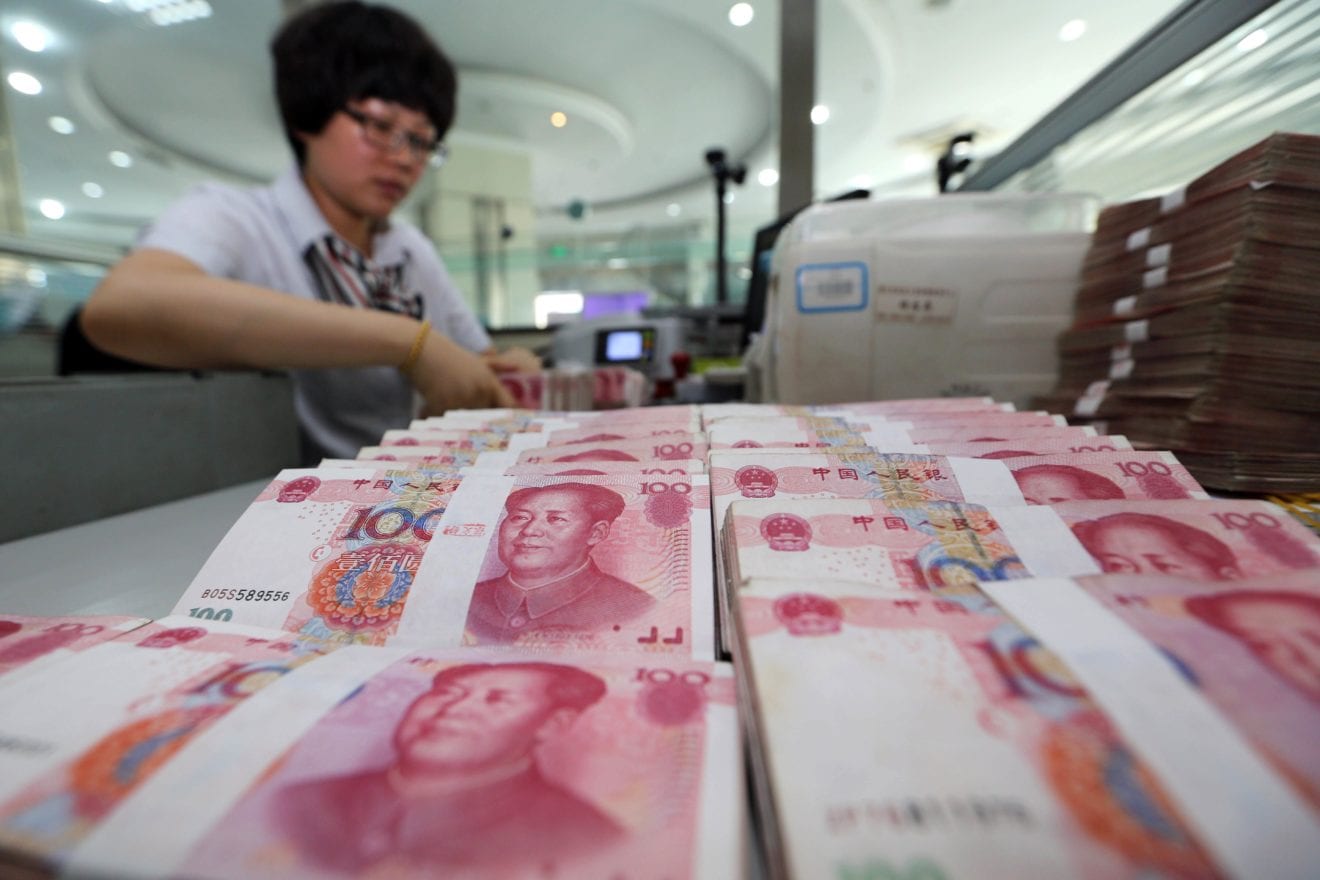
    China’s central bank governor said there was no basis for continued depreciation of the yuan as the balance of payments is good, capital outflows are normal and the exchange rate is basically stable against a basket of currencies, according to an interview published Saturday in Caixin magazine.

    Zhou Xiaochuan dismissed speculation that China planned to tighten capital controls and said there was no need to worry about a short-term decline in foreign-exchange reserves, adding that the country had ample holdings for payments and to defend stability.

    The comments come as Chinese financial markets prepare to reopen Monday after the week-long Lunar New Year holiday.

    The country’s foreign-exchange reserves shrank to the smallest since 2012 in January, signalling that the central bank sold dollars as the yuan fell to a five-year low. The weakening exchange rate and declining share markets in China have fuelled global turmoil and helped send world stocks to their lowest level in more than two years.

    The bank will not let “speculative forces dominate market sentiment,” Zhou said, adding that a flexible exchange rate should help efforts to combat speculation by effectively using “our ammunition while minimising costs.”

    Policy makers seeking to support the yuan amid slower growth and increasing outflows have been using up reserves. The draw-down has continued since the devaluation of the currency in August and holdings fell by $US99.5 billion in January to $US3.23 trillion, according to the central bank on February 7. The stockpile slumped by more than half a trillion US dollars in 2015.

    China has no incentive to depreciate the currency to boost net exports and there’s no direct link between the nation’s gross domestic product and its exchange rate, Zhou said. Capital outflows need not be capital flight and tighter controls would be hard to implement because of the size of global trade, the movement of people and the number of Chinese living abroad, he added.

    The country will not peg the yuan to a basket of currencies but rather seek to rely more on a basket for reference and try to manage daily volatility versus the dollar, Zhou said. The bank will also use a wider range of macro-economic data to determine the exchange rate, he said.

    Meanwhile China’s retail sales grew 11.2 per cent during the week-long Lunar New Year vacation compared with the same holiday period last year, Ministry of Commerce data showed on Saturday.

    Revenues of retailers and catering firms grew to about 754 billion yuan ($US115 billion) during the Feb 7-13 “Golden Week” holiday, a ministry statement said.

    The holiday is especially important for retailers, which vie for customers by launching promotions and discounts. Millions of people take time off work to travel and generally spend more than usual during the break.

  • China’s Monkey Week Boost Demand as Retail Sales Increased

    China’s Monkey Week Boost Demand as Retail Sales Increased

    The gloomy Chinese economy has shown a sign of stabilization during “Monkey,” the lunar New Year celebrations as retail sales have surged, suggesting an improvement in domestic demand.

    During spring festival last week, China’s retail sales recorded 11.2% year-over-year (YoY) growth, fueled by cinemas, according to the Chinese Ministry of Commerce on Saturday. The retail and restaurant sales surged to $115 billion (754 billion yuan), showing a strong potential of the food industry in the world’s most-populated country.

    The Chinese economy last year grew 6.9%, slowest GDP growth rate since 1990, owing to the soft domestic demand in the country. The Chinese authority to uplift domestic demand undertook several measures. Despite the initiatives by Beijing, the Chinese economy is still on a bumpy ride as depicted by recent gloomy economic indicators.

    However, the jump in retail sales during spring festival last week depicts that policymaker’s efforts have started paying off. From January, the People’s Bank of China (PBOC) performed massive open market operations to keep the market liquid. In January, it injected net liquidity worth about $188 billion (1.235 trillion yuan), to meet the cash demand during spring festival.

    The massive liquidity injections raised concerns among economists, who believe that this week would lead to tightening liquidity as the Chinese central bank has to mop liquidity from the economy. They also believe that increase in retail sales during the spring festival, which started on February 8-13, suggesting demand is picking up pace.

    Food demand remained strong during celebrations and medium-sized food retailers saw 10.6% YoY growth as Chinese families preferred to eat food from restaurants. Tourism also recorded modest demand during week-long holidays and nearly 1.62 million foreign tourists visited China in a week-long holiday. Mass catering services also posted record boom as Chinese families hosted reunion dinners.

    Analysts believe that the modest growth in demand shows the potential of Chinese consumers. However, they believe that the demand is seasonal and Beijing needs to devise an effective strategy to spur and sustain domestic demand in an attempt to streamline the world’s second largest economy.

  • Tesla Motors Wants Local Production in China

    Tesla Motors Wants Local Production in China

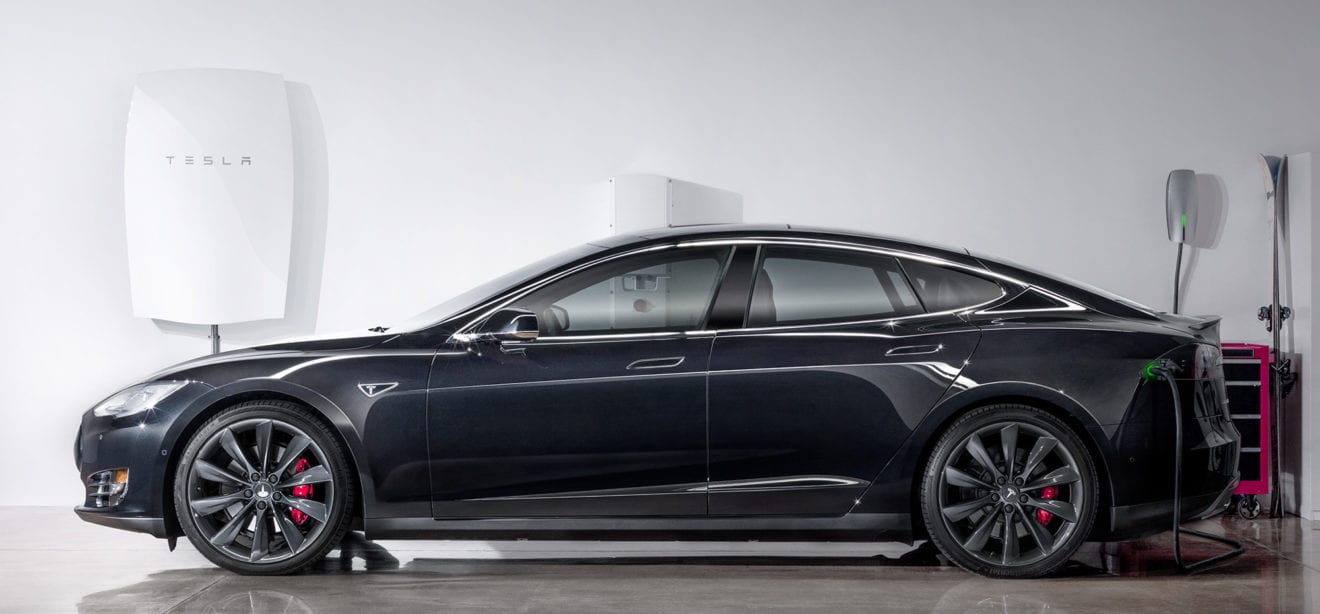
    It’s no secret that electric-car maker Tesla Motors is ramping up its efforts in China. Despite some initial challenges in the country when the company launched in the market in 2014, it still believes China could be one of its largest vehicle markets “within a few years,” according to its most recent 10-Q filing. And an update from Musk this week on Tesla’s plans in China, as well as a look at sales in Hong Kong, suggests it is as eager as ever to serve these important Asian markets.

    Tesla China

    Aiming to secure a factory location this year Tesla “aims to lock down manufacturing plans finding a local partner and a location for the plant — for the local market by the middle of this year,” wrote Engadget’s Richard Lai on Monday.

    The company plans to launch a factory in China “as soon as a year after” the Model 3 launch, which is set for late 2017, Musk said on Twitter last October. Securing a local partner and a location for its plant by the middle of this year would give Tesla plenty of time to meet this time frame.

    Musk hopes China will nix its “prohibitively high” auto import duties for the Model 3, making “a special category for EVs,” he explained last year on Twitter. Musk explained that these are natural moves for the company in order for it to “improve in-market affordability.”

    A China factory will be built to serve local Chinese demand and the company will continue to make cars and batteries in California and Nevada.

    Rising investments and rising demand
    Following its poor start in China in 2014, there was quite a bit of uncertainty about Tesla’s potential in the country last year. But a look at Tesla’s commentary on the market throughout 2015 suggests it experienced considerable growth in the market in terms of sales, demand, and investments.

    On a quarter-to-quarter basis, orders in Q2 “doubled” and orders in Q3 “increased substantially,” the company noted in its second- and third-quarter shareholder letters. Going forward, Tesla said in its third-quarter shareholder letter that it expected “order growth in China to remain strong.”

    Along with this rising demand, there are now over 340 Superchargers and 1,600 Destination Chargers in the country.

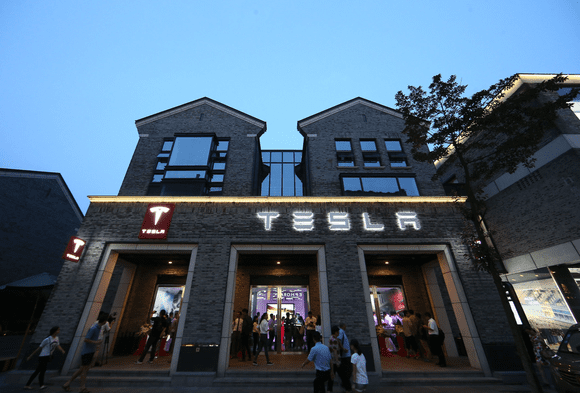
    One area of investment for the company in China has been with its retail stores. In August 2015, Tesla had just one retail store located in a high foot traffic area in the market and said it planned to have five by the end of the year. With 15 stores in the country now, the company appears to be exceeding its plans for a retail expansion there.

    Hong Kong First Tesla

    Tesla’s investments in Hong Kong, where it currently has three retail stores, are also surprising. Lai provides a glimpse of the company’s robust charging network in the market, along with a rare breakdown of sales for the region:

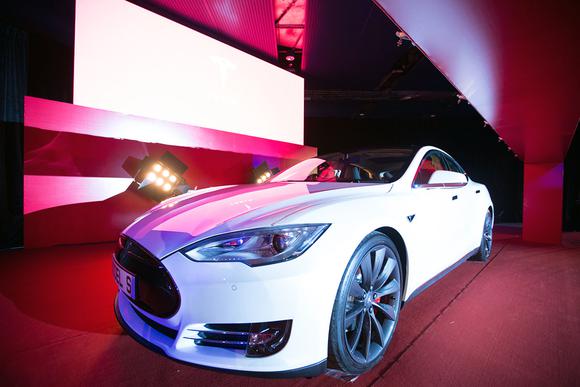
    Hong Kong in particular has 42 Superchargers, making it the city with the highest density of Tesla’s rapid charging stations; this is on top of the 75 destination chargers there. It’s no wonder that last year the company managed to sell 2,221 Model S in Hong Kong alone, which made up over 80 percent of the local electric vehicles that year. To put things into perspective, that’s also 4.39 percent of Tesla’s total global shipment in the same period.

    This is considerable progress considering the company didn’t launch in Hong Kong until the second half of 2014.

    China and Hong Kong both look poised to represent key catalysts for Tesla in 2016.

    The next billion-dollar iSecret
    The world’s biggest tech company forgot to show you something at its recent event, but a few Wall Street analysts and the Fool didn’t miss a beat: There’s a small company that’s powering their brand-new gadgets and the coming revolution in technology. And we think its stock price has nearly unlimited room to run for early in-the-know investors! To be one of them, just click here.

    Daniel Sparks owns shares of Tesla Motors. The Motley Fool owns shares of and recommends Tesla Motors. Try any of our Foolish newsletter services free for 30 days. We Fools may not all hold the same opinions, but we all believe that considering a diverse range of insights makes us better investors. The Motley Fool has a disclosure policy.

  • PVH takes control of Tommy Hilfiger China

    PVH takes control of Tommy Hilfiger China

    PVH Corp, the parent of the Tommy Hilfiger brand, is to take full control of its China business.

    PVH, together with funds advised by Apax Partners, will acquire the 55 per cent interest in TH Asia Ltd, their joint venture for Tommy Hilfiger China, which PVH does not already own.

    The purchase price for the transaction is about US$172 million, net of cash of approximately $100 million, subject to adjustment.

    The closing, which is subject to customary closing conditions and regulatory approvals, is expected to occur early in the second quarter of 2016.

    “Today’s announcement represents a significant development for our company as we continue to execute against our key strategic priorities and demonstrates our commitment to making strategic investments to support the long term growth of PVH and our Tommy Hilfiger business,” said Emanuel Chirico, chairman and CEO of PVH.

    “This transaction enables the Tommy Hilfiger business to directly operate its fastest growing market, while leveraging our well-established infrastructure in Asia, our regional leadership expertise and strong brand momentum across both our Tommy Hilfiger and Calvin Klein businesses in the region.”

    This transaction has been envisioned since PVH and the funds advised by Apax Partners established the Tommy Hilfiger China joint venture in connection with the Tommy Hilfiger acquisition in 2010.

    Since 2012, the first full year of operations after the joint venture acquired the Tommy Hilfiger China business from the former licensee, the Tommy Hilfiger business in China has doubled from approximately $70 million in revenue to a projected $140 million in 2015, with over 350 stores, of which 65 are directly operated.

    Daniel Grieder, CEO of Tommy Hilfiger, commented: “We are looking forward to executing a more fully integrated strategy for China that takes advantage of our current momentum in the region. This will allow us to further realise the growth opportunities that exist for the brand by offering consumers a greater breadth of Tommy Hilfiger product lines and a more elevated brand presentation. Building on our strong existing regional foundation, we plan to accelerate the growth of the Tommy Hilfiger business by increasing our brand marketing in China and capitalising on our strong market positioning and price, value proposition. We plan to invest further in driving the expansion of the brand through new store openings (both company-operated and franchised stores) and improved productivity in existing stores, while rapidly expanding our traditional and digital marketing initiatives to further reinforce the brand in this exciting market.”

    PVH Corp owns and markets Calvin Klein and Tommy Hilfiger brands worldwide. It is the world’s largest shirt and neckwear company and markets a variety of goods under its own brands, Van Heusen, Calvin Klein, Tommy Hilfiger, Izod, Arrow, Warner’s and Olga, and its licensed brands, including Speedo, Geoffrey Beene, Kenneth Cole New York, Kenneth Cole Reaction, Michael Michael Kors, Sean John and Chaps.

    The other shareholders in the China joint venture include an affiliate of Silas Chou and, indirectly through an investment vehicle controlled by funds advised by Apax Partners, members of Tommy Hilfiger management at the time of the acquisition in 2010, such as Fred Gehring (former CEO and executive chairman, Tommy Hilfiger and current vice chairman of PVH), Daniel Grieder (CEO, Tommy Hilfiger), and Tommy Hilfiger himself.

  • Traditional Chinese Medicine Retailer Accelerates Overseas Expansion

    Traditional Chinese Medicine Retailer Accelerates Overseas Expansion

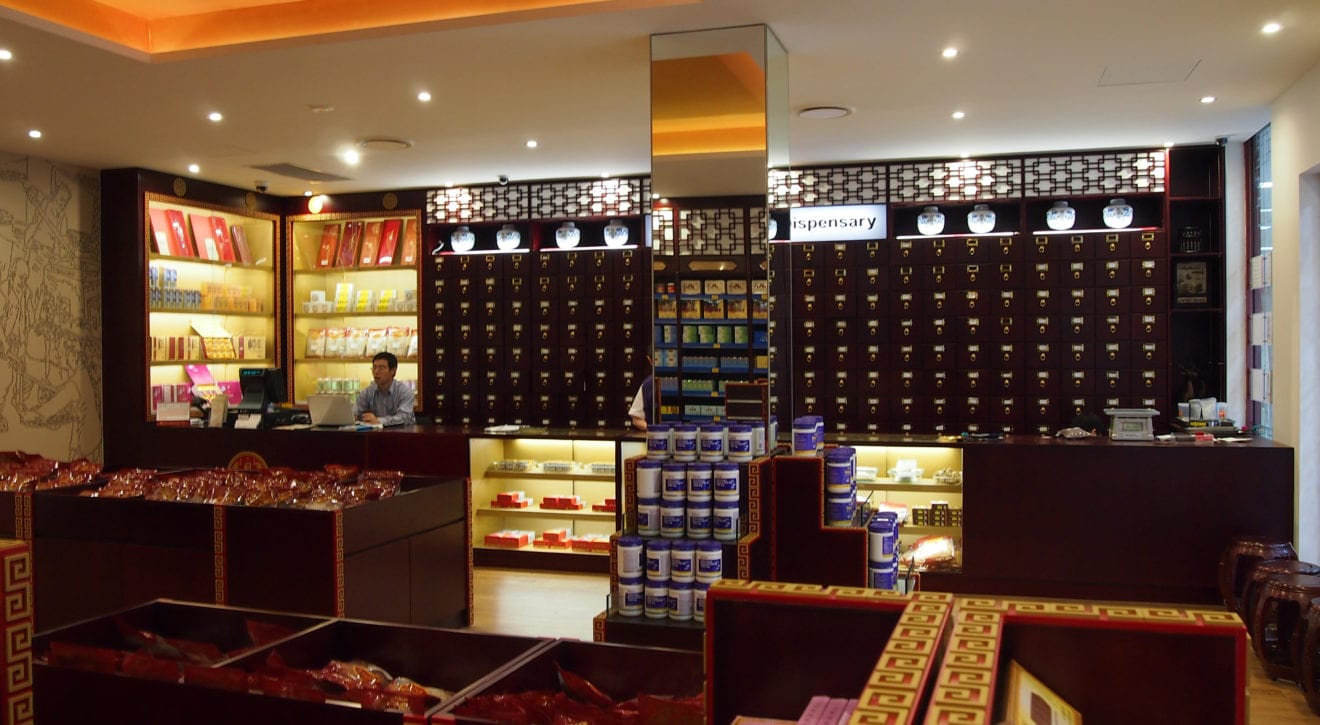
    The time-honored traditional Chinese medicine brand Tong Ren Tang says it accelerated its overseas expansion and opened nine new stores in the overseas market in 2015.

    In reporting the company’s results for last year, the company says it has developed 31 branches in 25 countries and regions outside China, operating 115 retail sites, traditional Chinese medicine clinics, and traditional Chinese medicine health centers. It served over 30 million patients in those countries and regions.

    Mei Qun, chairman of Beijing Tong Ren Tang Group, said that based on the planning of Tong Ren Tang, its international development is divided into three steps. In 1993, the group started its overseas development in Hong Kong; in 2003, they established Beijing Tong Ren Tang International Co., Ltd. in Hong Kong; and in 2013, Beijing Tong Ren Tang Chinese Medicine Co., Ltd. was successfully listed in Hong Kong and started developing in major European markets.

    Ding Yongling, deputy general manager of Beijing Tong Ren Tang Group, said that in 2015, the group opened nine new stores in six countries and regions, including Hong Kong, Germany, United Arab Emirates, New Zealand, Sweden, and the Czech Republic. Apart from Chinese medicine stores, the group also developed Chinese medicine clinics and health centers in foreign countries.

  • Apple Pay to go live in China on February 18

    Apple Pay to go live in China on February 18

    Apple Inc’s Apple Pay mobile payment system will be available in China from February 18 for Industrial and Commercial Bank of China Ltd (ICBC) customers, bank representatives said in social media posts on Tuesday.

    The technology giant had previously said the system would launch in China in early 2016, making it Apple Pay’s fifth country as it accelerates development of a planned new revenue stream. ICBC is China’s biggest lender by assets.

    An Apple spokeswoman declined to comment on ICBC’s posts on the projected launch. The lender is set to be joined by a raft of peers: Apple’s China website lists 19 Chinese lenders as official Apple Pay partners, and state media reported two other lenders will also go live with the service from February 18.

    Greater China is Apple’s second-largest market by revenue, but the company faces an uphill battle to match that prowess quickly in mobile payments.

    Apple Pay’s beginnings have been less than auspicious in other markets, including scepticism from retailers in its home market. But in China, Apple Pay’s issue will be how to compete with dominant and entrenched players, serving shoppers well used to paying for goods and services with their handsets.

    China is the world’s biggest smartphone market. By the end of 2015, 358 million people, more than the population of the United States, had already taken to paying by mobile phone, according to the China Internet Network Information Center.

    Dominating those payments are China’s two biggest Internet companies: social networking and gaming firm Tencent Holdings Ltd and e-commerce company Alibaba Group Holding Ltd , through its Internet finance affiliate Ant Financial Services Group.

    Tencent operates WeChat Payment, while Ant Financial runs Alipay.

    Apple Pay has also struggled to gain traction with banks in some countries. In Australia, the four main banks are holding out against the new entrant. The company in Britain faced resistance from big banks over fees before relenting.

    Earlier on Tuesday, China’s state radio reported on its website that China Guangfa Bank Co Ltd and China Construction Bank Corp said on social media they would also launch Apple Pay on Feb. 18.

    A China Construction Bank spokesman declined to comment, while Guangfa could not be reached for comment.

  • China’s neighbourhood malls a bright spot in sluggish retail sector

    China’s neighbourhood malls a bright spot in sluggish retail sector

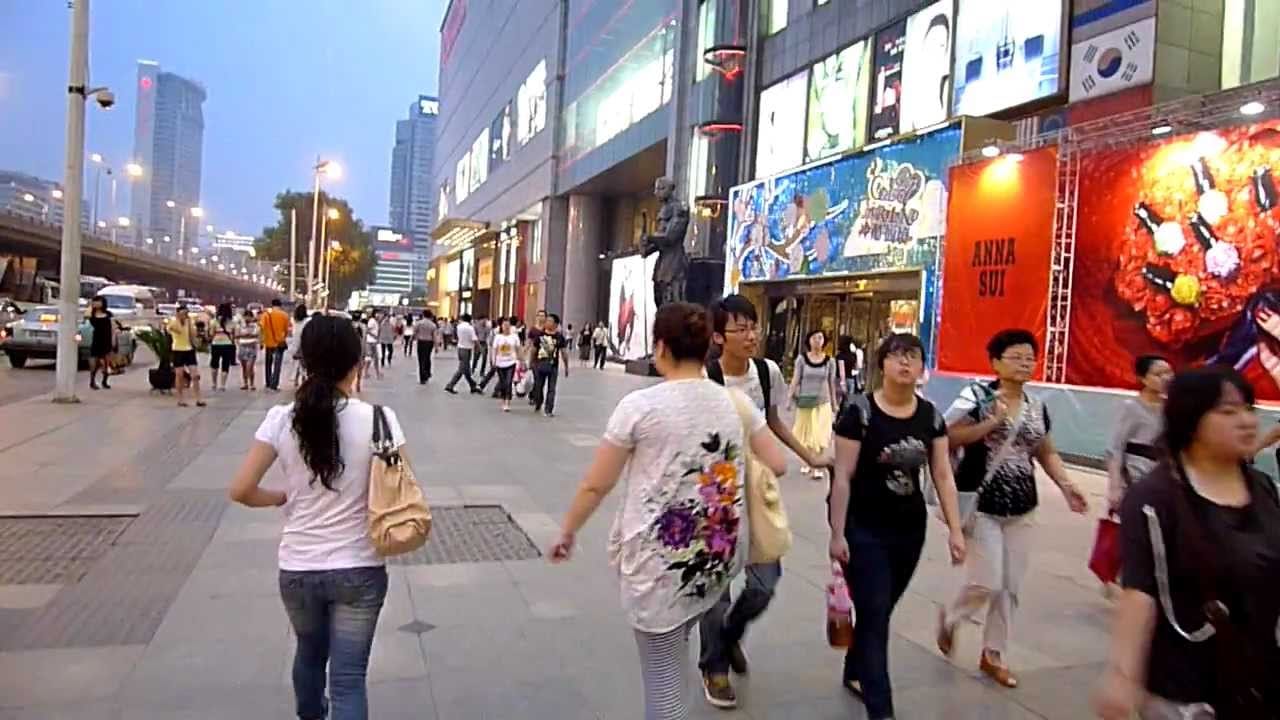
    While operators of luxury shopping centres in China are scratching their heads for ways to attract affluent buyers, property consultants say one-stop neighbourhood shopping malls have become bright spots in the industry.

    There are many such retail centres in the suburbs of Beijing and Shanghai, as well as in some 1.5 tier cities, said Steven McCord, head of research for JLL North China. These malls mainly serve the everyday needs of residents in local neighbourhoods, with amenities such as restaurants and entertainment facilities.

    “They are a one-stop shop [where] people can get what they need. These malls are close to where they live so the need to go to city centre is less frequent,” said McCord.

    Some neighbourhood malls that opened in the last two years include Jinyu Vanke Square, BHG Lippo Mall and Livat (Ikea Xihongmen).

    Property consultants said tenants might consider these malls as business opportunities.

    The juxtaposition of a building boom amid softening retail sales growth has sparked concerns about an oversupply of retail space in China.

    According to CBRE, tier-1 cities such as Shanghai and Guangzhou will see a peakin new supply. Almost half of new supply in these cities will be located in completely new areas. For example, Shanghai’s Hongqiao business district will experience a first wave of new supply, which is expected to reach 200,000 square metres this year.

    At the same time, the prevalence of online shopping has forced operators and retailers to rethink their strategies.

    The domestic economic slowdown and fast e-commerce growth are weighing on bricks-and-mortar retail, according to CBRE.

    Retailers continue to focus on expanding their e-commerce platforms. Online retail sales surged by 33.3 per cent year-on-year in 2015.

    Retailers of luxury brands and luxury mall operators also face other challenges, including mainland Chinese buyers shopping overseas and competition from discount outlet malls, according to McCord.

    CBRE said as the urban population continues to spread to the suburbs, tenants may see new opportunities arising from mature residential areas where modern commercial facilities are lacking, and in regions where there is an emerging population.

    In view of the rapid increase in consumer income in tier-2 cities, retail businesses in these cities will not only focus on setting up in traditional downtown areas, but will also take advantage of the rapid development of community businesses.

  • Toys “R” Us Opens Its 100th Store in China

    Toys “R” Us Opens Its 100th Store in China

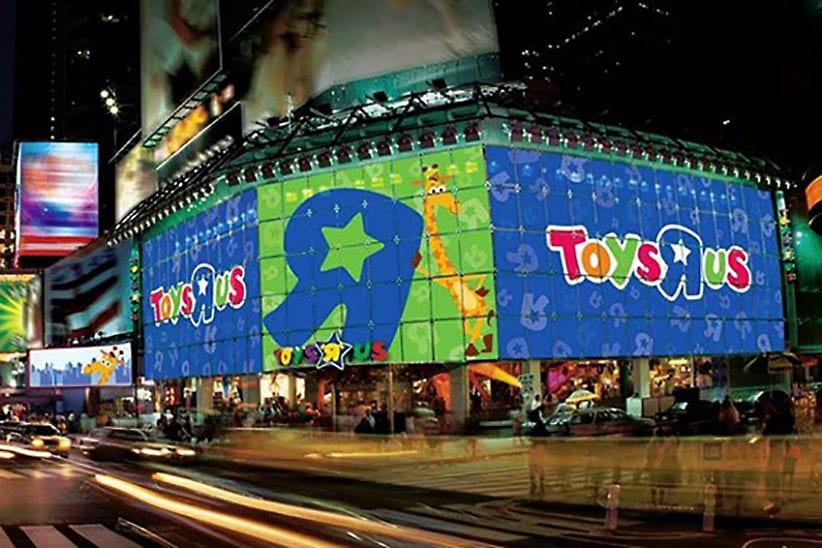
    Ten years after first entering the market, toy and baby product retailer Toys”R”Us has opened its 100th store in China. The new retail outlet is located in Beijing’s APM Shopping Mall in Wang Fu Jing, one of the leading retail districts in the city.

    China has been one of the most important markets for the company’s global expansion plans, and growth in this region is expected to continue with the planned opening of more than 30 new Toys”R”Us stores in 2016, according to Chairman and CEO, David Brandon.

    “The opening of the new store, he said, “represents a significant achievement for our business as it allows us to meet the increasing demand for high-quality children’s products and family entertainment experiences in this market.”

    “It’s our mission to be the best toy and baby products retail company in the world, and international expansion, particularly throughout China and Southeast Asia, continues to be an important part of our long-term growth strategy,” he said.

    The new store “showcases the very latest in retailtainment, digital technology and customer interaction, making shopping at Toys”R”Us a unique and fun experience for kids and adults alike,” said Andre Javes, managing director, – Greater China and Southeast Asia.

    “What differentiates Toys”R”Us as a specialty toy retailer is the memorable shopping experience we provide for our customers,” he added. “This includes a combination of the widest assortment of toys and baby products, including exclusive items not available anywhere else in the market, fun store layouts, interactive in-store experiences, product displays and demonstrations, activities and more.”

    The company opened its first store in Shanghai in 2006 and currently operates in 44 cities throughout the country, including six where the company established a presence for the first time last year.

    In 2011, New Jersey-headquartered Toys”R”Us formed a joint venture with Fung Retailing Ltd., its long-term license partner  in China and Southeast Asia, to develop businesses in the region.

    Since then the company has opened additional stores in Brunei, Hong Kong, Malaysia, Singapore, Taiwan, Thailand, as well as China, where the currently has a total of 100 stores in 44 cities.

    Toys”R”Us launched a worldwide presence in 1984 when the company opened its first international wholly owned store in Canada and licensed an operation in Singapore. Currently, the company operates more than 600 international stores and over 140 licensed stores in 35 countries and jurisdictions outside the U.S.

  • Nakheel to double size of its Dubai retail complex catering to Chinese businesses

    Nakheel to double size of its Dubai retail complex catering to Chinese businesses

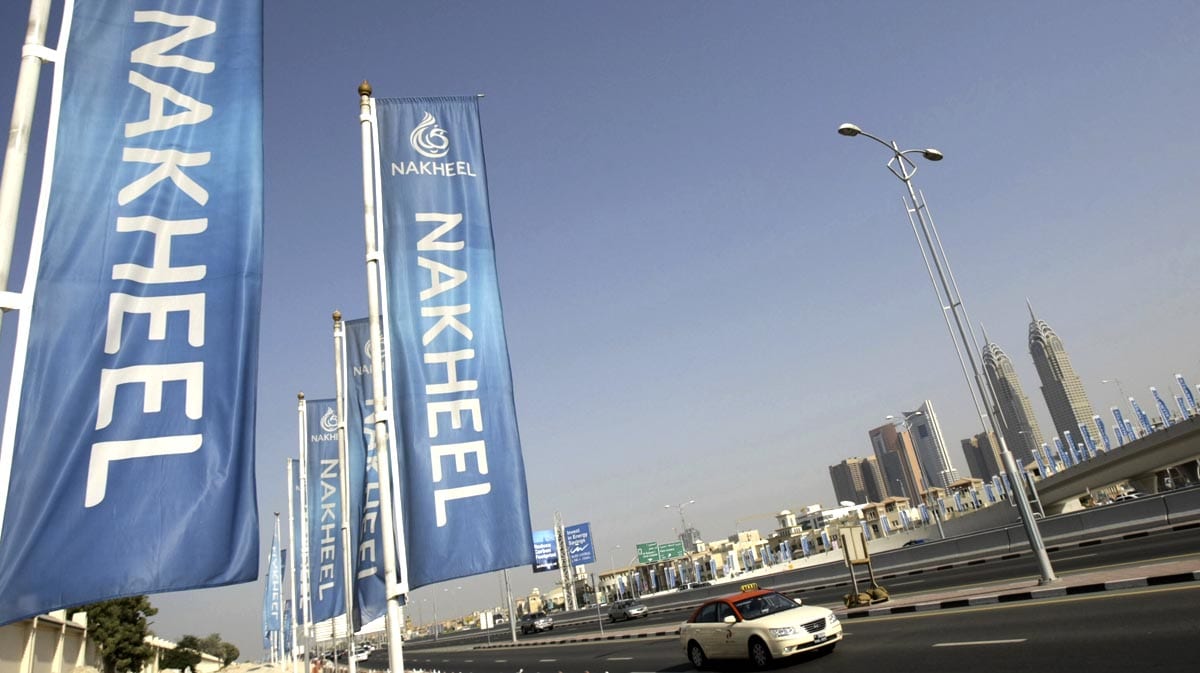
    The government-owned developer plans to expand the current 4,000-shop retail complex into a community named Dragon City by adding an extra 6.5 million square feet of shops, residential housing and hotels, increasing the total gross floor area to 11 million square feet.

    The expansion comes after the successful launch of the Dragon Mart phase one development which opened in 2014, and phase two of the development which opened in November last year.

    “Today, Dragon Mart is the world’s biggest Chinese trading hub outside mainland China with more than 5,000 Chinese businessmen operating there,” said chief executive Sanjay Manchanda, who declined to disclose the total investment cost.

    There are more than 4,000 shops, restaurants and entertainment outlets handling an average of 80,000 visitors daily, he said.

    In view of the strong demand for retail space at Dragon Mart phase one and two, which was built in the shape of a Dragon to appeal to Chinese investors, Manchanda said businesses were keen to lease the new retail space.

    According to the proposed expansion plan, the developer will add an extra 1.3 million square feet of showroom-style retail units, with sizes from 500 square feet to 10,000 square feet, as part of Dragon Mart phase three to phase six. The annual rental cost is from as low as US$75 per square foot.

    Located on Hatta Oman Road and easily accessible from Sheikh Mohammed bin Zayed Road, the entire development will comprise 5,700 stores when completed.

    Besides retail, Dragon City will include two residential towers housing 1,120 apartments and two 250-room hotels, plus 12,000 car parking spaces. The whole project is due for completion in three to five years.

    The developer participated in a three-day Dubai property exhibition last month to woo Hong Kong investors amid a slump in Dubai home prices which have declined for five consecutive quarters.

    But Manchanda rejected suggestions that home prices would undergo a downward adjustment due to an increasing supply of flats. For the latest launch of its 960-unit residential tower Warsan Village, 70 per cent of the units were snapped up by Chinese investors, according to Manchanda.

    Currently under construction, Warsan Village is located on a 47.5 hectare site about three kilometres from the recently expanded Dragon Mart retail hub. Each town house covers 2,000 square feet and comes with a maid’s room, three bathrooms, powder room, two balconies, private garden and parking for two cars. Prices start at around HK$3.7 million.

    Industry consultants Cluttons said in a report that Dubai home prices had recovered to near peak values in 2014 after falling by about half from 2008 highs.

    Cluttons is predicting residential prices will fall 3 to 5 per cent over the following 12 months because of a faltering global economy and an increasing supply of residential units.

    “We have even seen some Chinese buying plots of land near Dragon Mart and they plan to build homes for renters who are doing business there,” said Manchanda.

    In C-Suite on P3, Manchanda talks more about the property investment market in Dubai

  • Grana nabs $3.5 mln in seed funding

    Grana nabs $3.5 mln in seed funding

    Grana (grana.com), an online clothing retailer creating luxury fabrics and wardrobe essentials at guilt-free prices, announced today it has secured an additional $3.5 million U.S. dollars in seed funding. The lead investor is Golden Gate Ventures, along with investments from MindWorks Ventures and Bluebell Group, bringing their total funding to date to $6 million U.S. dollars, with additional Series A funding pending. Grana recently launched in the U.S. market, and the additional funding will help the brand continue its international growth and expansion.

    Grana offers timeless wardrobe essentials created from fabrics found around the world, including Chinese Silk, Mongolian Cashmere, Irish Linen, Japanese Denim, Peruvian Pima Cotton, French Poplin, Chinese Cotton Twill, Italian Merino Wool and Japanese Chambray. Grana designs its merchandise in-house and works directly with fabric mills in order to bring the highest quality clothing to customers at the best possible prices.

    Grana has grown extensively since its March 2014 beta launch, during which the brand sold 2,000 Peruvian Pima Cotton t-shirts in three weeks, shipping to eight countries directly from Hong Kong. Month-over-month sales are currently increasing by 40 percent since Grana launched in October of 2014.

    The new round of funding will expand Grana’s shipping to new markets as well as aid the entry into the U.S. and China markets. The funds will play a critical role in new product category launches such as leather goods, undergarments and activewear.

    “We’re pleased to receive financial backing from Golden Gate Ventures and MindWorks Ventures,” said Luke Grana, CEO and co-founder of Grana. “The support is critical to our U.S. expansion, a priority market that already represents 20 percent of our global sales. This new investment allows us to further disrupt the online clothing market and provide consumers with luxury-quality wardrobe essentials without the luxury price point.”

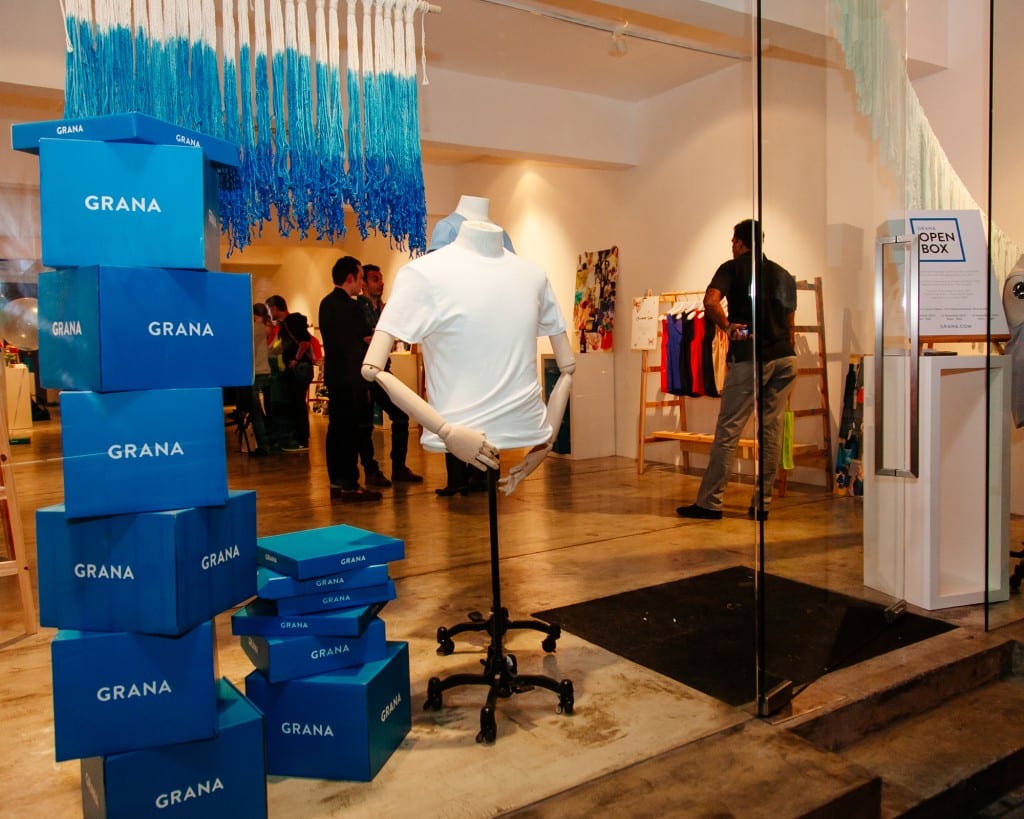
    Since launching, Grana has brought a number of “Fitting Rooms” to consumers across Sydney, Singapore, and Hong Kong, and mostly recently opened a U.S. location in San Francisco in December 2015. Designed as a showroom instead of a retail shop, customers can experience the brand personality in the space, interact with Grana Cheetahs (customer service representatives), and discover the website. Retail showroom spaces are increasing in popularity, and Grana’s Fitting Room model is helping to lead this global trend. The new funding will also allow Grana to open additional Fitting Room locations in the U.S. and provide support for a technological upgrade to the shops, reinventing the way people buy clothes in-store.

    “In a world were startups are disrupting established industries, Grana is disrupting how to build a global brand with bottom-up marketing from their biggest fans, city by city,” said Vinnie Lauria, Managing Partner at Golden Gate Ventures.

    “We envision Grana’s model of providing the highest-quality modern essentials at revolutionary price points as the future of retail,” said David Chang, Partner at MindWorks Ventures. “This investment round provides Grana with greater capacity to expand its growing Fitting Room network, and product range and develop its omnichannel strategy.”

    As part of its international expansion and growth in existing markets, Grana will also use the newly acquired funds to build out a global world-class team. Currently, Grana has more than 40 employees in Hong Kong, and most recently has added team members in San Francisco.