Tag: China

  • Asia drives Jimmy Choo sales

    Asia drives Jimmy Choo sales

    Shoe label Jimmy Choo has reported a 7 per cent increase in 2015 sales – all on the back of strong Asian growth.

    The British-based shoemaker, which has been actively increasing its Asian footprint during the past year,  said it remains “confident” it can grow even faster in the market despite the slowdown in China’s economy.

    While a large share of the growth has come from Japan, the company says it does not expect a slowdown in China to affect its performance.

    Men’s footwear was the fastest growing category in the last quarter, but it still accounts for just 7 per cent of Jimmy Choo sales.

    The company’s net revenue rose 7 per cent to £318 million. Retail sales rose 9 per cent to £208million, while wholesale sales rose one per cent to £100 million on a constant currency basis.

    “Jimmy Choo continues to outpace the sector despite the challenging competitive environment,” said chairman Peter Hard.

    “The company successfully reversed the first half decline in wholesale revenues and is on track with growth forecasts in Asia and Japan where brand awareness continues to grow strongly.”

  • China’s cross-border e-commerce boom is a boon for small retailers abroad

    China’s cross-border e-commerce boom is a boon for small retailers abroad

    After years of tepid growth, sales at several Australian vitamins, minerals, and supplements companies suddenly shot up by 20, 30, or even 40% in 2015. For those who know what happened that in China in late 2014 the source of this growth probably isn’t a big mystery: Regulators expanded a tax exemption to cross-border e-commerce.

    The resulting growth in trade has been dramatic, and for firms who have long eyed the big Chinese market but are too small to invest in finding a distribution partner or building a physical presence on their own, the boom of 2015 has delivered a revelation: They, too, can access the mainland market.

    E-commerce has of course been big in China for years, and in 2014 online retail sales totaled nearly US$430 billion, accounting for roughly 10% of all retail sales.  (The same figures for the United States were US$300 billion and 6.4%, respectively.)  Until recently, however, this activity was nearly all domestic – i.e., goods produced in or already shipped to China being sold to Chinese consumers.

    That makes perfect sense in light of the retail explosion of recent years:  China has more than 300,000 pharmacies, more than 2,000 mid-to-high end department stores, and supermarket catchment areas in urban areas are even smaller compared with the United States because of smaller formats and the lack of parking (and, until recently, widespread car ownership). Within this rapidly-developing retail landscape, however, some factors are driving consumers to prefer foreign products, whether bought once in China or ordered from abroad.

    Driving demand

    Food scandals are well-known and heavily publicized, from the baby-killing melamine-laced formula scandal of 2008 to the discovery this year of decades-old “vampire” meat.  In September, fake rice made from tiny pieces of rolled-up paper was even uncovered in Guangdong.  In light of such underhanded tactics, it is understandable that consumers might perceive foreign brands as safer and of higher quality.
    Price pressures pushing up consumer prices is another key issue.  Commercial rents, especially in first-tier cities such as Shanghai and Beijing, rival those in developed nations.  At the end of 2014, rents in Beijing’s Wangfujing averaged $480 per square foot per year vs. $360 for Singapore’s Orchard Road.  Wages, while still lower compared to western economies, are also rising quickly.

    Finally, Chinese consumers are becoming more sophisticated and better able to differentiate between local brands trying to pass themselves off as foreign and the real thing.  With travel increasing and the transparency in commerce that the internet can bring, tastes in products are becoming more global.

    Historic developments

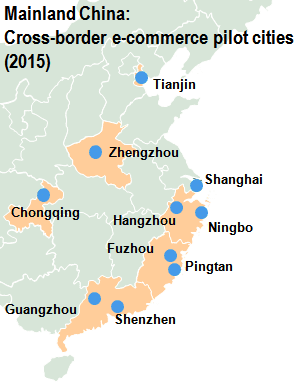
    By as early as 2005, a Chinese consumer could order an album on Amazon and wait a few weeks for it to arrive—though naturally taxes and shipping often added to the price of the CD itself. But it wasn’t until the fourth quarter of 2014 that cross-border e-commerce really exploded.  The impetus was the application of a previously obscure piece of the tax code to cross-border e-commerce, implemented in a number of pilot cities.

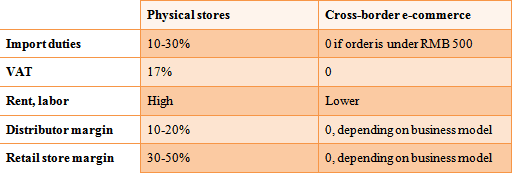
    The personal effects tax originally targeted Chinese travelers who had emigrated abroad and were bringing back gifts – such as small appliances – for relatives.  Small items were exempt, but the tax was set at 10% for nearly everything else.  In late 2014, though, the government proclaimed that this personal effects tax also applied to cross-border e-commerce in certain pilot areas.  The effect was dramatic, as can be seen in the price differentials illustrated below.

    Obviously some costs, such as freight and insurance, are incurred whether selling through physical stores or cross-border e-commerce.  However, the price differential can be observed in following key areas, demonstrated with VMS products as an example:
    The nuts and bolts

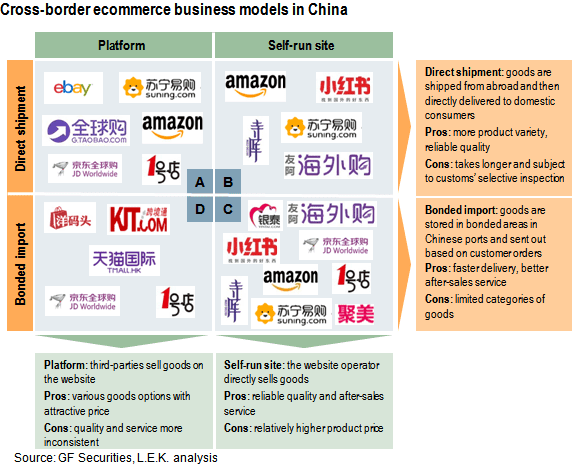
    Business models for cross-border e-commerce can be viewed across two main dimensions: Whether the site serves as a platform that aggregates multiple sellers or sells its own products, and whether delivery to the consumer is made from the source country or from a bonded warehouse.

    Each model has its own quirks (see graphic below), and it is not yet clear whether there is an obvious winner.  It is likely that multiple models will co-exist –for example, a self-run, bonded import model could work for goods with the highest turnover (such as diapers and infant formula), while direct shipment models might better suit the long tail of less-frequently ordered items.
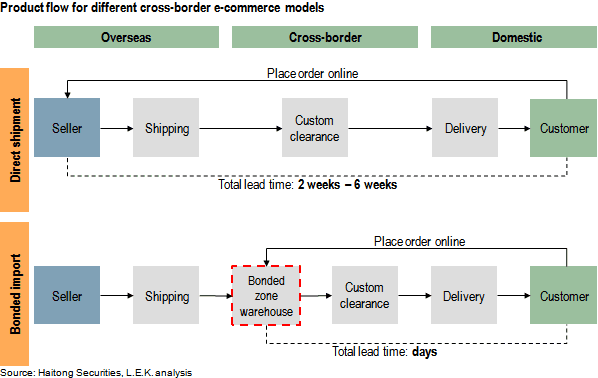
    In terms of product flow, though, the bonded import model has the clear advantage in terms of speed.  Consumers can receive product within days – sometimes only one or two – rather than weeks.
    With both models the seller can choose how much to take on internally, and how much to either outsource or hand over to a partner.  Hundreds of cross-border e-commerce companies have already sprung up in China, providing services that run the gamut from simple customs clearance all the way to a full consignment model.

    Local interests

    While e-commerce, including the cross-border variety, is here to stay, the advantages that it has over traditional imports may not last forever, depending on the product category.  In June of 2015, for example, China’s government lowered import duties on skin care products, which harmonized online and offline prices to an extent.  In 2016, import duties on additional products including handbags and suitcases are also slated to be slashed.

    Regulatory vacuums will likely be filled step-by-step as well.  For example, vitamin potency levels are regulated for products registered and sold in China, but currently these rules are not applied for cross-border e-commerce imports.  Local players are crying foul, and regulators will no doubt feel pressured to act.

    For now, though, cross-border e-commerce is helping to level the playing field by allowing smaller-scale companies to profitably access the vast China market while providing a huge boon in the form of savings and product diversity to Chinese consumers as well. Chalk one up for the little guys on both sides of the border.

  • Christian Dior opens its largest boutique in China

    Christian Dior opens its largest boutique in China

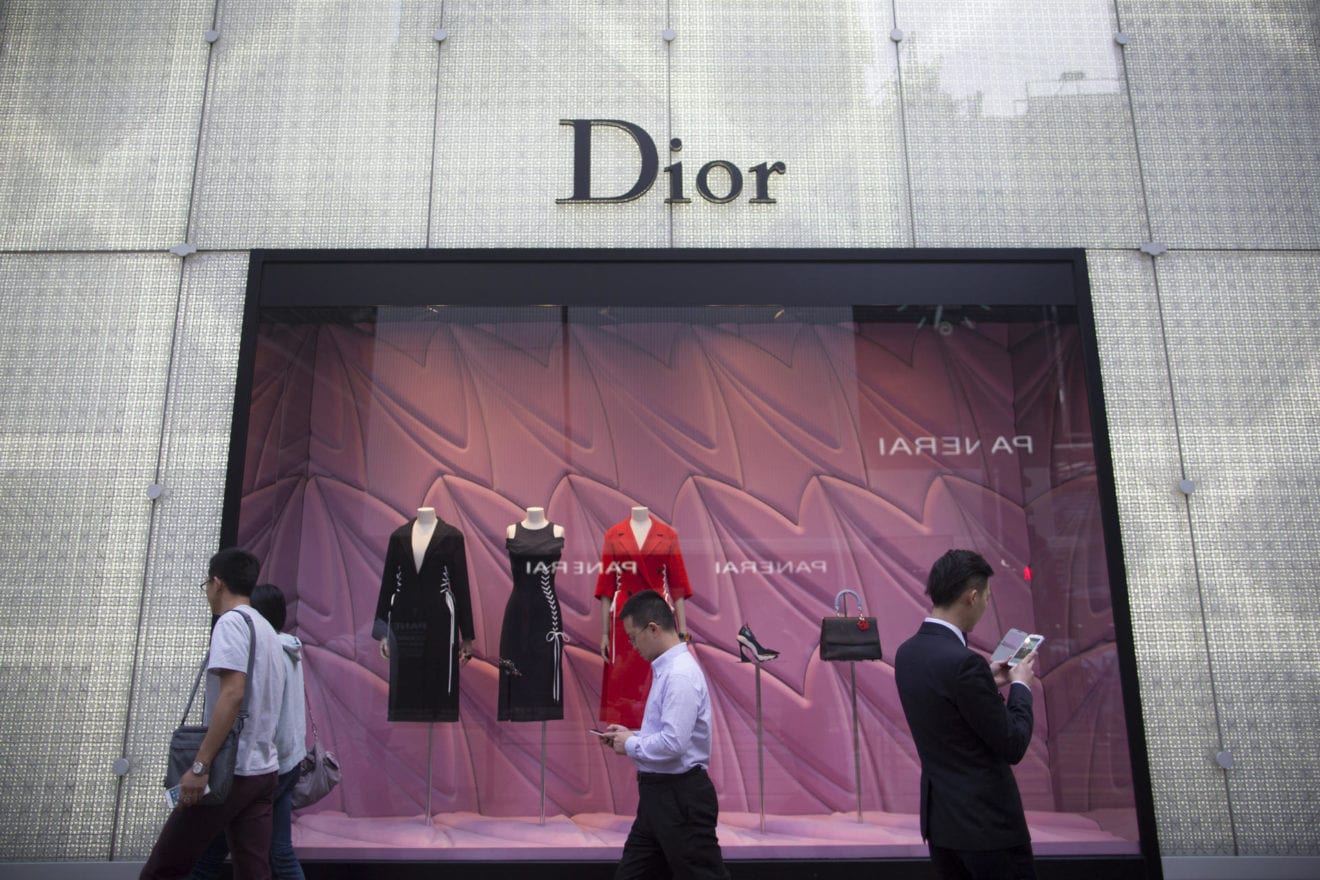
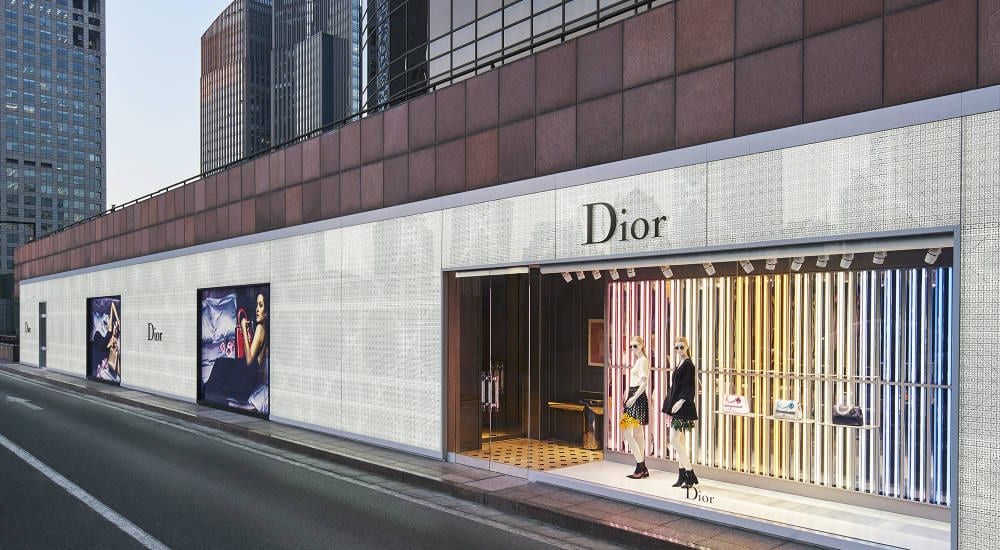
    Designed by American architect Peter Marino, the two-level store reflects the timeless elegance of Dior, with a double-layer glass façade that emulates the iconic “cannage” motif of the couture house. Inside, the refined atmosphere is enhanced by wall art and designer pieces, part of a curated selection of a dozen contemporary art pieces.

    To celebrate the opening of the Dior Beijing China World flagship, the House presented its Spring-Summer 2016 collection at a runway show in a sumptuous blue-hued setting at the Phoenix Center. The show was attended by Christian Dior Couture CEO Sydney Toledano and A-list Chinese celebrities and artists.

    Christian Dior opens its largest boutique in China
  • Monkey See, Monkey Do

    Monkey See, Monkey Do

    The Chinese New Year – the Year of the Monkey – has passed. The Gregorian calendar year has gotten off to a somewhat inauspicious start – certainly as far as commodities are concerned (although diamonds seem to have bucked that trend somewhat), so what is in store over the next 12 months?

    People born in the Year of the Monkey are characterized as quick-witted, curious, innovative and mischievous – all important traits (yes, including the mischievous) in running successful businesses. However, and this information might not be welcome news, it is also considered one of the unluckiest years in the Chinese calendar – if only we could go back to the Year of the Dragon, considered the luckiest of all the Chinese signs.

    The Chinese New Year comes at a bit of a crossroads as far as retail is concerned, both in mainland China and on the island city of Hong Kong. Recent stock market turbulence and a devalued yuan, which has hit retail sales in Hong Kong, causing a second consecutive annual decline, have contributed to a degree of uncertainty.

    Hong Kong has seen its dollar strengthening against the yuan, making it more expensive for mainlanders to shop there, with sales of jewelry and watches slumping 16 percent over the year. The Lunar New Year celebrations herald peak tourism season – with as many as 5 million visitors during the month =  with day trips from the mainland accounting for more than half of those.

    However, despite what might seem like slightly gloomy economic news, a growing middle class and increased disposable income has led to projections of Chinese consumption topping $2.3 trillion by 2020. A recent Forbes article estimated that according to the Hong Kong Trade and Development Centre (HKTDC), China’s share of diamond consumption is expected to increase 20 percent to 25 percent over the next 10 years.

    The HKTDC also said that more than 50 percent of jewelry sales are driven by weddings, with the bridal market being a unique segment in the jewelry retail industry. A surprising statistic also emerged from a recent De Beers survey; that 67 percent of men in China between the ages 30-44 said that they wanted to own diamonds. There is an opportunity here if brands can not only tap into the existing market, but push the idea of his and hers wedding bands. Interest and receptivity is already high, and perhaps it only needs a gentle nudge to really expand the bridal market further.

    In general, as Chinese consumers are increasingly exposed to luxury goods they have become more discerning about brands and the message they project – with exclusivity being a big selling point. According to a LuxuryDaily report, Hermès is considered the most exclusive brand, measured by a range of factors including the consistent quality of goods, brand prestige, valuation of the brand’s customers and its ability to justify a high price point. Although Hermès was considered the most exclusive brand, Chanel was thought to be the most desirable – a result that may have been influenced by Chanel’s brand exhibitions within China.

    So, with positive predictions about Chinese consumption and growing brand awareness and appreciation for luxury goods, perhaps the Year of the Monkey will turn out alright in the end. Its lucky colors can all be found in diamonds and jewelry – blue, gold and white. Famous monkeys include Julius Caesar, Charles Dickens and Elizabeth Taylor and if their successes can be mirrored, the Year of the Monkey won’t be half bad at all.

    Happy belated Chinese New Year.

  • Trident launches first branded products in China

    Trident launches first branded products in China

    Vertically integrated US giant Trident Seafoods is launching its first retail branding and marketing initiative in China. Timed to coincide with the grand celebration of Chinese New Year beginning Feb. 8, the company will also introduce a Chinese version of its corporate website to communicate directly with Chinese consumers via the Chinese social media platform WeChat.

    The Seattle, Washington-based company, one of the largest in the US, is sponsoring promotions utilizing two Chinese e-commerce channels: YiGuo.com, which is one of the biggest online fresh food platforms in China, and YouPin Food.

    The partnership with YiGuo.com allows the company to offer wild Alaska king crab directly to the Chinese consumers in a retail channel.

    As part of the push, Trident will be supplying 1,000 whole, wild Alaska king crab, individually packed in dramatically decorated red and gold protective boxes.

    The company will also be offering wild Alaska sockeye salmon portions and wild Alaska smoked salmon to online consumers.

    A fleet of trucks, featuring an Alaska crab fisherman, a large king crab, and the Trident logo is currently delivering the special gifts through YiGuo.com in Shanghai.

    “What better time could there possibly be to introduce these truly amazing, ruby-red seafood items that we harvest from the pristine waters of Alaska,” said Joe Bundrant, Trident’s CEO. “We’ve been celebrating these products for decades ourselves, and we are very proud to be able to share them now with Chinese consumers who understand their great value and incredible ‘Wow!’ factor.”

    Trident’s partnership with YiGuo.com opens access to three additional online sales channels through YiGuo.com’s official website; they include YiGuo.com’s mobile app, Alibaba’s Tmall online Supermarket (Tmall Chaoshi) and YiGuo.com’s online flagship store at Tmall.com.

    Throughout 2016, Trident will introduce additional products from Alaska and elsewhere, assuring Chinese consumers of a steady supply of healthy, safe and delicious seafood products under the Trident brand.

  • Oppo, Vivo snap at Apple’s heels in China

    Oppo, Vivo snap at Apple’s heels in China

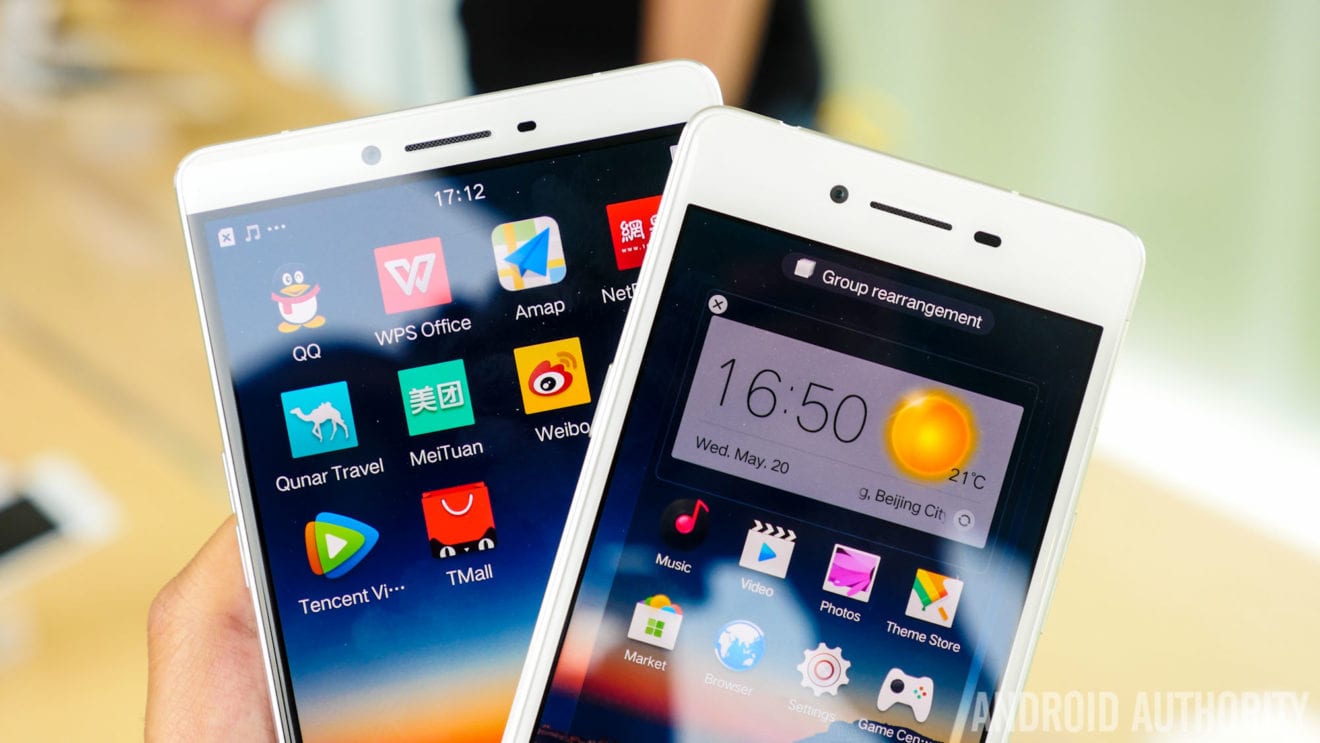
    Beyond China few may have heard of Oppo or Vivo, but these local handset vendors are rising up the rankings in the world’s largest smartphone market, using local marketing savvy and strong retail networks in lower-tier cities.

    Industry experts say these cities — there are more than 600 of them and some are bigger than many European capitals — are the next smartphone battlefield as China’s major cities are saturated.

    International brands such as Apple and Samsung Electronics have mostly not yet reached this part of the market — which accounts for more than 56% of China’s overall consumption, according to Beijing All China Marketing Research.

    In an economy growing at its slowest pace in a quarter of a century, buyers in these smaller cities – with populations of up to 3 million – tend towards cheaper phones, which is good news for Guangzhou-based Oppo and Vivo, as well as Meizu Technology Co, an affiliate of Alibaba Group Holding Ltd.

    “Oppo and Vivo have already overtaken Samsung and ZTE Corp in China, and are working to chase down the big three of Huawei, Xiaomi and Apple in 2016,” said Strategy Analytics analyst Neil Mawston.

    Selfies, gimmicks
    To be sure, these lower-priced newcomers lack the firepower of the premium brands, and operate on razor-thin margins or at losses. They need mass volume sales to keep going, the industry experts said.

    Oppo sold 10.8 million smartphones, giving it a 9% market share and a top-5 ranking, in the fourth quarter of last year, according to Strategy Analytics — even as the overall China market slipped 4%.

    Oppo’s R7 smartphone, priced at 1,999 yuan ($304), touts itself as a “selfie expert”, with a bigger screen than the iPhone 6s and competitive camera resolution.

    Vivo ranked fourth with 10% market share, below Apple’s 13%.

    The growth among these younger vendors comes as Apple, Xiaomi and others struggle to maintain momentum in a market swamped with smartphones and fading economic growth.

    Analysts say the newcomers run eye-catching marketing gimmicks, including sponsorship with local TV shows, and have extensive retail networks in lower-tier cities.

    “There’s only so much the international firms can do when it comes to localized marketing in China,” said Nicole Peng at Canalys. “For foreign companies like Samsung, their marketing strategies don’t really cater to the Chinese consumer.”

    Sixth-ranked Samsung declined to comment.

    Apple last week forecast a first revenue drop in 13 years and posted the slowest-ever increase in iPhone shipments as the Chinese market showed signs of weakening.

    Challenges ahead
    China has nine of the world’s top-12 smartphone brands, with nearly a quarter of the market share, according to CounterPoint Research, but turning that into volume sales beyond China will be a challenge.

    Overseas, Chinese brands lack strong distribution networks and can run into intellectual property issues. Oppo is already in several Asian and Middle East markets, while Vivo is in Malaysia and India.

    And at home, Chinese device buyers are notoriously fickle, switching between brands in a cut-throat market. Regular price wars have seen ZTE and Lenovo Group frequently swap places in the sales rankings.

    “The lines between ‘high-end’ and ‘low-end’ devices is blurring, which leaves price as the sole differentiator for most mass market buyers,” said Sameer Singh, an analyst who blogs at Tech-Thoughts.net.

    “Brand image tends to be a lagging indicator of customer experience, i.e. as the latter improves, so does word-of-mouth and consequently brand image. I think that’s what we’re seeing with Chinese brands today.”

  • Mobile e-commerce to fuel Chinese retail

    Mobile e-commerce to fuel Chinese retail

    Despite the slowdown in China’s GDP growth, the Alibaba Group believes the country’s consumer economy will weather the storm and grow handsomely, largely fuelled by mobile e-commerce.

    According to a recent report titled The New China Playbook by he Boston Consulting Group (BCG) in association with the with AliResearch, Alibaba Group’s research arm, even if China’s GDP growth slows to 5.5 per cent, which is a full point below the 6.5 per cent government target, the country’s consumer economy will expand by more than half to $6.5 trillion in 2020 from $4.2 trillion in 2015.

    According to the report, e-commerce is expected to play a major role in the development of China as a consuming nation, a transition that is being accelerated by the growth of shopping via smartphones and other mobile devices.

    “One of the most revolutionary changes in the Chinese consumer economy has been the astounding growth of e-commerce,” the BCG said. In 2010, online transactions made up only 3 per cent of total private consumption in China; online channels today account for 15 per cent of the total, a share that BCG projects will rise to 24 per cent in 2020 (in contrast, online shopping currently accounts for about 7.5 per cent of private consumption in the US).

    The BCG does not foresee a marked slowdown in the growth of e-commerce. Over the next five years, private online consumption is expected to surge at a compound annual growth rate of 20 per cent, compared with 6 per cent annual growth in offline retail sales. Chinese consumption will grow by more than half to $6.5 trillion over the next five years from $4.2 trillion in 2015. E-commerce on the whole will account for 42 per cent of that growth.

    BCG identified three distinct “megatrends.” First, rising incomes are fueling greater spending, and in new areas not seen before. Then there’s the growing prominence of China’s “young generation.” And finally, the shift from bricks-and-mortar retail to e-commerce will continue to play an ever-bigger role in China’s economy.

    Overall, an incremental $2.3 trillion in annual consumer spending that China is expected to add over the next five years is almost like adding another Japanese consumer market onto the global economy, the report said.

  • McDonald’s China plans 250 new stores in 2016

    McDonald’s China plans 250 new stores in 2016

    McDonald’s China is shifting its focus from tier 1 and 2 markets to smaller cities as it expands its footprint in the mainland.

    The US fast food operator plans to open 250 new stores in the lower-tier cities in 2016 which represents its biggest expansion plan in any international market.

    Phyllis Cheung, CEO of McDonald’s China, says the company will target third and fourth tier cities, along with developing digital ordering and offering customised burgers.

    Cheung says 150 stores in Beijing, Shanghai, Shenzhen and Guangzhou will have self-service kiosks introduced this year allowing customised ingredients. The build-your-own concept is called My Burger and has already been introduced in some Asian markets, including Thailand.

    “Within two to three years, we hope mobile ordering and other digital capabilities would cover all of our restaurants in China, and we will also launch our proprietary smartphone application for ordering by the end of this year,” Cheung said in an interview.

    The Us chain opened its ‘Experience of the future’ flagship restaurant in Beijing’s Wangfujing St this week which features table service for customers who order using the WeChat app.

    McDonald’s China boasts more than 2200 stores already.

  • Alibaba Group conquers China slowdown

    Alibaba Group conquers China slowdown

    Going into this quarter the main concern for Alibaba was that a slowdown in Chinese economic growth would damage its performance.

    Fortunately, this has not materialised with very solid uplifts in its Chinese retail marketplace proposition underpinning a respectable 32 per cent rise in overall revenues.

    Some of this uplift was undoubtedly aided by the company’s very strong performance over the Singles Day shopping festival in November. During this time, it attracted over 115 million visitors to its marketplaces and processed some 467 million orders across all of its platforms during a 24-hour period. The fact that its systems and infrastructure coped well with this volume, which is around 10 times more than the usual daily average, is a testament to Alibaba’s technological prowess, especially in areas like cloud computing.

    This focus on technology is also helping Alibaba to understand the habits and preferences of Chinese consumers as they browse and navigate the group’s various sites, news feeds, and entertainment options. This understanding puts Alibaba in a prime position when it comes to helping Western brands expand into China. In many ways Alibaba and its marketplaces are the ideal conduit through which foreign retailers can target and reach appropriate audiences. In our view this remains one of the main sources of commercial advantage for the company.

    Despite its success at home, Alibaba has struggled to gain traction in already established markets like the US. While this was once a stated ambition, and perhaps remains a long term goal, it is clearly not the main agenda for the year ahead. Indeed, over the latest quarter the proportion of revenue from international operations shrunk by 1 percentage point and the growth rate of 17 per cent, while respectable, was well below that of the Chinese operation.

    As much as this will no doubt come as a relief to many Western retailers, it is the right decision. Despite its dominance in the country, Alibaba’s growth potential in China remains enormous – especially as it expands operations into more rural areas. As such, chasing lower margin, profit eroding international gains for the sake of vanity makes little sense.

    That noted, over the longer term Alibaba would like to become more international. The route it will take, however, is likely to be one of investing in, and partnering with, local players in order to grow its share and presence. The company clearly has the financial muscle to undertake such corporate activity and we expect to see more of this in 2016 and the years beyond.

  • Amazon sales hits $100 billion

    Amazon sales hits $100 billion

    With total revenue growth of 22 per cent during its final quarter, Amazon has emerged as one of the clear winners in the battle for holiday spend.

    Even in its more mature home market, Amazon sales rose by 24 per cent, making it responsible for 22.6 per cent of all online retail spend in the US over the final quarter of the year.

    These impressive figures are accompanied by another achievement: Amazon has now comfortably passed the $100 billion annual sales mark. Taking some $107 billion in its latest fiscal year confirms Amazon’s status as an online behemoth.

    Fortunately for Amazon, this stellar topline performance has been joined by a continued improvement in profitability – something that has previously eluded the group. Across the year as a whole operating income was up by an impressive 1154 per cent, which helped turn a net loss of $241 million in the prior year into a net profit of $596 million this time around.

    That noted, by comparative retail standards Amazon’s level of profitability is still painfully weak. For every dollar the company takes, it makes just 0.75 of a cent in profit. However, this is a conscious decision by a company that uses a large chunk of its revenues to invest back into generating future growth. Clearly this is a strategy that is working, and it is one that is accepted by the market. That it is, makes life much more challenging for traditional players like Walmart which are much more constrained in terms of the degree to which they can erode profitability in order to boost their own online operations.

    Once again, one of the standout areas for Amazon has been Prime, where membership continues to grow strongly. In addition to the direct revenue it brings via the associated membership fees, Prime has also proved to be an important way of locking in customer loyalty. This is important because while Amazon is still a destination of choice for many online shoppers, it faces increasing levels of competition from both traditional retailers moving more aggressively into eCommerce and from new online startups. This is something underlined by the fact that despite its strong growth, Amazon’s share of all eCommerce sales in the US has fallen over the past five years.

    Creating an ecosystem of services and benefits, which include free delivery and access to special discounts and promotions, keeps Amazon top of mind by making it an integrated part of consumers lives. Arguably it also gives the company a whole host of ways in which it can increase its share of wallet from consumers, including via the sale of digital content and services.

    Despite its high share of online across many of the geographies in which it is established, Amazon’s actual share of many individual categories remains fairly low. This is especially so for areas such as grocery where, in share terms, Amazon remains an extremely small player. This demonstrates the extent to which Amazon has significant future headroom for growth, especially as it deepens its expertise and offer across key products.

    The warning for other retailers is that even as it passes the $100 billion milestone, Amazon is still only getting started.

  • China’s Alibaba seeks sporting gold

    China’s Alibaba seeks sporting gold

    Chinese e-commerce giant Alibaba is looking to turn its hundreds of millions of users into sportsmen as it seeks to cash in on the country’s growing sporting market, an executive said.

    The comments by Zhang Dazhong, chief executive of its Alisports unit, come as Chinese football clubs rank second only to English in spending during the winter transfer window and President Xi Jinping harbours dreams of winning a World Cup, and with the country set to host the 2022 Winter Olympics.

    Alibaba, which owns a 37 per cent stake in Asian football champions Guangzhou Evergrande Taobao, launched Alisports in September to develop the sporting economy in “an innovative way with digital thinking”, according to its website.

    “Alibaba would like to convert their nearly 500 million people or users into sportsmen and to utilise its strengths to help them,” Zhang told Hong Kong’s South China Morning Post newspaper.

    “Consumption power in China is huge and gigantic — the consumption of sport is about to burst in China,” he said.

    Alibaba in December agreed to buy the English-language newspaper in Hong Kong for USD 266 million.

    In the months since its establishment, Alisports has signed deals to stream NFL American football games in China, sponsor FIFA’s Club World Cup, and partnerships with both world amateur boxing body AIBA and the governing organisation for basketball FIBA.

    Zhang also met with football agent Jorge Mendes and his client, former Chelsea manager Jose Mourinho, in Shanghai last month to discuss partnerships, the SCMP said.

    adidas-Women_running

    The Chinese government said in 2014 that it aimed to grow the country’s sports market to more than five trillion yuan (USD 760 billion) by 2025 to become “a vital driver for sustainable economic and social development”.

    Many Chinese companies are seeking to ride the wave, with high-profile deals including property behemoth Wanda’s acquisition of Swiss sports marketing group Infront and a share of Spanish football club Atletico Madrid, as well a consortium led by state-backed China Media Capital buying a USD 400 million stake in Premier League giants Manchester City.

    But Zhang told the SCMP that Alisports would prefer to sponsor a big league as a whole: “It’s not our direction to buy a club or team, but to create a platform for clubs and teams.”

    Alibaba’s sports drive can help modernise the industry in China and fulfil Xi’s hopes for the country to qualify for a World Cup, host one and win one, he added.

    “I believe the World Cup will definitely come to China sooner or later. With the emergence of Alisport (that) dream… will come even earlier,” the paper quoted him as saying.

  • Slower sales for Chinese New Year goodies, Chinatown retailers say

    Slower sales for Chinese New Year goodies, Chinatown retailers say

    Food takes centrestage during Chinese New Year, like most festive celebrations. But in the lead up to the occasion this year, retailers selling festive goodies say business is more lacklustre compared to 2015.

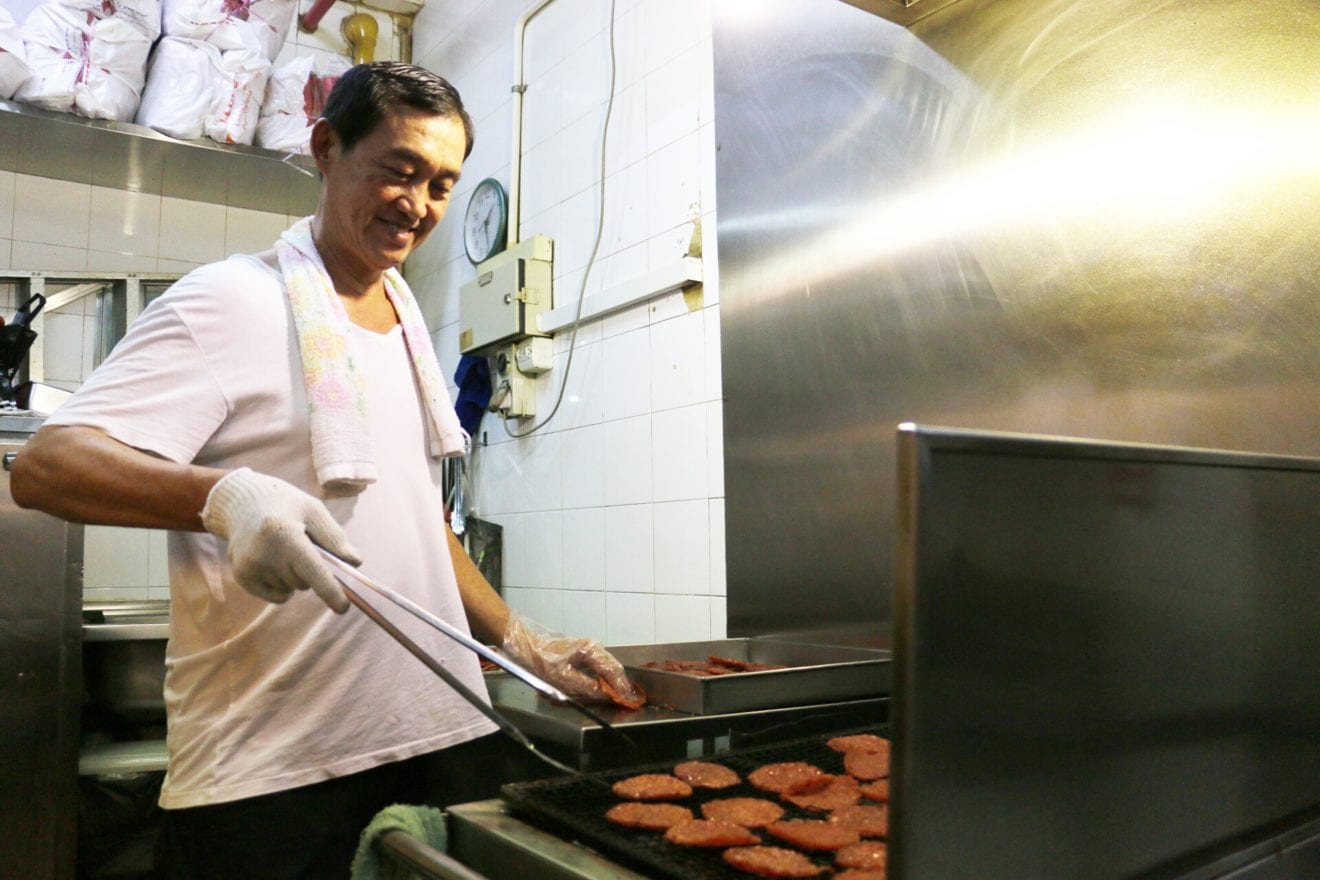
    Family-run bak kwa (sliced barbecued pork) stall Bee Kim Heng has seen festive retail sales drop by 10 to 20 per cent compared to last year. Based at People’s Park Food Centre, Bee Kim Heng – which is run by Mr Teo Ah Thin, 81 – has been in operation for almost 50 years.

    “We suspect it’s the economy, it’s because of the retrenchments that are going around in the market,” said Mr Damien Teo, who helps his father out during busy periods like Chinese New Year.

    Mr Teo, who is in his 30s, added: “A lot of our business is very dependent on regular customers. Some of the regular customers, for example – in the year before, they’d buy 3kg, maybe 5kg. This year, some of them have cut down in terms of the quantity they buy. They just want to save up a bit, I guess.”

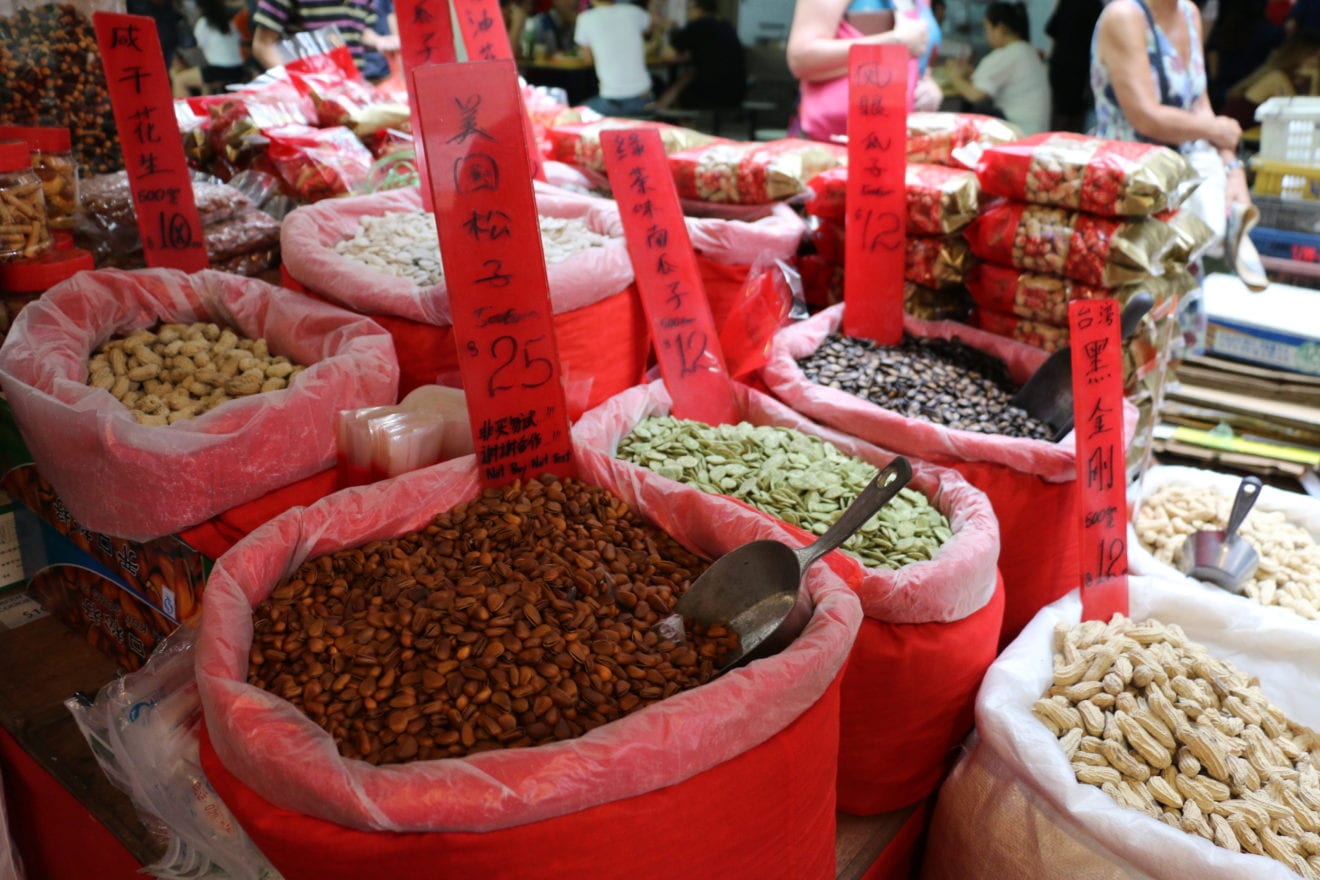
    Similarly, fruit and nut supplier Tian Ran has experienced a 30 per cent drop in sales for the festive period. “A lot of people of browsing and tasting, but fewer are buying. I think it’s due to the bad economic situation,” said a Tian Ran employee, who only wanted to be known as Mr Fang.

    Mr Fang has been selling peanuts and melon seeds – traditional Chinese New Year snacks – for the past eight years. While this year’s takings are poorer than last year, the 40 year-old said he feels things are not as bad as in the aftermath of the 2008 global financial crisis.

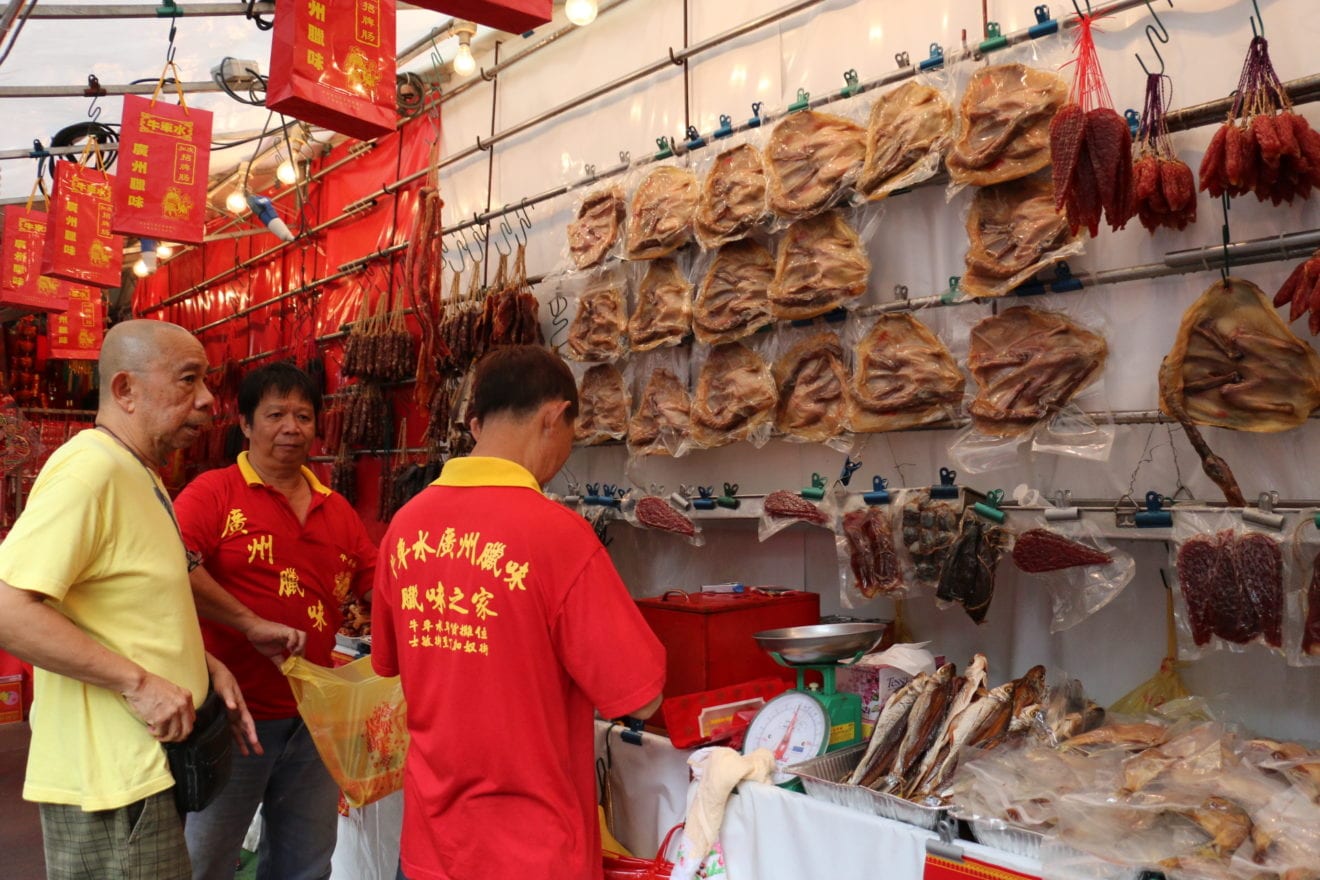
    Less than a few hundred metres away, in the annual Chinatown Festive Street Bazaar, employees running a temporary waxed meat stall also opined that buying sentiment is poor.

    “We’re mainly in distribution, but we have set up a stall at this bazaar for many years. This year, sales are down about 30 per cent,” said a stall employee, who only gave his name as Mr Liang.

    The 56-year-old who been in the business for 30 years, believes that caused shoppers have held back due to the rainy weather, and a poorer economic climate.

    A MIXED PICTURE, OVERALL?

    Outside of the Chinatown area – the epicentre of Chinese New Year shopping – other consumer businesses appear to be faring a little better.

    For example, Paradise Group, which will have over 20 restaurants in operation on the first and second day of the Chinese New Year period, told Channel NewsAsia these restaurants are already 80 to 90 per cent booked for the first day.

    Hotel Fort Canning also expects to “sell-out for the season”, as it caters to both foreign visitors and local staycationers. In an email reply, a hotel spokesperson said: “Demand for our rooms are typically higher during this extended period of festivities and the hotel usually runs at full capacity.”

    Meanwhile, online travel agency ZUJI has recorded a 17 per cent year-on-year increase in staycation hotel bookings during the Chinese New Year period, with an average spend of S$190 to S$220 per night.

    “We’re also seeing more 4-star hotels being booked on ZUJI this year, as compared to last year which had an almost even split of both 4 and 5-stars bookings. This could possibly be due to Singapore travellers being more budget conscious,” said Ms Chua Hui Wan, CEO of ZUJI Singapore.

  • Chinese shoppers in South Korea shun luxury for local brands

    Chinese shoppers in South Korea shun luxury for local brands

    Chinese visitors to South Korea are buying less from global luxury mainstays like Louis Vuitton and Chanel in favor of cheaper homegrown brands, as young, independent travelers make up a bigger share of tourists.

    Lured by the “Korean Wave” of culture exports, from soap operas and K-pop music to food and fashion, price-conscious younger Chinese visitors are seeking a more authentic and less expensive shopping experience.

    South Korea trails only Thailand as an overseas destination for Chinese travelers, whose heavy retail spending has helped make South Korea the world’s largest duty free shopping market.

    The emphasis on value will put further pressure on global luxury retailers already grappling with slowing sales in China after years of skyrocketing growth, as a government crackdown on graft and lavish spending bites.

    “You can buy those big brands everywhere, and it is actually cheaper to buy those brands in other countries compared to the prices in South Korea,” said 21-year-old Zhu Xin, who was shopping at the Stylenanda store in Hongdae, a Seoul neighborhood popular with young adults.

    “Now that we are here, we should buy local brands,” she said.

    Average prices on best-selling items from global luxury brands in South Korea are cheaper than they are in mainland China, but still cost more than in Europe, Singapore and Dubai, according to HSBC data.

    At downtown Seoul duty free shops run by Hotel Lotte’s, Lotte Duty Free and the Samsung Group’s Hotel Shilla, LG Household & Healthcare’s Whoo and Amorepacific’s Sulwhasoo cosmetics were the top-selling brands in 2015, overtaking Louis Vuitton, Chanel and Richemont’s Cartier, store data shows.

    “This doesn’t necessarily imply that luxury retailers have to launch cheaper stuff but it does necessarily imply that they have to be more relevant at every price point,” said Erwan Rambourg, an analyst at HSBC in Hong Kong.

    The number of Chinese tourists to South Korea dipped 2.3 percent in 2015 to about 6 million due to the deadly Middle East Respiratory Syndrome (MERS) outbreak. However, brokerage CLSA says Chinese inbound traffic growth rebounded from September and should jump by 28 percent in 2016. The South Korean government expects a record 8 million Chinese visitors this year.

    NEW GENERATION

    Chinese tourists to South Korea are getting younger: the share of those in their 20s and 30s rose to 46.1 percent last year, from 40.9 percent in 2013, according to the government-run Korea Culture and Tourism Institute.

    While older Chinese tourists typically travel in groups where they are ferried between shops catering to them, Chinese millennials tend to be better-informed about what they want, travel independently and spend less on shopping.

    “I use my mobile phone to research what products to buy in South Korea,” said 20-year-old Chinese tourist Liu Yuting. “Many Chinese girls like South Korean products, because most of them are cheap and cute.”

    At Lotte Department Stores, a chain owned by Lotte Shopping Co Ltd, average spending per Chinese visitor fell to 500,000 won ($412) in 2015 from 900,000 won in 2013, although the surge in overall visitors made up the difference, an official with the chain said.

    “Whereas past generations blindly purchased luxury goods, the younger generations have a more price-conscious consumption pattern,” KB Investment & Securities analyst Yang Ji-hye said.

  • A jar of British fresh air sells for 80 pounds in China

    A jar of British fresh air sells for 80 pounds in China

    A British businessman is shipping something insanely unique to China and making fortune out of it. It might sound insane for some but not for Leo De Watts, who is believed to have made thousands of pounds by exporting fresh British air to China. Report suggests that the elite and well to do Chinese customers are more than happy to buy fresh air for a cost of £80 per jar. The business started off just a week back has till date sold more than 200 jars of fresh air, which, considering the nature of the business, is a huge success.

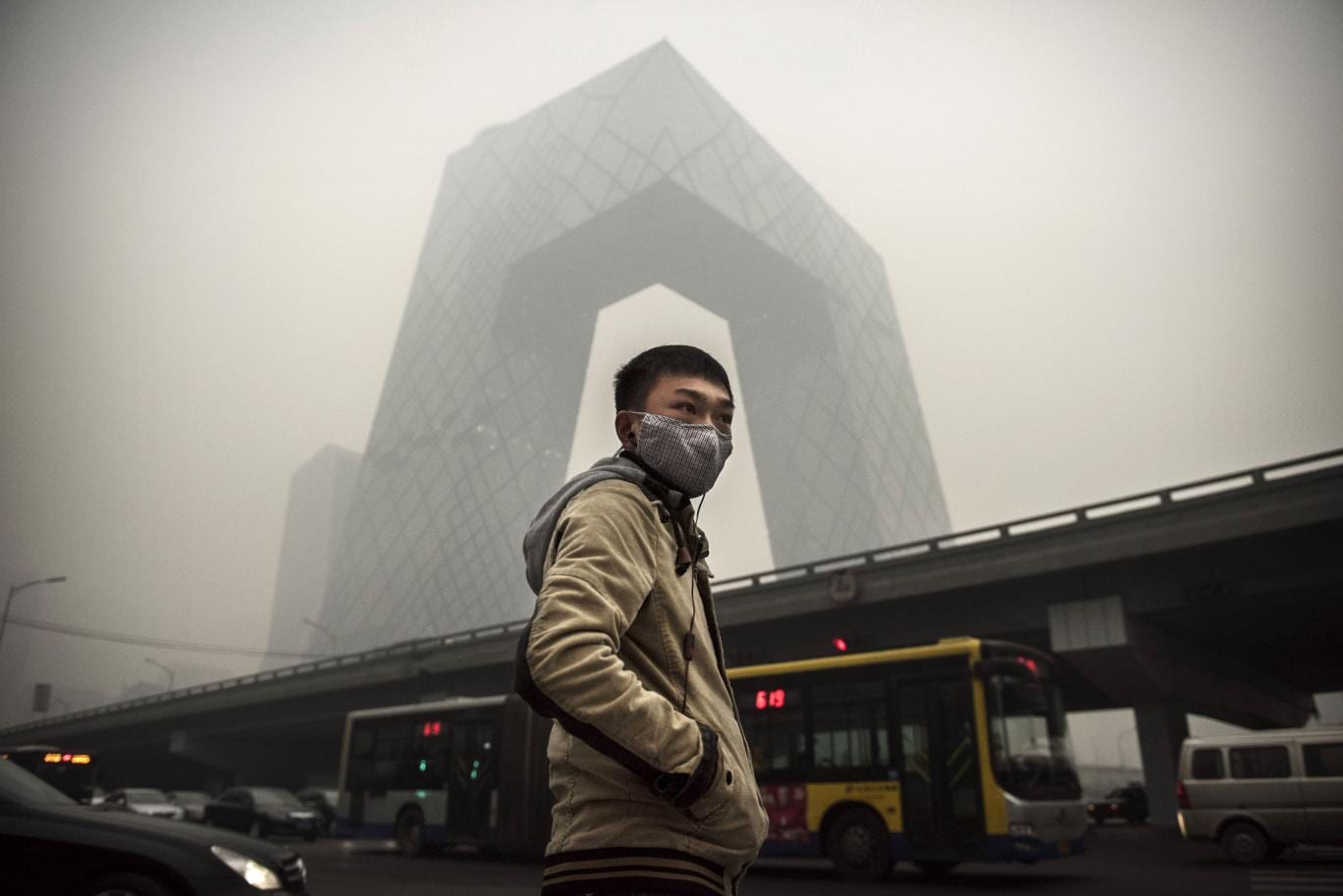
    The 27 year old Leo De Watts collects his ‘raw material’ from British countryside and ships to Beijing and Shanghai which are among the most polluted cities in the World. Wealthy Chinese are willing to buy packaged fresh air despite the fact that each jar could only offer them a few seconds of fresh air.

    The air products that are put on sale include fresh air collected from Dorset, Somerset and Wales, each one having unique qualities, Leo De Watts claims in his website. Fresh air jars are been branded under the label Aethaer. His website says: “Aethaer is filtered organically by nature as it flows between the leaves of woodland trees, absorbs pristine water as it passes over babbling brooks and forest streams, and is lovingly caressed as it rolls over and between mineral rich rock formations, after which it is blown up over vistas of untouched beauty to where the Aethaer is collected and bottled.”

    There are many who buys the product just to treasure it as a memorabilia. Makeshift nets are used to collect the air which are later packaged using a process Watts describes as ‘air farming’. Watts is planning launch a ‘Chinese New Year special’ fresh air pack which contains 15 jars and sells for £888.


  • Alibaba and Amazon China gear up for the Chinese New Year

    Alibaba and Amazon China gear up for the Chinese New Year

    Feb. 8 will be the most important holiday this year in China, as it marks the Chinese New Year. Family members will come together to celebrate with holiday feasts and most workers will enjoy a one-week vacation, many returning to their rural homes from big cities for the festivities. A lack of delivery personnel during this period is leading many sellers on China’s biggest e-commerce marketplaces to shut down, but Amazon China says it will keep delivering in big cities.

    Many merchants on Alibaba Group Holding Ltd.’s marketplaces Taobao and Tmall have announced that they will stop taking orders Feb. 4-Feb. 14 because shipping companies are unable to deliver orders.

    But Alibaba, whose online marketplaces account for more than three-quarter of online retail purchases in China, organized a major promotion in advance of the New Year’s vacation, the Ali Chinese New Year Shopping Festival, which lasted from Jan. 17-23.

    Alibaba reports consumers purchased 2.1 billion holiday items from its websites during the sale, mostly food and gifts. 15% of the orders came from rural residents, a focus of the promotion, and sales at the 12,000 Taobao service centers in rural areas were 331% higher than average, the company says.

    “By hosting this online shopping event, we enabled rural customers to access an extensive range of New Year goods from home and abroad, while making agriculture products from rural China more available among urban customers.” Alibaba Group CEO Daniel Zhang said at the event kickoff meeting.

    Meanwhile, Amazon China, No. 5 in the Internet Retailer 2015 China 500, says it will continue to fulfill orders during the holiday period in 20 big Chinese cities, including Beijing, Tianjin and Shanghai. In fact, the largest overseas e-retailer operating in China says it will extend delivery hours to midnight during the holiday in order to allow Chinese online shoppers to get their orders on time.

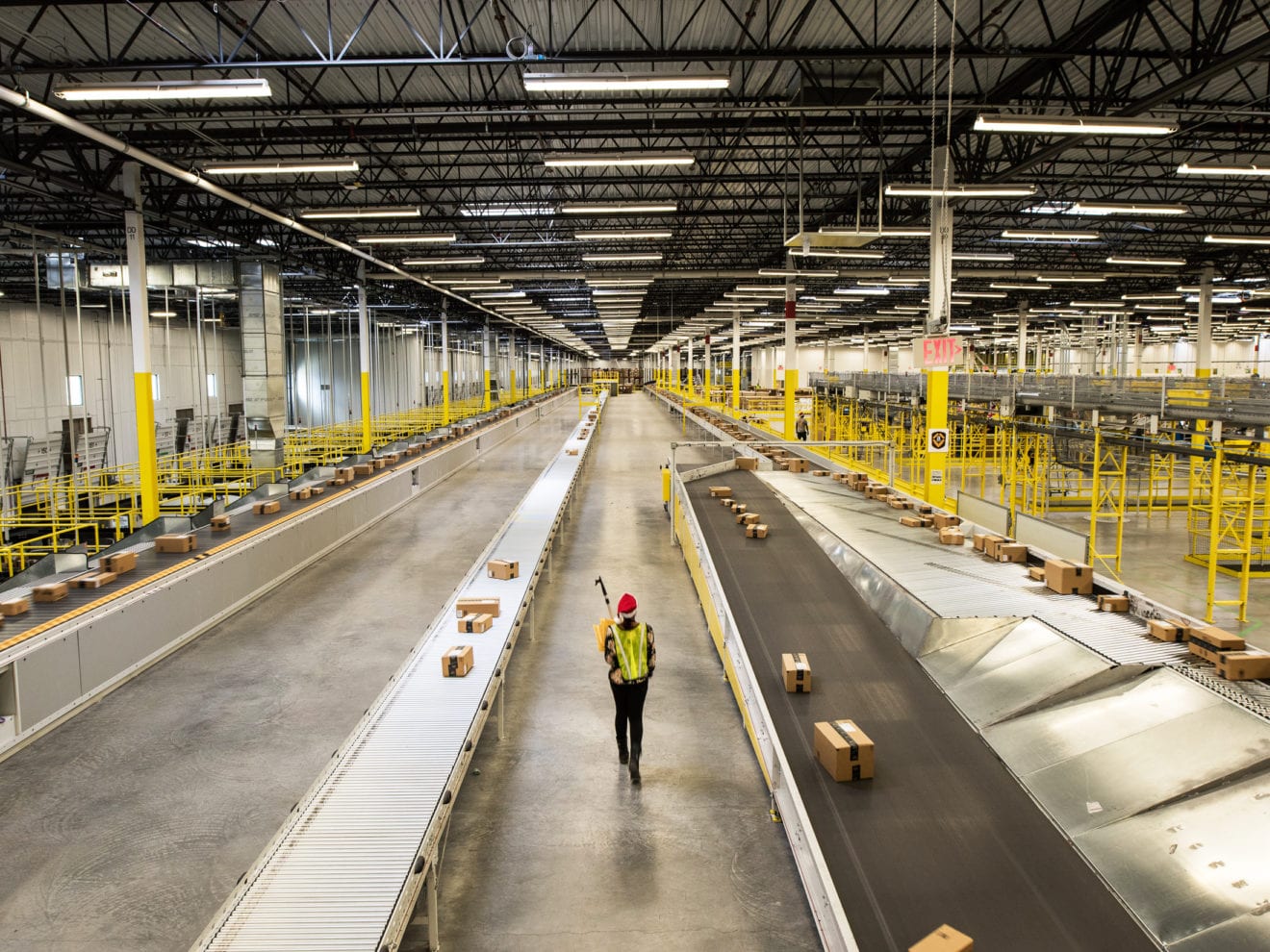
    Amazon China operates 13 fulfillment centers in China and employs its own fulfillment staff. The subsidiary of Amazon.com Inc. offers same-day delivery in 123 Chinese cities and second-day delivery in over 1,400 Chinese cities and towns.

    For a fuller report on the openings for foreign companies to sell online in China, see “Open Door Policy” in the November 2015 issue of Internet Retailer magazine.