Tag: China

  • Chow Tai Fook invited to open second shopping mall in Shanghai Free Trade Zone

    Chow Tai Fook invited to open second shopping mall in Shanghai Free Trade Zone

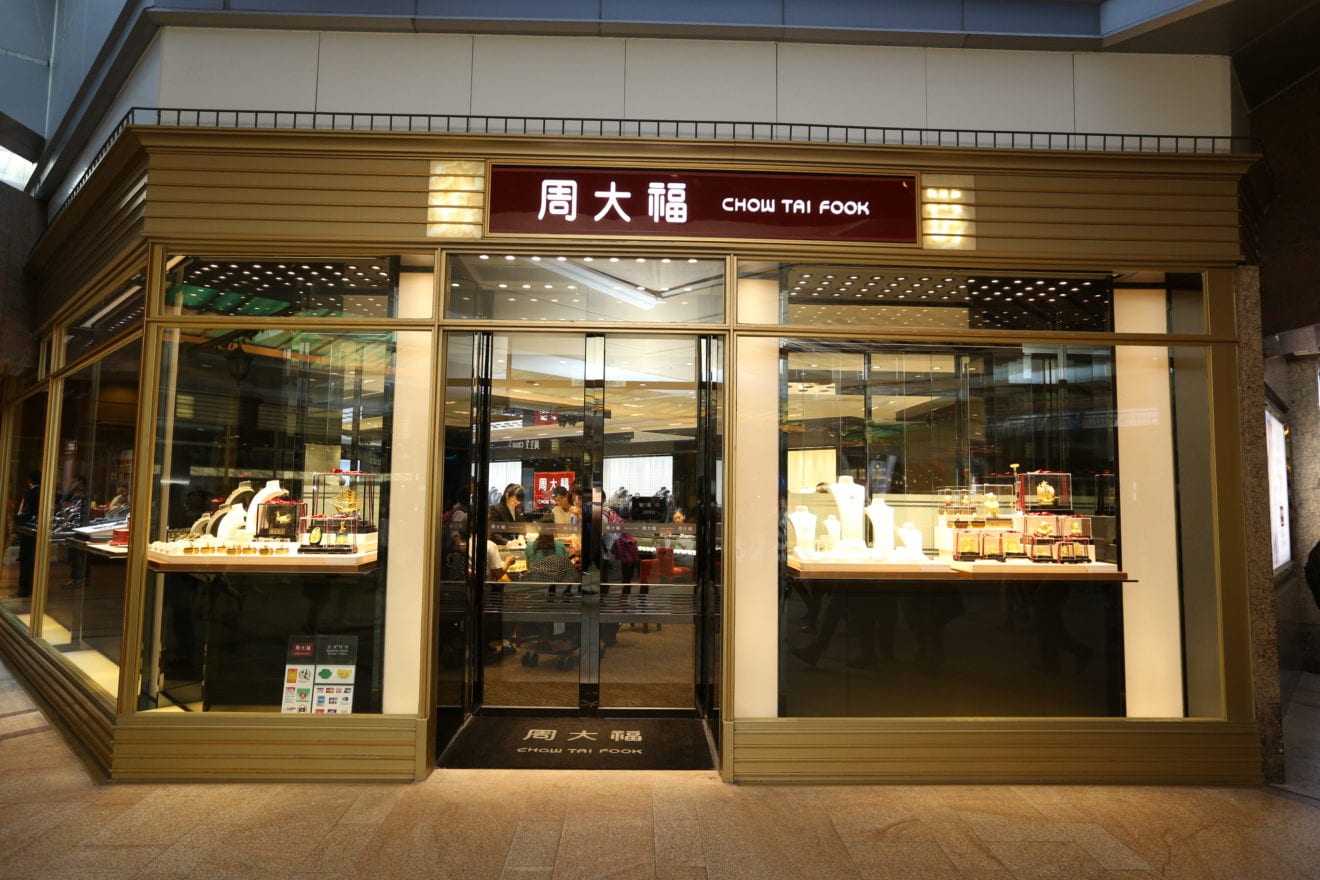
    Two months after jeweller Chow Tai Fook set up its first shopping mall selling Hong Kong products in the Qianhai free-trade zone, it was offered opportunities by several mainland cities, including Shanghai, inviting it to build such malls in their free-trade zones, a senior management official at the company said.

    Chan Sai-Cheong, Executive Director of Chow Tai Fook and who overlooks the company’s mainland operation, told the Post in a phone interview that “ [officials of] several free-trade zones of mainland cities have approached us, asking us to open a shopping mall there.”

    This fulfilled the wish made by Adrian Cheng Chi-Kong, the third-generation heir of billionaire Cheng Yu-tung’s family, at the opening ceremony of its Qianhai shopping mall – HOKO, when he said if Shanghai offered an opportunity, he will consider opening such malls in their free-trade zone.

    Unlike other traditional shopping malls, CTF’s HOKO mall provides two ways for customers to check out – the traditional “grab pay and go” model or and the online channel, under which customers order through a smartphone app and have the goods delivered to their home.

    Hong Kong retailers, such as Sasa, Chow Tai Fook, ISA, G2000 are among the 21 tenants.

    Retail prices of the online channel are typically cheaper than the traditional channel, as the Chinese government only applies a special “postal tax” for imported goods brought from the so-called cross-border e-commerce channel.

    Otherwise, customers need to pay three types of taxes if they purchase imported goods from traditional channels, which are usually higher.

    Despite the olive branch extended by the mainland free-trade zones, Chan said CTF will take its time before it decides on opening a second mall in other cities.

    The business performance of its second phrase mall in Qianhai, which is set to launch before May, will be a testing ground, said Chan.

    “We won’t rush in a hurry,” Chan said, adding the company didn’t have a timetable at the current stage.

    Located in the same area in Qianhai, the second phase HOKO mall will double the size of its first one, occupying a 12,000 sq m area.

    Chan said tenants would be more diversified compared to those in phase one as restaurants, supermarkets, automobile parts, electronics and furniture stores could be expected there.

    But only 50 per cent of the spaces would be used for retail, Chan said. The other half would be reserved for projects that enhance customers’ experience.

    He emphasised that the company won’t let too many milk powder retainers in just because their sales performances were among the best in its phase one mall.

    Beside, a bauhinia garden featuring Hong Kong characteristics will be added to CTF’s Qianhai complex, outside its shopping mall, with a group of selected art pieces on display. He said the idea was initiated by Adrian Cheng Chi-Kong, who also added art pieces to Hong Kong’s K11 mall.

  • Goodbaby China aims to deliver $161m HK IPO

    Goodbaby China aims to deliver $161m HK IPO

    Goodbaby China broke the equity capital markets silence on Tuesday by launching Hong Kong’s first initial public offering in almost two weeks.

    Braving choppy market conditions, the Chinese maternity, baby, and children’s products seller hopes to raise as much as HK$1.25 billion ($161 million) by wooing investors with a positive tale of growth.

    With global stock markets faring poorly as fears of an economic slowdown gather steam amid a slump in oil prices, conditions are hardly favourable for primary share sales, not least in Hong Kong and mainland China. The Hang Seng index fell another 2.5% on Tuesday, extending its losses so far in 2016 to almost 14% as shares in Shanghai and Shenzhen tumbled another 6.5% to 7%.

    But bankers familiar with the transaction hope the underlying quality of Goodbaby China plus an appealing valuation will help to counter sluggish market sentiment and support the IPO.

    Goodbaby China is scheduled to take orders until February 2 and aims to list on February 12, the second day after the Chinese New Year break. It is the first IPO in Hong Kong for which marketing has begun within the 2016 calendar year and would be the first since Virscend Education listed on January 13.

    Indicative deal terms include the sale of 333.3 million shares at a price range of HK$2.68 to HK$3.76 per share. The company is selling 25% of its enlarged share capital through the IPO with an option to increase the deal size by 15% depending on subscription levels.

    Based on these terms Goodbaby China could raise between $115 million to $161 million on a pre-shoe basis and up to $185 million if the upsize option is fully exercised.

    By Hong Kong standards that is not a large trade; the territory was the world’s largest IPO fundraising hub last year, raising a total of $33.7 billion. So Goodbaby China’s offering is less likely to be undermined by broader market sentiment, assuming the company and its representatives can pitch a good equity story during the bookbuilding process.

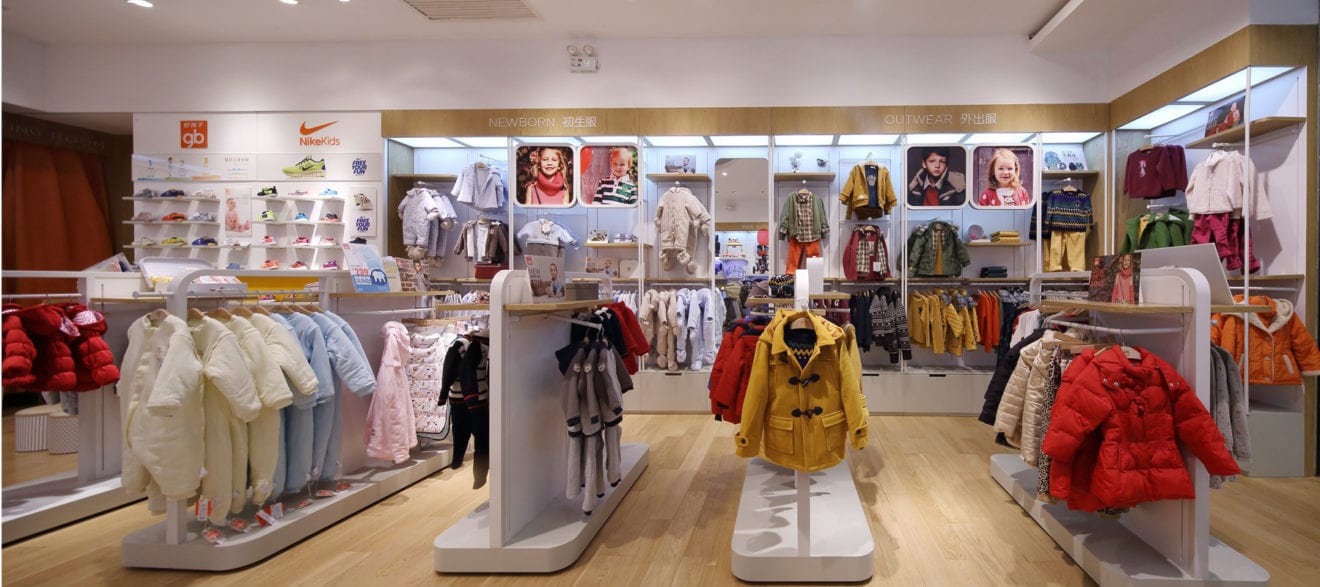
    Initial readings are encouraging. Goodbaby China, which is China’s largest multi-channel retailer of children’s products, according to its prospectus, ticks some of the hottest investment boxes in China as it stands to benefit from China’s new two-child policy, increased consumption, and the boom in e-commerce.

    Goodbaby China sells maternity, baby, and children’s products both under its own brands and third-party brands. It operates in the downstream of the value chain and is independent to Goodbaby International, the Hong Kong-listed manufacturer of children’s products.

    The company was formed through a spinoff from Goodbaby International in 2010.

    Moving online

    Like other consumer retailers, Goodbaby China is in the midst of transforming into an online and offline retailer through the introduction of internet and mobile sales platforms.

    It appears to have executed the transformation well with a significant portion of its growing sales shifting to online platforms.

    According to the company’s prospectus, online sales as a percentage of revenue grew from 5.2% in 2012 to 22.4% in the first 10 months of last year. During this same period, Goodbaby China’s revenue and net profit grew at a compound annual growth rate of 11.75% and 14.5%, respectively.

    One of the company’s strengths is the extensive strategic partnerships it has entered into with international brands like Nike, Adidas, Reebok, and Puma. Sales of third-party brand products have become a key sales component for the company, accounting for around 35% to 40% of its total revenue in the last four years.

    Goodbaby China’s multi-channel retail sales model and its focus on children’s products make it difficult to benchmark against individual listed companies. So for comparison purposes, syndicate analysts are using a basket that comprises Chinese offline retailers Anta Sports and Cosmo Lady and online retailer Jumei International.

    One source familiar with the matter told FinanceAsia that the indicative price range for Goodbaby China’s IPO equates to about 9.5 times to 13.3 times estimated 2016 earnings, based on the syndicate consensus. That is a significant discount to the trio of reference companies, which are much bigger in terms of their market capitalisation but trade at around 18 times forecast 2016 earnings.

    The company intends to continue expanding both online and offline sales model, with the proceeds of the IPO allocated fairly evenly between the two.

    Approximately 30% of the proceeds will be deployed for expanding self-operated stores, while another 25% will be used for potential acquisitions of new businesses and technologies. The company also plans to use 22% of the proceeds to improve its supply chain management and IT infrastructure, according to its prospectus.

    Morgan Stanley is the sole sponsor of the IPO and also a joint bookrunner with BOC International.

  • L’Occitane China sales rise, the other drop by 14.5pc

    L’Occitane China sales rise, the other drop by 14.5pc

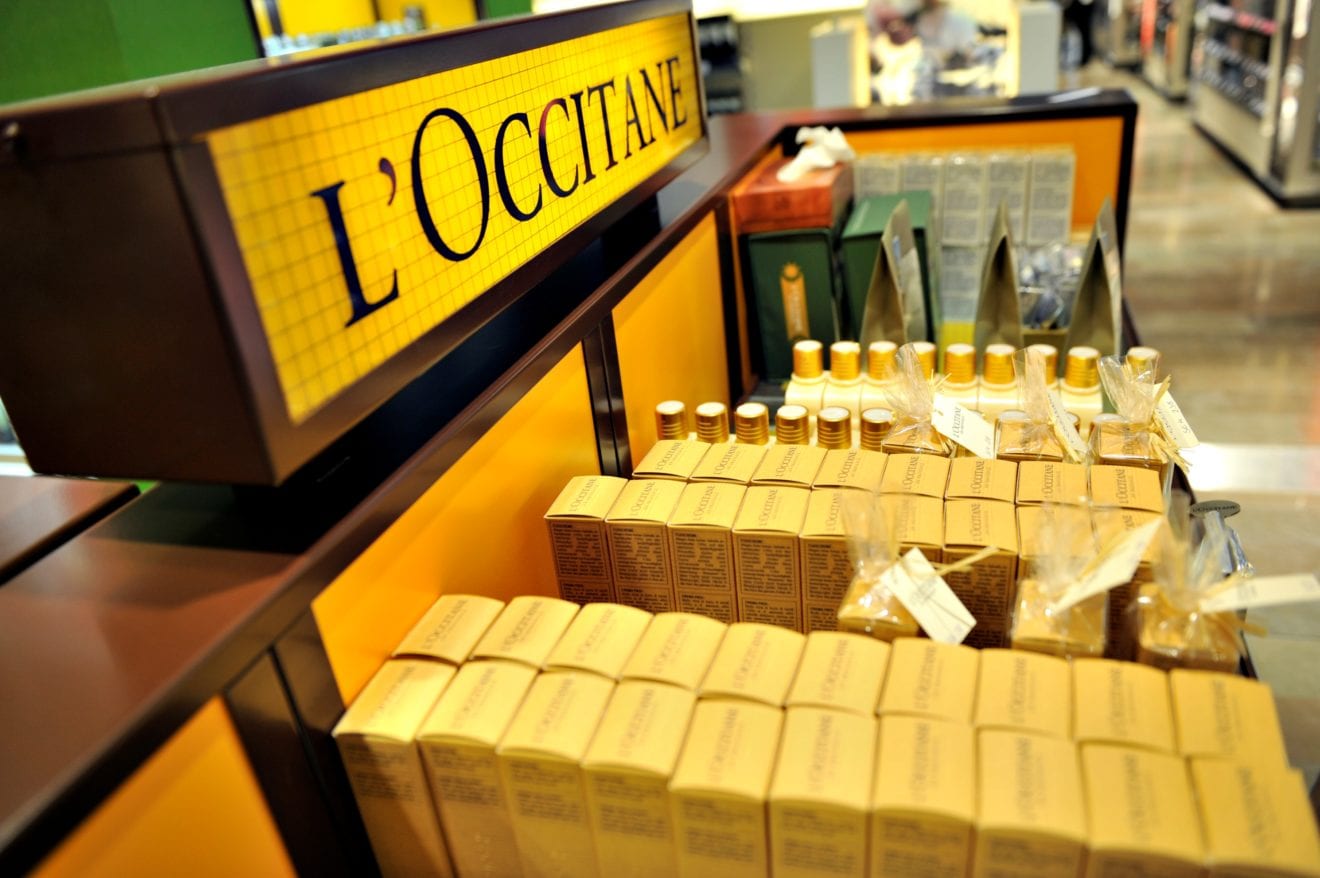
    Cosmetics and skincare products company L’Occitane International reported China was the main driver of sales in the nine months ended December 31. But Hong Kong and Macau retail sales dropped by 14.5 percent.

    Hong Kong travel retail business also suffered from the lower traffic in the Greater China region. In local currency terms, sales in China recorded the highest growth of 19.1 percent, the company announced.

    Overall net sales in China amounted to 94.8 million euros in the nine months. China remained the fastest growing country and the primary contributor to overall growth, followed by France, Brazil, Russia and Japan, the company reported. Overall group net sales were up by 11.6 percent to 984.7 million euros for the nine months of the financial year 2016. At constant exchange rates, the growth was 5.8 percent, L’Occitane said.

    China, France, Brazil, Russia and Japan were among the countries with highest sales growth in local currencies. Overall same store sales growth was 1.8 percent. Sales through the group’s e-commerce channels grew by 17.7 percent at constant exchange rates.

  • Hong Kong feels squeeze of slowing China, rising rates

    Hong Kong feels squeeze of slowing China, rising rates

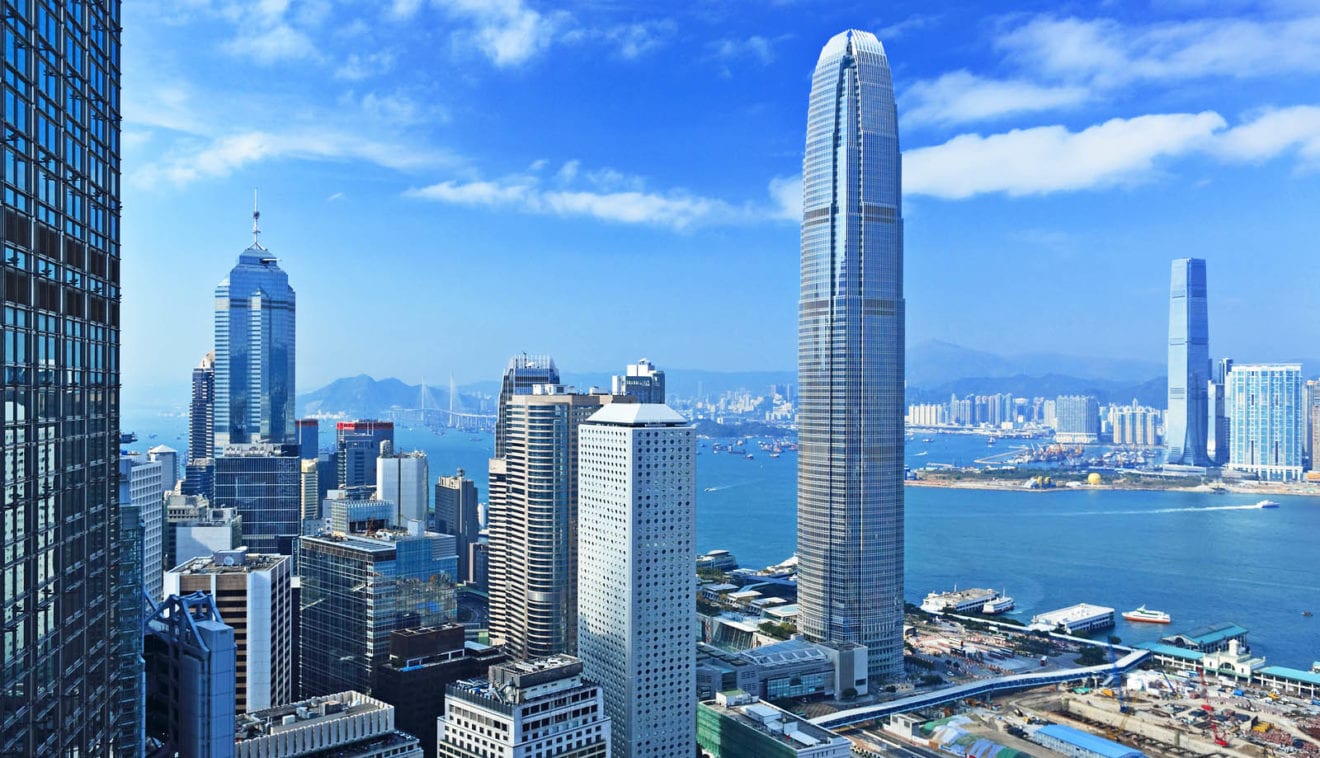
    AS a premier Asian financial center parked at the doorstep of one of the fastest-growing economies on the planet, Hong Kong has long lived a charmed life.

    The former British colony’s Western-style legal and regulatory system made it a magnet for global investors interested in buying listed Chinese stocks on the Hong Kong Stock Exchange.

    Its banks, insurance companies, ports and cargo carriers have made a nice living off their powerful neighbor. An added bonus: Since 2008, low global interest rates in the post-financial crisis era have powered a property market that has kept the $300-billion economy humming.

    Yet, now China’s economy is decelerating and just turned in its weakest full-year economic growth since 1990. Global investors are no longer gravitating to Hong Kong—they’re scrambling for the exits.

    The Hang Seng Index has slumped 13 percent so far this year. Housing prices have fallen 8 percent from their September peak and are poised to drop as much as 30 percent this year, according to Bocom International Holdings Co. analyst Alfred Lau.

    The Hong Kong dollar peg is under pressure and short-term interest rates have spiked. Exports are falling and big-spending Chinese tourists are staying away.

    “Hong Kong is facing a wave of pressure,” said Kevin Lai, chief economist for Asia excluding Japan at Daiwa Capital Markets in Hong Kong, who likens the growing storm to the market gyrations of the Asian financial crisis. “The situation right now is potentially worse” than the regional turmoil in 1997 and 1998.

    Lai is particularly concerned about the rapid credit expansion over the past five years, as Chinese companies rushed to borrow in Hong Kong, leaving the city’s banks “massively leveraged and exposed.” Daiwa estimates that $237 billion in broad inflows has poured into Hong Kong since 2005.

    Capital flows accelerating

    For Hong Kong, the worst-case scenario could play out like this: A sustained dive in the Hang Seng Index and heavy downward pressure on the local dollar triggers a massive departure of capital, squeezing liquidity in the banking system and driving up interest rates. That, in turn, sparks a speculative attack on the local dollar peg, forcing the Hong Kong Monetary Authority to defend it by spending its foreign-currency reserves. Or abandon the peg altogether.

    Capital flows out of Hong Kong appear to be accelerating. The Hong Kong dollar has traded at the lower side of its trading range against the US dollar, and recently touched a seven-and-a-half year low versus the greenback. Local interest rates have also surged: The three-month Hong Kong Interbank Offered Rate (Hibor) has jumped 30 basis points to 0.697 since the end of last year, exceeding the London Interbank Offered Rate on January 20.

    A sustained spike in Hibor could push mortgage rates higher, further hurting housing affordability, Morgan Stanley analysts led by Derrick Y. Kam wrote in a note. The bank said it cut its price targets for Hong Kong property stocks by an average of 17 percent.

    While global investors can quickly withdraw money from this Westernized financial center, local banks and investors face a tougher time pulling their cash out of the mainland economy.

    “It could take a matter of seconds for the rest of the world to draw money out from Hong Kong—but it would be a lot more difficult for Hong Kong to do the same from China,” Lai said.

    If the US Federal Reserve (the Fed), which raised rates last December for the first time in almost a decade, pushes up rates again as expected later in the year, it could pull the rug out from housing prices that have surged more than 350 percent from their low in 2003. To maintain its peg with the US dollar, Hong Kong must match interest-rate hikes by the Fed, increasing borrowing costs to homeowners.

    “The property market in Hong Kong is going to go down the tubes when eventually the Americans will continue to increase interest rates,” said Andrew Freris, CEO of Ecognosis Advisory, a Hong Kong-based economic and financial consultancy.

    Meantime, Hong Kong developers with significant yuan-denominated cash holdings face greater currency risks from the yuan’s increasing volatility, according to Bloomberg Intelligence.

    Retailers paying heavily

    Hong Kong retailers are also paying heavily because of Hong Kong’s peg.

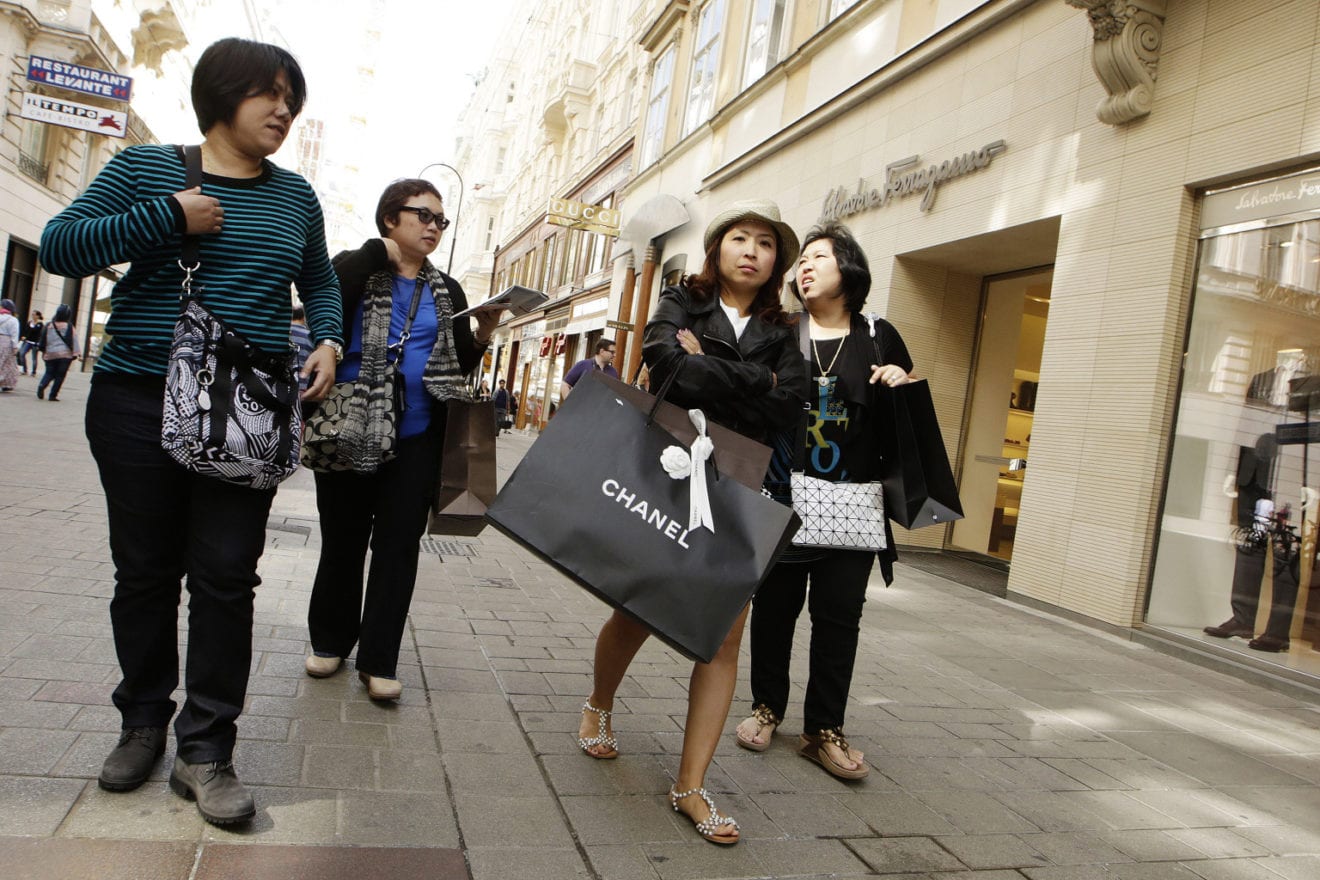
    The city is losing its luster as a shopper’s paradise for mainlanders, who are instead flocking to Japan and South Korea in search of better bargains for Louis Vuitton handbags and Patek Philippe watches, thanks to those countries’ weaker currencies.

    Retail sales fell 3.1 percent in the first 11 months of 2015, with jewelry, watches and clocks, especially hard hit with a 15.4-percent decline. There have been other disappointments, too. The Shanghai-Hong Kong Stock Connect, a program allowing individual investors on either side of the border to invest in each other’s stock markets hasn’t delivered the boost to Hong Kong shares its architects had envisioned.

    Since its launch in November 2014, Chinese buyers have only reached the 10.5 billion yuan daily buying quota on two days, and total ownership has never reached the 250-billion yuan limit.

    That said, Hong Kong does have a track record of weathering market storms, and its bourse isn’t the only one suffering losses. The MSCI Asia Pacific Index is down 10 percent this year as oil’s slide and concerns over China’s economic outlook dents shares around the world.

    The city also has deep resources to respond to any attack. During the 1997-1998 Asian financial crisis, the Hong Kong Monetary Authority spent HK$120 billion buying up Hong Kong stocks, and successfully defending the dollar against speculators.

    In 2003 after the severe acute respiratory syndrome virus epidemic leveled the economy, Beijing created a free-trade deal with Hong Kong through the Closer Economic Partnership Agreement that gave its businesses a leg up over rivals in China. Easing of travel restrictions unleashed a flood of Chinese visitors and buoyed retail sales.

    Hong Kong’s $358.8 billion in foreign exchange reserves as of the end of December and a budget surplus give local authorities room to maneuver.  “The speculators right now want to make Hong Kong just like 1998,” said Banny Lam, cohead of research at the Agricultural Bank of China International Securities Ltd. in Hong Kong.

    Lam reckons that a key difference between now and the Asian financial crisis is that the system is flush with interbank liquidity, which means the speculators will be proven wrong.

    Yet, even if Hong Kong can pull through the current market turmoil, it faces bigger challenges ahead. David Dodwell, executive director of the Hong Kong Asia-Pacific Economic Cooperation Trade Policy Group, says that going forward the city has to move beyond its position as the gateway to China by having its banks and professional services help Chinese companies establish their global operations using the city as their base.

    “For me, the litmus test is the flow of headquarters to Hong Kong,” Dodwell said.

  • Tesla’s new Model X will cost you an arm and a leg in China

    Tesla’s new Model X will cost you an arm and a leg in China

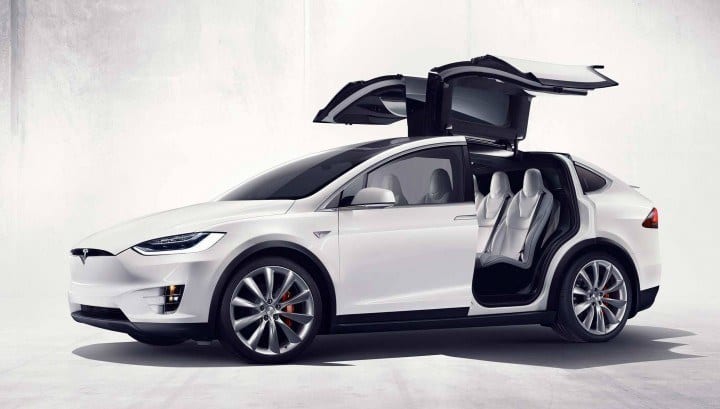
    Fans of affordable electric vehicles, avert your eyes. Tesla has announced its mainland China pricing for high-end models of its upcoming SUV, the Model X, and the numbers are not pretty. The 90D model, which will cost around US$100,000 in most other markets, will run Chinese consumers a whopping US$146,000. Chinese Tesla fans who want the fancy P90D Signature Red limited edition model can expect to pay almost US$225,000 (the Signature P90D reportedly costs US$132,000 in the US).

    This news shouldn’t come as a huge surprise. Prices for other Tesla models in China, like the Model S 70D it announced last year, feature similar markups.

    It’s not clear exactly who Tesla fans should blame for the consistently high prices. China does charge high import duties on luxury cars, reportedly around 25 percent. But Chinese state media has accused foreign automakers of price-gouging in China, and a 25 percent tariff doesn’t explain how the P90D Signature model seems to double in price somewhere between Tesla’s US home and Beijing.

    On the other hand, Tesla claims that it charges the same prices for all of its cars after accounting for transportation costs and import duties. And Tesla’s prices are pretty reasonable compared to other imported luxury cars. Tesla’s China markup for the Model X 90D is 53.7 percent. That’s nothing compared to the whopping 188.4 percent markup Chinese consumers pay to buy the BMW M5, for example, which costs under US$100,000 in the US and nearly US$300,000 in China. The China markup on a luxury SUV, the Porsche Cayenne Turbo, is even worse (194 percent).

    Even with the high costs, the Model X could do well in China. A fan tally (which almost certainly doesn’t account for all reservations) suggests the company has over 2,600 Model X units reserved in China already. Moreover, the car features an air-filtering biodefense system that could be a boon to urban Chinese drivers who want to ensure they’re not breathing in Beijing’s toxic haze.

    Lower costs coming?

    It will be interesting to see how Tesla prices its lower-cost Model 3 when that hits the market next year (or later). Currently, its offerings are all luxury-tier, and although the China prices are inflated, China’s luxury car consumers can generally afford to pay them. China has more than a million millionaires, after all. But the Model 3 is intended to be accessible to the middle class, at least in Western markets. Will Tesla price it aggressively to go after that market in China too, or will it become a low-end luxury offering thanks to China price inflation?

  • Apple to Open a New Store in China’s Largest Luxury Shopping Mall

    Apple to Open a New Store in China’s Largest Luxury Shopping Mall

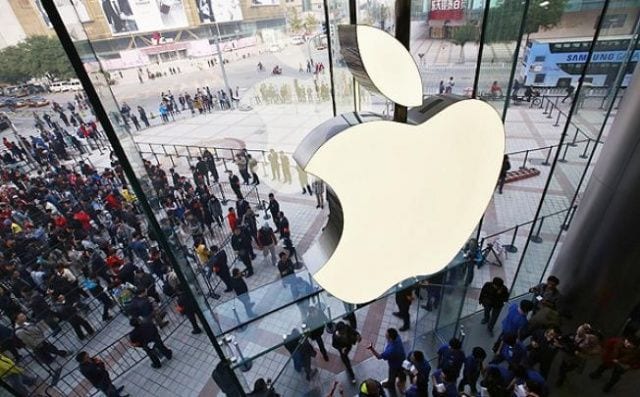
    Apple Inc.  announced on Saturday that it would soon open its 31st outlet in Qingdao, China. The retail outlet will be located in China’s biggest shopping complex, MixC luxury shopping mall, according to the reports. The new store is expected to open between 10AM to 10 PM local time on weekdays and weekends.

    China has always been a lucrative market for the tech giant and in recent years, Apple has aggressively expanded its franchise operation in the world’s largest smartphone market under the leadership of Angela Ahrendts, senior VP of retail and online stores at Apple.

    Previously, the tech giant has also effectively carried out its operations in the leading Chinese cities and provinces, which includes Chengdu, Beijing, Nanning, Shenyang, and Xiamen. As of now, there are five stores operating in Beijing.

    Apple is one of the leading foreign smartphone manufacturers operating in China, and generates billions of dollars in revenues from the country. In the last quarter, Apple’s sales in China, including Hong Kong and Taiwan surged 99% to $12.5 billion year-over-year (YoY), while iPhone sales in the region rose 120% YoY. Amid increasing demand, the tech giant also aims to open more than 40 stores in China in the next few years. China is the company’s fastest growing market in recent years, and it plans to take full advantage of the potential growth opportunities in it.

    In addition, the smartphone manufacturer is making continuous efforts to increase its market share in the world’s second largest economy. On the other hand, growing trend of online shopping has significantly increased demand for the mobile users in the mainland territory.

    china apple user

    Based on month-over-month results, the number of Chinese mobile consumers has increased tremendously in the past one year. This number is mainly attributed to the boom in the movie industry, resulting in the increasing online ticket booking. Similarly, the boom in the e-commerce industry also raised the number of smartphone users in recent years. According to a report, as traffic issues in the country prevails, an increasing portion of population is using their smartphones to book movie tickets or for online shopping.

    China is considered to be the second largest revenue-generating country for Apple after the US. The company’s sales have grown to $12.5 billion from $5.7 billion last year. If the growth continues at such an increasing rate, it is expected that China will surpass the US and becomes the company’s largest market by 2017.

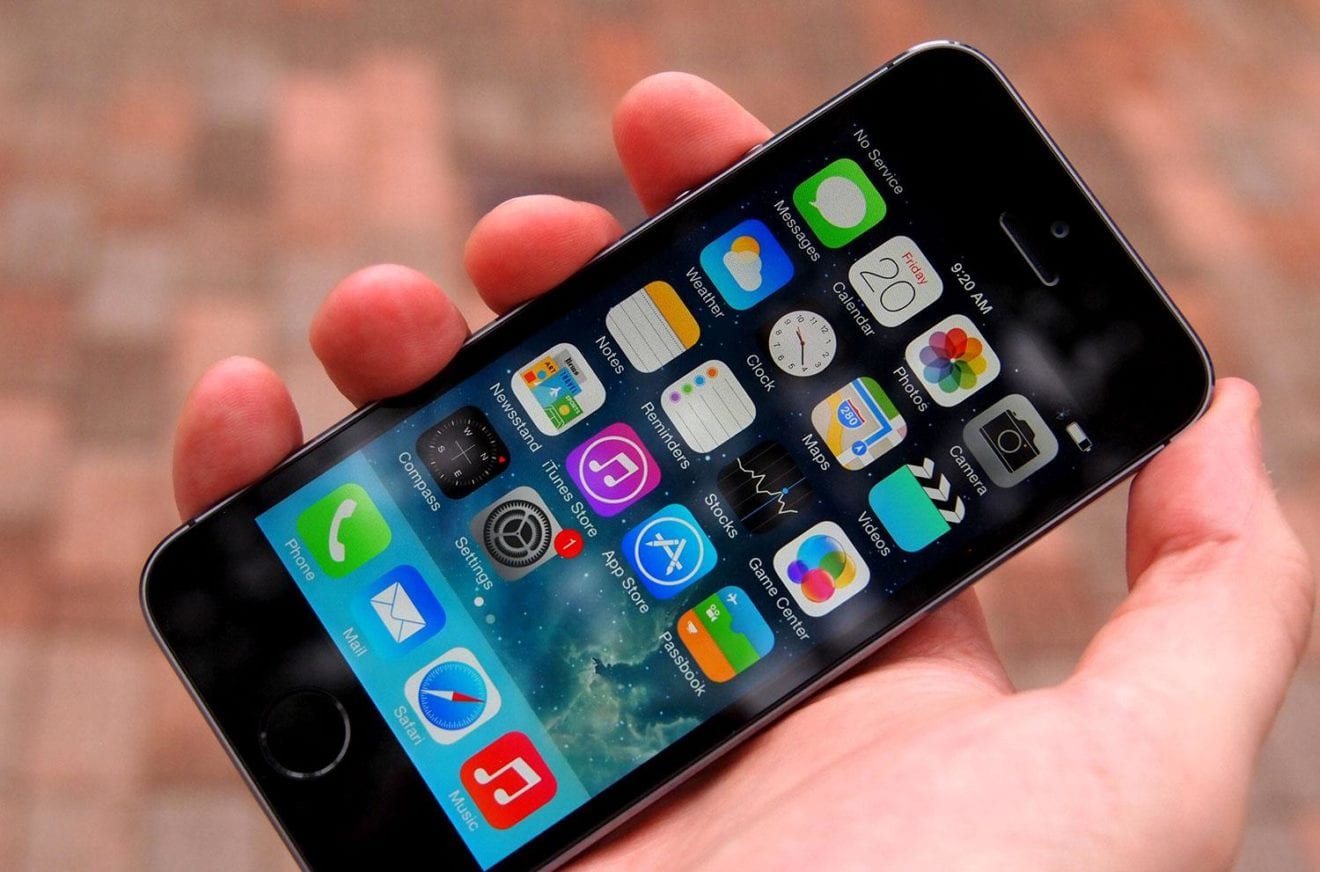
    According to a claim made by 9to5Mac’s analyst Mark Gurman, the California-based company plans to come up with a new iPhone in March 2016. The new device will be called the “iPhone 5se.” In addition, Mr. Gurman also indicated that iPhone’s latest version will also contain an upgraded 8 megapixel rear camera, a curved glass design, and Live Photos feature. Given the previous track record, the product will likely become a success in China.

  • Strong Resale Market for iPhones Boosts Apple in China

    Strong Resale Market for iPhones Boosts Apple in China

    The Journal is detailing Apple Inc.’s remarkable success in China, particularly with the iPhone, and questions about Apple’s future as China’s economy slows.

    Part of that success stems from the strong resale value of used iPhones, which many consumers view as a way to narrow Apple’s price premium, compared with most other smartphones. Unlike in the U.S., most Chinese purchasers pay for the iPhone in full up front.

    Apple offers its own trade-in program at its retail stores in China, where it offers store credit for used iPhones. But there’s also a massive network of small shops that buy and sell used iPhones.

    In Chongqing, the biggest city in southwestern China, Luo Lishan operates a stall in the basement of an electronics market only steps from an Apple store. She sells new and used iPhones and says that a year-old iPhone in good condition can fetch 3,000 yuan ($450) depending on the model, while other brands’ phones usually go for less than 1,000 yuan.

    “The iPhone keeps its value better than other phones,” she says, as she puts a SIM card into a new iPhone 6S Plus for a customer.

    To protect the resale value, Chinese consumers use their phones differently than many in the West. For example, they make more use of Apple’s “Assistive Touch” feature, which is intended for people with disabilities who have trouble pushing the home button to control the phone.

    Chinese users who worry about wearing out the home button instead tap Assistive Touch, which appears among other apps as a dimly lit gray square containing a white circle surrounded by two rings. Enabling the feature offers on-screen shortcuts to access Siri, raise the volume and other actions.

    To protect the screen, many Chinese iPhone owners also affix a screen cover. It’s so common that many electronics retailers affix the cover in the store at the time of purchase. Screen-cover vendors also set up booths outside Apple stores.

    Last October, a few weeks after Apple introduced the iPhone 6S and 6S Plus, hawkers waited outside Apple’s Sanlitun store in Beijing. Inside, Apple had sold out of metallic pink iPhones – a color Apple calls rose gold. Hawkers sold the hard-to-get phone outside at a mark-up.

    Prospective customers were directed to a man sitting on the steps next to the store. His job was to inspect the condition of an old phone offered for trade. If it was an iPhone, he’d check the screen for nicks and dings and look inside the phone software to verify details such as storage size and country of origin.

    After the inspection, he offered a price for the old phone. If the customer agreed to the price, the customer paid the difference between the cost of the new iPhone and the resale price of the old phone.

    After one trade, the man added the cash to thick bundle in his hand and tossed the old phone with other handsets purchased that day.


  • Why red-packet retailers are popping up in prime locations

    Why red-packet retailers are popping up in prime locations

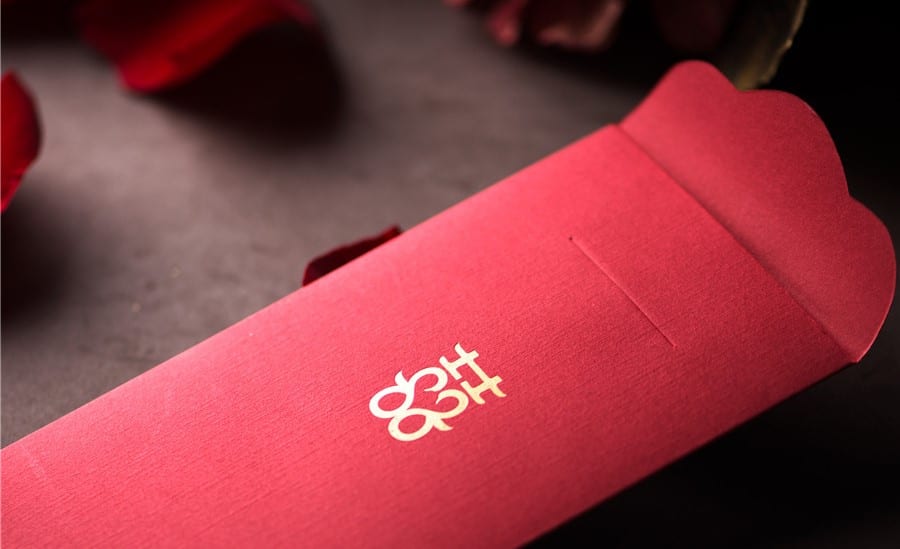
    During the Lunar New Year period, most Hongkongers would need some red envelopes to put in lucky money for kids, for young unmarried colleagues or for doormen.

    The envelopes are often obtained free as they are given away by banks, corporate houses or business counterparties. Hence, not many people would actually want to, or need to, pay for the items.

    So, it’s a bit surprising that in prime districts such as Tsim Sha Tsui, Causeway Bay and Mongkok, we have seen some new red packet outlets opened by a specialist retailer, Chinese Red Packet.

    The Tsim Sha Tsui outlet is located on premises where a Chow Tai Fook store once stood. The jewelry shop, which used to pay HK$2.6 million a month as rent, decided not to extend the lease due to a general slowdown in Hong Kong’s luxury retail segment.

    The Hong Kong Economic Journal talked to some real-estate agents to find out how the red packet vendor is able to afford that premium retail space.

    The truth is that there have been rising vacancies in street-level shops due to the lackluster sales. Landlords are more willing to accept short leases while waiting for long-term tenants.

    While some spots have been successfully leased out to long-term tenants, there is still a time lag before the new lease starts. Owners don’t mind offering the shops for a month or two on the cheap to at least get some income during the period.

    Still, we are talking something like HK$200,000 monthly rental. Are sales enough to cover that?

    Locals who want their red packets printed with unique or funny blessing words don’t mind forking out a small sum. There are also locals who want their surname on the envelopes to differentiate the gift packets from those of others.

    Meanwhile, the items are also said to be very popular with visitors who buy them as souvenirs, as the products come in all kinds of designs and colors including gold, pink, and purple.

    Going for about HK$100 a small pack of 50, the pricing is actually quite high and the profit margin pretty fat.

  • Is Time Running Out For Luxury in China?

    Is Time Running Out For Luxury in China?

    In 1992 Louis Vuitton made its debut in China with a store in Beijing’s bustling shopping district of Wangfujing, becoming the first luxury brand to set foot in the Middle Kingdom. The timing was perfect. The Chinese economy was just coming into its own, embarking on a spectacular journey of double-digit economic growth. This was the start of the consumerist boom that would shape the fortunes of many Western brands in China.

    Louis Vuitton’s signature monogram soon became ubiquitous in China as the company expanded its footprint across the country, first in all the major cities like Beijing, Shenzhen and Guangzhou, and then in second and third-tier cities. Gradually China became a big contributor to Louis Vuitton’s revenues globally. In a 2009 interview with Reuters, Jean-Marc Lacave, the then North Asia chief executive for LVMH Watches & Jewelry, said that the company aimed to strengthen its presence in China’s third- and forth-tier cities and gain market share.

    Several years have gone by, and now the legendary Louis Vuitton monogram seems to be losing some of its sheen in China.

    In 2015, Louis Vuitton closed three of its stores in China, including its flagship store in Guangzhou. Rumor has it that the Paris-headquartered company will continue to shutter more stores in the country.

    Louis Vuitton is not the only luxury brand that has run into rough weather. For most luxury brands, China is no longer the cash cow it once was. Multiple reports suggest that the luxury retail business in China is shrinking, leaving several big brands in a quandary.

    Two decades ago, when the likes of Louis Vuitton and Prada entered China, they had the much-coveted first-mover advantage in a market that was just starting to come into its own. Data from Euromonitor shows that the retail luxury market in China has grown from a very low base to $135 billion by 2013. But the tide seems to be turning. The size of the retail luxury market in China contracted slightly to $134 billion in 2014. And by all indications, this is just the beginning of a bigger slump.

    The top 10 global luxury brands as per market research company Millward Brown’s latest BrandZ report—a list that includes names like Louis Vuitton, Hermes, Gucci and Chanel—saw 6% of their total brand valuation evaporate in 2015. “Following a strong recovery from the global financial crisis, the pace of sales flattened for several reasons, including the economic slowdown in China, Brazil and Russia. In addition, China’s anti-corruption regulations trimmed luxury gift giving in that country,” the report said.

    In the first quarter of 2015, Italian luxury brand Prada experienced a 19% slump in sales from the Greater China region. The group also reported a 23% plunge in net profit in the first half of 2015. Similarly Burberry has hit upon hard times. According to a Financial Times report, the Greater China area contributes 25% to the classic English luxury brand’s sales numbers. But in 2015, demand in China (and from China) has been hit. “Burberry’s like-for-like sales in Hong Kong fell by more than 20 per cent in the three months to the end of September as fewer Chinese shoppers travelled to the region. Like-for-like sales in China fell by a mid single-digit percentage in the quarter,” said the report. The company blames the overall disappointing performance to an “increasingly challenging environment for luxury, particularly Chinese customers”.

    Confronted with an unstable market performance, several luxury companies have started shrinking their store numbers. In the past two years Burberry, Armani and Prada have reportedly shut down four, five and 16 stores respectively. Hugo Boss shut seven stores in China and Chanel is down to 11 stores in China, half the number it had during the good days.

    End of a Dream Run?

    Some of the reasons for China’s luxury slowdown are obvious, such as the Chinese government’s crackdown on corruption under President Xi Jinping’s regime. Cases of bribery, gifting, lavish purchases and ostentatious show of wealth have come under the scanner hurting luxury good manufacturers. The overall slowdown in the Chinese economy is also leading to belt-tightening measures further slowing luxury sales.

    But there’s another less obvious reason for the slowdown in China’s luxury market, according to Benoit Garbe, Senior Partner at Millward Brown. Till the slowdown hit China, this was a market on steroids and brands were expanding like crazy resulting in oversupply. “It’s been an easy ride for many luxury brands over the past 5-10 years when there was fast growing demand. [For brands] it was all about growing their distribution footprint, opening new stores. Now the market is a real market with more intense competition, more sophisticated demand,” says Garbe. “The best brands would think strategically in terms of differentiation and building relevance, and will be the brands that win.”

    As Chinese luxury buyers become more sophisticated, they don’t want to have the same luxury brand being used by every second person on the street. They are looking for more exclusivity. Adds Timothy Coghlan, Associate Director of Luxury Retail at Savills, “There’s a lot of evidence that the Chinese customer isn’t loyal. They will change between brands depending on which brand is trendy.”

    Another big factor that has been denting the China sales numbers is the trend of consumers shopping for luxury overseas in order to avoid paying high import taxes in China. “High import taxes within China are a big incentive for shopping abroad—the same luxury handbag can often cost a third more in Beijing than in Paris, for example. But, holidays also encourage more extravagant spending habits,” writes Fflur Roberts, Head of Luxury Goods at Euromonitor, in an email response. If you look at the annual reports of several luxury brands, you may find weakened sales performance in China, but improved performance in neighboring countries like Japan and Korea, or even the brands’ countries of origin, such as France. Some of this is due to demand from Chinese travellers. Roberts adds that “wealthy Chinese tourists have been key drivers of global luxury goods sales for more than a decade. According to Euromonitor International, the Chinese made over two million trips to the US in 2014, an increase of almost 12% on 2013 and a massive 286% increase since 2009….”

    However, getting a good bargain doesn’t always require travel. Thanks to China’s e-commerce revolution, haitaos and daigous, or cross-border buying agents, have become popular. In the case of daigous (literally translated as “substitute buyers”), individual professional buyers usually stationed abroad can fulfill customized orders for consumers in China. Usually the daigous are Chinese students studying overseas, tour guides or air hostesses, in short, people who fly in and out the country frequently. Professional daigous will usually first take orders from customers and then procure and send the goods to China. In the case of haitaos, instead of individuals, companies do the buying. According to a report from Bain & Company, luxury purchases through daigous amounts to up to 15% of Chinese consumers’ total spending on luxury.

    Daigous and haitaos exist in a legal grey area as they skirt the government’s tariff regulations. The goods they ship to China somehow skirt Chinese import tax regulations. Daigous are not licensed sellers, which leaves issues of consumer rights in a grey area as well. While the Chinese government is starting to crack down on daigous, it will be a while before it has any serious impact on luxury sales via the proper channels.

    Luxury market infographoic

    Engineering a Bounceback

    Clearly, the problems luxury brands are facing in the Chinese market aren’t going away anytime soon. So what can brands possibly do to ease the pain? A few suggestions:

    Narrow the Price Differential:

    In March 2015, Chanel shocked onlookers by announcing its decision to increase prices in Europe by 20% and reducing them by a similar percentage in China. Prada was quick to follow suit by lowering prices in China. While it is hard to predict the impact this will have, it can be safely assumed that it will undo some of the damage done by high import taxes in China, and hence, help brands narrow the price differential between China and overseas. After all, in some cases, goods are 60% more expensive in China than they are in Europe. This will also help brands counter daigous who have been undercutting them with a vengeance.

    Customized Offerings:

    For the super rich price may not matter all that much. Some Chinese customers probably don’t feel that they are being overcharged: as long as they enjoy good customer service here, they won’t bother going overseas for a better bargain. “Buying a luxury product is more emotional than functional,” says Millward Brown’s Garbe. As Chinese customers become mature, they want exclusivity, privacy and service, and it’s not so much about price anymore. This is where brands need to think in terms of tailoring the experience accordingly. As Garbe puts it: “How do you make sure you know the customer very well, and then you deploy strategy and operations that allow you to, in-store, instantly recognize them? So they walk in the stores, [and] automatically on your iPad you know them, you know what they’ve bought, and you can really tailor your offer.”

    Adds Coghlan from Savills, “One of the things that I think is very important for brands is to set up a CRM program so they can track their customers globally. They can do it to some degree through WeChat or things like that.”

    Abroad at least, some brands are going out of the way to make important customers feel special. In some US stores, brands like Gucci, Prada and Louis Vuitton have created a special space for important customers. One of the Louis Vuitton outlets has “a rooftop area where guests can sun themselves and enjoy Champagne”.

    ‘Affordable’ Luxury:

    High net worth individuals are a very small group of people but the biggest consumers of luxury brands. There’s another demographic that cannot be categorized as super rich but is affluent nevertheless and aspires for luxury. Luxury brands can think of catering to this target group by rethinking their portfolio. The big three luxury groups, LVMH (owner of Louis Vuitton and Moët & Chandon Champagne), Richemont Group (owner of Cartier and Chloe) and Kering Group (owner of Gucci and Yves Saint Laurent) have all created or acquired lower profile brands for those who still want luxury, but a little more affordable and understated. Affordable luxury brands include the likes of Baume & Mercier (Richemont), Pomellato (Kering) and Loewe (LVMH). Another benefit of having a diversified portfolio, apart from profits coming from different streams, is offering the customer greater exclusivity. A Miu Miu, after all, can be far more exclusive than a Prada.

    Aligned Businesses:

    Some brands are going a step further and tapping into new categories altogether. Gucci, for instance, opened a full-service restaurant  in Shanghai. 1921 Gucci Café, as the restaurant is called, is connected to the Gucci store in the mall by an elevator. After browsing in the store, customers can stop by for an Italian lunch or dinner. Globally, Prada and Chanel have tapped into food as a category too. In 2014, Prada bought a stake in iconic Milan cafe Pasticceria Marchesi. The café “serves everything form breakfast and lunch to aperitifs, with custom-made fine china, it aims at creating a very luxurious experience for its customers.” Restaurants and cafes might help improve the customer experience or add to the brand, though not everyone agrees with this view.

    Tapping E-Commerce:

    A couple of years back the widespread notion was that e-commerce is not for luxury, mostly because e-commerce was associated with discounts, something that doesn’t go with the idea of luxury. “For many years there was this belief that digital was not for luxury brands… and there [was] a lot of resistance to it,” says Garbe. Also, shopping online almost certainly meant sacrificing the customer experience. As Garbe puts it, for lots of luxury brands “digital and e-commerce was all about price and discounts, it [was] not experiential as a store experience”. The tide, however, is starting to turn.

    The reality is that given Chinese customers penchant for shopping online, luxury brands can no longer afford to ignore e-commerce. According to a Bain study on luxury behavior, 73% of luxury buyers search online before they purchase. “If you think of Tmall or how consumers actually behave, they really seek for peer inducement or they seek for recommendation or reviews. In a way e-commerce is very important because consumers now shop based on the reading or what is being said on the brand. You need to start those conversations as well to be able to get the positive review from people.” says Garbe.

    The e-commerce or digital space also give brands opportunities to experiment with different scenarios. “I think Tmall or any online platform allows you to try different things, some of which will be added value offers, some of it will be experiential offers, maybe pricing. But again you try multiple ones and you see what works and you adapt and you change. That’s the beauty of online platforms: that you can really learn and experiment,” says Garbe.

    Once a luxury brand sets up an online shop, the physical and online stores will play separate roles in tandem with each other. “One of the opportunities is making your retail (physical store) as a full experiential center, where consumers get to touch, feel, be transported,…. Maybe you don’t need to have as much inventory in the store, you use the store as a brand building platform where people can go and buy online, but it should be the same price (as the physical store), and vice versa people could go screen [the] shop [online], but they still want to touch the product and then they can go and pick it up at a store and make sure this is what they want.”

    Tailor to China:

    For some brands, tailoring their products or experiences to China might work wonders for their sales. Tiffany has a “tailor for China” strategy. “The Tiffany Keys Collection, a jewelry collection tailored for China, [has] been one of their fastest growing items [here]. Again it’s tapping into that Chinese value of the key representing the possibility to unlock which is very relevant to many women who want to wear the keys for what it means and what it stands for in the mind of Chinese consumers.”

    Relating your products to Chinese culture is another way to get Chinese customers interested. Dolce and Gabbana (D&G) did this in their 2016 Spring & Summer collection, which was inspired by Chinese motifs from the 17th century. “They were using all those visual Chinoiserie or Chinese motifs to really bring into the DNA of D&G. In a way it’s a European brand saying: ‘How do we win in China?’” Designers of Burberry were also inspired by Chinese culture, and customized their products especially for the Chinese consumers. During the 2015 Spring Festival, they launched a scarf collection with the Chinese character for ‘prosperity’ embroidered on it. That move, however, backfired as Chinese consumers felt it made the scarf look like a knockoff. So while tailoring for China is great in theory, it needs to be done carefully.

    The bottomline is that the Chinese market is too big for luxury brands to ignore. They just need to find new ways to tap the opportunity here.
  • Disney Resort expected to bring realty-and-retail boom to Shanghai

    Disney Resort expected to bring realty-and-retail boom to Shanghai

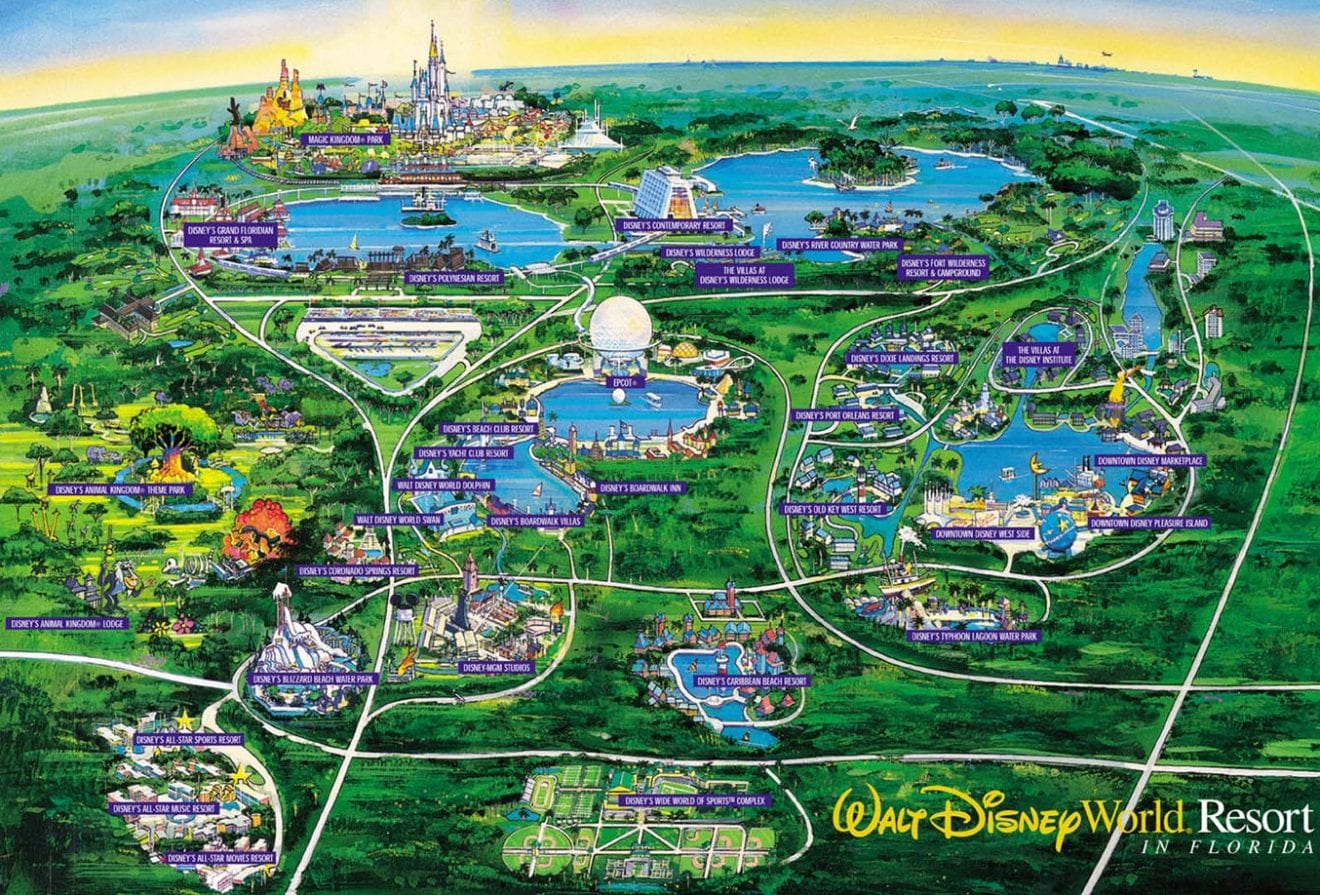
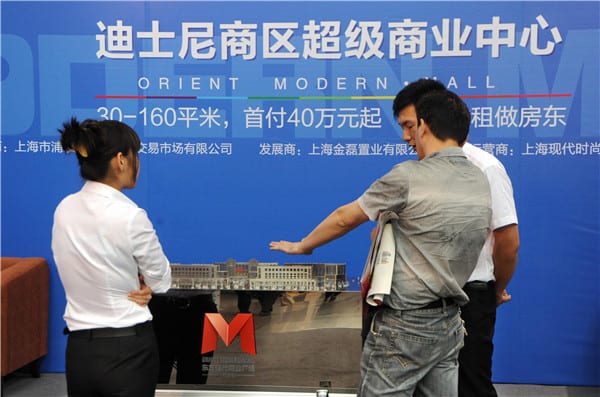
    Lu Jianxin, a real estate agent with Shanghai Huayu Property Ltd, has had some of his busiest business weeks in January since he joined the sector in 2002. Lu receives more than 50 phone calls every day asking him if he can find unoccupied retail properties near Shanghai Disney Resort, the long-anticipated multi-billion-dollar amusement project that is scheduled to open this summer (June).

    Typically, Lu tells his callers they should have acted earlier. “Supplies of retail properties are really limited now and prices have more than doubled in the past 12 months. Obviously, investors believe that even a 10 square meter space for a noodle stand will be really profitable if it is close enough to Disneyland,” said Lu.

    Disney Resort expected to bring realty-and-retail boom to Shanghai

    It’s not just business-minded people who are all excited about Shanghai Disney. Even 13-year-old Zhang Zihao in Hangzhou, Zhejiang province, can’t wait for Disney to open its gates. He has been saving his pocket money for a long time so he could visit Shanghai Disney Resort during the summer vacation.

    “The admission ticket price is expected to be announced this week. I have saved 500 yuan ($75.92) so far for the ticket alone, and another 1,000 yuan for dining and accommodation, and another 500 yuan for merchandise like stuffed animals, stationery, T-shirts and gifts for friends. That’s about 2,000 yuan in total.”

    The project has been under construction for more than six years now. Jun 16-that is, 6-16-2016-has been apparently chosen as the date of opening because the three 6s are believed to be auspicious, heralding success.

    Real estate professionals believe any success of Shanghai Disney Resort would entail all-round benefits for the area. For example, visitors in huge numbers would likely spark a retail boom in Shanghai.

    According to Centaline Property Agency, the average price of commercial properties within a 5 kilometer radius of Shanghai Disney Resort, including shops and restaurants, has grown more than 300 percent in the past five years.

    What used to cost some 20,000 yuan per square meter in 2011 would now command a price of more than 60,000 yuan per square meter. Some properties are even priced more than 72,000 yuan per square meter, about 50 percent higher than that of other suburban areas in Shanghai.

    The growth rate is among the highest for premier locations such as Nanjing Road, Huaihai Road and Lujiazui.

    In comparison, the average price of residential properties in the same area doubled from 20,000 yuan per square meter to 40,000 yuan per square meter in the same period, similar to that of the city’s average growth rate.

  • McDonald’s wins with all-day breakfast, China back on track

    McDonald’s wins with all-day breakfast, China back on track

    McDonald’s Corp smashed analyst expectations for quarterly same-restaurant sales as the launch of all-day breakfasts proved a hit with diners in the United States and demand continued to recover in China.

    The performance adds fuel to McDonald’s revival, after the chain had seen its US sales fall for two years up to the third quarter of 2015 following a series of missteps under former chief executive Don Thompson, who left the world’s biggest restaurant chain last year.

    “Once upon a time, under previous leadership, it seemed like McDonald’s became a less nimble company where it took a really long time to roll out new products and innovations,” said Morningstar analyst RJ Hottovy.

    New Chief Executive Steve Easterbrook implemented a turnaround plan last year that involved making the menu simpler, improving service times and raising worker wages.

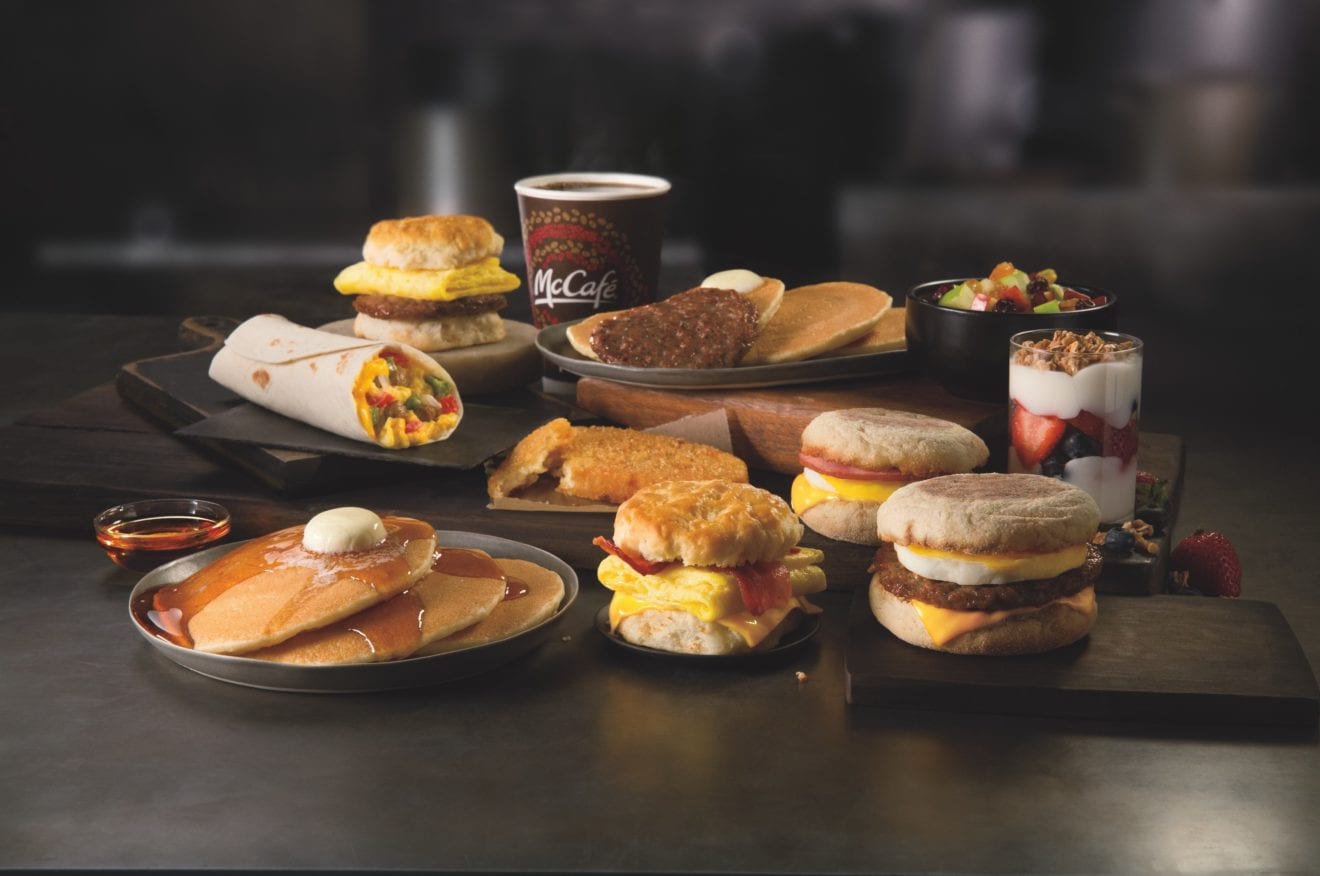
    McDonald’s also launched all-day breakfasts in October in the United States, a move aimed at countering increasing competition from chains such as Wendy’s Co, Starbucks Corp and Burger King.

    “All-day breakfast positions us to regain market share we had given up in recent years,” Easterbrook said on a post-earnings conference call, adding it would take at least six more months of positive sales to cement a more sustained turnaround.

    Sales at US outlets open at least 13 months rose 5.7 per cent in the quarter ended December 31 – the best quarterly growth in nearly four years and far ahead of forecasts of 2.7 per cent.

    Shares rose 3 per cent to a record of $121.90 on Monday.

    China back on track

    In China, where McDonald’s and rival Yum Brands Inc are still recovering from a July 2014 food safety scandal, same-store sales rose 4 per cent, the second straight quarter of growth after four quarters of falling sales.

    The growth, however, was slower than the 26.8 per cent jump in the July-September quarter, when sales ticked up sharply against a steep drop in the same period in 2014 immediately following the food scare at key supplier OSI Group.

    McDonald’s and Yum, the parent of KFC and Pizza Hut, are slowly turning things around in China, although same-restaurant sales for both firms remain below pre-scandal levels, according to a Reuters analysis of available data.

    “It’s back to par rather than getting ahead too much, but it’s good for them to see stable sales,” said Ben Cavender, Shanghai-based principal at China Market Research Group.

    He added it would be tough for the firm to re-ignite the kind of rapid growth it enjoyed before 2012, as Chinese diners now had far greater choice and often looked for more healthy options.

    What’s more, the recovery comes as the world’s second-biggest economy faces its weakest growth in 25 years, a slowdown that has roiled global markets in the past few months.

    Globally, McDonald’s same-restaurant sales rose 5 per cent, above the 3.2 per cent expected by analysts polled by research firm Consensus Metrix.

    Fourth-quarter net income rose 9.9 per cent to $1.21 billion, or $1.31 per share, on revenue of $6.34 billion, handily beating analysts’ estimates.

    The company also said it was exploring a sale of a portion of its Japan business, confirming earlier reports on the move.

  • Fake Apple Stores In China Are On The Decline

    Fake Apple Stores In China Are On The Decline

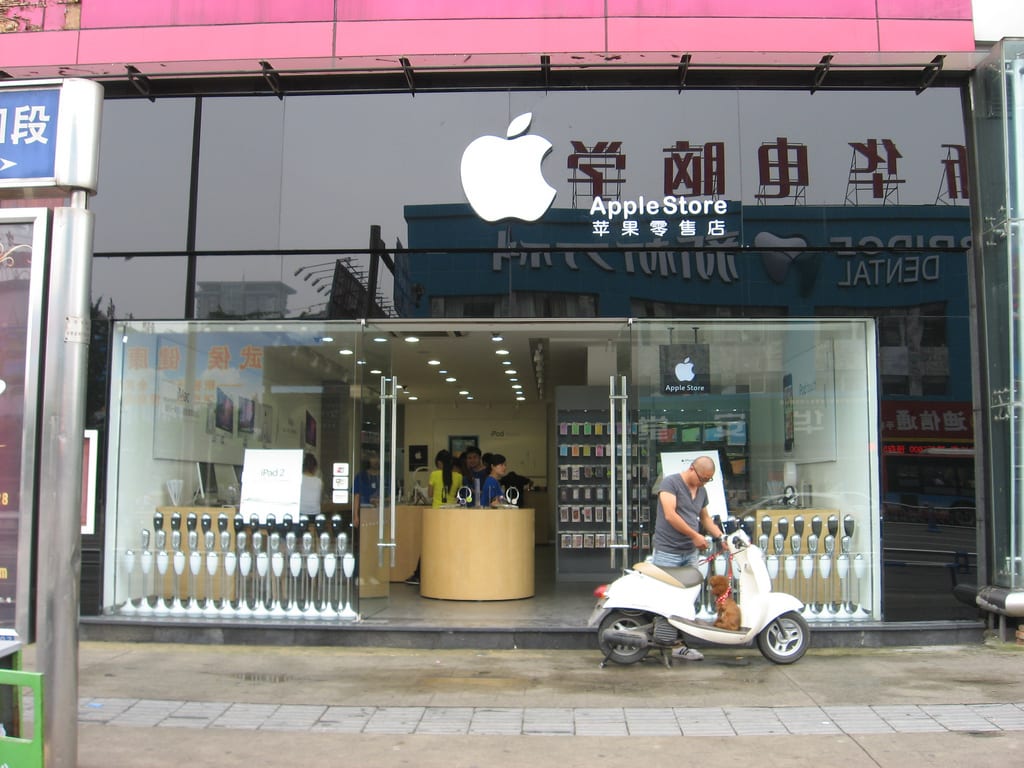
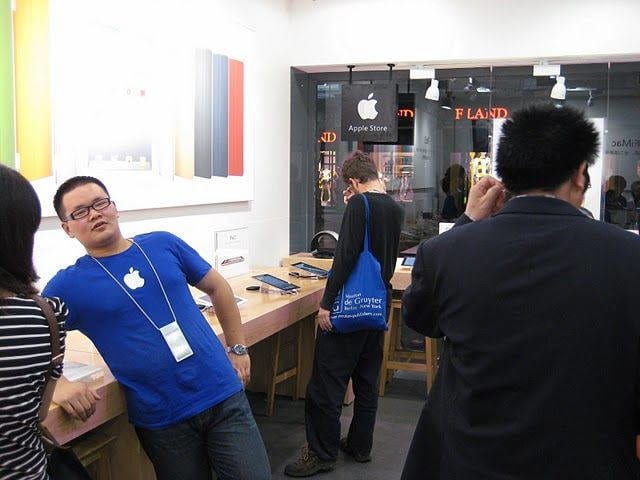
    Due to stricter copyright laws and laws to protect intellectual property in the US, finding a fake Apple retail store is next to impossible. However over in China, such stores used to run rampant several years ago where not only did the shops look like the official Apple Store, but employees were also given similar uniforms.

    In fact there was once this story about an employee who had no idea he was working in a fake Apple Store. That being said, a report from Reuters has recently noted that the number of fake Apple Stores in China are said to be on the decline. Some claim that this is because interest in Apple products in China are on the decline, while others speculate that Apple might be working with the government to clamp down on these stores harder.

    fake apple store

    A third possibility is that with Apple expanding their official retail presence in the country, residents of China are starting to wisen up to these fake stores, leading to their decline. The third option is probably the most likely, especially since Apple will be opening its 33rd store in the country this week, with plans to expand to 40 locations by the middle of the year.

    In the meantime some of these fake stores have since been replaced by regular smartphone stores which sells local brands such as Xiaomi, Huawei, Meizu, OPPO, and etc.

  • Major retailers prepare campaigns for Chinese New Year

    Major retailers prepare campaigns for Chinese New Year

    The Mall Group will celebrate Chinese New Year with a variety of activities and promotions to boost customer spending. The company projects the campaign to generate Bt2.5 billion in sales.

    Chamnarn Maytaprechakul, executive vice president of The Mall Group, said that towards the end of 2015, customer spending improved. During the final two months, the Consumer Confidence Index was the highest in eight months, fuel prices had declined, tourist numbers increased, and the government provided a year-end tax break.

    The Mall Group saw a 20-per-cent sales increase during the seven-day tax-break period, which helped the company reach its annual sales goal of Bt52 billion, 4-per-cent growth compared with 2014. “For 2016, we expect consumer spending momentum to continue, especially with Chinese New Year, an important celebration in Thailand that is just as popular as [January 1] New Year and Songkran. Spending during Chinese New Year is no less than Bt50 billion,” Chamnarn said.

    Robinson Department Store targets growth of 8 per cent year on year in the first quarter of this year as its “Robinson Chinese New Year” campaign welcomes the Year of Monkey. Shoppers will receive a red packet of discounts worth Bt1,200 for every Bt1,000 of spending. Prosperity-boosting and cultural activities in the Chinese tradition will also be in place.

    Sompong Rungnirattisai, chief commercial officer of Tesco Lotus, said Chinese New Year was an important occasion for a large number of people in Thailand. He said Tesco Lotus wanted to make the celebration affordable for customers as they were facing a challenging economic situation.

    “We have invested more than Bt250 million to bring down the prices of fresh food items by up to 46 per cent when compared with last year. We are also offering several cash coupons to help customers save during the season.

    “In addition, we have prepared special gifts for customers. Those spending Bt600 or more at Tesco Lotus will instantly receive a Chinese New Year red envelope containing special discounts on 50 items, worth a combined Bt4,400. Customers who spend Bt400 or more can redeem a lucky monkey doll at a special price of Bt159, down from the full price of Bt299,” he said.

    Siam Piwat Co, operator of Siam Paragon and Siam Center, together with Muang Thai Life Assurance, Kasikornbank and Advanced Info Service, has announced “Siam Prosperous Chinese New Year 2016”, a campaign to celebrate Chinese New Year and greet the Asean Economic Community. The campaign, to be held from February 3 to March 13 in Siam Paragon and Siam Center, will provide discounts of up to 80 per cent, lucky red envelopes and many other privileges, said Chanisa Kaewruen, Siam Piwat deputy managing director for marketing events and business relations.

    Central Pattana (CPN), Thailand’s largest retail developer and operator of CentralWorld, CentralPlaza and CentralFestival, along with their business partners, has invested Bt40 million in a campaign named “The Great Chinese New Year” to be held from February 5-29.

    Nattakit Tangpoonsinthana, executive vice president for marketing at CPN, said the company understood the needs of the new generation of Thai-Chinese customers and what they want during this festive season. They have more purchasing power than in the past and tend to be selective and require a certain standard of quality in the products and services they receive.

    At Big C Supercenter outlets, red packets of shopping discounts have been offered since mid-January. As well, shoppers get the chance of winning gold prizes every day until February 8, Chinese New Year’s Day.

    Future Park, the largest mall in Rangsit area, also launch an event called ‘Sweetest Moment of Chinese New Year’, between February 5 and 14, in which more than 1,000 shops within the complex will offer promotional sale of up to 80 per cent discount.

  • Royal Greenland to launch frozen range in Chinese retail

    Royal Greenland to launch frozen range in Chinese retail

    Royal Greenland is expanding its sales team in China, and preparing the launch of a frozen seafood range for retail.

    The company opened a sales office in Qingdao in its 2014/2015 financial year, in which it reported a record profit, with increasing frozen seafood sales in retail a target, CEO Mikael Thinghuus told.

    “We have had activities in China for a number of years, production and quality control, but also wholesale sales on a large scale. What we are talking about now is a sales office, directed to retail,” he said.

    The company is currently in Chinese retail with a few products based on the European assortment and packaging design, said Hanne Kvist, director of group market development and marketing.

    Royal Greenland has an expanded range in the works.

    “We are finalizing the assortment targeted at Chinese retail, but designs will not be revealed prior to launch. Key items will be based on coldwater shrimp and Greenland halibut,” she told.

    The timing is right for such a launch and focus, said Thinghuus.

    “My perception at least, is the Chinese retail market for frozen fish has changed quite a lot in the past four or five years. Some of our colleagues do a very good job on the frozen fish category on frozen fish. We think this is the right time to make this investment,” he told.

    The company’s 2014/2015 report states the sales office is focusing “exclusively on sales to retailers, and ultimately sales to consumers via e-commerce”.

    The 2014/2015 financial year has been used to prepare for the future retail sales by establishing the company, recruiting staff and developing the range, the report states.

    This is due to rising demand for Royal Greenland’s products in China and Taiwan, “which has resulted in increasing prices, to the benefit of both the company and the fishermen”, the report continues.

    The report notes that “Greenland halibut is a popular food in China”, and cuts of halibut can be found in most supermarkets in the northeastern part of the country.

    The increased sales to the retail segment have compensated for the slowdown in dining out.

    Royal Greenland’s ambition is “to establish itself as a strong brand in the awareness of Chinese consumers – and there seems to be considerable potential at the affluent end of the market, where there is a great demand for imported food”, the report states.

    In connection with this move, Zhifa Zhang, known as Tony, has been hired as sales manager responsible for retail sales, the report states.

    “We will make more hires, we already have made couple,” said Thinghuus.

    The sales team in China “work closely” with the company’s production and quality organization, sitting in the same offices in Qingdao, he said.

    Zhang will be working closely with Finn Laursen, sales director of Royal Greenland International, the report states.

    The company’s market development and marketing department in Svenstrup, Denmark “will draw up packaging and marketing plans for the Chinese market in cooperation with Chinese advertising agencies”, the report continues.

    In the 2014/2015 financial year, Royal Greenland for the first time achieved revenues of DKK 1 billion in Asia.

    Around half of this is attributable to the sales office in Japan, while the other half was achieved through sales by Royal Greenland International in China and other Asian countries, according to the report.

    The revenue growth of 18% was driven by price increases for the main species of Greenland halibut, shell-on coldwater shrimp and snow crab, the company said.

    The total growth in volume terms is only just below 1%. Asia now represents 23% of group revenue.

    In Japan, it remains difficult to increase sales in the wake of the many price increases, which were a necessary consequence of the devaluation of the Japanese Yen, but sales in local-currency have risen steadily, while earnings in the market are increasing.

  • Chinese retailing giant JD.com tests drone in rural areas

    Chinese retailing giant JD.com tests drone in rural areas

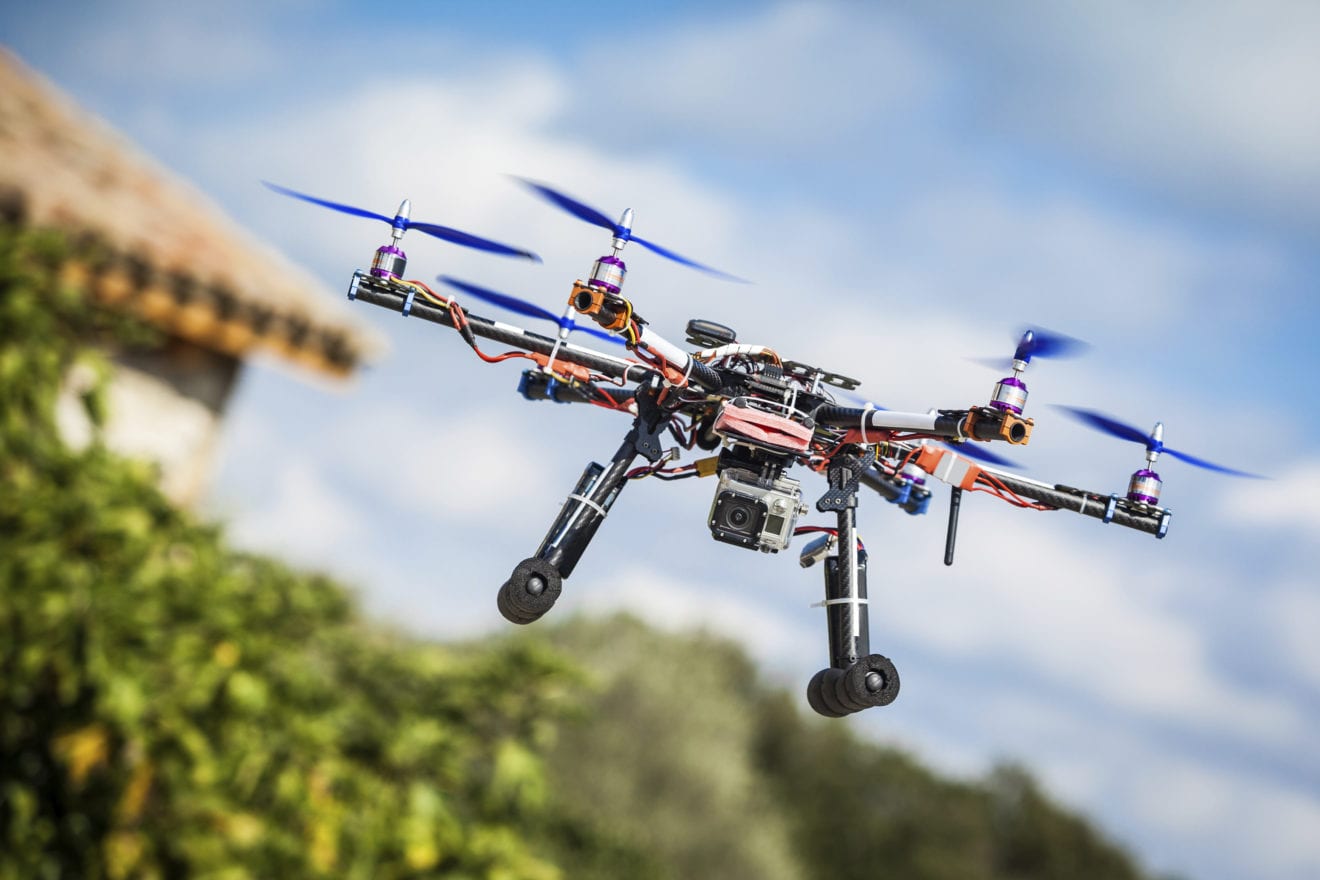
    China’s online retailing giant JD.com has started conducting trial deliveries using drones, and plan to roll it out for delivery in rural China, the state media reported today.

    The company said the unmanned aerial vehicles or drones will not deliver packages directly to shoppers but will instead help transport bundles of items from its distribution stations to 150,000 representatives mobilised across rural China who will then get them to shoppers.

    The distance between distribution stations to rural representatives, usually less than 10 km according to JD, are more fixed for engineers to design drone itineraries and landing points. Representatives will be notified in advance to wait for drones to land with packages, Xinhua news agency reported.

    JD.com’s CEO Richard Liu Qiangdong had said last year that the company is developing drone delivery to meet the rising retail demand in China’s rural areas, where complex terrain and underdeveloped infrastructure have compromised timely human courier delivery.

    Both JD.com and its arch rival Alibaba have been working to unleash consumption demand from China’s 618 million rural residents, whose income growth has been outpacing their urban peers in recent years despite a slowing economy, the report said.