Tag: China

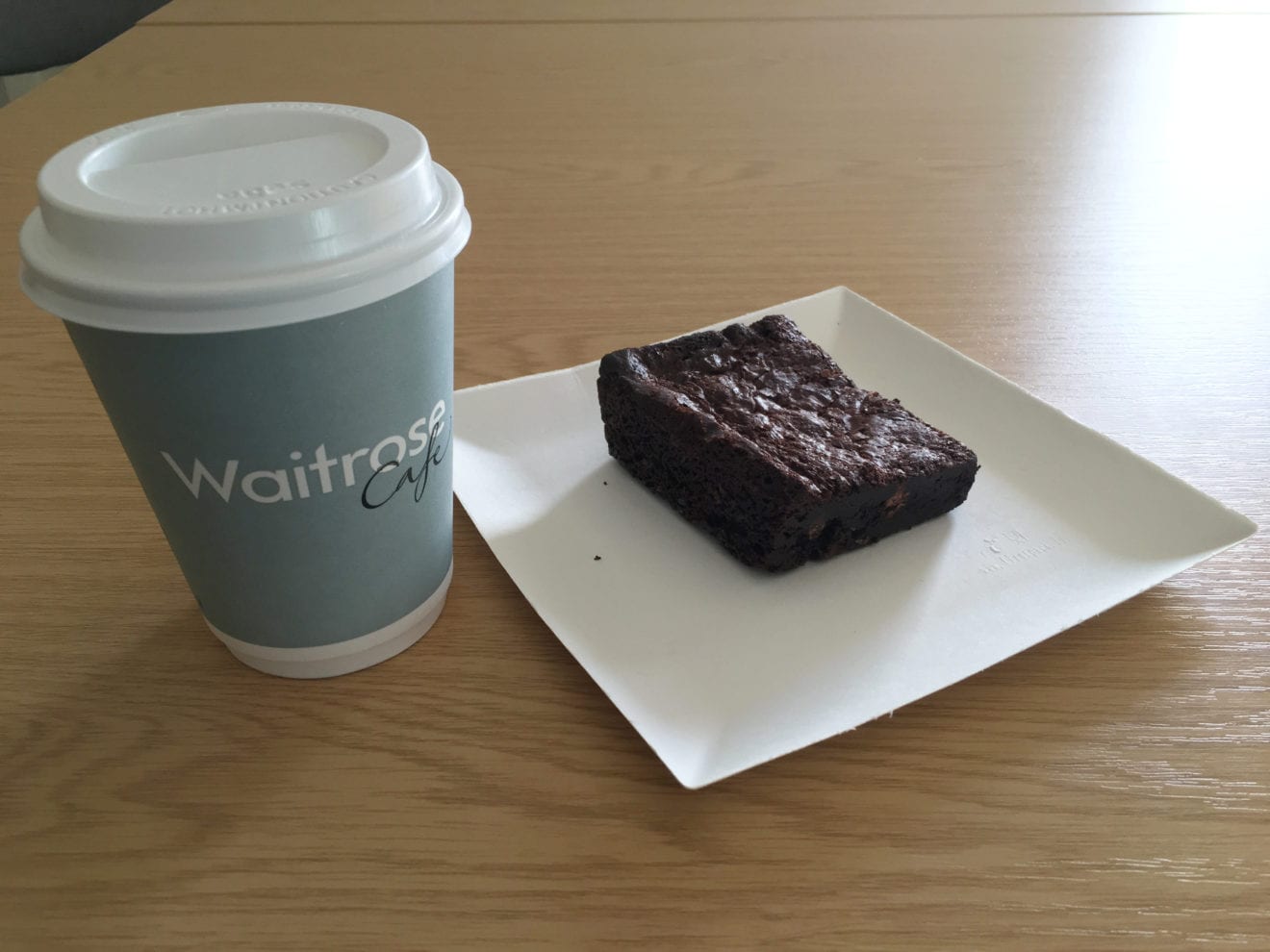
  • Waitrose café replaces China cups and plates with paper crockery

    Waitrose café replaces China cups and plates with paper crockery

    Waitrose customers have furious to boycott a store over its plan to ditch china plates and replace them with paper crockery. Clients of a branch of the general store in Chichester, West Sussex, have apparently complained to administration in what has been named the most middle class row ever.

    As though that wasn’t sufficiently horrifying, the branch additionally picked to swap out its couches for wooden seats.

    The issues all started when the bistro moved from inside the Waitrose grocery store to the adjacent building, which previously housed a Costa espresso.

    Because of reasons of convenience, the café started to serve its hot beverages in paper glasses and replaced its “shocking” couches with simple to-clean plastic seats.

    A cafe staff part said that a dishwasher would need to be introduced at the new site before china mugs could be used.

    A Waitrose representative said: ‘The criticism of our clients is importent to us and the remarks we have gotten will shape any future arrangement.’

  • China Jo-Jo Drugstores launches remote hospital network in Zhejiang

    China Jo-Jo Drugstores launches remote hospital network in Zhejiang

    China Jo-Jo Drugstores has launched the first Internet-based Remote Hospital Network platform in Zhejiang Province, China.

    The virtual physician platform will be offered onsite at its retail pharmacy locations.

    This would allow the company to partner with virtually any accredited physician or hospital in providing medical consultation to customers who would then have immediate access to printed prescriptions and pharmacy dispensary services at the drugstores.

    China Jo-Jo said it is currently in discussion to secure exclusivity for the Internet hospital platform in Zhejiang province and is in negotiations with an accredited regional hospital to provide physician services on the platform through a profit sharing agreement.

    Lei Liu, Chairman and CEO of China Jo-Jo, said roughly 90 percent of China’s pharmacy prescriptions are handled by hospital dispensaries. The goal of the program is to increase transaction volume at China’s Jo-Jo retail locations while driving healthcare reform and innovation in the retail and online pharmacy business in China.

    “In alignment with the recent healthcare reform in China, we continue to meet the needs of consumers by increasing products and services that expand prescription dispensary services from the hospital system into local communities,” he said in a news release. “As the Chinese government pushes for healthcare reform we will continue to provide ways to increase access and to provide competitive pricing for prescription drugs, especially for residents who do not live in major cities.”

  • General Motors China Sales Up 7.3 Percent In January 2016

    General Motors China Sales Up 7.3 Percent In January 2016

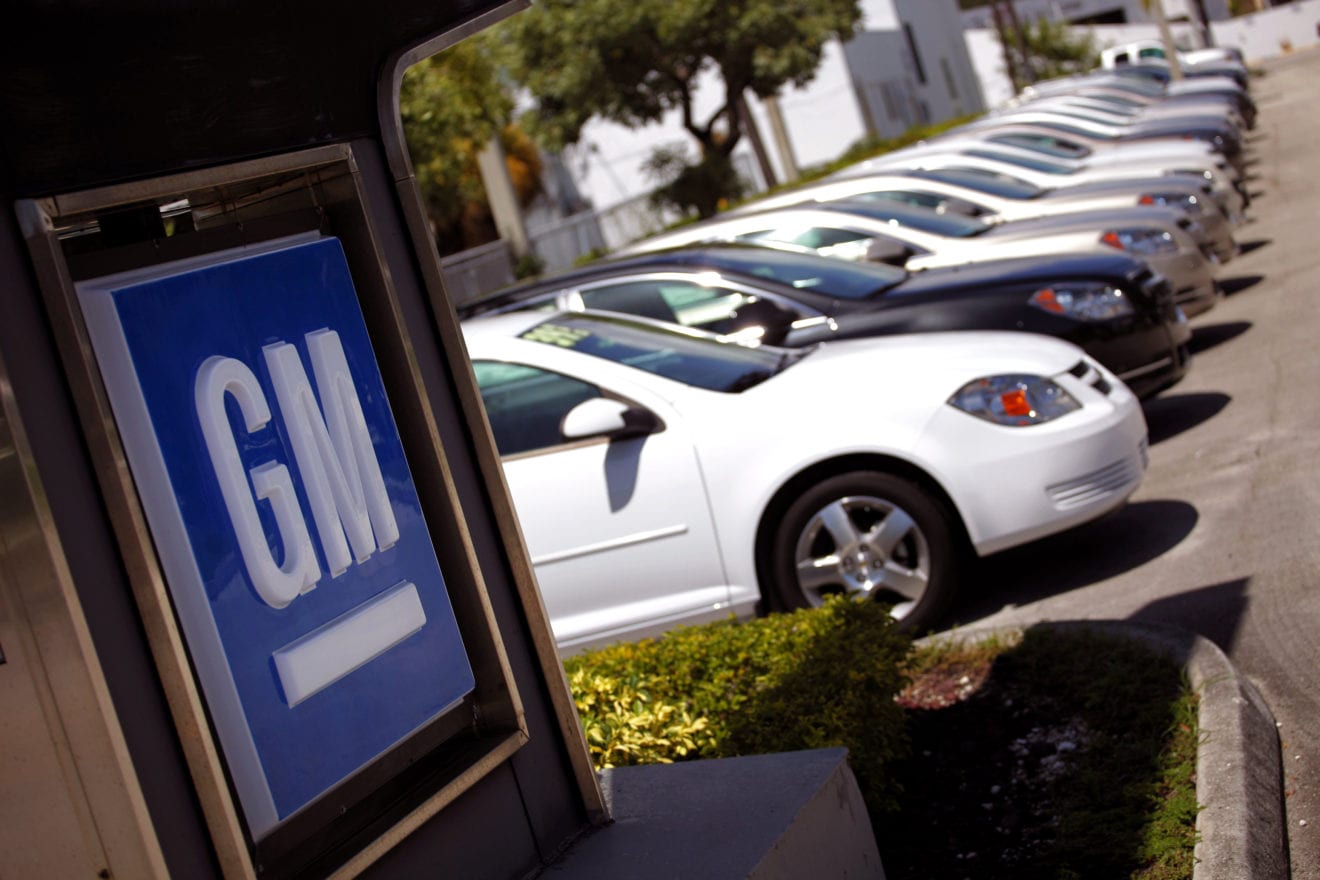
    General Motors and its joint venture partners in China reported 421,023 new retail vehicle sales during January 2016, a 7.3 percent increase on a year-over-year basis.

    “This year, GM and our joint ventures will continue to offer an unmatched choice of products across market segments along with new services to meet the needs of China’s car buyers,” said GM Executive Vice President and GM China President Matt Tsien. “Our new models, such as the Cadillac CT6 and Chevrolet Malibu XL, will be strong additions to our portfolio.”

    Increasing demand for SUVs and luxury vehicles continued to support GM’s robust sales last month. The Buick Envision and Baojun 560 led the growth in sales of GM’s SUVs in January, with demand growing 188 percent-year-over-year.

    Chevrolet

    Chevrolet sales in January declined 27 percent year-over-year to 56,133 units.

    The automaker attributes the drop to the end of the fuel economy subsidy for the Sail. Chevrolet sales are expected to improve with the arrival of several new models in 2016, including the Malibu XL on February 27.

    Buick

    Buick sales in January grew 39 percent year-over-year to 138,907 units.

    Sales of the brand exceeded 130,000 units for the first time, led by the Excelle GT and Envision SUV. Sales of the Envision more than doubled on a year-over-year basis.

    Cadillac

    Cadillac sales luxury cars increased 16 percent from a year earlier to 8,337 units, making January the sixth consecutive month of double-digit sales growth.

    Sales of the ATS-L advanced 14 percent. The Cadillac CT6 full-size prestige sedan is the full-size top-of-the-range prestige sedan was launched on January 27th and is offered at Cadillac dealerships across China. It is first model manufactured at SAIC-GM’s new Cadillac plant in Shanghai.

    Baojun

    Sales of Baojun vehicles jumped 101 percent from a year earlier to 78,367 units.

    The Baojun 730 MPV and Baojun 560 SUV led their respective segments, while the 2016 Baojun 630 family sedan with enhanced styling and upgraded performance was launched at the end of last month at a lower price.

    Wuling

    Wuling sales in the Chinese domestic market decreased 17 percent from a year earlier in January to 139,227 units. The brand was impacted by continued contraction of the mini-commercial vehicle market.

  • Baccarat crystal opens in Beijing

    Baccarat crystal opens in Beijing

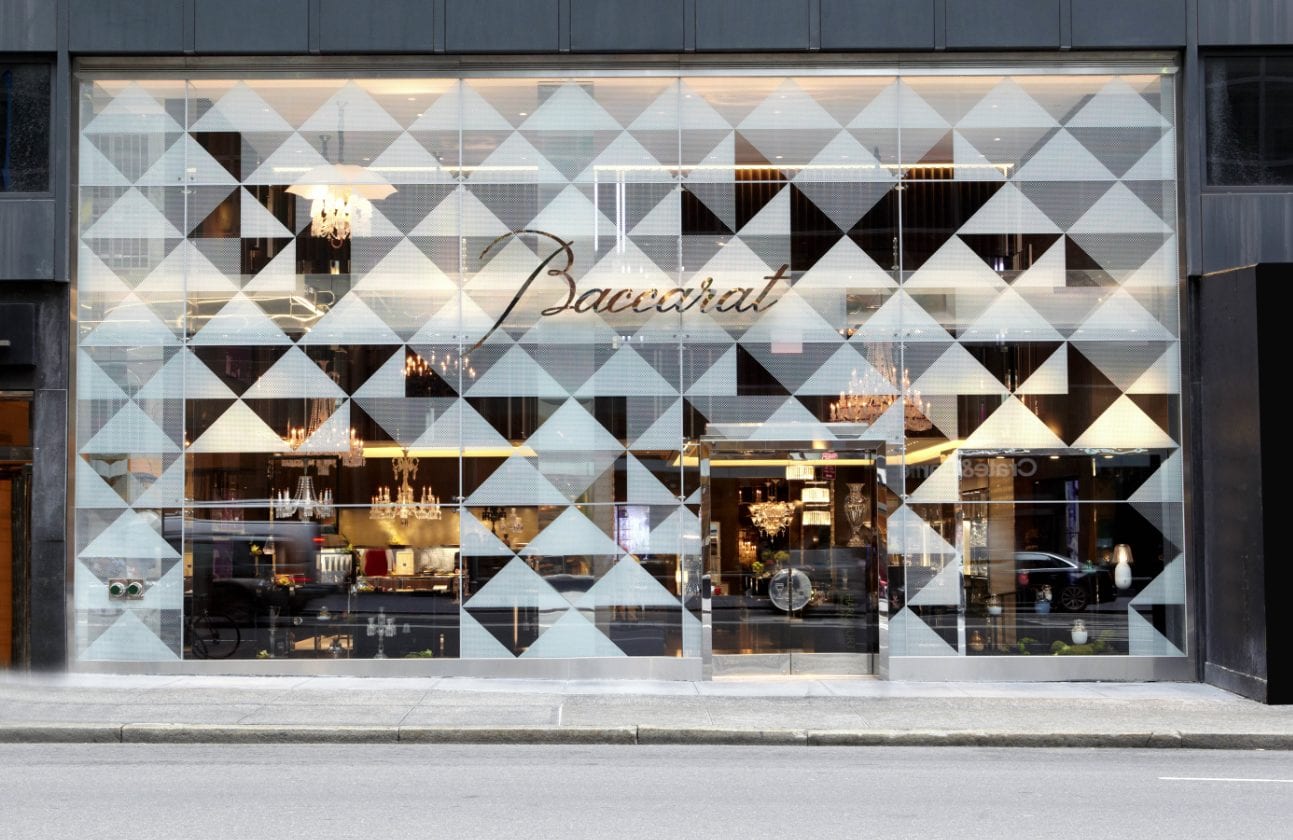
    French fine crystal manufacturer Baccarat has opened its first Chinese flagship store, in Beijing’s China Central Place complex.

    A stainless-steel mirror at its storefront draws attention to the two-storey boutique outlet, designed byGilles & Boissier of France.

    Attending the opening ceremony were Baccarat crystal global CEO Daniela Riccardi and Beijing Guohua Real Estate chairman Fang Chao. Singer Lin Yi Lun was among the guests. The Beijing opening follows the company launching a luxury hotel in New York last year to mark its 250th anniversary.

    Baccarat’s history goes back 200 years, and it represents the French art of living, according to theChina Central Place website. The new store offers an extensive product display, and includes many elements of the Baccarat flagship store in Paris, including a bar. Its decor also combines French and Chinese elements, with a Zenith 64-light chandelier illuminating the crystal works on display.

    Baccarat store Beijing


    Some of the products being offered are limited edition, including the Sun Mirror designed by Georges Chevalier in 1948, a set of crystal chess pieces by Oki Sato, founder of the Japanese design studioNendo, vases by Dutch designer Marcel Wanders, and panthers by French sculptor Jan Tésar.

    Baccarat’s store is on the ground floor of China Central Place, which is in the Trade Center in Jianguo Road, Chaoyang District. Among its international brands the mall also features Apple, Meissen, Rimowa and Tesla.

  • Logistics operators intensify e-commerce focus in Thailand and China

    Logistics operators intensify e-commerce focus in Thailand and China

    Global logistics companies continue to pile into the Asia e-commerce market, with Damco launching a China solution and DHL expanding its growing presence in the region deeper into Thailand.

    DHL is building a 32,000 square foot, central distribution center in Bangkok and a network of over 20 depots located throughout Thailand to provide full coverage across the country. To meet increasing business demands, the integrator plans to more than double the number of depots in Thailand by 2017 and expand its fleet primarily in two-wheel vehicles that can operate more efficiently in the traffic situations in Thailand’s major cities.

    “The Thai e-commerce market is expected to more than triple in size to $3.93 billion between now and 2020 and with this investment, we are well positioned to support the growth of e-commerce businesses in Thailand,”  said Thomas Kipp, CEO, DHL eCommerce.

    Only 1.7 percent of total sales in Thailand were obtained from e-commerce, compared to more than 10 percent in China, said Malcolm Monteiro, CEO, Asia Pacific, DHL eCommerce.

    “We see major strategic opportunities for e-commerce growth in Thailand, particularly with the Asean Economic Community which is expected to increase the movement of goods within the region,” Monteiro said.

    “Despite e-commerce already being a billion-dollar sector with extremely rapid adoption, Thailand’s e-commerce share of the retail market is still relatively low compared to other high-growth economies.”

    Damco has focused its latest service offering in China where it is launching an end-to-end e-commerce solution, from inbound goods management and consumer order receipt to final delivery.

    Damon Gu, Damco’s head of supply chain management for Asia, said the large and rapidly growing Chinese market for online shopping was a magnet for both importers and domestic producers.

    “Online shopping events such as China Singles Day are already creating world-beating levels of activity for e-retailers locally in China, as well as globally,” he said. “Discerning Chinese consumers in this highly competitive marketplace expect the highest standards of fulfilment. This new program helps companies to guarantee that level of service.”

    Using its 1,500 local staff and 26 locations in China, Damco will arrange delivery to end-consumers in more than 1,600 Chinese cities.

  • Alibaba Beats Profit, Sales Estimates on Rural China Push

    Alibaba Beats Profit, Sales Estimates on Rural China Push

    Alibaba Group Holding Ltd. beat analysts’ estimates for revenue and profit after an online-sales extravaganza and expansion into rural China helped the nation’s biggest e-commerce operator defy a slowing economy.

    Sales rose 32 percent to 34.5 billion yuan ($5.2 billion) in the three months ended December, the company said Thursday, compared with the 33.2 billion-yuan average of estimates compiled by Bloomberg. Net income more than doubled to 12.5 billion yuan, topping estimates of 10.3 billion. Shares rose more than 5 percent in premarket trading in the U.S.

    Record revenue during November’s annual “Singles’ Day” promotion drove transaction growth as Alibaba captured more sales from mobile e-commerce, which is replacing shopping from computers. Billionaire Chairman Jack Ma is trying to tap the spending power of the countryside with the Internet expected to blanket all of rural China by 2020, according to the China Academy for Rural Development at Zhejiang University.

    “Alibaba continues to grow as urbanization and an ever more ambitious middle class continues to drive up China’s cost of living and consumption,” said New York-based Brian Buchwald, chief executive officer of Bomoda, a consumer intelligence company with a focus on the Chinese market. “At the heart of it, is continued investment in mobile and simplifying payments for virtual and actual purchases.”

    Mobile Monetization

    Longer-term, Ma is investing in video content, media, on-demand services and cloud computing to generate new sources of income as he takes the e-commerce company global. Shares of Alibaba closed Wednesday at $69.54 in New York. The stock has declined 14 percent this year after a 22 percent slump in 2015.

    Gross merchandise volume in its China retail marketplaces rose 23 percent to 964 billion yuan in the quarter, while mobile GMV almost doubled to 651 billion yuan.

    More than half the purchases through Alibaba’s e-commerce platforms were done from mobile devices. While it’s crucial that Alibaba serve the growing ranks of consumers acquiring a taste for shopping through smartphones and tablet computers, smaller mobile screens typically generate less advertising revenue.

    “Alibaba is on track to gain more shoppers in rural areas and smaller cities in China,” said Li Yujie, an analyst at RHB Research Institute Sdn in Hong Kong. “The sales promotion in November also gave the company a boost.”

    The Nov. 11 Singles’ Day promotion logged a record 91.2 billion yuan in sales, a 60 percent increase from the year earlier. A third of buyers made purchases from merchants and brands outside of China during the one-day event.

    Overseas Push

    Ma has set a goal of getting 50 percent of the company’s revenue from beyond China with Michael Evans, a former Goldman Sachs Group Inc. partner, named president in August to lead the global push.

    Cloud computing revenue rose 126 percent to 819 million yuan, Alibaba said. Its AliCloud unit is staking $1 billion on the belief that demand for processing and storage from governments and companies will boost growth during the next decade as its tries to compete with Amazon.com Inc. in computing services. It plans to work with Nvidia Corp. on services and artificial intelligence, recently opened a second U.S. data center and plans its first in Europe this year.

    Alibaba is also expanding in the online-to-offline services market. Tencent, Alibaba and Baidu Inc. are competing for supremacy in a local-services industry primed for growth as more people turn to their smartphones or the Web to order food, schedule beauty treatments or hire domestic helpers. Users of those services could rise 29 percent to 400 million by next year, with sales expected to reach 7.28 trillion yuan by 2017.

    Last year, the company backed the merger of Didi and Kuaidi to create China’s biggest ride-hailing application.

    Investors have highlighted escalating scrutiny about the sale of counterfeits on its websites, such as Taobao Marketplace, as a key risk for 2016. Though the company has said it’s committed to combating fakes, cleaning up its image next year is crucial to Alibaba’s goal of winning the trust of merchants and shoppers overseas.

    In December, the U.S. Office of the Trade Representative warned the company it had to do better to stay off the “Notorious Markets” blacklist it escaped only in 2012. The federal agency issued a stern warning that Alibaba’s efforts to fight piracy and respond to complaints would be monitored in the coming year.

  • Apple turns to India as Chinese market weakens

    Apple turns to India as Chinese market weakens

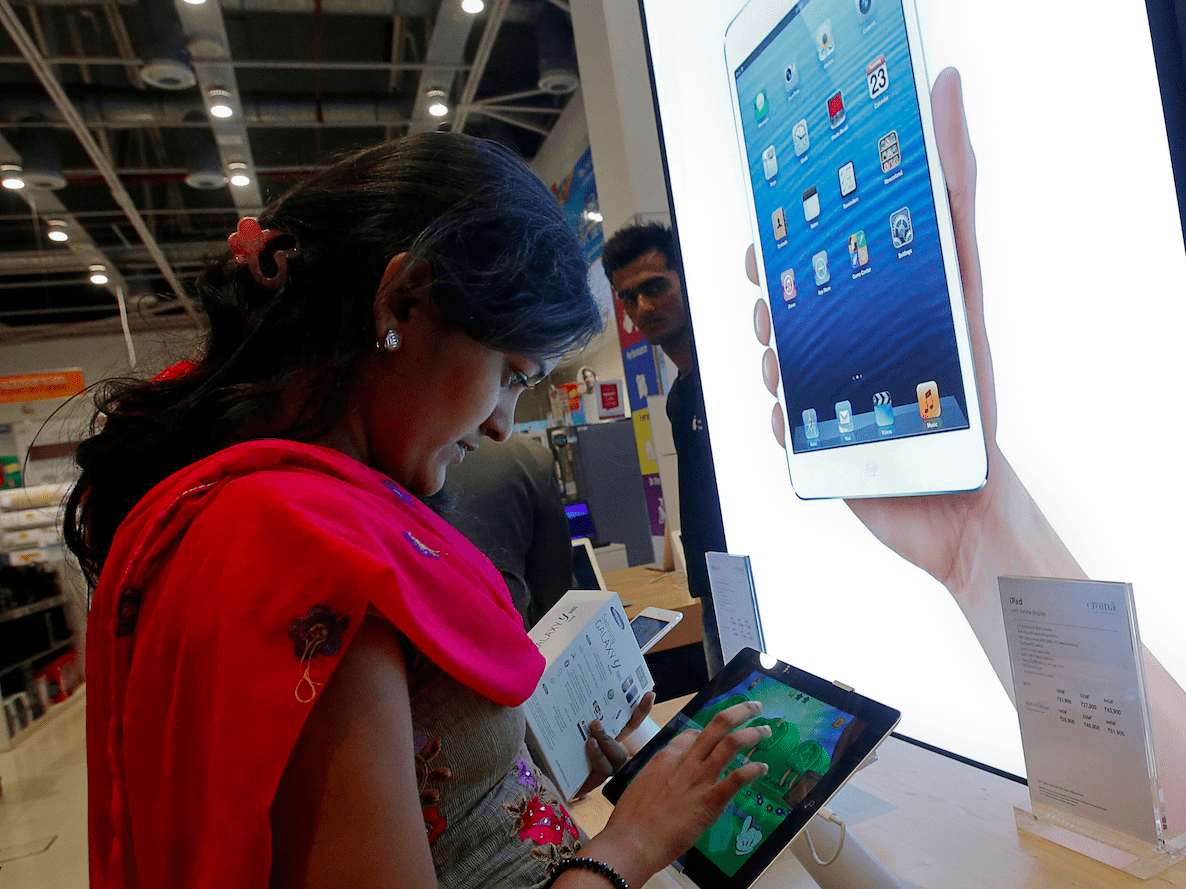
    As red-hot sales in China show signs of cooling, Apple Inc executives are touting India’s growing appetite for iPhones.

    In an earnings call in which the company reported meager iPhone growth and forecast its first revenue drop in 13 years, the Indian market stood out as a rare bright spot for Apple.

    Sales of the company’s flagship smartphone climbed 76% in the country from the year-ago quarter, Apple CFO Luca Maestri said on the call.

    And Apple CEO Tim Cook suggested more growth is on the horizon, noting the median age in India is just 27.

    “I see the demographics there also being incredibly great for a consumer brand, and for people that really want the best product,” Cook said. “We have been putting increasingly more energy in India.”

    Growth in India is a tantalizing prospect as Apple grapples with the economic downturn in China, its second largest market. While revenue in Greater China rose 14% in the last quarter, Apple is beginning to see a shift in the economy, particularly in Hong Kong, Maestri told Reuters in an interview.

    India cannot immediately offset Apple’s woes in China, said analyst Neil Shah of Counterpoint Technology Market Research. The company averaged only about 450,000 smartphone shipments per quarter in India in 2015, compared with more than 15 million per quarter in China, Shah said.

    What’s more, nearly 70% of smartphones sell for less than $150, leaving just a sliver of the market for Apple’s high-end phones. The company’s smartphone market share stands at less than 2%, Shah said.

    But the Indian market seems to be turning in Apple’s favor. With 4G coverage spreading, Indian consumers will likely be more open to investing in smartphones, Shah said.

    Young consumers are already willing to spend heavily on the device at the center of their digital lives. As in China, Apple products are coveted status symbols.

    “The love for the iPhone is there,” said Carolina Milanesi, chief of research and head of US business at Kantar Worldpanel ComTech, a consumer research firm.

    Apple’s next task is expanding distribution in India, where its products are sold through third-party resellers. The company has filed an application with India’s Department of Industrial Policy and Promotion to open its own stores, an Indian official told Reuters earlier this month.

  • Alibaba’s global marketplace attracts 5400 foreign brands

    Alibaba’s global marketplace attracts 5400 foreign brands

    U.S. goods are among the best sellers on Alibaba’s Tmall Global shopping site. More than 5,400 foreign brands from 53 countries are selling goods on Tmall Global, an online marketplace Alibaba Group Holding Ltd. launched in 2014 to take advantage of China’s relaxed rules on consumer purchases from foreign websites.

    Of those 5,400 brands, 4,300 have never sold in China, according to a just-released 2015 China Cross-Border Consumption Report from Tmall Global and Chinese consulting firm CBN Data. Tmall Global allows retailers and brands without a China business license to take orders from Chinese consumers and then send the products through Chinese customers.

    Sales on Tmall Global increased 179% in Alibaba’s fiscal third quarter ended Dec. 31, according to Alibaba’s recent quarterly report. Alibaba did not report the value of sales on the marketplace for foreign goods.

    The new report says U.S. companies are most often ranked among the top 10 in various products categories on Tmall Global, followed by brands from Japan, Germany, Australia and Korea. The fastest-growing categories on Tmall Global are children’s products, nutritional items, cosmetics and snacks.

    Among the retailers selling on Tmall Global are U.S. department store chain Macy’s Inc., the U.K.’s House of Fraser and Sainsbury’s, and Metro Group of Germany. Consumers can also buy Huggies diapers from Kimberly Clark, food products from Danone of France (whose products are marketed under the name Dannon in the United States) and cosmetics from Japanese brands Kao and Shiseido.

    Alibaba has worked with government agencies in 13 countries to set up “pavilions” featuring goods from those nations. For example, the U.S. Department of Agriculture has cooperated with Alibaba on a program to sell cherries from the northwestern United States on Tmall Global.

    During the big Singles’ Day sales that Alibaba promotes every Nov. 11, 95 million consumers visited Tmall Global and 30 million made purchases, the report says.

    Alibaba’s chief rival in China, JD.com Inc., also has created an online shopping mall for foreign brands called JD Worldwide. Among the companies to recently launch on the JD site are luxury brands Tod’s and TAG Heuer.

    China in recent years has made it easier for Chinese consumers to buy goods for their personal use online from foreign companies. The government recently increased the maximum purchase allowed under these cross-border e-commerce regulations from 10,000 yuan ($1,519) to 50,000 yuan ($7,597) per transaction, according to a report on the Chinese luxury market by U.S. consulting firm Bain & Co.

    JD is No. 1 Internet 2015 Retailer China 500, which ranks retailers by their online sales in China. While Alibaba’s China marketplaces account for more than three-quarters of online retail purchases in China, it’s not ranked in the China 500 because Alibaba is not the merchant of record for those sales, instead providing a platform for other merchants to sell.

  • The Simpsons store: a new retail phenomenon?

    The Simpsons store: a new retail phenomenon?

    The Simpsons is about to expand offscreen into a retail store network, with two flagships confirmed as the first global outlets for the popular animated US TV series.

    Beijing and Shanghai will be home to the world’s first The Simpsons stores because the 27-year-old show is familiar to Chinese audiences and Simpsons products have already been a success, reportsChina Daily. A network of 100 retail stores is planned to follow.

    Opening in the fashion district of Sanlitun in March, the Beijing store will be the first bricks-and-mortarSimpsons store in the world. The second store will be launched in Shanghai in June, according to 20th Century Fox Consumer Products president Jeffrey Godsick. Its location has yet to be announced, but it is expected to be in a high-traffic mall similar to the one in Beijing.

    Fox launched Simpsons products in China in collaboration with fashion brands nearly three years ago. It started to team up with Chinese retailers 18 months ago before deciding to open the stores last year to tap growing interest.

    Godsick says the products released in China sold out quickly, and there were routinely a three-hour queue for people to enter the fashion brand store in Shanghai that launched Simpsons products.

    Already, Walt Disney has led the way by opening its first flagship store in Shanghai’s Pudong New Area in May last year. The world’s largest Disney store, it offers more than 2000 categories of products.

    “China’s movie and television industry will bring a lot of investment opportunities for derivative product sales,” Professor Zeng Hongshan of Zhongnan University of Economics & Law has told theChina Economic Herald.

    Derivative products of Star Wars have created about $30 billion worth of business, and in 2013 and 2014 alone generated about $4.6 billion for Disney, China National Radio has reported.

    Meanwhile, the Simpsons stores will cover about 250 sqm and offer about 200 products including T-shirts, hats, jackets, pants, cellphone cases, lifestyle accessories, stationery, shoes, sneakers and socks.

    Between 25 and 50 per cent of the products will be sold exclusively through Simpsons stores, says Godsick.

    “We will continue to design individual consumer products for each of our movies and TV shows in China, and ultimately grow our brand as a company,” he says.

    In October 2014, a Simpsons World app was launched in China, allowing fans to watch all 500-plus episodes of the series for free.

  • Apple China bracing for fall

    Apple China bracing for fall

    Even as it announces record revenues and net profit, Apple says it has sold fewer iPhones in the first quarter and is bracing for a fall in sales in its critical Chinese market.

    “It’s becoming more apparent that there are some signs of economic softness,” says CFO Luca Maestri. “We are starting to see something that we have not seen before.”

    He admits the tech giant is working in a “very difficult macroeconomic environment” and projects a further slide in iPhone sales for the second quarter, reports the International Business Times. Apple’s projected revenues indicate the company’s sales are about to fall for the first time in 13 years.

    Apple’s sales stumble was masked by the record corporate quarterly profit. Conlumino analyst Neil Saunders takes a close look at the latest Apple report in our international section.

    Apple sold 74.8 million iPhones in the first quarter, ending December 26, which is the first full quarter of sales of the iPhone 6S and 6S Plus. The 0.4 per cent growth in shipments was the lowest since the product’s launch in 2007.

    Maestri says that although Apple China revenue rose by 14 per cent in the quarter, the company is starting to see a shift in the economy, particularly in Hong Kong.

    Apple had record figures in the first quarter for both net profit ($18.36 billion, up from $18.02 billion) and revenue (up 1.7 per cent to $75.87 billion). Greater China accounted for 24.2 per cent of the total revenue, more than all of Europe combined.

    An indication of Apple’s popularity in China can perhaps be gauged by the dwindling number of fake Apple stores in the southern city of Shenzhen, some of which have been taken over by unauthorised outlets for local phone brands.

    In a street of gadget stores, copycat Apple outlets were not uncommon, complete with the latest iPhone models and accessories and uniformed staff. Only four months there were more than 30, but about a third of these have gone, reports Reuters. Instead of iPhones, some of these shops are now selling Huawei, Meizu, Oppo and Xiaomi phones.

    In fact, the iPhone has become a “street cellphone” – a Chinese term that means a widely available and popular product that lacks novelty value.

    “Using an iPhone is hardly something you can show off to people now,” a Shenzhen retailer told Reuters.

    In the US, iPhones are still popular, and 60 per cent of people who had an iPhone before the launch of the iPhone 6 have yet to upgrade, says the company.

    Meanwhile, the Indian market stands out as a rare bright spot for Apple with a growing demand for iPhones, reports The Indian Express.

    Sales of the company’s flagship smartphone climbed 76 per cent in India from the year-ago quarter, according to Luca Maestri.

    Apple CEO Tim Cook has suggested more growth lies ahead with median age in India being 27 years.

    “I see the demographics there also being incredibly great for a consumer brand,” he says. “We have been putting increasingly more energy in India.”

    India cannot immediately offset Apple’s woes in China, says analyst Neil Shah of Counterpoint Technology Market Research. Apple averaged about 450,000 smartphone shipments a quarter in India last year, compared with more than 15 million a quarter in China.

    Also, nearly 70 per cent of smartphones sell for less than $150, leaving  a slim market for Apple’s high-end phones. Its smartphone market share stands at less than 2 per cent, says Shah.

  • Shanghai Disney Resort Launch of huge Disney theme park in China lifts stocks

    Shanghai Disney Resort Launch of huge Disney theme park in China lifts stocks

    The launch this coming June of Shanghai Disney Resort, which will be one of the largest theme parks in mainland China, is the first upbeat topic in a long time for the country which has been swayed by economic slowdown and the stock market plunge.

    Meanwhile, Hong Kong Disneyland — some 1,200km southwest of Shanghai and which celebrated its 10th anniversary last year — is concerned that the new Disneyland in mainland China could result in a decline in visitors in its home turf.

    Walt Disney of the U.S. and Shanghai Shendi Group of China, which are jointly building Shanghai Disney Resort, said Jan. 13 that the first phase of the theme park will open on June 16. The announcement boosted shares in Shanghai Jinjiang International Hotels Development, the operator of nearby hotels, and real estate developer Shanghai Jinqiao Export Processing Zone Development. These companies are expected to benefit greatly from the launch of the theme park. The stock price of Shanghai-based China Eastern Airlines, which partners with Shanghai Disney Resort, also soared on the Hong Kong stock market.

    Nearly 10 years from the plan, five years from the start of construction and two years behind the original plan, the dream of the Shanghai economic community will finally come true. Shanghai Disney Resort — which will be the sixth in the world and the third in Asia after Tokyo and Hong Kong — will be equipped with hotels and commercial complexes, with the construction cost totaling $5.5 billion.

    Structural shift

    Stock market players predict the theme park will see more than 12 million visitors in its first fiscal year, easily surpassing Hong Kong Disneyland’s 7.5 million in 2014. The numbers are expected to jump to 40 million a year once the third phase of the park is complete. The numbers could top the 31.3 million visitors to Tokyo Disneyland and Tokyo DisneySea in 2014.

    Major Chinese brokerage Haitong Securities expects Shanghai Disney Resort will “boost the city of Shanghai’s annual retail sales by 4%,” on the assumption of 15.6 million visitors and the daily average spending of 700 yuan ($106) per visitor in the first fiscal year. The theme park will also been seen as a test of whether China can shift from a manufacturing- and infrastructure-based economy to a service-driven economy.

    Meanwhile, the Hong Kong stock market was once buoyed by the Disney boom. During the period from the end of October 2004 to the opening of Hong Kong Disneyland on Sept. 12, 2005, the stock prices of luxury hotel operator Shangri-La Asia and jewelry store operator Chow Sang Sang Holdings International surged 37% and 48%, respectively, on expectation that the opening of Hong Kong Disneyland would help boost tourist numbers. The share price of Macau casino operator Galaxy Entertainment Group also jumped 120%, and the benchmark Hang Seng Index rose 16%.

    However, the share prices of retail and leisure companies in Hong Kong have remained sluggish, as the number of mainland visitors to Hong Kong has declined due to the Chinese government’s anti-corruption campaign and growing anti-China sentiment in Hong Kong.

    In a survey of mainland Chinese members conducted by U.S. travel information website operator Travelzoo on their most preferred travel destination in 2016, Hong Kong was ranked 32nd, down from 23rd place, losing out to the 31st-ranked Africa.

    Mainland-dependent

    In addition to such unfavorable trend, officials of Hong Kong Disneyland are concerned they may have to compete with their Shanghai counterpart for customers.

    Hong Kong Disneyland posted its first profit in fiscal 2012, hit by the 2008 global financial crisis and the 2009 swine flu pandemic. Its revenue base is not stable and is becoming more dependent on mainland visitors. The total number of visitors was up more than 60% to 7.5 million in 2014, from 4.6 million in 2009. The number of mainland visitors surged more than 120% during the same period, with their ratio to total visitors up from 36% to 48%.

    Comparing the share prices of Shanghai Disney Resort-related companies and retail and leisure companies in Hong Kong with the end of 2012, when the construction of Shanghai Disney Resort began full swing, property developer Shanghai Jinqiao Export Processing Zone Development and Shanghai International Airport, the operator of the two international airports in Shanghai, saw their stock prices jump 70% and 110%, respectively. On the other hand, the stock prices of Shangri-La Asia and cosmetics retailer Sa Sa International Holdings in Hong Kong fell about 60% to 70%.

    A spokesman for Hong Kong Disneyland stressed to Nikkei Quick News that the company is proud to be one of the top tourist attractions in Hong Kong over the last decade, and they strive to provide customers from around the world with a whole new experience. All eyes are on whether the two Disneylands in Hong Kong and Shanghai can coexist and prosper.

  • Oppo, Vivo snap at Apple’s heels in China mobile market

    Oppo, Vivo snap at Apple’s heels in China mobile market

    Beyond China few may have heard of Oppo or Vivo, but these local handset vendors are rising up the rankings in the world’s largest smartphone market, using local marketing savvy and strong retail networks in lower-tier cities.

    Industry experts say these cities – there are more than 600 of them and some are bigger than many European capitals – are the next smartphone battlefield as China’s major cities are saturated.

    International brands such as Apple and Samsung Electronics have mostly not yet reached this part of the market – which accounts for more than 56 percent of China’s overall consumption, according to Beijing All China Marketing Research.

    In an economy growing at its slowest pace in a quarter of a century, buyers in these smaller cities – with populations of up to 3 million – tend towards cheaper phones, which is good news for Guangzhou-based Oppo and Vivo, as well as Meizu Technology, an affiliate of Alibaba Group Holding Ltd .

    “Oppo and Vivo have already overtaken Samsung and ZTE Corp in China, and are working to chase down the big three of Huawei, Xiaomi and Apple in 2016,” said Strategy Analytics analyst Neil Mawston.
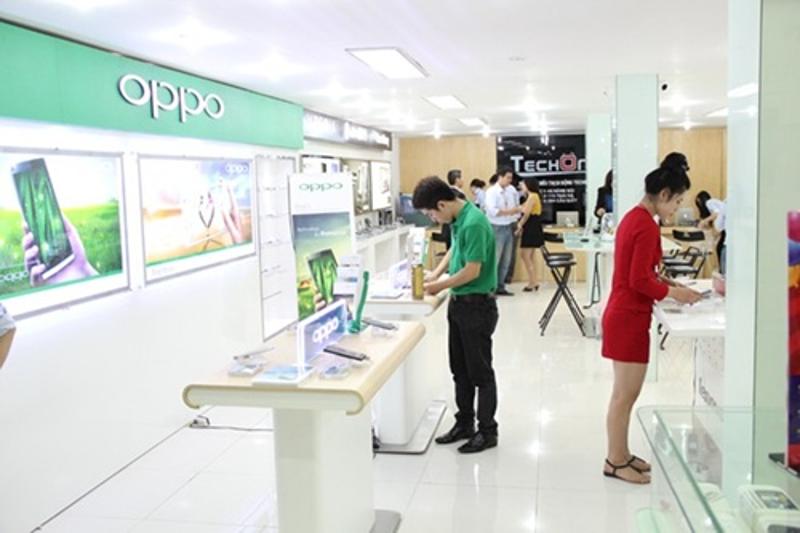

    Oppo sold 10.8 million smartphones, giving it a 9 percent market share and a top-5 ranking, in the fourth quarter of last year, according to Strategy Analytics – even as the overall China market slipped 4 percent (Oppo) To be sure, these lower-priced newcomers lack the firepower of the premium brands, and operate on razor-thin margins or at losses. They need mass volume sales to keep going, the industry experts said.

    Oppo sold 10.8 million smartphones, giving it a 9 percent market share and a top-5 ranking, in the fourth quarter of last year, according to Strategy Analytics – even as the overall China market slipped 4 percent.

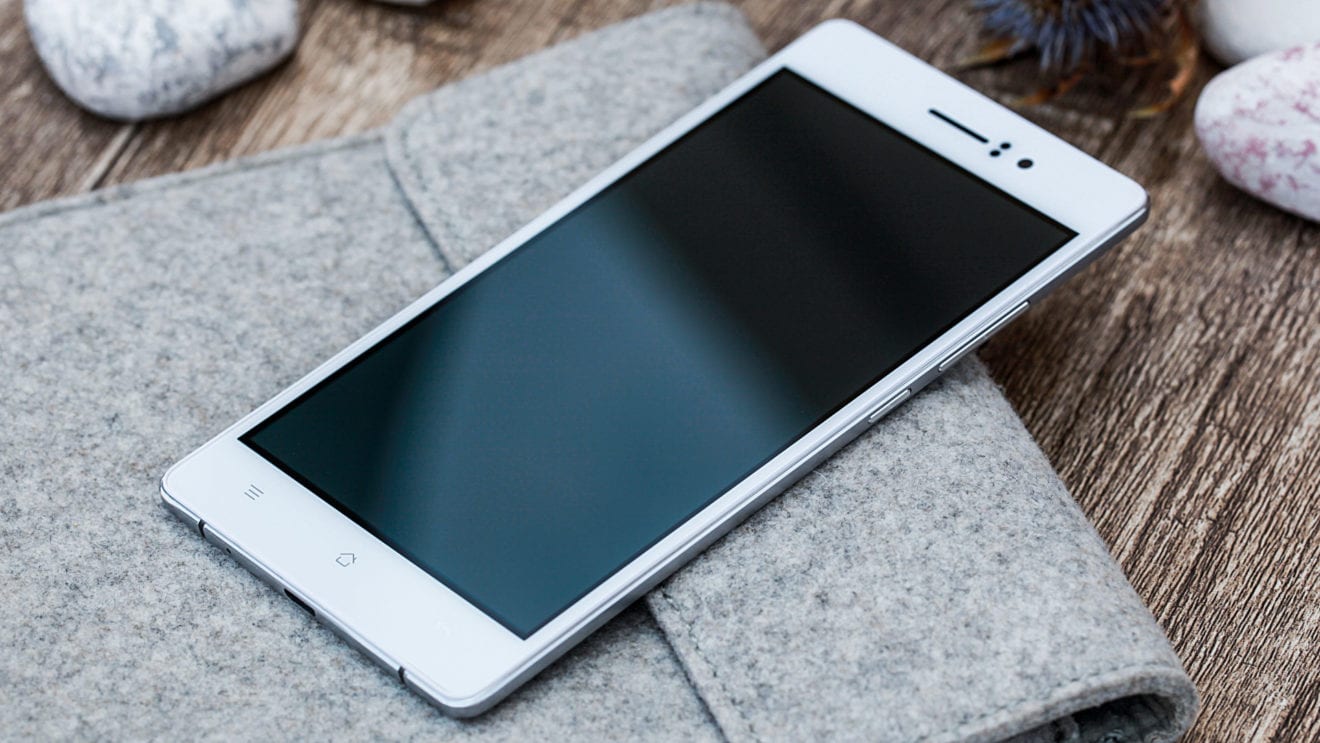
    Oppo’s R7 smartphone, priced at 1,999 yuan ($304), touts itself as a “selfie expert”, with a bigger screen than the iPhone 6S and competitive camera resolution.

    Vivo ranked fourth with 10 percent market share, below Apple’s 13 percent.

    The growth among these younger vendors comes as Apple, Xiaomi and others struggle to maintain momentum in a market swamped with smartphones and fading economic growth.

    Analysts say the newcomers run eye-catching marketing gimmicks, including sponsorship with local TV shows, and have extensive retail networks in lower-tier cities.

    “There’s only so much the international firms can do when it comes to localized marketing in China,” said Nicole Peng at Canalys. “For foreign companies like Samsung, their marketing strategies don’t really cater to the Chinese consumer.”

    Sixth-ranked Samsung declined to comment.

    Apple last week forecast a first revenue drop in 13 years and posted the slowest-ever increase in iPhone shipments as the Chinese market showed signs of weakening.

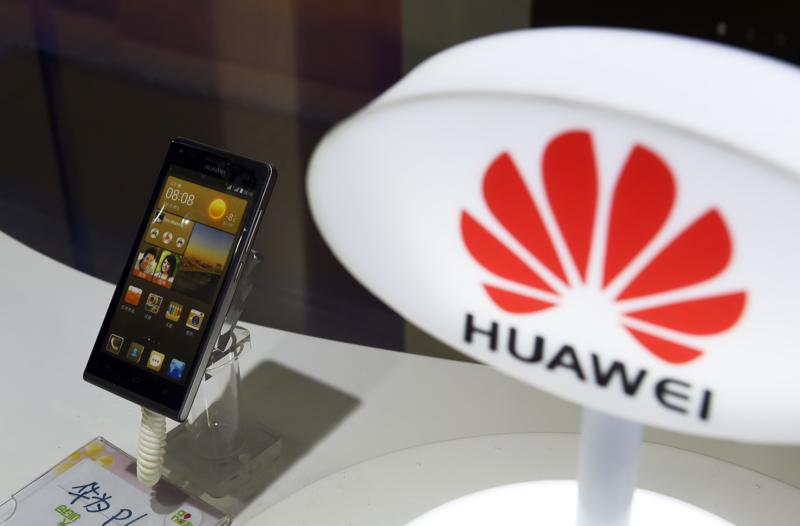
    A mobile phone made by Chinese telecom equipment maker Huawei is displayed in a store in Beijing. (AFP)

    CHALLENGES AHEAD

    China has nine of the world’s top-12 smartphone brands, with nearly a quarter of the market share, according to CounterPoint Research, but turning that into volume sales beyond China will be a challenge.

    Overseas, Chinese brands lack strong distribution networks and can run into intellectual property issues. Oppo is already in several Asian and Middle East markets, while Vivo is in Malaysia and India.

    And at home, Chinese device buyers are notoriously fickle, switching between brands in a cut-throat market. Regular price wars have seen ZTE and Lenovo Group frequently swap places in the sales rankings.

    “The lines between ‘high-end’ and ‘low-end’ devices is blurring, which leaves price as the sole differentiator for most mass market buyers,” said Sameer Singh, an analyst who blogs at Tech-Thoughts.net.

    “Brand image tends to be a lagging indicator of customer experience, i.e. as the latter improves, so does word-of-mouth and consequently brand image. I think that’s what we’re seeing with Chinese brands today.”
  • KFC wins China payout over mutant chicken rumours

    KFC wins China payout over mutant chicken rumours

    A Shanghai court has fined three local tech firms for helping spread rumours about Yum Brands Inc’s KFC fast food chain that included doctored photos of deformed chickens and allegations the birds had six wings and eight legs.

    In a statement on its official microblog, the Xuhui District People’s Court said Yingchenanzhi Success and Culture Communication, Taiyuan Zero Point Technology and Shanxi Weilukuang Technology had “damaged KFC’s reputation” and “caused it economic losses” by permitting the allegations to be posted on their social messaging accounts.

    The companies were ordered to make an official apology and fined a combined 600,000 yuan ($91,191), an amount that fell far short of the 1.5 million yuan ($227,977) Yum had asked each company to pay in damages.

    “We brought suit against these individuals for making false statements about the quality of our food and we are pleased with the outcome,” China-based Yum spokeswoman Cindy Wei said in emailed comments sent to Reuters.

    Reuters was unable to find contact numbers or websites for the three companies fined by the court.

    Yum is battling to turn around its fortunes in China, its largest market, where its sales have taken a serious hit after a series of food safety scares since the end of 2012. The firm is planning to spin off its China unit by the end of this year.

    KFC China brought the suit against the firms in June last year for using ten accounts on Tencent Holdings Ltd’s popular messaging platform WeChat to spread the defamatory posts.

    Food safety is a major concern in China, with frequent scandals ranging from recycled “gutter oil” and years-old “zombie meat”, to dairy laced with industrial chemicals.

    A food scandal in 2014 that dented Yum and rival McDonald’s Corp came to a close earlier this week when a Chinese court fined US food supplier OSI Group and handed jail terms to ten of its executives over allegations it had reused returned food products to avoid losses.

  • Lotte founder appears in court to prove his health

    Lotte founder appears in court to prove his health

    The 93-year-old founder of South Korean retail giant Lotte Group walked into a court hearing on Wednesday to prove that he still remains healthy, which has emerged as a critical factor in the bitter family feud between his two sons.

    Shin Kyuk-ho appeared at the Seoul Family Court after his younger sister claimed her aging brother is no longer capable of making consistent decisions, requesting the court to pick her as his legal guardian.

    The gaunt tycoon claimed his mental competency is the same as in his 50s during an hour-long hearing and exited the court in a wheelchair, his lawyer told reporters, without elaborating on details.

    Shin Kyuk-ho, a 93-year-old founder of South Korean retail giant Lotte Group, enters a Seoul court on Feb. 3, 2015, for a hearing on his legal guardian. (Yonhap)

    Shin Kyuk-ho, a 93-year-old founder of South Korean retail giant Lotte Group, enters a Seoul court on Feb. 3, 2015, for a hearing on his legal guardian. (Yonhap)

    His lawyer said Shin will go through physical check-ups and ask for the court’s decision on whether he needs a legal guardian.

    After a months-long succession feud, Shin’s second son, Dong-bin, took control of the nation’s fifth-largest conglomerate last year. His older brother, Dong-joo, was stripped from the company’s senior posts, but he has claimed that his father chose himself as the legitimate successor for the group.

    Dong-bin has claimed that his father is unable to make reasonable judgments due to mental health problems.

    The founder and his family members have come under fire for exerting uncontrolled power over the business empire with a meager stake, tarnishing the corporate image with the nasty succession fight.

    South Korea’s antitrust watchdog said Monday that the founder and immediate family members of Lotte Group own just 2.4 percent of a stake in the businesses they run, which include food, leisure, construction and chemical businesses.

    The group initially began as a small confectionery business in Japan before it built up operations in South Korea. At present, the bulk of the group’s business comes from South Korea, with Shin and key family members all holding South Korean citizenship.

  • Tanjong Pagar Centre — GuocoLand’s crowning glory

    Tanjong Pagar Centre — GuocoLand’s crowning glory

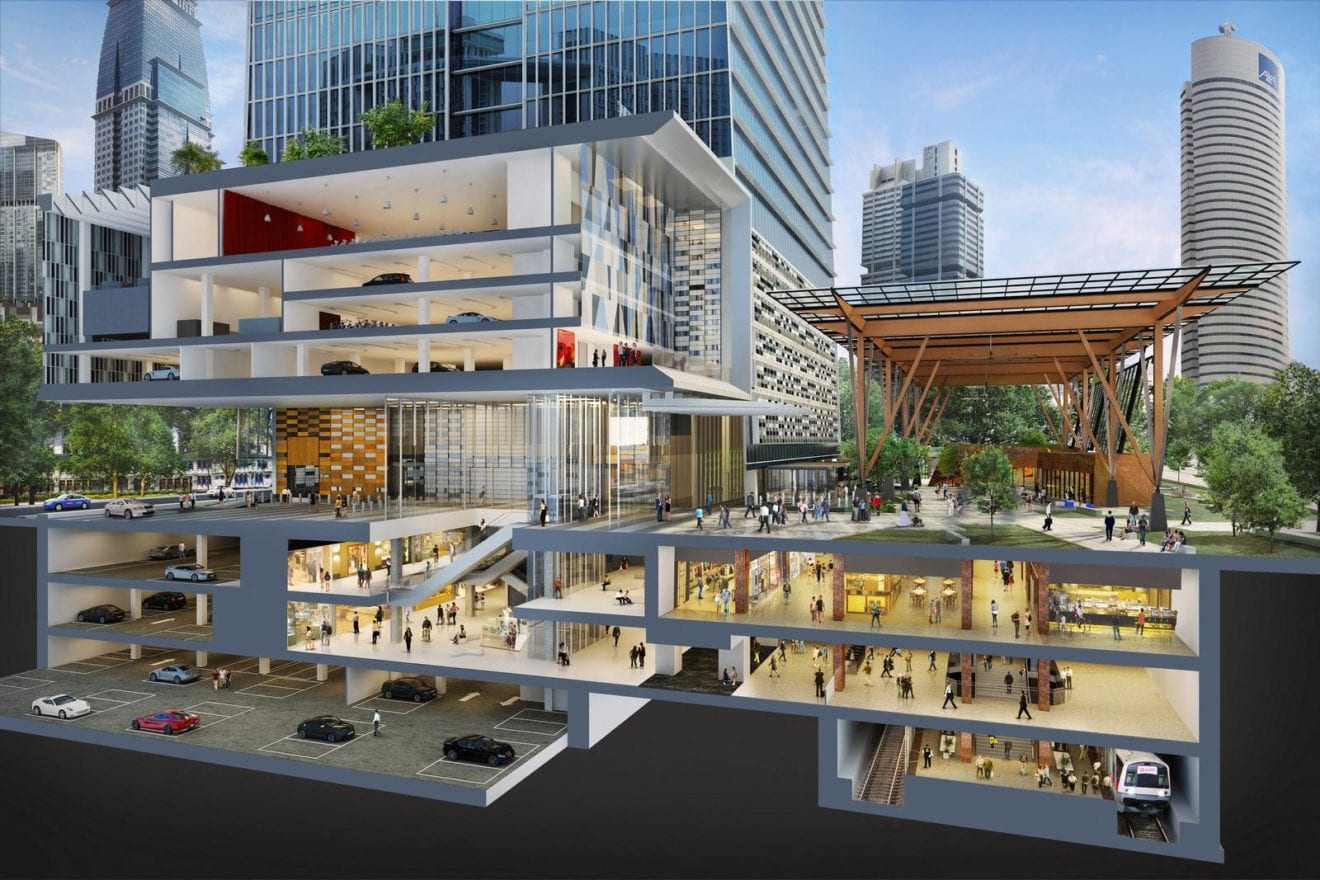
    GuocoLand held the topping-out ceremony of its $3.2 billion Tanjong Pagar Centre on Jan 13. Standing at 290m, it is Singapore’s tallest tower and the latest landmark at Tanjong Pagar.

    The mixed-use scheme will have a total of 1.7 million sq ft when completed and will be integrated with the Tanjong Pagar MRT interchange station. The development will have 890,000 sq ft of office space (Guoco Tower); 100,000 sq ft of retail space; 181 luxury apartments — Wallich Resi dence; the 222-room Sofitel Singapore City Centre; and a 150,000 sq ft landscaped urban park.

    Malaysia’s Employees Provident Fund took a 20% stake in Tanjong Pagar Centre five years ago. Shahril Ridza Ridzuan, CEO of EPF, attended the ceremony, along with Singapore’s Minister for National Development Lawrence Wong.

    The giant mixed-use scheme will be completed in phases. The office and retail components are expected to be completed in 2H2016, followed by the hotel, which is scheduled to open towards year-end. The residential block will be the last phase to be completed.

    Slow take-up of office space
    According to GuocoLand, tenants that have signed up for office space at Tanjong Pagar Centre include DNB Asia (subsidiary of Norway’s largest financial services group DNB Bank ASA), Hong Leong Bank, GuocoLand Group, trading and risk management solutions provider Open Link and serviced office provider Regus, resulting in a take-up rate of 10%.

    “The days of a mega tenant taking up 50% to 70% in a building are gone,” says Cheng Hsing Yao, managing director of GuocoLand (Singapore). In the current economic climate, office landlords prefer to have a diversified tenant base. The office space at Guoco Tower is seeing interest from occupiers looking at half a floor to two whole floors. Such tenants are more likely to commit closer to completion, he adds. Guoco Tower’s premium office floor plates measure 27,000 to 30,000 sq ft.

    “A 10% office space pre-commitment six months before TOP is quite normal,” says Chris Fossick, JLL’s managing director for Singapore and Southeast Asia. Serious discussions are underway for another 40% of the space.

    By contrast, the retail space at Tanjong Pagar Centre has achieved a 60% pre-commitment level. Fitness club Virgin Active is the anchor tenant and will take up 31,000 sq ft (31%) of the retail space.

    Rebranding of hotel, residences

    The hotel and residences at Tanjong Pagar Centre were previously branded Clermont, an extension of The Clermont Club, a members-only casino in Mayfair, London. The club is owned and operated by Clermont Leisure (UK) Ltd, a wholly-owned subsidiary of GuocoLeisure, a sister company of GuocoLand.

    The rebranding of the hotel to Sofitel and the residences to Wallich Residence took place last November. “Both companies [GuocoLand and Guoco- Leisure] felt that it may be too early to bring the Clermont brand to Asia,” explains Cheng. “We wanted a strong hotel group with a strong international network.” That led to its appointment of AccorGroup as the hotel management company and the re-branding of the hotel to Sofitel a week ago.

    The residential component was renamed Wallich Residence, as it sits on Wallich Street. This is in line with GuocoLand’s approach to turn its luxury residences into place makers — for instance Goodwood Residence on Bukit Timah Road, which overlooks Goodwood Hill, and Leedon Residence on Leedon Heights.

    So far, 16 of 54 units released at Wallich Residence have been sold at an average of $3,100 psf. The units are a mix of one- to four-bedroom apartments measuring 614 to 2,034 sq ft. The residential block takes up the 39th to 64th floors, and is crowned by a triplex super penthouse of 21,108 sq ft. GuocoLand’s Cheng says the price of the super penthouse has yet to be finalised. Two years ago, it was tagged at $30 million.

    GuocoLand will launch the residences closer to completion so that potential buyers can appreciate the quality of the final product, says Cheng. “We saw that happen with Goodwood Residence and Leedon Residence.” Both Goodwood Residence and Leedon Residence were launched when they were completed and they emerged the best-selling high-end condos in 2014 and 2015 respectively. Cheng is confident that Wallich Residence will draw a similar response upon completion.