Tag: China

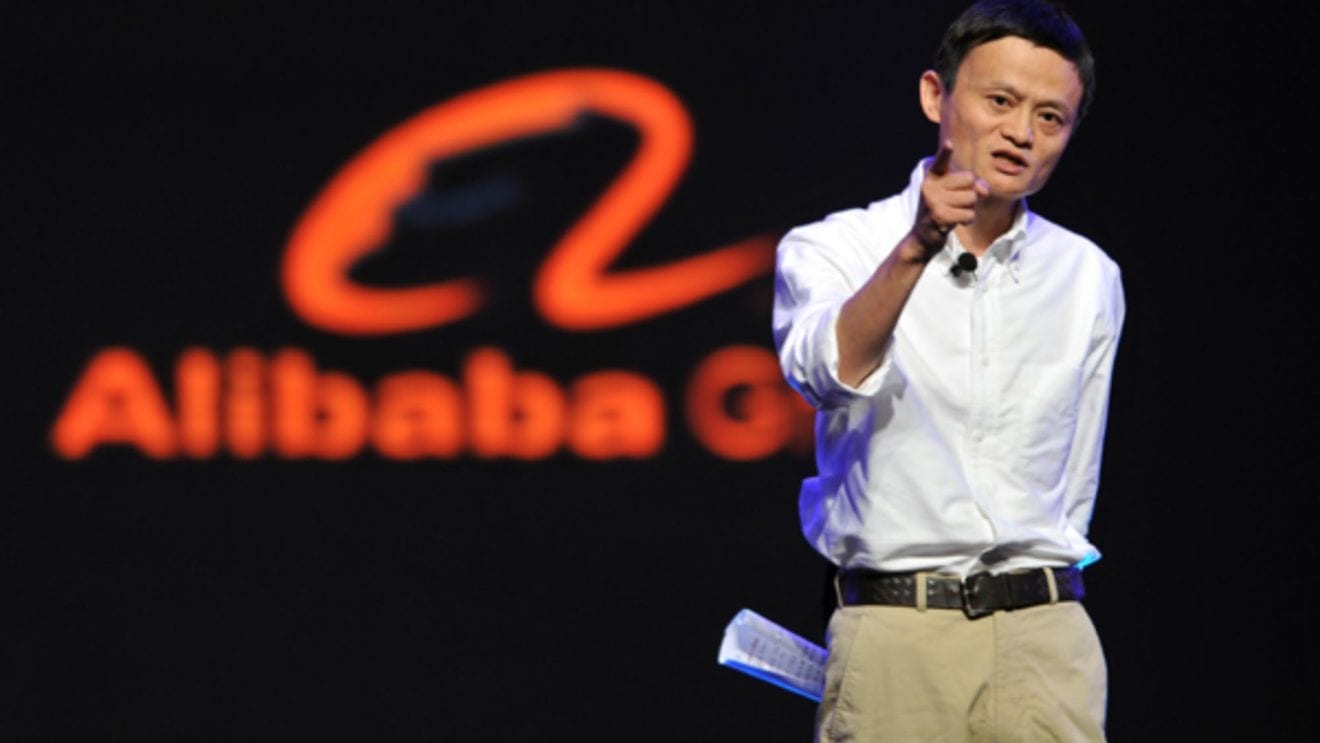
  • Sales soar 32% at Alibaba Group in Q4

    Sales soar 32% at Alibaba Group in Q4

    For the three months to December 31, 2015, sales at Alibaba Group Holding Limited soared 32 per cent year over year to RMB 34,543 million or $5,333 million.

    Of this, in the fourth quarter of 2015, China retail marketplace revenue totaled RMB 28,714 million or $4,433 million, an increase of 35 per cent over the fiscal ago quarter.

    As per an Alibaba press release, in the same quarter, mobile revenue from China amounted to RMB 18,746 million or $2,894 million, up a massive 192 per cent year on year.

    “Annual active buyers on our China retail marketplaces increased to 407 million, a rise of 21 million from the prior quarter, while mobile MAUs in December reached 393 million, a growth of 47 million over the previous quarter,” it said.

    In the reporting quarter, GMV transacted on its China retail marketplaces was RMB 964 billion or $149 billion, up 23 per cent in the year ago quarter, with mobile GMV accounting for 68 per cent of total GMV.

    Alibaba further said that Koubei, the local services joint venture it recently established with Ant Financial, is gaining strong momentum and winning market share.

    The joint venture generated RMB15.8 billion or $2.4 billion in GMV transacted through Alipay during the quarter, with daily transactions averaging more than 5 million in December.

    Its cloud computing and internet infrastructure business continued its rapid expansion, with revenue surging 126 per cent over the fourth quarter to RMB 819 million or $126 million in the quarter under review.

    “In the fourth quarter of 2015, non-GAAP free cash flow totaled RMB 23,719 million or $3,662 million,” the online retail giant added in the press release.

    “Alibaba Group had an outstanding quarter, reaching a milestone of over 400 million annual active buyers and continuing our unrivaled leadership in mobile,” Daniel Zhang, CEO of Alibaba Group said.

    “Our proven ability to deliver an unparalleled consumer experience and to help merchants attract, engage and retain buyers will drive future growth in our core business,” he too added.

    “We remain focused on our top strategic priorities, including global imports, rural expansion, increasing our footprint in first-tier Chinese cities and building a world-class cloud computing business,” Zhang noted.

    “We achieved impressive revenue growth as we are increasingly monetising the user activity on our marketplaces, particularly on mobile devices,” CFO Maggie Wu also said.

    “In this quarter, revenue grew 32 per cent year over year and China retail marketplace revenue grew 35 per cent year on year,” Wu informed.

    “Meanwhile, we generated strong free cash flow of $3.7 billion this quarter and so the fundamental strength of our core business gives us the confidence to invest in our strategic priorities,” she observed.

  • Xiaomi to take its time on deciding on single brand retail licence

    Xiaomi to take its time on deciding on single brand retail licence

    Xiaomi is keen on applying for a single-brand retail licence in India and will take a final call on the matter in a couple of weeks after more consultations as the Chinese company strives to deepen its presence in the world’s fastest-growing smartphone market, where it just recorded its best-ever quarter by sales.

    As part of its India strategy for 2016, Xiaomi will locally manufacture most of the phones it will sell in the country, begin investing in startups and expand its offline presence, Manu Jain, the company’s head of India operations, told ET.

    “We would be very keen (on applying for single-brand retail) but we would want to understand this better. We are talking to multiple people who are subject matter experts on this to understand everything about it before we go ahead,” Jain said. “Overall, this looks very positive from our perspective.”

    Once it applies, Xiaomi would join Apple as among the top foreign brands opting for a direct presence in India, which eased foreign direct investment rules for single-brand retailing in November. The South Asian nation relaxed mandatory local procurement conditions for high-tech companies and allowed single-brand licence holders to sell their products directly online.

    Xiaomi currently sells 90% of its products through online portals Flipkart, Amazon, Snapdeal and its own store, Mi.com, and has ventured into the offline market with outlets of Airtel and The Mobile Store selling about 10% of its devices. The company will forge more partnerships to expand its offline presence in 2016 and will focus equally on revving up sales through its own portal.

    Jain said the aim would be to achieve a balance between online and offline sales, similar to what it has in China, where one-third of its sales comes from offline channels.

    Through a combination of online and offline sales in India, Xiaomi clocked its best-ever three months yet, selling between 1 million and 1.5 million smartphones in the quarter ended December. “This is the second consecutive quarter that we’ve crossed 1 million…despite the competition, we continue to grow aggressively,” Jain said. In the September-ended quarter, sales were up 45% on-quarter.

    “One of our targets for 2016 is to invest in startups,” Jain said, which would replicate the model followed by the company in China. Though Jain didn’t specify the amount, he said the company would be flexible and investments would depend on the startup and the stage it has reached.

    India will continue to be a critical market and Xiaomi will reduce the time gap between China and India product launches and also introduce more models in 2016. Separately, it will scale up local manufacturing to make a majority of the phones that it sells in the country.

    Jain did not share the present manufacturing capacity at Sri City in Andhra Pradesh, where Foxconn manufactures phones for Xiaomi, but said that the scale-up will be “significant.”

  • Why Should Alibaba Be A China Macro Play? Nomura Sees 30% Upside

    Why Should Alibaba Be A China Macro Play? Nomura Sees 30% Upside

    Alibaba Group lost about a third of its value in the last year mainly because it is “deemed as a China proxy due to its size and high profile,” according to Nomura Securities in a new China Internet anchor report.
    But Alibaba is by no means Bank of China. Nomura sees China’s e-commerce to grow at an impressive annualized 33% over the next two years, far outpacing China’s sub-7% “crawl.”

    First, China’s retail sector is a lot resilient thanks to the growing middle class. Consulting firm BCG estimates China’s domestic consumption will grow by an annualized 9% through 2020.

    Second, and more importantly, e-commerce will grow a lot faster than physical retail, thanks to China’s vast rural population coming online. Currently, China’s online shoppers are still concentrated in the more affluent tier-1 and tier-2 cities, accounting for more than 80% of the 500 million online shoppers.

    But the rural population is huge. As of June last year, China’s rural population was 619 million, or 45% of the total. Just imagine them starting to shop on Taobao! And the rural population is getting richer, especially now that Beijing allows them to sell their land. Rural consumption expenditure rose from 32.5% of the urban total in 2013 to 42% in 2015.

    Alibaba Group knows where the growth is:

    Ali’s rural e-commerce solution is a two-way model, ie, selling to and by farmers. On the one hand, farmers are also selling local produce or handmade crafts via Taobao to customer nationwide.

    The Taobao-based entrepreneurship is thriving in some rural areas. The number of socalled “Taobao Villages” or clusters of rural online entrepreneurs who have opened shops on Taobao Marketplace has increased from three in 2009 to 211 by end- 2014, according to Alibaba.

    Alibaba will report its December quarter earnings next week, before the US market opens on January 28. Nomura’s Jialong Shi is more bullish than the street, expecting the e-commerce to report 30% revenue growth, versus the street consensus of 26%. It has a price target of $91, implying 28.7% upside to yesterday’s close.

  • Kipling launches exclusive collection for Asia

    Kipling launches exclusive collection for Asia

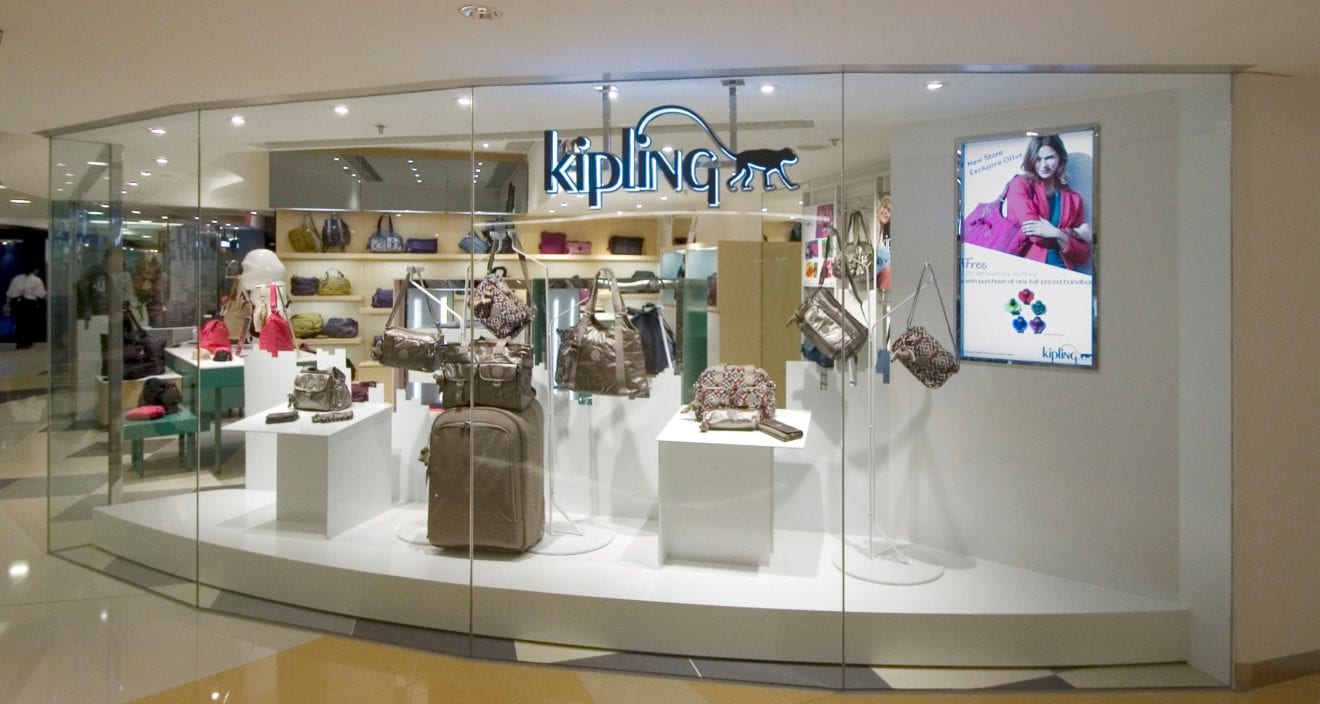
    Kipling-Asia-range-lead Kipling has introduced an Asia exclusive collection, which celebrates individual style with ‘optimism and functionality’ and has been specially designed for the Chinese Zodiac’s Year of the Monkey.

    The monkey plays a key role in the Kipling accessories, as it is said to represent the smart, adventurous and playful spirit of the brand.

    Kipling-Asia-range-pinkThis season, Kipling’s Asia limited edition range offers ‘classic’ handbags and ‘functional’ backpacks, to ‘small and fun’ purses.

    Made for the ‘modern day’ woman the Monkey print collection showcases a collection of carry-ons that features monkey designs in shades of purple and hot pink.

    Kipling’s Monkey Print Collection has been launched exclusively in China, Hong Kong, Taiwan and Singapore, and is currently available in stores.

  • China ‘Get Mobile’ event set to cover travel retail

    China ‘Get Mobile’ event set to cover travel retail

    The travel retail industry is ‘among the most concerned’ with addressing the huge shift toward ‘unrivalled consumer engagement and sales growth through mobile devices’ within China during 2015, according to the European conference organisers of China Connect.

    The company is currently drumming up support for its sixth ’Get Mobile’ European Conference on China’s Digital and Mobile Marketing, due to be held in Paris between 6-7 April, 2016.

    The organisers are promising that ‘China’s Internet Giants’ will be present at what it describes as ‘the largest European gathering of experts on Chinese consumer trends, digital and mobile marketing and tech innovation’, following on from the event’s initial launch back in June 2011 by Laure de Carayon.

    This will compirse four main sessions which will include Inbound/Outbound Tourism and Travel Retail; Commerce and cross-border; Content/Social Media/CRM; and Tech Innovation.

    China Connect previous event

    The event is now said to be in its sixth year.

    The Inbound/Outbound Tourism and Travel Retail session will apparently cover ‘the Smart Travel boom’ and stiffer competition in worldwide destinations and the 90% of overseas expenditure by Chinese travellers abroad which is still spent on shopping. The conference also promises to tell brands  what they need to know ‘to hook the Chinese tourists’.

    The organisers say that the Commerce and cross-border session will also cover information of the third  of Chinese online shoppers who acquired goods through cross border purchasing in 2015 and how these online shopping options are expected to diversify in future.

    UNLOCKING A ‘NEW MOBILE ECONOMY’…

    Commenting on the upcoming event, founder and CEO Laure de Carayon said: “China is driving the huge acceleration in mobile adoption worldwide, unlocking a new mobile economy.

    “2015 in China has seen unrivalled consumer engagement and sales growth through mobile devices, making it the must-be place, more than anywhere else in the world, to reach and do business with Chinese consumers, in and outside China.

    “Retail tech through social shopping, omni channel, cross border and mobile payments, Tourism, Travel retail are among the most concerned industries to (have to) tackle this huge mobile shift and opportunity.

    “More than ever it’s critical for brands to adapt and offer a seamless consumer journey to the very demanding and tech savvy Chinese consumers.”

    The organisers are promising that more than 40 speakers/companies will participate, including: Tuniu (Leading online Leisure Travel website & mobile platform); WeChat International; UnionPay International; Zanadu (Luxury, Travel, Lifestyle online&mobile platform); Sensoro (iBeacon); Clarins APAC; Herborist (Jahwa Group); EL Corte Ingles; China-Britain Business Council; We Are Social China; China Luxury Advisors; Datawords; Yandex; CDNetworks; and Cathay Capital.

    FACTS ON THE CHINA E-COMMERCE SECTOR…

    In the meantime, the event company has also released some facts and figures on the China market, claiming that the internet population in 2014 was estimated at +630m, representing a 50% penetration, compared with the average 82% in the US, 61% in Europe and +83% France.

    In terms of e-commerce, online shoppers were said to have reached +400m, with the online shopping turnover totalling CY754.2bn ($123.2bn), based on a year-on-year growth of 47.3%. As of December 2013, the organisation claims that e-commerce represented 6.8% of total consumer goods retail sales.

    The organisers add that the online shopping market is estimated to have reached CY1.74 trillion ($278.4bn) in 2014.

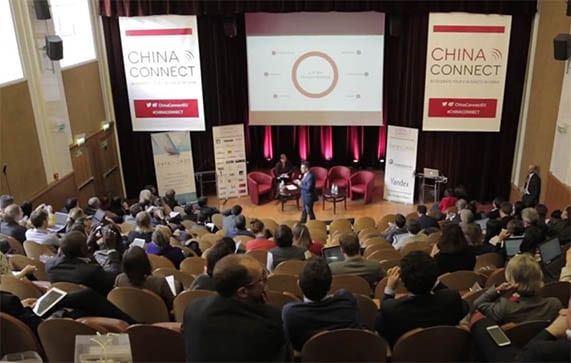
    The China Connect audience at a previously held event.

    By 2016, the organisers say that China’s total online retail will reach CY5 trillion, accounting for 12% of total sales and then double again by 2020 to CY10 trillion accounting for 16%. At the same time, China’s e-commerce (including online B2B transactions) are expected toreach CY30 trillion.


  • Rotary Watches opens first China boutique

    Rotary Watches opens first China boutique

    Since launching in China last Summer Rotary has opened 24 Rotary shop in shops strengthening the brands presence in the market.

    The 107 sq ft boutique complete with tailor made fixtures and fittings, Rotary’s full range is displayed in the Poly shopping Mall boutique.

    The brand continues to prove in China with its mid-market price range and is committed to an aggressive shop in shop roll out plan for 2016.

    Rotary anticipates 150-200 points of sale in People’s Republic of China by the end of 2016.

  • Luxury Retailers Scale Back China Brick-and-Mortar Expansion in 2016

    Luxury Retailers Scale Back China Brick-and-Mortar Expansion in 2016

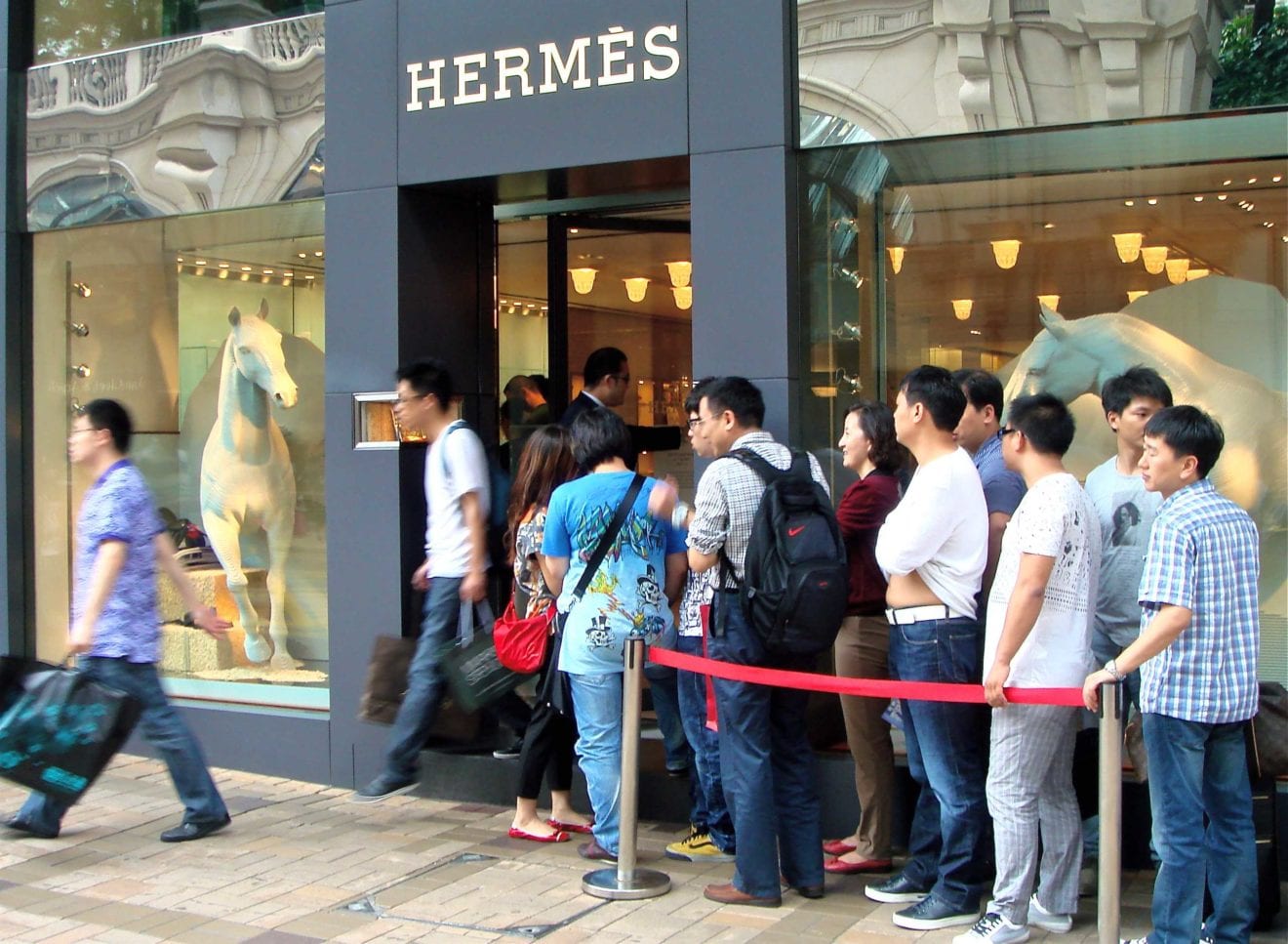
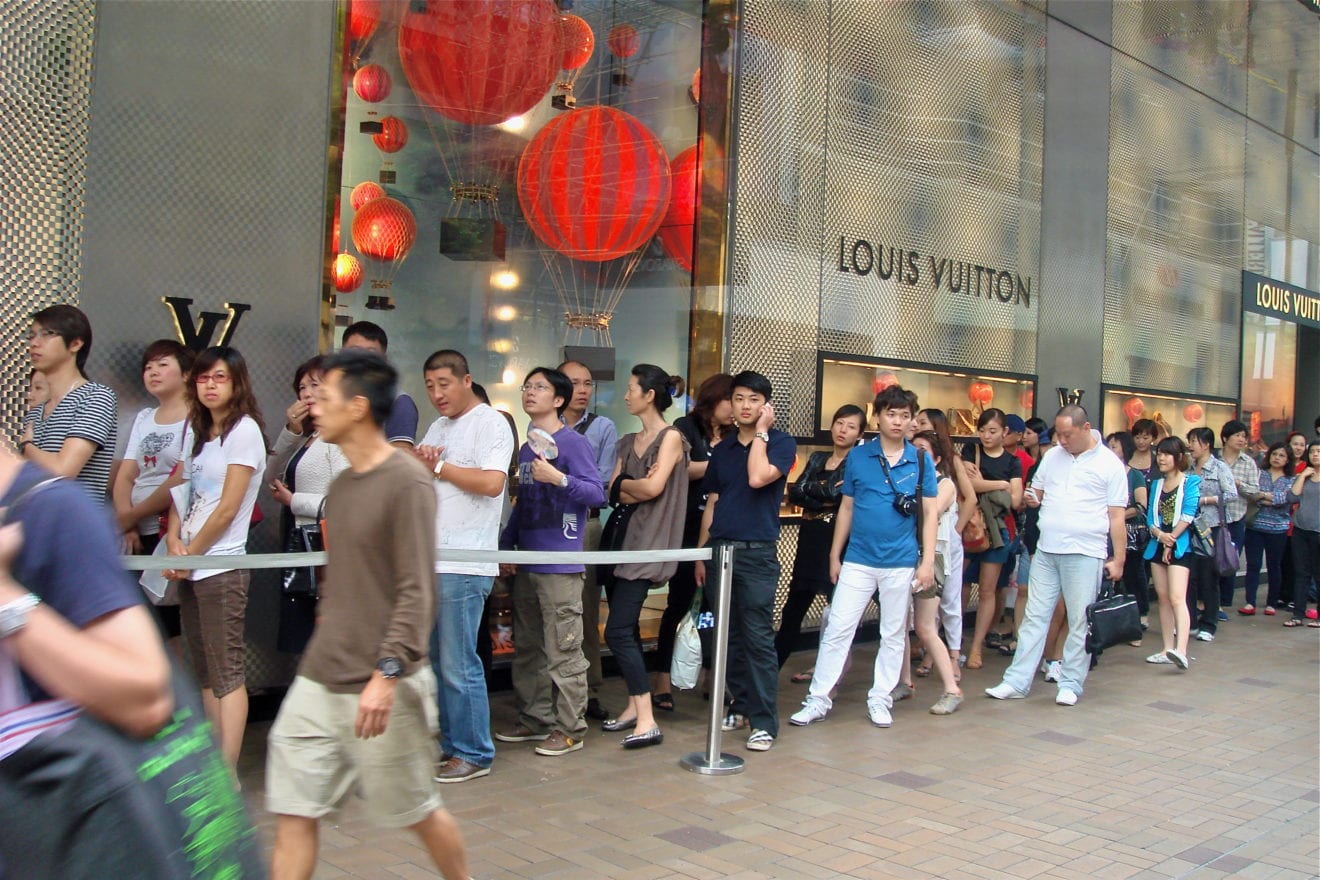
    As Chinese luxury spending decreased in China, yet rose globally last year, luxury retailers are hitting the brakes on brick-and-mortar store expansion for 2016.

    According to a report on retail in China published this month by UBS, wariness toward store expansion is at an all-time high. It found that 94 percent of retailers surveyed have a “moderate” attitude toward China expansion in 2016, rising from 85 percent in 2015 and 72 percent in 2014. A total of 67 percent said they will expand by less than 10 percent in 2016, while 6 percent said they will expand from 10 to 20 percent. Meanwhile, 22 percent of retailers plan to close stores this year.

    The retailers with the biggest expansion plans are generally department stores, according to the report, but that’s not necessarily due to sales growth. It notes that larger stores generally plan their expansion at least five years in advance, so many department stores were preparing openings happening now during China’s era of rapid growth.

    Among luxury retailers, Louis Vuitton was one of the most highly-publicized brands to halt expansion in China last year as it closed stores in Guangzhou, Harbin, and Urumqi. In addition, Chinese media reported this week that Gucci closed a Chengdu store as it readjusts its flagship arrangement in China.

    Although the shift in spending abroad and online are factors in these decisions, luxury retailers are also focusing on recalibrating their location choices. U.S. think tank The Demand Institute wrote in a report last year that many foreign brands had expanded into smaller cities when they should have been focusing on the first tier. It stated that “overly optimistic growth and consumption projections for China have misled foreign investors” into expanding too far into lower-tier cities.

    This appears to be Louis Vuitton’s position, as it opened stores in Beijing and Hangzhou last year even as it closed its other locations. A report by CBRE last year stated that slowing sales and over-saturation in the mainland “have prompted retailers to consolidate their existing store networks and slow their rate of entry into new markets focusing on operational efficiency.” This includes not only relocation of stores, but revamping design and adding lifestyle elements such as cafes, art exhibitions, and pop-ups.

  • Hong Kong Suffering From China Visitor Drop

    Hong Kong Suffering From China Visitor Drop

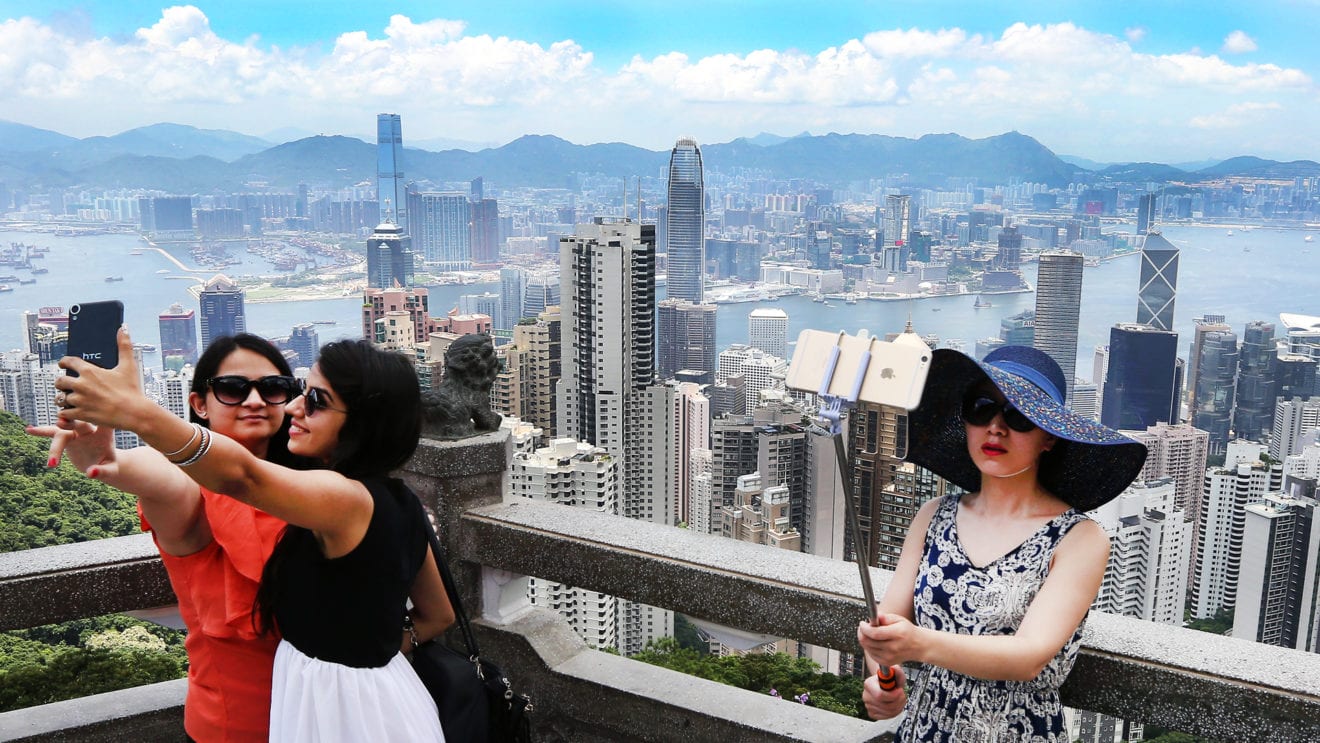
    Tour groups from mainland China to Hong Kong could shrink by two-thirds in the first half of this year, dealing another blow to retailers and an economy facing pressure from slowing growth in China.

    China accounts for almost three-quarters of all visitors to Hong Kong, which relies on tourism for about 5 percent of its GDP.

    Tourism numbers, however, fell last year for the first time in more than a decade and Ricky Tse, chairman of the Hong Kong Inbound Tour Operators Association, said he expects a further decline this year as the strong Hong Kong dollar continues to drive mainland Chinese to comparatively cheaper destinations such as Japan and South Korea.

    “The drop will continue for sure. The winter has just begun,” Tse said, adding that he expected the number of tours by Chinese visitors to fall by 60 percent in the first half of this year after halving in 2015.

    Government data shows tourist arrivals to Hong Kong fell 2.5 percent year-on-year in 2015 to 59.32 million, the first decline since 2003 when the city was hit by an outbreak of Severe Acute Respiratory Syndrome (SARS).

    This decline has hit luxury retailers, with the latest available data showing overall retail sales falling for the ninth consecutive month in November, the longest period of decline in 13 years.

    Brokerage CLSA, forecast trips by mainland Chinese to Hong Kong and the nearby gambling hub of Macau to average 3 percent growth over the next five years, compared with 16 percent growth for all other markets.

    “The move away from pure shopping trips is one of the main reasons that led to the slowdown in Hong Kong,” CLSA said in a recent report. “Looking into 2016, we believe the trend will continue.”

    (Reuters)

  • Chinese luxury spend abroad soars in 2015

    Chinese luxury spend abroad soars in 2015

    Mainland Chinese shoppers increased their spending on luxury goods overseas by 10 per cent last year according to new research from Bain & Company.

    The increase comes as a surprise given the significant slowdown in China’s economic growth, the much-publicised clampdown on gift-giving and the struggle of Hong Kong watch and jewellery retailers over the past 12 months.

    Bain & Company’s report, the 2015 China Luxury Market Study says mainlanders are shopping more on cross-border eCommerce and travelling to new destinations to indulge.

    In 2015, they shunned Hong Kong and Macau in favour of places like Japan, where spending soared 200 per cent.

    Bain’s research, which included a survey of nearly 1500 Chinese consumers, found a sizable shift in shoppers’ geographic preferences for luxury shopping in 2015. Japan, South Korea, Europe and Australia were all popular shopping destinations, due to favourable exchange rates and competitive pricing on luxury goods in these markets.

    As overseas travel among Chinese shoppers increased – up an estimated 32 per cent from 2014 – consumer reliance on Daigou, or overseas personal shoppers who buy and send luxury goods to customers in China – contracted. The growing channel choice in 2014, Daigou decreased to an approximately 43 billion RMB market last year.

    Bain attributes the drop to several factors including price adjustments by key brands that reduced Daigou margins, government efforts to tighten control over imports, including Daigou, a weakened RMB, and an increased reliance on other purchase channels – notably cross-border and overseas websites, which accounted for 48 billion RMB of the 293 billion RMB luxury spend overseas.

    The report highlights the increasing popularity of cross-border and overseas websites as luxury shopping channels: nearly half of those surveyed said they purchased luxury goods via these sites last year.

    According to Bain, increased international tourism, and growing comfort and trust in some business-to-consumer (B2C) overseas websites among China’s shoppers helped stimulate overseas purchases. This resulted in a slowdown in China’s overall luxury market, which dipped 2 per cent to 113 billion RMB last year, driven by a decline in watches, men’s wear and leather goods.

    Luxury brands seeking to overcome the economic slump and reinvigorate consumer spending domestically must employ a more tailored, localised marketing strategy, with high fashion content and adjust their pricing to reduce disparities across geographies.

    “We saw notable changes in where and how Chinese consumers acquired luxury goods last year,” said Bruno Lannes, a Bain partner based in Shanghai and author of the report.

    “Buying overseas has been a trend for years, but destinations have changed, and Daigou is declining because of multiple and converging drivers from major industry players, including the government,” he said.

    “Our research found that the industry is quickly adapting to these challenges in an effort to drive more luxury consumption at home through strategies such as global pricing and a greater focus on fashion.”

    A corollary to the drop in domestic sales is a reduction of the store footprint by most brands, with a greater focus on fewer, larger and better located stores. Many brands realise they need to regain their exclusive image, which has been somewhat blurred by over extension.

    As in 2014, the research shows the greater importance of fashion and exclusive designs to win domestically. Brands with a strong fashion heritage and stronger emphasis on original design did well in 2015.

    The survey reveals that nearly 80 per cent of respondents said they normally get information on luxury brands from the internet or apps, and a full 60 per cent identified social media channels Weibo and WeChat as their online source for information on luxury goods. As a result, brands spend, on average, 35 per cent of their marketing budget on digital, and it is growing.

    Looking ahead, Bain expects these and other 2015 trends to continue this year, prompting further challenges, opportunities and requirements for brands:

    • Macro environment expected to remain similar while the rising middle class becomes more sophisticated and knowledgeable about luxury.
    • Overseas channels will stabilise (daigou will decline). Global pricing by leading brands and government efforts to localize consumption will spur domestic growth. Global pricing, will likely spread further to other brands.
    • Luxury brands should strengthen both digital platform building (e.g., Weibo WeChat, apps) and digital content creation, with an emphasis on localisation to reflect local market preferences.
    • Luxury brands must place greater emphasis on making their brand “younger” and more fashionable to capture the next generation of trendy customers. There will also be an increased focus on “exclusivity,” both in product design and store footprint.

    “Despite persistent macro, economic and industry challenges in China, all hope is not lost for luxury brands,” said Lannes.

    “There are plenty of growth opportunities for those with more exclusive and fashion collections, digital platform engagement and digital content creation, as well as with pricing that encourages Chinese consumers to spend locally.”

  • Dentsu Aegis Network and UnionPay Smart Announce Partnership

    Dentsu Aegis Network and UnionPay Smart Announce Partnership

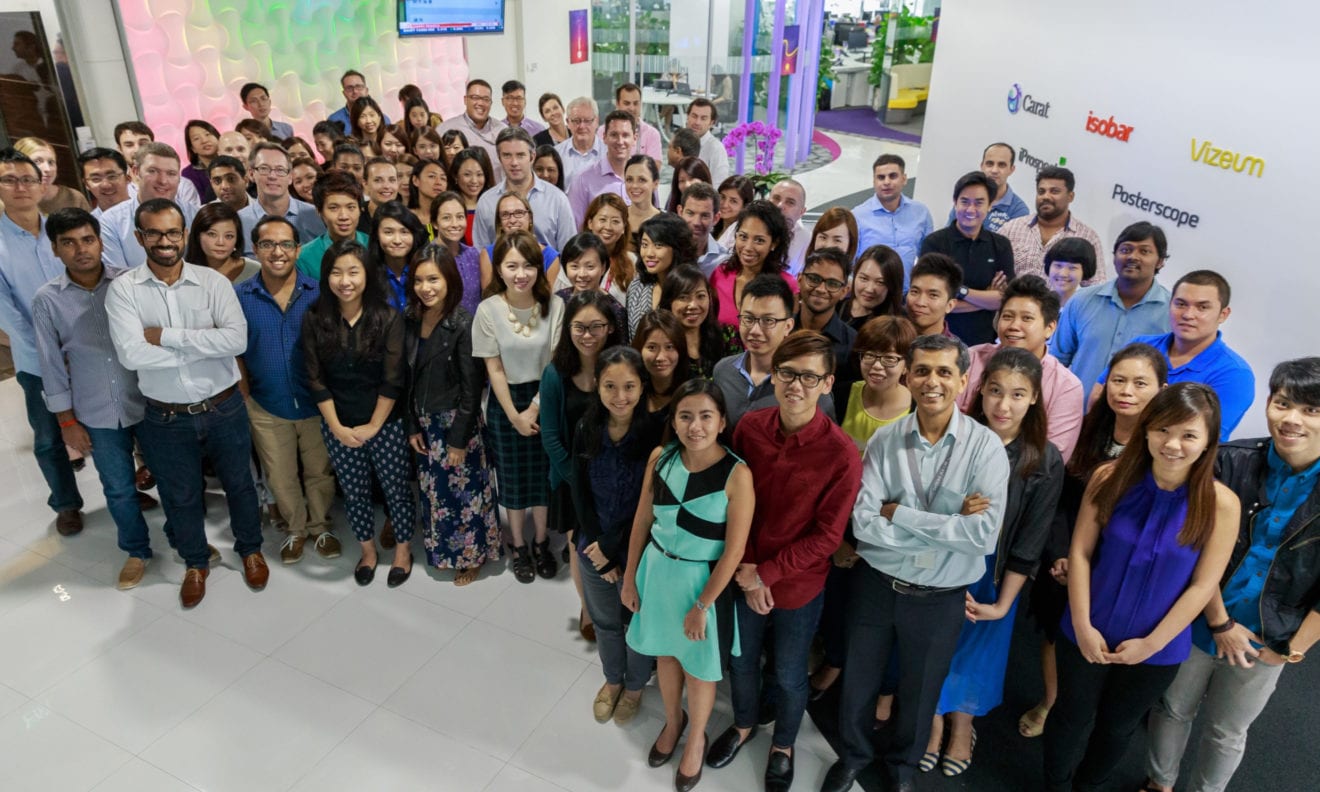
    Dentsu Aegis Network China today announced a strategic partnership with UnionPay Smart, a China UnionPay company specializing in big data applications. Combining the existing big data analytics of UnionPay Smart, with advertising and user browsing behavioral insights from Dentsu Aegis Network, the two parties will co-develop and operate a precision brand marketing platform for advertising; providing data-driven marketing solutions for brands.

    It is the first ever crossover collaboration between financial data, advertising and marketing communications industries in the field of data connection. The landmark partnership has been achieved through a year-long collaborative effort between UnionPay Smart and Isobar China Group, a digital marketing agency owned by Dentsu Aegis Network. Based on research and design of business models, the project has enabled a deep integration of media and marketing data on the premise of strict privacy and data protection; creating a reciprocal ecosystem that benefits advertisers, data solution providers as well as media platforms.

    Together with UnionPay Smart, Isobar China Group will establish a data management platform (DMP) targeting online advertising, synchronizing UnionPay Smart consumer portraits with browsing and search data shared by publishers. The platform empowers advertisers to map consumer insights with decision-making and buying processes, creating more accurate target audience portraits. Specifically, the data exchange will prioritize automotive, finance, maternity and infant as well as other key sectors.

    Isobar China Group and UnionPay Smart will then co-develop and co-own a demand-side platform (DSP) for programmatic buying. Set on the key precondition of ensuring all data is safe and legal, the platform will incorporate online and offline behavioral data to optimize audience targeting across publishers to greatly enhance returns on investments.

     Isobar China Group will collaborate with UnionPay Smart to deliver customized services for brands and media owners:

    • Customer relationship management (CRM) data solutions targeting automotive, finance, maternity and infant, and other fields;
    • Optimizing advertising investment solutions for key clients;
    • Offering customized advertising for long-term media partners.

    Founded in 2012, UnionPay Smart is a subsidiary of UnionPay. Dedicated to big data innovation, UnionPay Smart is dedicated to creating and optimizing big data platforms based on consumer data and providing diversified big data application solutions, such as industry analysis, business decisions and business strategies for China UnionPay and its partners.

    Kelvin Long, Cofounder & CTO of UnionPay Smart said: “As a pioneer and advocate of enacting data privacy legislation, UnionPay Smart will push forward innovative applications of UnionPay data under relevant regulation in a safe and legal manner. This partnership is unprecedented in the history of UnionPay Smart as it’s the first time we have collaborated with a market leader in advertising that has crossover connection of big data solution at its’ core. Big data is the future of marketing, but it cannot be achieved without massive real data, cutting-edge data mining technology and expertise in data analytics. UnionPay Smart has exclusive data of tagged consumer behavior and leading big data technology; Dentsu Aegis Network has access to unparalleled data and intelligence in digital and marketing. Through the integration of our own strengths on the precondition of protecting data safety and privacy, our shared vision is to enable brands to achieve new levels of efficiency, effectiveness and customer satisfaction.”

    Commenting on the partnership with UnionPay Smart, Phil Teeman, Group Managing Director, Dentsu Aegis Network China, said: “Dentsu Aegis Network has always attached great importance to the collection and application of data. We have been continuously investing in consumer insight studies, which include the unique CCS (Consumer Connection Study), the largest consumer survey in China, and our Brand and Consumer Data Analyzing Platform- Code 1. Data integration is critical and we have been working to bring all of our data together into one platform – consumer data, ad data, and performance data. Our partnership with UnionPay Smart will further reinforce that focus on big data. As the leading integrated communications group with digital at its core, we will work with UnionPay Smart to develop more industry beneficial data products to support brands’ ‘internet plus’ strategy in China.”

    Jane Lin-Baden, CEO of Isobar China Group added: “Brand consulting has always been our focus. We are dedicated to applying real time big data to the modelling and delivery of brand commerce. The data solution with UnionPay Smart is able to meet the needs of brand commerce, incorporating brand experiences with purchasing decision making, in order to identify consumer motives more precisely in the last mile. This is a significant milestone for Isobar China Group.

    As the largest digital advertising group in China, Dentsu Aegis Network is also the first to drive integrated digital marketing communications in the industry; serving top brands spanning automotive, finance, retail, maternity and infant as well as other fields. Isobar China Group, part of the Dentsu Aegis Network, is a full service digital marketing agency, driven by the aim of delivering marketing solutions with borderless ideas enabled by technology and new media communications, to transform businesses and brands.  


  • Ele.me may go to Alibaba

    Ele.me may go to Alibaba

    As more people start using their smartphones or the internet to order food, China’s eCommerce leaders are in a battle for supremacy.

    Now a food-delivery startup backed by Tencent Holdings, Ele.me, is planning a fast funding round of at least $1.25 billion, in a deal led by competitor Alibaba Group Holding, reports Deal Street Asia. It is aiming to close the round next month.

    If it goes ahead, Alibaba will become Ele.me’s controlling shareholder. It values the service at about $4.5 billion, and the deal could be announced before the Lunar New Year holiday starting on February 8, according to an insider.

    Earlier merger talks between Ele.me and group-buying site Meituan.com fell through, and Caixinpreviously reported that Ele.me was in discussions with Alibaba to raise funds.

    Meanwhile, Tencent and Alibaba are battling with China’s largest search company Baidu for front position as the local-services industry gains traction with more people going online or using mobile technology to order food, schedule beauty treatments or hire domestic helpers. Users of these services are predicted to rise 29 per cent to 400 million by next year, with sales expected to reach 7.28 trillion yuan ($1.1 trillion).

    Chinese internet companies have been the subject of $91.6 billion in acquisitions and investments over the past 12 months, according to Bloomberg data. Meanwhile, Tencent shares have fallen 1.7 per cent in Hong Kong to HK$133.10 ($17.08) – the lowest in almost four months.

    Alibaba and its financial affiliate, Zhejiang Ant Small & Micro Financial Services Group, have formed a joint venture called Koubei, in which each has agreed to invest three billion yuan to help the company expand into neighbourhood services.

    Baidu last year said it would invest $3.2 billion over three years in its own provider of local services,Nuomi.

  • Wuling to Build Factory in Indonesia

    Wuling to Build Factory in Indonesia

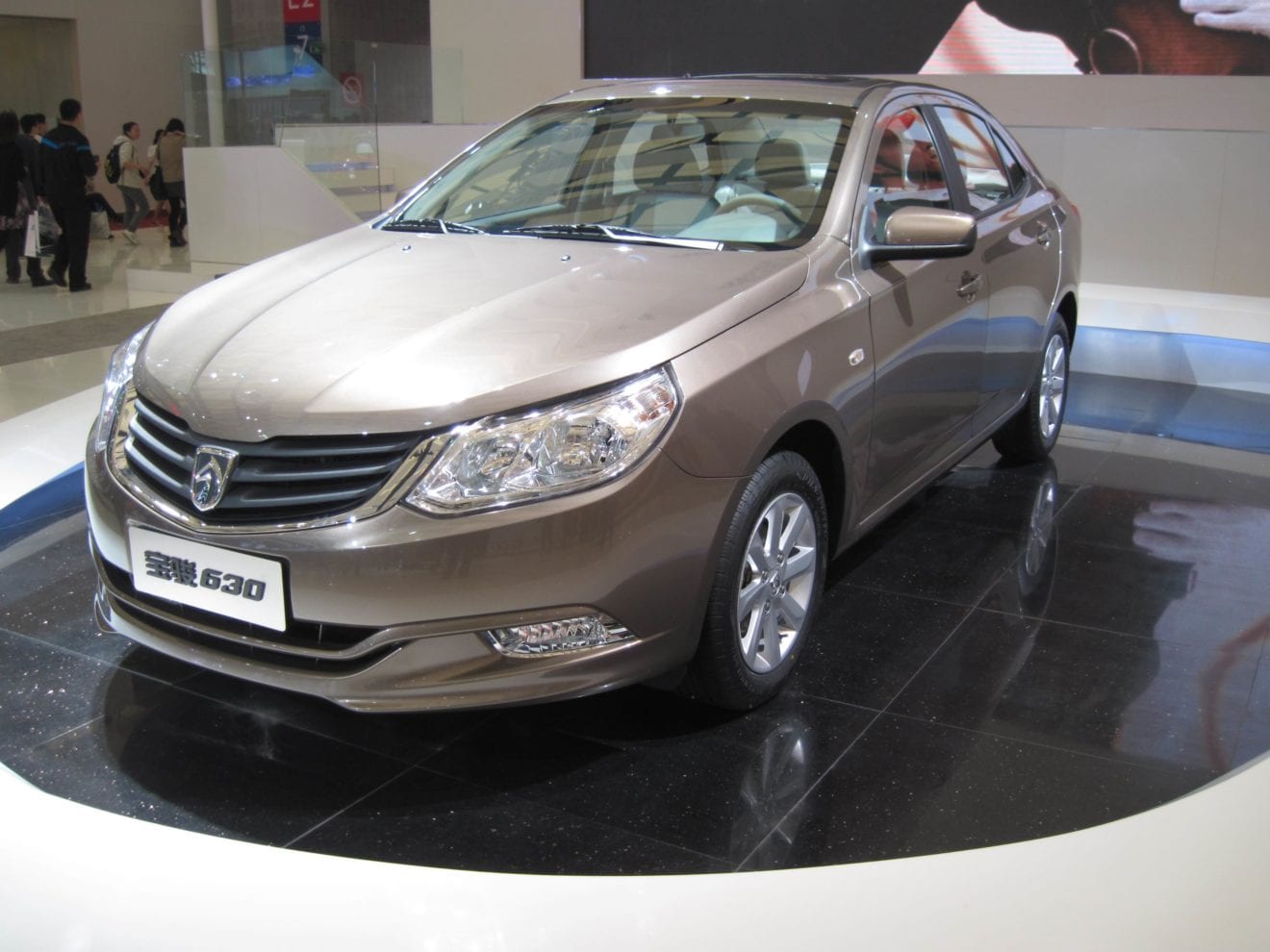
    Chinese-bases automotive company PT SAIC General Motor Wuling (SGMW) is preparing investment of US$700 million or around RP9.7 trillion to open up business in Indonesia.

    PT SGMW Motor Indonesia President Feiyun said the company is building its first factory in Indonesia. The factory is located in Greenland International Industrial Center, Cikarang, West Java, and is built on land of 600,000 square meters.

    “Besides factory, the company will also build supplier park,” said Xu Feiyun on Thursday, January 28, 2016.

    The factory is scheduled to begin the operation in 2017 and will become production basis to expand the company’s business to ASEAN countries. The first product that will be launched is multi-purposes vehicle (MPV). “We are optimistic that the people of Indonesian can accept our products,” said Feiyun.

    The factory is also planned to produce 150,000 vehicles per year so that Indonesia will become the main export basis of Wuling vehicles in Southeast Asia. Through this project, SGMW is expected to create 3,000 job fields.

    PT SGMW Motor Indonesia is a part of global expansion of SAIC, General Motors and Wuling Automobile in China. “We will utilize capital, technology and system from stakeholders, SAIC, General Motors and Wuling to give the best services,” said Xu Feiyun.

  • China retail consumption to jump 50%

    China retail consumption to jump 50%

    China’s total retail consumption will jump 50 per cent to $6.5 trillion by 2020, with online transactions accounting for half of that growth, according to new research.

    Seventy per cent of those e-tail purchases will be conducted via mobile devices. Over that same five-year period, cross-border eCommerce will have grown so high – to $152.1 billion – that it will represent one-third of the country’s total foreign trade.

    So say think tanks and research firms watching the world’s second-largest economy as it transitions from its former manufacturing base to one driven by consumption. The predictions were issued by Alibaba Research Institute, the research arm of Chinese eCommerce giant Alibaba Group, as part of its inaugural “Think Tank Summit on the New Economy” held last weekend in Beijing.

    The new annual event brought together over 600 thought leaders to look at ahead at the next five years in Chinese commerce. A panel of judges surveyed research from the 40 participating organisations and picked “10 Forecasts for the New Economy,” which focused not only on the importance of eCommerce but also the impact the internet will have China’s manufacturing, logistics, rural economy and society.

    The use of data, culled from billions of transactions as Chinese consumers buy and sell goods and services online, will also play a key role.

    “China today is in the midst of transforming from an industrial-driven economy to a data-driven economy,” Gao Hongbing, dean of AliResearch and vice president of Alibaba Group, said in a statement.

    “These 10 forecasts are a small part of our observation and thinking, and we hope they can play a part in stimulating further deliberation on the society’s future development.”

    Bain & Company predicted that China’s online retail market would reach $1.52 trillion, accounting for 22 per cent of the country’s retail industry, with maternity and baby products being the strongest category and third-and fourth-tier cities driving a significant part of the growth. The Boston-based management consultancy also said that mobile Internet would make up 70 per cent of all online sales.

    Bain put the total figure for cross-border eCommerce in China at $152 billion, with AliResearch in a separate prediction saying it expects cross-border eCommerce to make up one-third of China’s foreign trade in five years. The China Center for International Economic Exchanges said “e-international trade” will change how trade overall is done and that it will account for account for 30 per cent to 40 per cent of total world trade by 2025.

    Boston Consulting Group estimated that China’s consumer market will climb $2.3 trillion, or 50 per cent, to $6.5 trillion by the close of the decade. Online will account for 42 per cent of that growth, the management consultancy said.

    The internet would also penetrate all rural areas of China, according to Zhejiang University’s China Academy for Rural Development. As a result, the Information Research Department of the State Information Center of China said the sharing economy will rise to full prominence given this full penetration of broadband coverage in China. The Institute of Information Society Studies said China would have a “soft law” system providing a framework for Internet governance by 2020 as well.

    The other predictions included one from the Information Society 50 Forum & Department of Sociology and Anthropology at Peking University, which said that data will digitise how consumers are assessed, say, in providing individual recommendations. The Information Society also noted that the vast reams of data collected as consumers buy and sell goods online will as a result erode some of their privacy.

    ZenCoo, meanwhile, predicted that social measurement and cognitive experiments will replace statistical sampling, revolutionising the fundamental theories of many disciplines including psychology, sociology, economics, and communications.

    And finally, according to the Data Center of China Internet, the 3D printing market will reach $15.2 billion, with households using them the most.

  • Jack Ma versus George Soros: who do you trust on China’s economy

    Jack Ma versus George Soros: who do you trust on China’s economy

    No one really trusts China’s official statistics. In the past ten days since the government announced the economy grew at the much-slower-but-still-solid pace of 6.9 per cent last year, a roll-up of economists and money managers have been putting forward their own best estimates for growth.

    Billionaire investor George Soros raised Beijing’s ire by claiming last week the current growth rate was probably around half the official figure at 3.5 per cent and said a hard landing was “unavoidable.”

    Other economists say growth is somewhere between four and six per cent, which leaves investors looking around for alternative measures of the economy.

    When it comes to a gauge for consumption, it’s hard to go past the profit result for China’s biggest e-commerce company, Alibaba, which now accounts for about 80 per cent of the online retail market.

    And there was much to cheer about in Alibaba’s better-than-expected third-quarter results, released on Thursday in the United States.

    Revenue jumped 32 per cent to 34.5 billion yuan ($7.4 billion) compared to the same period a year earlier, while profit more than doubled to 12.5 billion yuan, largely driven by consumers shopping on their mobile devices.

    Despite the strong result, there were some signs of China’s slowdown.

    The value of overall product sold across Alibaba’s retail platforms – the so-called gross merchandise revenue (GMV) — rose 23 per cent to 964 billion yuan, much slower than this time last year.

    Still, it’s a strong result and the smaller increase in GMV might be partly due to the company’s efforts to crackdown on the sale of counterfeit goods on its platforms.

    Alibaba said China’s growing middle-class was driving sales especially to younger people, who are more likely than their parents and grandparents to spend money rather than save.

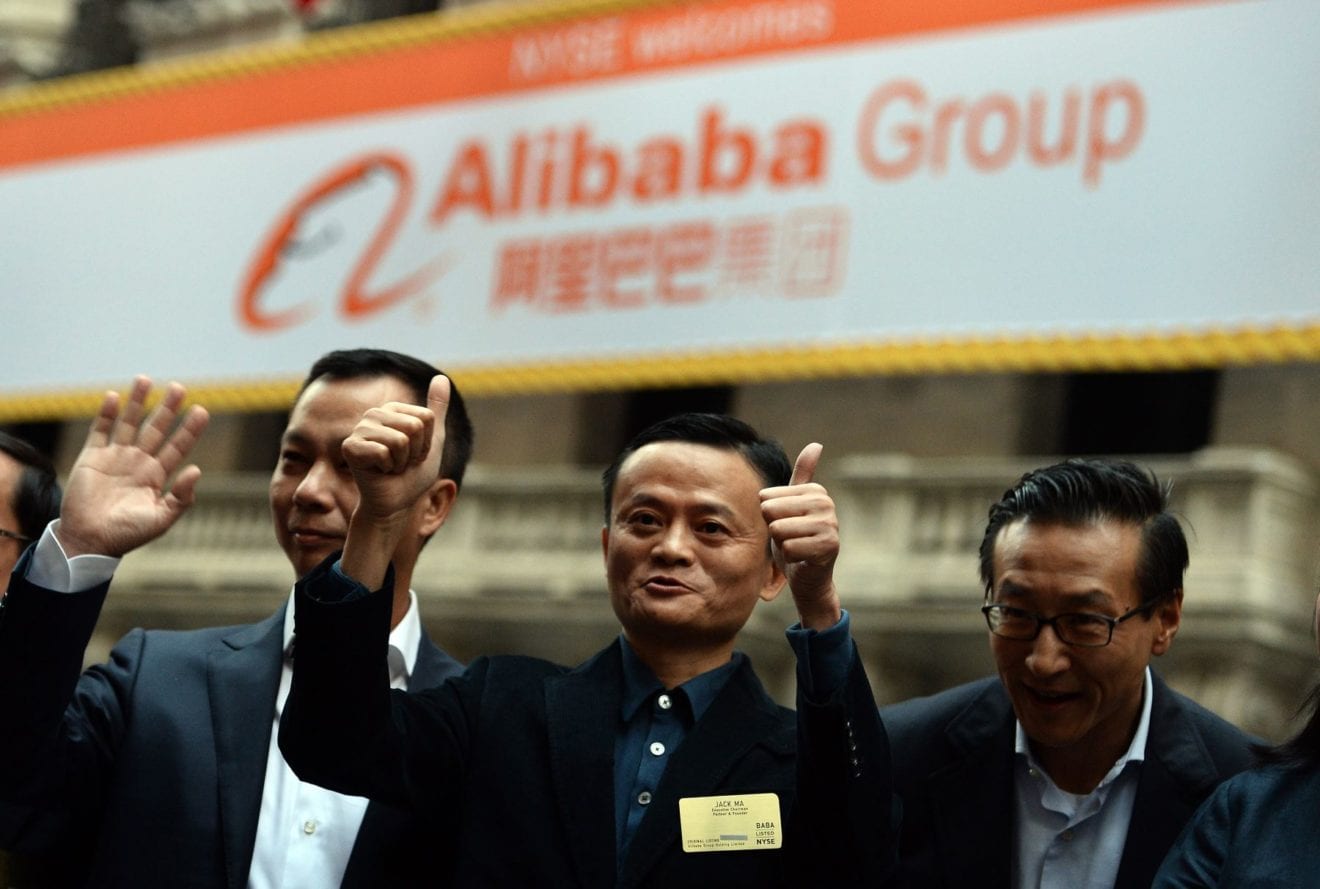
    Alibaba’s founder Jack Ma set up the company in his Hangzhou apartment, an hour’s train trip from Shanghai, in 1999. At the time, it was an online listings service, connecting Chinese manufacturers to potential customers. But four years later he launched Taobao, revolutionising China’s online retail market. He followed Taobao with Tmall, which allows global brands such as Nike and Gap to sell direct to consumers and the company listed on the New York Stock Exchange in 2014.

    More than 400 million people are now active buyers on Alibaba’s retail marketplaces.

    The company is also investing in financial services, video and media content and cloud-computing to diversify its earnings.

    Investors had been betting against Alibaba this year because of China’s economic woes, pushing its shares down 14 per cent before the result came out. Alibaba fell 3.8 per cent to $US66.92 in New York on Thursday.

  • Hang Lung Properties China woes hit developer’s 2015 earnings

    Hang Lung Properties China woes hit developer’s 2015 earnings

    China’s slowing economy has claimed another victim, as Hang Lung Properties reported on Thursday a 56% fall in 2015 net profit from a year ago.

    The property developer said its net income declined to 5.09 billion Hong Kong dollars ($653 million) for the financial year ended on Dec. 31. Total revenue shrank by 47% to HK$8.94 billion from a year ago. Property sales in Hong Kong fell 88% to HK$1.2 billion.

    Over the year, only 63 apartments and a few car parks were sold — a dramatic downturn from 2014’s sales of 412 residential units that generated a turnover of HK$9.81 billion.

    Although the company’s rental income from commercial properties in both Hong Kong and the mainland rose by 7%, total operating profit of its mainland China portfolio — comprising eight shopping malls and three office towers — dipped 3% year-on-year to HK$2.72 billion. Overall rental margin fell by 7 percentage points to 65%.

    “The [property] market in mainland China is in the doldrums, if not deteriorating,” said Hang Lung Chairman Ronnie Chan. He said that turnover in the second half of the year typically outperformed the first half, but that was not the case in 2015. “I can’t see how it is going to improve in the short run,” said Chan.

    Such distress was most palpably felt in cities outside of Shanghai. Occupancy rates in Hang Lung’s malls in Shenyang and Wuxi fell 87% and 72% respectively, while retail sales, excluding autos, dropped 3%.

    “If the market is not there, we may have no choice but to lower rent,” said Chan, adding that negative rent reversion is a pressure.

    Hang Lung’s commercial and office complexes are built for the high-end, premium market. But China’s slowing economic growth is eroding sentiment and demand for luxury goods in Hong Kong. International brands are worried about opening in China and Hong Kong.

    Hang Lung said the weakness in retail supply, rental growth and high-end spending will continue in 2016. But Chan said the company had no plans to refashion its establishments for the mid-market, or to suspend construction projects in China, given their still bullish outlook for China in the long run.

    “It is the only country that can maintain a higher-than-6% GDP growth in the next few years,” said Chan.

    In line with its lackluster annual results, dividend payout for the year will be slightly trimmed to HK$0.75 per share. “The cut is less about maintaining cashflow, but a reflection of our bearish outlook on the [property] market strained by China’s slowing economy. I don’t have a clue when spring will return,” said Chan, adding that the company is still holding plenty of cash at around HK$31.3 billion.

    Hang Lung’s shares have shed 17.8% to HK$21.25 year-to-date. Citibank analysts see no upside for the stock.