Tag: China

  • 100th store for Toys R Us China

    100th store for Toys R Us China

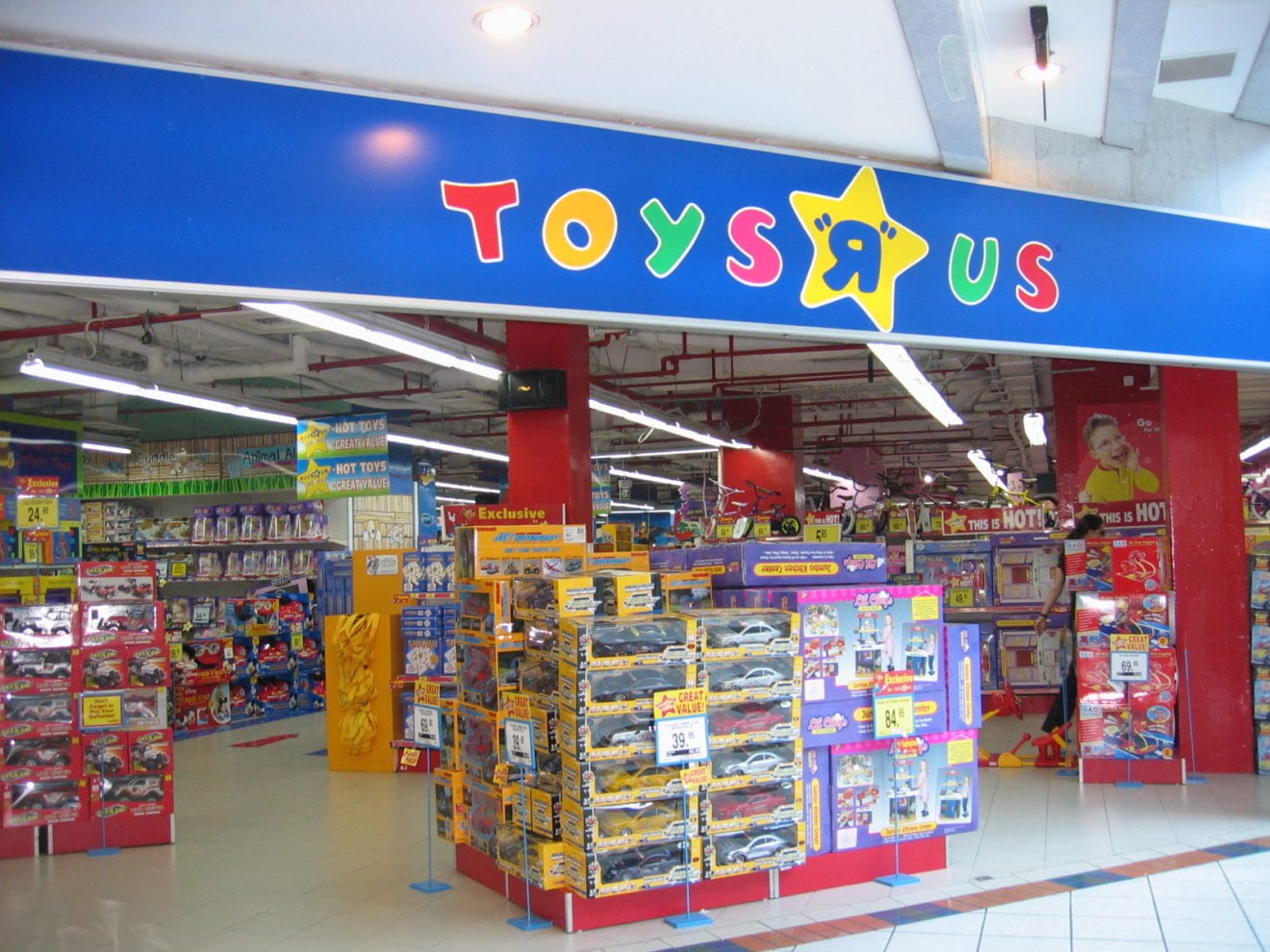
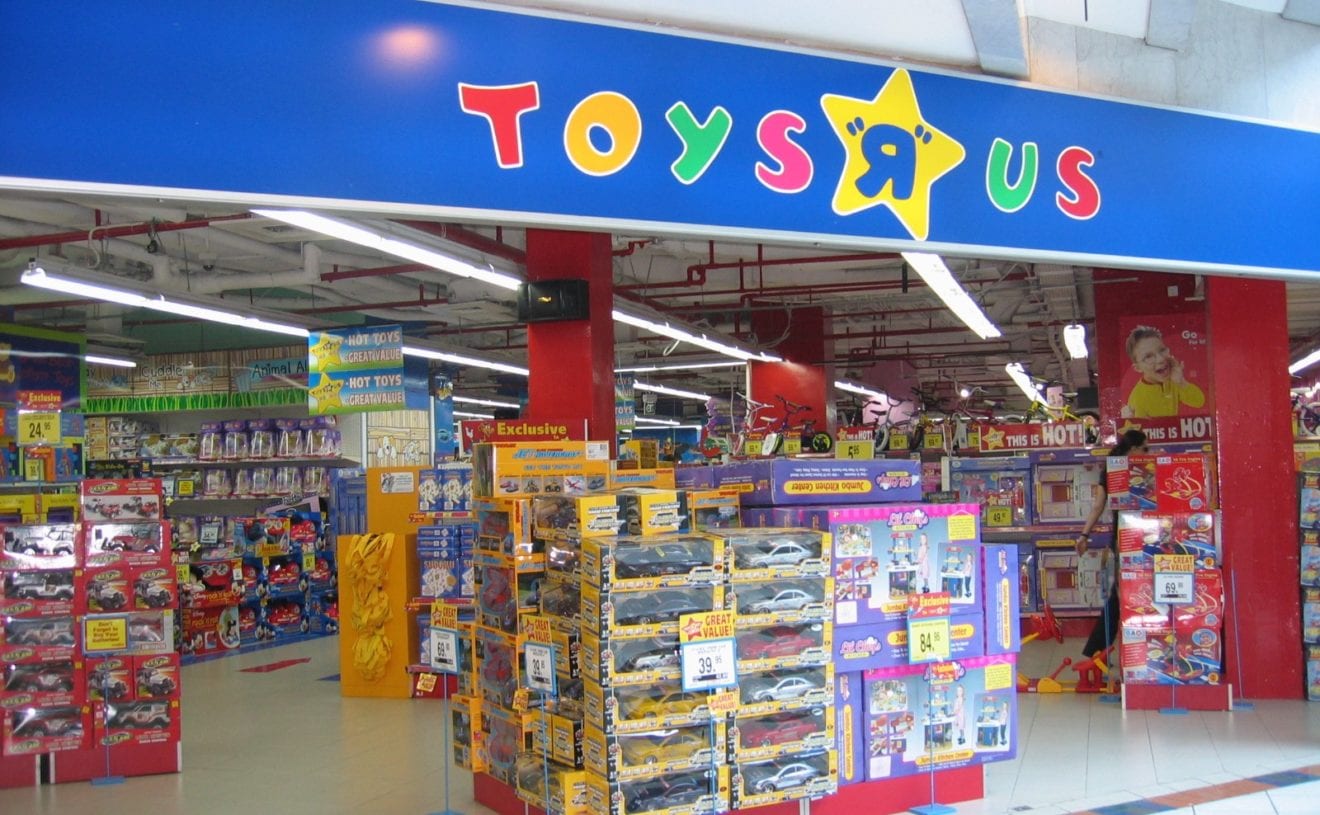
    Toy and baby products retailer Toys R Us has opened its 100th store in China.

    Ten years after entering the market, the US-based chain has its milestone outlet in the APM Shopping Mall in Wang Fu Jing, Beijing.

    During the past year, Toys R Us China has opened 27 stores across the nation.

    “International expansion, particularly throughout China and Southeast Asia, continues to be an important part of our long-term growth strategy,” says chairman/CEO Dave Brandon, who was at the Beijing opening ceremony. He notes an increasing demand in this market for quality children’s products and family entertainment experiences.

    Opening its first store in China in 2006, the company now has outlets in 44 cities, and plans to open another 30 stores this year.

    As part of the grand opening in Beijing, families were invited to meet such popular mascots as Balala Emma, Barbie, Geoffrey the Giraffe, Ninjago Kai and Ultraman. The store showcases the latest in “retailtainment”, digital technology and customer interaction. Customers can use a 70in. digital screen at the store entrance to browse through promotional items, make purchases, take “selfies” with special photo frames, play games and join the company’s Star Card loyalty program.

    Beijing’s store also features exclusive products not available elsewhere in the market, and throughout the APM mall are several new features sponsored by Toys R Us.

    Founded more than 65 years ago with headquarters in Wayne, New Jersey, Toys R Us formed a joint venture in 2011 with its licence partner in China and Southeast Asia, Fung Retailing. It took a 70 per cent interest in Fung Retailing’s stores in Brunei, China, Hong Kong, Malaysia, Singapore, Taiwan and Thailand.

    Toys R Us also has a T-mall Store in China, launching its eCommerce website in 2012. It also has a mobile-optimised website in China. Toys R Us has 1 million WeChat followers, with 80 per cent of them joining the Star Card membership program.

    As well as 863 outlets in the US and Puerto Rico, the company has more than 755 international stores and more than 250 licensed stores in 38 countries. In Asia, there are more than 400 stores in Brunei, Hong Kong, Japan, Malaysia, Singapore, Thailand, Taiwan as well as mainland China. There are also licensed stores in Korea, Macau and The Philippines.

  • Chengdu IFS challenge to Hong Kong

    Chengdu IFS challenge to Hong Kong

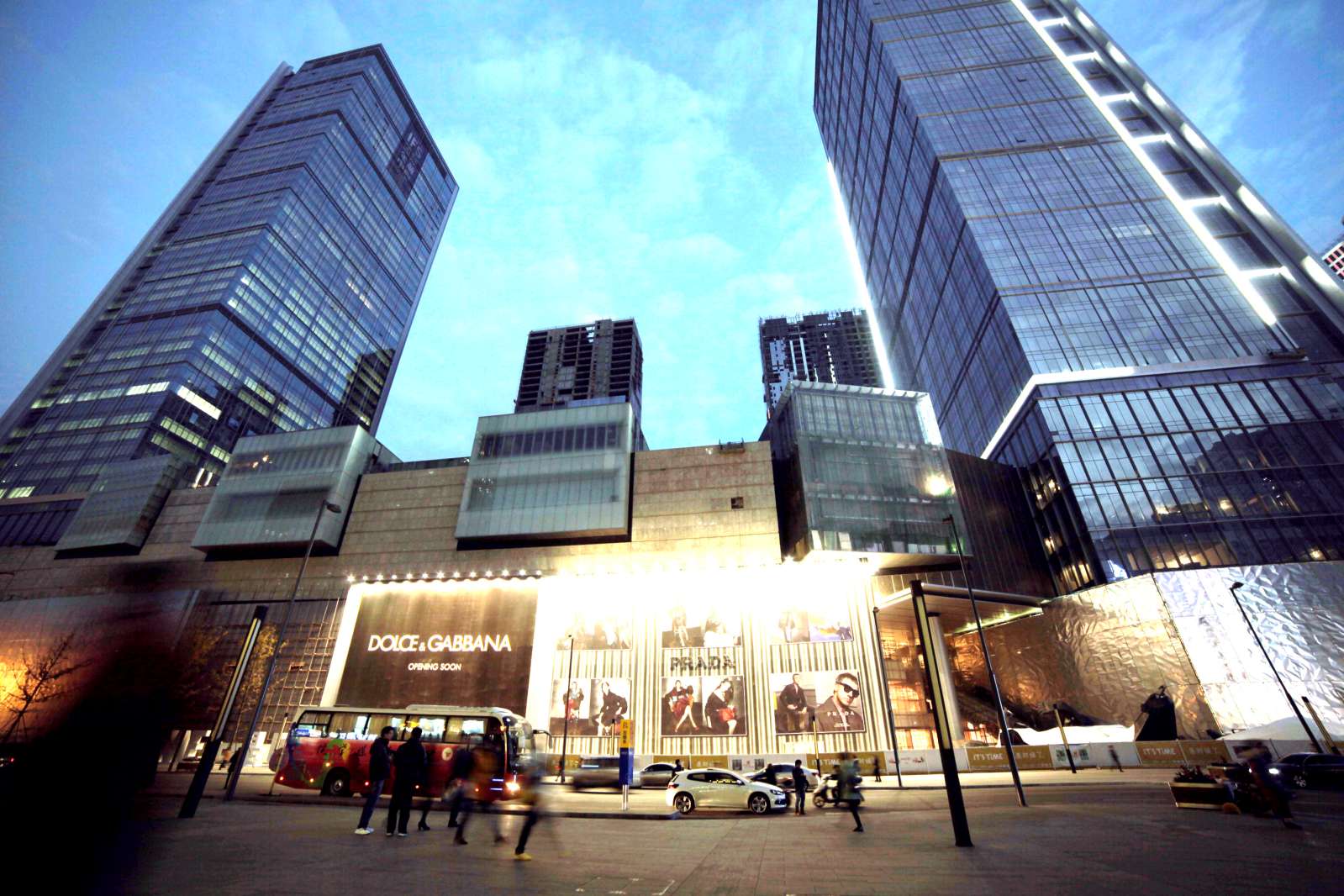
    To mark its second anniversary, Chengdu IFS has launched the “All In Here – World Fashion Tour” to introduce the south-west China city’s latest initiative to be part of the global fashion scene – and a direct challenge to Hong Kong’s Harbour City on Canton Rd.

    A key event of the Jinjiang Shopping Festival, the tour was organised by the Chengdu municipal government and Jinjiang district government in a move toward transforming the city into an international travel and shopping destination. It has been supported by trade representatives from France, Italy and Switzerland as well as Elle magazine.

    Chengdu IFS opened in 2014, and with its architecture, brand collections and international-standard management has become a landmark in the city. As the first major world-class, high-end mixed development in urban Chengdu, it brings together about 300 top brands, 90 of which are new to the region. Multi-level flagship stores featuring international brands line Hongxing Road as part of the 530 metre. ‘International Fashion Walk’”.

    Chengdu’s city fathers announced an action plan in July to build Chengdu into an international shoppers’ paradise as a key element of its development as a new first-tier city. Officiating at the launch ceremony of the “All In Here – World Fashion Tour” were Chengu Business Committee deputy-director Wen Feng, Jinjiang district deputy-head Wu Wenhui, Wharf Holdings vice-chairman Doreen Lee Yuk Fong and Wharf China Estates GM Christina Hau.

    Speakers also included Italy’s consul-general Sergio Maffettone, France’s consul-general Olivier Vaysset, Milan’s general director of creative programs Alessandro Pollio Salimbeni, Swiss Chinese Chamber of Commerce GM Rolf Studer, and Elle China publisher Chris Hu.

    Taking on a carnival atmosphere, the opening brought together art, fashion, tradition and style with performances including a mid-air fashion show, a parade of orchestral musicians and a VIP gala dinner at the Niccolo by Marco Polo. Guests at the dinner were surprised when Hong Kong artiste Carina Lau wore her own Anirac creations to present the brand’s first-ever catwalk show.

    Since its “I Am Here” promotion in 2014, Chengdu IFS has increased its turnover and traffic flow by 50 per cent. The number of VIP members doubles last year, with sales up 50 per cent. As the first of five IFS projects in which Wharf Holdings has invested RMB 46 billion (US$6.9 billion), Chengdu IFS has set a solid foundation for the development of Chongqing IFS, scheduled to open next year as a boutique version of Harbour City, and also Changsha IFS, which will be the largest of the group.

    Featuring panda sculptures as an external feature, Chengdu IFS has become a benchmark for urban fashion as well as a favourite spot for young people to meet.

  • China’s overseas luxury spending shifting to the web

    China’s overseas luxury spending shifting to the web

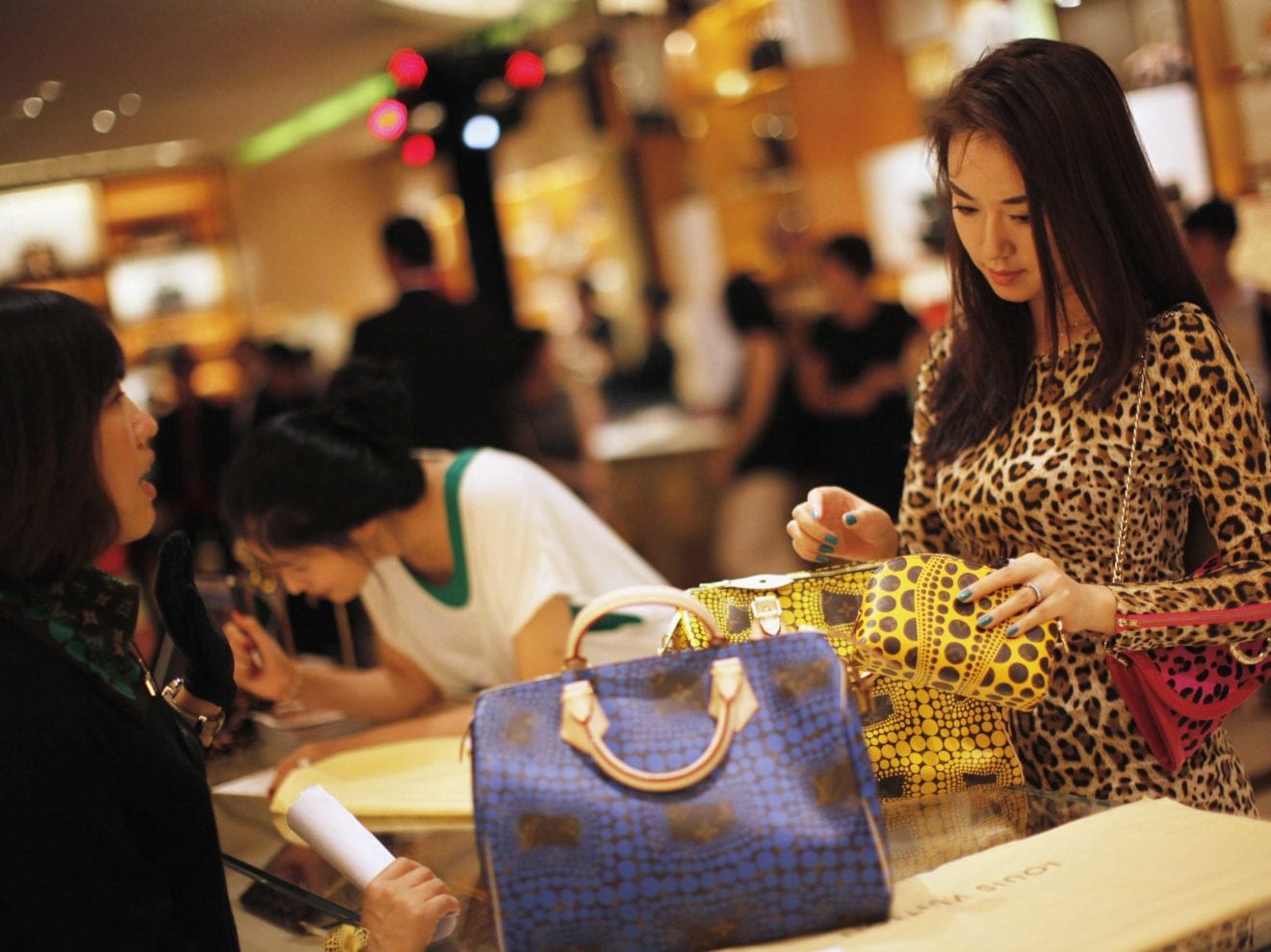
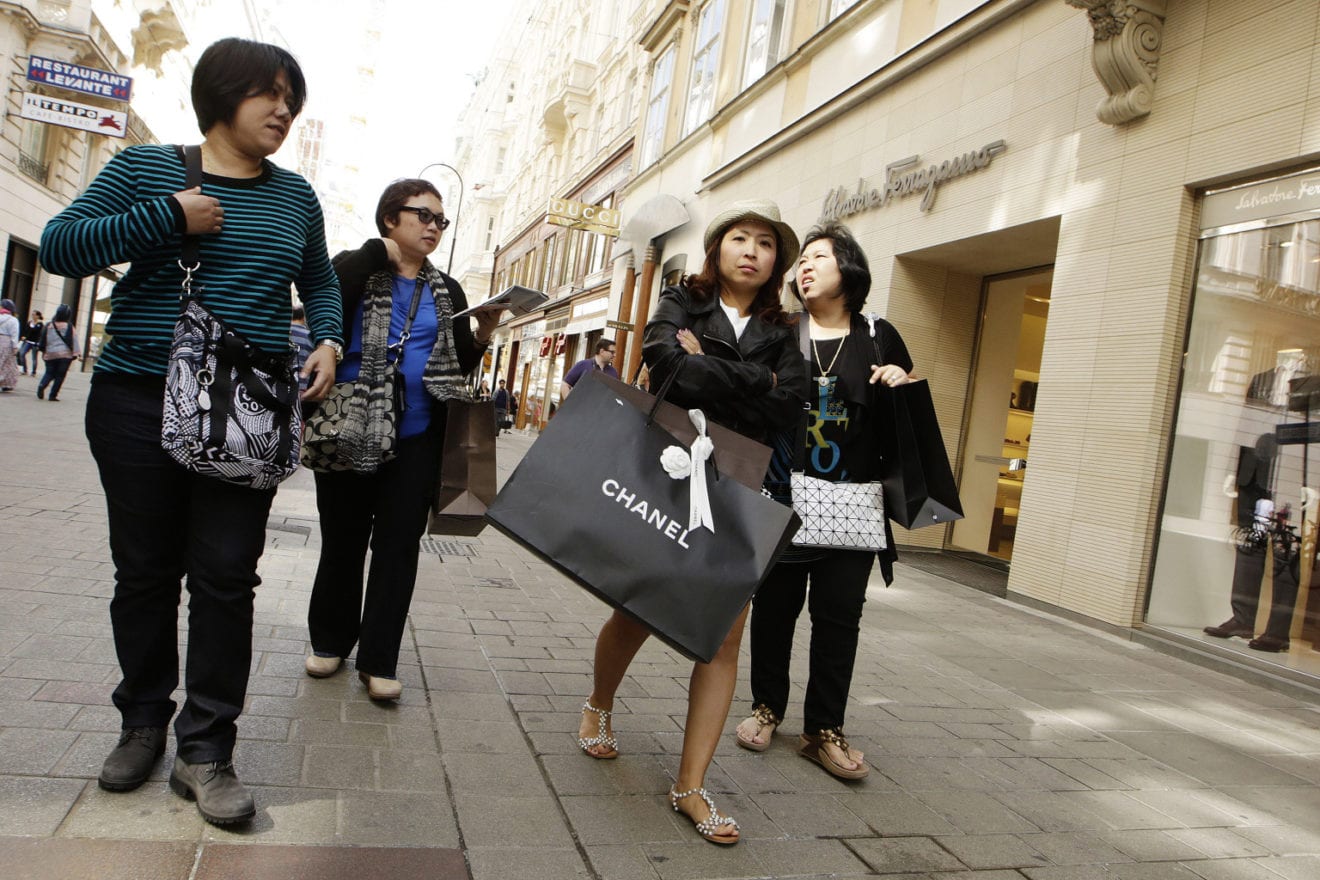
    Changes in spending on luxury goods by mainland Chinese consumers might dictate a revamp in how luxury retailers do business in that market. More shoppers than ever are buying overseas because items are more expensive in China, according to Bain’s 2015 China Luxury Market Study.

    Overall luxury spending by Chinese consumers in 2015 fell 2% to 113 billion yuan ($17.2 billion), driven by falling sales of watches, men’s wear and leather goods. Overseas luxury purchases grew 10%, especially in Japan, where their spending increased more than 200%, but also in South Korea, Europe and Australia, thanks to favorable exchange rates and competitive pricing. Meanwhile, luxury spending of mainland Chinese in Hong Kong and Macau fell 25%.

    Because of crackdowns by the Chinese government designed to tighten imports and bring spending back, including new rules discouraging the use of personal shoppers, or “Daigou” who make duty-free purchases overseas for their Chinese customers, more Chinese are buying their luxury goods via websites and mobile sites instead. “Buying overseas has been a trend for years, but destinations have changed,” Bain partner and report author Bruno Lannes said in a statement.

    In 2014 and 2015, brands with strong fashion heritage and track record of original designs did better in the Chinese market. And, while transitions in China’s economy are causing some turmoil in markets and worry among investors, the general environment for luxury retailers will remain more or less the same—though the still-rising middle class will continue to become more sophisticated about luxury brands, Bain says. Global pricing will become more important, the report notes.

    Luxury brands should strengthen digital platform building and digital content creation, with an emphasis on localization to reflect local market preferences, Bain says. Nearly 80% of survey respondents said they get their luxury brand information from the internet or apps, and 60% said social media sites Weibo and WeChat are their source for that information. That’s why brands on average spend 35%—and growing—of their marketing budget on digital.

    Luxury brands must also emphasize youth and fashion to turn the heads of the next generation of luxury customers in China, Bain said. This year and forward, there will be even more of a focus on “exclusivity” in product design and store footprint, according to the report.

    Some changes are already underway. Luxury retailers in China, for example, have begun streamlining their approach to brick-and-mortar in the country, with a greater focus on fewer, larger and better located stores. Many brands have realized the need to regain a sense of exclusivity, which was marred by too many stores, according to the report.

    “Despite persistent macro, economic and industry challenges in China, all hope is not lost for luxury brands,” said Lannes. “There are plenty of growth opportunities for those with more exclusive and fashion collections, digital platform engagement and digital content creation, as well as with pricing that encourages Chinese consumers to spend locally.”

  • Vegetables prices increases threefold in China

    Vegetables prices increases threefold in China

    Severe cold weather affecting in Southern China throughout the weekend as residents are racing to stock up on the essential foods and vegetables so they’ll have the capacity to stay at home in the following couple of days, causing some chaos to local authorities. Pictures from stores across the nation appeared in social media that shows big crowd and empty shelves.

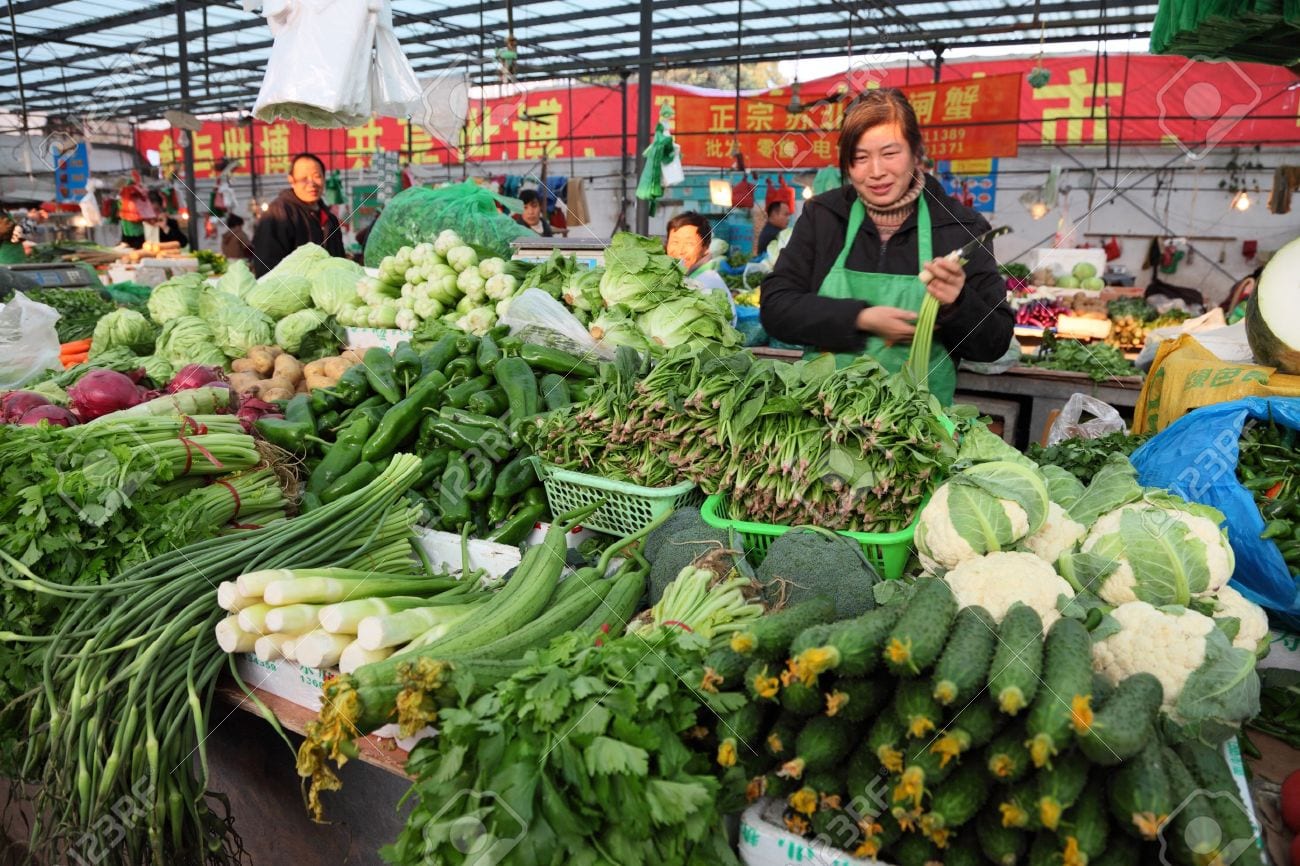
    Ahead of snowmageddon, the price of essentials tripled at supermarket stores.  In some part of the country the cost of pork has surged from 14 yuan for each 600 grams to 19 yuan, while the costs of vegetables have tripled from 5 yuan for every 500 grams to 15 yuan.

    The Local Authorities called residents to relax and stop hoarding. But to little benefit with the coming days forecasted to be the coldest winter in 35 years with the temperature in Shanghai’s urban territories will plunged to minus 7 while it could get as low as less 10 in rural regions.

    The National Meteorological Center forecasts that temperatures will soon dive by as much as 13 degrees across the nation. Even Hainan isn’t getting away from this cool wave with temperatures anticipated that would go down to a comfortable 13 degrees.

    As of now, the frosty climate is bringing about a few issues in Shanghai where two water channels have braked and many long- distance transports have been canceled. Shanghai occupants are reminded to store some water in basins and wrap up outside water channels with fabric.

  • China’s LeEco to enter Indian market with flagship Le Max and Le 1s smartphones

    China’s LeEco to enter Indian market with flagship Le Max and Le 1s smartphones

    LeEco, the Chinese entertainment giant formerly known as Letv, is bidding to become a top brand in India’s fast-growing smartphone market with the release of two handsets next month through leading online retail partner Flipkart.

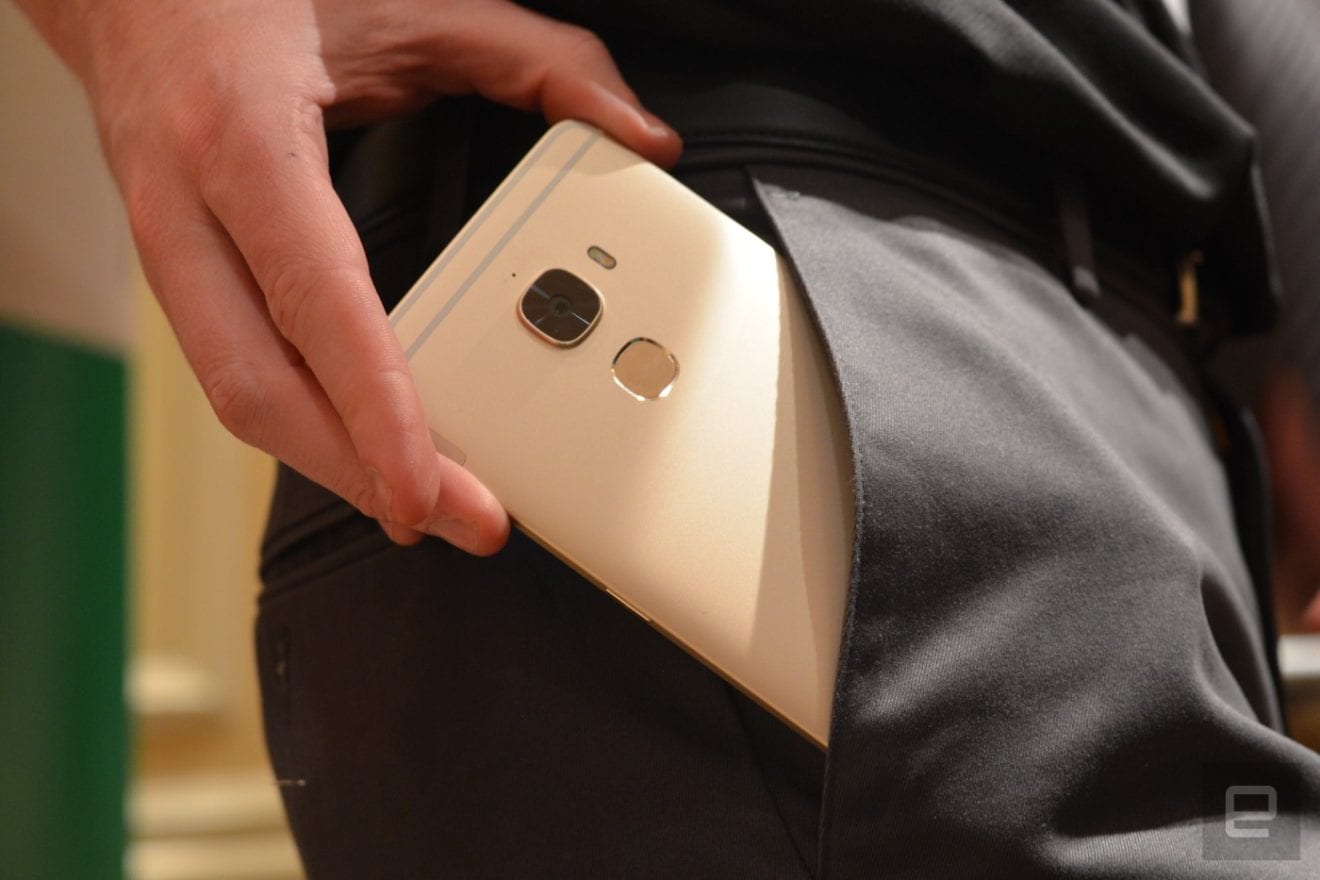
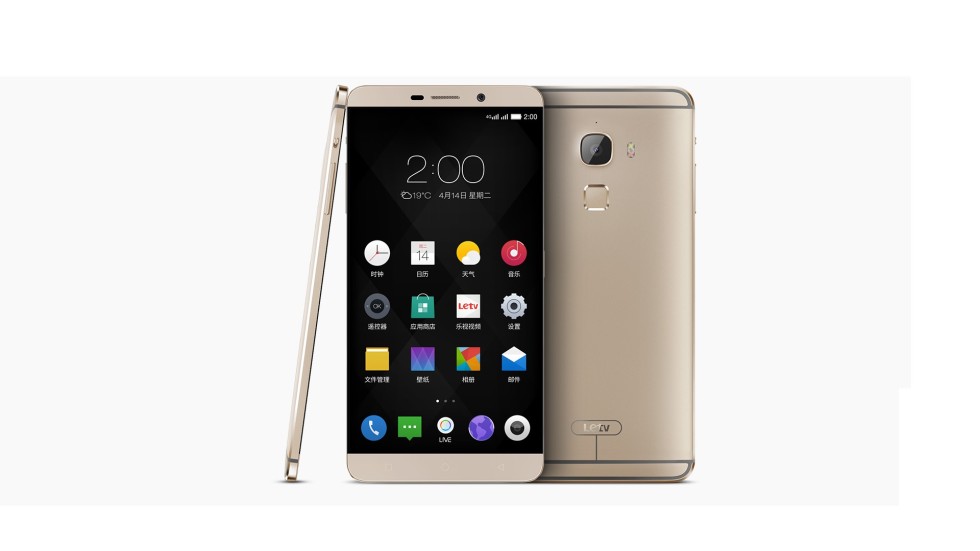
    Its 6.3-inch flagship Le Max will go on sale on February 16, two weeks after the 5.5-inch mid-range Le 1s becomes available to whet consumers’ appetites. LeEco said that due to limited supply it will initially provide just 60,000 units of the Le 1s. Both will only be available online.

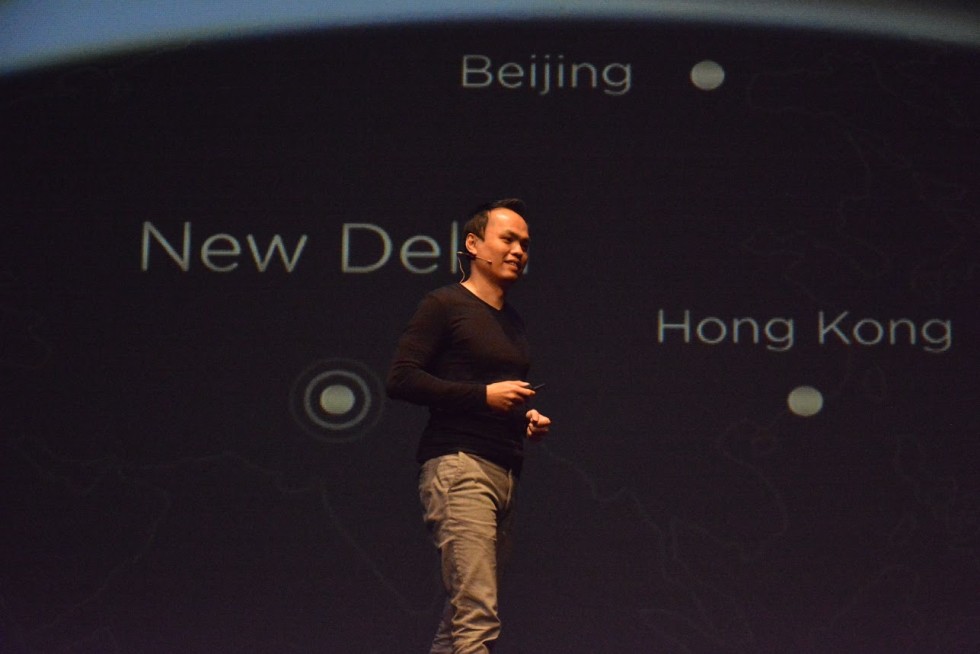
    “India is our new destination, our top priority and new home to all our smart products,” said Mok Tsui-tin, chief executive for LeEco Asia-Pacific, at a launch event in Gurgaon in Haryana state earlier this week.

    Addressing a crowd of about 1,000 in the city, located just south of New Delhi, Mok said India has the largest young population in the world, which will drive the switch from traditional feature phones to smartphones.

    Atul Jain, chief operating officer of smart electronics business for LeEco India, presented the two handsets to the enthusiastic crowd.

    Jain is a former senior vice president at Samsung Electronics’ South West Asia regional headquarters.

    Both phones will be sold exclusively at leading online retailer Flipkart, which it claimed to be the largest online retailer in India.

    “Every one in five smartphones sold in India today is from Flipkart,” said Ankit Nagori, chief business officer of Flipkart.

    LeEco announced deals with Eros International, a major Indian film production and distribution company that posted annual revenue of more than US$230 million in 2014, to run its content on LeEco’s website.

    It also partnered with US-based streaming content provider YuppTV, which mainly provides local Indian content.

    LeEco said content from both companies would be available during the second quarter of 2016.

    Le Max and Le 1s were both released in China in 2015. LeEco said it sells smartphones at prices below cost, a tactic to attract more subscribers to its streaming service.

    The retail prices in India are close to those in China. The Le Max will cost 32,999 rupees (US$485) for a model with 64GB memory and 35,999 rupess for the 128GB version. The Le 1s will retail for 10,999 rupees.

    The company will also build a research centre in Bangalore, India’s technology centre, later this year. Mok said LeEco plans to recruit around 1,000 local staff to support the localization of LeEco’s product.

    “As our businesses and operations are landing in the country, [this] will require a large number of talented staff,” said Mok.

    LeEco will also bring its smart television to India this year along with a wide array of products such as a virtual reality headset, smart bicycle and other accessories , according to its spokesperson.

    LeEco is one of many Chinese smartphone makers entering the emerging South Asian market and is likely to face competition with its peers. China’s computer maker Lenovo and popular smartphone maker Xiaomi are already top brands in India.

    According to Flipkart, Motorola’s Moto G is the most popular smartphone on the shopping site. The brand is owned by China’s Lenovo Group. Xiaomi’s Redmi Prime and Lenovo brand’s K3 note occupy second and third place.

    LeEco runs a major streaming website in China and also sells smartphones and TVs. It earned nearly 4 billion yuan (US$607.7 million) in the third quarter of 2015, representing more than 100 per cent growth from the same period last year.

    The company announced this month another partnership with electric car start-up Faraday Future, which is building a US$10 billion factory in the US, its home market.

  • Where Chinese tourists are spending their shopping dollar

    Where Chinese tourists are spending their shopping dollar

    Mainland China has become one of the main global suppliers of tourists, and that has been paying dividends for retailers globally.

    But as the Chinese are roaming further afield, Hong Kong and Macau retails have seen their sales dropping.

    A fresh analysis from international market research company GFK shows China had 109 million outbound tourists last year… and they spent US$229 billion in retail stores. These statistics consolidate China as one of the main global sources of tourists, both in terms of number of trips and money spent while travelling internationally.

    “At the same time, there have been profound changes in the behaviour of the typical Chinese traveller, with millennials firmly established as the core drivers of spending,” says GFK.

    Because of its cultural similarity, accessibility and lower travel costs, Hong Hong was the preferred destination for Chinese tourists up until 2013. Shopping was a big motivation for visiting. However, since 2014, says the report, more Chinese tourists have been opting for other destinations offering historical and cultural experiences – as well as shopping.

    Air travel and accommodation statistics show that at the start of November, the top five favourite destinations for Chinese travellers were South Korea (visits up 112 per cent since 2011), Thailand (up 263 per cent), Japan (up 157 per cent) and Taiwan (up 54 per cent. Surprisingly, given its loss of retail sales, Hong Kong had 37 per cent more Chinese visitors. This is explained by the new emerging middle class – consumers who do not have enough disposable income to travel further abroad, nor to spend on high-end purchases.

    Europe is the most popular destination outside Asia for Chinese tourists, with 97 per cent more visits in the past four years. This is followed by North America (up 151 per cent) and the Middle East (up 177 per cent).

    “China’s tourists remain strategic to Hong Kong and its businesses, as other destinations are jumping ahead in winning their favour,” says GFK global head of travel and hospitality Laurens van den Oever.

  • Alibaba Lunar New Year retail blitz planned

    Alibaba Lunar New Year retail blitz planned

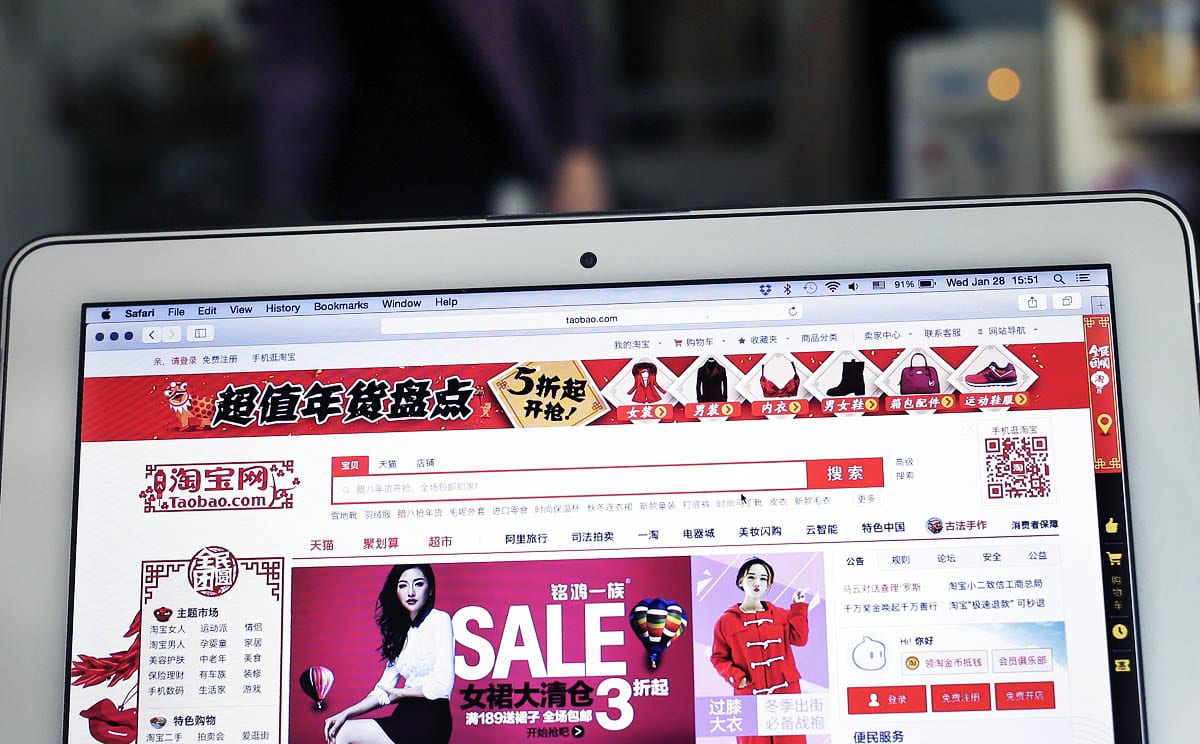
    Alibaba plans to piggyback on the biggest celebration on the Chinese calendar – Lunar New Year – in the hopes of establishing another e-shopping tradition.

    Set to start in mid-January in the run-up to Chinese New Year, which falls on February 8 this year, theAlibaba Lunar New Year blitz – dubbed Ali Chinese New Year Shopping Festival – will have a different (and arguably less feverish) feel to it compared with the sprawling and competitive 11.11 sale, according to Alibaba.

    The company says its goal for the event is to use eCommerce to encourage two-way trade between China’s urban and rural areas, featuring discounted holiday products for the home, gifts, clothing and particularly food and agricultural products, in keeping with the spirit of a time when family members come together once a year for a celebratory feast.

    “Chinese New Year is the most significant celebration through the year and is a time to maintain traditions,” said Alibaba Group CEO Daniel Zhang at a recent kick-off event.

    By hosting the sale, “we aim to enable rural customers to access an extensive range of New Year goods from home and abroad, while making agriculture products from rural China more available among urban customers.”

    To that end, the event will be promoted heavily by Rural Taobao, an arm of Alibaba Group which focuses on rural eCommerce, as well as main Alibaba shopping marketplaces Taobao Marketplace,Tmall.com and Juhuasuan. During the sale, Alibaba will for the first time bring more than 500 premium overseas brands to China’s hinterlands via Rural Taobao, which facilitates online shopping and home delivery through more than 10,000 rural service centers in villages across China. Rural customers in some villages will be able to buy foods from 25 countries, including American crawfish, Alaska black cod, Russian king crab, Canadian lobster, Australian beefsteak, French wine and British tea.

    Meanwhile, Alibaba’s cross-border shopping channel, Tmall Global, will work with eight country pavilions (online shops offering national specialty products) and eight major supermarkets, department stores and duty-free shops to provide quality goods from around the world. International retailers including Macy’s, Costco, Metro and King Power will join the promotion.

    Alibaba Group executive chairman Jack Ma said the festival is geared not only to offer rural Chinese a chance to buy merchandise that is unavailable in their local shops. It is also meant to boost regional economies by helping farmers generate more income by selling their produce directly to consumers over the Internet.

    “The 11.11 Shopping Festival is designed for netizens,” Ma explained, “while the Chinese New Year Shopping Festival is created for farmers.”

    During the sale, Alibaba will promote local specialties from farmlands and pastures to urban online shoppers looking for healthy foods. Juhuasuan, Alibaba’s flash sales platform, has stored 150 tons of Jinhua ham, 100 tons of beef from Inner Mongolia, four million organic eggs, 10 million packs of Cantonese sausages, 50,000 kilograms of pork from the Dabie Mountains, and 30,000 grain-fed hens from Shuanglian in Hubei province.

    In addition to facilitating rural-urban commerce, Alibaba is using the sale to showcase innovations in O2O eCommerce and financial technology. For example, Rural Taobao developed a mobile app so that migrant workers unable to return home for the holiday can use their smartphones to purchase gifts for faraway parents and loved ones.

    Tmall Global recently partnered with the Tianjin Free-trade Zone to open a brick-and-mortar store near Beijing where customers can check out a wide range of products, from snacks to cosmetics, available from overseas merchants and order them by scanning QR codes using their phones. Built to facilitate cross-border eCommerce, the “Alibaba experience center” will offer special discounts during the CNY sale.

    Alibaba e-payments affiliate Alipay is again putting a high-tech spin on the Chinese New Year practice of giving red envelopes stuffed with cash to friends and family. Alipay this year is the exclusive partner of China’s Spring Festival Gala, an annual TV program hosted by CCTV that is watched by millions. During the show, viewers armed with the Alipay app will be able to receive virtual red packets distributed by Alipay and participating merchants. Alipay said it has landed more than 100 corporate sponsors, including taxi-hailing firm Didi and handset maker Huawei.

    Advance sales for the Ali Chinese New Year Shopping Festival are set to start January 14. The actual shopping festival will begin January 17 and will last for five days.

    Other Festival initiatives include:

    • Alibaba in cooperation with local governments has chartered trains to provide free transportation to migrant workers to return home for the holiday. The trains will run from Guangzhou to Guiyang and from Shanghai to Xi’an.
    • Alibaba will organize free Chinese opera performances in rural communities.
    • The company will provide assistance to 13,000 rural service center managers so they can host 10,000 New Year’s Eve dinners for the elderly, left-behind children and disabled people.
    • Taobao Marketplace is featuring “time-honored brands” that are widely recognized in China for their connection to Chinese New Year and staying power through generations. Mobile Taobao plans to launch related location-based services to help users find nearby stores carrying these brands.
    • Alitrip, Alibaba’s online travel service platform, has designed several tour routes along which tourists can experience folk customs such as floating lotus-shaped lanterns on rivers in the city of Lijiang in Yunnan Province.
  • Lewis Road Creamery eyes China as potential export market

    Lewis Road Creamery eyes China as potential export market

    Lewis Road Creamery will make a final decision this year whether to export fresh organic milk into China’s Shanghai.

    The premium dairy brand company is also planning to release a number of product extensions and has already moved beyond dairy products into baked goods.

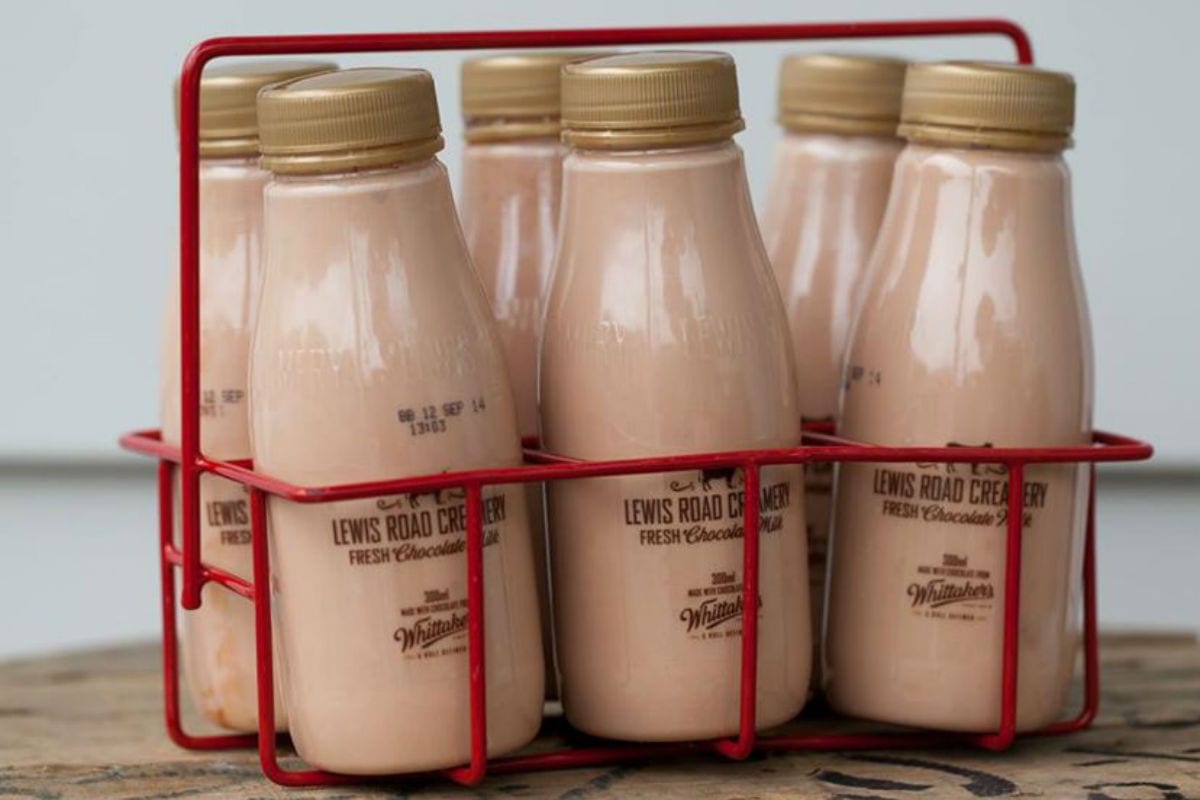
    Lewis Road had 340% growth in retail sales to $40 million of its butter, cream, organic milk, and flavoured milk products during 2015 – the year founder Peter Cullinane calls “the chocolate milk frenzy.”

    His big decisions this year include whether to get serious about exporting and how far to extend the product range beyond dairy. For the past couple of months the company has been trialling sales of Lewis Road Bakery premium kibbled grain bread in 12 Auckland retail outlets.

    Mr Cullinane says the company is exporting small amounts of butter to Australia and has been investigating a wider move, in particular fresh organic milk to Shanghai. Other markets under consideration include Australia, the UK, and the US, though he thinks the latter may be beyond the company’s current reach.

    One of the advantages of being a small operator under a majority owner is the company he founded in 2011 can make decisions more quickly than some of its larger rivals, Mr Cullinane says. “When we do [export], we will do it quickly.”

    But he thinks New Zealand companies are too focused on export, forgetting the local market.

    “We will export when we are doing New Zealand really well,” he says.

    The company’s phenomenal growth in chocolate milk sales, which on launch in 2014 saw queues in supermarkets and security guards overseeing allocation, has abated from 48% between the last quarter of 2014 and the first quarter of 2015 to more normal levels.

    “It was a once-in-a-blue-moon phenomenon,” he says. “But it was an extraordinary boost to the business.”

    Two million litres of chocolate milk were sold last year, with retail sales still a respectable $5.5 million in the fourth quarter of 2015. Discounted bottles have been spotted on sale of late, which Mr Cullinane attributes to an ordering glitch.

    Vanilla and coffee flavours were introduced when it extended flavoured milk into the South Island in October and he says other flavours will be added this year: think strawberry with real fruit.

    Other dairy brand extensions are planned in coming months, which Mr Cullinane prefers to keep under wraps for now but the cream range will have sour cream and crème fraiche added at some point.

    The company’s organic milk sales continue to grow despite increased competition, with Goodman Fielder releasing its own range of three premium organic milks under the Puhoi Valley brand last year and Fonterra launching Anchor Organic last May.

    At the time, Mr Cullinane labelled Goodman’s move “pathetic plagiarism” but has now mellowed to “all competition is good.”

    “The impact it will have is more a slowing down of growth,” he says. “It took us a long while to get well-established and others will struggle to catch up. We have a good head start.”

    Lewis Road holds half of the domestic organic dairy market, which has seen significant growth in the past two years, providing the bulk of increases in fresh milk sales.

    Problems with lack of supply during the dry season mid-2014 were avoided last year following the setting up of the Organic Dairy Hub farmer collective, which has long-term supply contracts at a premium price with the brand’s processor, Green Valley Dairies.

    Mr Cullinane says two key things he was mulling this year were “bringing the farmers market to the supermarket” with fresh premium products such as bread and honey, and meeting “customer demand for products that have more and better ingredients put back in.”

    He received a staff gift this Christmas – a bell that will sit on his desk. It’s an idea originating from the Guinness brewery company where staff ring the bell when things start going off track, he says.

    “Some products we will get wrong…that’s the price of experimentation, you just have to do it and hopefully nothing will be too wrong.”

    (BusinessDesk)

  • Mihaibao Brings Luxury Brands to China

    Mihaibao Brings Luxury Brands to China

    Luxury retail tech start-up Mihaibao is looking to disrupt how Chinese consumers shop for luxury goods and how Western brands reach Chinese markets. And investors are certainly taking notice.

    Although still in a beta testing phase, the company is making waves due in part to the big-name participants in its $1.6 million seed round. Investors at this stage include Alibaba angel investor and former CTO John Wu, the UK Government and Royal Family, PayPal and more.

    “Chinese people are obsessed with Western luxury goods,” said Mihaibao co-founder Jacqueline Lam. “But on international websites, Chinese customers are dealing with language barriers, multiple shipping fees, and foreign currencies and payments.”

    Mihaibao co-founder Jacqueline Lam.Mihaibao co-founder Jacqueline Lam.

    Furthermore, while Western brands are eager to tap the Chinese market, “many do not understand the Chinese culture, shopping behaviour and trends, making China a high-risk investment,” said Lam.

    While many luxury brands have launched bricks-and-mortar stores in China, the taxes and mark-ups are high and the ranges often limited. Many such stores have been forced to slash prices, according to Bloomberg, due in part to online competition. China also has a massive ‘grey market’ for luxury goods fuelled by shopping agents who make a living moving Western luxury goods into China and reselling them.

    All of this means that there is massive demand in China for luxury goods but no real simple or satisfactory way of connecting consumers with the brands they want. And that is what Lam and Mihaibao are trying to do.

    Mihaibao is essentially a tech company. It has partnered with more than 200 Western luxury brands — including the likes of Chanel, Dolce & Gabbana, Gucci, Jimmy Choo, Valentino and many more — which are featured on the Mihaibao website. Shoppers pick what they want from the website and Mihaibao calculates prices and shipping costs via live currency conversion and deals with any tax or customs issues, for a percentage of the sale.

    As a tech company, Mihaibao is also focusing on its data capabilities, which it’s using to analyse key trends in the Chinese market to help its brands bring the right products to Chinese consumers.

    “Not only can we tailor the Chinese shopper’s experience but we can also help brands target the people that have created demand for a particular product — we know how the Chinese shopper thinks,” Lam told CNN.

    Together with streamlining the shopping process for Chinese consumers, Mihaibao is also working to establish consumer trust with buying luxury Western goods online. Many consumers have trust issues with major marketplaces, like China’s Tmall, which often sell counterfeit luxury goods side-by-side with the real thing.

    Whether Mihaibao can bridge the gap between Western luxury brands and eager Chinese consumers remains to be seen. But this young start-up’s powerful backers are certainly making people sit up and take notice.

  • Sales lose sparkle for Luk Fook

    Sales lose sparkle for Luk Fook

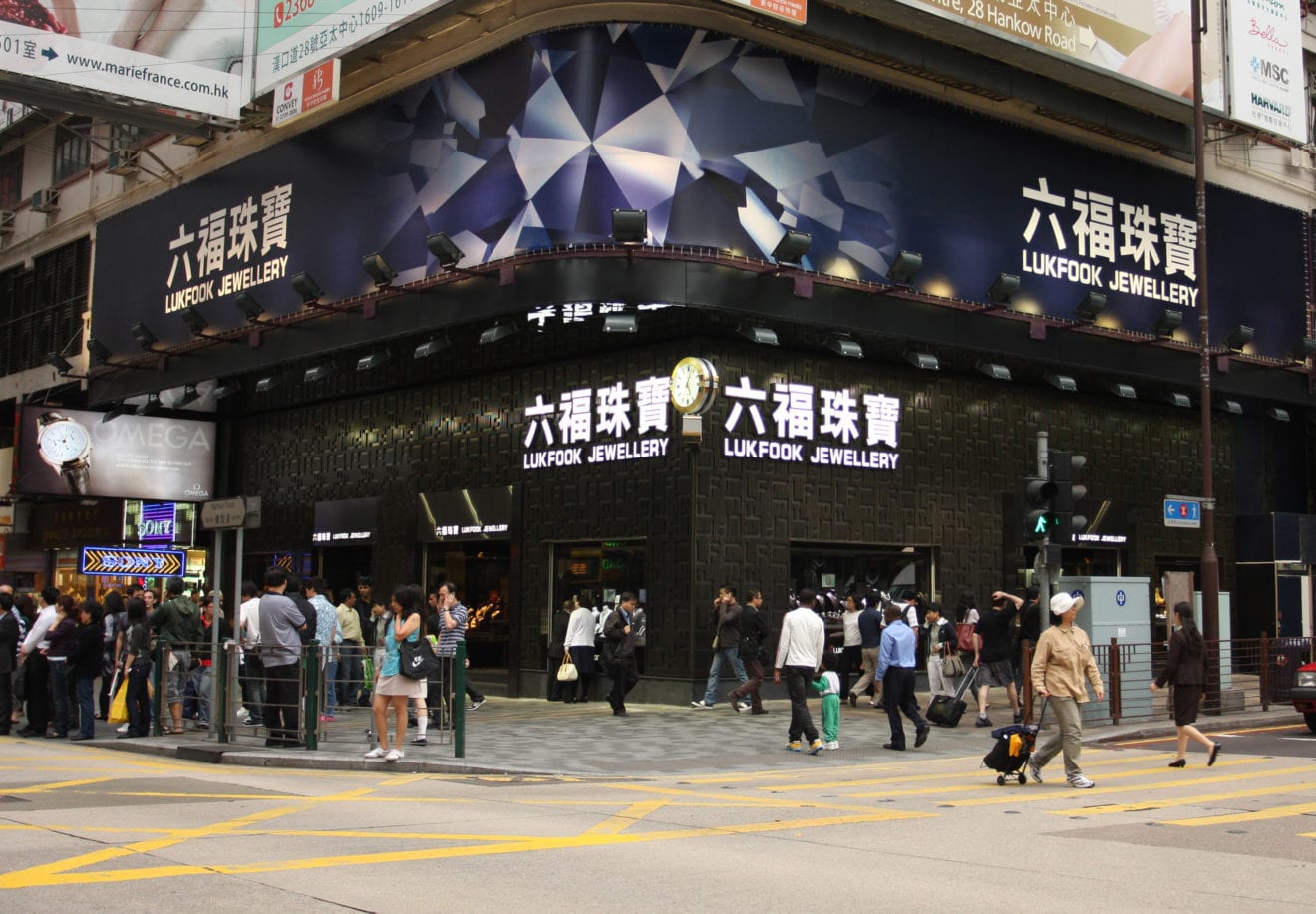
    In the face of a continuing sluggish market, Hong Kong-based Luk Fook Jewellery posted a 25 per cent drop in overall sales in the three months to December 31 against the previous two quarters.

    Its same-store sales growth (SSSG) for mainland China was down 10 per cent, despite its gemset jewellery products gaining 2 per cent grown. The SSSG of the Hong Kong and Macau market dropped 26 per cent.

    As at December 31, the group had 159 self-managed shops – 96 in China, 47 in Hong Kong, 10 in Macau and six overseas, one being established in Toronto, Canada, in the current quarter. There were 1260 licensed shops in China with one in Korea. Altogether, there were 1420 Luk Fook shops worldwide, including 1356 in China and outlets in Australia and the US.

  • Starbucks China plans massive expansion

    Starbucks China plans massive expansion

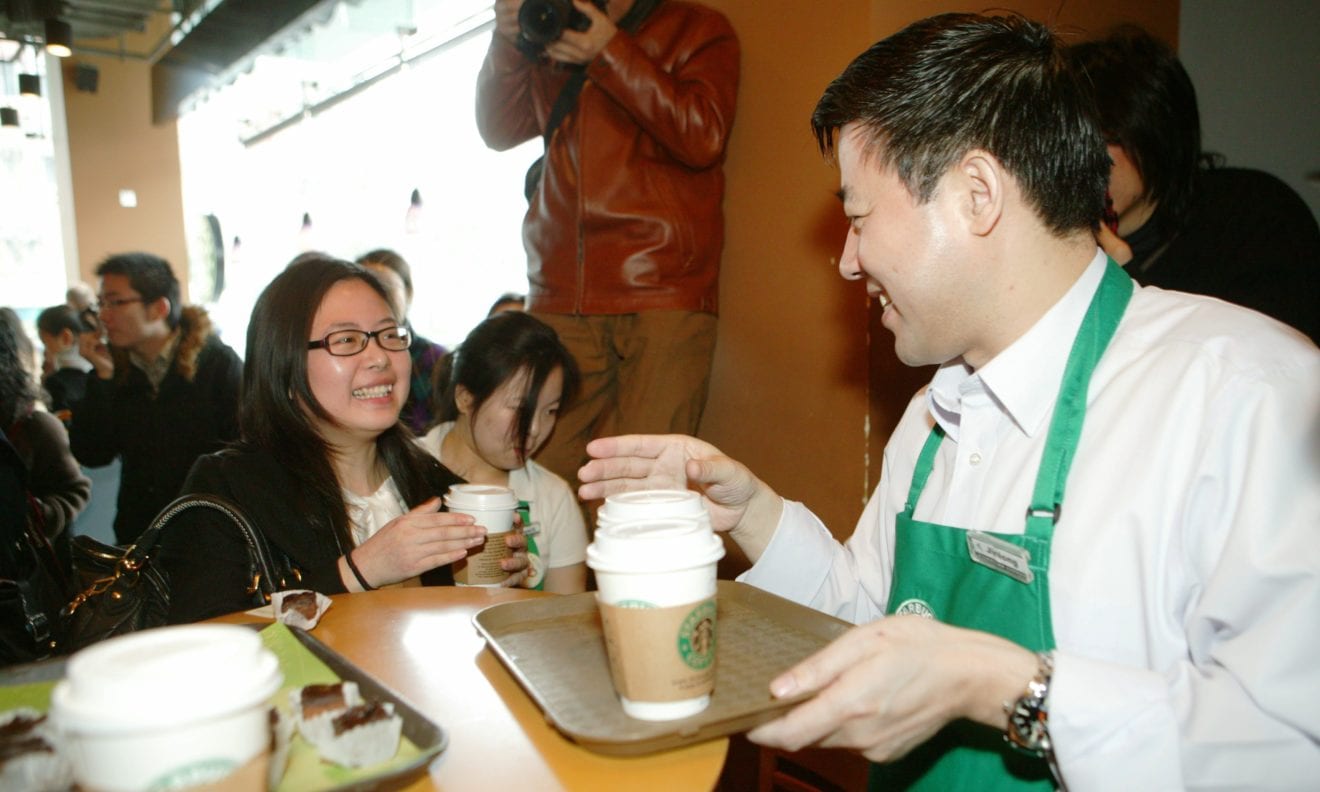
    Starbucks China is planning to open a further 1400 cafes by 2019, the company has revealed.

    Currently, the US headquartered coffee giant has about 2000 locations in 100 Chinese cities – and it uses Alibaba’s Tmall to sell giftcards and coupons to Chinese customers, at the same time boosting its brandawareness and appeal.

    Starbucks said its Tmall Global virtual store collected 300,000 registered fans in the past month and launched a “social gifting” feature that allows users to send those cards and coupons to friends and family through the Tmall platform. On top of its digital push, Starbucks said it was aiming to boost its overall store count to 3400 by 2019.

    “As Starbucks’ second largest and fastest-growing market globally, China represents the most important and exciting opportunity ahead of us,” Schultz said.

    The news followed a milestone meeting between Starbucks CEO Howard Schultz and Alibaba founder Jack Ma who said afterwards they sought to “redefine the roles and responsibilities of a for-profit public company, one that invests in its people, giving back to the local communities in meaningful ways, and creating unique developmental opportunities for the youths of today.”

    Alibaba and Starbucks share a similar vision, according to the two businessmen: building a company that’s doing more than just generating profits.

    During a speech in Chengdu at an annual Starbucks event celebrating the company’s Chinese employees, Ma emphasised the point by highlighting the important role that young people play at both companies. At Alibaba, the average employee age is 26, while at Starbucks it’s 26.

    “Alibaba hopes to work together with Starbucks to create even more opportunities to develop Chinese youth because they are our future,” Ma said at the Starbucks China Partner-Family Forum, sharing the stage with famed Starbucks CEO Howard Schultz. “All of you at today’s event represent China’s future.”

    The China Partner Family Forum celebrates Starbucks’ 30,000 Chinese employees, reinforcing the company’s commitment to what it calls “conscious capitalism.” The goal is to boost company productivity by enhancing the work experience for those employees.

    Starbucks launched its Tmall Global, store in December. The platform allows foreign companies to sell into China without having a physical presence in the country. Already major brands such as Costco, Macy’s and Nike, Japan’s Uniqlo and Germany’s Metro Group operate stores on the platform. Some of these companies, including Nike and Metro Group, do have physical stores in China, but they are selling through Tmall Global because the continued growth of eCommerce gives them another way of reaching consumers.

  • Dynafit China appoints retail partner

    Dynafit China appoints retail partner

    Ski, mountaineering and backcountry gear manufacturer Dynafit has announced Blue Ice Adventure as its retailing partner for the Chinese market.

    It is part of the Swiss company’s strategy to expand its business in the Asia Pacific region, and it says in a statement that the collaboration is for five years.

    In South Korea, K2 was appointed as its retailer in October, the Dynafit also opened an office in Tokyo.

    It has plans to expand its exclusive sportswear and skiing gear outlets from 120 to 160 in the next two years.

    Dynafit China will showcase its three collections – Vertical Running, Alpine Running and Ultra Running – at the sports business trade show ISPO Beijing, from February 24 to 27.

  • Toys”R”Us® Opens Its 100th Store In China

    Toys”R”Us® Opens Its 100th Store In China

    Ten years after first entering the market, Toys”R”Us, Inc., the world’s leading dedicated toy and baby products retailer, today announced that the company has opened its 100th store in China. The milestone achievement was marked by a grand opening celebration event that took place Saturday, January 16, at the APM Shopping Mall in Wang Fu Jing, one of the leading retail districts in Beijing, where Toys”R”Us® opened one of its 27 new stores across the country within the past year.

    “It’s our mission to be the best toy and baby products retail company in the world, and international expansion, particularly throughout China and Southeast Asia, continues to be an important part of our long-term growth strategy,” said Dave Brandon, Chairman and CEO, Toys”R”Us, Inc. “The opening of the 100th store in China represents a significant achievement for our business as it allows us to meet the increasing demand for high-quality children’s products and family entertainment experiences in this market.”

    Toys”R”Us opened its first store in China in 2006 and currently operates in 44 cities throughout the country, including six where the company established a presence for the first time last year. China has been one of the most important markets for the company’s global expansion plans, and growth in this region is expected to continue with the planned opening of more than 30 new Toys”R”Us stores in 2016.

    “The grand opening of our 100th store is a major milestone for Toys”R”Us on our exciting journey in China,” said Andre Javes, Managing Director, Toys”R”Us, Greater China and Southeast Asia. “What differentiates Toys”R”Us as a specialty toy retailer is the memorable shopping experience we provide for our customers. This includes a combination of the widest assortment of toys and baby products, including exclusive items not available anywhere else in the market, fun store layouts, interactive in-store experiences, product displays and demonstrations, activities and more.”

    Attending the iconic 100th store opening ceremony in the heart of the Capital were: Dave Brandon, Chairman and CEO, Toys”R”Us, Inc.; Dr. Victor Fung, Group Chairman, Fung Group; Monika Merz, President, Toys”R”Us, Asia Pacific; Pieter Schats, Executive Director of Fung Retailing Ltd; and Andre Javes, Managing Director, Toys”R”Us, Greater China and Southeast Asia, along with many important business partners and executives from the toy industry.

    As part of the grand opening, families were also invited to meet and greet popular mascots such as Geoffrey the Giraffe, Ultraman, Barbie, Ninjago Kai, Balala Emma and more.

    Toys”R”Us at Beijing APM Shopping Mall Features Innovative Retail Environment
    The new store showcases the very latest in “retailtainment,” digital technology and customer interaction, making shopping at Toys”R”Us a unique and fun experience for kids and adults alike.

    Upon entering the store, customers are immediately immersed into the world of Star Wars™: The Force Awakens – the first-ever Star Wars movie released on the big screen in Chinese theaters – with life-size characters and dramatic scenes from the movie. Shoppers will also find interactive displays from LEGO® and TOMICA, a Balala magical mirror and more.

    Customers can further interact with the huge, 70-inch digital screen at the store entrance, enabling them to browse through promotional items, make purchases, take “selfies” with special photo frames, play games and easily become members of the company’s “Star Card” loyalty program.

    The Toys”R”Us store at Beijing APM also brings amazing exclusive products and assortments, which are not available anywhere else in the market. These private brands offer great value, quality and innovation from the Toys”R”Us brand consumers know and trust, and include FastLane®, Dream Dazzlers®, Universe of Imagination, Pavilion®, Just Like Home®, Edu Science®, You & Me, STATs® and Avigo®.

    In addition, consumers will find various new features throughout the APM mall, sponsored by Toys”R”Us.

    Toys”R”Us in China
    Toys”R”Us has been the leading dedicated retailer of toys and baby products around the world for more than 65 years. Toys”R”Us opened its first licensed store in Shanghai, China in 2006, and since then, has continued to expand aggressively in the country. In 2011, Toys”R”Us, Inc. formed a joint venture with its long-term license partner in China and Southeast Asia, Fung Retailing Ltd, for its businesses in the region, with stores in Brunei, China, Hong Kong, Malaysia, Singapore, Taiwan and Thailand, and became 70 percent majority owned and controlled by Toys”R”Us, Inc. and 30 percent owned by Fung Retailing Ltd.

    As of January 2016, the company has 100 stores in 44 cities across China, including: Beijing, Shanghai, Shenzhen, Chengdu, Chongqing, Hangzhou, Ningbo, Jiaxing, Jinhua, Shangyu, Nanjing, Suzhou, Nantong, Wuxi, Changzhou, Yancheng, Kunshan, Harbin, Shenyang, Changchun, Dalian, Tianjin, Baoding, Tangshan, Shijiazhuang, Zhengzhou, Jinan, Yantai, Zibo, Qingdao, Hefei, Wuhan, Changsha, Luzhou, Ganzhou, Xi’an, Kunming, Nanning, Guangzhou, Xiamen, Fuzhou, Zhuhai, Jinjiang and Zhongshan.

    Enhanced e-Commerce Business and Omnichannel Capabilities in the Chinese Mainland
    Toys”R”Us launched a T-mall Store in April 2012 and its own dedicated e-commerce website at Toysrus.com.cn at the end of the same year. Toys”R”Us, China also operates a mobile-optimized website, enabling tech-savvy consumers across the country to easily shop while on-the-go. Additionally, the company uses its “Ship from Store” capabilities to effectively transform the country’s existing Toys”R”Us stores into mini distribution centers by leveraging their inventory to fulfill online purchases.

    Now, millions of Mainland customers can access a wide assortment of toys, along with product authenticity and a toy safety guarantee from Toys”R”Us.

    Full Range of Toys
    Toys”R”Us provides a broad assortment of products from trusted domestic and international brands for children and their parents in China. Stores feature enticing product displays, demonstrations, “see-me touch-me” packaging, and a large number of products that are only available at Toys”R”Us. All products are made to the highest quality standards and have passed all required safety tests.

    As a global retailer, Toys”R”Us ensures country-by-country shopping patterns are taken into account at the local market level. Parents in China place great importance on the educational value of toys that help children learn and develop skills while they play. Within its Learning category, Toys”R”Us provides among the most comprehensive and widest selection of educational toys, including many uniquely designed by the company’s in-house team. These toys encourage skill development such as learning languages, mathematics, geography, color-differentiation and coordination.

    Digital and New Media Platforms
    Digital and new media is a booming business across China, with rapid growth of brands and stores across e-commerce websites and online instant messaging platforms.

    Mr. Javes also commented, “Toys”R”Us has 1 million followers in WeChat and continues to grow. WeChat followers have been expanding rapidly within the recent two years and we are seeing more than 80 percent of members join in our “Star Card” Membership Program via this social platform, where they can easily play our WeChat game, get the latest promotional information and explore bonus features, which enhance the fun of digital interaction. Along with the fast development of digital platforms such as mobile internet in China, we will continue to engage and excite our consumer on all their digital devices.”
  • Apple Should Open More Outlets in China

    Apple Should Open More Outlets in China

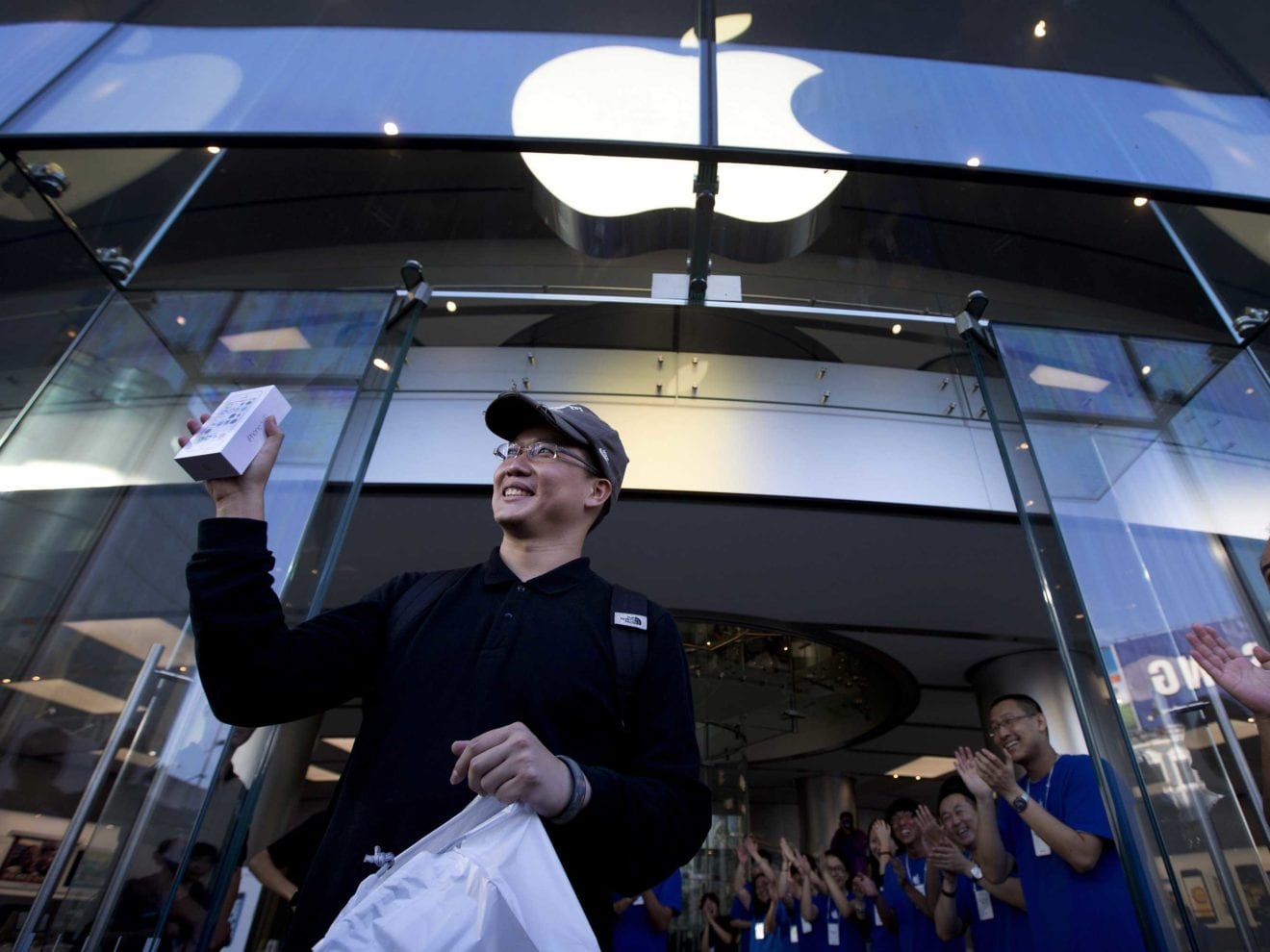
    Apple has seen robust sales in China despite the country’s worsening economic situation. Last quarter, revenues from Greater China grew 99% year-over-year, confirming the management’s opinion that China sales have been strong. Chinese economic slowdown concerns have emerged yet again and it remains to be seen whether Apple will continue its strong performance in the region.

    In its latest note to investors, BofA/Merrill Lynch contends that Apple should open more retail stores in China if it wants to increase market share in the country. The idea is based on Merrill Lynch’s survey of 1,000 respondents across China, which was done to find a correlation between retail store presence and iPhone share/iPad ownership in the region.

    Through a regression analysis, the firm found high correlations between retail store presence and iPhone share and iPad ownership. Of the survey respondents, 24% own iPhones while 39% said that they intend to buy one, which shows that Apple could gain further share.

    Merrill Lynch notes that Apple currently has 26 outlets opened in 11 regions across mainland China. The company intends to increase that number to 40 by the middle of this year. Apple has also announced that it will open two more retail stores in January in Guangzhou (Guangdong region) and Nanjing (Jiangsu region). The firm’s analysis suggests that the four new store launches in January can generate an additional 2.99 million units.

    “We believe these store openings could lead to incremental iPhone units sold in the regions and help Apple continue to increase share in broader China,” analysts at Merrill Lynch said.

    In a prior research note, Merrill Lynch had upgraded Apple shares from Neutral to Buy. The firm said that its upward revision in the rating was based on the launch of iPhone 7, potential roll-out of iPhone 6c (5e), and increase in capital return program in April.

    Apple is expected to release its first quarter fiscal year 2016 (1QFY16) results after the markets close on January 26. The tech giant is expected to report revenues of $76.7 billion and adjusted earnings per share (EPS) of $3.24. Merrill Lynch expects Apple to post strong China sales.

    Chinese stocks dropped significantly last August, pointing to slowing growth in one of the world’s biggest economies. Questions were put forth regarding iPhone’s growth in the region at that time. In response to this, CEO Tim Cook told investors that China business has remained robust.

    In the last earnings call, Mr. Cook told the Street that he doesn’t believe Apple’s results in China are heavily dependent on small changes in growth in its economy. He further stated that in light of the number of customers coming into Apple stores and sales trends, it is hard to say that there is an economic slowdown in the country.

    According to the data from Strategy Analytics, China currently comprises 20% of Apple’s total iPhone unit sales. Hence, if Chinese sales are strong, it is very likely that Apple could overcome the tough comps set by the highly successful iPhone 6 and 6 Plus lineup.

  • Amazon China Registers As Ocean Freight Forwarder

    Amazon China Registers As Ocean Freight Forwarder

    Online retail giant Amazon has registered its China arm as an ocean freight forwarder, the US Federal Maritime Commission has announced.

    The move will give the retailer more control over shipping goods from its factories in China to customers.

    By expanding its logistics operations in this way, the retailer can cut costs with the possibility of being in a position to offer third-party logistics services at a later stage.

    In response to the news, Sian Hopwood, senior vice president for B2B operations at supply chain software supplier Kewill, commented, “Delivering products direct from manufacturers to consumers is not a new concept, but this is the first time we have seen this ‘drop shipping’ model on a global scale.”

    Retailers wanting to regain market share will have to step up their efforts to ensure they are able to respond more flexibly and responsively to demand – “importing stock as it is ordered rather than having to predict stockpiling requirements and risk warehousing unwanted items”, added Hopwood.

    “By removing the middleman, retailers can reduce costs and provide customers with an always-on, always-available shopping experience which traditional models can’t sustain.”

    With the retail environment still being in a state of flux with the rise of digital and mobile shopping, a key part of making this system work is visibility.

    “If companies are to retain customer trust, they will need to have supply chain management solutions in place to ensure shoppers know exactly what’s happening to their shipment.”