Tag: China

  • China’s move to curb grey market for luxury goods may have opposite effect

    China’s move to curb grey market for luxury goods may have opposite effect

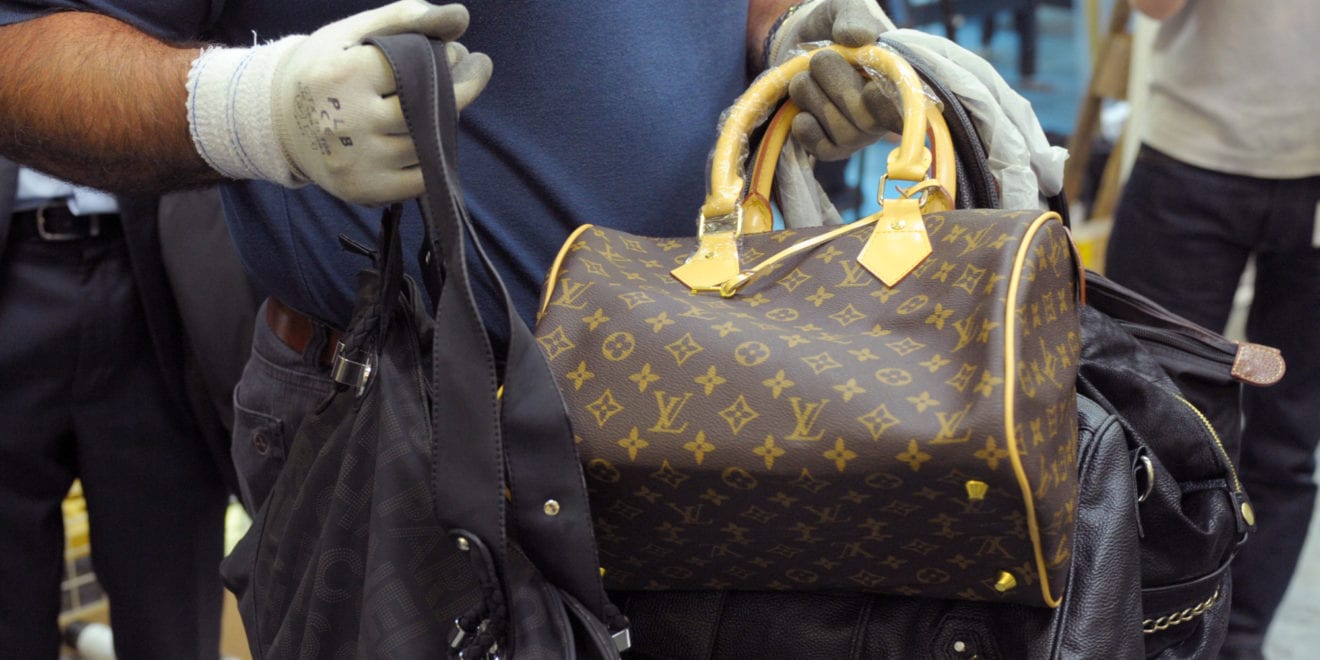
    Given the still significant price gap between high-end goods inside and outside of China, parallel imports are big business. The key players in this grey market are cross-border traders known in Chinese as daigou, and they sometimes double-deal in genuine goods and fakes. While the country’s customs service has taken steps to curb the re-selling of luxury goods sourced from overseas, some evidence suggests that those measures have driven business toward daigou by making legitimate online purchases more difficult. Both trends should be considered by brands tailoring their retail and enforcement strategies to the Chinese market.

    Driven by high taxes, tariffs and the impact of different retail strategies, price differentials for luxury goods between China and developed markets like Europe and North America make buying through daigou a compelling option for many consumers. According to Fortune Character’s 2015 China Luxury Report, the average price difference last year was between 25% and 33% depending on the category of goods. For watches, certain models were nearly 90% more expensive in China.

    These disparities make it a no-brainer for Chinese consumers to look for alternatives to their local retail outlets. One result is the huge amount spent by Chinese tourists on trips abroad. But for those who are not travelling overseas in the near future, and cannot ask a friend or relative to pick up goods for them, daigou have emerged as an alternative. Often coordinating through messaging app WeChat, Chinese buyers pick up specific items for Chinese customers and ship them to China in what Bain & Company says is a 43 billion Rmb per year business in the luxury segment alone. But the introduction of this unknown third party also creates an opportunity for dishonest traders to introduce fake goods into the mix, meaning daigou customers may be getting less than they bargained for.

    Chinese shoppers do have another option – buying online direct from the brand. While only 4% of consumers told Fortune Character that e-commerce was their preferred channel for buying luxury items, more opportunities are opening up. Among these is Alipay’s ePass, introduced about a year-and-a-half ago. The service allows brands to sell directly into China through their existing online outlets by providing both Rmb payment settlement and a delivery network in China. Cutting out the middleman gives customers more confidence that the products they order are the real deal, and Bain says this option is already hurting parallel traders’ bottom line: cross-border e-commerce accounted for 48 billion Rmb in luxury sales in 2015 – a shade higher than the figure for daigou business.

    China has also introduced measures specifically aimed at curbing grey market imports and thus allowing the government to recover more tax and tariff revenue. Last summer, the Ministry of Finance cut tariffs on cosmetics, fur products and suits. It followed up in December by announcing reduced duties on sunglasses, handbags and clothing.

    So far, this sounds like good news for brand owners. But a recent report in Business of Fashion suggests that tougher customs controls – intended to check parallel traders – are instead hampering legitimate e-commerce, and may even be driving customers back to daigou sellers.

    China’s General Administration of Customs (GAC) has stepped up scrutiny of small shipments with high declared values as part of the country’s wide-ranging anti-graft campaign. That’s problematic for some consumers who prefer to buy big-ticket luxury goods directly from overseas brands. A woman named Gao described to Business of Fashion her experience of having two DHL parcels from a UK luxury retailer turned around at customs, saying: “If they’re more than 1,000 Rmb, your parcels will be returned. So I have to either order them separately and pay double DHL overseas shipping fees, or use a daigou.” Unlike legitimate sellers, daigou can attempt to get around this by not declaring an accurate value. An e-tailer who provides a legitimate platform for Chinese consumers to buy directly from brands including Chloé and Lanvin said the complaint was a common one among his customers, with many saying their parcels had been rejected “for no reason”.

    Asked why they think luxury goods cost so much more in China, 24% of people told Fortune Character it’s because “Chinese commerce channels are unduly complex”. For brands looking to sell directly into China via e-commerce, GAC may be complicating their efforts to give customers there a simple and reliable way to buy authentic products. According to Bain, the market share of luxury parallel importers contracted last year, but if cross-border e-commerce gains a reputation as unreliable and the price gap persists, the daigou could prove more resilient than brand owners would like.

  • Is Xinqi Asset another Ezubao?

    Is Xinqi Asset another Ezubao?

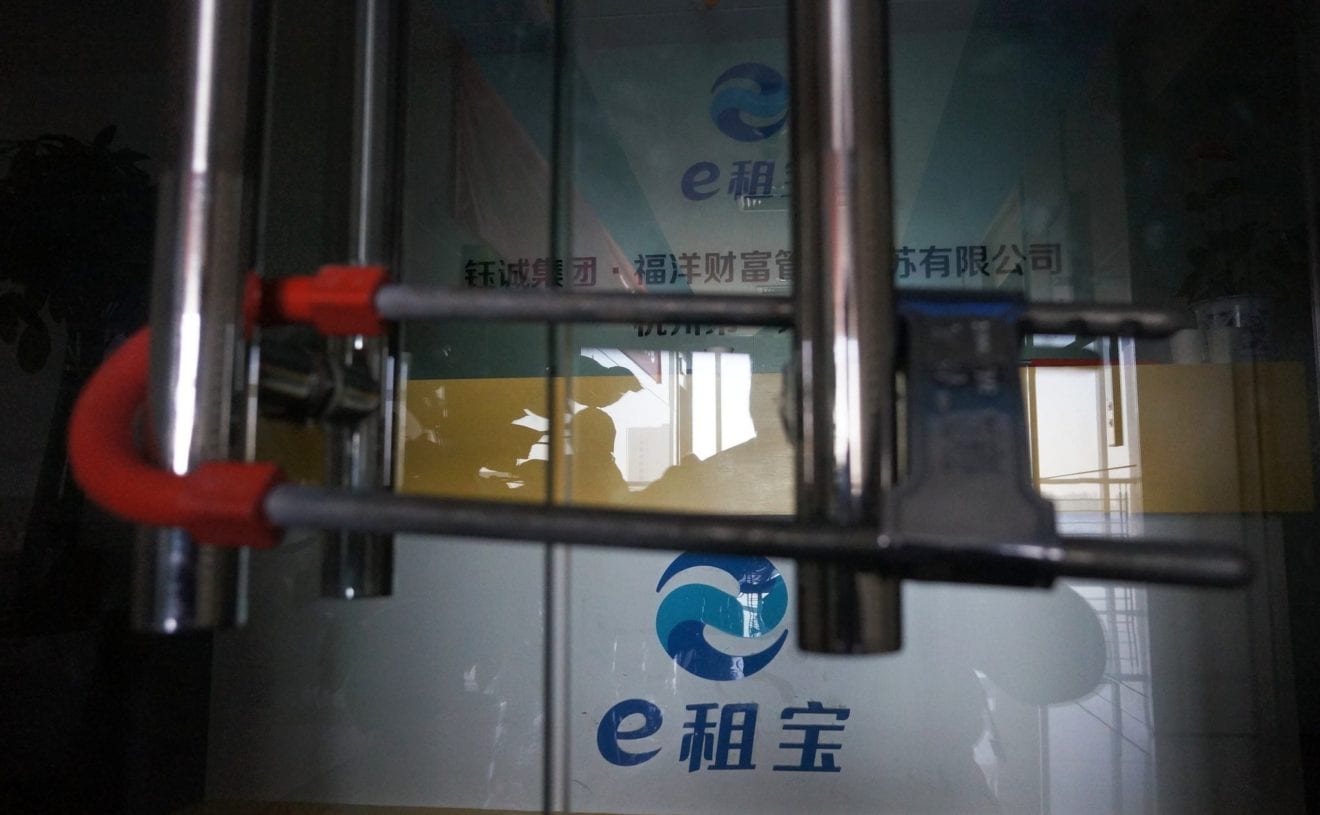
    An asset management company backed by property projects has defaulted on wealth management products worth 1.9 billion yuan (HK$2.27 billion), affecting more than 5,000 retail investors across mainland China and triggering more concerns about its property and financial markets.

    Xinqi Asset held a meeting to discuss solutions with its investors in Shanghai on Wednesday, sources said. Retail investors have been unable to redeem their investments and earnings since Sunday.

    A final solution has not been confirmed. It remains unknown whether other assets managed by Xinqi are safe. An earlier company statement said assets under management stood at around 4 billion yuan. Shanghai police have been taking complaints from investors and looking into the matter.

    More defaults and scandals have been exposed in the mainland’s thriving wealth management business in recent months as the economy slows down, revealing scams in the innovative and less regulated sector. Late last year, the mainland’s largest peer to peer lending company, Ezubao, defaulted on HK$59 billion owed to more than 900,000 investors across the mainland. Xinhua said 95 per cent of the projects on the platform were fake.

    Xinqi Asset sold wealth management products to individual investors, with the investments put into commercial and residential development in second-tier cities including such as Xian and Zhengzhou, and promised annual interest rates as high as 15.6 per cent, according to its official website and documents about its products.

    Worse still, there is no specific regulator overseeing these companies

    The wealth management products issued by Xinqi Asset were used to finance big property developers.

    Xinqi would buy properties under development from the developers, and then transfer ownership to retail investors. Investors would be repaid with their capital and earnings after the project was finished and the developer bought back the properties.

    Xinqi Asset lists mainland China’s leading property developer, Greenland, as a partner on its official website.

    Greenland denied raising funds through Xinqi Asset as early as September, although it did sell some property units to it.

    “It seems Xinqi Asset has been using offline selling, rather than online selling to promote its products, which makes it different from the popular peer to peer lending companies,” said Abner An, an independent financial commentator in Beijing. “However, China’s offline asset management companies have even bigger problems with lack of transparency in capital flow.

    “Worse still, there is no specific regulator overseeing these companies. It is crucial to find out the capital flow under Xinqi Asset. It is possible that their investments in property are eroded by sluggish selling in second-tier cities. But the problem will be bigger if the money is embezzled to do other high-yield investment.”

    Calls to Xinqi’s headquarters in Zhengzhou, Henan province on Thursday, failed to reach management.

    Xinqi Asset, registered in Xian, Shaanxi province, has registered capital of 200 million yuan.

  • Retail In China Suffers From New Year’s Hangover

    Retail In China Suffers From New Year’s Hangover

    While sales surrounding China’s Lunar New Year gave some retailers reason to celebrate, that was not the case for all of them.

    As a result, the stock value of a number of jewelry and cosmetics retailers in the country dropped yesterday. Analysts told the outlet that lackluster New Year sales were felt particularly hard by those sellers with locations in smaller neighborhood malls, as opposed to ones housed in larger ones, which saw a greater influx of foot traffic during the holiday period.

    Another factor that contributed to the stock slide for jewelry and cosmetics retailers in the region, was a dropoff in shopping by mainland tourists during the Lunar New Year. Sa Sa International, for example, reported to the outlet that its sales to mainland tourists fell 26 percent from the same period last year, with the average number of transactions among that consumer group decreasing 18 percent and the average ticket cost falling 9 percent.

    “This showed a further deterioration from the third quarter [for Sa Sa] as the Chinese tourist arrivals widened to a double-digit decline during the period,” Bocom International.

    Credit Suisse, meanwhile, told the outlet that it had visited nine shopping malls in China during the Lunar New Year and found that the majority of them were less busy within that period than they normally are on any given weekend.

    “The era of easy money in the retail industry has come to end,” Maureen Fung Sau-yim, a director of Sun Hung Kai Properties subsidiary, Sun Hung Kai Development. “Looking ahead, we have to work harder to cope with the market change” (referring to, explains the outlet, a stronger Hong Kong dollar and fewer mainland tourists).

  • BitMEX Launches Leveraged China A50 Stcok Index Trading with Bitcoin

    BitMEX Launches Leveraged China A50 Stcok Index Trading with Bitcoin

    BitMEX (Bitcoin Mercantile Exchange) has announced this week they are launching the world’s first bitcoin denominated futures contract on a Chinese A Share index. The new instrument from the bitcoin derivatives focused venue allows cryptocurrency investors to access the walled-off equity market in China and trade with up to 25 to 1 leverage.

    The China A50 Equity Index is comprised of the fifty biggest public companies in China and priced in Chinese yuan (CNY). However, investors using the BitMEX product will receive 0.0001 Bitcoin (XBT) per 1 CNY move in the index. Additionally, unlike the Chinese stock exchanges that only open Monday to Friday, the BitMEX contract trades 24/7. The new contract has monthly expiries based on the closing price of the FTSE CHINA A50 Index to two decimal places.

    Speaking with Finance Magnates Arthur Hayes, co-founder and CEO of BitMEX, explains the rationale for the new product: “Trading the China A share market for most investors is quite difficult. Due to various restrictions, obtaining long and especially short exposure with leverage is almost impossible. For retail investors without large brokerage accounts, it is even more difficult.

    BitMEX aims to provide retail investors globally access to the China A share market using a Bitcoin denominated futures contract (commonly referred to as a quanto futures contract). Investors with only a few hundred USD of Bitcoin can now trade the China stock market. As long as an investor can exchange his or her domestic currency for Bitcoin, he or she can trade the BitMEX China A50 Index Futures contract.”

  • Tata Motors & Jaguar Land Rover: China Drag Diminished?

    Tata Motors & Jaguar Land Rover: China Drag Diminished?

    Tata stock, down 25% so far this year, is off by 54% over 12 months, prompting Goldman Sachs to close its sell rating on Tata Motors equity Monday. Citi Analysts Manish A. Somaiya and Esha Ranganath note that for the Jaguar Land Rover unit, while China revenue accounted for a third of fiscal 2015 earnings, China is only about 19% of fiscal year to-date retail volume compared to 27% in the prior year. They write:

    “Management cited the 10% year-over year decrease in China retail volumes for the fiscal third quarter (including joint ventures vs. -32% in the fiscal second quarter and -33% in the fiscal first quarter) as an indication that declines in the region have stabilized while still citing the region as a main factor in lower year-over-year earnings before interest, taxes, depreciation and amortization (EBITDA) (we assume this is a function of JV transition and higher China margins) …”

    The Citi analysts raised their issuer weighting on Jaguar Land Rover (TTMTIN) to Marketweight from Underweight, and raised their senior notes ratings to Neutral from Sell. With their sell rating last fall, they cited weak China revenue. The fresh decision reflects the following:

    1. “Management actions including capex reduction bolstering liquidity,
    2. Volume growth in other regions offsetting a softer China and,
    3. Possible stabilization of decline in China.

    While we still anticipate a negative free cash flow year and slightly higher gross leverage of 0.9x at fiscal 2016 year-end (vs. 0.8x currently), we like the company’s strong balance sheet and could see investor focus on higher quality defensive names providing a positive technical. Additionally, we continue to monitor potential execution risk from focus on multiple product launches …

    Guidance included FY2016 capex reduction to £3.3 billion ($4.7 billion) from £3.5 billion previously and indications of negative free cash flow (FCF) in the near to medium term (albeit offset by a strong balance sheet and cash balance). On the call, management reaffirmed EBITDA margins at the lower end of 14-16% range as a result of model mix, launch costs, and mixed economic conditions incl. China. At the same time, management aims to fund capex from operating cash flows as evidenced this quarter and anticipates continued working capital benefit during fiscal fourth quarter given seasonal benefits during the second half of the fiscal year. At a high level, we estimate FY2016 EBITDA of £2.9 billion, implying a 14% margin in-line with low end of guidance. Our FCF use estimate of ~£1.0 billion for the year results in gross leverage increasing slightly to 0.9x at year end.”

  • Build-A-Bear builds back profits

    Build-A-Bear builds back profits

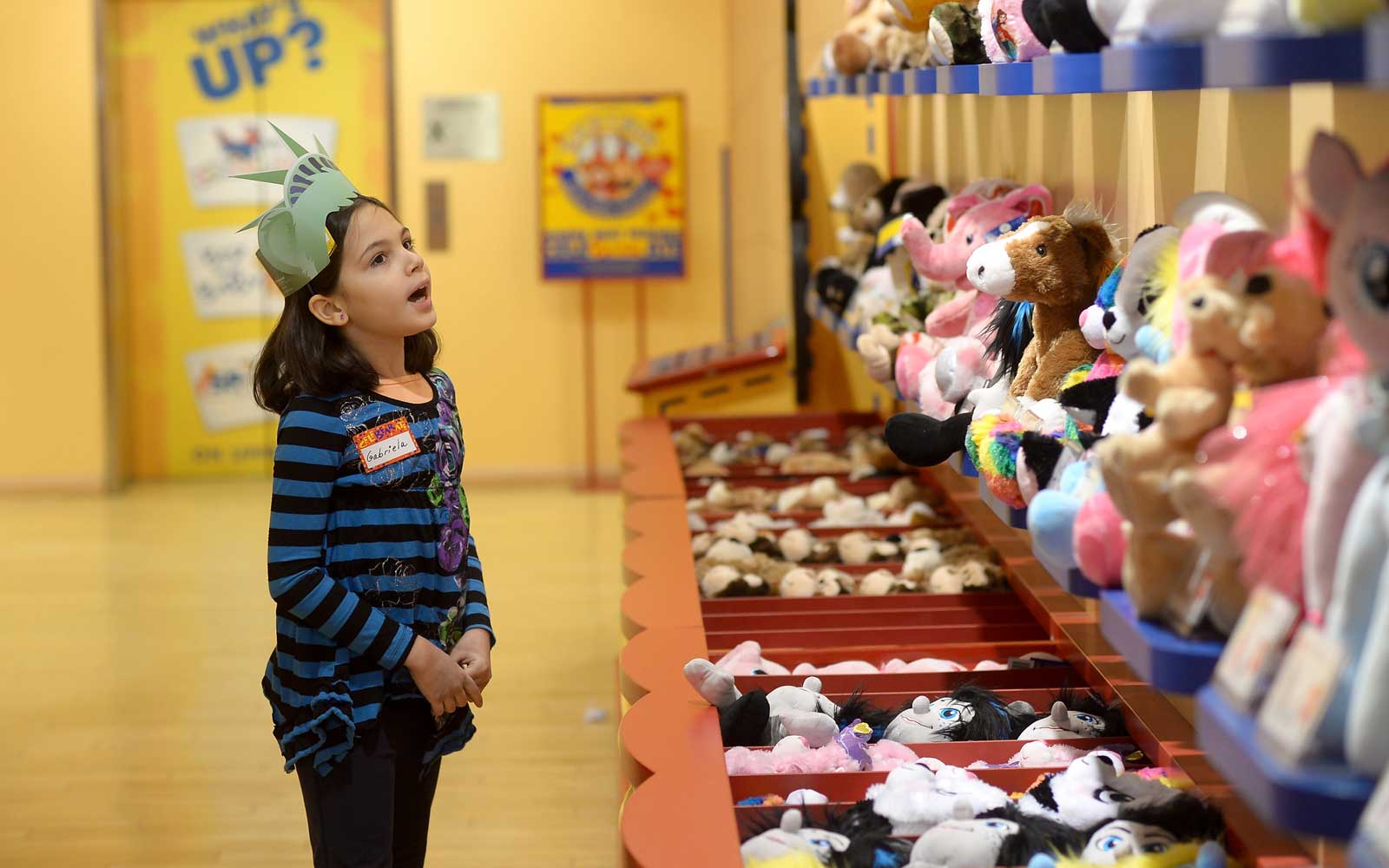
    Build-A-Bear Workshop has recorded its third consecutive year of increased profit.

    CEO Sharon Price John has attributed the ongoing improvement in the once-challenged children’s experiential workshop concept to initiatives including store remodelling in the new Discovery format, which generated double-digit growth compared to our heritage stores, focusing on key consumer segments and investing in infrastructure.

    “We made steady progress toward our stated long-term sales productivity goals as we achieved the highest average transaction value in our history and highest units per transaction since 2008. We remain committed to the ongoing disciplined execution of our strategy while we continue to leverage our powerful brand in order to deliver both sales and profit improvement,” she said.

    In the 52 weeks to January 2, 2016, Build-A-Bear achieved total revenues of US$377.7 million, compared to $392.4 million in the previous financial year (which had 53 weeks, hence the higher figure).

    Same store sales rose 1 per cent – growth was flat in North America, but increased 4.8 per cent in Europe, and online sales rose 11.8 per cent.

    The company’s retail gross margin expanded 150 basis points to 47.1 per cent compared to 45.6 per cent in the previous year. Pre-tax profit  improved 11.7 per cent to $17.9 million.

    During 2015, the company closed 20 stores and opened 25 locations, including 11 in its new Discovery format, to end the year with 329 Company-owned stores; 269 in North America and 60 in Europe. The company’s international franchisees ended the year with 77 stores in 11 countries.

    In June this year, Build-A-Bear Workshop will open a new store in the new Disneytown retail precinct at the Shanghai Disney Resort in China.a

  • Avon Asia woes continue

    Avon Asia woes continue

    Globally the beauty industry is growing, despite regional market challenges. “Unfortunately,” observes Neil Saunders, CEO of retail analyst Conlumino, “it’s not growth that Avon is currently benefiting from.”

    At the core of the brand’s troubles are Asia and Brazil.

    Avon’s Asia Pacific revenues shrank by 16 per cent overall and by 8 per cent on a constant currency basis.

    “The primary difficulty is China where, in a worrying sign that in a more challenged economic environment consumers are turning away from Avon, demand has fallen sharply,” explains Saunders.

    Avon’s financial results released last week were the first since the company decided to sell a majority stake of its North American operation to Cerberus Capital Management.

    “That decision was, in essence, an admission of defeat in the region following years of continuous decline,” says Saunders. “More positively, it has strengthened the group’s balance sheet and will allow it to focus on its potentially more lucrative overseas operations without the continuous distraction of trying to turn around an ailing part of the business.”

    Unfortunately for Avon the initial results from this smaller, more focused business proved disappointing with total revenue plunging by 20 per cent on a year-over-year basis. While much of that was down to the strong dollar, even on a constant currency basis a growth rate of 1 per cent provides scant comfort.

    Revenue in Latin America shrunk by a dramatic 26 per cent on a year-over-year basis, although in constant currency terms it ended up flat.

    “Even so, the difficult macroeconomic environment in Brazil – where average order size fell and where comparable sales shrank by 2 per cent – means that this once lucrative region is simply not delivering as it once did,” said Saunders.

    Thanks to Russia, where on a constant currency basis revenues rose by 29 per cent, the Europe-Middle East-Africa region posted a better performance with constant currency sales in positive territory. However, even here there are problem areas – in this case the UK where sales dropped by 7 per cent on a constant currency basis following a decline in active representatives.

    “Overall then, the state of the residual basis is fairly poor. Sales are shrinking, operating profit is weak, and the company remains loss making to the tune of around $331.9 million. In other words, hiving off the North American business has not solved Avon’s issues,” said Saunders.

    In the new fiscal year, Avon is planning to overhaul the cost structure of its business, expecting to save some $350 million over three years. Some of this will be reinvested, driving initiatives such as selling on social media.

    “From the scale of the savings it is obvious that they will not, in and of themselves, push the group into profitability; as such, driving top line growth will be absolutely critical if Avon is to remain viable,” said Saunders.

    “Top line growth requires a fundamental reappraisal of the business model – including the way Avon sells and distributes products. As important as the direct method of selling is, the rise of online has made the role of the representative less relevant than it once was.

    “This isn’t just about transactions, it is also about advice and information which increasing numbers of people are picking up from a growing array of beauty bloggers. In light of these changes Avon needs to reappraise, reassess and evolve.

    “The Tupperware playbook is a good example of how evolution can occur in a way that complements and is respectful to the heritage of the business,” concluded Saunders.

  • Apple Granted 4 Design Patents in Hong Kong

    Apple Granted 4 Design Patents in Hong Kong

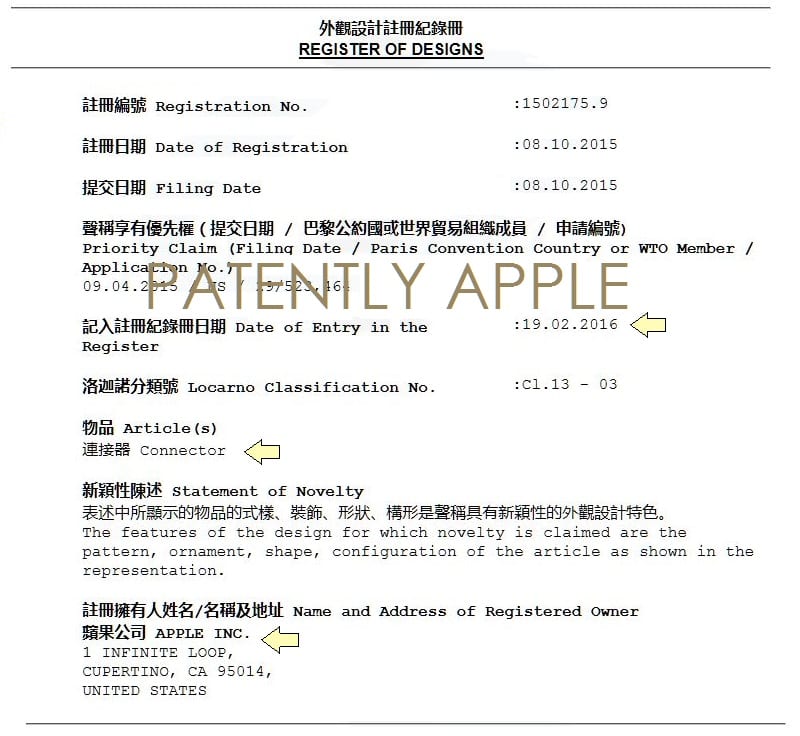
    Apple was granted four design patents yesterday in Hong Kong China covering the Apple Watch Sport’s retail packaging & a connector with an on-off switch at the top as noted in our cover graphic.

    Unlike “patent applications,” design patents published by the U.S. Patent and Trademark Office and/or any other Patent Office, don’t reveal pertinent information about a particular design. All we are given is a series of simple photos and/or line-art graphics of what was actually registered. The first design patent is a case in point. It’s a design patent for a ‘connector’ – but it’s not one that’s familiar. Without patent details, there’s no way to verify with certainty what the connector is for. .

    Design Patent: Connector

    Apple was granted a design patent in Hong Kong yesterday for a connector that is unidentified. If any reader is able to identify this connector, then please make note of it in our comment section below and we’ll update this report accordingly.

    2AF 55 CONNECTOR DESIGN PATENT

    Update 5:40 a.m.: Several comments suggested that the connector design was associated with the hidden data port. After going back to the design patent and conducting a more focused search online for this, I came a across a design for a charging strap as noted in the graphic below. It’s an accessory not made by Apple.

    Going back to the design patent there was a second part of the design, the male connector as presented below that’s to mate with the female connector as noted noted above. If this design is associated with the Apple Watch, then will Apple introduce this with the Apple Watch 2 design or are they licensing this design to accessory makers? Time will tell, but for now, it appears that our fan base may have had it right in suggesting the connector was for the hidden data port. Thanks to all who sent in comments on this in a timely manner. Cheers.

    2.88 AF 55 CONNECTOR

    3AF 55 CONNECTOR GRANTED DESIGN

    Design Patent: Apple Watch Sport Retail Packaging

    Apple was granted three design patents yesterday in Hong Kong numbered 1502174.6M001 to .6M003 covering the retail packaging for the Apple Watch Sport as noted below.

    4af 55 apple watch sport retail packaging

    5af 55 apple watch sport granted patent

    6AF 55

  • Furla Asia-Pacific plans more flagships

    Furla Asia-Pacific plans more flagships

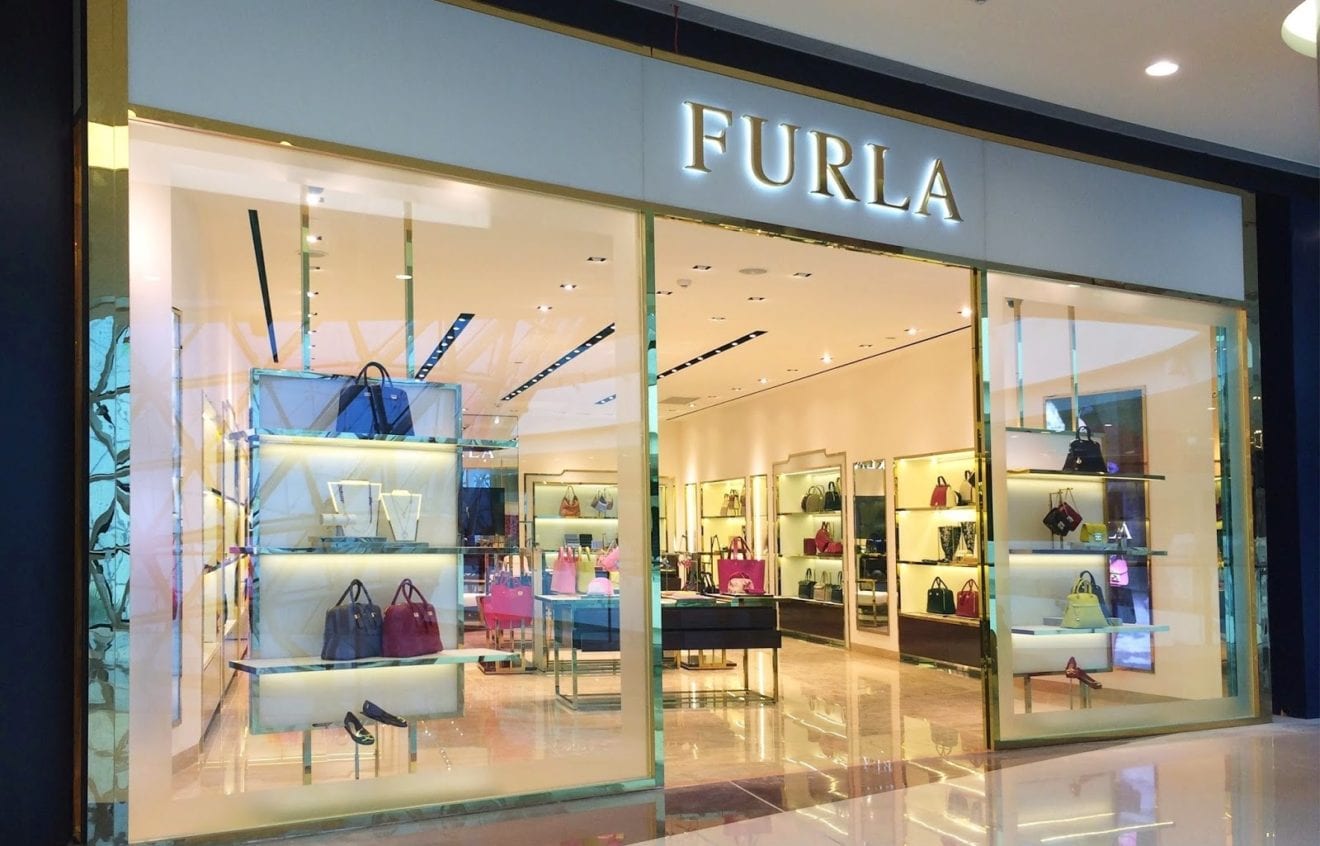
    Luxury Italian brand Furla is planning more flagship stores in Asia as the region delivers strong growth for the 89-year-old family-owned company.

    FURLA CEO_Eraldo PolettoIn an exclusive interview with Inside Retail Asia, Furla CEO Eraldo Poletto explains how the company has bucked the decline in luxury spending in core markets like Hong Kong and Singapore during the past year. Furla achieved 53 per cent growth in total sales (in euro at the current exchange rate) in Asia-Pacific, where it counts 14 markets – Australia, Cambodia, China, Hong Kong, India, Indonesia, Korea, Macau, Malaysia, Singapore, Taiwan, Thailand, The Philippines and Vietnam. Japan, a stand-alone territory in Furla’s accounts, saw sales grow 24 per cent.

    Even discounting sales from new stores, like-for-like growth for Furla Asia-Pacific reached 15.5 per cent last year, yet the region accounts for just 19 per cent of the company’s sales – about €64.4 million ($72.1 million) – suggesting strong growth potential ahead.

    “The consistent strategy we have implemented over the past four years – positioning ourselves as the only Italian and ‘Made-in-Italy’ brand in the premium segment, without accepting compromises in terms of quality – is paying off,” says Poletto.

    “We are expanding our footprint with important flagships: Singapore Marina Bay Sands opened in September; Hong Kong Miramall and Shanghai Citic, each with a 300 sqm street facade, opened in December with a luxury retail concept showcasing our full ladies’ and men’s collections.”

    Furla China Flagship Store @ Shanghai Citic Square 4

    He says more flagships will open this year in Australia and Bangkok.

    “Flagships are meant to represent every aspect of the brand in terms of image and product range; however, we are not expecting to open more than five or six flagships in the region, as we are focusing on the profitability of our retail network, and prefer to penetrate the market extensively.”

    In what he terms a “capillary” approach, more standard-sized stores and points of sale will also open across the region.

    Furla China Flagship Store @ Shanghai Citic Square 7

    For the past two years the company has opened or renovated one store a week. It now has 172 points of sale in Asia-Pacific, along with 72 monobrand stores in Japan.

    “In terms of our retail format, our average store size is increasing together with Furla’s total-look collections. Malls and high-street locations complement each other, and in this period of time, rent levels in some markets have decreased substantially because of a drop in demand from luxury, watch and jewellery brands. We are always on the lookout for new opportunities to invest in,” says Poletto.

    “Our retail store concept is also quite special, as it wants to deliver a 360-degree luxury shopping experience while maintaining our the value-for-money approach.”

    Furla China Flagship Store @ Shanghai Citic Square 2

    Asians appear to be embracing Furla’s distinctive quality brand feel and shopping experience. Perhaps surprisingly, the brand has no strategy of differentiating its Asia-Pacific product range from those of other markets.

    “We believe that if a product captures customers’ hearts in one market, its appeal is universal. Our price and product range have always been appealing to a large spectrum of clientele; it is not by chance that our two best-seller styles – Metropolis and Artesia – represent the most affordable and the highest offer of our collection respectively.

    Furla China Flagship Store @ Shanghai Citic Square 6

    “In terms of branding, strong marketing investments – like our collaboration with Mario Testino and a more aggressive digital and outdoor media planning strategy – are making Furla far more visible.”

    Department stores are still an integral part of the Furla sales strategy, especially in China, where that sector is still in its infancy by western standards.

    “The department store culture in Greater China isn’t very strong yet, and there are very few players compared to the shopping mall retail model in western markets. There is most surely room for improvement in this region.

    Furla China Flagship Store @ Shanghai Citic Square

    “The situation is much more developed in Singapore and Australia, and obviously a priority in Korea with Shinsegae, Hyundai and Lotte, where we are present with 10 domestic stores and an aggressive development plan.”

    Furla is also experiencing strong growth in the travel retail sector, which is helping both top-line sales and brand awareness.

    “Travel retail will continue to fuel the growth in APAC,” says Poletto. “Total sales generated by the travel retail channel were up 27 per cent for 2015, and we opened five new locations. We see blooming opportunities in this channel as Asian customers shop worldwide while they travel: it is a great showcase for the brand.”

    In June, Furla will open a directly managed boutique in Hong Kong International Airport.

    Furla China Flagship Store @ Shanghai Citic Square 8

    Southeast Asian focus

    Furla’s strong growth in the region is coming not just from the established markets of Hong Kong, Singapore and Greater China.

    “We have witnessed a significant double-digit growth in Southeast Asia markets including Cambodia, Malaysia, Singapore, Thailand, The Philippines and Vietnam,” says Poletto.

    “In Indonesia, a fast-growing country with a population of 250 million, we have a capillary quality presence with 10 boutiques in five cities. As of today, Furla has 46 stores in Southeast Asia, and we will focus on strengthening our foothold in these markets this year.”

    Furla China Flagship Store @ Shanghai Citic Square 5

    In India, which Furla has entered in a joint venture with Genesis Luxury, the label has three boutiques – one each in Mumbai, Delhi and Calcutta.

    “They are all performing very well with a 50 per cent sales growth increase in 2015,” says Poletto. But the market has considerable challenges.

    “India is a market with very high potential, but also with a huge limits when it comes to infrastructures. There are not enough qualitative shopping malls to cover Indian clients’ high demand for fashion and luxury: this is why Indian consumers represent a key nationality in markets like Dubai, London or Singapore.

    “In terms of expansion, we will tap into all the new relevant real-estate projects.”

    Globally, Furla has 415 monobrand stores, of which 190 are directly owned and 198 franchised. It has 27 travel retail stores and more than 1200 outlets in department stores and multibrand outlets.

    Furla China Flagship Store @ Shanghai Citic Square 10

    Results released today show that Furla’s global turnover reached €339 million last year, up 30 per cent on 2014. The growth was driven across all Furla product categories, including the new men’s collection, women’s footwear collection and eyewear.

    Poletto says that being a family-owned business – an increasingly rare phenomenon in the model luxury retail business – has its advantages.

    “Being 89 years old gives us a great DNA to be around into the future: the real assets are the brand and its heritage, which are translated into equity. The Furlanetto family has very strong values – they have a long-term vision, instead of making opportunistic choices.”

  • Apple Pay’s China Launch: Who Will Win Over Chinese Luxury Consumers’ E-Wallets?

    Apple Pay’s China Launch: Who Will Win Over Chinese Luxury Consumers’ E-Wallets?

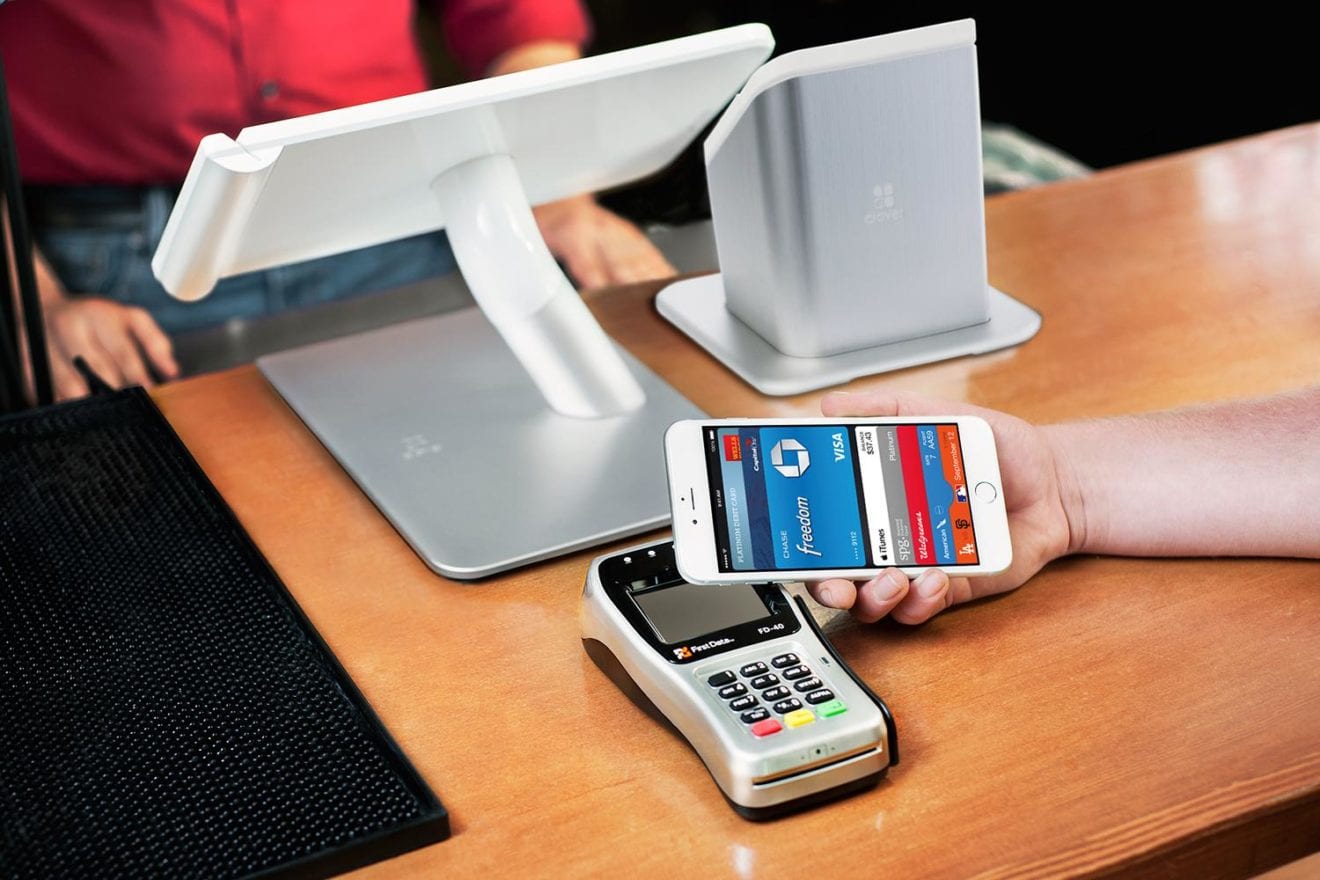
    With an optimistic plan to take on entrenched Chinese mobile payment rivals, Apple Pay made its move into mainland China on Thursday this week in hopes of making the country its biggest market.

    While some experts doubt the prospects of Apple’s high-tech payment system to compete with local giants including Alipay and WeChat, luxury retail is taking notice of the method. On the date of Apple Pay’s launch, Lane Crawford announced that all of its mainland China locations will offer Apple Pay, making it one of the first retail locations in the country to offer the service. “Offering Apple Pay as a payment option to our customers is another important step towards an even stronger connected commerce strategy, constantly evolving and leveraging on the digital and mobile world which is vitally important in Asia,” said Lane Crawford President Andrew Keith in a press release.

    The launch allows China’s only credit card company UnionPay, which has teamed up with Apple Pay, to take on Alipay and Tencent’s TenPay as they compete to win over Chinese consumers’ e-wallets.

    Limited to the iPhone, some experts are saying Apple Pay faces an uphill battle in China as local mobile options have already become incredibly popular. In addition to the fact that Apple will have to take on local giants, experts have found that many Chinese netizens are wary of Apple Pay for a variety of additional reasons. Online comments suggests that many are suspicious of giving their bank card number to a U.S. company and show a preference to earn interest from Alipay. Meanwhile, Apple Pay doesn’t have built in “shopping app” features and discounts found on Alipay and WeChat Wallet, including WeChat’s direct link to dining app Dianping.

    But as the iPhone remains a luxury status symbol for Chinese consumers, Apple Pay could possibly find a niche among affluent urbanites, depending on whether or not more retailers like Lane Crawford choose to make it available.

    The development of this competitive landscape is of equal importance to luxury retailers not only in China, but also abroad, which are scrambling to keep up with payment methods most popular with Chinese tourists. Many international luxury retailers now offer UnionPay, but a growing number of them are allowing Chinese customers topay with Alipay or with WeChat, giving them an advantage over those who haven’t moved past UnionPay. Regardless of whether or not Apple Pay manages to catch on with China’s jet-setting iPhone owners, retailers across the world will need to up their payment technology to keep up with their Chinese VIPs’ preferences.

  • Prada also experiences issues in China

    Prada also experiences issues in China

    Italian Prada Group‘s 2015 turnover dropped ever so slightly, blaming it on the lousy economic state China is in. The country is an important market for plenty of luxury brands, although the expensive dollar also had a negative effect.

    Strong growth in home territory

    Prada’s 2015 turnover dropped slightly, from 3.55 billion euro to 3.54 billion euro, with drops in Asia and the United States. Asian turnover fell 4 %, mainly because of China’s negative results, while American turnover dropped 9 % as the Italian fashion company struggled with the expensive dollar.

    Prada believes the European turnover growth (6 %) was thanks to the many Asian and American tourists, with a significant boost in Italy. Japanese turnover did extremely well, with an 11 % increase, the exact same number as in the Middle East.

    “Price variations and diverted tourist traffic”

    “Throughout 2015, we had to deal with an economic environment characterized by extreme volatility in currency markets, as well as by the deteriorating geopolitical situation in many world regions. These two factors have made prices fluctuate widely and diverted tourist traffic in sudden and unpredictable ways”, Prada CEO Patrizio Bertelli said.

    Prada will increase its focus on its retail network expansion. It already has 618 stores and retail turnover grew 76 million euro to 3.1 billion euro, while wholesale activities dropped 88 million euro to 444 million euro.

  • China e-commerce huge opportunity for British merchants

    China e-commerce huge opportunity for British merchants

    New research says almost half of the UK’s top online retailers are failing to capitalize on China’s burgeoning e-commerce market. E-commerce service provider Global-e reports that British companies are significantly missing out on a marketplace that’ll be worth $1.5 trillion within four years.

    Chinese shoppers love doing it online. Buying big brands from around the world, It’s global, China’s Centre for Economic Exchange anticipates online retail will account for 30 to 40 per cent of world trade in less than a decade. E-commerce entrepreneur Amir Schlachet says most firms see that as a huge opportunity.

    “Most of them actually do realize that China is an important market. It’s close to a trillion shoppers online. Very open to the world. It’s already around half of the online population actually buying cross border.” said  Schlachet.

    Recent research by market research company Emarketer backs him up, claiming nearly 45% of people in China shop on overseas websites. And the internet shopping giant Alibaba offered further evidence with figures for 2015 indicating a revenue rise of more than 30 percent. However, while many UK retailers have seen the online potential, to others claims Schlachet are failing to take advantage.

    But global’s also local and the trick to getting into the Chinese online market baffles some. Shoppers in China want websites in Mandarin; prices in Renminbi the local currency and payment using local systems such as Tenpay.Union Pay and Alipay. So, while shops in Britain go out of their way to welcome Chinese shoppers, researchers at Global-e found traders needed help online.

    It’s all a barometer of how globalization is changing the way we go shopping, but at the same time it’s a real indicator of how new businesses can start up to take advantage of that.

  • Chinese influx lifts Jeju’s growth

    Chinese influx lifts Jeju’s growth

    The southern resort island of Jeju showed the highest rate of growth in productivity in the service sector and retail sales last year.

    Jeju’s service sector productivity rose 6.7 percent in the fourth quarter of 2015 compared to the same quarter the previous year, according to a Statistics Korea report released Thursday. The growth rate is two times higher than the national average rate of 3.1 percent and nearly three times more than Seoul’s 2.3 percent.

    Statistics Korea said productivity growth rates were high in areas such as Jeju, South Chungcheong and Gangwon, as more financial and social welfare businesses moved in to the areas. Gyeonggi and Seoul also saw increases of around 2 percent, but their rates were relatively small as the number of related businesses decreased last year.

    The nation’s retail sales also rose in the fourth quarter of 2015 from the same quarter of the previous year.

    Retail sales increased most in Jeju at 10.8 percent, which is nearly two times higher than the national average of 5.7 percent, while Gyeonggi and South Chungcheong each scored 6.7 percent to tie in second place. In these places, sales at large discount stores and car dealers rose significantly, according to Statistics Korea.

    Sales in large discount stores accounted for 20.8 percent of total retail sales in the fourth quarter of 2015 in Jeju.

    Industry experts believe Jeju is over-performing in both productivity and sales growth rates as more Chinese tourists are visiting the island.

    For example, real estate and leasing services accounted for 25 percent of total productivity growth in Jeju. Currently, many Chinese are interested in investing in the island’s real estate. Jeju, the warmest place in Korea, was also able to attract more local and foreign tourists in the fourth quarter.

    Additionally, the popular trend of urbanites heading back to suburban areas like Jeju has also helped bolster the island’s economy. Net migration, the difference between immigrants and emigrants, reached 14,257 last year. In 2014, it was at around 11,112.

    In all 16 major cities and provinces, both service sector productivity and retail sales increased in the fourth quarter of 2015.

    Meanwhile, the service sector productivity growth rate nationwide last year is expected to reach 2.9 percent from the previous year. In 2014, the growth rate was 2.2 percent. The nation’s retail sales growth rate is projected at 3.4 percent, double the 1.7 percent in 2014.

  • Asian retail outlook: “more cautious”

    Asian retail outlook: “more cautious”

    High operating costs – particularly rents and labor in Asia – will ensure retailers are more cautious this year, concludes real estate specialist CBRE.

    In its annual Asian retail outlook, the company’s research department predicts many retailers will shift their strategic focus from expanding their store networks to rationalisation, improving in-store profitability and upgrading to better locations.

    That trend is expected across the broad Asia-pacific market, including Hong Kong.

    “Leasing activity will diverge across markets, with Australia, Japan and New Zealand the most upbeat, whereas Hong Kong and Singapore will continue to struggle,” CBRE concluded.

    “Driven by ongoing urbanisation and wage increases, Southeast Asia will also see solid leasing activity. Demand across the region will be led by food and beverage retailers, while affordable and niche luxury brands will also be active.”

    CBRE also warns the rise of online shopping will continue to force shopping malls to embrace ‘retail-tainment’ and adjust their trade mix to include more experience-oriented retailers to retain foot traffic. Around 63.8 million sqft of new shopping center supply is scheduled to be completed in 2016. Against the sluggish leasing demand and ample new supply, overall retail rents are forecast to experience a mild correction of below 1 per cent in 2016.

    In a broader property outlook, CBRE forecasts that due to Asia Pacific’s steady economic growth – which will continue to outpace the rest of the world in 2016 – investment activity in the region will remain solid, although activity will be limited by asset pricing and availability.

    “The region’s investment market will continue to see strong demand from real estate funds and institutional investors. Institutional investors will continue to invest in Asia Pacific to increase their exposure to real estate for strategic diversification,” said Dr Henry Chin, head of research, CBRE Asia Pacific.

    “That said, Asia Pacific will enter a period of slower growth in the commercial real estate market with activity likely to moderate over the course of the year as it becomes more challenging to source investable stock able to meet investors’ target returns. Interest rates will remain low in 2016 so yields are largely to remain stable across Asia Pacific. However, we are expecting to see a mild yield expansion in 2017 together with the rise in interest rates.”

    The economic slowdown in China – as well as higher-than-expected US interest hike rates, and currency volatility – will also remain a key concern for investors, given the scale of its impact across the whole region.

    “However, macro trends of urbanisation and the rise of the middle class remain largely unchanged and will continue to drive growth across Asia.

    “There are structural investment-themed opportunities for investors to focus on in 2016, such as the growth of e-commerce, regional tourism and demographic changes. Demographic changes will create opportunities in niche sectors such as self-storage facilities, senior and student housing, and data centers,” said Chin.

    “Regionally, active markets will continue to be led by Australia and Japan, whilst India expects to see a positive year following the relaxation of FDI norms at the end of last year.

    “China will also remain on the radar for most international investors although demand will be largely confined to tier I cities. Overall, the long-term outlook remains positive for the region,” he concluded.

    CBRE’s 2016 APAC Real Estate Market Outlook report can be downloaded here.

  • Spring Festival retail gloom

    Spring Festival retail gloom

    Fortune seems to have favoured Macau over Hong Kong during last week’s Spring Festival.

    But both territories suffered from the ongoing change in Mainland Chinese travel habits.

    Data from the Macau Government Tourism Office showed 548,536 tourists arrived in Macau between February 7 and 10 – which equates to a 5.2 per cent increase over last year’s holiday season. Some 70 per cent of them came from Mainland China.

    However, anecdotal reports from Macau shopkeepers say the increased visitor numbers during the Spring Festival retail break did not translate into higher spending in stores.

    According to the Macau Daily Times “a majority” of retailers it spoke to reported “a drastic drop in business” from mainland visitors.

    One – a fireworks vendor – reported a 50 per cent decline in sales, and other retailers selling apparel and beauty products also reported a decline.

    One cosmetics retailer said sales rose 10 per cent, and snack food stores reported trading was on a par with last year.

    In Hong Kong, where retail sales estimates have yet to be reported, the number of Mainland Chinese visitors fell by about 10 per cent – and the number of groups by an alarming 70 per cent, to about 120 groups per day. So clearly, there will have been a negative impact on retail sales for the week.

    Shopkeepers in Mong Kok, where a violent riot erupted on Monday, reported far fewer tourists in the area.

    “From Monday till now, no one would like to come to this area,” one retailer told local news media.

    “There are more police than tourists. My business is not even half as good as last year, what can I do? What should I do after the holiday?”

    But on the mainland, Ministry of Commerce data shows retail sales rose 11.2 per cent during the Lunar New Year ‘Golden Week’ from February 7 to 13. According to the data, sales by retailers and catering firms grew to about 754 billion yuan, or US$114.879 billion.