Tag: China

  • Italian brand Frette opens doors in Singapore

    Italian brand Frette opens doors in Singapore

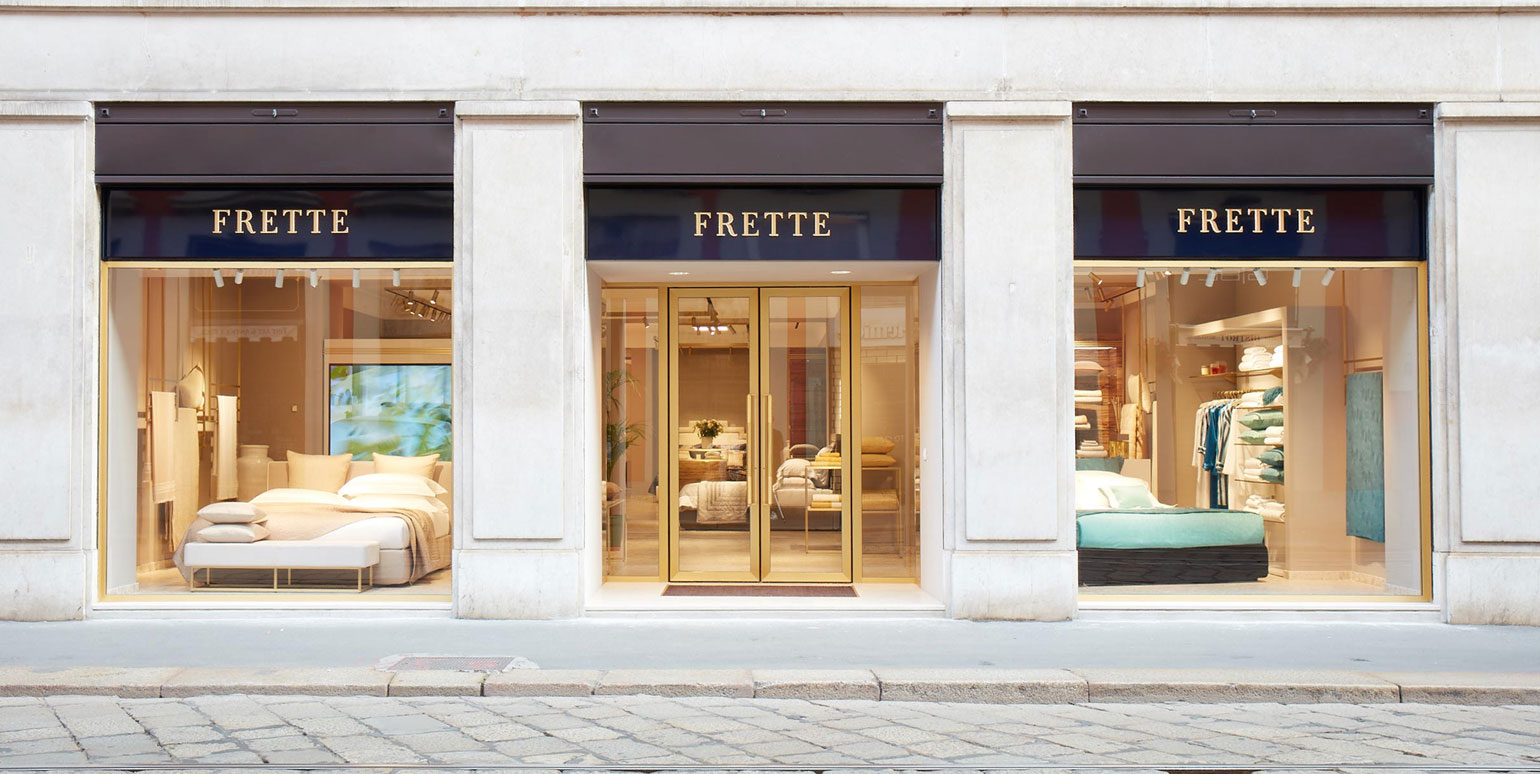
    Italian home accessories and lifestyle brand, Frette, has expanded its footprint in Singapore with its first boutique in Marina Bay Sands.

    The store also marks the brand’s first mono-brand boutique in the territory. Designed by Milan-based architecture studio Archibrando, the new Frette store features elements used in the brand’s global flagship boutique on Milan’s Via Manzoni and custom furnishings crafted from natural Afara wood, “encapsulating the luxurious ambience and timeless elegance and essence of the brand”.

    Frette Singapore occupies a 65sqm area of the shopping centre, offering crafted linens and decorative home accessories, ranging from embroidery bedding, bath towels, to men’s and women’s loungewear. The Marina Bay Sands boutique also offers custom embroidery and personalisation, bedroom styling as well as installation.

    The 160-year-old brand is known for its “chic, original designs and inimitable finish and feel”. Frette operates nine retail locations in the US and 25 in Asia. The brand has flagship stores in China, South Korea, Taiwan, Vietnam and Cambodia.

  • Starbucks launches Asia’s first Greener Store

    Starbucks launches Asia’s first Greener Store

    Starbucks has expanded its Green Store initiative into Asia with the first store opening in Shanghai, focusing on reducing waste and repurposing foods.

    Greener Store Shanghai is the Chinese mainland’s first Starbucks store to use recycled and lower-impact building materials such as wood reclaimed from the renovation of other Starbucks stores.

    The store features a bar made of modules which allows the store to adjust the layout by adding, removing or replacing them for different functions, such as ordering, beverage production and food display. At the ‘end of life’, modules that meet reuse standards can be refurbished and used again, hence reducing waste.

    Meanwhile, its signature green aprons are made from recycled Starbuck PET cups using advanced plastic-to-textile technologies. According to the company, each apron achieves approximately 1kg of carbon reduction in its lifecycle.

    Greener Store Shanghai will also host ‘Sustainable Coffee Classrooms’ with coffee masters selected from across the market, covering different sustainability practices adopted by Starbucks throughout the entire coffee supply chain.

    The store is the first in the country to recycle its coffee grounds for use as fertiliser. After composting, they can be used in suburban farms and shopping mall gardens. Customers can also take coffee grounds back home for free.

    In addition, Greener Store Shanghai marks the world’s first Starbucks store to host sustainability-themed exhibitions, where artists will be invited to give coffee grounds and other materials a new lease of life. Called the “Circular Lifestyle Lab,” the exhibition features sustainability-themed art installations made from recycled materials.

    The store provides coffee grounds straws and cutlery made of biodegradable materials while encouraging customers to bring their own reusable cups or tumblers. Half of the menu is plant-based food, including 15 new food items and two limited-time offer beverages. Oatmilk will be used as the default option for most beverages.

    First introduced in 2018 in collaboration with the World Wildlife Fund, Greener Store Framework has more than 2300 stores across the US and Canada. Starbucks aims to build and retrofit 10,000 Greener Stores globally by 2025.

  • More Warning Signs at Another Chinese Developer

    More Warning Signs at Another Chinese Developer

    Tianjin-headquartered Sunac is the latest major property developer to reportedly face troubles, with a letter to Chinese authorities asking for policy assistance.

    Sunac China Holdings Ltd. asked authorities in Shaoxing – a city in the eastern coastal province of Zheijiang – to offer policy assistance due to operational difficulties, according to a report citing a letter from a subsidiary.

    The letter did not elaborate on the type of assistance requested but said that it had never experienced such a radical change in the external environment, underlining a 60 percent year-on-year drop in home sales in Sunaac’s Shaoxing office.

    The market is almost frozen, the letter said. The radical change in policy and environment has seriously disrupted our business and made it very difficult to maintain normal operations.

    Year-to-date, Sunac’s Hong Kong-listed share price has more than halved to HK$13.44, as of publishing.

    On Friday, Sunac’s dollar bonds slumped after the letter circulated in the market with its 5.95 percent bond due 2024 dropping 4.6 cents on the dollar to 85 cents – a record-low closing level.

  • Chinese solar panel producer invests $500 mln in Vietnam

    Chinese solar panel producer invests $500 mln in Vietnam

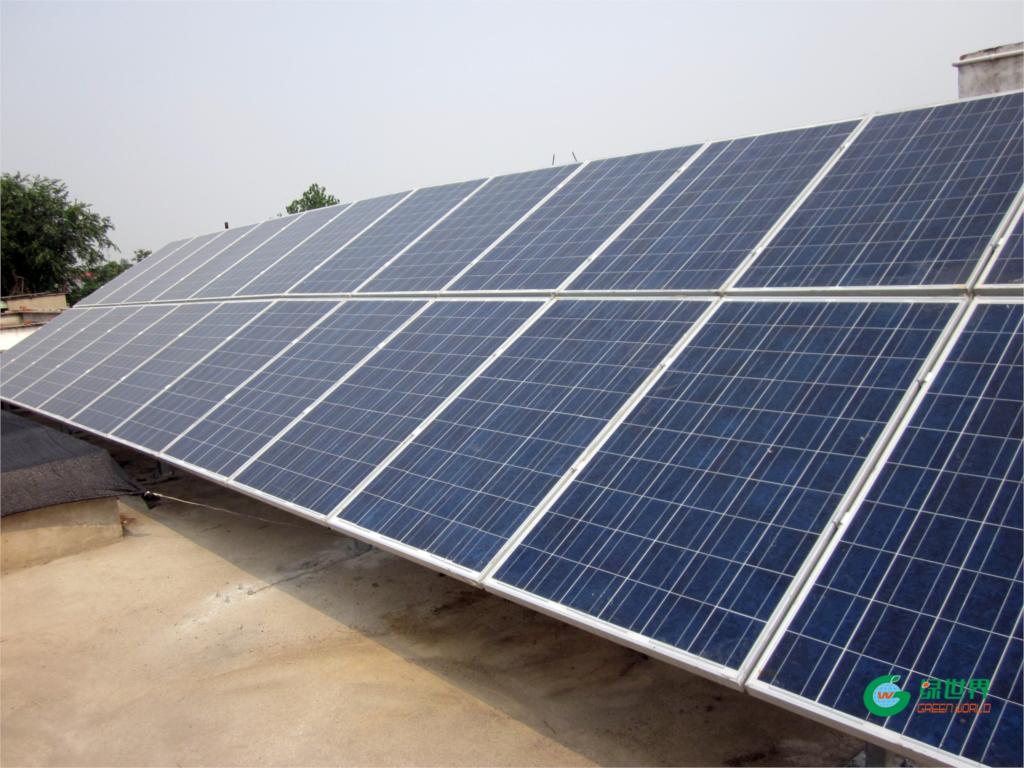
    Chinese solar panel maker JinkoSolar Holding Co. has announced a $500 million investment into Vietnam to build a manufacturing facility in the northern province of Quang Ninh.

    The new facility is set to be operational in the first quarter of next year and has an annual capacity of 7 gigawatts, the company stated Monday.

    It will produce panel components including ingots and wafers.

    “The decision to build a facility in Vietnam is one component of our strategy to ensure the long-term stability of our global supply chain,” said Nigel Cockroft, general manager of JinkoSolar U.S. Inc.

    The company has nine manufacturing facilities globally and 22 overseas subsidiaries.

  • China Intensfies Crypto Ban

    China Intensfies Crypto Ban

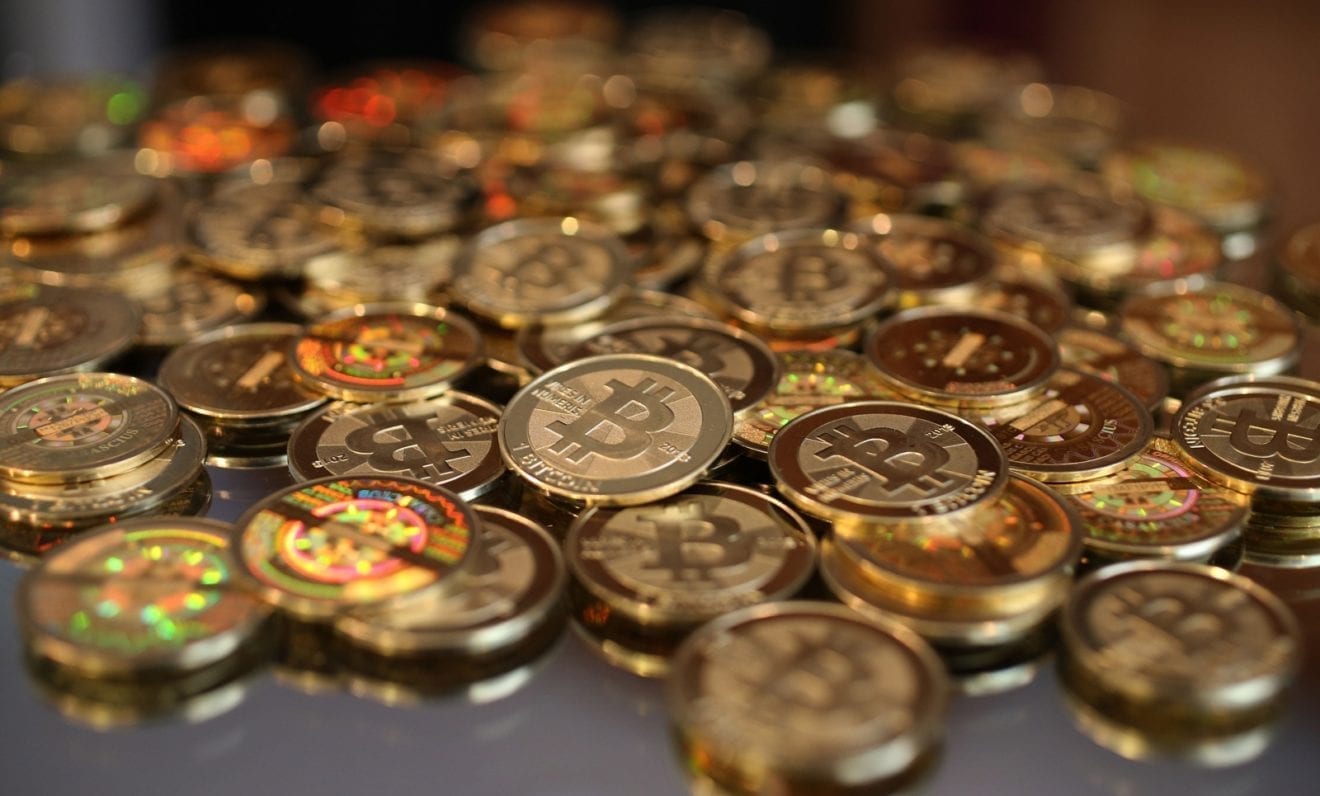
    China is ramping up its cryptocurrency prohibition efforts again with a directive issued by ten institutions last Friday covering a range of activities including offshore transactions and hiring.

    All crypto transactions in China are banned, according to authorities in a statement that highlighted examples such as Tether, Bitcoin and Ether.

    Banned crypto-related activities extend to services provided by offshore exchanges to domestic residents.

    The statement was issued by the People’s Bank of China alongside nine other institutions that included the supreme court, the police and the internet and securities watchdogs.

    The nation’s top economic planning agency asking local officials to investigate abnormal power usage, call in loans and eliminate preferential tax treatment to accelerate the shutdown of mining operations.

    In addition, crypto platforms will also be forbidden to hire locally for roles like marketing, tech and payment, limiting their ability to serve Chinese customers.

    The latest efforts are part of an ongoing crackdown that traces back to September 2017 when authorities first banned initial coin offerings in China.

  • Tesla Shanghai’s Jan-Sept 2021 Production To Reach 300,000 Units Despite Chip Shortage

    Tesla Shanghai’s Jan-Sept 2021 Production To Reach 300,000 Units Despite Chip Shortage

    Tesla’s Shanghai factory is expected to produce 300,000 cars in the first nine months of the year, capped by a delivery rush in the end of the July-September quarter, despite a global semiconductor shortage, two sources said. The factory makes the electric Model 3 sedans and Model Y sport-utility vehicles for domestic and international markets, including Germany and Japan.

    Around 240,000 vehicles were shipped from the factory in the first eight months, including many for export, according to data from the China Passenger Car Association. Tesla has not announced details on the factory’s production.An official in the area where Tesla’s factory is located said it is expected to produce 450,000 vehicles this year, including 66,100 for export.

    The sources requested anonymity, as they were not allowed to speak to media. Tesla did not immediately respond to a request for comment.

    In August, an official in the area where Tesla’s factory is located said it is expected to produce 450,000 vehicles this year, including 66,100 for export.

    Tesla is hiring managers for legal and external relations teams in China as it faces public scrutiny in the country over data security and customer service complaints.

  • Yum China and Lavazza plan 1000 cafes across China

    Yum China and Lavazza plan 1000 cafes across China

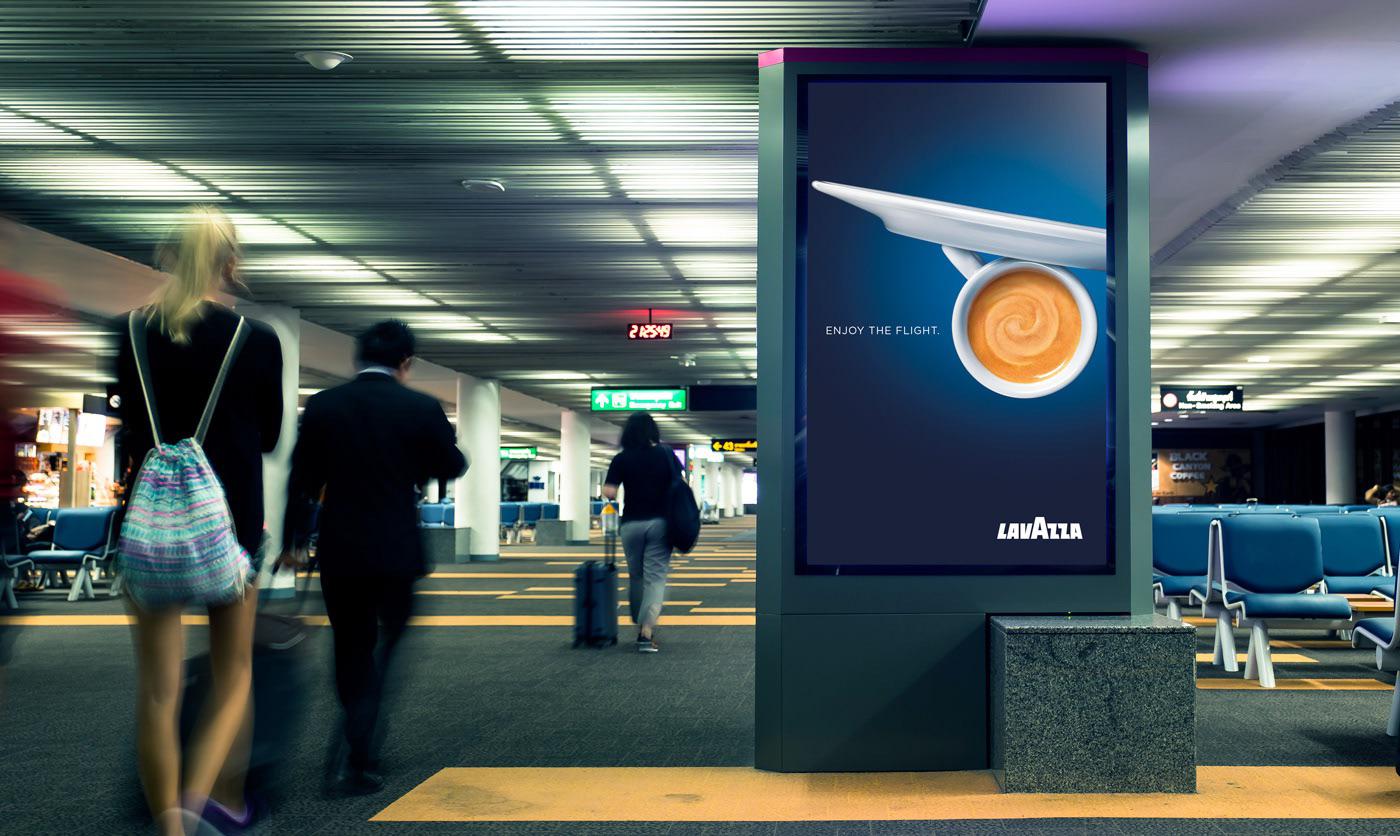
    Italian coffee chain Lavazza is set to increase its store network in China to 1000 by 2025 through scaling up its existing joint venture with fast-food operator Yum China.

    The joint venture –in which Yum will be Lavazza’s exclusive distributor in Mainland China, will also receive an initial US$200 million funding from both companies for its future growth.

    The expansion plan will see more Lavazza store openings in higher-tier cities with different store formats. As of last month, Lavazza China operated 22 stores across Shanghai, Hangzhou, Beijing, and Guangzhou. It aims to double the store number by the end of this year.

    “The potential for coffee in China is vast; there is a lot of unexplored white space,” said  Antonio Baravalle, CEO of Lavazza Group. “As the largest restaurant operator in China, Yum China is the best partner to further grow the Lavazza brand in this market given its deep understanding of local consumers and market dynamics.”

    The joint venture will also ​​market, sell, and distribute Lavazza’s retail products in Mainland China, including coffee beans, ground coffee, and coffee capsules.

    Lavazza entered China last year with Yum China, with stakes of 35 percent and 65 percent respectively. Lavazza’s first China store, its first international presence, was launched in Shanghai in April last year. The company said sales to its members accounted for about 50 percent of the sales for the first half of this year.

    “The recent progress of Lavazza cafes in China has been encouraging and reaffirms our belief that our partnership is well-positioned to capture the significant coffee opportunity in China with accelerated store network development,” said Joey Wat, CEO of Yum China.

  • Evergrande’s Lenders Prepare Loan Loss Provisions and Rollovers

    Evergrande’s Lenders Prepare Loan Loss Provisions and Rollovers

    Several of China’s largest banks that issued loans to Evergrande are now reportedly considering taking on loan loss provisions and rolling over near-term obligations.

    Agricultural Bank of China – the nation’s third-largest lender by assets – has made some loan loss provisions for Evergrande-related exposure, according to a report citing unnamed sources.

    Separately, China Minsheng Banking Corp and China CITIC Bank Corp are prepared to roll over some of Evergrande’s near-term debt obligations.

    According to the report, Chinese bank exposure to Evergrande has decreased in the past year, such as a 10 billion yuan ($1.55 billion) reduction of Evergrande loan exposure to 30 billion yuan at Minsheng.

    There is a possibility that the government may intervene to manage an orderly collapse of Evergande, the report said, adding that regulators have completed related risk assessments.

    In a leaked 2020 document, Evergrande was believed to have liabilities with over 128 banks and 121 non-banking institutions. Although the document was written off as a fabrication by Evergrande, it is reportedly viewed with credibility amongst analysts.

  • UBS China Fund Caught in Tech Maelstrom

    UBS China Fund Caught in Tech Maelstrom

    UBS’s $10 billion China Opportunity fund caught in the downdraft of the country’s harsh tech crackdown.

    It was only last April that Bin Shi gave a fireside chat on a UBS asset management hosted website. The bank’s head of China equities appeared optimistic about the outlook for Chinese equities, saying it was likely the tech sector had seen the worst in terms of anti-trust penalties.

    As a result, he felt confident buying high-quality A-share titles listed in Shanghai and Shenzhen.

    And when Shi talks, investors tend to listen – given he currently manages four different vehicles focusing on Chinese equities, the largest being the China Opportunity Fund.

    It is one of the most important equity funds at UBS. It has a highly successful track record, and assets under management were $14.4 billion at the end of 2020. Over the past five years, it posted an annualized return of more than 12 percent.

    Until this year, Morningstar ranked it as a five-star fund while Citywire has long rated Shi highly.

    What that means is that Shi gets talked about. In Switzerland, the fund seemed to attract new money almost by magnetic force, envious market competitors say.

    But over the past few months that force has likely weakened significantly. Things have not turned out as Shi expected. A-shares continue to tank, as do Chinese securities listed overseas. In summer, the fund recorded double-digit declines and it lost a Morningstar star in July. As of right now, the fund is down almost 22 percent this year.

    That means that it trails the MSCI China Index and many of its peer funds. It still managed $10.4 billion in assets in June with the first half report recording redemptions of about $3.8 billion, although that was still more than offset by inflows of $4.2 billion. But if you factor in market performance, the current shortfall is more likely to be about $1.2 billion.

    That is more than likely to be a big hit for Shi. When asked by finews.com, UBS said that it takes the long-term view when it comes to identifying market prospects and it invests in companies with strong management and a long-term vision that allow them to ably manage geopolitical, regulatory and other external events.

    China is more volatile than other markets, and such an environment creates opportunities for active managers to create value,, a spokesperson said.

    It appears that the fund bet billions of dollars on the Chinese companies bearing the brunt of the anti-cartel and regulatory crackdown. Its holdings of Tencent comprise 9.76 percent of the portfolio, Alibaba and other Jack Ma companies, including Ant, which is being split up, make up 5.74 percent. In comparison to peers, it appears to be overweight in financials.

    In the meantime, the Chinese government seems to be ramping up scrutiny of the insurance sector. One of the largest insurers is Ping An, which is 5.29 percent of the portfolio. Authorities are also taking steps against video games, which is likely to impact major games producer Netease (4.97 percent of the portfolio).

    The brutal decline in Chinese equities has proven controversial, given that it has become mixed up in the U.S.-China trade war, the pandemic and violations of human rights in China. Market legend George Soros has called Blackrock’s recent move into China a «tragic mistake». He warned that the world’s largest asset manager was likely to lose money as a result, warning that the recent steps against the tech sector are a symbol that Chinese President Xi Jinping will do anything to remain in power.

    One of the world’s mostly closely watched investors, Cathie Woods, recently sold off a sizeable chunk of her funds holdings in China tech.

    Blackrock and UBS have no choice but to grin and bear it. The Chinese investment market is a long-term gamble and one in which UBS managed to position itself before other competitors. UBS is also intent on making more investments there. That also holds for the funds business. It is expanding its palette of products and it is shortly expected to launch a new China Healthcare fund.

    But if UBS China funds continue to bleed, that could change. It is mostly investors outside the mainland that have been burned by the tech crash and they make most of their money from them.

    They seem to have had enough of the way Chinese authorities have been acting, which they see as unpredictable and overly draconian.
  • Shanghai encourages ‘duty-free economy’ as part of consumer push

    Shanghai encourages ‘duty-free economy’ as part of consumer push

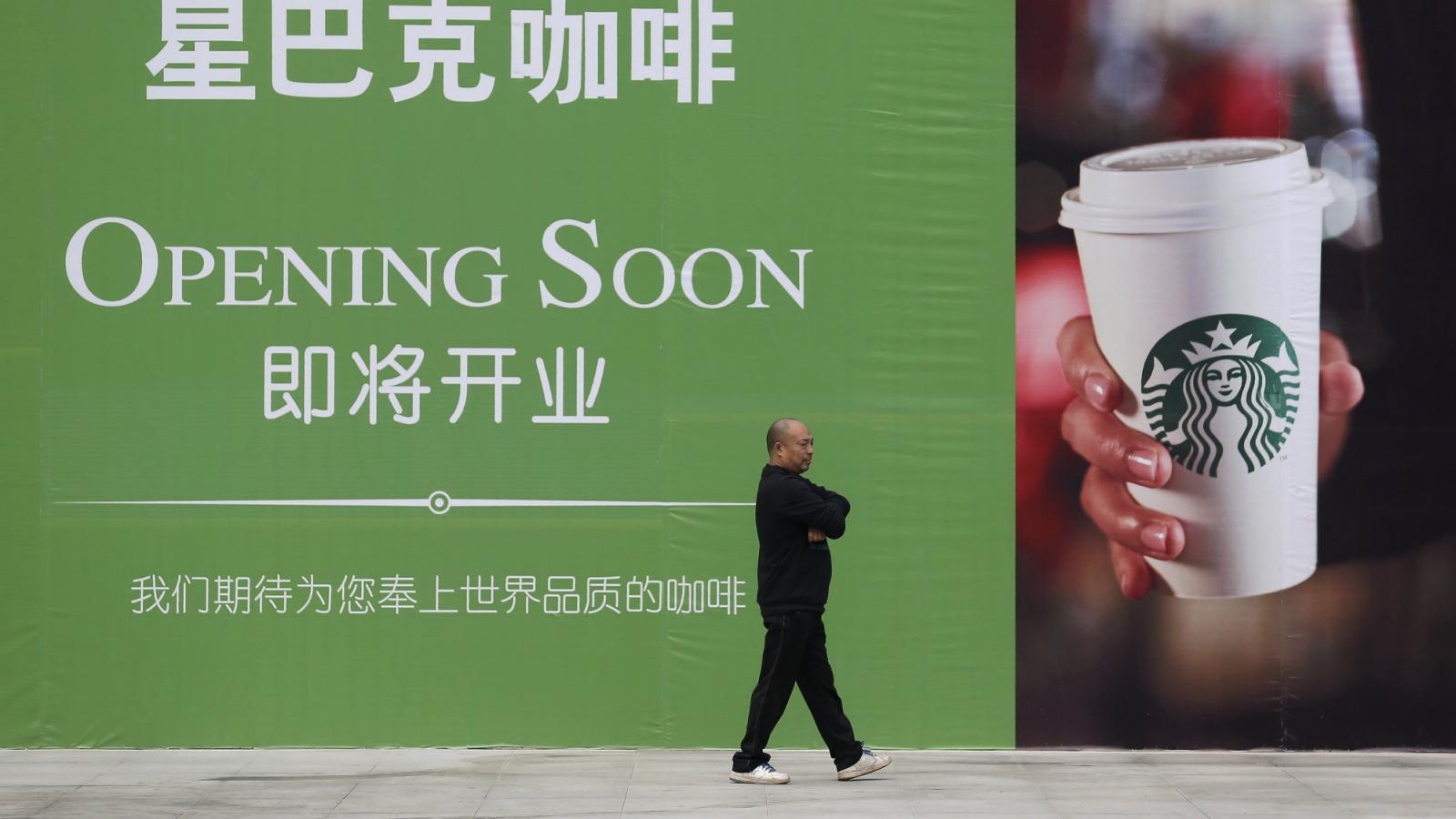
    The Shanghai government will support companies applying for approval to sell duty-free goods, and encourage duty-free shops to be set up at airports, hotels, malls and other commercial venues, municipal authorities said.

    The development of a “duty-free economy”, which will encourage spending on imported products, including heavily-taxed luxury goods, was outlined in a 2021-2025 consumption plan released on Saturday.

    Presently, duty-free spending in China is largely concentrated in the southern island province of Hainan, where the annual limit on individual duty-free spending was hiked to 100,000 yuan (US$15,467) last year from 30,000 yuan previously.

    Tariffs on imported consumer goods vary in China, with taxes on some luxury items such as perfumes and watches exceeding 30 per cent.

    Lured by the substantially lower prices, millions of domestic tourists flock to Hainan’s malls each year, and the numbers have been boosted by restrictions on overseas travel resulting from the Covid-19 pandemic.

    Otherwise, there are more than 300 duty-free shops across the country selling products from fragrances and cosmetics to clothing and shoes. China Tourism Group Duty Free Corp is the dominant player, with nearly 200 stores.

    Annual duty-free spending is in the tens of billions of yuan.

  • JD opens E-space store in Indonesia

    JD opens E-space store in Indonesia

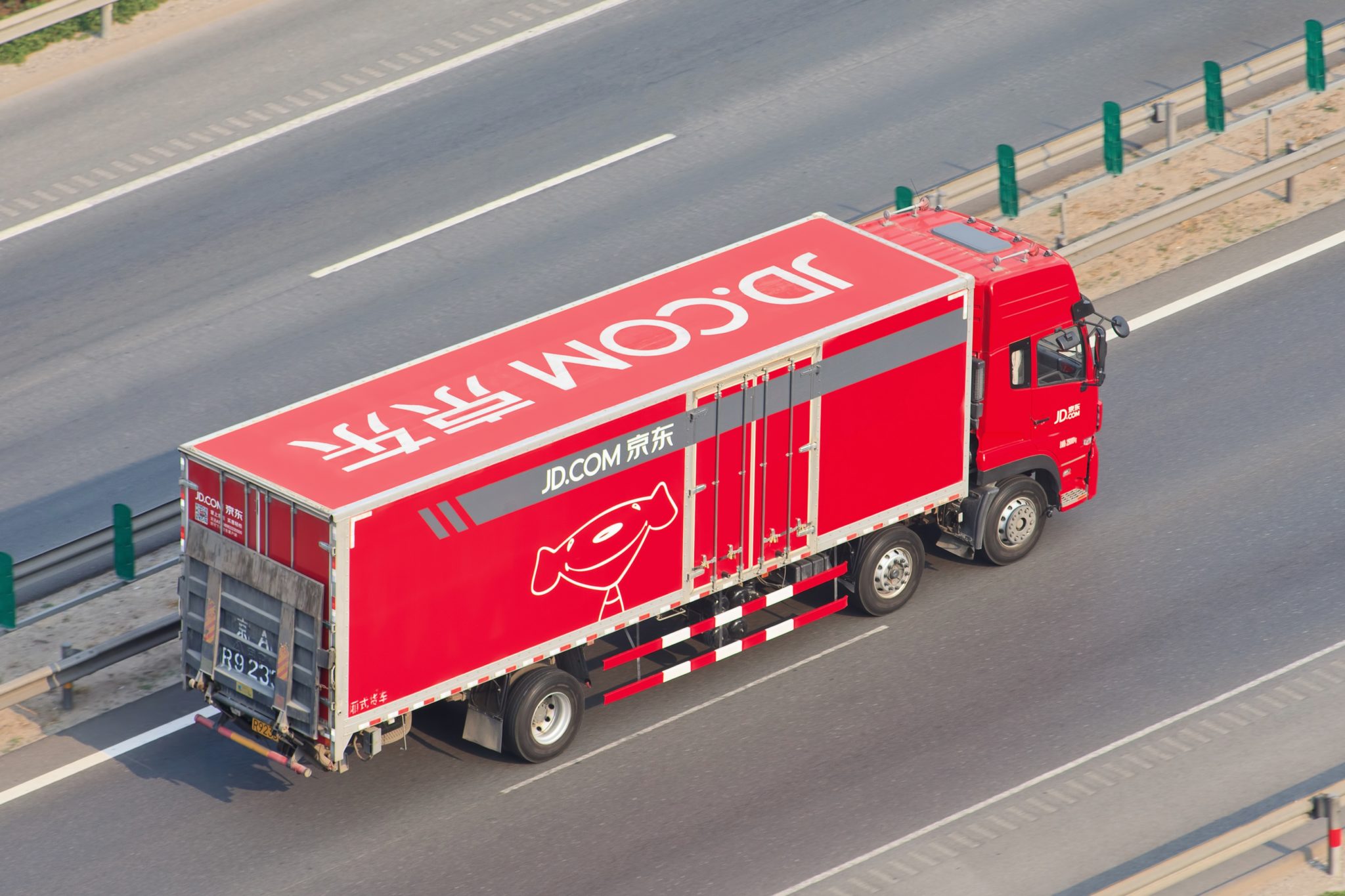
    JD has introduced its first overseas E-space store through JD.ID – its e-commerce joint venture in Indonesia.

    Dudded JD.ID Electronic Store, the E-space store features an omnichannel model which offers technology and home appliance products from a list of electronics brands, including Huawei, Vivo and Oppo.

    Situated in Aeon Mall Sentul City, West Java, the 1300sqm store also provides experiential zones such as a gaming area and smart home area.

    “The launch of the E-space store in Indonesia proves our commitment to excellent service by offering various shopping platform options to our customers,” said Zhang Li, CEO of JD.ID.

    “We hope that through the inauguration of this newest offline outlet, JD.ID can more closely connect with consumers, especially providing them with convenience, comfort, and freedom in choosing the shopping platform that best suits their needs.”

    The E-space store model was first introduced by JD in 2019 in Chongqing, China, before being brought into other cities.

    Since launching its first omnichannel outlet in 2018, JD.ID has opened five physical stores in Indonesia that focus on omnichannel services.

  • China Tells Firms To Boost Cyber, Data Security Oversight On Connected Vehicles

    China Tells Firms To Boost Cyber, Data Security Oversight On Connected Vehicles

    China’s industry ministry published a notice on Thursday telling companies to step up cyber and data security oversight over connected vehicles, saying that security risks in the industry had become increasingly prominent.

    All relevant companies should establish data security management systems and regularly assess risks from network attacks, the Ministry of Industry and Information Technology said in a statement.

  • JD launches five-storey JD Mall in China’s Xi’an

    JD launches five-storey JD Mall in China’s Xi’an

    JD.com launched the “JD MALL” brand, the upgraded version of its E-Space omnichannel retail experience store on September 14, via an online press conference. The new shopping destination will first debut in Xi’an, China, on September 30.

    With an area of 42,000 square meters across five floors, JD MALL in Xi’an offers an immersive omnichannel shopping experience to consumers through 200,000 items from over 150 domestic and international brands.

    Consumers are able to place orders through the official WeChat Mini Program by scanning QR codes on each of the items, and JD will handle the last-mile delivery to their doorsteps through the company’s strong logistics infrastructure.

    In addition to traditional categories such as electronics, home appliances, and digital accessories offered in E-Space, JD MALL also provides a wide range of items in home , furniture, kid, smart healthcare products and auto accessories.

    At the same time, JD MALL offers one-stop home design services and home appliance package purchases, enabling customers to enjoy a seamless shopping experience from designing, product selection to installation and aftersales. A selection of products also supports 2-hour delivery and 24-hour installation services.

    JD MALL combines fashion and technology elements from design to experience. Customers can enjoy tech devices and experiences including holographic projection, VR equipment, an intelligent robot, a virtual live stream room and a transparent computer room.

    As JD’s integrated consumption shopping center, one of JD MALL’s differentiation is the immersive experience. The Mall will have 11 themed experience zones and 29 product interaction zones, such as a beauty salon, audio experience aea, drone testing, massage, etc, making it a multi-scenario and fun space for customers.

    JD is continuing to provide different kinds of physical stores amid the growing trend in which customers pursue a high-quality and multi-store ecosystem, including JD E-Space, JD home appliance flagship stores, JD computer and digital stores and JD retail experience shops. This is also part of JD’s plan to promote its omnichannel operation and accelerate the industrial structure upgrading.

    In the first half of this year, transaction volume of JD’s E-Space in Chongqing increased 105% YOY, while the transaction volume of the opening day of the same type of store in Hefei, Anhui province reached RMB 166 million yuan, and the traffic for both online and offline was over 1.2 million.

  • Beijing Seeks Alipay App Break-Up

    Beijing Seeks Alipay App Break-Up

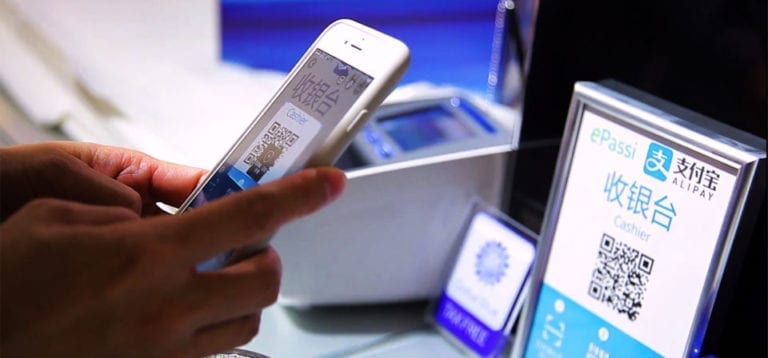
    There is more restructuring underway for Jack Ma’s Ant Group with Chinese authorities reportedly seeking to break up Alipay, its super app with over 1 billion users.

    Chinese officials want Ant to make its traditional credit card and small unsecured loans business – Huabei and Jiebei, respectively – into two separate apps, breaking up what used to be a single Alipay app.

    The plans also require Ant to turn over user data to a new partly state-owned credit scoring joint venture.

    The government believes big tech’s monopoly power comes from their control of data, said one source. It wants to end that.

    The reported deal that will make Zhejiang Tourism Investment a majority shareholder is considered favorable for Ant due to its relationship with its home province.

    Given the mutual trust between Ant and Zhejiang, the fintech group will have a big say on how the new JV operates, said an unnamed former Chinese central banking official. But the new set-up will also make sure that Ant listens to the party when it comes to critical decision-making.

    What does Zhejiang Tourism Investment Group know about credit scoring – nothing, said another source who noted while Ma’s team would lead the venture, there was concern about future loss of control.

    The Huabei and Jiebei businesses fall under a ‘CreditTech’ unit and is a leading revenue generator for the fintech giant.

    Last year, it issued about one-tenth of the non-montage consumer loans in the second-largest economy in the world.

  • Yum China launches fresh fruit and veggies in 6000 outlets

    Yum China launches fresh fruit and veggies in 6000 outlets

    Yum China is now offering more fruit and vegetable options in over 6000 food chains nationwide, encouraging consumers to add at least 100g of fruit and veggies to their meals.

    This latest effort is part of the company’s “Fruit and Vegetables 100+” program, designed to support recommendations from the National Health Commission in China that adults should have a daily intake of at least 300-500 grams of vegetables per day for a balanced diet.

    Along with the new program, the company’s subsidiaries KFC, Pizza Hut and Taco Bell will also launch new products that include fruits and vegetables to promote healthier eating (the three restaurants promotions are displayed in the image above, from left KFC, PIzza Hut and taco Bell).

    According to the restaurant giant, the company is committed to offering its customers a wide variety of healthier food options. To achieve this, the company says it focuses on food innovation, recipe changes such as reducing the amount of salt, sugar, and oil, and adopting different cooking methods. For example, at KFC, around 80 per cent of non-beverage breakfast menu items are oven-baked versus deep-fried.

    The company was also first to introduce plant-based products in China when it launched plant-based burgers at Pizza Hut, plant-based nuggets at KFC, and plant-based tacos at Taco Bell.

    Together with the China Nutrition Society, Yum China established Yum China Dietary Health Foundation to support scientific research and promote dietary health. In 2020, the foundation funded over 80 projects focused on dining out and urban resident health.