Tag: China

  • OCBC Deputy President Retires

    OCBC Deputy President Retires

    OCBC’s deputy president will retire after 22 years with the Singaporean bank. OCBC deputy president Ching Wei Hong will retire at the end of September, according to an exchange filing.

    Ching first joined OCBC in November 1999 as head of transaction banking and has since held various senior roles including chief financial officer, chief operating officer and chairman of Bank of Singapore before being named deputy president in early 2020.

    I am deeply grateful to Wei Hong for building a strong foundation upon which our wealth management and consumer banking businesses will grow from strength to strength. Please join me in wishing him a healthy and happy retirement, according to a report citing an email from chief executive Helen Wong.

    Separately, the bank has appointed Sunny Quek as acting head of global consumer financial services, effective October 1, as well as director of OCBC Securities, subject to regulatory approval.

    Quek will report to Wong and Bank of Singapore CEO Bahren Shaari. Quek is currently OCBC’s head of consumer financial services in Singapore.

  • Adidas hit by China boycott, Vietnam factory closures

    Adidas hit by China boycott, Vietnam factory closures

    Adidas felt the impact of a Chinese boycott of Western brands on its second-quarter results and is also suffering from the closure of factories in Vietnam due to Covid-19 infections.

    The German sportswear company still raised its outlook for full-year sales and profitability as it said it has seen demand recover in China since calls for a boycott in late March, and said it hopes to restore production in Vietnam soon.

    But Adidas shares were down 4.1 percent by 9:50 GMT as analysts noted that its growth was lagging rivals Nike and Puma, which both reported that sales nearly doubled in recent earnings releases.

    Second-quarter sales at Adidas rose 52 percent to 5.077 billion euros ($6 billion), while operating profit came in at 543 million euros, ahead of analysts’ average forecasts.

    Adidas raised its 2021 outlook to predict sales will grow up to 20 percent, and net income from continuing operations will reach 1.4-1.5 billion euros. That compared to Puma’s forecast for sales to rise at least 20 percent for 2021.

    Adidas already saw online sales return to growth in China in June, Chief Executive Kasper Rorsted told journalists, adding he expects the country to record strong growth for the full year and he welcomed a government drive to promote youth sport.

    The company hopes to be able to restart production in Vietnam after the scheduled end of a coronavirus lockdown on Aug. 15 and is working on reallocating production to other centres in the meantime.

    Vietnam usually accounts for 28 percent of Adidas sourcing and its factories mostly make shoes for the company, with a lag of three to four months before products hit the shelves.

    The combined impact of supply chain problems, new Covid-19 lockdowns in Asia and tensions with China could amount to more than 500 million euros in lost sales in the second half, said finance chief Harm Ohlmeyer.

    Ohlmeyer added he expects Adidas to seal a deal to divest the underperforming Reebok brand by the end of the summer.

  • Car dealers’ profits soar

    Car dealers’ profits soar

    Auto dealers reported three- and even four-digit growth in net profits year-on-year in the first half of the year amid a surge in demand.

    Saigon General Service Corporation (Savico) reported profits of more than VND140 billion, a 487-percent rise, on consolidated revenues of over VND7 trillion ($304.3 million).

    Hang Xanh Motors Service Joint Stock Company (Haxaco), a major dealer for Mercedes-Benz, merely said profits grew in triple digits to VND61.5 billion.

    Truong Long Auto & Technology Joint Stock Company reported growth of 650 percent.

    Ford dealer City Auto Corporation said profits were up 3,300 percent at VND17 billion.

    TMT Motors Corporation reported profits of VND21 billion, up 1,650 percent.

    The strong profit growth somewhat reflected a recovery in the market, with Hang Xanh saying sales in the second quarter rose by 20 percent year-on-year.

    According to the Vietnam Automobile Manufacturers’ Association, its members sold over 135,600 vehicles in the first half, up 32 percent. The numbers do not include the sales of Audi, Jaguar Land Rover, Subaru, Volkswagen, Volvo and some others, who did not reveal their numbers.

    According to the General Department of Vietnam Customs, the country imported over 81,100 complete built-up vehicles in the six-month period, a 100.5 percent increase.

    But dealers expect a gloomy market in the second half, mainly due to the impact of Covid-19.

    Saigon General Service Corporation said the pandemic would have a strong impact on sales in the third quarter.

  • Chinese smartphones have 50 percent market share

    Chinese smartphones have 50 percent market share

    With Vietnamese phone brand Vsmart stopping production, Chinese smartphones grabbed a 50 percent market share in the second quarter of this year, according to Counterpoint Research.

    Of five prominent Chinese brands, Xiaomi, Oppo and Vivo accounted for a 45 percent share, according to the global research firm that specialized in technology, media and telecom. South Korea’s Samsung from and the U.S.’s Apple account for another 44 percent.

    Smartphone sales grew by 11 percent year-on-year in the second quarter. Pent-up demand and a new user base coming from the feature phone segment largely contributed to this growth, according to Counterpoint’s Monthly Vietnam Channel Share Tracker.

    Samsung topped with a 37-percent share riding on the Galaxy M31, Galaxy A12 and Galaxy A02s.

    Xiaomi was in second spot with 17 percent driven by the Redmi 9 and Note 10 series. OPPO and Vivo took third and fourth spots.

    The OPPO A series was the volume driver for the brand and it was the Y series for Vivo. Apple continued to do well in Vietnam and became the fifth-largest brand in the market.

    Six of the 10 best-selling smartphones at FPT Shop in the second quarter were Chinese, including Oppo the A15, Oppo Reno 5 and Vivo Y20.

    5G-capable smartphones have a 14-percent share of the market, and it will grow as mwobile phone operators are gearing up to launch 5G services, according to Counterpoint.

    Vietnam has already started 5G trials, with Viettel becoming the first company to do so.

  • Alibaba misses revenue estimates during regulatory crackdown persists

    Alibaba misses revenue estimates during regulatory crackdown persists

    China’s Alibaba Group Holding missed analyst estimates for first-quarter revenue on Tuesday, as its e-commerce business was hurt by rising competition from smaller players such as JD.Com and Pinduoduo I.

    Alibaba’s results mirror those of e-commerce giant Amazon.com in the United States, as the easing of pandemic-related restrictions has led to more consumers visiting physical stores rather than ordering online.

    Core commerce revenue for Alibaba rose about 35% to 180.24 billion yuan in the quarter, compared with estimates of 184.23 billion yuan. In the fourth quarter, the unit’s revenue surged more than 70%.

    Overall, revenue rose about 34% to 205.74 billion yuan ($31.83 billion) in the first quarter ended June 30, below estimates for 209.39 billion yuan, according to IBES data from Refinitiv.

    Net income attributable to shareholders fell to 45.14 billion yuan, compared with 47.59 billion yuan a year earlier.

    On an adjusted basis, the company earned 16.60 yuan per share, above estimates for 14.43 yuan.

    Ant Group, the fintech affiliate of Alibaba Group, recorded a profit of about 13.48 billion yuan in the quarter ended March, according to the Chinese e-commerce giant’s filing.

    Alibaba, which holds about a third of Ant, posted a profit of 4.49 billion yuan for the quarter ended June 30 from its investments in the financial conglomerate.

    Revenue in Alibaba’s cloud computing division grew 29% year-on-year, reaching 16.05 billion yuan ($2.49 billion)

    The results come amid an ongoing Chinese regulatory crackdown on the industry, during which Alibaba has become one of the main targets.

    Late last year, regulators halted a planned $37 billion IPO of Ant Group in Shanghai and subsequently called for a restructuring of the financial unit.

    In April, China’s anti-monopoly regulator fined Alibaba $2.75 billion for engaging in anti-competitive practices.

    During an earnings call with investors, Alibaba CEO Daniel Zhang said the company would continue to monitor the impact of ongoing regulatory changes on the company’s business.

    He cited a recent regulatory crackdown on community marketplace platforms letting sellers offer items below market price as one example of a sector the company is monitoring, in addition to the Data Security Law and an investigation from the Ministry of Industry and Information Technology into open links between rival platforms.

    “We are in the process of studying the regulatory requirements, evaluating the potential impacts on our relevant businesses and we will respond positively with actions,” Zhang said.

  • China’s Electric Vehicle Makers Report Strong July Sales

    China’s Electric Vehicle Makers Report Strong July Sales

    Electric vehicle sales at China’s Li Auto and Xpeng Inc more than tripled in July from a year ago, while they doubled at Nio Inc, helped by robust demand for new energy automobiles in the world’s biggest auto market.

    The rise in July deliveries comes at a time when electric car makers have been expanding manufacturing capacity in China, encouraged by the country’s policy of promoting greener vehicles.

    U.S.-listed shares of Xpeng surged as much as 8.9% to a near two-week high of $44.12, Li Auto rose as much as 6.1% to a one-month high of $35.44, while Nio gained as much as 4.7% at $46.78.

    Nio, Li Auto and Xpeng compete with U.S. electric car maker Tesla, which dominates the EV market in China.

    Nio, the maker of the ES8 and ES6 electric sport-utility vehicles, said it delivered a total of 7,931 vehicles in July, up 124.5% from a year earlier. Deliveries had more than quadrupled in July 2020.

    Xpeng, which makes the P7 sedan and G3 sport-utility vehicles, said its July deliveries jumped 228% to 8,040 vehicles.

    Li Auto, the producer of Li ONE SUVs, said it delivered 8,589 Li ONEs last month, an increase of about 251%.

    The strong sales numbers for the EV makers come as a global recovery in auto sales is being threatened by chip shortage that has forced automakers around the world to adjust assembly lines, cut productions and shutter factories.

  • Nokia secures first 5G contract in China

    Nokia secures first 5G contract in China

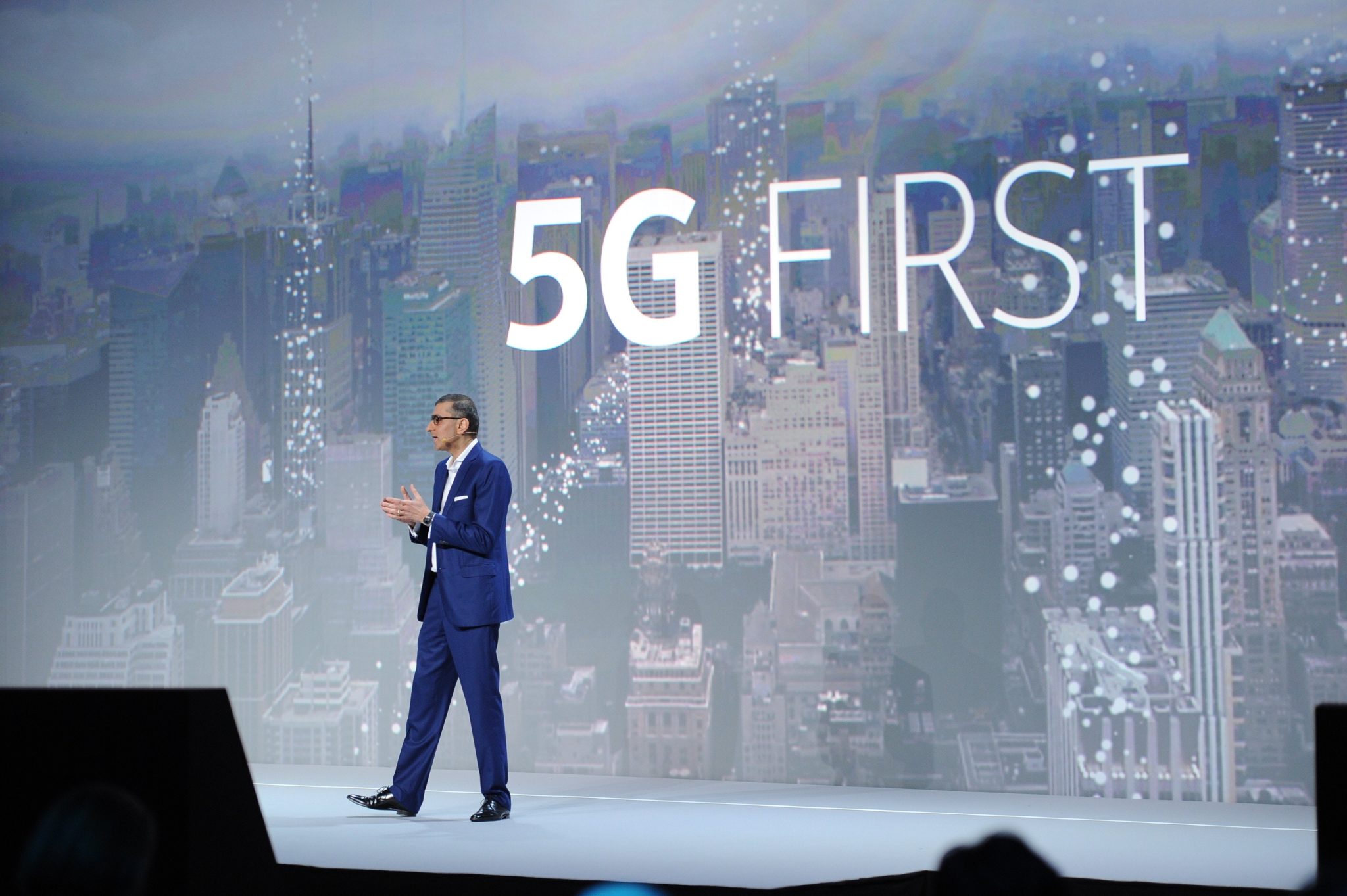
    Nokia secured a 5G RAN contract for China Mobile on Monday, making this the company’s first 5G contract in the country.

    Nokia was awarded a 10% share in one of three contracts tendered by China Mobile, while Ericsson obtained 9.6% of another contract. The total tender for all three contracts reached about $6 billion, with Nokia being awarded 4% of the overall tender. Comparatively, Ericsson was awarded 2%, dropping from about 11% last year.

    Together, Huawei and ZTE won the majority share in all three contracts to build 5G 700 MHz base stations for China Mobile and China Broadcasting Network. This is followed by a smaller local company Datang Corporation.

    China Telecom and China Unicom will also be disclosing awards of their respective 5G contracts.

    Currently, China is ahead of other countries in 5G deployments. According to data from the Ministry of Industry and Information Technology, China had deployed 820,000 5G base stations by the end of March.

  • Avaloq Names New Regional Directors

    Avaloq Names New Regional Directors

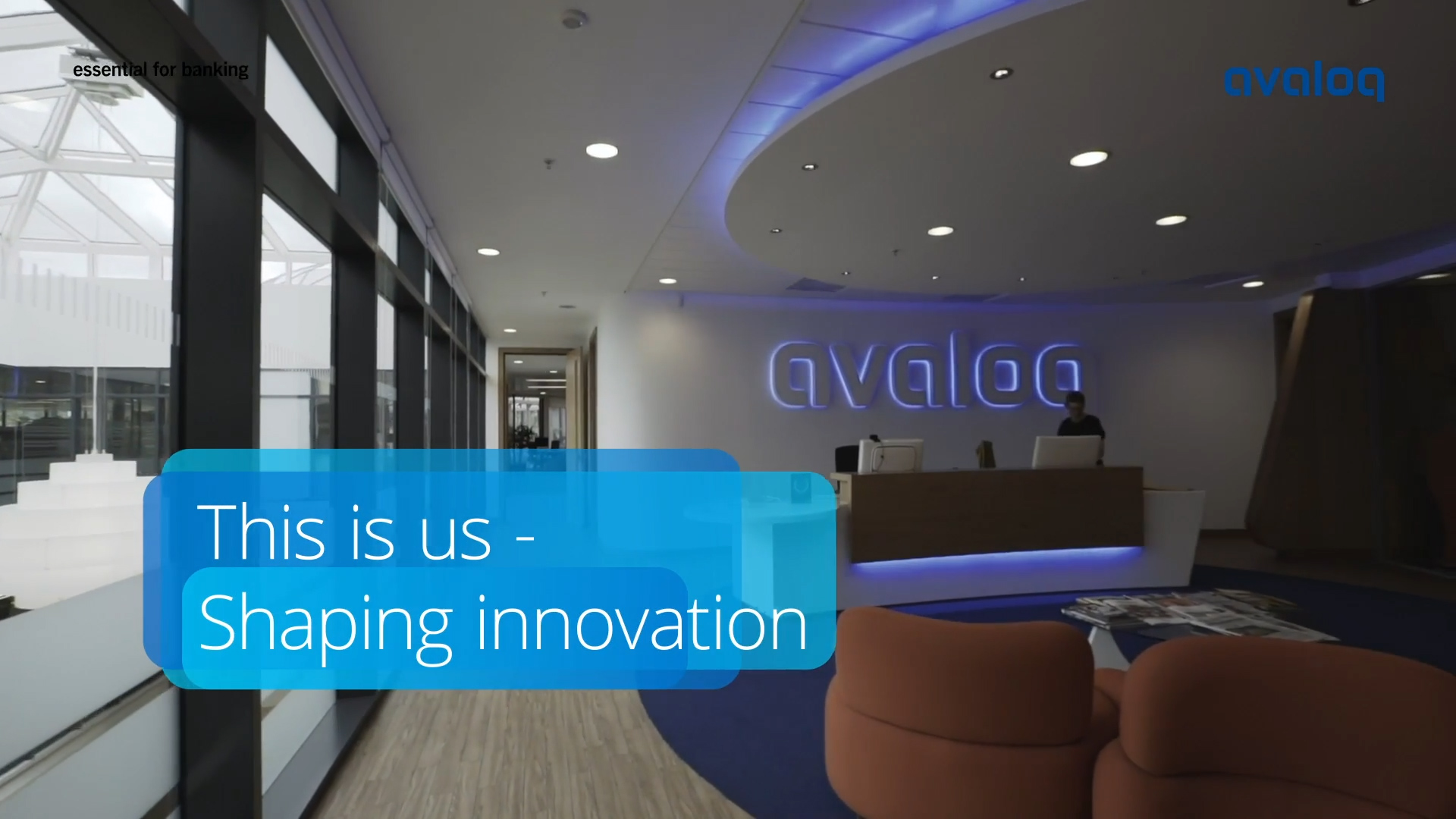
    The Swiss-based banking software provider has announced a pair of senior promotions at its Asia-Pacific business.

    Avaloq has appointed Gery Dachlan as managing director for South Asia and Australia, and Pascal Wengi as managing director for the North Asia region, according to an announcement on Wednesday.

    Based in Singapore, Dachlan joined Avaloq in 2013 and was previously its market head of South Asia and Japan, responsible for driving business development and expanding key relationships in the region.

    Wengi, based in Hong Kong, joined Avaloq in 2020 as head of sales for Greater China.

    The appointments reflect the region’s growing prominence in its growth strategy, Avaloq said in the announcement.

    The moves follow the firm’s acquisition by Japanese tech giant NEC in December 2020. In March 2021, Juerg Hunziker stepped down as CEO, with product chief Martin Greweldinger and technology boss Thomas Beck (below, right) taking over from him as co-CEOs.

  • Bank of China to Open Geneva Branch

    Bank of China to Open Geneva Branch

    Bank of China, the country’s most globalized bank, is giving Geneva a second chance and opening a branch there again, but this time the focus will be different.

    Bank of China Geneva Branch was registered on the Commercial Register on June 15 and listed as an authorized bank by Swiss financial regulator Finma on July 9, the bank said in a press release Monday.

    Bank of China is the most globalized and integrated Chinese bank. The bank is ranked among the «Fortune Global 500» for 31 consecutive years and among the global systemically important banks for nine consecutive years. Its overseas service network covers 62 countries and regions, the press release said.

    It added that with the establishment of its bank in Switzerland, the Bank of China would work to build a bridge for Sino-Swiss trade and investment, providing comprehensive trade finance products and commodity trade financial services to Swiss enterprises doing business with China and Chinese enterprises in Switzerland.

    The bank previously opened a branch in Geneva in 2008 and intended to operate a classic wealth management model. It was unsuccessful and closed eight years ago, with the business sold to Julius Bär. The new branch’s focus, by contrast, will be on corporate clients. Bank of China employs around 300,000 people globally.

  • China sales help Armani bounce back from pandemic

    China sales help Armani bounce back from pandemic

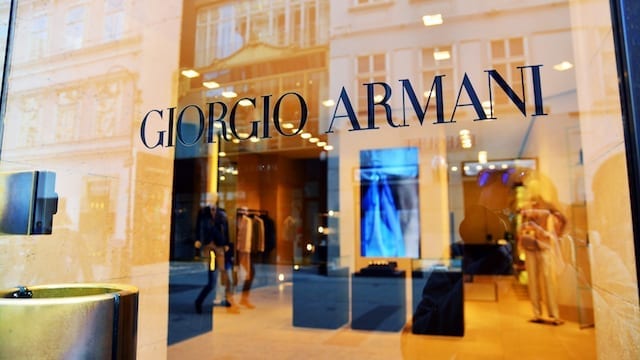
    Sales at Giorgio Armani jumped 34% in the first half of 2021 as business in China and the United States helped the Italian fashion group bounce back, although it said it could be next year before it fully recovers from the pandemic.

    “The goal is to return to pre-pandemic levels by 2022, with… over 2 billion euros in direct consolidated revenues,” Chairman and CEO Giorgio Armani said on Sunday in a statement announcing 2020 results and the trend for January-June.

    The luxury group said consolidated net sales had fallen 25% last year to 1.6 billion euros ($1.9 billion), with most of the decline occurring in the first half of 2020.

    Luxury goods sales around the world fell sharply last year for the first time in years as the pandemic forced shop closures and brought international tourism to a virtual halt.

    “The drop in revenues in 2020 should be read not only as a consequence of the pandemic but also in line with Giorgio Armani’s own strategic principle of ‘less is more’,” said Armani Deputy Managing Director Giuseppe Marsocci.

    The Milan-based group did not give the value of total sales in January-June but said the positive sales trend so far this year pointed to a much better profitability scenario for 2021.

    For the whole of last year the group made a consolidated net profit of 90 million euros but an operating loss (EBIT) of 29 million euros.

    It also said on Sunday that its financial position improved significantly in the first half with net cash and cash equivalents of 1.088 billion euros “ensuring the financial resources necessary for the Group’s medium to long-term stability and growth”.

    Speculation about succession plans at Armani has come to the fore recently, especially after the 87-year-old designer said he could consider teaming up with another Italian company.

    Sources said earlier this month that John Elkann, scion of Italy’s Agnelli family, had explored a possible tie-up as part of plans to build a luxury conglomerate.

  • Bally signs up Johnny Huang as brand ambassador

    Bally signs up Johnny Huang as brand ambassador

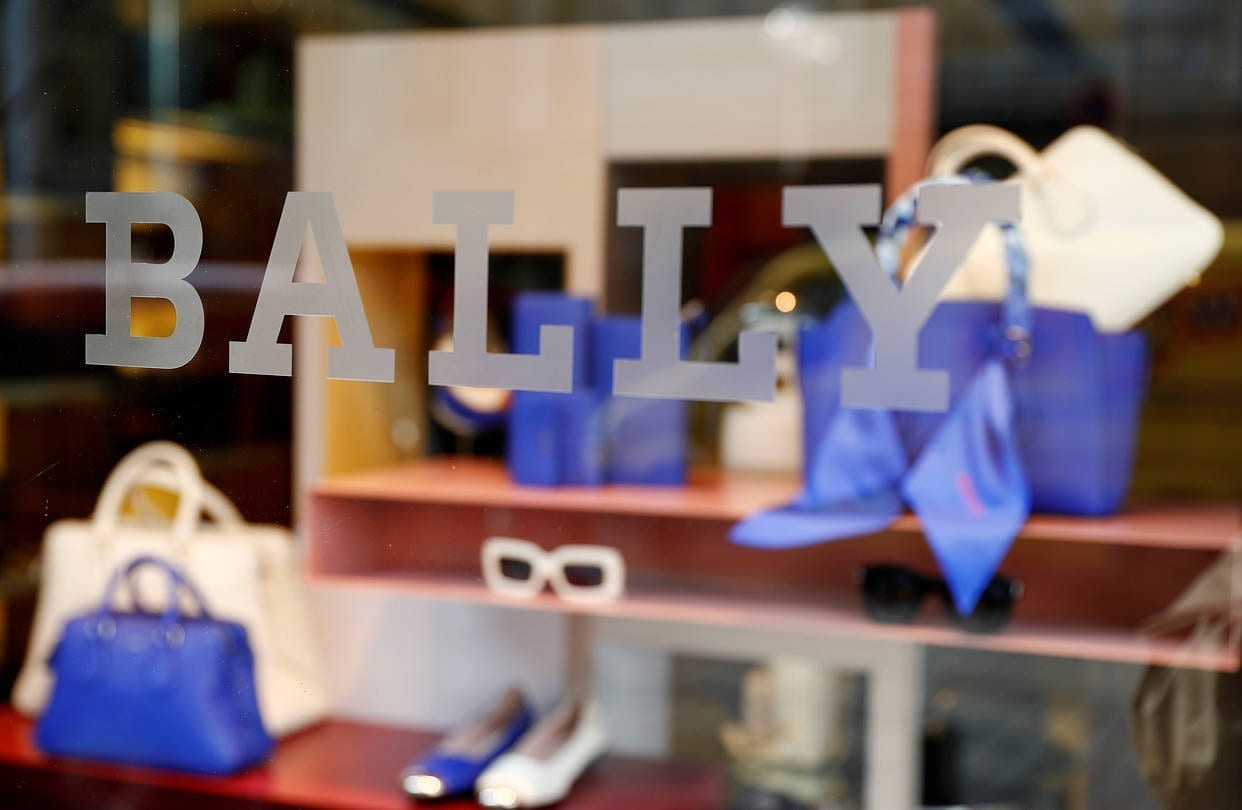
    Bally is underlining the strength of the Chinese consumer with its latest campaign as it has signed up Chinese actor and model Huang Jingyu, also known as Johnny Huang, as the campaign’s star and as its brand ambassador more widely.

    “The award-winning Chinese actor will reinterpret our pioneering spirit with his signature style and edge,” the company said. In its 170th anniversary year, it’s also planning plenty of major activities with the celebrity.

    The company has 60 stores in China and a dedicated webstore there, as well as a prominent presence on e-tail sites like Tmall and on local social media.

    Buit it’s not all about China, of course, with the actor also being known internationally. In fact, his appointment is the first time a Chinese personality has acted as global face for the label.

    The company said its new spokesmodel is “a formidable actor” with a “dynamic personality and modern sense of style” that works well with Bally.

    As well as fronting the AW21 campaign alongside model Zhao Jiali, he will continue as the brand’s ambassador for its SS22 imagery and will appear at Bally events such as store openings like that for the planned Bally Hike pop-up in Beijing. That store will feature a dedicated hiking clothing and accessories collection.

  • Jollibee plans to open Tim Ho Wan outlets in China

    Jollibee plans to open Tim Ho Wan outlets in China

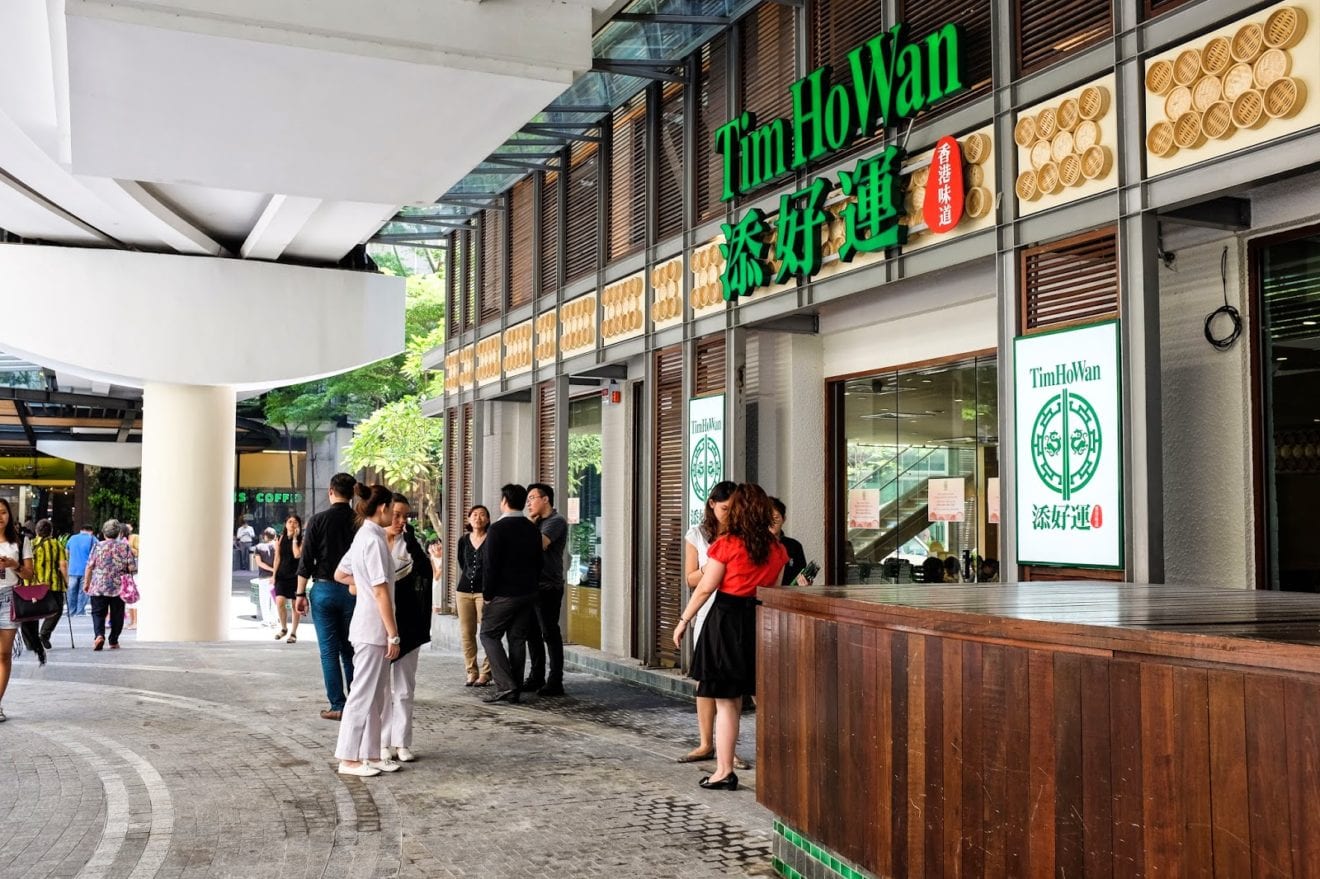
    The Jollibee Group opened their third Michelin-starred Tim Ho Wan branch in China on Sunday, July 11, in Shanghai’s Changning District, located at Nanfeng City Shopping Mall. The new store is located a few minutes away from the Shanghai Hongqiao International Airport.

    Customers can expect the usual mainstays of the famous Hong Kong dimsum restaurant – their famous baked BBQ pork buns, rice rolls, pan-fried radish cake, noodles, and more. The branch, which can accommodate up to 126 customers, boasts two floors and an al fresco dining area.

    The Jollibee Group plans to further expand within mainland China in the next four years with a target of 100 Tim Ho Wan branches. By September 2021, three more stores will be opening in Shanghai’s Hongkou, Jing’an, and Minhang Districts.

    The first Tim Ho Wan branch in mainland China was launched in September 2020 at Shanghia’s Jing’an Kerry Center. Tim Ho Wan’s Hong Kong branch in Sham Shui Po has been awarded a Michelin for 11 consecutive years.

    The Jollibee Group bought the master franchise holder of Tim Ho Wan in the Asia Pacific in 2018, entering into a joint venture agreement with the Tim Ho Wan Group to open restaurants in mainland China.

  • Nokia secures first 5G contract in China

    Nokia secures first 5G contract in China

    Nokia secured a 5G RAN contract for China Mobile on Monday, making this the company’s first 5G contract in the country.

    Nokia was awarded a 10% share in one of three contracts tendered by China Mobile, while Ericsson obtained 9.6% of another contract. The total tender for all three contracts reached about $6 billion, with Nokia being awarded 4% of the overall tender. Comparatively, Ericsson was awarded 2%, dropping from about 11% last year.

    Together, Huawei and ZTE won the majority share in all three contracts to build 5G 700 MHz base stations for China Mobile and China Broadcasting Network. This is followed by a smaller local company Datang Corporation.

    China Telecom and China Unicom will also be disclosing awards of their respective 5G contracts.

    Currently, China is ahead of other countries in 5G deployments. According to data from the Ministry of Industry and Information Technology, China had deployed 820,000 5G base stations by the end of March.

  • Beyond Meat opens JD store, as Chinese remain wary of meat substitutes

    Beyond Meat opens JD store, as Chinese remain wary of meat substitutes

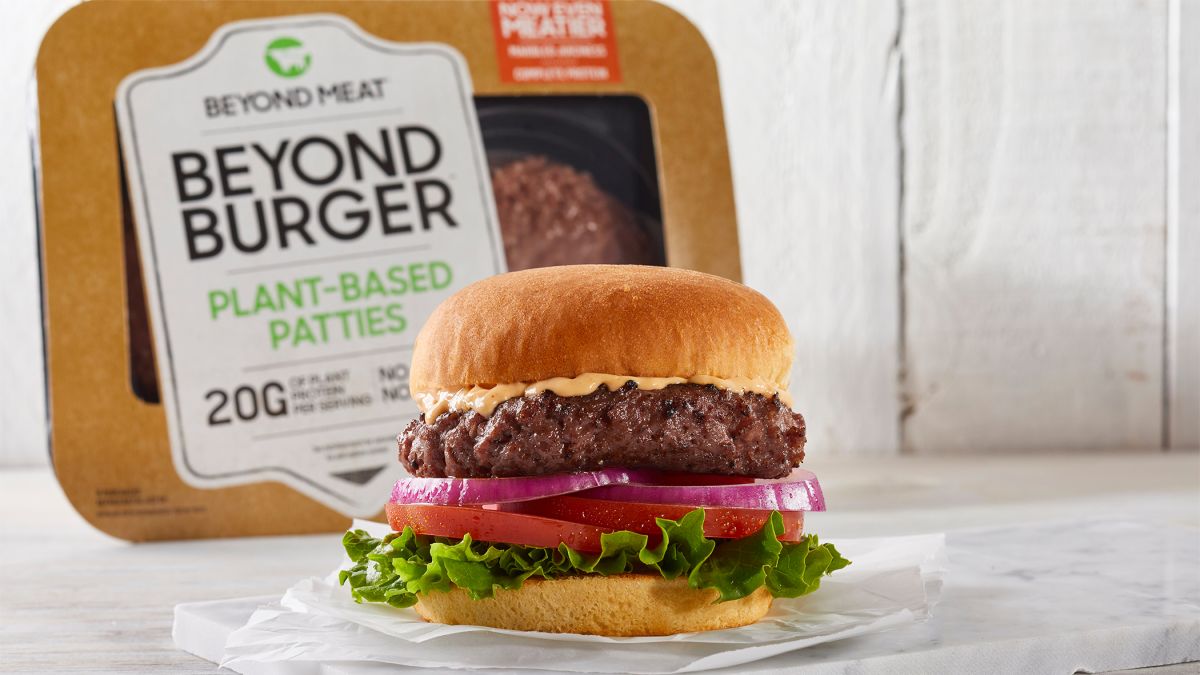
    Beyond Meat has launched an online store in China on e-commerce platform JD, as the plant-based meat maker aims to boost sales in the world’s biggest meat market, where consumer interest in meat alternatives is low.

    US-based Beyond Meat said the JD store will initially help expand the availability of its products in four major cities, including Beijing and Shanghai, and eventually in 300 cities across China.

    Its products are currently mainly available in China through its partnerships with Starbucks Corp, Yum China Holdings and Alibaba Group’s Freshippo markets.

    But expanding into the retail segment by selling on JD will help it reach a wider audience in the country, which is increasingly purchasing fresh food online.

    Online sales in China of fresh food, into which category Beyond Meat’s products fall, are expected to top US$46.4 billion this year, an increase of 18 percent from last year, according to consultancy iiMedia Research.

    Beyond Meat’s direct retail foray follows a similar move by Nestle in December, which launched a range of plant-based burgers, sausages, nuggets, and dishes suited to Chinese cooking.

    The push by global firms comes even as consumers in China are not exactly devouring plant-based meat.

    “Currently it is a solo dance by the manufacturers, the consumers are not joining the tango,” said Zhu Danpeng, an independent food industry analyst.

    A recent poll on Sina Weibo, China’s Twitter-like social media platform, found only 14 percent of 400 participants were willing to try plant-based meat.

    Chinese consumers are deterred by concerns over food safety as well as taste, said Zhu.

    Beyond Meat, which has set up its first manufacturing plant outside of the US in the eastern Chinese city of Jiaxing, near Shanghai, declined to comment on its sales in the market so far.

    A 454gm twin pack of plant-based beef will be sold at $32.50 on the company’s JD store. By comparison, 1kg of good quality domestic beef costs about $21.60 on JD’s fresh food platform.

    Beyond Meat is also adding Beyond Pork to its offering on JD, which has been created for the pork-loving Chinese market.

    It will also sell ingredients that are used in the cooking of local dishes such as stir-fry, dumplings, mapo tofu, zhajiang noodles and lion’s head meatballs to appeal to Chinese consumers.
  • China Warns Against Stablecoins

    China Warns Against Stablecoins

    Beijing continues to express negative sentiments about cryptocurrencies, in the midst of a nationwide crackdown, this time with the central bank calling out stablecoins as a source of instability.

    Fan Yifei, deputy governor of the People Bank of China, said stablecoins – a cryptocurrency usually pegged to a reserve asset like the U.S. dollar or gold – posed serious risks to the global financial system.

    Speculation of stable coins have threatened financial security and social stability while also being used as a payment for illegal activities and money laundering, Fan said at a press briefing yesterday.

    He added that the government had already taken some action to limit stablecoin growth in the country.

    In contrast, Fan underlined that the digital yuan did not have the same problems as stablecoins.

    He also highlighted that those interested can apply to join a «white list» at state-owned banks that distribute the digital currency with 10 million such users on the list.

    We have the confidence to continue increasing the scope of the trials,» said Fan, naming the Beijing Winter Olympics in 2022 as the location for the next key trial.

    While the promise of stablecoins is to act as a replication of fiat currencies, it is currently being largely used as a medium to park money on crypto exchanges for relative ease compared to cash.

    Alongside the broader crypto market, stablecoins have experience tremendous growth with the two largest coins – Tether and USDC – boasting a total market capitalization of over $100 billion, as of the end of May.