Tag: China

  • Baidu’s Apollo Aims To Offer Robotaxi Service to 3 Million Users In 2023

    Baidu’s Apollo Aims To Offer Robotaxi Service to 3 Million Users In 2023

    Chinese tech giant Baidu said on Thursday its smart driving unit Apollo plans to cater to a total of 3 million users in China with a fleet of 3,000 robotaxis in 2023.

    Baidu also announced that it is partnering with BAIC Group’s electric vehicle (EV) brand ARCFOX to develop Apollo Moon, EV robotaxis that are set to be mass-produced at a cost of 480,000 yuan ($74,766.36) per unit.

    The duo will produce 1,000 Apollo Moon EVs in the next three years, Baidu told a press conference in Beijing.

  • Cafe de Coral ramps up Mainland China expansion plans

    Cafe de Coral ramps up Mainland China expansion plans

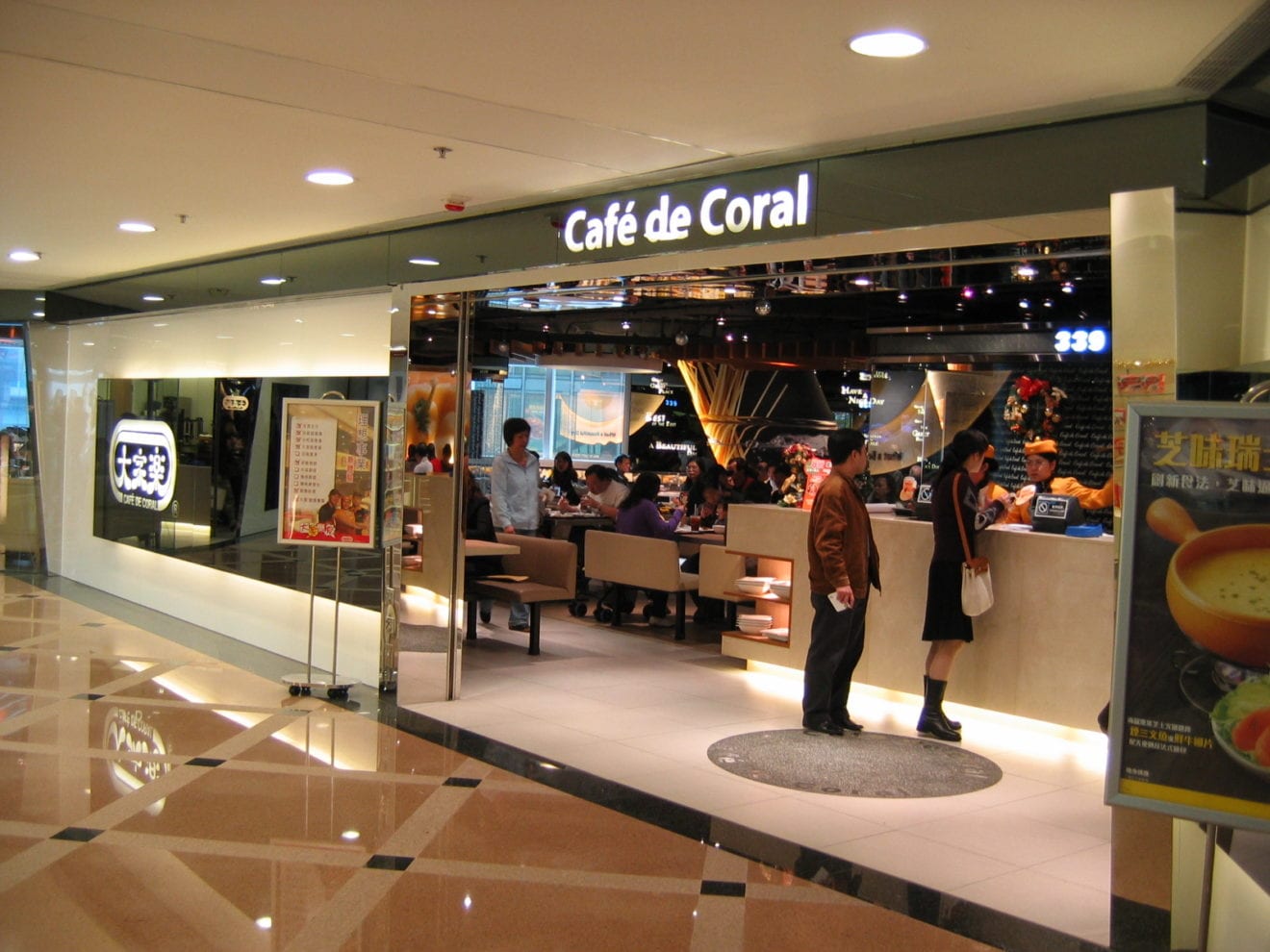
    Hong Kong-listed Cafe de Coral Holdings, one of Asia’s largest restaurant and catering groups operating quick-service restaurants, will speed up its expansion in mainland China with 17 store openings in the pipeline.

    The company revealed its plans after its net profit for 2020 almost quintupled, despite lower revenue in Hong Kong, thanks to pandemic relief and subsidies by the Chinese and Hong Kong governments, and other actions it undertook to save on costs.

    “Our business in mainland China has recovered after the initial severe lockdown. The group will continue to expand its network in the Greater Bay Area,” Sunny Lo Hoi-kwong, chairman of the company, said in a filing with the Hong Kong stock exchange on Tuesday.

    Cafe de Coral was able to take advantage of China’s fast recovery from the economic dislocation caused by the coronavirus pandemic. China’s economy was already growing at 2.3 percent even while Hong Kong’s economy was registering a 6.1 percent contraction in 2020.

    The company “took advantage of the situation to increase the pace of network expansion, opening 13 new stores during the year with a strategic focus on Guangzhou and Shenzhen – and currently has 17 stores in the pipeline to open next year”, he said. As of 31 March 2021, the company had 352 stores in Hong Kong and another 121 in mainland China.

    “As the mainland China market was able to quickly control the severity of the Covid-19 pandemic, domestic consumption is expected to rebound at a faster rate,” Lo said.

    The company’s net profit skyrocketed 3.88 times to HK$359.1 million (US$46.3 million) for the year ended 31 March 2021, from HK$73.6 million in the previous year, according to the filing. In contrast, its revenue fell 15.7 percent to HK$6.7 billion.

    Cafe de Coral received pandemic relief and subsidies from governments in the city and the mainland totaling HK$638.9 million, including HK$486.8 million under the Employment Support Scheme in Hong Kong.

    It also adapted product offerings and operations to a “new normal”, implemented stringent cost controls, manpower deployment, and acceleration of technology upgrades to capture more takeaway and delivery business. These measures, combined with relaxed social distancing restrictions, led to improved revenue in the second half of the financial year.

    Its net profit, however, still does not match pre-pandemic levels of up to HK$569.9 million for the year ended 31 March 2019, before the onset of protests and the coronavirus pandemic. Restrictions prompted by the pandemic barred dinner service for 114 days in the financial year, in addition to the nine days that it voluntarily suspended operations.

    “As the pandemic situation resolves, the group expects business performance to make progress along with the economy,” Lo said. “The industry has faced a severe shock and many weaker players have already exited the market. Those that remain are lean, fit, and aggressive. And we anticipate a sharply competitive environment in the year ahead.”

    A final dividend of 28 HK cents per share was recommended on Tuesday, compared with nil in the previous financial year.

  • Huawei’s 7th Cyber Security and Privacy Protection Transparency Center opens its doors in China

    Huawei’s 7th Cyber Security and Privacy Protection Transparency Center opens its doors in China

    Huawei has opened its 7th and largest Global Cyber Security and Privacy Protection Transparency Center in Dongguan, China, with representatives from GSMA, SUSE, the British Standards Institution, and regulators from the UAE and Indonesia speaking at the opening ceremony. During the opening ceremony, H.E. Dr. Mohamed Hamad Al Kuwaiti, head of cybersecurity, UAE, delivered a keynote on the importance of cyber cooperation for a resilient and vibrant digital future.

    Along with the opening of the new center, Huawei also released its Product Cyber Security Baseline, marking the first time the company has made its product security baseline framework and management practices available to the industry as a whole. These actions are part of the company’s broader efforts to engage with customers, suppliers, standards organizations, and other stakeholders to jointly strengthen cybersecurity across the industry.

    “Cybersecurity is more important than ever,” said Ken Hu, Huawei’s rotating chairman, at the opening of the Dongguan center. “As an industry, we need to work together, share best practices, and build our collective capabilities in governance, standards, technology, and verification. We need to give both the general public and regulators a reason to trust in the security of the products and services they use on a daily basis. Together, we can strike the right balance between security and development in an increasingly digital world.”

    Over the past few years, industry digitalization and new technologies like 5G and AI have made cyberspace more complex than ever, compounded by the fact that people have been spending a greater portion of their lives online throughout the COVID-19 pandemic. These trends have led to a rise in new cybersecurity risks.

    During his speech, Hu also emphasized the importance of cybersecurity and shared responsibility to Huawei. Huawei has been committed to cooperative cybersecurity as early as 2000. There are now more than 3,000 cybersecurity R&D personnel in Huawei. Moreover, Huawei’s annual R&D investment in cybersecurity and privacy protection accounts for about 5% of its total R&D expenses.

    Huawei opened the new Global Cyber Security and Privacy Protection Transparency Center in Dongguan to address these issues, providing a platform for industry stakeholders to share expertise in cyber governance and work on technical solutions together. The center is designed to demonstrate solutions and share experience, facilitate communication and joint innovation, and support security testing and verification. It will be open to regulators, independent third-party testing organizations, and standards organizations, as well as Huawei customers, partners, and suppliers.

    H.E. Dr. Mohamed Hamad Al Kuwaiti, head of cybersecurity, UAE, said, “A public-private partnership will be critical to build collaboration among private, public and government entities so as to establish a globally trusted digital oasis in the UAE.”

    To further a unified approach to cybersecurity in the telecoms industry, organizations like GSMA and 3GPP have also been working with industry stakeholders to promote NESAS Security Assurance Specifications and independent certifications. These baselines have seen wide acceptance in the industry, and will play an important role in the development and verification of secure networks.

    Mats Granryd, director general of GSMA, spoke at the opening of Huawei’s new center. “The delivery of existing and new services in the 5G era will rely heavily on the connectivity provided by mobile networks and will fundamentally depend on the underlying technology being secure and trusted,” he said. “Initiatives such as the GSMA 5G Cybersecurity Knowledge Base, designed to help stakeholders understand and mitigate network risks, and NESAS, an industry-wide security assurance framework, are designed to facilitate improvements in network equipment security levels across the sector.”

    Hu also highlighted the importance of knowledge sharing. At the event, Huawei also released its Product Cyber Security Baseline, the culmination of over a decade of experience in product security management, incorporating a broad range of external regulations, technical standards, and regulatory requirements. The Baseline, together with Huawei’s other governance mechanisms, helps ensure the quality, security, and trustworthiness of the company’s products. Over the years, Huawei has built over 1,500 networks that connect more than three billion people across 170 countries and regions. None of these networks have ever experienced a major security incident.

    Hu emphasized that the more knowledge and best practices we share, the more effectively we can strengthen cybersecurity as a community.

    According to Huawei, the baseline covers 15 categories, 54 requirements, and 112 specific implementation instructions and interpretations, ensuring the high-quality, security, and trustworthiness of Huawei products. It includes 4 categories of legal compliance requirements (prevention of backdoors, prevention of malware and malicious behaviors, protection of user privacy and protection of communication freedom) and 11 categories of security and functional assurance requirements (including secure coding, compilation, sensitive data protection, encryption, secure boot, integrity protection, and lifecycle management).

    “This is the first time we’ve shared our security baseline framework with the entire industry, not just core suppliers,” said Sean Yang, director of Huawei’s Global Cyber Security and Privacy Protection Office. “We want to invite all stakeholders, including customers, regulators, standards organizations, technology providers, and testing organizations, to join us in discussing and working on cybersecurity baselines. Together, we can continuously improve product security across the industry.”

    At present, the industry still lacks a standards-based, coordinated approach, especially when it comes to governance, technical capabilities, certification, and collaboration.

    “Cybersecurity risk is a shared responsibility,” concluded Ken Hu in his opening remarks. “Governments, standards organizations, and technology providers need to work closely together to develop a unified understanding of cybersecurity challenges. This must be an international effort. We need to set shared goals, align responsibilities, and work together to build a trustworthy digital environment that meets the challenges of today and tomorrow.”

    Two years ago, Huawei opened a similar center in Brussels, with others located in the UK, Canada, Germany, Italy, and the UAE.
  • Oriental Watch profit soars as Chinese shop at home instead of travel

    Oriental Watch profit soars as Chinese shop at home instead of travel

    Most readers would already be aware that Oriental Watch Holdings’ stock increased significantly by 37% over the past three months. As most would know, fundamentals are what usually guide market price movements over the long term, so we decided to look at the company’s key financial indicators today to determine if they have any role to play in the recent price movement. Specifically, we decided to study Oriental Watch Holdings’ ROE in this article.

    Return on equity or ROE is an important factor to be considered by a shareholder because it tells them how effectively their capital is being reinvested. In short, ROE shows the profit each dollar generates with respect to its shareholder investments.

    The ‘return’ is the profit over the last twelve months. That means that for every HK$1 worth of shareholders’ equity, the company generated HK$0.05 in profit.

    So far, we’ve learned that ROE is a measure of a company’s profitability. Depending on how much of these profits the company reinvests or “retains”, and how effectively it does so, we are then able to assess a company’s earnings growth potential. Generally speaking, other things being equal, firms with a high return on equity and profit retention, have a higher growth rate than firms that don’t share these attributes.

    On the face of it, Oriental Watch Holdings’ ROE is not much to talk about. We then compared the company’s ROE to the broader industry and were disappointed to see that the ROE is lower than the industry average of 8.5%. However, we were pleasantly surprised to see that Oriental Watch Holdings grew its net income at a significant rate of 42% in the last five years. So, there might be other aspects that are positively influencing the company’s earnings growth. Such as – high earnings retention or efficient management in place.

    Next, on comparing with the industry net income growth, we found that Oriental Watch Holdings’ growth is quite high when compared to the industry average growth of 8.5% in the same period, which is great to see.

    The basis for attaching value to a company is, to a great extent, tied to its earnings growth. What investors need to determine next is if the expected earnings growth, or the lack of it, is already built into the share price. This then helps them determine if the stock is placed for a bright or bleak future. Is Oriental Watch Holdings fairly valued compared to other companies? These 3 valuation measures might help you decide.

    The three-year median payout ratio for Oriental Watch Holdings is 45%, which is moderately low. The company is retaining the remaining 55%. So it seems that Oriental Watch Holdings is reinvesting efficiently in a way that it sees impressive growth in its earnings (discussed above) and pays a dividend that’s well covered.

    Moreover, Oriental Watch Holdings is determined to keep sharing its profits with shareholders which we infer from its long history of paying a dividend for at least ten years.

  • Crypto Exchange Searches Blocked in China

    Crypto Exchange Searches Blocked in China

    Chinese users were reportedly unable to find results for popular cryptocurrency exchanges on major search engines in the country.

    Keyword searches for trading platforms such as Binance, OKEx and Huobi yielded no results, according to various media outlets.

    The searches were conducted on major search engines like Baidu, Sogou, Zhihu, and Weibo.

    This marks yet another sign of further tightening on cryptocurrencies, especially with regards to online content.

    Earlier this month, multiple popular Weibo accounts featuring related content were reportedly suspended or shut down over violation of the social media platform’s rules.

  • China to become major buyer of Vietnam’s garments

    China to become major buyer of Vietnam’s garments

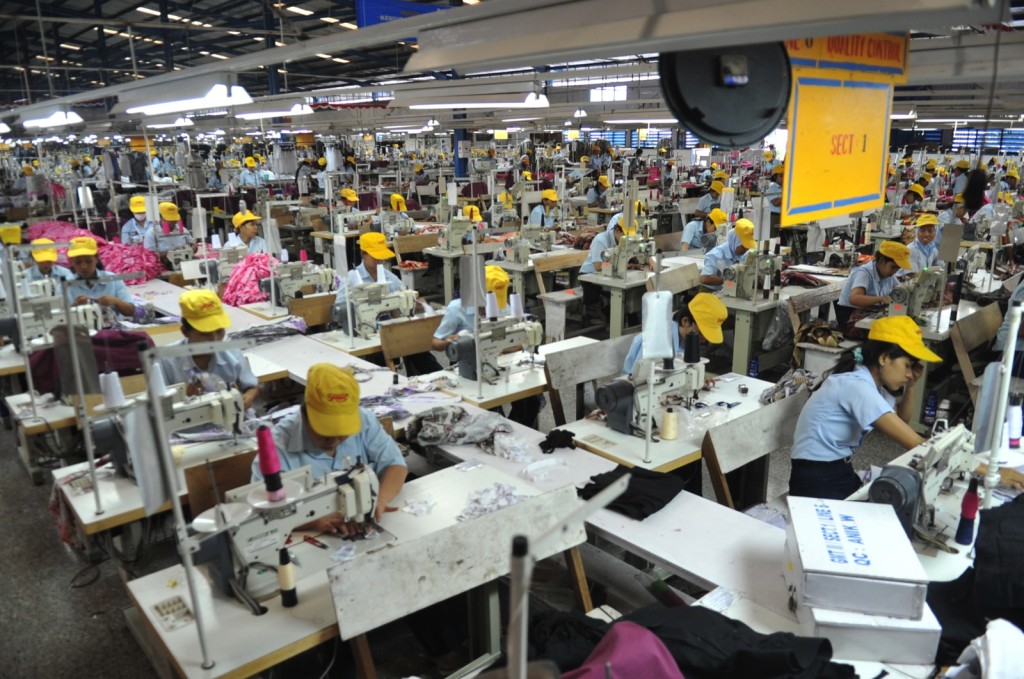
    China is set to become a major export market for Vietnam’s textile and garment industry, making up for the lull in traditional markets like Japan and the EU.

    According to Vietnam National Textile and Garment Group (Vinatex), Covid-19 has rendered some of the main markets unstable. For example, the E.U. is facing the risk of a pandemic resurgence, while Japan’s economy is yet to revive. Therefore, Vietnam’s textile and garment exports to these two markets are not expected to rise this year.

    Meanwhile, China has indicated in its 14th five-year plan that it will not concentrate on textile and garment production in the 2021-2025 period.

    Vietnam’s textile and garment exports to China in Q1 experienced the highest growth among the five largest textile and garment export markets (the U.S., Japan, South Korea, E.U., and China), Vinatex reported. Textile and garment export value to China during the period was as high as that to the E.U. at $680 million.

    One challenge for Vinatex this year is the falling demand of office wear, which is one of the group’s main products. Amidst the pandemic, consumers prefer casual wear and sportswear. Another difficulty is that inflation is expected to rise this year, resulting in higher lending rates and increased financial expenses.

    Vinatex targets revenues of VND1.5 trillion ($66 million) this year, up 5 percent year-on-year, and pre-tax profit of VND201 billion, up 37 percent. The group said it will continue to divest from ineffective companies this year.

    Vietnam’s textile and garment exports in the first five months of 2021 hit $12.2 billion, up 15 percent year-on-year, according to the General Statistics Office.

  • Chow Tai Fook profit rebounds as Mainland China focus pays off

    Chow Tai Fook profit rebounds as Mainland China focus pays off

    Hong Kong-listed Chow Tai Fook Jewellery Group Ltd reported a forecast-beating 108% jump in annual profit on Tuesday, thanks to one-off COVID-19 related rent concessions, an unrealised gain on gold loans and foreign exchange gains.

    China’s largest jeweller by market value said net profit surged to HK$6.03 billion ($777 million) from HK$2.9 billion in fiscal 2020. That compared to a forecast of HK$5.23 billion profit by 14 analysts, Refinitiv SmartEstimate data showed.

    It was the highest annual profit since 2014.

    A COVID-19 related rent concession amounted to HK$127.6 million as compared to HK$16.2 million in fiscal 2020, while net foreign exchange gain amounted to HK$336.4 million against HK$234 million loss in a year ago period.

    Revenue for the year to March 31 rose 23.6% to HK$70.16 billion from HK$56.75 billion a year earlier, driven by retail expansion amid improving consumer sentiment in mainland China and a softer gold price in the second half of the fiscal year.

    “As we are optimistic about the mid- to long-term growth in the mainland China market, we will focus on our mainland China’s business development in the coming future,” Chairman Henry Cheng said in a statement to the Hong Kong Stock Exchange.

    “We will continue our retail expansion strategy through penetrating into lower tier cities and leveraging franchisees’ local knowledge,” he added.

    The retail network expanded to 4,591 point-of-sales (POS) by the end of March, with a net addition of 741 POS. The company plans to add at least 700 POS in mainland China in fiscal 2022 but may close 10-15 POS in Hong Kong and Macau.

    Same-store sales surged 31.9% in mainland China but plunged 41.3% in Hong Kong and Macau as major border crossings remained closed during the period.

  • DBS Kicks Off Business at Chinese Securities JV

    DBS Kicks Off Business at Chinese Securities JV

    DBS’ securities joint venture in China will officially commence business operations after receiving its license from the mainland regulator.

    Securities joint venture DBS Securities (China) will kick off operations, according to a statement, effective immediately after receiving its securities business license from the China Securities and Regulatory Commission.

    The joint venture will operate brokerage, securities investment consulting, securities underwriting and sponsorships, as well as proprietary trading.

    DBS joins other global banks to capitalize on China’s market-opening especially with regards to the securities business where the likes of J.P. Morgan and Goldman Sachs are seeking to obtain full ownership of their joint ventures.

    Today, DBS Securities is honored to become the first Sino-Singapore securities joint venture, said DBS group chief executive Piyush Gupta. We hope to continue to facilitate China’s economic growth and look forward to contributing to its ‘Dual Circulation’ strategy.

    DBS Securities currently has a registered capital of 1.5 billion yuan ($230 million) and is majority-owned by DBS (51 percent). Other shareholders include Donghao Lansheng Investment Management (24.67 percent), Shanghai Huangpu Investment Holding (13.33 percent), Shanghai Huiyang Asset Management (6.5 percent) and Shanghai Huangpu Guidance Fund Equity Investment (4.5 percent).

  • China Bans Crypto-Linked Social Media Accounts

    China Bans Crypto-Linked Social Media Accounts

    China’s crypto crackdown continues to ramp up as it banned several influential social media accounts focused on crypto-related content over the weekend.

    At least a dozen popular Weibo accounts featuring content about cryptocurrencies have been suspended or shut down over claimed violation of the Chinese social media platform’s relevant laws and regulations.

    This follows the announcement by Chinese authorities last month to intensify their crackdown on Bitcoin mining and trading behavior.

    The latest social media crackdown is not a first for China which made previously similar moves to ban influential crypto-related accounts.

    In 2019, Weibo banned the social media accounts of Binance co-founder Yi He and Tron founder Justin Sun.

  • J.P. Morgan Seeks Full Ownership of Chinese JV

    J.P. Morgan Seeks Full Ownership of Chinese JV

    J.P. Morgan is seeking regulatory approval to obtain full ownership of its mainland Chinese securities joint venture.

    J.P. Morgan has applied to regulators for approval of its full ownership of the securities joint venture, according to a report citing China chief executive Mark Leung.

    The bank currently has a 71 percent stake in the unit after last boosting ownership in November 2020.

    J.P. Morgan joins Goldman Sachs in the race to become the first to obtain full ownership of their securities unit in mainland China.

  • H&M closes Shanghai flagship

    H&M closes Shanghai flagship

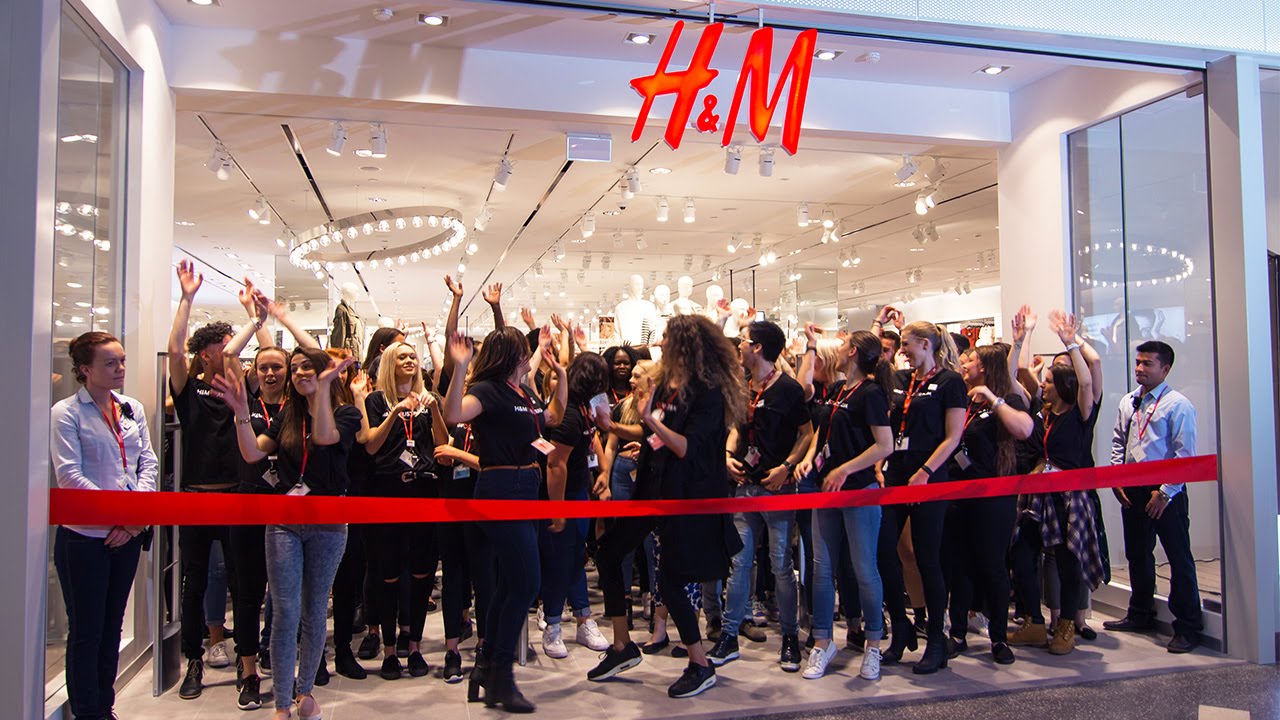
    H&M has closed one of its Shanghai flagship stores on the Nanjing West Road. The store, which was open for ten years, was considered a key part of the brand’s retail strategy as it was on a high-traffic shopping street.

    According to a statement made to Chinese media, H&M closed this store due to the lease ending. H&M says they will continue to review locations as business develops in China.

    Both Bloomberg and The New York Times have reported that landlords in China have forced the closure of H&M stores across the country after the controversy in late March regarding the company’s stance on using cotton sourced in China’s Xinjiang region. H&M products currently aren’t being sold on China’s top two e-commerce platforms, Tmall and JD.com.

    It’s been a tough year for H&M. In addition to taking a hit last year due to the global COVID-19 pandemic, H&M also saw a 21 percent fall in sales for Q1 2021. The company is projected to close 250 stores this year.

  • Chinese E-Brokerages Unveil Crypto Trading Plans

    Chinese E-Brokerages Unveil Crypto Trading Plans

    Two Chinese online brokerages backed by major tech titans shared plans about expanding into crypto trading in the midst of a domestic crackdown.

    Tencent-backed Futu and Xiaomi-backed Tiger Brokers both unveiled crypto trading plans in their latest quarterly earnings call.

    Tiger Brokers said it was in the process of applying for relevant licenses for crypto trading without naming any markets.

    Futu senior vice president Robin Li Xu said the firm was applying for crypto-related licenses in the U.S., Singapore and Hong Kong.

    Since China’s most recent announcement to crack down on crypto, related firms are increasingly shifting operations abroad including miners who are seeking alternatives such as North America.

    According to Futu and Tiger Brokers, their crypto offering will only target customers not based in mainland China.

  • Morgan Stanley Increases Ownership in China JVs

    Morgan Stanley Increases Ownership in China JVs

    Morgan Stanley is the latest global bank to add exposure to mainland China’s financial sector with increased ownership in two joint ventures.

    Morgan Stanley will buy stakes in its securities and mutual fund joint ventures, according to a company filing with the Shanghai Stock Exchange.

    We are excited by opportunities to significantly expand our onshore securities and asset management businesses, which further strengthen our position to provide the best advice and services to our clients, according to a spokesperson for the bank.

    China Fortune Securities is the planned seller of a 39 percent stake in Morgan Stanely Huaxin Securities and its entire 36 percent stake in Morgan Stanley Huaxin Fund Management Company to the American lender for 958.6 million yuan (US$150 million), according to the filing.

    If the sale succeeds, Morgan Stanley would effectively own 90 percent of the securities joint venture, with China Fortune retaining the remaining 10 percent stake, and 85 percent of the fund joint venture.

    Global banks continue to take advantage of the opening up of China’s financial sector with Goldman Sachs, most recently, receiving preliminary approval to establish a wealth management joint venture with ICBC.

  • Greater China drives profit growth for Fonterra

    Greater China drives profit growth for Fonterra

    Dairy giant Fonterra says a 61-per-cent boost in normalized profit for the nine months to April shows its restructuring program is paying dividends.

    The New Zealand-headquartered company recorded a net profit after tax of NZ$603 million, up 2 percent – or $587 million ‘normalized’ after extraordinary items were factored in.

    CEO Miles Hurrell said the company achieved higher margins and reduced its operating expenditure, despite the challenges of the Covid-19 pandemic, which remains very much part of life for the co-op’s employees and customers around the world.

    “It’s too easy to forget this if you’re sitting here in New Zealand – but today’s results show that despite these challenges we’ve lifted our financial performance. Over the last three months, we have also committed to getting out of coal by 2037 and made some promising progress in a trial using seaweed in cows’ feed to reduce emissions,” said Hurrell.

    Fonterra’s results illustrate the importance of Greater China to the company’s overall fortunes, delivering year-to-date EBIT up 30 percent year on year to $106 million.

    Foodservice continued to be the big driver behind the result, contributing $93 million of that growth. The year-to-date margin in China increased from 21.5 percent to 28.6 percent.

    In Asia Pacific, normalized EBIT of $224 million was down 10 percent, or by $24 million. Consumer sales improved by 29 percent and foodservice by 89 percent, offset by falling sales in the ingredients segment.

    And Africa, Middle East, and North America sector saw EBIT fall by 11 percent, or $40 million, to $322 million, largely due to lower Ingredients sales. Consumer and food service sales in those regions continued to perform well.

    Hurrell said Fonterra’s operating expenses were down by 5 percent year-to-date but the company will incur some additional expenditure in the final quarter to support its brands and product initiatives for the next year.

    Looking ahead, Hurrell says the improving global economic environment and strong demand for dairy – relative to supply – should lead to an increase in the Farmgate Milk Price range to its $8 projected midpoint.

    “Global demand for dairy, especially New Zealand dairy, is continuing to grow. China is leading the charge as its economy continues to recover strongly. Prompted by Covid-19, people are seeking the health benefits of milk and customers are wanting to secure their supply of New Zealand dairy products and ingredients,” he said.

    “Growth in global milk supply seems muted and the global supply of whole milk powder is looking constrained.

    “Based on these supply and demand dynamics, along with where the New Zealand dollar is sitting relative to the US dollar, we’re expecting whole milk prices to remain at current levels for the near future.”

    However, Hurrell flagged “a number of risks” including the unpredictable nature of the Covid-19 pandemic, the impacts of governments winding back their economic stimulus packages, foreign-exchange volatility, changes in the supply and demand patterns that can enter dairy markets when prices are high, and – as always – potential impacts of any geopolitical issues around the world.

  • China sales soar for Vans, Supreme parent VF Corporation

    China sales soar for Vans, Supreme parent VF Corporation

    In a year when apparel group VF Corporation experienced a 12-per-cent fall in group sales, its Greater China business saw revenue surge 24 percent, and the company has strong expectations for the new fiscal year.

    VF, which owns brands including Vans, The North Face, Timberland, Dickies, and Supreme, expects global sales to increase by around 28 percent in the new financial year as the impact of the Covid-19 pandemic on retail trading operations in North America and Europe lessens. In Asia Pacific, where it says nearly all of its stores are open and trading, the company expects to boost sales by 18 to 20 percent this year, helping it achieve US$11.8 billion in sales worldwide, compared with $9.2 billion in the year to last March. The recently acquired Supreme brand is expected to contribute $600 million of that.

    “We are incredibly proud of the results VF achieved across the Asia Pacific region throughout fiscal 2021 and the way in which we navigated the challenges posed by the pandemic,” said Winnie Ma, president, Greater China, and Southeast Asia, at VF Corporation. “Our Asia-Pacific business model transformation is well progressed and will lay the foundation for sustainable, long-term growth across the region in the years ahead.”

    While Covid-19 dented the company’s global sales for the full FY2021 year, fourth-quarter trading figures suggest the worst is behind.

    Total sales rose by 23 percent (19 percent in constant currency) to $2.6 billion. “Excluding the impact of acquisitions, revenue increased 16 percent driven by VF’s largest brands, e-commerce growth, and an increase in the APAC region, which experienced a significant negative impact from Covid-19 in the prior-year period,” the company said in a statement. However, the fourth quarter also included an extra week’s trading when compared to the previous year.

    Chairman, president, and CEO Steve Rendle said the company took actions early in the last fiscal year to protect its people and the business while maintaining investments to drive our transformation and accelerate organic growth.

    “At the same time, we took bold, forward-looking actions to spark additional growth and value creation. As a result, we are exiting this year in a position of strength with broad-based momentum across the portfolio,” he concluded.

    Adjusted operating income from continuing operations for FY2021 decreased 45 percent to $742 million, including a $34 million contribution from acquisitions.