Tag: China

  • Australia looks into delays to 20 per cent of grape exports to China

    Australia looks into delays to 20 per cent of grape exports to China

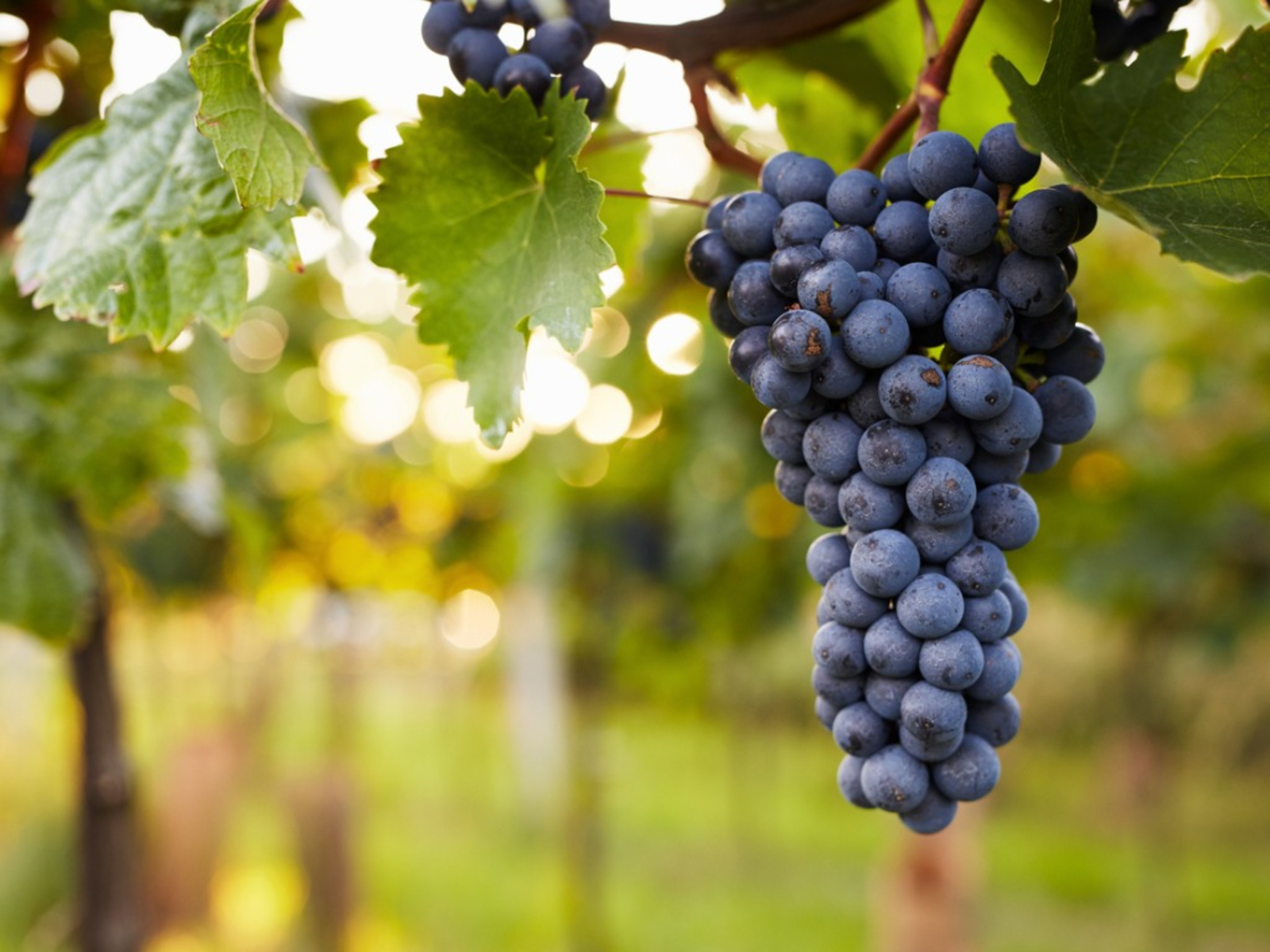
    Australia is looking into delays in table grape exports to China, with Trade Minister Dan Tehan saying about 20 percent of fruit shipped to the mainland is stuck at the border in yet another sign of deteriorating relations.

    “We’re trying to work out what is the cause of the hold-up,” Tehan told the Australian Broadcasting Corp in an interview published on Thursday.

    “I’ve been in discussions with the industry around what they’re seeing and what they’re hearing and we also have our post talking to Chinese officials about this.”

    Bilateral ties have sunk to their lowest point in decades after Prime Minister Scott Morrison led calls for a global inquiry into the origins of Covid-19, angering China which has since restricted imports of Australian products such as barley, cotton, wine, and lobsters.

    China was Australia’s largest customer for table grapes last year, taking about 60,000 tonnes worth around A$240 million ($186 million), or about 40 percent of total exports.

    Reuters reported last month that shipments of Australian table grapes were struggling to enter Chinese ports, leaving some exporters thousands of dollars out of pocket.

    Australian grape exporters said the majority of custom delays were across southern Chinese ports, most notably the Port of Shenzhen.

    “About 80 percent of table grape exports seem to have got in seamlessly. It seems to be the last 20 percent where there are some issues,” Tehan said.

    “We don’t want to jump to any conclusions,” he added when asked if table grapes were the latest target of the trade spat.

    “We’re trying to work through all of this and we’ll keep assessing it,” Tehan added.

    Despite the row, the value of Australia’s overall exports to China has held up due to strong prices for iron ore, its single biggest trade item. In the 12 months to March, Australia exported A$149 billion ($116 billion) of goods to China.
  • Beijing’s Crypto Crackdown Sends Mining Abroad

    Beijing’s Crypto Crackdown Sends Mining Abroad

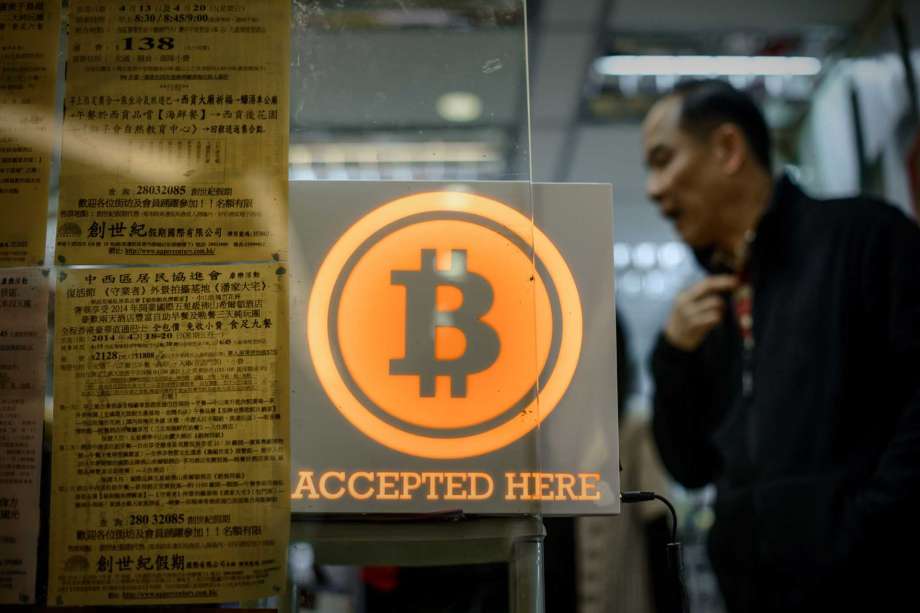
    Cryptocurrency miners in China are shifting their operations to other markets abroad following Beijing’s latest crackdown.

    A committee from China’s State Council announced on Friday that it would crack down on crypto, specifically naming Bitcoin as a major concern.

    The government will crackdown on bitcoin mining and trading behavior, and resolutely prevent the transfer of individual risks to the society, said the committee led by Vice Premier Liu He.

    Although the statement stopped short of communicating or signaling an outright ban, miners in China – estimated to account for as much as 70 percent of global crypto supply – are already planning to shift their operations abroad.

    Huobi Mall, an arm of major cryptocurrency exchange Huobi, said over the weekend that it had suspended its custody business and is now contacting overseas service providers to export mini rigs in the future.

    Crypto mining pool BTC.TOP also announced the suspension of its China business over regulatory risks and its founder Jiang Zhuoer said that the firm will mainly conduct its crypto mining operations in North America in the future.

  • BYD Rolls Out 1 Millionth Electric Passenger Car In China

    BYD Rolls Out 1 Millionth Electric Passenger Car In China

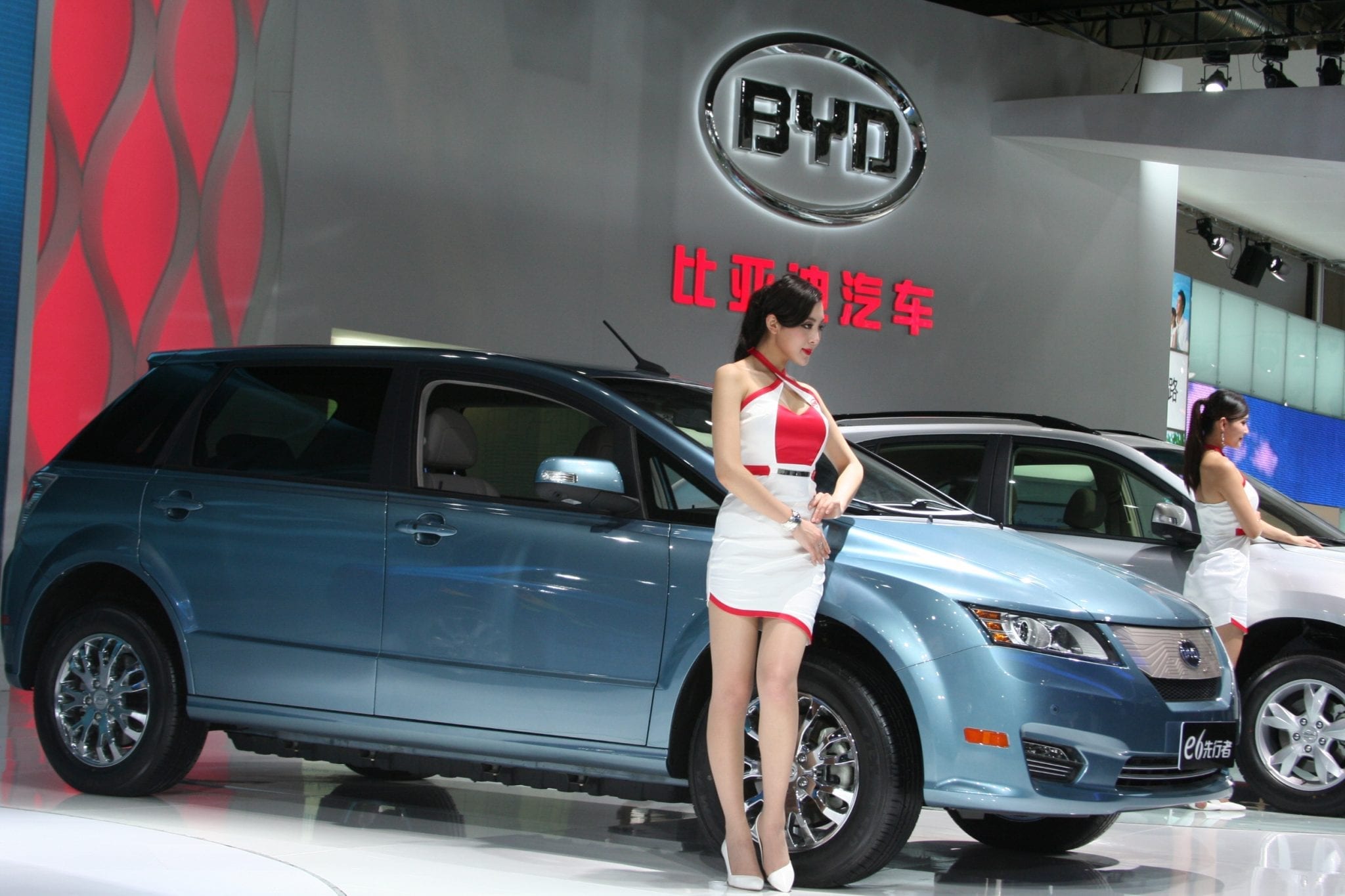
    Chinese automaker BYD is celebrating the rollout of its one-millionth electric passenger car, becoming the first automaker globally to do so. The one-millionth car is the Han EV that rolled off the production line at BYD’s headquarters and manufacturing facility in Shenzhen, in China. The occasion marked the presence of officials from the Chinese government, industry heads, media guests, and about 100 BYD vehicle owners. With no Covid cases reported, China is able to host public events.

    Speaking about the rollout, Wang Chuanfu, Chairman and President of BYD Co., Ltd. said, “BYD shoulders the responsibility and mission of upward development for China’s new energy vehicle brands. From zero to one million vehicles, this is BYD’s response to the call for global auto industry transformation. It also sets a benchmark in the journey of the new energy vehicle industry in China starting from nothing, alongside the greater national journey for a country dominated by traditional automobiles to one that is a leader in the field of sustainability.”

    He added, “The journey to one million vehicles would not be possible without the support of car owners every step of the way, and BYD recognizes that the ‘green dream’ can only be achieved hand-in-hand with all our customers.”

    Beginning operations in China in 2003, BYD’s new energy vehicle (NEV) journey commenced in 2004 with the ET electric concept car at the Beijing Auto Show. This was followed up with the F3DM – the world’s first mass-produced plug-in hybrid NEV model unveiled in 2008. The BYD Han was launched in 2020 and the automaker says it’s a top-selling model in China, competing with the German luxury sedans.

    Rolf Petter Almklov, Commercial Counsellor, Royal Norwegian Embassy in Beijing, and Wang Chuanfu, Chairman & President – BYD at the rollout ceremony

    BYD says the one million EV production milestone coincides with the first batch of 100 fully-electric BYD Tang SUVs being readied for Norway. The Scandinavian country will be at the center of the automaker’s ambitious plans for the European market, it says. A total of 1500 Tang SUVs will be delivered to Norway before the end of the year as part of BYD’s European and global strategy. The first batch will be delivered to customers in Norway in the third quarter of the year.

    The BYD Tang SUV promises a range of 505 km (NEDC) and can sprint from 0-100 kmph in 4.6 seconds. The battery capacity stands at 86.4 kWh. BYD will be bringing only electric cars to the European market and the company already retails its electric bus product range in Europe.

  • BTC Slide Continues as China Warns of Crackdown

    BTC Slide Continues as China Warns of Crackdown

    The People’s Bank of China repeated its warning against cryptocurrencies, saying that digital tokens could not be used as a form of payment.

    The country’s central bank posted a joint notice from banking and internet industry associations on its official WeChat account, warning the finance industry not to offer cryptocurrency services.

    Virtual currencies should not and cannot be used in the market because they’re not real currencies and that financial and payments institutions are not allowed to price products or services with virtual currency, the notice said.

    Bitcoin fell over 14 percent in 24 hours to hover around $40,000 on Wednesday. Other major cryptocurrencies also continued to fall, including ethereum, which dipped below $3,000 for the first time since May 2.

    Bitcoin’s weeklong slide was promoted by Tesla founder Elon Musk’s comments about its environmental impact. The cryptocurrency has fallen nearly 40 percent since its high of over $64,000 in February.

    Less than two years ago, regulators in Shanghai, Shenzhen and Beijing began ramping up efforts to probe or shut down exchanges, which resulted in the closure of several Chinese exchange operators.

    The country is readying to realize part of its blockchain ambitions with the launch of its own central bank-backed digital currency and has laid the regulatory foundation for the launch.

  • JD.com first-quarter revenue exceeds expectation

    JD.com first-quarter revenue exceeds expectation

    China’s JD.com’s first-quarter revenue beat Wall Street estimates as growth remained robust in the domestic e-commerce sector following the Covid-19 pandemic.

    The Beijing-based company has joined rivals Pinduoduo and Alibaba Group in racking up double-digit sales growth during the pandemic, as people flocked to e-commerce websites to shop for everything from groceries to luxury goods.

    Net revenue at JD.com, China’s largest e-commerce company by revenue, rose 39 percent to US$31.57 billion in the quarter ended March 31, topping analysts average estimate of $29.8 billion, according to IBES data from Refinitiv.

    Sales in its product segment, which includes online retail sales, rose nearly 35 percent to $27.2 billion in the quarter.

    Popular brands like Starbucks and sports-retailer Decathlon, along with luxury fashion brands such as Marni and John Lobb, launched flagship stores in the quarter on JD.com’s e-commerce platform, which, along with those of rivals, has seen strong demand during and after the pandemic.

    JD.com’s earnings beat comes on the heels of a major regulatory crackdown on Alibaba Group.

    In April, Chinese anti-monopoly authorities fined the e-commerce giant a record $2.75 billion for engaging in a practice known as “choose one from two,” wherein platforms penalize merchants for listing products on multiple sites.

    Despite how that penalty targeted a rival, the uncertain regulatory environment has dampened investor sentiment across China’s internet sector.

    US-listed shares of JD have dropped about 13 percent since news of the fine on Alibaba was announced.

    Concurrent with the fine on Alibaba, JD withdrew its initial public offering application for its fintech subsidiary JD Digits from the Shanghai Stock exchange.

    However, the company’s logistics division is set to raise up to $3.4 billion in an upcoming Hong Kong IPO.

  • Vietnam sees 480 pct surge in cars imported from China

    Vietnam sees 480 pct surge in cars imported from China

    Vietnam imported 6,633 completely built-up (CBU) cars from China in the first four months, a 480 percent surge over the same period last year.

    Industry insiders explain the increasing popularity of cars imported from China to good designs and modern features.

    Despite the major increase, however, China remained the third-largest CBU car supplier for Vietnam in the first four months behind Thailand and Indonesia.

    Thailand dominated auto imports with 25,732 vehicles, a 74 percent year-on-year increase, according to the General Department of Vietnam Customs. It was followed by Indonesia with 13,873 units, up 4.7 percent.

    The two countries together accounted for 79 percent of April’s CBU imports.

    Thailand and Indonesia have led the list of Vietnam’s car suppliers ever since the ASEAN Trade in Goods Agreement (ATIGA) took effect in 2018, owing to the zero import tariffs.

    Vietnam’s total car imports in the first four months marked a 56.5 percent year-on-year growth at 50,161 vehicles.

    The nation’s auto sales in the first four months surged 58 percent year-on-year to 101,309 units, signaling a recovery from last year’s pandemic blows.

  • Tesla Puts Brake On Shanghai Land Buy As U.S.-China Tensions Weigh

    Tesla Puts Brake On Shanghai Land Buy As U.S.-China Tensions Weigh

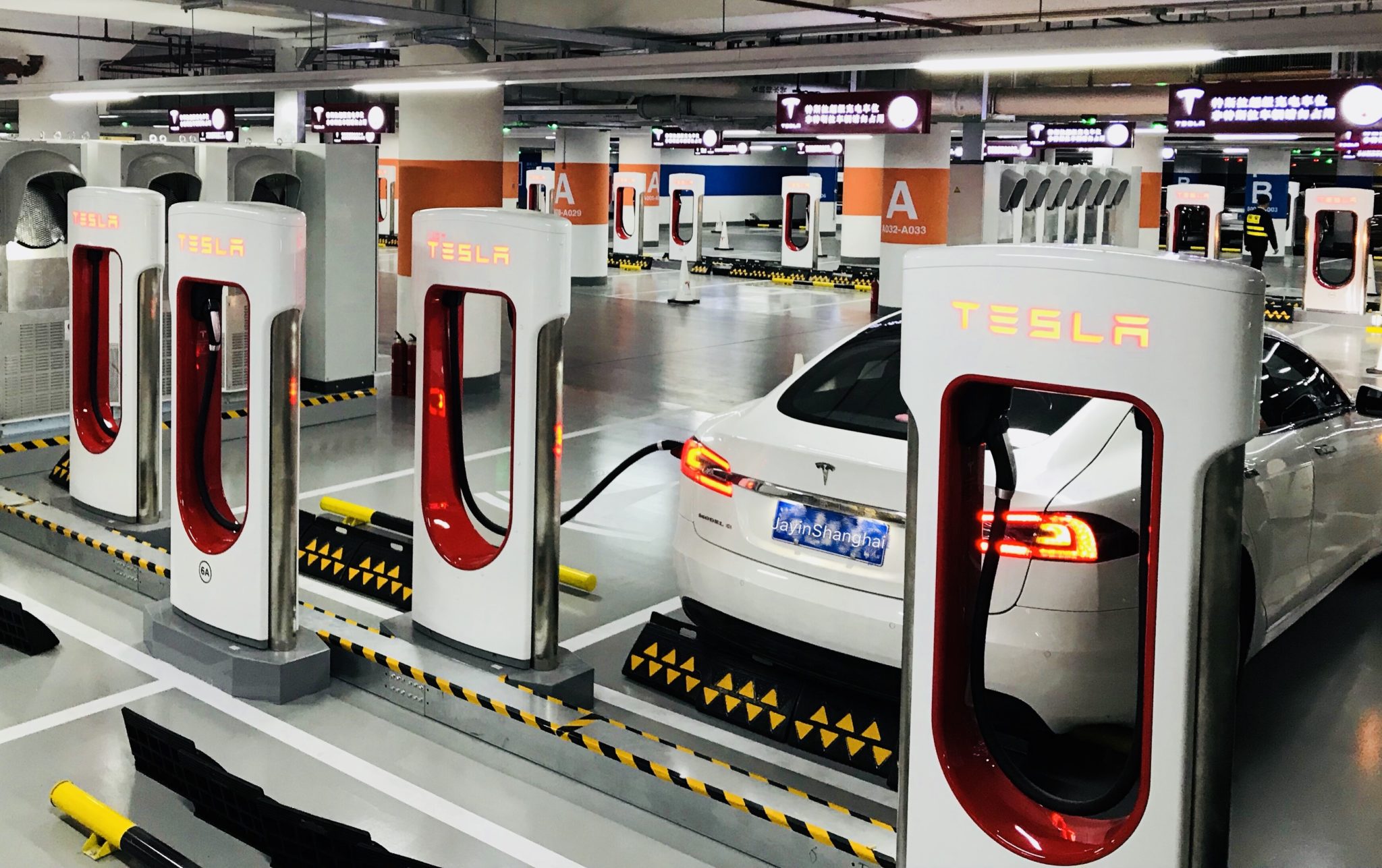
    U.S. electric car maker Tesla Inc has halted plans to buy land to expand its Shanghai plant and make it a global export hub, people familiar with the matter said, due to uncertainty created by U.S.-China tensions. With 25% tariffs on imported Chinese electric vehicles imposed on top of existing levies under former U.S. President Donald Trump still in place, Tesla now intends to limit the proportion of China output in its global production, two of the four people said.

    Tesla had earlier considered expanding exports of its China-made entry-level Model 3 to more markets, including the United States, sources told Reuters, a plan that had not previously been reported.

    Tesla currently ships China-made Model 3s to Europe, where it is building a factory in Germany.

    Shares of Tesla fell as much as 5.3% early on Thursday.

    Tesla sold 25,845 China-made vehicles in China and overseas in April, down from 35,478 in March, according to data from China Passenger Car Association.

    Tesla’s Shanghai factory is designed to make up to 500,000 cars per year and has the capacity to produce Model 3 and Model Y vehicles at a rate of 450,000 total units per year.

    In March, Tesla refrained from bidding on a plot of land across the road from the plant as it no longer aimed to boost China production capacity significantly, at least for now, three of the people said, declining to be named as the discussions were private.

    In a statement to Reuters, Tesla said it’s Shanghai factory was “developing as planned.”

    The Shanghai city government, a key supporter in Tesla’s establishment of a wholly-owned factory in China – the first and only foreign passenger car plant not required to form a joint venture – did not respond to a request for comment.

    Tesla had never declared an intention to acquire the land, which is about half the size of the 200-acre (80 hectares) plot housing Tesla’s current facility and would enable the company to lift capacity by another 200,000 to 300,000 cars, said two of the people.

    Tesla’s China sales are surging despite mounting regulatory pressure in the country after consumer disputes over product safety and scrutiny over how it handles data.

    It generated $3 billion in revenue in China in the first three months of this year, more than tripling year-earlier sales and accounting for 30% of total revenue.

  • Havaianas has best quarter in a decade as China sales surge

    Havaianas has best quarter in a decade as China sales surge

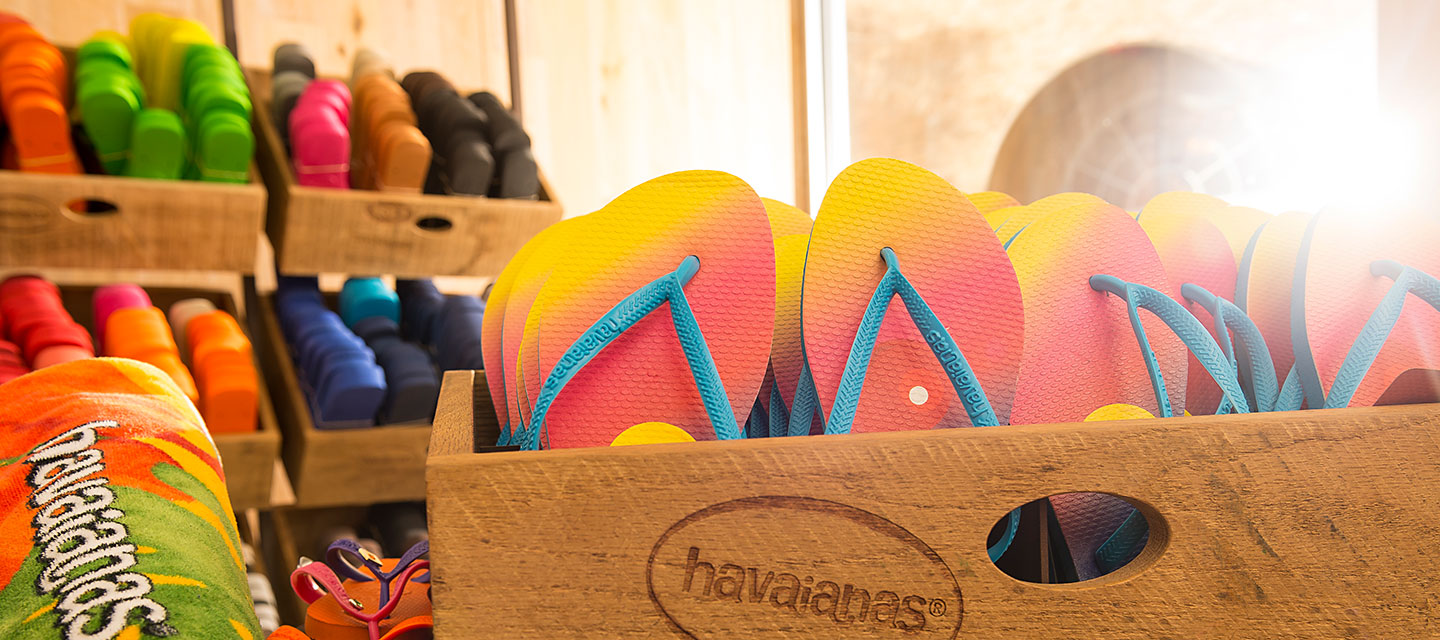
    Havaianas’ global expansion — prioritizing Europe, China, and the U.S., in addition to Brazil — remains on a strong path. The world market leader in open footwear delivered revenue growth in all regions, including distributors. Outside Brazil, net revenues in constant currency reached R$317.9 million (~US$59.2 million) in 1Q21, climbing 27% year-over-year. Volume increased 34.3% in the period to 7.9 million pairs/pieces. At 24%, EBITDA was 16 p.p. higher than a year earlier.

    On May 3, Havaianas brand owner Alpargatas announced the acquisition of technology startup company ioasys to boost the Havaianas brand growth, with global expansion, acceleration of online sales, and extension of the product portfolio as its pillars. Acquired company ioasys has a proven track record of success in end-to-end digital solutions and a strong culture centered on user experience.

    In the so-called Big Bets, or priority markets, year-over-year growth in net revenues in constant currency reached 26% in Europe, 13% in the U.S., and 736% in China in 1Q21. All these markets also saw margin gains.

    “Havaianas is stronger than ever, inspired by people in Brazil and around the world. The brand has expanded globally, accelerated online sales, and broadened its portfolio with innovation and sustainable technologies. We take pride not only in our ability to expand revenues and profits, but also to support society in the fight against the pandemic and in socio-environmental causes. We are on the right track to capture the full potential of Havaianas,” says Beto Funari, CEO of Alpargatas, owner of Havaianas, a brand that is present in more than 130 countries. The Brazilian multinational disclosed earnings on Monday, May 3.

    After a solid performance in 2020, the company had its best first quarter in a decade, delivering expanding revenues, margins, and EBITDA. Consolidated net revenues climbed 32.7% year-over-year to R$901.3 million (~US$168 million). Recurring EBITDA totaled R$158.7 million (~US$ 29.6 million), almost double the figure seen in 1Q20. Recurring net income increased 73.3% year-over-year to R$135 million (~US$25.1 million). These results supported cash generation of R$237 million (~US$44 million), and the company ended the quarter with a financial position of R$698 million (~US$130 million).

  • Vietnam replaces China as largest furniture exporter to US

    Vietnam replaces China as largest furniture exporter to US

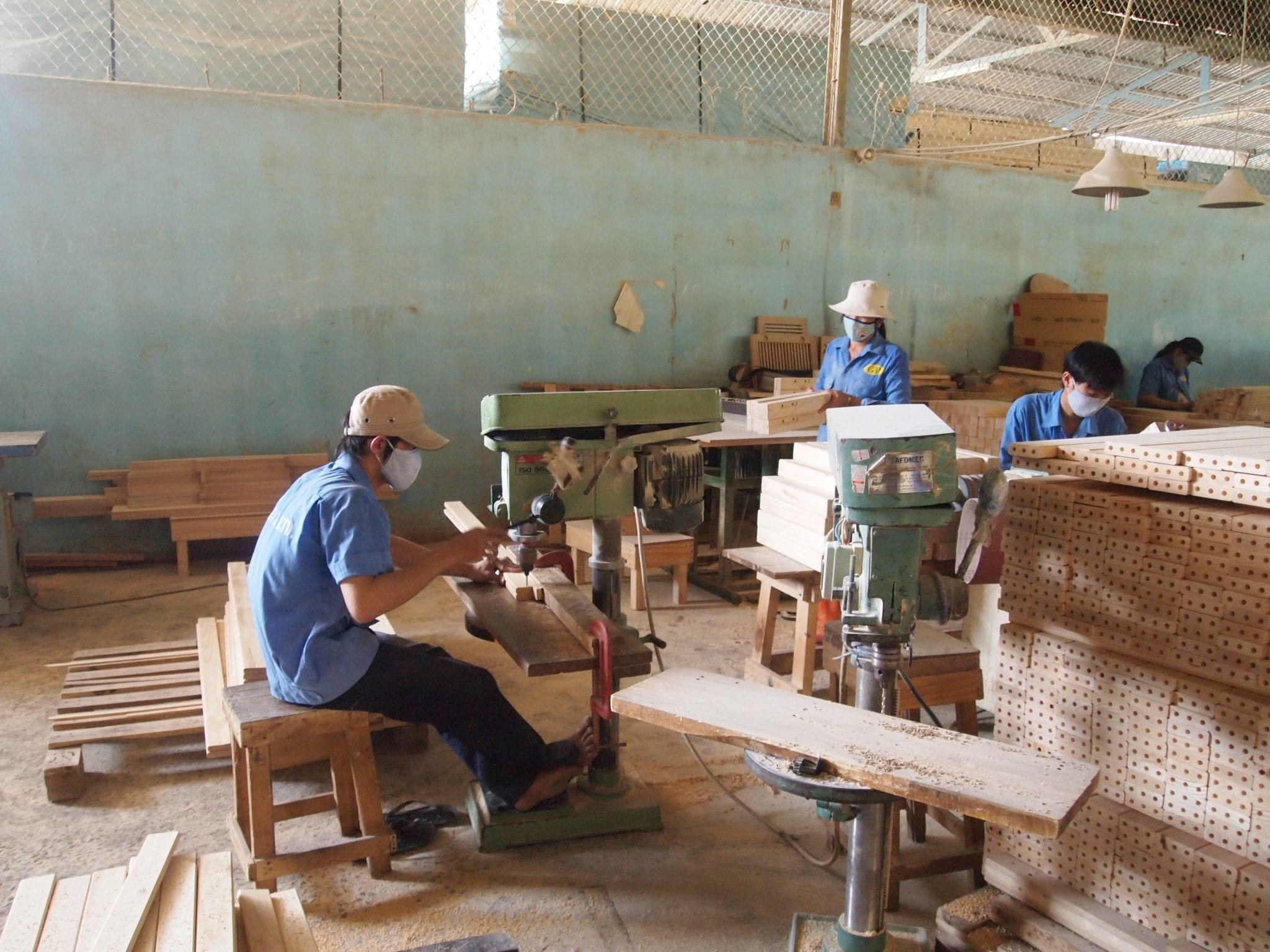
    Vietnam has overtaken China as the largest furniture exporter to the U.S. as tariffs drive manufacturers out of the world’s second-largest economy.

    Vietnam exported $7.4 billion worth of furniture to the U.S. last year, compared to China’s $7.33 billion. This marked a 31 percent year-on-year surge for Vietnam, while that of China fell 25 percent.

    The shift has happened over the past two and a half years with the U.S. imposing tariffs as high as 25 percent on almost all furniture categories from China, pushing manufacturers to move out.

    In 2018 and 2019, Vietnam’s furniture shipments to the U.S. rose by double digits each year, while that of China fell by double digits.

    “That doesn’t surprise me at all,” said Fred Henjes, CEO of Riverside Furniture Corp. “We are no longer buying products out of China, and I know there are many others besides us.”

    Strong import categories of this company from Vietnam include bedroom, dining room, and home office furniture, Furniture Today quoted him as saying.

    Another company, Klaussner Home Furnishings, sources all of its wood furniture from Vietnam now. Its sales in the wood segment from Vietnam were up 10 percent last year.

    The U.S. was Vietnam’s largest export market in the first four months at $30.3 billion, up 50 percent, followed by China at $16.8 billion, up 32.4 percent.

  • China cryptocurrency craze drives hard drive shortage in Vietnam

    China cryptocurrency craze drives hard drive shortage in Vietnam

    Large capacity hard drives are virtually out of stock in Vietnam because of a cryptocurrency mining craze in China.

    Customers and market observers say local people have been buying large-capacity hard drives in bulk and reselling them to the Chinese amidst a new mining craze for the Chia cryptocurrency in China.

    People who need to buy large space hard drives have commented on online groups for computer component buyers that they could not find any 6TB or larger-spaced hard drives, so they were having to buy smaller ones to merge into a large one.

    Hoang Lam, Subject Matter Expert of data storage company Seagate Vietnam said that Seagate’s 4TB hard drives have been out of stock since last month because “many of our customers bought the hard drives in bulk, from hundreds to thousands in one order, instead of a few units in one order as usual.”

    A computer component distributor in HCMC said that their hard drive sales surged by 50 percent last month despite prices rising 10-20 percent, and now the store is out of stock.

    Thanh Phong, a cryptocurrency miner and cryptocurrency mining gear seller, said the chokehold on large capacity hard drives supply in Vietnam was caused by the cryptocurrency mining boom for Chia in China.

    Chia is built around a cryptographic technique called Proof of Space and Time, which allows the cryptocurrency to be mined with unused storage space on hard drives rather unlike others like Bitcoin or Ethereum that use graphics cards. The more unused storage on the hard drive, the more Chia can be mined.

    Phong said that the Chia craze is yet to spread to Vietnam. Therefore, Vietnamese were buying hard drives in bulk to sell them to China.

    The Chinese miners have been stockpiling hard drives, preparing for Chia’s launch in May. As a result, hard drives with large capacities, from 4TB to 18 TB, have already been sold out on many Chinese e-commerce platforms.

    According to manmanbuy.com, a Chinese website that tracks and compares historical prices of products on China’s popular e-commerce platforms, the price of hard drives has surged 300 percent since the end of last year.

    Chia is the brainchild of Bram Cohen, the creator of BitTorrent, a peer-to-peer protocol that allows users to distribute data and electronic files over the Internet in a decentralized manner. Cohen created Chia in 2017 with the aim of making a cryptocurrency that consumes less energy and generates less carbon when mining, compared to Bitcoin or Ethereum.

  • Unilever plans $3.6 billion buyback as China and home cooks boost growt

    Unilever plans $3.6 billion buyback as China and home cooks boost growt

    Unilever announced a 3 billion euro ($3.6 billion) share buyback and said it was confident of hitting sales targets this year after demanding from home cooks and China helped it to beat first-quarter sales expectations.

    Shares in the maker of Dove soap and Ben and Jerry’s ice cream climbed as much as 4 percent on Thursday after it joined rivals such as Nestle and Procter & Gamble in reporting strong sales of food and cleaning products respectively in the pandemic.

    Underlying sales jumped 5.7 percent in the three months to the end of March, topping analysts average forecast of 3.9 percent, according to a company-supplied consensus.

    “These are encouraging numbers,” said Steve Clayton, portfolio manager of Hargreaves Lansdown’s Select UK Shares funds. “Unilever gains much of its strength through the group’s diversity.”

    The company said it was confident of delivering full-year underlying sales growth within its mid-term target range of 3-5per cent, with the first half around the top of the range.

    It also forecasts a slight increase in underlying operating margin this year, despite double-digit inflation on some raw materials, such as soybean oil and tea.

    Like several rivals, Unilever said it would need to raise prices to mitigate the impact.

    “Unilever price movement is typically in the 1-3 percent range historically, and that is where we expect to be this year,” Chief Executive Alan Jope told journalists after the company raised prices by 1 percent in the first quarter.

    Unilever, which makes about 60 percent of revenues in emerging markets, said underlying sales growth there reached 9.4 percent in the quarter, led by double-digit increases in China and India following strict lockdowns the previous year.

    Pitkethly said easier comparables than last year, a return of sales to cafes and restaurants in places like China, and the US retailer restocking of high-end beauty products underpinned its confidence for the rest of the year.

    Underlying sales in the group’s food and refreshments business, whose brands include Hellmann’s mayonnaise and Knorr soups, jumped 9.8 percent in the quarter, helped by strong demand for home consumption in North America and Europe.

    The company noted the devastating surge in Covid-19 infections sweeping India, another key market, but said it was not seeing any material impact on its business from that so far.

    “We’re looking forward to continued growth in Q2,” Jope said, pointing to the group’s success in digitized ordering, increasing manufacturing capacity, and bringing more inventory close to retail.

    Unilever also said it was making good progress in separating its slower-growth Elida beauty and tea businesses, which could lead to sales or spin-offs.

    Elida beauty will consist of brands predominantly sold in Europe and North America, including Q-Tips, Caress, Tigi, Timotei, Impulse and MonSavon, which together generated revenues of around 600 million euros in 2020, the company said.

    The moves are part of Jope’s plan to jump-start growth, which has lagged peers in recent years, partly because of an outsized focus on emerging markets that have performed unevenly.

    In February, Jope said Unilever would focus more on high-growth categories such as plant-based foods, beauty products and nutritional supplements, and aim to appeal more to younger consumers.

    He said the priority was to grow existing businesses, rather than make acquisitions, but added on Thursday that the share buyback should not be seen as a lack of appetite for deals.

  • Puma’s China sales slowly up

    Puma’s China sales slowly up

    After a pandemic-served beatdown last year, Puma has clawed its way to recovery. On February 24, the German sportswear giant reported that sales jumped 9 percent to 1.52 billion euros in the last three months of 2020 — a promising upswing from the 55-percent plummet in its second quarter. Overall, sales were down 1.4 percent to 5.23 billion euros for the financial year.

    This rebound was led by strong performance in the Asia Pacific, which surged 11.8 percent in the fourth quarter to 480.5 million euros, driven by mainland China. But the country alone was not enough to stop the region’s full-year sales from falling 3.2 percent compared to 2019 levels, down to 1.48 billion euros.

    Given the importance of these global markets, Puma doubled down on establishing local relevance, particularly through sports, influencers, and communication platforms. This was not only reflected in the brand’s return to basketball and collaboration with grammy-winning artist J. Cole, but also its increasing partnerships with popular Chinese talents, including actors Yang Yang, Li Xian, and Liu Haoran as well as supermodel Liu Wen.

    The brand further grew its China footprint by leveraging the country’s biggest shopping holiday, Singles’ Day, logging 2.8 million orders and 80 million euros in revenue over the week. And already, Puma is making good on its goal to design more products specific to the market, partnering with Hong Kong-based artist Michael Lau, “The Godfather of Toy Figures,” to ring in the new year.

    That said, all Puma products did well in the fourth quarter, with apparel growing 15.7 percent, accessories up 7.3 percent, and footwear increasing 3.8 percent.

    “We clearly see a running boom in the whole world,” CEO Bjorn Gulden told journalists, adding that orders for 2021 are up almost 30 percent compared to last year, especially for running products.

    This tracks with Puma’s Q3 results, which showed strong demand for performance-related products, especially for individual sports like running or hiking. With the healthy living trend expected to persist after the pandemic, the sporting goods sector is positioned to weather the crisis better than most.

    But Puma isn’t out of the storm just yet. With almost half of its retail stores in Europe still closed and other markets operating under significant restrictions, the apparel maker is bracing for impact in the first half of 2021. However, the brand is also confident that its quick Q4 recovery and strong order book — along with global efforts to combat the virus — will lead to a moderate sales bump later this year.

    “I am convinced that 2021 will be a better year for us than 2020,” Gulden said. Knock on wood.

  • China Widens Regulatory Net for Fintech Crackdown

    China Widens Regulatory Net for Fintech Crackdown

    More than a dozen major technology firms in China are set to face similar restrictions imposed on Jack Ma’s Ant Group as Beijing widens its fintech crackdown.

    13 tech titans – including Tencent, ByteDance, JD.com, Meituan and Didi Chuxing – were summoned to a meeting over a series of new requirements for their financial units, according to a joint statement by Chinese regulators.

    State representatives at the meeting included the central bank, the banking and insurance regulator, the securities regulator and the foreign exchange watchdog. The 13 tech firms will face similar requirements previously imposed on Jack Ma’s Ant Group including the restructuring of financial units into holding companies for regulatory supervision.

    Restrictions will be tightened in numerous areas such as payment links to financial products, collection of customer data, credit scoring services and overseas listings.

    The latest regulatory push against the broader fintech sector follows the headline crackdown against Ant Group with the latest move being a probe against its IPO backers and considerations for the divestment of Ma’s stake.

  • Yum China sales, profit soar on fewer store closures

    Yum China sales, profit soar on fewer store closures

    Without the negative impact of the COVID-19 pandemic to hold it back at this year’s beginning, Yum China Holdings reported improved results for the first quarter of 2021. The Shanghai-based fast-casual company — a spinoff from Yum! Brands that hold franchises for Pizza Hut, Taco Bell, and KFC, along with a number of regional brands — beat analyst expectations at both the top and bottom lines.

    According to reports aggregating the consensus estimates of multiple Wall Street analysts, Yum China registered a 6.2% positive surprise, $150 million above the predicted $2.41 billion in sales. The actual revenue of $2.56 billion surged 46.3% year over year, without the pandemic causing dining shut down as was the case in early 2020. Adjusted earnings per share, or EPS, came in at $0.54, surpassing the forecast of $0.44 EPS for a 22.7% positive surprise.

    With growth “driven by lower commodity prices and productivity gains” along with far fewer restaurant closures and generally improved conditions, Yum China said in its press release that same-store sales rose 10% overall year over year. Pizza Hut saw the biggest same-store sales increase (38%), while a 5% rise occurred at KFC.

    CEO Joey Wat says Yum China is taking measures designed to “accelerate our growth in the years ahead,” which include strengthening its supply chain, integrating more automation and digital into its processes, and acquiring a 5% stake in its most important chicken supplier. Digital orders at Pizza Hut and KFC accounted for 84% of sales during Q1, while delivery orders added up to 29% of the total. The switch to digital and the growing use of ordering kiosks mirrors Yum! Brands’ recent opening of its first American digital-only Taco Bell in Times Square.

    Investing legends and Motley Fool Co-founders David and Tom Gardner just revealed what they believe are the 10 best stocks for investors to buy right now… and Yum China Holdings, Inc. wasn’t one of them.

    The online investing service they’ve run for nearly two decades, Motley Fool Stock Advisor, has beaten the stock market by over 4X.* And right now, they think there are 10 stocks that are better buys.

  • Volkswagen Begins Construction Of New Electric Plant In China

    Volkswagen Begins Construction Of New Electric Plant In China

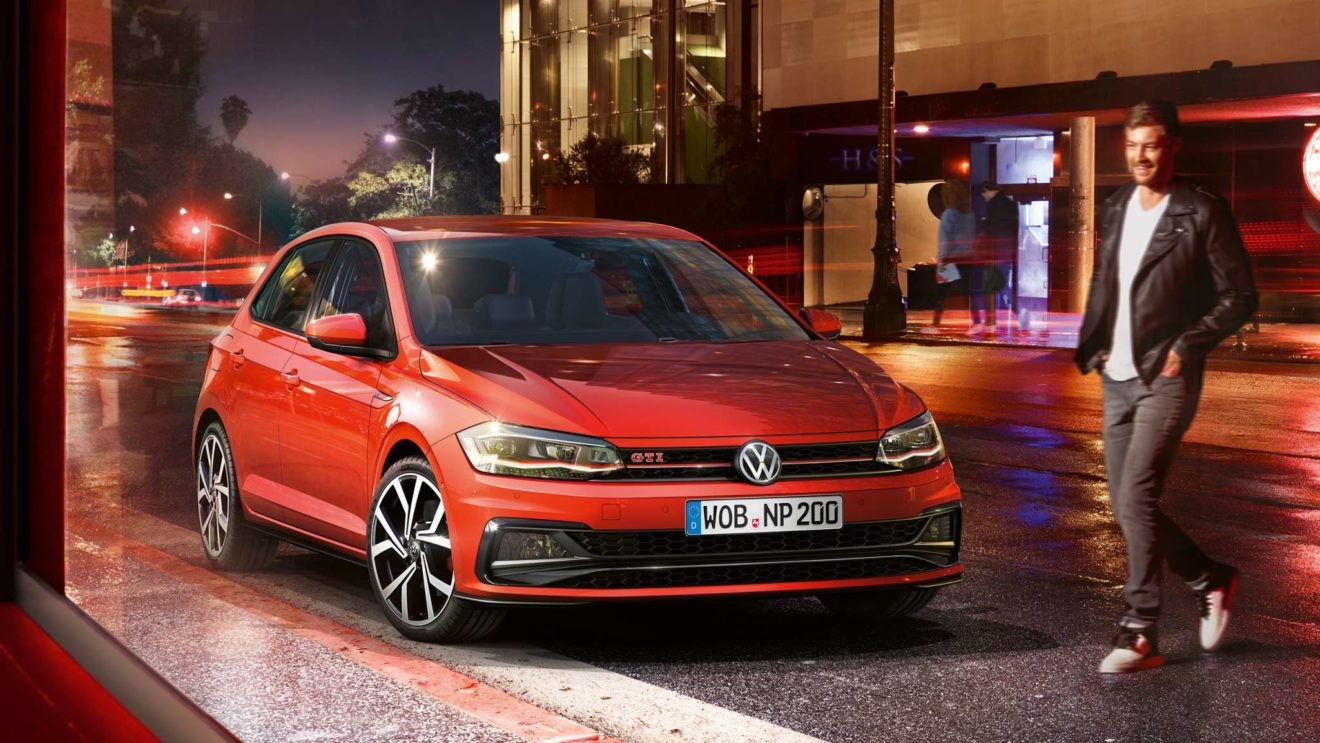
    Volkswagen Group China has begun construction of an all-new MEB plant at Volkswagen Anhui recently. As the third of the Group’s pure-electric vehicle manufacturing facilities in China, following completion of the Anting (SAIC VW) and Foshan (FAW-VW) plants, the Volkswagen Anhui plant will be powered by green energy from day one. Due for completion mid-2022, the plant is set for the start of production in the second half of 2023.

    By 2025, Volkswagen Group China plans to deliver up to 1.5 million new energy vehicles (NEVs) per year. Dr. Stephan Wollenstein, CEO of Volkswagen Group China, said, “As China is the world’s largest single market for NEV vehicles, we need to strengthen our local competence, and Volkswagen Anhui is a significant part of it. With the plant to be powered by green energy from day one, we are demonstrating our commitment to reducing carbon emissions beyond our fleet.”

    The new body shop will cover roughly 141,000 square meters and makes up part of the total project area, together covering around 500,000m2. The new plant will incorporate a number of energy-saving strategies as part of comprehensive efforts to reduce overall carbon emissions, including the adoption of low energy consumption production equipment. A supplier park for batteries and components is also planned for construction in the area.

    Volkswagen Anhui will have a staff of around 500 on board by 2025, with a focus on R&D and engineering innovations. Combining R&D, quality assurance, pre-sales manufacturing, and testing under one roof, Volkswagen Anhui will provide the Group with a faster time-to-market for new e-mobility products.