Tag: China

  • China’s move to fight video game addiction will hurt Apple and Google in their pocketbooks

    China’s move to fight video game addiction will hurt Apple and Google in their pocketbooks

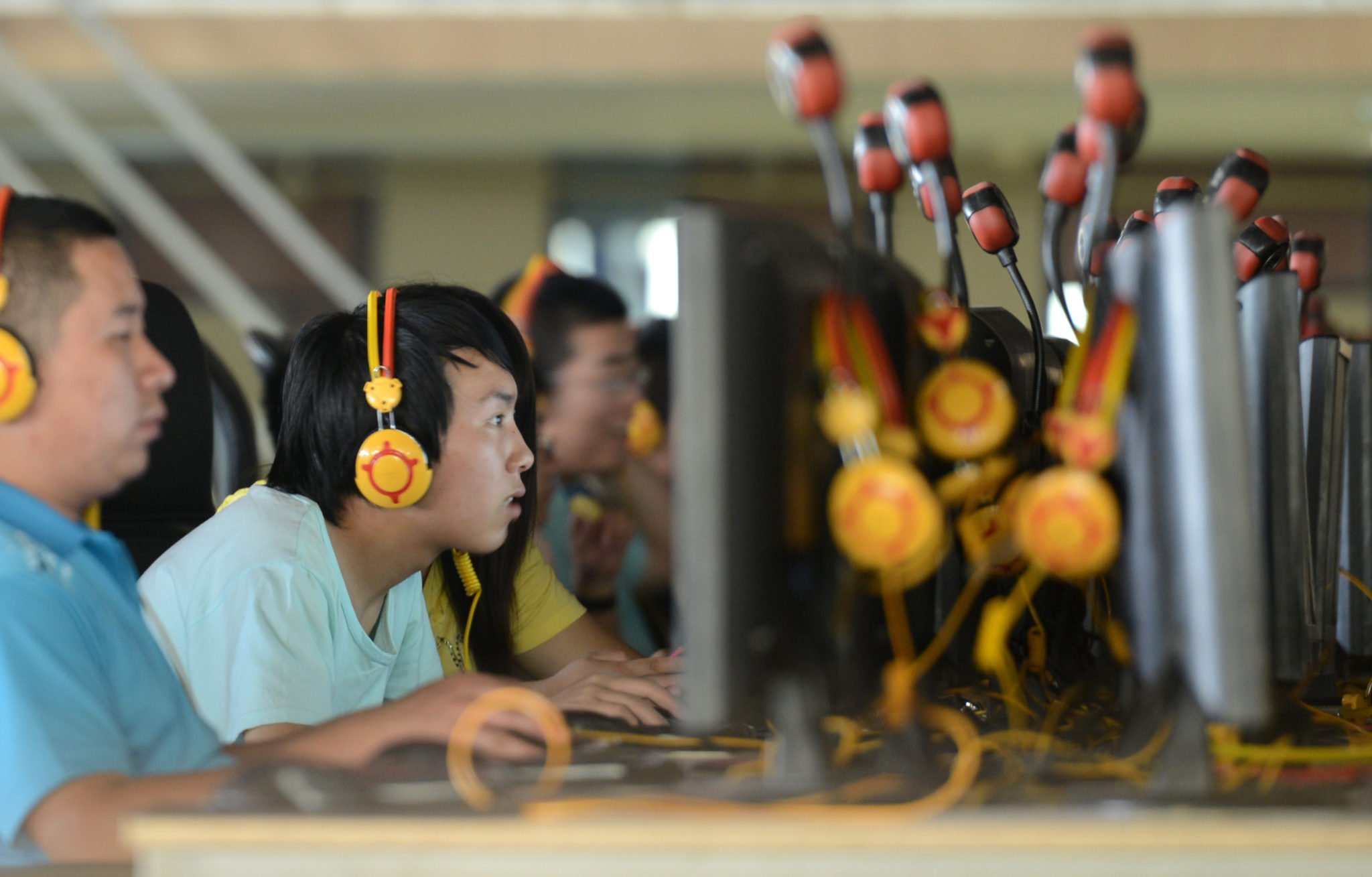
    If you love playing mobile video games, China is not the place to be. At the end of last month, the country issued new Draconian rules that severely limit the amount of playing time that kids and those under 18 can spend each week playing video games. The new rules announced by China’s National Press and Publication Administration limit video gameplay by those under 18 to one hour per day between 8 p.m. and 9 p.m. on weekends and legal holidays.

    This is a huge reduction from the previous rules that were out in place back in 2019 which allowed those under 18 to play video games for an hour on most days. Niko Partners senior analyst Daniel Ahmad said, “There are over 110 million minors that play video games in China today, and we expect the new limits to lead to a decline in the number of players and a reduction in the amount of time and money spent in-game by those under 18.”

    A publication related to the state ran an article with a headline referring to video games as “opium.” This comment was later removed and the article revised. Niko’s Ahmad says that there are 720 million gamers in China with 110 million under the age of 18. “Gaming addiction has affected studies and normal life…and many parents have become miserable,” the National Press and Publication Administration said in a statement.

    China has stopped handing out licenses to video games so that they can be listed online. This includes games available on the App Store. Regulators made the decision to stop issuing the necessary licenses. Sources who were briefed on the meeting said, “everything is on hold.” One source said that regulators halted licensing video games because they felt that approval of new games had been “a bit too aggressive” during the first half of this year.

    While the move is believed to be temporary, one source says that the plan is to keep the new rules in place “for a while.” China is hoping to reduce video game addiction in the country and the state believes that cutting the number of available new games will help it achieve its goal. Another source stated that there were discussions related to delaying the issuance of licenses for video games so that China could undergo “a smooth and successful deployment” of its plans to reduce video game addiction.

    From March 2018 to December 2018, China refused to issue any video gaming license. And again, last month, the country refrained from awarding a license to any video game. While the previous ban on video games lasted 9 months, there has been no time frame announced for the current ban.

    China requires video game developers to have a license issued by the Chinese government. While Android-based app stores like the Google Play Store started checking for the license in 2016, the App Store didn’t require that developers had the license until last year.

    When the country stopped issuing video games licenses for most of 2018, there was some financial impact on App Store earnings according to Apple CEO Tim Cook and CFO Luca Maestri. The executives commented again when China had resumed licensing games and said at the time that the company was having fewer issues with App Store revenue. While Apple and Google will see a decline in revenue for their iOS and Android storefronts respectively, Chinese video game companies like Tencent and NetEase will also be affected financially by China’s crackdown on video game addiction.

    Chinese state-run media have not yet disseminated the news about the country’s latest efforts to keep teens away from what the Chinese see as a highly addictive pastime.

  • JD appoints president, freeing founder to focus on strategy

    JD appoints president, freeing founder to focus on strategy

    China’s JD.com said on Monday Xu Lei will become the e-commerce giant’s first ever president, making way for chief executive and founder Richard Liu to devote more time to formulating long-term strategies.

    Lei, previously the CEO of JD Retail, will fill the new position and lead the day-to-day operation and development of JD.com’s various business units, the company said in a statement.

    Liu, who started the company that would become JD.com in 1998, will also spend more time mentoring younger management and contributing to the revitalisation of rural areas, it said.

    Xin Lijun, who had previously headed up JD Health, will take over from Xu as JD Retail’s chief while Jin Enlin will become JD Health’s new CEO.

    “Looking to the future, the correct long-term strategic design, the growth and development of young talents, and the healthy and coordinated development of various business units will continue to be the driving force for JD in doing the hardest and most challenging, but right and most valuable things for the industry,” Liu said.

  • Apple set to open newest China store in Changsha

    Apple set to open newest China store in Changsha

    Apple today previewed Apple Changsha, the first Apple Store in Hunan province. Situated in the heart of the provincial capital city, Apple Changsha’s location provides easy access for customers across central China.

    “We are thrilled to be opening in Changsha, a community filled with creativity and profound cultural heritage,” said Deirdre O’Brien, Apple’s senior vice president of Retail + People. “So many of our team members already call Hunan province home, and they are ready to welcome and support their neighborhood at Apple Changsha.”

    The new store is located in the popular Changsha IFS shopping mall and faces the bustling Huangxing Road, one of the top urban attractions in the city. Visitors entering the store from outside will encounter the uniquely designed double-height façade, which features a completely new gradient frit and mirrored coating treatment that blurs the transition from top to bottom and shifts in appearance during different times of day or seasons. The all-new glass façade was sustainably manufactured in Tianjin, China, and is the first Apple Store in the world to utilize this façade technique.

    From the interior mall entrance, customers will immediately come across the Forum and the freestanding video wall, home to Today at Apple sessions. Led by Apple Creative Pros, free daily sessions provide creative inspiration, teach practical skills, and help customers learn how to go further with their Apple products. To celebrate the grand opening, Creative Pros will host the exclusively tailored Today at Apple session “Art Walk: Discover the Colors of Changsha” beginning September 5, giving customers an opportunity to explore the city and capture its vibrant colors on iPad Pro. Visitors are able to register for the session today at apple.com.cn/today/event/art-walk-discover-the-colors-of-changsha.

    Surrounding the Forum are display tables and avenues, where customers can explore curated Apple products and accessories or receive personal technical support from Geniuses. Throughout the store, customers can get shopping help from Apple Specialists and learn more about monthly financing options, Apple’s trade-in program, or try the newly launched Apple Pickup service.

    The new store includes nearly 100 highly trained retail team members, who collectively speak many languages including Chinese, English, Japanese, Korean, and French.

    Apple Changsha opens Saturday, September 4, at 10 a.m. CST in China. The store will open with the same health measures for both retail team members and visitors as seen in all Apple Store locations across China, including a mask requirement, temperature checks, and social distancing.

  • BNP Paribas in Talks to Form China Wealth Management JV

    BNP Paribas in Talks to Form China Wealth Management JV

    BNP Paribas’ asset management arm is reportedly in talks with a Chinese «big four» bank to form a wealth management joint venture in the mainland.

    BNP Paribas is in talks with Agricultural Bank of China’s (AgBank) wealth unit to form a wealth management joint venture, according to a report citing unnamed sources.

    BNP Paribas is expected to hold majority stakes in the joint venture.

    BNP Paribas joins the likes of Blackrock, Goldman Sachs and other global financial institutions seeking to tap into China’s $19 trillion wealth management market.

    French rival Amundi had initially discussed venture plans with AgBank but ultimately chose Bank of China as its partner.

    AgBank and other major state banks face political pressure to form wealth management joint ventures, the report added, indicating China’s willingness to open up.

    Within mainland China, BNP Paribas Asset Management already owns a Chinese mutual fund venture.

  • Tesla’s China Output Was Halted For Days In August Due To Chip Shortage

    Tesla’s China Output Was Halted For Days In August Due To Chip Shortage

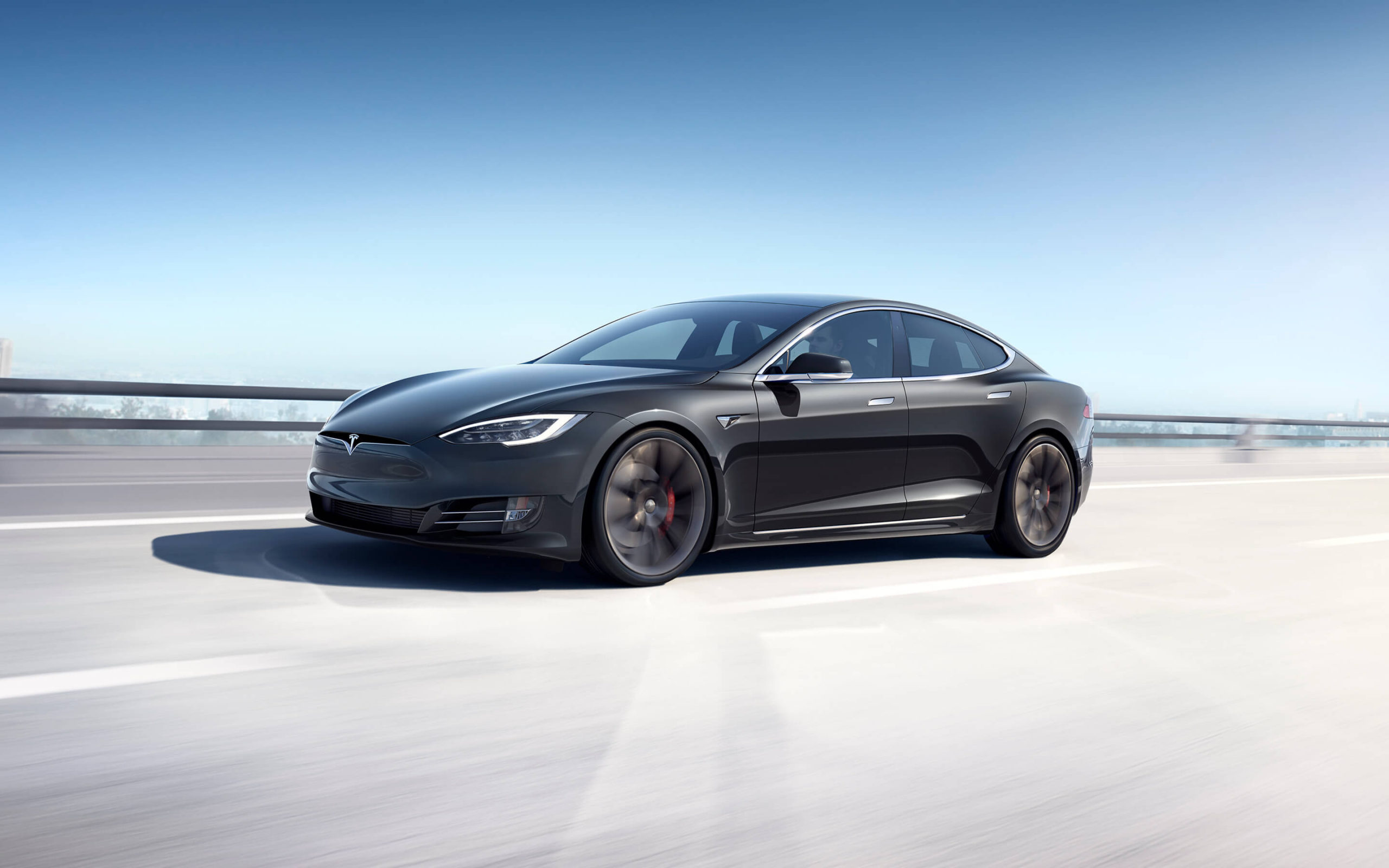
    Tesla temporarily halted some operations at its Shanghai factory last month as the global shortage of semiconductors hit the electric car maker, Bloomberg News reported on Thursday, citing people familiar with the matter.

    Part of a production line at the China plant was halted for about four days in August because of a lack of key chips, the report said.

    Shortages with the availability of electronic control units caused output delays mainly for Tesla’s Model Y sports utility vehicle crossover, according to the report.

    Production at the Chinese factory is now back to normal.

    Tesla did not immediately respond to a query on the report.

    Last month, world’s largest automaker Toyota Motor Corp said it would slash global production for September by 40% from its previous plan following car makers worldwide in cutting production due to the months-long chip shortage.

  • Chinese EV Maker Nio Cut Sales Forecast Due To Chip Supply Shortage

    Chinese EV Maker Nio Cut Sales Forecast Due To Chip Supply Shortage

    Chinese electric vehicle (EV) maker Nio Inc on Wednesday cut its delivery forecast for the third quarter this year due to uncertain and volatile semiconductor supplies. Nio cut its delivery forecast for the third quarter to around 22,500 to 23,500 vehicles from a previous 23,000-25,000 vehicles. It delivered 5,880 electric sports-utility vehicles last month, up 48% from a year earlier.

    Li Auto Inc, which sells extended-range electric vehicles, said it sold 9,433 vehicles last month, up 248% from a year earlier. It targets 10,000 units monthly sales in September. Xpeng Inc sold 7,214 cars in August, up 172% year-on-year. Its chief executive He Xiaopeng said it expects monthly deliveries to reach 15,000 units in the final quarter this year.

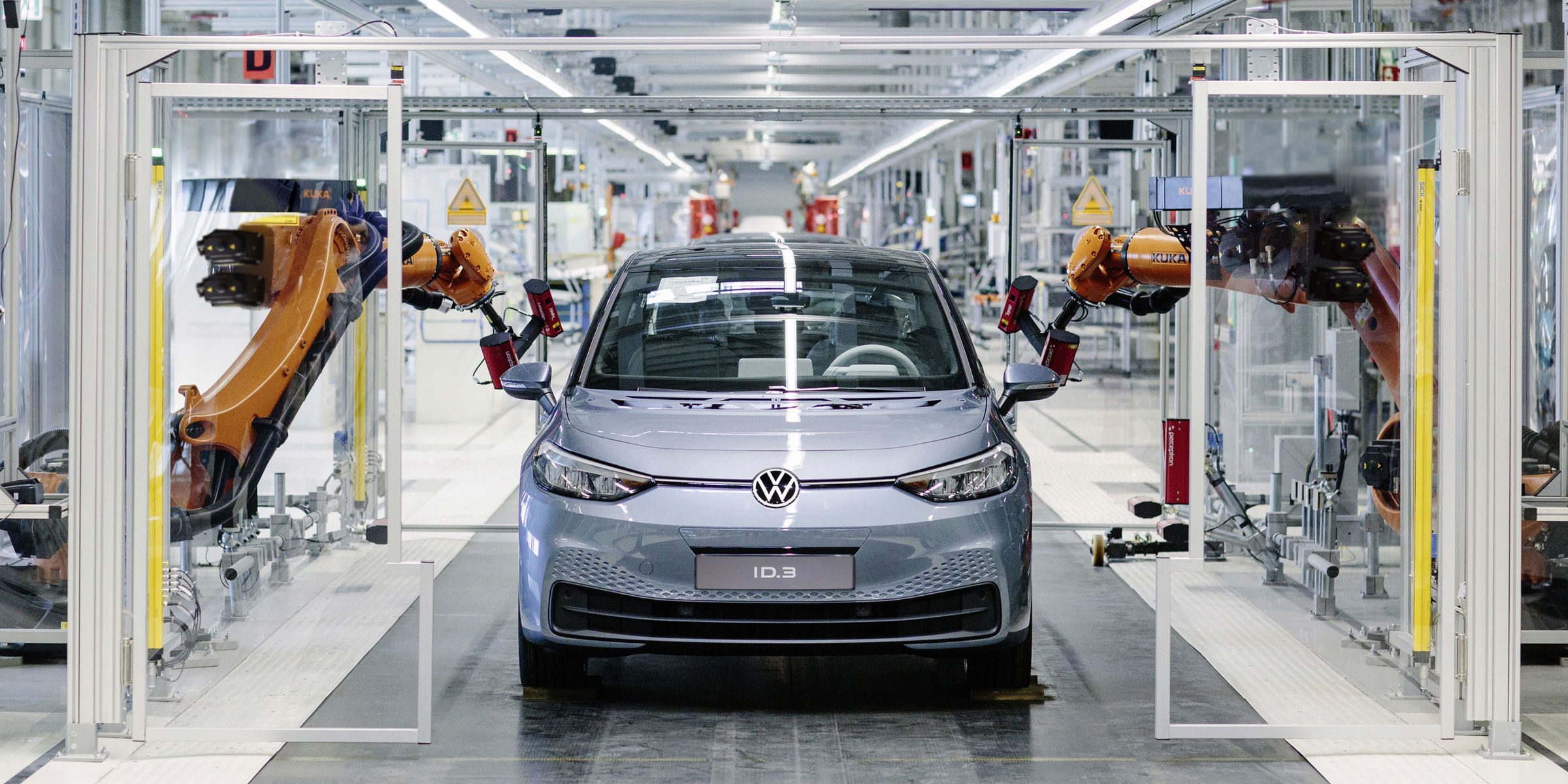
    A prolonged global chip shortage has caught major automakers including Ford Motor, Honda Motor, General Motors, and Volkswagen off guard, forcing many to idle or curtail production. The shortage was unlikely to resolve soon as the pandemic rages on in many parts of the world, China’s top auto industry body said last month. U.S. listed shares of Nio were down 4.3% at $37.63 in premarket trading, while Xpeng fell more than 2%. Li Auto, Nio, and Xpeng are three leading Chinese EV startups that compete with U.S. electric car maker Tesla Inc and local companies including Geely and Great Wall Motor.

    Separately, Tesla had sold 32,968 China-made vehicles in July, including 24,347 for export, according to data from the China Passenger Car Association last month. However, local sales of China-made Tesla vehicles had plunged 69% month-over-month to 8,621 cars in July. The company makes electric Model 3 sedans and Model Y sport-utility vehicles in a Shanghai plant. China sales, which account for nearly a third of its total sales, is closely watched as a sign of the automaker’s health in its second-biggest market, where it has invested heavily.

  • China’s Xiaomi Completes Business Registration Of Electric Vehicle Unit

    China’s Xiaomi Completes Business Registration Of Electric Vehicle Unit

    Chinese smartphone giant Xiaomi Corp said on Wednesday it has completed the official business registration of its electric vehicle unit, marking the latest milestone in its push into the automotive sector. The new unit, to be called Xiaomi EV Inc, opened with registered capital of 10 billion yuan ($1.55 billion) and Xiaomi CEO Lei Jun as its legal representative, Xiaomi said in a statement. Some 300 staff have so far been employed to join the EV unit and it continues to recruit talent, it said.

    The smartphone maker, which became the world’s second top-selling brand behind Samsung in the second quarter, confirmed its foray into electric cars in March, pledging to invest $10 billion over the next 10 years.

    Lei said at the time the push into electric vehicles would mark his “last major entrepreneurial project.”

    Xaiomi said it purchased autonomous driving technology startup Deepmotion for over $77 million.

    Xiaomi said on Wednesday it has since conducted more than 2,000 interview surveys and visited over 10 industry peers and partners. However, it has revealed few details of its strategy for the automotive sector or vehicle types it intends to launch.

    Last week, the company said it purchased autonomous driving technology startup Deepmotion for over $77 million, in an effort to boost research and development.

    Earlier in August, Reuters reported that Xiaomi had entered talks with beleaguered real estate giant Evergrande Group to purchase a stake in the latter’s automotive unit.

    In response to the news, a Xiaomi spokesperson wrote on the company’s social media account that it is in touch with several automakers but has yet to decide which one to work with.

    Xiaomi’s second-quarter earnings last week beat analyst estimates, with revenues and net profits increasing 64% and 87.4% respectively. The company’s share of the global smartphone market has surged following the retreat of its chief rival, Huawei Technologies Co Ltd in the face of U.S. government sanctions.

  • H&M fined for misleading Chinese consumers

    H&M fined for misleading Chinese consumers

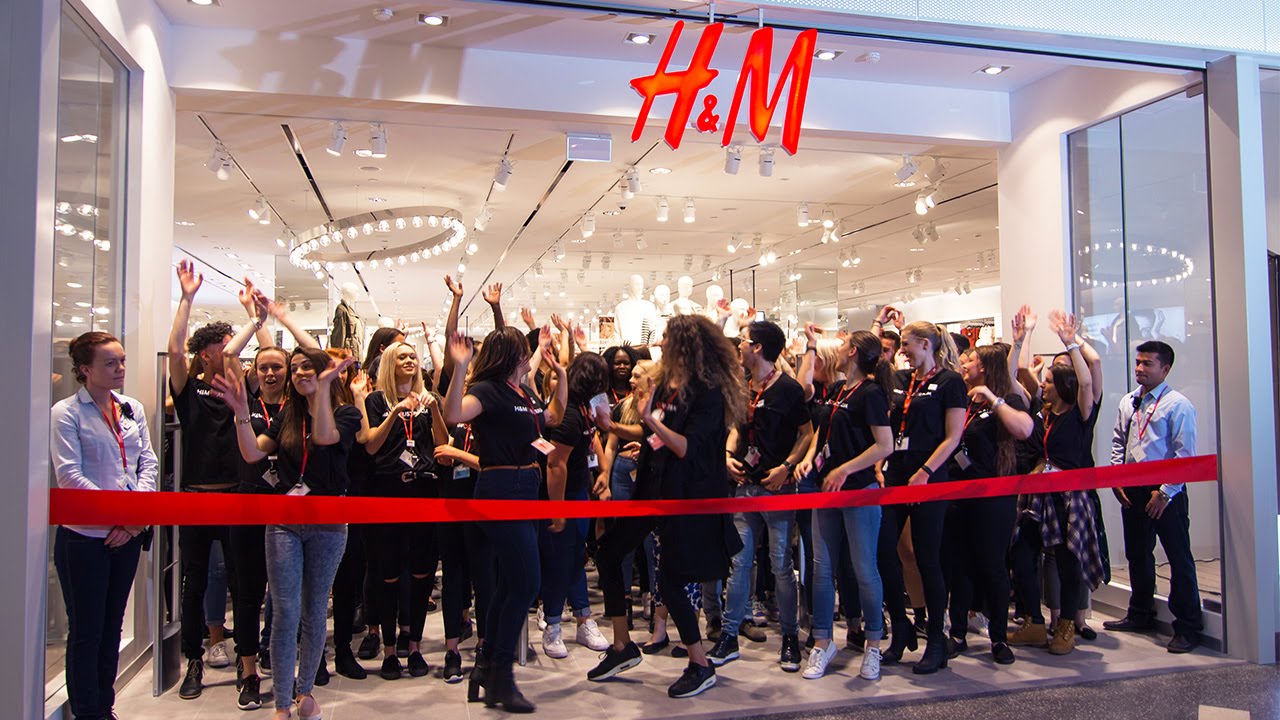
    The fashion giant H&M China has been fined 260,000 yuan (US $ 40,200) for “misleading consumers” in its advertising.

    According to the market control regime in Shanghai, the Swedish multinational apparel retailer tricked its customers with advertising that claimed that the featured products were only available in China.

    Officials revealed that the investigation into the case began in February 2021.

    Authorities have confiscated “illicit earnings from selling substandard products” worth 30,000 yuan ($ 4,638).

    Regulators ordered the company to stop creating and selling items that do not meet quality guidelines.

    This is not the first time the fast-fashion company has been criticized in China this year. In April, H&M agreed to change the “problematic map” online after criticism from the government in China.

    After the US, the European Union, Britain and Canada imposed travel and economic sanctions on authorities over allegations of abuse in Xinjiang in the northwest of China, the ruling Communist Party held a barrage against H&M, Nike and other shoe and clothing brands.

    The city government said: “Internet users report that H & M’s website has a ‘problematic map of China’ and the Shanghai Municipal Bureau of Planning and Natural Resources has ordered it to be fixed quickly.”

    The company’s social media account stated that H&M managers “corrected the error as soon as possible” after calling to meet with regulators.

  • Chinese State Firms to Take Stakes in Ant’s Credit Scoring JV

    Chinese State Firms to Take Stakes in Ant’s Credit Scoring JV

    Plans are reportedly underway for Ant to establish a personal credit scoring joint venture with state-backed companies set to take major stakes in the new firm.

    The ownership plans include Ant and Zhejiang Tourism Investment Group Co Ltd each owning 35 percent in the credit scoring joint venture, according to a Reuters report citing unnamed sources.

    Other state-backed parents include Hangzhou Finance and Investment Group and Zhejiang Electronic Port, with each expected to hold slightly more than 5 percent

    Transfar Group, parent of logistics and financial services firm Transfar Zhilian Co Ltd, will be the only non-state investor with a total stake of 7 percent.

    The proposed credit scoring joint venture will collect, manage and analyze consumer data to score people’s credit.

    Shareholders will invest about 500 million yuan ($77.4 million) in the entity as registered capital.

    The plan is for the firm to be launched as soon as October.

    According to the report, the establishment of the new firm and its ownership structure are part of restructuring orders by regulators who halted Ant’s blockbuster IPO in November last year.

    The credit scoring joint venture will consolidate Ant’s main business data operations and make regulatory oversight easier.

    The joint venture’s establishment will mark the third licensed personal credit-scoring firm alongside Baihang Credit Scoring and Pudao Credit Rating Co Ltd.

  • Starbucks appoints its new China CEO

    Starbucks appoints its new China CEO

    Starbucks Coffee Company announced the promotion of Belinda Wong from president to chief executive officer of Starbucks China. Wong has been instrumental in Starbucks unprecedented growth in China—from 400 stores in 2011 to over 2,300 stores today—by leading on the foundational values of Starbucks mission and driving meaningful innovation for Starbucks partners (employees) and local customers in China. In this role, Wong will oversee Starbucks plans to double its scale to operate 5,000 stores in China by 2021. Wong will continue to report to John Culver, group president, Starbucks Global Retail.

    “Over the past five years, Belinda’s vision, experience and push for innovation has elevated Starbucks in the hearts and minds of the Chinese people and created a strong foundation for Starbucks growth in China,” says John Culver, group president, Starbucks Global Retail. “Belinda embodies our mission and values as a company, and her promotion will help further propel Starbucks efforts in building the partner and customer experience for the China market over the long-term.”

    “It is a privilege and honor to be appointed to lead Starbucks business in China during this important time,” adds Wong. “There continue to be tremendous opportunities for Starbucks in China and I look forward to further elevating the mission and values of our company through growth and innovation for our Chinese partners and customers.”

    Wong joined Starbucks in January 2000 and has held a number of leadership roles across the Starbucks China and Asia Pacific region. In her elevated role, Wong will focus on the overall long-term growth strategy and lead the innovation pipeline for Starbucks China. She will be responsible for key areas, including the vast digital and e-commerce opportunities across the market and overseeing the opening of Starbucks first international Starbucks Roastery in Shanghai in 2017.

    As president of Starbucks China, Wong led the evolution of the Starbucks Experience in China with the opening of four unique flagship stores which put the coffee passion and craftsmanship of baristas at the forefront of the customer experience. Over the past five years, Starbucks also launched several initiatives to elevate the Starbucks partner experience, reflecting the company’s foundational belief in the importance of investing in partners’ futures to support their growth and professional aspirations. Partner initiatives include a housing allowance subsidy for full-time baristas and shift supervisors, ongoing training and development opportunities through the Starbucks China University program and the company’s first-ever Partner Family Forums which showcased Starbucks deep culture and values to parents of Starbucks partners so they could learn about the company.

    In September 2016, Wong was among 50 recipients to receive the Magnolia Award by the Shanghai Municipal Government in appreciation of her outstanding contributions and support of Shanghai’s development. Wong was also listed as one of the 50 people shaping the future of the U.S. and China relationship by Foreign Policy, and the Top 100 Chinese Business Women by Forbes China in 2015. Since 2012, Wong has been ranked one of the top 25 on Fortune China’s prestigious annual list of China’s most influential businesswomen.

    Leo Tsoi, who most recently has served as Starbucks China’s vice president of Store Development and Design, has also been promoted to the role of chief operating officer of Starbucks China. As COO, Tsoi will continue to scale and deepen Starbucks store footprint, transform the infrastructure in the market, implement key operational systems, and evolve the Food business to elevate the customer experience in China. As VP, Store Development and Design, Tsoi and his team accelerated Starbucks store growth to 550 new stores, including flagship stores, high profile coffee-forward stores, 75 Reserve bars and more than 380 Pour Over bars for Starbucks customers.

    Since joining the company in 2012, Tsoi has led several key areas of the business as chief marketing officer and VP, North China, to firmly define Starbucks coffee leadership position in the market.

    Both Wong and Tsoi’s roles are effective immediately.

  • JD beats profit estimates after boost from partnership deals

    JD beats profit estimates after boost from partnership deals

    China’s JD.com beat analysts’ expectations for quarterly adjusted profit, as its partnership with global brands such as Louis Vuitton-owner LVMH helped it attract more shoppers to its e-commerce platform.

    The results come amid a crackdown on the tech industry by Chinese regulators that has led to an upheaval in sectors such as e-commerce, gaming, ride-hailing and cryptocurrency.

    Net revenue at JD.com rose about 26% to 253.8 billion yuan ($39.14 billion) in the second quarter ended June 30. Analysts had expected revenue of 249.27 billion yuan, according to IBES data from Refinitiv.

    JD’s annual active customer accounts jumped 27.4% to 531.9 million.

    JD’s strategy of holding inventory and having full control of its in-house delivery network has also helped it compete with larger rival Alibaba Group, which outsources its logistics operation to third-party firms.

    Sales in JD’s product segment, which includes online retail, rose over 23% to 219.69 billion yuan.

  • JD launches online pet consultation services

    JD launches online pet consultation services

    JD.com launched its biggest ever 3,000-square-meter exhibition at the China Digital Entertainment Expo & Conference, a.k.a ChinaJoy2021, which is taking place from July 30 to August 2 in Shanghai.

    The exhibit is designed to showcase the latest gaming industry trends, what motivates China’s Gen-Z consumers, as well as the tremendous marketing opportunities arising from these developments, according to JD’s planning team for ChinaJoy.

    As China’s most well-known shopping platform particularly in the area of electronics products, JD will spotlight a number of new gaming products on site to bring a fresh experience for visitors. Beyond that, brands and products ranging from fashion and cosmetics to home appliances and furniture have also joined the bandwagon to introduce their co-branded offerings or tailored-made products in JD’s exhibit and via JD’s online platform.

    China’s e-sports market is expected to reach RMB 270 billion yuan by 2022, and will be an official event for the 2022 Asian Games in Hangzhou, China. In response, JD is ramping up efforts to tap the potential of this market and associated partners to incubate a wider industry ecosystem.

    During this year’s ChinaJoy, JD announced that it will update its JD Esports plan, which was launched at ChinaJoy 2020 in collaboration with device makers like Lenovo, gaming leaders like Tencent and livestreaming platforms like Huya, to develop a one-stop e-sports service platform encompassing hardware, software, content and events.

    As Gen-Z is driving much of the growth in this market, JD is also increasing its marketing outreach to younger consumers. A lineup of live shows, games and interactions with e-sport influencers will be rolled out during the three-day event to appeal to young visitors with interest in anime culture.

    Furthermore, JD’s efforts in cultivating the market have also included two gaming teams in recent years, both of which have gained wide popularity among young gamers and wider audiences: JD E-sports (JDE) for Peacekeeper Elite League (PEL) and JDG (JD Gaming) Intel e-Sports Club for League of Legends (LoL). The latter is one of the top-performing teams in the League of Legends Pro League (LPL). Plus, JD has organized the nationwide annual e-sports tournament JD Cup since 2014, in an effort to grow awareness of JD as a one-stop platform for everything related to e-sport, from gears, content to entertainment.

    Major Zhu, head of integrated marketing of JD Retail, said during the expo that JD will continue to deepen its investment in e-sports. Basing on the company’s strength in supply chain and big data, it can leverage its deep understanding in e-sports to bring partners together, presenting more high-quality products, services and entertainments for the growing e-sports fan base, and contributing to the development of China’s e-sports industry.

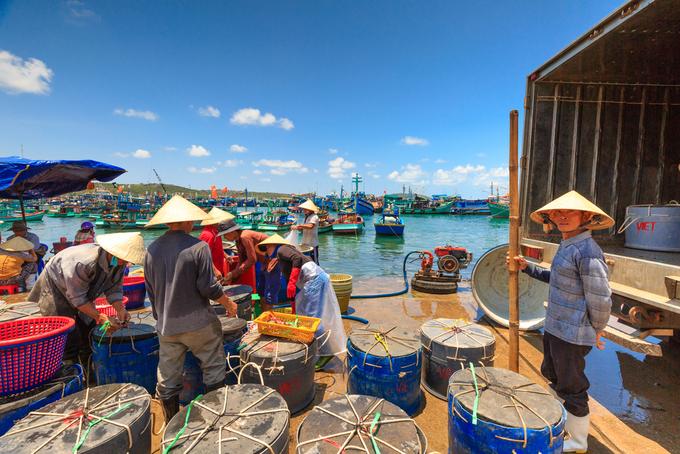
  • China reopens border gate with Vietnam

    China reopens border gate with Vietnam

    China has reopened one of its border gates in Guangxi with Vietnam after closing it for several days due to Covid-19 fears.

    Trade resumed Wednesday at Tan Thanh Border Gate in the northern province of Lang Son after customs officials of both countries agreed on Covid-19 safety measures.

    There are over 1,000 trucks stuck at the gate and another major gate in the same province, Huu Nghi, said Nong Hai Thang, director of border gate management in Lang Son.

    “Trucks need to wait two days to pass the gate.”

    The delay is caused by China imposing more stringent examinations on vehicles and products to prevent Covid-19 contagion.

    There are 12 big and small border gates in Lang Son.

    Vietnam has recorded nearly 290,000 Covid-19 cases since the end of April.

    China was Vietnam’s second-largest export market in the first seven months with a value of $28.7 billion, up 24 percent year-on-year, according to the General Statistics Office.

  • Victoria’s Secret joins JD with store

    Victoria’s Secret joins JD with store

    Victoria’s Secret is expanding its online presence in China with the launch of a flagship store on JD, the e-commerce platform.

    A representative from JD’s underwear business said the collaboration of the two companies not only expands JD’s cooperation with international fashion brands, but also provides additional choices for JD’s customers pursuing high-quality products.

    The JD flagship store offers Chinese customers Victoria’s Secret’s full range of classic bras, panties, lingerie and T-shirts. The launch came in time for the Chinese Valentine’s Day when sales are expected to boost as local consumers buy gifts for their loved ones.

    The online flagship follows the opening of the brand’s first China duty store in Hainan Tourism Duty-Free Shopping Complex earlier this month.

    The US lingerie brand closed its high-profile Victoria’s Secret flagship store in Hong Kong last year after two years of operation.

  • Ikea’s malls arm branches out into housing with new China centre

    Ikea’s malls arm branches out into housing with new China centre

    Ikea’s shopping malls business – one of the world’s largest – has kicked off the sales process for some 500 flats at its first-ever mixed-use retail and residential development, in Changsha, southern China.

    Cindy Andersen, MD at Ingka Centres since February, said in an interview she expected flat buyers to start moving in during March next year, after the adjacent mall opened last month following pandemic-related delays.

    Ingka Centres has 45 malls, or “meeting places” as it calls them following a strategy tweak a few years ago, anchored by Ikea furniture stores across Europe and Russia, and in China where they are branded Livat.

    The company has shifted towards more entertainment and social spaces in its developments as consumers, in China in particular, increasingly shop online, visiting malls more for food or movies. Andersen told Reuters a third of tenants at the Livat Changsha mall were retailers currently.

    With housing, it is testing yet another income leg, banking on the rapid urbanization in China. Livat Changsha’s residential building, besides the flats, also sport common living and workspaces designed and decorated in co-operation with Ikea that it hopes will appeal to people working from home.

    Andersen said the Livat Changsha mall – Ingka Centres’ fifth in China and its first development across markets to also offer housing – had around 95-per-cent occupancy in July, with tenants ranging from restaurants and sport and entertainment outlets to around 350 retailers including Decathlon and Uniqlo across 130,000sqm.

    “I think we had a really relevant strategy even before the pandemic, and now the trends we saw already then have accelerated.”

    The atrium of the Livat shopping centre in Changsha, China. Image: Ingka Centres.

    She said that Ingka Centres, along with parent Ikea, still has great belief in a future of physical shopping, including in China, as long as it is tailored to consumer expectations around services, omnichannel and convenience.

    “There is a need to include retail experiences in the meeting places also going forward. We have a lot of confidence this is a need for the consumer also in China,” she said, adding that Ingka Centres had added 50 international retail brands to its portfolio in China over the past year.

    “I think it very much comes down to the fundamental needs of people. We like to be with other people and we like to be in environments where we can experience, where we can touch and feel,” she said.

    Across markets, Ingka Centres is trying various omnichannel models and digital services at its malls with tests ranging from local e-commerce platforms to live shopping events.

    At Livat Changsha – where it has invested more than US$616.8 million to date – the focus initially will be on a loyalty scheme app that is connected to Chinese social media WeChat, sporting services such as virtual reality centre navigation, online restaurant queuing and cinema ticket purchases.

    Andersen said the program currently has around 2.3 million members in China, compared with 1.5 billion in May last year.