Tag: Economy

  • Vietnam garment exports surge on US-China trade war

    Vietnam garment exports surge on US-China trade war

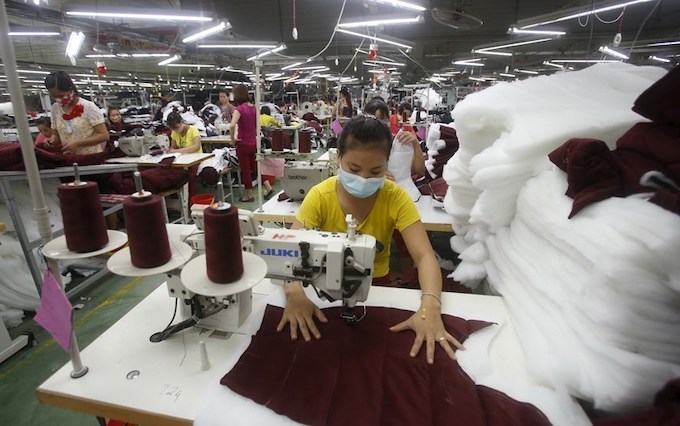
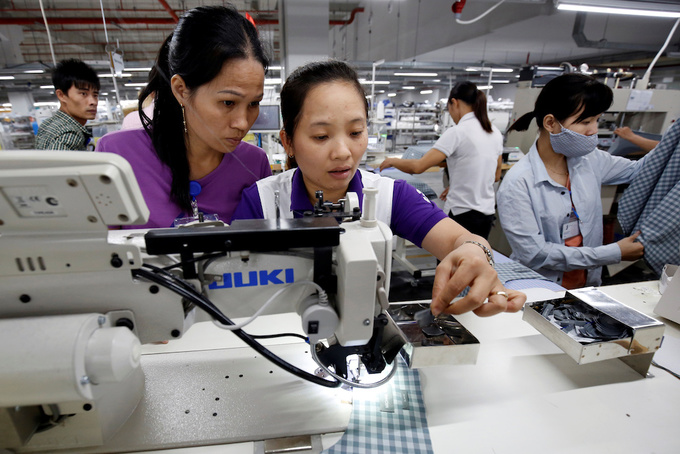
    Vietnam’s garment exports are set to rise by 14.8 percent this year to $35 billion, an industry official said on Friday. The expected growth is attributed to the fact that U.S. retailers diversify their product sourcing to keep costs under control amid an escalating trade dispute with China.

    The U.S. has already imposed tariffs on $250 billion worth of Chinese goods, and China has responded with retaliatory duties on $110 billion worth of U.S. goods.

    Garments, Vietnam’s second largest export-earner after smartphones, are not yet subject to U.S. tariffs, although some manufacturers have sought to move at least some production to the Southeast Asian country, anticipating potential penalties.

    “We are seeing more and more orders coming in, especially from the United States,” Vu Duc Giang, chairman of Vietnam Textile & Apparel Association, told Reuters.

    Garment exports to the U.S. rose 12 percent in the January-October period to $10.5 billion, while exports to China surged 40 percent to $1.1 billion, according to a government statement released on Thursday.

    Ngo Quang Thoa, chairman of Swimax International Joint Stock Co, a contractor which produces swimwear and underwear products for U.S. companies such as Target and Express, said he had received a large increase in orders from the U.S. since January.

    “This is because of the trade war between the U.S. and China,” said Thoa, who added that he expected to see his exports to the U.S. increase by up to 20 percent by the end of the year.

    “Some U.S. clients are already making strategic adjustments to their business plans to diversify their supplies, even though Trump hasn’t targeted Chinese garments in the tariff war yet,” he said.

    Vietnam is home to over 6,000 textile and garment factories which employ around three million people, Thursday’s government statement said.

    Giang, chairman of Vietnam Textile & Apparel Association, told Reuters those figures were likely to grow, thanks to a plethora of Vietnamese free-trade agreements, and not just because of the U.S.-China trade spat.

    Vietnam has signed around a dozen free-trade agreements that will remove or reduce taxes on several imports and exports.

    Foreign investors poured in $2 billion in Vietnam’s garment and textile production in the first eight months of this year, Giang said.

    Most investors were from Japan, South Korea, Taiwan and China, he added.

    “They have been upping their investment in Vietnam for years,” said Giang.
  • Indonesia Falls in 2019 Ease of Doing Business Ranking

    Indonesia Falls in 2019 Ease of Doing Business Ranking

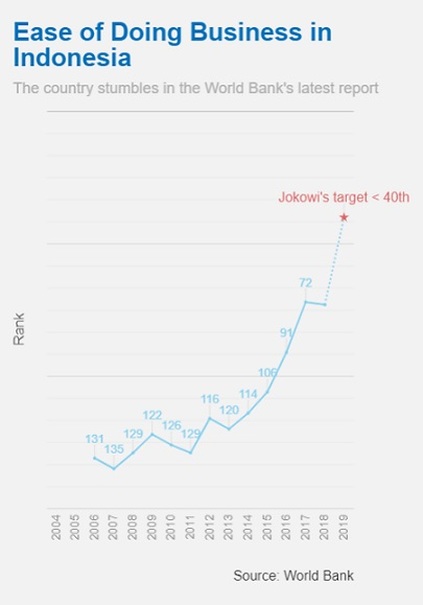
    If President Joko “Jokowi” Widodo wants to see Indonesia join the top 40 countries in the World Bank’s Ease of Doing Business ranking under his watch, he should make sure he wins re-election next year. Indonesia slipped one place to 73rd, behind Greece, the Ukraine and Kyrgyzstan, in the 2019 Ease of Doing Business report, released late on Wednesday. The president has set a target for the country to be in the top 40 by next year, but his second term will be decided in April, while the next report would not be out until next November.

    While Indonesia has made considerable progress in reforming the regulatory environment for businesses since Jokowi took office in 2014, Wednesday’s report reveals the stark realities of the country’s limited capacity to continue with these reforms.

    The country scored 67.96 out of 100 in the report’s aggregate measurement, up by only 1.46 points from last year. Slovenia, a Central European nation of only 2 million people and a $49 billion economy, sits in the coveted 40th place with an overall score of 75.61.

    Indonesia, for one, issued new rules that make starting a business, registering property and obtaining credit, easier for businesses and make it cheaper for them to get electricity. But reform stagnated in areas such as obtaining construction permits, protecting minority investors, paying taxes, trading across borders, enforcing contracts and resolving insolvencies.

    These bottlenecks allow economies like China, Kenya and Kyrgyzstan to overtake Indonesia. China made a leap to 46thplace in this year’s report, from 78th last year. Kenya moved up 19 places to 61st, while Kyrgyzstan went up seven places to 70th.

    Still, the report highlights Indonesia’s success in reforming its judiciary system and making the country a case study for others to emulate. The Supreme Court introduced training programs in 2003 for new and experienced judges, as well as special training for judges presiding over more specialized cases, such as those involving commercial or maritime disputes.

    “Indonesia’s efforts to train judges following judicial reforms bore positive results through a substantial decrease in court backlogs and insolvency case resolution times,” the World Bank said in the report.

  • Vietnam’s per capita GDP up 17.3 pct in 3 years: PM

    Vietnam’s per capita GDP up 17.3 pct in 3 years: PM

    This year’s estimated per capita GDP of $2,540 marks a $440 increase over 2015, PM Nguyen Xuan Phuc informed the National Assembly Monday. In term of purchasing power parity (PPP), the per capita income in 2018 is estimated at $7,640, and expected to rise annually by six percent to reach $8,580 in 2020, the prime minister said.

    “Many international organizations said that Vietnam has good prospects, and is one of the fastest growing economies in the region and in the world,” Phuc noted.

    Vietnam is likely to achieve GDP growth of 6.7 percent in 2018, he said, adding that despite complex fluctuations in the domestic and global economies, caused in particular by the US-China trade war, as well as financial and currency market risks, Vietnam has managed to pull through 2018 with several positive economic signs.

    GDP growth reached 6.98 percent between January and September, and foreign direct investment inflows into Vietnam this year will likely reach a record $18 billion, Phuc said.

    It is expected that inflation will be kept at below 4 percent for the year, the third year in a row that the government has maintained this level, he added.

    Vietnam is aiming to post economic growth of between 6.6-6.8 percent in 2019, the PM said, adding that the target of keeping inflation below 4 percent will also be applied.

    However, he conceded that there was pressure on Vietnam’s inflation rate due to higher crude and electricity prices as well as costlier education and healthcare services.

    To speed up economic development, the Government plans to push ahead with the state-owned enterprise restructuring plan, Phuc said.

    “We want to restructure public investment more effectively and improve the efficiency of capital use. Furthermore, the privatization and divestment of state-owned enterprises will ensure publicity, transparency and maximization of the State’s interests,” the PM said.

    He emphasized the need for strong development of the private sector and the creation of a favourable and competitive environment that maximizes resources and improves all economic sectors.

    The Government will also focus on public investment, speeding up implementation of projects like the North-South expressway and the Long Thanh International Airport in southern Dong Nai Province, the PM said.

  • For Vietnamese exporters, ASEAN market remains bridge too far

    For Vietnamese exporters, ASEAN market remains bridge too far

    Vietnamese companies are struggling to sell their products to ASEAN member countries despite the abolition of tariffs within the bloc. Analysts blame this on their lack of market information and poor understanding of consumer needs among other factors.

    With the formation of the ASEAN Economic Community (AEC) three years ago, members had to reduce over 90 percent of their tariff lines to zero percent, though Vietnam, Laos, Cambodia, and Myanmar were allowed until 2018 to do so.

    Yet Vietnam’s intra-ASEAN exports accounted for only 11 percent last year while this number for other members averaged 24 percent even in 2016, Nguyen Thi Tue Anh, deputy head of the Central Institute of Economic Management (CIEM), said at a recent conference.

    Anh said besides Vietnamese enterprises’ lack of market information, they have also failed to adequately differentiate their products from those of competitors within the bloc.

    A spokesperson for a business based in southern Soc Trang Province said his company, which produces dried fish and other fisheries products, wants to take its products to the ASEAN market but does not know how.

    He said that there are many factors such as package design, marketing and market research, and it does not know where to begin since all are equally important.

    Ha Xuan Anh, chairman of HCMC-based textile maker Son Viet, said his company’s products – undergarments – are sold at many modern retail outlets. But for the last 10 years it has sought to sell to Singapore, Thailand and Malaysia, and has been unable to do so.

    He explained that though the quality of his company’s products is competitive, Vietnamese brands remain unknown in these markets.

    It only sells in markets with less competitive products such as Laos, Cambodia and Myanmar.

    Pham Thiet Hoa, director of the HCMC Investment and Trade Promotion Centre (ITPC), also blamed the weaknesses of Vietnamese enterprises for their inability to export, listing lack of product diversification, failure to closely liaise with authorities responsible for foreign affairs, and poor marketing.

    ITPC said small companies entering a new market alone would find it very difficult to identify foreign business partners and distribution chains.

    Hoa said it is therefore necessary for trade envoys to work with their counterparts in foreign markets to bridge this gap.

    Participating in fairs, exhibitions and trade promotion programmes in target markets enables companies to assess the competitiveness of local rivals, he said.

    Despite the free trade environment, each country in the bloc has differences in culture, religion and consumer preferences, and businesses need to understand them before venturing into those countries, he said. “Enterprises should also carefully study the technical barriers and legal regulations to avoid losses.”

  • Bank Negara to extend observation period for net stable funding ratio by a year to 2020

    Bank Negara to extend observation period for net stable funding ratio by a year to 2020

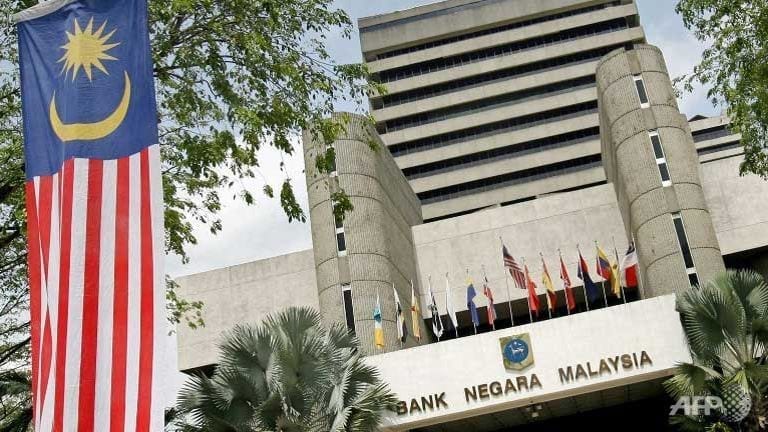
    Bank Negara Malaysia (BNM) is looking to extend the observation period for the net stable funding ratio (NSFR) in Malaysia for a year to 2020. NSFR is a liquidity standard which comes under the Basel III international regulatory reforms. It refers to requirements for banks to have in place a certain percentage of stable sources of funding, such as commercial papers that have more than a year’s maturity and retail deposits, to support their asset portfolios in the longer term.

    The initial deadline proposed by the Basel committee for the NSFR standard of above 100% was Jan 1, 2018. It was then deferred to Jan 1, 2019.

    Speaking at BNM’s Financial Stability Conference, governor Datuk Nor Shamsiah Mohd Yunus said the extension takes into account the intention to conduct further on-site assessments to validate the maturity and robustness of the liquidity and funding practices of banks, and uneven progress in implementation at the global level.

    “The bank remains committed to implementing the NSFR requirements as part of overall liquidity standards applicable to licensed banks in Malaysia.”

    She added that currently all banks maintain adequate liquidity buffers against short-term liquidity stress, and the vast majority of banks already report NSFR levels above the minimum 100% based on observation data.

    On another note, Nor Shamsiah said the challenge now is when a crisis is going to strike and how it will spread.

    In navigating an uncertain future, she suggested four strategic priorities for financial stability authorities.

    First, authorities need to remain vigilant as emerging economies face mounting pressures that continue to see more volatile capital flows. Second, authorities must continue to develop and deepen their understanding of risk transmission.

    Third, authorities must have a broad policy toolkit for responding to financial stability risks. Fourth, authorities need to increase policy agility as every crisis or financial stability issue is different, and each requires a different policy response.

  • Vietnam footwear industry to be benefited from trade war

    Vietnam footwear industry to be benefited from trade war

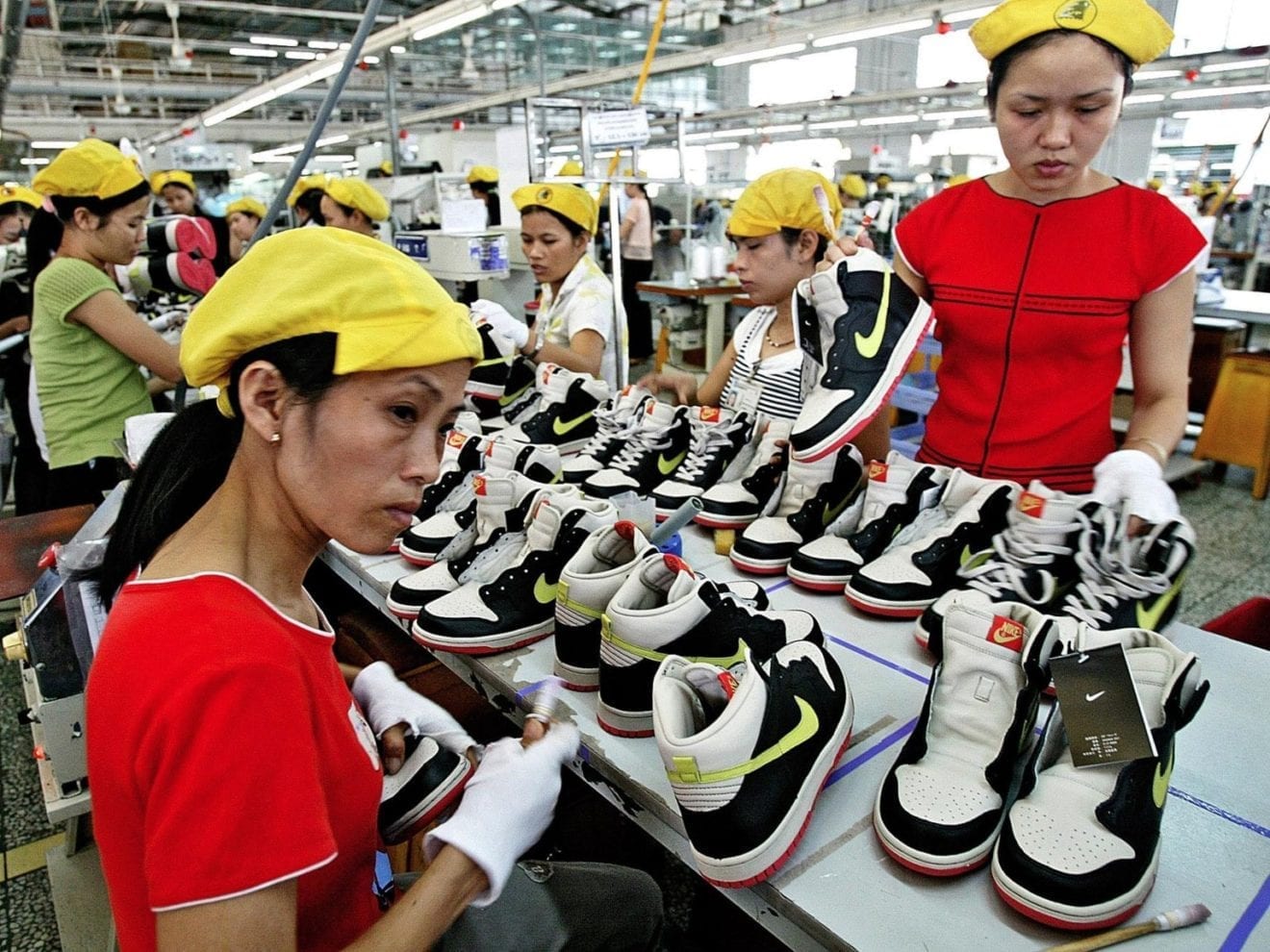
    Vietnamese footwear exporters seem to be benefiting from the ongoing trade war between the U.S. and China. According to customs statistics, Vietnam’s footwear exports in the first nine months of this year were worth $11.74 billion, a 10.2 percent year-on-year increase. Its exports to China in the period have risen by 28.5 percent, to Japan by 14.7 percent, and to the U.S. by 13.5 percent.

    Vietnam is the second biggest exporter of footwear to the U.S. behind China, shipping 404 million pairs of shoes last year.

    The upward trend is likely to continue, too, as rising wages in China increase the cost of goods produced there and the country is thus directing more of its manufacturing resources toward higher-priced goods like electronics, according to the global footwear news outlet Footwearnews.

    Foreign companies are moving to other countries like Vietnam to cut cost.

    Adidas CEO Kasper Rorsted said last May that his company is shifting sourcing of footwear from China to Vietnam.

    Vietnam has in fact overtaken China as its top supplier, with Vietnamese factories producing 44 percent of its shoes by volume last year and Chinese manufacturers supplying 19 percent, according to Adidas.

    This would help shield the company from potential tariffs or supply chain disruptions if President Donald Trump’s trade war with China continues to escalate, a fact its competitors also seem to be taking notice of.

    Vietnam may see export orders surging as footwear importers shun China to avoid high U.S. tariffs and choose the Southeast Asian nation instead, local media quoted Diep Thanh Kiet, vice chairman of the Vietnam Leather, Footwear and Handbag Association (Lefaso), as saying.

    “Vietnam’s leather and footwear export can reach $19.5 billion or slightly higher this year depending on the situation,” he said. Vietnam’s footwear exports were worth $14.65 billion last year.

  • Vietnam to cut dependancy on crude oil

    Vietnam to cut dependancy on crude oil

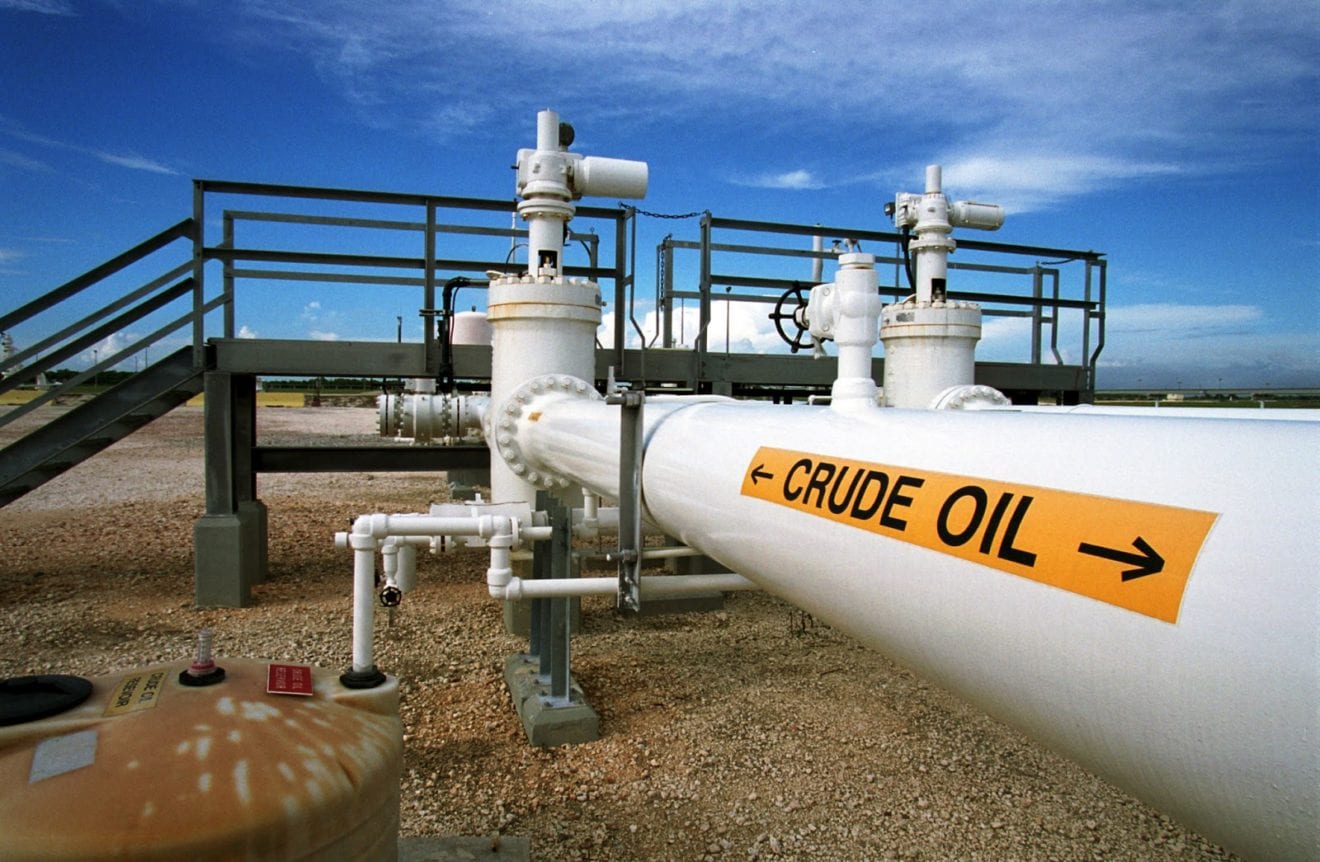
    A prime ministerial advisory body has said the state budget is overly dependent on crude oil, an unsustainable income source. The National Financial Supervisory Commission (NFSC) recently said crude oil is not a sustainable income source, both in the short and long term.

    In the short term, crude oil revenue can be affected by global oil prices and mining output; and the state budget has been significantly impacted by such fluctuations over the years, the NFSC noted.

    In the long run, this source of income is also unsustainable as national reserves are limited, it added.

    Earlier, Deputy Prime Minister Vuong Dinh Hue had said at a meeting of the legislative National Assembly that Vietnam needs to stop relying on crude oil and focus on tourism to ensure its economic growth.

    “It is better to welcome one million tourists than trying to find one million tons of crude oil because tourism is more eco-friendly and safe for the economy,” he’d said.

    Vietnam’s September crude oil exports totaled 375,000 tons, down 21.1 percent year-on-year, according to the General Statistics Office. This brought crude oil exports in the first nine months of this year to 2.97 million tons, down 45.2 percent from a year earlier.

    From early this year to September 15, accumulated budget revenue is estimated to be at VND898.3 trillion ($39.06 billion), of which VND43.5 trillion ($1.89 billion) or about 5 percent comes from crude oil, according to the General Statistics Office.

    Vietnam’s domestic crude oil production reached its peak in 2004 with an output of more than 20 million tons, but has declined to an estimated 14.2 million tons in 2017.

    It is forecast that around 11 million tons will be produced in 2018. Crude oil exports have contributed 0.25 percent to the country’s GDP in recent years.

  • Vietnam’s authority no longer certain about 2020 GDP target

    Vietnam’s authority no longer certain about 2020 GDP target

    Vietnam’s GDP per capita is set to increase this year, but its 2020 target of $3,200-3,500 looks distant. Minister of Planning and Investment Nguyen Chi Dung said at a National Assembly meeting Monday that if Vietnam’s GDP increases by 6.7 percent this year, per capita GDP will reach $2,540, up $155, or 6.1 percent year-on-year, and 1.21 times that of 2015.

    However, the number is still far away from the country’s target of $3,200-3,500 by 2020, he conceded.

    According to World Bank Group statistics, Vietnam’s GDP per capita in 2017 is $2,343. The figure for Singapore is $57,714, Malaysia ($9,945), Thailand ($6,594), the Philippines ($2,989) and Myanmar ($1,298).

    Minister Dung estimated that Vietnam’s GDP would grow by 6.57 percent on average in the 2016-2018 period, meeting the National’s Assembly target of 6.5-6.7 percent growth.

    However, he expressed concerns about the increasing number of businesses that stopped operations in the first nine months of this year.

    While 96,610 new businesses opened, 73,100 closed, up 48 percent year-on-year.

    These figures worried government officials at the meeting. Vu Hong Thanh, Chairman of the National Assembly’s Economic Committee, said that the goal of having one million businesses by 2020 will be “difficult to achieve.”

    Last year Vietnam had over 560,000 active businesses, up 11 percent year-on-year, according to the General Statistics Office.

    But in another meeting last week, Deputy Prime Minster Vuong Dinh Hue said that the goal “is full of challenges, but achievable.”

    Hue said that how strong these businesses are and how much they can contribute to the economy is more important.

    “The government aims to practically improve the business environment by not imposing more conditions,” he said.

    In the first nine months this year, Vietnam’s GDP grew by 6.98 percent, the highest nine-month growth rate since 2011. The economy grew by 6.81 percent last year, the highest rate in a decade.

  • Korean companies in China becoming less optimistic

    Korean companies in China becoming less optimistic

    Korean companies operating in China are less optimistic about business conditions in the fourth quarter of this year, as the Chinese economy is cooling amid a trade spat with the United States, a survey showed Sunday. According to the Korea Institute for Industrial Economics and Trade (KIET), its business survey index (BSI) stood at 103 for the October-December period, down 12 points from the previous quarter.

    A BSI reading above 100 means optimists outnumber pessimists. The BSI for the sales outlook was also still over 100, but came in at 117, down 8 from a quarter ago.

    By sector, electronics, electric and retail were more pessimistic about the fourth quarter, while automaking and textiles remained bullish over business conditions in China.

    Last week, China reported its weakest quarterly growth since the first quarter of 2009, during the global financial crisis.

  • Vietcombank files for private issue of 360 million shares

    Vietcombank files for private issue of 360 million shares

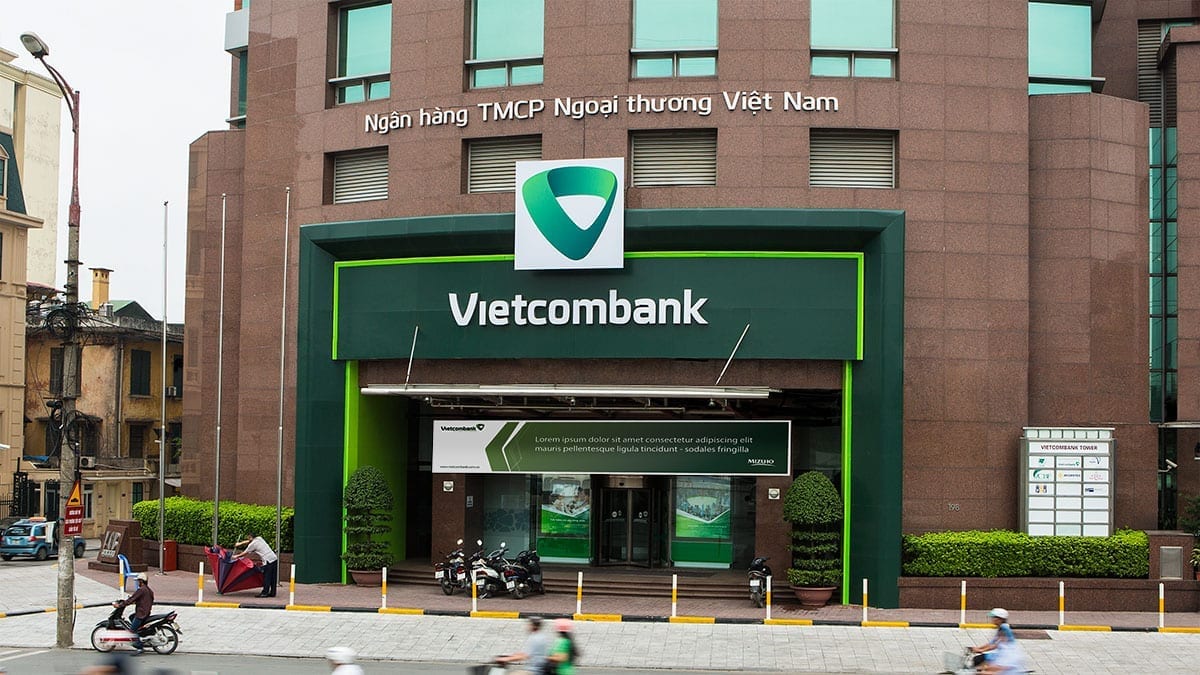
    Vietnam’s State Securities Commission has received an application from Vietcombank for a private placement of shares worth over $156.5 million. The commission (SSC) said the country’s third largest bank by assets proposes to make a private issue of 360 million shares, equivalent to 10 percent of its charter capital.

    The lender plans to sell nearly 54 million shares to its strategic partner, Japan’s Mizuho Bank, to ensure it retains its 15 percent stake post dilution.

    It will sell the remaining 306 million shares, or 7.73 percent of its charter capital, to other undisclosed investors.

    The bank has not disclosed the issue price either. Its shares closed at VND58,000 ($2.5) Friday on the HCMC market.

    The State Bank of Vietnam recently gave Vietcombank approval to increase its charter capital by 10 percent to VND39.58 trillion ($1.69 billion).

    The lender has also received approval from its shareholders to make the private placement.

    Vietcombank and other top lenders, including BIDV and Vietinbank, have been struggling to increase their capital to meet international capital adequacy norms.

    The second Basel Accords, or Basel II, prescribe minimum capital adequacy of 8 percent of risk-weighted assets for all financial institutions to cover operational risks.

    In 2016 Vietcombank signed a deal with Singapore sovereign wealth fund GIC Private Limited to sell a 7.73 percent stake. The deal has yet to be consummated, with the bank’s chairman, Nghiem Xuan Thanh, saying they have been unable to agree on a price.

    As a state-owned bank, Vietcombank’s issue of new shares must not be at a price lower than their current market price or a minimum value set by the government.

    However, the price offered by GIC did not meet this requirement.

    If the private issuance of VND3.6 trillion ($156.5 million) is successful, Vietcombank will have the highest chartered capital in the industry of nearly VND40 trillion ($1.74 billion).

  • EU pushes for approval of trade agreement with Vietnam

    EU pushes for approval of trade agreement with Vietnam

    The European Commission submitted for approval on Wednesday a free trade agreement with Vietnam. The E.U.-Vietnam trade and investment agreements will need approval from the E.U.’s 28 members and from the European Parliament.

    The parties have agreed a related accord to promote democracy and human rights, including commitments, dialogue and possible sanctions. E.U. Trade Commissioner Cecilia Malmstrom said no one denied there were human rights problems in Vietnam.

    “We are talking openly about this with our Vietnamese counterparts and the trade agreement will not make Vietnam a fully fledged democracy overnight. It is one tool in the toolbox that we have in relations with Vietnam and other countries,” she said.

    The European Union will sign a trade deal on Friday with Singapore, another member of the Association of Southeast Asian Nations (ASEAN), and is in talks with Indonesia.

    It is unclear whether the European Parliament, which is expected to debate and vote on the Singapore agreement as well as the E.U.-Japan free trade deal, will have time to pass the Vietnam accord before E.U. elections in May.

    The trade deal would eliminate 99 percent of all tariffs, although some staged over a time period and some, notably agricultural products, limited by quotas.

    Vietnam, for example, would cut its duty on E.U. car imports from 78 percent to zero over 10 years and for wines and spirits, from around 50 percent, over seven years. E.U. companies would also be able to bid for Vietnamese public contracts.

    In return, the European Union would take seven years to eliminate its duties on certain Vietnamese products, such as its major textiles, clothing and footwear exports.

    Vietnam has pledged to protect 169 European food and drinks products, such as champagne or Parmigiano Reggiano cheese, meaning such names could only be used for E.U. imports.

    The agreement includes a chapter on sustainable development, such as implementing international standards on labour rights and the Paris climate accord.

  • Vietnam to grow 7 percent in 2018: report

    Vietnam to grow 7 percent in 2018: report

    A report by the Standard Chartered Bank says Vietnam will top ASEAN economic growth this year.

    The report, released Friday, attributed this to manufacturing and agriculture sectors.

    Titled Vietnam: fast, not furious, growth,” it said the economy will grow by 7 percent this year.

    Other factors contributing to the high growth is the robust growth of electronics, with high foreign direct investment inflow and increasing consumption, the report said.

    It estimated next year’s growth at 6.9 percent.

    Standard Chartered economist Chidu Narayanan said that Vietnam has strong growth prospects, and an average FDI inflow of about $17 billion a year can be expected from now until 2020.

    Manufacturing is set to have a double-digit growth for the second year in a row, and agriculture will recover in the second half of this year, the report said.

    It also saw stable growth in the service sector, led by strong consumption in the country, the report said.

    The service sector, accounting for 40 percent of the economy in the first half this year, saw a 7 percent growth year-on-year growth in the same period.

    The report also said young, well-trained and low-cost human resources will play a part in boosting service growth, it said.

    Standard Chartered also forecast that the USD/VND exchange rate would reach VND23,400 by the end of this year.

    The central bank rate on Sunday was VND22,720 and VND23,310-23,390 at local banks.

    On Thursday, the World Bank upped its forecast for Vietnam’s growth by 0.3 percent to 6.8 percent.

    However, the Asian Development Bank last month lowered the growth rate from 7.1 percent to 6.8 percent, saying that the ongoing trade war between the U.S. and China could have spillover impacts on Vietnam’s export and FDI inflows.

    In the first nine months this year, Vietnam’s GDP grew by 6.98 percent, the highest nine-month growth rate since 2011.

    The economy grew by 6.81 percent last year, the highest rate in a decade.

  • European businesses repose confidence in Vietnam

    European businesses repose confidence in Vietnam

    European companies’ business sentiment in Vietnam is at the highest level in 18 months, EuroCham’s Business Climate Index shows.

    The latest index (BCI), which the business group released Wednesday, is at just two points below the all-time high achieved in the third quarter of 2016.

    This growing confidence in Vietnam’s trade and investment environment is reflected in a six-point jump in the second quarter of this year against the first quarter.

    The BCI shows Vietnam is open for business as an attractive trade and investment destination, Nicolas Audier, co-chairman of EuroCham, said in a press release.

    “The EU-Vietnam Free Trade Agreement (EVFTA) should be ratified soon. On the cusp of this historic deal, which will boost trade and investment on both sides, we hope this positive message from EuroCham and its members will inspire the government to continue opening its markets to foreign investment and improving its trade and investment environment.”

    EuroCham members reported an optimistic outlook on a range of issues, from their own investment and profit projections to workforce levels and Vietnam’s economic outlook.

    Over 70 percent reported a positive situation at their enterprise in the last quarter, with 62 percent describing it as ‘good’ and 12 percent as ‘excellent’.

    Looking ahead to the next quarter, 64 percent believed their business situation would be ‘good’ while 15 percent said ‘excellent’.

    EuroCham members are also optimistic about Vietnam’s economic outlook, with 57 percent predicting ‘stabilization and improvement’ in the next quarter and 34 percent believing it would remain unchanged.

    Fifty seven percent believed their business would see either a ‘significant’ or ‘moderate’ increase in staff next quarter, while 61 percent expected either a ‘significant’ or ‘moderate’ increase in investment.

    Over three-quarters of members (76 percent) believed orders or revenues would see a ‘significant’ or ‘moderate’ increase in the third quarter.

    For the first time, EuroCham asked members for their views on corporate social responsibility (CSR). 87 percent said CSR is important to their business operations in Vietnam. The main motivations for CSR included ‘brand reputation’ and ‘customer/environmental concern’.

    Vietnam’s GDP grew by 6.98 percent between January and September, the highest nine-month rate since 2011. The economy grew by 6.81 percent last year, the highest in a decade.

    The foreign sector’s exports in the first eight months of the year were worth $110.3 billion, up 13.4 percent year-on-year and accounting for 71 percent of the country’s total exports of $155.4 billion.

  • Vietnam’s VCCI shared 3 solutions to resolve businesses’ credit crunch

    Vietnam’s VCCI shared 3 solutions to resolve businesses’ credit crunch

    A recent survey found that 217 out of 504 questioned businesses in various sectors could not get bank loans for lack of collateral.

    The survey was done last May for the “Assisting Vietnamese businesses with increased access to credit through improving governance and financial transparency” project of the Vietnam Chamber of Commerce and Industry (VCCI).

    Releasing the survey results last month, the VCCI said businesses have difficulty proving their creditworthiness to banks and other credit institutions.

    Nguyen Thi Mui, an economist, acknowledging the need to provide banks with collateral for loans, also pointed out that only a small proportion of businesses can fully meet banks’ requirements.

    The Government and the State Bank of Vietnam have in the past tried various programs to ease credit access but with no great success.

    The VCCI has three possible solutions but stressed banks have a major role in remedying the problem.

    Firstly, bank staff should devote time and effort to assist customers seeking loans. More importantly, banks should fully understand the challenges that businesses face.

    They should be able to detect whether or not investing in this business would benefit them in the long run. If so, the bank should help loan takers overcome the current finance problem.

    It said banks should adjust their risk appraisal methods to better serve small and medium-sized enterprises. A large part of Vietnamese banks’ income comes from interest on loans to businesses, it said.

    Secondly, the VCCI said, banks’ current interest rates do not only fit the nation’s current economic situation but also affects businesses’ competitiveness. It recommends that banks should narrow the gap between their deposit lending interest rates to two percent.

    Lastly, the VCCI said, businesses should look to improve themselves in terms of human resources and management to appeal more in front of lenders.

    According to the General Statistics Office (GSO), Vietnam had more than 600,000 enterprises at the end of last year, 95 percent of them small and medium-sized enterprises with an annual turnover of less than VND100 billion ($4.3 million).

    The number of enterprises with turnovers less than VND20 billion makes up over 70 percent of the total number of small and medium enterprises. VCCI statistics show that nearly 60 percent of these micro enterprises did not succeed in getting bank loans in 2016.

  • Tiny foreign firms a cause of worry for HCMC

    Tiny foreign firms a cause of worry for HCMC

    The increasing investment of small sums in HCMC by foreign businesses is worrying experts.

    In the first eight months this year 658 new FDI projects were licensed, but they only had a combined capital of $581.8 million, according to the General Statistics Office.

    They include businesses investing just a few thousand dollars.

    French consultancy J&P is capitalized at $3,000, computer consultancy Streamy from Ireland at $2,600 and another French firm, Evocom, at $2,200.

    These firms are “too small” to benefit Vietnam’s economy but there are no regulations prohibiting them, Su Ngoc Anh, director of the HCMC Department of Planning and Investment said.

    The city chairman, Nguyen Thanh Phong, had previously expressed concern about the entry of small foreign firms.

    The average capital of a foreign project in HCMC is less than $1 million, too small to have an impact, he had told a recent conference.

    “Why has the city not been able to attract bigger investment? What are the obstacles?”

    Lack of land

    One of the obstacles is the shortage of land, Dr Dinh The Hien of the Institute of Information and Economic Research (IIB) said.

    The metropolis used to attract many foreign property businesses because of its abundance of land, he said.

    But investing in real estate has been difficult in recent years due to challenges in finding land and completing legal procedures, he said.

    Many foreign firms want to invest in the city but then move to the neighboring provinces of Binh Duong, Dong Nai and Long An which have more available land, he said.

    So attracting FDI in infrastructure and technology should be the goal of the city now, he said.

    Do Nhat Hoang, head of the Foreign Investment Agency, said the high land rentals are scaring investors away from the city.

    Renting land for a factory in HCMC costs about $160 per square meter per year, but five kilometers away from the city, it drops to just $50-60, he said.

    But he said the city should create favorable conditions even for businesses investing $2,000-3,000 so that can develop and invest further.

    Singapore allows businesses to operate with $1 capital, he pointed out.

    What is of greater significance is that Vietnamese firms would improve their services and capabilities when working with these foreign businesses, he said.

    Over 54 percent of 1,765 foreign businesses in Vietnam reported profits last year, the lowest since 2012, according to a survey by the Vietnam Chamber of Commerce and Industry.

    Almost 38 percent reported losses, 10.4 percentage points higher than in 2012.