Tag: Economy

  • Singapore’s Economy Grows By 4.4 Pct In Q118

    Singapore’s Economy Grows By 4.4 Pct In Q118

    Singapore’s economy grew by 4.4 per cent on a year-on-year basis in the first quarter (Q118), higher than the 3.6 per cent recorded in the previous quarter.

    On a quarter-on-quarter seasonally-adjusted annualised basis, the economy expanded by 1.7 per cent, moderating from the 2.1 per cent growth in the preceding quarter.

    In releasing the latest economic figures, the Ministry of Trade and Industry (MTI)  expects the republic’s Gross Domestic Product (GDP) growth for 2018 to come in at “2.5 to 3.5 per cent”.

    This is after taking into account the strong performance of the Singapore economy in the first quarter and the slightly improved external demand outlook for the country.

    The manufacturing sector grew by 9.8 per cent year-on-year, extending the 4.8 per cent growth in the previous quarter.

    The sector’s growth was primarily driven by the electronics, precision engineering and chemicals clusters, which expanded 19.2 per cent, 14.0 per cent and 10.0 per cent respectively.

    The construction sector contracted by 5.0 per cent year-on-year – the same pace of decline as in the previous quarter.

    Construction output was weighed down by continued weakness in both the public and private sector construction activities, said the Ministry.

    The wholesale & retail trade sector expanded by 3.0 per cent year-on-year, unchanged from the growth recorded in the previous quarter.

    Growth was driven by the wholesale trade segment, which was in turn supported by an increase in the wholesale sales volume of petroleum products.

    On the other hand, the retail trade segment contracted, weighed down by a fall in the volume of motor vehicle sales.

    Growth in the transportation & storage sector came in at 2.8 per cent year-on-year,moderating from the 5.3 per cent in the previous quarter.

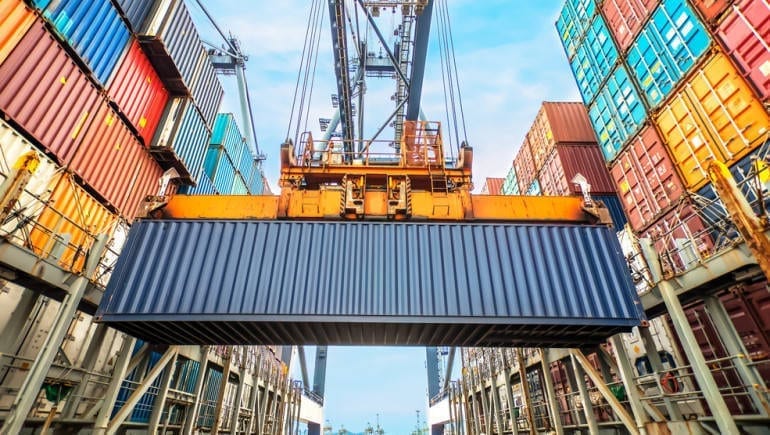
    According to the MTI, the water and air transport segments were the main drivers of the sector’s growth, given the healthy expansions in container throughput and air passengers handled respectively.

    The accommodation & food services sector grew by 2.0 per cent year-on-year, slowing from the 2.9 per cent growth in in the preceding quarter.

    Growth was driven by the accommodation segment, which expanded on the back of higher gross lettings at gazetted hotels in line with the rise in visitor arrivals.

    On the other hand, the food services segment contracted, weighed down by a fall in sales volume at restaurants, food caterers and other eating places.

    The MTI said the information & communications sector expanded by 5.7 per cent year-on-year, easing from the 6.0 per cent growth in the previous quarter.

    The sector’s growth was supported by the IT & information services and telecommunications segments.

    Growth in the finance & insurance sector accelerated to 9.1 per cent year-on-year, from 6.3 per cent in the previous quarter.

    The sector’s strong performance was due to robust growth in the fund management, financial intermediation and insurance segments.

    The business services sector grew by 2.8 per cent year-on-year, faster than the 0.4 per cent growth in the preceding quarter.

    Growth was supported by the professional services and “others” segments, even as the contraction in the real estate segment eased.

    The “other services industries” expanded by 1.9 per cent year-on-year, slower than the 2.7 per cent growth in the preceding quarter.

    The sector’s growth was primarily supported by the arts, entertainment & recreation and education, health & social services segments.

    On economic outlook for 2018, the MTI said the pace of growth in the Singapore economy is expected to remain firm in 2018, with growth supported primarily by outward-oriented sectors.

    In particular, the manufacturing sector is likely to continue to expand on the back of sustained growth in the electronics and precision engineering clusters, albeit at a more moderate pace as compared to 2017.

    Likewise, outward-oriented services sectors such as finance & insurance, transportation & storage and wholesale trade are projected to continue to benefit from healthy external demand.
  • Vietnam to make $835 million on radical divestment bout

    Vietnam to make $835 million on radical divestment bout

    Drastic state divestment initiative

    The total revenue gained from state divestment activities in 2017 is expected to add at least VND19 trillion ($835.62 million) to the national budget. The above figure was calculated based on the par value of the portion of state capital that is expected to be withdrawn from 135 enterprises this year. However, the value calculated based on the price of shares on the stock exchange can go far beyond VND29 trillion ($1.28 billion).

    Among these, 26 enterprises are operating under the management of particular ministries and government bodies, 109 are local businesses, and four other businesses will be transferred to State Capital Investment Corporation (SCIC) for divestment.

    This is part of Decision No.1232/2017/QD-TTg approving the list of state-owned enterprises marked for divestment during 2017-2020, signed by Deputy Prime Minister Vuong Dinh Hue on behalf of the prime minister, dated August 17, 2017.

    However, this is not the final sum that the state can raise from divestment activities in 2017.

    Le Manh Hung, deputy director of the Enterprise Development Agency under the Ministry of Planning and Investment, said that the Decision No.1232/2017/QD-TTg adopted a drastic mechanism to not only accelerate the progress, but also improve the effectiveness of the work.

    “The prime minister has allowed ministries, related government bodies, and localities to speed up the execution of divestment plans and increase the rate of divestment compared with the approved annual minimum rate based on market developments and the actual situation at enterprises. The active role of ministries, government bodies, and localities to take action is clearly highlighted,” Hung commented.

    Moreover, the number of enterprises marked for divestment in the portfolio only illustrates the minimum target. Ministries and other government bodies may increase the number of enterprises to be divested earlier than planned for each year or propose additions to the list.

    “Apparently, the ultimate principles are still effectiveness, openness, and transparency. In particular, the total revenue from divestments at the end of the period must reach the goal approved by the prime minister,” Hung said.

    A challenging plan

    Looking at the divestment plan for 2017, great pressure is being placed on the shoulders of ministries, government agencies, and localities, especially the Ministry of Transport, the Ministry of Construction, the Hanoi People’s Committee, and the Bac Giang People’s Committee. These government bodies are in charge of divesting state capital in quite a number of businesses (around 7-17 enterprises) in about four months.

    Moreover, during the implementation of the plan for SOE restructuring from 2011 to 2015, the speed of state capital withdrawal had always been slow and could only meet requirements in enterprises with positive business performance.

    Meanwhile, several cases of divestment failed to follow market principles and were undertaken in many other forms, such as debt clearing or debt conversion into capital contribution.

    However, from a market standpoint, these numbers are not too challenging. Quite a lot of names are drawing great market interest. Investors are also keeping their money until a more appropriate rate of divestment is announced.

    Moreover, the principles of divestment have also been well-defined in accordance with market mechanisms. It is possible to divest these businesses in instalments several times, but the rate of divestment must lie in the range of 20-36 per cent of the total capital holding.

    This is the reason why the approved number of enterprises marked for divestment each year during 2017-2020 has surpassed the announced number of 375 enterprises.

    “Allowing ministries, sectors, and localities to actively follow market signals will attract more major investors and increase the feasibility and effectiveness of each sale. Of course, completing the plan remains a remarkable challenge which requires drastic efforts from ministries, related government bodies, and localities,” Hung openly admitted.

    Also, it must be added that the implementation of the divestment plan is part of the government’s goal to open up capital flows and boost growth. Hence, discipline is significantly prioritised.

    Thus, besides the divestment plan of 2017, other divestment plans in the coming years, especially in 2018, should be gradually activated from now to sustain the pace of progress.

    Valuable market opportunity

    It should be noted that the state’s capital holdings in the remaining 375 state-owned enterprises is worth approximately VND108.502 trillion.

    The list does not include other enterprises under the Ministry of Defence, the Ministry of Public Security, the Ho Chi Minh People’s Committee, SCIC, and other businesses which would perform divestments on their own as requested by the prime minister’s guidelines (Habeco, Sabeco, Central Transport Hospital…). It means the over-VND100-trillion ($4.4 billion) state-owned capital on the list to be sold in the upcoming period is just the minimum.

    It is worth saying that the first opportunity to transform and restructure the portfolio is not only significant, but also very profitable for both domestic and foreign investors who are interested in this market.

    This is the first time the government has published its investment portfolio and the proportion of state capital in SOEs to be sold. In addition, the 2016-2020 equitisation plan approved in Decision No.58/2016/QD-TTg has also been published with the book value of the recovered state equity reaching over VND296 trillion ($13.02 billion). Investors can clearly perceive the need to restructure the state’s portfolio of assets to prepare resources for replacement strategies.

    Investors, however, were not provided with sufficient data to grasp the opportunities offered during the previous bout of state-owned enterprise restructuring, as divestment activities were carried out individually without guidance from an overall portfolio.

    Also, this divestment plan is quite different from the state divestment strategies usually mentioned in 2011-2015. In this period, state-owned corporations and economic groups were forced to divest their investments into five sensitive sectors (real estate, securities, finance-banking, insurance, and investment funds), meaning the sales revenues might be kept in state-owned enterprises. These divestment activities only changed the investment portfolio of SOEs.

    However, this time, together with the promotion of SCIC’s divestment of state capital in equitised firms, the divestment of the remaining state-owned enterprises will actually change the state’s portfolio of assets. In addition, this time, the state seeks to sell its stakes to raise revenue for the national budget, which will be allocated to public investment projects in turn, whereas the revenues from previous divestments could have been held back in the enterprises and might eventually increase the proportion of state capital in the business.

    Inevitably, the distribution of asset accumulation by economic sectors will follow a direction in which the private sector will continue to expand.

    “This is one of the goals pursued by restructuring of state-owned enterprises. This is also the message that the market is waiting for,” said Nguyen Dinh Cung, director of the Central Institute for Economic Management.

  • US Gov’t Shutdown Unlikely to Impact Indonesian Economy

    US Gov’t Shutdown Unlikely to Impact Indonesian Economy

    The United States government shutdown will not have a significant impact on the Indonesian economy if it lasts for only a short time, because export markets rely on the private sector, a minister said on Monday (22/01).

    US senators were unable to reach an agreement on a bill to fund federal agencies through Feb. 16, which forced hundreds of thousands of employees in non-essential sectors to be on unpaid leave and more than a million people in essential sectors to work unpaid until a funding deal is renewed.

    Essential workers are those dealing with public safety and national security, such as the military and hospitals.

    “If it is only for the short term; it will not [impact Indonesia],” National Development Planning Minister Bambang Brodjonegoro said.

    Bambang added that in the short term, the shutdown will not disrupt Indonesia’s exports to the United States as they are mostly dealt with the private sector.

    Central Statistics Agency (BPS) data shows Indonesian exports to the United States accounted for 11.2 percent of the country’s total, amounting to $17.1 billion annually and dominated by a combination of commodities, such as rubber and shrimps; and non-high-tech manufacturing products, such as furniture, textiles and footwear.

    Mohammad Faisal, an economist at Jakarta-based research firm CORE Indonesia, predicts that the shutdown will unlikely last for more than a month, based on previous shutdowns.

    The United States has had 18 federal government shutdowns since 1976, with the longest having been for 21 days between December 1995 and January 1996.

    Mohammad said the last shutdown in 2013 during Barack Obama’s administration lasted for 16 days and did not have a significant impact on the global economy, including developing countries such as Indonesia.

    Getting Ready

    Bhima Yudhistira Adinegara, an economist at the Institute for Development of Economics and Finance (Indef), said the government must start preparing for risk mitigation as President Donald Trump’s term in office will only end in 2021.

    “This is Trump’s first year of arranging the government budget … if these keep repeating, Indonesia must have a way to mitigate the risk,” Bhima said.

    If the current shutdown lasts less than 20 days, Indonesia’s foreign exchange reserves of $130 billion are still sufficient to stabilize the rupiah exchange rate, according to the latest figures.

    However, Bhima said Indonesia has to increase its foreign exchange reserves as a “safety net” against external influences by promoting non-oil and gas exports and tourism.

    He added that Indonesia should decrease its dependence on the US market by accelerating trade agreements with nontraditional trading partners, such as Chile, Russia and countries in Eastern Europe and Africa, to diversify the country’s markets.

    For the time being, Bhima said the US dollar exchange rate will have a minimal impact on the rupiah over the next two weeks as it is still within the controlled range of Rp 13,350 to Rp 13,400.

  • China’s economy grew by 6.9% in 2017

    China’s economy expanded at a 6.9 per cent pace in 2017, faster than expected and the first annual increase in seven years, the government reports.

    The numbers beat economists’ forecasts for the world’s second largest economy and the Chinese government’s own official growth target of 6.5 per cent. The economy expanded at a 6.7 per cent pace in 2016, its slowest pace in 26 years.

    Growth in the fourth quarter held steady at 6.8 per cent, the report said.

    It said strong demand for exports and buoyant consumer spending helped drive the faster expansion. Those factors helped to offset curbs on bank lending that forecasters had predicted would be a drag on economic growth.

    “The national economy has maintained the momentum of stable and sound development and exceeded expectations,” said the report released by the National Bureau of Statistics.

    “China’s growth is very healthy,” said Iris Pang, Greater China Economist, ING, Hong Kong.

    “The risks that we worried about in 2017, for example overcapacity cuts having a negative impact on GDP, did not happen because new sectors are actually coming out to help production to grow.”

  • Vietnam is world’s second largest shoes exporter

    Vietnam is world’s second largest shoes exporter

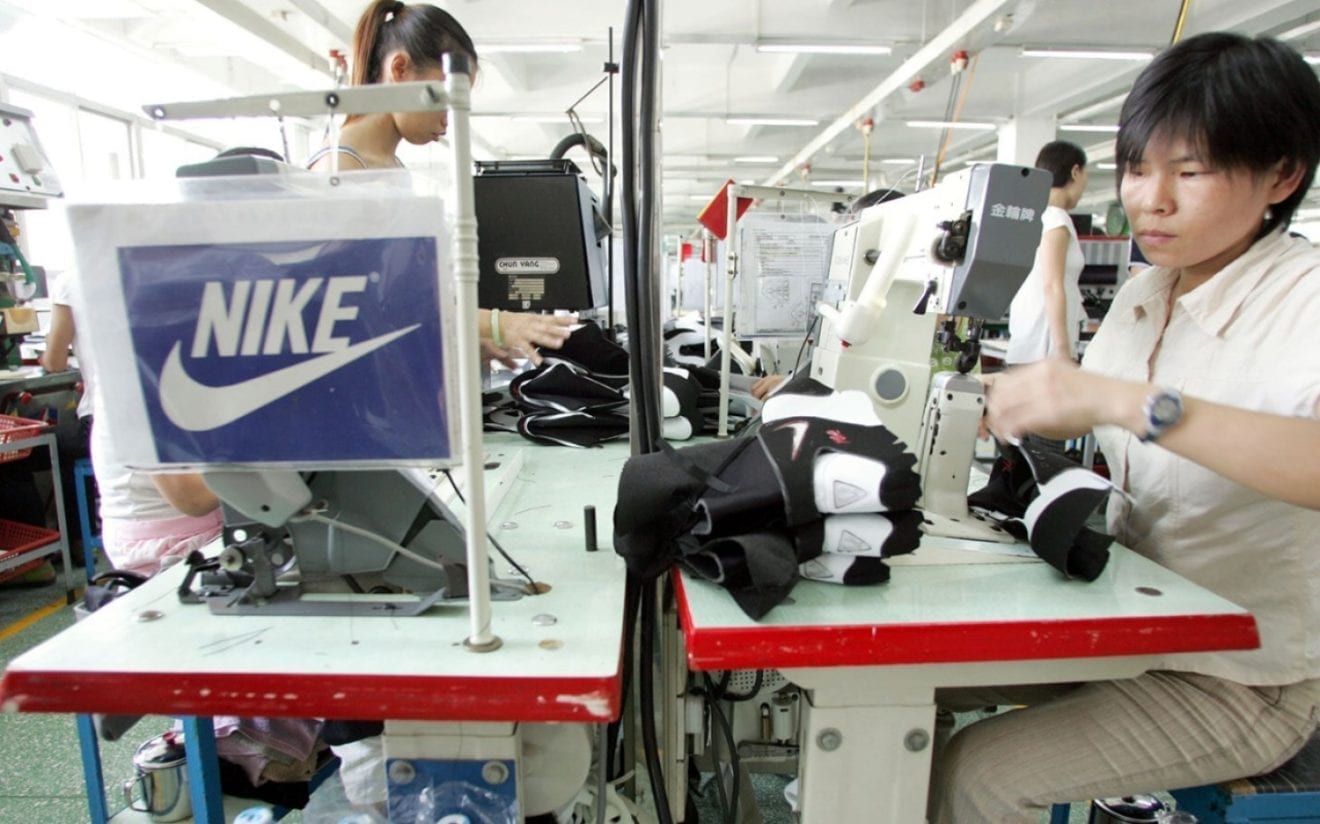
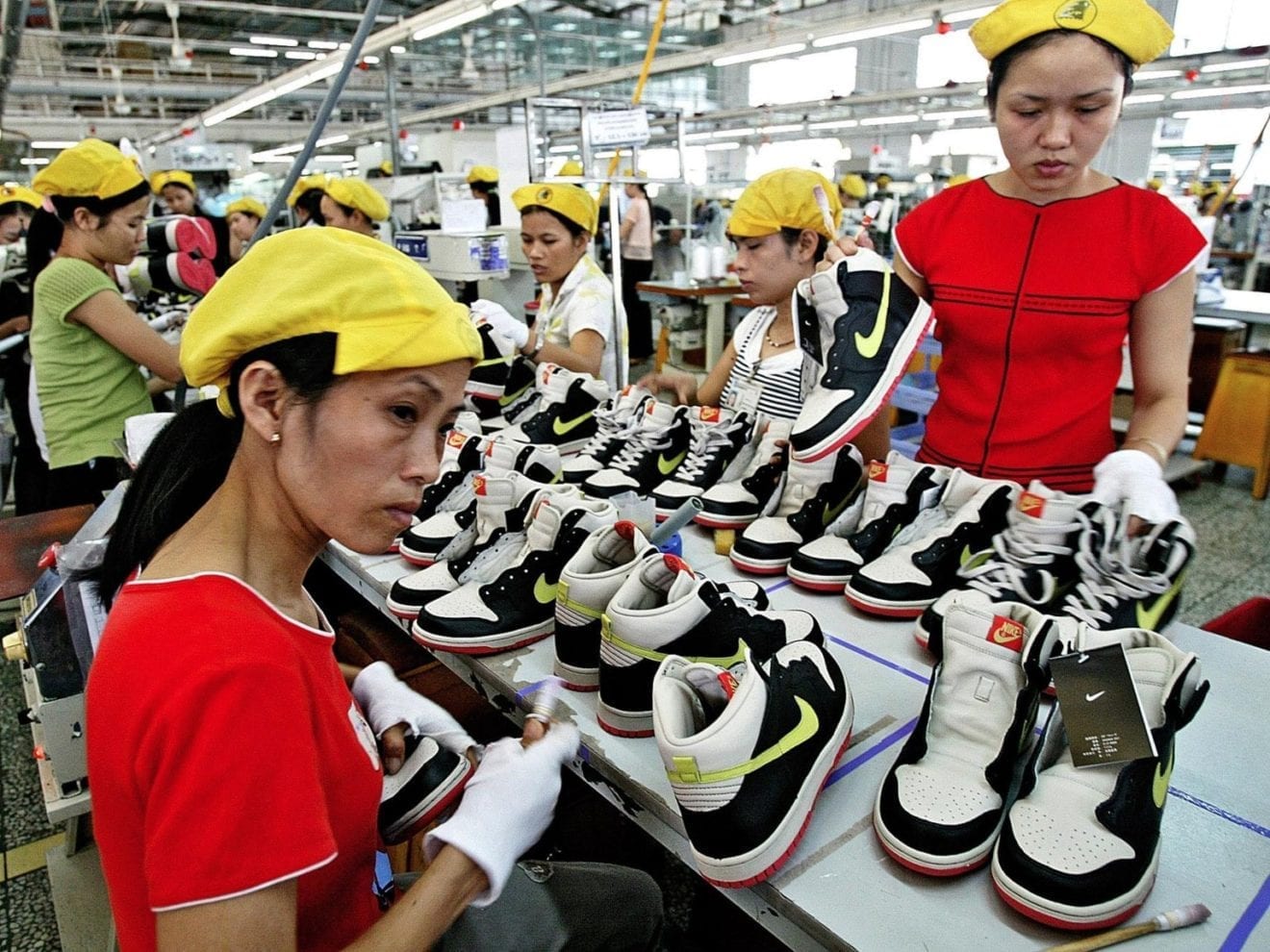
    Of 23 billion pairs of shoes sold worldwide in 2017, Việt Nam exported over one billion pairs, continuing to maintain the second position (after China) in shoes export.

    According to the latest statistics of the World Footwear Magazine in 2017, Việt Nam continued to rank second among the top 10 largest footwear exporters, with 1.02 billion pairs of shoes, equivalent to 7.4 per cent of the global footwear supply, said Diệp Thành Kiệt, vice chairman of the Việt Nam Leather, Footwear and Handbag Association (LEFASO).

    China still maintained the top position in exporting shoes, with 9.31 billion pairs, representing 67.3 per cent of the total 23 billion pairs of shoes the world consumed in 2017.

    Asia continued to be recognised as the world’s leading region in the production and consumption of footwear throughout the world.

    Meanwhile, the United States was the largest footwear importer; the country imported 2.34 billion pairs of shoes last year, accounting for 19.6 per cent of global footwear consumption.

    Export of Việt Nam’s backpacks and handbags continued to rise, to make it to the top five countries exporting these products in the world today.

    In 2017, the export turnover of backpacks and handbags in Việt Nam was estimated at US$3.3 billion, accounting for 5.5 per cent of global production, but only about one-seventh as compared to China’s supply.

    Kiệt said the biggest challenge for the domestic footwear-handbags industry was the low level of technology application in management and production, as compared to regional and foreign direct investment (FDI) enterprises.

    The labour productivity of domestic enterprises was only equal to 60-70 per cent of FDI enterprises. Most domestic firms have not joined the global supply chain; meanwhile, international brands usually tend to deeply control the global supply chain. In addition, labour costs in Việt Nam were rising significantly, Kiệt added.

    Not only interfering in the price of the goods, importers were now gradually intervening in the traceability of raw materials and factories supplying machinery for production.

    On the other hand, the time taken for supplying goods, product confidentiality, the level of technology used, and advantages of raw material supply are given priority to help consumers select where to place an order and process production, Kiệt said.


  • Indonesian Gov’t to Lower Income Tax for Conventional, Online SMEs

    Indonesian Gov’t to Lower Income Tax for Conventional, Online SMEs

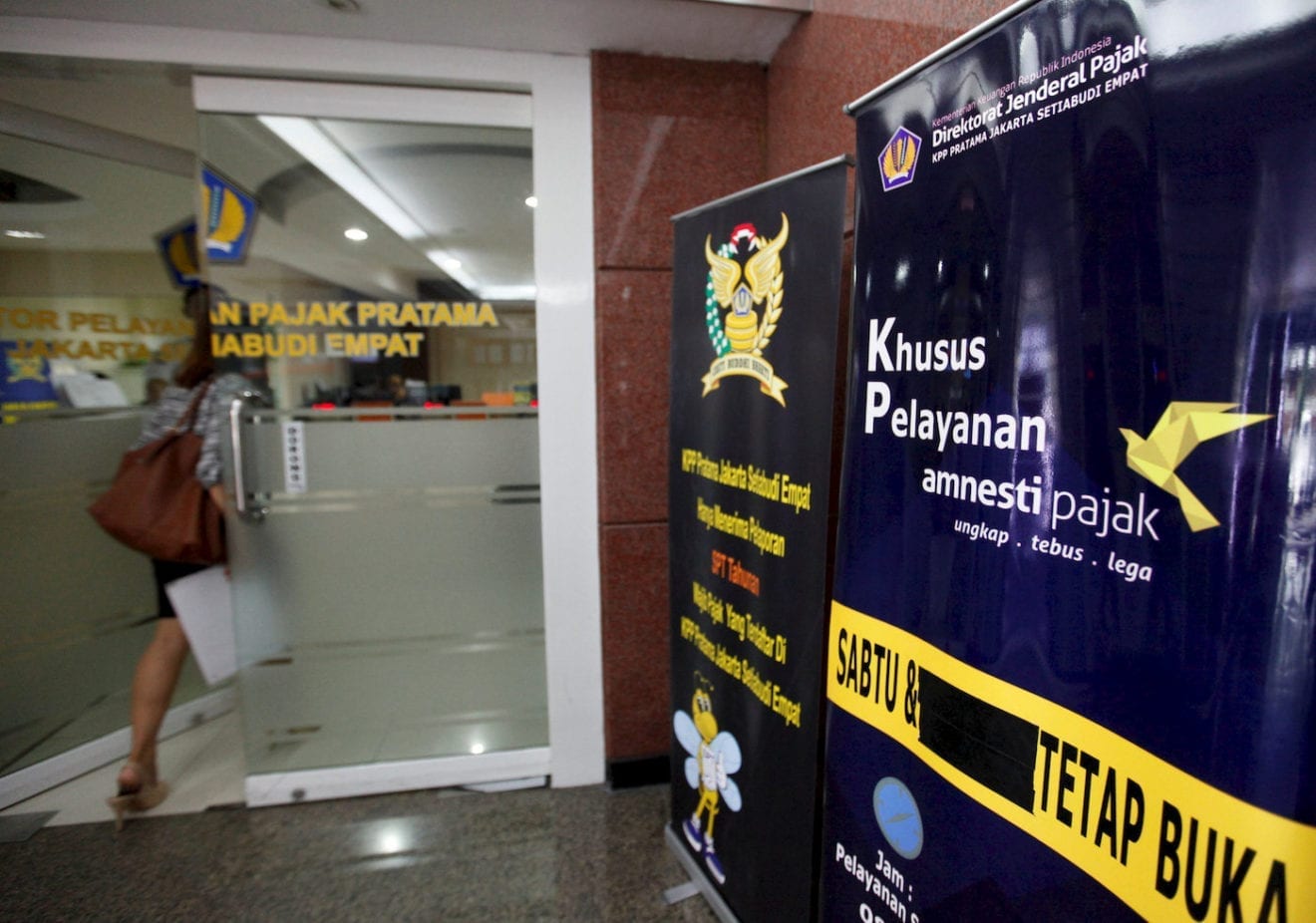
    Indonesia will cut final income tax on small and medium enterprises by half and also impose taxes on e-commerce businesses to even the playing field between traditional brick and mortar and digital businesses, Finance Minister Sri Mulyani Indrawati said on Friday last week (19/01).

    Under a current regulation, businesses earning less than Rp 4.8 billion ($360,600) a year are exempted from paying income tax and value added tax. They only have to pay a final tax of 1 percent of their total sales. The current income tax rate stands at 25 percent of profit, while the VAT is at 10 percent of sales.

    “We are currently formulating [the rules] with the players […] The basic principle is to have the playing of field on the same level,” Sri Mulyani told reporters.

    The minister said the government is planning to lower the income tax for small and medium enterprises (SME) to 0.5 percent of their sales. SMEs or individuals selling exclusively on e-commerce marketplaces will also be required to pay the tax.

    Sri Mulyani said the sales threshold will also be lowered.

    In the e-commerce roadmap rolled out in 2016 as part of the 14th economic policy reform package, the government expects up to $130 billion in e-commerce transactions in 2020.

    “The majority of supplier merchants [for the e-commerce business] are SMEs. We are planning to revise the government regulation to lower the level,” Sri Mulyani said, adding that the regulation will not burden businesses.

    The government has also included an income tax reduction for SMEs to be implemented in this year’s state budget.

    Sri Mulyani said the process of collecting the tax has not been decided yet.

    The Ministry of Finance is currently formulating details on future tax regulations on e-commerce businesses. The government aims to issue the regulation by mid-year, as it is still coordinating with other related ministries and agencies.

  • WTO gives US deadline to fix anti-China practices

    WTO gives US deadline to fix anti-China practices

    A World Trade Organization arbitrator on Friday gave Washington until August 22 to implement a prior ruling faulting the anti-dumping measures taken against Chinese products.

    The WTO’s Dispute Settlement Body ruled last May that some of the US anti-dumping practices were inconsistent with international trade rules.

    Arbitrator Simon Farbenbloom said in a report that it was “reasonable” to expect the United States to implement the ruling within 15 months.

    “The reasonable period of time for implementation will expire on Aug 22, 2018,” he said.

    The case dates back to December 2013, when China filed a dispute against the United States, taking issue with the way Washington assesses whether exports have been “dumped” at unfairly low prices onto the US market.

    The use of anti-dumping duties are permitted under international trade rules as long as they adhere to strict conditions, and disputes over their use are often brought before the WTO’s Dispute Settlement Body.

    In this specific case, China alleged that the United States, in violation of WTO rules, was continuing a practice known as “zeroing”, which calculates the price of imports compared to the normal value in the United States to determine predatory pricing.

    In October 2016, a panel of WTO experts found largely in China’s favour in the case, including on the issue of “zeroing”.

    The United States, which has repeatedly lost cases before the WTO over its calculation method, said in June 2017 that it would implement the panel’s recommendations, saying it would do so within a “reasonable” time frame.

    This prompted China to ask the WTO to appoint an arbitrator to set an end date.

    The 162-member Geneva-based WTO aims to create a level playing field in global trade, although US President Donald Trump’s trade envoys maintain the organisation has given unfair advantages to China at the expense of the United States.

  • China’s 2017 GDP growth could reach 6.9%

    China’s 2017 GDP growth could reach 6.9%

    China’s GDP growth for 2017 may stay at 6.9 per cent, thanks to favourable internal and external conditions.

    China’s GDP growth for 2017 may stay at 6.9 per cent, thanks to favourable internal and external conditions despite the cool-off in the real estate sector and ongoing environmental protection measures, economists said.

    Xu Hongcai, an economist with the China Centre for International Economic Exchanges, said China’s year-on-year GDP growth for 2017 could be a higher-than-expected 6.9 per cent.

    The world’s second-largest economy expanded by 6.9 per cent in the first three quarters of 2017, which is above the government’s preset growth target of 6.5 per cent.

    Foreign trade recovered last year, consumption demand remained steady and high-tech sectors became stronger, contributing to the high growth rate, Xu said. Foreign trade rose 14.2 per cent year-on-year in 2017, reversing a two-year declining trend, according to the General Administration of Customs’ latest data.

    Zhu Baoliang, chief economist of the State Information Centre, said the stable GDP can be attributable to the country’s macroeconomic regulation since 2015, which had led to stable infrastructure and real estate investment to bolster growth. He said the supply-side structural reform had reduced production capacities and pushed up industrial goods prices, leading to surging corporate profits.

    Moreover, China had made much headway in economic restructuring, which has given rise to some new products, technologies and sectors. And the improving global economy has boosted China’s export growth, he added.

    Investment bank Goldman Sachs forecast that China’s GDP growth for 2017 could hit 6.8 per cent. “Economically, growth moved higher (than for 2016’s 6.7 per cent), reflecting better external conditions and the fruits of past policy changes,” it said in its latest report.

    The report said China has also managed to make some regulatory achievements to control financial risks. “Broad credit growth slowed from a pace of more than 20 per cent to the low tens on a clampdown on shadow banking activity. In asset markets, policymakers reined in surging house prices, stabilised the currency after a volatile 2015-16, and oversaw a steady equity rally,” the report said.

    The National Bureau of Statistics is scheduled to release the country’s key economic data, including whole year GDP growth, industrial output, fixed asset investment, and retail sales, on Thursday.

    Premier Li Keqiang said last week at the Lancang-Mekong Cooperation Leaders’ Meeting that China’s GDP growth for 2017 is “around 6.9 per cent”. China had maintained the trend of stable and improving growth in 2017, he said. Ning Jizhe, head of the NBS, said at a forum held on Saturday that the Chinese economy “showed sound momentum last year and did better than expected”.

  • Vietnam’s credit growth hit 18.17 pct in 2017

    Vietnam’s credit growth hit 18.17 pct in 2017

    Vietnam’s banking sector posted an estimated 18.17 percent in loan growth in 2017, the Ministry of Finance said on Monday.

    On December 29, Vietnam’s General Statistics Office said that credit expanded by an estimated 16.96 percent during the year.

    At the same time, the statistics office announced that Vietnam’s economy grew by 6.81 percent during 2017, compared with 6.61 percent the year before, the highest in a decade.

  • Indonesian Gov’t to Modernize Thousands of Traditional Markets

    Indonesian Gov’t to Modernize Thousands of Traditional Markets

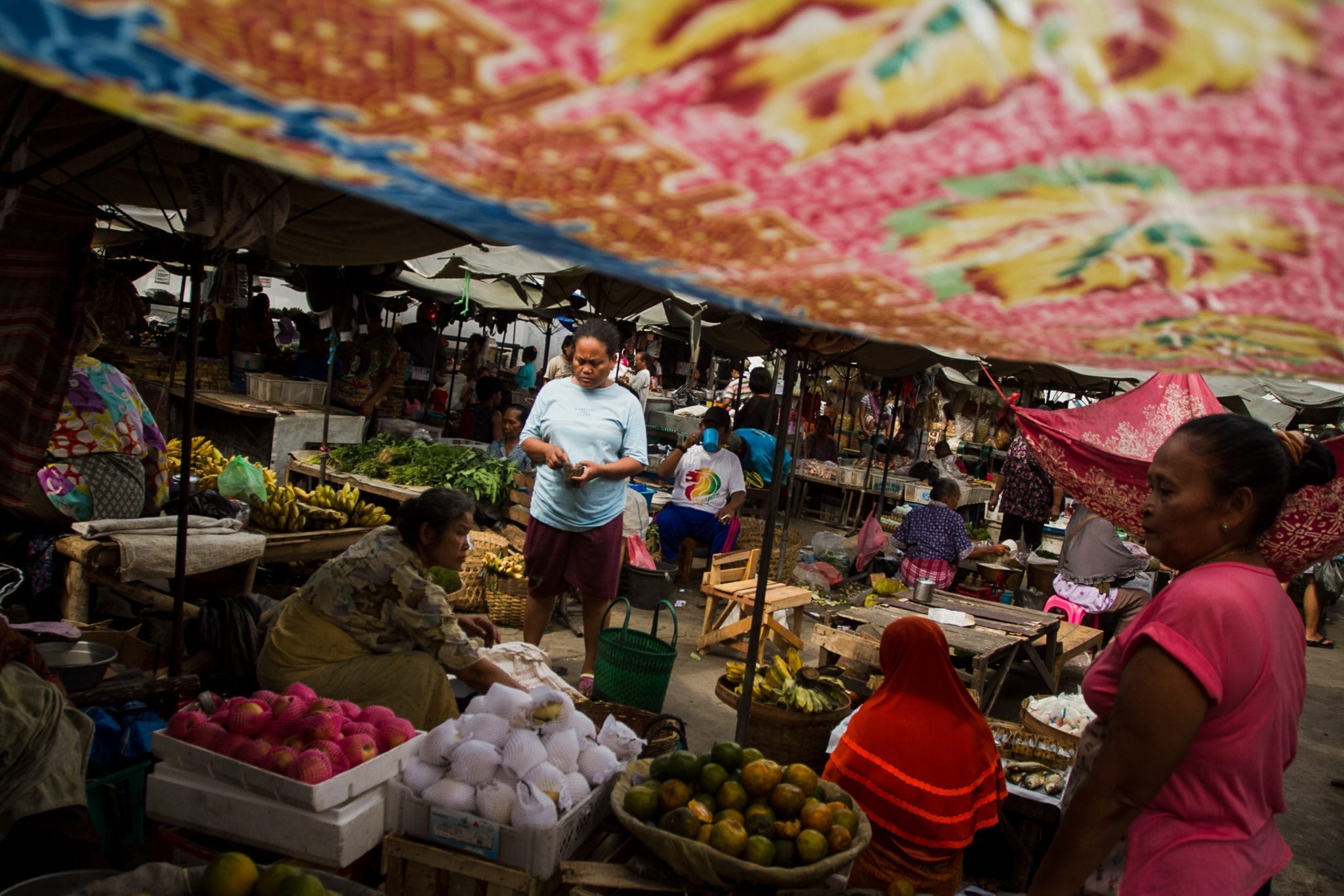
    Indonesia will refurbish 1,592 traditional markets across the country this year as part of President Joko “Jokowi” Widodo’s nine-pronged and domestic-focused Nawacita development program, its Trade Minister Enggartiasto Lukita said on Thursday (04/01).

    A total of Rp 5.5 trillion ($409 million) will be made available to modernize 267 markets through co-administration funding (TP), 1,275 markets through special allocation funding (DAK) and 50 markets under the management of the Cooperatives and Small Businesses Ministry.

    Enggartiasto said the government faces many challenges in trying to modernize traditional markets, ranging from budget limitations to protests from market sellers.

    “It’s not easy to rebuild or move [traditional] markets. Moving an old market always raises problems… even if we only move it 500 meters away from its original site. The sellers never want to move,” Enggartiasto told reporters during a press conference in Jakarta.

    The ministry’s director general of national export development, Tjahya Widayanti, warned regional administrations to treat sellers fairly when they refurbish a market.

    “Don’t abandon the old merchants. [City administrations] should reserve stalls at the new market for them, not just for new sellers coming in,” Tjahya said.

    The government will focus on refurbishing traditional markets in the suburbs this year — mostly markets that are open at least twice a week and comprising at least 50 sellers in a 500-square meter area.

    It will also refurbish some weekly markets with at least 500 sellers in a 500-square meter area.

    The government has already refurbished 2,715 traditional markets since 2015 till last year, out of an eventual target of 5,000 markets by 2019.

  • Economists predict bright outlook for Vietnam in 2018

    Economists predict bright outlook for Vietnam in 2018

    Vietnam’s economy has the potential to thrive this year with more foreign direct investment (FDI) and export revenue, but low productivity remains a concern, economists said.

    Last month, the Asian Development Bank (ADB) lifted its economic growth forecast for Vietnam to 6.7 percent in 2018 from its previous projections of 6.3 to 6.5 percent. The World Bank gave a more conservative forecast of 6.5 percent.

    After a 10-year high GDP growth of 6.81 percent in 2017, the government expects the economy to expand 6.5-6.7 percent this year.

    Being an export oriented economy, Vietnam’s somewhat surprisingly fast growth last year owed a lot to the recovering global economy, which expanded 3 percent in 2017, the highest rate since 2011.

    This trend will continue, said economist Vo Tri Thanh.

    Vietnam’s export revenue expanded by 21 percent last year against 2016 to $213.7 billion, the highest in the past five years. Following what Prime Minister Nguyen Xuan Phuc called a “year of records”, the country is targeting export growth of 7-8 percent this year.

    Favorable investment climate

    Investors are positive too, and the sentiment is forecast to continue in 2018 stemmed from confidence in Vietnam’s economic prospects, economist Nguyen Tri Hieu told VnExpress International.

    The favorable investment climate will be aided by projected stable foreign currency, inflation and interest rates in 2018, Hieu said.

    Following 10-year highs in the third quarter of 2017, the VN-Index, a capitalization-weighted index of all the companies listed on the Ho Chi Minh City Stock Exchange, surpassed 1,000 points on January 3 for the first time since the global financial crisis in 2007.

    RongViet Securities Corporation in Saigon said in a report that the VN-Index will increase at least 17 percent this year or even 67 percent in its best scenario, meaning it could end the year somewhere between 1,170 and 1,640.

    The market will be boosted by interests from the foreign sector, said Nguyen The Minh, a senior analyst at Saigon Securities Incorporation. Foreign investors made more than $1 billion of net purchases last year, the highest amount in five years, and they will continue to stick around for more privatization of public giants.

    Foreign direct investment inflow in 2017 also fared well by reaching $35.88 billion, up 44 percent against 2016, according to the Ministry of Planning and Investment – another 10 year high.

    “The FDI scene in the economy continues to thrive,” Forbes quoted Dustin Daugherty, senior associate in business intelligence with consultancy firm Dezan Shira & Associates in Ho Chi Minh City, as saying. “While a lot of attention is paid to big name deals, the number of small to medium-sized enterprises and smaller multinational company investors continues to tick up, and enthusiasm is very high.”

    Foreign investors in the likes of electronics and polyester yarn factories still love Vietnam for its low costs, abundance of labor and matter-of-fact permitting process, analysts on the ground said.

    “I think next year will be as good or better than this,” Daugherty said. “We are not yet at peak for the growth rate.”

    A recent report by auditing firm PricewaterhouseCoopers (PwC) echoed the enthusiasm, saying: “Vietnam is at a tipping point in its economic development led by free trade agreements (FTAs) such as the EU-Viet Nam FTA and an increasingly deregulated business environment.”

    Vietnam’s Greenfield FDI Performance Index has also topped emerging economies, surpassing Malaysia and Thailand on attracting foreign capital, the report found.

    Structural challenges

    However, Vietnam still faces many challenges in boosting economic growth, as the economy still depends on low-cost labor force, outdated technology, and exhausting natural resources, said Hoang Quang Phong, vice chairman of the Vietnam Chamber of Commerce and Industry.

    Most local enterprises remain small and uncompetitive, he added. Vietnam now houses some 700,000 operational firms, but 60 percent of them are not profitable.

    There may also be a slow-down in structural reforms as the government is trying to cut down on spending and investment for a leaner budget deficit and to contain public debt, the World Bank has warned.

    Public investment fell to 16 percent of total spending in the first nine months of 2017, compared with an average of 25 percent in recent years.

    “Structural reform remains a central priority in view of tepid productivity growth” said Sebastian Eckardt, the World Bank Lead Economist for Vietnam, “Building on progress already made, Vietnam can further lift productivity growth through investments in needed infrastructure and skills as well as deeper reforms of the business environment, SOE [state owned enterprise] and banking sector.”

  • Vietnam’s economic growth to accelerate in 2018

    Vietnam’s economic growth to accelerate in 2018

    The forecasts are in and Vietnam can gloat again after a scare in early 2017.

    Economic growth next year will reach as high as 6.7% in 2018, better than in 2017, the prime minister predicted in October 2017.

    The Asian Development Bank forecasts 6.5%, but higher than 2017 and stronger than developing Asia overall. Even the more cautious World Bank estimates more growth next year than this year.

    As of early 2017, drought had afflicted farming while mining faced high production costs and declining sales prices abroad. U.S. President Donald Trumps decision in January to withdraw his country from the Trans Pacific Partnership trade pact further stood to whack Vietnam as a signatory and major exporter. Policymakers fretted that the country would miss growth targets.

    But those setbacks registered as blips at best for Vietnam’s overall $202 billion GDP. The nominally communist Southeast Asian country that opened to foreign investment in 1986 is still seeing a buildup of that capital from offshore.

    Foreign investors in the likes of electronics and polyester yarn factories still love Vietnam for its low costs, abundance of labor and matter-of-fact permitting process, analysts on the ground say. Growth has also helped make people wealthier, leaving just 13.5% in poverty, a boon to investors who sell locally.

    “We can reasonably infer that high registered foreign direct investment (FDI) in 2017 will result in high disbursed FDI in 2018, yet another year to post double-digit growth in FDI disbursement,” financial services firm SSI Research says in a note this month.

    Registered foreign direct investment increased 44% year-on-year through Dec. 20 to $29.68 billion, according to the Ministry of Planning and Investment.

    Foreign-operated factories make goods mainly for export and exports had risen 23% to $155.24 billion over the bulk of 2017, SSI Research says. Most offshore investment comes from South Korea, Singapore, Japan and Taiwan, all places where manufacturing costs more than in Vietnam.

    Investors come for a labor force that’s famously young, trainable and willing to work for a minimum wage of $172 per month. About 60% of the 93 million Vietnamese are of working age. Starting a business is getting more efficient permit-wise and most industries allow foreign investment of 100%, according to this guide by PwC (Vietnam) Ltd.

    It’s little wonder that Samsung Display made an “additional investment” of $2.5 billion this year, per SSI Research data. The display unit of of South Korean multinational Samsung Electronics will have parked $6.5 billion in Vietnam with the new outlay. In another major foreign investment move, Taiwanese-owned Polytex Far Eastern registered a $490 million factory for polyester yarn production.

    Thai Beverage’s proposed investment of 25% to 51% in the major Vietnamese brewery Sabeco, though not a direct factory sort of deal, points to further keenness on Vietnam itself.

    “The FDI scene in the economy continues to thrive,” says Dustin Daugherty, senior associate in business intelligence with the consultancy Dezan Shira & Associates in Ho Chi Minh City. “While a lot of attention is paid to big name deals, the number of small to medium-sized enterprises and smaller multinational company investors continues to tick up, and enthusiasm is very high.”

    “I think next year will be as good or better than this,” Daugherty says. “We are not yet at peak for the growth rate.”

  • Health and beauty stores prove lucrative for retail conglomerates

    Health and beauty stores prove lucrative for retail conglomerates

    Health and beauty stores are rapidly expanding their footprint in Korea as the sector remains one of few lucrative realms in the local retail industry.

    CJ Olive Networks will soon open its 1,000th Olive Young store 18 years after starting the business. This year alone, it has added more than 200 locations. GS Retail in February took full ownership of Watsons Korea, the local operation of the Hong Kong franchise, and significantly expanded the chain. Lotte Shopping is also picking up the pace with LOHB’s, which had 30 stores in 2014 and now runs 89 locations across the country.

    Health and beauty stores, sometimes shortened to H&B, are similar to drugstores like CVS and Walgreens in the United States, but Korean law forbids them from selling pharmaceutical products, even off-the-counter medicine, so businesses naturally shifted to cosmetics and body care products, including dietary supplements.

    The H&B market has seen average annual growth of 22.5 percent in the last five years and is forecast to reach 2 trillion won (US$1.8 billion) this year. For retail conglomerates like CJ, GS and Lotte, the figures suggest the market is mature enough to ensure steady revenue as they look for the next big thing to make up for falling sales at discount chains and department stores.

    The companies are competing fiercely to expand their presence. Late entrants in particular are boosting efforts to catch up to the market leader Olive Young.

    Even smaller cosmetics brands that operate their own small shops and discount retail operators are eyeing a leap into the market.

    Olive Young’s parent company, CJ Olive Networks, is expected to pull in sales of 2 trillion won and operating profit of 111 billion won this year, according to industry estimates. The figures would represent an increase of 32 percent and 18 percent from last year.

    It is a remarkable turnaround from 2009, when CJ acquired a full stake in Olive Young from a Hong Kong retail group. For the next few years, the H&B chain remained profitless, with loss surpassing 10 billion won.

    But demographic changes – a rise in the number of single-person households and growth of a young population in their 20s and 30s – reversed the situation, and now, Olive Young is CJ Group’s fastest-growing subsidiary.

    About 80 percent of this year’s revenue at CJ Olive Networks, which also runs a home shopping channel, is expected to come from Olive Young. H&B stores also benefited from a new law in 2011 that allowed retailers other than pharmacies to sell sanitary pads and other women’s health care products. H&B stores began selling the products, and the market began growing at a remarkable speed, from 300 billion won in 2011 to 1.3 trillion won last year.

    Another attribute cited by analysts for H&B stores’ success is the carefree shopping atmosphere. Customers can freely try on products like lipstick and makeup without being followed by staff, a strategy that has worked well with younger consumers who value cost and saving money.

    With the market proving its worth, conglomerates are now making aggressive moves to include or expand H&B stores in their business portfolio. The market’s No. 2 player, Watsons, entered relatively early in 2005 but failed to make leaps due to a conservative business strategy.

    But after fully acquiring Watsons Korea, GS Retail has been signing off large investments to boost the sector despite going through some struggles with its convenience store chain GS25. The company said it is looking for ways to create synergy between GS25 and Watsons. Lotte Shopping is also looking for ways to expand LOHB’s, which started in 2013 with 10 stores.

    The first few years were slow, without impressive results, but last year, Lotte began investing heavily in the chain, setting up more than 30 new stores and doubling its sales. LOHB’s now has 89 locations, closely tailing Watsons’ 139.

    “Until now, LOHB’s didn’t receive much attention, squished between Lotte Department Store and Lotte Mart [both under Lotte Shopping], but we’re planning to develop it into one of our major businesses,” a source at Lotte Shopping said. The company plans to have more than 100 stores by the end of this year.

    Shinsegae last year won the right to operate the British drugstore chain Boots in Korea as part of its bid to enter the H&B market. The company opened four Boots stores this year, including one in the Starfield Hanam mall in Gyeonggi and a four-floor location in Myeong-dong, central Seoul, just steps away from Olive Young.

    The Myeong-dong store is the largest H&B in Korea, measuring 1,284 square meters (13,820 square feet). The company said its strategy is to customize each store and its product categories based on the commercial area in which it is located.

    Standalone cosmetics shops are also adding products to their offerings to turn themselves into H&B stores.

    Aritaum, which is owned by cosmetics maker AmorePacific and has 1,340 stores nationwide and 300 in Seoul alone, recently added skin care supplements to its product lineup.

    The company said the “rapid transition is hard because more than 80 percent of the branches are franchises,” but industry analysts believe this may be a sign that Aritaum is looking to profit from the H&B market.

    Convenience stores have also started signing partnerships with cosmetics and skin care product manufacturers to sell at their own operations.

  • MIDF: Foreign funds flow back to Bursa

    MIDF: Foreign funds flow back to Bursa

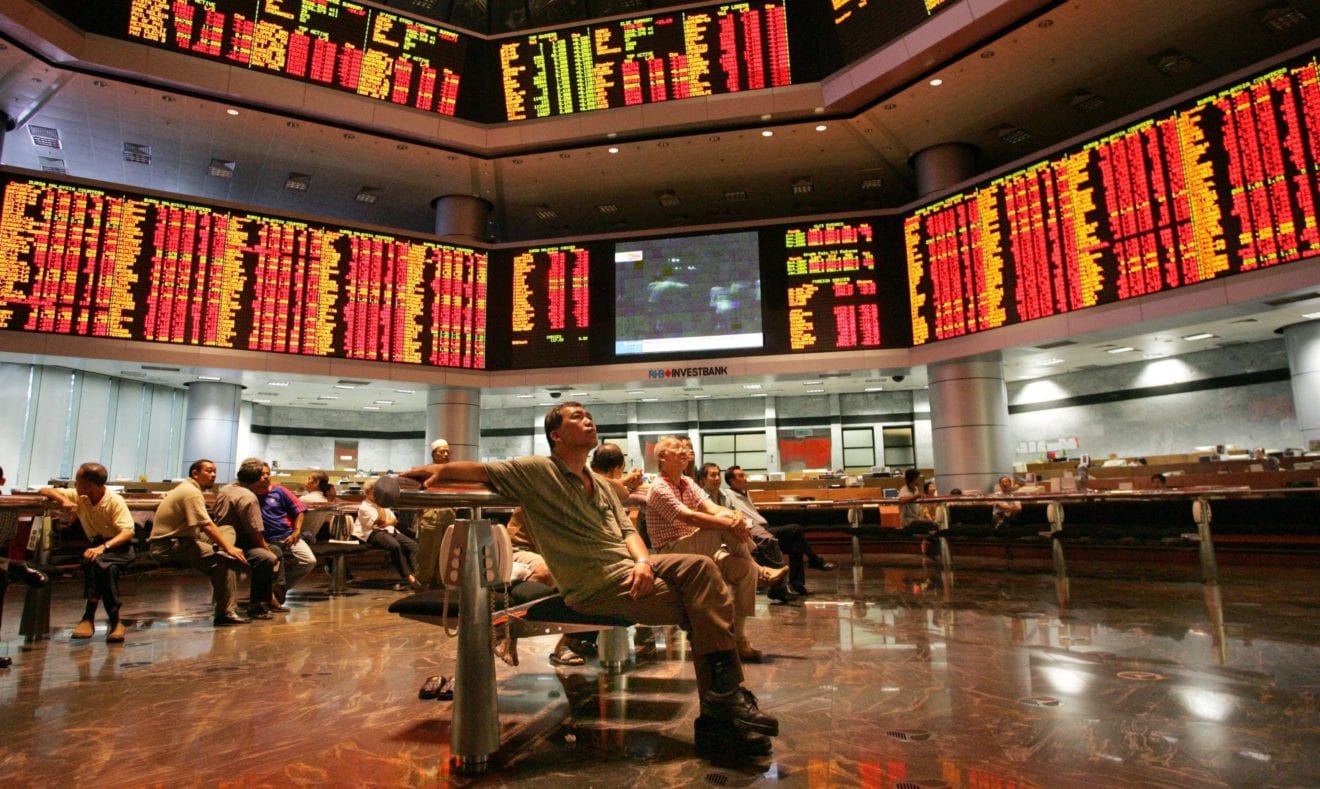
    Foreign tide has finally returned to Bursa Malaysia after three successive weeks of attrition, albeit only marginally.

    Foreigners turned net buyers last week despite the short trading week, according to MIDF Research in its weekly fund flow report today.

    Bursa was closed on Thursday, Friday and yesterday for the National Day, Aidul Adha festival and public holiday due to outstanding achievements by national athletes at the 2017 SEA Games.

    Last week, foreign funds acquired RM36.2 million net based on transactions in the open market, excluding off market deals. This is the lowest weekly foreign acquisition for the year.

    “We note that the six-day selling streak has snapped as global funds acquired RM7.1 million net on that day. Foreign buying momentum increased the next day by seven times to RM52.2 million net.

    “However last Wednesday, international fund managers cleared their positions ahead of the long weekend, disposing RM23.1 million net,” it explained.

    August turns out to be the first month of net outflows this year which amounted to RM241.9 million net. Nonetheless, cumulative year-to-date net infl ow still stands above the RM10 billion mark.

    Foreign participation rate was resilient for the week as foreign average daily trade value (ADTV) remains above RM800 million for the fifth week in a row.

    Retail participation, meanwhile, edged higher for the week. The retail ADTV increased by 25 per cent to RM865 million after three straight weeks being below RM700 million.

  • The economics of the money-back guarantee

    The economics of the money-back guarantee

    “Returning the product to Amazon ASAP!” complained one disgruntled Amazon customer as they gave a one-star review for a digital camera on the company’s site. This is despite the same product having an average rating of four-and-a-half stars out of five from 242 other customers.

    Companies like Amazon aren’t just ignoring these disgruntled customers and their product-returning ways. In fact, retailers are increasingly offering extra services such as warranty plans, free shipping and guarantees to reassure them. Selling with the “money-back guarantee” is a prime example of this.

    This is because the economics of the money-back guarantee can work for retailers. These businesses allow customers to return products that do not meet their expectations — as a result of poor quality or a mismatch in taste — for a full or partial refund. Essentially offering their customers an insurance against the perceived risk of the product.

    And research shows these retailers make a profit with this type of guarantee, given specific conditions. Other research also shows the money-back guarantee increases customers’ feeling of satisfaction with their purchase experience, making them likely to return to the store.

    This type of guarantee is particularly important for retailers who sell products online or through mail-order catalogues. This is because customers can’t enjoy the benefits of the traditional “touch-and-feel” shopping experience, to reassure them they are making the right decision.

    Customers rorting the scheme

    Customer returns cost retailers more than US$260 billion (equivalent to 8 per cent of total retail sales) annually in the United States alone. The return rates vary significantly by category, and by channel type. It can reach as high as 35 per cent for high fashion apparel sold in traditional stores, and the rates are higher again for internet and catalogue sales.

    However, in most cases, the returned products are not defective. Customers abuse the money-back guarantee, so much so that buying a product with the intention of returning it has become a trend known as wardrobing or barrowing. In the US, fraud associated with returns costs retailers around US$2 billion during the holiday season alone (US$9 billion annually).

    Retailers try to get around this by offering partial instead of full money-back guarantees for products. The refund is usually less a “restocking fee” charged for returns.

    For example, compare the 30 day money-back guarantees from two Australian furniture retailers, Zanui and Rogerseller. Zanui offers a full refund, whereas Rogerseller charges its customers a 15 per cent restocking fee (it pays back only 85 per cent of the selling price rather than the full amount).

    In most cases, restocking fees can range between 10% and 20% of the original purchase price, some even as high as 50 per cent.

    A survey by professional services company Accenture reported that in the computer electronics industry, most customers returned their products because they simply “did not meet expectations.” More specifically, for 68 per cent of returns, there was “no trouble found” by the customers; 27 per cent of the products were returned due to “buyer’s remorse”.

    And only 5 per cent of the products returned were truly defective. However, regardless of the reason, returned products cannot be sold as “new,” even though the product could be new in the sense that it was never used.

    Major consumer electronics retailers such as Best Buy and Walmart restock these returned items and sell them as “open-box items” at discounted prices. Open-box simply means the product is marked as being opened or used previously. A retailer’s ability to sell returned products as open-box creates an opportunity to attract more price conscious consumers.

    The downside of such product differentiation is that open-box products can have a negative impact on the demand for the new products in a store. The retailer might also have to incur additional costs for handling returns and repackaging them as open-box.

    Making or losing money on the money-back guarantee

    Balancing the benefits and costs of the money-back guarantee is a delicate task for retailers. In studying the guarantee we worked out how retailers could use it to increase sales and profits.

    We looked at product pricing, refunding and inventory stocking decisions in money-back guaranteed sales. We took into account uncertainty in demand, the possibility of a customer’s dissatisfaction with the product after purchase, as well as the lower value customers place on an open-box product, relative to brand new products.

    Using this model, we figured out the best prices retailers could use reselling returned products and the restocking fees to encourage or discourage returns, for the highest possible net profit.

    Even though reselling returned products meant less stock for the retailer it also reduced inventory-related costs adding to profits. In essence, retailers can claim back at least some of the costs associated with return fraud, with reselling.

    In areas of retail with higher risk of returns, the temptation is to tighten returns policies, to limit them. This is especially true for highly innovative products, new technologies, or fashion-driven products (especially high-end ones).

    Interestingly, our study shows that reselling returns complements the money-back guarantee. So these type of high-risk products are likely to give retailers the most benefit, when they are resold after being returned.

    Retailers also feel the benefit of reselling when there are more price conscious customers who are more inclined to buy a product that is being resold, because it’s at a discount.

    So the economics of the money-back guarantee can work for retailers by improving brand value and through reselling via open-box products