Tag: Google

  • Google Calendar update adds Dark Mode for Android users

    Google Calendar update adds Dark Mode for Android users

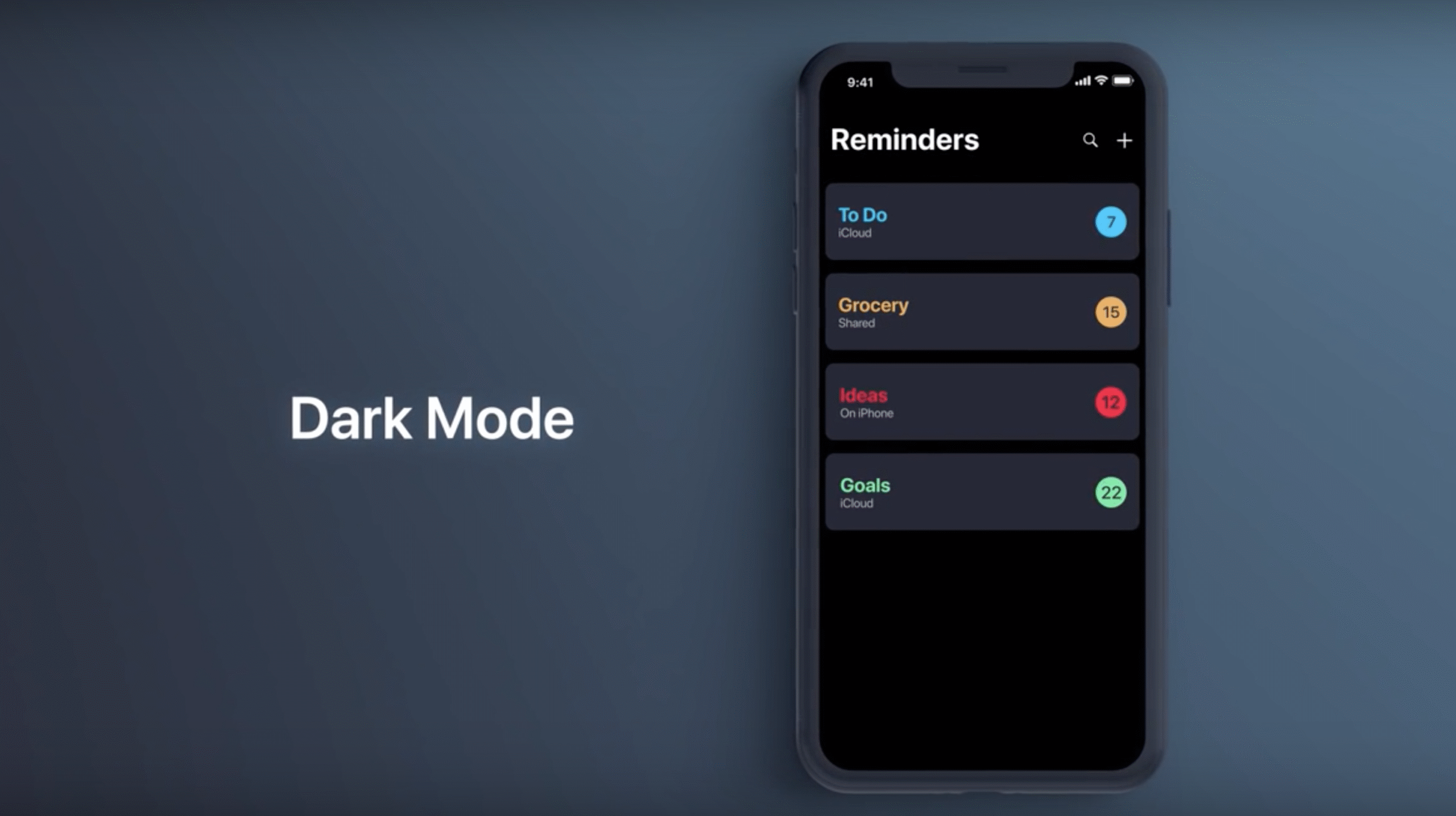
    Google has just announced that the long-awaited dark mode is now rolling out on Android for two of its apps: Calendar and Keep. Ahead of Android Q’s release, Google has decided to bring dark mode to many apps. We learned last week that Google Keep will be getting the feature, but Calendar is a bit of a surprise.

    The announcement contains a couple of screenshots showing both Calendar and Keep apps with dark mode enabled. If you want to start using it on Google Calendar, you should head to Settings / General / Theme, and select Dark mode. It’s much easier to enable it in Google Keep; simply go to Settings and choose Enable Dark Mode.

    Now, it’s worth mentioning that dark mode for Calendar is only supported on device running Android Nougat and higher. Also, if you have Android Q preview installed on your phone, you’ll be able to set the entire OS in dark mode by default. The same goes for Google Keep with one exception, dark mode will work on all devices powered by Android Lollipop and later.

    According to Google, the update that brings dark mode to Calendar and Keep apps will be rolled out to compatible Android devices over the course of 15 days. The rollout has already begun on May 16 for Google Calendar, while Google Keep will get it starting today, May 20.

  • Dark mode is rolling out now to another Google app

    Dark mode is rolling out now to another Google app

    Even though Android Q will have a system-wide Dark mode feature, Google continues to add a Dark mode on many of its apps, especially those updated with the Material Design look. Considering that only 10.4% of Android phones have Android 9 installed nine months after its release, Google will continue to update individual apps with Dark mode. This is important considering that Google’s Material Design includes large areas of blinding white light in the background; viewing it in the dark makes it feel as though your retinas are melting.

    Dark mode makes it more comfortable to view an app or website at night or in the dark by reversing the usual white background and black text; instead, the user sees white text on a black background. And it will actually save some battery life on phones using an AMOLED screen. That’s because the color black is created on these panels by having all pixels turned off, which doesn’t require any battery power. LCD screens use a backlight even for black, and that requires some energy to be tapped from the battery.

    The latest Android app to get the Dark mode feature is Google Keep, an app that is used to write down notes and lists. For example, you can create a shopping list and have it appear when you’re at the supermarket, or at a set time. You can also snap a picture of a receipt and store it until needed. Or just type in random thoughts and ideas that you can share with friends and family members. The app has large areas of white that can strain your eyes or worse in the dark.

    This is a server-side update that takes the Android version of the app to 5.19.191.07. When you finally do receive the update, you’ll find the Dark mode toggle by opening up the Settings page.

  • Google to ban Huawei’s access to Android

    Google to ban Huawei’s access to Android

    Huawei’s consumer business has been dealt a potentially devastating blow to its future prospects after US president Donald Trump formally added the vendor to a list of companies that American companies cannot trade with if they don’t obtain a license.

    Huawei was added to the entity list of banned companies covered by the national emergency Trump declared last week, which gave him the power to regulate commerce to ostensibly protect national security.

    In the wake of Huawei being added to the list, Google has barred Huawei from receiving some updates to Android, announcing that it is “complying with the order and reviewing the implications”.

    US Chipmakers including Intel, Qualcomm, and Broadcom also reportedly told employees that they will cease supplying Huawei until further notice.

    But the US Commerce Department has subsequently issued a three-month exemption allowing Huawei to continue to purchase and access American products in order to maintain existing networks and provide software updates to existing devices.

    The exemption will not Huawei to purchase US components for new products. On the bright side for Huawei, the Commerce Department has announced it may extend the exemption further than the initial 90 days.

    In various communications including one sent to Globe Telecom in the Philippines, Huawei has pledged to continue providing security updates and after-sales services for its devices.

    Huawei founder and CEO Ren Zhengfei has meanwhile taken a bullish stance over the impact of the ban, telling Japanese media that the company’s growth “may slow, but only slightly.”

    The vendor had been anticipating the ban for some time, and has been investing in producing homegrown chips and further developing its own operating system in preparation.

    Ren has rejected the prospect of building manufacturing facilities in the US – even if the government asks Huawei to.


  • Update to Gboard makes it more Attractive

    Update to Gboard makes it more Attractive

    Google is pushing out an update to the Gboard virtual keyboard app for Android users. This includes support for Emoji 12.0, but only for those whose phones are running on Android Q. Some of the new emoji available includes an Otter, a service dog, a falafel, both a manual and a motorized wheelchair, and a stick of butter. Those in the healthcare industry will surely use the stethoscope and drop of blood emojis. The Unicode Consortium, which includes members such as Apple, Huawei, and Microsoft, unveiled Emoji 12.0 last February

    The other new features mentioned in the update include the ability to delete search history with a long press, vertical scrolling for emoji and expression stickers (although some have already had this feature for some time now), quick access to the clipboard, sticky preferences for emoji skin tone and gender, and the ability to import/export custom words for the dictionary.

    One new feature not mentioned in the changelist now matches the color of the Gboard navigation bar with the theme that you’ve selected for the virtual QWERTY. Previously the bar could only be black or white so those using Gboard might find this to be an improvement visually.

    We received this update literally minutes before starting to type out this article. You check to see if it has arrived on your phone by opening the Google Play Store. Once that task is completed, tap on the hamburger menu on the left side of the search bar. Click on My apps & games and check out the apps that are in queue to be updated. If Gboard is among them, tap the update box on the right, wait for it to be installed, and the next time you are ready to do some typing you can see the changes.

  • Google to measure Fashion Industrie’s environmental impact

    Google to measure Fashion Industrie’s environmental impact

    Google has announced a new pilot project to help fashion brands measure the environmental impact associated with the production of their raw materials, including water and pesticide usage in the production of cotton, and deforestation to make viscose.

    The pilot project, announced at Copenhagen Fashion Summit on Wednesday, will see the tech giant partner with leading sustainable fashion brand, Stella McCartney.

    “At Stella McCartney we have been continuously focusing on looking at responsible and sustainable ways to conduct ourselves in fashion, it is at the heart of what we do,” Stella McCartney said in a statement about the pilot project.

    “We are trying our best – we aren’t perfect, but we are opening a conversation that hasn’t really been had in the history of fashion.”

    The fashion industry is considered to be one of the most polluting industries on the planet, accounting for 20 percent of wastewater and 10 percent of carbon emissions globally, according to a 2018 report by the United Nations.

    Another report by Boston Consulting Group and Global Fashion Agenda found that much of this impact occurs at the raw materials stage in the production process, where brands have little to no visibility.

    Indeed, while a growing number of brands are taking important steps to reduce plastic waste in their packaging and launch takeback schemes to keep old clothing, shoes, and accessories out of a landfill, few have been able to make a difference at the source.

    “This is an industry-wide problem, where supply chains are highly fragmented and with little transparency,” Nick Martin, head of retail at Google Cloud, said in a statement.

    But the tech giant believes it can put its data collection and analysis expertise to good use in this space.

    The company is now building a tool on Google Cloud that uses machine learning to give brands a more comprehensive view into their supply chain, particularly at the level of raw material production, known within the industry as ‘Tier 4’.

    The tool will include data sources that allow companies to better measure the environmental impact of their raw materials, including air pollution, greenhouse gas emissions, land use and water scarcity.

    “Our goal is not only to be able to determine the impact of producing these raw materials but also compare the impacts of these in different regions where they are produced,” Martin said.

    “We’ll be looking initially at cotton and viscose, each chosen due to the scale of their production, data availability and impact considerations.”

    Google noted that cotton accounts for 25 percent of all fibers used by the fashion industry, and its production is a big driver of water and pesticide use. Viscose production is smaller but growing in demand, and has links to the destruction of forests – some endangered – which are critical in mitigating carbon emissions.

    Based on the effectiveness of the pilot, Google is considering possibilities for expansion into a wider variety of key textiles in the market down the line.

    “This is the first phase of our experiment. We are actively working with fashion brands, experts, NGOs and industry bodies with the ambition of creating an open industry-wide tool, and plan to continue driving collaboration with other key players – large and small,” Martin said.

    Google developed the tool after working with Current Global, an innovation consultancy that helps brands become more sustainable.
  • Google Will Start Pushing More Ads on Mobile

    Google Will Start Pushing More Ads on Mobile

    Google has just announced that it will soon start pushing out more ads on mobile to make it easier for Android and iOS users to find information about the products they want to purchase. The so-called Discovery ads will be rolled out to all advertisers globally later this year, as a new way to reach people across Google properties when they’re looking for something specific.

    Besides Discovery ads, Google revealed that it will deliver mobile users Gallery ads, a new search ads format delivered in the form of up to eight ads that they can swipe through.

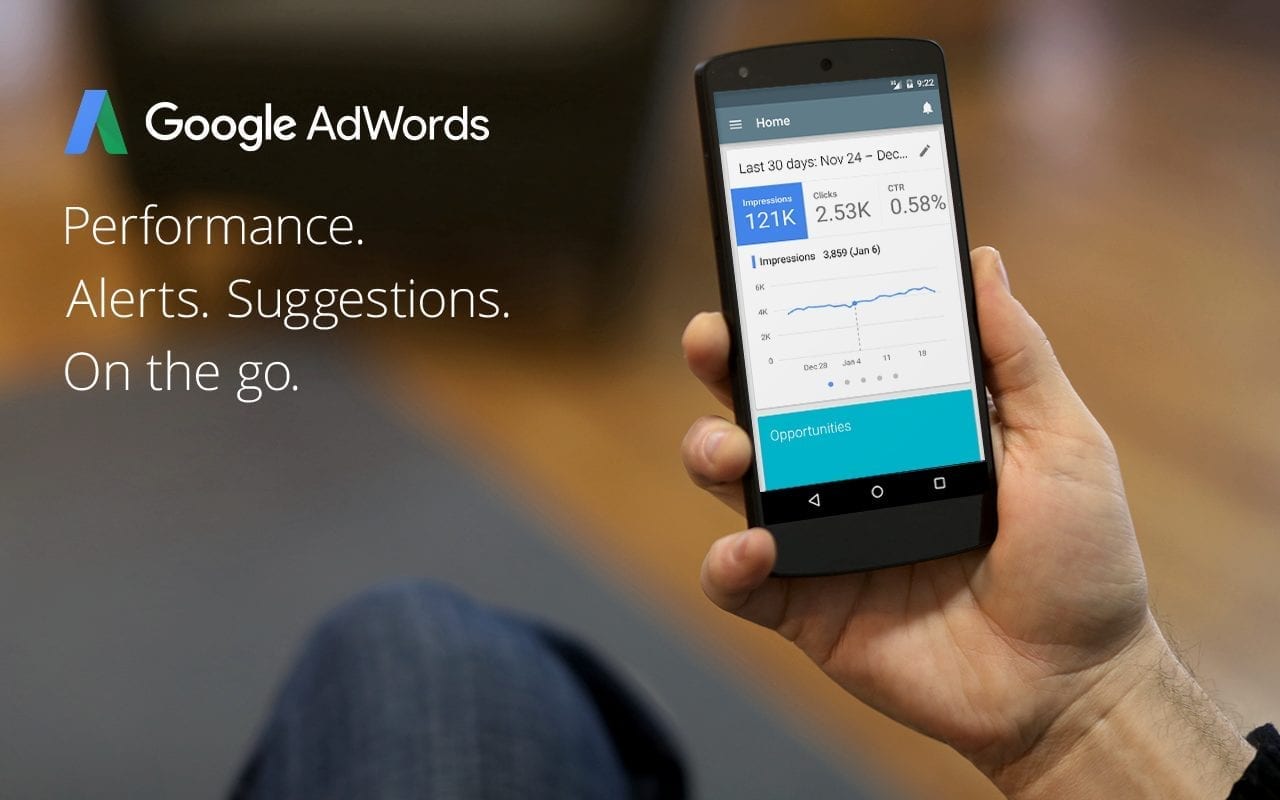
    By combining search intent with a more interactive visual format, gallery ads make it easier for you to communicate what your brand has to offer. We’ve found that, on average, ad groups including one or more gallery ad have up to 25 percent more interactions—paid clicks or swipes—at the absolute top of the mobile Search results page.

    On top of that, standard ads will now pop up in Google’s discover feed that’s implemented in many Android home screens, in the Google app, as well as on Google’s mobile homepage.

    These ads are supposed to “inspire consumers with an open canvas” and allow them to learn about new brands or products in a swipeable image carousel, which is rendered natively across all Google’s properties.

    Last but not least, Google plans to bring Showcase Shopping ads to even more of its properties, such as Google Images, the feed on Discover, and YouTube. This is a highly visual ad format that includes rich lifestyle imagery into Shopping ads.

  • Google Translate is getting an Important Update

    Google Translate is getting an Important Update

    Google Translate’s camera translation feature sounds very futuristic on paper, but in practice—so far, at least—it’s been more of a proof of concept. It’s still usable and gets the job done, but it’s far from polished and intuitive to interact with. In fact, one of the biggest hurdles of using camera translations is the fact that you need to pick the languages before initiating the camera, as there is no automatic language detection built in. This can get annoying, especially since there’s no way to change the source and target languages while looking through the viewfinder.

    All of this is soon going to change, however, and for the better. The lines of code in the latest version of Google Translate hint at a big upgrade coming to the app in the near future. Various suspected improvements include “better translation quality” and “more languages supported,” but the most important one, perhaps, is the automatic language detection that’s coming to camera translations.

    Currently, users need to pre-select their desired source and target language, initiate the camera, snap a picture, and highlight the text they want to be translated. In the future, however, this process will be more streamlined. First off, Translate will be able to automatically detect the source language as soon as you point the camera at a text, and you’ll have the ability to select the target language. Second, Google is working on an “Instant” augmented reality feature that will translate any texts immediately and display them as though they were written in the target language while you’re still looking through the viewfinder. Now that’s more like the future of seamless translation that Google has been promising for years!

    The new camera features are apparently present in Google Translate version 5.29, though they haven’t been enabled yet. This likely means that they’re dependent on a server-side switch on Google’s part. Expect them to go live in the coming weeks or months.

  • Gmail on Android gets Google Tasks integration

    Gmail on Android gets Google Tasks integration

    Google Tasks has been around for years, though it was largely neglected and forgotten by both its creators and users alike. This, however, changed last year, when Google realized that it needs an up-to-date “to-do” platform that puts the focus on getting things done. That’s when the company revived Tasks as a mobile app, alongside the big redesign of the web version of Gmail.

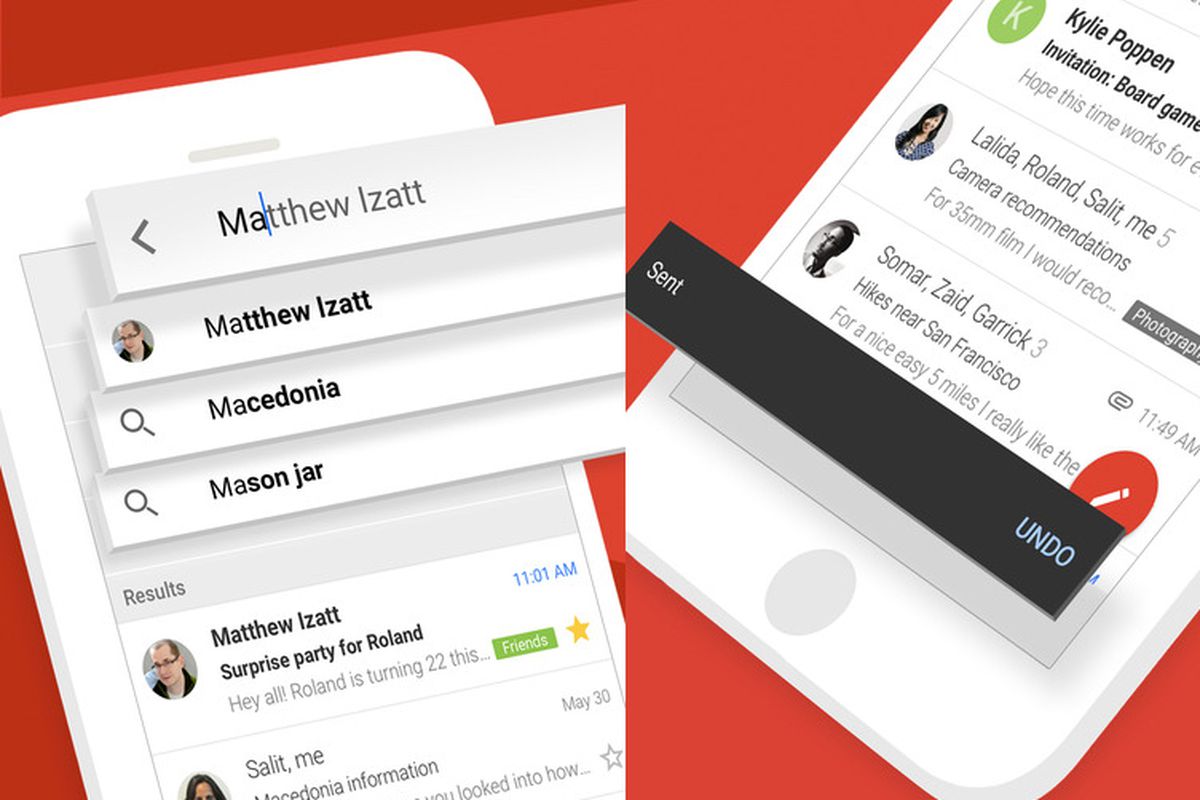
    Said redesign also brought Tasks integration to Gmail for web, which proved to be a very convenient feature, indeed, but it didn’t appear in the Gmail app for reasons unknown. This changes with the latest update, which finally introduces Google Tasks integration to the Android Gmail app.

    Adding important emails to Tasks is quite easy. All you need to do is open the email you want to add, tap the three-dot menu in the top right corner of the screen, and select “Add to Tasks.” If you don’t have the Tasks app installed on your device, doing this will send you to the Google Play Store page of the app. If you already have and use Tasks, this will add the email to your to-do list. You can also add details, change the date and time for reminders, and include subtasks on a per-email basis, which is pretty neat.

    Tasks integration should be going live in the latest update for the Gmail app on Android, though as we’ve come to expect from Google, it’s likely going to be a staged roll-out, which means that not everyone is going to get it on the same day. We’ve already received the update, but you may have to wait a bit longer, depending on your region.

  • Android Q may have a life-saving feature exclusive to Pixel phones

    Android Q may have a life-saving feature exclusive to Pixel phones

    At Google I/O this year, the company behind Android revealed many new and exciting things coming to the next iteration of the world’s most popular mobile OS. These include native support for foldable devices, system-wide Dark Mode, Smart Replies and Suggestions, and a handful of other features.

    But aside from those, savvy developers have uncovered something else that’s coming with Android Q, and it wasn’t mentioned at this year’s I/O. The folks over at XDA have found lines of code in the Android Q Beta 3, referencing a possible automatic car crash detection feature. The beta has an app called Safety Hub, and strings of code within the app suggest that automatic car crash detection is coming to Android Q, and that it may also be a Pixel-exclusive feature.

    Google is no stranger to introducing Pixel-exclusive features, though they’ve been more on the “bonus” side of things, so to speak. Two prominent examples are the excellent Night Sight mode, baked into the Google camera app, and unlimited Google Photos storage for original quality photo backups, available only to Pixel phone owners. However, more essential features have always managed to make their way into Android skins by other OEMs, so the upcoming car crash detection may start as a Pixel-exclusive thing and become more widely available thereafter.

    It’s currently unclear how Android Q will detect car crashes, though it’s likely going to happen by gathering data from various sensors on the phone. For example, Google could use GPS data to determine whether you’re driving, use the accelerometer to detect when a violent stop occurs, and even rely on the microphone to pick up the sound of the crash. After an accident has been detected, the Safety Hub app could automatically alert emergency services and/or select contacts.

    We have our fingers crossed that future Android Q betas will reveal more about this potentially life-saving feature, and that it won’t be Pixel-exclusive forever.

  • Google Duo group video calling goes live

    Google Duo group video calling goes live

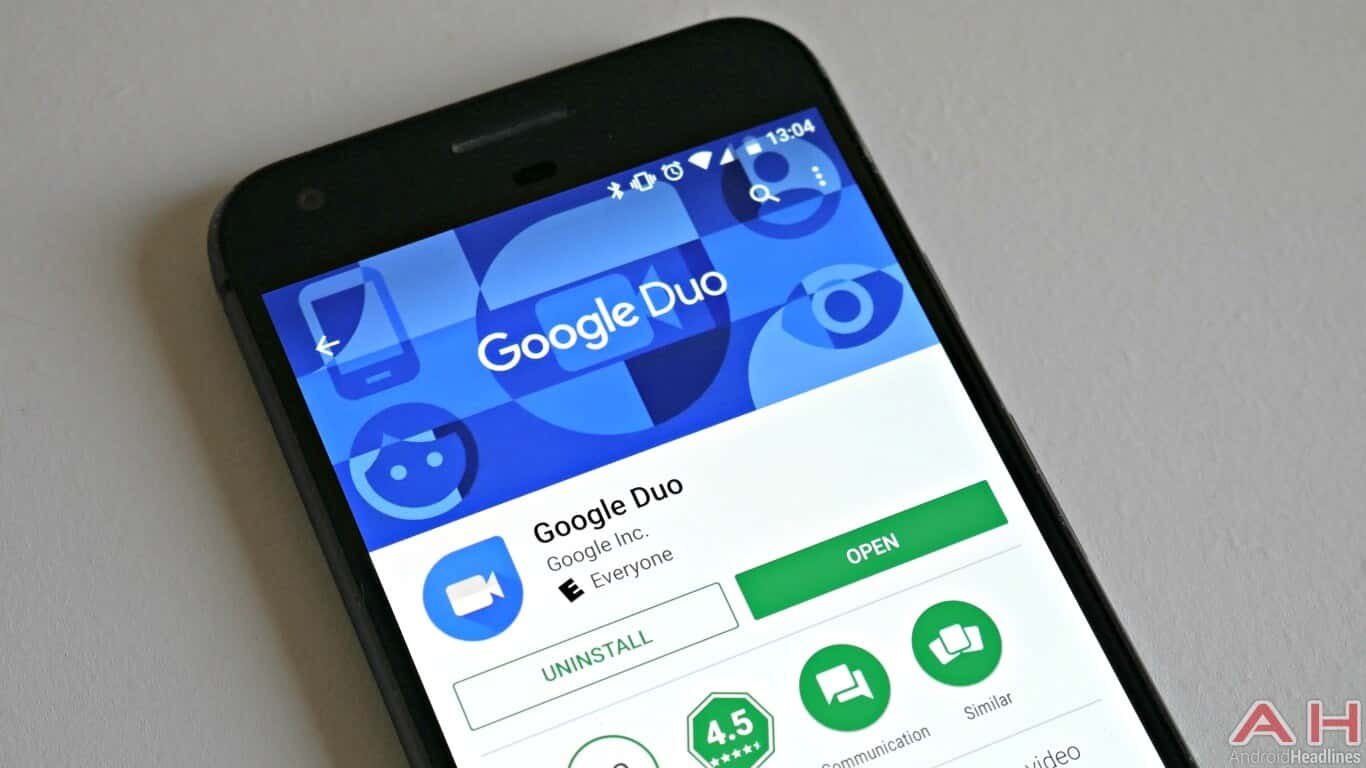
    Google Duo, the video chat mobile app developed by the Mountain View company, received a couple of important updates in the last year or so. Among them, group video calling was added to the app less than a month ago, but it was only made available in a few countries.

    Starting today, Google has expanded the availability of the group video calling feature to more countries, including the United States, Canada, and India. Even Google seems to confirm the new feature is available in “select regions,” but no list of markets is available yet, so we’ll have to rely on reports coming from users.

    With group video calling, Google Duo users will be able to select up to four contacts that they can call simultaneously. Simply swipe down and press the “Create Group” option in order to start adding the contacts you want to call.

    Although the feature only supports four contacts in a group call, Google plans to slowly increase the number of people that you can call simultaneously with Google Duo, although no timeframe is available at the moment.

  • YouTube Music reportedly exceeds 15 million subscribers Recently

    YouTube Music reportedly exceeds 15 million subscribers Recently

    We’ve received an official statement that disputes the reports coming from Bloomberg and Wall Street Journal claiming that Google is struggling to attract paying music subscribers. Here is what a Google spokeswoman had to say about these reports: “YouTube aggressively disputes the WSJ report stating YouTube Music subscription growth has plateaued, countering that healthy subscription growth continued through Q1 of this year.”

    Google’s music streaming service recently went through a rebranding process one year ago, as the search giant has decided to merge Play Music and YouTube Music into one product in order to avoid confusion among customers.

    We’re not sure whether or not the results met Google’s expectations, but Bloomberg reports the company’s paid music services have recently exceeded 15 million subscribers, at least according to two persons familiar with the matter.

    The number of subscribers mentioned includes both YouTube Music and Google Play Music services, as well as some consumers that are still using promotional trial accounts. If Google’s YouTube Music has just exceeded 15 million subscribers one year after its rebrand, it’s way behind Apple and Spotify.

    The former reached 50 million subscribers back in January, while Spotify announced late last month that it now has more than 100 million subscribers paying for its premium service.

    Although Google declined to comment on the numbers, it did say that the number of subscribers to YouTube Music grew 60% between March 2018 and March 2019, which is clearly good progress. It remains to be seen whether or not the company will be able to maintain the percentage with which it grew last year or even boost it a little.

  • Sonos to bring Google Assistant to its smart speakers

    Sonos to bring Google Assistant to its smart speakers

    The neverending saga regarding Sonos connected speakers and Google Assistant is about to end next week if the American company keeps its most recent promise. After a few years of uncertainty, the situation is about to get out of limbo with Sonos finally delivering Google Assistant support to its high-end speakers.

    As the company announced back in January, the Sonos One and Sonos Beam will receive an update that will make Google Assistant available to users. The information has been confirmed by Sonos in a shareholder letter released ahead of the company’s quarterly earnings call.

    The update that will add Google Assistant support will be available next week in the United States, but Sonos plans to bring it to other markets as well in the “next few months.” Although Sonos’ previous statement confirmed Google Assistant will be added to older speakers as well, the shareholder letter doesn’t include any mentions to these devices.

    We’ll update the story once Google Assistant support hits the Sonos One and Sonos Beam, but if what the US company says it’s true, you should be able to start using Google’s personal digital assistant no later than next week.

  • Google is still working on an exciting AI feature

    Google is still working on an exciting AI feature

    Tweets sent by Google Photos product lead David Lieb indicate that the company has not given up on the Colorize feature it unveiled at Google I/O last year. The feature uses machine learning tools to add colors to old black and white photos. He said that Google hopes to have Colorize out in beta form soon and said that he’d love to hear feedback from Android users. The Colorize feature, when it does get pushed out, will show up as a filter in the Google Photos app.

    Lieb did say that Colorize needs some more work, and for proof of that, he showed a black and white photo taken during his grandparents’ wedding day (his grandmother is 104!). While Colorize did add color to the image, it also added a pink tinge to his grandfather’s pants. The Googler assures us that his grandfather did not wear pink pants at his wedding.

    Meanwhile, another feature that Google introduced at its 2018 developers conference, Color Pop, was pushed out just a week after the feature was unveiled. Using AI, Color Pop takes the background of a photo shot in Portrait mode and changes it to black and white; the subject matter remains in color. The stark difference between the two makes the subject pop, or stand out. Color Pop appears as a filter option in the Google Photos app after you snap a Portrait.

  • China Mobile International launches iSolutions

    China Mobile International launches iSolutions

    China Mobile International has launched a new cloud network integration solution in Hong Kong designed to provide multinational enterprise customers with self-service deployment capabilities.

    The new iSolutions offering will also allow customers to manage all their cloud and network products on a single platform for enhanced visibility, accessibility and manageability.

    It will allow customers to self-deploy and manage cloud network products from major providers including Microsoft Azure, Google Cloud, Alibaba Cloud, Huawei Cloud, Tencent Cloud, Baidu Cloud Engine and UCloud.

    The solution initially covers 60 Cloud Connect points of presence across 47 cities worldwide to enable the management of global cloud and network products from the one platform.

    Customers will be able to use the platform to purchase new cloud services and deploy them within seconds, track and monitor service status and usage, troubleshoot problems and manage the product lifecycle.

    The iSolutions Cloud Network Service leverages China Mobile International’s global footprint to provide 99.99% guaranteed uptime, and the operator’s fiber infrastructure in China to provide value-added services.

    “Our cloud service provider partners represent the highest level of service in the global cloud market. CMI has recently increased its investment in cable systems, PoPs and data centers,” China Mobile International CEO Dr Li Feng said at the launch event in Hong Kong.

    “In collaboration with the world’s finest cloud service providers, we will leverage our combined advantages to provide global enterprises with a one-stop carrier-grade cloud-network solution and customizable attentive professional services.”

  • Samsung’s Galaxy Home Finally to Arrive

    Samsung’s Galaxy Home Finally to Arrive

    In addition to being the world’s largest handset vendor, Samsung also continues to dominate the TV market while supplying the vast majority of smartphone displays out there and topping global chip sales. The tech giant is a major tablet and smartwatch manufacturer as well, but one industry the company hasn’t been able to crack just yet is ruled by arch-rivals Amazon and Google.

    We’re talking about digital assistants in general and AI-powered smart speakers in particular, like Bixby and the Galaxy Home aren’t exactly considered serious challengers for Google Assistant, Alexa, and their army of standalone devices designed for home use. Of course, a big reason why the Samsung Galaxy Home hasn’t managed to take off might be that it’s still not actually up for grabs anywhere around the world.

    First showcased a whopping nine months ago, the Google Home Max and Apple HomePod rival looked destined for an impending commercial debut several times since then, but unfortunately for Samsung, none of the optimistic rumors floating around materialized. At one point, the company’s own CEO was reportedly quoted as teasing this bad boy’s arrival “by April”, although subsequent statements brought back the vagueness, hinting at a launch in the “first half of 2019.”

    With the HomePod and Google Home Max out for a few years now, not to mention a flurry of lower-end, lower-cost models from both Google and Amazon, it felt late for the Samsung Galaxy Home to join the party even last fall. But while Bixby is still widely derided or, at best, ignored, its recent progress is also undeniable. Apart from handy voice assistance and smart home controls, Samsung’s first in-house smart speaker aims to shine in the audio quality department thanks to premium AKG enhancements. Perhaps that could be its saving grace.