Tag: #growth

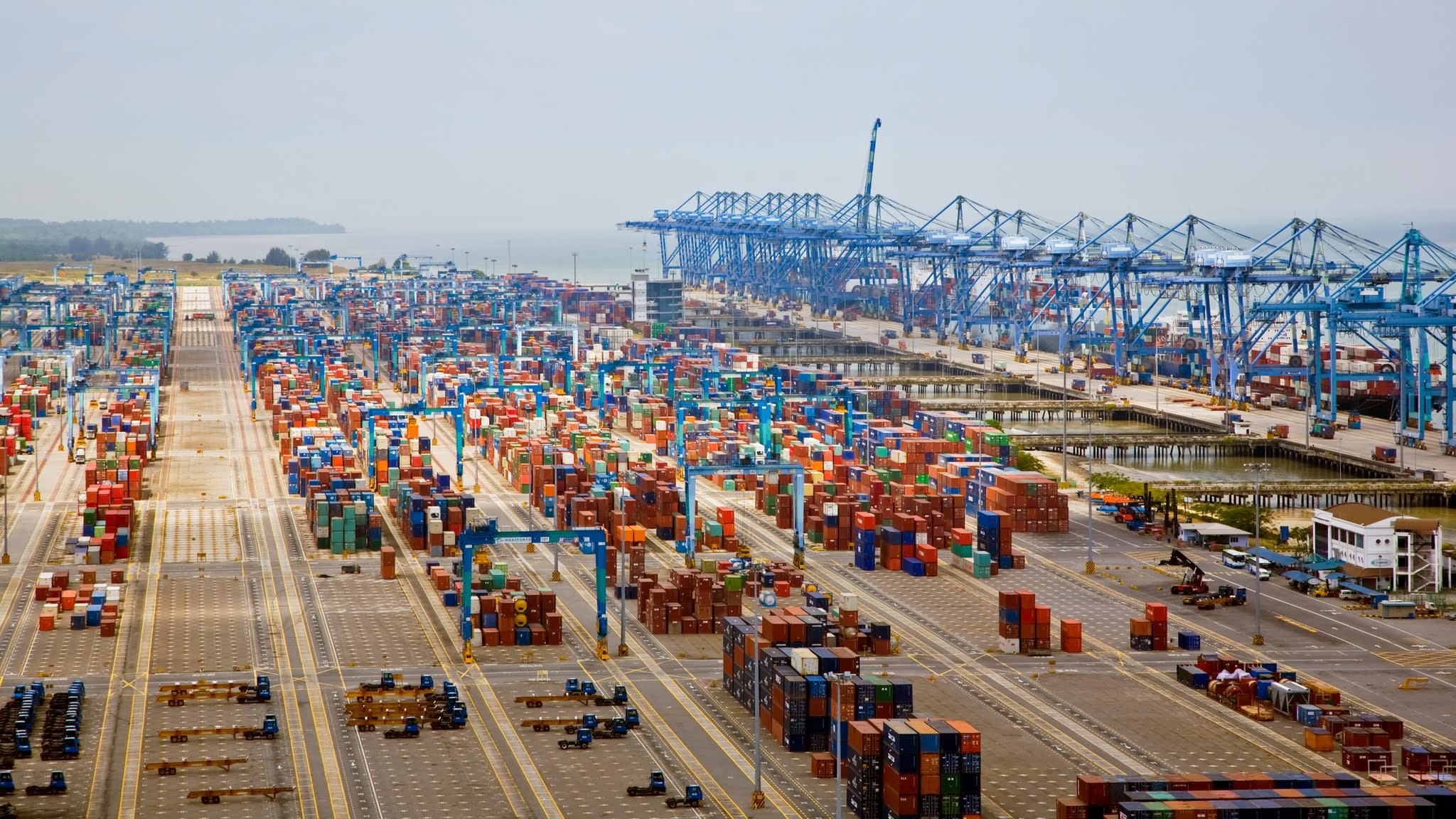
  • World Bank cuts Malaysia’s 2018 GDP growth forecast again

    World Bank cuts Malaysia’s 2018 GDP growth forecast again

    The World Bank has again revised downward its projection for Malaysia’s 2018 gross domestic product (GDP) growth to 4.7% from 4.9% after taking into account factors such the rigorous rationalisation of expenditure by the government and slowdown in private and public investment. It last cut the country’s GDP growth forecast in October, to 4.9% from 5.4%.

    Malaysia’s third quarter GDP growth moderated to 4.4%, bringing about a nine-month expansion of 4.7%.

    Despite a moderation in growth, the World Bank believes that the Malaysian economy remains resilient and continues to be anchored by private consumption, although it has been cooling down after the reintroduction of the sales and service tax.

    The key drivers for private consumption are stable labour market conditions, cost of living aid and tax refunds payment.

    Private investment in the manufacturing and commodity sectors are also expected to be sustained.

    Speaking at the launch of the World Bank’s Malaysia Economic Monitor on Realising Human Potential Report, World Bank Group economist Shakira Teh Sharifuddin said Malaysia’s economic growth is projected to remain flat at 4.7% in 2019, with external factors such as current trade tensions and increased volatility in the financial and commodity markets expected to weigh on the overall economy.

    In addition to the escalating trade tensions, monetary normalisation in advanced economies, high dependency on oil revenue and high level of public debt are seen as potential risk for the government.

    The percentage of the federal government’s revenue to GDP has seen a steep decline between 2012 and 2018, falling from 21.4% to 16.2%. In 2019, the share of revenue to GDP is expected to be reduced further to 15.1%.

    This, Shakira said, leaves the government with limited space to respond to economic shocks.

    In the near term, the government is expected to rigorously embark on fiscal consolidation measures with expenditure expected to decline to 18.1% of GDP from the 2018 estimate of 20.3%.

    Shakira said that while the introduction of new taxes in the budget is welcomed, the government should relook the incentive mechanisms.

    On another note, the World Bank stressed on the need for Malaysia to accelerate the development of its human capital if it wishes to join the ranks of a high-income nation.

    While Malaysia, which ranked 55th out of 157 countries in the Human Capital Index, fared well in some areas, there is room for improvement in certain areas, noted the report.

    It also states the prevalence of stunting among Malaysian children which affect more than one in five Malaysian children, a key indicator of malnutrition. In the absence of renewed efforts to develop human capital, a child born today in Malaysia will only reach a productivity level of 62%.

    In terms of education, the 12.2 years spent by Malaysians in school only equates to the 9.1 years learning outcome of school goers in the highest performing system.

  • Global grocery markets growth fuelled by Asia, says IGD

    Global grocery markets growth fuelled by Asia, says IGD

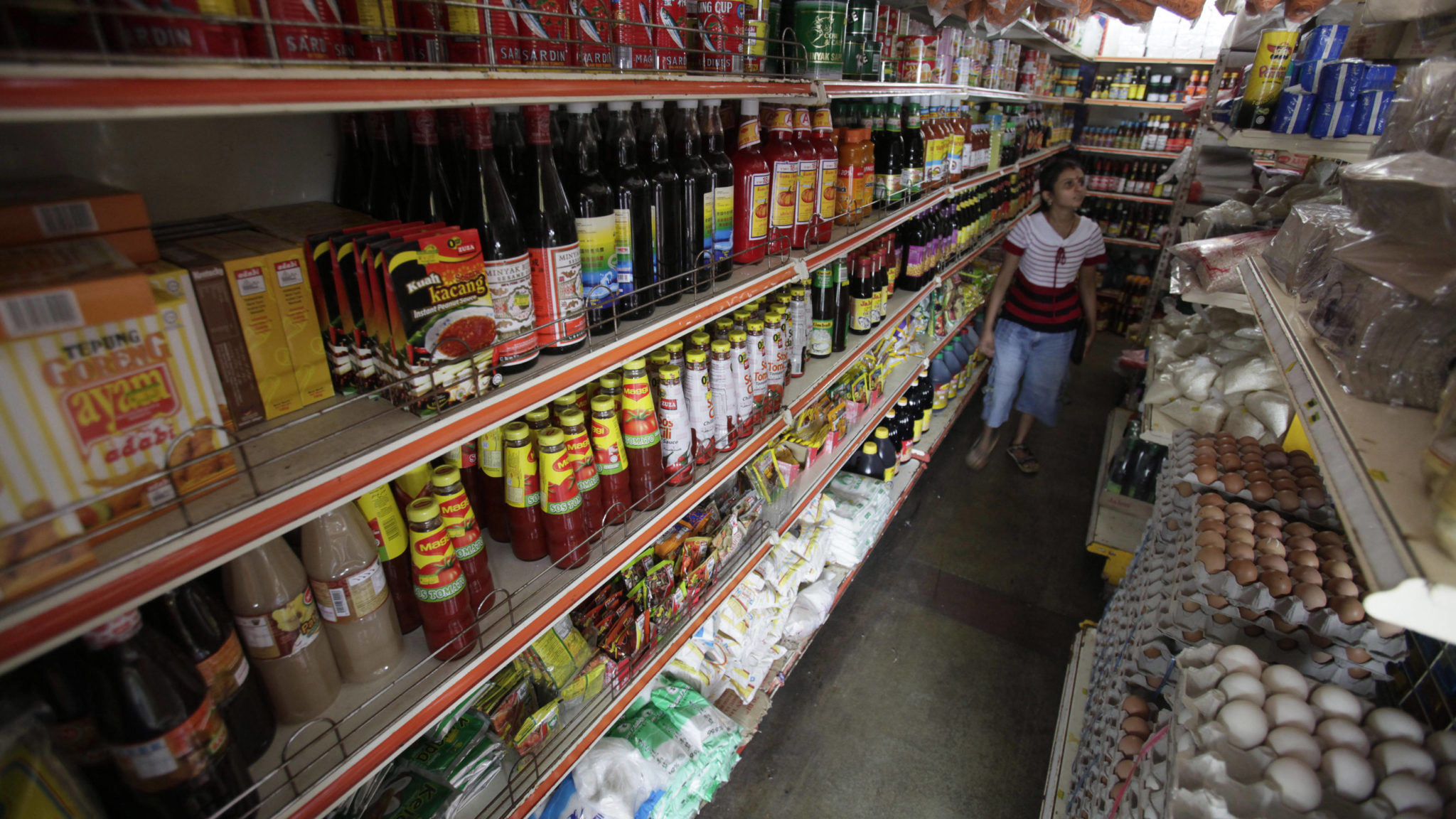
    Global grocery markets are likely to generate an additional US$1.9 trillion in sales by 2023, led by Asian countries, according to new research data. The IGD forecast, based on IMF, World Bank, UN and Oanda base data, predicts Asia will see the strongest real growth – from population growth or consumers spending more on grocery – and is set to account for 47 per cent of the additional spend between 2018 and 2023. The forecast anticipates that nearly half (44 per cent) of extra sales will be created in Asia, which will add more than Africa, Europe and Latin America combined.

    Asia as a region will contain seven of the largest global grocery markets by 2023, with a combined market size of US$3.8 trillion.

    On growth in Asia, Nick Miles, head of Asia Pacific at IGD said: “China’s grocery market is expected to continue growing over the next five years, establishing itself as the largest grocery market globally. While growth varies between markets across Asia, countries such as India, Indonesia, Pakistan and Vietnam will continue to grow in importance for retailers and suppliers given the large populations, improving levels of GDP per capita and the development of modern trade. Retail partnerships have also in some cases helped retailers accelerate growth ahead of the market, and we expect more of these relationships to emerge and develop over the next year.

    “Grocery growth in Asia continues to benefit from a rapidly growing middle class, fast development and adoption of new technology, improved infrastructure and logistics networks, plus improvements to retail standards. Modern trade retailers continue to expand their store networks and improve existing operations.

    Meanwhile, traditional trade still plays a role, with mom-and-pop stores modernising their offerings and tailoring services to local communities. In countries like China and India this is being aided by online retailers such as Alibaba and Amazon.

    “Across Asia the pace of development and focus of retailing varies by market. However, online is expected to be the fastest growing channel regionally over the next five years,” said Miles.

    “Online grocery retailing is already well established in countries like South Korea, Japan and China and we expect the share of sales accounted for by channel in these markets to increase to over 10 per cent by 2023.

    While online grocery retailing is growing rapidly across Southeast Asia we expect it to still account for less than 2 per cent of sales in most markets in five years’ time.”

  • Telenor Group CEO meets Prime Minister to discusses digitalisation and socioeconomic development

    Telenor Group CEO meets Prime Minister to discusses digitalisation and socioeconomic development

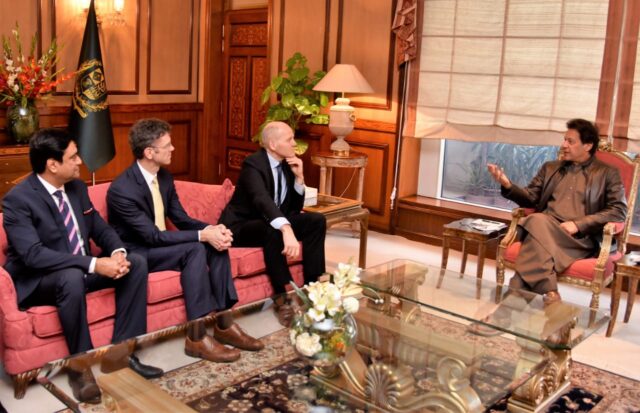
    SigveBrekke, President and CEO of Telenor Group, along with IrfanWahab Khan, CEO of Telenor Pakistan and Petter-Børre Furberg, Executive Vice President Telenor Group met the Honorable Prime Minister of Islamic Republic of Pakistan Imran Khan to discuss the growing and evolving digital ecosystem in the country and Telenor Group’s longstanding commitment to the country.

    During the meeting, Brekke shared Telenor Groups journey to becoming one of the largest telecom and digital services provider in Pakistan. SigveBrekke thanked the Government of Pakistan for its continued support for the telecom sector and for encouraging foreign direct investments into the country.In addition,theydiscussed possible collaborations to bringcontinued socioeconomic development and digitalisation for all. Brekke also highlighted Telenor’s commitment towards financial inclusion and informed the Prime Minister of incoming investment of USD 140mnas a result of the recently announcedpartnership with Ant Financial.

    The Prime Minister appreciated Telenor’s contribution in the telecom sector and said that the Government aims to develop a knowledge based economy in Pakistan and value Telenor as an important partner in developing the ecosystem that supports the Government’s development agenda.

    The Prime Minister reiterated that the Government is committed to transparency and facilitate investors and enable them take full advantage of huge potential existing in the growing economy of the country.

    “Pakistan is a key market for Telenor Group and we remain committed to empowering this nation by connecting our customers to what matters most,” said SigveBrekke, President & CEO Telenor Group, while sharing his thoughts. “We hope that the government will not only encouragebusiness-friendly policies, but will also introduce new reforms to enhance access to life-changing digital services and solutions for all.”

    “Through Telenor Pakistan’s industry-first initiatives in areas of digital products & services, financial inclusion, agriculture, health, and digital entrepreneurship, we are empowering Pakistan through robust ICT solutions,” said IrfanWahab Khan, CEO Telenor Pakistan. “We have 13 successful years to proudly look back to and aim to serve the people of Pakistan even better with all the learning we have gathered during this time. I thank Prime Minister Imran Khan for his time and am confident that his government will extend the needed support to help us materialise our shared vision of a digital Pakistan.”

    During his visit, SigveBrekke also called upon Mr. Asad Umar, Minister of Finance, Revenue and Economic Affairsand Mr. Shah Mahmood Qureshi, Foreign Minister and extended his appreciation to the Government for ensuring positive outlook and improving economic indicators that are instrumental towards attracting investment in the country. Brekke also discussed the role of telecom sector in socioeconomic uplift of the country by bringing widespread connectivity to the people of Pakistan.

    Telenor Group has been operating in Pakistan since 2005 and has made a significant impact on the socioeconomic uplift of the country. The Group has invested over USD 3.5bn, contributed over USD 2.5bn to the national exchequer since 2005 and created over 5,000 direct jobs, in addition tohundreds of thousands of indirect jobs.

  • KFC Thailand benefits from transforming franchise model

    KFC Thailand benefits from transforming franchise model

    Fast-food restaurant chain KFC Thailand is on track to achieve double digit year-end sales growth since transforming itself into a 100-per-cent franchised model, exceeding business expectations.The largest restaurant chain in Thailand is also set to accomplish a record high of 75 new outlet openings this year, 39 per cent above target and pushing the total number of outlets in Thailand past 700, including 65 drive-through branches.

    GM for KFC, Yum Restaurants International (Thailand) Waewkanee Assoratgoon said Yum Thailand has successfully transformed itself into a 100-per cent franchisor business in only one year.

    “Our organisation is now in a good shape with an effective structure so that we can expect the most efficiency within the entire business operation.”

    KFC Thailand franchise operator Yrit secured the No 1 position and top-of-mind QSR brand as surveyed by Thai business magazinesMarketeer and Brandage, as well as picking up awards for social media penetration.

    Thailand is KFC’s eighth largest international market.

  • Vietnamese government will share risks with startups, PM assures

    Vietnamese government will share risks with startups, PM assures

    The Vietnamese government is willing to make changes in regulations to facilitate timely funding of startups, Prime Minister Nguyen Xuan Phuc said. Addressing at the Youth Startups Forum 2018 in Hanoi on Thursday, he acknowledged the challenges that Vietnamese startups have highlighted, saying that it is the task of authorities to find a breakthrough solution for creative entrepreneurs to start and run a business.

    He asked the Ministry of Planning and Investment, the Ministry of Science and Technology, the Ministry of Finance and the State Bank of Vietnam to create more favorable conditions for startups by making changes in the legal framework.

    “We need a breakthrough innovation in policies from government bodies to help startups succeed with their ideas,” he told the forum, which attracted 300 entrepreneurs from across the country.

    The government is willing to share a part of the risks with startups, the PM added.

    He asked relevant ministries and other agencies to report in detail next month on the solutions they have identified for the problems that industry insiders have highlighted.

    Vietnam has seen an increasing number of startups in recent years. The country’s speed of startup development ranks third among ASEAN members. But regulatory obstructions are hindering their ability to attract funds they need to establish themselves and thrive in the market, entrepreneurs said at the forum.

    Thach Le Anh, founder of Vietnam Silicon Valley, a government-backed organization aiming to stimulate the growth of startups, said that angel investors are reluctant to invest due to a lack of incentives in tax and policies. Angel investors are people who inject money into a new business in the early stage.

    The early financial support is crucial for a startup to succeed, Anh said.

    Nguyen Manh Dung, a representative of the investment fund CyberAgent Veuntures in Vietnam, also said that many investors want to invest in Vietnam’s startups, as larger markets like the U.S., Japan and China require bigger capital and fewer opportunities.

    Investors are also reluctant about later stage investments, when profits can be extracted, because of slow administration procedures, he said.

    Disbursement procedures in Vietnam could take from six months to a year while the very nature of startups is that they need to act fast, he added.

    Dung also said that divestment was one the main concerns that investors have.

    “These challenges take opportunities away from startups,” he said.

    Dam Quang Thang, CEO of AgriTech Village, a company which assists local startups in agriculture, said that although startups often use new technological solutions, they have to go through a traditional testing method, which is more time consuming than it should be.

    A representative of Vietinbank, Vietnam’s fourth-biggest listed bank by market capitalization, said tight bidding procedures and long financial checks were preventing the bank from investing in a tech startup.

    “Startups struggle to sell their products to investors as they have to go through the traditional process. There must be a better way for them to sell their new solutions,” the representative said.

    Last year, Vietnamese startups received $300 million in investments in 92 different deals, according to startup accelerator program Topica Founder Institute (TFI).

  • Kenanga Malaysia raises earnings outlook for Carlsberg

    Kenanga Research has increased its FY18 and FY19 earnings for Carlsberg Brewery Malaysia Bhd on the back of improved contributions from Lion Brewery in Sri Lanka.

    “We increased our FY18E and FY19E earnings by 4.3% and 3.5% respectively as we improved contributions from Lion Brewery. Additionally, we increased our Malaysian demand assumptions following the stronger results,” it said in its report today.

    For the nine months ended Sept 30, the group reported core Patami of RM205 million, which amounted to 82% of Kenanga Research’s full-year expectations.

    “We deem this to be above but within our consensus estimates, mainly due to better-than-expected contribution from its Sri Lankan associate, Lion Brewery. Malaysian sales were also better than expected, subsequent to our previous adjustments for softer demand post-Sales and Services Tax (SST),” it said.

    Moving forward, it expects Carlsberg’s on-trade sales (at food and beverage establishments) to be dented by Sales and Services Tax finally kicking in, as these establishments would have to bear the brunt of both taxes.

    “We anticipate demand to be skewed towards the off-trade market (retails, supermarkets), albeit being a lower margin channel. Still, the group’s continued emphasis on its premium mix could bolster the overall performance in the local scene,” it said.

    Meanwhile, HLIB Research does not expect any hike in alcohol excise duty as the structure is already the third highest globally.

    “We opine a hike in excise duty would result in growth in the illicit market at the expense of the legal volumes, which will result in reduced tax collection. For this reason, a hike in alcohol excise duties is unlikely,” it said in its report.

    It expects the government and Royal Malaysian Customs to continue their efforts to fight contraband and strengthen the legitimate tax paying portion of the beer market in Malaysia and hence the government’s revenue collection of excise duty.

    On the recent increase in the minimum age for purchasing alcohol to 21, it expects this to result in lower industry volumes due to a smaller pool of legal consumers.

    HLIB Research maintained its “buy” call with an unchanged target price of RM22.70.

    Carlsberg’s share price fell 1.62% or 32 sen to close at RM19.40 with 51,600 shares traded. It was one of the top losers on the bourse this week.

  • Malaysia’s e-commerce on growth estimation

    Malaysia’s e-commerce on growth estimation

    The government is targeting for e-commerce to achieve an annual growth rate of 20%, from a 14.3% growth posted in 2017, via its various initiatives. Deputy International Trade and Industry Minister Dr Ong Kian Ming said e-commerce registered a continuous increase for the period of seven years to RM85.8 billion in 2017.

    He said the government, through the National E-commerce Council, will continue to chart the growth and development of e-commerce in the country through the implementation of the National E-commerce Strategic Roadmap.

    Malaysia also signed the Asean Agreement on Electronic Commerce on Nov 12, 2018, a concerted effort between 10 countries to smoothen cross border e-commerce transactions by reducing barriers and lowering entry costs.

  • Abercrombie & Fitch results going uphill

    Abercrombie & Fitch results going uphill

    Abercrombie & Fitch is on the right road to recovery. Third-quarter net income is up by 133 per cent year on year, supported by a 75 per cent increase in operating profit. The company has still delivered positive comparables both overall and for each of the Hollister and Abercrombie brands. And at 6 per cent growth, US comparables are still on fairly solid ground.

    While Abercrombie & Fitch’s sales growth has slowed, both overall and on a comparable basis, and total sales at the Abercrombie brand have slipped into negative territory, a calendar shift in reporting periods, currency fluctuations and some tough-to-match prior year comparable figures are mitigating factors.

    GlobalData’s consumer-tracking data continues to show a number of positive movements in consumer sentiment about both of the main brands. Over the past year, there has been a 4 percentage point increase in the number of American shoppers who say they consider Abercrombie when shopping for apparel. For Hollister, the same metric rose by just shy of 6 percentage points. The same research also reveals that among core shoppers, perceptions of quality and design at both Abercrombie and Hollister are up sharply on last year.

    The results justify the step changes that have been made to things like fabrication, detailing and styling of the product set. The range – especially at Abercrombie – is now more sophisticated, more on-trend, and better reflects what modern consumers want. There is also a cohesiveness to the assortment which stimulates multiple purchases and helps to push up average transaction values. However, as good as these things are, both brands have more to do yet in making consumers aware of the changes and getting them to take a fresh look at the brands.

    Many of the positive movements are far more pronounced in the US than they are elsewhere. In our view, the geographical difference in the pace of recovery is telling. While it is right that the company has focused its recovery efforts on its most important market, there is now a need to adapt some of the strategies and plays so that they are relevant overseas. Customer dynamics, competitive sets, and perception of the brands are all very different in markets like the UK and a degree of localisation is needed to ensure that the brands fully resonate with regional consumers. We believe management recognises this and has already taken some steps, such as opening a new-format mall-based store in the UK at Manchester’s Intu Trafford Centre.

    Overall, the recovery at Abercrombie & Fitch is still a work in progress. However, turning around a once very-troubled brand is far from easy. Progress and advancement do not all come at once; this is a step-by-step process that will build over time.

  • Retail sector Korea in future

    Retail sector Korea in future

    Technology and e-commerce trends are reshaping the global retail industry in profound ways, as the rise of online channels threatens to displace more traditional shopping experiences. However, Korea’s retail sector seems to be thriving in the face of this upheaval, with a 6% year-over-year increase in retail sales by Q3 2018. What are the factors fuelling this encouraging retail growth?

    Firstly, improved relations with China and North Korea have energised the retail sector, with duty-free sales registering an impressive 34% year-over-year growth by Q3 2018. While this retail boost can primarily be attributed to the recent surge of Chinese tourists in Korea, it also reflects the growing international popularity of Korean beauty and lifestyle brands.

    E-commerce is also emerging as a key driver of Korea’s retail sector. Online channels have experienced rapid growth since 2010, and will only keep expanding their foothold as Korean consumers start shifting away from brick-and-mortar stores. With Korea’s e-commerce market predicted to grow by 21% this year, traditional retailers will need to find new ways of adapting to this rapidly evolving landscape.

    Some retailers are already turning to artificial intelligence and other Industry 4.0 technologies in an effort to provide consumers with more innovative shopping experiences. For instance, Hyundai Department Store is using Naver’s virtual assistant Clova to answer customer inquiries – whether they relate to store locations or specific purchases.

    Another interesting example is retail giant Lotte Home Shopping, which has developed its own augmented reality system so that customers can visualize how products would look in their home. As these new technologies get ushered into the mainstream, we can expect to see more and more retailers jumping on the AI bandwagon in the next few years.

    However, this doesn’t mean that we should write off the traditional brick-and-mortar experience just yet. Major brands are still banking on attracting consumers with the enduring prestige of high street locations – such as Maison Kitsuné, which recently opened its flagship store in Seoul’s trendy Garosugil district.

    Many global retailers continue to view Seoul, one of the world’s most famous shopping destinations, as a test bed in Asia. With cosmetics brands like Givenchy Beauty and Armani Beauty making their debut in Seoul this year, and renowned F&B brand Blue Bottle Coffee preparing to enter the Korean market in 2019, it’s clear that leasing demand from foreign retailers is still going strong.

    If we look to other segments of the retail industry that are experiencing growth, it’s worth highlighting the surge of fresh food delivery services across the country. With double-income families emerging as a major consumer force, demand for overnight fresh food delivery has also been rising – and major retailers as well as food startups are turning their attention towards this potentially profitable market.

    The rapid expansion of the food delivery market – and of the e-commerce sector in general – is proving to be a windfall for Korea’s logistics industry. Logistics developers are recognizing the need for large-scale modern logistics centers capable of storing and delivering goods nationwide, with faster delivery remaining the market’s key competitive measure. The growing demand for cold chain facilities is expected to fuel a mass redevelopment of older warehouses, especially in the Greater Seoul area.

    So far, Korea’s retail industry has shown remarkable resilience against a backdrop of technological disruption. More brick-and-mortar retailers are offering F&B, AI and entertainment options to differentiate themselves from their e-commerce counterparts; and this trend will only grow as consumers seek out unique shopping experiences. The question is, will Korea’s retail market keep thriving in the long term?  As long as technology continues to enhance – and not supplant – existing retail experiences, we can venture to hope that a bright future is in store for this challenging and dynamic sector.

    -CBRE-

  • Malaysia projected 4.9% retail sales growth for 2018

    Malaysia projected 4.9% retail sales growth for 2018

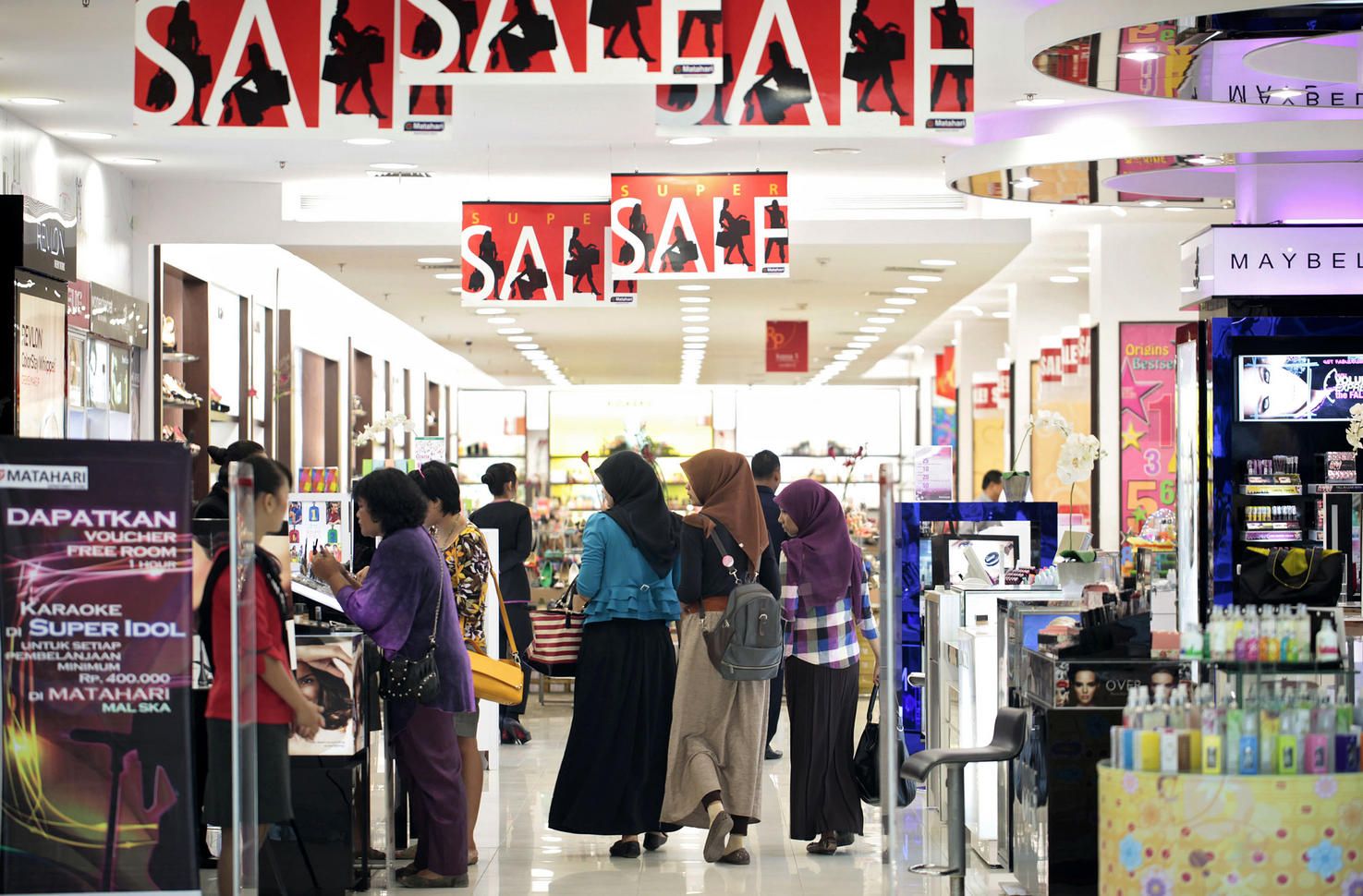
    The Malaysia Retail Chain Association (MRCA), which expects retail sales growth to come in at 4.9% for 2018 in line with the country’s gross domestic product growth, has pointed out that some of its members face difficulties in retailing online amid the push for e-commerce.

    MRCA, in releasing its first quarterly retail sales survey for the third quarter (Q3) today, highlighted that online sales make up only 3.9% of its retail revenue.

    The sample of respondents for the survey include 10% of MRCA’s members, representing 59 brands and 2,266 stores across a variety of trade categories, including food & beverage (F&B), fashion, health & beauty, supermarket & department stores, entertainment, optical, education, home improvement and more.

    MRCA president Datuk Seri Garry Chua said the association constantly reminds members to bring their businesses online and be part of the digital ecosystem, adding that MRCA also has digital membership for players like Lazada, Lelong and 11street, which are all its members.

    “We can also work closely with them (digital players) to reinforce and increase the market share for online. We’re confident the (industry) sales from online retail is going to be double-digit growth every year as more brick and mortar retailers go online, as with many start-ups,” Chua said.

    MRCA vice-president Datuk Liew Bin said although all members have an online presence, most of its members rely on the brick and mortar model and “survive happily on brick and mortar”, whereby online sales is regarded as a bonus to them.

    “With so many years in brick and mortar, it’s difficult for our members to turn to online. This is one of the challenges that our retailers face because (the) online (wave) is coming on strongly. This should be an alert to our members, as 3.9% is still a small figure,” Liew said, adding that MRCA expects online sales to grow 5% next year.

    Individually, he said some retailers have seen a 20% growth in their online retail sales.

    MRCA projected retail sales growth to grow 6.1% year-on-year in Q4 this year as year-end school holidays and the festive season are expected to bolster consumer spending; while an increase in the number of outlets is also expected to boost sales growth.

    It said retail sales grew 5.7% year-on-year in Q3 with the tax holiday between June and August that had encouraged consumers to spend.

    In Q2, retail sales grew at a slower rate of 2.1% year-on-year, affected mainly by the general election in May, where consumers held back on spending due to economic uncertainty.

    Retail sales grew 5.7% year-on-year in Q1 due to Chinese New Year sales and promotions.

    F&B, health & beauty and other retailers reported encouraging growth rate of 5.4%, 3.1% and 21.3% year-on-year respectively. However, fashion retailers suffered a negative growth in Q2 and Q3 at -2.2% and -2.8% year-on-year respectively.

  • Foreign flows into Asian bonds turn positive, Malaysia leads

    Foreign flows into Asian bonds turn positive, Malaysia leads

    Foreign flows into Asian bonds turned positive in October, in stark contrast to the sharp outflows faced by equity markets due to slowing earnings and concerns over trade. Data from central banks and bond market associations showed overseas investors bought a net US$2.24 billion (RM9.4 billion) in Malaysian, Thai, Indonesian, South Korean and Indian bonds in the last month. That compared with net outflows of US$2.46 billion in September.

    Malaysia’s bond market led the region with inflows of US$1.8 billion in October, the highest in 2018. At the end of last month, foreign ownership of Malaysian government securities rose to 40.7% from 39.5% in September, the data showed.

    Thailand and Indonesian bond markets also attracted foreign money of US$1.07 billion and US$886 million, respectively.

    “Thailand’s large current account surplus and growth recovery have boosted the perception of Thai debt as a relative safe haven in the region,” said Khoon Goh, Singapore-based head of Asia research for ANZ Banking Group in a note.

  • JD sales jumps as shoppers reached 300 million

    JD sales jumps as shoppers reached 300 million

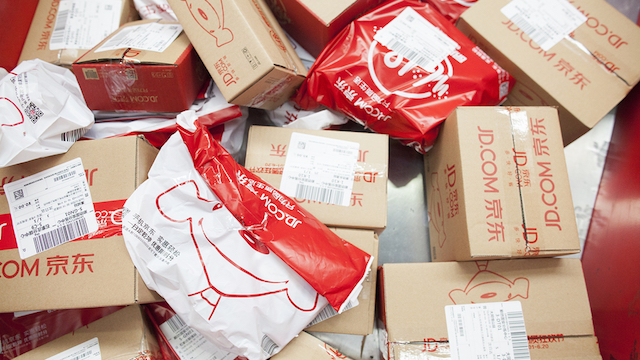
    JD sales lept 25.1 per cent in the third quarter, to RMB104.8 billion (US$215.3 billion). “We are pleased to report solid results for the third quarter, with our core JD Mall business driving consistent growth under its highly experienced management team,” said CEO and chairman Richard Liu.

    “JD’s commitment to convenient, reliable service and high-quality, authentic products continues to translate into an increasingly loyal user base. Our ‘Retail as a Service’ strategy is also gaining traction as we provide a wide range of partners with innovative retail infrastructure solutions,” he said.

    Annual active customer accounts increased to 305.2 million in the year to September 30, from 266.3 million at the same time a year earlier.

    Net income from continuing operations attributable to ordinary shareholders for the third quarter was RMB3.0 billion (US$400,000), three times more than for the same period last year.

    “JD’s strategic focus on improving customer experience helped drive strong performance across the business,” said Sidney Huang, JD’s CFO. “We will continue our disciplined strategy of investing in key technologies as we focus on optimising operations and driving economies of scale over the coming quarters.”

    Among highlights of the quarter was the signing of a raft of major international brands to the JD platforms, including L’Occitane de Provence, House 99, Hera, Salvatore Ferragamo,  Furla, Gieves & Hawkes, Kent & Curwen, Cerruti 1881 and D’Urban. JD’s dedicated luxury platform Toplife welcomed John Galliano, Buccellati and Shang Xia among others.

    As at September 30, JD had some 200,000 merchants on its online marketplace, and 175,366 full-time employees.

  • Malaysia’s Central Bank confident of 4.8% GDP growth in 2018

    Malaysia’s Central Bank confident of 4.8% GDP growth in 2018

    Economists have mixed views on Malaysia’s full-year gross domestic product (GDP) growth despite the central bank’s confidence the economy will expand 4.8% this year. Sunway University Business School’s Professor of Economics Dr Yeah Kim Leng expects GDP growth for 2018 to come in at 4.7% to 4.8% while growth in 2019 could be better than this year if there is sustained global demand.

    “For 2019, GDP (growth) would be closer to 5%. It may exceed that if the global economy holds up, in terms of lessening trade tension and strengthening of China’s economy,” he said.

    However, Inter-Pacific Securities Sdn Bhd head of research Pong Teng Siew said this year’s GDP growth is unlikely to hit 4.8%, as the quarterly expansions have been on the decline.

    “We had 5.4%, 4.5% and 4.4% for the first three quarters (respectively) this year. It would require substantially stronger growth than what we saw in Q3 to hit 4.8% full-year growth,” he said.

    The Malaysian economy grew by 4.4% in the third quarter, Bank Negara Malaysia (BNM) announced on Friday.

    Pong said the final quarter of the year does not have the tail wind that would boost consumption and expects full-year growth to come in at 4.5% to 4.6%.

    “For 2019, it is quite a challenge to forecast due to global growth slowing. We face headwinds from global growth as we are an export dependent economy. Net exports from goods and services are fluctuating,” he added.

    Pong expects GDP growth in 2019 to be similar to 2018’s, due to the unpredictability of global trade.

    Commenting on the economic performance in Q3, Yeah said it was softer than expected, which weighed down on growth momentum.

    “In the third quarter, services (sector) was good, largely due to private consumption. Growth was largely driven by the services and manufacturing sectors. As long as we can sustain the current growth momentum, a lower oil price will not affect GDP growth,” he said.

    On the supply shocks that affected growth in the first nine months, Yeah said the situation is likely to improve as the unscheduled maintenance shutdowns are over, with less disruption and gradual rebound projected.

    Pong, who expected Q3 GDP growth of 4%, said the 4.4% achieved was better than projected in view of the high base of 6.2% a year ago.

    “In Q3, the challenge was the high base in Q3 last year, when we achieved GDP growth of 6.2%. It is difficult to achieve strong year-on-year growth. Many expected Q3 to be strong due to consumption spending following the removal of Goods and Services Tax (GST).

    Retail numbers were stronger than what I expected. Consumption was stronger, therefore services was stronger,” he said.

    He noted that private consumption was stronger at 9% in Q3 (8% in Q2), which is a rare occurrence, while public consumption was also stronger at 5.2% (3.1% in Q2).

    Both Yeah and Pong cautioned that the softening in the plantation sector, especially palm oil prices, could affect smallholders’ income, which would in turn affect consumer spending.

    “If commodity prices fall, it will hit GDP. If CPO (crude palm oil) continues to be weak, it will have a negative impact on consumption. In particular, CPO and rubber. As it is now, commodity prices are weak and are still falling,” said Pong.

    However, Yeah said the impact on consumer spending would not be that large in view of the government’s spending and policies that remain supportive of consumption.

    At a media briefing last Friday, BNM governor Datuk Nor Shamsiah Mohd Yunus said private consumption expanded strongly during the quarter following the zerorisation of GST.

    “On the supply side, the services and manufacturing sectors supported growth, while the mining sector continued to be affected by production shocks.”

    She said growth could have been 0.5 to 0.7 percentage point higher in the absence of commodity shocks, as 17% of the economy (agriculture, mining and quarrying) contracted by 1.3%.

    Nonetheless, Nor Shamsiah believes the economy is on track to register a growth of 4.8% for 2018, supported by private sector activity with gradual recovery in commodity production lending support to growth.

  • Hugo Boss growth relies on Asia sales

    Hugo Boss growth relies on Asia sales

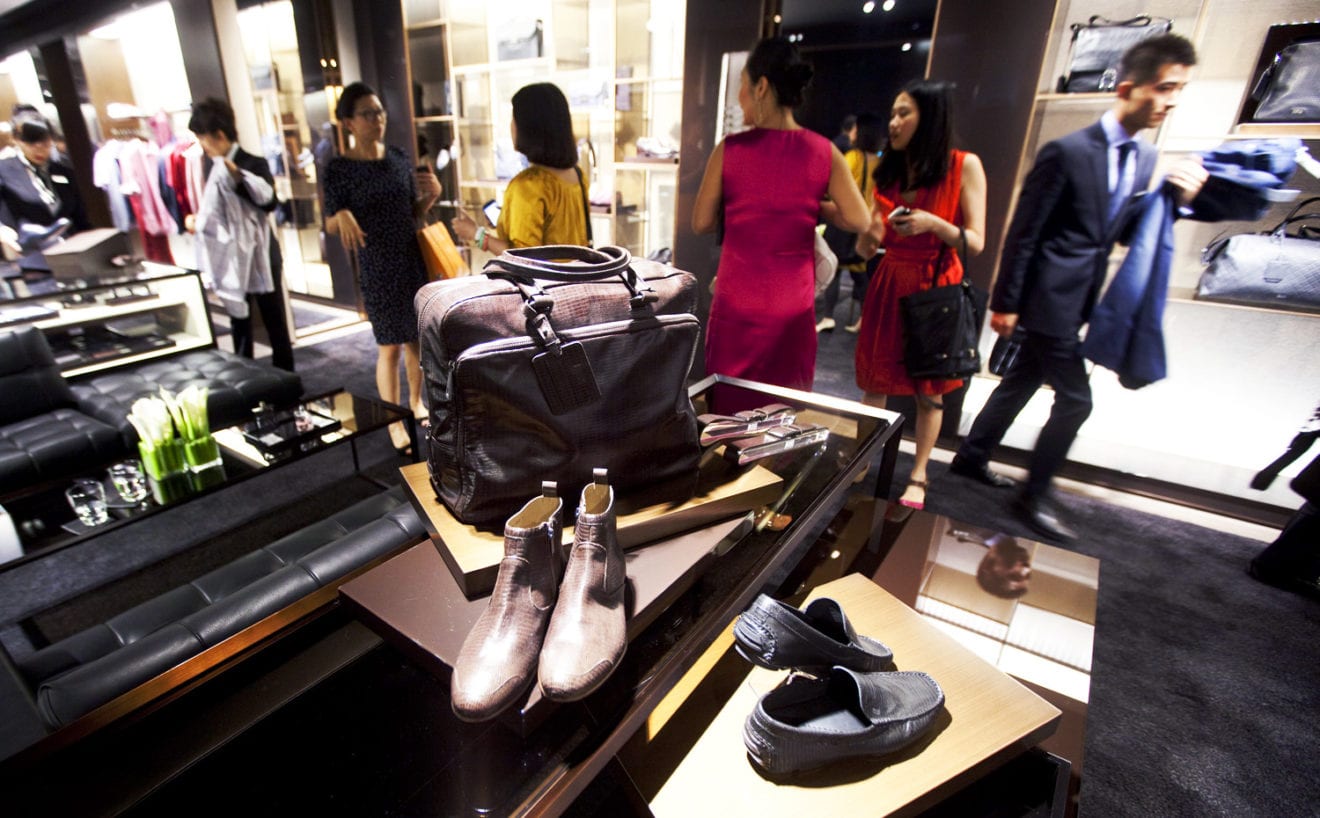
    German fashion retailer Hugo Boss sees Asia as a cornerstone of its growth strategy, saying while it already enjoys above-average growth in the region, there is potential for more. In a briefing to investors in London, the company’s managing board said it expects Asia will account for 20 per cent of its global sales by 2022, up one third from the current 15 per cent.

    “The board is convinced the group still has considerable growth potential particularly in Asia. Sales in the region are expected to increase on average at a double-digit percentage rate per year by 2022, with China playing a key role,” the company said in a statement.

    “In addition to the optimisation and expansion of the local retail network, the online business, also in cooperation with various multi-brand platforms, should contribute to above-average sales growth in particular.”

    Globally, Hugo Boss will focus on personalisation and speed to boost brand desirability between now and 2022. The company plans to increase currency-adjusted sales by between 5 per cent and 7 per cent annually for the next four years and grow its operating margin to 15 per cent. Operating profit will grow “significantly faster than sales,” the company said.

    “We have set ourselves high targets for the coming years”, said CEO Mark Langer.

    “We want to grow faster than the market, and expect our operating profit to develop significantly better than our sales. The successful realignment of our brands Boss and Hugo has laid the foundation for this. We will further increase the personalisation of our offerings in the future and speed up central processes in the course of further developing our strategy. Our overall aim is clear: We want to be the most desirable premium fashion and lifestyle brand globally.”

    Personalisation will be developed by adopting a more individualised customer approach, a personalised product range, “a unique shopping experience” and by building on its extensive experience in made-to-measure clothing.
    On the speed front, Hugo Boss plans to make its business processes “considerably more agile”.

    “This will enable the company to react to customer needs and to new market trends even more quickly and flexibly in the future. The existing skills of Hugo Boss in product design and development, our modern logistics and IT infrastructure and the use of digital showrooms will be the key levers,” the company said.

    It also plans to quadruple its own online sales by 2022.

  • China retail sales surges in October

    China retail sales surges in October

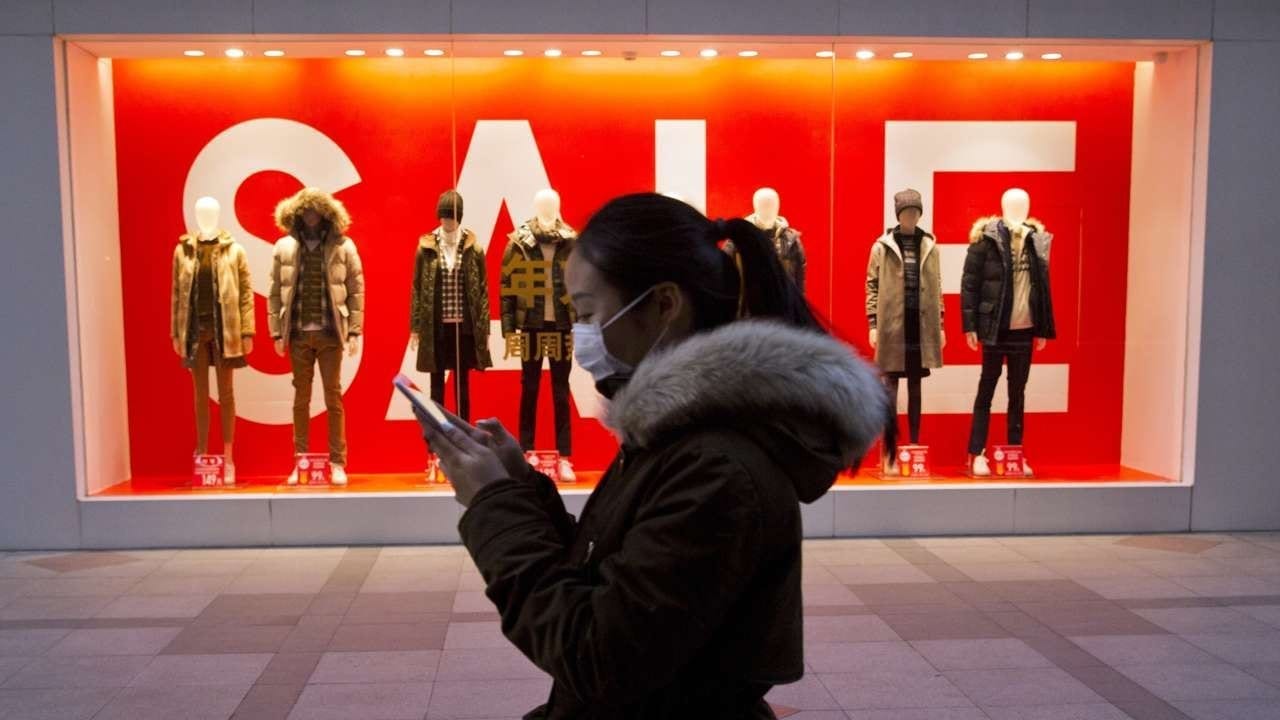
    Official figures for China retail sales show an 8.6 per cent year-on-year increase in October. That’s a little shy of the 9.2 per cent achieved in September and the same pace of growth for the first 10 months of the year.

    The data was released by the National Bureau of Statistics (NBS), which blamed the slowing growth rate on delayed consumption ahead of the 11.11 Singles Day shopping festival. Many products sold on Singles Day are pre-ordered, but not settled until the 24-hour sale commences, to boost the event’s topline figure.

    The NBS said sales in rural areas rose by 9.7 per cent in October, a faster rate than the 8.4 per cent in urban areas.

    Online spending soared 25.5 per cent to reach RMB 7 trillion during the first 10 months of this year.