Tag: retail sales

  • Hong Kong retail sales continue to fall

    Hong Kong retail sales continue to fall

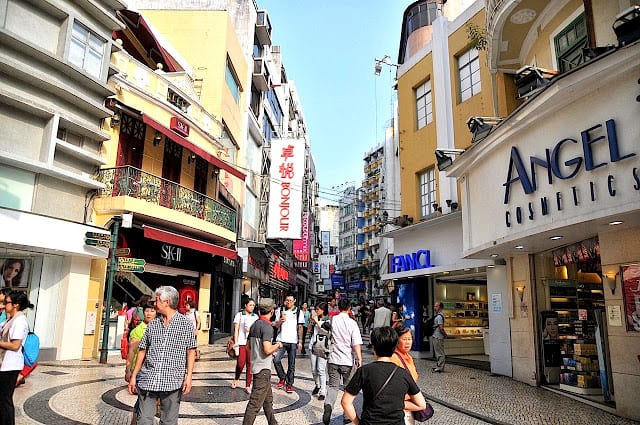
    Hong Kong retail sales fell again in January – by a modest 0.9 per cent.

    However, a spokesman from the Census and Statistics Department (C&SD) warned the figures may be have been affected by the earlier timing of Lunar New Year which fell at the end of January. he cautioned reading too much into the data until the combined January-February figures this year can be compared with last.

    In volume terms – taking into account the effect of inflation – sales fell by 1.4 per cent.

    “Looking ahead, the near-term outlook for the retail sales business will continue to depend on the performance of inbound tourism and on whether local consumer sentiment would be affected by the various uncertainties in the external environment,” he said.

    The value of total retail sales in January 2017 was provisionally estimated at HK$43.1 billion. The decline of 0.9 per cent was substantially lower than December’s 2.9 per cent decline – but January’s data could have been buoyed by spending on gifts and inbound tourist spending over the holiday period.

    “Local consumer spending normally attains a seasonal high before the festival. As the Lunar New Year fell on January 28 this year but on February 8 last year, the year-on-year comparison of the figures for January 2017 with those for January 2016 might have been affected by this factor to a certain extent.”

    Broken down into broad type of retail outlet in descending order of impact on the overall figure, sales of jewellery, watches and clocks and valuable gifts decreased by 3.9 per cent. This was followed by sales of apparel down 5.2 per cent, electrical goods and photographic equipment down 24.4 per cent, miscellaneous consumer durable goods  down 17.8 per cent, furniture  down 9.4 per cent and books, newspapers, stationery and gifts down 0.6 per cent.

    Categories to show an increase were supermarket sales up 5.4 per cent, department store sales up 2.8 per cent, food, alcoholic drinks and tobacco up 9.9 per cent, medicines and cosmetics up 2.8 per cent, ‘other consumer goods’ up 12.1per cent, footwear and accessories up 4 per cent, Chinese drugs and herbs up 1.5 per cent and eyewear up 3.4 per cent.

    After seasonal adjustment, the C&SD estimated the total value of retail sales decreased by 3.3 per cent in the three months ending January 2017, compared with the preceding three-months.
  • Jimmy Choo Asia sales soar

    Jimmy Choo Asia sales soar

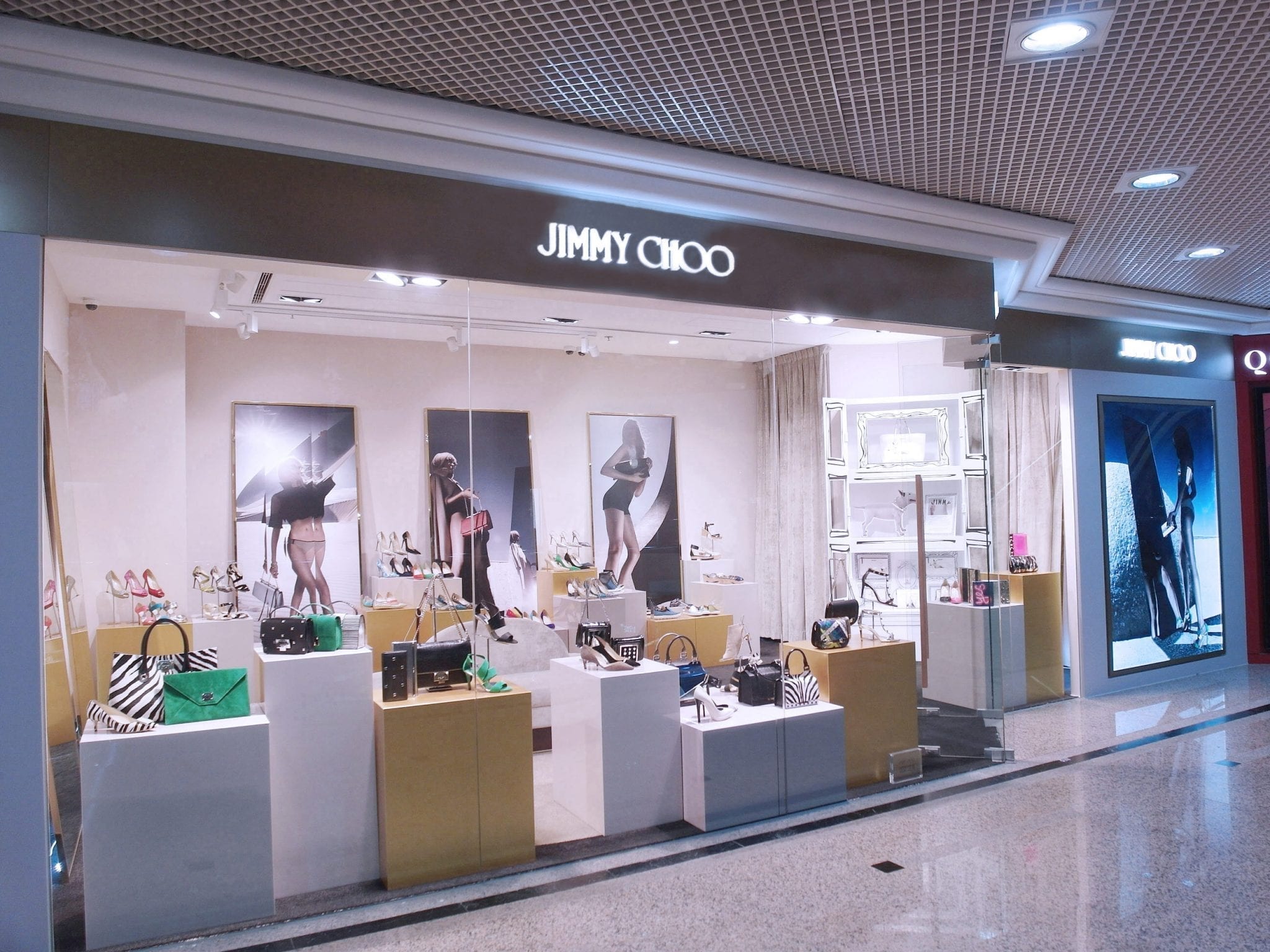
    Jimmy Choo Asia sales soared 19.2 per cent last year, according to its annual results.

    The solid performance reflects considerable investment in the Asian market – and was enough to mitigate a worrying 3.9 per cent in wholesale sales in the US.

    “While other luxury players such as Gucci and Louis Vuitton have struggled due to the demand for luxury goods falling in (Asia), Jimmy Choo’s strong British heritage has struck a chord with consumers,” observes Fiona Paton, a retail analyst with GlobalData Retail.

    Jimmy Choo CEO Pierre Denis says the brand “remains underpenetrated” in Asia and the company will continue to pursue new distribution opportunities there.

    For the year to December, Jimmy Choo’s global revenue grew at 1.6 per cent in constant currency and by 14.5 per cent in reported currency – up from £317.9 million in 2015 to £364 million last year.

    “On the surface these are an impressive set of results for Jimmy Choo with retail revenues climbing to £243.9 million and operating profits soaring 42.6 per cent,” says Paton.

    “However, the retailer’s reported high revenues were largely a result of currency changes during the year, which caused both sales values gains and changes to shopping patterns, as tourists favoured buying luxury items in the UK.”

    A foray into menswear boosted sales and broadened brand appeal during the year.

    “The move into men’s accessories and footwear comes as men show more interest in style and fashion, while its range of luxury trainers has helped leverage the lucrative athleisure trend,” says Paton.

    “The retailer reported both developments have been successful, especially men’s footwear and accessories which is now its fastest-growing category representing 9 per cent of all sales.”

    But she said Jimmy Choo’s greatest concern moving forward had to the the American market.

    “The fall in footfall to department stores’ luxury concessions caused total wholesale revenue to decline 3.9 per cent. Globally, the retailer opened 10 new format stores, but in the US the retailer relocated its New York flagship from Madison Avenue to SoHo and closed one of its new format stores. Jimmy Choo will need to develop more innovative marketing to ensure the brand still has the appeal it once did in a tougher US market.”

    With global like-for-like sales down 0.8 per cent, Jimmy Choo will be banking on Asian sales to continue to drive growth. Paton says the brand also needs to do more to boost its brand appeal.

    “Competitors like Burberry have invested in personalised marketing campaigns and teamed up with high-profile stars such as Sienna Miller to create feature-film style content. Jimmy Choo should look to create more creative campaigns and hire a well-known brand ambassador to gain more relevance and excitement.”

    Last year, the brand opened 16 new company-owned stores, taking its network to 150 worldwide, accounting for 45 per cent of revenues. Online sales account for  a further 6 per cent.

  • Sales soar for major Korean retailers

    Sales soar for major Korean retailers

    Major South Korean retailers saw their sales soar in January from a year earlier, driven by convenience stores and supermarket chains, government data shows.

    Combined sales for department stores, large outlets and online malls gained 8.3 per cent for the month, snapping a slide for three straight months, according to figures from the Ministry of Trade, Industry and Energy.

    Brisk sales and particularly soaring demand during the Lunar New Year holiday in late January helped boost sales, says the ministry.

    Sales by convenience stores surged 15.5 per cent year-on-year, followed by those of supermarkets with an 11.3 per cent gain. Department stores saw their sales rise 4.6 per cent.

    More “lone diners” – people who prefer to live and eat alone – has in part fuelled sales of prepared meals at convenience stores and frozen dishes at supermarkets, says the ministry.

    Convenience stores saw sales of instant meals, such as microwavable lunch boxes, hike 35.1 per cent, while the number of such stores grew by 13.3 per cent in the same period.

    Food sales by supermarket chains also helped boost growth with an 18.5 per cent gain.

    In contrast, online social commerce sites saw their sales inch down 0.1 per cent in January, largely because of increased marketing costs amid fierce competition. Online retailers overall saw their combined sales edge up 6 per cent for the month.

  • Modest rise for Macau retail sales

    Modest rise for Macau retail sales

    Macau retail sales posted a modest rise of 1.1 per cent in the fourth quarter of 2016, according to data from the Statistics and Census Service (DSEC).

    Sales totalled MOP 15.89 billion, driven by a rebound in visitor spending coupled with the festive seasons such as Christmas.

    The increase was the first year-on-year growth in Macau retail sales since the second quarter of 2014.

    The value of retail sales for the fourth quarter rose by 16.2 per cent compared with the revised figure of MOP 13.67 billion in the third quarter, reflecting the impact of Christmas. Retail sales of watches, clocks & jewellery accounted for 21 per cent of the total, followed by sales of goods in department stores (15.1 per cent), adults clothing (13.2 per cent), leather goods (11.5 per cent) and goods in supermarkets (6.5 per cent).

    Year-on-year changes in value were driven by leather goods (up 18.1 per cent). Pharmacy sales fell 17.4 per cent.

    Notable quarter-on-quarter increases were observed in retail sales of adults clothing (up 31 per cent), watches, clocks & jewellery (up 21.6 per cent), communication equipment (up 18.3 per cent), leather goods (up 18.1 per cent) and department store sales, up by 17.1 per cent.

    Full year data

    The total value of Macau retail sales for the whole of 2016 was MOP 57.51 billion, down by 6.6 per cent year-on-year.

    Sales of communication equipment fell 19 per cent and of watches, clocks & jewellery by 14 per cent. In contrast, leather goods sales rose 6.1 per cent, cosmetics & sanitary articles by 5 per cent and adult clothing by 4.1 per cent.

    The volume of retail sales for the whole year of 2016 dropped by 5.5 per cent, with marked decreases in sales of watches, clocks & jewellery, down 14.1 per cent. Leather goods sales soared 18.4 per cent.

    The DSEC also records retailers comments along with data. It reports 49.8 per cent of retailers anticipate sales volume in the first quarter of 2017 will remain stable compared with the same quarter of 2016, 46.2 per cent forecast a decrease and 4 per cent expected an increase. “Meanwhile, 74.5 per cent of the retailers anticipate stable retail prices in the first quarter of 2017 compared to the same quarter of 2016, 17.2 per cent expect a decrease, and 8.3 per cent predict an increase,” the DSEC said in a statement.

    “Moreover, 48.9 per cent of retailers anticipate business will worsen in the first quarter of 2017 compared with the fourth quarter of 2016, 44.3 per cent expect the business to remain stable, and 6.8 per cent expect an improvement.”

  • Real Singapore retail sales slightly rising

    Real Singapore retail sales slightly rising

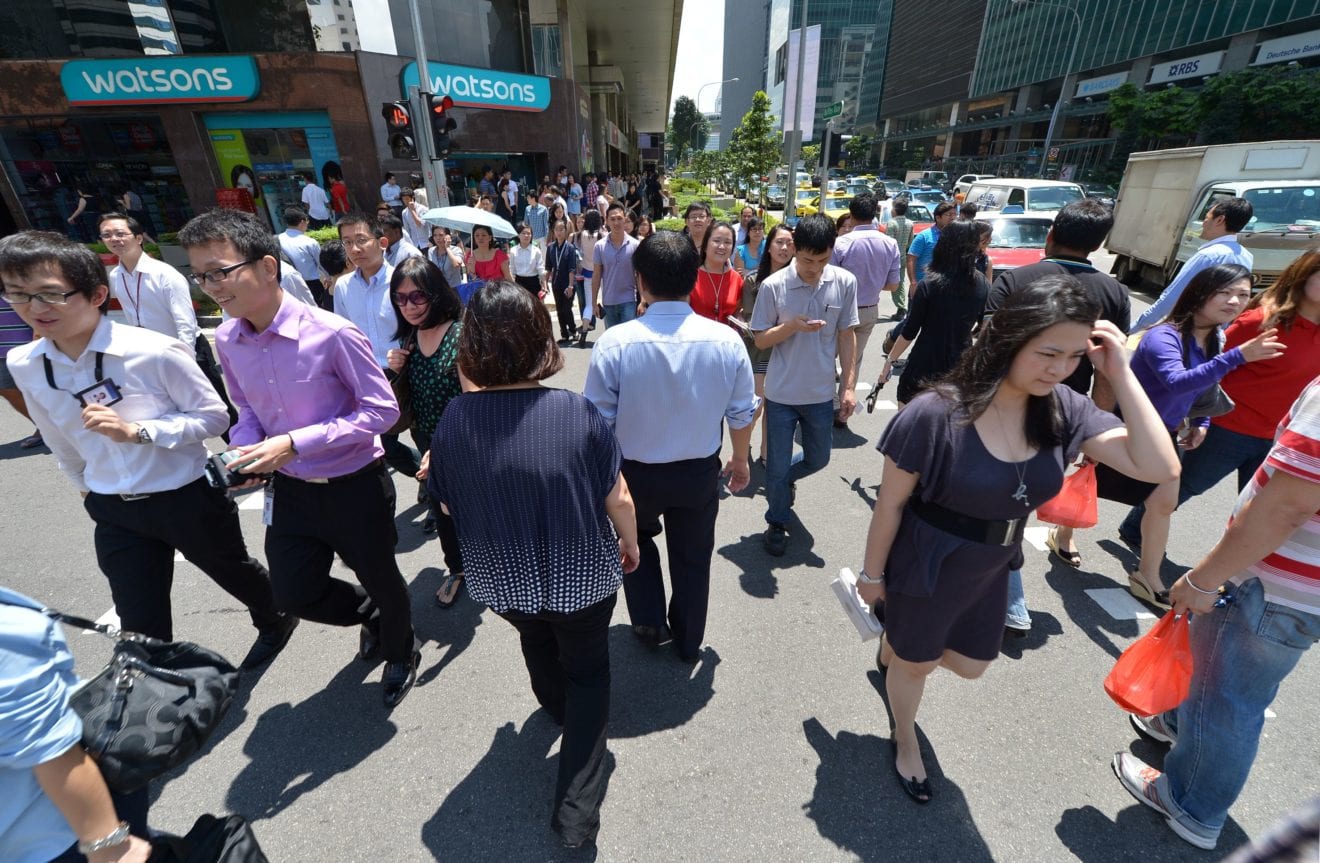
    Real Singapore retail sales – the data excluding motor vehicles – recovered 0.7 per cent in December over November – and by an even smaller 0.3 per cent year-on-year.

    Retail sales index Feb.

    The total value of retail sales in December 2016 was estimated at $4.2 billion, similar to that of December 2015.

    Sales of computer & telecommunications equipment and department stores fell 6.8 per cent and 2.2 per cent month-on-month.

    But sales of watches & jewellery, medical goods & toiletries, optical goods & books, recreational goods, mini-marts & convenience stores, furniture & household equipment, petrol service stations and supermarkets increased between 1.2 per cent and 6 per cent. Retailers of wearing apparel & footwear and food & beverages recorded marginal growths of 0.2 per cent and 0.1 per cent respectively.

    Year-on-year, retail sales of medical goods & toiletries, recreational goods, furniture & household equipment, mini-marts & convenience stores, optical goods & books and supermarkets rose between 0.8 per cent and 9.9 per cent in December 2016.

    In contrast, sales of computer & telecommunications equipment fell 9 per cent, with sales of petrol service stations, food & beverages, wearing apparel & footwear, watches & jewellery and department stores down by between 0.3 per cent and 2.2 per cent.

    Food & beverage services

    Sales of food & beverage services (seasonally adjusted) fell 2.2 per cent in December 2016 month-on-month. Compared to the same period last year, sales of food & beverage services declined 0.3 per cent in December 2016.

    F&B index Feb.

    After seasonal adjustment, turnover of fast food outlets decreased 5.6 per cent month-on-month, while sales of other eating places (such as cafes), restaurants and food caterers fell between 1.5 per cent and 1.8 per cent over the same period.

    Year-on-year, restaurant sales declined 7.9 per cent, but turnover at other eating places, food caterers and fast food outlets rose between 3.7 per cent and 5.1 per cent.

  • Parkson Retail sales continue to slide

    Parkson Retail sales continue to slide

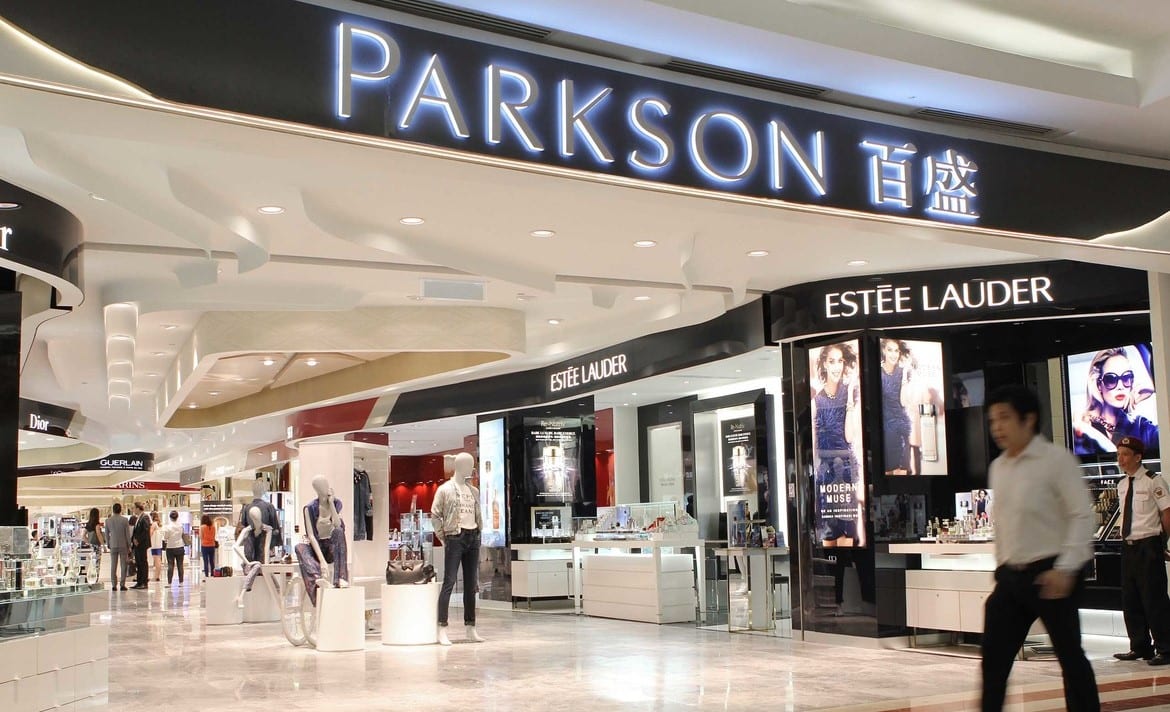
    Parkson Retail Asia has flipped from a S$2.9 million (US$2 million) net profit a year ago to a net loss of $2.23 million for its second quarter.

    This is despite a 7.4 per cent year-on-year rise in revenue to $111.14 million, with Parkson attributing its red ink to weak same-store sales growth as well as losses by some new stores and businesses.

    For the six months to December 31, the department-store group had a net loss of S$7.42 million, compared to a net profit of $52.36 million for the same period the previous year. Revenue rose 4.2 per cent to $204.48 million.

    Parkson Retail Asia says its performance in Malaysia will remain muted because of “fragile” consumer sentiment, while rising competition will make Vietnam challenging.
    Meanwhile, its business in Indonesia could be affected by the changing retail landscape in Jakarta, it says.

    In Myanmar, its store at FMI Centre in Yangon will be closed in the third quarter for property redevelopment by the landlord, with a replacement store scheduled to open later in the year.

  • Vietnam retail revenue reaches $11 billion

    Vietnam retail revenue reaches $11 billion

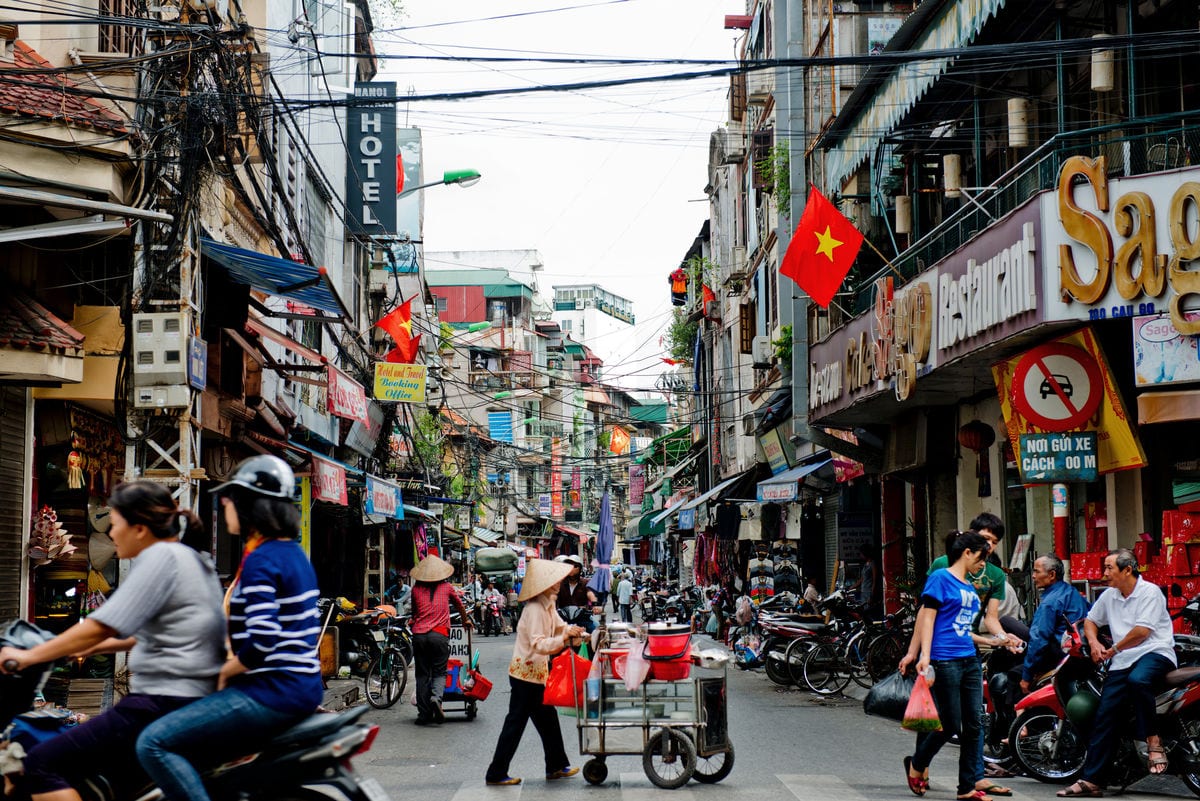
    Vietnam retail and services revenue rose 10 per cent year-on-year last month to US$15 billion.

    Excluding inflation, the amount marked a yearly increase of 6.7 per cent, says the General Statistics Office (GSO).

    Statistician Vu Manh Ha attributes the growth to stable prices, despite high local consumption in preparation for the Tet holiday and sufficient stocks in supermarkets for the country’s biggest festival.

    Retail accounted for more than three-quarters of total sales, reaching $11.5 billion – up 6.5 per cent from the previous month and 11 per cent more than the same period last year.

    Sectors recording positive growth included food and foodstuffs (up 13 per cent), textile and garments (up 11.5 per cent), transport services (up 11.2 per cent) and home appliances (up 7.8 per cent).

    Accommodation, restaurant and catering services, which made up 11.3 per cent of the total, topped more than $1.64 billion, representing a yearly rise of 3 per cent.

    Localities that did well in accommodation, restaurant and catering sales included Ba Ria-Vung Tau with a 12 per cent rise, Thanh Hoa (8.6 per cent), Kien Giang (7.4 per cent), Hanoi (5.7 per cent) and Da Nang (5.2 per cent). However, there were downturns in several localities, including Quang Binh with a 12.4 per cent drop, and Ho Chi Minh City and Nam Dinh, falling by 5.3 per cent.

  • Visitor arrivals stem Hong Kong retail sales decline

    Visitor arrivals stem Hong Kong retail sales decline

    Hong Kong retail sales declined 2.9 per cent in December, year-on-year, as visitor numbers showed signs of recovering and the watches and jewellery sector posted a long-awaited increase.

    That follows a revised Census and Statistics Department (C&SD) figure of 5.4 per cent for November, demonstrating that while the comparison is against a high decline a year earlier, the fall appears to be tapering off at last.

    For the full year, total retail sales were estimated at $436.6 billion, down 8.1 per cent in value and 7.1 per cent in volume over 2015.

    A government spokesman said the narrower year-on-year decline in December partly reflected the revival in visitor arrivals in that month, along with the stable labour market conditions which continued to help support local consumer sentiment.

    “Looking ahead, the near-term outlook for retail sales business will still depend on whether the recent improvement in inbound tourism could gain more traction and the extent to which local consumer sentiment would be affected by various external uncertainties.”

    According to the CSD, the value of total retail sales in December was provisionally estimated at HK$42.4 billion. After netting out the effect of price changes over the same period, the provisional estimate of the volume of total retail sales in December 2016 decreased by 2.8 per cent compared with a year earlier.

    Analysed by broad type of retail outlet in descending order of impact on the total retail market, wearing apparel drove the decline this month, down 4.2 per cent, followed by sales of commodities in department stores, down 3.2 per cent; electrical goods and photographic equipment down 25.2 per cent;  miscellaneous consumer durable goods down 23.9 per cent, footwear and accessories down 0.5 per cent; and books, newspapers, stationery and gifts down 2.2 per cent.

    Sales of sales of jewellery, watches and clocks, and valuable gifts increased by 2.3 per cent in December – while not a huge degree, a significant move given the impact they have on total retail sales figures. This was followed by sales of commodities in supermarkets, up 0.7 per cent; food, alcoholic drinks and tobacco up 5 per cent; medicines and cosmetics up 4.8 per cent, furniture and fixtures up 7.3 per cent; Chinese drugs and herbs up 9.3 per cent; and sales by optical shops up 6.2 per cent.

    For the whole of 2016, sales of jewellery, watches and clocks, and valuable gifts decreased by 17.2 per cent over the year and apparel by 4.9 per cent in value.

  • Apple China sales slide further

    Apple China sales slide further

    Apple China sales have fallen for the fourth consecutive quarter, but the tech giant is putting on a brave face, buoyed by rising global revenue.

    Apple sold 78.29 million iPhones in the quarter ended December 31, up from 74.78 million last year, marking the first quarterly growth in iPhone sales in 12 months. It was as many as 2 million handsets more than analysts were predicting.

    But revenue in Greater China fell 11.6 per cent to US$16.23 billion as the iPhone came under heavy pressure from a raft of locally produced Android-based handsets with similar or higher specification and half the price.

    Apple executives put a positive spin on the China problem. “We were encouraged by our performance in China because it was clearly an improvement over the last couple of quarters,” CFO Luca Maestri said in a conference call. “In Mainland China in particular, our revenue was flat and actually grew in constant currency terms.”

    Neil Saunders, MD of GlobalData Retail, (formerly Conlumino), said both the new model iPhones and MacBook Pros helped deliver global growth for Apple: iPhone sales rose by 5 per cent in terms of units and revenues, and Mac sales were up by 7 per cent in revenue, and by 1 per cent in units.

    “In our view, the new MacBook Pros have a niche appeal, but the much higher price points helped to inflate sales. That said, given there is a more limited market for this fairly expensive kit, we question how much of a contribution to growth the new laptops will make over the remainder of this fiscal year.”

    Saunders said the first quarter results were a fairly positive note for the company, “finally pulling out of the tailspin of lower sales which have dogged it over the past year”.

    “However, the revenue uplifts have come off the back of fairly soft prior year comparatives, especially so in the North American market. Even so, the performance will come as a relief to Apple.”

    Services key to future

    Apple CEO Tim Cook said he expects revenue from services – which include the App Store, Apple Pay and iCloud – to double in the next four years after an 18 per cent improvement to to US$7.17 billion in the last quarter. Pokemon Go and subscription revenues had driven the growth.

    Saunders notes that in monetary terms services is now bigger than iPad sales and is almost as big as Mac sales.

    “Encouragingly, the division is nowhere near as mature as other parts of Apple’s business and we believe there is significant scope for future growth as Apple rolls out more content and services.”

    Despite these positives, Apple’s results do not provide the company with a completely clean bill of health, according to Saunders.

    “The iPad business, which was once a key driver of growth, is now firmly in decline with sales down 22 per cent over the prior year. And despite both product and operating system updates, sales of the Apple Watch continue to be anemic and it is clear that this product line is unlikely to be a significant winner.

    “The other major negative comes from the profit line where net income fell by 2.6 per cent. Admittedly this is much better than the circa-20 per cent declines that Apple has posted across the past three quarters. However, it underlines the fact that the top line is not moving ahead by enough to keep pace with the increased investment costs in store refreshes, product development, and research. Given that Apple remains extremely profitable, this is not a huge problem – but it does indicate that the days of heady bottom line growth are over, at least for this fiscal year.”

  • Thailand readies for shopping mall boom in 2017

    Thailand readies for shopping mall boom in 2017

    Thailand can expect a slew of shopping mall openings in 2017, according to retail experts, as more international fashion brands and retailers look to take advantage of the evident mall culture in the Southeast Asian market.

    Japanese bank and consulting group Nomura said in a new research report that Thailand, and Southeast Asia as a whole, is experiencing rapid retail growth and increased store openings, which analysts expect will continue over the next twelve months.

    Moreover, demand for shopfronts in malls and retail spaces will outstrip retail supply in Thailand, according to report author Peerawat Dentananan.

    “We anticipate a rise in shopping mall-related investments driving near-term growth, and environmental improvements set in motion to boost longer-term growth,” said Dentananan in a note.

    The report estimates that Bangkok’s retail occupancy rate will stay above 97%, This follows the evidence that the supply of retail space in Bangkok has registered 6% compound annual growth between 2007 and 2015.

    Meanwhile, Nomura said Southeast Asian country’s bricks and mortar store are more secure to withstand current online shopping threat other markets are experiencing, because the consumers in these markets have embraced a mall culture.

    “Despite rapid growth, we believe e-commerce in Thailand is unlikely to overtake malls as reversing the trend in China, the [U.S.] and Singapore, given that malls in Bangkok are better developed and are usually located close to home,” Dentananan wrote.

    “We see shopping malls as a choice for [socializing] and/or taking care of personal lifestyle needs for Thai people, due to year-round hot weather (driving the demand for air conditioning) and the lack of nature parks.”

  • E-commerce in Japan: 20% of retail by 2022

    E-commerce in Japan: 20% of retail by 2022

    While the U.S. and China are already known as global e-commerce markets, it’s Japan that boasts the largest e-commerce potential, especially over the next three to five years, say two separate consultant groups.

    In 2015, Japan generated roughly $80 billion in e-commerce sales. This compares to some $350 billion of e-commerce sales in the U.S. and China’s whopping e-commerce sales result, which exceeded $650 billion in 2015.

    Yet, e-commerce will be Japan’s largest single retail channel by 2022, according to a recent report produced by JapanConsuming.

    Having overtaken convenience stores to become the second biggest already in 2015, the firm has forecast that Japan’s e-commerce share of retailing will reach 20% by 2022.

    “This is a forecast that few would challenge, although there are plenty of traditional retailers who are in deep denial,” said report authors, of the predictions.

    “The only point of contention is just how far ahead e-commerce will be by then. Given the sea-change in consumer preferences and shopping behaviour already visible, the coming change will be profound,” added the group.

    Japan’s demographic is ripe for e-tail. Approximately 93% of the total Japanese population (126 million) is urban, giving it the highest urban population of the top 10 e-commerce markets, according to e-commerce consultancy PFS. Much like JapanConsuming, PFS predicts Japan’s e-commerce sales to increase almost 40% by 2018, for a market total of over $122 billion.

    Japan also has the highest digital buyer percentage in the Asia-Pacific region, with 77 million digital buyers last year, said PFS, in its Global E-Commerce Report.

    As well as computers, mobile shopping is quickly growing, with half of all e-commerce transactions being conducted via mobile devices in 2015, a trend set to continue by 2022.
    In terms of payment, debit and credit cards are the most popular payment methods when shopping online, with over 66% of shoppers conducting transactions utilising this method.

    As for what online stores are attracting the Japanese e-shopper, marketplaces continue to dominate the e-commerce landscape. Japan’s three big sites, in order of market share, are Rakuten, Amazon Japan and Yahoo Japan Shopping. Collectively, these sites accounted for around 50% of total Japanese annual e-commerce revenue in 2015.

  • Record 32.59 million foreign tourists visit Thailand in 2016

    Record 32.59 million foreign tourists visit Thailand in 2016

    Thailand received a record 32.59 million foreign visitors last year, with revenue beating expectations and likely to exceed previous forecasts this year by growing 10 percent or more, officials said Monday.

    Thailand is proving popular even as terror scares, including a series of bombings in resorts towns killing four people, and the death of King Bhumibol Adulyadej had hotels and tour guides across the country on edge. Tourism fared better than expected after a bloodless coup deposed Thailand’s elected government in 2014 as well.

    The Tourism Authority of Thailand said Monday that the tourist industry earned 2.52 trillion baht ($71.4 billion) last year, up 11 percent from 2015.

    It said the country’s tourism industry is projected to bring in 733 billion baht ($20.8 billion) in the first quarter of this year, up 8 percent from the first quarter of 2016. Officials said their estimates, covering foreign and domestic tourists combined, indicate tourism revenue for all of 2017 may surpass earlier forecasts of 2.77 trillion baht ($78.5 billion).

    Thailand is the eleventh most-visited country in the world and boasted the sixth largest tourism industry by revenue in 2015, according to a U.N. report. Most travelers come from China, South Korea, and Japan, lured by Thailand’s year-round warm weather, as well as Western countries and Thailand’s neighbors in Southeast Asia.

    Foreign tourists are by far the most lucrative for the economy. Foreign arrivals are projected to total 9.3 million in the first quarter of this year, accounting for 490 billion baht ($13.9 billion) in revenue. In the same period, some 32.5 million Thai travelers accounted for 240 billion baht ($6.8 billion).

    “Thailand is still a popular destination,” Yuthasak Supasorn, governor of the Tourism Authority of Thailand, said at a news conference. “We have a lot of different things to offer our foreign visitors.”

    A steady economy and a growing number of travelers worldwide explain the boom, Yuthasak said.

    “Stability and improvements in the economy mean more foreign tourist arrivals,” he said. “So there’s clearly demand, and it’s up to us to accommodate everyone who wants to come.”

  • South Korea Dec department store sales rebound from Nov, reverse two declining years

    South Korea Dec department store sales rebound from Nov, reverse two declining years

    Sales at South Korea’s department stores in December rebounded from November on year-end gift purchases, trade ministry data showed on Monday, while sales for the whole year ended on a positive note, reversing two years of decline.

    Combined sales last month at department stores run by Hyundai Department Store, Lotte Shopping and Shinsegae Co rose 3.3 percent on-year, the Ministry of Trade, Industry and Energy said, bouncing from a 2.8 percent decline in November.

    Nearly all product categories saw rises in sales, which were led by offshore brand items and food products.

    Retail data has shown consumption has not fallen markedly since an influence-peddling scandal involving President Park Geun-hye engulfed the country late last year, although consumer sentiment is at its worst in nearly eight years.

    The central bank governor, Lee Ju-yeol, said earlier this month private consumption is likely to head down in 2017 due to uncertainties at home and abroad, hampering overall growth.

    Discount store sales, meanwhile, slipped 1.9 percent in December over a year earlier, the same trade ministry data showed, although not as bad as November’s 6.1 percent decline.

    In 2016, department store sales rose 3.3 percent, breaking two years of falls and rebounding from a 1.2 percent fall in 2015. Demand for luxury goods and large household appliances such as televisions and refrigerators bolstered sales, the ministry said.

    Discount store sales fell 1.4 percent in 2016, declining for a fifth straight year, the data said, as more consumers bought food items online from a widening variety of vendors.

    In 2015, discount store sales dropped 2.1 percent.

  • Japan December retail sales below expectations as BOJ meets

    Japan December retail sales below expectations as BOJ meets

    Japanese retail sales rose less than expected in December, government data showed on Monday, unwelcome news as the Bank of Japan meets to set monetary policy.

    Retail sales rose 0.6 percent in December from a year earlier, below the median market forecast for a 1.3 percent increase.

    The Bank of Japan is expected to announce a steady monetary policy after its two-day meeting Tuesday and seek to allay speculation of an early tapering of its massive stimulus.

    Weak consumer spending has dogged Japan’s economy, which has struggled to achieve steady recovery after decades of deflation and stagnation.

    “I didn’t expect December retail sales to be strong because end-year private consumption wasn’t strong,” said Shuji Tonouchi, senior market economist at Mitsubishi UFJ Morgan Stanely Securities.

    “Prices have been rising but it’s mostly due to the rise in energy prices, and domestic demand hasn’t changed…We are looking carefully at whether this would lead to sustained inflation,” Tonouchi added.

    Japan’s economy expanded for a third straight quarter in July-September as exports recovered, but domestic activity remained weak. Recent data has shown Japan’s core consumer prices fell at the slowest annual pace in nearly a year, a tentative sign that inflation and domestic demand may pick up in the coming months.

  • Check out which industry dragged Singapore’s retail sales in November

    Check out which industry dragged Singapore’s retail sales in November

    The said industry posted a 13.5% decline.

    Due to the 17% growth in motor vehicle sales, overall retail sales in Singapore posted a 1.1% spike. Without the said industry, retail sales would have slumped 2.1%. Guess which industry posted the heaviest drag.

    According to the Department of Statistics, retail sales of computer & telecommunications equipment declined 13.5% in November compared to last year.

    Likewise, retail sales of watches and jewellery, wearing apparel & footwear, furniture & household equipment, supermarkets, f&b, department stores, mini-marts & convenience stores, and petrol services fell between 1.1% to 6% during the said period.