Tag: retail sales

  • Singapore retail rents slipped in final quarter

    Singapore retail rents slipped in final quarter

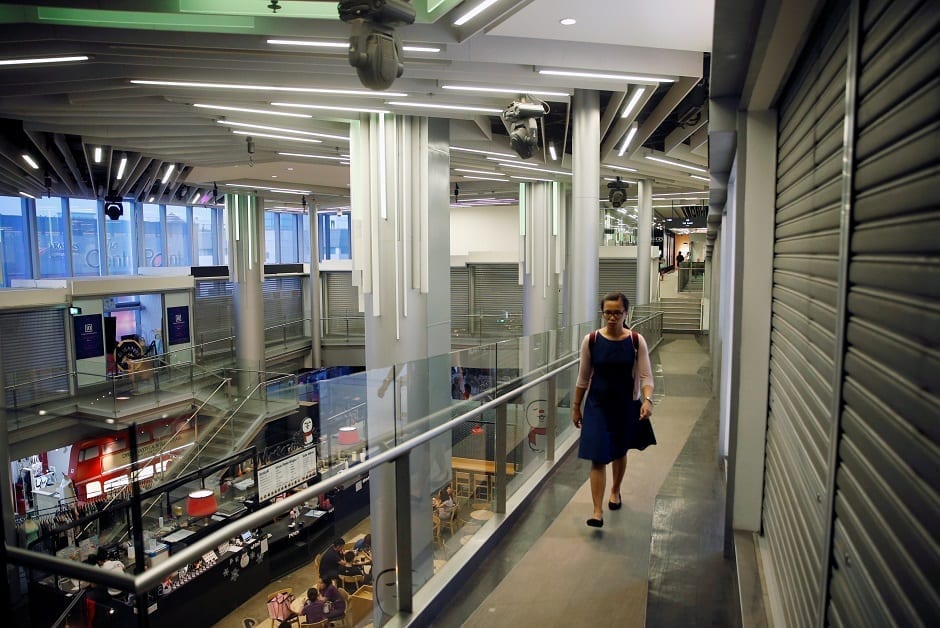
    Singapore retail rents slipped 1.3 per cent in the last quarter of 2016, compared with the previous quarter.

    According to data from JLL Singapore, included in a pan-industry market review, retail rents were under most pressure in the Marina quarter where most of the new space coming onto the market in the quarter was concentrated.

    Despite positive net absorption of the opening of South Beach (60,000 s ft) and Tanjong Pagar Centre (100,000 sqft), rental corrections in the Marina submarket remained underpinned by the weak performance of retailers, with many of them seeking pre-termination of their leases, reports JLL.

    The average vacancy rate of suburban malls, including Reit-owned and strata-titled shopping centres, has more than doubled from less than 1 per cent in 2013 to 2.4 per cent in the fourth quarter of last year. Year-on-year, average monthly gross rents for prime retail space in suburban malls fell by 7.1 per cent in the quarter.

    Prime retail rents in Orchard Road have fallen 7.5 per cent over the same period.

    The quarter saw marginal year-on-year retail sales decline in October, (excluding motor vehicles), driven by poorer sales in computers and telecommunications equipment and watches and jewellery, “ indicating the persistence of weak consumer sentiment”.  And despite take-ups being dominated by the entry of new F&B operators, the F&B sales index also recorded a similar year-on-year decline.

    “Total retail investment sales value for the fourth quarter rose sharply from a quarter ago, driven by the interest in retail assets in the suburban submarket, likely due to the resilient rental income they provided,” reported JLL. “Jurong Point, one of the biggest suburban shopping centres, was put up for sale at a price of more than SG$2 billion and received considerable interest.

    “However, apart from the marginal compression of yields in the suburban submarket, overall yields remained relatively stable as the rate of capital value correction was in line with rental decline across the Orchard and Marina submarkets.”
  • Real Singapore retail sales slide

    Real Singapore retail sales slide

    Real Singapore retail sales fell 2.1 per cent in November in a disappointing month for the sector.

    sg-sales-11

    Month-on-month they slipped 0.3 per cent.

    Sales of motor vehicles helped drive the topline figure to an increase of 0.5 per cent.

    According to Statistics Singapore, total retail sales in November 2016 were estimated at $3.6 billion, similar to that in November 2015.

    Year-on-year, the computer & telecommunications equipment sector was the worst performer, declining 13.5 per cent

    Sales of watches & jewellery, wearing apparel & footwear, furniture & household equipment, supermarkets, food & beverages, department stores, mini-marts & convenience stores and petrol service stations fell between 1.1 per cent and 6 per cent during the period.

    Bucking the trend medical goods & toiletries, recreational goods and optical goods & books, which increased by between 0.3 per cent and 4.4 per cent.

    Food and beverage

    sg-fb-sales-11

    Turnover of restaurants decreased 11.9 per cent in November 2016 compared to November 2015. In contrast, sales of food caterers, fast food outlets and other eating places increased between 5 per cent and 7.5 per cent during the period.

    Sales of restaurants and other eating places (such as cafes) declined 6.4 per cent and 0.5 per cent respectively month-on-month. Conversely, turnover of fast food outlets and food caterers rose 8.1 per cent and 0.2 per cent.

    The total sales value of food & beverage services in November 2016 was estimated at $650 million, $9 million less than in November 2015.

  • Hong Kong retail sales decline widens

    Hong Kong retail sales decline widens

    The decline in Hong Kong retail sales widened in November, although the market is still performing better than in the previous quarter.

    Official government data shows the value of sales in November 2016, provisionally estimated at HK$36 billion, decreased by 5.5 per cent compared with the same month in 2015.

    However, a government spokesman said that while Hong Kong retail sales saw a somewhat widened year-on-year decrease in November, the decline in sales in October and November combined was still smaller than during the third quarter.

    He attributed the trend to the impact of reduced tourist spending on some big-ticket items during the month.

    The revised estimate of the value of total retail sales in October 2016 decreased by 2.9 per cent year-on-year. For the first 11 months of 2016, it is provisionally estimated total retail sales decreased by 8.6 per cent year-on-year.

    After netting out the effect of price changes over the same period, November sales fell by 5.6 per cent. For the first 11 months of 2016, total retail sales decreased by 7.6 per cent in volume.

    As usual, watches and jewellery drove the value decline, falling 14.4 per cent year-on-year. Sales of electrical goods and cameras fell by 27.3 per cent (but account for a smaller share of the total retail market).

    Supermarket sales fell 1.1 per cent in value, medicines and cosmetics by 3 per cent, books, newspapers, stationery and gifts by 5.8 per cent and eyewear by 1.3 per cent.

    On the other hand, sales in department stores rose by 1.7 per cent, and apparel by 4.1 per cent. Food, alcoholic drinks and tobacco sales rose by 0.9 per cent, footwear and accessories by 1.5 per cent, furniture by 1.9 per cent and Chinese drugs and herbs by 2.7 per cent.

    Based on the seasonally adjusted series, the provisional estimates of the value and volume of total retail sales both increased by 4.7 per cent in the three months ending November 2016 over the preceding three-month period.

    The government spokesman said the future performance of Hong Kong retail sales will depend on whether inbound tourism improves “and whether the various external uncertainties would affect local consumer sentiment”.

  • S. Korea’s retail sales rise 6.5 pct in Nov.

    S. Korea’s retail sales rise 6.5 pct in Nov.

    Sales of major South Korean retailers including department stores and Internet shopping malls rose in November from a year earlier on brisk online purchases, government data showed Thursday.

    The combined sales of department stores, large outlets and Internet shops increased 6.5 percent on-year last month, with cumulative sales of the January-November period jumping 10.6 percent, according to the data by the Ministry of Trade, Industry and Energy.

    The ministry said the on-year gain is led by online sales which soared 20.2 percent on the back of rising overseas purchases through global sale events including Black Friday in the U.S.

    Sales of offline stores, however, edged up 0.3 percent as a 15.3-percent gain at convenience stores was offset by a 2.8-percent drop at department stores and a 6.1-percent fall at large discount chains.

    Decreased holidays and shoppers after the nationwide shopping festival Korea Sale Festa that ended in October dragged down sales at department stores, added the ministry.


  • Stores giant feels the pinch of retail woes

    Stores giant feels the pinch of retail woes

    CEC International Holdings (0759), which operates 759 Store outlets, recorded a net loss of HK$29.9 million for the six months to October, a reversal from the HK$8.1 million net profit that it made a year earlier.

    Loss per share was 4.49 HK cents in its fiscal first half against earnings per share of 1.21 HK cents a year earlier.

    Revenue fell 14.2 percent to HK$1.1 billion from HK$1.3 billion.

    The firm blamed the local market’s weakness, leading to a 13.3 percent decline in its retail business to HK$1 billion.

    It said total retail sales value in Hong Kong has declined for 20 consecutive months, but its retail business is still expanding, specifically the number of its retail stores and warehouses. Thus, revenue growth was below expectation and did not fully offset rising costs.

    CEC International said it incurred a foreign exchange loss of HK$22.3 million due to the yen’s appreciation against major currencies from the fourth quarter last year until the latest reporting period. In contrast, it made an exchange gain of HK$19.4 million in the same period last year.

    Chairman Lam Wai-chun said it will set “die-hard defense” as a target of its retail business in the second half.

    It will consider rent-to-sales- performance ratio and the reasonable distribution of location of its 70 to 80 branches, the leases of which are due to expire by the end of next year.

    CEC International said it expects to close down or revamp 13 branches in the second half. By October, it plans to open five new branches and merge two outlets.

    It will also terminate the lease of one of its major warehouses for retail logistics in 2017.

    It will either turn 759 Kawaii outlets for cosmetics and personal care products into 759 stores or close them.

  • Malaysia’s ‘gain’ and Singapore’s ‘loss’

    Malaysia’s ‘gain’ and Singapore’s ‘loss’

    An extensive study by the National University of Singapore’s Business School between 2010 and 2012 showed a significant difference in the spending habits of Singaporeans, between those who lived closer to the Malaysian border and those further away, The New Paper reported today.

    With Singapore’s GDP growth falling below original estimates this year and cut backs in forecast for 2017, two academics in the island republic believe there will be even more Singaporeans crossing the border for their day-to-day shopping needs, The New Paper reported today.

    They supported this theory with data that showed the trend among Singaporeans making day to day purchases from Johor compared with other high-end products.

    NUS visiting professor Sumit Agarwal and associate professor of finance Qian Wenlan reported some of their findings in the Singapore daily, stating that for the period of the survey, 48,000 Singapore nationals participated, half living in the north, near the Malaysian border, and the other half much further away.

    “First, we studied credit card transactions. We ensured that both sets of individuals were comparable in income and demographics.

    “We found those living near the border had significantly lower credit card spending (32% less) within Singapore than those living further from the border, for products that were substitutable, like supermarket purchases, apparel and dining.

    “In contrast, credit card expenditure on non-substitutable products like utilities, government services, medical services and education was the same.”

    The two academics added that other indicators, such as usage of debit cards, ATM withdrawal levels and online banking transactions were also on par between those near and far from the border.

    They naturally concluded that the main attraction to shopping in Malaysia was the “continuously weakening ringgit”.

    “However,for the period of the survey, the push factor in driving Singaporeans to Johor was also the fact that Singapore had a 7% GST in place.

    “The Malaysian government only introduced a similar GST in April last year at a rate of 6%. Until then, Singaporeans enjoyed a 7% tax advantage when shopping in Johor,” the academics said.

    They, however, did not believe that the implementation of the 6% GST by Malaysia would make much of a difference to the result of their study.

    The concern, however, should be for retailers in Singapore, the professors said.

    “A separate study involving retail outlets in Singapore was carried out. Data was collected on sales of snacks, soft drinks and detergent.

    “Across all three product categories, shops in areas that were close to JB had much lower sales per capita, corroborating our earlier findings,” Sumit and Qian said, adding that cigarettes were also popular among Singapore shoppers in Johor.

    The study concluded that with the ringgit’s ever-weakening value and Singapore’s slowing economy, more and more Singaporeans will be happy for the savings they will make across the causeway.

  • Japanese department store facing downturn

    Japanese department store facing downturn

    Japanese department store sales fell 2.4 per cent in November, year-on-year, the ninth consecutive monthly decline.

    The Japan Department Stores Association reported total sales at 234 outlets run by 81 companies were ¥525.7 billion, (US$4.47 billion). It said it expected an improvement in December’s sales data as consumers enjoyed an end-of-year shopping spree.

    November was the third consecutive month when the rate of decline had narrowed. October’s same-store sales fell 6.5 per cent.

    The JDSA says most categories posted sales declines – with the notable exception of cosmetics.

    Meanwhile, the Japan Franchise Association says convenience store sales in November increased 0.5 per cent year on year to ¥773.4 billion (US$6.58 billion), the second consecutive monthly improvement.

  • How Did China’s Retail Sales Look in November?

    How Did China’s Retail Sales Look in November?

    On a year-over-year basis, China’s retail sales showed strong recovery in November 2016, according to the National Bureau of Statistics of China.

    The country’s retail sales rose 10.8% in November, compared to 10% in October. This reading was far above the market’s expectation of a 10.1% rise, and it was the highest since January 2016.

    How Did China’s Retail Sales Look in November?

    Sector-by-sector performance

    Building material sales rose 11%, furniture sales rose 8.8%, home appliance sales rose 14.7%, communications equipment sales rose 17.8%, personal care sales rose 10.7%, automobile sales rose 13.1%, and cosmetics sales rose 8.1%.

    Economic impact

    These sales improvements in different sectors signify that consumer sentiment is improving. After the slowdown in economic activity in China, the economy is going through a transitional phase. From a manufacturing hub, it’s transitioning to a consumer-based economy. Consumerism will play a large role in the country’s future economic growth.

    Consumption patterns are changing in China’s economy. Chinese consumers are becoming more selective toward the products and services that they use. As China is one of the world’s most important economies, improvement in its growth drivers could aid the global economy.

    In the next part of this series, we’ll see what indicators investors should look for this week.

  • Macau retailers and restaurants struggling

    Macau retailers and restaurants struggling

    Most Macau retailers and restaurants have had a difficult October, reporting depressed sales.

    More than half of the city’s dining establishments had strong revenue declines for the month, with just a quarter reporting a slight improvement.

    According to the latest industry climate survey by the Department of Statistics and Census Services (DSEC), the 26 per cent of respondents who had increased turnover say this was driven by an increase in visitors to the city during the one-week National Day holiday.

    Overall, the rise in revenue was 5 per cent compared to September. But for 49 per cent of the Chinese restaurants interviewed and 13 per cent of the Japanese and Korean restaurants, revenue was up by 20 and 6 per cent respectively.

    However, 51 per cent of the respondents reported a decrease in turnover of 12 per cent overall.

    Macau’s retail sector paints a similar picture. About 58 per cent of respondents (1 per cent more than in September) saw their turnover fall, while about 35 per cent (5 per cent more) reported increased sales.

    By sector, leather goods retailers had higher sales, as did 53 per cent of the watches, clocks and jewellery segment, half of adult clothing retailers, 44 per cent of supermarkets and 22 per cent of department stores.

    A 20 per cent or more drop in sales was reported by 78 per cent of department stores and 60 per cent of cosmetics and healthcare retailers.

    Survey respondents do not expect the situation to change soon.

  • Singapore retail sales almost back on track

    Singapore retail sales almost back on track

    Real Singapore retail sales rose in October month-on-month – but slipped year-on-year.

    retail-october

    According to official Statistics Singapore data released Thursday, seasonally adjusted retail sales rose 1.5 per cent (excluding motor vehicles) on September’s figures. But while the headline figure showed a 2.2 per cent increase on October 2015, after removing motor vehicles, the real result was a drop of 0.3 per cent.

    Month-on-month, the performing categories were watches & jewellery, medical goods & toiletries, by department stores, food & beverages, apparel, footwear, supermarkets and recreational goods which increased between 0.3 per cent and 7.1 per cent. But sales of furniture & household equipment, and through mini-marts & convenience stores, optical goods and books decreased between 0.1 per cent and 4.6 per cent.

    Compared to October 2015, retail sales of recreational goods, watches & jewellery, food & beverages, by department stores, supermarkets and medical goods & toiletries rose between 0.3 per cent and 5.6 per cent.

    In contrast, retail sales of computer & telecommunications equipment, apparel & footwear, furniture & household equipment and optical goods & books decreased between 1.8 per cent and 8.1 per cent..

    Food & beverage sales

    fb-octoberIn the food and beverage sector, (for consumption outside home), sales of fast food outlets, restaurants and other eating places, such as cafes, decreased by between 3.5 per cent and 5.6 per cent in October 2016 over September. Turnover of food caterers, other eating places and fast food outlets increased between 2.6 per cent and 5.8 per cent year-on-year, while restaurant sales declined 4.9 per cent.
  • China retail sales peak in November

    China retail sales peak in November

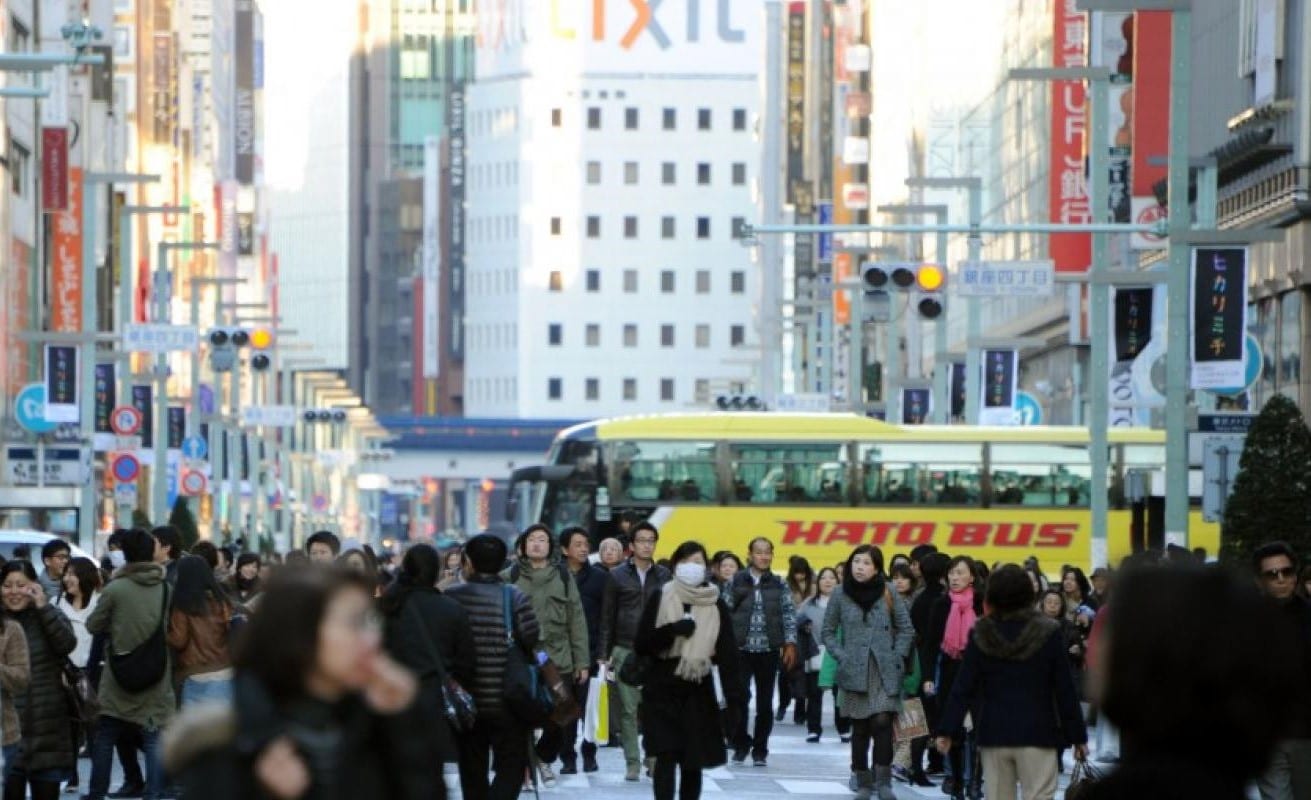
    China has reported November was its strongest month of retail sales growth for the whole year.

    While official government figures are usually greeted with a degree of scepticism by retail company executives, they are the only data available to build any sort of picture on the giant’s market’s trading fortunes.

    According to the latest data, total retail sales climbed 10.8 per cent representing the fastest pace since December 2015 and exceeding expectations of a 10.1 per cent rise.

    According to Reuters news agency, the figures were boosted by a higher than usual number of motor vehicle sales (During Alibaba’s 11.11 promotion, 100,000 new cars were sold) along with home appliances and cosmetics.

    Luxury retailers like Kering Burberry and TIffany are among those reporting improved fortunes in the mainland this year after a three-year long decline.

    “Part of that is due to the falling value of the yuan, which diminishes the appeal of spending abroad and encourages more domestic spending,” Wang Jianhui, an economist with Capital Securities in Beijing, told Reuters.

  • Hong Kong retail sales finally stabilising

    Hong Kong retail sales finally stabilising

    Hong Kong retail sales fell by the lowest rate in October in more than a year.

    Provisional figures released by the Census and Statistics Department (C&SD) show a decline of 2.9 per cent year-on-year, following a 4 per cent revised decline in September, (the original estimate was 4.1 per cent).

    “The year-on-year rate of decline in retail sales narrowed further in October, mirroring the similar performance of visitor arrivals in that month,” said a government spokesman commenting on the figures.

    “The stable job market and increasing household incomes also rendered support to local consumer sentiment.”

    The value of total retail sales in October was provisionally estimated at HK$36.1 billion. For the first 10 months of 2016 retail sales decreased by 8.9 per cent compared with the same period in 2015.

    Perhaps most significant was the clear bottoming-out of sales of jewellery, watches and clocks and valuable gifts after more than 18 months of heavy decline – the single biggest contributing category to the monthly retail sales data. Those sales edged down by a mere 0.1 per cent year-on-year in October.

    Electrical goods did most of the damage – down 21.7 per cent,while books and stationery were down 4.3 per cent and optical goods down 2.1 per cent. Medicines and cosmetics sales fell 1.8 per cent.

    On the positive side, the value of sales of commodities in supermarkets increased by 3.5 per cent and food, liquor and tobacco sales rose by 1 per cent. Footwear and accessories sales rose by 4.9 per cent and furniture and fixtures by 2.8 per cent.

    After netting out the effect of price changes over the same period, the provisional estimate of the volume of total retail sales in October 2016 decreased by 2.7 per cent. The revised estimate of the volume of total retail sales in September 2016 decreased by 3.8 per cent. For the first 10 months of 2016, total retail sales decreased by 7.8 per cent in volume.

    The government spokesman said that looking ahead, the near-term outlook for retail sales will still hinge on the performance of inbound tourism “as well as the extent to which local consumer sentiment will be affected by the various external uncertainties”.

  • Japanese retail sales barely changed in October

    Japanese retail sales barely changed in October

    Japanese retail sales fell 0.1 per cent year-on-year in October, according to the Ministry of Economy, Trade and Industry.

    But while sales were down, the figures were much better than the 1.6 per cent fall analysts expected, after September’s 1.7 per cent decline.

    Seasonally adjusted monthly sales rose 2.5 per cent – also exceeding analysts’ forecasts of 1.1 per cent and representing a big leap on September’s 0.3 per cent rise.

    Larger retailers, such as hypermarkets and department stores, recorded a 1 per cent year-on-year decline, following September’s 3.2 per cent decline.

  • Real Singapore retail sales ease up in September

    Real Singapore retail sales ease up in September

    Real Singapore retail sales recovered marginally month-on-month in September after a series of declines.

    Real retail sales, are the figures excluding motor vehicles. They rose 0.7 per cent against August but fell 1.9 per cent on September 2015. Sales including motor vehicles, sales fell 0.7 per cent month-on-month and rose 2 per cent.

    Total retail sales value in September 2016 was estimated at $3.5 billion, higher than the $3.4 billion in September 2015.

    Retail sales index September

    Month-on-month, retail sales of motor vehicles, watches & jewellery, medical goods & toiletries, optical goods & books, department stores and supermarkets decreased between 0.1 per cent and 6.3 per cent in September 2016 over August.

    Sales of recreational goods and computer & telecommunications equipment grew by 12.4 per cent and 11.1 per cent respectively. Sales of petrol service stations, furniture & household equipment, mini-marts & convenience stores, food & beverages and wearing apparel & footwear also increased between 1 per cent and 9.7 per cent.

    Compared to September 2015, sales of recreational goods, mini-marts & convenience stores, medical goods & toiletries, petrol service stations and furniture & household equipment increased between 0.1 per cent and 6.7 per cent. Sales of computer & telecommunications equipment, food & beverages, watches & jewellery, department stores, supermarkets, optical goods & books and wearing apparel & footwear declined between 2.9 per cent and 9.6 per cent.

    Food & Beverage results

    Sales of food & beverage services (seasonally adjusted) increased 3.6 per cent in September 2016 over the previous month and 3.5 per cent compared with September 2015.

    The total sales value of food & beverage services in September 2016 was estimated at $687 million, higher than the $664 million in September 2015.

    FB index September

    Turnover of restaurants and other eating places (such as cafes) increased 6.6 per cent and 6.2 per cent respectively in September over August. Sales by food caterers and fast food outlets decreased 6.6 per cent and 2.2 per cent.

    Year-on-year, sales by other eating places, fast food outlets and restaurants increased between 0.9 per cent and 7.9 per cent. Food caterers’ sales fell 1.4 per cent.

  • Retail decline in China, says Fitch report

    China’s traditional retail industry is continuing to decline with demand likely to “remain muted” into next year, according to a new Fitch report.

    The credit rating agency’s report covers shops and and department stores.

    “Not only are shopping preferences changing, but declining consumer sentiment affected retail sales in several categories this year,” analysts Yee Man Chin and Cathy Chao say in the report. “We think the rapid change in shopping formats will increase competition, and therefore expect persistent weak sales for traditional retailers as consumer preferences evolve.”

    In the first nine months of this year, the top 50 domestic retailers saw sales fall 1.9 per cent, representing a slowdown in growth of 2.6 per cent compared to the same period last year, according to the China National Business Information Centre.

    Despite the country’s middle class expanding, sentiment has been dampened by a devalued renminbi and the economic slowdown, says Chin and Chao. Shoppers are now increasingly favouring eCommerce, which makes up 20 per cent of the country’s retail sector, and shopping malls over traditional channels such as department stores and street-level stores.

    This is reducing profitability for retailers who run their own stores with a fixed cost base for rent and staff, the analysts say.

    While the retail sector expanded 10.4 per cent in the first-three quarters of the year, the growth was largely from online sales, which surged 26.1 per cent year-on-year to 3.5 trillion yuan (US$513.8 billion), according to data from the National Bureau of Statistics (NBS).

    Same-store sales for Parkson Retail Group fell 9.7 per cent in the first half, while for the Golden Eagle Retail Group the drop was 8.7 per cent. Chinese shopping centre group Intime Retail, which is backed by Alibaba, had a 3.7 per cent fall in sales in the first nine months of the year.

    More competitive

    Weakness in the industry is making the retail environment increasingly competitive, say Chin and Chao. “Retailers can gain an edge by improving their product mixes, because certain industry segments such as sporting goods are continuing to grow.”

    Sports companies went through consolidation in 2012, and with consumers becoming more health-conscious, suppliers like 361 Degrees International “should benefit accordingly from sales growth,” says the Fitch report. A Chinese athletics brand, 361 Degrees has seen same-store sales growth rebound by more than 5 per cent since 2013.

    Traditional retailers are also resorting to new tactics to attract customers. These include “experimental shopping” whereby outlets increase their F&B, lifestyle and entertainment options, as well as linking online-to-offline shopping capabilities, the analysts say.

    Through “gimmicks” and technology adoption, retailers can draw millennial and middle-class shoppers by offering digital and personalised shopping, says Colliers International (Hong Kong) associate director of research Joanne Lee.

    “We believe technology will come into the market, and artificial intelligence or virtual reality will enhance the shopping experience,” she says.
    Her colleague director Daniel Shih says social media will be a focal point for the future, for both retailers and shopping centres.

    These strategies have been evident in the roll-out of the annual Singles Day shopping event hosted by Alibaba, reports the South China Morning Post.

    While retailers can take steps to reduce costs, such as reducing inventory or closing stores, Fitch says the structural challenges facing the retail sector are likely to persist.