Tag: retail sales

  • Father’s Day call for men’s health service

    Father’s Day call for men’s health service

    A legislator has called on the government to set up a men’s health-care service that combines physical and psychological treatment to help middle-aged men with sexual health problems.

    Civic Party lawmaker Kwok Ka-ki, a urology doctor, made the call on Father’s Day.

    Many men aged 30 or above are faced with diseases of the reproductive system, including erectile dysfunction and benign prostatic hyperplasia, Kwok said.

    He noted that there used to be a male health department in Kwong Wah Hospital, a public hospital in Yau Ma Tei, during the 1990s, but the services were withdrawn due to a lack of resources.

    Health-care centers for men are run by the nonprofit Family Planning Association of Hong Kong in Tsuen Wan, Wan Chai and Ma Tau Chung.

    “The male health services provided by the Family Planning Association of Hong Kong are not cheap. A tablet to treat erectile dysfunction could cost up to HK$100. Grassroots citizens may not be able to afford it,” Kwok said.

    While Kwok urged the Hospital Authority to set up male health centers, he also advised the government to integrate counselling services into the men’s health-care services.

    “Most cases of sexual dysfunction in men are caused by psychological problems, such as stress from work and family, and can be treated with sex therapy,” he said.

    Kwok said health clinics with sex therapy services are very common in Europe and America.

    “When men go to see urology doctors in Hong Kong, they can only get assistance on their physical health, but not on their sexual or marriage problems.”

    Kwok suggested the government set up combined clinics, offering, for example, one-stop urology diagnostic services and sex therapies for men.

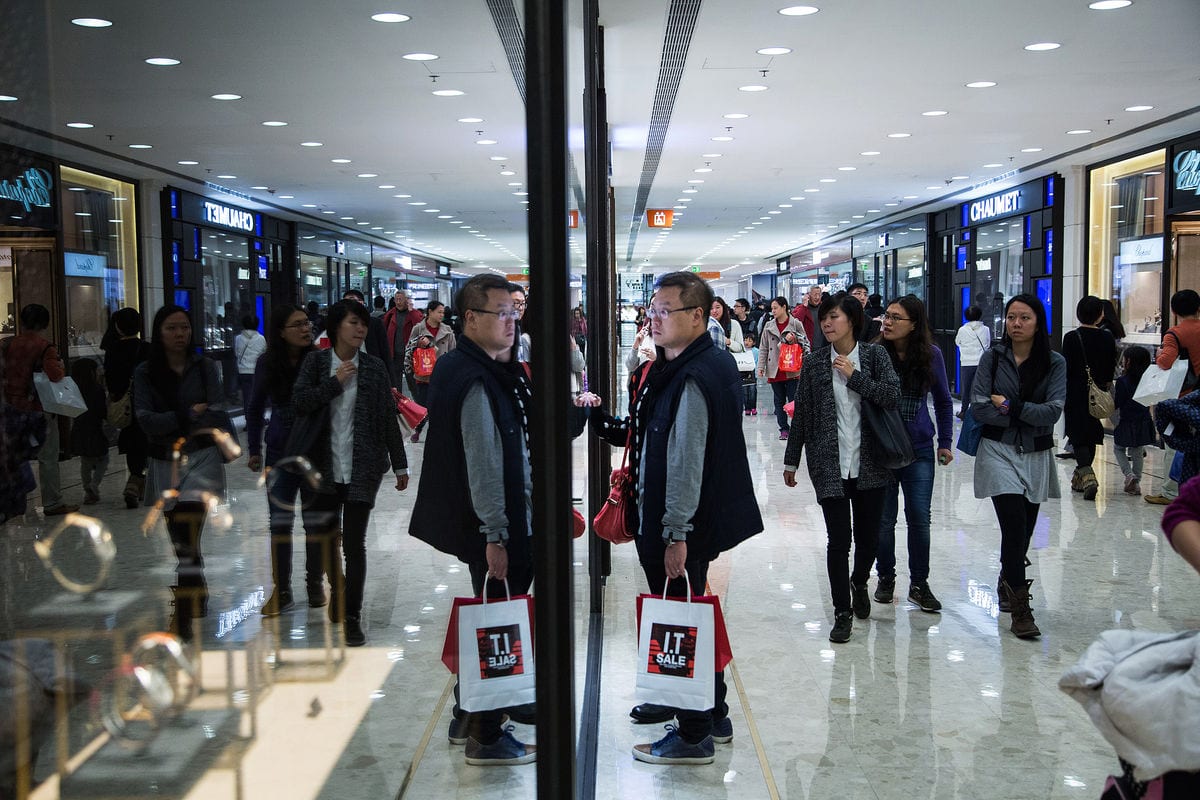
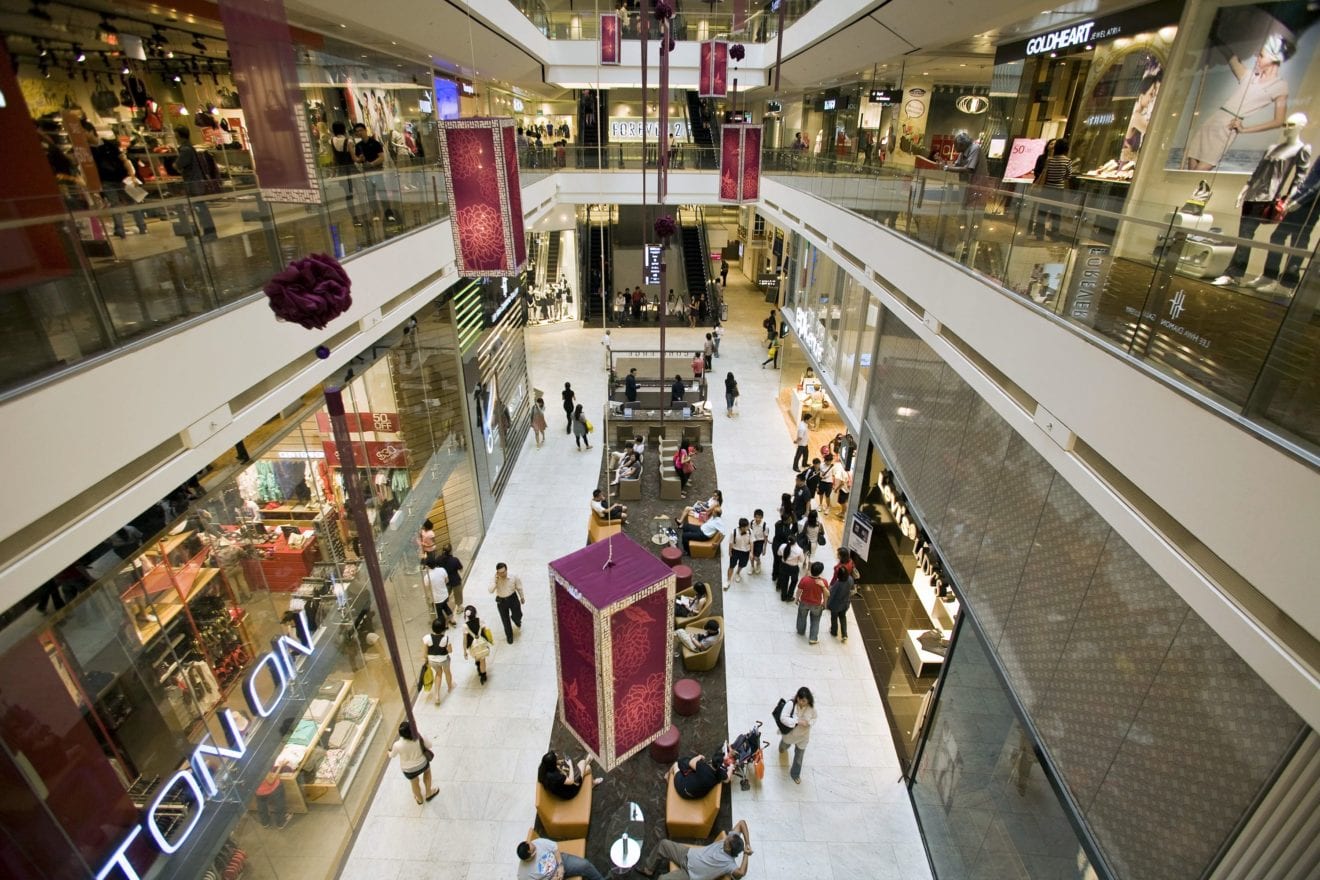
    Meanwhile, people celebrated the hottest Father’s Day yesterday in 55 years inside air-conditioned malls shopping, boosting retail store sales.

    The Hong Kong Observatory issued the very hot weather warning at around 7am. It recorded a temperature of 34.2 degrees Celsius at around 2pm, making yesterday the hottest Father’s Day since 1961.

    A salesman at electrical goods chainstore Fortress in Tai Koo Shing said the sales volume has increased by 30 percent this year, with most families purchasing mobile phones in the mid- price-range, HK$2,000 to HK$3,000.

    “Although the increase is pretty similar to that of last year, it is still better than that on Mother’s Day,” he added.

    Catering businesses seemed to be benefiting from the day as well.

    House of Canton, a traditional Chinese restaurant at Cityplaza, said the first round of their tables at 6.30pm had been fully booked, with only a few tables left for the second and third rounds.
  • Retail sales surge in Singapore as demand for vehicles grows

    Retail sales surge in Singapore as demand for vehicles grows

    Singapore’s retail sales for the month of April surged 3.8 percent, taking cues from a boost in vehicle sales for the same period. However, the figures missed market expectations of a 6.1 percent rise in April.

    Singapore’s total retail sales rose 3.8 percent in April from a year earlier, helped by higher sales of motor vehicles, data released by the Department of Statistics showed Wednesday.

    The increase in retail sales moderated from a revised 5.2 percent year-on-year rise seen in March. On a month-on-month and seasonally adjusted basis, total retail sales rose 1.1 percent in April, an improvement from a revised 1.3 percent decline in March.

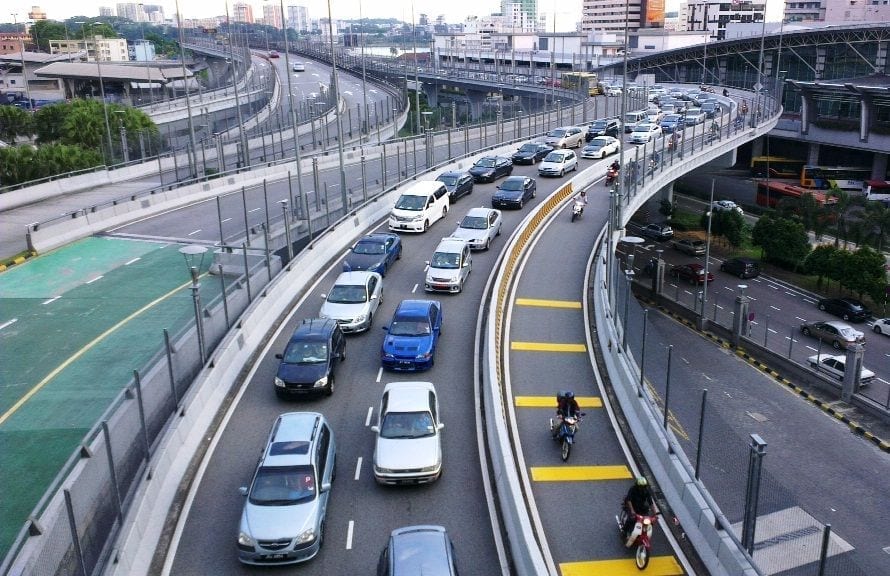
    Meanwhile, sales of motor vehicles jumped 43 percent on a year-on-year basis. Total retail sales value in April this year was estimated at SGD3.5 billion, higher than the SGD3.3 billion in April 2015. Motor vehicle sales experienced the largest increase, while mini-marts and convenience stores saw sales grow 3.9 per cent in April, year on year.

    Telecommunications apparatus and computers witnessed the sharpest decline, with sales falling 17.1 percent year on year. During the same period, sales of watches and jewellery also fell, declining by 11.3 percent. However, excluding motor vehicles, retail sales grew by a meager 0.1 percent compared to that in March 2016.

    However, sales of food and beverage services fell 1.7 percent from the previous year. The total sales value of food and beverage services in April was estimated at SGD658 million, higher than the SGD647 million the previous year.


  • Chinese retail sales surging ahead

    Chinese retail sales surging ahead

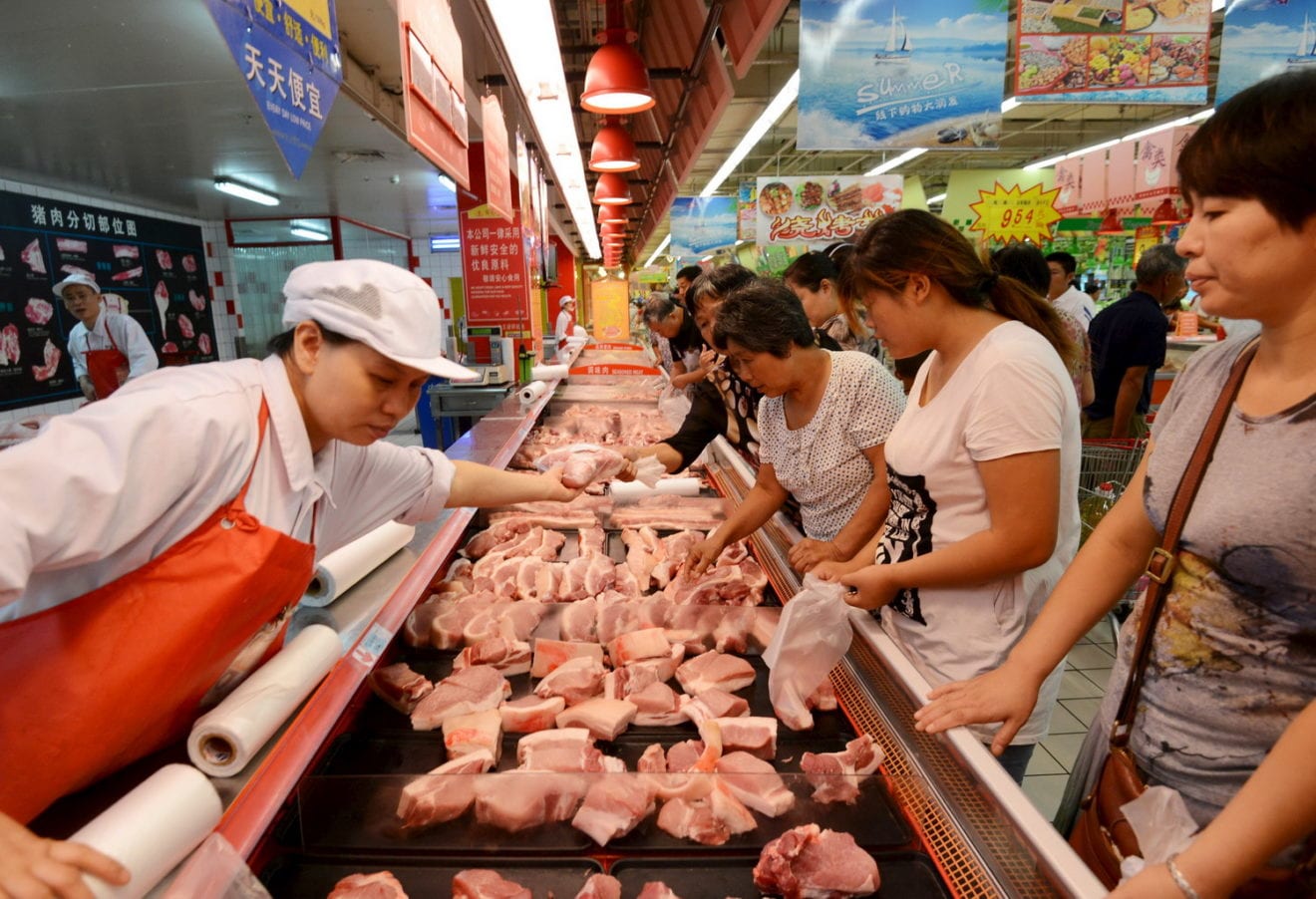
    Chinese retail sales of consumer goods are rising, reaching a total worth of 2661.1 billion yuan (US$403.9 billion) last month, up by 10 per cent year-on-year nominal growth rate (9.7 per cent real growth rate).

    In the first five months of this year, retail sales reached 12,928.1 billion yuan, an increase of 10.2 per cent.

    In urban areas, sales in urban areas were up 9.9 per cent to 2,297.3 billion yuan, while in rural areas sales were up 10.7 per cent to 363.8 billion yuan. In the first five months, urban sales were up 10.1 per cent to 11,116.7 billion yuan, and in rural areas were up 10.9 per cent to 1811.4 billion yuan.

    Catering services last month were worth 287.8 billion yuan, up by 10.9 per cent, while retail goods realised 4,725.9 billion yuan, up by 10.1 per cent.

    For the five months, the national online retail sales of goods and services was 1,808.9 billion yuan, growth of 27.7 per cent. Of this, physical goods earned 1,463.3 billion yuan, up 25.9 per cent and accounting for 11.3 per cent of the total retail sales.

  • Losses Likely To Continue For South Korea Market

    Losses Likely To Continue For South Korea Market

    The losing streak has hit four sessions now for the South Korea stock market, which has surrendered more than 55 points or 2.9 percent along the way. The KOSPI now rests just above the 1,970-point plateau, and the market is looking at continued weakness again on Wednesday.

    The global forecast for the Asian markets is negative ahead of key risk events – specifically today’s FOMC’s rate decision, and next week’s Brexit vote. The European and U.S. markets were down and the Asian markets are tipped to follow suit.

    The KOSPI finished modestly lower on Tuesday as losses from the retailers were tempered by support from the technology stocks and shipping companies.

    Among the actives, Samsung Electronics added 0.44 percent, while SK hynix jumped 2.65 percent, Hanjin Shipping surged 6.26 percent, Hyundai Merchant Marine advanced 2.75 percent, Lotte Confectionery skidded 2.54 percent and Lotte Chilsung tumbled 3.93 percent.

    The lead from Wall Street is soft as stocks were down on Tuesday, if well off their worst levels of the day.

    The Dow slipped 57.66 points or 0.3 percent to 17,674.82, while the NASDAQ edged down 4.89 points or 0.1 percent to 4,843.55 and the S&P 500 dipped 3.74 points or 0.2 percent to 2,075.32.

    Traders expressed trepidation ahead of the Federal Reserve’s monetary policy announcement later today. The Fed is widely expected to leave interest rates unchanged, but traders will keep a close eye on the accompanying statement.

    Ongoing concerns about next week’s referendum on whether Britain will remain in the European Union also weighed on the markets.

    In economic news, the Commerce Department reported stronger than expected retail sales growth in May. The Labor Department also noted that import prices surged more than expected in May amid another substantial increase in fuel prices.


  • Malaysia retail sales fall

    Malaysia retail sales fall

    While Malaysia retail sales for the first quarter have taken a tumble, a decline was on the cards following the introduction of GST on April 1 last year.

    This boosted sales of big-ticket items in last year’s first quarter, and a year after the introduction of the tax consumers are still holding back on spending, according to a report by retail consulting firm Retail Group Malaysia.

    “Further increases in the cost of living in the near future will worsen the situation,” says the report, which shows a 4.4 per cent fall in sales for the retail industry in the quarter compared to 4.6 per cent growth a year earlier.

    As well as the high pre-GST sales last year, weak Chinese New Year sales in February led to the dramatic comparison. While negative first-quarter growth was expected, the results were below the industry expectation of a 4 per cent drop, says the report, based on interviews with members of the Malaysian Retailers Association (MRA).

    Further undermining Malaysian consumer spending power has been a gradual increase in the prices of retail goods and services this year, partly attributable to the weak ringgit.
    “Retailers continued to depend on heavy price discounts,” says the report. “As a result, their profits were eroded.”

    During the first quarter, the only sub-sector not to record a decline in business was “Other Specialty Retail Stores”. The “Department Store cum Supermarket” sub-sector had negative growth rate of 7.3 per cent – the worst performance among the retail sub-sectors. Supermarkets and hypermarkets had their fourth consecutive negative quarter with a 4.2 per cent dip.

    Retail Group Malaysia says MRA members expect their businesses to return to black during the second quarter of this year with an average growth rate of 9.9 per cent. The estimated growth rates for the third and fourth quarters are 5 and 5.5 per cent.

  • Inflation erodes Vietnam retail sales rise

    Inflation erodes Vietnam retail sales rise

    Purchasing power is declining despite Vietnam retail sales and services revenue rising 9.1 per cent to VND1430 trillion (US$63.4 billion) in the first five months of this year.

    If inflation is excluded, the amount marks an increase of 7.8 per cent, according to the General Statistics Office (GSO). However, GSO expert Vu Manh Ha says the growth, with inflation excluded, was lower than the 8.2 per cent growth in the same period last year, showing weaker purchasing power.

    Growth was impacted by incidents affecting accommodation, catering and tourism services, as well as the mass fish deaths along Vietnam’s central coast. With the cancellation of beach tours, the spending power of tourism companies in the coastal provinces fell strongly.

    Meanwhile, there was a strong 9.5 per cent growth in the purchasing power of goods retailers in the first five months, amounting to VND1920 trillion and accounting for two-thirds of total retail sales and services revenue.

    Retailers of rice and foodstuffs saw growth of 13.6 per cent; garment retailers, 10.9 per cent; and home appliance retailers, 9.6 per cent.

    Ha says the total retail sales and services revenue next month will increase further because of a high demand for house construction and repairs, and recovering demand for beach tours.

    GSO director Nguyen Bich Lam says purchasing power this year is expected to have a lower growth rate than last year because of stability in prices, high supply and stable demand for most essential goods.

    Because of consumer fears about environmental pollution and food safety, spending is expected to erode for such services as accommodation, catering, tourism and entertainment, says Lam.

  • Online shopping in China accounts for 13% of retail sales

    Online shopping in China accounts for 13% of retail sales

    China’s online shopping market expanded 36 per cent last year to CNY3.8 trillion ($586 billion) to account for 12.6 per cent of total retail sales of consumer goods.

    Mobile revenue of the country’s top two online retailers accounted for 72 per cent of total online turnover.online shopping

    Business-to-consumer (B2C) spending represented 52 per cent of the total online gross merchandising volume (GMV) in 2015 (up from 45.2 per cent in 2014), which is the first time it had a larger share of online shopping than C2C, according to Beijing-based iResearch. The B2C market grew 56.6 per cent last year, while the C2C market increased by 19.5 per cent.

    As the market matures, iResearch expects growth to fall to 25 per cent next year and 20 per cent in 2018 when GMV approaches CNY7.5 trillion. Next year the B2C segment is forecast to account for 64 per cent of total online retail shopping.


    Alibaba’s Tmall maintained its leading role in the B2C market (see chart, click to enlarge) with a 58 per cent share, followed by JD.com (23 per cent) and Suning (nearly 4 per cent).

    Alibaba’s retail marketplace revenue increased 42 per cent in Q1 to CNY18.3 billion, while mobile revenue surged 149 per cent to CNY13.1 billion, which represented nearly 72 per cent of total retail turnover, according to China Internet Watch.
    China Q1 e-commerce
    JD.com’s GMV for Q1 jumped 55 per cent to CNY129 billion, with mobile accounting for 72 per cent of the total.

  • Overall Singapore retail sales down 1.4% in March

    Overall Singapore retail sales down 1.4% in March

    Due to a drop in car deals.

    Retail sales in Singapore contracted by 1.4% month-on-month in March, following a 4.8% drop in car sales.

    Excluding motor vehicle deals, retail sales contracted by 0.6%.

    On a year-on-year basis, overall sales rose by 5.1%. Excluding motor vehicles, sales dropped by 2.2%.

    The total retail sales value in March 2016 was estimated at $3.7 billion, compared to $3.5 billion in March 2015.


  • South Korea April dept store sales seen surging, discount store sales bounce

    South Korea April dept store sales seen surging, discount store sales bounce

    South Korea’s top department stores scored a second month of sales growth in April, preliminary government data showed on Tuesday, backing recent surveys showing consumers are feeling better about the economy.

    Combined sales at department stores run by Hyundai Department Store, Lotte Shopping and Shinsegae Co were seen up 8.0 percent on-year in April, according to data from the finance ministry.

    That would be much stronger growth than a 0.3 percent rise in March and mark the fastest gain since January this year.

    The data also showed sales at discount stores last month likely rebounded to be up 0.2 percent in annual terms from a 4.6 percent drop in March.

    Domestic consumption is showing broad improvement supported by consumer spending although exports continue to fall, the finance ministry said in the statement. It also added the pace of recovery in the private sector was still weak, noting that offshore risks persist as global growth remains sluggish.

    The trade ministry will release finalised figures later this month.

  • Hong Kong retail sales ‘worst in history’

    Hong Kong retail sales ‘worst in history’

    A MasterCard spending survey released ahead of the official government data this afternoon shows March Hong Kong retail sales declined at the worst rate in the history of the survey.

    “Overall retail sales in Hong Kong contracted by 18.5 per cent year-on-year, reflecting the deepest decline since 2014,” according to the latest MasterCard SpendingPulse Hong Kong Report.

    Clothing and jewellery sales in March dropped by more than total retail sales, while only grocery outperformed overall retail sales. The March results brought the year-on-year Q1 retail sales decline to 11.7 per cent from the same period in 2015.

    Sarah Quinlan, senior VP of market insights for MasterCard Advisors, said the sharp decline was a result of the contraction in spending from Mainland Chinese tourists and in discretionary spending by domestic Hong Kong consumers.

    “The early Easter holiday did nothing to stimulate spending as consumer confidence remains subdued.

    “Overall our outlook for Hong Kong retail sales remains weak as the slowdown in spending from Mainland China continues to negatively impact the Hong Kong retail economy,” said Quinlan.

    Analysing local retail performance and spending, the macroeconomic report uses aggregated and anonymous transaction data, along with all other payment forms including cash, to offer insight into consumer spending trends, providing an early overview of market indices to help retailers, investors, card issuers, banks and government agencies in their decision-making processes.

    Launched by MasterCard Advisors, a unit of MasterCard, the SpendingPulse report is available to subscribers the third week of every month and shares quality insights on consumer spending. The monthly report also includes an overall retail sales and price index, so that subscribers can understand whether spending growth is truly being driven by increased shopping or by inflation or increased promotions.

    SpendingPulse is currently available to subscribers in Australia, Brazil, Canada, Hong Kong, Japan, the UK and the US, and is delivered ahead of retail spending figures provided by other sources. It is one of the most quoted reports on macroeconomic trends in the US and is often used as a source of reference by major international news outlets.

    In preparing the report, MasterCard analyses the transactions processed by the MasterCard Hong Kong payments network and uses statistical models which take into account the trends of other payment methods (cash) to produce accurate and efficient reports.

  • Tourists invisible to Hong Kong retailers

    Tourists invisible to Hong Kong retailers

    While more tourists have been crossing the border for the ongoing Golden Week, there has not been much gold in it for Hong Kong retailers.

    Visitor numbers jumped more than 14.1 per cent on Saturday, the start of the holiday, according to the Hong Kong Immigration Department (IMMD).

    This has mainly been attributed to visitors from the neighbouring Guangdong province, with cheaper hotel rooms and convenient travel making Hong Kong an accessible choice, says the South China Morning Post.

    Statistics show that more than 200,000 visitors arrived on the first day of the national holiday, a jump from last year’s 177,000. But despite the rise, the visitors have been spending less – hardly good news for Hong Kong retailers, who have already been feeling the pinch. With Hong Kong no longer riding the wave as the first port of call for Chinese tourists, retailers were warned last month that they need to discount or die.

    For the new influx of visitors, their travel and buying patterns differ from previous mainland tourists as they are familiar with Hong Kong and tend to visit relatives, go sightseeing and buy from stores in residential areas. Family visitors and Shenzhen residents spiked more than 40 per cent on the first day of the holiday, while those crossing the border on the “L visa” dropped 5 per cent.

    Hong Kong retailers are already branding this the worst-ever Golden Week, with many reporting lower numbers of mainland tourists, fewer tour buses and less spending.

    However, Travel Industry Council executive director Joseph Tung Yao-chung says the divergence between tourist numbers and luxury sales is a “good sign”.

    “The city’s tourism sector is normalising,” he says, with high-quality individual tourists compensating for the loss in mainland tour groups, which have long been criticised for forcing visitors to buy high-priced products at designated shops.

  • Singapore retail sales defy predictions, fall 3.2% in February

    Singapore retail sales defy predictions, fall 3.2% in February

    Retail sales in Singapore dropped 3.2 per cent in February from the same month a year ago, defying economists’ predictions for an expansion in consumer spending and providing more evidence of a slowing economy.

    The retail sales contraction followed the revised 7.6 per cent growth in January, said the Department of Statistics yesterday, and was in contrast to the 3.4 per cent increase forecast by 12 economists in a Bloomberg poll. Excluding motor vehicles, retail sales slumped by 9.6 per cent as all but three out of 13 segments that make up the index fell.

    Apart from motor vehicles, higher sales were seen only at mini-marts and convenience stores, as well as for medical goods and toiletries. The total retail sales value in February was estimated at S$3.4 billion. The data came a day after the Monetary Authority of Singapore unexpectedly eased its policy, guiding the local currency to a zero appreciation stance against the currencies of its major trading partners, as the economy registered no growth in the first quarter.

    From the previous month, retail sales rose 1.7 per cent in February; excluding motor vehicles, they fell 1.1 per cent, showed the Department of Statistics data.

  • Hong Kong’s retail sales plunge most in 17 years

    Hong Kong’s retail sales plunge most in 17 years

    Hong Kong’s retail sales in February plunged the most since 1999 as fewer Chinese tourists visited the territory during the Lunar New Year holiday.

    Retail sales dropped 21 percent in February to HK$37 billion (US$4.8 billion) year-on-year, according to a statement from the Hong Kong’s Department of Statistics.

    Combining January and February, sales fell 14 percent. The monthly decline is the worst since January 1999 when sales were also down 21 percent.

    “Apart from the severe drag from the protracted slowdown in inbound tourism, the asset market consolidation might also have weighed on local consumption sentiment,” the Hong Kong government said in a statement yesterday. “The near-term outlook for retail sales will still be constrained by the weak inbound tourism performance and uncertain economic prospects.”

    The government will monitor closely its repercussions on the wider economy and job market, it said.

    Chow Tai Fook Jewellery Group, the world’s largest listed jewelry chain, and Sa Sa International Holdings reported slumping sales over the holiday from Feb. 7 to Feb. 13 when Chinese tourists to the territory dropped 12 percent.

    The stock market rout and a slowing Chinese economy have affected consumer sentiment for luxury goods, Chow Tai Fook has said.

    Mainland China tourists “are unlikely to come back in the short term,” CCB International Securities analyst Forrest Chan said.

    Hong Kong residents are also consuming less due to stagnant property values and the weak stock market, he said.

    “Hong Kong’s retail market will continue to fall for the rest of 2016 as all the negative factors won’t be solved in the near term,” Chan said in a telephone interview.

    Chinese visitors are projected to fall 3.2 percent for the year, according to the Hong Kong Tourism Board, with average spending dropping 4 percent to HK$6,948.

    Sales of jewelry, watches and clocks, and valuable gifts dropped 24 percent, while those of electrical goods and photographic equipment plunged 27 percent, according to yesterday’s statement.

  • Real Singapore retail sales rise

    Real Singapore retail sales rise

    Real Singapore retail sales recovered slightly in January, rising 1.4 per cent year-on-year.

    The headline figure widely reported by business media of a 7.5 per cent increase included motor vehicles.

    Real retail sales fell 0.5 per cent from December to January, and by 1.2 per cent with vehicles included.

    The total retail sales value in January 2016 was estimated at $4.1 billion, higher than the $3.8 billion in January 2015.

    Retail sales Jan 2016 Singapore

    Medical goods and toiletries and department stores showed the strongest year-on-year gains, while telecommunications goods and computers accounted for by far the largest fall.

    The accompanying charts show the sales trends by product category.

    Sales of food & beverage services (seasonally adjusted) increased 2.4 per cent month-on-month in January Year-on-year, they declined by 0.6 per cent in January.

    The total sales value of food & beverage services in January 2016 was estimated at $685 million.

  • China retail sales growth slows further

    China retail sales growth slows further

    Official retail sales data from the mainland shows a continuation of slowing growth this year.

    According to the National Bureau of Statistics (NBS) China retail sales of consumer goods rose 10.2 per cent in January and February combined.

    That follows growth of 11.7 per cent in December and 10.7 per cent for the entire 2015 calendar year.

    According to the NBS, Chinese consumers bought 5.29 trillion yuan (US$815.2 billion) worth of consumer goods in the first two months of 2016.

    Urban areas accounted for nearly 86 per cent of China retail sales, rural areas 14 per cent. Sales in rural areas rose by 10.9 per cent – faster than the 10.1 per cent in the cities.

    Online sales also continue to rise sharply, soaring 27.2 per cent year-on-year for the first two months of this year, to 636.1 billion yuan. Online now accounts for about 12 per cent of China’s total retail market.