Tag: Vietnam

  • Leading taxi firm posts first ever annual loss

    Leading taxi firm posts first ever annual loss

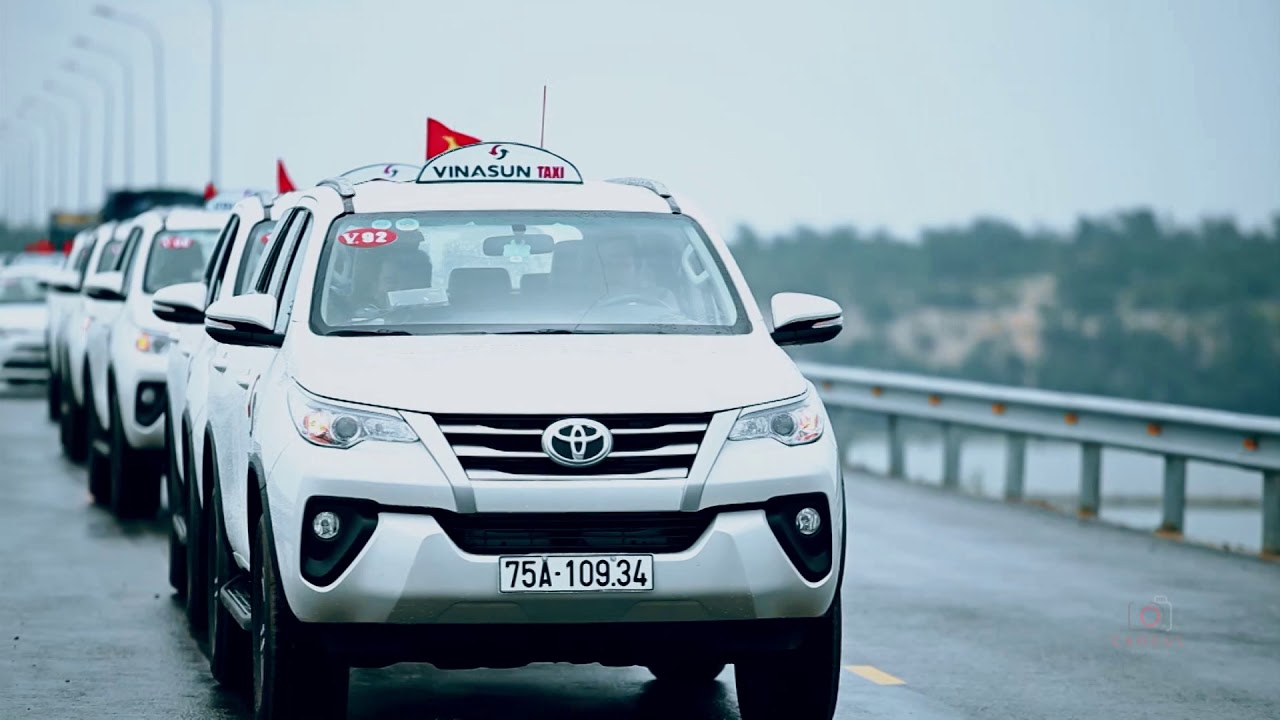
    Vinasun, Vietnam’s second-largest taxi firm, reported its first-ever accumulated loss of VND211 billion ($9.15 million) last year.

    The figure far exceeded the firm’s earlier loss forecast for 2020 at VND115 billion. Vinasun leaders have blamed the loss on the long-lasting impacts of the Covid-19 pandemic.

    The company has already laid off over 1,300 employees and taken other earlier measures to reduce operating costs.

    Vietnam’s second-largest taxi firm after the Mai Linh Group, Vinasun reported that its revenues plunged 49 percent year-on-year to VND1 trillion last year.

    The company leadership had said at an annual general meeting in June that 2020 was the most challenging year for the company since its establishment.

    The company shut down most of its operations in April last year when the country began a social distancing campaign to curb the spread of the novel coronavirus.

    As of December 31, it had total assets of over VND2.05 trillion.

  • The giddy rise of Vietnam’s steel billionaire

    The giddy rise of Vietnam’s steel billionaire

    Tran Dinh Long, dubbed the “king of steel,” had no experience in the steel industry when he decided to enter it anyway in the mid-90s.

    “All I had at the time was passion and a lack of fear,” Long, founder and chairman of Vietnam’s biggest steelmaker, Hoa Phat Group, said in a recent interview.

    The company was, in the beginning, distributing machinery and equipment and furniture, but it was steel that ultimately took it to dizzy heights. Hoa Phat had a 32 percent share of Vietnam’s steel market as of August 2020, making it the biggest player in the industry, according to the Vietnam Steel Association.

    The name Hoa Phat cropped up again and again in the news in the past year when its HPG stock, listed on the Ho Chi Minh Stock Exchange (HoSE), chalked up some of the most impressive gains on the VN-Index, thanks to record profits despite the Covid-19 pandemic and a growing market share.

    On Monday, the share closed at VND44,600 ($1.94), more than three times up from its nadir in last March at the height of the Covid-19 crisis when most Vietnamese stocks hit the bottom, and its all-time high price.

    According to the Bloomberg Billionaires Index, HPG’s performance took the net worth of Long and his wife to $1.9 billion. He believes the stock is still not overvalued through its price-earnings ratio (P/E) is nearly at its highest level in 10 years.

    Long started his business in the early 1990s. In 1992, he and some friends set up the Hoa Phat Equipment and Accessories Co., Ltd. to sell machinery and equipment.

    In 1995 it diversified into furniture, becoming a distribution agent for imported products.

    It was in 1996 that Hoa Phat established its first steel unit, at first called Hoa Phat Steel Pipe Co., Ltd. and four years later becoming Hoa Phat Steel JSC.

    “A newly industrialized country has to build a lot of infrastructures,” Long said in an interview, explaining that was the reason he had bet on steel.

    By the time Hoa Phat was listed on HoSE in 2007, Hoa Phat Steel and Hoa Phat Steel Pipe accounted for more than 60 percent of the company’s revenues and profits.

    In the following years, despite a long slump in the housing market, steel still dominated HPG’s business in an overwhelming fashion.

    In 2017, when HPG had become the market leader, Long continued to bet on steel by building the Dung Quat Steel Production Complex at a cost of $2.6 billion in the south-central Quang Ngai Province.

    With the market growing, owning the entire value chain is helping Hoa Phat improve its profit margins. It also gives Long the wherewithal to engage in price wars when he wants to increase market share in new markets such as southern Vietnam.

    And if it cannot sell finished products to the market, Hoa Phat could instead sell billets to other manufacturers, he said.

    The pay-off from this strategy has been partly reflected in HPG’s performance in 2020. “Since the Dung Quat plant went on stream in the third quarter of 2019, HPG has been gradually gaining shares from other major steelmakers such as Posco SS, Pomina and VNSteel,” securities company FPTS said in a recent note.

    Thus, from 26 percent at the end of 2019, its market share rose to 32 percent by August last year.

    In 2020 it sold over five million tons for the first time, with sales of construction steel rising 22.5 percent to 3.4 million tons. Billets sold in the domestic and export markets accounted for 1.7 million tons.

    In the final quarter of the year, the company benefited from the government’s determination to increase spending on public infrastructure, Vietcapital Securities said.

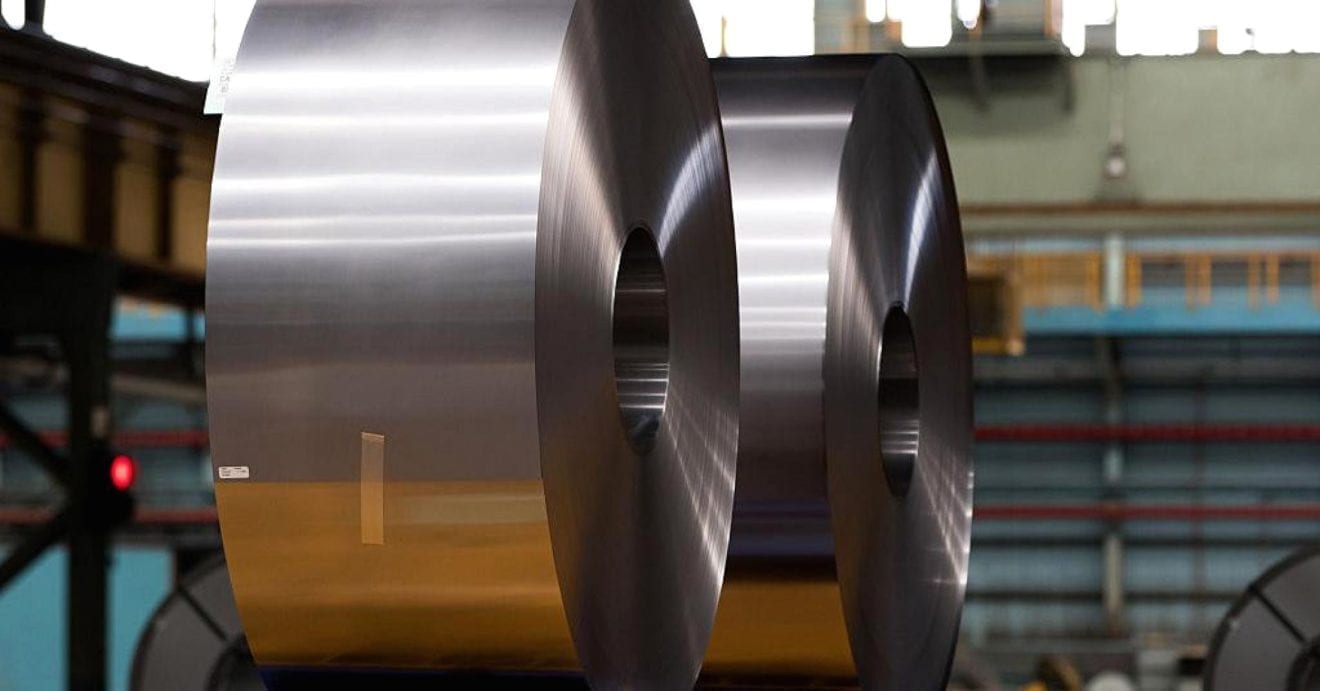
    Hoa Phat plans to expand even further in the steel supply chain with the second phase of its Dung Quat Complex. Construction is set to begin in January 2022 and take three years. It will increase capacity by five million tons a year, with the main output being hot-rolled coil (HRC).

    “It is estimated that after completion Hoa Phat can supply five million tons of HRC per year, equivalent to about 50 percent of current domestic demand,” FPTS said.

    The focus on HRC is expected to increase the company’s income since it is an input in the manufacturing of steel pipes, a product with higher profit margins than construction steel. The segment itself also has plenty of room for Hoa Phat to grow, FPTS said.

    Long estimated that when the Dung Quat plant is fully operational, Hoa Phat’s revenues and profits could increase by 80 percent.

    “Vietnam ranks low in per capita steel consumption and has only taken the first steps in infrastructure development,” said Pham Mai Trang, associate director of research at fund manager Dragon Capital Group.

    “With the Dung Quat complex, Hoa Phat became the dominant player.” Dragon Capital Group owns a 6 percent stake in Hoa Phat.

    Though Vietnam’s steel industry has made great strides, it still has to import large volumes of finished steel and semi-finished products from China.

    Hoa Phat executives have confessed to being worried China could dump cheap steel on Vietnam if its exports continue to be hampered by U.S.-China trade tensions.

    In the first nine months of 2020 Hoa Phat reported a 40 percent year-on-year increase in revenues to VND65 trillion, and 56 percent increase in post-tax profits to VND8.85 trillion.
  • VPBank profits jump 26 pct

    VPBank profits jump 26 pct

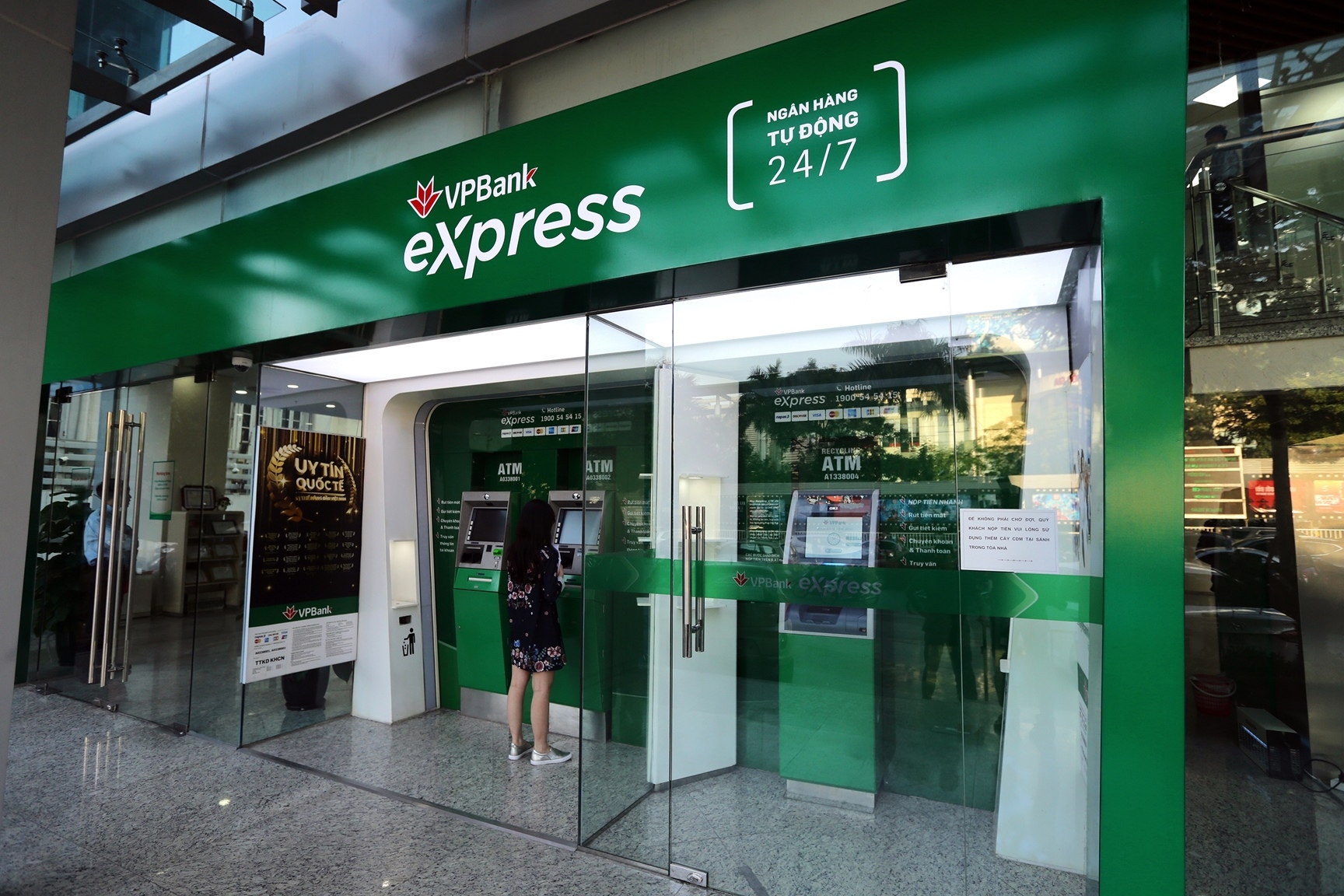
    Lender VPBank reported a 26 percent jump in pre-tax profit last year to VND13 trillion ($564.24 million).

    The second and fourth quarters saw its highest ever quarterly profits of VND3.67 trillion and VND3.62 trillion.

    The lender’s profits exceeded those of state giant BIDV and private lender VIB.

    Its income was up 7.3 percent to VND39 trillion, with interest income accounting for nearly 83 percent.

    Services and securities trading were profitable, but foreign exchange trading caused a loss.

    Credit growth was 13.1 percent, and non-performing loans accounted for 2.9 percent.

    In 2019, VPBank had reported the sixth-largest pre-tax profit behind Vietcombank, Techcombank, Agribank, VietinBank, and BIDV.

  • Vietnam becomes 6th largest trading partner for China

    Vietnam becomes 6th largest trading partner for China

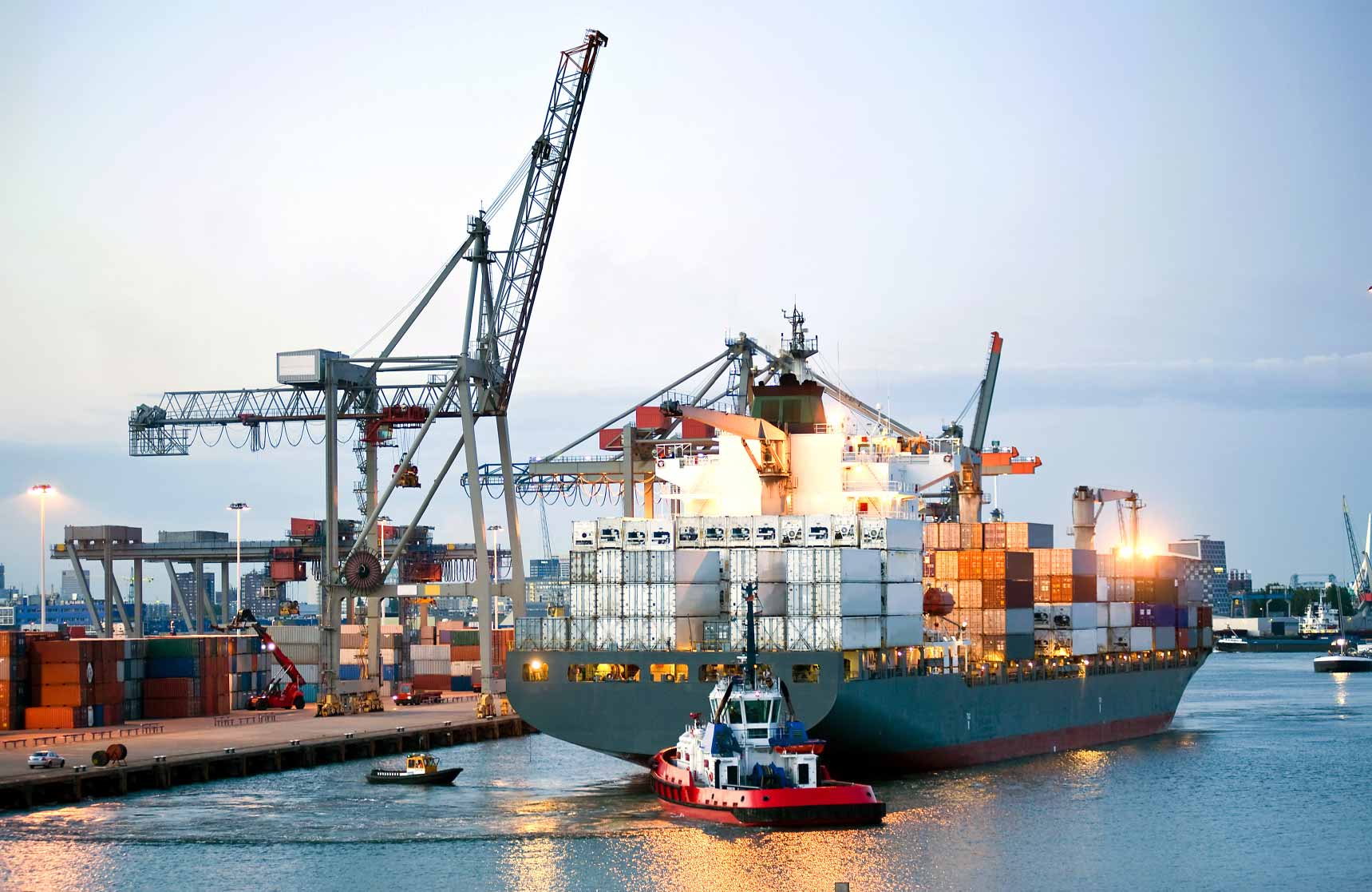
    Vietnam’s trade with China rose by 14 percent last year to $133.09 billion, making it the latter’s sixth-largest trading partner.

    Its exports to China grew by 18 percent to $48.9 billion, and imports by 12 percent to $84.1 billion, according to the Ministry of Industry and Trade.

    But some of Vietnam’s traditional export items like agriculture, aquaculture, and fisheries faced difficulty with their exports falling by over 3 percent to $6.8 billion.

    China is its largest trading partner and second-biggest export market behind only the U.S.

    Vietnam was China’s eighth-largest trading partner in 2019 before its rise to sixth in 2020. It is China’s eighth-largest supplier of goods and fifth-largest export market.

  • Covid-19 shadows as Hanoi real estate market recovers

    Covid-19 shadows as Hanoi real estate market recovers

    Most real estate classes in Hanoi showed recovery signs in Q4 2020, but Covid-19 uncertainties continue to loom over the market this year.

    The retail category saw total supply in the last quarter increasing 1 percent year-on-year to 1.6 million square meters with the launch of the 36,000-square-meter Vincom Mega Mall Ocean Park in the eastern part of the capital, according to a report released Tuesday by real estate consultancy Savills.

    However, average rents fell 3 percent year-on-year, while occupancy dropped 2 percent, showing that Covid-19 impacts remain on the market.

    “Footfall is slowly recovering but yet to return to pre-pandemic levels with impulse and extravagant spending limited to increase savings,” the report said.

    The office category saw supply rising 6 percent year-on-year and average rent up 3 percent with growth in demand from companies in services, information and communications technology and e-commerce.

    By next year, around 208,000 square meters from 15 projects will enter the office market. But as the Covid-19 pandemic has prompted companies to downsize and reduce operating costs, the downward trend in office space demand is set to continue, the report said.

    The apartment category saw sales rising 27 percent from the third quarter to 6,700 units, but the figure was 37 percent lower year-on-year.

    “Local demand remains steady, particularly for affordable units. Developers have started focusing on the suburbs and surrounding provinces,” the report said.

    Savills forecasts that average asking prices, which have increased 4 percent per annum over the last five years, is set to continue rising thanks to infrastructure upgrades, including two metro sections and ring roads.

    This year, around 25,000 units are set to enter the market, most of them Grade B. Fifty-seven percent of the new supply will be in the districts of South Tu Liem and North Tu Liem.

    The hotel category, which suffered the biggest Covid-19 damage as international arrivals plunged, saw occupancy recovering by 12 percentage points quarter-on-quarter to 33 percent, against 75 percent in the last quarter of 2019.

    Do Thu Hang, senior director of advisory services at Savills Hanoi, said many hotels downtown have been successful in attracting more domestic customers as the number of foreign tourists dropped.

    As Hanoi expects to receive 11-15 million domestic tourists this year, compared to 8 million last year, it is likely that hotels will continue to focus on the domestic segment as the resumption of regular international routes is uncertain, she added.

  • Government to invest $345 million to bail out Vietnam Airlines

    Government to invest $345 million to bail out Vietnam Airlines

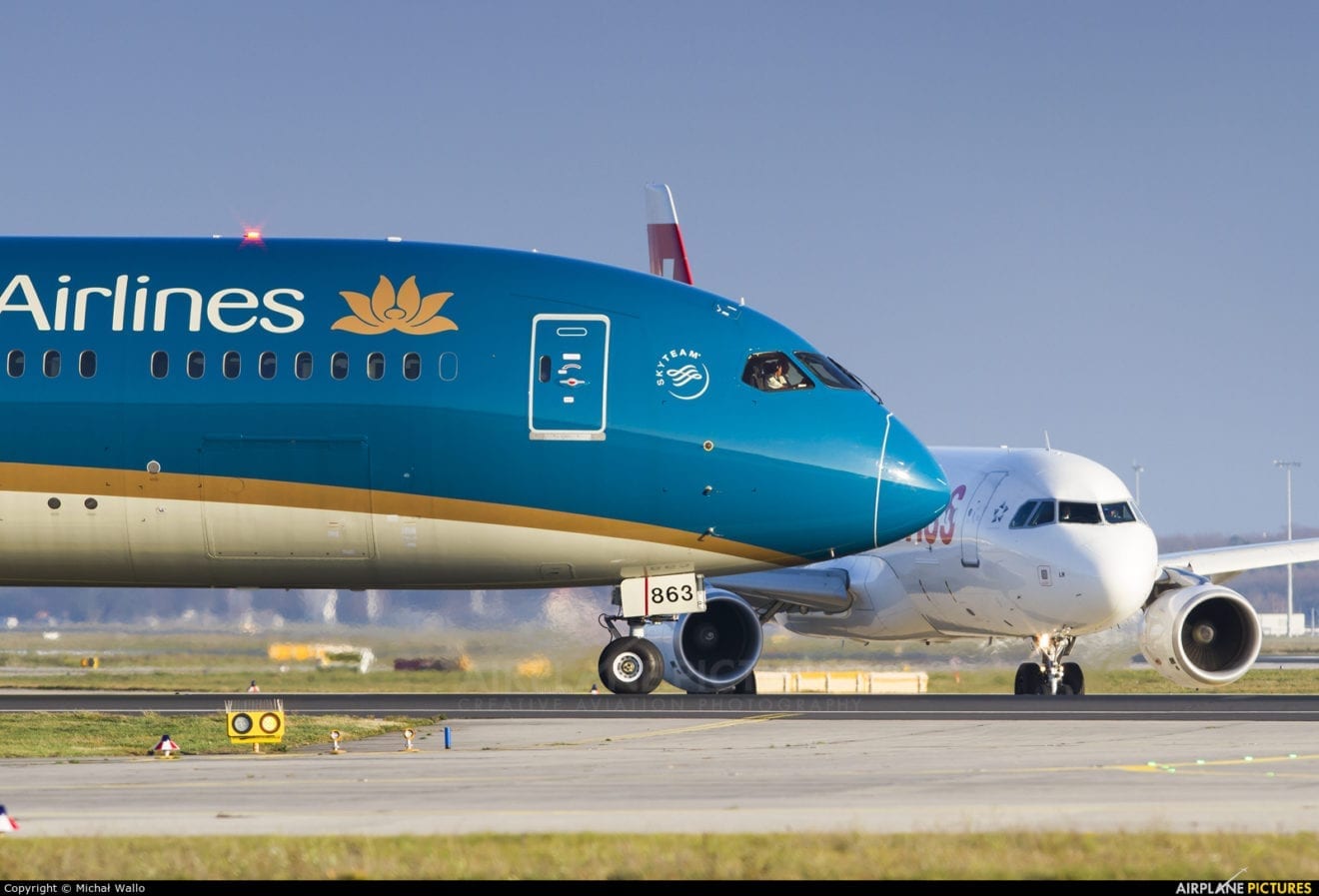
    The State Capital Investment Corporation said it is in discussions with Vietnam Airlines to invest VND8 trillion ($345.49 million) in the carrier through a rights issue.

    It follows a government resolution to resolve the difficulties faced by the airline due to the impact of the Covid-19 pandemic, Nguyen Chi Thanh, general director of the sovereign fund, said at a press conference late last week.

    The resolution requires the State Bank of Vietnam to reimburse loans of up to VND4 trillion to credit institutions that have lent to Vietnam Airlines and allow the carrier to make rights issues to existing shareholders to supplement its capital.

    Thanh said: “Vietnam Airlines will issue shares worth VND8 trillion to existing shareholders, accounting for 25 percent of the carrier’s charter capital. SCIC, acting on behalf of the Government, plans to buy these shares.”

    The government-owned 86.16 percent in Vietnam Airlines on December 31, 2019.

    Thanh said the airline is making plans for a rights issue, and SCIC’s task is to determine a reasonable issue price close to the market price and is working with Vietnam Airlines on this.

    “In order to do that, Vietnam Airlines must be valued, and this requires at least a five-year business plan if we use the discounted cash flow method.”

    The SCIC would appoint a “globally reputed auditing company,” and the latter would identify the most appropriate valuation method possibly within a month, he said.

    Vietnam Airlines expects losses of VND12 trillion for 2020 compared to a VND3.37 trillion profit in 2019.

    It presently flies an average of 300 flights a day on more than 60 domestic routes. It has resumed flights to Japan, though not from that country, and plans to resume flights soon to mainland China, Taiwan, Laos, and Cambodia.

    In November, the National Assembly approved a bailout that could see the carrier get VND12 trillion and allows it to sell more shares to existing shareholders to boost cash reserves.

  • Foxconn unit receives business license for $270 mln Vietnam plant

    Foxconn unit receives business license for $270 mln Vietnam plant

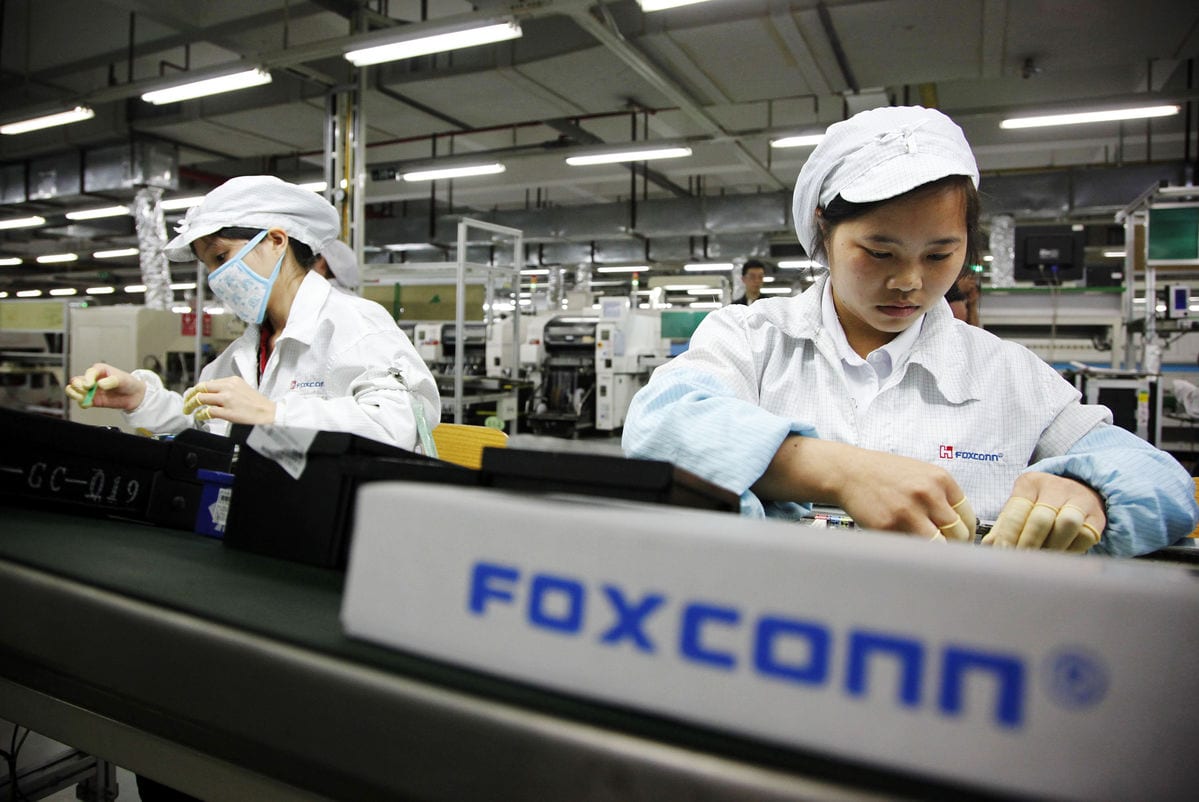
    The FuKang Technology Company, a Foxconn unit, received a business license Monday to build a plant to produce laptops and tablets in northern Vietnam.

    The plant will be located in the Quang Chau Industrial Park in the northern province of Bac Giang and will annually produce eight million units, the government said in a statement on its website.

    The Taiwanese electronics contract manufacturer has so far invested $1.5 billion in Vietnam and created jobs for more than 35,000 workers and the company, formally known as the Hon Hai Precision Industry Co., plans to raise its investment by $700 million and recruit 10,000 more local workers this year, the government said.

    Last week Foxconn was also looking into investing $1.3 billion in Thanh Hoa Province, 160 km south of Hanoi.

    Last year, the company produced the first batch of display screens at its $26-million factory in the northern Quang Ninh Province.

    Foxconn, a major assembler of Apple products, including the iPhone, and the world’s largest contract manufacturer, came to Vietnam in 2007, and has been operating mainly in the northern provinces of Bac Ninh, Bac Giang and Vinh Phuc, making computers and other electronic products and car parts.

    It has said that Vietnam is its largest manufacturing hub in Southeast Asia.

  • Mitsubishi Vietnam recalls over 9,000 cars to replace fuel pumps

    Mitsubishi Vietnam recalls over 9,000 cars to replace fuel pumps

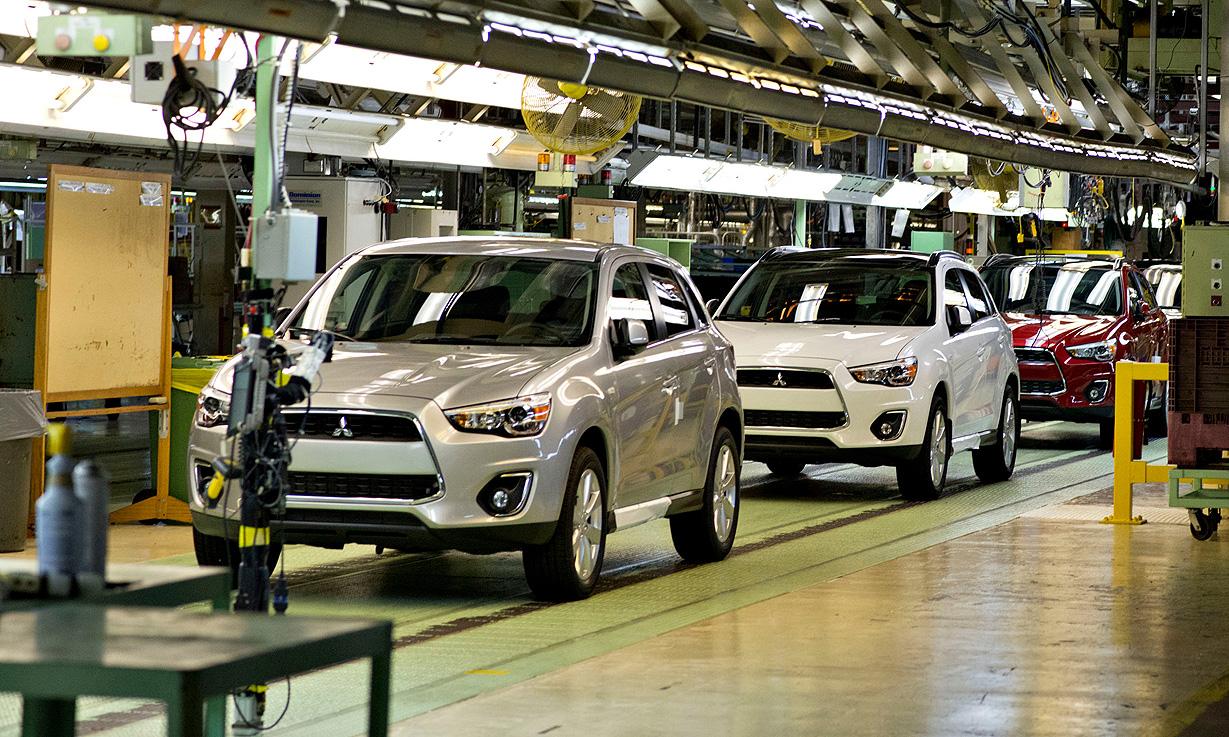
    Mitsubishi Motors Vietnam is recalling 9,066 Outlander and Xpander cars to fix a fuel pump issue that could cause the vehicle to stall.

    They include 5,370 Outlanders manufactured in Vietnam between January 15, 2018, and July 21, 2019, and 3,696 Xpanders imported from Indonesia and assembled between August 21, 2018, and September 20, 2019.

    The company said the inflated impeller inside of the pump “might have caused it to touch the surrounding parts of the pump body and stop the pump from spinning” which could result in “the engine not starting or stalling.”

    Car owners can take their vehicles to an authorized dealership for a free fuel pump replacement which will take around one hour.

    Mitsubishi uses gas pumps supplied by Japanese company Denso, which caused similar problems in many other cars including Toyota and Honda.

    But it said this error would not occur in its other cars.

    According to data from the Vietnam Automobile Manufacturers Association, auto sales fell 8 percent in 2020 to 296,634 units.

  • Motorbike sales slump, blamed on pandemic

    Motorbike sales slump, blamed on pandemic

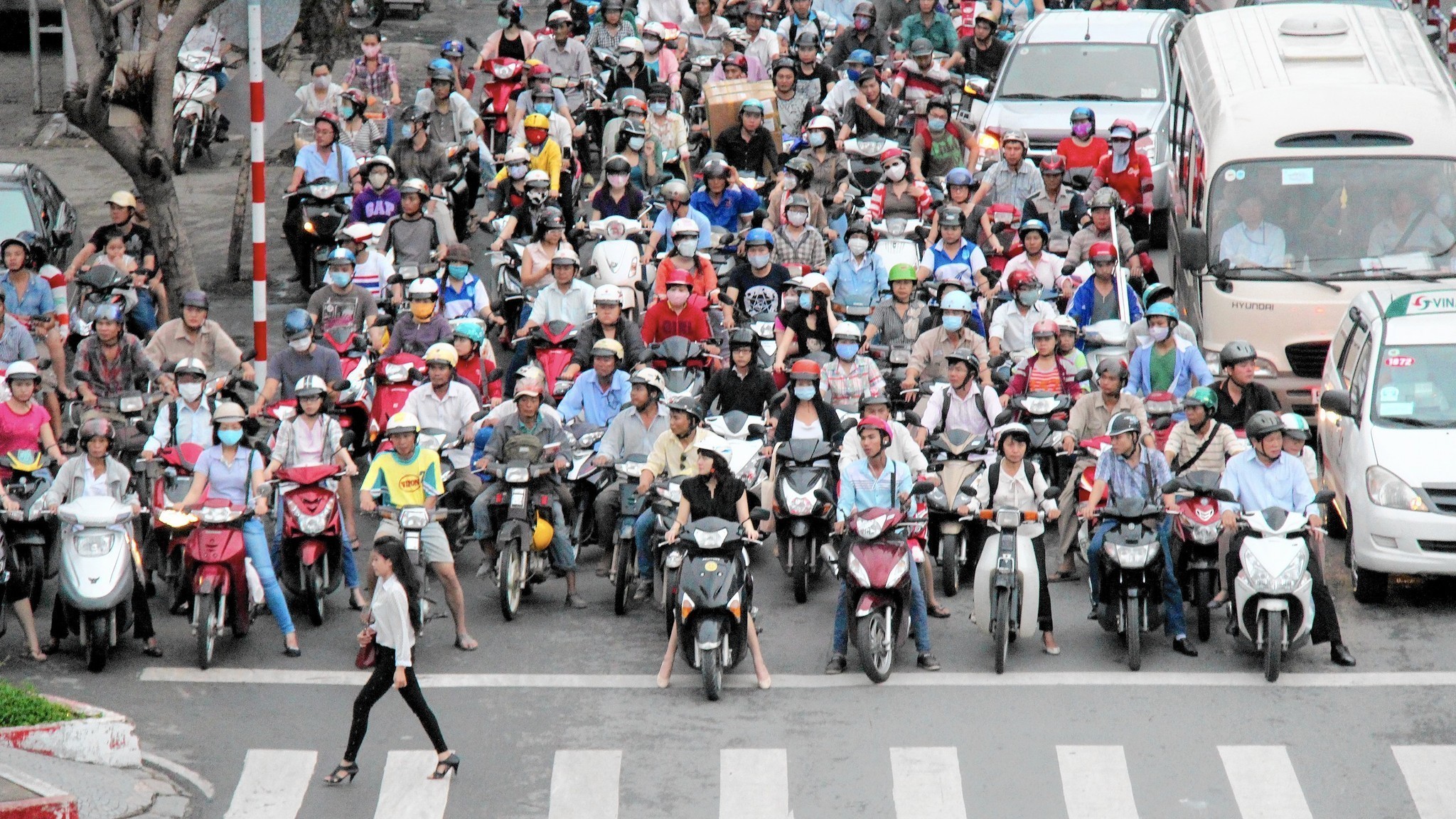
    Motorbike sales fell 16.6 percent to 2.71 million units last year, according to the Vietnam Association of Motorcycle Manufacturers.

    The industry group comprises five major companies, Honda, Piaggio, Suzuki, SYM, and Yamaha, who account for most of the market.

    Industry insiders said sales fell in double digits because of the Covid-19 pandemic, which hit people’s incomes.

    Although VAMM’s report did not list each company’s sales, Honda said it accounted for nearly 80 percent.

    Other brands not included in report were VinFast, Kymco, BMW Motorrad, Ducati, Harley-Davidson, Kawasaki, and others.

    In the second half last year several companies introduced.

  • Hanoi buses keep losing passengers

    Hanoi buses keep losing passengers

    Hanoi single-trip ticket passengers reached 63.6 percent of its annual goal, dropping 36 percent year-on-year, while monthly tickets decreased by 34.3 percent compared to 2019.

    Hanoi Transportation Corporation (Transerco) total revenue in 2020 was VND2.5 trillion ($108 million), fell 17.5 percent year-on-year, said Nguyen Thanh Nam, CEO of Transerco, at the Transerco 2020 Review Conference held recently.

    Nam said the company is struggling due to market slump. In 2020, Hanoi bus had to cut 80 percent of the trips from March 22 and stop operating from April 1 to April 22. It had no income during the said period yet still had to pay for the operating cost and other expenses.

    The reasons were social-distancing and passengers being reluctant to take the bus during the pandemic, resulting in a fall in the number of passengers and single-trip ticket sales.

    The free bus passes policy for the elders also contributed to the single-trip ticket sales drop. Airport bus and city-tour bus without price support also had to cut trips as the number of passengers, mostly especially foreign tourists, dropped in 2020.

    Transerco revenue in 2021 and the next few years will hardly revive due to the Covid-19 pandemic, free bus passes policy for the elders, and traffic congestion, Nam said.

    Hanoi has set the goal of 20 percent of commuters using public transport in 2021 and 30-35 percent in 2025.

  • December auto sales hit monthly high

    December auto sales hit monthly high

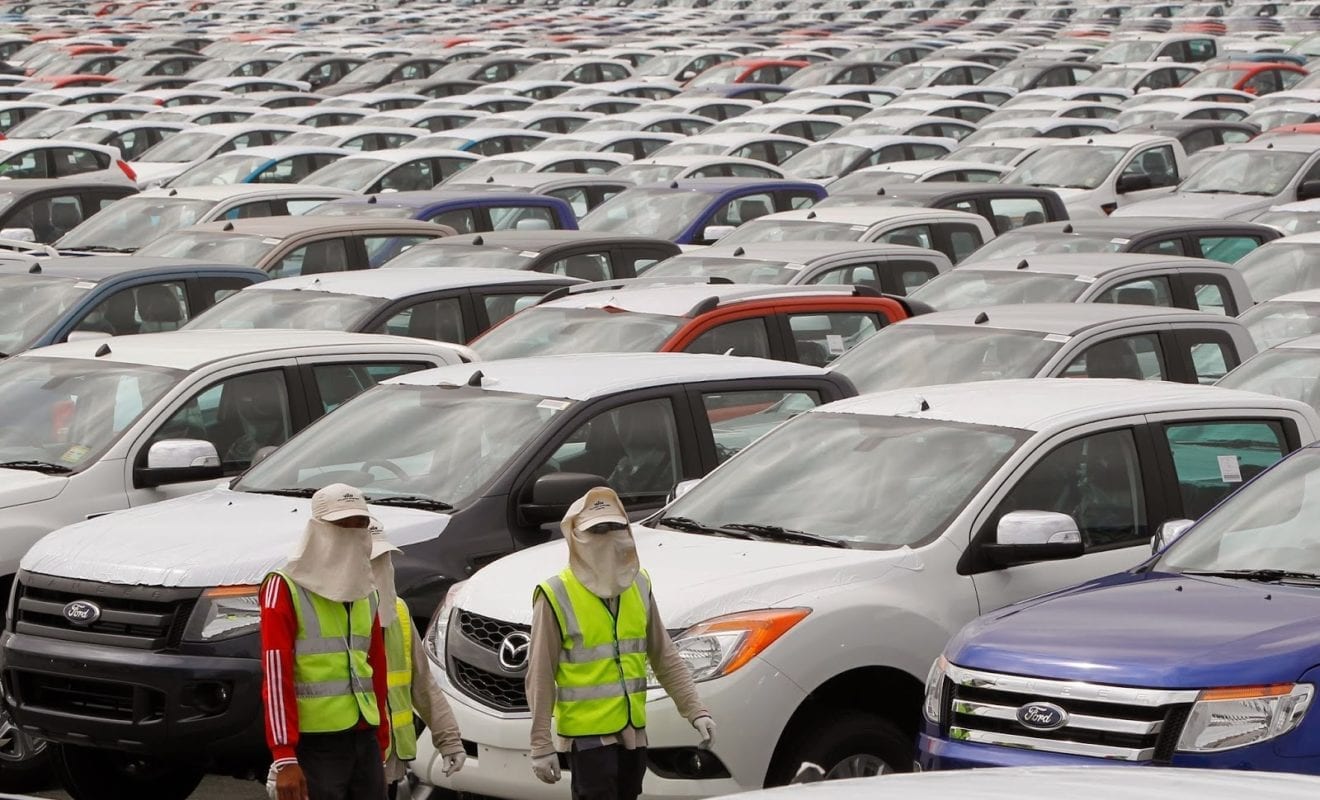
    Auto sales climbed to 47,865 units in December, the highest monthly number last year, according to the latest data from Vietnam Automobile Manufacturers Association (VAMA).

    It represented a 32 percent rise from November and 45 percent increase from the same period in 2019.

    The data shows 36,856 units sold in December were passenger cars, up 28 percent over the previous month, 10,673 were commercial vehicles, up 50 percent and 331 units were special-purpose vehicles, down 30 percent.

    Despite the late surge, total auto sales in 2020 still fell 8 percent year-on-year to 296,634 units due to deep plunges recorded in April and August after two major Covid-19 outbreaks.

    Local brand Truong Hai Auto (Thaco) retained the top spot in 2020 with a 35.5 percent share of the market as sales rose 10 percent to 100,727 units.

    It was followed by Toyota with 70,692 units, down 11 percent and Mitsubishi with 28,954 units, down 6 percent.
    Ford and Honda rounded out the top five.

  • Vietjet eyes aircraft purchases as it relies on vaccine rollouts to revive air travel

    Vietjet eyes aircraft purchases as it relies on vaccine rollouts to revive air travel

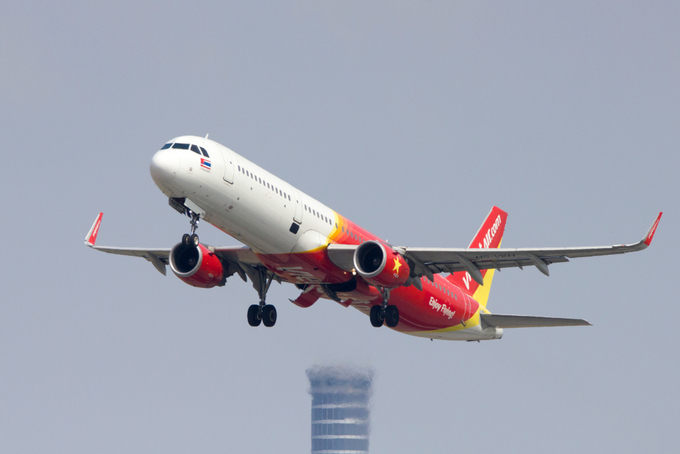
    Budget carrier Vietjet Air plans to expand its investment in new aircraft and technical facilities this year after reporting a small profit in 2020 despite the Covid-19 pandemic.

    “In 2021, we expect to continue to receive new modern planes and will invest in maintenance and training facilities, and the investment will be higher than in 2020,” Vietjet CEO Nguyen Thi Phuong Thao said in an interview recorded on Jan. 9 and broadcast on Thursday at the Reuters Next conference.

    Vietjet said separately on Wednesday it raised $28 million via a bond issuance last month to fund its development plans in 2021. It did not provide further details about the bond sale.

    Vietnam has been successful in containing the coronavirus with a series of quarantine and tracking measures. With just over 1,500 infections and 35 deaths in total, it has resumed economic activities earlier than much of Asia.

    While all international commercial flights have been suspended since late March, domestic air travel has been subjected to few restrictions.

    Vietjet’s cargo transport in 2020 rose 75 percent from 2019, she said, adding that its overall domestic operations recorded positive growth in 2020, without giving comparative figures.

    With the early Covid-19 vaccine roll-out around the world, Thao expects the global aviation industry to recover rapidly.

    Vietjet’s Thai unit increased its aircraft fleet to 15 last year, while its market share there also increased, she added.

    “Air travel demand is extremely high for business, investment, education and healthcare purposes, and we have been actively conducting flights to repatriate Vietnamese people from overseas,” Thao said.

    She said the company is considering options to raise funds for its investment plans for this year, though she did not name an amount.

    “Our debt-to-equity ratio is 1.0, compared with over 3.0 for the aviation industry, so we have room to mobilize funds for our development,” Thao said.

    The airline continued to take delivery of Airbus SE narrow- body jets last year despite some supply chain interruptions at the manufacturer but Boeing Co did not meet its delivery schedule, she said.

    Vietjet has 200 737 MAX jets on order, according to Boeing, but the plane has not yet returned to service in Asia following a near two-year global grounding.

  • Viettel profits grow despite pandemic

    Viettel profits grow despite pandemic

    Telecom giant Viettel managed to shrug off the effects of the Covid-19 pandemic and achieve its revenue and profit targets in 2020.

    The military-owned firm reported revenues of VND264 trillion ($11.47 billion), up 4.4 percent from 2019, and pre-tax profit of VND39.8 trillion, up 4.1 percent.

    Viettel attributed the results to its digital transformation and switch from being a telecom services provider to a digital services provider. In 2020, the platforms it developed included digital infrastructure, solutions, content, and finance, and cybersecurity.

    Its 10 overseas markets reported a 25 percent increase in profits to VND5.6 trillion in the first nine months of 2020, while at home it remained the leader in mobile services and fixed broadband with a 54.2 percent market share.

    By manufacturing 5G equipment and trialing 5G services, the company made Vietnam one of only six countries in the world to master the technology.

  • Think tank forecasts some growth for Vietnam

    Think tank forecasts some growth for Vietnam

    A government think tank has pegged economic growth at 6.46 percent this year thanks to the country’s success in containing the Covid-19 outbreak and maintaining stability.

    Vietnam is one of the fastest recovering economies in Asia, the Central Institute for Economic Management (CIEM) said in a report.

    In the best-case scenario, credit growth would be 13 percent against 10.1 percent last year, it said.

    But it also warned of risks that could hamper growth, like the unpredictable global economic situation as the pandemic situation remains severe in many countries and possible anti-dumping and countervailing investigations by the U.S. and other countries.

    Several international organizations have forecast a strong recovery for Vietnam this year, with lender HSBC forecasting growth of 7.6 percent. The International Monetary Fund and Asian Development Bank have forecast 6.5 percent and 6.1 percent growth.

    The government has set a target of 6.5 percent.

  • Vietcombank targets 12 procent profit growth

    Vietcombank targets 12 procent profit growth

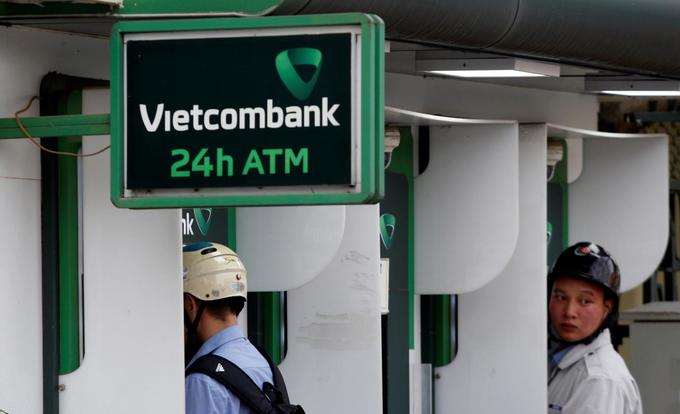
    State-owned lender Vietcombank has announced credit growth and pre-tax profit targets of 12 percent and VND25.2 trillion ($1.09 billion) for 2021.

    The 12 percent credit growth target matches the target set for the banking industry as a whole, the lender said.

    In 2020 Vietcombank’s profit was VND23 trillion, the same as the previous year. It also targets keeping non-performing loans at under 1 percent and achieving a net profit margin of 3.1 percent.

    Last year, non-interest income accounted for 50 percent of total income, up 10.7 percentage points from 2019. Income from treasury operations and investment accounted for 21 percent.

    In April 2020, Vietcombank became an exclusive bancassurance partner of FWD, the insurance arm of Hong Kong billionaire Richard Li’s investment firm Pacific Century.

    Its income from bancassurance was VND1.87 trillion, or 18 percent of non-interest income.