Tag: Vietnam

  • Rice exports rise despite stockpiling amid pandemic

    Rice exports rise despite stockpiling amid pandemic

    Vietnam’s rice exports grew by 9.3 percent last year to $3.07 billion though it stockpiled the grain to ensure food security after Covid-19 broke out.

    But volumes were down 3.5 percent to 6.15 million tons since the country stopped exports for over two weeks in March and April to ensure adequate domestic supply amid the pandemic.

    The average price rose by 13.3 percent from the previous year to $499 per ton, the highest in years, the Ministry of Industry and Trade reported.

    Vietnamese farmers and exporters are focusing on quality and getting higher prices by meeting import standards in markets like the E.U., South Korea and the U.S., it said.

    Eighty-five percent of the country’s exports last year were considered to be of high quality, according to the General Statistics Office.

    In 2019, Vietnam was the world’s third-largest rice exporter behind India and Thailand with shipments of $2.81 billion. Its biggest buyer was the Philippines.

  • The great banking profit paradox of Covid-hit 2020

    The great banking profit paradox of Covid-hit 2020

    Banks made huge profits in 2020 although the economy grew at the slowest rate this decade and 70 percent more companies shut down than in 2019.

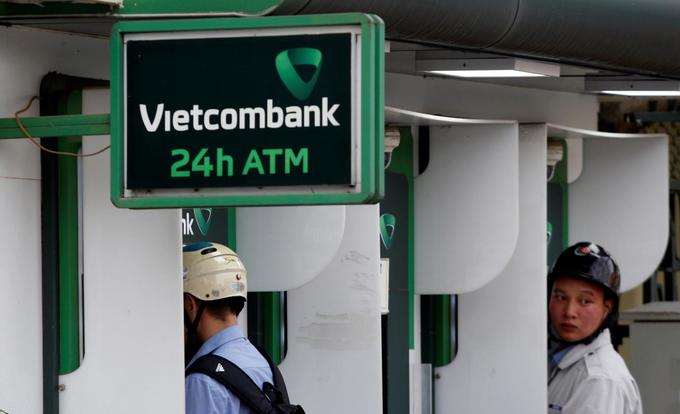
    VietinBank, Vietnam’s third largest lender by assets, reported a 40 percent increase in profit. Vietcombank reported profits of around $1 billion, the same as the previous year. Tien Phong Commercial (TPBank) and Vietnam Maritime Commercial Joint Stock Bank saw their profits increase by 11 percent and a scarcely believable 90 percent.

    State-owned VietinBank attributed the jump in profits to a surge in non-interest income and reduction in operation costs.

    Vietcombank said it owed its profits to bancassurance. In the first nine months, profits had been down 17 percent, but they recovered rapidly in the last three months, increasing by 30 percent, to claw back to the previous year’s levels.

    VPBank and Techcombank were two of the most profitable lenders. They have yet to announce full-year figures, but in the first nine months their profits rose by 30 percent and 20 percent, respectively.

    VPBank managed to cut costs while its income remained steady, while Techcombank saw interest income increase by 28 percent and non-interest income by 65 percent.

    They benefited from a particular segment auto loans. The 50 percent cut in car registration fees in the second half of the year sparked a rush to borrow to buy vehicles. VIB’s interest income in the third quarter was up 38 percent, and the fourth quarter saw probably more of the same. Income for the first nine months rose by 30 percent. TPBank’s interest income too rose by almost 30 percent.

    “Banks’ results are not as we expected,” SSI Securities researchers said in a note. They had forecast in April that banks’ profits would fall by 11 percent in 2020, but in the first nine months, they rose by 11 percent.

    They said the rising profits were due to a surge in non-interest income and improvement in net interest margin (NIM).

    For the banks SSI researched, non-interest income was up by 15 percent in the first half and almost 60 percent in the third quarter, with private joint stock banks providing a major boost.

    “Payment services, trade finance, bancassurance, and remittances revived in the third quarter after social distancing in April and May suppressed demand,” SSI said.

    The second quarter saw NIM plunge due to interest rate cuts and loan restructuring, but it recovered in the third quarter, in fact, reaching a three-year peak as deposit interest rates fell sharply and lending interest rates gradually rose back up.

    The third quarter saw a 9 percent rise in interest income and 31 percent increase in non-interest income.

    It is estimated that for the full year banks’ net profits would rise by 10.2 percent, while that of non-financial companies would fall by over 21 percent, financial data company Fiingroup said.

  • Viettel revamps as it eyes to enter Cuba

    Viettel revamps as it eyes to enter Cuba

    Viettel Group, Vietnam’s largest mobile network operator, which is wholly owned and operated by the Ministry of Defense, has plans to expand to sister socialist countries Cuba and North Korea, both of which are in the early stages of building up mobile phone networks. Earlier plans to expand to Venezuela have been put on hold owing to the dismal economic state of the latter nation.

    According to Viettel executives, the company is seeking to hold negotiations with the two countries in order to gain a foothold in their underdeveloped wireless markets.

    In Cuba, the company is waiting for a decision by Empresa de Telecomunicaciones de Cuba, the state-owned telecom provider and operator of the sole mobile network Cubacel whether it would grant Viettel a license.

    In North Korea, where Koryolink, a joint venture between the North Korean state and Egypt’s Orascom Investment Holdings, has reached millions of subscribers since its 2008 launch, Viettel had sought permission to build a mobile network as early as in 2010 but is still waiting for sanctions to be lifted and for the country to open its market to foreign investors.

    Viettel in its international expansion has set sights on a number of otherwise overlooked destinations. It began its global expansion by setting up a joint venture in Laos in 2008 and became the largest mobile phone operator in Cambodia after launching operations there in 2009. Since that time Viettel has expanded its operations to Burundi, Cameroon, East Timor, Haiti, Mozambique, Peru, Tanzania and eventually Myanmar.

    Between 2015 and 2017, the company invested over $2.23 billion or its foreign expansion strategy and by 2017, Viettel’s international operations covered an area of more 350 million potential subscribers. The company has invested in heavily in infrastructure in Myanmar where it is seeking to double its five million-subscriber base by the end of this year.

    The company has said that it will stop investment in the African market where the company has struggled to make a profit due to poor economic growth. According to telecommunications industry insiders, Viettel is in talks to buy stakes in existing telecommunication firms in Indonesia and Malaysia and a 20% stake in an unnamed European mobile carrier. Plans are to expand further in Bangladesh, Nepal, Belarus and Ukraine in the near future.

  • Vietnam’s retail sales see lowest growth in nine years

    Vietnam’s retail sales see lowest growth in nine years

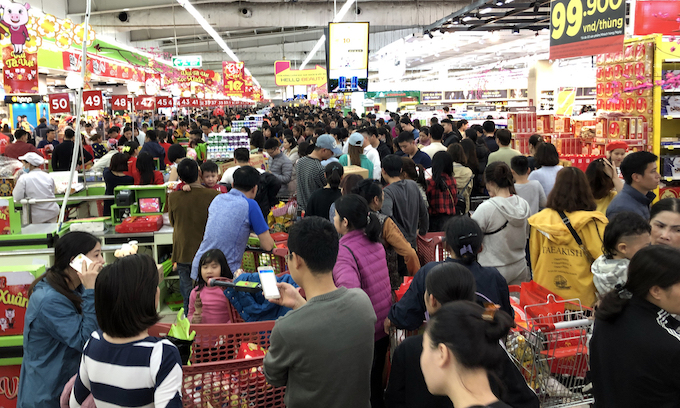
    This year’s retail sales growth was much lower than 9.5 percent seen in 2019 and was also the lowest rate in the 2011-2020 period due to the significant impact of the COVID-19 pandemic.

    Revenue from retail sales of consumer goods exceeded 3.9 quadrillion VND, up 7 percent year-on-year or accounting for 79 percent of the total. Especially, revenue increased by 10.7 percent for food and foodstuff; 7.5 percent for the group of household appliances, tools and equipment; 3 percent for garments and 1 percent for cultural and educational services.

    Meanwhile, revenue from accommodation and catering services dropped by 13 percent year-on-year to 510.4 trillion VND, making up 10 percent of the total. Last year, the revenue from these services saw a yearly increase of 9.8 percent.

    Other services also experienced a slight revenue decline of 4 percent to 535 trillion VND in 2020.

    However, VNDirect Securities forecast that the nation’s retail sales growth would bounce back to pre-COVID-19 levels next year, reaching 8.5-9 percent year-on-year.

    The projection was made on the back of the country’s successful containment of COVID-19, which was a major contributor to the economic rebound in the third quarter that saw unemployment fall 0.23 percent against the previous quarter to 2.5 percent.

    VNDirect also predicted that consumer confidence would likely recover soon, against a backdrop of COVID-19 vaccines expected to be available in 2021.

    With the rapid growth of the middle class and rising per capita income, domestic consumption remained the main growth driver of the retail industry, even during COVID-19.

    The Ministry of Industry and Trade expected the domestic trade sector’s added value to contribute 13.5 percent to GDP by 2025 and total retail sales of goods and services to grow around 9-9.5 percent annually over the next five years.

    The ministry forecast that total retail sales would reach nearly 350 billion USD by 2025.

    The market’s recovery offers huge opportunities for retailers to expand their distribution networks.

    Saigon Co.op is targeting to add at least 2,000 stores to its chain over the next five years, with revenue rising 8-10 percent annually.

    Major Japanese retailer Muji, which sells a wide variety of household and consumer goods, has opened its first store in Vietnam, in HCM City, and is planning to open another in Hanoi, it added.

    Inflation forecast to be controlled less than 4% in 2021

    Many essential goods prices are forecast to fluctuate in 2021, thus the Consumer Price Index (CPI) will rise more sharply than in 2020. However, the average price hike for the whole year is projected to be less than 4%, as the target set by the National Assembly (NA).

    This comment was proposed by experts at a seminar held by the Academy of Finance on January 5 to discuss price fluctuation in 2020 and forecast for 2021.

    Nguyen Anh Tuan, Director of the Price Management Department, said that both objective and subjective impacts have made the Government and ministries and branches’ task of stabilizing the macro-economy, promoting growth, and controlling inflation face great challenges. Therefore, the department had built and set up a price management scenario for this year, closely following the NA target of controlling inflation at below 4%.

    In that context, price management has been directed by the Government and the Prime Minister to implement a prudent point of view, closely coordinating to ensure the harmonization of common goals.

    It was difficult to predict prices of commodities this year, so the Price Management Department would continue to work closely with ministries, agencies and localities to drastically and effectively implement the public management, administration and price stabilization under market mechanisms to control inflation according to set targets, said Tuan.

    At the same time, it would continue to implement the market price roadmap for public services and essential goods.

    Economic expert Ngo Tri Long said that 2021 is still very unpredictable, so price management should be operated in a prudent, flexible and proactive manner. Fiscal policy should coordinate closely with monetary policy and other macroeconomic policies in order to control inflation in accordance with the set targets; at the same time, contributing to supporting and removing difficulties for production and business, and the lives of people affected by the COVID-19 pandemic.

    According to Nguyen Duc Do, Deputy Director of the Institute of Economics and Finance, in 2021, when the disease is better controlled thanks to vaccines, and the world and domestic economy recovers; inflation compared to the same period last year tends to increase again.

    Da Lat aims to welcome 4 million tourists in 2021

    Da Lat city greeted more than 58,000 visitors during the 2021 New Year holiday from January 1 to 3, said Ms. Tran Thi Vu Loan, Deputy Chairwoman of the Da Lat People’s Committee.

    Of this, domestic visitors reached 57,500, a year-on-year increase of 44% while foreigners numbered over 500, a year-on-year decrease of 92%. Total number of visitors staying overnight was 48,000.

    While the tourism industry of many countries in the world and many localities in the country are greatly affected by the COVID-19 pandemic, the number of tourists choosing Da Lat for their destination on New Year is remarkable and is expected to open prospect for the city’s tourism industry in 2021.

    In 2020, Da Lat welcomed four million tourists; down 44% compared to 2019. Of which, over-staying visitors were more than 3.6 million, down 24.7%.

    It is forecasted that by 2021, the COVID-19 pandemic may still be complicated; the local tourism industry focuses on attracting domestic tourists, with many programs linking tours, stimulating tourism demand during the tourist season and holidays. It aims to welcome more than 4 million visitors this year./.

  • VietinBank reports record profit

    VietinBank reports record profit

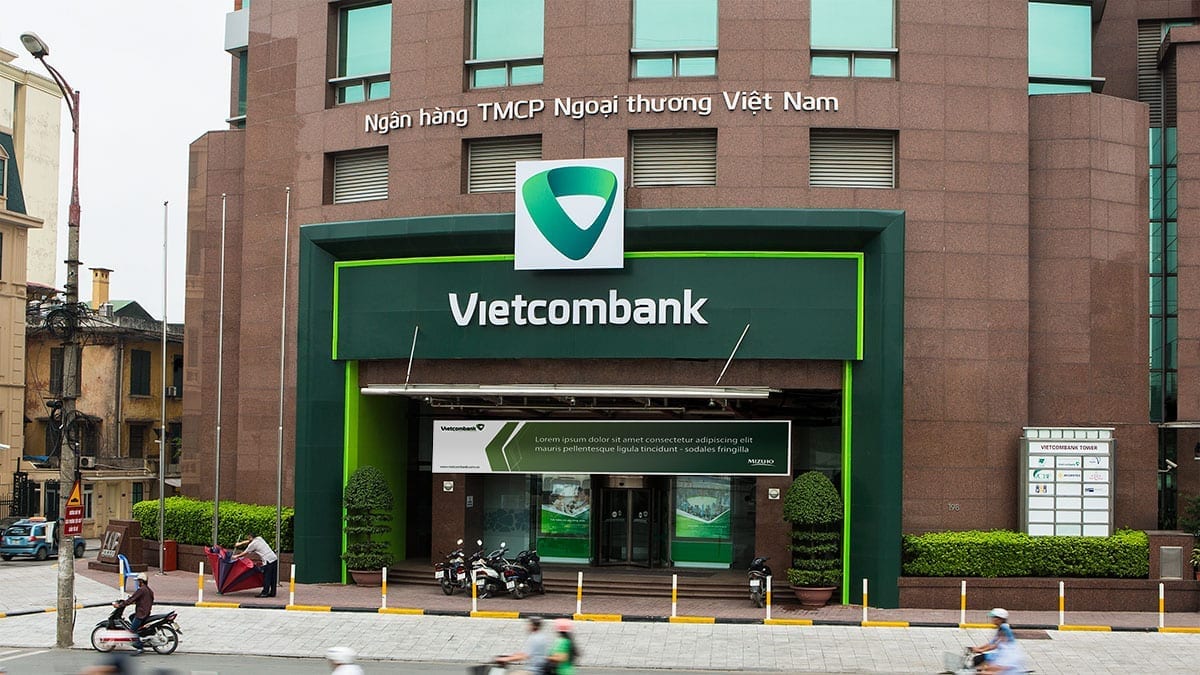
    VietinBank, Vietnam’s third largest lender by assets, has reported a 40 percent increase in standalone profits in 2020 to VND16.5 trillion ($715 million).

    This is its highest ever profit, and chairman Le Duc Tho, speaking at a meeting on Wednesday, attributed it to a surge in non-interest income and reduction in operation costs.

    While it has not published its financial statement for the year, the bank said in a press release that consolidated debts rose by 7.7 percent and non-performing loans were less than 1 percent.

    Its non-interest income jumped 35 percent, lifting it as a ratio of total income from 16.5 percent in 2019 to 20 percent.

    Income from services, foreign exchange trading and treasury operations increased by 12 percent, 24 percent and 70 percent.

    The bank targets 8-11 percent credit growth in 2021 and 10-20 percent growth in standalone profit and consolidated profit, and keeping non-performing loans to under 2 percent.

  • US absolves Vietnamese tire exporters of dumping

    US absolves Vietnamese tire exporters of dumping

    The U.S. has made a preliminary determination that most Vietnamese tire exporters did not dump products in the U.S. and not subjected them to anti-dumping duties.

    Six producers and exporters of passenger vehicle tires from Vietnam, who account for over 95 percent of Vietnamese tire exports to the U.S., were found to not dump following an investigation by the Department of Commerce that began last June.

    But some other companies were hit with a 22.3 percent anti-dumping duty, with the Trade Remedies Authority of Vietnam saying it was because they did not fully cooperate with U.S. authorities.

    The U.S. has imposed duties of 13.25-98.44 percent on South Korea, Taiwan and Thailand. A final determination will be issued on May 14.

    The U.S. imported nearly $4 billion worth of tires from the four in 2019, with Vietnam accounting for $469.64 million.

  • Once successful fitness studio goes belly-up

    Once successful fitness studio goes belly-up

    Fitness studio chain Lamita has announced the closure of all of its 16 centers after Covid-19 caused it to go bust.

    Vu Thi Thuy Linh, the CEO of Lamita Fitness, said the main reason for the failure has been Covid-19 and not internal problems but admitted she was at fault for not realizing the risk of expanding the business despite the pandemic.

    “The pandemic has left the company unable to revive, resulting in cash flow imbalance and unpaid wages, and so we had to make the decision to shut down,” Linh said.

    “If we had not relied on the investment fund but on ourselves, developing steadily just like seven years ago, then maybe all of these regretful outcomes could have been avoided.”

    Founded in 2012, Lamita started off as a dance center called Zumba Hanoi. In 2018 restructured, changed its name to Lamita and developed the Lamita Fitness, Lamita Star, Lamita Shop, and La Pham brands.

    It used to have 65 studios and 200 employees before the pandemic outbreak. But, starting in July 2020, it began to close some and cut staff since it was unable to pay their wages as Covid-19 hit cash flows. By August only 16 studios were left.

    In 2019, Linh persuaded Do Thi Kim Lien, chairman of Song Duong Surface Joint Stock Company, and Pham Thanh Hung, chairman of Century Real Estate Investment and Development Joint Stock Company, to invest VND10 billion ($435,000) for a 35 percent share in Lamita Fitness, but the former failed to bring in the money as promised.

    At the end of 2019, Lamita Fitness got in touch with a domestic investment fund. In February 2020 it got its business appraised and was valued at VND100 billion. Linh claimed that the fund had agreed to invest VND30 billion for a 30 percent stake.

    Then, a month later, Covid-19 broke out and Lamita found itself mired in difficulties since, despite not receiving the investment from the fund, it had to maintain the growth it had committed to. It thus had to pay growing rents and staff salaries despite having little income.

    When the Government imposed social distancing, it retained all its studios and staff thinking the pandemic would soon pass. In the middle of 2020, it reopened, but business was non-existent and the lack of cash flows was beginning to tell.

    Linh plans to revive Lamita, reduce its scale and launch online products. It has agreed to refund the fees people paid for dance lessons, but those staying back can get a 50 percent discount when the next course starts.

    Lamita is the first business in the fitness industry to fail in 2021. Last year WeFit, an application connecting gyms and spas, went bankrupt due to Covid-19.

  • Shrimp exports to rise 15 pct

    Shrimp exports to rise 15 pct

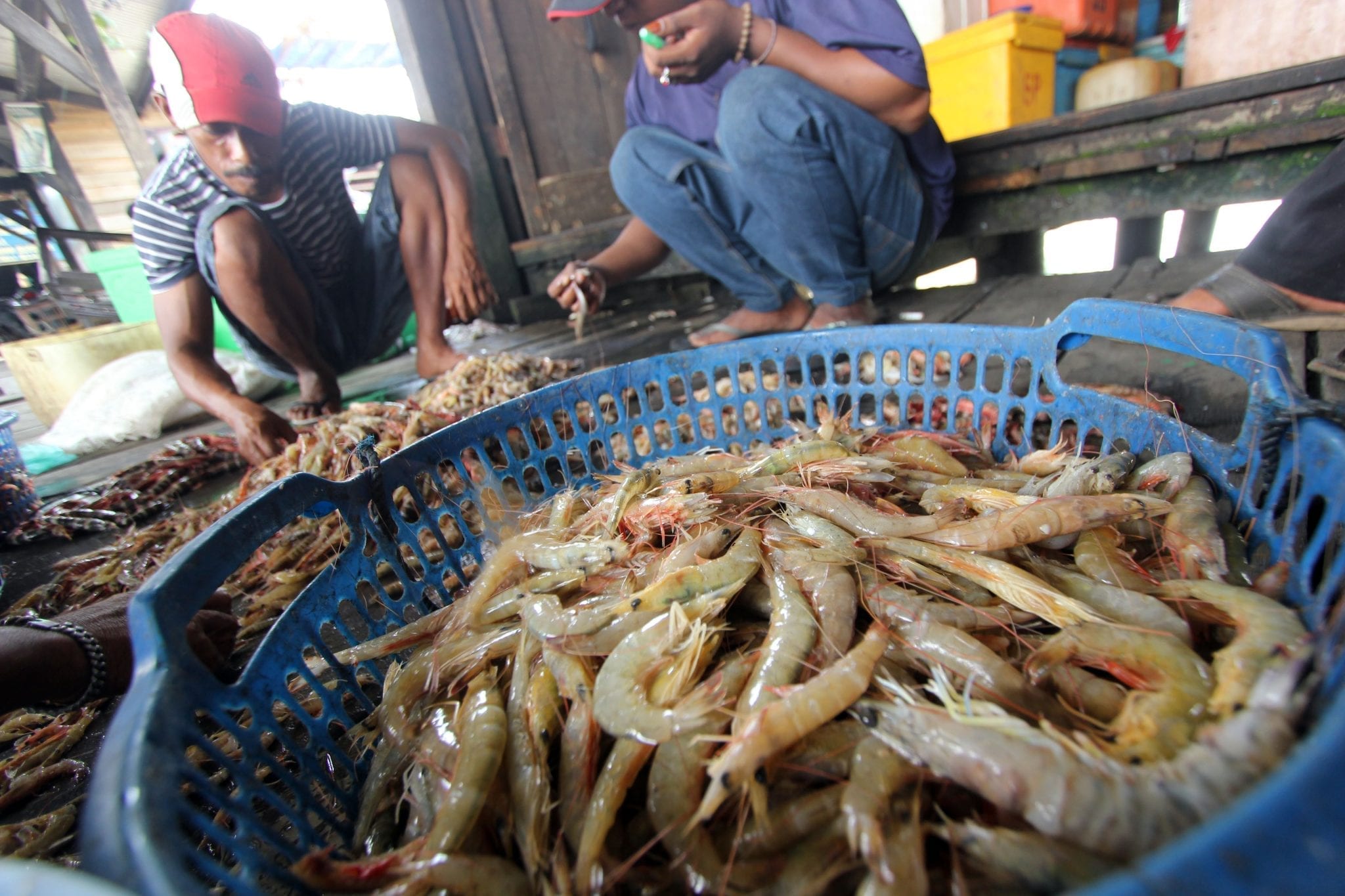
    Vietnam has advantageous conditions to increase shrimp exports by 15 percent year-on-year to top $4 billion in 2021, industry insiders say.

    Global demand has remained stable while other shrimp exporting countries have not recovered from pandemic impacts, according to the Vietnam Association of Seafood Exporters and Producers (VASEP).

    China is the biggest shrimp producer in Asia, yet it lacks shrimp supply for processing and consumption.

    Vietnam’s shrimps will benefit from tariff cut under new-generation FTAs that the country has signed.

    However, Vietnamese shrimp exported will have to face strong competition from India, where low production costs make its export prices more competitive, according to the Agro Processing and Market Development Authority.

    China has imposed import restrictions based on quality, quarantine, and procedural issues which can result in a plunge in shrimp exports to the neighboring giant.

    Shrimp exports are set to increase by 12.4 percent in 2020 to $3.78 billion despite the major impact Covid-19 has had on the seafood industry.

  • HSBC sees Vietnam growing slower than earlier forecast

    HSBC sees Vietnam growing slower than earlier forecast

    HSBC has revised downward its Vietnam GDP growth forecast for 2021 from 8.1 percent to 7.8 percent, pointing to the slow recovery in tourism.

    Travel-related services such as accommodation and transportation remained in a deep slump, it said in a note.

    “There is nothing to be surprised when immigration restrictions are still in place, although Vietnam has made some travel agreements with neighboring countries.”

    The tourism industry could hardly revive until an effective vaccine for Covid-19 was developed and there was a new approach toward global tourism co-operation.

    It also said the inflation rate in 2020 was probably 3.3 percent, much below the 4 percent target set by the State Bank of Vietnam.

    Though the country escaped the worst effects of the pandemic, its businesses and consumers affected by Covid-19 needed great support, but it would be difficult since Vietnam’s public debt-to-GDP ratio was 65 percent.

    The fiscal deficit would increase to 5.2 percent of GDP in 2020 before falling to 4.6 percent in 2021, resulting in public debt falling below 60 percent.

    With the economy likely to revive, the central bank would stick to its monetary policy in the first quarter of 2022 before raising interest rates by 0.25 percentage points in the third quarter.

    Vietnam would remain a “shining star” in 2021, and also benefit from a technology-driven revival, consistent FDI inflows and various trade agreements, HSBC said.

    The only challenge was likely to come from the labor market since, despite some improvement in the third quarter of 2020, unemployment was still on the rise and salaries were declining.

    If this continued, consumer spending, a major factor boosting the economy, would take longer to recover.

  • KardiaChain CEO aims to popularize blockchain in Vietnam

    KardiaChain CEO aims to popularize blockchain in Vietnam

    The KardiaChain platform founded by Pham Minh Tri has attracted Vietnamese experts globally to join the local blockchain sector.

    After graduating with a master’s degree in science from the University of East Anglia, famous for practical research, in London in 2013, Tri is now focusing on location-based messaging, text-speech processing, computer vision, and augmented reality.

    During his tumultuous years outside Vietnam, blockchain attracted Tri’s attention. He first approached this technology in 2012, after learning about the core peer-to-peer network of decentralized systems.

    Five years later, Tri had the opportunity to delve into and invest in new blockchain projects in London. In 2018, he and Huy Nguyen, currently senior technical manager at Google, Silicon Valley, founded KardiaChain, which rapidly researched blockchain interoperability.

    This breakthrough technology has helped solve the problem of communication between networks, allowing the transfer of data and assets from one blockchain to another. Important applications of cross-chain blockchain include decentralized exchanges.

    Today, only a few companies have successfully built cross-chain infrastructures like Polkadot and Cosmos, all worth billions of dollars, according to the KardiaChain CEO.

    Studying the potential market, Tri considered Vietnam one of the most promising environments for blockchain development due to its legacy system, golden population, and open regulatory environment.

    Unlike the U.K. or U.S., blockchain in Vietnam enjoys less competition with existing systems according to centralized design. Digital conversion and digitization of data are still in the early stages, so if combined with blockchain nation, our country would be able to take a shortcut, said Tri. Besides, its young population, rapid increase in education, and strong development of the middle class are all suitable for newly introduced and well-received technology products.

    More importantly, the Vietnamese government supports the startup movement, especially industries in the 4.0 revolution like blockchain and AI. Besides, the legal corridor for Fintech that is gradually being improved is also a great driving force for blockchain users.

    Returning to Vietnam in 2018, he and his partner founded KardiaChain, specializing in developing blockchain platforms. One of its most outstanding inventions is its non-invasive cross-chain technology Dual Node, pending patent. This technology helps blockchains communicate with each other despite algorithmic differences.

    KardiaChain’s decentralized platform allows any business to build transparent, secure applications with open functionality. According to business representatives, this makes blockchain infrastructure invisible, like electricity and the Internet, through mobile applications to benefit end-users.

    One of the most successful application units of KardiaChain is Youth Union in District 5, Ho Chi Minh City. The solution called TuoiTre Q5 helps the unit manage 10,000 youth union members, update daily news, support online assignments, and recognize emulation and rewards.

    With the above advantages, the app has received nearly 8,000 good reviews in recent surveys. The product initially asserted that the blockchain platform, when properly applied, is a useful tool to transform traditional models to suit contemporary society.

    From initial research and application, in April this year, KardiaChain raised $19.2 million from 2,500 investors through the Gate.io platform. KardiaChain then successfully signed a strategic cooperation with LG CNS – a subsidiary specializing in providing technology solutions of LG Group to develop blockchain infrastructure in Vietnam.

    According to Tri, the process of popularizing blockchain in Vietnam is a long journey, requiring a combination of technology, people, law and timing. But with careful preparation, we believe we will achieve this goal, inspiring people with the same passion and understanding of blockchain, he said.

  • Solar power boom poses a distribution challenge

    Solar power boom poses a distribution challenge

    The increasing solar power capacity has made it difficult for national utility Vietnam Electricity (EVN) to ensure stable power distribution nationwide.

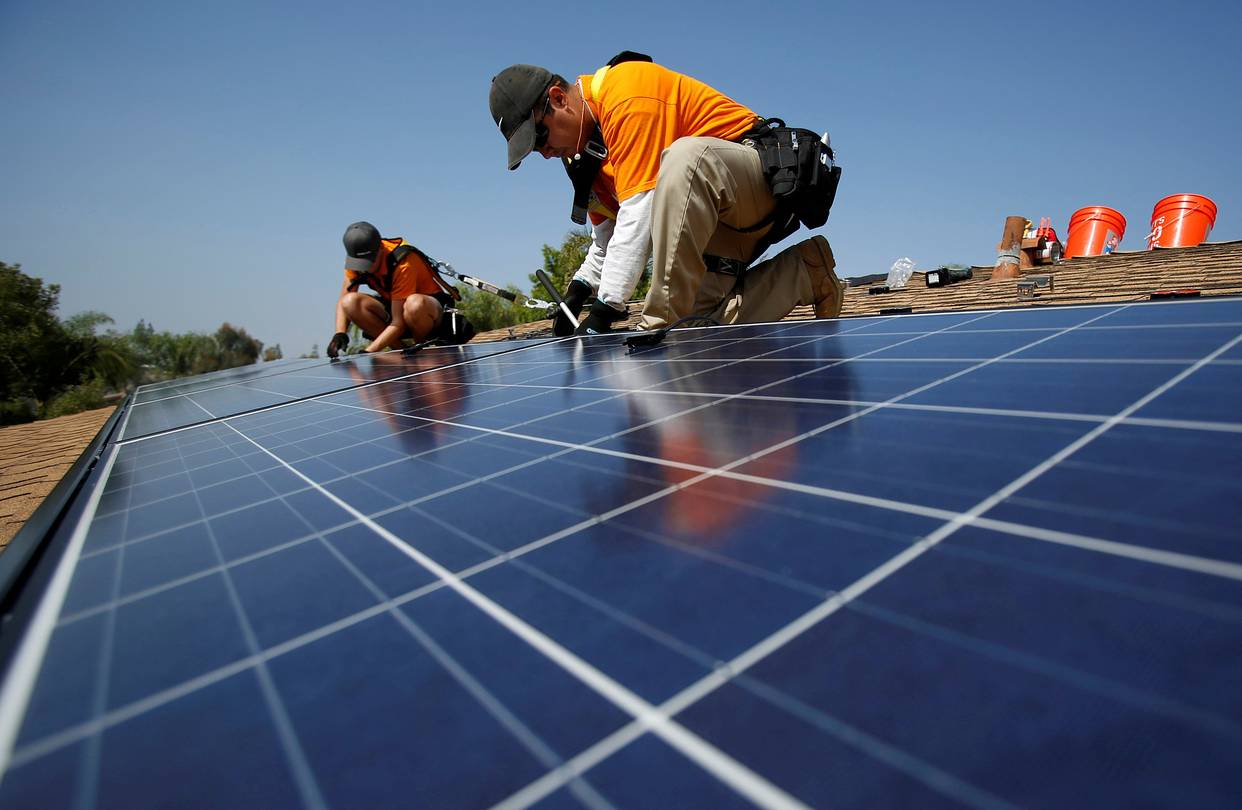
    The nature of solar power capacity, which accounts for 25 percent of the total, is to produce high volumes during the day and no production in the evening. This poses difficulties for EVN in operating the national grid, the national utility has said in a report.

    There have been times when the grid was oversupplied during the low-demand hours between 10 a.m. and 2 p.m. when solar radiation is at peak, the report says.

    On the contrary, when power demand is at the highest, the 5:30-6:30 p.m. period, solar power production falls to nearly zero and the traditional power generators have to be mobilized.

    “The ratio of renewable power generation is increasing and with it comes instability in operation,” the report says.

    Vietnam’s solar power capacity was roughly 16,500 megawatt by the end of last year, nearly 48 percent of it coming from rooftop panels and the rest from plants.

    Solar power production reached 10.6 billion kilowatt-hours last year, accounting for 4.3 percent of total.

    There was a surge in the number of solar power projects after the government offered an incentive feed-in tariff scheme to promote renewable energy production to meet rising demand in a fast-growing economy.

  • Vietnam economy to grow almost five times by 2035

    Vietnam economy to grow almost five times by 2035

    Vietnam’s economy is expected to grow five times, becoming the 19th largest economy in the world in 2035, a report says.

    Steady and consistent growth is set to help it go past major Asian economies like Taiwan and Thailand by 2035, U.K consultancy the Centre for Economics and Business Research (CEBR) said in its annual league table on the growth prospects of 193 economies released last week. The country now is the 37th largest economy.

    Its GDP growth is forecast at 7 percent a year over the next five years, and 6.6 percent in the subsequent decade.

    The report estimated Vietnam’s nominal GDP by 2035 to be $1.59 trillion from the current $341 billion, a nearly five-fold increase in 15 years.

    Despite the Covid-19 pandemic, the Vietnamese economy, unlike most others, was able to escape a contraction in 2020 thanks to competent handling of the crisis, the report said. It grew at 2.91 percent.

    The government has set a GDP growth target of 6.5 percent for 2021.

    China will overtake the U.S. as the world’s biggest economy in 2035 after outperforming its rival during the global Covid-19 pandemic, according to CEBR.

  • Vietnam not considering international flight resumption

    Vietnam not considering international flight resumption

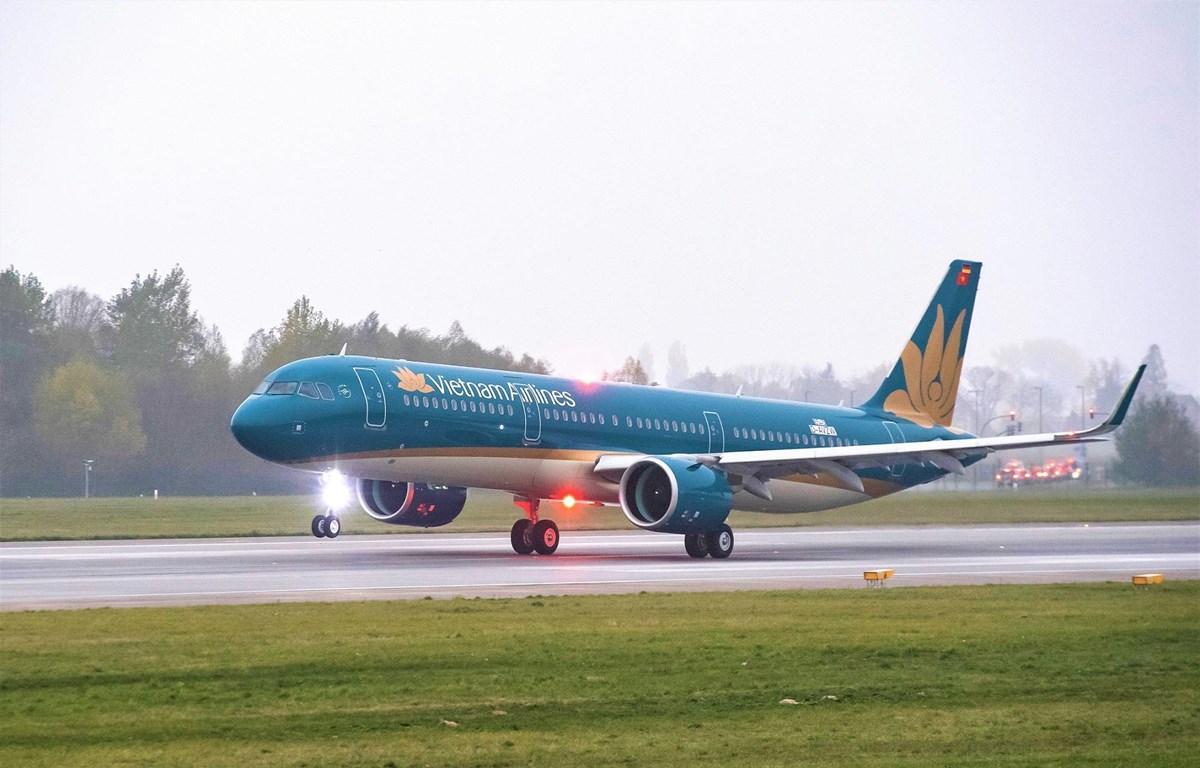
    Vietnam is not considering a resumption of international commercial flights with the Covid-19 situation remaining intense globally and vaccine distribution uncertain.

    The pandemic has been complicated by the appearance of a new coronavirus variant, with no certainty a vaccine would be distributed on a large scale this year, Deputy Minister of Planning and Investment Tran Quoc Phuong told press Monday.

    Resumption of tourism activities would only occur when deemed safe, he stressed.

    Vietnam suspended commercial international flights in late March last year to contain the spread of the novel coronavirus.

    However, the country still allows a limited number of flights for experts, businesspeople, workers and overseas Vietnamese, who are all quarantined by up to 14 days upon arrival.

    Phuong said authorities are struggling to contain illegal immigration as travel demand spikes ahead of the Lunar New Year holiday, or Tet, which falls in February this year.

    Foreign arrivals last year fell nearly 79 percent to 3.84 million, according to the General Statistics Office.

  • Big state banks gradually lose credit market share

    Big state banks gradually lose credit market share

    The credit market share of Vietnam’s three largest banks has fallen by 2.7 percentage points in the last two years due to liquidity constraints.

    The three, all state-owned and listed and the country’s largest by assets, Vietcombank, Vietinbank and BIDV, account for 34 percent of all loans outstanding, securities company VDSC said in a note last week.

    But this represents a 2.74-percentage-point fall even as the four largest non-state banks, Techcombank, VPBank, Military Bank (32.42 percent state-owned), and ACB, increased their share of loans outstanding by 1.6 percentage points.

    During the two years ending in the third quarter of 2020, VietinBank’s share fell by 1.96 percentage points, BIDV’s by 0.7 percent and VCB’s by less than 0.1 percent.

    The big fall in VietinBank’s market share is because it has been strapped for cash. There have been no major infusions of capital in the past few years, return on equity has been low, bonuses and employee welfare funds cause a big drain on resources, and the government appropriates much of its earnings.

    This situation has been exacerbated by Basel II standards, which prescribe a capital adequacy ratio (CAR) of 8 percent of risk-weighted assets for all financial institutions. Thus, to lend more, banks have to increase their charter capital.

    Though the Government has agreed to reduce its ownership in state-owned banks from 65 percent to 51 percent by 2025, it has yet to be implemented.

    But the government issued a decree in October allowing state-owned banks to pay dividends in stocks to increase their capital, helping them improve their growth prospects in the medium and long terms.

    According to the State Bank of Vietnam, banks’ total outstanding loans were worth VND8.69 quadrillion ($376.87 billion) at the end of the third quarter.

    Credit growth is expected to be 11 percent in 2020, down from 13.5 percent in the previous year.

  • Container shortage hits exports

    Container shortage hits exports

    Exporters complain they face difficulty delivering goods due to a shortage of containers, whose rentals are rapidly increasing as a result.

    The Vietnam Maritime Administration (VMA) on Monday wrote to container shipping lines, instructing them to publicly declare their freight rates and surcharges, warning it would not countenance profiteering or unreasonable prices, which cause difficulties for exporters and disrupt the shipping market.

    It has received numerous complaints about inflated prices due to a shortage of containers and ships.

    Most shipping lines have hiked freight by 2-10 times in the last two months, depending on the sector. For instance, while it normally costs $1,420 to ship a 20-foot container to the U.K., it rose to $5,420 in November and $7,200 in December.

    Before October renting a container from the U.S.’s Los Angeles to Vietnam cost $700-1,000, but this increased to $5,000 in November.

    Phan Minh Thong, CEO of Phuc Sinh, one of the largest pepper and coffee exporting companies, said the cost of a container increased by 700 percent yet many of his orders were not delivered because “they were unilaterally canceled by the shipping company.”

    “There have been occasions when we reached an agreement with the shipping line at night but were told in the morning it was canceled because they received a higher bid. On some days we received cancellation notices for 40-50 containers.”

    From shipping 40-50 containers a day, Phuc Sinh was down to three to five in November and December.

    As a result, they had to buy less from suppliers, reducing from nearly 10 tons a month to three tons or less now though it is the harvest period for items such as pepper and coffee.

    The Vietnam Association of Seafood Exporters and Producers has advises its members to have plans in place to minimize supply chain disruptions and export losses.

    It had expected rising exports in the fourth quarter to take seafood exports for 2020 to $8.6 billion, but lack of containers and ships in the last two months could affect this.

    The Covid-19 pandemic is the main reason for the container shortage, Kieu Ngoc Phuong, deputy general director of Tan Thanh Trading Mechanic JSC, which manufactures and distributes containers, said.

    Many are stuck at ports since they could not be emptied, while the pandemic itself has caused many shipping lines to go bankrupt, she said.

    “The number of customers contacting Tan Thanh to rent containers has increased by 10 times from normal months. We have to reject a lot of orders because we cannot meet all the demand.”

    Concurring, Thong also said shipping lines had to cut routes this year, resulting in a shortage of cargo space, and there has been a slowdown in goods processing and freeing up empty containers at ports in Europe and North America, the world’s two biggest import markets, while demand during the year-end holiday season is huge.

    According to the Ministry of Industry and Trade, China has been getting containers from various countries by paying high prices following a serious shortage earlier this year.

    It did so just in time to see exports rise 21 percent year-on-year in November, as manufacturing recovered post-pandemic, creating a general scarcity in the region.

    Given the situation, the VMA assured that it would inspect shipping lines and crackdown if there are deliberate violations of transparency rules.

    The Ministry of Industry and Trade forecasts the shortage of ships and containers to continue until March or even longer if Covid-19 is not controlled.