Tag: Vietnam

  • Apple leads in Vietnam smartphone awareness survey

    Apple leads in Vietnam smartphone awareness survey

    Apple is the most popular smartphone brand in Vietnam with 46 percent of respondents thinking about it first.

    Samsung is second with 36 percent, followed by Oppo (9 percent) and Nokia (2 percent), according to a survey of nearly 600 respondents conducted by Ho Chi Minh City-based market research firm Q&Me.

    Top reasons cited for favoring Apple were high quality (78 percent), good brand (71 percent), good security (65 percent), good design (59 percent) and good camera (57 percent).

    The survey found Apple was much loved by young people, while Samsung was popular among those aged 30 and above.

    The survey’s results also showed 79 percent of Vietnamese users buy smartphones at electronics chain stores, 14 percent from e-commerce sites and the remaining from friends or relatives.

    It says 44 percent of Vietnamese users give highest consideration for Apple products for their next purchase, followed by Samsung (26 percent) and Vingroup’s Vsmart (6 percent).

    Hundreds of Vietnamese people last month queued up in front of Apple stores to become the earliest owners of iPhone 12.

    Around 75 million people, or almost 80 percent of the country’s population, use smartphones, according to We Are Social, a social media marketing and advertising agency.

  • Vietnam Airlines gets new CEO

    Vietnam Airlines gets new CEO

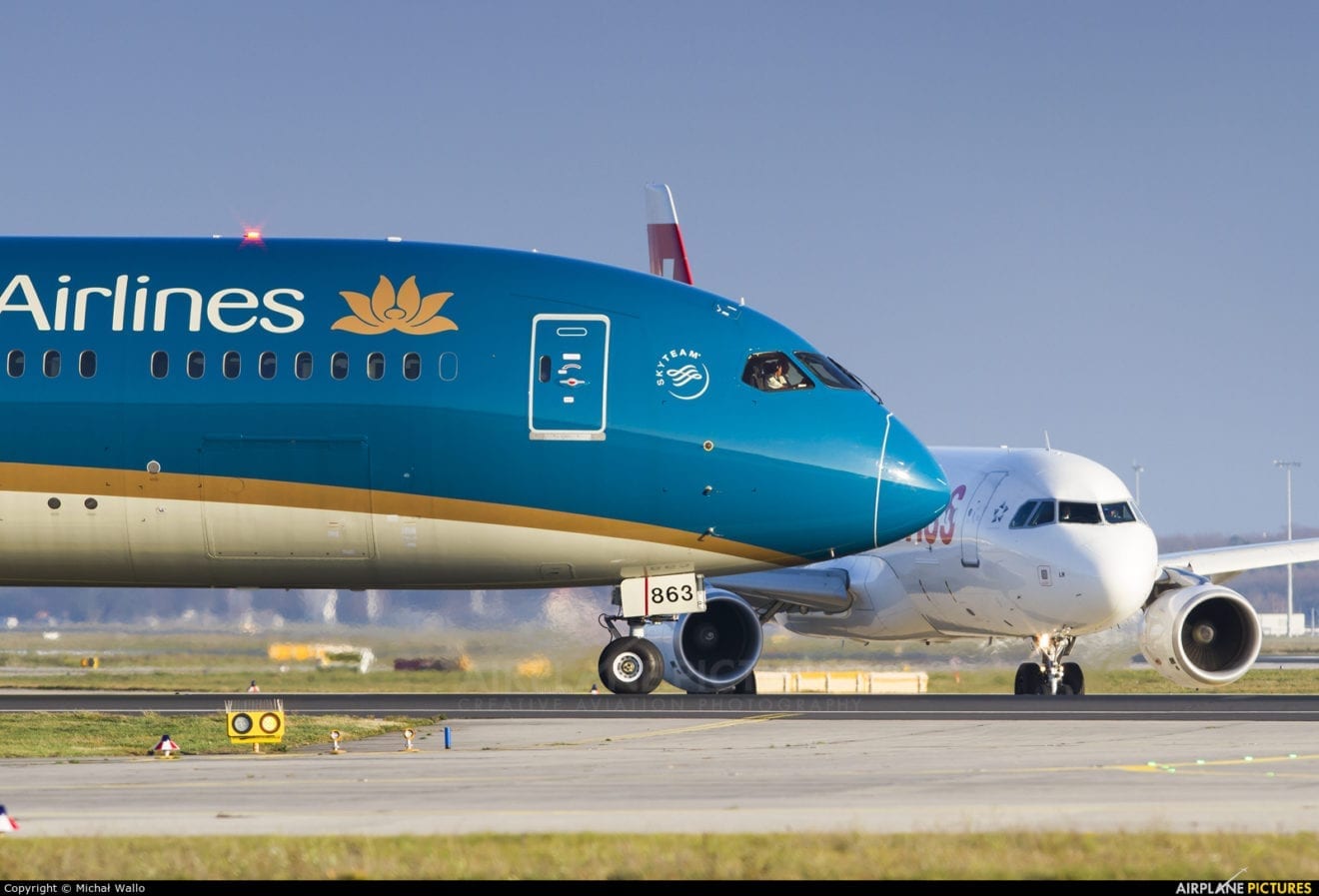
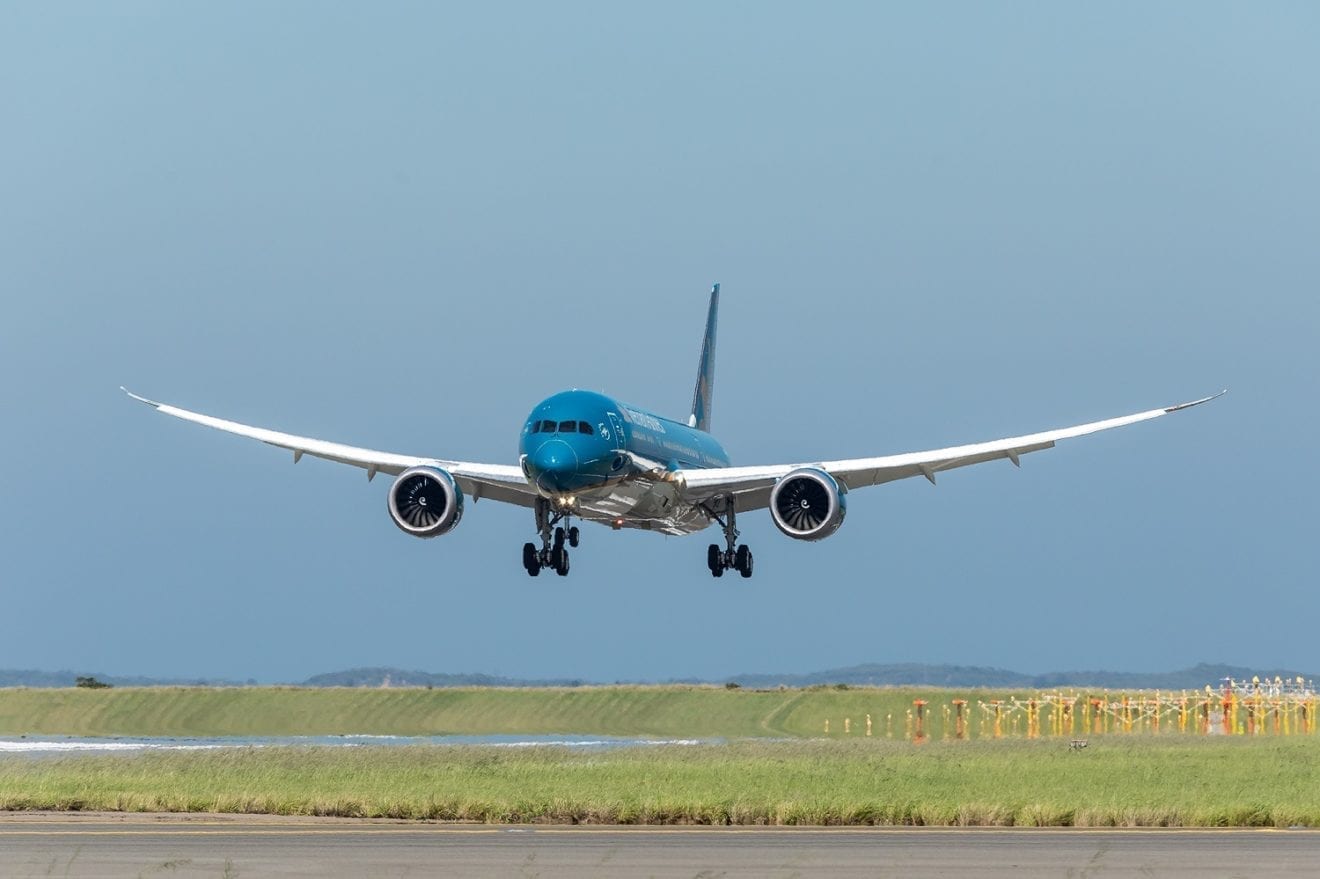
    Vietnam Airlines deputy director Le Hong Ha will take over as the national carrier’s new CEO starting January 1, 2021.

    Ha, 48, will replace Duong Tri Thanh who retires Thursday after almost five years at the helm.

    Ha began working for Vietnam Airlines in 1994 as has occupied several key positions.

    In 2015, he was appointed the CEO of Vietnam Airline’s subsidiary Jetstar Pacific (now Pacific Airlines), and is currently the chairman of the jet fuel supplier Skypec.

    Vietnam Airlines has forecast a loss of VND14.44 trillion ($625 million) this year because of the Covid-19 pandemic.

    The number of passengers it served this year is estimated to fall 51 percent year-on-year to nearly 14.23 million, with the number of flights plunging 48 percent to 96,500.

  • Stock market raises standard trading lot to 100 to cope with overload

    Stock market raises standard trading lot to 100 to cope with overload

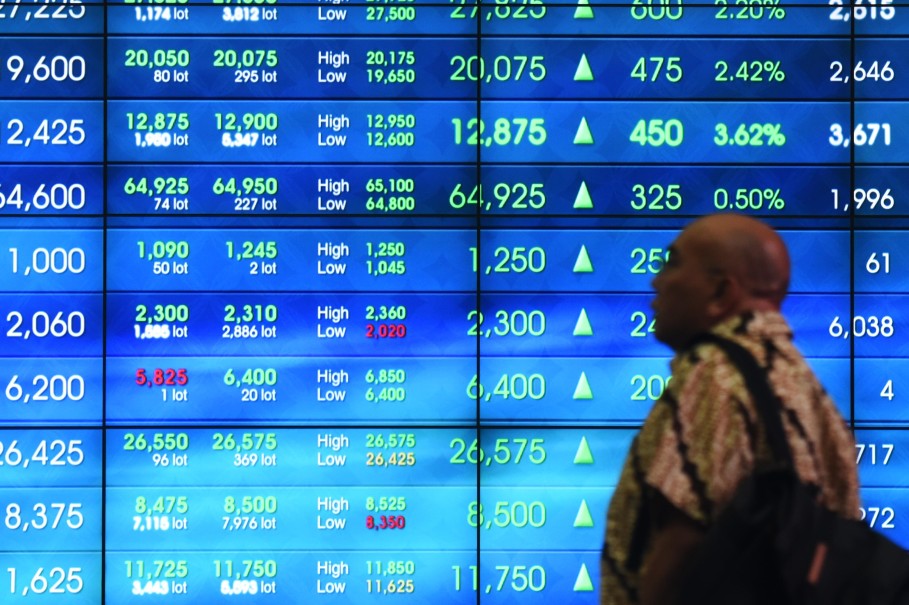
    The Ho Chi Minh Stock Exchange is set to raise the minimum number of shares that can be transacted in order from 50 to 100.

    It had planned to effect the change on January 18, but after testing and interaction with securities companies it has decided to advance it by two weeks to January 4 “if everything goes smoothly,” a bourse spokesperson said.

    Currently investors wanting to trade odd lots of 1-49 shares have to transact with securities companies instead of on the exchange.

    HoSE executives said securities companies are keen to make the switch and willing to speed it up.

    A standard lot of 100 is the norm in many countries in the neighborhood such as SET (Thailand), BM (Malaysia), and SGX (Singapore) consistent with international practices and reasonable given the current market conditions, HoSE said.

    The larger lot size is expected to reduce the load on the system at a time when market liquidity is at historic highs. Between December 17-28, the exchange had to halt trading completely for short periods of time as volumes approached VND14 trillion ($606.14 million).

    Le Hai Tra, head of its board of directors, said at a press conference last week that the exchange was receiving 3-12 times higher volume of orders than before.

    Although the system has backup capacity, it cannot cope with this sudden surge immediately, he explained.

    Before Covid-19 caused other asset classes such as property to lose their charm and redirected cash into securities, HoSE saw average daily trading of VND3-5 trillion.

    But in the last two months, it has surged to VND12-14 trillion as the benchmark VN-Index kept rising and approached the 1,000-point mark, a threshold it struggled to cross in the last two years.

    The VN-Index on Wednesday shed 0.18 percent to close at 1,097.54 points. Trading was worth VND13.5 trillion.

  • Government discontinues discount on car registration fees

    Government discontinues discount on car registration fees

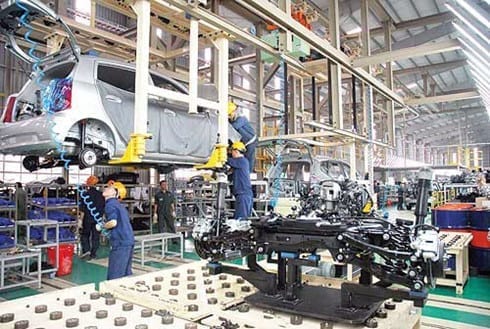
    The government believes domestic car producers have received enough support from the discount scheme, and so will not extend it.

    The 50 percent discount scheme on the registration fees of cars produced domestically, which came into effect on June 28 this year, will not be continued, and will terminate on Thursday as planned, a leader of the Ministry of Finance’s Tax Policy Department said.

    According to the ministry, the 50 percent discount on car registration fees had only been a short-term solution, solving difficulties for domestic automobile manufacturing and assembling enterprises facing impacts of the epidemic.

    This policy has cost the state budget an estimated VND3.7 trillion ($160.56 million) in revenue, while embassies of car manufacturing countries such as Indonesia and Thailand, as well as the European Chamber of Commerce in Vietnam have approached the MoF to complain about discrimination between imported and domestically produced vehicles, the ministry said.

    Meanwhile, fees and charges continuing to receive discounts include those in the fields of citizenship registration, road maintenance, food safety, project appraisal, healthcare, and securities trading.

    The MoF said that the above policies have cost the state budget an estimated VND1 trillion this year.

  • Malaysia says Vietnam dumping cold rolled stainless steel

    Malaysia says Vietnam dumping cold rolled stainless steel

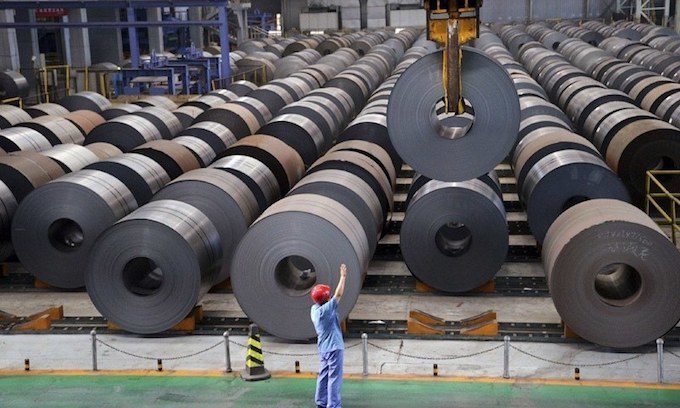
    Malaysia has slapped anti-dumping duties on Vietnamese cold-rolled stainless steel after completing a preliminary determination.

    The duties, ranging between 7.73 percent and 34.82 percent, have been imposed for three months starting December 26 on coils, sheets and all other forms of cold-rolled stainless steel, Malaysia’s Ministry of International Trade and Industry said in a statement.

    The country initiated the anti-dumping investigation on July 28 based on a petition by Bahru Stainless Sdn. Bhd., which claimed Vietnamese steel is being imported into Malaysia at a price lower than the selling price in Vietnam, which has caused it major injury.

    Malaysia will conclude the investigation before April 23, 2021. Similar steel products from Indonesia were also slapped with the duties.

    Last week Malaysia had also imposed anti-dumping duties on certain flat-rolled steel products from China, South Korea and Vietnam.

  • Vietnam Airlines set to perform better than expected

    Vietnam Airlines set to perform better than expected

    National carrier Vietnam Airlines expects 2020 losses of VND12 trillion ($521.11 million), about 17 percent lower than it had forecast in August.

    The carrier’s consolidated revenue this year is estimated at VND42.5 trillion, with parent company revenues reaching VND33 trillion, exceeding targets set earlier this year by 4.8 percent and 1.4 percent respectively, Vietnam Airlines chairman Dang Ngoc Hoa said Tuesday at an extraordinary general shareholders’ meeting.

    This allows the company to undershoot the VND14.45 trillion loss figure forecast at the annual general meeting in August, he said.

    This year’s loss could be reduced further by VND2.86 trillion after completing adjustments for amortization of repair, maintenance and ground services costs in accordance with government policy that allows delayed payments to help support airlines, Hoa said.

    In 2020, Vietnam Airlines operated about 96,500 flights, down more than 48 percent over last year. The airline transported 14.23 million passengers and about 195,000 tons of cargo, down 51 percent and 47 percent respectively over 2019, he said.

    Hoa said that for the next five years (2021- 2025), Vietnam Airlines will focus on restoring production and business activities, undertaking a comprehensive restructuring plan which will overhaul areas such as capital ownership and finance, assets and portfolios. It will strive to ensure lean production, and improve business efficacy with the sale and leaseback of aircraft.

    The national carrier will also wholly or partly divest its capital in a number of high-performing enterprises in the air-transport service supply chain to improve cash flow, offset accumulated losses, and create funds for investment and development, he added.

    Vietnam Airlines currently operates more than 60 domestic routes with an average of 300 flights per day. It has resumed one-way flights to Japan and plans to reopen routes soon to mainland China, Taiwan, Laos and Cambodia.

    In mid-November, Vietnam’s National assembly approved a bailout for the carrier that can see it get up to VND12 trillion in funds and will be allowed to sell more shares to existing shareholders to boost cash reserves.

  • Covid-19 troubles push over 100,000 businesses to suspend operations

    Covid-19 troubles push over 100,000 businesses to suspend operations

    The Covid-19 pandemic’s severe impacts have seen as many as 101,700 businesses in Vietnam close up shop in 2020, up 13.9 percent year-on-year.

    Of these 46,600 have registered to temporarily suspend operations, while 37,700 are waiting to complete dissolution procedures, according to a new report by the General Statistics Office. The report also says that 17,500 enterprises completed their dissolution procedures this year.

    The surge in business suspensions has been attributed to the adverse impacts of Covid-19, which has cripped key sectors and seriously affected socio-economic activities worldwide.

    The number of newly-established enterprises in Vietnam this year fell 2.3 percent year-on-year to 134,900 with a combined registered capital of VND2,200 trillion ($94.31 billion), up 29 percent.

    If the VND3,300 trillion in additionally registered capital for 39,500 companies is included, the total registered capital added to the economy this year is more than VND5,500 trillion, an increase of 39.3 percent year-on-year.

    The GSO report says a survey on business sentiment in the manufacturing and processing sectors in the fourth quarter of 2020 found 40.6 percent of enterprises experiencing improvement in business performance over the previous quarter, while 24.7 percent faced difficulties and 34.7 percent said their business remained stable.

    Almost 43 percent of companies expect things to get better in the first quarter of 2021, while 19 percent foresee more difficulties and 38.2 percent believe the situation will be stable.

    Vietnam’s economic growth slowed to 2.91 percent this year, its lowest level in a decade, given the negative impacts of Covid-19, natural disasters and a sluggish global economy. However, it was one of the few economies in the world to record positive growth, most others experiencing contractions.

  • Vietnam’s sixth carrier making plans to take of by mid-January

    Vietnam’s sixth carrier making plans to take of by mid-January

    Vietravel Airlines, Vietnam’s sixth carrier, has received permission to fly aircraft for commercial purposes, and plans to begin operations in mid-January.

    It received the aircraft operator certificate from the Civil Aviation Authority of Vietnam (CAAV) last week, the last permit it needed to fly.

    Vietravel would start selling tickets in January, Vu Duc Bien, its general director, said. It targets breaking even in its second year of operations, he said

    Starting amid the turbulence created by the pandemic has helped the carrier acquire good aircraft and pilots and engineers at competitive rates besides benefiting from low fuel costs and a stimulus package from the government, he added.

    It recently took delivery of its first 220-seat Airbus A321CEO plane and is due to get two more soon to meet the increased travel demand during the Lunar New Year Tet in Februrary, 2021.

    Based at Phu Bai International Airport near Hue, Vietnam’s former imperial capital, it will start with services to Hanoi and HCMC before expanding to major tourist destinations like Nha Trang, Da Nang and Da Lat.

    It has hired some 200 pilots and flight attendants, and is looking to expand its fleet to 30 to prepare for international operations.

    It plans to fly to Southeast Asia, especially Thailand, the Middle East and Northeast Asia, markets that Vietravel services.

    The airline enters a fiercely competitive aviation market which already has five players, Vietnam Airlines, Vietjet, Jetstar Pacific, Vietnam Air Services Company, and Bamboo Airways, at a time when the industry has gone through one of its most challenging years ever due to Covid-19 restrictions, which have caused airlines huge losses.

  • More Japanese firms opt for Vietnam after China

    More Japanese firms opt for Vietnam after China

    Twenty-two more Japanese firms have registered Vietnam as their next investment destination under a scheme in which the Japanese government will fund a production shift from China.

    With the latest additions, 37 out of 81 Japanese firms receiving the government’s subsidies to move factories out of China and set them up in Southeast Asian markets have opted for Vietnam, Japanese ambassador to Vietnam Yamada Takio said at a conference between Japanese firms and the Vietnamese government Monday.

    In July, the Japan External Trade Organization (Jetro) released an official list of 15 Japanese firms that had chosen to move to Vietnam. Most of these firms make medical equipment while the rest produce semiconductors, phone components, air conditioners or power modules.

    “Vietnam currently tops the list of potential investment destinations among Japanese firms choosing to diversify their supply chains,” Yamada said, adding that Thailand came second with 19 firms.

    He said while many economies around the world were struggling to fight against the Covid-19 pandemic, Vietnam has successfully contained outbreaks and is one of the few economies posting positive growth in 2020, estimated at 2.48 percent.

    In the first 11 months of this year, Vietnam’s total export value reached $489 billion, up 3.5 percent year-on-year.

    “In the world, only Vietnam has achieved such great success,” Yamada said. As a result, Vietnam has become more attractive for foreign investors, including Japanese enterprises, he said.

    The Japanese government had earlier announced a 243.5-billion-yen ($2.3 billion) stimulus package to help Japanese companies move production out of China. Jetro said the Japanese government will give each company 0.1-5 billion yen for the move.

    Though Vietnam has emerged as an attractive destination for Japanese investors, there are investment environment problems that need to be resolved, it added.

    Many Japanese firms have complained to the Vietnamese government about complicated administrative procedures.

    Nakagawa Tetsuyuki, general director of Aeon Mall Vietnam, said their projects often take a long time to complete admin procedures. Some projects have to wait more than one year to receive the investment registration and land use right certificate.

    For projects that need approval under the Prime Minister’s licensing authority, it takes even longer, Tetsuyuki added.

    Therefore, Japanese businesses expected the government to shorten and speed up administrative procedures to improve business environment.

    Japanese firms are also concerned about tax incentives, equitization and entry and quarantine policies, infrastructure, and human resources.

    Japan was the fourth-largest foreign direct investor in Vietnam in the first eight months of this year with a total registered capital of $1.64 billion, behind Singapore, South Korea and mainland China.

  • Thai cement giant buys 7th packaging firm in Vietnam

    Thai cement giant buys 7th packaging firm in Vietnam

    Thai cement giant SCG Group has acquired its seventh packaging company in Vietnam, Bien Hoa Packaging, at a cost of VND2.07 trillion ($89 million).

    The company owns a 94.11 percent stake in the company through its subsidiary Thai Containers Group Company Ltd, according to a recent statement.

    It paid VND171,450 ($7.38) for each share of Bien Hoa Packaging, 84 percent higher than the current market price.

    Bien Hoa’s clients are mainly high-growth consumer brands that are multinationals, the statement said.

    Its three manufacturing facilities in southern Vietnam will enlarge SCG’s customer base in the food, beverage and fast-moving consumer goods segments, it added.

    One of the six companies SCG acquired earlier is the largest in the country, Kraft Vina, a joint venture with Japanese packaging firm Rengo.

    SCG was one of the earliest foreign investors in Vietnam, coming as it did in the 1990s.

    Over the last decade it has been pouring money to acquire major companies, including one of the largest plastic producers, Binh Minh Plastics.

  • Abbott accelerates healthcare transformation in Vietnam

    Abbott accelerates healthcare transformation in Vietnam

    A conference will be held in Hanoi this month to accelerate digital transformation in the health sector, using technological achievements to raise the quality of treatments as Vietnam seeks to expand its remote healthcare network nationwide.

    Overview and approaches of the sector’s digital transformation will be high on the agenda of eHealth Vietnam Summit 2020, to be held by the Health Ministry on December 29-30, organizers stated on the event website.

    Remote healthcare consultation and support has become critically important this year when travel is restricted and hospitals face huge challenges due to Covid-19.

    Vietnam, which has been praised by the international community for its success in containing the outbreaks, has established Telehealth, a network aimed to connect some 14,000 health facilities nationwide and link them with other countries in the medical field, part of the nation’s digital transformation program towards 2025, with a vision to 2030.

    The network will allow people nationwide to access medical services, receive consultation and treatment by doctors from higher-level hospitals remotely, thus reducing patient congestion at central hospitals, said a report shared on the Ministry of Health website in September. By late September 2020, the network had connected 1,000 medical examination and treatment facilities with nearly 30 key hospitals in Hanoi and Ho Chi Minh City, the ministry stated. In late November, it required all hospitals in the country to connect to the network for treatment, practice sharing, and learning.

    Amid the country’s drive for digital transformation this year, Abbott, the Chicago-based company on the forefront of innovation for more than 130 years, has continuously brought life-changing technologies and breakthroughs in diagnostics, medical devices, medicine and nutrition to Vietnam. This demonstrates the company’s long-standing commitment as a strategic partner to shape the future of healthcare in Vietnam and the region.

    In order to boost speed, efficiency and accuracy in patient diagnosis and treatment, Abbott has brought in Alinity, a family of systems that reinvents the way diagnostic laboratories work by simplifying diagnosis.

    Alinity, derived from Alignment, Innovation and Unity, has been made available in 18 hospitals and six blood banks including Medic, Cho Ray Hospital, Tu Du Hospital, Hung Vuong Hospital, Ho Chi Minh City Medical University Hospital, Danang General Hospital, DIAG, Hanoi Medical University Hospital and the National Institute of Hematology and Blood Transfusion.

    In 2020, Abbott introduced Alinity m, its latest new-generation platform, fully integrated and automated molecular diagnostics analyzer that uses innovative technology to deliver greater flexibility and efficiency. The platform is now available in hospitals and healthcare facilities including Military Hospital 108, Medic, Medlatec, Bach Mai Hospital in Hanoi as well as Cho Ray Hospital in Ho Chi Minh City.

    Vietnam’s health facilities are utilizing Abbott’s advanced technology, diagnostics systems and devices, including High-Sensitivity Troponin-I Test, DBS viral loading test and first-of-its-kind, life-saving device MitraClip designed for those with common heart valve disorders.

    High-Sensitivity Troponin-I Test, also known as Hs Troponin-I test, aims to check the level of troponin, a protein found specifically in heart muscle cells. A high content of the macronutrient detected from the test provides better predictive information for determining a person’s chances of developing future heart disease when added to the current standard of care.

    The test also offers gender-specific cut-offs, allowing physicians to more accurately diagnose myocardial infarction, commonly known as heart attacks, in women. A study published in the British Medical Journal found Abbott’s test uncovered twice as many heart attacks in women than standard troponin screening. It is exceptionally crucial for doctors to conduct early diagnosis of a heart attack to act quickly in critical moments. As in Vietnam, one out of three people suffers a heart attack each year.

    Abbott’s Hs Troponin-I test has become the first and only approved by the Health Ministry to aid cardiac risk stratification thanks to its significance and efficiency. Therefore, the test now not only serves patients facing heart disease risks but is also dedicated to better health management.

    If the Hs Troponin-I test is aimed to serve a larger community, the DBS test, known as the dried blood spot test, helps ease access to HIV viral load testing for Vietnamese in remote areas as the procedure is simple and requires no refrigeration. It uses a few blood drops dried on a filter paper before being shipped to a laboratory for analysis. The process has recently been expanded to HCV testing, and proves efficient especially in this tough time of fighting the pandemic.

    In order to advance heart and cardiovascular disease treatment, Abbott has introduced minimally invasive mitral valve repair device MitraClip, a transcatheter-based device, to help Vietnamese with common heart valve disorders. The MitraClip procedure involves doctors guiding a thin tube through a patient’s vein toward the mitral valve to help it close more efficiently without open-heart surgery, thus enabling speedy recovery.

    In October, Prix Galien USA honored Abbott’s MitraClip therapy as the Best Medical Technology for 2020. Considered as the industry’s equivalent of the Nobel Prize in biopharmaceutical and medical technology research, the award recognizes excellence in scientific innovation that improves the state of humankind. This device has transformed the lives of more than 100,000 people globally living with mitral regurgitation, or a leaky heart valve.

    After 25 years’ expansion in Vietnam, Abbott has achieved sustainable business growth, developed strong local talent and offered significant opportunities. The company has continuously offered Vietnam with breakthroughs in nutrition, medicines, diagnostics and medical devices.Glucerna, the newly enhanced reformulation designed to help people with diabetes, is the latest arrival from Abbott. The dual therapeutic benefits of Glucerna’s new formulation promote GLP-1 secretion with its unique nutrients and improves insulin sensitivity for better glycemic control.Vietnam has been one of the first countries where Abbott’s nutrition business has launched breakthrough products, such as Similac Eye-Q Plus with HMO that nurtures stronger immunity and brain development among babies; PediaSure MRI with Arginine and natural Vitamin K2 that help children reach their optimal growth and potential; Ensure Gold with special nutritional ingredient HMB, protein, calcium, vitamins and nutrients to help the elderly overcome the loss of muscle strength.

    Besides, Abbott has also introduced Surbex Natural Lingzhi, another science-based health supporting product available in capsules that boost immunity, enhance liver function and overall body resistance.

    Last month, Abbott again made No.1 in Pharma/Medical Equipment/Healthcare for the seventh consecutive year in the list of “Vietnam Best Places to Work 2020.” Its recognition in Vietnam affirms Abbott’s leadership in the healthcare industry, having created an innovative and winning culture that empowers employees to reach their full potential.

    Abbott and its foundation, Abbott Fund, have provided more than VND250 billion ($10.5 million) in grants and product donations to address critical health issues, focused on removing barriers preventing Vietnamese from living healthy lives, and strengthening the country’s health sector.

  • Vietnam Airlines seeks shareholder loans

    Vietnam Airlines seeks shareholder loans

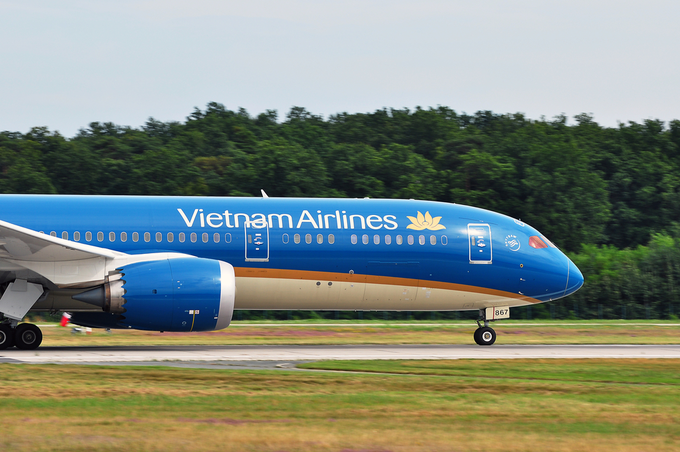
    Vietnam Airlines Group has called an extraordinary shareholders’ meeting next week to source low-interest loans to accelerate Covid-19 recovery.

    At the meeting, to be held on Dec. 29, the flag carrier will seek loans from its shareholders that comprise the government with an over 86 percent stake, Japanese aviation company ANA Holdings with 8.7 percent, and other organizations and individuals.

    The National Assembly in November approved a plan for the central bank to refinance Vietnam Airlines and rollover loans. The airline had earlier asked for a relief package of VND12 trillion.

    The group will also seek shareholder approval to issue more shares to existing stakeholders and so increase its capital.

    Vietnam Airlines Group, consisting of the carrier and subsidiaries Pacific Airlines and Vietnam Air Services Company (VASCO), posted a loss of VND10.75 trillion ($464 million) for January-September as the Covid-19 pandemic slashed its number of flights.

    It has forecast the figure would rise to VND15.2 trillion for the whole year.

    All Vietnamese airlines have fallen victim to Covid-19 this year with the number of flights plunging 36 percent year-on-year to 19.

  • Vietnam child labor rate lower than regional average

    Vietnam child labor rate lower than regional average

    Vietnam’s rate of child labor, 5.3 percent, is around 2 percentage points lower than the average in Asia and the Pacific, a study has found.

    This equates to more than one million children in the ages of 5-17 engaged in labor, the survey was done in 2018 by the Ministry of Labor, Invalids and Social Affairs, the General Statistics Office, and the International Labour Organization and released recently, said.

    They undertake work that is prohibited because of their age, the number of working hours or the nature of the tasks involved.

    In line with global trends, 84 percent of child laborers in Vietnam are in rural areas, over half working in agriculture, forestry or fisheries.

    Other sectors where child labor is prevalent include services, industry, and construction. More than 40 percent are unpaid.

    “Child labor tends to take place in informal household enterprises down the manufacturing and production supply chains, which makes it difficult to detect,” ILO Vietnam director Chang Hee Lee said.

    The survey estimates that nearly 520,000 children in Vietnam are engaged in hazardous work or work which poses significant risks to a child’s health, safety or morals. Many of them work in industry and construction.

    The number of hours children in hazardous jobs work tends to be high, with 40.6 percent working over 40 hours a week.
    Only half of child laborers attend school, compared to the national average of 94.4 percent.

    Efforts must be speeded up immediately to end child labor in all its forms, the ILO said.

  • Vietnam gives second electricity discount as Covid-19 relief

    Vietnam gives second electricity discount as Covid-19 relief

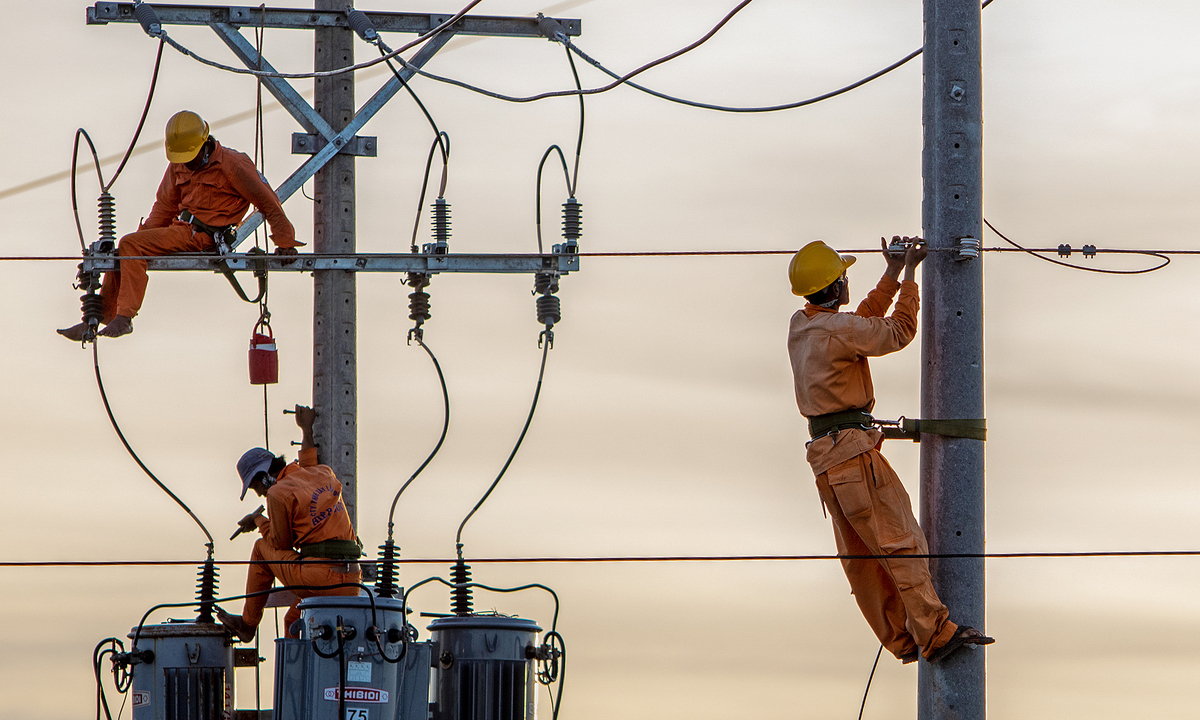
    The government has cut electricity prices by 10 percent for the year’s last quarter to support economic recovery from Covid-19 impacts.

    The discount applies to businesses and households for a maximum of 300-kilowatt-hour consumption per month from October to December. Consumption above this limit will attract normal prices.

    Covid-19 quarantine centers will get a 100 percent discount on their electricity bills, while medical facilities that test and treat Covid-19 patients can enjoy getting a 20 percent discount.

    The government had already given a 10 percent discount in the second quarter, which was estimated to cost the state coffers nearly VND11 trillion ($476 million).

    The discounts came as Vietnam’s economy was badly hurt by the Covid-19 pandemic, with key sectors posted drastically reduced or even negative growth.

    In the first nine months, 31.8 million workers were affected by the pandemic, losing their jobs or having their working hours reduced, according to the General Statistics Office.

  • Private banks drive VN-Index pull-back

    Private banks drive VN-Index pull-back

    The VN-Index gained 1.11 percent to 1,066.99 points Tuesday, after seeing one corrective session, with private banking blue chips the best performers.

    The Ho Chi Minh Stock Exchange (HoSE), on which the VN-Index is based, was a sea of green with 296 stocks gaining and 134 losings. Total trading volume abated over 10 percent compared to Monday, reaching VND11.86 trillion ($514.79 million).

    Unlike the previous few sessions, where investors were focused on mid-caps with more growth potential, blue chips were the main driving force behind gains on the market this session.

    The VN30-Index for the HoSE’s 30 largest caps soared 1.65 percent, with 13 stocks gaining and three losings, soaking up over 50 percent of the trading volume.

    TCB of private lender Techcombank topped gains with 6.9 percent, followed by VPB of VPBank, up 4.3 percent, and STB of Sacombank, with 4.1 percent.

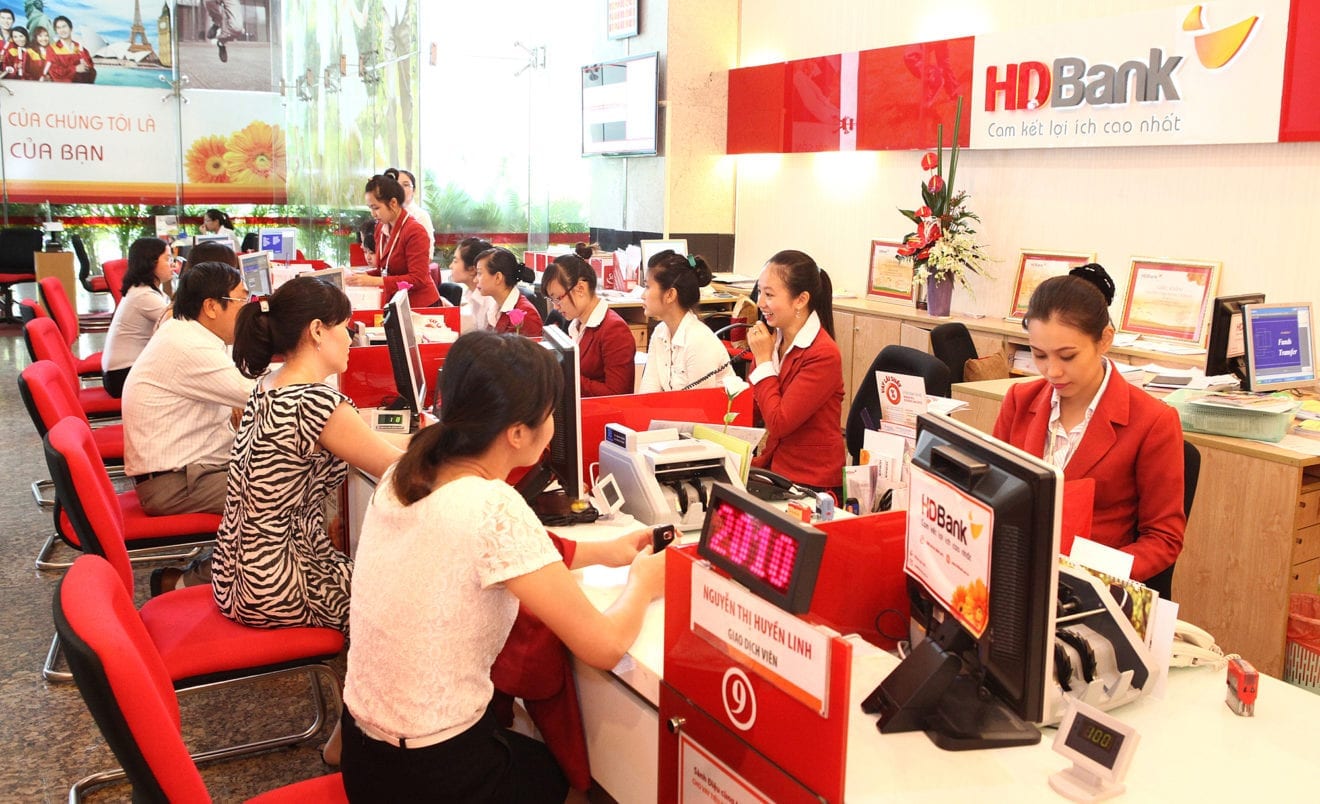
    Also in the private banking sector, HDB of HDBank added 0.7 percent, while EIB of Eximbank kept its opening price.

    State-owned banks were also some of the best performers. Of Vietnam’s three biggest lenders by assets, BID of BIDV was up 2.8 percent, VCB of Vietcombank 2.1 percent, and CTG of VietinBank, 1.1 percent. MBB of mid-sized Military Bank surged 3.5 percent.

    Another sector that outperformed this session was real estate. NVL of Novaland was up 2.4 percent, KDH of Khang Dien House 1.8 percent, ROS of FLC Faros 1.4 percent, VHM of giant Vinhomes 0.2 percent, while TCH of Hoang Huy Group was flat.

    Other major gainers, this session included VJC of budget carrier Vietjet Air with 2.5 percent, VRE of mall operator Vincom Retail with 1.3 percent, and SBT of agricultural exporter TTC-Sugar, with 1 percent.

    The only three losing stocks this session were SSI of top brokerage Saigon Securities Inc., down 1.8 percent, REE of appliances maker Refrigerated Electrical Engineering, and PLX of gasoline distributor Petrolimex, both by 0.4 percent.

    Indices for secondary main bourse Hanoi Stock Exchange (HNX), home to mid-and small-caps, and mezzanine bourse Unlisted Public Companies Market (UPCoM) rose 2.23 percent and 0.90 percent, respectively.

    Foreign investors continued to be net sellers to the tune of over 225 billion on all three bourses, with the most net offloaded stocks being HPG of steelmaker Hoa Phat Group, which gained 0.5 percent, and SSI of Saigon Securities Inc.