Tag: Vietnam

  • Vietnam suspects $4.3 bln worth of aluminum imported for origin fraud

    Vietnam suspects $4.3 bln worth of aluminum imported for origin fraud

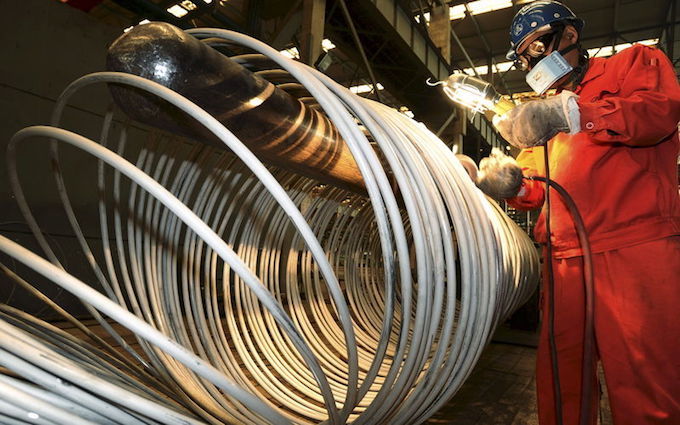
    Vietnamese authorities suspect $4.3 billion worth of aluminum has been imported with the intent of being exported to the U.S. relabeled as made-in-Vietnam products.

    Vietnam Customs recently discovered signs of origin fraud in 1.8 million tons of aluminum imported by Global Vietnam Aluminum Ltd in the central Ba Ria-Vung Tau Province.

    General Director of Customs Nguyen Van Can say at a press briefing Monday that although the company has a production chain to produce aluminum bars, it was still importing billions of dollars worth of the same products from China and other countries, possibly because it wants to gain from the different duties the U.S. imposed on them.

    The U.S. imposes a duty of 15 percent on Vietnamese aluminum, but up to 374 percent on Chinese aluminum.

    Apart from China, the company also imported aluminum from Mexico, Australia and Russia to be exported to Canada, the U.S., Egypt and India.

    However, data from Vietnam Customs show that although the company has been importing 488,000 tons a year since 2015, the volume of its exports is only 80,000 tons or 16.3 percent of imports.

    For this reason, the 1.8 million tons of aluminum remain in the company’s storage space and is being closely surveilled by Vietnam Customs.

    Vietnamese authorities are increasing scrutiny on product origins and tightening issuance of a certificate of origin for exports as part of efforts to stop trade fraud, Deputy Minister of Trade and Industry Tran Quoc Khanh said in July.

    Vietnam recorded a trade surplus of $37.9 billion with the U.S. from January to October, up 33.4 percent year-on-year, according to the General Statistics Office.
  • Vietcombank to pull out of BNP Paribas insurance joint venture

    Vietcombank to pull out of BNP Paribas insurance joint venture

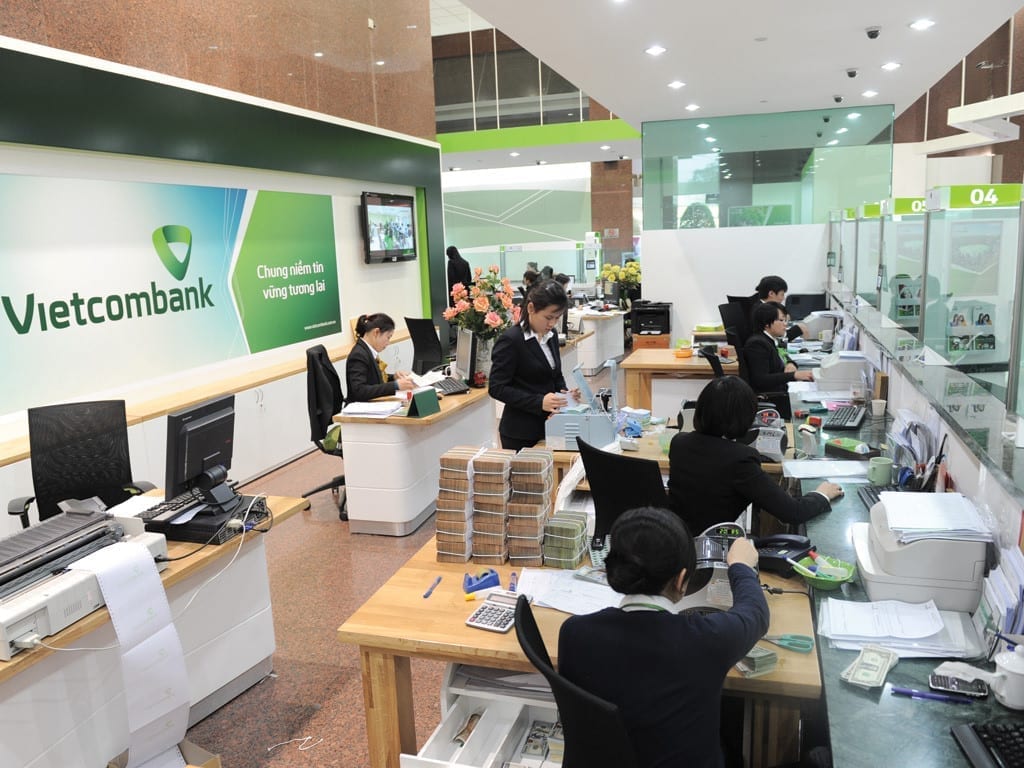
    Vietcombank is selling its stake in a JV with French life insurance firm BNP Paribas as part of a possible bancassurance deal with a foreign buyer.

    Its board of directors passed a resolution approving the divestment of an unspecified stake in Vietcombank – Cardiff Life Insurance Co., Ltd (VCLI), the state-owned lender said in a release last Thursday.

    VCLI is a 45:55 joint venture between Vietcombank, Vietnam’s largest lender by market capitalization, and BNP Paribas Cardif, part of France’s BNP Paribas banking group.

    Although Vietcombank’s announcement did not identify a buyer, Bloomberg reported in late September that Hong Kong-based insurer FWD Group Ltd. was nearing an agreement to pay around $400 million for VCLI as part of a long-term bancassurance agreement with the bank.

    A bancassurance transaction is typically an arrangement between a bank and an insurance company in which the latter pays an upfront amount for exclusive rights to sell its products to the bank’s clientele.

    FWD Group, owned by Hong Kong billionaire Richard Li, had outbid several firms, including British insurance giant Prudential, which had been vying to obtain exclusive rights to distribute life insurance products through Vietcombank’s branch network, Bloomberg quoted sources as saying.

    According to VCLI’s latest financial statements, as of the end of 2017 it had VND950 billion ($40.79 million) in assets and accumulated losses of nearly VND3 billion ($128,800).

    Recently major international life insurance companies have been expressing interest in entering the growing Vietnamese market through bancassurance and acquisition deals.

    German insurer Allianz and Japanese insurers Nippon Life and MS&AD Insurance were among several vying to buy the Singapore and Vietnam businesses of Britain’s Aviva in a deal estimated to be worth $2-2.5 billion.

    Earlier Prudential had signed an agreement with South Korea’s Shinhan Bank Vietnam to distribute its insurance products through its network and Canada’s Manulife struck a similar deal with local lender ACB.

    Phung Ngoc Khanh, general director of the Insurance Supervisory Authority (ISA), said the country’s insurance market has huge potential due to the low penetration and people’s rising incomes and awareness.

    In the first half of this year the industry’s premium income was VND71.15 trillion ($3.06 billion), up 24.4 percent year-on-year. Last year’s growth was also around 24 percent, according to the ISA.

  • Vietnam urged to stop building new coal-fired power plants

    Vietnam urged to stop building new coal-fired power plants

    A halt to investment in new coal-fired power plants is required to check the trend of increasing coal consumption, a report warns.

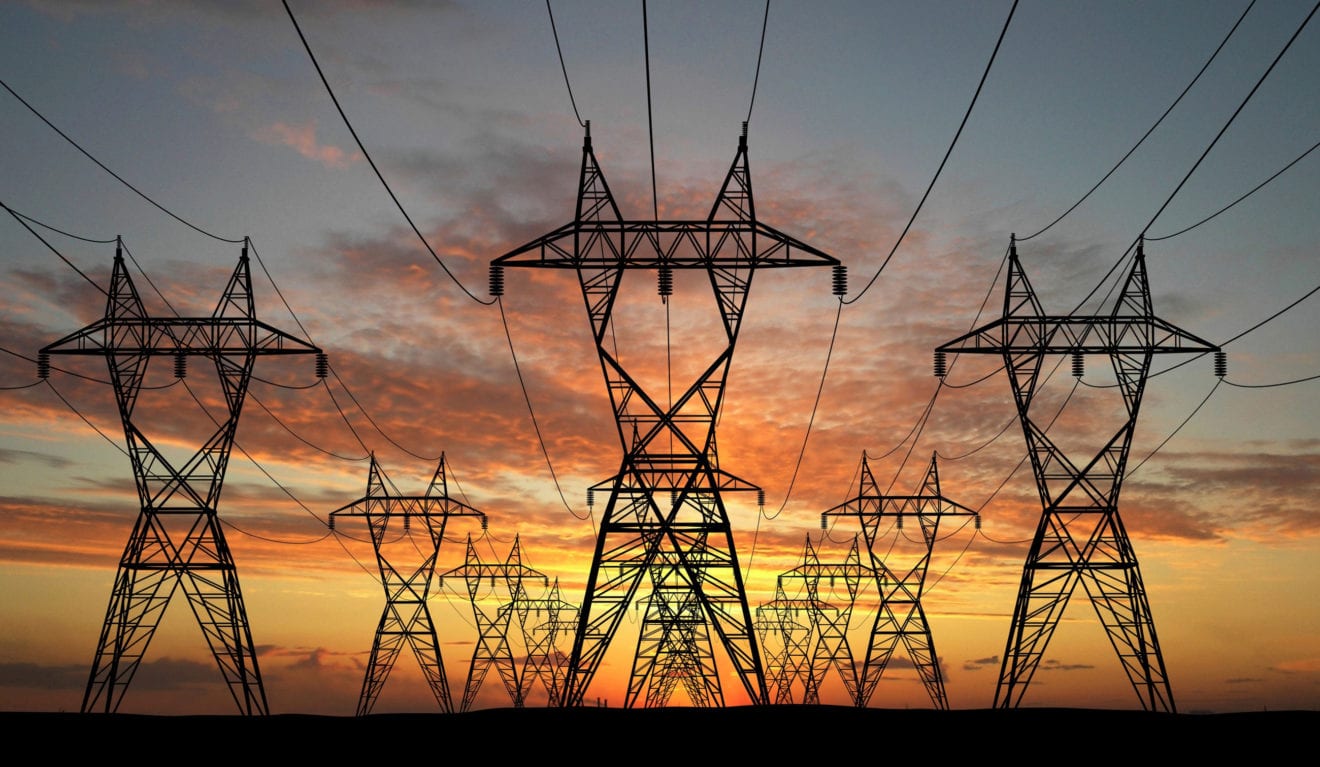
    The report, released on Monday by the Ministry of Industry and Trade in collaboration with Denmark’s Energy Agency, said the country needs early action to reduce future coal demand, which could include taxation on the use of coal or limits on new coal-based power generation.

    Vietnam’s coal imports could triple between now and 2030 as demand for power rises in lockstep with a rapidly growing economy, Jakob Stenby Lundsager, an adviser in Vietnam to the Danish Energy Partnership, said at the release of the Vietnam Energy Outlook Report 2019.

    The figure would rise eight times by 2050, meaning three-fourths of Vietnam’s energy needs would depend on imports, he said.

    Renewable energy could account for 10 percent of total supply by 2030 and 20 percent by 2050, but the country needs to invest in expanding its grid and transmission to absorb the new supply, he said.

    The report noted liquefied natural gas could be used instead of coal in the power sector through at a higher cost, but it would cause less pollution.

    Vietnam became a net importer of coal in 2015 and imports have been rising to meet electricity needs.

    Imports cost $2.27 billion last year, up 71.6 percent year-on-year, with coal bought mostly from Indonesia, Australia and Russia, according to the trade ministry.

    Since power shortages are expected from 2021, the country might need to import 3.6 billion kilowatt-hours of power in 2021 and 9 billion kWh in 2023 from Laos and China to meet demand, the ministry had said in July.

    The World Bank has estimated that Vietnam needs $150 billion for energy sector development by 2030, with electricity demand growing by 8 percent a year in the next decade.

  • iPhone 11 orders double that of iPhone X in Vietnam

    iPhone 11 orders double that of iPhone X in Vietnam

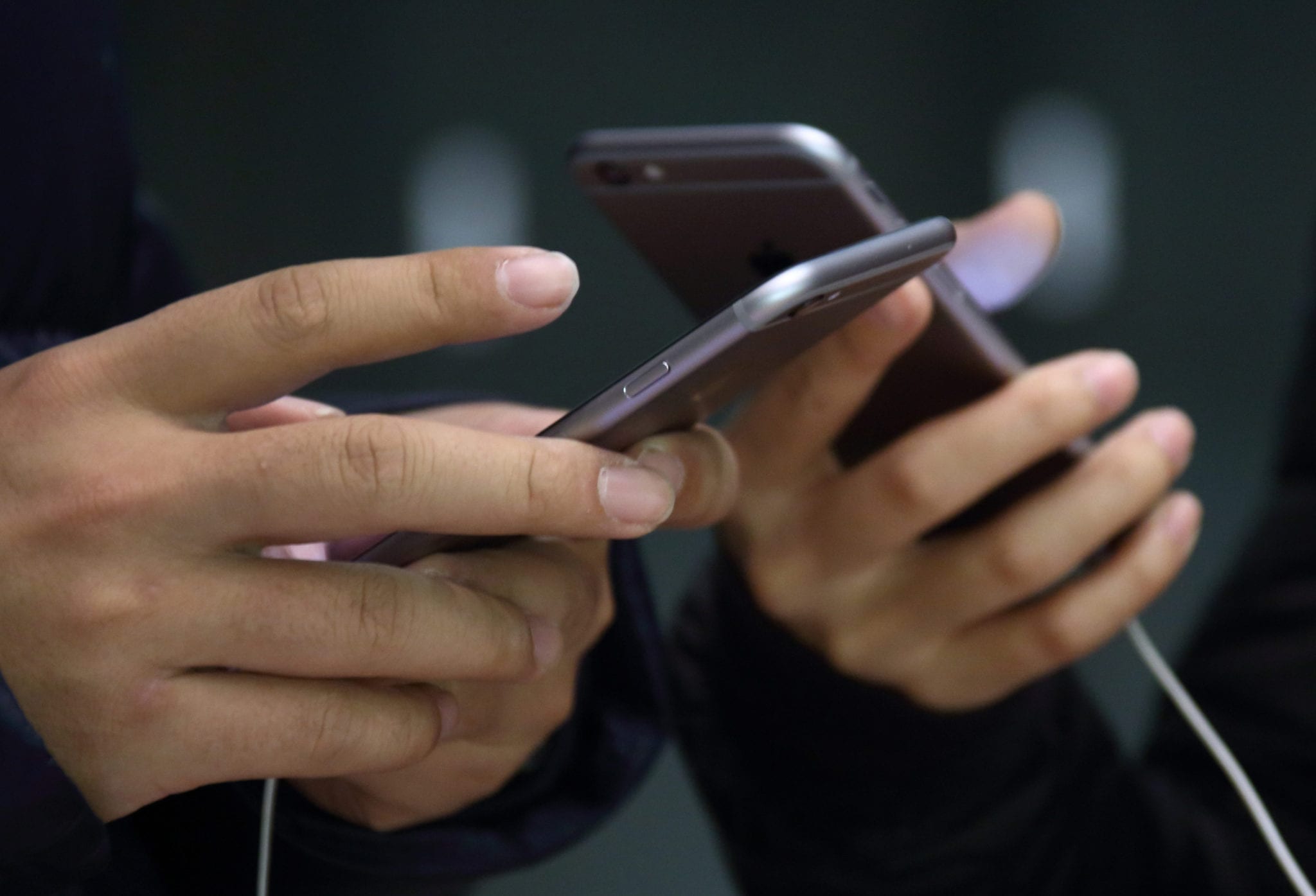
    Orders for iPhone 11 models soar to twice that of iPhone X last year, with more customers preferring authorized resellers for post-sale services. As of October 31, data from electronics chain FPT showed that customers have put down deposits for 12,300 iPhone 11 models, 2.5 times that of iPhone XR, XS and XS Max last year.

    In major chain Mobile World, customers have put down a deposit for 6,000 new iPhone 11 models, three times that of iPhone X last year. Another chain, CellphoneS, received 2,500 orders with deposits, twice that of last year.

    The iPhone 11 was officially released in Vietnam on Friday via authorized resellers. FPT said it could deliver up to 5,000 devices on Friday alone. Industry insiders say official iPhone 11 orders have reached a new peak in Vietnam, with the total number of these three major chains already surpassing 20,000 devices, higher than in previous years.

    Many Vietnamese are used to buying iPhones via unofficial channels, mostly hand-carried on overseas flights. There is a change in this trend, with the increase in official channel orders showing customers care more about post-sales services such as the one-year warranty from Apple. Data from the chains also show that iPhone 11 Pro Max is the most favored model, accounting for half of all orders, followed by iPhone 11. Only 10 percent of buyers ordered the iPhone 11 Pro.

    At authorized resellers, the iPhone 11 is priced from VND22 million ($951), the iPhone 11 Pro, VND31 million ($1,340) and the iPhone 11 Pro Max, VND38 million ($1,643). Apple’s market share in Vietnam fell to 5.6 percent in September, its lowest level this year, with buyers apparently waiting for the new iPhone 11 models, according to a report by market research firm GfK.

  • Vietjet to expand fleet with 20 long-range Airbus jets

    Vietjet to expand fleet with 20 long-range Airbus jets

    Budget airline Vietjet has ordered 20 Airbus long-range A321XLR aircraft to expand its international reach as Vietnam’s aviation market keeps growing.

    With a range of up to 8,700 kilometers, the aircraft will serve Vietjet’s plans to expand its international flights network, the airline said in a statement Thursday.

    The contract increases Vietjet’s order book with Airbus to 186 aircraft, with the first A321XLR to be delivered in 2023.

    The single-aisle A321XLR will “modernize Vietjet’s fleet as we look to strongly grow our international flight network,” Vietjet CEO Nguyen Thi Phuong Thao said. The airline currently operates 66 Airbus jets.

    Also Thursday, the carrier ordered two A320/321 aircraft simulators for pilot and technician training on top of the one simulator it already has.

    A321XLR’s range is 15 percent more than the previous model A321LR, it also burns 30 percent less fuel per seat compared with older generations.

    Vietjet’s order follows similar moves by other Vietnamese airlines to expand their fleet as air travel heats up. Private airline Bamboo Airways has ordered 50 narrow-body Airbus A320neo aircraft and is expected to receive the first next month, while national flag carrier Vietnam Airlines plans to get 50 new narrow-body aircraft by 2025.

    Vietnam’s fleet of over 200 aircraft last year could quadruple by 2038, aircraft maker Boeing said last week.

    Last year, the country’s 21 state-run airports served 103.5 million passengers, up 11 percent year-on-year, and the figure is set to rise to 112 million this year, according to the Airports Corporation of Vietnam.

  • Vietnam Airlines Jan-Sept profit highest in five years

    Vietnam Airlines Jan-Sept profit highest in five years

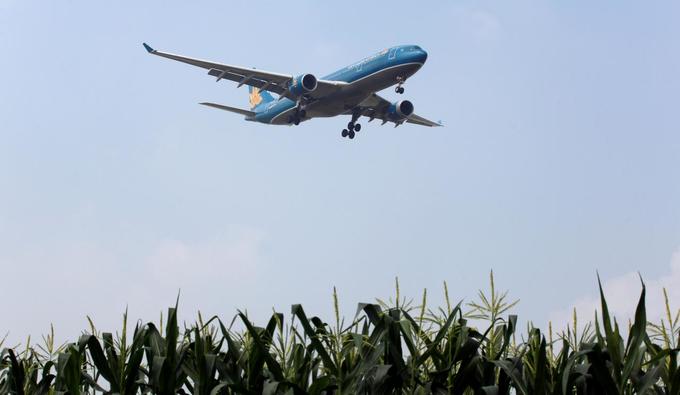
    Vietnam Airlines Group posted pretax profits of VND3.29 trillion ($142 million) in Jan-Sept, up 35.7 percent year-on-year.

    This is the highest profit it has earned in the last five years. The group, comprising Vietnam Airlines, Jetstar Pacific and Vietnam Air Services Company (VASCO), saw its net revenue rise 3 percent to VND76.7 trillion ($3.3 billion).

    The group managed to reduce sales and financial costs down by 30 percent in Q3, resulting in this quarter’s profit surging 2.5 times year-on-year to VND1.13 trillion ($48.88 million).

    The group, accounting for 51.7 percent of Vietnam’s aviation market, served 21.4 million passengers in nine months, up 3.2 percent year-on-year.

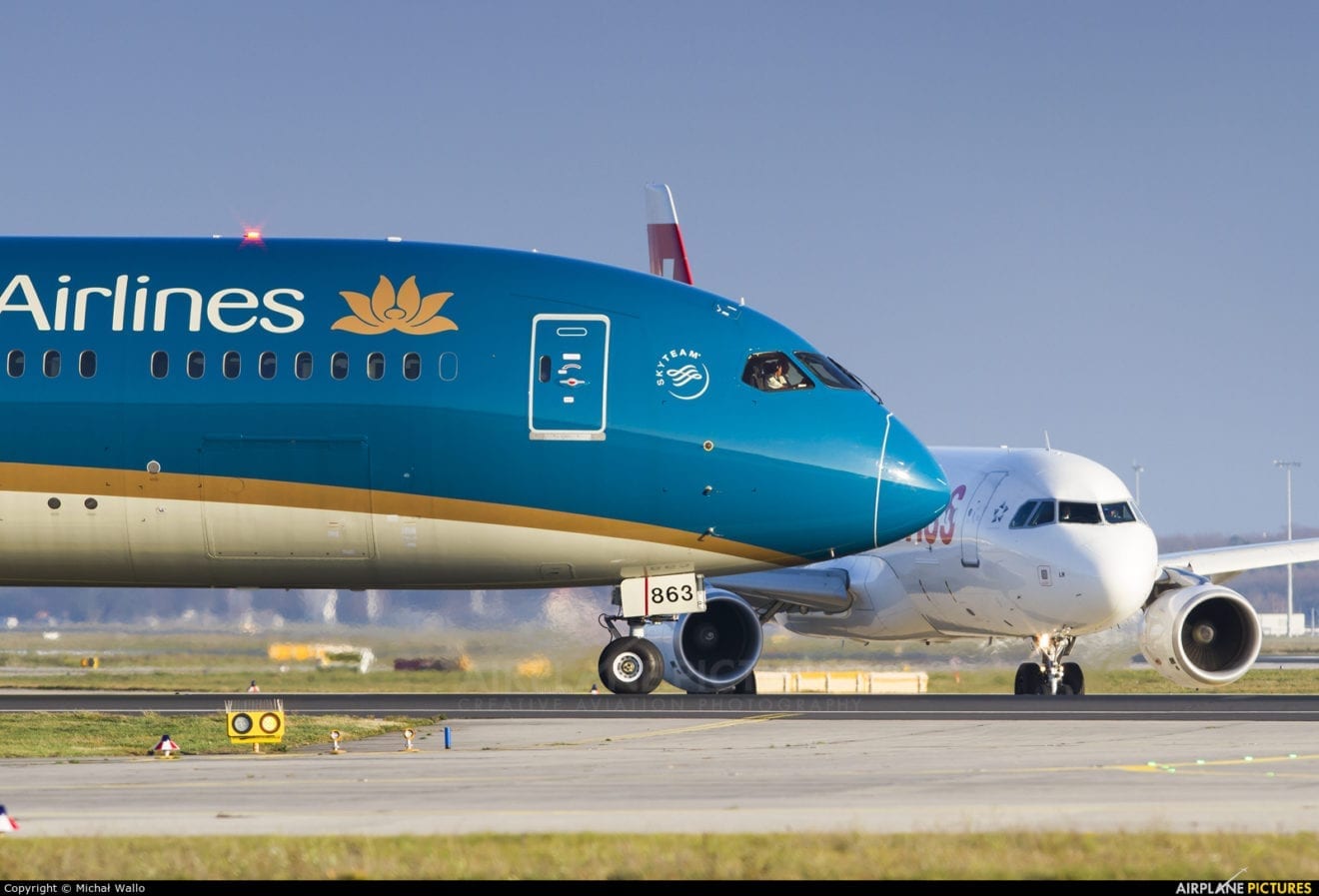
    Vietnam Airlines this year has received two new wide-body Boeing 787-10 aircraft and 10 Airbus A321neo jets. It is set to get one more Boeing 787-10 and four more Airbus A321neos by the end of the year.

    The group targets serving 23.4 million passengers this year, earning revenues of VND104.59 trillion ($4.52 billion).

  • Apple market share plunges to year’s lowest level in Vietnam

    Apple market share plunges to year’s lowest level in Vietnam

    Apple’s market share fell to 5.6 percent in September, its lowest level this year, with buyers apparently waiting for its next product.

    This kept its iPhone in fourth place, behind Xiaomi, which had a 10.7 percent share, according to a report by market research firm GfK.

    Samsung remained on top (40.7 percent) followed by Oppo (24 percent). Vivo was in fifth place (5.4 percent), selling 1.07 million phones.

    Xiaomi, which held fourth place in June, saw consistent growth since then to climb into third place in July, where it has remained.

    This was the third straight month of fall in market share for Apple, which was down 1.6 percentage points from June and 2.4 percentage points from January.

    Industry insiders said the Vietnamese tendency to wait for the upcoming iPhone model, set to be released in early November, is the reason for the falling sales, besides intense competition from Samsung and Oppo with their new products and promotions.

    On Wednesday major smartphone seller Mobile World said 10,689 people have put down deposits of VND1 million ($43.25) to prebook the iPhone 11, iPhone 11 Pro or iPhone 11 Pro Max.

    Another smartphone retailer, FPT Shop, has received 16,390 bookings.

    The two authorized Apple resellers are scheduled to deliver the phones on November 11.

    In the first nine months, Samsung and Oppo had market shares of 39.6 percent and 28.7 percent respectively followed by Apple (7 percent) and Xiaomi (5.9 percent), according to the report.

    A report released in January by We Are Social, a social media marketing and advertising agency, said around 75 million people in Vietnam, or almost 80 percent of its population, use smartphones.

  • VinSmart to launch 5G smartphones next year

    VinSmart to launch 5G smartphones next year

    Smartphone maker VinSmart says it will launch its first 5G smartphone next July, and use its own 5G stations and equipment.

    “We have built a lab for researching and developing 5G smartphones and other 5G telecom equipment,” Ngo Hoang Anh, head of the company’s embedded software department, said at a forum Wednesday.

    The company is also partnering with U.S. tech giants Cisco and Intel to develop the 5G technology, Anh said. In June, VinSmart signed partnerships with Japan’s Fujitsu and the U.S.’s Qualcomm to develop its 5G smartphones.

    VinSmart has requested the Ministry of Information and Communications for bandwidth to test its 5G stations next August, he added.

    Tech expert Pham Hong Phuoc said that VinSmart developing 5G services is a rational move, as the local market is set to see more 5G smartphones this year and the next, and Vietnam aims to commercialize 5G next year.

    VinSmart’s announcement follows similar moves by telecom giant Viettel, which begun testing 5G broadcasting in September, and its competitor VNPT, which has announced plans to do so.

    No 5G smartphone has been manufactured or officially distributed in Vietnam so far, instead, they are hand-carried on overseas flights.

    Minister of Information and Communications Nguyen Manh Hung said last year that Vietnam should be one of the first countries in the world to launch 5G.

    5G is said to offer speeds 100 times faster than 4G, primarily used for smartphones and other similar devices. 5G is also expected to support new applications like remote medical procedures and autonomous driving.

  • Viettel Global posts $67 mln profit

    Viettel Global posts $67 mln profit

    Viettel Global has posted pre-tax profits of VND1.55 trillion ($67.1 million) this year, after seeing losses in Jan-Sept last year.

    The turnaround has happened thanks to strong revenues in Southeast Asia. Half of the telecom giant’s VND12.4 trillion ($537.3 million) revenue in the first nine months came from Southeast Asia, which went up 24 percent year on year, followed by Africa and Latin America, according to the company’s Q3 financial report.

    Its Metfone network in Cambodia saw after-tax profits go up 91 percent to VND672 billion ($29.1 million), while that of its Natcom network in Haiti rose 28 percent to VND261 billion ($11.3 million).

    The company’s VGI stock, listed on Vietnam’s Unlisted Public Companies Market (UPCoM), had risen 140 percent to VND32,400 ($1.4) from the beginning of the year as of Thursday, marking a market cap of over VND98.6 trillion ($4.27 billion).

    Viettel Global was established in 2006 to spread military-run Viettel Group’s presence in foreign markets. It currently operates in ten markets, namely Cambodia, Laos, Timor Leste, Mozambique, Burundi, Haiti, Peru, Cameroon, Tanzania and Myanmar.

  • Ha Long casino operator mostly dependent on lodging income

    Ha Long casino operator mostly dependent on lodging income

    The operator of The Royal Casino in Ha Long Town posted VND8 billion ($345,000) in Q3 post-tax profit, mostly from its lodging business.

    This is the first quarterly profit that the company, Royal International, has made, even though all four quarters last year ended in the black, its third-quarter financial report shows.

    However, the company’s casino business still suffers losses. January-September casino revenue at The Royal Casino, the largest in the northern Quang Ninh Province, was just VND60 billion ($2.6 million), or 36.8 percent of the total, with the rest coming from its hotel and villas.

    As the casino business is seasonal, the revenue generated from it is unstable as it depends on the number of players and on luck, the company said.

    Another reason is the increasing number of casinos in neighboring countries such as Cambodia, the Philippines, and Myanmar, scattering potential gamblers.

    The company plans to find a partner this year to invest in a 33-story twin-tower hotel to increase revenues from lodging, as well as karaoke, massage and other services.

    In the first nine months of this year, Royal International’s revenue was VND163 billion ($7 million), less than half of the year’s target.

    It suffered a loss of over VND70 billion ($3 million) after-tax, compared to a profit of VND18 billion ($776,000) in the same period last year.

    The company’s still some distance away from achieving its target of VND38 billion ($1.64 million) in after-tax profit for the whole year.

    Vietnam has seven casinos, six of which are open only to foreign passport holders

     The government still treats gambling as a social evil, although it has loosened its restrictions on it in recent years.

    Last year the government approved a three-year trial project allowing Vietnamese residents to enter a casino on Phu Quoc Island on a pilot basis if they can meet certain conditions.

    Vietnamese who want to gamble must be over 21 years, earn a minimum of VND10 million ($430) a month and have no criminal record or objections from family. The entry fee is VND1 million ($43) for 24 hours or VND25 million ($1,077) a month.

  • Sabeco makes $3.9 million a day from beer sales

    Sabeco makes $3.9 million a day from beer sales

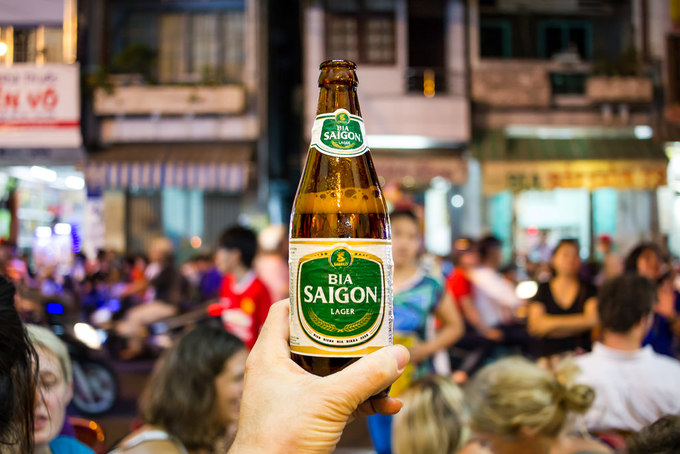
    Vietnam’s biggest brewer Sabeco reaped VND90 billion ($3.87 million) in revenue a day in January-September, a double-digit rise. In its latest financial report, the Saigon Beer Alcohol Beverage Corp reported revenues of over VND28.3 trillion ($1.22 billion) in nine months, up 10 percent year-on-year. Revenue from beer in the period accounted for 86 percent of total, or VND24.3 trillion ($1.04 billion).

    In the third quarter alone, post-tax profit was highest among all brewers in Vietnam at almost VND1.46 trillion ($62.76 million), up over 40 percent year-on-year.

    billion VNDSabeco business resultsRevenuePost-tax profitQ1-2016Q2-2016Q3-2016Q4-2016Q1-2017Q2-2017Q3-2017Q4-2017Q1-2018Q2-2018Q3-2018Q4-2018Q1-2019Q2-2019Q3-201902.5k5k7.5k10k12.5kSabeco

    Sabeco has paid almost VND8.2 trillion ($352.46 million) in taxes this year. Its total capital as of Q3 was VND24.78 trillion ($1.07 billion), up 10.7 percent from the beginning of the year.

    Sabeco is owned 53.59 percent by Vietnam Beverage, a subsidiary of Thai beverage company ThaiBev. The Vietnamese government, represented by the Ministry of Industry and Trade, owns a 36 percent stake in the company.

    ThaiBev has said earlier that Sabeco is its key growth driver in Southeast Asia as the region’s consumption slows down.

    Vietnam consumed 4.1 billion liters of beer in 2017, making it the biggest alcohol market in Southeast Asia and the third biggest in Asia after Japan and China, according to the Ministry of Health.

  • Vietnam aircraft fleet to quadruple in 20 years

    Vietnam aircraft fleet to quadruple in 20 years

    Vietnam’s aircraft fleet, at 200 now, will quadruple by 2038 as air travel demand increases and the market sees new players.

    These figures were cited by Darren Hulst, aircraft manufacturer Boeing’s marketing director for China & Northeast Asia, at a recent press briefing.

    The current number of aircraft in the country is set to double in the next two years. Single-aisle aircraft are set to be the main type used for Vietnam’s domestic and regional flights, Hulst said.

    He noted that aviation growth has been rapid in Vietnam for several years now. In 2009, all Vietnamese airlines provided 800,000 seats a month, but by this year, the figure had reached 3.3 million.

    In the last five years, the number of passengers taking flights has tripled and the number of aircraft doubled, he added.

    Southeast Asia will need 4,500 new aircraft by 2038, and Vietnam is set to account for a large portion of that demand, Hulst said.

    Vietnam now has six domestic carriers and three companies that have applied for aviation permits.

    Last year, Vietnam’s 21 state-run airports served 103.5 million passengers, up 11 percent year-on-year, and the figure is set to rise to 112 million this year, according to the Airports Corporation of Vietnam.

  • Giant Vietnam restaurant chain Mon Hue shuts down

    Giant Vietnam restaurant chain Mon Hue shuts down

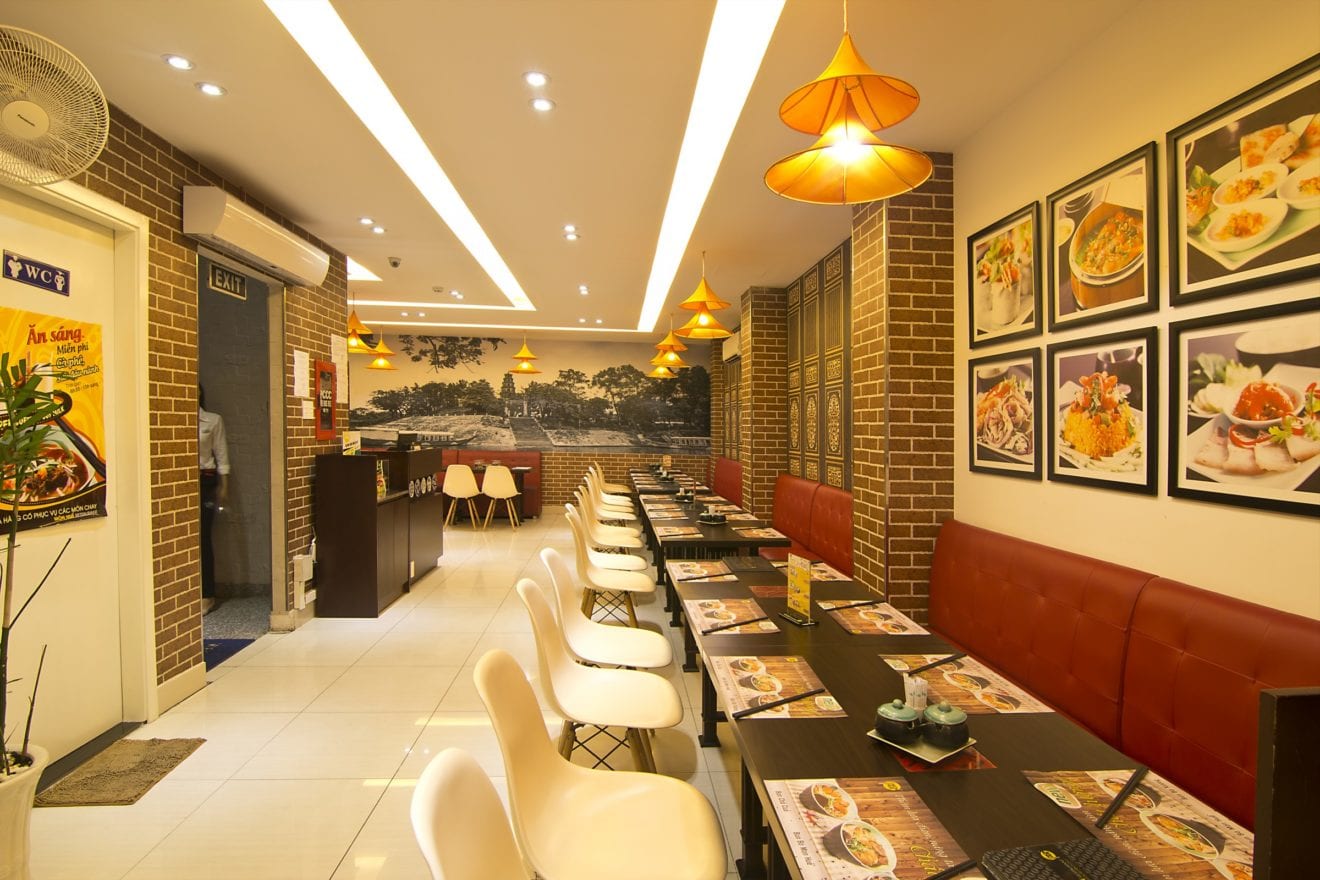
    Vietnam restaurant chain Mon Hue has closed down without notice, evidently unable to pay its debt.

    Restaurants under the Mon Hue brand along with sister chains including Pho Ong Hung and 99 House of Pho, have been shuttered and the company’s websites and social media channels have been switched off. Many of the abandoned stores in downtown Ho Chi Minh City already have for-lease signs on them.

    The company’s headquarters has been abandoned.

    The exact number of stores in the company’s network is hard to clarify. By the end of 2015 the company operated 110 and then embarked on a massive expansion program which may have peaked at 200 before closures began. Local media reported that 80 closed this week, but there is evidence that a long-term cull has been underway for at least several months.

    Several Mon Hue employees and suppliers have told local news media that they haven’t been paid “for months”.

    “Since about a week ago, the company stopped taking our supplies or paying for them. We couldn’t contact the procurement managers, directors of Mon Hue or its owner, Huy Nhat,” said Thuan, a supplier of the restaurant.

    DealStreet Asia reported today that private equity investors in Huy Vietnam have commenced a lawsuit in People’s Court of HCMC on behalf of the business against its founder and chairman Huy Nhat.

    According to VN Express, Mon Hue achieved a profit of VND300 million ($12,950) in 2016, but since then losses have accumulated to almost VND107 billion ($4.62 million) as expansion costs rose much faster than revenue.

    Meanwhile, dozens of the restaurant group’s suppliers owed money gathered in front of Ho Chi Minh City police headquarters to file complaints against the company, alleging Mon Hue had committed fraud.

    Staff, landlords, and suppliers have been left unpaid. Trade suppliers are owed at least US$430,000 including a production company whose $55,940 debt traces back three months. Others reduced their exposure by ceasing supplies but a promised installment repayment plan by Mon Huse was allegedly not honored.

    In addition to enormous debts, Mon Hue Restaurant accounts have been frozen by Vietnam’s tax authority.

    Mon Hue was operated by Nha hang Mon Hue Co, which is now wholly owned by Hong Kong-registered Huy Vietnam.

    In late 2015, Huy Vietnam announced it was planning to list on the Hong Kong Stock Exchange.  At the time it had already attracted US$65 million in investment from global investors such as AIF Capital Asia, Fortress Capital Asset Management, Welkin Capital, Prosperous Alliance and Templeton Emerging Markets Group. The company reported estimated it could raise up to $100 million from an IPO to fund expansion both inside and outside Vietnam. That plan was later abandoned.

  • Takashimaya bullish about profit opportunities in Asia

    Takashimaya bullish about profit opportunities in Asia

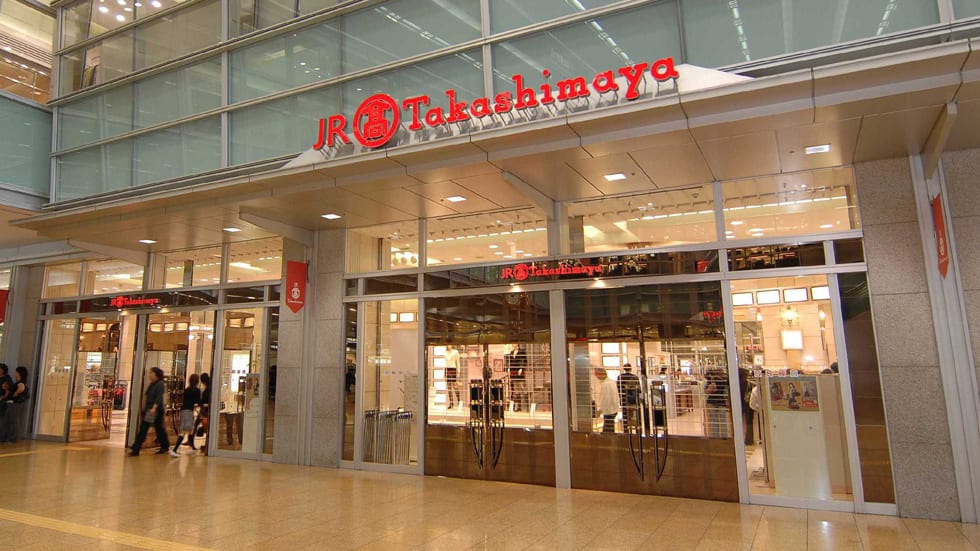
    Japanese department-store operator Takashimaya is banking on its Vietnam and Thailand flagships to drive growth this year as it seeks to achieve profitability in its Southeast Asian business.

    To date, Singapore has been the sole profitable store outside Japan, but this financial year the Takashimaya Vietnam store in the Saigon Centre in Ho Chi Minh City is expected to produce 100 million yen (US$919,000) in operating profit and the company’s president Yoshio Murata told Nikkei in an interview he sees Vietnam as “another Singapore” in the future.

    Takashimaya opened its first Southeast Asian store in 2013 in Singapore. Located in the heart of the Orchard Road precinct, that store took several years to turn into the black but now drives the retailer’s business in the region. Last year it reportedly earned 3 billion yen (US$27.2 million) and this year is reportedly on track to achieve 4.8 billion yen ($44 million) in operating profit.

    The Vietnam store opened in 2016 and struggled initially before the company refocused its offer by stocking more mid-market brands, a strategy that already seems to be working. The company is believed to be exploring an opportunity to open a second store in the capital Hanoi where it is investing in an urban-development project including a bilingual school.

    Takashimaya’s most recent store in the region is at the IconSiam shopping centre in Bangkok, which opened last November.

    In an interview with the Nikkei last week, Murata said the success of that store depended in part on the completion of a delayed BTS railway line extension which would deliver people to the centre’s front door. He expects the store will lose about 900 million yen ($8.2 million) this financial year.

    As the company learned in Vietnam, the key to its success is likely to lie in stocking more mid-range products rather than focusing purely on the luxury sector as the train will bring more middle-class shoppers.

    “Upper-middle product ranges like menswear are not satisfactory,” Murata said.

    In June of this year, Takashimaya announced it would close its Shanghai store, opened in 2012, its lone post in China. But that decision was reversed when local government authorities adjusted the rent to make the store viable. Takashimaya now expects it to turn a profit in 2021.

    Meanwhile, the company is playing down widespread reports of plans to expand into other major Asian cities, including Manila – where rival Mitsukoshi will open next year – Kuala Lumpur and Jakarta.

    Murata confirmed to Nikkei that the company had been approached to open in new markets but said its focus for now was on its existing four stores.

  • Vietnamese carmaking startup VinFast gets $950 million credit line

    Vietnamese carmaking startup VinFast gets $950 million credit line

    VinFast, which aims to become Vietnam’s first domestic car manufacturer, said it has secured a 12-year credit facility for as much as $950 million to help buy machinery and equipment from German suppliers.

    The company, a unit of Vietnam’s largest conglomerate Vingroup JSC, plans to have its first production models built under its own badge hit the streets next August. Vingroup has earmarked about $3.5 billion for the project.

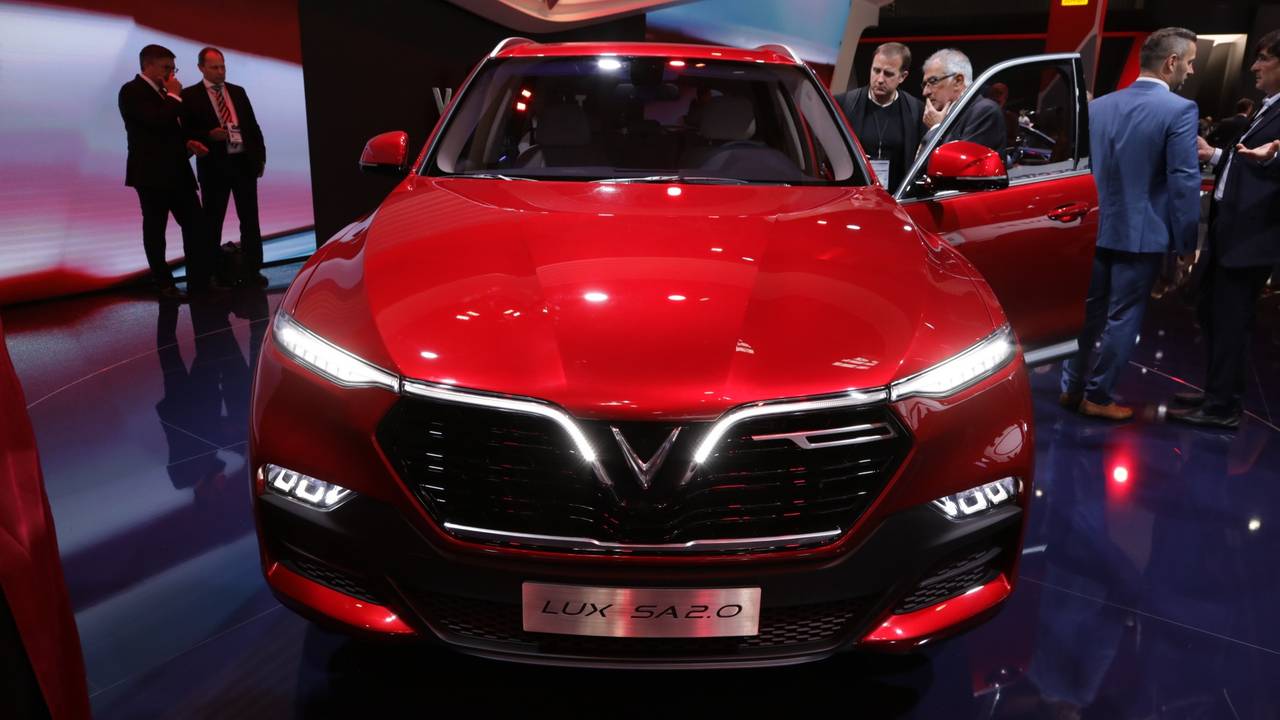
    VinFast, led by former General Motors executive Jim DeLuca, showed off its BMW-based LUX A2.0 sedan and LUX SA2.0 crossover at the Paris auto show last week. Assembly is scheduled to begin next week year.

    Credit Suisse AG and HSBC were the lead arrangers and the financing agreement was guaranteed by German export credit agency Euler Hermes, Vingroup and Vinfast said in a statement.

    The statement also said that in August Vinfast completed syndication of a $400 million term loan facility led by four international banks.