Tag: Vietnam

  • Saigon retail rents rise

    Saigon retail rents rise

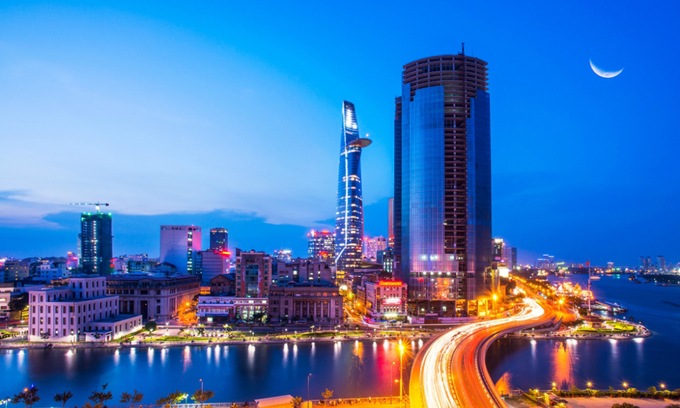
    Saigon retail rents are rising with space in the CBD hitting an average of US$135.50 per square meter in the third quarter, up by 5.8 percent year-on-year.

    According to a report by real-estate company CBRE, the average monthly rents outside the CBD were only US$35.80 per square meter, down 3.7 percent quarter on quarter.

    Saigon is commonly used to refer to the CBD, or District 1, of Ho Chi Minh City, Vietnam’s largest population center.

    As several shopping centers have witnessed renovation and tenant mix revision, abandoned retail space rates increase by 2.5 percent and 8 percent in CBD and non-CBD areas, respectively.

    Ho Chi Minh City has become attractive to many investors and developers as a growing number of international retailers have chosen the city for their Vietnam debut.

    The nation’s retail industry has also been drawing investment from offshore, with recent deals including Japanese apparel company Stripe International buying Vietnamese fashion brand Vascara, and a franchise agreement which will see South Korea’s CU convenience stores open next year. With the evolution of the industry, retail rents in Ho Chi Minh City are expected to continue to increase in the near future.

    The city is predicted to add a further 237,000sqm of new retail space next year, including a new Vincom Megamall project in District 9 but it has yet to be seen how the new supply will impact on Saigon retail rents.
  • Contaminated water forces seven Vietnamese Starbucks stores to close

    Contaminated water forces seven Vietnamese Starbucks stores to close

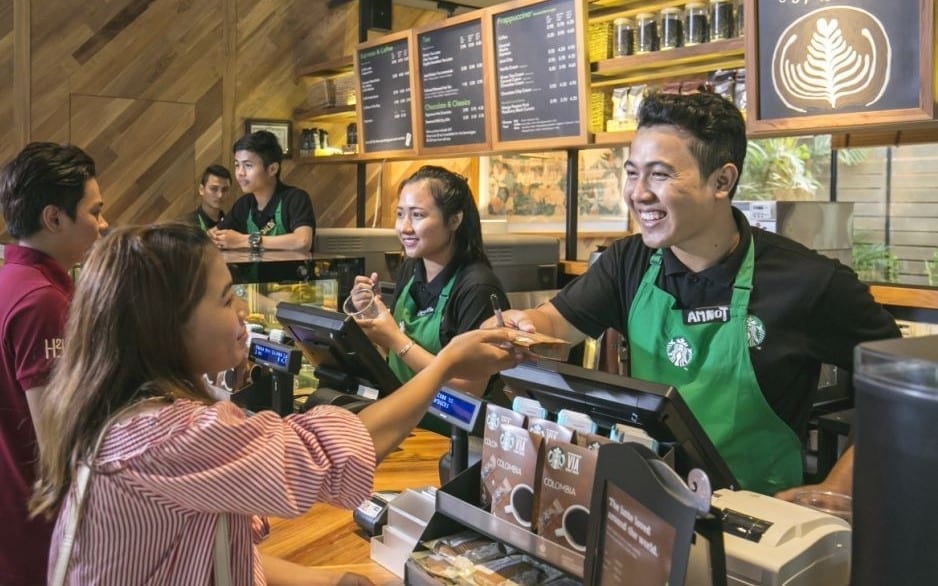
    Coffee chain Starbucks has temporarily closed seven outlets in Hanoi, Vietnam as the city copes with serious oil contamination of its water supply.

    According to a customer service staff member, the Starbucks Hanoi stores are closed in areas where water comes from the Da River, including Cau Giay, Ha Dong and Nam Tu Liem districts. The coffee chain has not confirmed a reopening date.

    The contamination traces back to a truck seen dumping used oil into a mountain creek in Phu Minh Commune, Hoa Binh Province last week which has led to contaminated tap water for about 1 million Hanoi residents.

    While Starbucks is not alone in closing stores, other major coffee chains and eateries in the contaminated areas have arranged alternative sources of water and remain open.

    Local news media report that tap water has now passed safety tests, but Hanoi officials advise consumers against drinking or cooking with it.

    Meanwhile, there are widespread reports of bottled water prices soaring in the city as people rush to buy safe water. While tap water in Vietnam is not considered safe to drink it is generally acceptable to use it for cooking.

  • Uniqlo to open first Vietnam store in Saigon

    Uniqlo to open first Vietnam store in Saigon

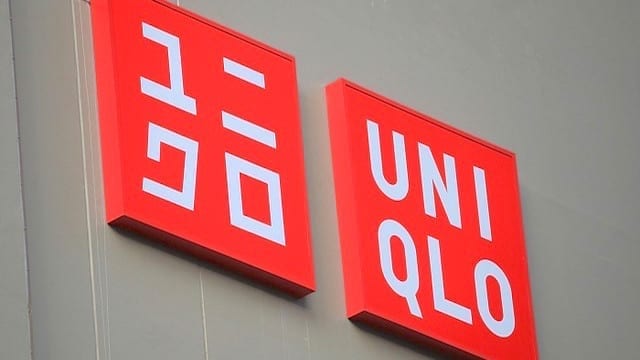
    Japanese casual wear retailer Uniqlo plans to open a 3,000-square-meter store in downtown HCMC at the end of this year.

    Its first store in the country, at Parkson Saigon Tourist Plaza in District 1, would be one of its biggest in Southeast Asia, the company said in a release. It will sell clothes for men, women and children.

    Uniqlo earlier this month established its Vietnam business with a charter capital of $8.8 million, with apparel company Fast Retailing Singapore owning a 75 percent stake and Japan’s Mitsubishi Corporation the rest.

    Uniqlo, which is already in Singapore, Malaysia, Thailand, the Philippines, and Indonesia in Southeast Asia, had 213 stores in the region by the end of last year and plans to have 400 by 2022. It now has over 2,200 stores in 24 countries and territories.

    Uniqlo’s arrival in Vietnam is sure to intensify competition between foreign brands like Zara and H&M, who came two years ago and have outlets at major malls in both HCMC and Hanoi.

    Vietnam’s fashion market is estimated to grow to more than $3.8 billion this year and over $5 billion by 2021, according to BMI Research.

  • Textile sector stuck at bottom of value chain

    Textile sector stuck at bottom of value chain

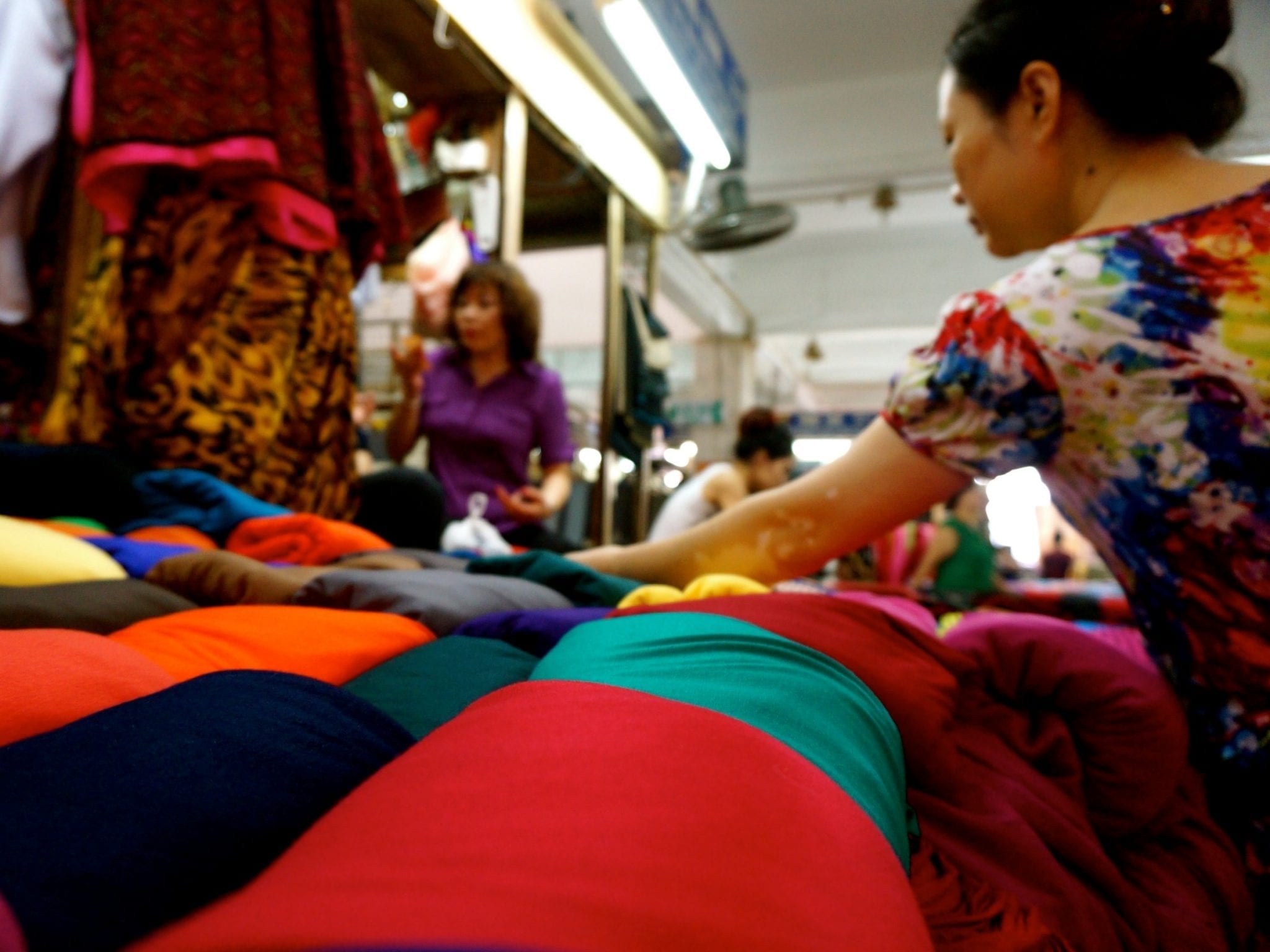
    The textile industry, Vietnam’s key exporter, faces hurdles to further development since it is stuck in the low-value segment of the supply chain.

    Nguyen Thi Xuan Thuy, director of the Ministry of Industry and Trade’s Centre for Supporting Industrial Development, said at a recent forum that Vietnam’s textile industry is still dependent on import of production inputs.

    The country plans to have 30,000-76,000 hectares under cotton crops in the 2015-2020 period but had only 1,000 ha in 2017, and cotton production that year was only 1,000 tons against a target of 20,000-60,000 tons, she said.

    The country targets annual fabric production of one billion meters but there is no allocation of funds for it, and so most material has to be imported for production, Thuy noted.

    Vietnam imports half the raw material for production from China, and this means its textile products would not enjoy zero import tariffs under the trade pacts it has signed, she added.

    But local feedstock producers struggle to sell domestically. Vu Huy Dong, CEO of thread producer Dam San, said 90 percent of his output is exported to China.

    “Chinese importers buy the threads, dye them and sell them back to Vietnam at higher prices.”

    Textile firms are concerned that Vietnam’s environmental protection regulations create challenges for businesses.

    Pham Xuan Trinh, CEO of HCMC-based textile firm Phong Phu Corp, said some localities only provide 700 cubic meters of water a day to his company while the need is three or four times that.

    Government officials admitted that local authorities are reluctant to license textile production, especially dyeing, due to fear of pollution.

    Thuy said that Vietnam’s environment criteria for the textile industry are now even higher than Japan’s.

    Whether Vietnam continues to keep them to ensure clean manufacturing or lowers them to boost production of textile feedstock, there needs to be an orientation for development, she added.

    Vietnam exported $30.4 billion worth of textile products last year, up 16.6. percent from 2017, according to the General Statistics Office. It imported $12.9 billion worth of fabrics, up 13.5 percent.

  • Starbucks closes seven Hanoi stores over contaminated water

    Starbucks closes seven Hanoi stores over contaminated water

    Coffee shop giant Starbucks has temporarily closed seven stores in Hanoi’s southwestern districts over the ongoing oil contamination crisis.

    A customer service agent said Friday that the closed stores are located in Cau Giay, Ha Dong and Nam Tu Liem districts, all of which use water that comes from the Da River in Hoa Binh Province. No reopening date has been set.

    Other major coffee chains in the southwestern districts of Hanoi have remained open, with their managers saying, without elaborating, that they are getting clean water from a supplier.

    Like Starbucks, many restaurants and eateries in Hanoi are struggling to get clean water.

    Nghia, owner of a pho noodle stall in Hoang Mai District, said that he has spent hundreds of thousands of dong (VND100,000 = $4.3) on bottled water this week because the tap water smelled bad and could not be used for cooking.

    A buffalo-meat restaurant chain with outlets in affected areas mobilizes staff to work till midnight Wednesday to stock bottled water.

    In some areas, bottled water prices have increased 2-3 times due to high demand. The Vietnam Directorate of Market Surveillance has asked Hanoi authorities to stop merchants from overpricing bottled water.

    On Tuesday last week, a 2.5-ton truck was seen dumping used oil into a mountain creek in Phu Minh Commune, Hoa Binh Province. The oil spread and contaminated the tap water for about one million Hanoi residents.

    Tests of the smelly water by authorities later found that the level of styrene, an organic compound that is classified as “probably” carcinogenic, was 1.3-3.6 times higher than normal.

    On Thursday, Hanoi officials said the tap water samples collected Monday this year passed safety tests, but continued to advise against drinking or cooking with it.

  • Amazon has no specific time frame for Vietnam website

    Amazon has no specific time frame for Vietnam website

    A senior Amazon official says the firm sees Vietnam’s potential but has not decided on a time to launch services for Vietnamese buyers.

    Bernard Tay, head of Amazon Global Selling Southeast Asia, Australia and New Zealand, said at an event Thursday that the global e-commerce giant sees Vietnam has a potential market.

    He noted that after launching Amazon in Singapore, they would look at opportunities to expand their services to more countries, including Vietnam.

    Amazon Thursday established a team of specialists in Vietnam to support Vietnamese sellers in taking their products to global customers. The company stated that it sees the majority of Vietnamese businesses are small and medium enterprises with large demand for global sales.

    Many Vietnamese leather, footwear, handmade and consumer goods items are selling well on Amazon’s website, Tay said.

    Vietnamese sellers can reach up to 300 million Amazon accounts in 185 countries and territories. Amazon also has 175 fulfillment centers worldwide, he added.

    Bui Kim Thuy, owner of a textile company whose products are being sold on Amazon, said that the e-commerce giant has strict criteria on product origin and quality which Vietnamese sellers will have to meet.

    An apparel product that suits Vietnamese customers might not suit Americans, therefore Vietnamese sellers need to make careful research for international sales, she added.

    Amazon launched a Singapore website last week, the first in Southeast Asia. Vietnamese shoppers can access Amazon.com, but many products are not available for shipping to Vietnam, and those that are available typically involve high shipping fees.

  • Vietnam considers more pork imports as prices surge

    Vietnam considers more pork imports as prices surge

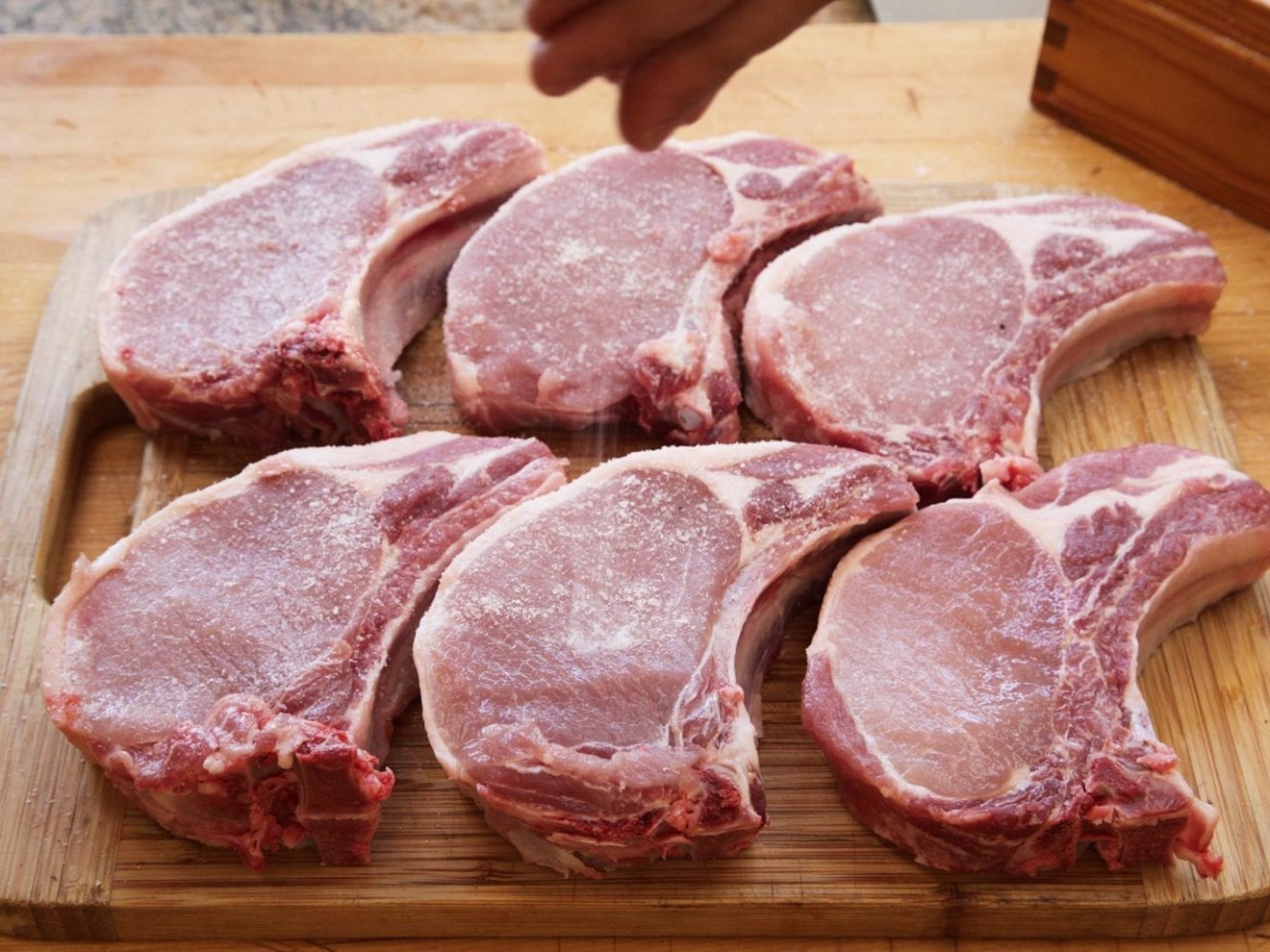
    The government has asked the agriculture ministry to look into increasing pork imports as supply plunges and prices reach 3-year high.

    The order, signed by Deputy Prime Minister Vuong Dinh Hue, seeks to stabilize pork prices, which have been surging since earlier this month and are now at a 3-year high of VND60,000-70,000 ($2.6-3) per kilogram.

    Experts have also expressed concerns that the recent price surge follows increasing exports to China. In January-August the country exported $449 million worth of meat, up 3.6 percent year-on-year from 2018, mostly because of the rise in pork exports to China.

    Domestic supply has been falling since the African swine fever broke out in February and spread to all localities. Almost 5 million pigs have been culled because of the virus, the Ministry of Agriculture and Rural Development estimated.

    In January-September, pig stock in the country dropped 19 percent year-on-year, while pork supply fell 9 percent, according to the General Statistics Office.

    Vietnam, the world’s fifth-largest pork producer last year, is at risk of a 500,000-ton shortage of pork, or 20 percent of total demand, between July and next February, according to global market research firm Ipsos Business Consulting.

    In the first seven months, Vietnam imported $22.1 million worth of pork, 4.3 times that of the same period last year, according to the Ministry of Agriculture and Rural Development. Major import markets were Brazil, the U.S. and Poland.

    About 70 percent of all meat consumed last year in Vietnam was pork, according to the ministry.

  • Motorcycle market continues to shrink

    Motorcycle market continues to shrink

    Vietnam’s motorbike sales fell the third straight quarter by 3.8 percent to 831,500 units in Q3.

    Sales for the top five brands, which account for around 95 percent of the market, had fallen 6.13 percent in the first quarter and 4.39 percent in the second, according to the Vietnam Association of Motorcycle Manufacturers (VAMM).

    Honda has a nearly 77 percent market share, with Piaggio, Suzuki, SYM, and Yamaha making up the top five.

    UnitsMotorcyles sales by quarter VAMM membersQ1 2018Q2 2018Q3 2018Q4 2018Q1 2019Q2 2019Q3 20190250k500k750k1 000kSource: VAMM

    In the first nine months together they sold around 2.33 million units, down 5 percent, VAMM data shows.

    Although motorcycles remain the major mode of transport, the increasing frequency of traffic jams and air pollution, especially in big cities, are causing their sales to gradually fall, local experts said.

    VAMM had earlier said that falling motorbike sales were because the market was near saturation. It has decided not to hold its annual motorcycle exhibition this year for this reason.

    With sales of nearly 3.4 million units last year, Vietnam was the world’s fourth-biggest motorcycle market after India, China and Indonesia, according to a recent report by market research firm Motorcycles Data.

    Last year, Vietnam had the highest proportion of people buying new motorbikes, with over 35,000 new motorbikes sold per one million people.

    At the end of 2016, there were 45 million registered motorbikes in Vietnam, a country of over 92 million people, according to the Ministry of Transport.

  • Vietcombank first local lender to open Australia branch

    Vietcombank first local lender to open Australia branch

    Vietcombank, one of Vietnam’s leading banks, has received approval from the central bank to open a branch in Australia.

    The branch will open in Sydney and have a registered capital of AUD71 million ($48.08 million), according to the State Bank of Vietnam’s (SBV) approval document released Wednesday.

    Vietcombank must complete the opening of the branch within 24 months from the date of the SBV’s approval, after which it expires, the document says.

    This move is an important step in Vietcombank’s global expansion strategy, in which it aims to gain a place among the world’s top 300 banking and financial groups by 2020, it said in a statement.

    In June this year, Vietcombank received the final permit to set up a representative office in New York City of the U.S. from the New York State Department of Financial Services (NYDFS).

    Vietcombank has more than 500 branches, representative offices, and member companies in Vietnam and overseas, including a financial company in Hong Kong, a money transfer company in the U.S., a representative office in Singapore and a subsidiary in Laos.

    The lender is one of three Vietnamese banks among the world’s most valuable brands, according to Brand Finance, a global branded business valuation and strategy consultancy.

    Vietcombank, BIDV and Vietinbank are Vietnam’s three biggest banks in Forbes’s list of 2,000 largest listed firms in the world. In the Forbes ranking released in May, Vietcombank jumped 198 spots to 1,096th with revenues of $3.1 billion and a market value of $10.9 billion.

    Japan’s Mizuho Bank is Vietcombank’s largest foreign shareholder, with a 15 percent stake, while the Vietnamese state holds 74.8 percent.

  • Grab tests new bus booking service in Vietnam

    Grab tests new bus booking service in Vietnam

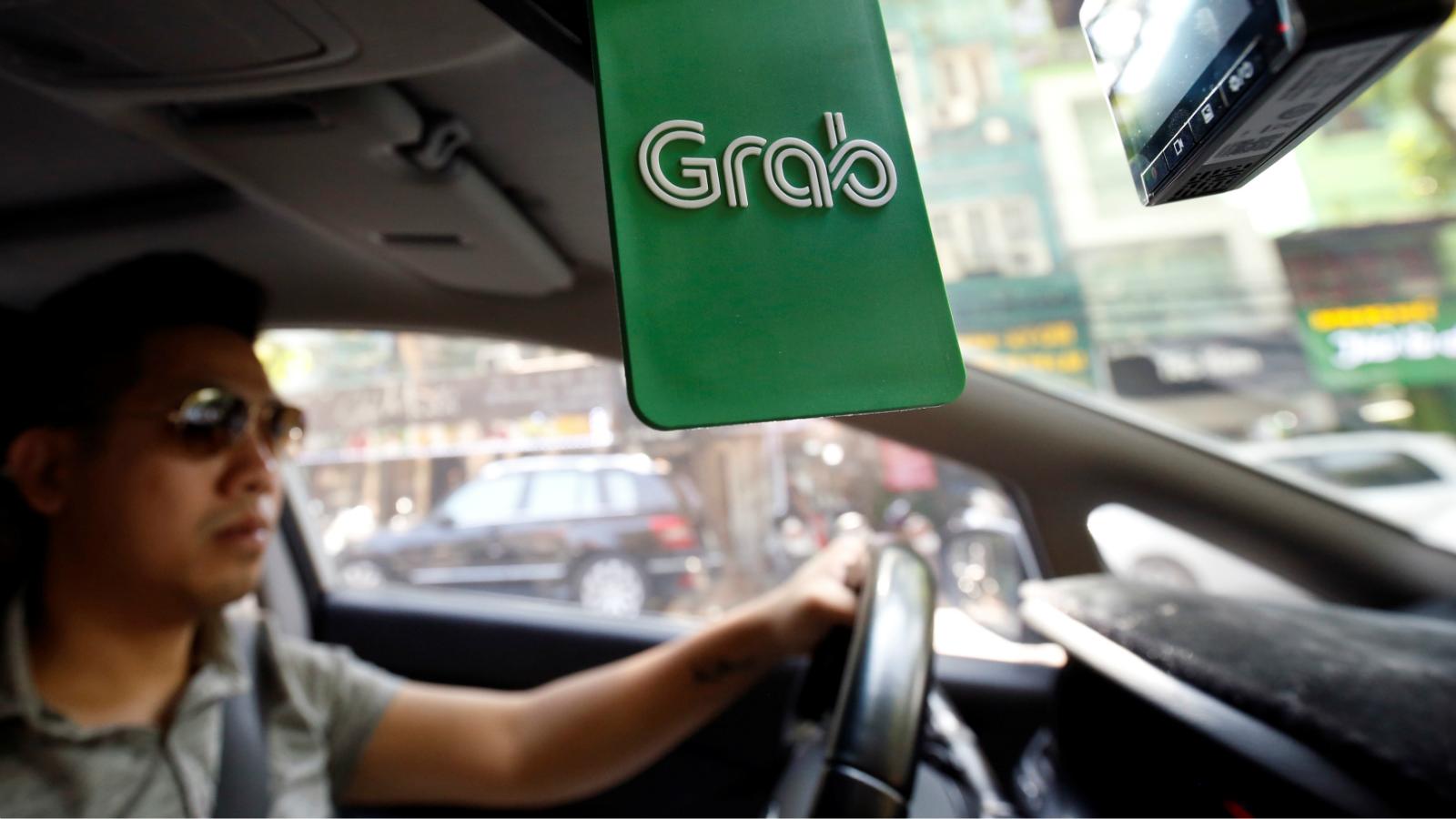
    A new service, now available on Grab’s app, allows customers to look at schedules and book tickets from the ride-hailing giant’s partner bus operators.

    Grab has begun testing the bus-booking feature for customers traveling between Ho Chi Minh City’s Tan Son Nhat airport and Vung Tau Town in southern Ba Ria – Vung Tau Province starting Monday, the company said in a release.

    The route is currently operated by local firm Avigo, Grab’s partner bus operator, which runs 24 trips a day. By the end of this year, Grab will test out one more route between District 7 and District 1 in HCMC, operated by local partner City View Bus at a frequency of 44 trips per day.

    Grab’s Bus feature will help customers find buses and routes that best suit their schedule, book tickets in advance, track the bus in real-time and know when it is arriving. Customers will be able to make cashless payments through the Moca e-wallet function on the Grab app, with an international debit card, or by QR code, Grab said.

    The Bus feature will allow Grab’s transportation partners to access Grab’s vast user base, boost operational efficiency and business growth through the use of the company’s technological platform, the company said.

    Grab began testing the Bus feature in the Philippines two weeks ago, allowing customers to book tickets for two routes from Makati City, the country’s financial hub, to a nearby city.

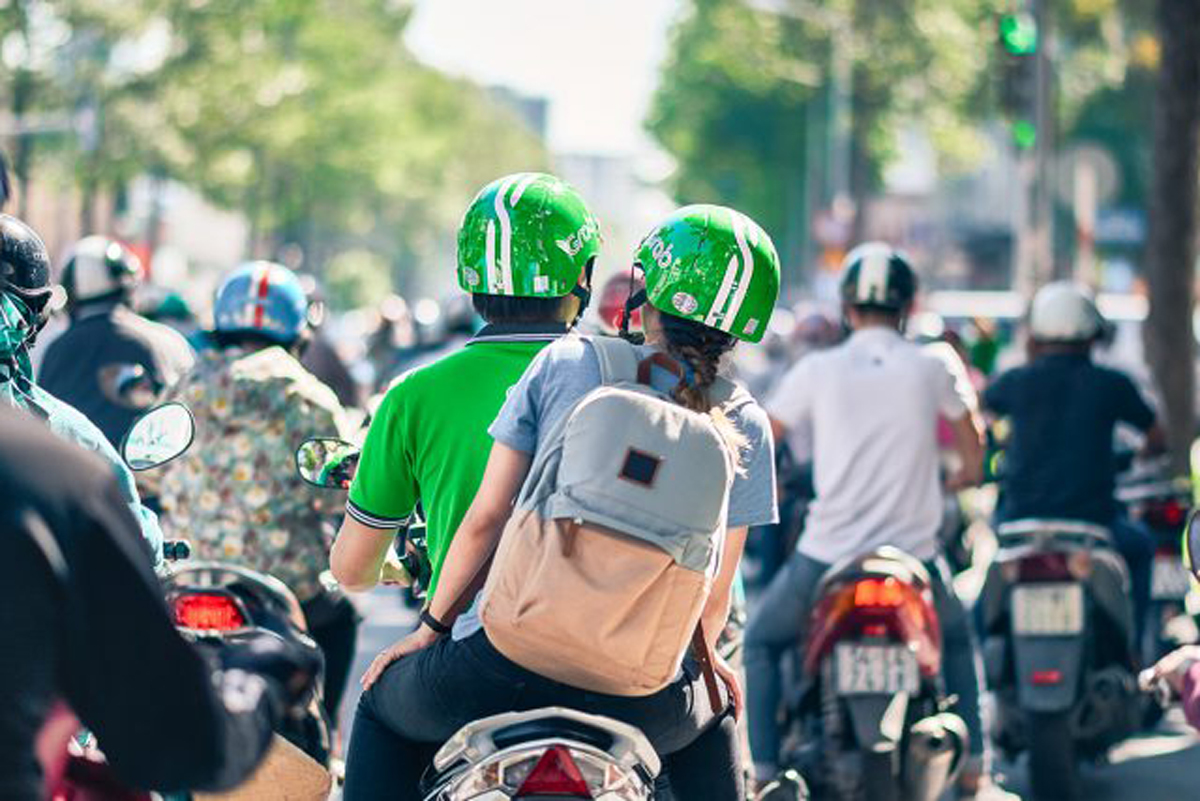
    Grab, with its app on more than 160 million mobile devices across eight countries, entered Vietnam in 2014 and now offers a wide range of services from taxi and motorbike hailing to food delivery, online payment, express delivery, and hotel booking.

    In late August, the Singapore-based tech firm announced in a statement it will invest some $500 million in Vietnam in the next five years to expand its transport, food and payment networks.

    The money would also be used to develop fintech, mobility solutions and logistics to spur the country’s digital economy, Grab said.

    Vietnam’s ride-hailing and food delivery market is expected to top $1 billion this year and $4 billion in 2025, according to a recent report by Google, Singaporean investment firm Temasek and U.S. consultancy Bain.

  • Vietnam fintech sector in the fast lane

    Vietnam fintech sector in the fast lane

    The number of financial technology companies in Vietnam has grown from around 40 in 2016 to 154, focusing on payment, peer-to-peer lending and crowdfunding, a survey has found.

    Out of the 154 fintech startups, 37 operate in payments, 25 in P2P lending and 22 in blockchain and crypto and remittance, according to a survey by the Banking Technology Development Research Institute (BTI), National University of Ho Chi Minh City, released at a fintech conference in HCMC on Monday.

    The rapid growth of fintech has transformed the financial and banking sector by offering consumers more convenient products and services.

    Fintech companies in Vietnam are likely to continue encroaching on the retail market share of traditional banks, with peer-to-peer lending, e-wallets, payment and cashless payments becoming an integral part of everyday life, the report noted.

    However, areas such as asset management, liquidity management, investment management, insurance, and automated advisory services are still in their infancy, it added.

    Hoang Cong Gia Khanh, director of BTI, said: “Because 70 percent of Vietnam’s fintech companies are still startups, it will be difficult to have large-scale fintech firms even with foreign capital.”

    Some 70 percent of them have foreign backers both from developed countries such as Singapore, Japan, the U.S., Canada, Australia, the U.K., Denmark, and France and neighboring countries such as China and Malaysia, he added.

    Vietnamese fintech companies also face challenges like cybersecurity, human resource training and others.

    Startups in fintech received more investment — $117 million — than in any other industry in Vietnam last year, according to startup accelerator program Topica Founder Institute.

    The country’s fintech market was valued at $4.4 billion in 2017 and is predicted

  • Grab launches first shared kitchen in Vietnam

    Grab launches first shared kitchen in Vietnam

    Grab launched a shared kitchen in Vietnam on Tuesday to cater to the growing demand for food delivery.

    It is in Thu Duc District, Saigon, and 12 restaurants make food exclusively for GrabFood drivers to pick up and deliver to customers.

    Grab has given each of them space to cook for free though they have to pay utility bills, and get a commission on the orders.

    Vietnam is the second place where it has launched GrabKitchen after Indonesia, and there is great potential for this model in the country, Jerry Lim, CEO of Grab Vietnam, said in a statement.

    Thu Duc was chosen because of its young demographic comprising students and workers who want to order from their favorite restaurants which are located too far away, he said.

    More such kitchens would be opened in the city this year and the model would be expanded to Hanoi and Da Nang next year, Lim added.

    Shared kitchens have become popular in Asian countries such as China, Japan and India in recent years as restaurants can focus completely on the food and do not need to find, rent and manage a shop.

    Between January and June this year the number of GrabFood transactions quadrupled to an average of 300,000 orders a day.

    Competitors for GrabFood in Vietnam now are Foody’s Now, Go-Viet’s GoFood and South Korean-owned Baemin.

    Vietnam’s ride-hailing and food delivery market is expected to top $1 billion this year and $4 billion in 2025, according to a recent report by Google, Singaporean investment firm Temasek and U.S. consultancy Bain.

  • Vietnam tops world in growth of entertainment apps

    Vietnam tops world in growth of entertainment apps

    Vietnam was the world’s fastest-growing market for entertainment-based mobile apps last year, fueled by demand for video streaming services.

    Its growth score was 44.96, significantly higher than the global average of 24.27, according to a report by German mobile measurement firm Adjust. The report assessed data from nearly 3,500 apps released in 2018 and 31 countries based on four industry verticals, e-commerce, entertainment, gaming, and utilities.

    Adjust’s Mobile Growth Map uses the growth score, a new metric it developed, to chart the rise of apps in global markets. It is calculated by dividing the total app installs per month by the number of monthly active users for each vertical and country to reveal the rate of growth.

    The growth of entertainment apps in Vietnam was fueled by the demand for video streaming services, the report said. The country was seeing a trend of people switching from traditional TV to over-the-top media services which allowed them to watch movies and other shows online. Video streaming services, karaoke and music apps engaged users for long stretches of time, and presented an opportunity for diverse, relevant advertising, the report said. Russia was second behind Vietnam with a growth score of 44.21, followed by Thailand (36.61) and Colombia (34.87).

    Vietnam had also experienced robust growth in gaming apps with a growth score of 51.40 against the global average of 42.85 to place sixth in a list topped by Colombia.

    “The Asia Pacific is a perfect place to soft-launch a new app without the heavy lifting of full localization. Indonesia, Singapore and India, as well as Vietnam, Myanmar and Thailand represent great opportunities.”

    Vietnamese spend an average of four hours a day on their smartphones, 65 percent of that time on apps, according to a survey done last July by HCMC market research firm Q&Me. Around 64 million people, or over half of the country’s population, are online.

  • Vietnam Airlines to launch inflight Wi-Fi service

    Vietnam Airlines to launch inflight Wi-Fi service

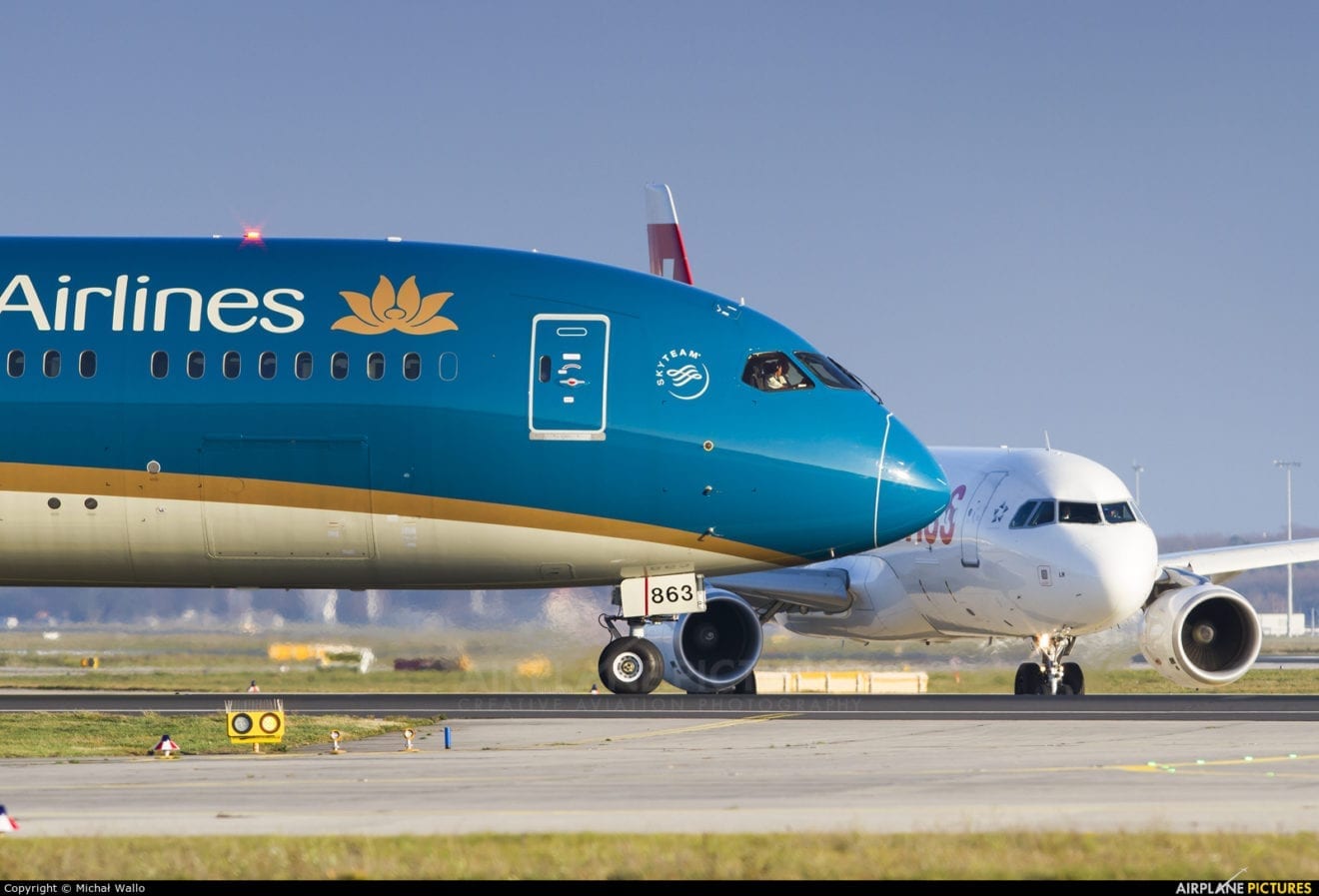
    Vietnam Airlines will launch inflight Wi-Fi service on some flights connecting Hanoi and HCMC with cities in China, Japan and Singapore.

    Passengers will be charged VND75,000-735,000 ($2.95 -$29.95) depending on usage time and capacity.

    Providing inflight Wi-Fi service is one of the steps that Vietnam Airlines is taking towards becoming a digital airlines by 2020 and an international five-star airline in the future.

    The Wi-Fi service will be available on the domestic route from Hanoi to Ho Chi Minh City and international flights from Hanoi to China’s Shanghai and Japan’s Osaka and between HCMC and Osaka and Singapore, the airline said in a statement Monday.

    In the coming months, the airline will continue upgrading and expanding this service to Boeing 787 and other Airbus A350 aircraft with faster speeds, it said.

    Le Hong Ha, deputy general director of Vietnam Airlines, said that when using the service, passengers can send text messages on popular applications such as Viber, iMessage, Messenger and Whatsapp.

    “This is part of Vietnam Airlines’ efforts to catch up with the development trends of the world aviation industry, with many 5-star airlines like Singapore Airlines, Qatar Airways, Cathay Pacific Airways and Lufthansa providing similar services,” Ha said.

    Vietnam Airlines operates flights on 60 international and 33 domestic routes.

  • Saigon to double car registration fees

    Saigon to double car registration fees

    HCMC will raise registration fees of cars under 9 passenger seasts from VND11 million ($473) to VND20 million ($860) from October 17.

    According to a resolution recently passed by the city’s People Council, licensing fees for other types of cars will be set from the initial cost of VND150,000 ($6.4) to VND500,000 ($22). Such as, prices for semi trailers and trailers (container trucks) will now be VND200,000 ($8.6).

    For motorbikes, those valued under VND15 million ($645) will now have a new registration fee of VND1 million ($43). Motorbikes costing between VND15-40 million ($645-1,720) and above will have new registration fees of VND2-4 million ($86-172).

    Vo Van Hoan, Vice Chairman of Ho Chi Minh City People’s Committee, said the new registration fees were equivalent to those in Hanoi, and that the increase was an appropriate reflection of the city’s economic status.

    The HCMC department of transportation estimates that there are more than 825,000 cars and 8.1 million motorbikes in the city. In the first six months of this year, the number of newly registered cars and motorbikes increased year-on-year by 15 percent and 6 percent respectively.