Tag: Vietnam

  • Vietnam’s Mobile World launches fashion-watch retail model

    Vietnam’s Mobile World launches fashion-watch retail model

    Vietnamese smartphone retailer, The Gioi Di Dong (Mobile World), has discovered a thriving new business model: a fashion-watch retail concept.

    The company offers a wide selection of watches from well-known fashion brands, including Michael Kors, Fossil and Casio. Watches are displayed along with other tech products in Mobile World’s outlets in a store-within-a-store concept.

    Since launching the fashion-watch retail model earlier this year, Mobile World claims to have built its share to 15 percent of the country’s fashion-watch sales. Last month, it sold more than 50,000 timepieces across 100 outlets.

    Doan Van Hieu Em, CEO of Mobile World Group, told Vietnam News he is planning to take his company’s share of the fashion-watch market to 50 percent next year, by opening stores in 500 of its 2000-strong network across the country.  His target is to sell 3 million units.

    “Mobile World’s sales capacity has even surpassed the suppliers’ expectations,” he said.

    “We are trying to find watch manufacturers around the world, supplying exclusive goods in large quantities to meet the rapidly expanding demand in the near future.”
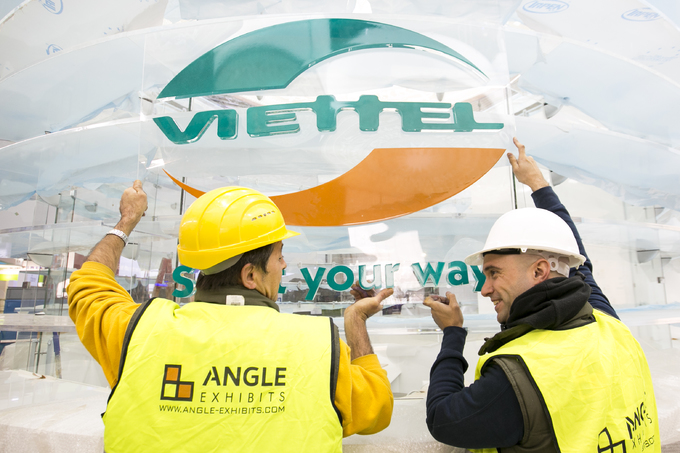

  • Vietnamese operators to begin 5G testing as of 2019

    Vietnamese operators to begin 5G testing as of 2019

    Starting from the capital, Hanoi, the country aims to upgrade its mobile network along with the southern commercial hub of Ho Chi Minh City.

    “Vietnam should be among the first nations to launch 5G services in order to move up in global telecom rankings,” said Nguyen Manh Hung, the country’s minister of Information and Communications.

    Hung, previously the chairman and general director of Viettel Group, wants to reacquire Vietnam’s rank among the top countries worldwide in terms of major exporter of 5G gear through boosting the development of local equipment. He also plans to make the licensing and approval process easier for Vietnam’s IT sector.

    Several partnerships have been made in order to facilitate the procedures: VNPT has teamed up with Nokia on 5G, while MobiFone signed an agreement with Samsung Electronics to cooperate on 4G and 5G networks earlier this year.

    In 2017, Ericsson held the first 5G demonstration in the country in partnership with the Vietnam Authority of Radio Frequency Management.

    While MobiFone and VNPT are on the list of state-owned companies slated for privatization by 2020, Viettel is to remain in government hands.

  • Vietnam coffee chains ready for a marketshare battle

    Vietnam coffee chains ready for a marketshare battle

    Major Vietnam coffee chains are targeting new customers by adopting take-away business models on city streets.

    In Ho Chi Minh City, the largest of the local Vietnam coffee chains, Highlands Coffee, which is majority-owned by Jollibee Foods, has been selling its product in coffee booths set up at roadsides from 7am – 9am when traffic is at its busiest.

    According to Highland’s staff, the company will be building more sidewalk trolleys to serve the increasing needs of customers on the road, most of whom drive motorcycles. Instead of going into the coffee shops, customers now can just stop on the roadside and grab a coffee to go.

    Other major coffee brands, including Passio and Vinacafe, set up morning coffee booths on some busy streets a few months ago. As the new model is easy to run and needs low-cost investment, the Vietnam coffee chains have been able to lower their prices to attract more customers.

    Targeting low- and middle-income customers, Vietnamese coffee company Trung Nguyen has recently launched a small-scale coffee franchise called E-Coffee. According to Vo Thi Ha, communications director of Trung Nguyen Group, the takeaway coffee model only costs around one-eighth of a normal store’s investment.

    “As the mid and high-end segments become increasingly saturated, the affordable and low-income groups are increasingly seen as potential revenue generators. This consumer segment is large and easy to serve, so could generate big profits because of low investment costs, as long as businesses find the right model,” a marketing expert in Ho Chi Minh City told local newspaper VN Express.

    However, Coffee Bike director, Do Quoc Anh, described the current street-trolley coffee business model as unprofessional and unsustainable. He said if it was not developed properly and carefully, it would die out as a trend.

  • Vincom Retail unveils three shopping centre plans

    Vincom Retail unveils three shopping centre plans

    Vietnam’s Vincom Retail has announced three new Vincom Mega Mall shopping centres.

    Two of the new properties will be located in Hanoi and the third in Ho Chi Minh City, the country’s commercial capital.

    Located in one of the largest real estate projects in Hanoi, Vincom Mega Mall Ocean Park will occupy 56,000sqm, and serve up to 1.5 million customers annually. Vincom says the mall’s design was influenced by “subterranean movements” and the blue waterfront.

    Also in Hanoi, Vincom Mega Mall Smart City will feature a design concept inspired by future technology trends. The new shopping centre will cover 68,000sqm and has a catchment of 1.8 million potential customers, primarily millennials.

    The third shopping centre, Vincom Mega Mall Grand Park, will open in District 9 of Ho Chi Minh City. The mall will occupy 48,000sqm of commercial space, over five floors and one basement level.

    Vincom Retail’s deputy director of sales and marketing, Tran Thu Hien, said there are four key elements the company believes will secure Vincom Mega Mall’s success: the product structure, customer base, tenancy partnerships and inspirational marketing.

    According to real estate company CBRE, Hanoi and Ho Chi Minh City will potentially become on the top three retail markets in Asia-Pacific.

  • Vietjet Celebrates Autumn with Hundreds of Thousands of Promotional Tickets

    Vietjet Celebrates Autumn with Hundreds of Thousands of Promotional Tickets

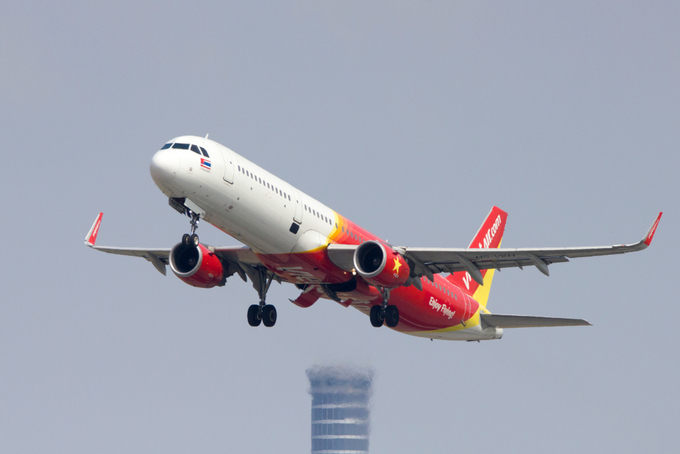
    Vietjet has announced its latest deal with hundreds of thousands of promotional tickets going from S$0 to travel around Asia in the Autumn season.

    Promotional tickets are available for purchase on Vietjet’s official website or on the “Vietjet Air” mobile app from now until 10 October 2019, between the golden hours of 1.00 pm – 3.00 pm (GMT+8). The promotion includes daily return tickets from Singapore to Hanoi and Ho Chi Minh City, and all international routes between Vietnam and Japan, South Korea, Taiwan, Hong Kong, India, Indonesia, Thailand, Malaysia, Myanmar and Cambodia. All routes operated by Thai Vietjet are also applicable for this promotion.

    Vietjet Vice President Nguyen Thanh Son said, “With an expanding flight network across Asia that includes convenient departure timings with more than 400 flights daily and super-saving tickets priced from just VND0, VND99,000, VND199,000, etc., customers can easily fly anytime and anywhere. Vietjet aims to bring millions of flying opportunities to everyone, meeting air travel demands of passengers, pioneering new direct routes such as Da Nang – Taipei/ Tokyo (Haneda), Ho Chi Minh City – Bali; Ho Chi Minh City/ Hanoi – New Delhi, which helps save transit time for passengers and give them more time to experience the destinations. Besides Hanoi, Ho Chi Minh City and Da Nang, travelers from other localities like Hai Phong, Nha Trang, Phu Quoc, etc. can now easily take direct flights to Japan, South Korea and Taiwan.”

  • Bamboo Airways hopes to triple market share to 30 pct

    Bamboo Airways hopes to triple market share to 30 pct

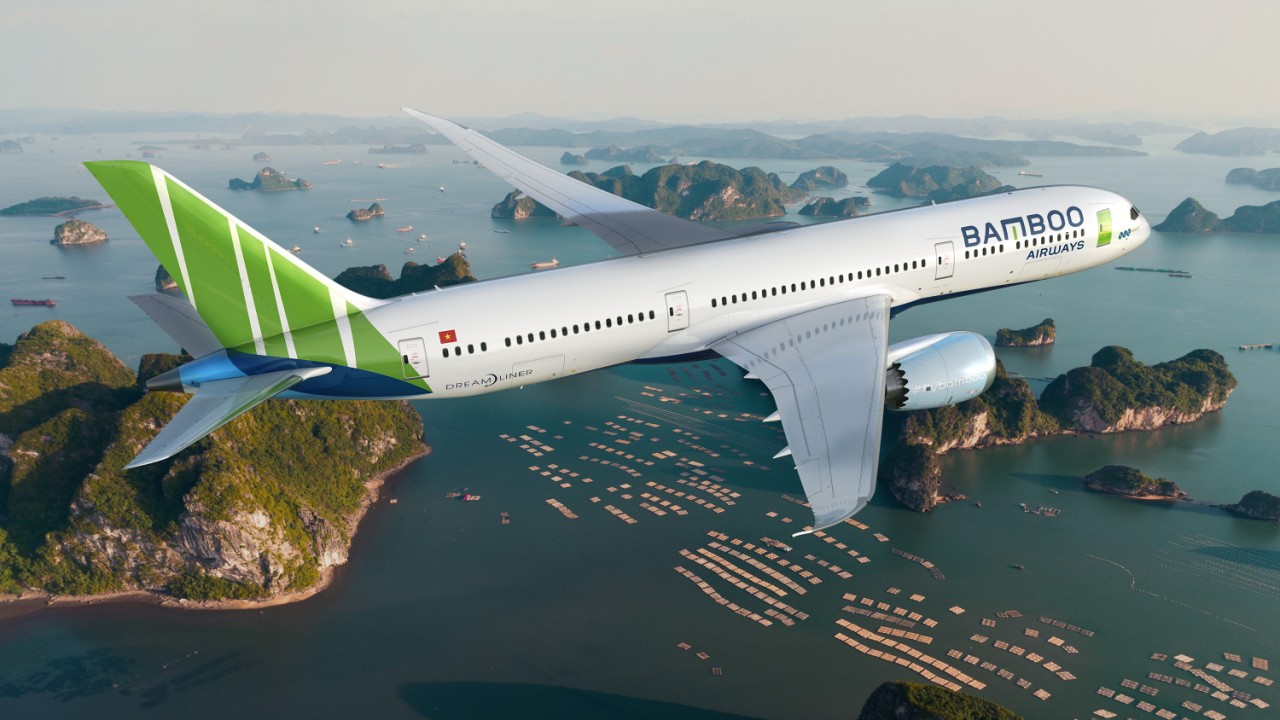
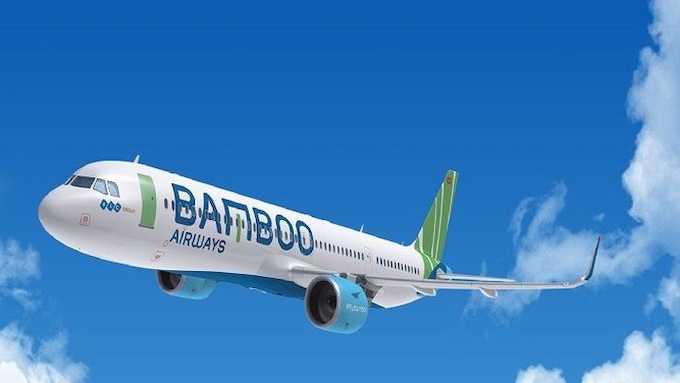
    New kid on the block Bamboo Airways wants to expand its current 10 percent market share to 30 percent by next year. For this, it first plans to expand its fleet and increase the number of domestic routes before starting international services to destinations like South Korea, Thailand and Taiwan.

    Its chairman Trinh Van Quyet last month said it would be the first Vietnamese airline to fly directly to the U.S.

    The carrier is preparing for an evaluation by the International Air Transport Association for issuing a safety certificate, which would allow it to partner with international airlines, the statement said.

    It is preparing to file for permission to operate direct flights to the U.S. using wide-bodied Boeing 787-9 aircraft.

    The firm plans to raise $100 million next year in an initial public offering, Reuters reported recently.

    Its entry has eaten into the market share of other airlines. The passenger market share of national flag carrier Vietnam Airlines and its two affiliates, Jetstar Pacific and VASCO, as of June was down 5 percentage points from last year to 51 percent.

    Budget carrier Vietjet suffered a 2.7 percentage point drop from 44 percent to 41.3 percent.

    Bamboo Airways, which began flying in January, last month received permission from the government to expand its fleet from 10 to 30.

    Vietnam expects the aviation market to grow by 16 percent a year in 2015-20 and 8 percent in 2020-30.

    This means there will be a possible 117 million air travelers by 2023, 85 percent by Vietnamese carriers, which will require 340 aircraft, according to the Civil Aviation Authority of Vietnam.

  • Vietnam to begin export of milk to China

    Vietnam to begin export of milk to China

    Vietnam will export milk for the first time to China in October to make up a shortfall there. China has given export permits to five Vietnamese companies — Vinamilk, TH True Milk, Moc Chau Milk, NutiFood, and Hanoimilk — Tong Xuan Chinh, deputy head of the Ministry of Agriculture and Rural Development’s department of livestock production, said.

    Vietnam’s dairy exports are set to rise from $120 million last year to $300 million next year with the addition of this new market, he added.

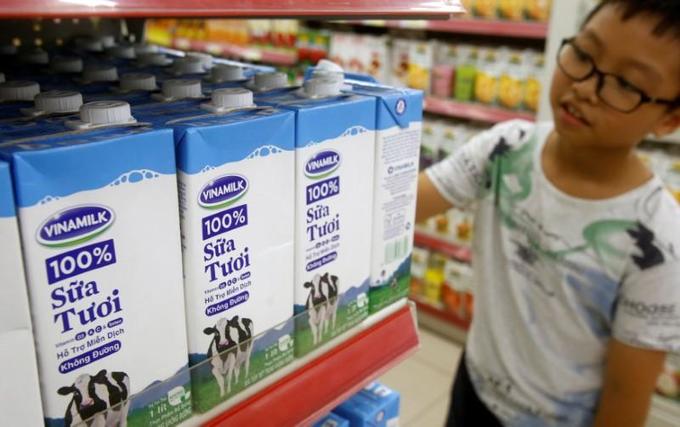
    A spokesperson for Vinamilk, the country’s largest dairy company, said it would first export yoghurt to China.

    Milk production in China, the world’s second largest dairy market behind the U.S., only meets around 75 percent of demand, according to its Ministry of Agriculture and Rural Affairs.

    China is set to import 39.43 million tons of milk and other dairy products this year, including 750,000 tons of fresh milk and 650,000 tonnes of milk powder, it said.

    Vietnam’s dairy output rose 6.9 percent to 936,000 tons last year, and is set to rise to one million tons next year and two million tons by 2030, according to the country’s agriculture ministry.

    It exports dairy products to 46 markets with 70 percent going to the Middle East, it added.

  • Stripe buys Vietnam fashion chain Vascara

    Stripe buys Vietnam fashion chain Vascara

    Japanese clothing firm Stripe International has purchased a majority stakeholding in Vietnamese firm Global Fashion.

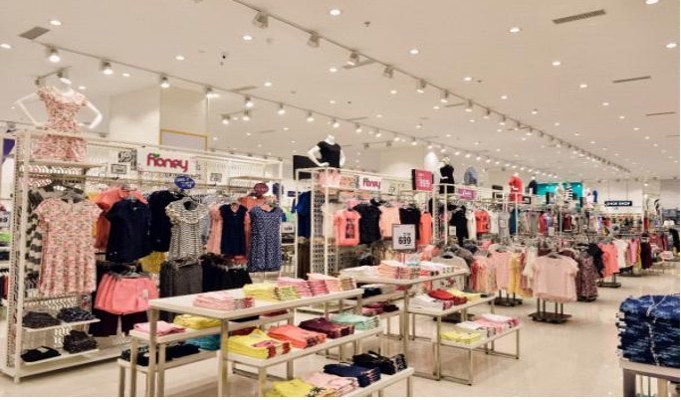
    The 70-per-cent shareholding will give Stripe a controlling interest in Vietnamese brand Vascara. It is the second Vietnamese apparel company to be acquired by the firm since its purchase of Nem Group two years ago.

    “We see the potential of the Vietnamese fashion market, especially the footwear and bags industry,” said Stripe Saigon general director and CEO Harigae Tsutomu.

    “Vascara is a brand that has great potential for development, so we believe that the experience and technology accumulated from many markets around the world will accompany and support Vascara to accelerate development, expand the system of stores and serve millions of Vietnamese consumers.”

  • Vietnam Airlines cleared to fly to the US

    Vietnam Airlines cleared to fly to the US

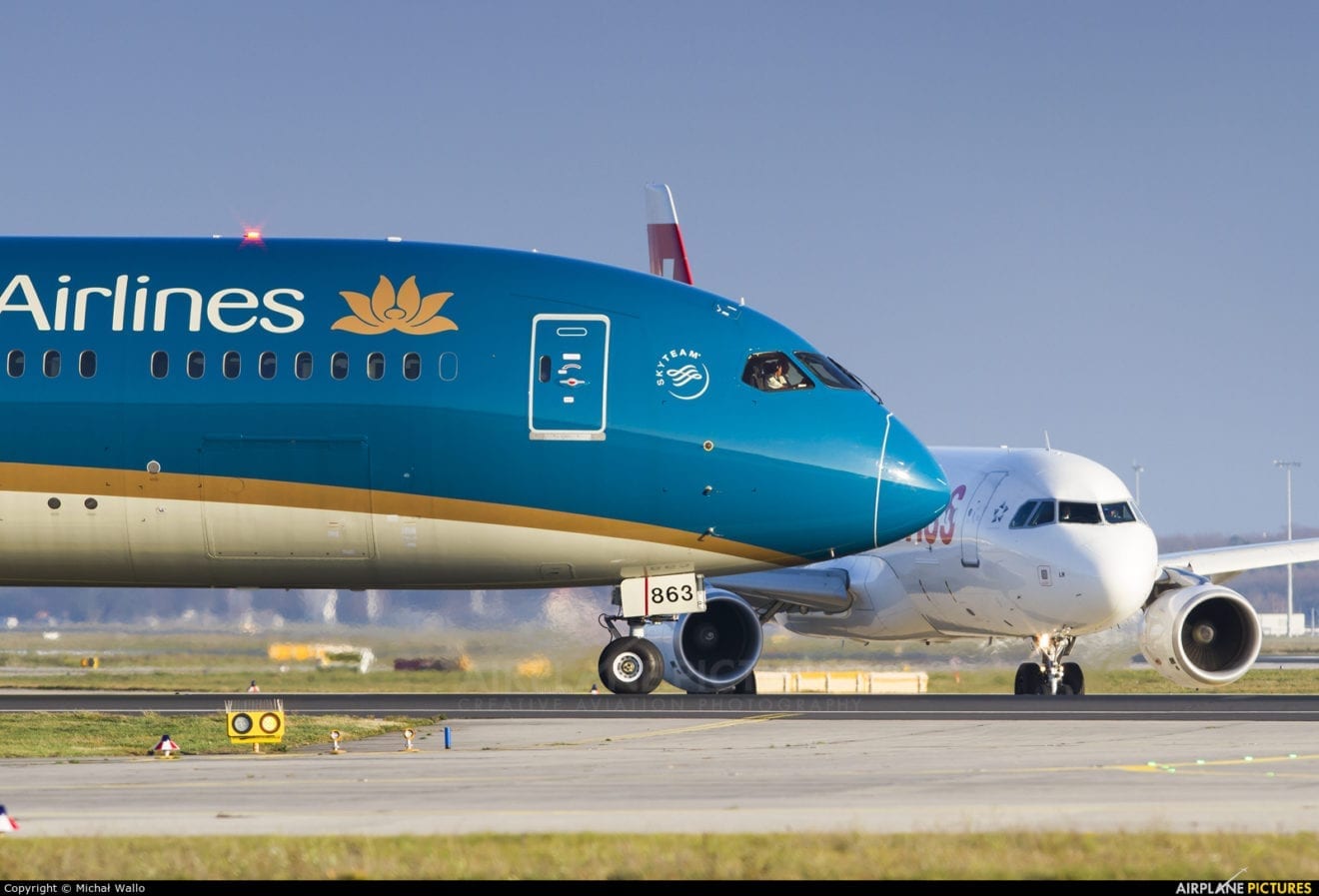
    Vietnam Airlines has been allowed to operate direct flights from Hanoi and Saigon to several American destinations. It is the first Vietnamese airline to receive such permission, according to FlightGlobal, a leading news site about the global aviation community.

    The national flag carrier will be allowed to operate flights from Ho Chi Minh City and Hanoi, Vietnam’s two biggest metropolises, to Los Angeles, San Francisco, New York, Seattle and Dallas-Fort Worth. It can also continue these routes to the Canadian cities of Vancouver, Montreal and Toronto.

    The permit also allows Vietnam Airlines to operate its flights to the U.S. via stops in Taiwan’s Taipei and Japan’s Osaka and Nagoya airports.

    The U.S. Federal Aviation Administration (FAA) granted a Category 1 rating to the Civil Aviation Authority of Vietnam (CAAV) under its International Aviation Safety Assessment program last February, which meant the latter met safety standards to operate flights to the U.S.

    Besides Vietnam Airlines, low-cost air carrier Vietjet Air and Bamboo Airways are in the running to launch direct flights to the U.S. and are ordering aircraft for the purpose.

    There are currently no nonstop flights between Vietnam and the U.S. Flights now take 20.5 hours to fly from Ho Chi Minh City to San Francisco via South Korea’s Incheon International Airport, while the planned direct service to major cities along the U.S. West Coast would take only around 13 hours.

    Thanks to simplified visa requirements, Vietnam has emerged among the fastest-growing international travel destinations for Americans, who are big spenders in the country, shelling out on average $3,233 per trip, according to a survey released last year by travel insurance comparison site Squaremouth.

    Americans are among the top foreign visitors to Vietnam, with 687,226 arrivals last year, an 11 percent year-on-year increase.

    An ethnic Vietnamese population of over 2.1 million in the U.S. is also expected to be a steady source of travel demand.

  • Vietnamese prefer Facebook for Fashion Shopping

    Vietnamese prefer Facebook for Fashion Shopping

    55 percent of Vietnamese online shoppers choose social networks over e-commerce platforms to buy fashion products, a new survey has found.

    Survey results released Thursday by HCMC-based market research firm Q&Me says just 41 percent of respondents chose e-commerce platforms when shopping for fashion products because they found social networks carrying more relevant information.

    Fashion products require consultation with sellers, therefore shoppers prefer using social networks to ask for more information while waiting for an email response from an e-commerce platform is a hassle, the report said.

    88 percent of respondents say they get the information they need by chatting with social network shops, with most common inquiries are product prices, details and images.

    The survey polled 582 people aged 16-45 online – mostly in Hanoi and Ho Chi Minh City – in July 2019.

    The main advantages of social network shopping are convenience (37 percent) and interaction with friends (31 percent), the survey found.

    As Facebook is the app people use most often, users don’t need to install another app for shopping that they would need to log into with a password, the report said.

    Stores on social networks tend to specialize in a certain category, therefore there is a higher chance that customers will find a product they need, it added.

    The report also found that the top reasons respondents find out a new store is through social network ads and friends’ recommendations.

    The triggers for a buyer to return to a social network store is good quality products, according to 59 percent of respondents, followed by product variety and their interactions with store owners.

    However, e-commerce platforms are still the most popular online shopping channel among Vietnamese consumers (91 percent) compared to 43 percent who shop on social networks.

    The reason for this is that e-commerce platforms offer more promotions, according to 55 percent of respondents, and offer cheaper prices (48 percent), compared to social networks.

  • Techcombank to issue bonds worth $430 mln for Vietnamese

    Techcombank to issue bonds worth $430 mln for Vietnamese

    Techcombank plans to issue VND10 trillion ($430 million) in bonds through two private placements before the end of this year. The bonds will have a maturity date of up to three years with a par value of VND1 billion ($43,000) or a multiple of VND100,000 ($4.3), the bank said in a statement.

    The interest rate of the bonds, which are non-convertible and non-collateral, will be decided by the bank’s CEO at each issuance.

    The bonds are set to be issued in the third and last quarter of this year, with each issue worth VND5 trillion ($215 million).

    Buyers will include individuals and corporates, both local and foreign, but not credit organizations, foreign bank branches and member companies of credit institutions.

    Techcombank, the largest private bank in the country, said the bond issuance aims to increase its capital adequacy ratio and scale up operations.

    Techcombank’s plans follow a large number of banks that have been issuing bonds since earlier this year to increase their capital.

    Between January-August, banks issued over VND56 trillion ($2.42 billion) worth of bonds, accounting for half of bond issues, according to stock brokerage Saigon Securities Inc (SSI). 99.6 percent of bank bonds were bought, it added.

  • Vietnam wants to be top 15 organic farming countries

    Vietnam wants to be top 15 organic farming countries

    The agriculture ministry seeks to turn Vietnam into one of world’s top 15 organic farming countries by 2030, and has its sights on the EU market given trade deals. Under a draft proposal it will submit to the prime minister in the fourth quarter, the Ministry of Agriculture and Rural Development plans to have 7-10 percent of the farming area in the country under organic crops by then.

    The targeted rates are at least 5 percent for animal husbandry and 100,000 hectares of ponds, or 7-8 percent of the total for aquaculture.

    Tran Thi Loan, deputy director of the Center for Sustainable Rural Development (SRD), said at a recent forum that organic farming in Vietnam is mostly small in scale.

    Industry insiders said Vietnam lacks policies to encourage organic farming and a system of certification and supervision to ensure quality.

    Olivier Catrou, head of the organic farming division at France’s National Institute of Origin and Quality, said the government needs to establish such a system so that farmers can produce in larger scales.

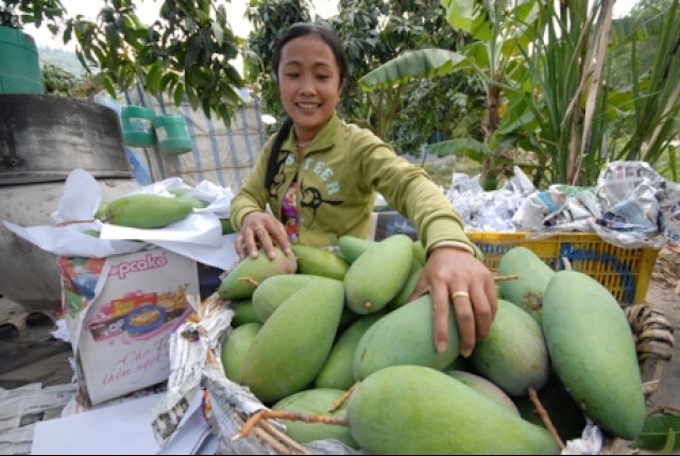
    Vietnam has great potential to export organic produce to the EU thanks to the upcoming EU-Vietnam Free Trade Agreement, the agriculture ministry said. Last year, with almost 13,000 tons, the country ranked 39th in organic exports to the EU.

    Data from the ministry shows organic farming is done in 40 localities on a total area of 23,400 hectares, 97.5 percent of them are under EU, U.S. and Japanese standards, and most of the produce are vegetables, fruits and tea.

    Domestic consumption of organic produce is worth around VND500 billion ($21.5 million) a year in Hanoi and VND400 billion ($17.2 million) in Ho Chi Minh City.

    There are 20 exporters of organic produce who ship 260,000 tons a year worth almost $15 million.

  • Viettel Global reports profit surge

    Viettel Global reports profit surge

    Telecom giant Viettel Global Investment JSC has made VND1.17 trillion ($50.5 million) in pre-tax profits after reporting a loss last year. Viettel Global, which covers overseas investments by military-run Viettel Group, had made a VND15.77 billion ($681,000) loss in the same period last year, according to the company’s audited consolidated financial statements.

    Revenues in the first six months reached VND7.9 trillion ($341 million), down 1.5 percent year-on-year, but a sharp decrease in the cost of sales improved profits, the company’s management board said.

    In the first half of the year, the company focused more on its core business of telecommunications, raised its average revenue per user (ARPU) and cut down the sale of equipment with low-profit margins. This raised the company’s operating profit margin (excluding financial income) to 35.3 percent from 26.4 percent in the same period last year.

    Revenue in Southeast Asia, especially driven by growth in the Cambodian market, accounted for 53 percent of Viettel Global’s revenue in the first six months, followed by Africa with 33 percent and South America with 14 percent.

    Viettel Global was established in 2006 to spread Viettel Group’s presence in foreign markets. It currently operates in ten markets, namely Cambodia, Laos, Timor Leste, Mozambique, Burundi, Haiti, Peru, Cameroon Tanzania and entered Myanmar last year.

    Viettel Global said it has plans to enter new markets, mainly in ASEAN.

    Viettel Global is one of the largest enterprises on Vietnam’s Unlisted Public Companies Market (UPCoM) in terms of both asset size and market capitalization. As of June 30, the company’s total assets were VND59 trillion ($2.54 billion), of which equity accounted for VND25 trillion ($1.08 billion).

  • Bamboo Airways exec leaves for property firm

    Bamboo Airways exec leaves for property firm

    Duong Thi Mai Hoa, who used to be deputy chairwoman of startup Bamboo Airways, has moved to real estate firm Sunshine Group. A spokesperson for Sunshine Group told VnExpress she had joined as deputy chairwoman earlier this month.

    A Bamboo Airways spokesperson said Hoa would be replaced internally.

    Hoa had been with Bamboo for almost a year and before that the CEO and CFO of Vingroup between 2012-2017, and the CEO of ABBank and Vietnam International Bank before that.

    The 50-year-old graduated from the Hanoi University of Technology and holds a master’s degree in business administration from the Free University of Brussels, Belgium. She is a member of the Association of Certified Public Accountants (ACCA).

    Sunshine Group is also in construction, education and technology.

  • Bamboo Airways eyes fleet expansion

    Bamboo Airways eyes fleet expansion

    Bamboo Airways plans to have a fleet of 100 aircraft by 2024 with the majority of them being Boeing 787-9 or Airbus A321.

    The carrier said in a statement Thursday it would lease the first Boeing 787-9 in October since the 10 it has ordered would not be delivered until the fourth quarter of 2020.

    Bamboo has received permission from the Ministry of Transport to operate 30 aircraft, and it plans to achieve this number by the end of the first quarter of 2020. The airline, which began flying in January, has yet to break even.

    Its chairman, Trinh Van Quyet, has said that with 30 aircraft the carrier could get into the black by the first quarter of 2020. The carrier now flies 10 aircraft on 26 domestic routes besides international charter flights.

    Vietnam hopes to grow its aviation market by 16 percent a year in 2015-20 and 8 percent in 2020-30.

    This means there will be a possible 117 million air travelers by 2023, 85 percent by Vietnamese carriers, which will require 340 aircraft, according to the Civil Aviation Authority of Vietnam.