Tag: Vietnam

  • Luxury cellphone Vertu returns to Vietnam

    Luxury cellphone Vertu returns to Vietnam

    After a two-year hiatus, British luxury phone maker Vertu has announced resumption of sales at its Ho Chi Minh City store next month. Vertu Vietnam, a local unit of the phone maker, said genuine Vertu phones will once again be sold in Vietnam, first from an District 1 outlet in Ho Chi Minh City in October, then a Hanoi outlet the following month.

    Vertu luxury cell phones had been sold in Vietnam since 2006 by electronics distributor FPT Trading, formerly known as FPT Telecom Products Distribution Co., Ltd., through three outlets in Vietnam. In late 2017, the stores closed after Vertu ceased production in the U.K.

    The company had filed for bankruptcy in its home country, having racked up debts of some £138 million, but its business was still thriving in Vietnam.

    A representative of FPT Trading said that when Vertu’s U.K. factory was shut down, customers in Vietnam were still ordering its super-luxury phones.

    Vertu will now distribute its phones through Vertu Vietnam, a Hanoi headquartered company established in May 2019.

    Before Vertu announced its return to Vietnam, traders had observed that demand for Vertu handsets in the country had never died down.

    “Normally, we rarely see Vertu phones, but in events or places with lots of rich people, you can find 80-90 percent of them using them. For them, the latest technology is not a top priority. They use Vertu because of the phone’s anti-tapping protection features, the brand name and the fact it is crafted from luxury materials,” said Nguyen Phi Dung, a dealer in luxury hand-carried Vertu phones.

    Models that cost between VND100–150 million ($4,300 – $6,450) used to be the most popular, but customers have even bought handsets costing VND500 million to over VND1 billion ($21,500 – $43,000), Dung added.

    Vertu was founded by Finnish phone-maker Nokia in 1998, but changed hands several times later. In 2012, it was sold to Swedish investment corporation EQT; and in 2015 to Hong-Kong based investment fund Godin Holdings.

    In March 2017, Vertu was sold to Baferton Ltd., owned by Turkish businessman Hakan Uzan. However, just four months later, Uzan had to close Vertu’s U.K. factories, having failed to save it from bankruptcy.

    However, in October last year, Vertu made an unexpected return to China with a new Aster P, priced at $5,167 for black and white models, and $14,146 for its yellow model.

  • Facebook, the 800-pound gorilla homegrown Vietnamese social media

    Facebook, the 800-pound gorilla homegrown Vietnamese social media

    Vietnam got its latest in a long line of social networks Tuesday but doubts remain about the viability of homegrown players in a Facebook-dominated country.

    Lotus belongs to media company Vietnam Communications Corporation (VCCorp), which has invested VND700 billion ($30.2 million) in it and is seeking to raise another VND500 billion ($21.6 million).

    VCCorp hopes to have four million regular users within a year and partner with 500 content creators in various areas.

    Many Vietnamese social networks have made their debut this year after Minister of Information and Communications Nguyen Manh Hung said the country needs to have its own social media, which should garner at least 60 million accounts and 60-70 percent of the country’s social network pie by 2022.

    In February Nhat Viet Manufacturing and Investment company, which makes metal tools, launched VietNamTa, which is said to have an almost identical interface as Facebook. But it loads slower and there are also concerns about security.

    In June tourism-oriented social network Hahalolo debuted, and it seeks to have two billion users within five years and list on Nasdaq in the U.S.

    In July Gapo was launched after getting VND500 billion ($21.6 million) from investment firm G-Capital. The developers aim to pay users who contribute attractive content, and claimed to have reached two million users this month out of a target of 50 million by 2021.

    The Ministry of Information and Communications said 436 social networks had been licensed as of last year, but many have failed to attract a reasonable number of people and few survived for more than a year.

    Go.vn, which debuted nine years ago, promised to usurp Facebook’s position within six months with five million users. Its founders aimed for a 40-50 percent share of Vietnam’s social network traffic by 2015, but it is now no longer active.

    Others such as Zingme, Tamtay.vn and Yume.vn have followed the same path.

    Competing with Facebook appears to be a bridge too far for local players. Tran Anh Dung, CEO and founder of digital content startup MOG, said it would be virtually impossible for Vietnamese social networks to surpass Facebook unless the government makes specific policy changes to incentivize them.

    Niche markets could offer them opportunities, but they are not distinguishing themselves enough, he said.

    “Some players are trying to be different but I’m not sure if they are special enough to attract users.”

    Another challenge is resources. If a social network does not get a big infusion of funds in the beginning, it could be fatal, he added.

    Vietnam ranks seventh in the world in number of Facebook users with 58 million, or 75 percent of the population aged 13 or more, according to a report released in July by U.K. advertising agency We Are Social.

    An average Vietnamese uses social media for two hours and 23 minutes a day, same as the global average, according to market research firm GlobalWebIndex.

  • South Korean firm to invest $700 mln towards cashless payment in Vietnam

    South Korean firm to invest $700 mln towards cashless payment in Vietnam

    Financial solutions firm Alliex will invest over $700 million to build shared Point of Sales (POS) across Vietnam. Alliex plans to install a total of 600,000 shared POS devices in Vietnam over the next five years, its director Park Byounggun told Deputy Prime Minister Vuong Dinh Hue at a meeting on Friday.

    The company, along with local partners, will build and operate this shared system, and continue to add new features on the POS devices such as QR code, contactless payment, and biometrics in line with regulations, Byounggun said.

    The shared POS system will help local authorities cut down cash in circulation and transaction costs, combat tax losses and speed up payment transactions in a safe and efficient manner, helping the government’s efforts to transform Vietnam into a cashless society, he added.

    Alliex has also signed collaboration contracts with private lender Sacombank and the state-owned VietinBank to roll out the POS system in Vietnam.

    Electronic payments in the country increased by 22 percent in 2017 to $6.14 billion, according to Statista, a local market research firm. The figure is projected to rise to $12.33 billion by 2022.

    Economists have said that the potential for cashless payments in Vietnam is huge due to a growing middle class and rapidly improving telecom infrastructure. The Vietnamese government targets to make 90 percent of all transactions cashless by 2020.

    However, for now, the reliance on cash remains huge. About 80 percent of Vietnamese prefer to use cash for daily transactions, according to the Ministry of Industry and Trade.

  • First 5G network broadcasts in Vietnam

    First 5G network broadcasts in Vietnam

    Telecom giant Viettel broadcast its first 5G network Saturday from its network of 5G base stations in Ho Chi Minh City.

    “The official broadcast of 5G in Ho Chi Minh City is an important milestone in Viettel’s strategy to make Vietnam one of the first countries in the world to commercialize 5G services,” Viettel deputy director Tao Duc Thang said in a statement.

    The 10 stations will be used by Viettel, the nation’s largest telecom firm, to comprehensively check and assess its 5G service before launching it commercially next year.

    Military-run Viettel installed the first 5G station in Hanoi early this year and made the first 5G phone call in May. It was the first firm in the country to receive permission to trial 5G services in January, followed by MobiFone.

    Last November, Information and Communication Minister Nguyen Manh Hung said at a conference that Vietnam should test 5G in 2019 and ensure nationwide coverage by 2020.

    “Vietnam should be one of the first countries to launch the network, at least in Hanoi and HCMC,” he had said. The country had been one of the last in Southeast Asia to roll out 4G services.

    5G is said to offer speeds 100 times faster than 4G, primarily used for smartphones and other similar devices. 5G is also expected to support new applications like remote medical procedures and autonomous driving.

  • Vietjet Air among global leaders in revenue from ancillary services

    Vietjet Air among global leaders in revenue from ancillary services

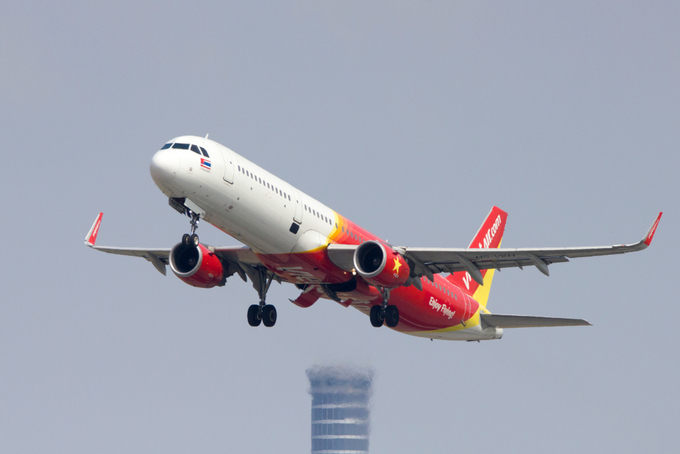
    Vietjet Air ranks 12th in the world among airlines in terms of ancillary services as a percentage of total revenues.

    The budget airline’s income from ancillary services such as on-flight food and souvenirs was $338.2 million in 2018, or 23.5 percent of total revenues, according to the CarTrawler Ancillary Revenue Yearbook recently released by U.S. consultancy IdeaWorks Company.

    Low-cost carrier VivaAerobus of Mexico topped the list with its ancillary earnings making up of 47.6 percent of its revenues, followed by the U.S.’s- Spirit Airlines (44.9 percent and Frontier Airlines (42.8 percent).

    IdeaWorks listed statistics for 76 airlines that disclosed revenues from selling frequent flyer points to partners, fees from passengers choosing seats, commissions from hotel bookings and other such sources. The study found that the carriers earned almost $52.7 billion in ancillary revenues last year.

    For budget carriers, ancillary revenue is a decisive factor in success when its profit margin reaches over 90 percent.

    Vietjet aims to become one of the top five airlines in the world in terms of ancillary revenues. The carrier, owned by billionaire Nguyen Thi Phuong Thao, has the largest domestic market share of 44 percent.

  • Imported car sales soar despite efforts to tighten imports

    Imported car sales soar despite efforts to tighten imports

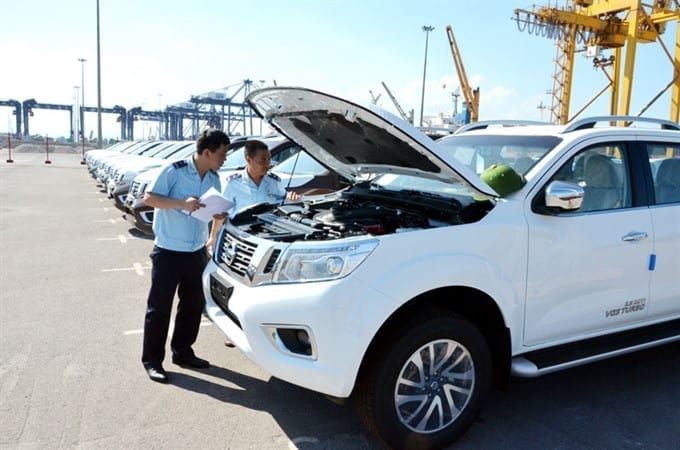
    Consumption of imported cars has skyrocketed while that of locally-assembled ones is falling despite efforts last year to tighten imports.

    From January to August, sales of imported cars rose 178 percent year-on-year to 82,800 units, while that of locally-assembled vehicles dropped 14 percent to 119,700 units, according to the Vietnam Automobile Manufacturers’ Association (VAMA).

    The number of imported vehicles with nine seats or less in the period almost quadrupled to over 71,000, according to Vietnam Customs.

    However, the high increase in imports this year has to do with a plunge last year because of a government decree that introduced tougher conditions for car importers, requiring them to provide certain certificates to ensure quality and countries of origin. This had led to a decline of 20 percent from 2017.

    Imports started to regain traction in the second half of last year when businesses were able to meet those requirements.

    Vietnam is considering removing special consumption tax on car parts produced locally to boost local manufacturing. Some businesses are shifting their production of high-demand vehicles to the country.

    As Vietnam sees rising demand among people to switch from motorbikes to cars alongside an increase in the country’s per capita income, annual car sales could more than triple in the next five years to reach a million in 2025, according to the Ministry of Finance.

    Vietnam imported 95,900 automobiles in January-August, up 3.2 times year-on-year, 86 percent of these from Thailand and Indonesia, according to Vietnam Customs.

  • Samsung arm increases ownership in Vietnam IT firm

    Samsung arm increases ownership in Vietnam IT firm

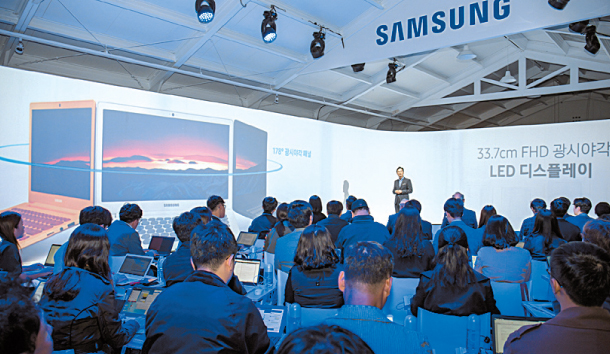
    South Korea’s Samsung SDS has bought a five- percent stake on the market in leading IT services provider CMC Corporation.

    Its combined 30 percent stake now, after buying a 25 percent stake comprising newly issued shares last month, is reportedly worth over $40 million.

    CMC said it would use most of the proceeds for developing Internet of things (IOT) and artificial intelligence (AI) technologies with Samsung SDS, the systems development subsidiary of Samsung Electronics.

    CMC Chairman and CEO Nguyen Trung Chinh said this commitment from Samsung would propel CMC into the global league in the next five years and double its overseas sales to more than 30 percent of total sales by 2023.

    CMC also aims to integrate its IT systems with Samsung SDS’s and use IOT and AI to automate production lines, a model that would be implemented first in Vietnam before being exported to other markets, he said.

    Samsung SDS had announced in late July it would buy a 25 percent stake in CMC through a private placement, which it hoped would accelerate its foray into Vietnam’s fledgling cloud market and other markets in Southeast Asia.

    Samsung Electronics has two smartphone factories in the northern provinces of Bac Ninh and Thai Nguyen, which produce more than 150 million units a year, or half of Samsung’s all global sales.

    It also has a home appliances factory in Ho Chi Minh City. Last year Samsung products accounted for over $60 billion of Vietnam’s exports, or around 25 percent of its total.

    Founded in 1993, CMC is one of Vietnam’s largest IT services companies with revenues of VND5.23 trillion ($224 million) in 2018.

    The Hanoi company has eight subsidiaries and 3,000 employees, and it works mainly in system integration, software development, cloud computing, and IT infrastructure management.

    The strategic partnership would also help CMC’s goal of reaching $1 billion in sales by 2023, Chinh said.

  • AirAsia reveals exclusive route from Kuala Lumpur to Da Lat

    AirAsia reveals exclusive route from Kuala Lumpur to Da Lat

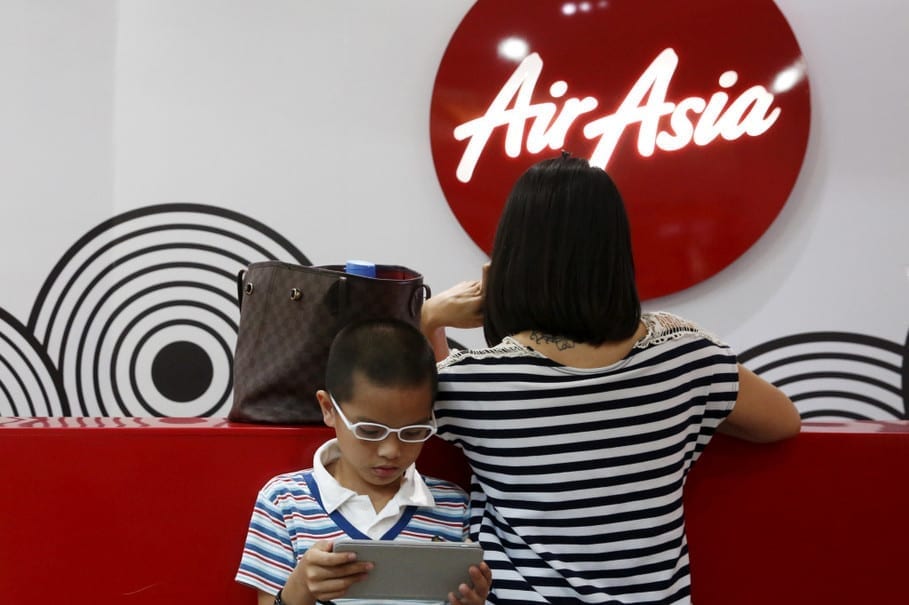
    Air asia has launched an exclusive route to Da Lat from Kuala Lumpur, further expanding its footprint in Vietnam.

    The four times weekly service to Da Lat, capital of Lam Dong province in the Central Highlands, will commence on Dec 20.

    Da Lat, known as the City of Eternal Spring for its pleasant weather, was developed as a leisure town by the French in the early 1900s, and boasts some fine examples of colonial architecture, such as Da Lat Railway Station and Lycée Yersin. Da Lat is also home to three mansions owned by Emperor Bao Dai, the last emperor of Vietnam.

    Other attractions include Xuan Huong Lake, a popular icon of Da Lat located in the city centre, and Linh Phuoc Pagoda, which is covered in colourful mosaic made from pieces of pottery and glass. For nature lovers, Robin Hill offers a panoramic view of the city and its natural surroundings, including Tuyen Lam Lake and Lang Biang Mountain, while trekking to the top of Mount Samson allows visitors to get a highland view of Da Lat.

    AirAsia Malaysia CEO Riad Asmat said, “We are proud to expand our fast-growing network with the introduction of this new and unique route to Da Lat, Vietnam. As the first international airline to fly to Da Lat, visitors from Malaysia no longer need to drive three hours from Nha Trang or five hours from Ho Chi Minh City to get to this picturesque city. This new route will strengthen economic ties for the people of southern Vietnam, while enhancing connectivity into other parts of Asean and beyond.”

    To celebrate the new route, AirAsia is offering all-in members fare for Kuala Lumpur-Da Lat from as low as RM99 from now until Sept 29 for travel from Dec 20 until March 27, 2020, only on airasia.com and the AirAsia mobile app.

    Da Lat is AirAsia’s seventh destination in Vietnam after Hanoi, Ho Chi Minh City, Da Nang, Nha Trang, Can Tho and Phu Quoc.

  • GIC buys into Vietnam’s Vingroup retail group

    GIC buys into Vietnam’s Vingroup retail group

    A GIC-led investment group has purchased a minority shareholding in a Vingroup JSC retail business for US$500 million.

    The Vietnamese business, VCM Services and Trading Development JSC, is a recent venture set up to oversee the group’s VinMart-branded supermarket and convenience store chains.

    A statement by the Singapore sovereign wealth fund released last week stated that the subsidiary and its parent firm had “established themselves as reputable retail companies with attractive brands in Vietnam’s fast-growing consumer market”

    GIC’s investment is intended as a signal of confidence in the growth outlook for disposable incomes and household consumption in Vietnam.

  • Saado eyes US expansion after Southeast Asian success

    Saado eyes US expansion after Southeast Asian success

    Vietnamese startup footwear brand Saado plans to expand its retail network into the US after successful launch in Laos, Cambodia and Myanmar within just a year – all without a single store.

    Last month, Saado launched its products on Amazon in the US, using the tagline “US Brand, Vietnam Soul”.

    “By applying for a US trademark, our brand is able to protect our products while enabling us to sell the sandals at more competitive prices” said Le Lam Hai Phung, CEO at Saado.

    Despite successful growth in four countries, Phung added he had no intention to set up physical outlets and planned to focus on a direct-to-consumer “Uber in Retail” business model instead.

    Founded in January last year, Saado has partnered with 40 stores throughout Vietnam as well as selling direct online and through marketplace platforms like Shopee. The company plans to enter three other Asian markets by the end of next year.

  • The Coffee Club opens first store in Vietnam

    The Coffee Club opens first store in Vietnam

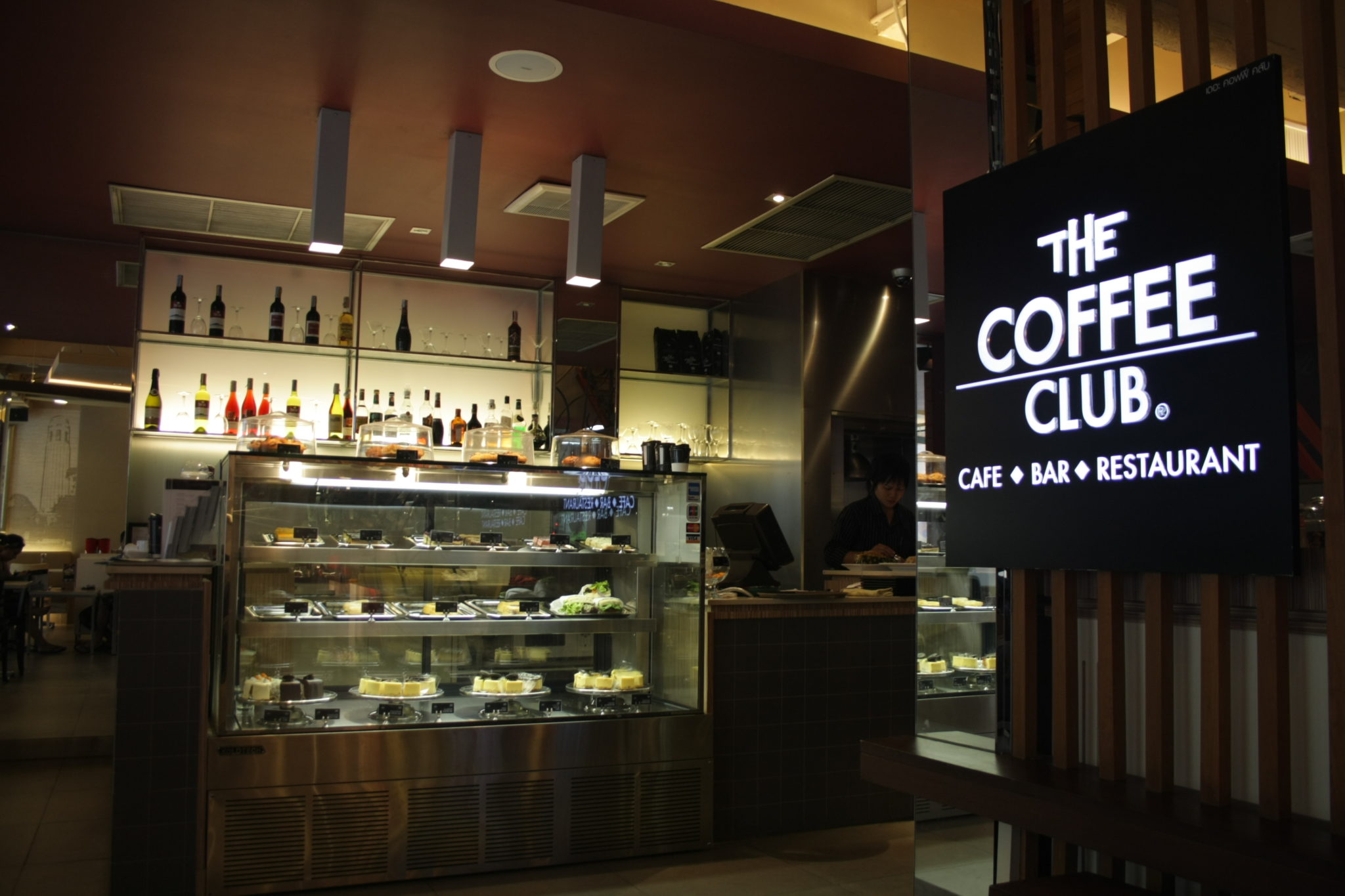
    The first The Coffee Club Vietnam store has opened, marking the Australian-founded chain’s 10th international market.

    Minor International subsidiary Minor Food signed up Vietnam Investment Group (VI Group) as its local partner in The Coffee Club Vietnam last October.

    Paul Kenny, CEO of Minor Food said the chain will provide a coffeehouse-style experience with an all-day menu following the Australian format. Together with Western dishes, the Vietnam store’s menu also includes Asian cuisine.

    “The Coffee Club offers a distinctive restaurant experience with great selections of food and beverages menus, excellent coffee and a welcoming relaxed atmosphere enriching the contemporary lifestyles of the Vietnamese consumers,” said David Do, VI Group MD.

    Since opening its doors in Brisbane in 1989, The Coffee Club has become Australia’s largest home-grown cafe group serving approximately 40 million customers in more than 400 stores.

  • Vietnam’s Vingroup buys Queensland mart

    Vietnam’s Vingroup buys Queensland mart

    Vietnamese business empire Vingroup has acquired local supermarket business Queenland Mart via its retail unit Vincommerce.

    The move will expand the firm’s retail market share, following its recent purchase of the Shop&Go convenience store chain that brought 87 new locations under Vingroup’s wingspan. Queenland Mart has eight stores located in the city’s more affluent neighborhoods. The stores will now be rebranded as Vinmart outlets, as were the 23 Fivimart stores the group acquired last year.

    Following the deal, Vingroup has 120 Vinmart supermarkets and 2122 retail locations in total. The conglomerate is targeting 200 supermarkets and 4000 retail outlets by next year.

    The financial terms of the deal remain undisclosed.


  • Ride-Hailing Firm Grab Plans Major Investment In Vietnam

    Ride-Hailing Firm Grab Plans Major Investment In Vietnam

    Singapore-based ride-hailing firm Grab is set to invest “several hundred million dollars” in Vietnam where the company sees its next major growth market, just weeks after it unveiled a $2 billion plan in Indonesia.

    The proposed investment is the latest example of a top-notch regional brand deepening its commitment to Vietnam, one of Asia’s fastest growing economies. It also shows the eagerness of Grab, which has raised billions of dollars from investors, to put its cash to work.

    “We’re very excited about Vietnam. We see very similar characteristics to Indonesia,” Grab President Ming Maa told Reuters in an interview.

    Grab and rival Indonesia-based Go-Jek are evolving from ride-hailing app operators to become one-stop shops for services as varied as payments, food delivery, logistics and hotel bookings in Southeast Asia.

    Grab, with its app on more than 160 million mobile devices across eight countries, has said its Indonesia investment aims to build a next-generation transport network and transform how critical services such as healthcare are delivered.

    Like Indonesia, many middle class and young consumers in Vietnam are using apps and websites to access services, Maa said.

    “I would expect us to invest over several hundred million dollars into growing our Vietnam business,” he said without giving specific details on the investment.

    Vietnam ranks third or fourth among Grab’s top markets, said Maa, who joined the company three years ago from its major investor, Japan’s Softbank Group Corp, and a previous decade-long stint at investment bank Goldman Sachs.

  • UOB Opens Hanoi Branch

    UOB Opens Hanoi Branch

    The bank’s first branch outside Ho Chi Minh City comes a year after the incorporation of UOB (Vietnam), the bank’s Vietnam subsidiary.

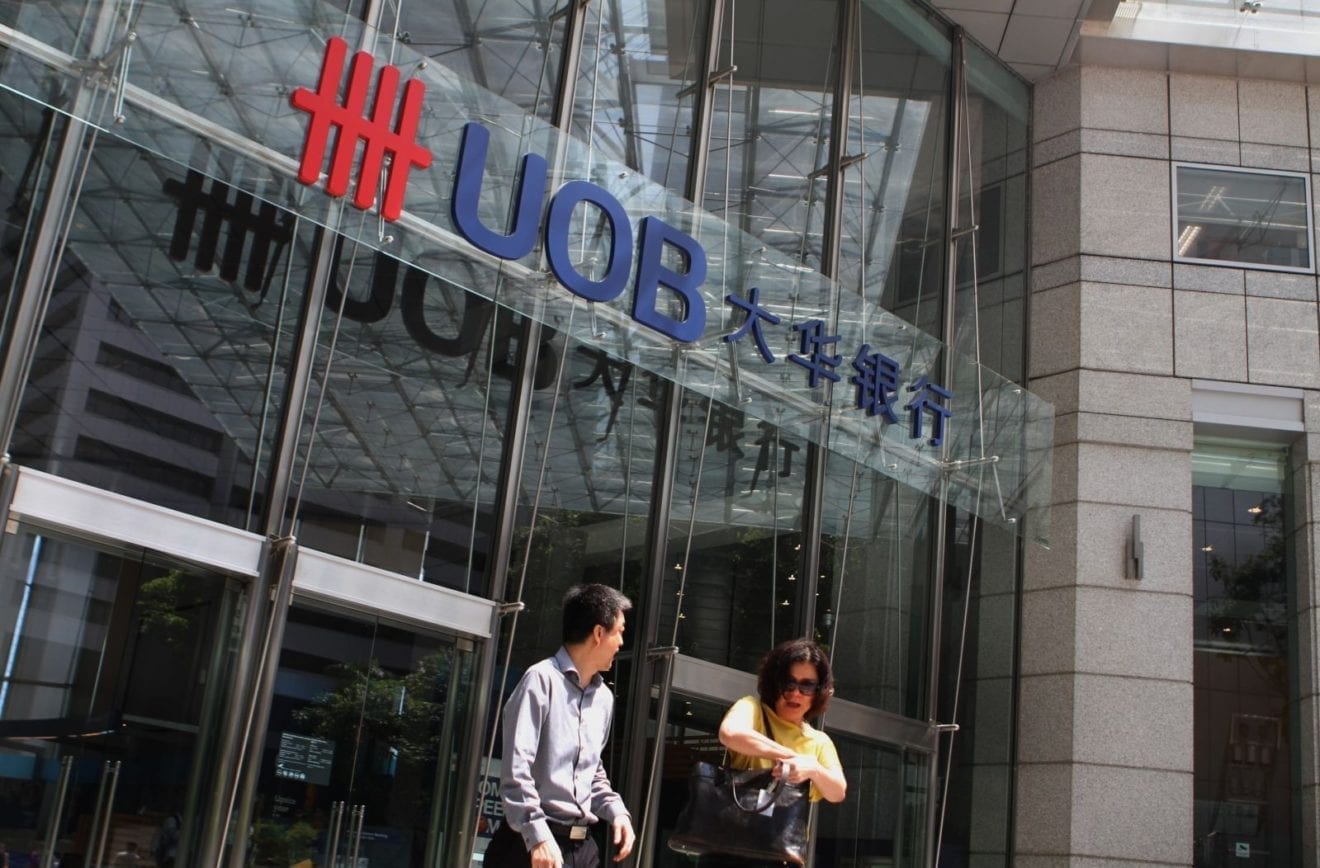
    United Overseas Bank (UOB) has announced the opening of its first branch in Vietnam’s capital Hanoi, marking the bank’s first foray out of Ho Chi Minh City, where it has operated a representative office since 1993.

    Our new branch reflects our continued confidence in the country as we seek to serve more customers in both the northern and southern parts of Vietnam. It will enable us to connect customers to the opportunities that Vietnam offers and to support Vietnamese companies in seizing opportunities across ASEAN and further afield, Wee Ee Cheong, UOB deputy chairman and chief executive, said about the milestone in a press statement.

    UOB (Vietnam) CEO Harry Loh noted the significance of Hanoi as an important gateway for the country’s fast-growing northern cities.

    UOB was the first Singapore bank to open a branch in Vietnam in 1995. In 2017, UOB received a foreign-owned subsidiary bank (FOSB) licence from State Bank of Vietnam, which enabled it to extend its branch network beyond Ho Chin Minh City and to offer its products and financial solutions to businesses and consumers located in other cities.

    The bank said the new branch reflects UOB’s commitment to providing its financial services and solutions to more customers across the country.

  • Vietjet is named Forbe’s Vietnam’s Best 50 Listed Companies

    Vietjet is named Forbe’s Vietnam’s Best 50 Listed Companies

    New-age carrier Vietjet has been named one of Forbes’ Vietnam’s Best 50 Listed Companies. This is the third consecutive year that Vietjet has been included in Forbes’ “50 Best” List since it was officially listed on the Ho Chi Minh City Stock Exchange (HOSE) in February 2017. The award ceremony was held by Forbes Magazine during the Business Forum 2019 in Ho Chi Minh City on August 15.

    Forbes’ seventh “50 best listed companies in Vietnam” gathered leading companies on HOSE and Hanoi Stock Exchanges (HNX), including Vinamilk, Sabeco, FPT, Vietjet, DHG Pharmaceutical, Bao Viet, Mobile World and Vingroup. The chosen companies this year were evaluated by industry standards, based on compound annual growth rate, profit, return on equity, earnings per share growth between 2013 to 2018, branding, quality of corporate management, source of profit and the prospect of sustainable development.

    According to Forbes, the companies chosen this year has shown impressive growth. All 50 companies in this year’s list accumulated VND 127,530 billion (approximately USD 546 million) in profit after tax, an increase of 19.2 per cent year on year. The total capitalisation of the 50 companies reached USD 94 billion, equivalent to 63% of the total market capitalisation on HOSE and HNX.

    The 50 best listed companies in Vietnam this year recognised in particular the growth of the private sector, highlighting companies such as Vietjet, Vingroup, Masan and Hoa Phat. HOSE companies dominated the list with 45 companies, while five HNX companies were included.

    With outstanding business results, Vietjet’s shares have attracted the attention of investors, being listed in VN30 in the first year of its listing. In 2018, Vietjet had year of high and sustainable growth, with its revenue at VND 53,577 billion (approximately USD 2.3 billion) and profit before tax at VND 5,816 billion (approximately USD 249 million).

    In the first six months of 2019, Vietjet’s air transport revenue increased sharply by 22 per cent to reach VND 20,148 billion (approximately USD 863 million), while the pre-tax profit of air transport reached VND 1,563 billion (approximately USD 67 million), up 16 per cent year on year. Consolidated revenue reached VND 26,301 billion (approximately USD 1.1 billion), an increase of 24 per cent, and profit before tax reached VND 2,398 billion (approximately USD 103 million), up 11 per cent year on year. Vietjet operated a total of 68,821 flights and transported 13.5 million passengers in the first half of 2019, accounting for up to 45 per cent of the total number of flights operated by all Vietnamese airlines. As a result, Vietjet has maintained its leading position in domestic transport.

    To date, the new age carrier has operated 129 domestic and international routes to countries such as Singapore, Japan, South Korea, China, Indonesia, Malaysia, Myanmar, Cambodia, Thailand and Taiwan.  Vietjet also maintains the one of the highest safety and operation requirements in the world and region. With remarkable business and operation results, Vietjet’s CEO is also the first ‘self-made’ female billionaire in Southeast Asia, and the first and only Vietnamese female billionaire in Forbes’ and Bloomberg’s top lists. She has been mentioned in the world’s Top 100 most powerful women in 2017 and 2018. With all the successes of Vietjet, she was also mentioned in a research case study from Harvard University.