Tag: Vietnam

  • VinFast Starts Production Of Two Cars Designed By Pininfarina At Its New Plant

    VinFast Starts Production Of Two Cars Designed By Pininfarina At Its New Plant

    The first two cars designed by Pininfarina for the Vietnamese brand VinFast will be manufactured in the new plant which was inaugurated by VinFast Production and Trading LLC at Dinh Vu Industrial Zone, Cat Hai, Hai Phong. It is built on an area exceeding 500,000 square meters out of the 335 hectares of the entire complex, meeting the requirements of Industry 4.0 automation and data exchange system. The designed capacity of the first and second phases are to grow from 250,000 vehicles per year to 500,000 vehicles per year, respectively, with the production speed reaching 38 vehicles per hour.

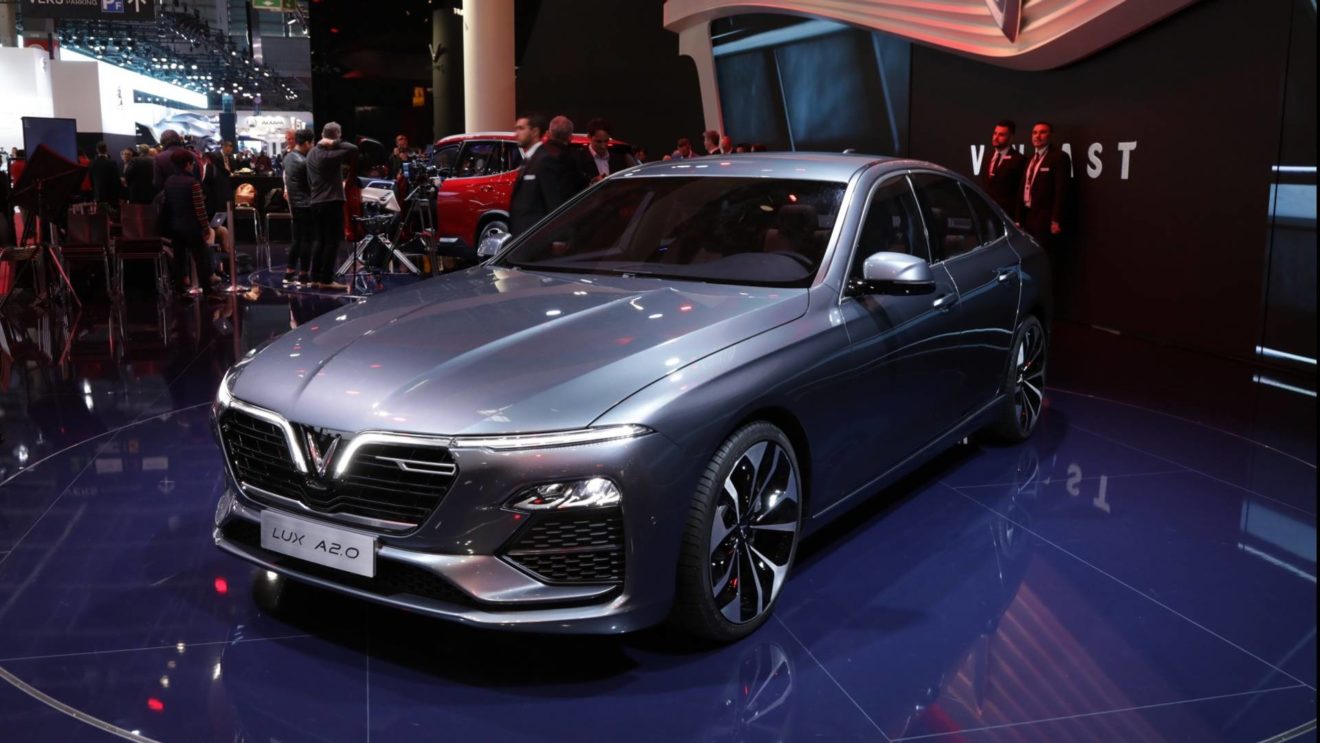
    The Vietnamese brand will produce the new Pininfarina-designed LUX A2.0 sedan and LUX SA2.0 SUV, both of which made their debut at the 2018 Paris Motor Show. After unveiling 20 concept designs submitted by world-famous design houses including Pininfarina, Vinfast asked customers to vote which they thought were in line with world trends and fitting with Vietnamese tastes and demand. Nearly 62,000 participants voted in the contest. The Sedan and SUV designs that collected the most votes were the two that Pininfarina will develop.

    VinFast has in fact already received 10,000 preorders, a year prior to the launching of its final products and that’s quite a record it’s set. After the inauguration of the factory, VinFast will organize the delivery and release of the first cars. Specifically, delivery of VinFast Fadil cars to customers started on June 17, while Pininfarina-designed Lux A2.0 sedan and Lux SA2.0 SUV will be delivered at the end of July 2019.

  • Shopee on top of the 10 m-commerce players in Vietnam

    Shopee on top of the 10 m-commerce players in Vietnam

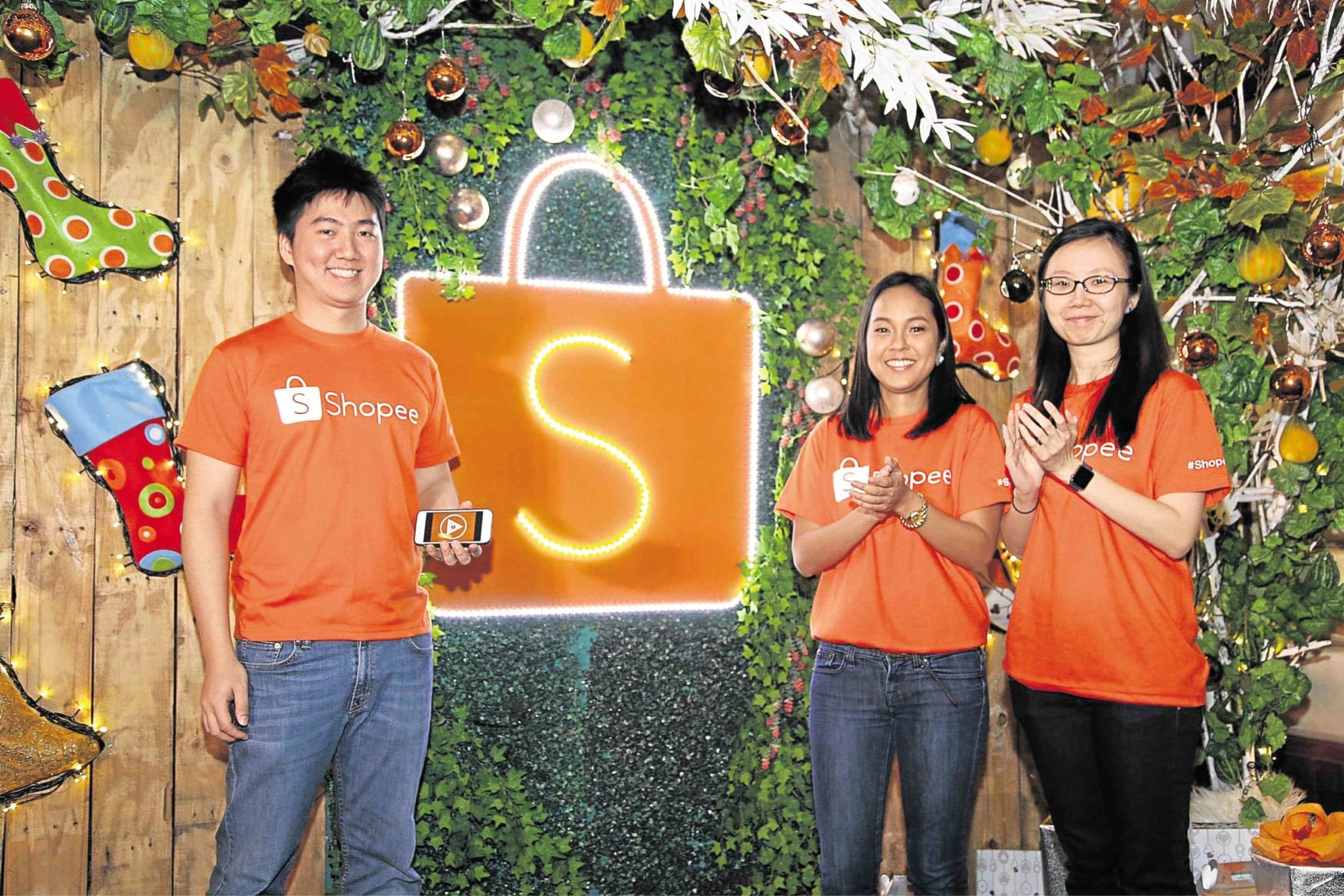
    Shopee heads the list of the top 10 m-commerce players in Vietnam for the first quarter of this year.

    The findings were released in a ranking by Iprice Group and App Annie Intelligence, which ranked shopping apps according to the number of monthly active users. It noted that mobile shopping is quickly becoming an important feature of e-commerce business in Vietnam.

    According to Google and Temasek’s report last year on the Southeast Asian ‘e-conomy’, more than 90 per cent of Southeast Asians are now connecting to the internet primarily through their smartphones, making this region one of the most mobile-first globally.

    Iprice Group also noted that during last year’s Singles’ Day, the rate of consumers accessing its e-commerce platform by mobile has risen rapidly from 62.5 per cent in 2017 to 80.4 per cent last year.

    Facing these customer behaviour trends, online retailers in Vietnam are now scrambling to improve and promote their mobile apps. Shopee, in particular, has invested a lot on campaigns to attract consumers to its app.

    “Shopee has focused on mobile from the beginning and built its user interface around it,” read an assessment report by marketing research agency Econsultancy last year. “This made users’ mobile shopping experiences faster and more intuitive – users can buy or sell their items in less than 30 seconds – allowing Shopee to capture a large group of mobile users in Southeast Asia and Taiwan.”

    Ranked number two of the top 10 e-commerce players in Vietnam is Shopee’s biggest regional competitor Lazada. This is perhaps a more surprising result, as according to Iprice Group’s previous report, which ranked Vietnamese e-commerce companies based on average website traffic, Lazada’s monthly traffic has been on a decline that puts them in third place behind Shopee and Tiki.

    However, when it comes to mobile, the e-commerce giant is now shifting to put a bigger emphasis on mobile shopping.

    Ranking in the top five behind Shopee and Lazada are apps from three local e-commerce platforms: Tiki, Sendo and Adayroi. These three companies also have been achieving positive results in terms of average website traffic for the recent quarter, making them worthy opponents for the two regional companies.

    Behind this top five in the ranking are AliExpress, Amazon, eBay, and Alibaba – all of which are currently not officially operating in Vietnam.

    Lotte.vn – the South Korean hypermarket group’s local subsidiary – rounded out the top 10 m-commerce players in Vietnam rankings.

  • Vietnamese e-commerce platform Tiki set to raise US$100 million

    Vietnamese e-commerce platform Tiki set to raise US$100 million

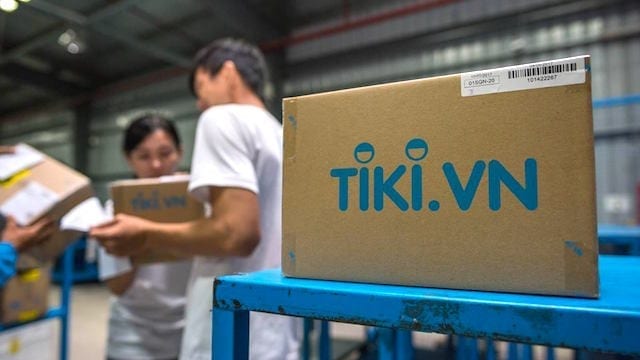
    Vietnamese e-commerce platform Tiki is raising another US$100 million from a Northstar Group-led funding round.

    The deal, was initially aiming for $75 million, but has been scaled up with support from Tiki’s current Korean backers, and may pull in as much as $150 million if certain KPIs are met.

    Tiki, which acquired competing platform Lazada last year, is now Vietnam’s second-largest e-commerce player after Shopee. It attracted a $44 million investment from Chinese industry partner JD early last year, and recently extended its national logistics operations in partnership with Vietnamese firm Unidepot.

    “Supply chain is a billion-dollar industry in Vietnam with surprisingly rapid growth,” said Tiki CEO Tran Thai Son. “However, Vietnam’s supply chain has not achieved its peak efficiency. For example, for an order worth 100,000 dong, logistics costs can be up to [25,000] dong.”

    Tiki’s infrastructural investments have seen the firm accumulate losses of around VND1 trillion ($43.3 million) over recent years.

  • Vietnam’s Vingroup new factory to produce 125m smartphones

    Vietnam’s Vingroup new factory to produce 125m smartphones

    Vingroup JSC, Vietnam’s biggest listed firm by market value, said on Monday it has started work on a second smartphone factory with a capacity to produce 125 million units a year.

    The new factory in the capital, Hanoi, will vastly increase Vingroup’s current capacity of five million units at its facility in the northern city of Haiphong, the conglomerate said in a statement.

    Construction is expected to be completed by early 2020 and the jump in capacity will help the company meet orders from Europe and the United States, Vingroup CEO Nguyen Viet Quang said in the statement.

    “After a period of deploying and participating in the smartphone manufacturing industry, our products have been positively received by the market,” Quang said.

    “We received many processing orders from major partners in Europe and the United States. That’s why we have invested in a factory with 25 times the capacity of our current factory in Haiphong, to meet with domestic and international demand,” he added.

    A company spokesman declined to provide the names of the European and US partners.

    Vingroup launched its smartphone brand, Vsmart, in December last year, seeking to win market share from popular brands Samsung and Apple in Vietnam, which has a population of 95 million people.

    Vsmart phones use chips from Qualcomm and run Google’s Android operating system, and went on sale at a price of 3.39 million dong ($145) to 6.59 million dong ($282).

    In March, the company began selling Vsmart phones in Spain and planned to expand into other European markets. Its phones went on sale in regional neighbour Myanmar last month.

    It is part of a diversification strategy that has seen Vingroup, once focused on real estate and retail, become Vietnam’s first fully-fledged domestic carmaker in 2018.

    Electronics is a vital part of Vietnam’s economy as firms such as Japan’s Sony Corp and South Korea’s LG Electronics and Samsung Electronics reorganise production in the face of slumping global demand.

    Samsung said in December it will close one of its mobile phone plants in China as it focuses on low-cost countries like Vietnam, where it is the largest single foreign investor.

    In April, LG Electronics said it would stop making smartphones in South Korea and move production to Vietnam.

    South Korean chips-to-energy conglomerate SK Group said last month that it had agreed to buy 6.1% of Vingroup for $1 billion as it expands its investments in Vietnam.

  • One million promotional tickets priced from MYR0 are up for grabs!

    One million promotional tickets priced from MYR0 are up for grabs!

    Pack your bags and get ready for an exciting summer as Vietjet is offering travellers an easy and affordable way to explore Vietnam and other parts of the region through its latest summer promotional campaign ‘Fly for Love – Show your summer version’.

    From 19 – 21 June 2019, 1,000,000 super-saving tickets from as low as MYR0 (*) will be up for grabs during the golden hours of 1pm to 3pm (Malaysian time). The offer is applicable for travels between 20 August 2019 to 31 December 2019 (**).

    The promotional tickets are applicable for all domestic routes in Vietnam and international routes from Vietnam to Kuala Lumpur (Malaysia); Bali (Indonesia); Seoul, Busan, Daegu (South Korea); Kaohsiung, Taipei, Taichung, Tainan (Taiwan); Hong Kong; Singapore; Bangkok, Phuket, Chiang Mai (Thailand); Yangon (Myanmar); Siem Reap (Cambodia), as well as all domestic and international routes in and from Thailand.

    Those looking to travel from Vietnam to Japan will be in for a special treat as the promotional fares will be up for grabs at all hours of the day during the promotion period. This is the perfect chance to grab your promotional tickets for a getaway trip in Vietnam and beyond with Vietjet’s expanding network around Asia.

    The promotional tickets are available for purchase via all sales channels including the airline’s website. Vietjet’s summer campaign is specially designed for people who are passionate about travel experiences and wish to step out of their comfort zone and start living the dream! This campaign is also a wonderful opportunity for people to leave their worries at the door, express themselves in a fun way and immerse in the jubilant festival atmosphere this summer.

    That’s not all! Those unafraid to showcase their fun side will also be rewarded with exclusive gifts as Vietjet passengers dressed up in their favourite cosplay costume while travelling on a Vietjet flight from 1 June 2019 to 31 July 2019 will also receive a special gift.

    Since operating its first flight in 2011, Vietjet has been a pioneering airline, winning the hearts of millions of travellers thanks to its exciting promotions, in-flight entertainment, especially during the festive seasons. With high-quality services, diverse ticket classes, Vietjet offers its passengers flying experiences on new aircraft with comfy seats and delicious hot meals served by a lovely, dedicated and friendly cabin crew, and many more enticing add-on services

  • Zara Posts Dramatic Growth in Vietnam

    Zara Posts Dramatic Growth in Vietnam

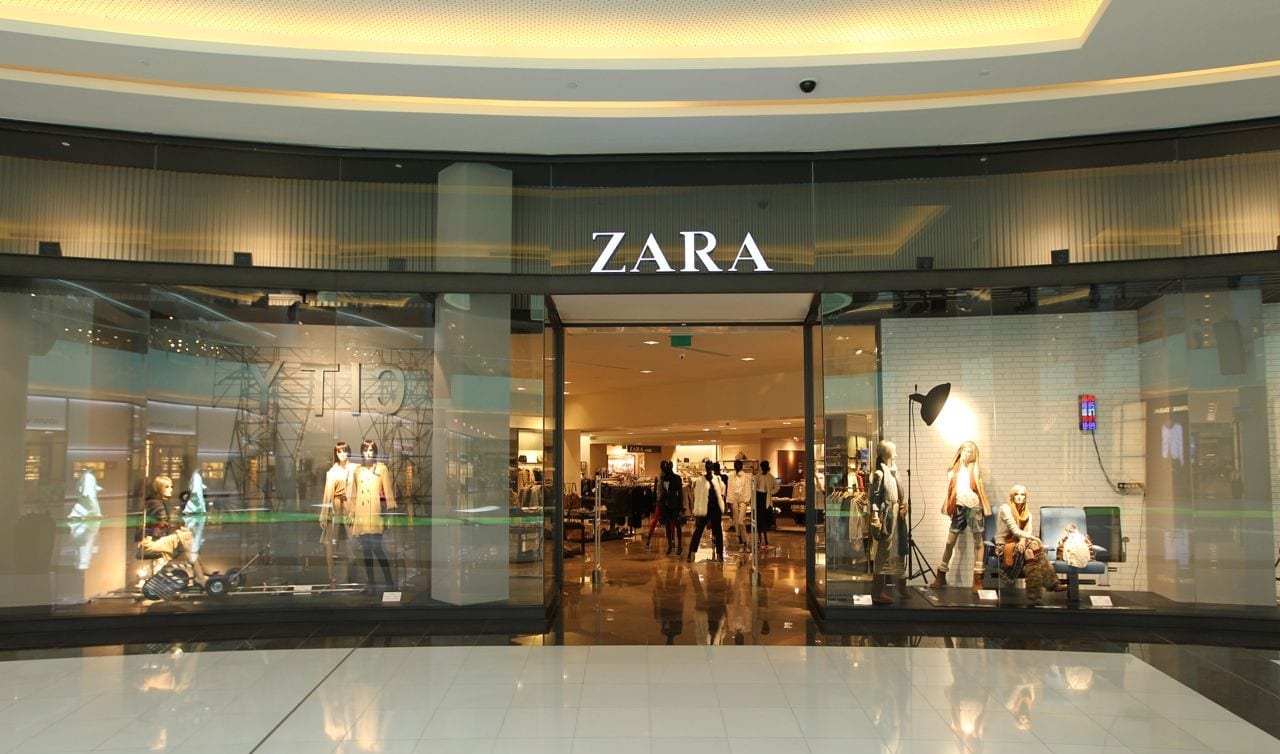
    Zara is outpacing archrival H&M in one of their fastest-growing markets, Vietnam.

    Zara Vietnam’s revenue reached US$73 million last year, six times the 2017 figure.

    The Spanish fast-fashion retailer has opened two stores in Vietnam – one in Hanoi and one in Ho Chi Minh City.

    During three years of operations, Zara Vietnam has achieved US$128 million. Rival H&M, which runs seven Vietnam stores, reportedly achieved revenue of $33 million last year, double that of its first year in the country.

    Along with three other Inditex’s brands, Massimo Dutti, Pull & Bear and Stradivarius, Zara is distributed by Indonesia’s Mitra Adiperkasa Group.

    According to Mitra Adiperkasa’s financial report, Zara remains its main revenue earner and Vietnam is its second-largest market after Indonesia.

    The company’s revenues in Vietnam last year were almost double the previous year’s figure and four times higher than its sales in Thailand.

  • Vietnamese retailers Growing at a Lightning Fast Pace

    Vietnamese retailers Growing at a Lightning Fast Pace

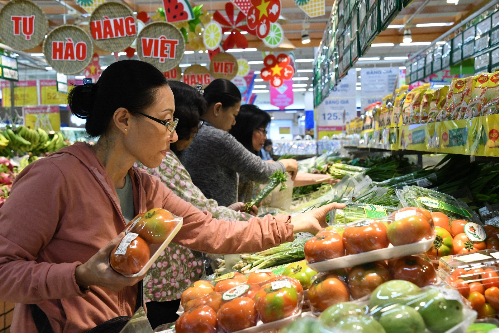
    Local retail firms are expanding quickly while foreign counterparts stagnate or quit due to fierce competition. The number of convenience stores in the country from April last year to April this year had risen by 72 percent year-on-year to over 3,100, according to Ho Chi Minh City market research firm Q&Me. That means 1,300 convenience stores came to the market in just one year.

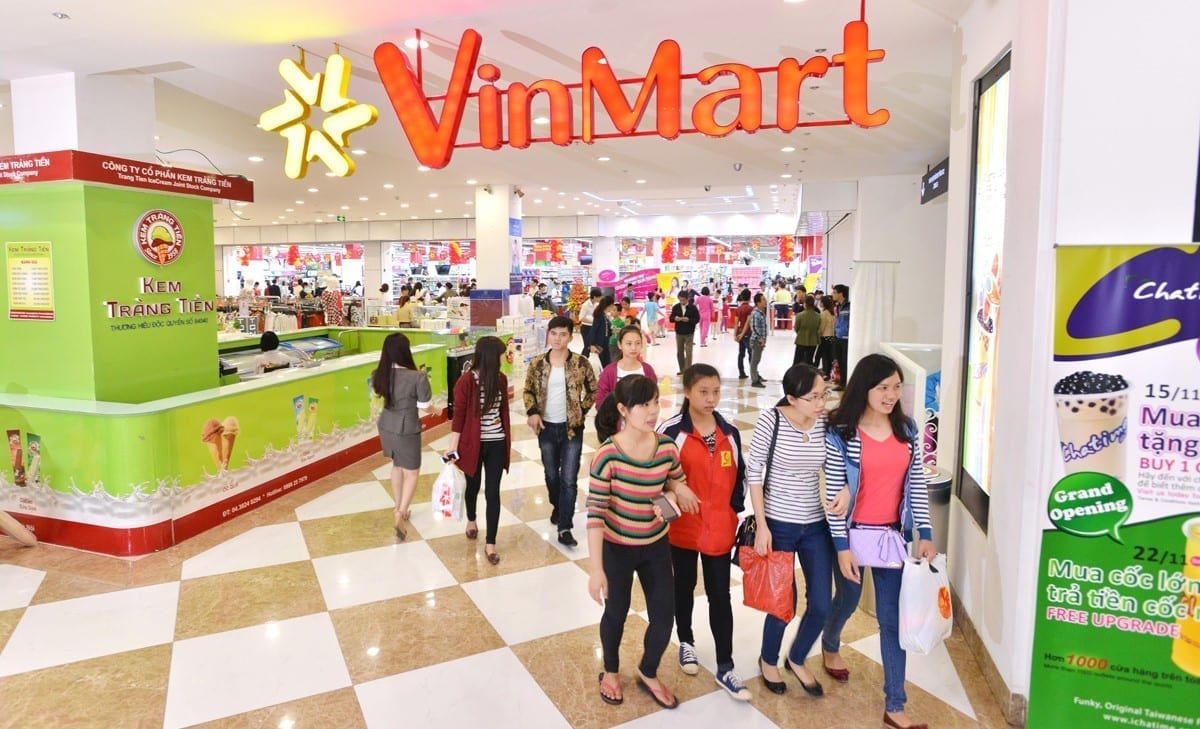
    Half of them, 660, came from Vinmart+, a convenience store chain of Vietnam’s largest conglomerate Vingroup. This is a growth of 82 percent. In the same period, supermarket chain Vinmart saw its number of store risen by 82 percent to 120 outlets.

    Bach Hoa Xanh, a retail unit of the country’s major phone seller Mobile World (MWG), now has over 500 department stores after incorporated in 2015. It is seeing strong growth with VND4.3 trillion ($184 million) in revenue last year, three times that of 2017.

    The market has recently seen strong merger and acquisition activities, with Vingroup’s retail arm VinCommerce buying out convenience store chain Shop&Go last month and supermarket chain Fivimart last October.

    Vietnam’s retail market has become increasingly crowded with both local and international players over the last five years. Although experts have said that the market has a lot of growth potential, many foreign businesses have quit or scaling back expansion plans.

    French supermarket group Auchan Retail might be the newest player to withdraw from the market.

    Auchan’s 15 out of 18 supermarkets will stop operating on June 3. Its CEO Edgar Bonte said that their business in Vietnam generated revenues of 45 million euros ($50.4 million) last year, but was making losses. He did not provide figures of the losses.

    A source from the company, who wished not to be named, said the firm is negotiating with a few retailers to sell the outlets and the negotiations “are expected to end before Auchan withdraws from Vietnam early next month.”

    Germany-headquartered Metro was sold to a Thai investor in 2014 and disappeared from the market ever since, while Malaysia’s Parkson has been closing down its malls since 2015.

    Other convenience store chain has failed or will unlikely meet its initial expansion target. Japanese Ministop had only 115 stores as of April, even though it had planned to have 800 by last year.

    Japanese convenience store chain FamilyMart saw its store number dropped by nine to 151 from last April to this April, while its initial plan was to have 1,000 stores by next year.

    Vietnam’s revenue from selling goods last year rose by 11.7 percent from 2017 to $142 billion, up 12.4 percent from 2017.

  • SHB Finance issues certificates of deposit worth millions

    SHB Finance issues certificates of deposit worth millions

    SHB Finance has issued its fourth tranche certificates of deposits worth a total of VND300 billion ($12.88 million). These were 12-month deposits with an annual interest rate of 10.3 percent and no transfer fees.

    The SHBank Finance Company Limited (SHB Finance) issued the certificates of deposits for its fourth tranche as part of its book-building process. This issuance attracted prestigious institutional investors, including one domestic investment fund and one securities company.

    On April 25, SHB Finance had successfully issued its third tranche certificates of deposit with the same interest rate.

    Explaining the factors that make SHB Finance’s certificates of deposits attractive to investors, CEO Dinh Quang Huy said that although the company was a new player in the consumer finance market (official launch in August 2018), it has gained the attention of many institutional investors, thanks to its efficient and speedy operating system.

    “We always try to be transparent to investors at all time, not just when we need to raise funds. Therefore, our certificates of deposits are always welcomed by investors, even though timing of tranches are quite close,” Dinh said.

    The company announced positive business results in the first four months of 2019, very soon after it commenced operations. SHB Finance ended April 2019 with outstanding loans of VND1.44 trillion ($61.84 million), up 103 percent compared to 2018, fulfilling 39 percent of the plan for 2019. With the fourth tranche, SHB Finance has successfully raised VND900 billion ($38.65 million), VND810 billion from certificates of deposit and VND90 billion from deposits. The funds will help SHB Finance serve immediate consumer finance demands of low to medium income customers across the country, contribute to the development of a healthy consumer finance market and eliminate rampant shadow banking activities.

    Its profit before tax as of April 2019 had reached VND71.6 billion ($3.08 million).

    The company has served over 150,000 customers.

  • KVision Organises hackathon to Envision Vietnamese startups

    KVision Organises hackathon to Envision Vietnamese startups

    KasikornBank’s Kasikorn Vision has joined hands with VIISA, a leading accelerator in Vietnam, and UP Co-Working Space to hold a three-day hackathon. The event, from June 28-30, 2019, will offer startups the opportunity to gain financial backing from Vietnamese and overseas investors and fast-track their entry into a range of other startup programs.

    It will target startups with products or ideas to tackle finance and business challenges facing Vietnamese and ASEAN economies. Bringing together KBank’s expertise in regional banking, KVision’s $245 million worth of funding, VIISA’s local know-how, and innovative ideas from local startups, the aim is to drive synergy that will spur cutting-edge solutions and create value and drive growth in Vietnam and the wider region.

    Chat Luangarpa, first senior vice president of Thailand’s KBank, said Vietnam has emerged as one of ASEAN’s most vibrant startup markets and active venture capital markets. With a fast-growing economy, a pool of youthful tech talent, and strong government support, it has all the key ingredients for rapid innovation growth, he said.

    “The country’s young, change-oriented consumer market makes Vietnam a perfect place for startups to thrive.”

    KVision, aiming to drive innovative growth in the region, sees the potential for Vietnamese startups to not only grow in the local market but also capture opportunities across ASEAN.

    Supported by KBank’s presence in the region, the hackathon is aimed at equipping Vietnamese startups with the right tools to take them to the next level on the regional stage.

    The program will bring seasoned mentors from the local and global startup communities, including Akamai, Sendo, and other leading accelerators, and business veterans such as UniBrands. Through a series of mentoring and sharing sessions, startups will receive real-world advice, hands-on supervision and invaluable networking to help them step up their game in all aspects.

    From design thinking to pitching, the end goal is to inspire and drive startups to come up with real solutions to materialize their business, and form real connections to make their business happen. Startups with potential will have the opportunity to gain financial backing from investors in Vietnam and overseas and fast-track entry into a range of other startup programs.

    At the heart of this program lies the idea of co-innovation. Duc Tran, CEO of VIISA, said the time for partnerships is now. Gone is the time when brick-and-mortar corporations and startups could simply view each other as competitors, he said. Partnerships between the two could bring a synergy and combination of various strengths to accelerate growth, allowing startups to expand at a time of increasing competition while also allowing corporations to transform in the digital age.

    Luangarpa said this is now one of KBank’s key strategies too. The establishment of KVision in Vietnam, as well as other countries with outstanding technology sectors like China, Israel, and Indonesia, is to scout for innovative startups to co-launch new services in the region’s underserved and quickly evolving markets.

    KVision will hold the three-day “KVision x VIISA Hackathon: Building Co-Innovation” event at UP Co-Working Space, Ho Chi Minh City, from June 28 to 30. The program is open to both startups with business ideas and those with existing products. Prizes include $2,000 for the ideation track winner, $5,000 for the acceleration track winner and fast-track guarantees to various startup programs and perks from hackathon partners. Applications are open until June 15.

    KVision looks to play an active role in linking startup ecosystems in ASEAN. Earlier this month the Thai company signed an agreement with the Vietnamese government’s Business Startup Support Centre to support Thai startups’ entry into the Vietnamese market.

    KBank first entered Vietnam in 2015 with representative offices in Hanoi and Ho Chi Minh City. To continue its focus on Vietnam, KBank plans to upgrade its Ho Chi Minh City representative office to its first branch in Vietnam once the license is granted.

    Alongside setting up branches, KBank also looks to bring in digital solutions, including partnerships with startups to address financial service gaps and drive disruption in the region.
  • Online liquor sales boom in Vietnam

    Online liquor sales boom in Vietnam

    Vietnam has removed a proposed decree to prohibit online liquor sales, accepting that it goes against international trends. The bill, proposed by the Ministry of Health last year, would have prohibited online sales of beverages with an alcohol content of more than 15 percent. But legislators got into a heated debate over this regulation, with critics saying that it would go against international trends and challenge e-commerce development.

    The National Assembly (NA) Committee for Social Affairs on Thursday said it has removed the decree after listening to legislators’ views.

    Some new changes have been made in the latest version of the bill. The advertisement for beverages with less than 15 percent of the alcohol content will now be allowed on TV and radio.

    However, these advertisements must not be carried between 7-8 p.m. every day.

    The bill is set to be discussed and voted on at the end of the ongoing National Assembly session.

    Alcohol, especially beer, is widely consumed in Vietnam. Data collected by the Ministry of Health shows Vietnamese citizens consumed 305 million liters of liquor and 4.1 billion liters of beer in 2017, making it the biggest alcohol consumer in Southeast Asia and third biggest in Asia after Japan and China.

  • Homestay startup raises $4.5 million

    Homestay startup raises $4.5 million

    Luxstay has raised $4.5 million from South Korean retailer GS Shop and venture capitalist Bon Angels in its bridge round. A Luxstay representative said Wednesday that receiving funding from reputable international investors in this round is an important stepping stone for the enterprise to expand to other areas in the future.

    GS Shop is a South Korean multimedia retailer as well as a global leader in TV home shopping. It also established a retail chain called GS25 in Vietnam in 2018.

    Bon Angels Venture Partners is a South Korean venture capital firm investing in early-stage startups. It has invested in well known South Korean startups like Woowa Brothers, Daily Hotels, and My Real Trip.

    Luxstay has targeted an annual turnover of over $300 million and 30 percent of Vietnam’s home-rental market share by 2023, the representative said.

    It is also working with financial investors and strategic partners for the next funding round, a Series A round, which is expected to close in 2019, aiming to raise $15-20 million.

    Prior to this investment, Luxstay had raised a total of around $6 million from CyberAgent Ventures (Japan), Genesia Ventures (Japan), ESP Capital (Vietnam), Founders Capital (Vietnam) and Nextrans (South Korea).

    Launched in late 2016, Luxstay has a network of nearly 10,000 properties across the country. This is a short-term rental booking platform for apartments, villas and other homestay accommodations positioned in the mid and high-end segments of Vietnam’s real estate market.

    It also offers property management and maintenance solutions to assist and save time for homeowners who want to participate in the home-sharing market through its system.

    “In developed countries, home-sharing accounts for 10-20 percent of the home-rental market. This shows a huge opportunity for this industry in Vietnam, which is expected to reach $2-4 billion in 2025,” Luxstay said.

  • VinID acquires MonPay e-wallet in Vietnam

    VinID acquires MonPay e-wallet in Vietnam

    Vingroup’s loyalty program VinID has acquired digital wallet app MonPay, a central bank source says.  The takeover procedures have been completed but did not disclose its form and value.

    Earlier this week, a new feature called “My Wallet” has appeared on the VinID app where customers can accumulate points from goods and services bought from Vingroup’s ecosystem, which includes real estate, education and shopping.

    From this feature, customers can deposit and withdraw money as with any electronic wallet, and all transactions go through MonPay. MonPay is a product created and run by local firm People Care JSC.

    Previously, at the end of 2018, People Care completely replaced its management board with three key executives from VinID, including Nguyen Thi Diu, deputy general director of Vingroup and general director of VinID; and Nguyen Minh Hong, one of three founding shareholders of VinID.

    VinID JSC was established in July 2018. It has a chartered capital of VND3 trillion ($128.81 million) and is 80 percent owned by Vingroup, Vietnam’s biggest private conglomerate.

    People Care JSC is one of 29 enterprises that have been granted the payment intermediary license from the State Bank of Vietnam. The company doubled its charter capital from VND68 billion ($2.92 million) to VND138 billion ($5.93 million) at the end of 2018, after it had reappointed its board of directors.

    The government is working to accelerate the use of cashless transactions. In a resolution released January, it tasked the central bank to come up with solutions that would promote the use of e-wallets, which allow users to deposit cash into their e-wallets without the need for a bank account.

    However, Vietnam is still far away from becoming a cashless society, given low financial literacy and the lack of an ecosystem, experts say.

    The use of cash in Vietnam remains high. World Bank’s statistics released last year showed that the country had the lowest percentage of cashless transactions in the region with only 4.9 percent, while this value for China and Thailand were 26.1 percent and 59.7 percent respectively.

  • 600 Vietnamese staff trained for Hanoi’s metro line Opening

    600 Vietnamese staff trained for Hanoi’s metro line Opening

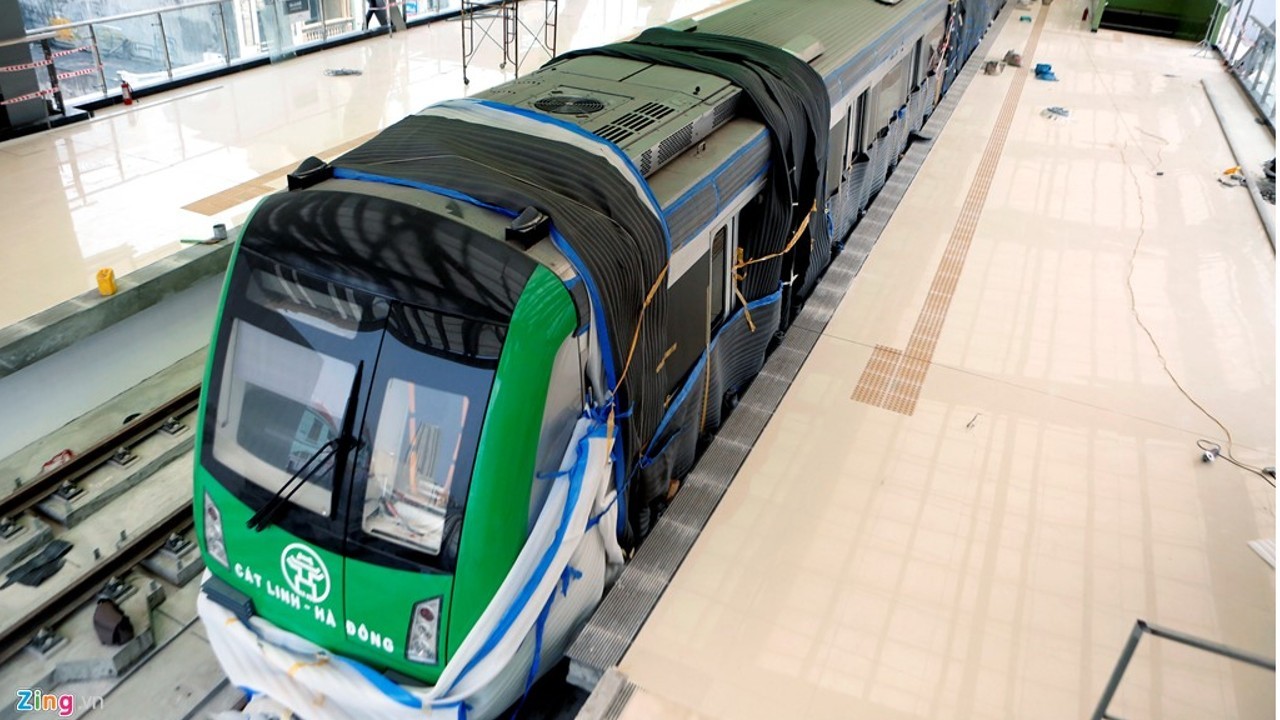
    Operational staff for Hanoi’s first metro line has been trained, but its opening date remains up in the air. 86 of them are in the driving department, with 46 main drivers. The rest are substitute drivers and technicians. All drivers have been trained and have practiced in Beijing, China for a year. Their experience ranges from driving 5,000-20,000 kilometers.

    “To prepare for the commercial operation, we have done both practical training and simulator training, including dealing with unexpected events,” said driver Tran Thanh Long.

    Over 500 people will work in the operating center to manage trains, maintain infrastructure, distribute tickets and discharge other responsibilities. Over this and next month, they will run drills for emergency evacuation, handling a large number of passengers and dealing with malfunctioning trains. The Vietnamese staff has been trained by Chinese experts. A representative of the contractor said that “most Vietnamese staff have met training standards and can operate the metro line immediately.”

    Another reason was that the Chinese contractor, China Railway Sixth Group Co., Ltd, has not submitted necessary documents to authorities for a final inspection, a source said then. But it is still unclear when the metro will start its commercial operations. The city’s long delayed Cat Linh – Ha Dong metro route missed last month’s deadline for commercial operation since construction was still not complete.

    Work on the metro started in October 2011 and was originally scheduled for completion in 2013. But several hurdles, including loan disbursement issues with China that were only resolved in December 2017, stalled it for years.

    The original estimated cost of $553 million ballooned to more than $868 million, including $670 million in loans from China.

    When completed, Hanoi’s first metro line will run from Cat Linh Station in downtown Dong Da District to the Yen Nghia Station in the south-west Ha Dong District.

  • Vietnam considering mobile money trials this year

    Vietnam considering mobile money trials this year

    Vietnam’s Ministry of Information and Communication has held an international workshop on the ability of mobile money to promote financial inclusion, as part of preparations for potential mobile money trails.

    The two-day workshop was designed to provide a comprehensive overview of mobile money, and put forward recommendations for Vietnam’s adoption of the technology.

    At the event, Minister of Information and Communication Nguyen Manh Hung said the government is evaluating approving mobile money trials this year, the report states.

    Vietnam would become the 91st nation in the world to adopt mobile money services, the minister said. By the end of last year, nearly 900 million people in 90 nations were using mobile money services to conduct transactions worth around $1.3 billion per day.

    The minister also noted that mobile money will help promote cashless payment in a market were only around 40% of the population have bank accounts but mobile penetration is well over 100%, and will allow low-income people in remote or hard to reach areas to access paid online services.

  • VinMart Vietnam opens first virtual store

    VinMart Vietnam opens first virtual store

    Vietnamese supermarket chain VinMart claims to have opened Vietnam’s first virtual store.

    Run by VinGroup’s subsidiary VinCommerce, the new concept is being tested in 20 locations, including apartments, office buildings, schools and at bus stops, both in Hanoi and Ho Chi Minh City.

    Each store provides images and QR codes of more than 100 product groups for customers to scan and order via VinID app. The products will be delivered within two to four hours.

    VinMart launched the Scan&Go function in its app in March, applying it in 73 supermarkets across the country.

    Customers can also shop via VinMart’s printed shopping manual or online.