Tag: Vietnam

  • Brooks Running moves China footwear production to Vietnam

    Brooks Running moves China footwear production to Vietnam

    The chief executive of Brooks Running, part of Warren Buffett’s Berkshire Hathaway Inc, said his company will shed much of its presence in China by moving running shoe production to Vietnam, a result of the trade dispute between China and the US.

    Jim Weber, who has run Brooks since 2001, said in an interview that Brooks made the decision in January when US President Donald Trump was threatening to boost tariffs on the shoes to 45 percent from 20 percent.

    Weber said the tariff threat weighed “massively” because Brooks cannot simply raise prices on its shoes, which typically retail for US$100 to $160 a pair, and though trade tensions have cooled, the company could not wait for a resolution.

    “We’re going to pull most of our production out of China,” he said. “We’ve had to make a long-term decision on this picture. It’s disruptive, but the reality. So we’ll be predominantly in Việt Nam by the end of the year.”

    About 8,000 jobs will also move to Vietnam from China, Weber added.

    Việt Nam is emerging as a preferred destination for companies looking to move production because of tariff concerns.

    The country generates about 55 percent of Brooks’ running shoe production, with China accounting for the remainder. Brooks shoes are sold in 56 countries and account for the bulk of the Seattle-based company’s annual revenue, which grew 26 percent last year to $644 million.

    Revenue from January to April is up 22 percent in 2019, and Weber is targeting full-year revenue of just under $750 million. He hopes revenue will reach $1 billion by 2021. Brooks also sells apparel.

    Weber said Brooks may start shoe production in a third, yet-to-be-determined country next year. The eventual breakdown could be 65 percent from Việt Nam, 10 percent from China and 25 percent from the third country, he said.

    Brooks plans to continue research and development, as well as small production runs of shoes, in China.

    Weber also said Brooks hoped to “prototype small, custom personalized shoe runs” in the US within the next several years, but much of the company’s technical know-how and automation is in Asia. “Volume is a long ways away,” he said.

    Brooks became part of Berkshire in 2006 when Berkshire’s Fruit of the Loom unit bought its parent at the time, Russell Corp. Berkshire spun out Brooks as a standalone unit in 2012.

    Weber began reporting last year to Berkshire Vice Chairman Greg Abel, after previously reporting to Buffett.

  • Peugeot manufacturing plant debuts in Quảng Nam

    Peugeot manufacturing plant debuts in Quảng Nam

    The Trường Hải Automobile Corporation (Thaco) in co-operation with French car manufacturer Peugeot Group (PSA) officially inaugurated a new manufacturing plant and rolled out two made-in-Vietnam models – the Traveller Luxury and Traveller Premium – in the central province of Quảng Nam yesterday.

    The luxury European car brand’s plant, which cost VNĐ4.5 trillion (nearly US$200 million), was designed with a total capacity of 20,000 cars per year for domestic use and export.

    The general director of Thaco Phạm Văn Tài said the plant was thanks to the relationship that had been built between Thaco and Peugeot since 2013.

    “The newest Peugeot models follow the successful introduction of SUVs  Peugeot 3008 and 5008 in Việt Nam. The plant is equipped with modern production lines and updated automation technology to meet the luxury brand’s standards under the supervision of French technical experts,” he said.

    He also added that 4,500 Peugeot 3008 and 5008 were sold in Vietnam in 2018, leading the European luxury car brand segment in the domestic market.

    General director and CEO of PSA Laurence Noel said the introduction of the Peugeot Traveller marked an important step in the development of Peugeot and positive co-operation with Thaco.

    She said the debut of the two models was a result of the latest interest in the newest French car brand in Vietnam after the successful debut of the SUV models.

    She said the Peugeot Traveller had made an impressive start in the European and global markets after it was introduced at the Geneva Motor Show in 2016.

    Laurence also said the latest made-in-Vietnam MPVs conformed to the strict control standards of the PSA and network of PSA plants around the world.

    Thaco has been an exclusive agent for the French car giant’s return to the local market in 2014.

    The local manufacturer has already opened 13 Peugeot showrooms with 3S (sales-services-spare parts) facilities across the country.

    Thaco has produced and distributed vehicles for Kia from South Korea, Mazda from Japan, Peugeot and BMW.

    The local carmaker has invested VNĐ17.478 trillion (US$773 million) to build an agricultural and forestry industrial park, the expansion of the Thaco-Chu Lai Mechanical Automotive Industrial Park, the new wharf at Chu Lai-Trường Hải Port and residential quarters for workers in Quảng Nam Province’s Chu Lai Open Economic Zone (OEZ).

    It has also built 32 automobile manufacturing and support industry plants in the OEZ, creating 8,000 jobs and contributing $700 million to the provincial budget each year.

  • Moody’s backs Vietnam’s strict proposal on unsecured consumer lending

    Moody’s backs Vietnam’s strict proposal on unsecured consumer lending

    The State Bank of Vietnam has proposed changes to regulations on personal unsecured lending by consumer finance companies. The proposed changes include limiting unsecured personal loans in cash to existing customers with good credit and no overdue debt; and limiting the maximum amount of such cash loans to 30 percent of total loans.

    The central bank has not specified when it intends to carry out the new regulations.

    According to Moody’s, the proposal is credit positive for Vietnamese finance companies because the stricter regulations will help alleviate asset quality pressure by curbing excessive growth in the riskier consumer-loan segment, which will lead to stronger risk-adjusted returns and will support internal capital generation in the future.

    The rating agency also said that the bottom-line profitability of finance companies was expected to decrease in 2019 as companies adjust to the new rules.

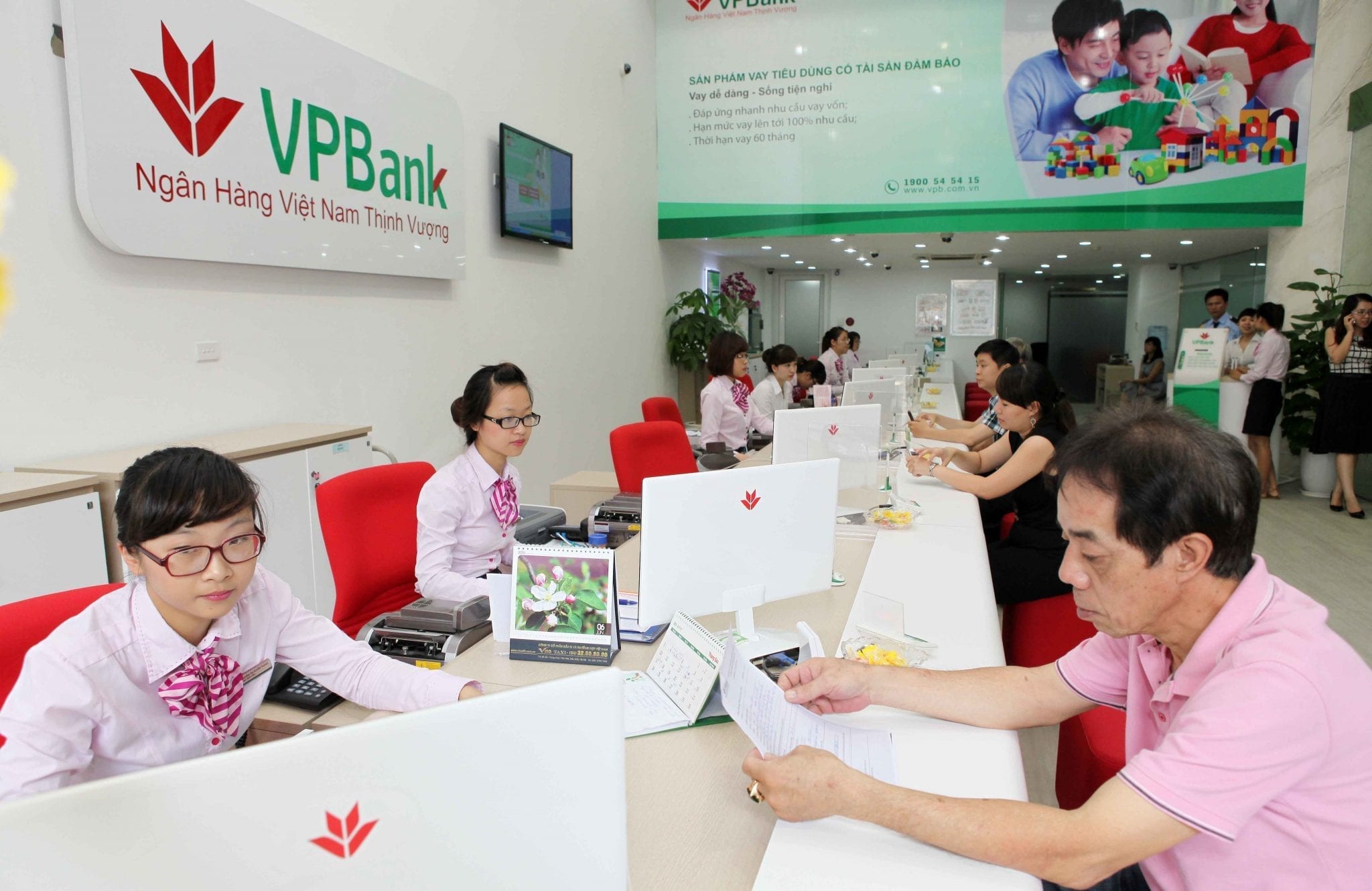
    VPBank Finance Co Ltd (FE Credit) has the highest proportion of personal loans in its loan portfolio among the three largest finance companies by total loans in Viet Nam. The other two companies are Home Credit Vietnam Finance Co Ltd (Home Credit) and HD Saison Finance Co Ltd

    All three companies will need to make adjustments to their businesses by focusing on lower-yield products such as consumer durables and motor vehicle loans. Moody’s expects that FE Credit will need to make the most significant adjustments to comply with stricter regulations because of the higher amount of personal loans on its books.

    The three companies are also market leaders in other consumer finance segments in Viet Nam and will have to make fewer adjustments to their business practices than smaller finance companies as a result of the new regulations.

    These smaller companies have been more reliant on personal loans for business growth and will have greater pressure on their revenue than the top three companies.

    Revenue growth of finance companies remains supported by strong consumer demand for credit, while credit costs will be contained by the tighter lending requirement. Both factors will drive stronger risk-adjusted returns for finance companies, according to Moody’s.

    Vietnam’s consumer finance industry grew at a compound annual rate of 41 percent between 2013 and 2017 on the back of higher personal income and greater penetration of services.

    Moody’s expects growth in personal loans to slow significantly when the new regulations come into effect, after far exceeding growth over the past three years for other less-risky consumer loans, such as those for the purchase of motorcycles and durables.

    The demand for consumer finance is strong and supported by the buoyant Vietnamese economy.

    Now, finance companies constrained from extending new personal unsecured loans because of the new regulations will focus on growing other product segments and will benefit from increased diversification in their lending portfolios and more emphasis on lower-risk products.

  • Vietnam’s Petrolimex plans Countrywide Convenience Stores

    Vietnam’s Petrolimex plans Countrywide Convenience Stores

    Vietnamese petroleum retailer Petrolimex is planning to build a convenience-store chain.

    After five years of research, the group plans to open stores across its network of 5200 gas locations across the country.

    “Petrolimex will expand into this sector, each store will host 1500 to 2000 products,” a Petrolimex representative said during a conference.

    “Our strategy partner JX Nippon Oil will support us to set up the chain in the most optimal way.”

    Petrolimex has tested the industry with its P-Mart in Hanoi’s Hoai Duc district. The store only sells Petrolimex-branded products such as oils and a limited range of snacks and beverages.

    There is no official information if Petrolimex will base its chain on this concept or build a different one.

    Stepping into the convenience-retailing sector, Petrolimex will compete with experienced players such as Circle K, 7-Eleven, VinMart + and FamilyMart, but none of those brands are affiliated with service stations.

  • Vietnamese good to be displayed at Japanese supermarket chain

    Vietnamese good to be displayed at Japanese supermarket chain

    A week for Vietnamese goods this year will be held at the Aeon supermarket chain in Saitama prefecture and Kanto region in Japan from June 5-12, according to organizers.

    During the week, Vietnamese goods will be highlighted at 40 outlets in the Aeon distribution system, along with many activities such as plant tours, product assessment, and consultations.

    Business-to-business contacts between Vietnam and Aeon importers, the introduction of Vietnamese products and capacity, popularisation of standards for imports, and agreement signing, along with food shows, tourism promotion, and art performances will be held within the framework of the week.

    After the week, enterprises will be supported to connect with Aeon so as to supply their products to the supermarket chain. AEON committed to raising Vietnam’s export turnover through the group’s system to US$500 million in 2020 and $1 billion in 2025, following a memorandum of understanding (MoU) inked between the Japanese group and the Ministry of Industry and Trade.

    In order to help Vietnamese businesses to join the AEON supply chain and become a supplier for the over 1,000 AEON supermarkets around the globe, the group has built a plan including a number of activities to increase the presence of made-in-Việt Nam goods, Yuichiro Shiotani, General Director of AEON Topvalu Vietnam, said at a recent conference in HCM City.

    AEON has also provided technical support to improve the production capability of Vietnamese suppliers and help them access Japanese customers, as well as boost the purchase of Vietnamese goods to sell at its stores in Japan and other countries, he said

  • Burger King slammed for ‘racist’ ad promoting Vietnamese burger

    Burger King slammed for ‘racist’ ad promoting Vietnamese burger

    The clip shows several people tying and failing to eat a burger with large, red chopsticks. A caption accompanying the video read “Take your taste buds all the way to Ho Chi Minh City with our Vietnamese Sweet Chilli Tendercrisp.”

    The video, shared by Maria Mo via the account @mariahmocarey, has received more than 2.7 million views. Mo told that she shared the clip as she was tired of large corporations portraying Asians in an offensive manner.

    “I could not believe that such a concept was approved for such a big, well-known company. It says a lot about what kind of demographics they must employ across the board for their ads.”

    Other social media users were quick to slam the fast foot retailer for making fun of a utensil that has been used across Asia for thousands of years.

    Viet Thanh Nguyen, the Pulitzer Prize-winning Vietnamese-American novelist, shared the clip with the comment “What’s worse, this ad or using chopsticks in your hair?”

    The advertisement was later removed from all of Burger King NZ’s social media platforms.

    Respond to the controversy, Burger King released a statement, saying: “The ad in question is insensitive and does not reflect our brand values regarding diversity and inclusion. We have asked our franchisee in New Zealand to remove the ad immediately.”

    Burger King New Zealand’s Chief Marketing Officer James Woodbridge expressed regret.

    “We are truly sorry that the ad has appeared insensitive to our community. We have removed and it certainly does not reflect our brand values around diversity and inclusion.”

    Burger King entered the Vietnamese market in 2011 but has struggled to win over local consumers. The firm hoped to have 60 outlets in the country by 2016, but as of 2018 had only 11.

  • Ford Vietnam reports 39 per cent jump in sales

    Ford Vietnam reports 39 per cent jump in sales

    Sales surged by 39 percent year-on-year to 7,501 vehicles in the first quarter, Ford announced on Thursday. The US automaker said its main products, pickup truck Ranger, premium large SUV Explorer and commercial van Transit remained top sellers in their respective segments.

    The strong performance was capped by all-time high retail sales in March of 2,501 units, a 32 percent year-on-year increase.

    “The launch of Ranger, Raptor, and Everest gave our sales an additional boost heading into the year-end, and that momentum carried through into the first quarter and helped drive our overall performance,” Phạm Văn Dũng, managing director of Ford Vietnam, said.

    The Ranger’s sales edged up to 2,786, the recently launched new Everest accounted for sales of 1,535 units and Transit saw sales of 1,208 vehicles. The EcoSport compact SUV delivered 43 percent higher sales of 1,077 vehicles.

    Focus, equipped with a 1.5L EcoBoost engine, saw sales jump by 114 percent to 543.

    The imported Explorer saw sales rise 24 percent to 350.

  • Siemens helps Vietnam build smart infrastructure

    Siemens helps Vietnam build smart infrastructure

    The deal, inked by Minister of Industry and Trade Tran Tuan Anh and a representative of Siemens AG, is part of the roadmap towards realizing the joint statement issued by the Ministry of Industry and Trade and the German Ministry of Economic Affairs and Energy last month.

    Smart infrastructure development for Vietnam is made based on the country’s economic, energy, and industrial production situation with a view to making Vietnam an industrialized economy that pursues sustainable development in the near future.

    It looks to ensure sufficient and sustainable energy, train high-quality human resources, and carry out the Green Growth Strategy and infrastructure development plan in the country.

    Before the signing ceremony, Minister Anh had a working session with German Minister of Economic Affairs and Energy Peter Atmaier and leaders of Siemens AG, during which they reviewed cooperation between the two sides under the joint statement, and urged the engagement of the German corporation in smart infrastructure building in Vietnam.

  • Vietnamese real estate market attracts Japanese firms

    Vietnamese real estate market attracts Japanese firms

    In an interview with correspondents from the Vietnam News Agency on the sidelines of the TMS Group’s investment promotion workshop in Osaka on April 9, Nakata said that it is not just Vietnam’s real estate market, but those in some Asian countries like Cambodia, Indonesia also have good prospects.

    However, he believed that Vietnam is the most attractive due to its safe and stable investment environment. According to Nakata, the real estate industry in Vietnam has been developing to become the number one investment channel.

    Kako Sasai, head of the business information division of the Japan External Trade Organisation (JETRO), said foreign investment in Vietnam’s real estate could increase in the time ahead.

    She noted that Japan’s investment in Vietnam went up rapidly from 2016 to 2018. The number of Japanese firms investing in the Southeast Asian country has surged, resulting in the increasing demand for offices and houses.

    Most Japanese investors in Vietnam evaluated that the country has lots of potentials and brings stable profits, she said.

    The Vietnamese Government and enterprises have been focusing on attracting more overseas firms to invest in Vietnam beyond the field of real estate, she added.

    According to the latest survey of JETRO, Japan’s direct investment in Vietnam has increased in terms of the number of businesses and the amount of capital. As many as 70 percents of Japanese businesses plan to expand operations in Vietnam, while 88 percent expect their revenues in the market will increase in the future.

    Toru Tomita, director general at the Osaka-based O.M.NET cooperative business association, described Vietnam as a young nation with abundant labor supplies.

    In the future, more Japanese businesses will come to invest in Vietnam, he said.

    The investment promotion workshop in Osaka is part of activities of the TMS Group to introduce the investment environment in Vietnam and seek potential partners in real estate projects that the group is implementing in Vietnam.

    Vietnamese Consul General in Osaka Vu Tuan Hai affirmed that the Vietnamese Government will create an open and equal business environment for Japanese investors.

    The Vietnamese Consulate General will continue supporting and accompanying Japanese businesses in studying, preparing and implementing business investment plans in Vietnam, he said.

    TMS Group has been cooperating with Japanese partners over the past 15 years and it has been serving as a bridge to connect Vietnamese businesses with Japanese partners in the fields of their strengths such as real estate, human resources supply, education-training, trade, services, healthcare, and high-tech agriculture.

  • Grab may be categorized as e-charter transport operator

    Grab may be categorized as e-charter transport operator

    The Ministry of Transport organized the meeting with other ministries, transport operators and associations to collect feedback for the eighth version of the draft decree before presenting it to the prime minister prior to April 15 as scheduled. Many participants at the meeting proposed Grab be listed as an e-charter transport operator.

    A representative from the Ministry of Public Security (MPS) noted that Grab was a new transport service provider that applies technology to its operations. Its services are widely used by the local people thanks to its convenient features.

    The MPS representative suggested the relevant agencies clarify Grab’s business structure and categorize it in accordance with prevailing regulations while imposing stringent management policies on the firm in terms of safety requirements for vehicles and drivers, service costs and tax and financial obligations to the State.

    Representing Grab Vietnam, Nguyen Ngoc Trang asserted that Grab functions as an e-commerce trading floor as it was previously registered with the Ministry of Industry and Trade. He also pointed out that some terms stipulated on the draft decree were redundant and illogical.

    Meanwhile, some participants at the meeting voiced their opposition to the suggestion to list Grab as an e-charter transport service provider.

    Nguyen Cong Hung, chairman of the Hanoi Taxi Association, was quoted by Nguoi Lao Dong Online as saying that the application of electronic features to operations is merely a transport connection method. It is illogical to name a new transport service type based on the connection method, Hung said.

    Also, Khuat Viet Hung, vice chairman of the National Traffic Safety Committee, stated that the five types of transport services regulated in the Law on Road Traffic were enough and creating a new service type was not needed.

    Wrapping up the meeting, Deputy Minister of Transport Le Dinh Tho remarked that the unit compiling the draft decree will take the feedback into consideration. He suggested the relevant parties continue to work on the draft decree before sending it to the prime minister.

  • Decathlon Vietnam opens it’s Very first Store

    Decathlon Vietnam opens it’s Very first Store

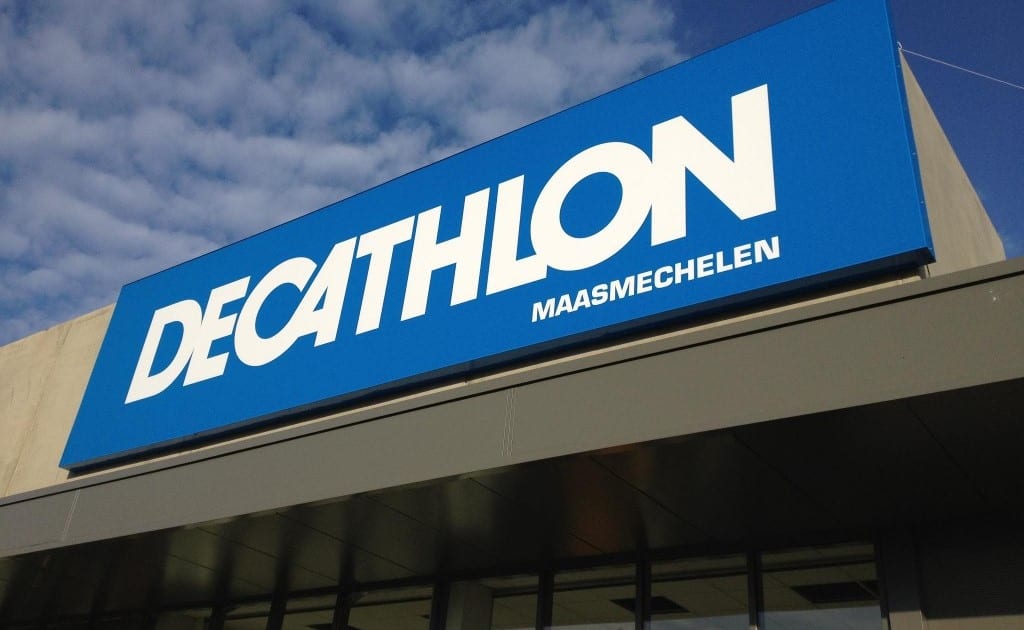
    Decathlon Vietnam has opened its first store, at Vincom Mega Mall Royal City in Hanoi. Located on level B1, the store spans 4300sqm, offering more than 14,000 items covering 70 sports for all levels of player.

    Prices meet the market for local customers, such as a VND63,000 (US$3) backpack, or a US$10 tennis racquet.

    Customers can also test products designed for activities like hiking, jogging or basketball at the store before making a purchase.

    “We want our customers to feel satisfied when choosing Decathlon,” said Manu Pirenne, Decathlon Vietnam’s Hanoi CEO.

    “We are willing to exchange to new products or refund if our customers are not satisfied, within six months. Decathlon also has an at least two-year warranty on all products.”

    The second store which spans 2600sqm will be opened in Ho Chi Minh City on May 25, at Aeon Tan Phu.

    Decathlon Vietnam launched as an online-only store, with several Collect Points located in Ho Chi Minh City and Hanoi.

    To cut the prices, the company has set up its factory in Thai Binh province, and partnered with more than 100 retailers and brands.

    Established in 1976, the France-based sports retailer now has 1513 stores in 53 countries.

    It opened the largest store in Singapore earlier this year.

  • Vietnam gets its first MVNO Provider

    Vietnam gets its first MVNO Provider

    Indochina Telecom has become the first MVNO in Vietnam, operating on the VinaPhone network. The operator is initially introducing services for workers in industrial parks in nine provinces and cities.

    Indochina Telecom has been attempting for over a decade to launch MVNO services in Vietnam, the report states. The company had initially failed to negotiate an MVNE deal with Viettel, but has secured one with VinaPhone, the mobile subsidiary of VNPT.

    The company plans to introduce a variety of packages tailored to different groups and user segments, and will cooperate with Vietnam’s mobile network operators to negotiate the best deals.

    Indochina Telecom’s introductory package provides unlimited under 20 minute within network and 30 minute out of network calls for 77,000 dong ($3.31) per month.

  • Vietnam is fastest growing market for m-payments

    Vietnam is fastest growing market for m-payments

    Vietnam has seen the highest growth in mobile payments in the past year, according to the Global Consumer Insights Survey 2019 conducted by PwC.

    The survey, which covered more than 21,000 respondents from 27 territories, showed that the percentage of consumers using these services in Vietnam increased to 61%, up from 37% in 2018. The 24 percentage point increase was also the largest in the six Southeast Asian countries that took part in the survey.

    In Singapore, mobile payments climbed 12 percentage points from 34% in 2018 to 46% in 2019. Since the government began encouraging digital payments in late 2017, the latest results indicate a payoff in the efforts by the government and other mobile payments players.

    The rest of Southeast Asia also saw increases in mobile payments with Thailand up 19 percentage points to 67%, Malaysia up 17 percentage points to 40%, and Philippines up 14 percentage points to 45%, respectively. Indonesia reflected the slowest increase in the usage of mobile payments at just 9 percentage points to 47%.

    In the Middle East, which was the second fastest growing in mobile payments adoption globally after Vietnam, the percentage increased by 20 percentage points to 45%. China remains unchanged at 86%. Across all territories, 34% of consumers paid for purchases using mobile payments, up from 24% a year earlier.

    Buying through social media

    According to the survey, consumers in Asia are more socially engaged online than those in Europe and the Americas. Respondents in Thailand, Indonesia and Vietnam led the pack globally in making purchases directly through social media posts on platforms like Instagram and Facebook, with 50%, 49% and 48% of survey respondents indicating they do so, respectively.

    Globally, only 21% of respondents made purchases directly through social media. Among product and service categories, the survey found that social media is most likely to affect purchasing decisions related to fashion.

    Charles Loh, Southeast Asia Consumer and Industrial Products Consulting Leader, PwC, said: “Social media platforms are already mature in Southeast Asia. The trend in online shopping, moving forward, is the consolidation of e-commerce players with fewer big players providing that gateway. There seems to be a consolidator present in every market.”

    Voice technology

    In the survey, 9% of global consumers said they use voice technology to shop online weekly or more frequently. As shopping by voice continues to catch on, companies should be thinking beyond mobile to consider how voice technology in homes, cars, and elsewhere will affect customer experience. The bar for brand leadership will continue to shift as organizations launch increasingly consumer-friendly technologies.

    Charles Loh, Southeast Asia Consumer and Industrial Products Consulting Leader, PwC, said:

    “Voice technology is widely used in instant messaging communication platforms. It’s only a matter of time that we see adoption here in Southeast Asia”

    Shirish Jain, payments director, Strategy, said: “Asia remains the powerhouse in leading the customer shift to mobile payments with the report reflecting eight Asian nations in the top 10, and six are in Southeast Asia, as the results show. Vietnam, with its relatively low penetration in 2018, has registered the highest growth as mobile platforms demonstrate a significant increase in convenience over traditional means of commerce.

    “This contrasts with Singapore that also shows strong gains. However, the sophisticated and established traditional ecosystem, as well as abundant and potentially confusing number of choices in mobile payments can also slow down adoption.

    “This finding highlights a timely confluence of four principal factors: stages of economic growth cycles driving affluence and disposable income; the availability of platforms that address local demographic needs including support for cash-on-delivery; the lower cost for retailers and providers; and a marked increase in convenience.”

  • AirAsia fails again in Vietnam partnership bid

    AirAsia fails again in Vietnam partnership bid

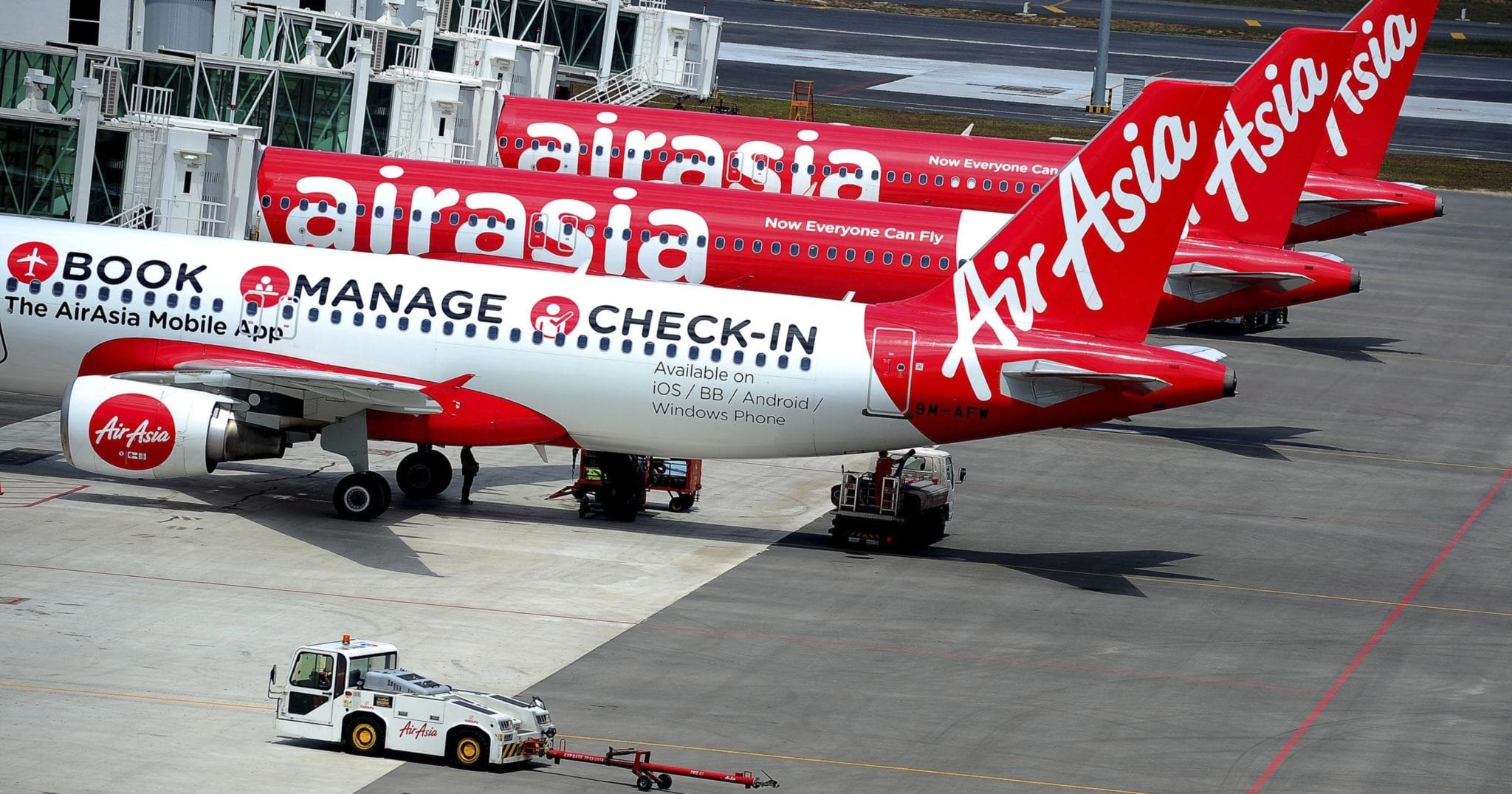
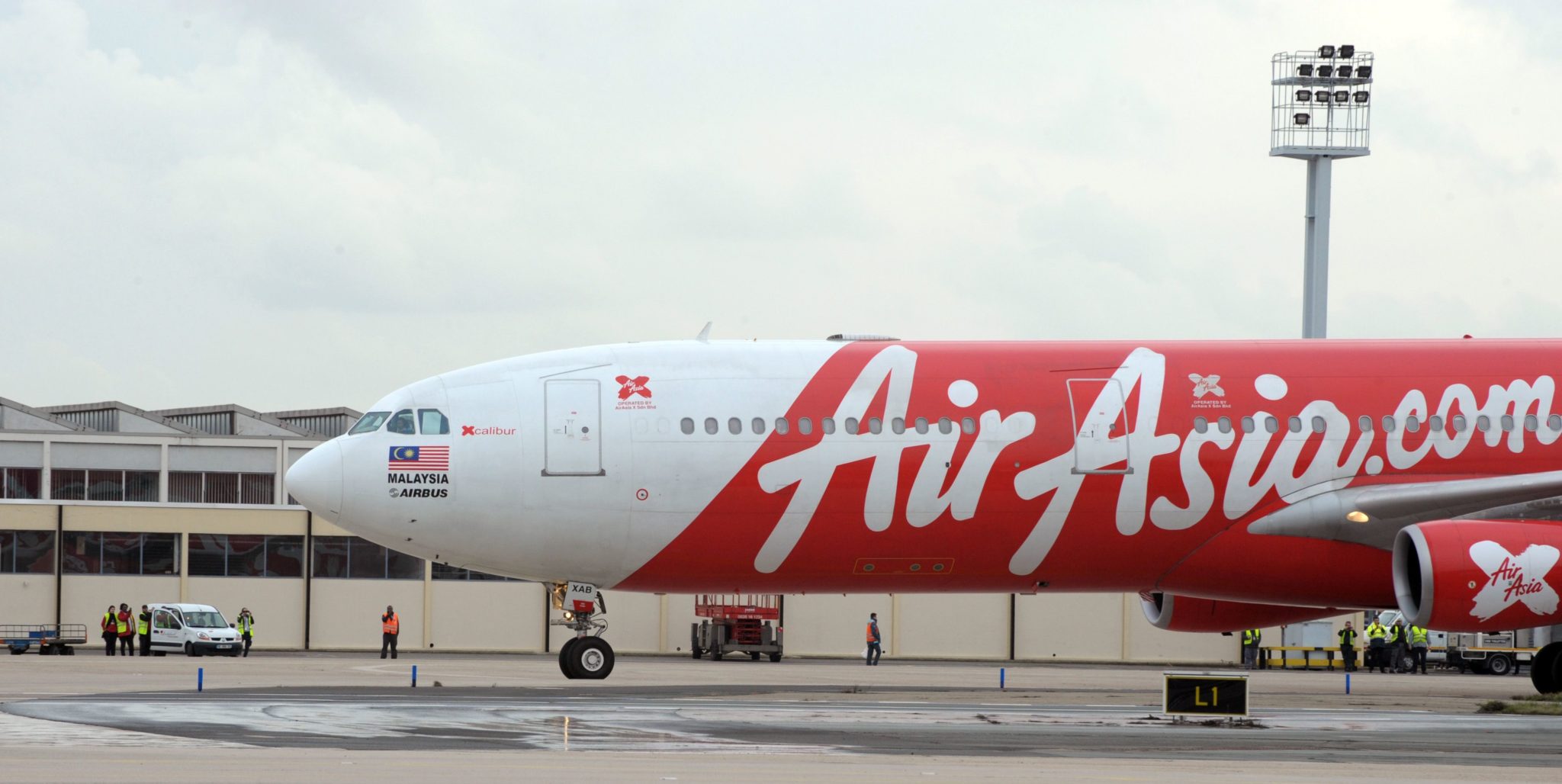
    Malaysian budget carrier AirAsia says it will keep trying to crack the Vietnamese market even as analysts warn it has “missed the boat” after its latest failed attempt to set up a joint venture in the country.

    The airline announced on Wednesday that it has terminated an agreement with Thien Minh Group, under which it was to take a 30% stake in an airline company to be launched this year.

    AirAsia has already tried three times to set up a partnership in Vietnam, but AirAsia Group CEO Tony Fernandes is not ready to give up.

    “I am still optimistic about AirAsia being in Vietnam by end of the year,” Fernandes said in a Twitter post the day after the company’s announcement. He hinted in his tweet that the choice of partner was to blame for the failure, saying, “Watch this space. Picking the right one.”

    AirAsia and Thien Minh had agreed in December to set up a joint venture in which the Malaysian company would own a 30% stake, the maximum allowed under Vietnamese law. The company did not give a reason for ending the agreement in its official statement, though local analysts point to the country’s restrictive regulations on foreign aviation players as one possible hurdle.

    A spokesperson for Thien Minh told that the group will release an official statement on the move next week.

    AirAsia already offers international flights connecting to Vietnamese cities, but Fernandes has been trying to set up a partnership in the country since 2005.

    Travel demand in the market of 95 million grew 9% in 2018, according to the local aviation authority, and Fernandes has referred to Vietnam as the missing piece of the puzzle in AirAsia’s plan to tap demand from emerging markets.

    But according to Brendan Sobie of the Sydney-based CAPA Center for Aviation, now may be the time for AirAsia to rethink its approach.

    “After three failed attempts with three different partners, it’s time to let this one go and focus on international expansion using their affiliates from Malaysia, Thailand, Japan, etc.,” Sobie said.

    The Vietnamese market for budget travel, moreover, is already dominated by local players: Vietjet Aviation, which controls nearly half the market, Jetstar Pacific Airlines and Bamboo Airways.

    “The domestic market has become overcrowded and intensely competitive,” Sobie added. “Entering now would be risky and it would be nearly impossible to become a significant domestic competitor. AirAsia unfortunately missed the boat on the Vietnam domestic market.”

    Foreign players, moreover, are forbidden from operating domestic routes in Vietnam, even with a local partner. Licenses, moreover, are awarded on a case-by-case basis, and though newcomer Bamboo Airways received its license relative quickly, the process can take much longer. Vietstar Airlines, established in 2010, is still waiting for a license to begin passenger flights. Local analysts have pointed to these hurdles as one possible reason for AirAsia’s repeated setbacks in the country.

    The airline has a presence in Indonesia, India, Japan, Thailand and Philippines, and thrives on a feeder traffic business model of connecting second-tier cities to capitals, while keeping operating costs low with no-frills service.

    The stock market was little moved by the announcement. AirAsia’s share opened 0.4% higher on Thursday trade before closing at 2.43 ringgit.

    MIDF Research echoed Sobie’s sentiment, saying it is “not imperative” for the group to set up local operations in Vietnam as it can still fly to cities in the country from its regional network.

    The Malaysian investment outfit cited the recently inaugurated Kuala Lumpur-Can Tho route, AirAsia’s sixth route in Vietnam, as an example of the group’s ability to continue expanding regionally without Fernandes’ missing puzzle piece.

    AirAsia’s failed bid to penetrate into Vietnam means Vietjet will continue to dominate the market for now. Vietjet’s share price rose 0.44% on Thursday to close at 114,00 dong, and rose a further 0.79% on Friday.

  • AirAsia abandons Vietnam venture

    AirAsia abandons Vietnam venture

    It’s wholly-owned unit, AirAsia Investment Ltd, together with Gumin Company Ltd and Hai Au Aviation Joint Stock Company, have mutually agreed to terminate the agreement to set up a joint venture in Vietnam, effective today.

    “The company, nonetheless, remains interested in operating a low-cost airline in Vietnam due to its favourable geographical location, expanding aviation market and overall growth potential,” it said.